Even though Halloween is not nearly as popular in Spain as it is in my own country, it is still a time of celebration. For the day after Halloween, November 1st, is All Saints’ Day. and this means that we have a long weekend. I took the opportunity to visit one of the lesser-known regions of Spain: Extremadura. This is the area that lies to the Southwest of Madrid. Known for its relative poverty (the area is mostly agricultural, with hardly any industry), Extremadura nevertheless produces some of the country’s finest cured meats. Its cuisine is delightful.
Our first stop was the town of Trujillo. This is a small town (with less than 10,000 inhabitants) famous for being both beautiful and historically significant. The town owes its beauty partly to its location. Situated atop a granite knoll, the town has a commanding view of the surroundings, and the plentiful local rock has been quarried and used to give all the buildings a uniform appearance. The whole place is stone—from the pavement stones, to the restaurants, to the churches, to the city walls.
The town is also known for being the home of several Conquistadores (the Spaniards who conquered the New World), most notably Francisco Pizarro, the man who conquered the Incan Empire. Nowadays, of course, we are more likely to feel uneasy at this “accomplishment” of destroying a whole civilization. Even so, he is a historical character of immense importance. Pizarro’s statue stands in the main square, looking properly triumphant. (Hernan Cortés, the conquirer of the Aztecs, was from a small village not so far off. I wonder why Extremadura was a breeding-ground for these characters.)
The city walls.The town cemetery. Many families were gathered inside, busy leaving flowers and cleaning the tombs of their ancestors. This is a common tradition on All Saints’ Day.The main square, with the statue of Pizarro.The church of Santa María la Mayor, which is both beautiful in itself and which has excellent views of the city and the surrounding countrysideThe view from the church tower.
Later that day we went to Cáceres, the second-largest city in the whole province. Cáceres also has a beautifully-preserved historical center, making it a lovely place to walk around. But perhaps even more important, Cáceres has an excellent food scene. There are many superb restaurants in the city.
The Church of San Francisco Javier, in the Plaza of San Jorge. Nearby a musician was playing flamenco guitar and singing—and he was excellent at both.The view from the tower of the Church of San FranciscoThe Arch of the Star, a gateway in the main square, made at an angle to allow carriages to pass through from the nearby street.
The next morning we left Cáceres early to go to the National Park of Monfragüe. This is a beautiful area of green hills around the valley of the Tajo River. Humans have been drawn to this area for a long time. In the center of the park, high up on a hill, are the remains of a medieval fortress. In a cave on that same hill, cave paintings have been found, dating from thousands of years ago.
Nowadays tourists mostly come for the birds. A massive rock formation, called the Salto del Gitano (or the “gypsy’s jump”), sits at the river’s edge, creating a persistent updraft. For whatever reason, predatory birds—most notably vultures, but eagles as well—enjoy coasting in this pillow of air. This has made the park one of the best places for bird-watching in all of Europe.
During our last Easter Vacation, my brother and I took a trip up to Galicia for a few days. I had been to Galicia many times before, but this time I wanted to do something different. My plan was to rent a car and see some of the less accessible parts of the province, away from the big cities.
Well, this went mostly to plan. The main source of anxiety was the car. I was totally inexperienced in car rentals, so I was caught off guard at the office when they told me that I would have to pay more on top of what I had already paid to reserve the car—a lot more. What many rental agencies do is bundle together their gasoline and their insurance policies. So, basically, if you do not want the insurance they charge you a huge “administrative fee” for filling up the car’s tank with gas, and this makes it cheaper to actually get the insurance. As a result, we paid over twice as much in the office as we had paid online to get the car.
Personally I think this practice should not be allowed, since it is transparently a way of squeezing money from customers. But, I must admit, by the end of the trip I was glad I had bought the insurance, since I managed to scratch the side of the car in an underground parking lot.
But getting a car had many positives. One of them was in allowing us to rent an Airbnb out in the middle of the countryside. It was unlike any place I had ever stayed in: a stone cottage where an old Belgian woman lived with her dogs and chickens. If you can find the listing, I highly recommend a stay. (The cottage is quite near the town of Xuño, in the province of Pontevedra.) The surrounding landscape is gorgeous, and the cottage is near many things worth visiting—as I hope to show.
Our little car and our Airbnb, with my brother in the backgroundThe Airbnb had a great mirror
First we headed to the town of O Grove, on the recommendation of a friend. This is a popular destination for local tourism, and it is easy to see why. The town itself is quite pleasant, right on the coastline and filled with good restaurants. We stopped and had some of Galicia’s delicious seafood. (The bad part of driving is that I cannot have wine with lunch.) Across a bridge is the island of A Toxa, which is filled with resorts and hotels. It is worth visiting, however, if only for the hermitage, whose walls are covered in cockle shells.
A fisherman in O GroveThe Hermitage of A Toxa
Closer to our Airbnb was the Miradoiro da Curota, which it a lookout point on the top of one of the tallest hills in the area. Some have called this mirador the best view in Spain, if only because all of the region’s famous island national parks are visible from it. It is an extremely impressive sight. Personally I find the Galician landscape intoxicating, with its mixture of lush green, deep greys, and shimmering waters.
My brother pointing to something in the distance.
Next we went down towards the town of Xuño, to visit the local beach: As Furnas. This beach is famous for being the place where the writer Ramón Sampedro dove from the rocks and broke his neck, turning him into a paraplegic. Unhappy with his life of immobility, he tried for many years to be euthanized, taking his case all the way to the highest court in the land. In the end he lost the case, but he convinced his friends to give him cyanide.
This tragic story was turned into an iconic film—Mar Adentro, or The Sea Inside—by Alejandro Amenábar, with Javier Bardem playing Sampedro.
I was thrilled. You see, as usual I had hardly looked up anything before booking the trip, so virtually everything we saw was done on the spur of the moment. So it was a very fortunate coincidence to come across this beach: The Sea Inside was one of the first movies I watched in the hopes of improving my Spanish. Travelling in Spain is often like this. The country is so jam packed with treasures that you trip over them wherever you go.
This is where Ramón Sampedro jumped and became paralyzed. He misjudged the depth of the water; it is safe to jump at high tide.A bust ofSampedro
Even if you do not care about the movie, the beach is worth visiting on its own merits. Skeletal granite formations jut into the water, creating fascinating patterns of pools and polished rock.
My brother looking out at the sea.
All of this was great. But the best was yet to come. After doing some searching on my phone, we drove north to the Castro of Baroña. To be honest I had little idea what to expect. It turned out to be one of the coolest things that I have seen in Galicia—or in all of Spain, for that matter.
Situated on a little peninsula, with roaring waves all around, is an ancient fort. Settlement of the land probably dates back centuries before the common era, and the fort was finally abandoned in the first century. This is what is called a “castro,” which loosely means a fortress. It was built by the (appropriately named) Castro Culture—a group of Celtic peoples living in the north. Though the Celtic language has disappeared from the Iberian Peninsula, its ruins (and some aspects of its culture) have remained.
The builders dug a little moat into the isthmus of land connecting the island to the mainland, and built two circular walls around the area. All that remains of the buildings inside the fortress are stone circles, the bases of former constructions. I imagine it would have been very difficult to attack such a place, since the only access is by sea (and there is no good place to land a boat) or across the narrow strip of land. But I doubt that the defenders could have stored enough food for a prolonged siege.
Not only are the ruins intriguing, but the site is beautiful in itself, like so much of the Galician coast.
For my money, the combination of the landscape, the excellent seafood, and the welcoming people makes this region perhaps my favorite in the entire country. And that is saying quite a lot.
In a city full of famous art museums, the Metropolitan is undoubtedly the queen. The institution is a behemoth. With a collection containing millions of objects—objects which come from every corner of the world, from ancient times to the present day—the museum has nary a rival in the world for range. And the objects comprising this encyclopedic collection are, inevitably, of the finest quality that money can buy. By now I have seen enough of the great European museums to say confidently that the Met can compete with any of them.
The museum was conceived as a kind of sister institution to the American Museum of Natural History. It was an age when the rich and educated sought to “civilize” the less privileged. Both museums are located near Central Park, a place which itself was designed as a civilizing project—a kind of pastoral refuge from the ills of city life, where the people could learn to appreciate more refined recreational activities: Sunday strolls, picnics, birdwatching, and so on. The Museum of Natural History would bring the light of knowledge to the uneducated, while the Met would show the unsophisticated the value of high art.
The museum’s founders were embarking on a pathbreaking project. There were already plenty of examples of great European museums to learn from. But what would an American art museum be like? When the museum opened in 1872, its collection was modest. Indeed, many of the works it displayed were either prints or reproductions of famous European works. Yet this quickly changed. New York was emerging as the financial capital of the world. Andrew Carnegie, John D. Rockefeller, and J.P. Morgan were among the city’s residents. Since Europe was still considered the cultural epicenter of the West, these newly-minted super-rich naturally spent their piles of gold in buying up as much European artwork as they could.
The Metropolitan benefited immensely from this confluence of money and ostentatious display. Not only did the museum itself have the budget to purchase high-quality works, but it also increased its collection from gifts and bequests. After all, donating beautiful art to a public museum is a good way to demonstrate wealth and civic-mindedness at once. We ought not to criticize, however. There are times when the vanities of the world manage to produce genuine treasures. And the Met is certainly such a treasure.
At present, the museum’s holdings are so vast and varied that no single person, however knowledgeable, could hope to do justice to it all. It would take a team of professional art historians working for years on end to complete even a basic catalogue of the museum’s works, much less an appreciation along aesthetic grounds. And I am no art historian. So in this post I hope only to give you a superficial tour through this enormous institution. (Much of the information and many of the images come from the Met’s website, which is quite well-made. The people at the museum have done the world a service by publishing high-quality public domain images of their collection.)
We begin at the entrance on Fifth Avenue. The museum is difficult to miss. The building stretches out along several city blocks. Fountains shoot and sprinkle outside, and the sidewalk is always thick with crowds. The building is neoclassical in form, its façade a kind of pale white decorated in a pseudo-Roman style. The steps leading up to the main entrance, lined with imposing double columns, are one of the most iconic spots in New York. There are always food stands parked right below these steps, and usually a street performer—a dancing saxophonist, perhaps—plays for the amusement of those sitting on the steps.
We enter the building, and are faced with a choice: right or left. There are ticket stands on either side. To the left there is a graceful Greek statue of woman, and to the right a stiff Egyptian man seated on a throne. These statues are informative, since the respective galleries for these cultures are located in these directions. For the purpose of getting a ticket, the choice is immaterial: the lines on either side are normally about the same, and usually move pretty quickly.
Now, there was recently a significant change in the museum’s admissions policy. For the past few decades, visitors could pay any amount they liked. Just last year, however, the museum changed its recommended prices to mandatory payments—for everyone except residents of New York State, that is. (Lucky for me, I am still a resident.) Another change, by the way, was the switch from using metal clips to using stickers to identify visitors. I am sure that the Metropolitan has increased its budget by making these changes. But I admit I miss the old, pay-as-you-wish, metal clip Metropolitan. A man from China could pay a dollar, and leave with a nice little keepsake from his visit. I still have some of the old clips in my room.
Anyways, let us now enter the museum proper. I like to begin with the Egyptian section, not just because it is near the entrance, but also because it represents the chronological beginning of the museum’s collection. Here we can ground ourselves in one of the world’s oldest civilizations before we examine anything else.
The Egyptian section is massive and labyrinthine. Unlike the other departments of the museum, the Egyptian department displays everything in its collection—almost 30,000 objects. To make room for all of this, the halls double around one another, making it sometimes confusing to navigate the collection. But it is a worthwhile use of one’s time to get lost in the art. If you proceed carefully through the department, you can take a very satisfying chronological journey: beginning near the entrance, in prehistoric Egypt, and ending up in the same spot, having gone through the Old, Middle, and New Kingdoms, and finishing in the Roman era.
Now, I love this department, because it has everything. Walking through it, the visitor gets a very complete picture of life in this ancient civilization. Of course there are sarcophagi and mummies, along with amulets, jewelry, and ceramics. Among the most famous of the smaller pieces in the museum is William the Hippopotamus, a beautiful figurine made of faience, which is a ceramic type specific to Egypt. It has a radiant blue color that is delightful to look at.
The museum also has a wealth of larger statues, ranging from the size of a child to the size of a giant. For me, the most beautiful of these is a statue of the pharaoh Hatshepsut. As you may know, Hatshepsut was the only woman to officially become the pharaoh. This presented a challenge for Egyptian artists. The art of Ancient Egypt is distinguished for its astonishing conservatism, preserving the same stylistic features through centuries. A single glance is all we need to know that something is Egyptian. But portraying a woman required innovation, and the artists rose to the challenge. Rather than making her appear masculine, as they did in other works, in this seated statue Hatshepsut appears both feminine and even feline. There is a smooth grace and delicacy to the sculpture which is rare in the usually rigid forms of Egyptian art, and I find it enchanting.
Though not, perhaps, especially beautiful, some of the most illuminating artifacts on displays are sets of models. Made around 1900 BCE, the models were found in the 1930s in a tomb in the Memphite region of Egypt. They show us rare scenes of daily life in Egypt. We can see several boats travelling along the Nile, one of them transporting a mummy, another for hunting. There are also models of more cotidian scenes: a granary, a garden, a house. These models are wonderful little things, since it is as if they were made by the Egyptians for a museum exhibit about Egypt. It is difficult to identify with the people who sculpted enormous statues of god kings, but very easy to see oneself gardening.
The centerpiece of the collection is the Temple of Dendur. The Met actually has large sections of several temples in its collection, from different periods of Egypt’s history, but this is the only complete, free-standing temple in the museum. It is in the center of a large room, surrounded by a little water moat where visitors like to throw coins. Statues of crocodiles and lion-headed gods surround the space. The temple itself is of a fairly modest size, and is from the end of Egyptian civilization. It was built after the conquest of Egypt by the Romans, and commissioned by Augustus himself. While the temple is a lovely work of architecture, what most stuck in my memory were the many graffiti carved into the walls.
When you complete your circuit through the Egyptian section, you will be where you began, right by the entrance. From there, I like to go across the hall and then into the section on Ancient Greece. This part of the museum looks very different. Whereas the Egyptian section is twisting and jam-packed, the Greek section is open and clear. The visitor enters a large hall with a vaulted roof. Free-standing statues are scattered through the space, while friezes line the walls. For any lovers of classical art—with its flowing robes, idealized forms, and restrained emotion—there are dozens of works to admire. While I greatly enjoy the statues, I find myself even more interested in the friezes. Some of these come from Athenian tombs, such as a touching portrayal of a little girl cradling a dove.
The collection contains many excellent examples of art from Classical Athens—art that we readily identify as quintessentially Greek. Besides the statues and freizes, there are many examples of Greek vase art. But the collection also contains works that do not fit this description. Among these are the many sculptures from pre-Classical Greece, which to our eyes can seem more Egyptian than anything. The museum has an excellent example of one of these kouroi: A young man, standing with one foot extended forward. I like the work, since it is an interesting example of a midpoint between Egyptian stylization and Greek realism. The young man is manifestly unreal, and yet the musculature in his limbs and torso is well done. An even older work—from around 750 BCE—is a terracotta vase. Its decoration is very much unlike the red, white, and black images of gods and heroes we normally associate with Greece. Rather, it is covered in a thick pattern of geometrical shapes and tiny like stick-like figures. I quite like it.
The collection of Roman art is perhaps even better than that devoted to Greece. There are several excellent busts of Roman Emperors. I have a long, personal attachment to a bust of Marcus Aurelius in the collection, which to me is the perfect image of a philosopher—calm, wise, detached. I use it as my own symbol now. A much more amusing work is a statue of Trebonianus Gallus. It is a rare example in the Met of art gone wrong. Clearly, whoever made it was not a master. The whole figure is awkward, with a bulging stomach and a head that is manifestly too small. Maybe Rome was not doing so well in the year 250 CE, when it was made.
Statues, being made of metal or rock, naturally preserve very well. But painting is another story. Even though the Greeks had a developed tradition of painting, nothing has survived the ravages of time. That is not the case for Rome, from which we have many well-preserved wall paintings. The Met has an entire room, the bedroom of P. Fannius Synistor, which was buried in the eruption of Vesuvius in 79 CE. The art on the walls is really wonderful, showing several architectural and natural scenes. It shows us how the Romans gave a realistic impression of space without using the technique of perspective. Having seen my fair share of Roman wall frescoes and mosaic floors, I must say that they had wonderful taste in interior decoration.
As you can see from this example and the Egyptian temple, the Met is big on re-creating interiors. This is a theme throughout the whole institution, and one of the Met’s most distinguishing features: The visitor is allowed to walk into history.
Before moving on to the next department, I want to mention the wonderful collection of Etruscan art (from Italy before the Roman period) on the balcony above the Roman section. One of the most outstanding pieces in this section is a bronze chariot from around 550 BCE. Having a preserved chariot is quite rare, so it is a treat to be able to see one so exquisitely decorated.
The Greek and Roman section leads direction to the collection of art from Africa, Oceania, and the Americas. Of course, one can tell at a glance that this grouping is a kind of mishmash of art from non-Western cultures, which in previous days was called “primitive.” In reality the arts of these three continents have nothing to do with each other; and, of course, the amount of geographical space supposedly represented in these galleries is incomparably more vast than that of Greco-Roman or Egyptian art. That being said, at least the Metropolitan has a fine collection of art from these parts of the world, which are too often ignored.
For my part, it is a great refreshment to go from the world of Greece and Rome to this gallery. Our culture has so internalized those classical forms that they charm us more for their “perfections” than for any surprises they contain. Thus it is a pleasure to sample some of the other great visual cultures from around the world, which really do contain surprises for Western eyes.
The grand hall of the collection (gallery 354) is one of the most spectacular in the museum. From the ceiling hangs an enormous collection of shields from Oceania, arranged into a kind of meta-shield formation. I am always reminded, incongruously, of a spaceship. Large sculptures fill the space below the shields. There are some slit gongs from the island of Vanuatu, which double as huge musical instruments and works of visual art. There are funerary sculptures from Papua New Guinea; called malaga carvings, they are beautiful and highly intricate wooden carvings meant to be used only temporarily to celebrate the dead, and then disposed of. (This certainly goes against the grain of Western thinking, wherein we want our art to be eternal.) The bis poles of the Asmata people, another culture in New Guinea, are used for a similar purpose, and are also beautifully carved and then disposed of.
The adjacent section on African art is equally captivating. During my last visit I was particularly attracted to a small wooden carving of a man, called a Power Figure, made by the Kongo peoples. Bent forward slightly, standing with arms akimbo, the statue has a real intensity when seen in person—the exaggerated form only magnified by the many steel nails emanating from the man’s body. More famous is the Benin ivory mask, a real masterpiece, made by the Edo people of Nigeria—one of the great pre-colonial states in sub-saharan Africa. The mask, which represents a powerful queen mother, is clearly the work of experts working within a vibrant tradition. The mask has an elegance and a graceful polish that make it very satisfying on the eye: each detail is finely crafted, and yet they all work together to make a perfect form.
During my last visit, I was especially interested in the section on pre-colonial American art, since I had just finished listening to an audio course on the peoples of North America. I was delighted to find beautiful examples of geometric pottery from the Ancestral Pueblo culture (fascinating to compare to the geometrical designs from pre-Classical Greece). Among the many sculptures on display, one of the most iconic is a ceramic baby from the Olmec culture, made around 1,000 BCE. It is a wonderful piece, surprisingly lifelike despite its stylized face. The folds of fat and the hand placed idly in the mouth serve to make this sculpture a far more realistic depiction of babyhood than the many portraits of the infant Jesus made over 2,000 years later in medieval Europe.
Moving on in our rapid tour, we come next to the museum’s Department of Modern and Contemporary art. The very fact that the Met has this department is a testament to its uniqueness. I can think of no other museum in the world that has significant holdings of ancient and non-Western art as well as “modern” art. But the Met is devoted to a vision of total universality—the art world’s equivalent of the Museum of Natural History—and so has it all.
The collection as the Met is almost as impressive as that in the MoMA—and that is saying a lot. Though there are so many great works on display, I will restrict myself to mentioning my favorite painting, which is also perhaps the most famous painting in the whole collection: Pablo Picasso’s portrait of Gertrude Stein.
It is an extraordinary portrait, arguably the greatest of the previous century. The painting is revolutionary. Gertrude Stein sits in a kind of abstract, unfinished space. She is not surrounded by her papers and books, but instead sits alone. While previous portraits in European art showed us the heroic and cultured male, handsome and lithe, Stein is hunched-over, short, and tick. Yet her body—mostly concealed under her heavy clothes—has a kind of elemental power on the canvass, even a monumental grandeur. But her face is what attracts the most attention. Rather than faithfully reproducing Stein, Picasso turns her face into a kind of mask. Thus her eyes and nose do not obey the normal rules of perspective and anatomy. Ironically, though this technique necessarily makes Stein’s face blank and inexpressive, the result is a convincing representation of the writer’s presence, of her indomitable energy. There is a charming story that, when told that Stein did not look anything like this portrait, Picasso responded “She will.” He was right: this portrait has helped to define Stein’s image far more than photographs of her.
I will also mention the largest work on display in this Department: America Today, a mural by Thomas Hart Benton. It consists of ten canvasses, and shows in visual form the America of the 1930s. The work was commissioned by the New School of Social Research—a kind of progressive think tank. I quite like the mural, as I do much of the public art created during the Great Depression and the New Deal. Looking at this work, one feels that we modern Americans were successfully creating our own visual language with which to decorate our public monuments—much like the Egyptians and the Greeks. The inclusion of this large mural is also keeping with the Met’s proclivity for immersive artistic experiences.
Next we come to the massive Department of European Sculpture and Decorative Arts. Once again, the Met excels when it comes to the re-creation of historical spaces. One of the most beautiful rooms in the Met is an entire patio taken from a Renaissance Spanish villa—the Castle of Veléz Blanco. Not only are the carvings on the arches and columns beautiful, but the space is filled with quite lovely statues of mythical, historical, and religious figures. Just as astounding is a study from the Ducal Palace of Gubbio. Every surface is covered in images made using the technique of wood inlay (intarsia, or marquestry), which consists of piecing together little bits of colored wood in order to make a complex image. The amount of time it must have taken to assemble a whole room this way is frankly stupefying. The result is an extraordinary work of immersive art, whose walls symbolize different areas of human activity. I am sure the room itself is a greater accomplishment than whatever happened inside it.
These two rooms only scratch the surface of the department’s holdings of decorative arts. There is everything one would expect to find in the homes of aristocrats and royalty, from elaborate coffee pots to ornate globes. I admit that, however fine these products are, they are generally less interesting to me than the sculptures.
Some of the museum’s best sculptures can be found in gallery 548, which takes the form of a large atrium. On one side of the space, you can even see the brick façade of the museum’s original building (which is mostly buried in the later constructions). There are two outstanding statues in this space. The first is Perseus with the Head of Medusa, by Antonio Canova. It is an extremely fine work of Neoclassicism, achieving the idealized grace of the Greeks and Romans. Simply as a composition, the statue works marvelously, with the gruesome head balanced by the peculiarly barbed sword, making a strong diagonal. The other great statue (in my opinion) is Ugolino and his Sons, by Jean-Baptise Carpeux. This depicts a story taken out of Dante of an Italian count who—along with his sons and grandsons—was imprisoned and starved to death. We see the count, driven almost to insanity through starvation and despair, surrounded by the tortured forms of his progeny.
Continuing on through the museum, the visitor will next reach the museum’s section of Medieval Art. Now, I feel justified in mostly passing over this department, since the bulk of the museum’s medieval art resides in the Cloisters Museum, uptown (an enchanting branch of the Met). Even so, it must be said that the central room of the Medieval Department is a beautiful space, with a high ceiling and high windows, like a cathedral. An ornate grill (from the Valladolid Cathedral, in Spain) stretches most of the way to the ceiling, and charming examples of sculptures, tapestries, and stained glass give the space a properly church-like atmosphere. This last time around I was particularly impressed with the museum’s small collection of Byzantine art.
From here it is appropriate to go straight to the Department of Arms and Armor. As you can imagine, this was my favorite section to visit when I was a young kid, and did much to fuel my youthful obsession with swords and guns. Even now, I admit I find this section extremely impressive, and I have never seen any collection of historical weapons even half as good. The presentation is excellent. The visitor enters a large hall, where medieval flags are hanging from the ceiling. A group of mounted knights ride through the center, while other armored knights stand guard all around the periphery. One feels that one has entered a jousting tournament.
The suits of armor are fascinating and, often, strangely beautiful. They are like abstract sculptures of human forms, or a kind of proto-machine with moving parts. Though you naturally would think that a metal suit would be extremely cumbersome, you can see innumerable little joints made into the armor, giving the wearers a surprising range of movement. The most beautiful of these many suits on display is that made for Emperor Ferdinand I (brother of Charles V). Every piece of metal is covered in ornate designs. Just as wonderful are the Japanese suits of armor on display. Rather than turning their wearers into metallic turtles, this armor is clearly designed for a different sort of fighting—one requiring more lightness and flexibility. The monstrous grimaces on the helmets would be genuinely terrifying if someone was coming at you wearing this.
Right next to this department is the American Wing. This is one of the areas where the Met is really untouchable. Other museums may have finer paintings or sculptures or what have you, but I do not think any museum has such a complete and rich collection of American art. Indeed, the American Wing could be cut off and moved to a different spot, and it would still be one of the finest museums in the country. Its collection is vast, and it is so wonderfully presented. The visitor enters an enormous courtyard full of benches and statues. The glass wall and roof flood the space with light, making the department a welcome relief from the dark medieval section. Bright, colorful stained glass, and an equally colorful fountain, line the walls; and a beautiful bronze statue of Diana, lightly resting on one foot, occupies the center.
The visitor enters the main collection through a kind of pseudo-façade, as if this is an entirely different building. And, indeed, the visitor suddenly finds herself thrown into a richly-furnished home. In keeping with the museum’s penchant for interior spaces, there are a great many recreations of American interiors from different points in the country’s history. Surely, we have not invented anything as close to time travel as this. Proceeding onward, the visitor next finds a strange sort of room. It is in the shape of a large oval, and on the walls there is an enormous painting of the palace and the gardens of Versaille. When standing in the center of the room, the curving panoramic does create a satisfying illusion of actually standing in France. Just as the study in the Ducal Palace of Gubbio, this painting (by John Vanderlyn) must have taken a nauseating amount of time.
I walked up the stairs, and then found myself in what is called “open storage.” These are the chairs, tables, paintings, lamps, and everything else that the museum has but did not have the space to use. So they hang here, in transparent cases. I recommend a visit to this, if only because it gives you an idea of the enormous amount of material any major museum must be holding in storage.
Proceeding onward, we come to the painting gallery. There are far too many excellent works to name. I was particularly happy to see a portrait of Alexander Hamilton and George Washington—both of which used to hang in Hamilton’s home, up in Harlem. More conspicuously, there is the iconic painting of Washington Crossing the Delaware—almost ludicrously heroic. I was also happy to find Frederic Edwin Church’s painting, In the Heart of the Andes. Church was inspired by the naturalist, Alexander von Humboldt, and included as much scientific detail as he could in this painting. Just as famous is John Singer Sargeant’s painting, Madame X, an intentionally risque (at the time) portrait of a society beauty (her real name was Madame Pierre Gautreau).
I was most delighted to learn that the museum has an entire room designed by Frank Lloyd Wright. I am no expert in the design of houses or in interior decoration, but I must say that it is both a welcoming and an animating space. It is easy to imagine myself reading a good novel within, while watching the snow fall out the windows.
This completes our long circuit around the museum’s massive ground floor. If we continue on, we reach the Egyptian section again. So now let us return once again to the Great Hall, and then ascend the grand staircase to the museum’s first floor (or second floor, in America).
Finally we come to the museum’s collection of European Paintings. Now, I must be careful here to avoid getting pulled into an endless catalogue of the museum’s excellent works. Like the American Wing, the Met’s Department of European Paintings could be a self-standing museum, and still be one of the best in the nation. Whether you like Dutch, Italian, French, or Spanish art, you will not leave the gallery disappointed (though German painting is fairly absent).
As you might expect, I am most interested in the Spanish paintings on display. The Met has excellent examples of the three great Spanish masters: Velázquez, El Greco, and Goya. The outstanding work of Velázquez is a portrait of Juan de Pareja, an enslaved man of African descent, which the artist executed in Italy. You will be pleased to hear that the great painter freed Juan de Pareja, who went on to become a skilled painter himself (there is a work of his hanging in the Prado). In any case, when you look at this painting, you do not see a man in bondage. To the contrary, Juan de Pareja appears almost regal with dignity. The painting is beautiful and startlingly realistic. To depict a man of African descent in such a way was a radical gesture on Velazquez’s part.
Goya’s contribution is a portrait of Manuel Osorio Manrique de Zuñiga, a very young aristocrat. As usual with Goya, the figure has an odd stiffness, and the face is inexpressive. The viewer’s eye is naturally drawn to the scene at the boy’s feet, where two cats hungrily eye a magpie on a leash. This is a strangely morbid scene for a portrait of a youth, and it becomes all the more eerie when one considers that the boy died only a few years later, at the age of eight. El Greco’s outstanding work is his View of Toledo, the best of the artist’s few landscape paintings. As always, the artist’s signature style is immediately apparent: deep, rich colors combined with a dramatic verticality. This style is perfect for the city of Toledo—which is built on a hill overlooking a river, and filled with sharp towers. El Greco manages to imbue this wholly secular and inanimate scene with a burning spiritual intensity.
The number of excellent French painters in attendance dwarfs the representatives of any other nation. My personal favorite is Jacques Louis David. There is a charming portrait of the French chemist Antoine Lavoisier, who was executed during the French Revolution under false accusations. This is quite a historic loss, considering that Lavoisier is normally considered to be the father of modern chemistry. David’s more famous painting is his The Death of Socrates, a historical scene showing the great philosopher’s final moments. Socrates, who was very ugly and was quite old at the time, is shown as a partially nude Greek hero—with a muscular torso to boot. While I am not sure the painting captures the spirit of Plato’s dialogues, it is a brilliantly theatrical image.
On the subject of French painters, I must also mention The Love Letter, by Jean Honoré Fregonard, a delightfully coquettish image of a young woman receiving a note from her secret admirer. (I use this image in my blog’s newsletter.) I would love to keep going—since paintings speak to use in a modern language, easy for us to appreciate—but I will content myself with a short list of the artists in attendance: Rembrandt, Van Gogh, Vermeer, Ingres, Canaletto, Tiepollo, Turner, Klimt, Monet, Manet, Guaguin, Cézanne, Dürer, Memling, Rubens… Really even the list gets too long. The museum’s holdings of 19th century European paintings is so big, in fact, that the collection is held in a different section of the building.
To get there, you must pass a little hallway devoted to drawings, prints, and photographs. Now, you may be surprised to learn that, counted by individual works, this department is by far the biggest in the museum. But only a fraction of the drawings and prints in the museum’s holdings are on display at any given time. Sometimes they are taken out for special exhibitions, such as one on Michelangelo a few years ago. There, I got to see some of Michelangelo’s schematic drawings for fortresses, when he was briefly hired as a military engineer. Besides being innovative designs, the drawings themselves are beautiful works of abstract art.
Continuing on through the paintings of 19th and early 20th century Europe—where you can admire the great impressionists and post-impressionists—you get to the Department of Islamic Art. During my time in Spain I have come to admire Islamic art for its intricate designs, its geometrical sophistication, and its sense of divine calm. Wonderfully creative patterns decorate everything from tiles, to carpets, to pages of the Qur’an. As an example of the last, there is a stunning illuminated Qur’an from Turkey, whose decoration is just as intricate as the Book of Kells in Dublin.
Representational art is relatively uncommon in the Islamic world, as it is explicitly forbidden by the religion, but there are still some examples in the gallery. A particularly beautiful one is a tile panel from Iran, executed in a style that looks to my ignorant eye as if it could be Indian. A seductively posed woman is being courted by a man wearing a European hat. I wonder who made object, for whom, and where it would be placed, since it seems to so flagrantly flout the strictures of Islamic religion.
In keeping with the museum’s love of historical spaces, this section has the Damascus Room. This is a winter reception room from a palace in Damascus, Syria, made around the year 1700. It is a beautiful space. Shelves display ornate ceramics and the gilded covers of Qur’ans. Panels of lovely calligraphy (bearing messages from the Qur’an) and floral designs decorate the walls, and the floor is covered with geometrical tiles. The ceiling is perhaps the most stunning of all, composed of elaborate woodwork. It is such a sophisticated, elegant space; it must certainly have set the tone for any conversations which took place within.
Next we come to the museum’s relatively small section on the Ancient Near East (Mesopotamia). For the most part these halls are filled with wonderful little objects from long ago, like cylinder seals, jewelry, incense burners, and small-scale statues. Among this last category is a small statue of Gudea, made around 2,000 BCE. It is a work of skilled craftsmanship, showing us a Sumerian king in a rather humble pose. His robe bears an inscription in cuneiform about his accomplishments (typical propaganda). What is striking is the thoughtfulness and even the humility of the king’s gaze and pose. He strikes us as more of a monk than a fearsome ruler. Another outstanding work is the bronze head of an unknown ruler, made between 2300 and 2000 BCE. Though not exactly realistic, I think this work is remarkable for the degree of individualization in the ruler’s features. We are not looking at a generic, stylized male head, but a particular man from 3,000 years ago.
But the real stars of this department are the lamassu: colossal sculptures of human-headed winged lions that flank the hallways. These were made in Assyria, around 850 BCE. Walking through this hallway, flanked by these mythical figures, feels like walking into the past. One detail I particularly like is that the creatures have five legs, as a result of a bit of illusionism. The front two legs are parallel, as if the creature is standing still; yet from the side, an extra leg is added (invisible from the front) to make it look as though the creature is mid-stride when seen from the side. The walls surrounding these stone guardians are covered with friezes in low relief, depicting other mythological scenes. For me, this Assyrian art is as lovely anything in the Egyptian section.
You emerge from ancient times onto the balcony overlooking the Great Hall. Here you can walk across and enter into the Department of Asian Art. This is one of my favorite areas of the museum, partly because of the art itself, and partly for the way that this department is laid out. Clever planning makes the department seem much bigger than it actually is, and walking through it the first time feels like exploring an old palace or temple.
The viewer enters the department by walking into a grand gallery, filled with enormous works of Chinese Buddhist art. There are large stele, bearing inscriptions and carvings, and a huge sculpture of a Bodhisattva. This may, in fact, be the biggest statue in the museum. It is 13’9’’ tall (over 4 m) and must weigh thousands of pounds. It is also quite beautiful, with richly decorated robes. On the wall is an even bigger paintings of the Buddha of Medicine, seated among a large retinue. It is a magnificent way to enter Asia.
From this large hall, one can either further explore Chinese art, on the left, or enter the arts of India, on the right. For the sake of consistency, we can begin with China. The Met’s collection of Chinese Buddhist sculpture is the largest outside of Asia, and more examples can be seen in Gallery 208. There are so many lovely sculptures. One I particularly like is a ceramic sculpture of an Arhat (or a Luohan, as they are known in China), which is a person who has achieved an advanced state of enlightenment. The sculpture is lifesize; and the man’s tired and worn expression is extremely compelling. His robes are still brightly colored, even though this was made over 1,000 years ago.
The Met also has a wonderful collection of Chinese drawings, calligraphy, pottery, and much else. But the most stunning room is the so-called Astor Court: a recreation of a Ming Dynasty-era courtyard. This is just another example of the stunning interiors from around the world collected at the Met. Finished in 1981, this installation was built by hand, using traditional methods; and besides being a beautiful work of art, it represented a landmark in cultural exchange between communist China and the United States. You enter through a round doorway guarded by two stone beasts (one is reminded of the lamassu in the Ancient Near East). Immediately you find yourself in a different world. A sheltered walkway surrounds a garden filled with oddly shaped rocks. These are called Taihu stones; they are formed via water erosion at the foot of a particular mountain in China (Dongting), and they are abstract sculptures in their own right.
At the end of the garden is a large room, designed to be used as a study, I believe. Unlike the great European interiors of the Met, this room does not appear at all ostentatious. Rather it is spare, restrained, and tasteful. As in the Damascus Room, it is impossible not to be awed by the high degree of sophistication and elegance of the room and the adjoining garden. I cannot but help imagining myself as a Ming Dynasty scholar, sitting in the garden and contemplating some intellectual puzzle. The space seems to invite contemplation.
Next we shall enter India and Southeast Asia. But before that, I ought to mention the Met’s small but delightful collection of Korean art. It is all in one room, Gallery 233, and I quite like the space. All of the objects are diminutive, and many have a kind of geometrical simplicity and elegance which gives the space its own distinct aesthetic. But we have no time to stop and savor. We walk from China, through Korea, and into India.
For me, the standout objects in these galleries are the many small figurines of gods. Indian sculpture enchants me for the kind of whimsical energy it often possesses. Though magnificent, the many gods do not seem remote or beyond reach, but rather quite approachable and inviting. These galleries are arranged chronologically, so we begin at around 2,000 BCE—about as old as anything in the Egyptian or the Ancient Near East sections—and move towards the present. To pick just a few of my favorite examples, there is an Avalokiteshvara Padmapani from the 7th century, a Bodhisattva who seems to be coyly beckoning. Or there is a statue of Shiva as the Lord of Dance, wherein the god is shown mid-stride, dancing within a fiery circle.
Another favorite is Yashoda with the Infant Krisha, who is suckling the young diety at her breast. This sculpture is especially resonant for Westerners, since we also have a tradition of representing the sacred mother suckling the divine child. But the style is here so very different. Whereas Mary is de-sexualized as much as possible, Yashoda is nearly naked and her breasts are almost comically large (of course, I am looking at this sculpture as a Westerner). Indian art is, after all, famous for its erotic content. An excellent example of this is a sculpture of a loving couple in a passionate embrace, made in the 13th century. You may be surprised to learn that this was part of the decoration of a temple. Certainly you would never see anything similar on a gothic cathedral!
The last work I will mention is a statue of Ganesha from the 12th century. This elephant-headed god is the bestower of good fortune, and it is customary to make an offering before doing anything important. When I visited a few years ago, I was delighted to find that this practice extended into the museum: there were coins left at the base of the statue.
We still have Japan to cover, but first we must take a little detour. Standing near the end of the section on India and Southern Asia is a beautiful wooden ceiling. This comes from a Jain temple built in the late 16th century. The staircase underneath this roof leads up to a small gallery on the floor above, this one devoted to the arts of Tibet and Nepal. For my part, this is some of the coolest art that I have ever seen. Though thematically related to art in both the Chinese and the Indian sections, the art here has a peculiar intensity not found anywhere else. An example of this is the painting of Walse Ngampa, a wrathful deity of Tibetan Buddhism. The figure has an electrifying intensity, with two arms wrapped around a terrified victim about to be devoured, while its many other arms are outstretched, holding symbolic objects.
When we descend, we can finally make our way to the section of Japanese art. Here, too, we can find some excellent statues. I particularly like the wooden guardian figures, which flank a statue of the Dainichi Nyorai, or the Cosmic Buddha. These guardian figures are formidable. I am always drawn to their fearsome grimaces. Even more wonderful is Ogata Korin’s ink drawing of waves on a folding panel. Here we can see a non-Western tradition of drawing that is intensely sophisticated. The waves do not occupy any kind of realistic space, but instead seem to emerge from nowhere and engulf everything. The lines of the waves are nothing like the blurry colors of Turner’s seascapes, which gives these waves a disturbing sense of solidity; the leading edge of the water appears sharp and even claw-like. It is a wonderful image.
We have already spent hours and hours in this museum, and yet there is still more to see. From the Japanese Department we can move on to the Department of Musical Instruments. This is housed in two galleries overlooking the section of Arms and Armor. I have never seen a collection of musical instrument that even comes close to the Met’s collection. There are superb examples of instruments from around the world: Italian harpsichords, Chinese pipas (similar to a lute), Native American rattles, Congolese horns, and Japanese drums. Seeing them in this context reminds us that instruments can be very beautiful simply as objects. To pick just one extravagant example, there is an Indian taus (a bowed lute) in the form of a peacock. And, of course, we must not neglect to mention the Stradivarius violins.
This gallery also has paintings with musical subjects hanging on the walls. My favorite is Dancing in Columbia, by Fernando Botero, if only because a copy of it has been hanging in my mother’s living room as far back as I can remember. Two balconies connect the two halves of the instrument department. On one of these is a charming old organ, and on the other is a fantastic assortment of wind instruments, arranged as if they are exploding from a central point. It is an evocative representation of a fanfare.
By now we have made our way through most of the major sections of the museum. There is only one place left on our tour: the Robert Lehman Collection.
Robert Lehman was a banker who owned one of the biggest and best private art collections in history. Active for a long time on the Metropolitan Board of Directors, he bequeathed his extraordinary collection to the Met, but on the condition that it not be mixed in with the other departments. Thus, the Met built a special space, attached at the back of the building, almost like a spaceship taking off from the main building. The rooms of the department are furnished to vaguely evoke a private home. Personally, I do not like having this department separate, since I do not see any good reason to do so other than vanity. If Lehman wanted his collection separate, he could have done what Frick or Morgan did, and established his own museum. But, in any case, there are some extraordinary works of art to be found, so it cannot be missed.
Robert Lehman seems to have been most interested in European paintings, and that is what we find in abundance. One of my favorites is The Creation of the World and the Expulsion from Paradise, by Giovanni di Paolo. I love the color palette of the paintings, filled with rich dark hues. But I am most drawn to the representation of the creation of the world: with God holding a series of concentric circles surrounding an image of Eden. Most famous, perhaps, is a portrait by Ingres of the Princesse de Broglie. Ingres’s technique is masterful, brilliantly capturing the rich fabric of her dress and furniture. It is also psychologically subtle, as it shows us a woman poised between shy reserve and self-assuredness.
There are dozens of other great paintings in this collection, and thousands upon thousands of great works in the museum, but this is where our tour must end. I have already written far too much. But the Met is endless—or, at least, it might as well be.
Confronted with such an enormous mass of culture and beauty from all around the world, it is difficult to know how to react. Part of me wonders whether all of these objects really should be here. With the financial resources that the Met possesses, the museum has been able to get nearly anything. But should they? And were all of the objects collected in ways that we would now approve of? Admittedly, the museum is trying to address this last question with their Provenance Project, paying particular attention to works that may have been looted by the Nazis and not restituted to their rightful owners. Personally I wonder about many of the objects in the Department of Oceanic, African, and American arts.
On the other hand, I think it is important that we do have spaces where we can see the human experience as one enormous tapestry. Traveling from Egypt, to China, to Turkey, to Senegal—in short, to nearly every inhabited corner of the world—and seeing these different traditions unfold through centuries of time: one would hope that this might lead to some insight into our human condition. There are some very obvious lessons, the most obvious one being that humans really like to make art. Other common themes are the relationships between art and power, or art and religion. It is all too much to really digest everything. But I hope every visit provides just a little bit more to chew on.
To conclude rather lamely, the Met is a uniquely excellent museum. Not only does it have vast and high-quality collections, but the museum is unique in many respects. As often mentioned, there is the museum’s emphasis on interior decoration and the arts of daily life. More important is the museum’s attempt to be all-inclusive: incorporating art from all over the world, and from every historical period. The Met’s view of art is expansive, incorporating not only paintings and sculptures, but swords, helmets, harpsichords, photographs, and dresses (the Costume Institute is downstairs). It is a kind of universal storehouse of human activity. I will surely keep going as long as my legs will take me.
In light of Francisco Franco’s recent exhumation, I am updating and republishing this post, which I originally published in February of 2017.
Any tourist to Berlin will soon be reminded of its ugly past. Monuments to the Nazi movement, to the Holocaust, to the Berlin Wall, and to the Stasi secret police are everywhere. This abundance of tragic memorials might be shocking at first, even depressing; but the very fact that they exist is an encouraging sign. The conflict, persecution, oppression, and violent terror that killed so many and ripped Germany apart—it is not hidden away, but openly discussed, commemorated, taught to children, so that it is not forgotten and never repeated.
A tourist in Madrid, by comparison, can be forgiven for never guessing that there was ever a Spanish Civil War at all. The most notable monument to that bloody conflict hangs in the Reina Sofia: Picasso’s Guernica. But there are no museums, no educational centers, no memorials. Why? Perhaps it is all too recent; after all, Franco died in 1975, and he had supporters right until the end. And yet the Berlin Wall fell even more recently, in 1989, and Berlin is full of references to its famous barrier. So mere historical proximity is not the answer
This question is taken up in Giles Tremlett’s excellent book, Ghosts of Spain. Spaniards, he says, are still so divided on the issue of Franco that it is impossible to present the Spanish Civil War in any kind of neutral way. Any mention of the war is bound to upset one side or the other, threatening to reopen old wounds, to aggravate societal tensions that once ripped the country in half.
The only solution that seems to satisfy nearly everyone is—silence. For a long time, both sides abided by a pact of forgetting, pacto de olvido, pushing the war into the half-forgotten background, letting it collect dust in the basement. As we will see later, this is becoming less and less true recently, but is still very much the norm.
With the political situation in my own country becoming more alarming by the day, I cannot afford to be a part of this pact of forgetting. I do not think it is wise to forget, nor to remain silent, especially now. We cannot indulge in historical ignorance. Averting our eyes away from painful events only makes it more likely that they will reoccur. With this in mind, I traveled to the most imposing monument to Facist Spain, El Valle de los Caídos, to hear distant echoes of Spain’s silent past.
El Valle de los Caídos, or the Valley of the Fallen, is situated about an hour’s drive outside the city of Madrid, in a valley called Cuelgamuros in the Guadarrama mountains. It is a Catholic basilica tunnelled into a rocky outcropping, its main altar deep underground. The basilica is situated in a natural preserve that covers over 13 square kilometers, in a picturesque area among pine forests and granite boulders.
The Valley is not exactly easy to get to using public transportation. The best option, I think, is to take either the 664 or the 661 to El Escorial. From there, you can take a special bus that leaves every day at 3:15 pm, and drops you off right in front of the monument. This bus returns at 5:30 to El Escorial (two hours is more than enough time to visit), and from there you can return to Madrid.
The Valley took nineteen years to complete; construction lasted from 1940 to 1959, and cost over one billion pesetas. (I do not know how much that would be in euros.) The two principal architects were Pedro Muguruza Otaño and Diego Méndez, who consciously built the monument in a Neo-Herrerian style—a revival of the architectural style of Juan de Herrera, the architect of El Escorial. But according to the official guide book
… in large part, the Valley is a personal creation of Francisco Franco, since it was his idea to have the monument crowning the rock where the sepulchral crypt would open that contains the remains of the fallen; his is the Program of the Abbey and the Center of Social Studies, after overruling the original idea that there would be a military barracks; his the choice of the site; his the decisions about thousands of little details throughout the construction and, finally, his the choice of the various projects of the Cross and the architects.
(My translation from the Spanish edition.)
The Valley took so long and cost so much money to build because of the massive engineering challenge of building it. The mountain had to be hollowed out, and careful calculations had to be made regarding the vertical and lateral stability of the rock. The rock that was excavated to make the basilica is the same rock that paves the large terrace out front.
Aside from the feat of engineering, the Valley is impressive simply for its size. If part of its interior had not intentionally been left unconsecrated—to avoid competition with the mother church—it would be a bigger Basilica than St. Peter’s in Rome. Even more striking is the cross atop the monument, which is the largest cross in the world; it stretches to 150 meters (500 feet) in height, and is visible from a distance of 32 kilometers (20 miles). A funicular—which wasn’t working when I was there—takes visitors up to the base of the cross. Inside the cross is an elevator and a stairway, which lead up to a hatch in the top. But tourists are not allowed here.
The Valley is officially meant to commemorate the fallen combatants of both sides in the Spanish Civil War. On the opposite side of the mountain from the basilica is a Benedictine Abbey, where the monks hold a perpetual mass to the dead. (I’m not sure if this abbey can be visited.) Interred somewhere within the complex—I think in chambers connected to the side chapels—are the fallen soldiers. There are 33,872 combatants buried there, all unmarked, making the Valley of the Fallen the biggest mass grave in Spain.
When I walked off the bus, I was surprised to see snow on the ground. This was the first time I had seen snow from up close in Spain. The atmosphere was dense with fog, a mist that seemed to suffocate all sound, leaving the surroundings in an eerie silence. There were about twenty of us on the bus, mostly younger people, mostly Spanish.
We followed the signs towards the monument, walking down a simple road, passing a café, towards a large hill that loomed overhead; its top was totally shrouded in the mist. The scene gave me a sense of foreboding—the jagged rocks jutting from the hillside, the pine trees laden with snow, the opaque air, the absence of sound.
I walked on, and suddenly a form emerged through the fog: a concrete arch, about thirty feet high. This was the front of the monument. Soon the path opened up into a large empty space, a flat terrace covered with snow. I walked into the middle of this terrace, my feet crunching in the snow, leaving a lonely trail of footprints. From there I could see the monument’s façade. A semicircular row of arches curved around me in a massive embrace. In the middle was the door, and above that a pietá, or lamentation, showing the Virgin Mary bent down over the dead Christ’s body.
There was something cold and sterile about those concrete arches, lifelessly repeating in perfect order like a row of tombstones in a military cemetery. They impressed at first, but had nothing behind them: doorways leading nowhere, meaning nothing. The dreary grey of concrete was only drearier in the fog. I moved towards the door and looked up at the statue. The Virgin looked so absolutely alone out here in the wilderness, up on the mountain amid the rocks and snow: petrified grief, forever mourning.
I passed through the door, decorated with bas reliefs of the Life of Christ, and went inside. This was the basilica, built in the mountain’s belly. A long tunnel stretched out before me, dimly lit. I could hear the soft mechanical hum of ventilation. Footsteps and conversation softly echoed in the cavernous space. A sign on the wall told me to be silent, for I was entering a “sacred place.”
Through another doorway, and I was standing in another tunnel, this one much larger. In the hallway, yellow bulbs glowed like torches; their light was reflected on the polished surface of the floor, making every surface shimmer with a pallid glimmer. I was deep in the earth now, buried under a mountain of rock, far from the sun’s rays and the cool breeze.
Along the walls, tapestries were hung. I looked and saw scenes of chaos: warriors on horseback attacking crowds, multi-headed hydras trampling people underfoot, angels with swords held aloft, fire and smoke and rays of light, battles and beatific visions, and always God, enshrined with light, watching from above. This was the apocalypse, depicted in eight sequential images along the hallway: the Antichrist, the four horsemen, the beast, and the final judgment. In small nooks, underneath giant bas reliefs, altars hung from the walls, telling the story of the Virgin Mary: the annunciation, the visitation, the adoration of the Magi.
Photo by Sebastien Dubiel; licensed under CC BY-SA 3.0; taken from Wikimedia Commons
My phone was in my hand and I was busy taking pictures, when a woman dressed in black walked by and yelled “No fotos, caballero.” I continued on, pausing here and there to examine a tapestry and an altar, but feeling somehow distracted, maybe even drained. There was something oppressive about the space. Like the façade outside, this hallway seemed sterile, lifeless, inhuman. The perfect symmetry of the decoration—the tapestries and altars arranged in exactly regular intervals, opposite one other, repeating and repeating—and the mathematical precision of every line and angle: there was no warmth in it, no life, only calculation and design.
I ascended a staircase, and found myself among rows of pews. Overhead, on platforms along the walls, were four statues of shrouded figures. Before me was the main altar. Christ hung from a crucifix made from tree trunks, staring up at the ceiling in merciful agony. Now I stared at the ceiling, too, as I stepped into the center of the basilica.
Over me was an enormous dome, golden and flooded with light. It was magnificent. Christ sat enthroned in the center, by far the largest figure, while dozens of believers ascended up towards him in a mountain of men and women. I walked around the circular space, agape at the sight, slowly making my way to where I began. Then I walked around again, this time pausing to investigate the small chapels on either side. They were dedicated to “the fallen.” In one chapel, a man was kneeling in prayer.
Photo by Merce; licensed under CC BY-SA 2.0; taken from Wikimedia Commons
In my third pass around the space, I noticed something on the ground. I approached and saw these words written on a concrete slab: Francisco Franco. So this was it; this was the dictator’s tomb. I paused for a long while and stared down at the grave. Here he was, the man who kept Spain under his boot for forty long years. And what was he now? A pile of dust underneath a concrete slab. But he was not forgotten. A bouquet of white and red flowers sat above his name, neatly arranged. The flowers looked fresh.
As I stood there, looking down at the grave, a strange feeling began to take hold of me. An icy hand gripped my insides and twisted; my knees felt weak; sweat ran down my back. Suddenly a sound snapped me out of the trance. “¡NO FOTOS!” yelled the woman in black at a tourist—her words echoing harshly in the cavernous space and breaking, for a moment, the suffocating silence.
I walked around the room once more, and then I fled—walking through the tunnel, through the door, and back into the open air. I went down the front stairs and into the courtyard. In a corner, someone had built a snowman. The poor fellow was already starting to melt.
I turned to look at the monument once again. The fog had receded somewhat, giving me a better view of the mountainside. Up above, breaking through the mist like a ship pushing through stormy waves, was the cross. It was just an outline, a faint silhouette in the semi-darkness, standing far up above everything in the surroundings.
The Valley of the Fallen is popular: it is the third-most visited monument under the direction of the Patrimonio Nacional, the governmental caretaker agency. But it is also intensely controversial. Indeed, how can it not be? Whatever Franco may have said or thought about its ostensible purpose—commemorating both sides of the war indifferently—the Valley is an obvious monument to Spanish Fascism: nationalistic, Roman Catholic, Falangist, megalomaniac.
Added to this is the uncomfortable fact that part of the labor that went into the Valley’s construction was done by Spanish prisoners of war of the defeated side. Granted, from what I can find, it seems that these prisoners constituted a rather small percentage of the workforce; what is more, the labor allowed prisoners to commute their sentences. Nevertheless, the thought that Republican soldiers contributed their sweat and toil to a monument celebrating their defeat, cannot help but inspire discomfort.
More controversial still are the burials. I mentioned above that nearly 34,000 people are buried in the Valley. But it is important to note that many of these burials were not performed with the consent of the families. To the contrary, Franco’s men dug up soldier’s graves in huge numbers, carting them off to the Valley to be a part of Franco’s grandiose gesture of reconciliation. To this day, families are trying to retrieve their loved ones from the massive vaults of the basilica, where they are interred without name or marking of any kind.
This is not to mention Franco’s tomb. Francisco Franco is the only person interred in the Valley who did not die in the Civil War. More problematically, Franco is buried as a hero: right in the center of the Basilica, still carefully adorned with flowers. There are many who think his remains should be removed,* and others who think they should at least be moved to the mausoleum on an equal footing with the rest of the deceased. The Right counters that this gesture would be pointless, purely symbolic, and would needlessly disturb the populace. So his remains remain.
[*His remains have, of course, been removed, as I discuss at the end of this post.]
I should also mention the only other marked grave in the basilica, that of José Antonio Primo de Rivera. Little known nowadays, Primo de Rivera was the leader of the proto-fascist Falangist party in the Spanish Republic. Due to his revolutionary activities as a politician, he was imprisoned before the Civil War, and was executed after the outbreak of the conflict. He is buried in the center of the Basilica, right across from Franco. Though his political career was marked with some contradictions, his death in prison allowed the Francoist forces to turn him into a martry for the cause. Thus his presence.
In his book, Ghosts of Spain, Tremlett describes a Falangist rally that he witnessed inside the Mausoleum. The flag and symbol of Franco’s party were proudly waved, and Franco’s daughter was even in attendance. These rallies were formally outlawed in 2007, as part of the Historical Memory Law. In 2009 and 2010, when Spain was in control of the socialist party, the monument was closed several times. This was ostensibly for safety reasons, though the Right saw it as a sign of suppression. When the socialists were voted out of power in 2011, masses resumed in the Basilica.
The most pressing question, it seems to me, is what should be done with the monument? At present, the Valley of the Fallen is presented as just another historic Catholic Basilica, like El Escorial, with informational plaques about its artwork and design. A visitor, totally innocent of Spanish history, can conceivably visit the monument and never guess that it was connected with a Fascist government. I think this is not an acceptable situation.
In 2011, an “expert commission” was formed under the socialist government to give advice on the future of the monument. They proposed setting up an interpretive center, to explain to visitors why it exists. They also suggested that remains of the soldiers be identified, and their names inscribed on the terrace outside, and that Franco’s remains should be removed completely. These seem like sensible and good suggestions to me, but the conservative government, upon their ascension to power, announced that they had no intention of following them.
I think this situation needs to change, and soon. As one of my students said, if you see the monument with “non-political eyes,” it is a beautiful and astonishing work. But there is no separating the Valley from its politics; and any attempt to do so is itself a political act—one that tacitly approves of what the monument stands for. History cannot be swept under the rug, especially now; it must be confronted, interpreted, understood, and taught. Reframing the Valley will be a challenge, but it is also an opportunity for Spain to come to grips with its past
Update, October 2019: The Remain’s of Francisco Franco have, at long last, been removed from the Valley. It was the fruit of a long legal struggle between the socialist government and Franco’s family, among other conservative forces. The relocation of Franco’s body was purposefully quiet, dignified, and private—all the better to prevent violent outbreaks.
For my part, I think that this is certainly a step in the right direction, though much work remains to be done. The remains of the dead must be identified and, if the family desires, removedfrom the basilica. Moreover, information should be available on the site, telling of the monument’s past and not just of its architecture. This will be no easy task, of course, and is certainly many years off. But the removal of Franco’s body gives me hope that Spain is now readier to confront its past.
Processing…
Success! You're on the list.
Whoops! There was an error and we couldn't process your subscription. Please reload the page and try again.
The plane landed late; and by the time the metro took us to the city, it was midnight. Though the Airbnb was not far from the metro stop, we were so tired that we elected to take a taxi. The driver grimaced when he saw the address.
“How much you pay to stay there?” he asked.
“Not much,” I said truthfully.
“You should pay nothing!”
He dropped us off in front of a long, dark alley.
“Stay on that side,” he told us, before driving off.
“I guess this is it,” I said, and we hesitatingly began to walk into the darkness.
Just as we approached the door, a noise startled us. Two homeless people were crouched right beside the door, talking. In truth I had no reason to think that they posed any kind of threat. But the taxi driver’s words had put me on edge. I fumbled with the lockbox on the door, reading the relevant digits from my phone and tugging. The thing popped open and revealed our keys.
We took the elevator to the top floor. There, I read in the instructions that I was to use the blue key for this one. My friend Becca tried to open it, but to no avail.
“Are you sure it’s this one?” she said.
“Yes, it says the blue key for the blue door.”
She tried again.
“It’s not working,” she said. “Want to try?”
I pocketed my phone and grabbed the key. But as soon as I turned it I felt a snap—the key had broken off in the lock. I was horrified. It was one o’clock in the morning and I had just jammed the lock of our apartment. There was nothing to do but to call the host, who I hoped lived close by. Luckily he picked up quickly.
“You what?” he said.
“The key broke off in the lock.”
He grumbled.
“How hard is it to open a door?” he said.
“I’m sorry…”
“You know ten people are staying there?”
“Yes, I know it’s…”
“Just wait there.”
I assumed that he would have to call the locksmith, which on a Friday night at one in the morning could easily take hours and cost hundreds of euros. But, to my immense relief, within five minutes he appeared carrying a box of tools. The key shard was extracted and, with some more scolding, we were ushered inside. He then opened a lockbox inside the apartment and gave us a replacement key. The charge was five euros.
“Thank you!” I said, marvelling at the efficiency of the process. Guests must break keys in the door all the time, if he had it down to such a science.
Anyways, the ordeal was over: we had arrived in Athens. From the balcony of our Airbnb we could see it: the Parthenon, high up on its hill, gleamingly lit with floodlights. I looked at the ancient temple, relaxed, and felt that strange wondrous feeling of finally seeing something with your eyes which you have seen a thousand times in photographs.
I was finally here, in Athens, the honorary birthplace of Western culture. I was in the city of Socrates, Plato, and Aristotle; of Aeschylus, Sophocles, and Euripides; of Thucydides and Pericles and Solon. For worshippers of history, no ground is more sacred. And yet my first experience in this city of philosophy and art was being frightened by a taxi driver and then criticized by a disgruntled landlord.
Our first stop was the National Archaeology Museum. As one might expect from an archaeology museum in one of the greatest of ancient cities, this is one of the city’s cultural jewels. It is located right in the heart of Athens, in an impressive neoclassical building that evokes the grandiose history it hopes to document. When we went, the line was short and the price was entirely reasonable.
The collection begins with a set of artifacts which cannot be properly called ‘Greek.’ Some of these are Cycladic art, from the Cyclades, a collection of small, rocky islands off the Greek coast. The art is remarkable, both for its high quality and for its extreme contrast to what we normally think of as ‘Greek’ art. There is no hint of realism in these works. To the contrary, the sculptures of faces and bodies are heavily stylized, leaving a characteristically angular and abstract form which would fit in well in any modern art gallery. One of my favorite works from this section is the representation of a harp player, whose instrument seems to emanate from his leg.
Another civilization which flourished before the ancient Greeks were the Mycenaeans, whose culture covered much of modern-day Greek, the Peloponesus, and the islands. The archaic culture takes its name from the greatest city of its era, Mycenae. One of the artistic masterpieces from this period is the so-called Mask of Agamemnon. This is a funerary mask made of pounded gold around 1500 BCE. The mask owes its name to its discoverer, Heinrich Schilemann, who believed it to belong to the legendary king of the Trojan War. Nowadays this link seems extremely unlikely, if not fanciful. The mask is beautiful, nonetheless. Its highly stylized features evoke an individual—noble, powerful, and tranquil in the repose of death.
What I stumbled upon next astonished me: the Antikythera mechanism. This is one of the most remarkable artefacts in history, one which I had heard about several times from documentaries and television. But I had no idea it was here. The Antikythera mechanism is a highly sophisticated device used to compute the positions of celestial objects and to calculate eclipses. In essence it is an ancient computer. It was discovered in a shipwreck off the coast of Antikythera, in 1901, and was made some time around 100 BCE. Badly corroded by its centuries under the sea, and broken into several fragments, the pale green chunks of metal hardly do justice to the triumph that such an object represents.
In technical sophistication it would be over a thousand years until Europeans created anything comparable. The mechanism contained over 30 gears whose turnings could model the irregular movements of the sun, moon, and planets. It would be wound with a little crank, and it was originally covered with inscriptions of the months and days (Egyptian names written in Greek script) and the intercalandary days used to correct the Egyptian 360-day year. The level of knowledge needed to create such a device is extraordinary. Merely developing the mathematics needed to accurately calculate the moon’s orbit, for example, took generations of work. And to be able to build such a delicate device that embodies these mathematical relationships in a usable form—that is true sophistication.
Near the fragments of the original device are several modern reconstructions of what it may have looked like. All of these agree that it was a medium-sized box with a metallic face that displayed several rotating rings. The device is not exactly beautiful to look at; but in what it means for our species—the ability to chart and predict the movement of celestial bodies with mathematical precision—it is an artifact more moving than even the finest sculpture.
The museum’s sculpture collection allows the visitor to see the evolution of Greek technique. The archaic period was characterized by a notable influence of Egyptian art upon the Greeks. One can see this clearly in the Knoisos Kouros, a large statue of a young man made around 500 BCE to mark a grave. The figure is stiff, with his arms straight at his sides; his hair is braided behind him; and his mouth wears that characteristic ‘archaic smile,’ a sort of otherworldly grin typical of this period. Nearby is a statue of a sphinx—with a smiling human head, an eagle’s wings, and a lion’s body. Clearly these early Greeks were admirers of their ancient counterparts in the Nile Valley.
Compare this statue with one made about 100 years later: the Poseidon of Cape Artemision. This is a bronze statue depicting a bearded god, his arm raised in a gesture of smiting, found in a shipwreck. (It is unclear whether it is Poseidon or Zeus, since the object in the god’s arm—a trident or a thunderbolt—has been lost.) Here the body is far from stiff, but poised to strike, its right foot lifting up in preparation. The face, too, is far more expressive. Gone is the archaic smile. The bearded god is magnificent, foreboding, and regal.
Found in that same shipwreck is the Jockey of Artemision, a bronze statue that was made even later, at around 150 BCE. Here realism has advanced considerably. We see a young boy riding a horse. The horse is frozen mid-stride, while the impossibly small boy is seated bareback. To my eyes the work has a decidedly morbid air: the horse looks sickly while the boy looks frightened. But it is a masterful work of art, with every muscle of the horse’s body modeled beautifully, and its face wonderfully lifelike. Again, we must marvel at the technical sophistication needed to create such a well-balanced, realistic sculpture out of bronze.
The Golden Age of Greek art is, however, normally considered to lie between the stiffness of the archaic period and the realism of the Hellenistic period. During this properly classical age, idealized form met technical sophistication, creating those wonderful heroic figures who are both believable and yet beyond human. Among these we might class the Aphrodite of Knidos or the Capitoline Venus, iconic statues of the idealized female body, both of which can be found at the museum—or, at least, Roman-era copies.
One of the museum’s great male nudes is the Antikythera Ephebe, a bronze statue found in the same shipwreck that yielded up the above-mentioned mechanism. As with the case of the Poseidon statue mentioned above, the identity of the young man is unclear, since we do not know what he held in his hand. Nevertheless it is an extraordinary representation of the perfect human form—very far-removed in conception and execution from the Egyptian-influenced statues created just two centuries before.
The museum has many masterpieces; but one cannot do justice to its collection by focusing on these pieces alone. There are superb examples of ancient coins and pottery, and sculptures ranging from 1,000 BCE to the Roman era. The Greek vase-painting alone deserves and rewards close study. But, for me, the most moving galleries were those which contained ancient funerary markers. These are like tombstones, most often decorated with statues in high relief, that show us intimate and often touching representations of the departed. In one we see a father holding a baby, whose little hand is outstretched towards his deceased mother. It is wonderful art; but, more importantly, it is so wonderfully human.
This was our first morning. As visiting museums is tough work, we emerged tired and hungry. But the weather was lovely beyond belief. It was mid-March, and Madrid was still feeling the winter chill. Athens, meanwhile, was sunny and perfectly warm, and the sky had nary a cloud. We were also fortunate when it came to food. Greek food is justly famous; and Athens, of course, has no shortage of it. We ate lunch in a place called O Kostas, ordering two lamb gyros and fries with feta cheese. It was delicious. For dessert, we headed to a spot called Lukumades, which serves a type of pastry called, appropriately, Loukoumades. These are essentially like doughnut holes—fried balls of dough—but they are especially sumptuous, soft on the inside and slightly tough on the outside. Traditionally they are served with honey, which is what I ordered. It was a voluptuary experience.
After we ate, we headed to a tour that Becca had booked before we arrived. We wanted to see at least some of the country outside of Athens. A trip to Delphi or, better still, one of the Greek islands would have been ideal; but since we had limited time, we settled on a short trip to the Temple of Poseidon. The tour met at a hotel, where we boarded a large tour bus. I was rather impressed at the driver’s ability to maneuver the blimp-like vehicle through the narrow Athenian streets. Our guide gave us a running narration of the sites we were passing, through the bus’s PA system, as well as giving us some background as to the history and the mythology associated with the temple.
Apart from its major monuments, the city of Athens is itself not especially attractive—a clutter of unremarkably buildings—but the landscape surrounding the city partakes in all that fabled beauty of the Greek countryside. The bright blue Mediterranean, the gentle hills and small islands sparsely covered with green, and the little towns nestled among these elevations—the whole scene brought my thoughts back to the country’s ancient past.
Many times I have heard it said that the particular geography of Greece was the key to its cultural development: that the hills and mountains made overland travel difficult, while the many islands and harbors made sea travel, and thus international trade, far more profitable. Thus, the Greeks became excellent sailors and developed independent city-states, whose merchants sailed far and wide, coming into contact with other cultures and bringing back ideas, arts, and technologies from afar. I have even heard it said that the particular clarity of the Meditteranean sun in Greece shaped their logical philosophy and their classical art. Theories such as these should always be handled with caution. Still, as I looked at this dramatic and yet harmonious landscape, I could not help but feel inspired myself.
Finally we reached the temple. It stands on a bluff overlooking the sea, a commanding position for the house of a god. The guide led us from the parking lot to the site, gave us a little speech, and then let us roam free. Built during the Golden Age of Athens, under Pericles (c. 440 BCE), the temple itself is now in a ruined state, with less than half of the original columns standing and nothing of the roof or internal structures to speak of. Even so, the temple has been a tourist destination for many years, as attested by the many graffiti carved into the rock, including the name of Lord Byron. The ruined temple is perhaps all the more charming to modern visitors because of its ruin. As it stands now, the columns open up towards the viewer, and the temple itself becomes a kind of lens or frame for the landscape around it.
Martin Heidegger, the philosopher who idolized the Greeks, was horrified by most of what he actually saw on his trip to Greece. This temple was one of the few sites that inspired him, which he recorded in his influential essays on aesthetics:
Standing there, the building rests on the rocky ground. This resting of the work draws up out of the rock the obscurity of that rock’s bulky yet spontaneous support. Standing there, the building holds its ground against the storm raging above it and so first makes the storm itself manifest in its violence. The luster and gleam of the stone, though itself apparently glowing only by the grace of the sun, first brings to radiance the light of the day, the breadth of the sky, the darkness of the night.
My response to the structure was, however, muted compared with my response to the landscape surrounding the temple. Nevertheless, it was special to see my first true Ancient Greek temple, in situ. It is a work of art that perfectly complements nature.
We arrived back around dinnertime, ate, and then went to bed. Tomorrow was going to be a big day.
We awoke in our pitch-dark room early. It was time to visit the Acropolis. Breakfast was easy. The streets were full of vendors selling sesame bread rings—which taste like thin, crunchy bagels.
The walk to the base of the hill was short, and it was not long before we began to encounter ruins. First was Hadrian’s Library, built during the reign of that Roman Emperor to house some of the cultural treasures of Athens. (Educated Romans were acutely aware of the cultural debt they owed to Greece.) Little of this structure remains, just a few walls and free-standing columns in a grassy field. Nearby is the Roman agora (an agora is an open space used for assemblies). Athens’ original agora was apparently swallowed up by surrounding buildings, making a new one necessary during the Roman era. The most famous structure in this area is the Tower of the Winds, possibly the first weather station in history, equipped with a wind vane, multiple sundials, and a water clock.
Our path then took us past the iconic Theater of Dionysus. Built into the side of the hill, the theater will be familiar to anyone who has seen later Roman theaters, partially because the Romans refurbished it, and partially because this is the prototype of all theaters that came later—possibly history’s first theater. Semicircular rows of seats descend to the stage, which is framed by a grandiose stone backdrop. It was amazing to see the venue where, in all probability, the works of Aeschylus, Sophocles, Euripides, and Aristophanes were performed. It may be difficult for us to appreciate this nowadays, when theater and all its offspring (television, movies) so dominate our entertainment and art. But at one point theater was an entirely new, cutting-edge artistic medium. The Greeks not only gave birth to this artform, but quickly produced masterpieces, still powerful after more than 2,000 years.
The theater of Dionysus
The path took us on a gradual ascent up the hill of the Acropolis. Soon we came to the entrance to the site. Though there were lots of tourists mulling about, I was surprised that we did not have to wait on a long line to get inside. It was not at all like visiting the Colosseum in Rome: we paid and walked right inside. A little more walking, and we were standing before the ancient entrance to the Acropolis, the Propylaea. This consists of a marble colonnade, with wings on either side, which sits grandly atop the stairs leading up to the Acropolis. At the time this was a sacred space, and so the Propylaea served as a gate, and was used to control access to the city’s temples, barring the way of any undesirables.
The Propylaea
We climbed the stairs, passed under the Propylaea—and there it was, the Parthenon.
Seeing any iconic site evokes a peculiar feeling: a quick succession of awe, disappointment, boredom, excitement, curiosity, wonder, and awe again. First you think, “That’s it!” Then you think, “Well, I guess that’s it.” And then you start to really look at it, in a way you never could in photos or in videos. Now you can sense the building’s proportions, and see it in the proper situation—the strong Mediteranean sun bearing down, the bear rock of the hill underfoot, and the expansive view on every side.
The Parthenon was built at the height of Athenian power, at around 450 BCE. Athens had just emerged victorious from a war with Persia, the very war recorded by Herodotus in his Histories. During that conflict, the Persians had ransacked the city of Athens and had burned several sacred sites, including an older temple. Nevertheless, Athens emerged from the war stronger than ever before, the de facto leader of the Delian League—a loose federation of Greek city-states. Indeed, the league dues paid to Athens by the other members helped to fund the new temple, something that the other cities did not appreciate. The high-handed leadership of Athens eventually resulted in the Peloponnesian War, recorded by Thucydides, which ended with the defeat of Athens by Sparta and its allies, and the end of the Athenian Golden Age.
The author in front of the Parthenon. Photo by Becca Kantor.
The construction of the Parthenon, then, coincides exactly with Athens’ most glorious moment. On the surface the building is simplicity itself: rows of columns (69 in all, originally) holding up a roof. But the beauties are in the subtleties. First, the columns themselves swell slightly in the middle, in order to counteract the optical illusion that perfectly straight columns are narrower in the middle. The whole foundation itself is slightly bowed, or bent, which helped rain flow off the roof as well as made the building stronger—not to mention lessening the stiffness of the building’s profile.
Then there is the artwork. Very little of the original sculptures remain, much of it having been carted off to England by Thomas Bruce, the Earl of Elgin (more on that later). As extraordinary as much of this artwork is, it was not meant to be the main focus on the structure. In fact, it was placed so high above that it is unclear how it could have been properly seen. The Ancient Greek traveller, Pausanias, does not even mention the friezes that are now considered touchstones in the history of art. Instead, the main focus of the building was an enormous statue of Athena, holding the winged form of Nike (or vistory), now lost to time.
We do have a good idea of what this statue would have looked like, though, from several reproductions and representations, as well as from written descriptions. Ironically, as the classicist Mary Beard points out, we in the present would likely not have found this statue particularly beautiful. Certainly the full-scale reproduction in Nashville is not inspiring. The gargantuan figure was not meant to be a work of art, after all, but a cult image—indeed, the goddess herself made incarnate. And the temple was not a place of services or worship, such as a church or a mosque, but a place to house the offerings to this physical goddess.
Nowadays, we are not apt to see the ruined temple as the house of a goddess, or even as primarily a religious structure. Rather, we cannot help seeing the Parthenon as a kind of visual representation of the culture that gave us philosophy, art, and democracy. We see the ancient structure, and we think of Pericles, the great leader of Athens, and his iconic funeral oration:
If we look to the laws, they afford equal justice to all in their private differences…if a man is able to serve the state, he is not hindered by the obscurity of his condition. The freedom we enjoy in our government extends also to our ordinary life. There, far from exercising a jealous surveillance over each other, we do not feel called upon to be angry with our neighbour for doing what he likes…
But the Parthenon has been affected by far more history than merely Classical Athens. The building served as a church for much longer than it ever was the home of Athena. The pagan temple was first consecrated under the Byzantines as a Greek Orthodox church; and then, during the crusades, the Parthenon fell under the control of several different Western European states, becoming a Roman Catholic church controlled by the French, the Italians, and the Catalans in turn. Finally the Ottoman Turks seized control, and the Parthenon became a mosque. In 1687, during a war with Venice, the Ottomans unwisely decided to use the Parthenon as a refuge for civilians, as well as a storage depot for gunpowder. A stray Venetian shell ignited the powder, killing dozens and seriously damaging the building’s structure.
Thus, what we see now is merely a shadow of what the building would have originally looked like. In fact, the Parthenon has already been partially reconstructed; at the beginning of the previous century, not even the building’s outline remained standing. Even so, what would have been the dark internal chamber is now nothing but empty space (where a large crane was parked when I visited). What stands, in other words, is only the outer rim of the building—as if a house had been gutted, leaving only its external walls. What is more, almost all of the sculpture has been destroyed or removed; and, importantly, the bright paint that would have originally decorated the Parthenon has long ago been washed away.
The building we celebrate, then, is very different from what the Athenians actually built. And as in the case of the Temple of Poseidon, I suspect that we cherish the Parthenon because the passing years have turned it into a noble ruin. Rather than a colorful exterior containing a dark internal chamber, we now find a skeleton made of pure white marble, filled with nothing but sunlight and air. What we see, in other words, is only the mathematically clean and elegant outline of the original structure—giving us a rather false idea of what life in Ancient Greek was actually like.
Still, it is beguiling to behold. The temple has a mesmerizing power, its irregularities so subtle as to be unnoticeable and yet intriguing. What could have been a stiff and rather lifeless building instead appears supple, graceful, and dynamic.
It is worth momentarily pulling your gaze from the Parthenon to examine some of the other temples on the Acropolis. The most notable of these is the Erechtheion, a somewhat smaller temple dedicated to both Poseidon and Athena. According to the founding myth of the city, those two gods had a contest in order to which one of them would become the city’s patron deity. Poseidon struck the ground with his trident, and caused a well to gush forth. Unfortunately, however, it the water was salty. Athena responded by causing an olive tree to grow. As olives are fundamental to the Mediterranean diet, the Greeks wisely chose Athena. This temple marks the spot where the contest supposedly took place, and was built around the two miraculous gifts—the marks of Poseidon’s trident and the sacred olive tree.
The Porch of the Maidens, in the Erechtheion
The profile of the Erechtheion is somewhat odd, since it was perforce built over uneven ground, to which the architects had to adapt. Its most famous feature is the Porch of the Maidens, a porch held up by the statues of six young women, called Caryatids. Now the statues in the porch are all replicas. One of them was carted off by the infamous Lord Elgin, and now stands in the British Museum. The other five have been moved to the Parthenon Museum (more later).
The Temple of Athena Nike
The last temple on the hill is the Temple of Athena Nike. It is a small temple situated near the entrance, which was decorated with friezes of the highest quality, some of which are now in the British Museum, and others which have remained in Athens. Besides these other structures, it is worth mentioning the view from the hill of the Acropolis. Athens spreads out in all directions, an endless sea of mostly white buildings hemmed in by distant green mountains. From here I could see the Temple of Hephaestus, a remarkably well-preserved temple that does not receive a fraction of the attention from tourists as do the ruined temples in the city—which supports my earlier point, that we are attracted to these buildings precisely because they are ruins. Near the temple is the Church of the Holy Apostles, a 10th century Orthodox Church.
Athens, with Mount Lycabettus in the distance
I could also see the famous Areopagus, a rocky outcropping said to be where the gods held Ares on trial (thus the name), and, according to Aeschylus, where the gods held Orestes on trial for the murder of his mother. The ancient Athenians used this hill for their own trials, and St. Paul was said to have made a speech to the Athenians in this spot. John Milton referenced this classical past in the title of his iconic defense of a free press, the Areopagitica. Looking in another direction I saw the ruins of the Temple of Olympian Zeus, at one time the largest temple in Greece, but now only a collection of free-standing columns in a grassy field. Most striking of all was Mount Lycabettus, a hill whose rocky peak is taller even than the Acropolis.
I descended from the Acropolis feeling a mixture of triumph and deflation. The big moment was over: I had seen the Parthenon. Was I any the better for it? But we still had a great deal more to see, much of it found in the Acropolis Museum, located right down the hill from the Acropolis itself.
The Acropolis Museum is the second great museum in the city of Athens. Compared with the Archaeology Museum, this one is a much younger institution, having been opened in 2009 after many false starts. The museum, thus, projects a sleek, modern aspect to the visitor. Even the building itself is interesting and innovative. Designed by the Swiss, Parisian, New Yorker Bernard Tschumi, the entire structure is lifted above an ancient archaeological site, leaving the ruins below both visible to visitors and accessible to researchers.
Unfortunately, photos were not allowed in most of the museum, so I must rely on my hazy memory. The first exhibit was housed in a large hall. Shards of broken pottery and other small archaeological remains were housed in glass cases along the walls, while free-standing statues and structures were scattered throughout the space. This is the gallery containing artifacts from the slopes of the Acropolis—consisting of a mishmash of domestic items and the remains of various small sanctuaries. The floor has several glass panels, allowing the visitor to look down at the ancient site below (called the “Makrygianni plot”). As the museum’s website explains, the upwards slope of this hall intentionally recalls the slope of the Acropolis hill itself: quite a nice touch.
After climbing some stairs, the visitor then finds herself in a sort of enormous warehouse, with concrete grey pillars holding up the high ceiling, and large windows letting in the bright Greek sun. The space is full of statues and fragments of buildings, many of them visibly archaic. These are the remains of the pre-Golden Age Acropolis, the temple complex which was largely destroyed by the invading Persians. Only broken fragments of the decorations remain, but they are beautifully suggestive. Particularly noteworthy are the pediments from the Hekatompedon, the so-called Ur-Parthenon that stood on the site of the current temple. We see a lion killing a calf, the curling body of a snake, and a man with three bodies (each of them wearing the above-mentioned archaic smile). For me, the statues of the animals are especially lovely. The Golden-Age Greeks seldom depicted animals in their visual art, preferring to focus instead on ideal human form.
Moving on through this floor, the visitor then comes to a special balcony, where she will find five familiar friends: the Caryatids who hold up the Porch of the Maidens in the Erechtheion. They are exhibited, appropriately, on a balcony within the museum. These are the originals—at least, those that have remained in Athens. Besides taking one back to England, Lord Elgin badly damaged another of the Caryatids in his attempt to remove the sculpture. The authories in the museum have done their best to piece her back together again, but the difference is stark. The mythological significance of these Caryatids is, as it happens, uncertain. According to the museum’s website, the most plausible theory is that they represent choephoroi (mourners, or “libation bearers”) of Cecrops I, the king of Athens who was supposedly buried there.
Photo by Marysas; licensed under CC BY-SA 2.5; taken from Wikimedia commons
Nearby are the friezes taken from the Temple of Athena Nike. Among these is a justly famous sculpture of a goddess adjusting her sandal. For me, it is a wonderful piece. The way that the thin cloak drapes over the goddess’s body is masterful, both revealing the countours of her body and creating a fascinating geometrical pattern. Indeed, the lightness and daintiness of this image reminds me of nothing else so much as Degas’ many paintings of ballerinas.
So far, we have already had much to see: but the museum’s main raison d’être is still unmentioned. On the top floor is a space especially constructed to house the friezes and sculptures from the Parthenon. It is an enormous space, flooded with light, made to be the exact same dimensions of the original building, and even oriented the same way. In the original building, the friezes would have been far above the visitor, with most of their beautiful details impossible to see. Here, the friezes are dispalyed above the viewer, but close enough for pleasurable viewing. At either end are the remains of the pediments—fragmentary sculptures of gods and heroes.
In my opinion, it is a brilliant design, doing justice to the original setting of the works while allowing for added visibility. The Greek authorities had good reason for investing in such a cutting-edge design, you see. Remember that the vast majority of the original friezes are not in Greece at all, but in Athens, thanks to the aforementioned Lord Elgin. The Louvre has some other pieces, and a few other fragments are scattered here and there. As one might expect, Greece has been trying to get back these originals for decades, arguing that they were taken under improper settings. One of the main arguments against returning the works was that they are impossible to see in the original setting. But the construction of this gallery had made that argument a moot point. Now, Athens has arguably a better space for displaying the artwork than London or Paris.
The British Museum and its counterparts have, unsurprisingly, been less than forthcoming in these demands to return the originals. For one, losing the Parthenon freize would mean losing one of the British Museum’s prized posessions. What is more, giving back the artwork would set a precedent that could potentially unravel the British Museum completely, considering how many of the British Museum’s prized works have been taken from other parts of the world, often under less than scrictly legal circumstances. Greece is just one of many countries demanding repatriation.
For my part, I would be deeply sad to see the British Museum come apart. But after seeing the frankly amazing gallery in Athens, I cannot help but think that this is where the Parthenon freize belongs—lit up by the Mediterranean sun, with the Parthenon itself visible through the wide windows. Seen here, amid so much other classical art, the work is just more meaningful than in foggy London.
So what is in the gallery, if the originals are in London and Paris? Well, mostly plaster casts. Certainly they lack the quality and luster of the original marble, but it is better than the proverbial nothing.
The sculptures and friezes of the Parthenon are virtually the definition of classical perfection for us moderns. In the pediments (under the slanted roof) we see the birth of Athena from the head of Zeus on one end, and the competition between Athena and Poseidon for the loyalty of the citizens on the other—though these are so badly damaged that only fragments of heads and bodies remain. Somewhat better preserved are the metopes. These are panels of friezes in high relief that went around the outside of the building. There were, originally, 92 of these; but time, deliberate destruction (by Christians who thought them graven images), and accidental tragedies (such as the powder explosion) have destroyed most of them beyond recognition. The best ones are mostly in the British Museum, while some of the most ruined panels are still in place on the building, all by invisible to the visitor.
The metopes were divided into four themes, one per side: the gigantomachy (the fight between the gods and the giants); the Amazonomachy (the fight between Greeks and Amazon warriors); the fall of Troy; and the fight between the Lapiths and the centaurs. The theme is clear: war. Each of the panels depicts two figures, embroiled in conflict. These four mythical wars encapsulate the worldview of Periclean Athens quite well: the supriority of the divine over earthly force, the superiority of men over women (and the Athenians were patriarchal even by ancient standards), the superiority of Greeks over non-Greeks (xenophobia is nothing new), and the superiority of humans over the beasts. It is easy to see these articles of faith as a response to the Persian invasion—an assertion of the superiority of Greece over everyone else.
As works of art, the panels of the fight between the Lapiths (legendary Greeks) and the centaurs are perhaps the finest from the Parthenon. Some of them must certainly be ranked among the finest sculptures in Western history. However, as Mary Beard points out in her guide, several of these panels are manifestly inferior—stiff, awkward, misproportioned. It seems that the Greeks hired mediocre workmen in order to get the building finished. After all, the entire building was finished in less than ten years. Compare that to the decades, and even centuries, it took to build the great cathedrals!
The metopes
The last major sculptural work is the frieze, which went around the naos in a continuous panel. Like most Greek temples, the Parthenon consisted of two major parts: the peristyle, which are the columns that wrap around the perimeter, and the naos, or inner chamber. The Parthenon as we know it today consists exclusively of the peristyle, which contained the pediments and the metopes. As a result, imagining how the frieze would have originally looked is somewhat more difficult for us.
The frieze, sculpted in rather low relief, depicts an enormous procession, with men, women, and children, animals of various sorts, and people on horseback, bearing all sorts of goods and objects. It is an amazing work of art, containing immense variety within a coherent narrative structure, in a style that has come to be synonymous with Classical Athens. Ironically, however, scholars are still unsure what this iconic work of art is supposed to represent. The work is virtually unique for being a representation of daily life—something otherwise absent in Greek artwork. Most would accept that it is some sort of religious procession, but which one is yet to be determined. The museum’s website asserts that it is the Panathenaia—the most important ritual in honor of Athena—but, according to Mary Beard, this is far from clear. So, as it happens, we do not know what one of the most influential works of Western art is about.
The frieze
After our busy morning on the Acropolis and several hours in the museum, we had ingested all of the art and architecture we would digest for one day. Our next stop was quite a bit different. Becca wanted to visit a famous sandal shop, which used to be owned and run by Stavros Melissinos, known as the poet sandalmaker. The shop is well-known; and it counts many celebrities as past customers, including John Lennon (after whom there is now a sandal named). Now, I must admit that I am not an expert sandal connoisseure. I have been wearing Birkenstocks for most of my life, and they suit me just fine. But other people seem pretty pleased with the shop’s products.
We spent the rest of our time just wandering and eating. Virtually everything we tasted was excellent. Before long, it was time to brave the dark alley once more, and go to sleep in our little bunk-beds. The next morning we walked over to Syntagma square—the central plaza of Athens—and then took the metro back to the airport. It had been quite a journey. Surely, we had missed a great deal of what Athens has to offer. But what we had seen was enough to make Athens one of my favorite trips in Europe. I will return one day.
Processing…
Success! You're on the list.
Whoops! There was an error and we couldn't process your subscription. Please reload the page and try again.
Every October in Madrid something peculiar happens: the streets around the center flood with about 1,800 sheep and 200 goats. This is the Fiesta de la Transhumancia, a festival celebrating the history of shepherding in Spain. By the time the sheep arrive in Madrid, they have already had quite a journey. Beginning in the north of the country, in the Picos de Europa, they make their way south for the winter on the cañadas reales, one of which passes through Madrid.
These “royal ravines,” as you might translate the term, were set aside in 1273 by Alfonso X (so-called “the wise”) to support Spain’s wool industry, and it seems that the shepherds have retained their ancient right. I have heard it said that this focus on producing merino wool ultimately damaged Spain’s economy by directing resources away from agriculture. In any case, it has given rise to this colorful tradition.
The sheep enter the city through Casa de Campo, and eventually make their way to the Plaza de Cibeles, passing through the Puerto de Sol during their trek. My brother and I scoped out spot near the bottom of Gran Vía to catch the sheep on the final leg of this journey.
The sheep are preceded by their masters, dressed in traditional garb, singing old songs, and playing historic instruments.
They are followed by a flood of sheep, punctuated by a few brown goats wearing tinkering bells. Alert sheep dogs and shepherds wielding cane sticks kept the animals moving in line. For somebody raised on or near a farm, such a sight would likely not evoke any strong reaction. But for me, it was exhilarating.
The sheep were followed by a team of oxen pulling a card—absolutely enormous beasts—and then a crew of street sweepers, to deal with the mass of urine and excrement left on the pavement.
I stumbled upon the Alexander Hamilton’s house completely by accident. I met a couple of friends from out of town, and in the process of exploring the Upper West Side we came upon it.
The discovery that one of the Founding Fathers’ houses was here, in Harlem, was astounding. The humble wooden house could hardly look more out of place nowadays. Set amidst the landscape of glass, steel, and concrete, the Federal style building looks as if it has been plopped down from another age. And in a way it was. The house has been moved from its original location not once, but twice.
When Hamilton had the house built, in the early 1800s, he was already in the twilight of his career. He had finished his epochal tenure as the Secretary of the Treasury—during which he constructed the nation’s financial system from the ground up—and had been reduced by a series of quarrels and scandals to an ordinary private citizen. To name just two watersheds in his life, he was publically exposed (and exposed himself) as an adulterer, and he also openly quarelled with John Adams, the presidential candidate of his political party, the Federalists. He was a brilliant statesman but a poor politician.
After this semi-voluntary retirement from the life of politics, Hamilton worked as a high-profile lawyer in New York City. Brilliant in everything he did, his career in law was no exception. To escape from the bustle of the city, Hamilton hired John McComb Jr.—the architect who designed NYC’s majestic City Hall, among other things—to build a rustic retreat for himself and his large family (he had eight children). At the time, Harlem was of course nothing like the city it is today. The area was still mostly farms and undeveloped woodland, an ideal spot to build a country house.
Hamilton did not have much time to enjoy his little paradise, however. Just two years after it was completed in 1802, Hamilton was killed in a duel with Vice-President Aaron Burr—another high-profile NYC lawyer, and a long-time rival of Hamilton’s. The property stayed in the family for some decades hence, occupied by his long-surviving wife Elizabeth and their children. But eventually it was sold and, by the late 1800s, it was in foreclosure and doomed to destruction. The building only survived because of the intervention of the St. Luke’s Episcopal Church, which bought the house and had it relocated, to conform with the Manhattan street grid.
This purchase was not for purely disinterested historical reasons, however. The church modified the house so that it could be used for services—a purpose which it served for many years. Eventually a larger church building was constructed, enclosing the old home. Then, in the 1920s, a historical preservation society intervened, buying the property and partially restoring some of its original features and decoration. It was only in the 1960s that it was designated a National Historic Landmark. But it remained hemmed in by the many tall buildings that sprung up around it.
Finally, in 2006, the house was moved to a more open location, in St. Nicholas Park, which was still within Hamilton’s original property. The move was a minor feat of technical achievement, gently cradling the entire structure and shifting it, inch by inch, to its new home. Now it stands in a relatively open space, near a few churches, some brownstown apartments, a playground, a taxi service, and a funeral home. And this curious conjunction of the historical, the mundane, the holy, the profitable, and everything else, is what New York City is all about.
For anyone who has visited Jefferson’s Monticello or Washington’s Mount Vernon, Hamilton’s little home may be something of a let down. Hamilton was never greatly wealthy in life; he owned no slaves*—indeed, was part of the Abolition Society—and, though addicted to work, was scrupulously honest in his personal finances. In any case, much of the house’s original furnishings and character were lost in its two moves and its many renovations.
The visitor enters on the ground floor, what used to be the basement. There is a small gift shop near the entrance, with books by and about Hamilton. The rest of the space is a miniature museum. There is a time-lapse video of the epochal re-location of the house, and a short documentary that plays on a loop, giving an overview of Hamilton’s life. His accomplishments are also displayed in a series of informational panels and timelines. My favorite object on display was a mourning scarf—a scarf made and sold on the occasion of his untimely death, for people to honor his life. Amusingly, the scarf gives an incorrect account of Hamilton’s background, saying that he was “descended by his father of respectable Scottish ancestry, by his mother was reputably connected to New York.”
The Dining Room
The reality, as you may know, was very different. Hamilton’s father, James, was a complete failure in life, and abandoned Hamilton and his brother when they were very young. (James may not even have been Hamilton’s real father, anyway, as Chernow speculates.) Further, Hamilton’s mother was far from reputable—she abandoned her husband and had Hamilton out of wedlock—and, in any case, died when Alexander was very young, leaving him little in the way of property or connections. Hamilton was, in other words, both a bastard and an orphan, as his musical proudly proclaims. But I suppose it is not polite to mention that at a funeral.
The Salon
The house’s period rooms are all upstairs, on the first floor, accessible with a small wooden staircase from the basement. The hours of access are extremely limited (on weekdays from 12:00 to 1:00, and from 3:00 to 4:00), which makes visiting somewhat inconvenient. But it does not take much time to see everything. There are three main rooms to visit: the dining room, the salon, and Hamilton’s study (where he must have spent most of his time). The dining room features a long elegant table and is well lit with three tall windows. The salon is where I imagine the family spent much of their time, playing cards and receiving guests. Hamilton’s study is much as one would expect: decorated with maps and well-stocked with books. It must have been far messier and fuller when he was alive. He was an avid reader and inveterate scribbler.
Two notable paintings hang on the walls, one a full-length portrait of Hamilton himself, looking like a sophisticated dandy. There is also a portrait of George Washington, given as a gift to the Hamiltons from the Washingtons (the two men worked very closely together). The two original paintings are now in the Metropolitan Museum of Art, where they hang proudly in the American Wing; the paintings here are reproductions. Even more captivating is a life-sized bust of Hamilton, dressed like a Roman statesman and looking quite like one too. According to the guide, Hamilton’s wife considered the bust extremely lifelike, and even spoke to it after his death. It is a wonderful piece, bringing him to life with a winsome and wise smile. (Thomas Jefferson, Hamilton’s great rival, had a replica of this bust in his house in Monticello, placed opposite to his own, so the two would be forever in opposition.)
And that is about all there is to see. If anything, the house is charming because it shows how humble may be the life of an extraordinary historical figure.
But I should not end this post without mentioning another monument next door. Up the hill from Hamilton’s Grange is one of the most attractive college campuses I have ever seen: the North Campus of CUNY’s City College. The entire complex is built in a flamboyant neo-gothic style, designed by the architect George Browne Post. Everything follows a unified aesthetic, from the elaborate iron grillwork on the gates to the little lamps flanking the entrances. The stonework on the buildings is particularly delightful, with enough subtle variation in color and texture to remain endlessly pleasant to examine. Every detail is well-done, from the wry gargoyles scattered throughout to the ornamented roofs and towers.
The centerpiece of the complex is Shepard Hall—named after a prominent NYC lawyer—which features a central building in the shape of a cathedral, and two curving wings on either side. Unfortunately I could not enter the building, as all the doors were locked. If I had gone inside, I would have seen the monumental Great Hall, a sort of central nave at the end of which is a mural by Edwin Blashfield, the artist who decorated the Library of Congress. In front of this hall is a statue of Alexander S. Webb, a general in the Civil War and the second president of the university. The statue makes him out to look like quite a swaggering military figure, and not exactly a bookish man.
(On the subject of statues, I ought, too, to mention the statue of Alexander Hamilton in front of the Broadway Spanish Baptist Church nearby. Here he looks rather like he does in the aforementioned painting, a heroic dandy.)
To me, the campus is a delightful and inspiring place. Indeed, the only American university campus of comparable beauty I know of is the University of Virginia, designed by Thomas Jefferson. Having gone to a rather unattractive university myself, I am very sensitive to the effect that architecture can have on the mood and atmosphere of an institute of higher learning. The strong verticality of the gothic buildings lifts one up and their historical form inspires a sense of participating in an honorable intellectual tradition.
*This may not actually be true. Subsequent research has shown that Hamilton probably did buy, sell, and own slaves. Oh well.
Processing…
Success! You're on the list.
Whoops! There was an error and we couldn't process your subscription. Please reload the page and try again.
New York City is a land of bridges. According to the site, The Bridges of NYC, there are 2,027 bridges in the city—over five times as many as the bridges in Venice. Most of those bridges are small, ugly, and deservedly ignored. But several attract attention, and for good reason. The most famous bridge in the city is, of course, the Brooklyn Bridge. But before getting to that bridge, I will review some of the other 20 bridges that connect the island of Manhattan to Brooklyn, Queens, the Bronx, or New Jersey.
The largest bridge connected to the island of Manhattan is the George Washington Bridge. The bridge spans the Hudson, and connects New York to New Jersey. If not the biggest bridge in all of NYC, it is the busiest—carrying hundreds of thousands of commuters per day on its two levels. A suspension bridge opened in 1931, the George Washington is not especially beautiful; indeed, it is rather grey and devoid of character. But the bridge is open to pedestrian traffic, and so can provide an excellent view of the Hudson River (though this view is, admittedly, somewhat impeded by the anti-suicide net).
The George Washington Bridge
The majority of the bridges into Manhattan are located on the other side of the island, spanning the Harlem River between Manhattan and the Bronx. A traveler on the Hudson Line of the Metro North will pass by or under many of them, including the apparently unnamed railroad bridge that takes the train over the Harlem River, between the Third Avenue Bridge to the south and the Madison Avenue Bridge to the north. Both of these are swing bridges, a design that allows the steel structure to rotate to let boats pass by (though this is seldom nowadays).
The Macombs Dam Bridge. Photo by Amoldius; licensed under CC BY-SA 3.0; taken from Wikimedia Commons
As the train goes north, it passes by the Macombs Dam Bridge, which appears to be just another swing bridge, but which is also the third-oldest bridge in the city, having been opened in 1895. Further north are two large bridges, the Alexander Hamilton and the Washington (not George Washington), which rest on enormous steel arches.
The Alexander Hamilton Bridge (and Washington Bridge beyond), as seen from the High BridgeThe Broadway Bridge. Photo by Beyond My Ken; licensed under CC BY-SA 4.0; taken from Wikimedia Commons
After that comes the Broadway Bridge, a somewhat odd-looking lift bridge, whose central span can be elevated to allow for passing boats. When I am waiting for the train at the nearby Metro North Station, I like to watch the Line 1 Subway pass over this bridge, creating an odd metallic echo and illuminating the bridge with blue sparks. And finally there is the Henry Hudson Bridge, another tall and not especially beautiful structure resting on a single steel arch. The infamous Robert Moses had to fight against the protests of the local residents to get the bridge constructed, as a part of his Henry Hudson Parkway plan.
A plaque on the bridge.
The very oldest and one of the most beautiful bridges in the whole city is also found in this area: the High Bridge. Constructed in 1848, the High Bridge was originally built as a part of the Croton Aqueduct, ferrying water from upstate New York into the city in a long tunnel, carried across the Harlem River on a series of stone archways. The High Bridge’s design and function gave it the appearance of an ancient Roman aqueduct; but the stone columns impeded traffic on the Harlem River; so in 1928 the columns were replaced by a single steel arch, much like the nearby Alexander Hamilton or Washington Bridges. Nevertheless, the bridge—now for pedestrians only—is one of the loveliest in the city, ideal for a walk with a view. The old water tower, designed to pump the water from the Croton Aqueduct uptown, still presides over the Manhattan side of the bridge, looking like a turret from some forgotten castle.
The bridge today, facing towards the Bronx.
The most impressive bridges in Manhattan are, however, concentrated downtown, connecting the borough with Brooklyn, across the East River: the Manhattan Bridge, the Williamsburg Bridge, and the Brooklyn Bridge. Of these, the last named was the first to be built and remains the crown jewel of NYC infrastructure, a monument of engineering and one of the most significant public works of the 19th century.
A chromolithograph from 1883, the year the bridge opened. (It used to be referred to as the East River Bridge.) Note the spire of Trinity in the distance.
When construction began on the Brooklyn Bridge, in 1870, Manhattan and Brooklyn were two different cities. Unification of the boroughs would not come until 1898. Thus, the politics behind the bridge were controversial and complicated, requiring the cooperation of two rather corrupt city governments (“Boss” Tweed, of Tammany Hall, was on the board for the Bridge). Before the bridge was built, the only access across the East River was provided by a handful of ferry companies. For decades commuters relied on these little boats to get to work, as Walt Whitman immortalized in his poem, “Crossing Brooklyn Ferry”:
Crowds of men and women attired in the usual costumes, how curious you are to me!
On the ferry-boats the hundreds and hundreds that cross, returning home, are more curious to me than you suppose,
And you that shall cross from shore to shore years hence are more to me, and more in my meditations, than you might suppose.
John A. Roebling
The Bridge was designed by John Augustus Roebling, a man of enormous proportions. After studying philosophy with none other than Georg Wilhelm Friedrich Hegel in Germany, Roebling moved to the United States to pursue a Utopian vision of a collectivist, agricultural community in Saxonburg, Pennsylvania. When this did not pan out, Roebling turned his attention to engineering, creating daring and ingenious designs of suspension bridges and perfecting the steel cables necessary to build them. He was the natural choice to design and build the Brooklyn Bridge. But, when the bridge was still in the planning stage, Roebling injured his foot, developed tetanus, and died. (A believer in water therapy, he refused conventional treatment and insisted on soaking his injured foot and wrapping it in towels.) This left the project to his more-than-capable son, Washington Roebling.
Washington was already a Civil War hero and, thanks to his travels in Europe, an expert in caissons. A caisson is a sort of massive container, meant to be sunk to the bottom of the river. Water is then pumped out of the bottom chamber, and pressurized air is pumped in, allowing men to dig on the riverbed. They had to dig deep into the river until they hit the bedrock appropriate to carry the weight of the bridge. It was harrowing and dangerous work—deep underwater, under intense pressure, with water constantly seeping in. As the caisson sunk deeper and deeper, requiring higher pressure to keep the water out, the men began to develop the bends when they returned to the surface (or, as it was called then, “caisson sickness”). Since the condition was not understood at the time, the management had no idea how to prevent it. Workers would come up from the heavily pressurized air to sea level in only a few minutes, not nearly enough time for the body to adjust. This left many in agonizing pain, some permanently injured, and a few dead.
Washington Roebling himself was a victim of decompression sickness (though it may have been compounded by stress), leaving him so sickly and weak that he had to communicate all of his instructions by letter and observe the bridge by telescope. Even so, the caissons eventually reached the appropriate depth, were filled with concrete to serve as the foundations, and then construction of the stone towers began—easily the most massive buildings in the city at the time. Then, the wire cables had to be suspended. The board unwisely chose an unscrupulous wire manufacturer, who knowingly provided shoddy products in order to increase his profit. And though the bridge engineers caught on to this ruse, some of the defective wire is still built into the bridge (though not enough to make it unsafe, I am assured). In fact, John A. Roebling’s original design was meant to make the bridge at least six times as strong as necessary, making it possibly the most durable bridge in the city.
Finally, in 1883, the bridge was opened to massive acclaim. It was a technological marvel, a pivotal work of infrastructure, and a tourist attraction—as it remains. Originally the bridge had room for pedestrians, electric street-cars, and horse-drawn carriages, and also two cable-cars that ferried people back and forth. One of the earliest film recordings by Thomas Edison is a passenger’s view from the front of one of these cable cars, as crowds of men in top-hats walk by. (To learn more about the bridge, I recommend David McCullough’s excellent history, from which I am drawing my information.)
The bridge looks rather different now. For one, the cable cars have gone. And the street cars and horse-drawn carriages have been replaced by a sea of yellow taxis and multicolored automobiles. Pedestrian access is via a special walkway, elevated above the road level, going through the center of the bridge. The walkway nominally has both a walking lane and a bike lane, though so many tourists crowd the bridge on any given day that cyclists must fight their way through the crowd—shouting constantly. The view from the bridge has changed quite a bit, too. Far from being the largest structure in the city, the bridge’s towers now appear diminutive against the background of skyscrapers in Manhattan.
But the bridge is still a lovely sight. The gothic arches rise up and into the air, culminating in a solid block of stone that seems oddly ancient in the city of glass and metal. The surrounding steel cables create a pleasing geometric pattern, shifting slowly as one crosses the bridge. From the center of the walkway the cables form a kind of receding net, creating a grid that disappears into a vanishing point, much like a Renaissance painting. And the view of Manhattan, Brooklyn, and the East River from the bridge is one of the best in the city. Considering that it is so iconic, so pleasant, and free, the Brooklyn Bridge is a necessary part of any visit to New York.
Yet the bridge’s neighbors also deserve mention. Slightly east of the Brooklyn Bridge is the Manhattan Bridge, an all-metal suspension bridge that used an innovative design which was to prove highly influential. Opened just 26 years after the Brooklyn Bridge, the Manhattan Bridge nevertheless appears modern and unremarkable—wholly functional, with no thought given to aesthetics. Unlike on the Brooklyn Bridge, this bridge’s pedestrian platform is separate, off to one side, and situated below the main span, which somewhat limits the view. I do, however, enjoy the experience of riding the subway (lines B, D, N, and Q) over the bridge—hearing the hard clack of the tracks and seeing the city through the triangular bars.
The Manhattan Bridge, as seen from the Brooklyn Bridge
Further east and north is the Williamsburg Bridge. This bridge looks to the untrained eye rather similar to the Manhattan Bridge. Opened six years earlier, in 1903, it is also an all-metal suspension bridge, appearing nowadays to be plain and utilitarian. In my opinion, however, this bridge is one of the lesser-known treasures of NYC. Like the Brooklyn Bridge, it has a central walkway that gives a nice view of the city (though, admittedly, the view from this bridge is obscured by a thick metallic cage that encloses the walkway). If the bridge is less picturesque, it compensates by being far less crowded than the Brooklyn Bridge. Both times I walked across, the span was nearly empty. The visitor can also observe the subway (lines J, M, and Z) passing underneath the platform, causing a pleasant ruckus and rumbling. I even observed some love-locks on the bridge.
The Williamsburg Bridge.The view from the Williamsburg Bridge.
I will end this post by mentioning one bridge that I have personally never seen. The Verrazzano-Narrows Bridge is the longest and largest bridge in NYC, and was also the longest in the world for nearly twenty years (1964 – 81). (The Williamsburg Bridge and the George Washington have both held that distinction as well.) The enormous bridge was built under the auspices of Robert Moses as a way of connecting Brooklyn with Staten Island, and named in honor of the first known European explorer to enter New York Harbor, Giovanni da Verrazzano. Strangely, however, Moses forgot to look up the spelling of that explorer’s name, officially naming the bridge called the “Verrazano-Narrows” (with one z). It was not until 2018, fifty-eight years after its opening, that the name was finally corrected. Now Giovanni can rest in peace.
The Verrazzano-Narrows Bridge, from Staten Island. In foreground is a 19th century fort, Battery Weed. Photo by AJ Idnam; licensed under CC BY-SA 4.0; taken from Wikimedia Commons
Processing…
Success! You're on the list.
Whoops! There was an error and we couldn't process your subscription. Please reload the page and try again.
To follow up my previous post about two notable uptown churches, here are two of the most famous and historic churches in downtown Manhattan.
Standing in the shadow of the One World Trade Center is one of the most historic and quiet buildings in the city: St. Paul’s Chapel.
Few buildings can so powerfully evoke the history of New York and of the United States as a whole. The chapel was completed in 1766, making it the oldest church in Manhattan and the only church on the island which dates from pre-Revolutionary times. Indeed, the church is so old that it dates from a time when New York was not the financial center it is today, but a provincial city in a relatively unimportant colony far away from the centers of power and commerce.
Unlike the city’s two cathedrals, therefore, St. Paul’s is a rather humble construction, dwarfed by the surroundings skyscrapers. From the outside, the church’s most striking features are its neoclassical portico and its large central bell-tower (when it was first built, St. Paul’s was the tallest building in New York—consider that). In design it is Georgian, modeled on the much larger St. Martin-in-the-Fields, in London. Unlike its pale English counterpart, however, St. Paul’s is grey and brown, since it was built using the local schist and brownstone.
The inside is, if anything, even less ostentatious than its exterior. If anything, the chapel’s whitewashed walls and spare decoration evoke a kind of ethereal purity, above all worldly riches. Only two works of art call our attention: an early painting of the Seal of New York and the Great Seal the American Seal (featuring a bird which looks far more like a turkey than an eagle, as Benjamin Franklin would have liked). Nearby a plaque is dedicated to the memory of George Washington, who would come here to pray in the early years of his presidency, when New York City was briefly the nation’s capital. Alexander Hamilton, some years before that, had drilled in the churchyard during the Revolutionary War.
A vest made from the patches of emergency workers
The church has played a role in far more recent American history, however. During the horrific attacks of 9/11, the church served as an impromptu shelter for emergency workers. Firefighters and police officers slept on the pews, while volunteers prepared meals by the hundreds. The church became known as “The Little Chapel that Stood” during the ordeal, since it suffered no serious damage during the attacks. A small chapel in the back of the church commemorates this dark time, preserving some of the mementos that citizens left on the fences of the church as a memorial.
Behind the church is a graveyard, among the oldest in Manhattan. Among others, here is buried Richard Montgomery, a general during the Revolutionary War who was killed during an unsuccessful attack on Quebec.
St. Paul’s chapel, as its name indicates, is not a stand-alone church. Rather, it is a “chapel of ease” for those who found going to the parish church too far from the port, and thus too inconvenient. This explanation is a bit difficult to swallow, however, considering that St. Paul’s is literally a five-minute walk from the parish church: Trinity.
Trinity Church is, unquestionably, the most important church in NYC history. It has been around from the beginning. It was first opened in the closing years of the 17th century, serving as the parish church of the Church of England in what was then a small, provincial city, only recently transferred from Dutch to English control. The first church building, which I suppose was likely an impressive structure, burned down in 1776 during the Revolutionary War, shortly before Manhattan was evacuated by Washington’s troops and ceded to the British. A second building was erected in its place, where (like St. Paul’s chapel) Washington and Hamilton came to pray during NYC’s brief stint as the nation’s capital. But severe weather fatally damaged that building, too.
The church that stands today is the third version, which was finished in 1846. For many years its spire was the tallest structure on Manhattan, indeed in the United States—something that is difficult to believe nowadays, as the church is crushed to insignificance among the giant skyscrapers of Wall Street. In style it is gothic revival, though its design is muted and humble as compared with, say, St. Patrick’s Cathedral further uptown. What it lacks in splendor it makes up in simple beauty, which is difficult to find in Manhattan. Yet it is ironic, of course, that what was once the greatest building in New York City is nowadays charming for its small size.
The interior of Trinity is even more understated than its exterior. The gothic vaulting and pointed arches do not give their usual impression of extreme verticality, and in fact the space is inviting and human-scaled.
Image by Daniel Schwen; licensed under CC BY-SA 4.0; taken from Wikimedia Commons
My most vivid memory of Trinity was when I was interviewing for my first job. The company was on Wall Street (though it was not in finance). I arrived quite early and wanted to kill some time before entering the building; and as it was raining, Trinity provided the perfect escape. I was desperate for a job and this was my first real interview, so you can imagine how nervous I was. I sat in one of the pews and read Ecclesiastes in one of the bibles, a chapter whose heroic fatalism helped to calm me. Meanwhile, a group of choral singers had set up near the altar and begun rehearsing, which allowed me to hear the church’s wonderful acoustics. It was a great way to calm down before the interview. I still did not get the job.
As with St. Paul’s Chapel, Trinity is surrounded by a graveyard, also one of the oldest in the city. By far the most famous burial is Alexander Hamilton (1755 – 1804), one of the most influential intellectuals and statesmen in the founding of the United States. His death was as dramatic and memorable as his life: shot down in a duel with Vice President Aaron Burr, across the Hudson in New Jersey. His grave is fairly simple: a rectangular base topped with a pyramid, which duly lauds his memory. Next to Hamilton is buried his wife, Elizabeth Schuyler, who survived her husband by fifty long years. Alexander’s son, Philip, who died in a duel two years before his father, is also buried here.
Much further uptown, at 155th street, is another churchyard managed by Trinity Church. It is on the former estate of John James Audubon, and includes many famous burials, including Audubon himself. I have not visited yet, but I plan to.
For anyone in the area of Battery Park or Wall Street, these two churches provide a much-needed relief from the rush of suits and ties, the inhumanly vast buildings, the often hostile weather, and the relentless city noise. What is more, they are vessels of New York City history, nearly as old as the city itself.
Processing…
Success! You're on the list.
Whoops! There was an error and we couldn't process your subscription. Please reload the page and try again.
New York provides an architectural feast, especially if you do not mind straining your neck. Not least among the city’s treasures are its many churches. I have already discussed Saint Patrick’s, the city’s Catholic cathedral, easily one of the grandest buildings in the city. But Saint Patrick’s is not the only cathedral in New York.
Further uptown is a cathedral of even grander proportions: Saint John’s. This is a behemoth of a building, certainly the largest church building in New York City and arguably in the entire country. (The Basilica of the National Shrine of the Immaculate Conception, in Washington D.C., covers more area but contains far less volume.) And the building as it exists now falls far short of the original plan. Neither of the cathedral’s front towers has been completed, nor has the enormous tower that was to stand over the midpoint of the building. Indeed, after a fire destroyed the north transept in 2001, the cathedral has even lacked a crucifix floorplan. This has led it to be informally dubbed St. John the Unfinished.
Even with all of these parts missing, however, it is a giant church. Not to be outdone by the Catholics, the Epicopalians conceived the project as a way to rival or even surpass St. Patrick’s. This cathedral, too, is built in an elaborate neo-gothic style that mimics the great cathedrals of France and Spain. Its hulking façade, with its three enormous doors sitting underneath pointed arches, beckons the visitor from the streets of modern Manhattan to a seemingly medieval world. All of the decorations carefully maintain this illusion, from the frilly spires, to the ornamental carvings, to the friezes of Biblical scenes above the doors. Even the monumental brass doors are covered in art, showing scenes from the life of Christ and representations of the four evangelists. Aside from the cathedral’s manifestly incomplete state, the only thing that breaks the illusion is the appearance of grey discoloration from car exhaust.
Note the person at bottom right, for scale.
The inside is fully in keeping with this aesthetic. Enormous pillars hold up a vaulted ceiling, while stained glass windows allow colored light to drift inside. The visitor is greeted by a beautifully carved wooden choirstall, holding an image of Christ against a golden background. (This is a real 15th century German work, on loan from the Metropolitan.) The cathedral even has a sort of poor man’s version of the Poet’s Corner in Westminster Abbey. As far as I know, there are no actual poets buried in this section of the church; instead, small tablets bearing the names and brief quotes of famous American authors cover the floor. According to the plaque, the idea was inspired by a rector in the church of Washington Irving in my hometown, Tarrytown.
All this is true to the style of highfalutin European cathedrals. Closer inspection, however, reveals a church very unlike those it imitates, even St. Patrick’s downtown. Saint John the Divine was conceived as a different sort of institution, a “Democratic Church,” as it dubs itself, open to any and all who would like to come. True to form, the rainbow colors of LGBT pride were displayed prominently near one altar. And this is not a pose. To pick just two examples of the church’s progressive tendency, the cathedral hosted a performance by Diamanda Galás meant to raise awareness of the AIDS epidemic, and displayed Edwina Sandys’ statue, Christa, a portrayal of Christ as a woman (unsurprisingly, a very controversial work).
All of this is world’s apart from the staid, traditional activity of St. Patrick’s. On the other hand, it is free to walk into the Catholic cathedral, while visitors of Saint John’s have to pay.
Adjacent to the building is an attractive little green space, known as the West 111th Street People’s Garden. Here is located the building of the Cathedral School, a K–8 school for children of any faith; and during the summer it is common to see flocks of children in summer camp parading by. Nearby is the Peace Fountain, a sculpture by Greg Wyatt supposedly portraying the battle between the Archangel Michael and Satan, and the triumph of good over evil. Yet to me the statue looks like an angel strangling a curious giraffe. In any case, the odd sculpture provides a nice illustration of the cathedral’s less orthodox attitude towards traditional themes.
To get to our next church, we must walk a good twenty minutes or so. The pleasantest route takes us directly through the main campus of Columbia University. Founded in 1754 as King’s College, Columbia is the oldest university in New York, and one of the best in the world. Suffice to say that everyone from Alexander Hamilton to Barack Obama have studied there. The campus leaves no doubt as to the honor, splendor, and pretensions of the institution. The grandiose Butler Library, for example, is adorned with the names of great thinkers and writers: Herodotus, Plato, Shakespeare, Tacitus, Voltaire… Directly opposite is the Low Memorial Library, another stately neoclassical edifice; and on the steps leading up to its entrance is the statue of Alma Mater, a symbol of the university, made by the same sculpture who designed the Lincoln Memorial, Daniel Chester French.
The thirsty or hungry traveler may also take a small detour to stop at Tom’s Restaurant, a diner used in the exterior shots of Seinfeld. (Though the outside looks exactly like it does in the show, the inside looks nothing like the fictional Monk’s Cafe.) It is a nice place to have a coffee.
The walk further uptown takes us alongside Riverside Park, and through some quite swanky neighborhoods, with upscale apartments attended by liveried doormen. It is an appropriate setting for a church intimately connected with wealth: Riverside Church.
Riverside Church was the idea of John D. Rockefeller, Jr. Curiously, this was not the first Rockefeller church that I visited. Much closer to my home, Rockefeller helped to establish the Union Church in Pocantico Hills, a lovely stone building with beautiful stained-glass windows by Marc Chagal and Henri Mattise. Riverside Church is much grander in scale, with an enormous bell tower that rises high up above the rest of the building, and which makes Riverside the tallest church building in the United States.
So big is the tower, in fact, that the actual church seems insignificant by comparison, though it is by no means small. The interior consists of a single nave, again neo-gothic in design, filled with pointed arches and stained glass. Architecturally, it is more perfectly composed, more pure of form than Saint John’s, which lends it a rare tranquility and grace. It is simple and beautiful. John D. Rockefeller was motivated to found the church partly out of a dissatisfaction with the Baptism of his youth. He wanted a more modern church, which is why Riverside is nondenominational, and also why great figures of science are carved into the decorations, including Galileo, Newton, and even Darwin.
Riverside Church is like Saint John’s in its history of progressive activism. Indeed, the church arguably has an even stronger connection to social reform. Most famously, Martin Luther King, Jr. gave a major speech against the Vietnam War here, in 1967; and there are still photographs of him on the bulletin board. A far more humble mark of the church’s ethos is the bathroom sign, which declares “Anyone can use this restroom regardless of gender identity or expression.” The church is still an epicenter for advocacy on many fronts, from anti-torture, to immigrants’ rights, to support for the HIV-positive. It is a model for a humanitarian church.
It is hardly sensible to visit Riverside Church without visiting the monument next door. Within a few hundred feet of the church doors is the tomb of Ulysses S. Grant, hero of the Civil War and 18th President of the United States. It is the largest and grandest tomb of an American President, an enormous neoclassical structure complete with Greek columns and domed ceiling. Even though his presidency has been widely regarded as a failure, he was an immensely popular figure at the time of his death; his funeral drew one and a half million spectators. This explains the grandiose design of his final resting place, which is highly reminiscent of Napoleon’s tomb in Les Invalides.
Nowadays, the tomb is a quiet and largely ignored corner of New York, with a handful of tourists respectfully poking about at any one time. Yet it is well worth a visit. Grant is interred in a massive granite coffin, alongside his wife in an identical sarcophagus. The coffins are below the floor level, visible through a hole in the floor, where they rise up from the lower level on a platform—again, much like Napoleon’s tomb. The visitor can descend and walk around the coffins, pausing to admire the busts of other Civil War generals, such as William Tecumseh Sherman. On the upper level, flanking the staircase, are two side chapels with historical flags from the war. And up above a mosaic depicts the surrender of Robert E. Lee to Grant. One could be forgiven for thinking that Grant was a general alone, and not a president, from the evidence of his tomb.
Here is where I will end my little tour, which can take as little as a couple hours. Separated by only a few blocks are the largest and the tallest churches in the United States—not to mention a historic university and an enormous tomb. But Saint John the Divine and Riverside Church are, for me, far more than architectural delights. They are living institutions, still engaged in the proper work of religion: to improve the lives of their congregations.


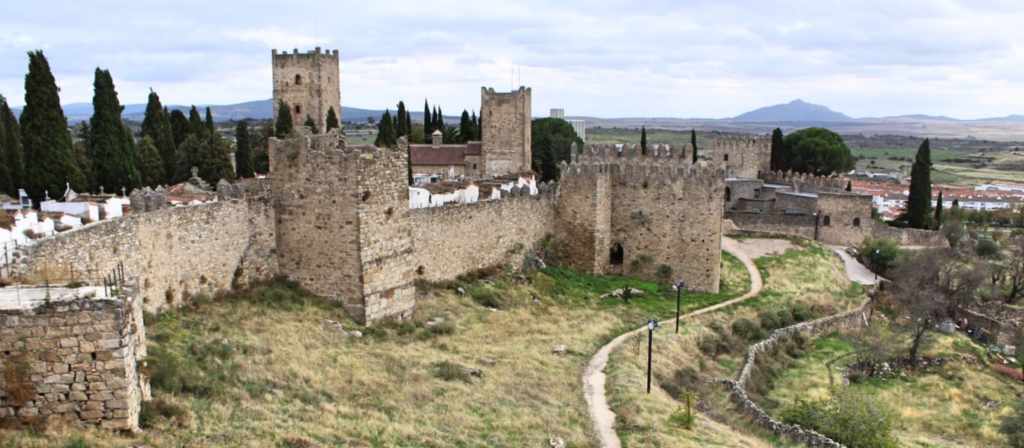
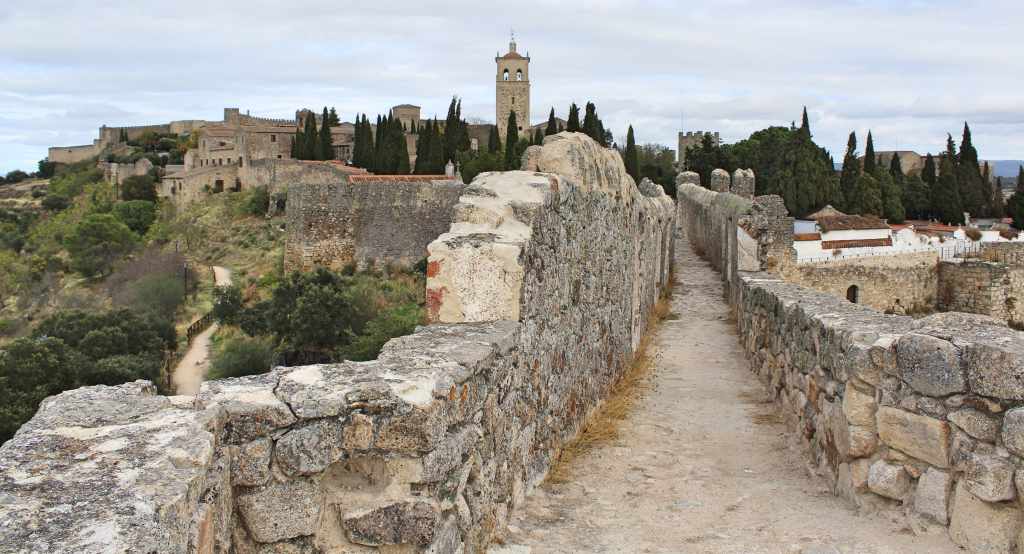

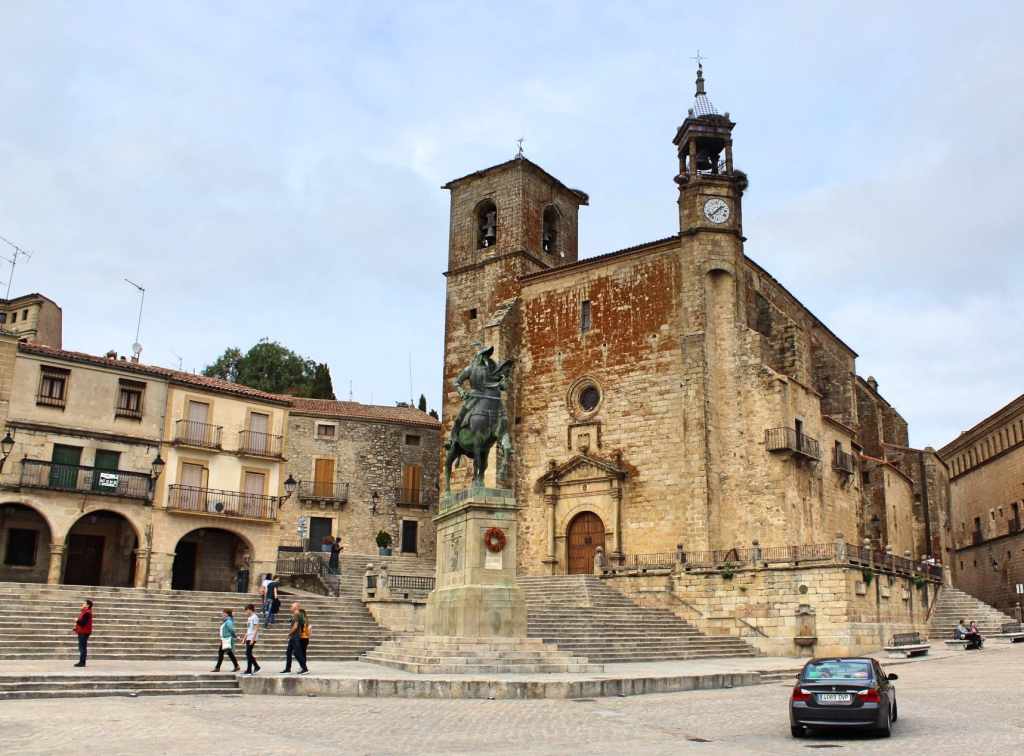
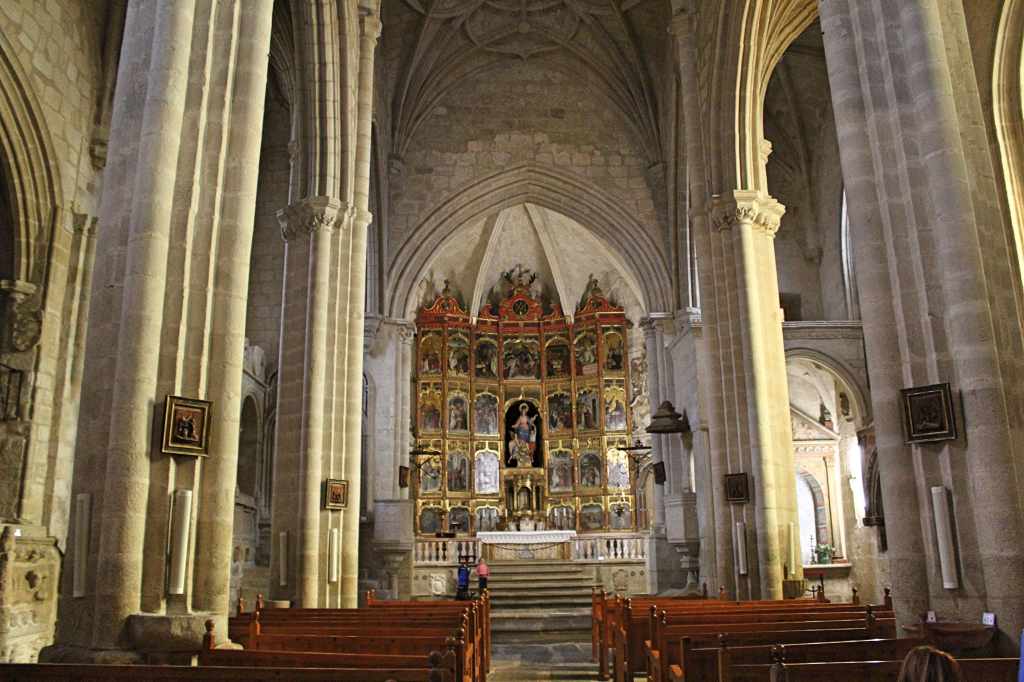
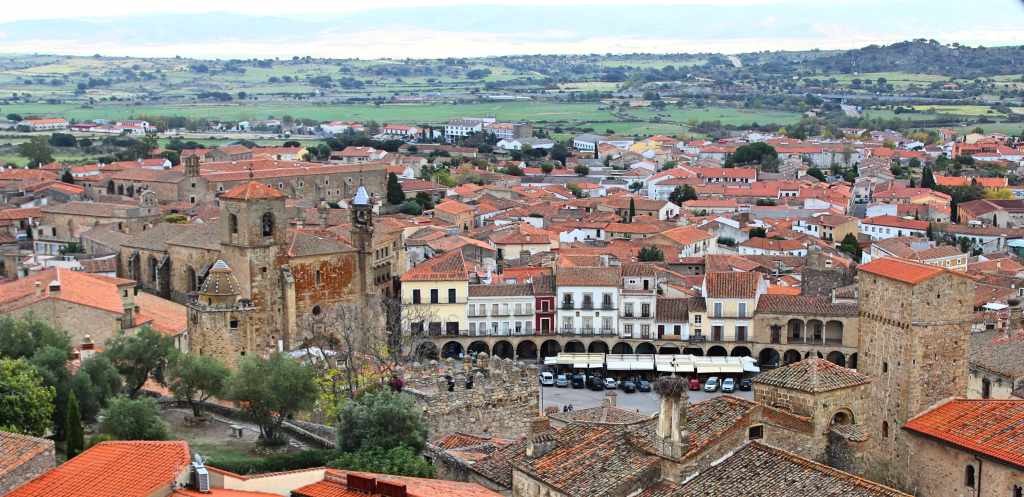
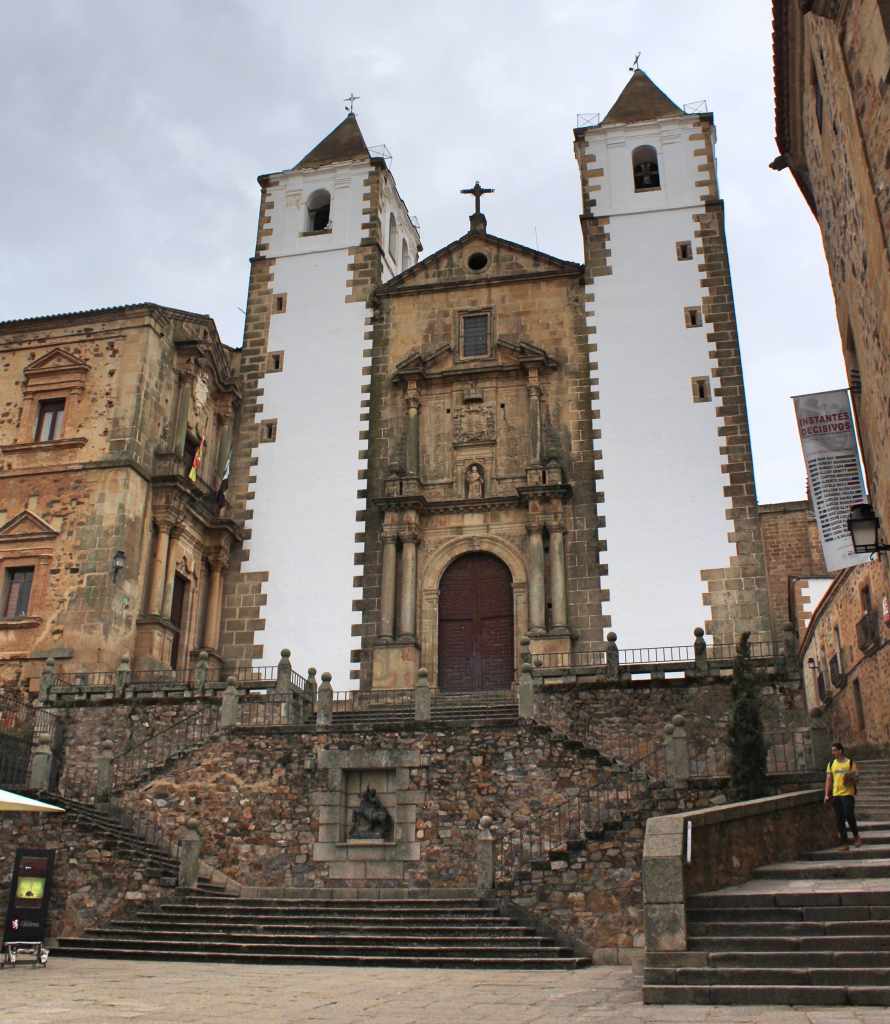
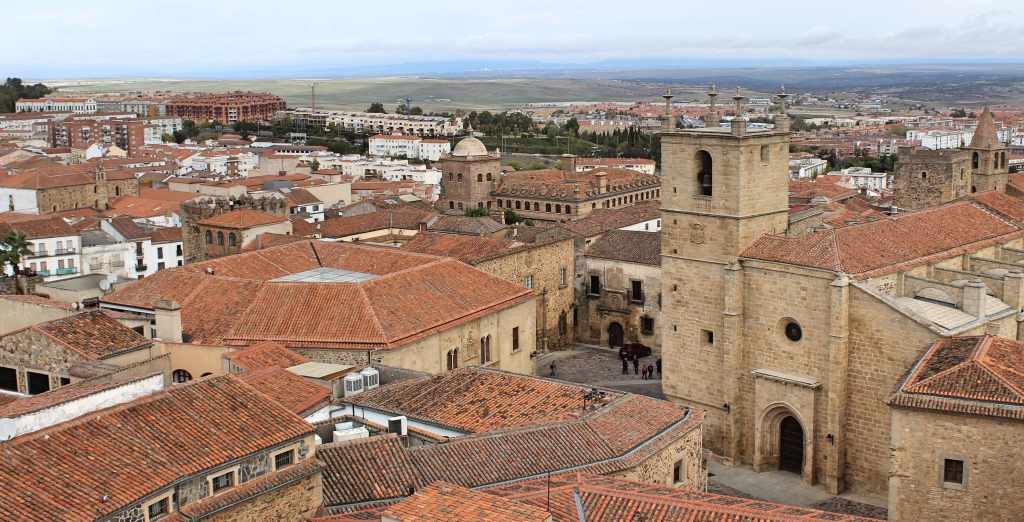
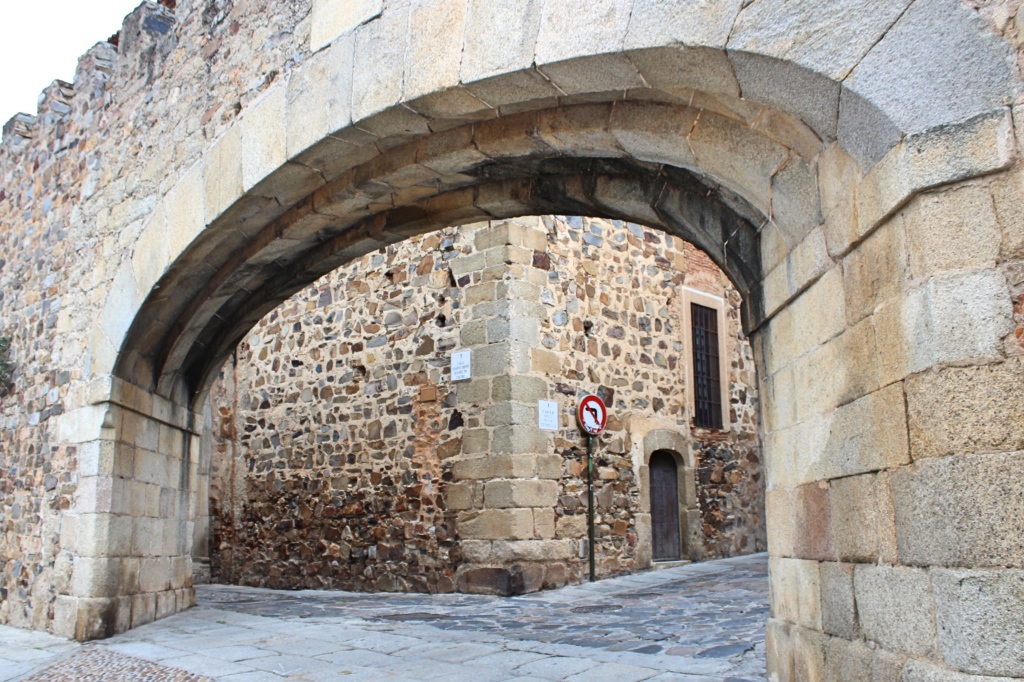
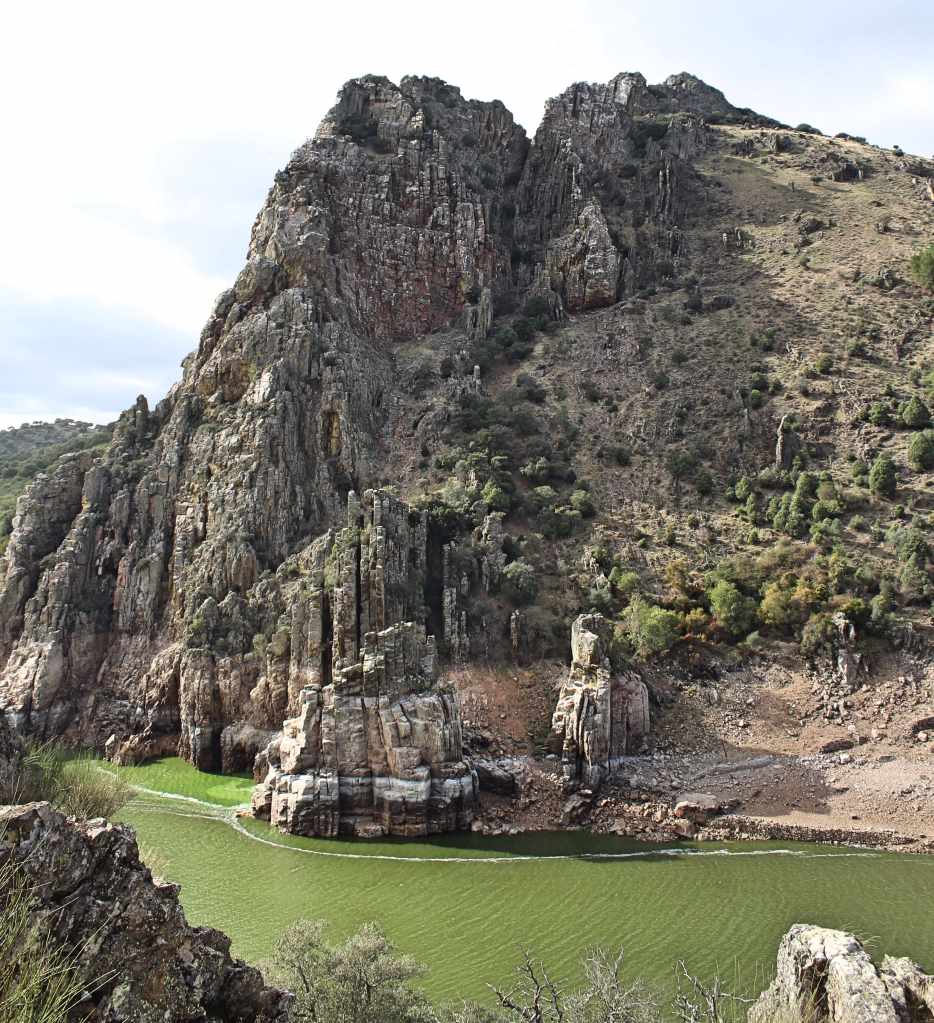

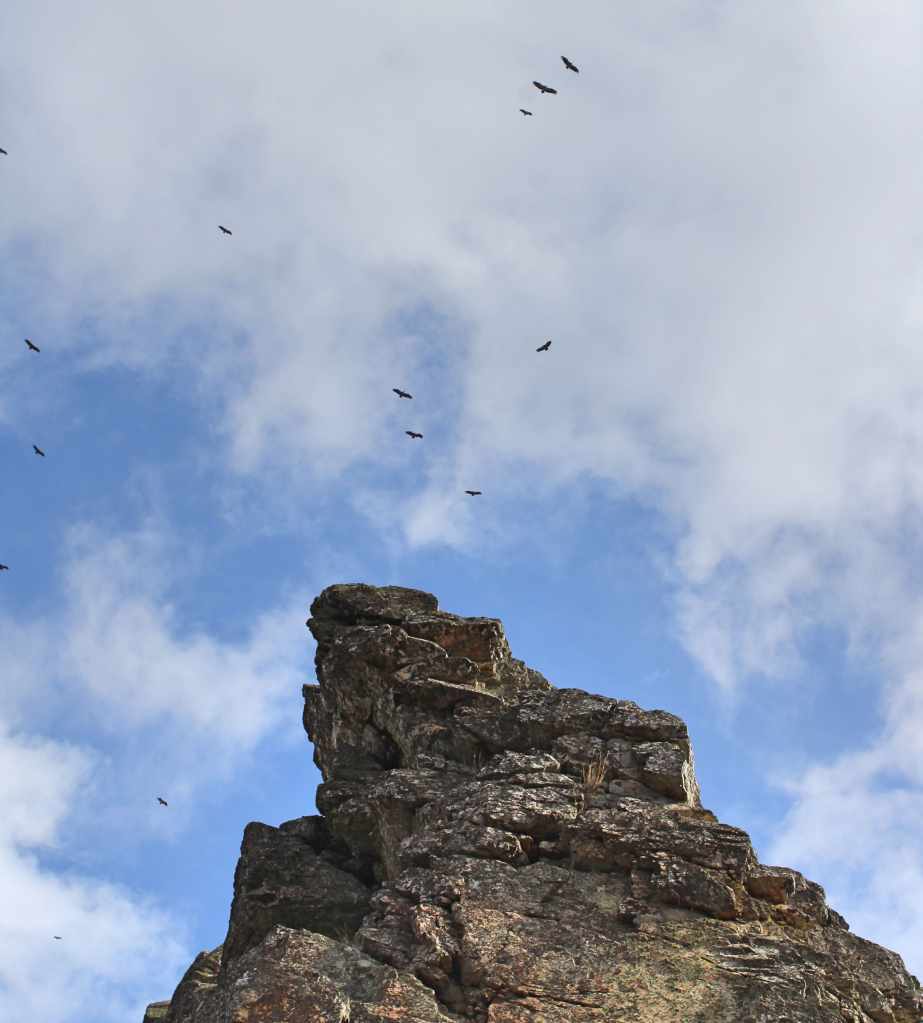
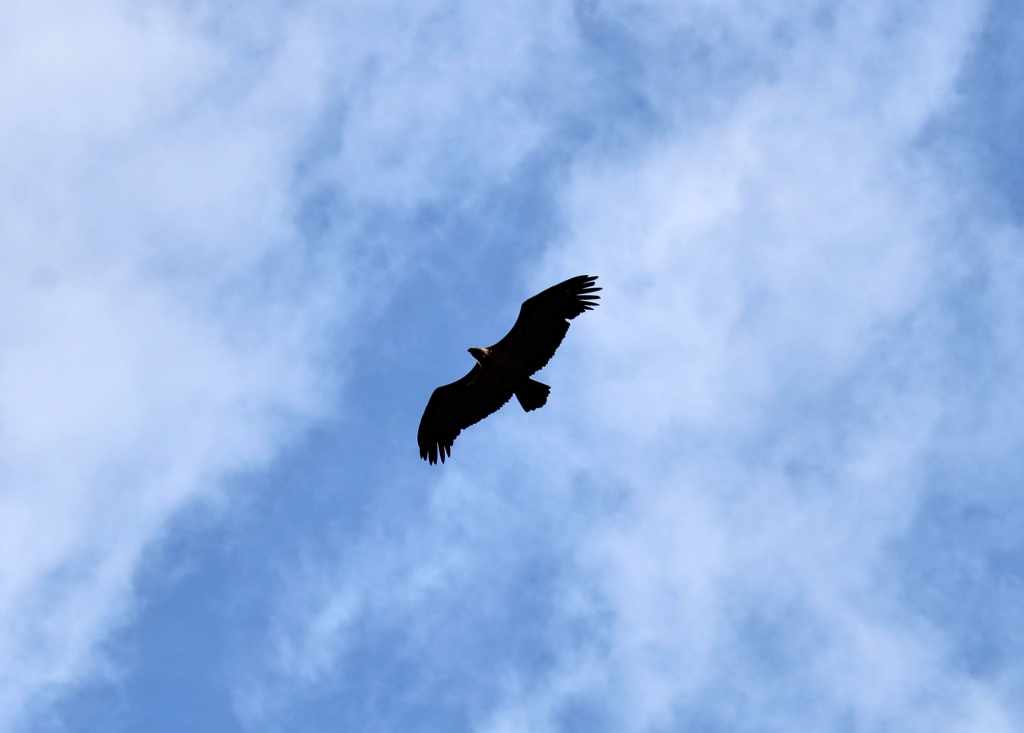


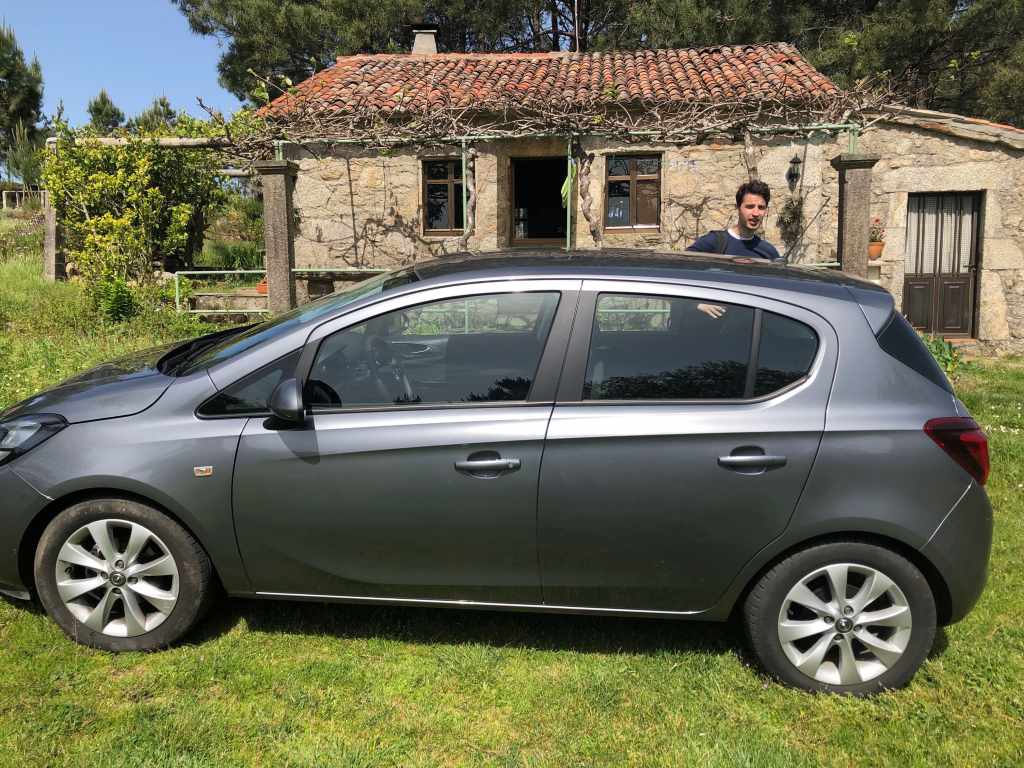
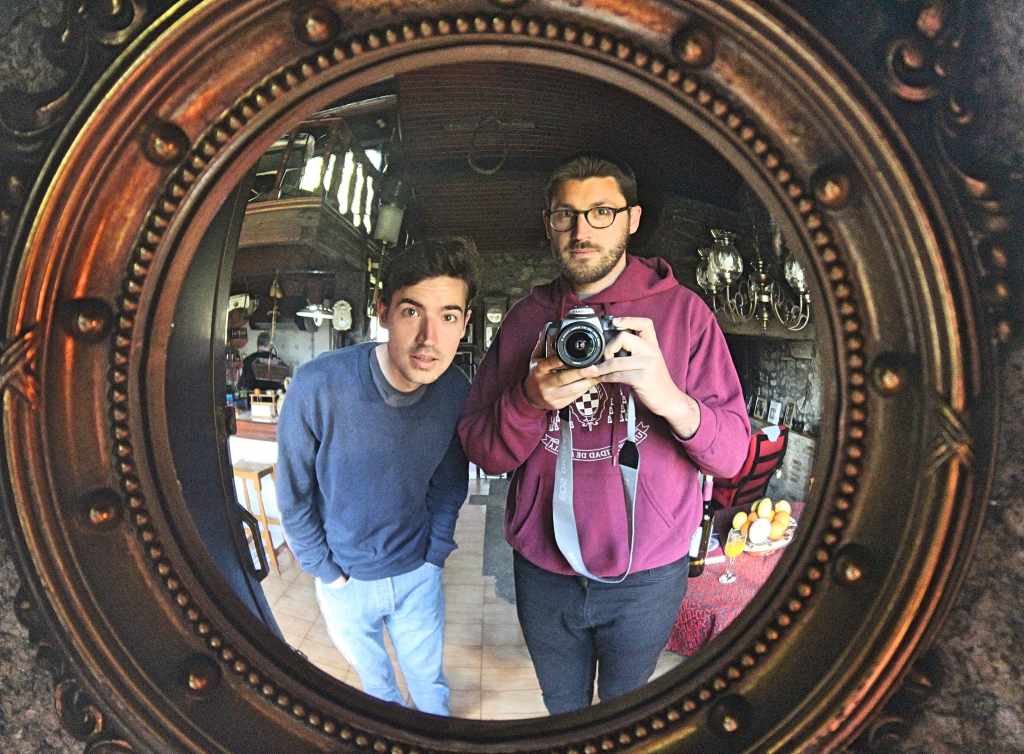
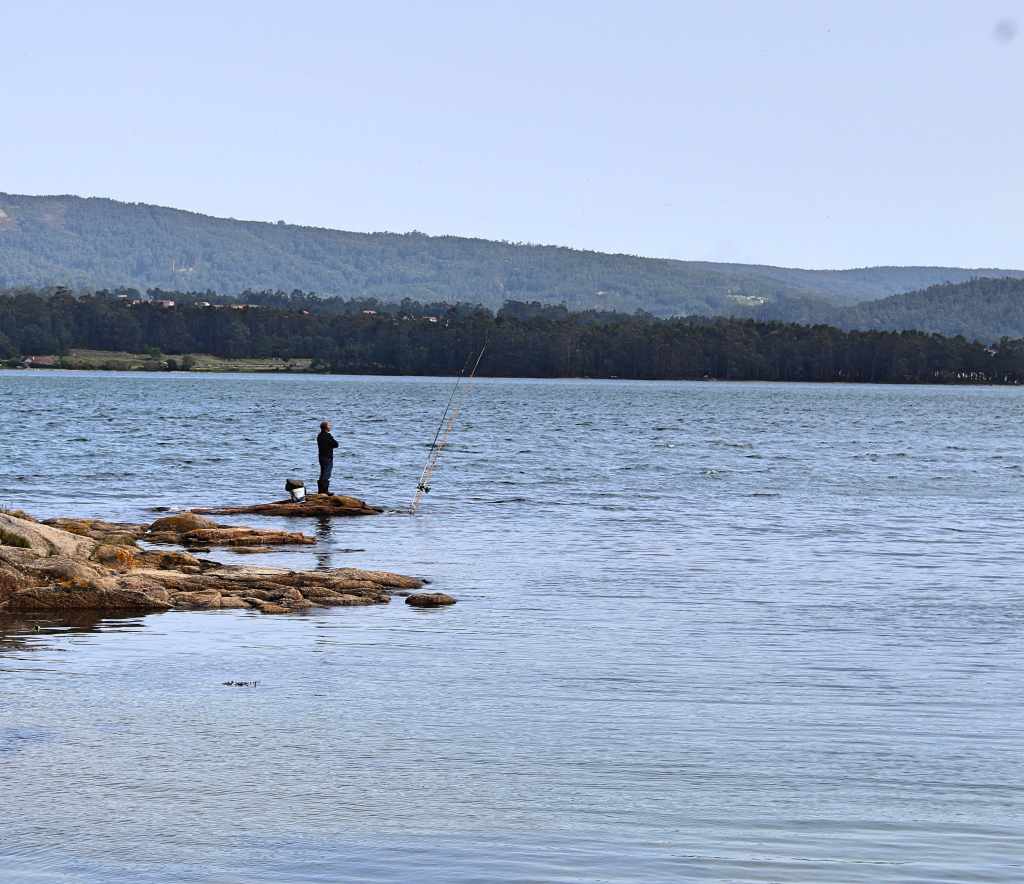
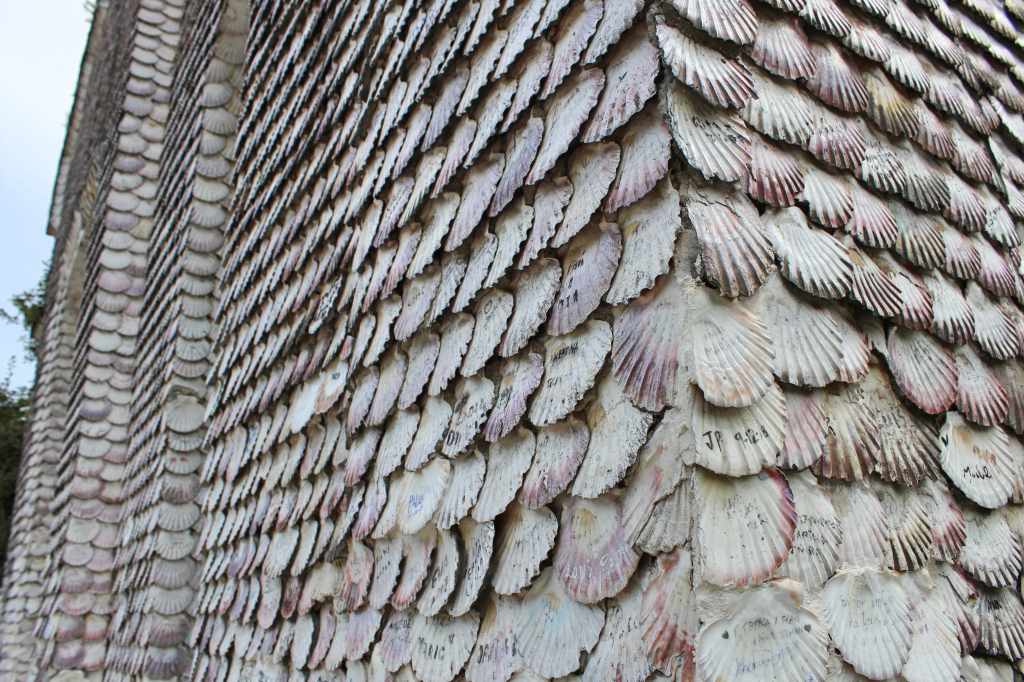

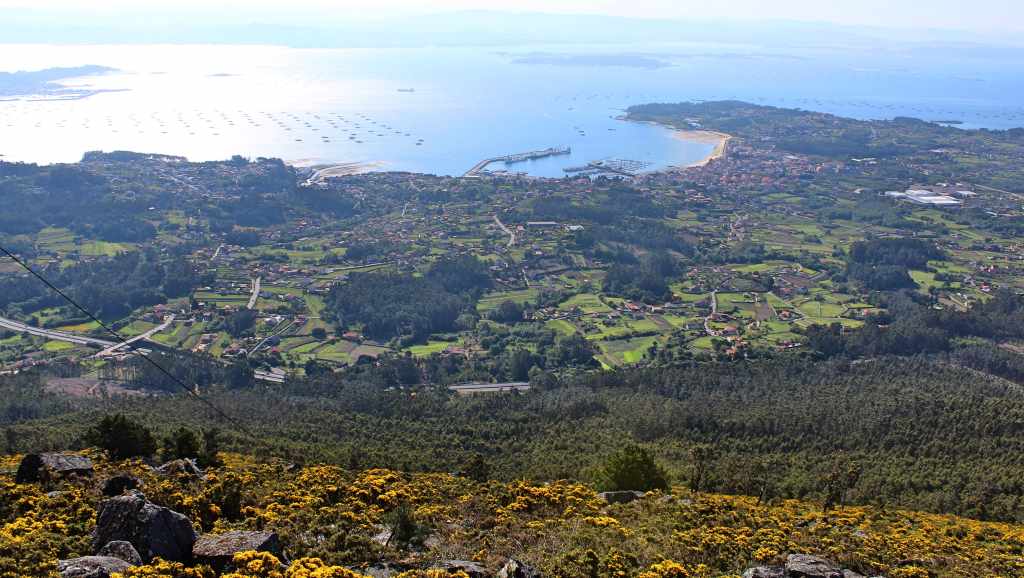

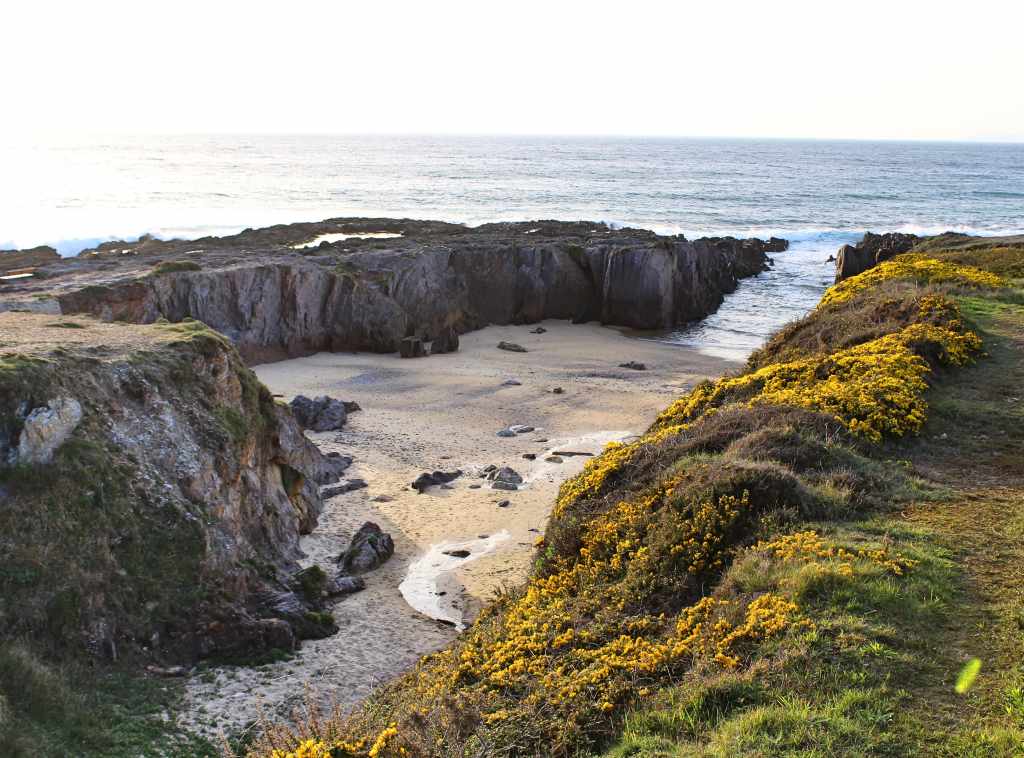
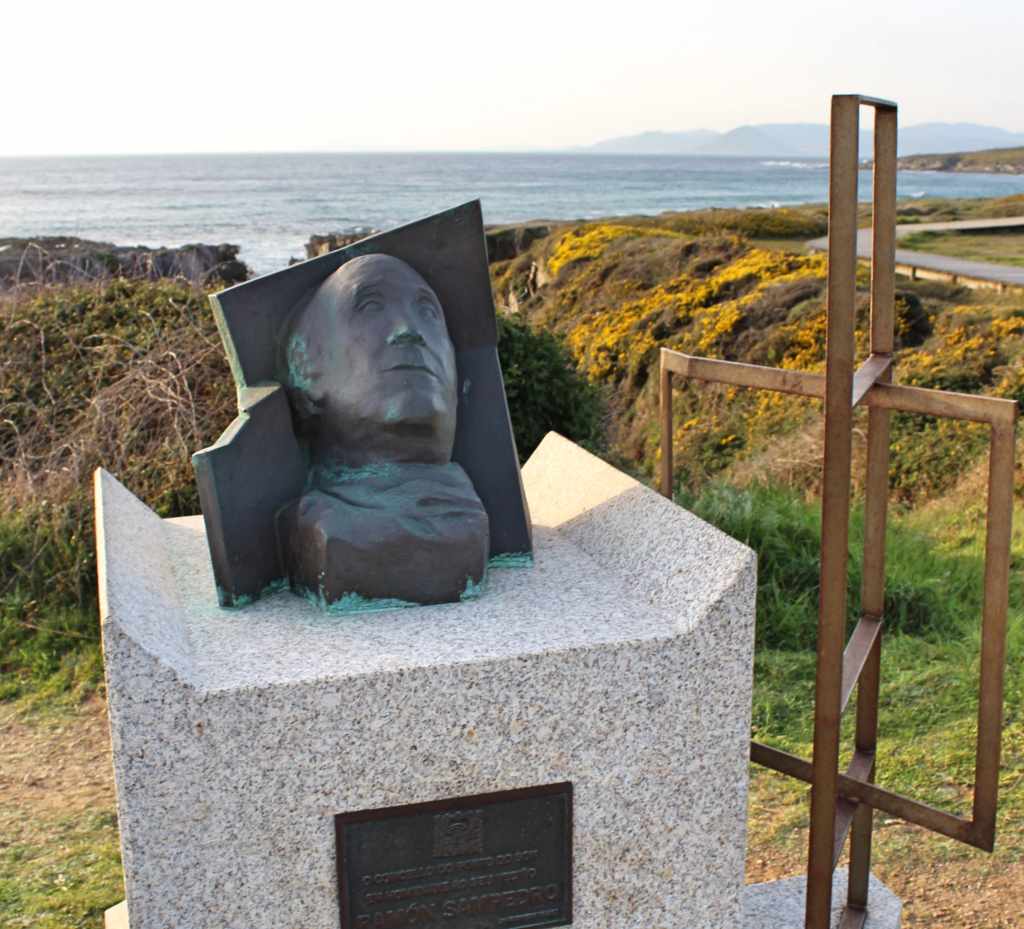
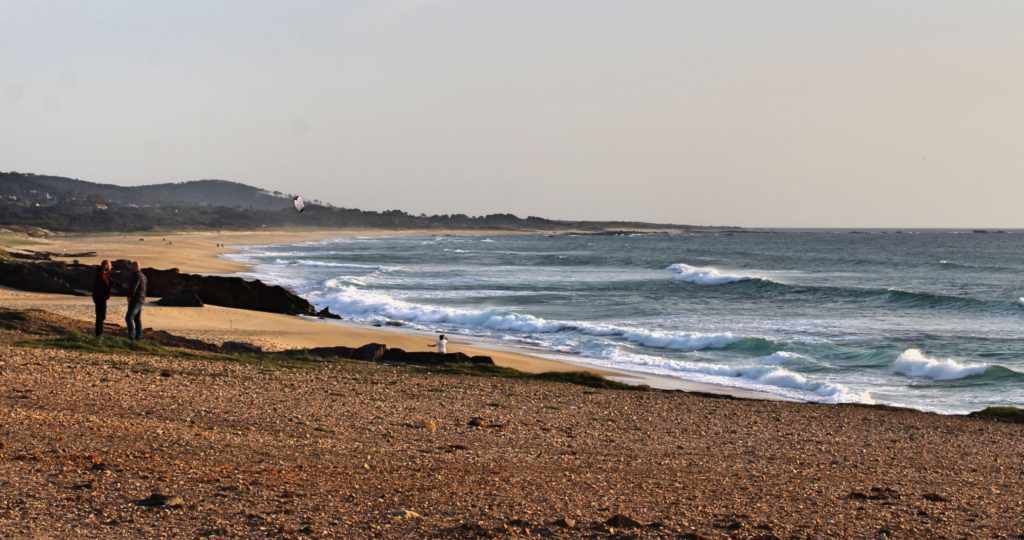

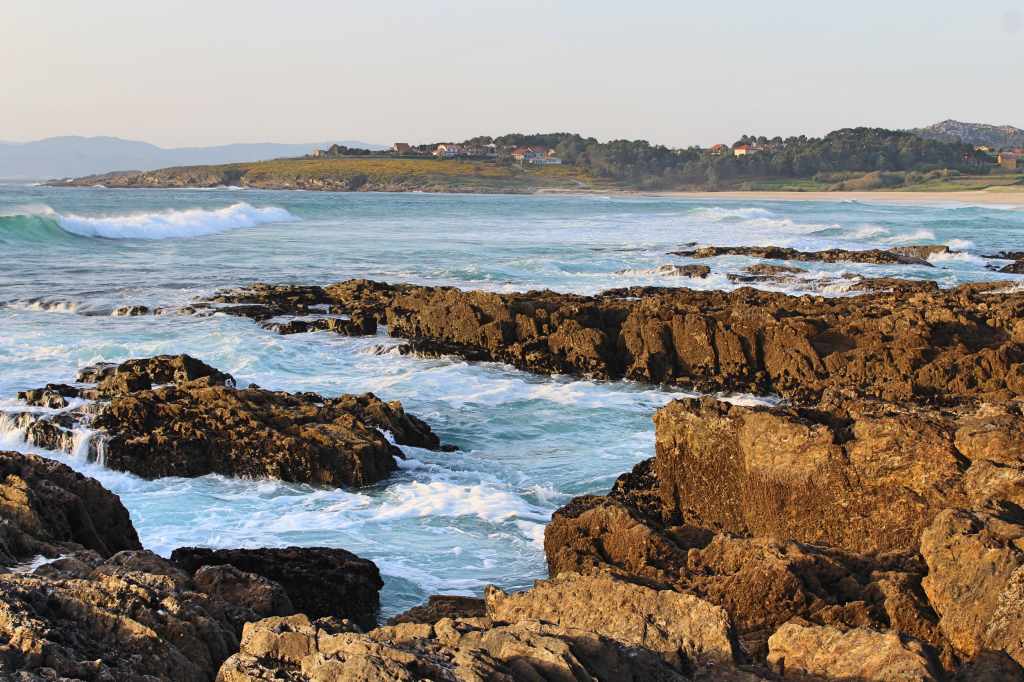
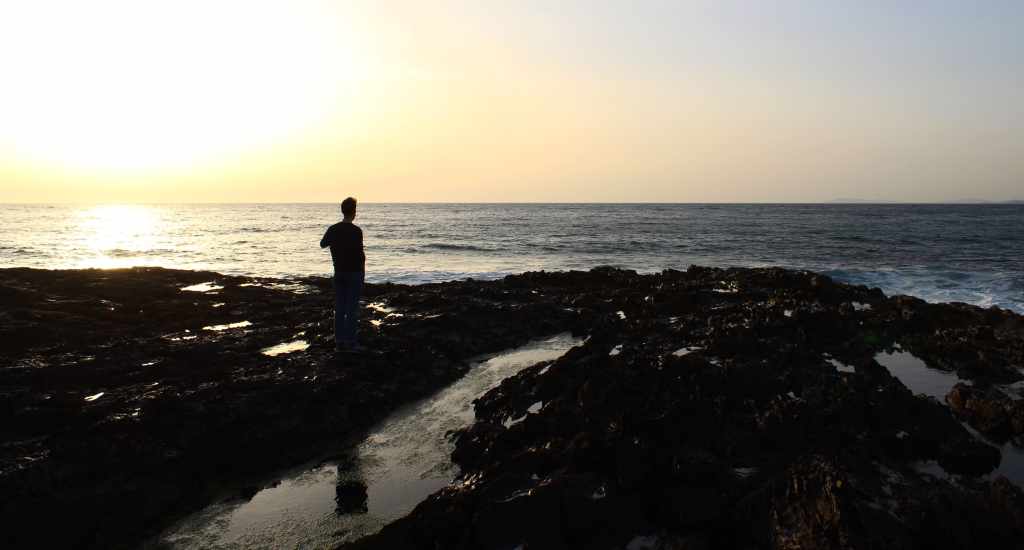

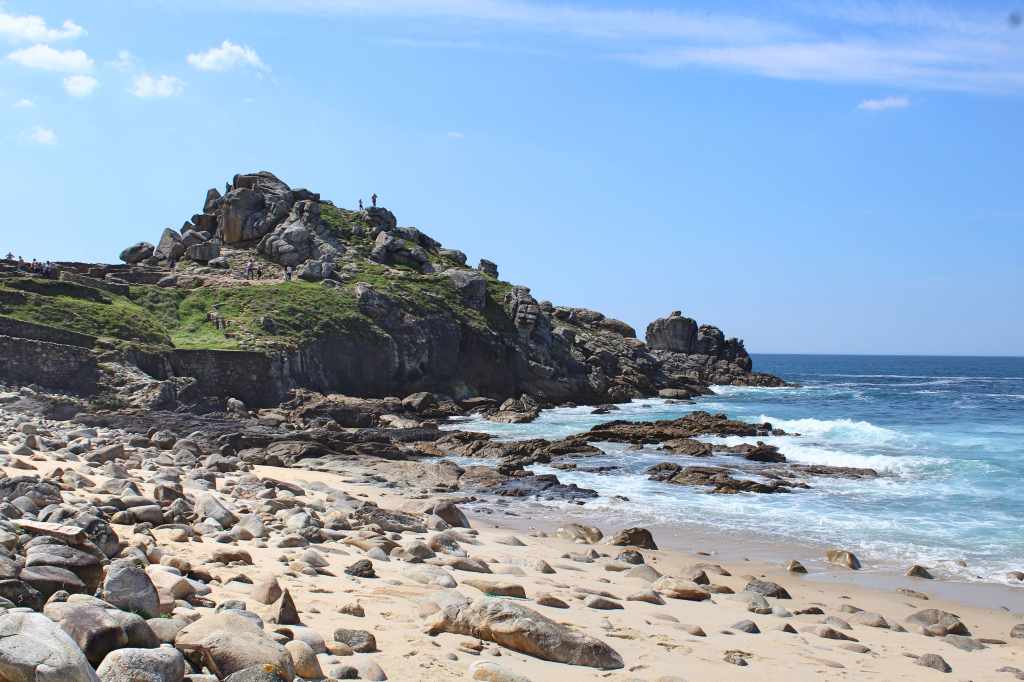

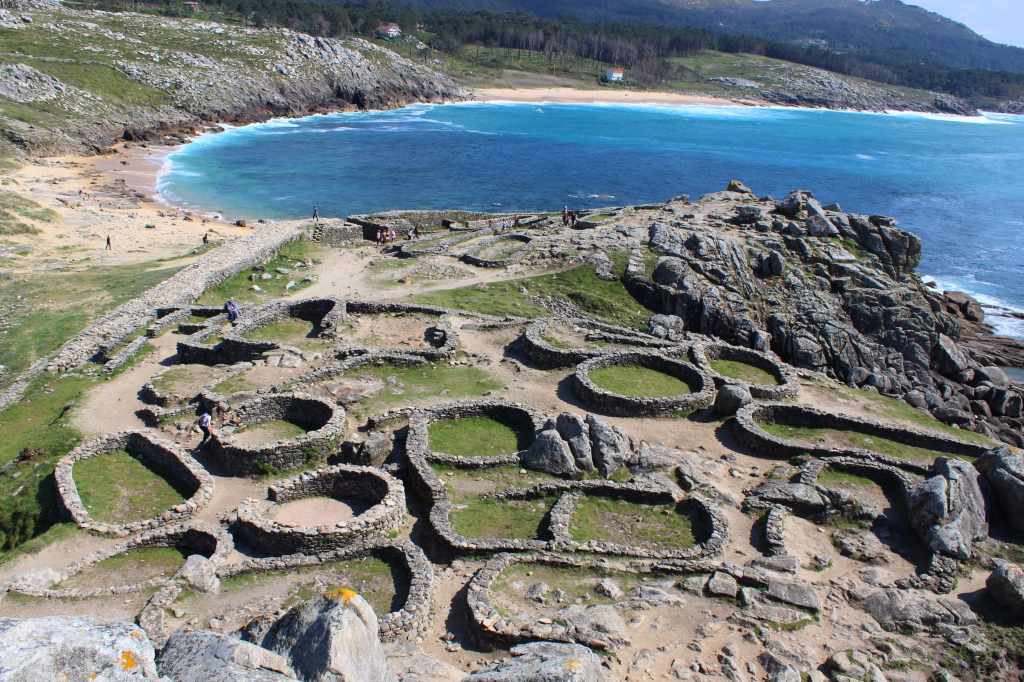
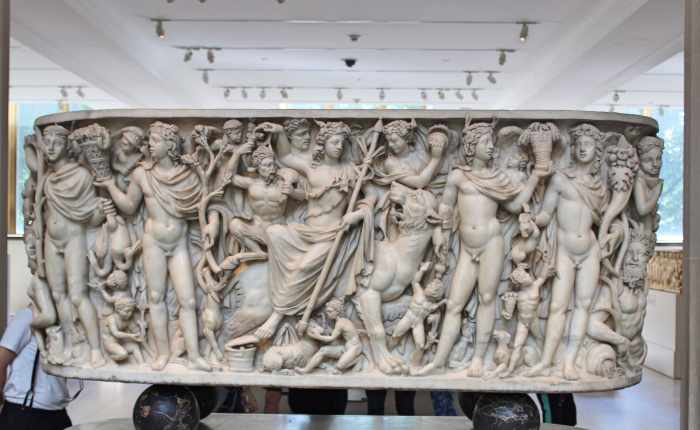
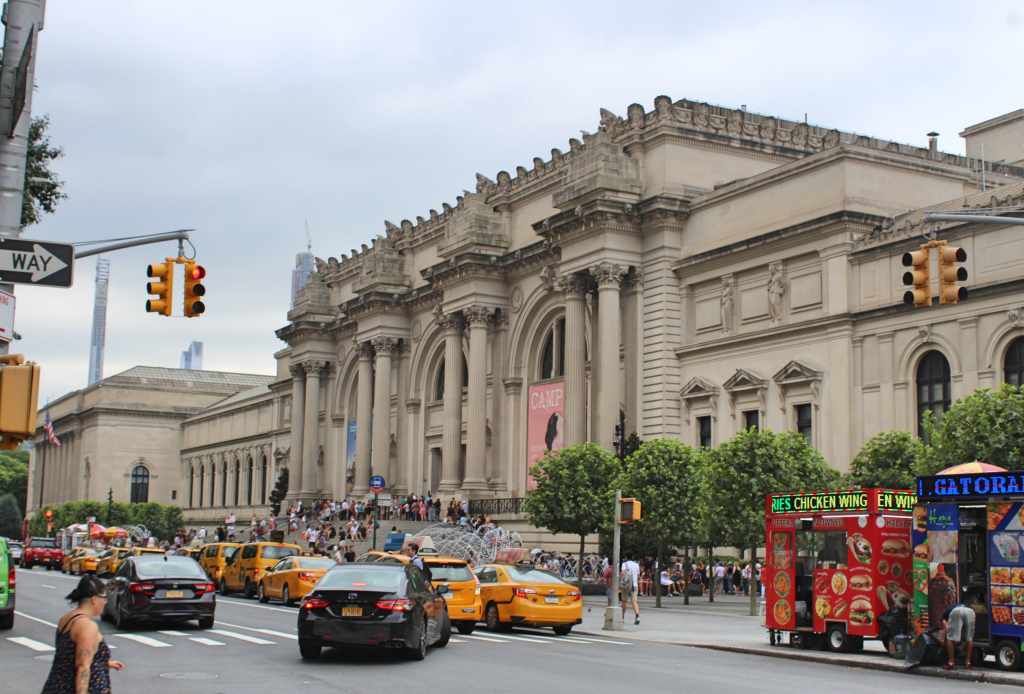
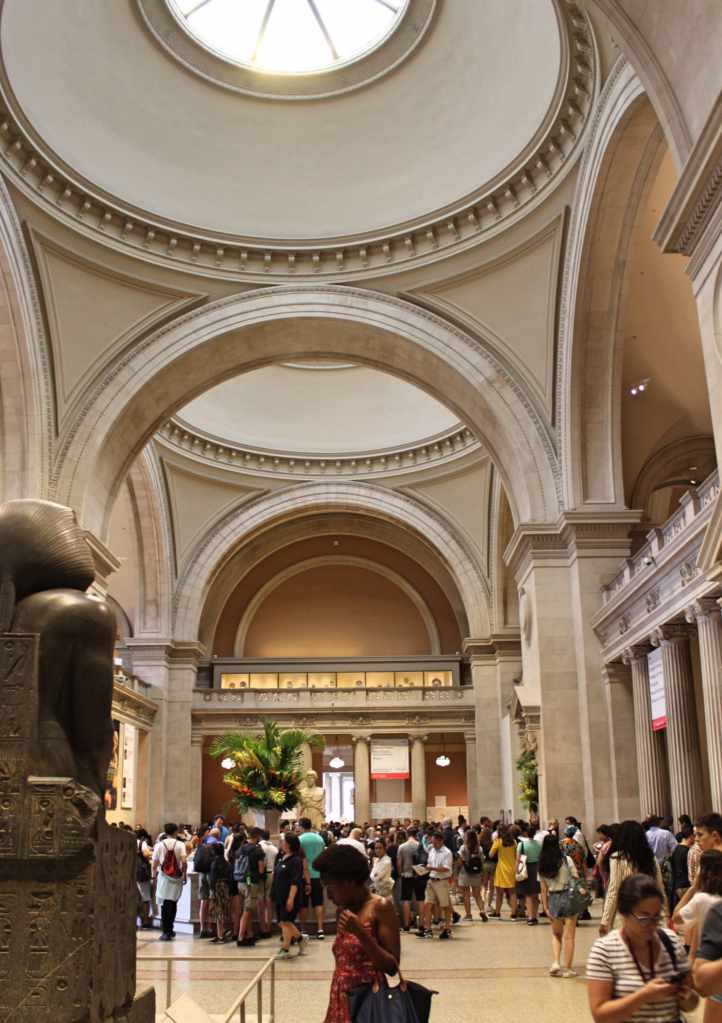
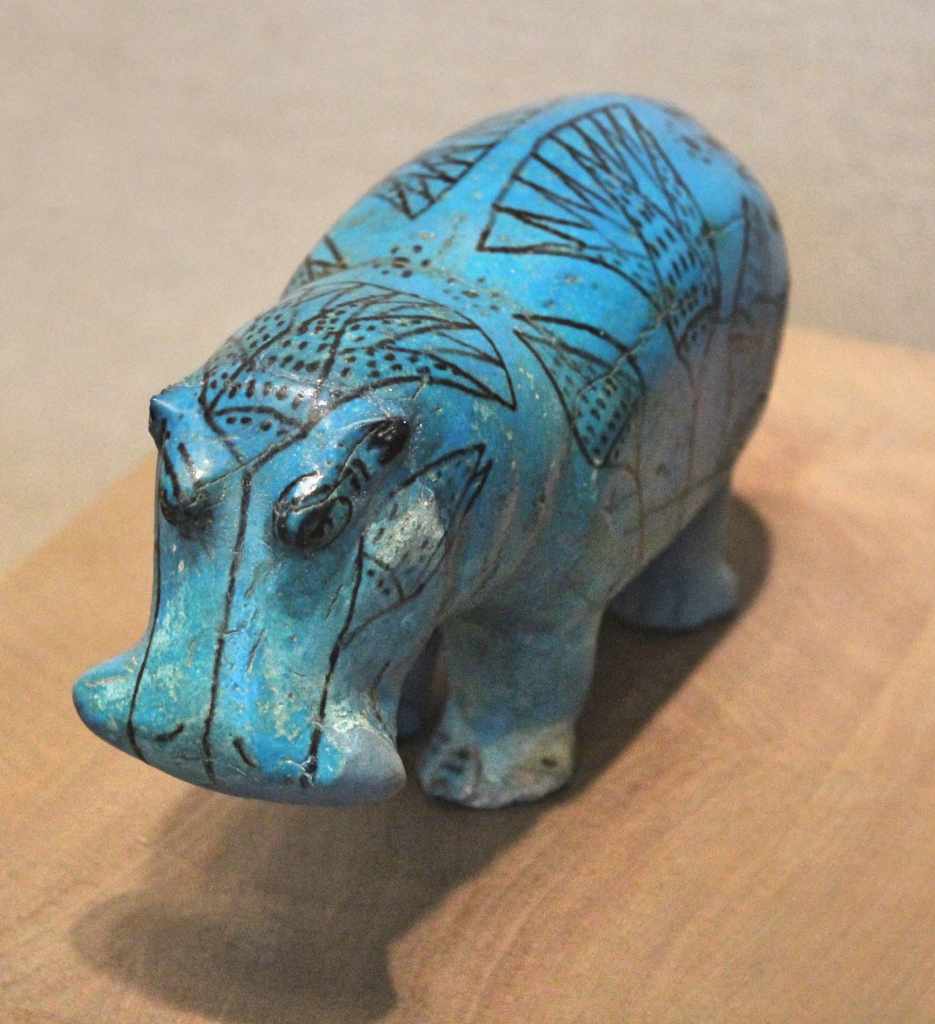
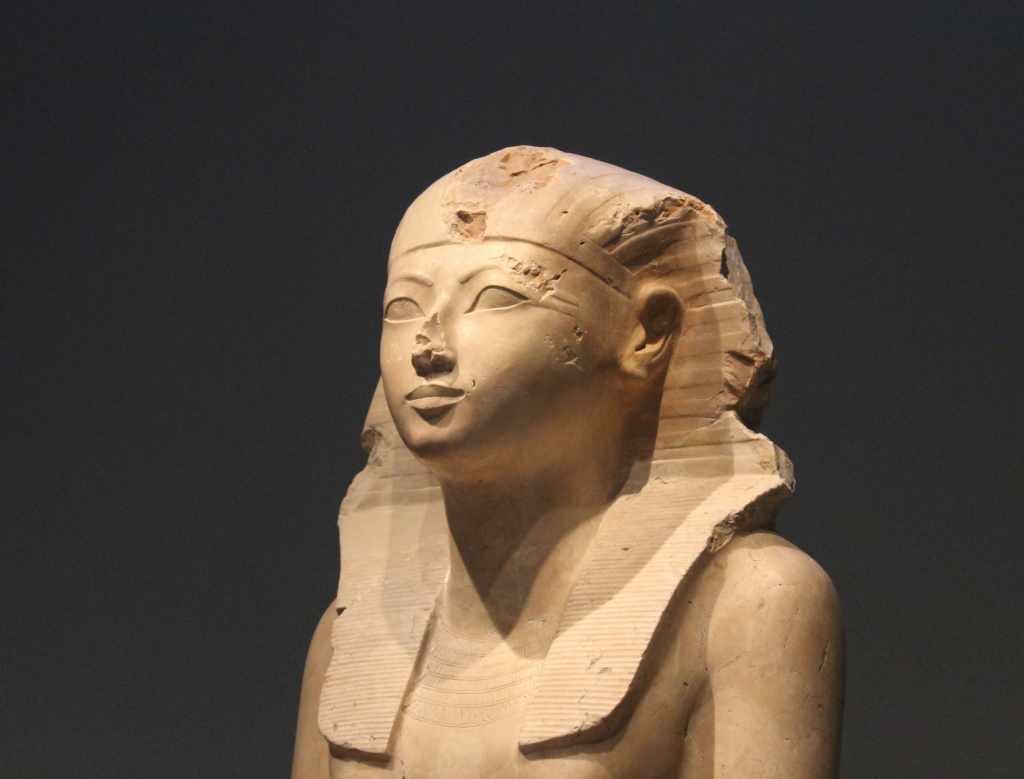
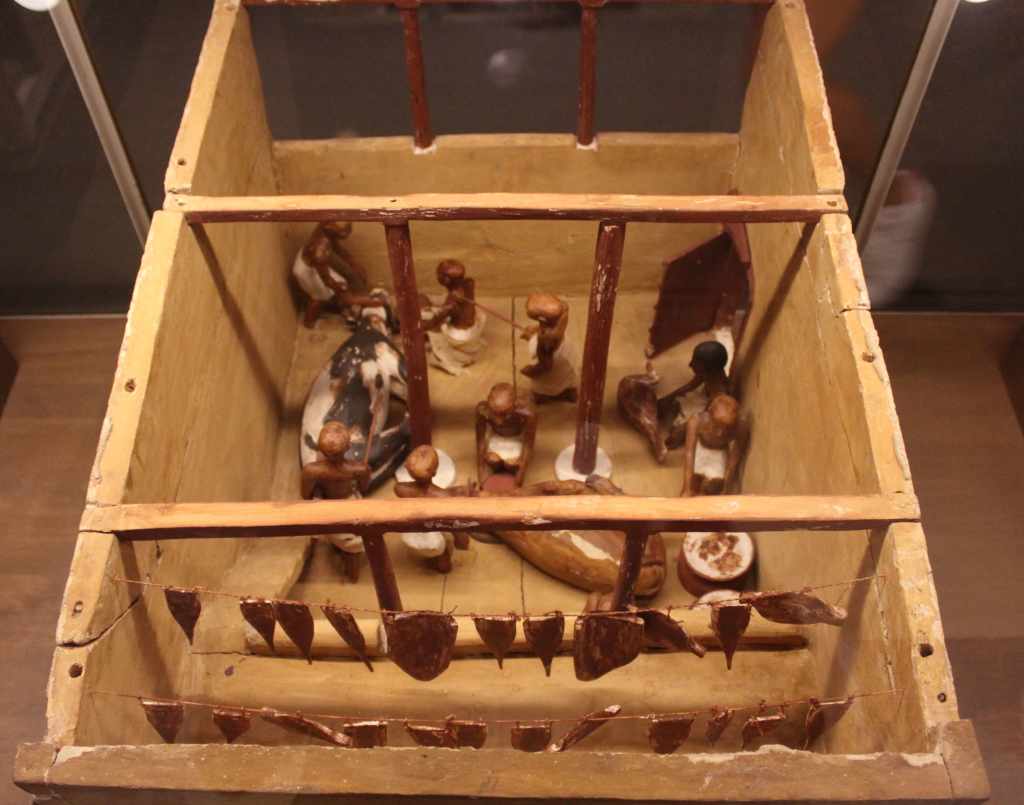
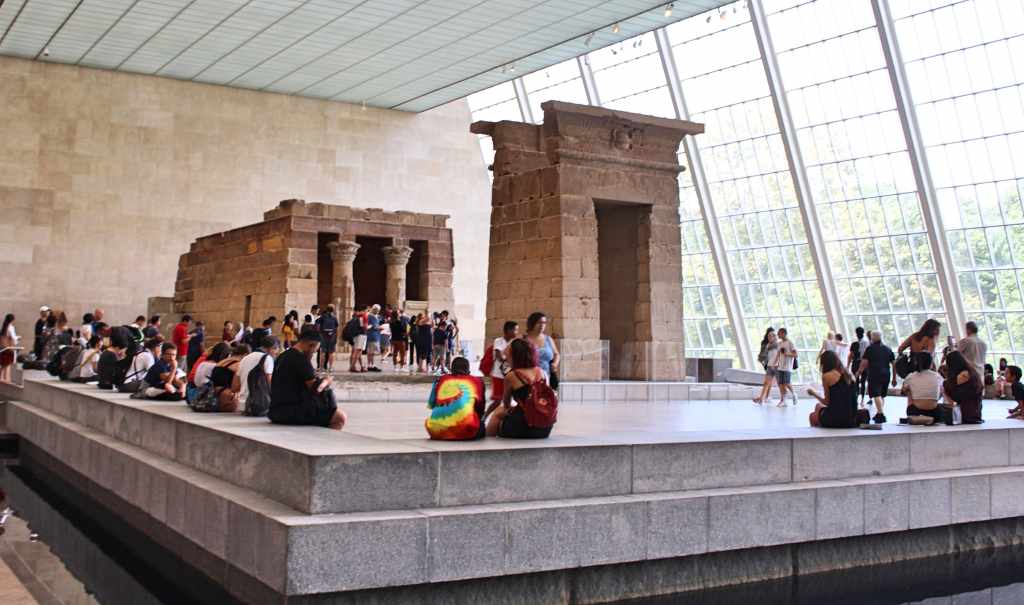
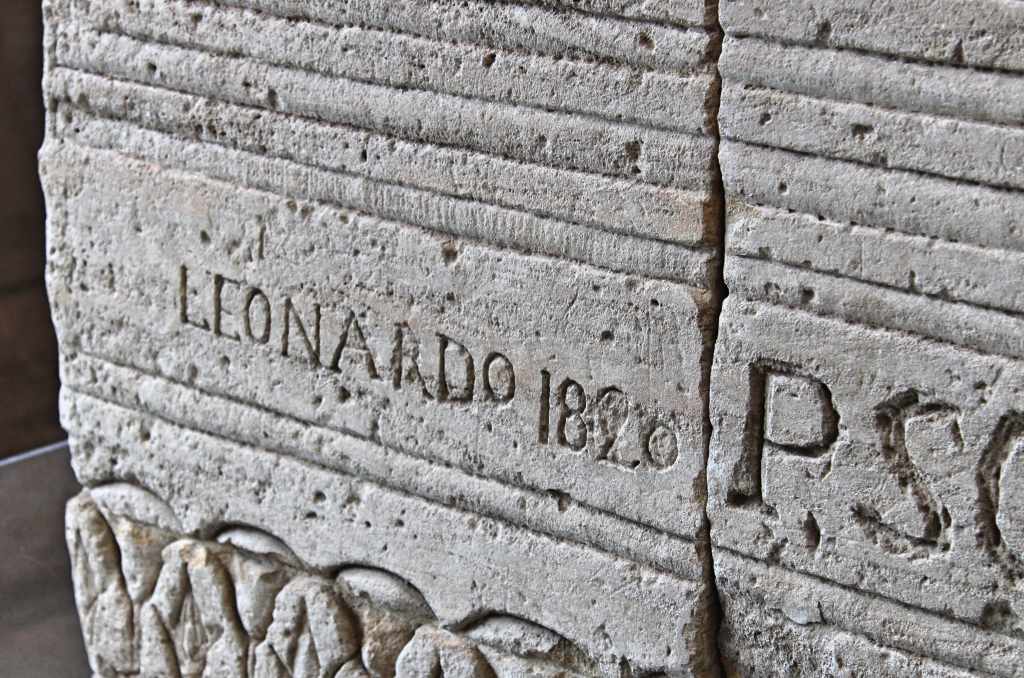
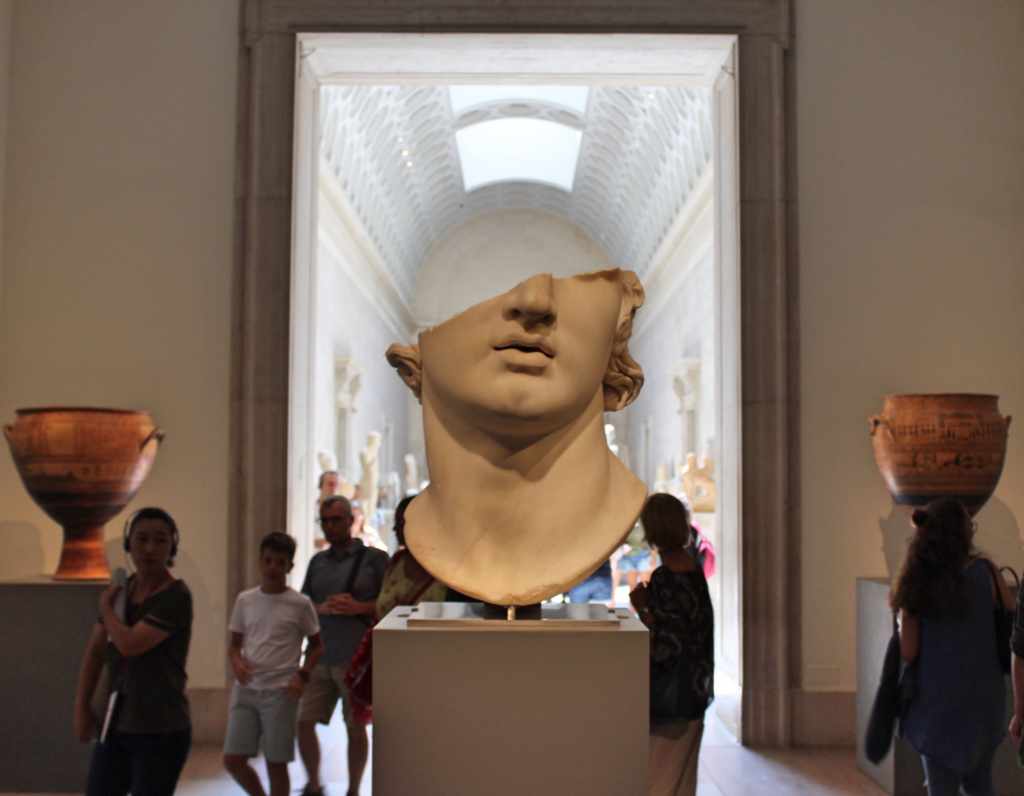
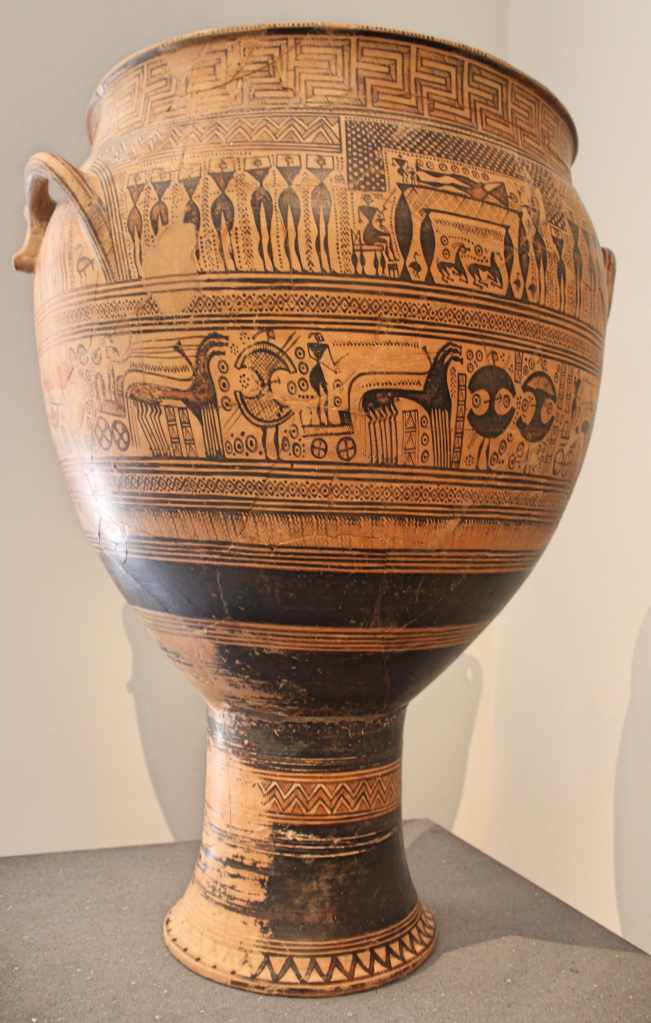
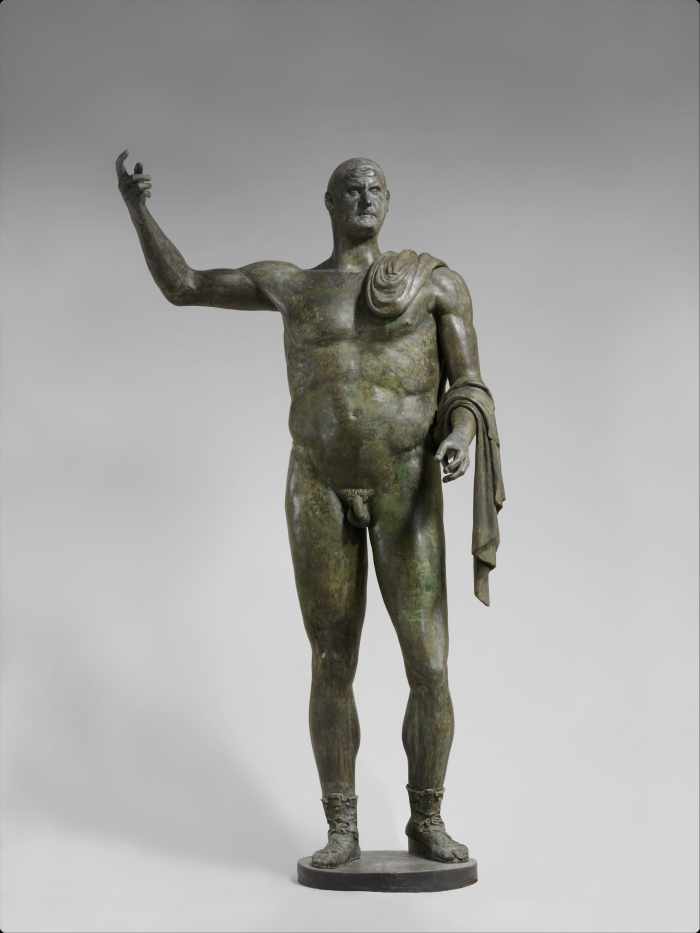
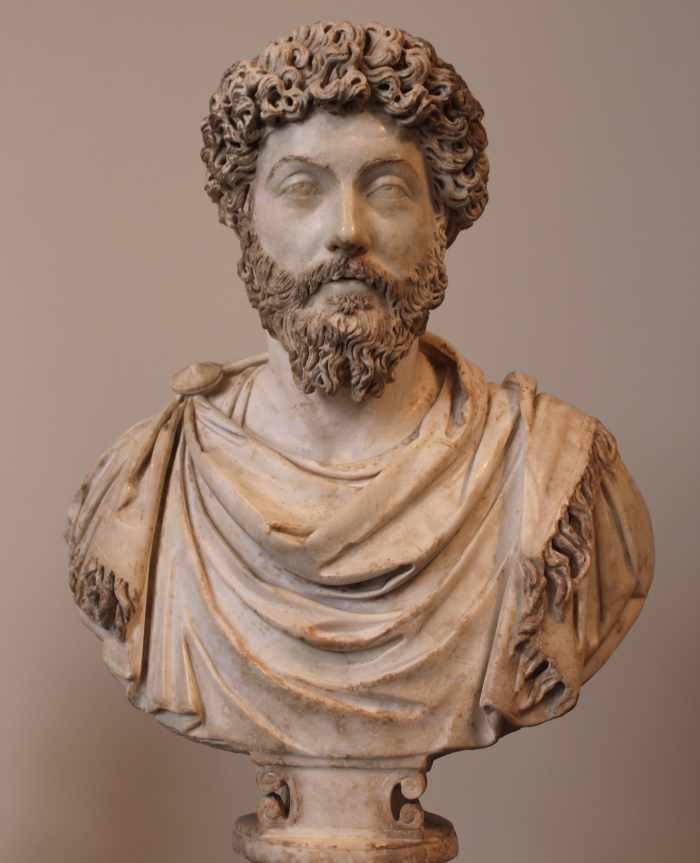

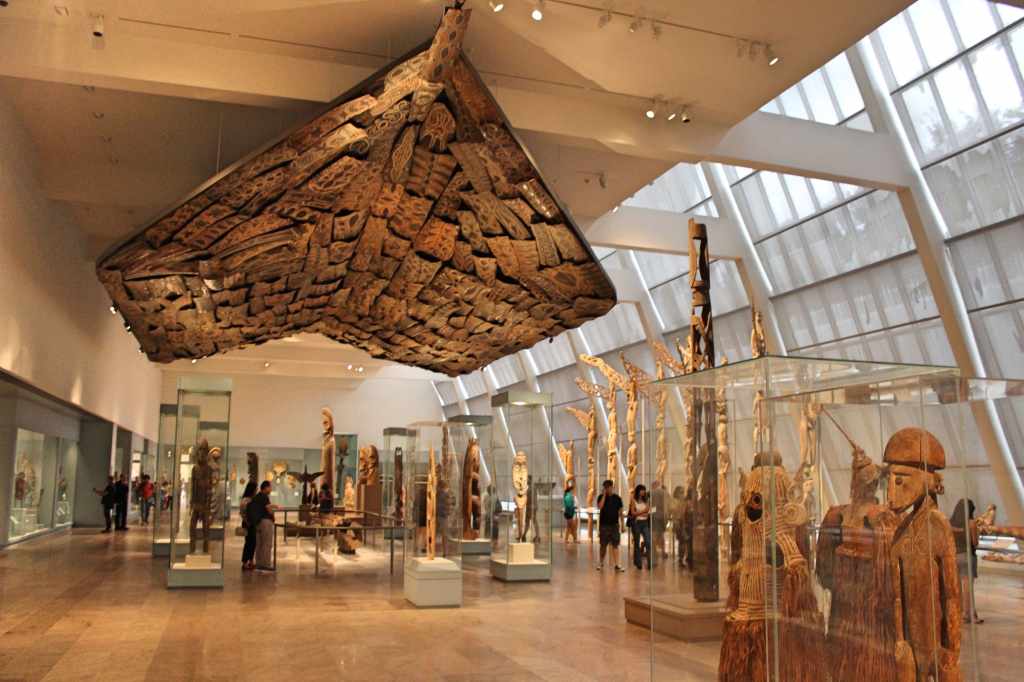

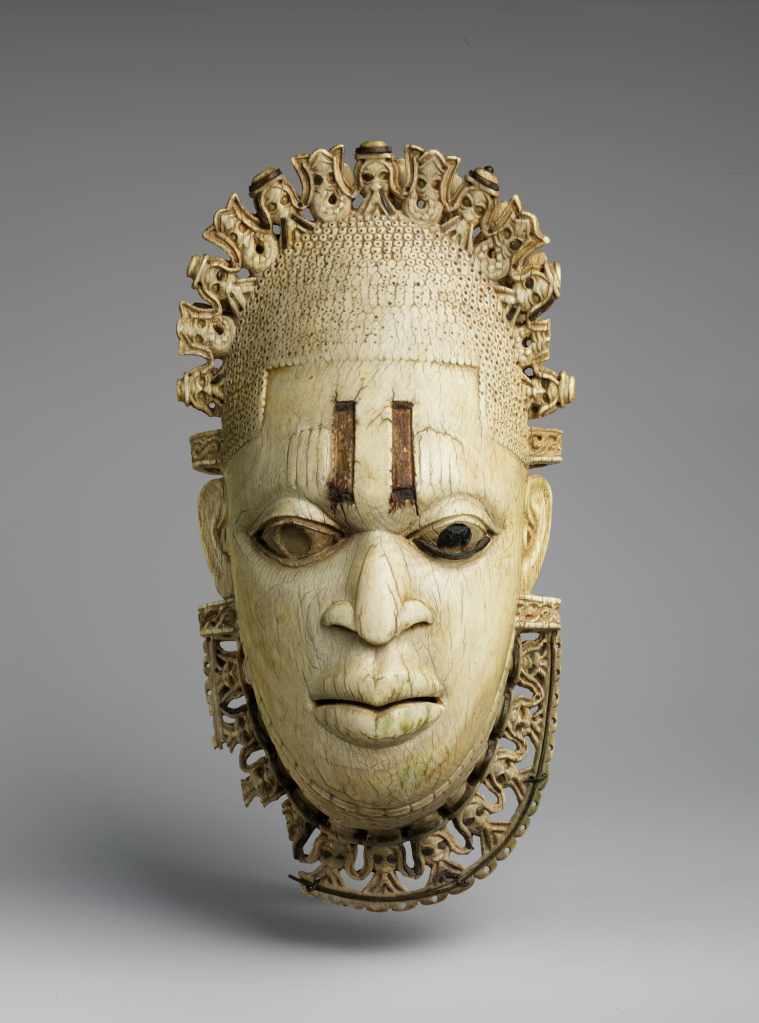
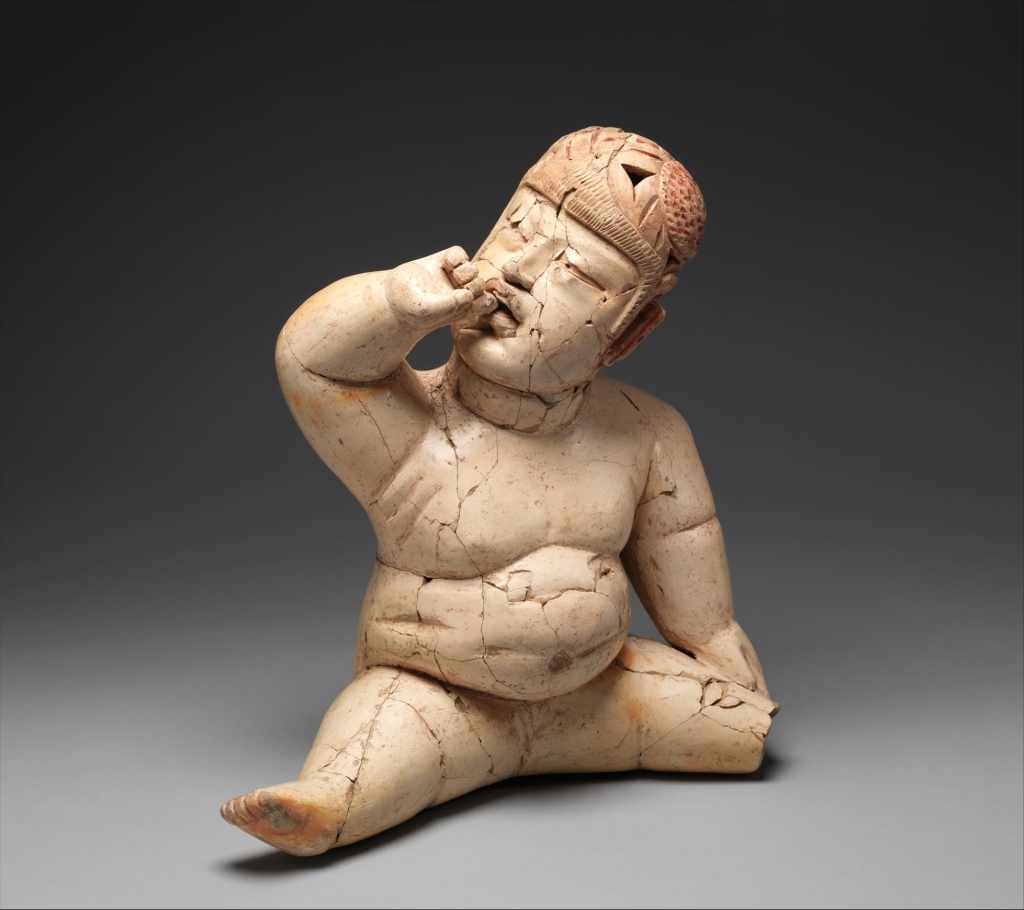
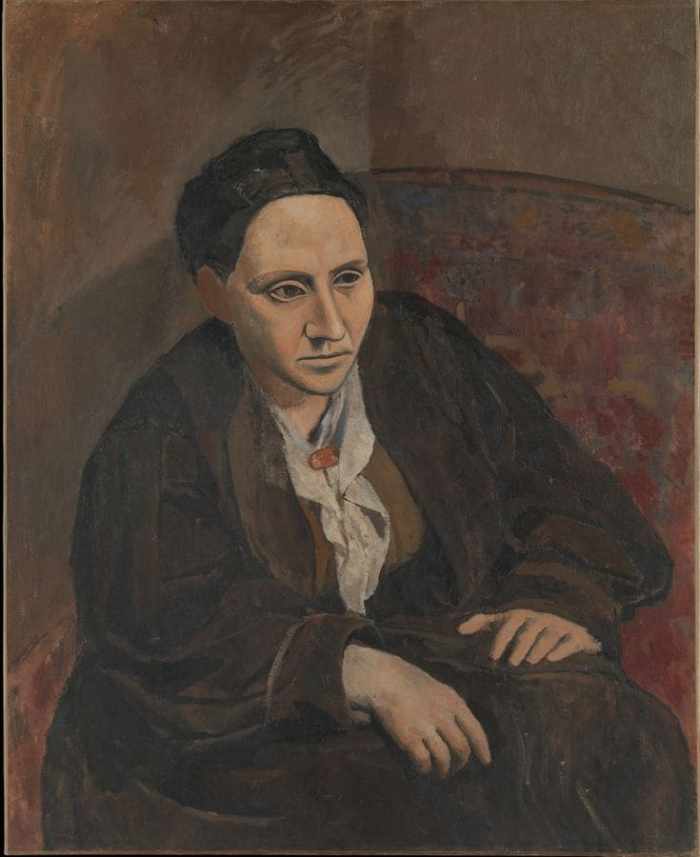

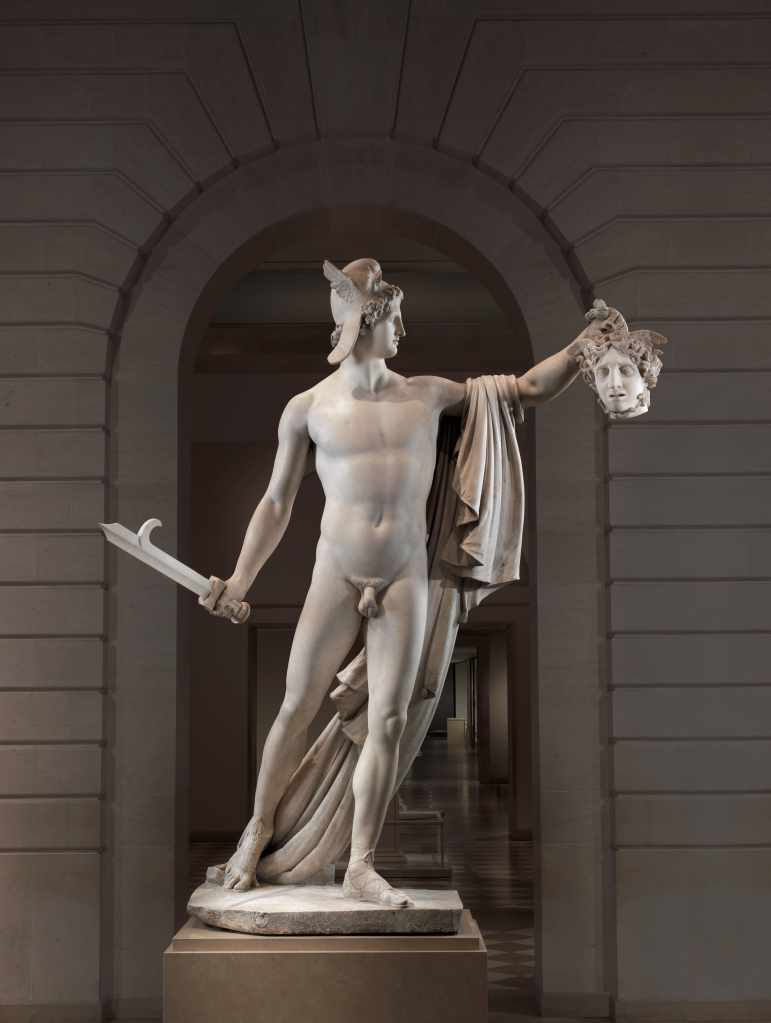
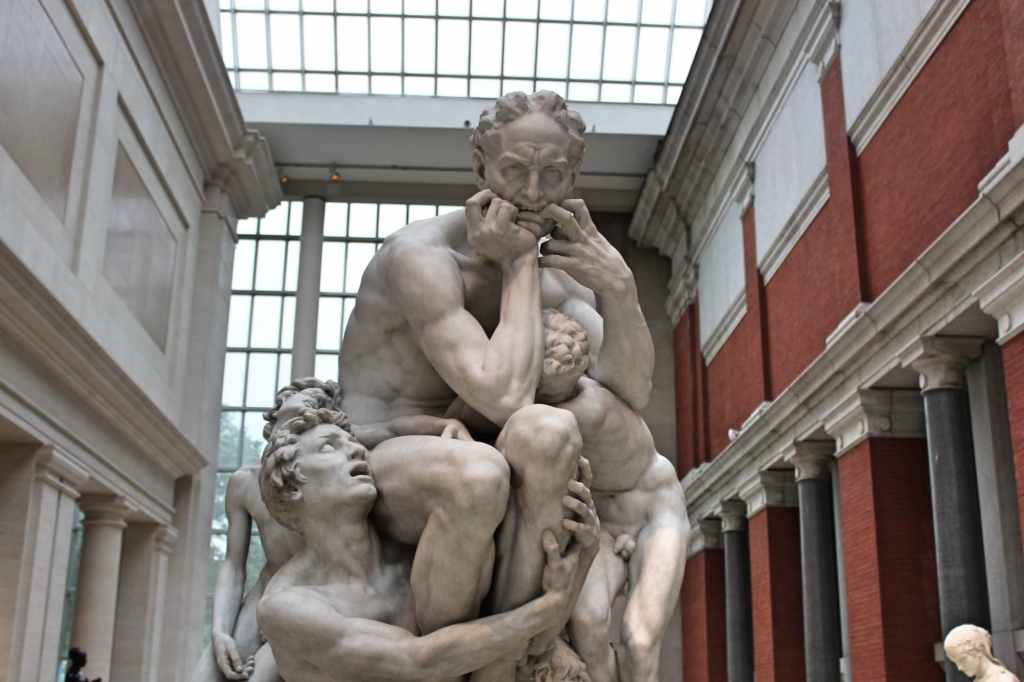
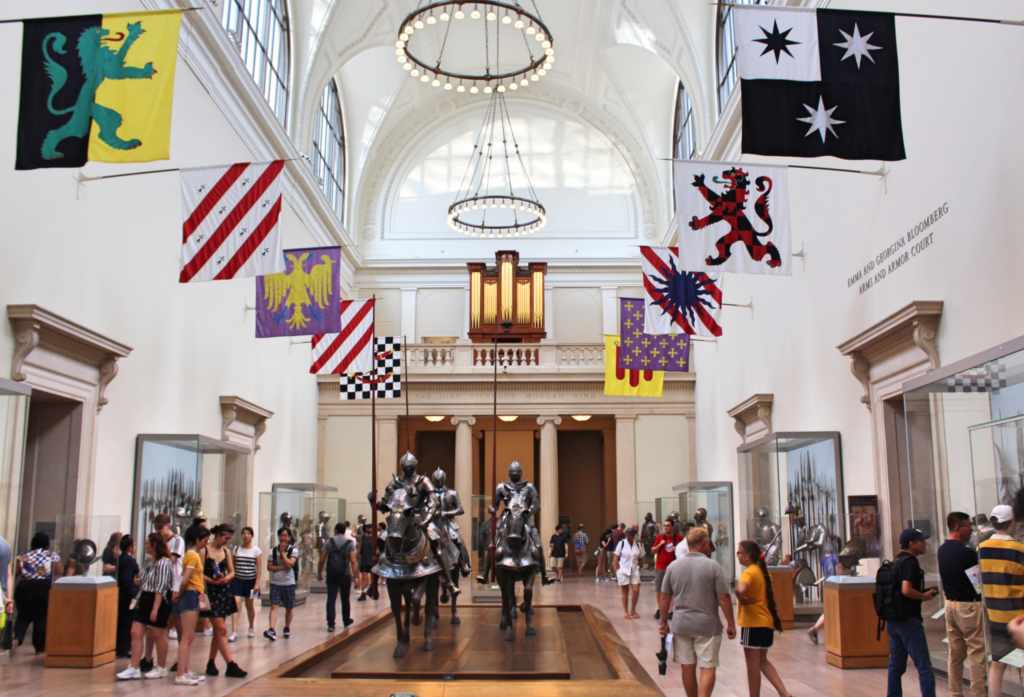
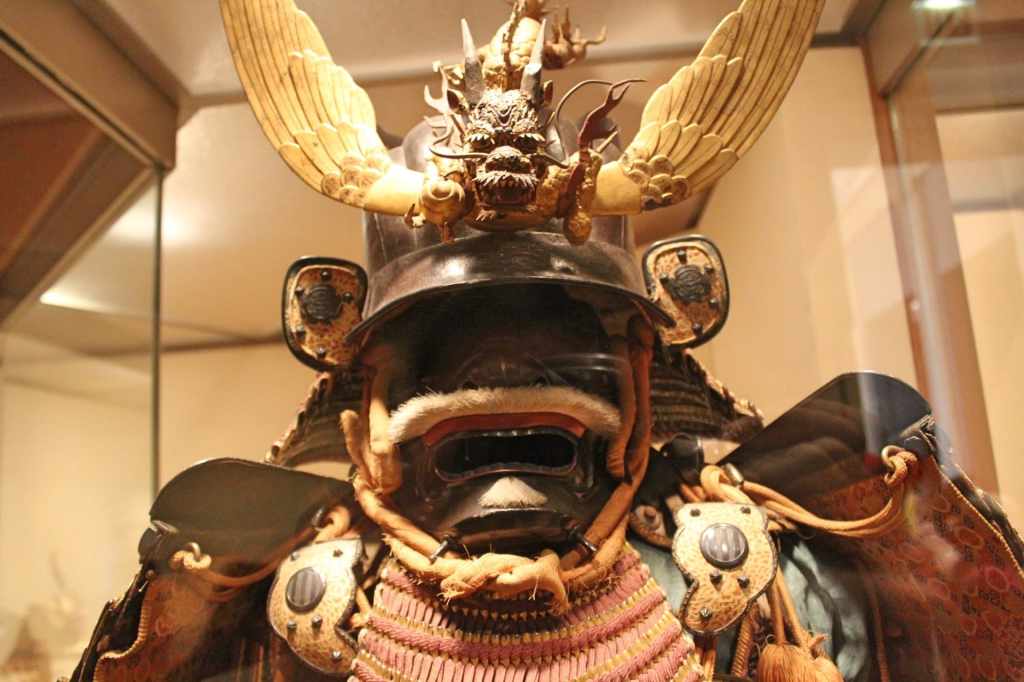
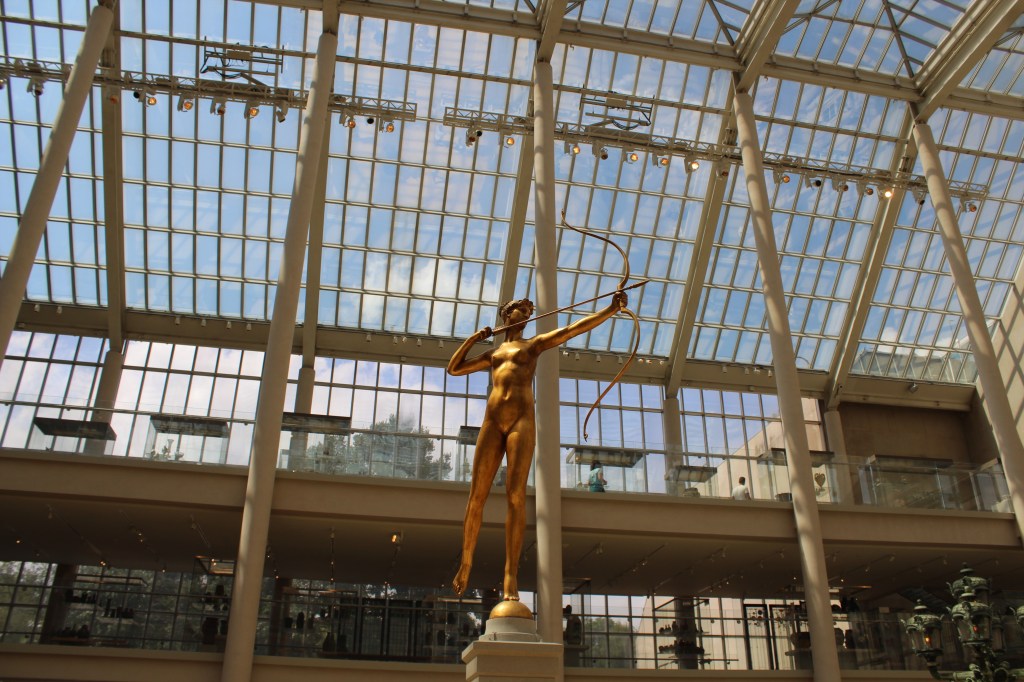


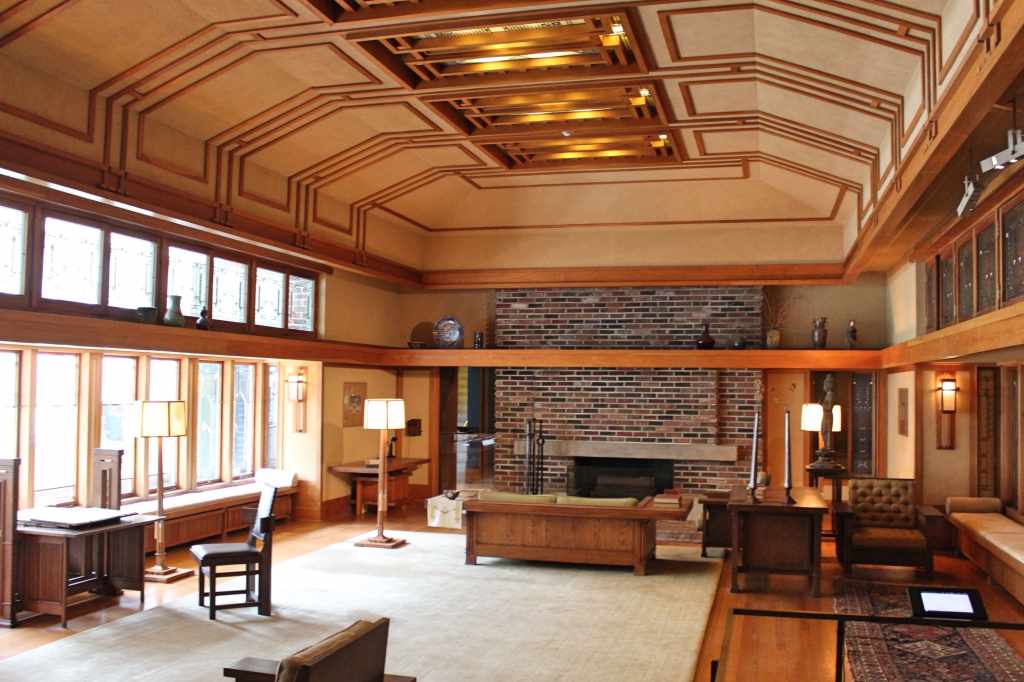
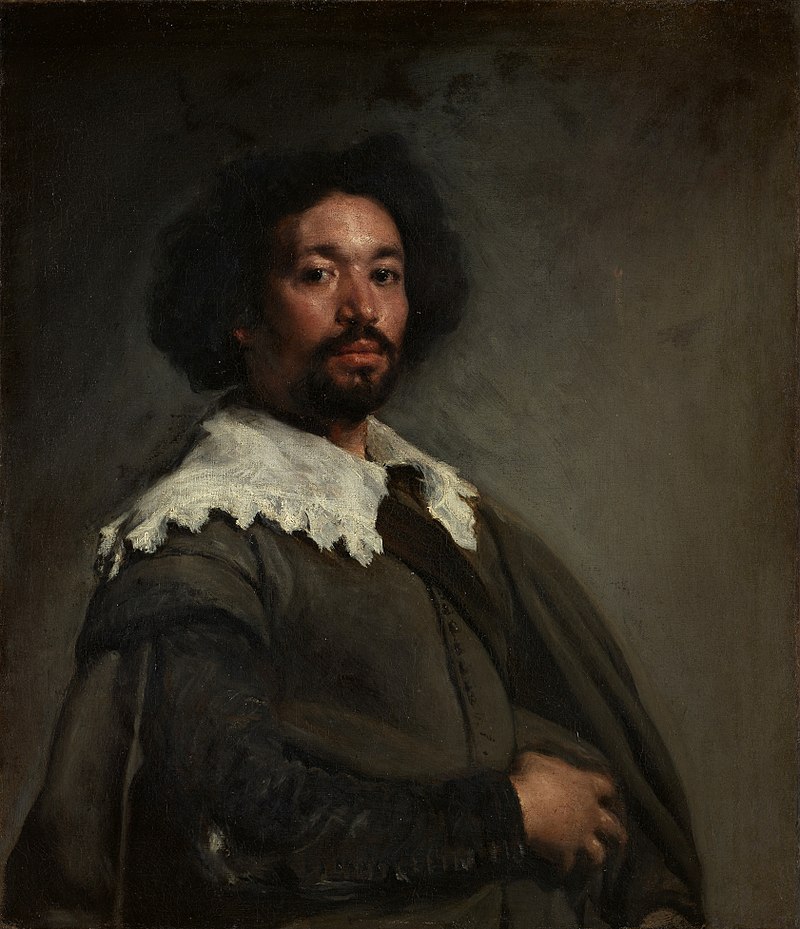
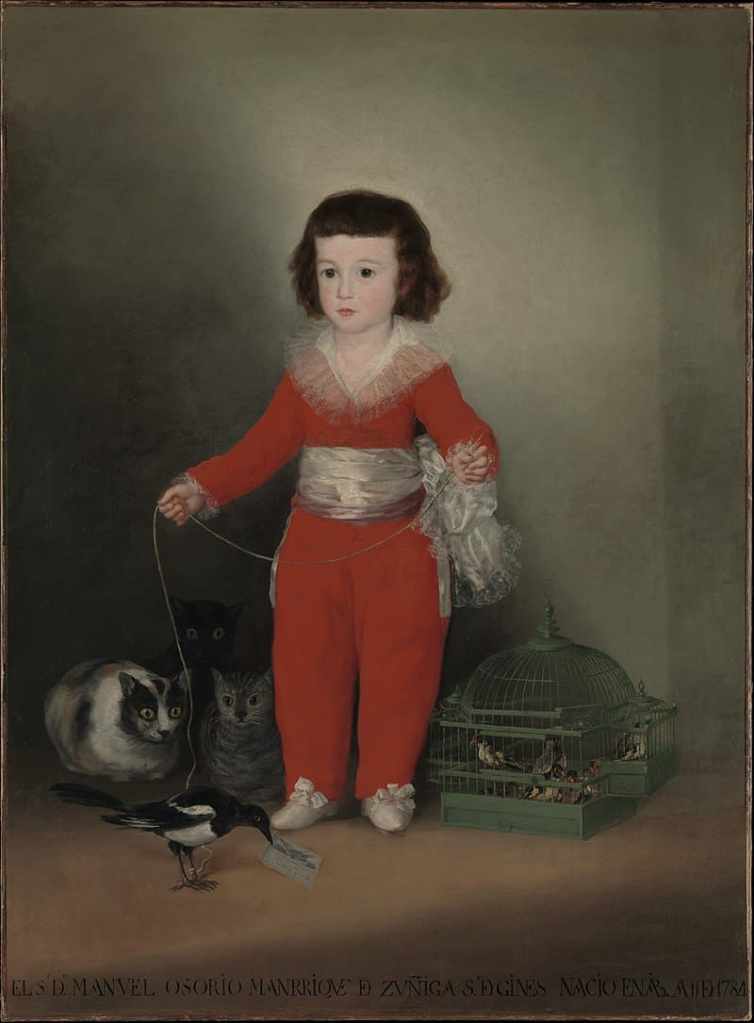
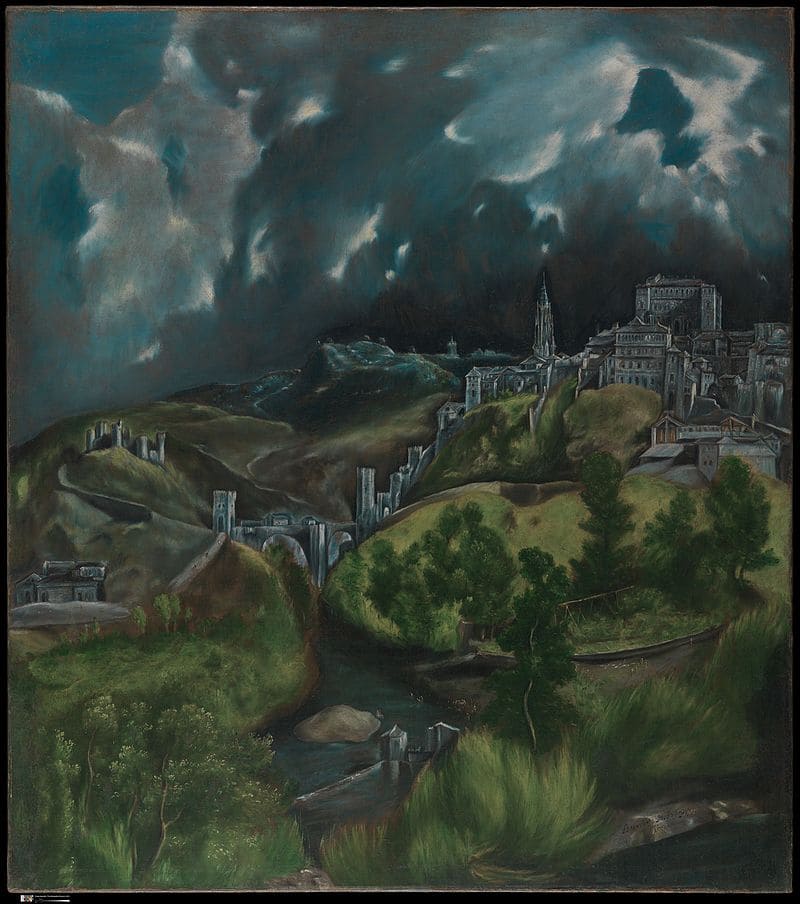

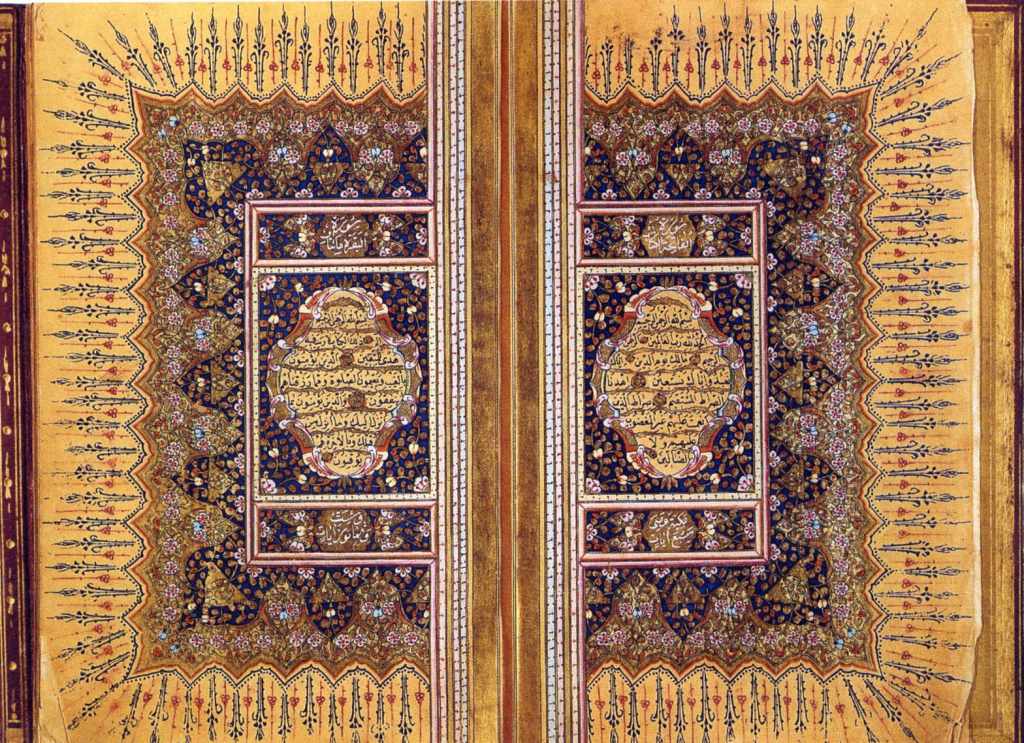


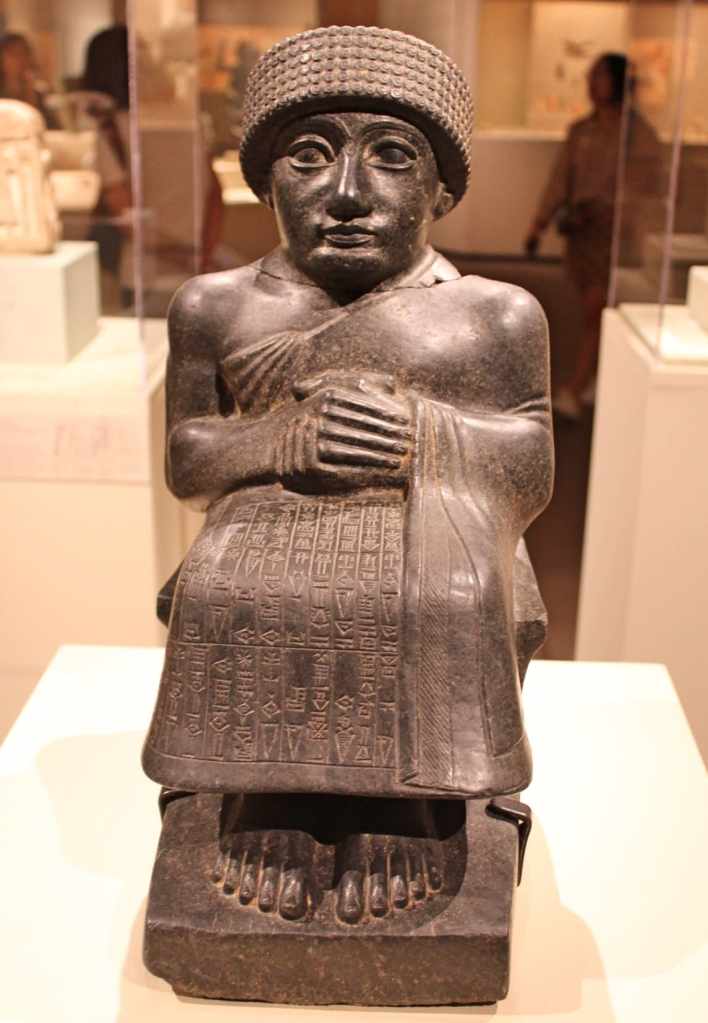
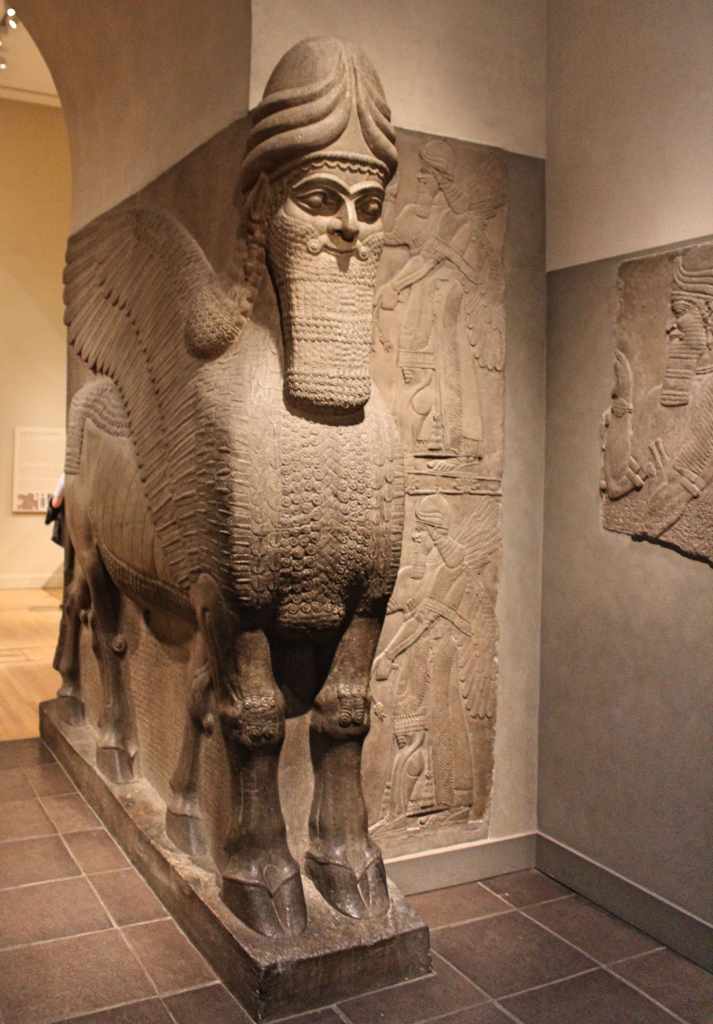
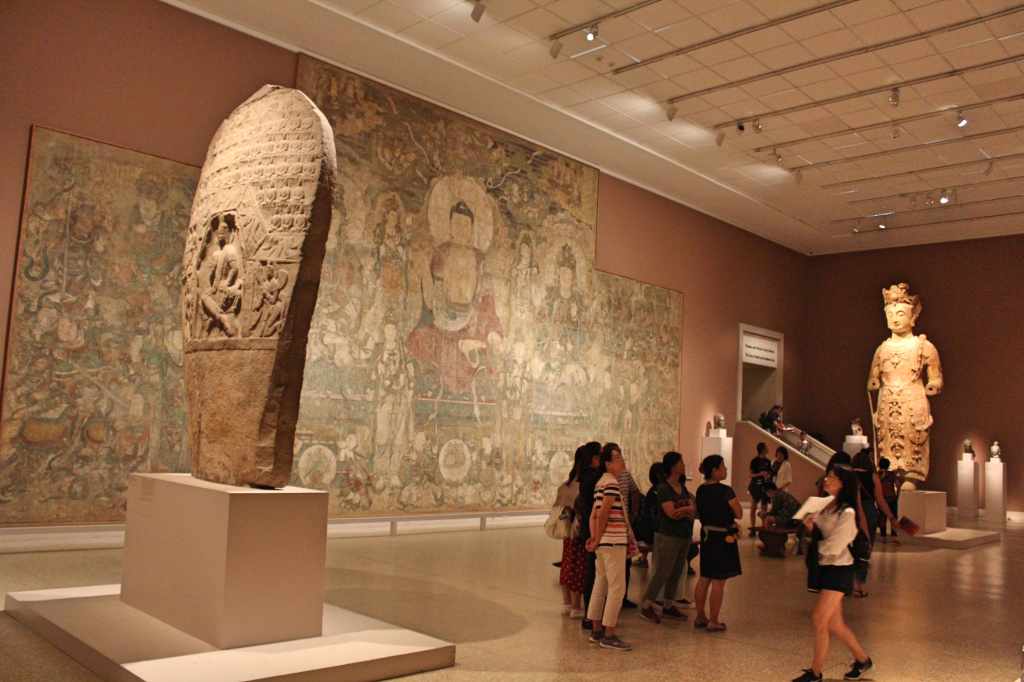
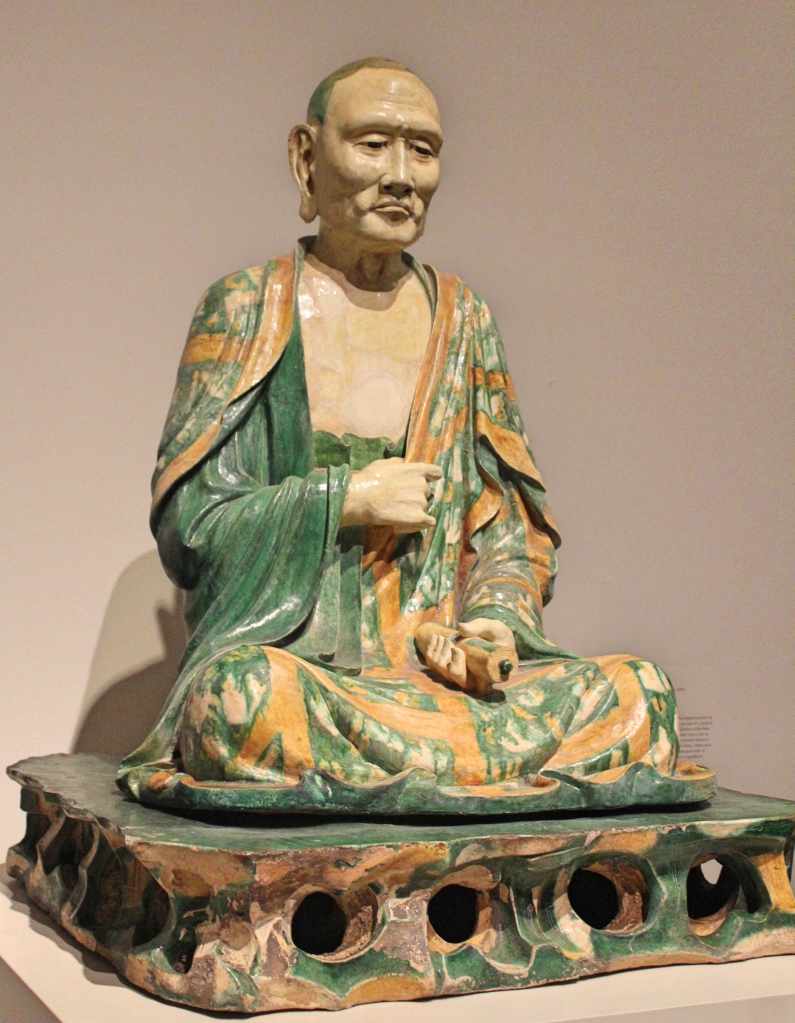


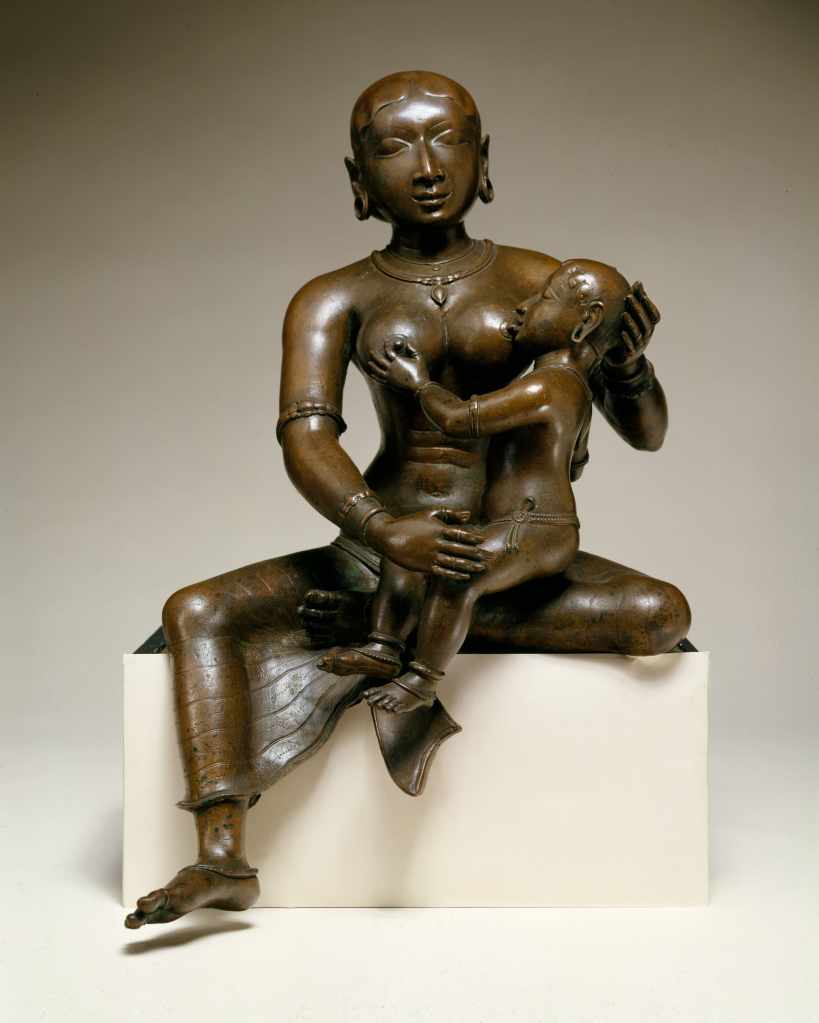
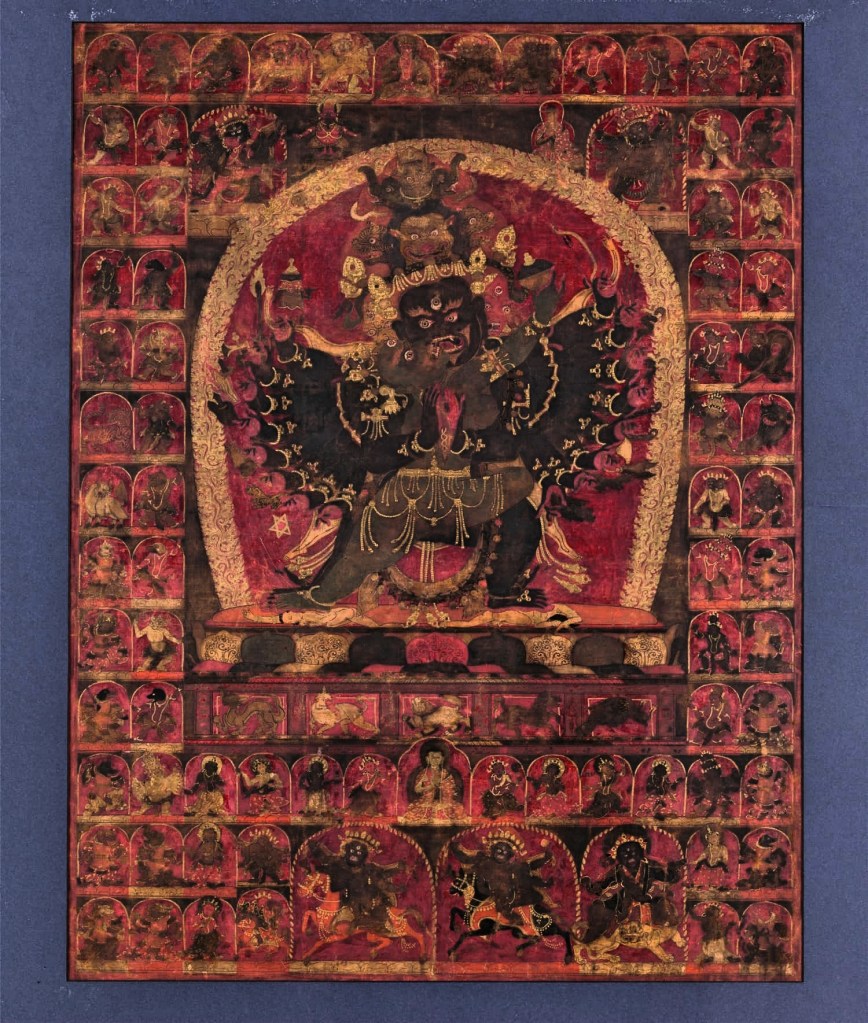
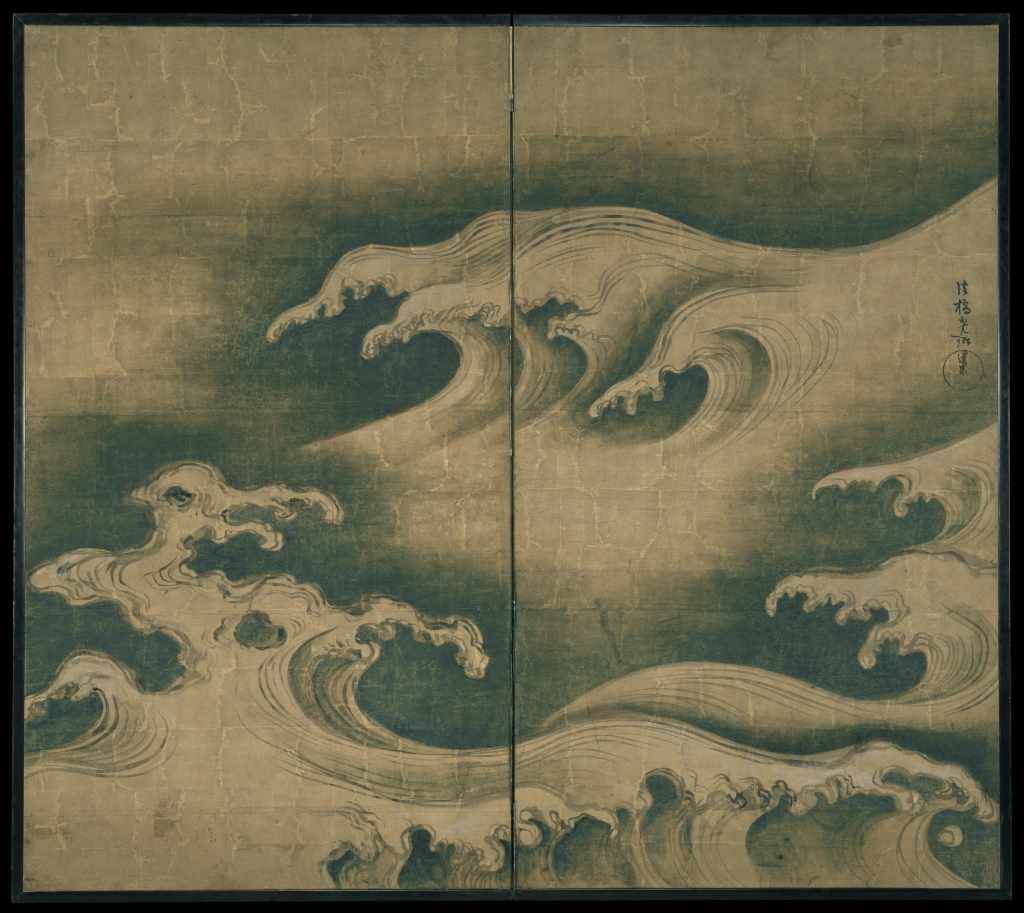

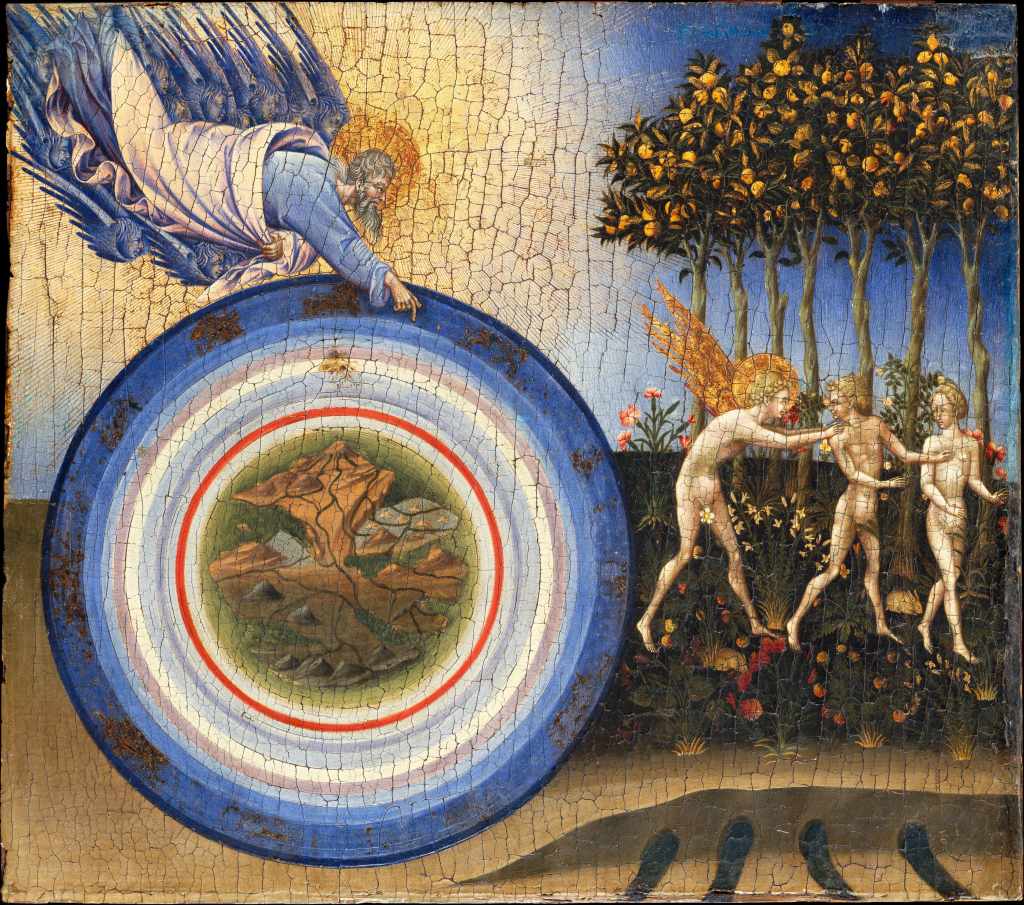

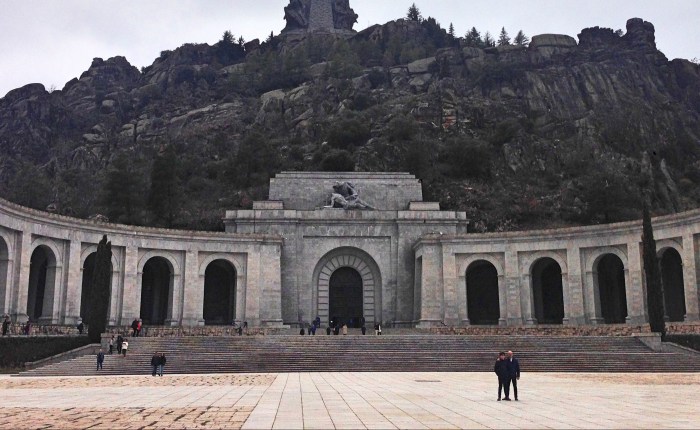

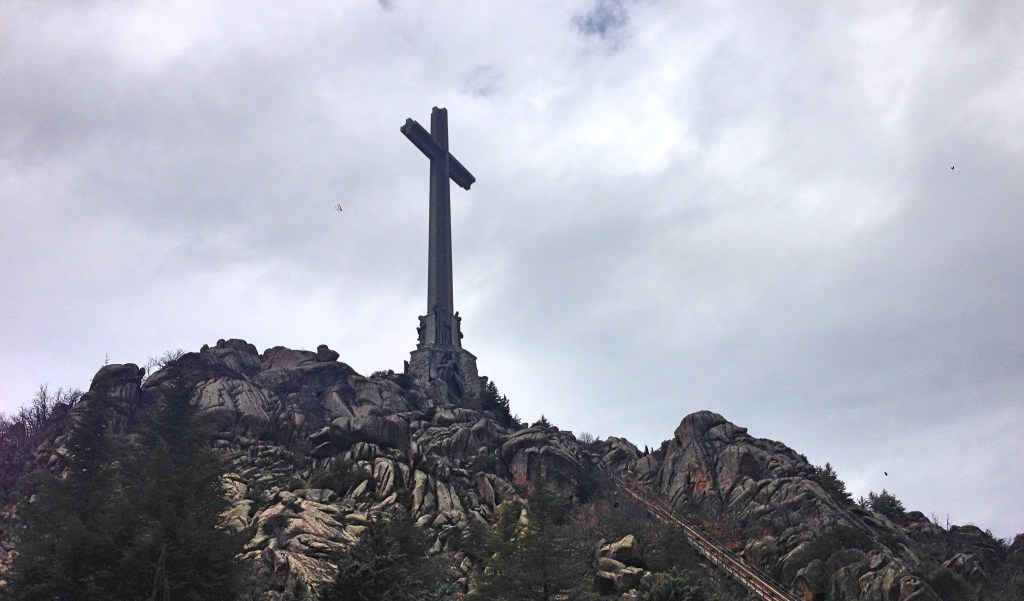
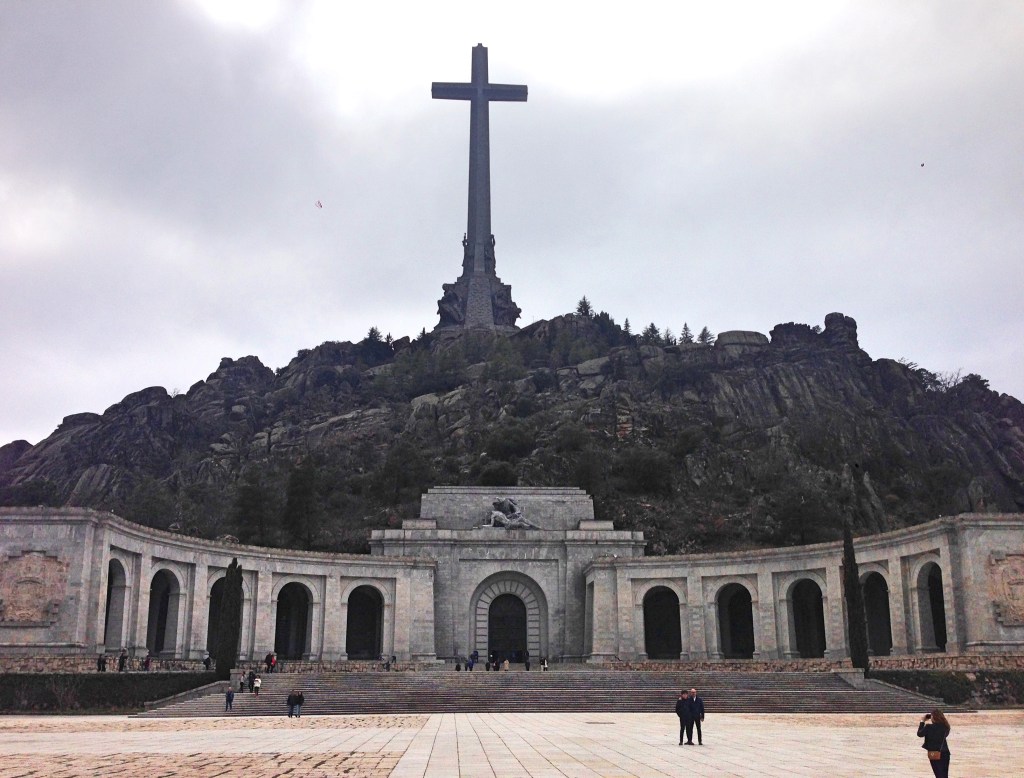
_01.jpg)
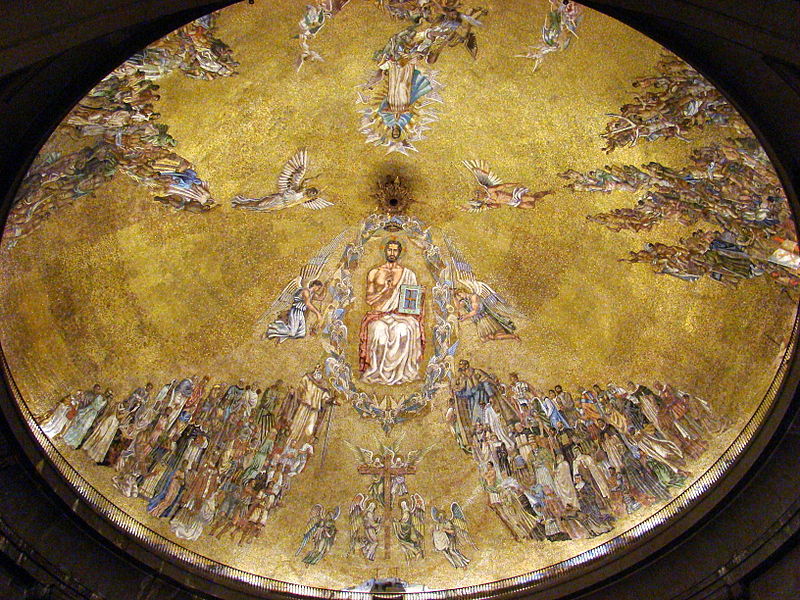
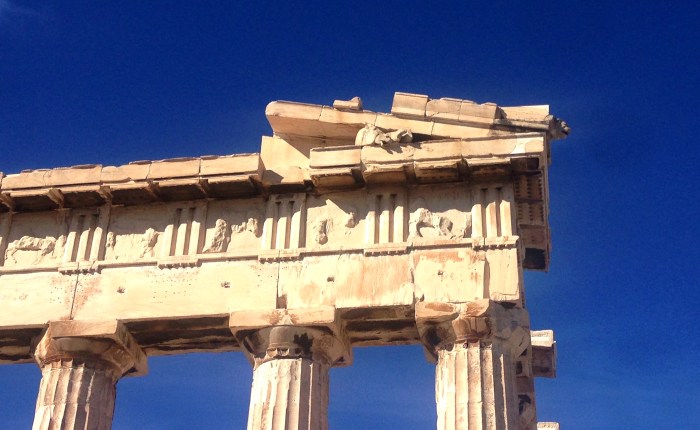

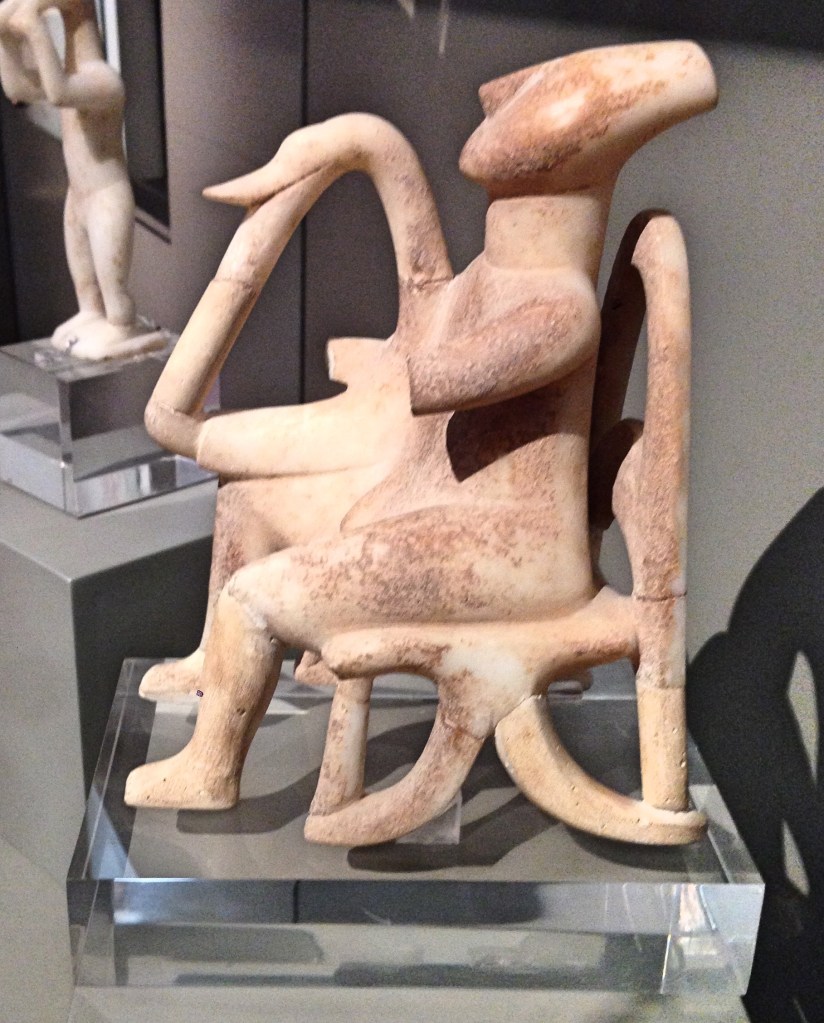
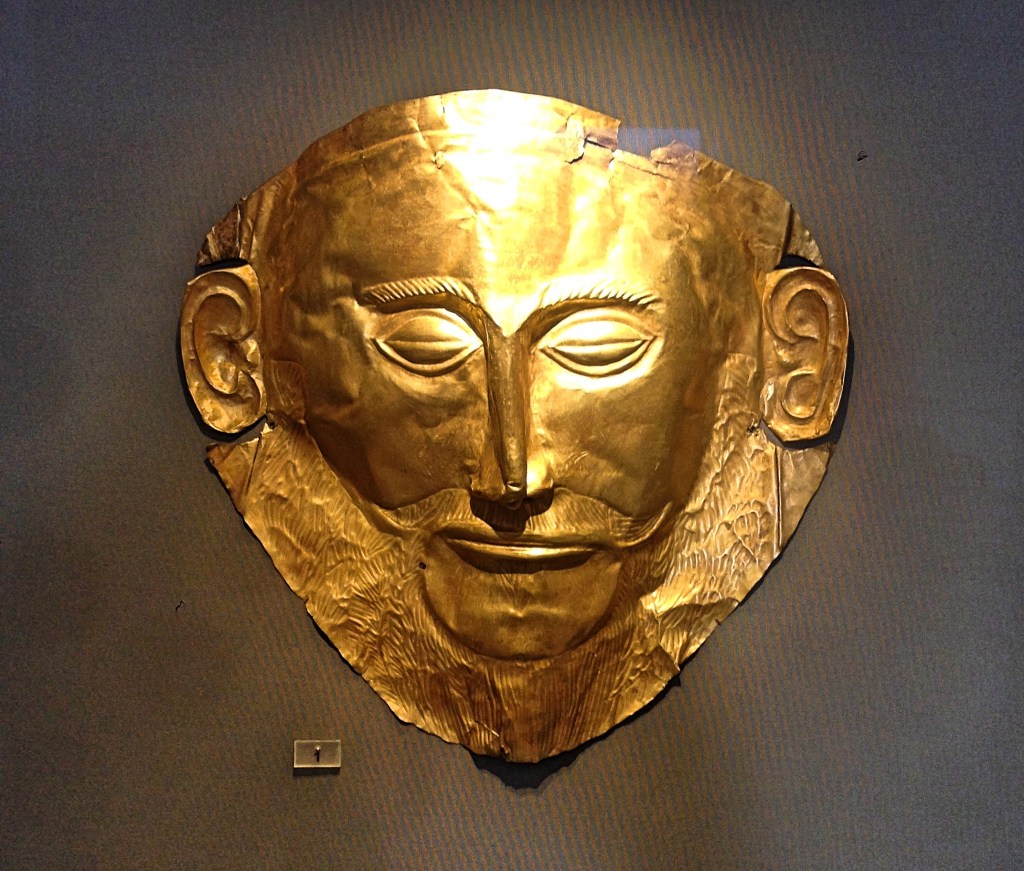

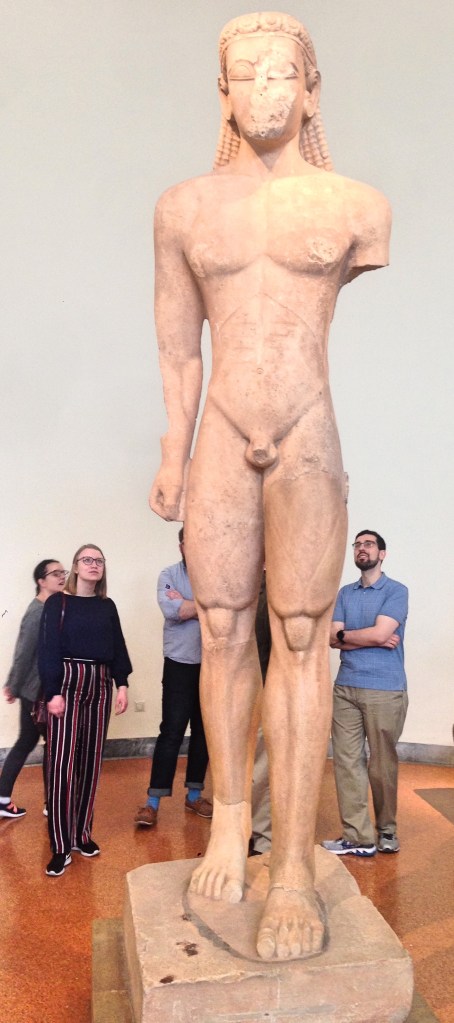

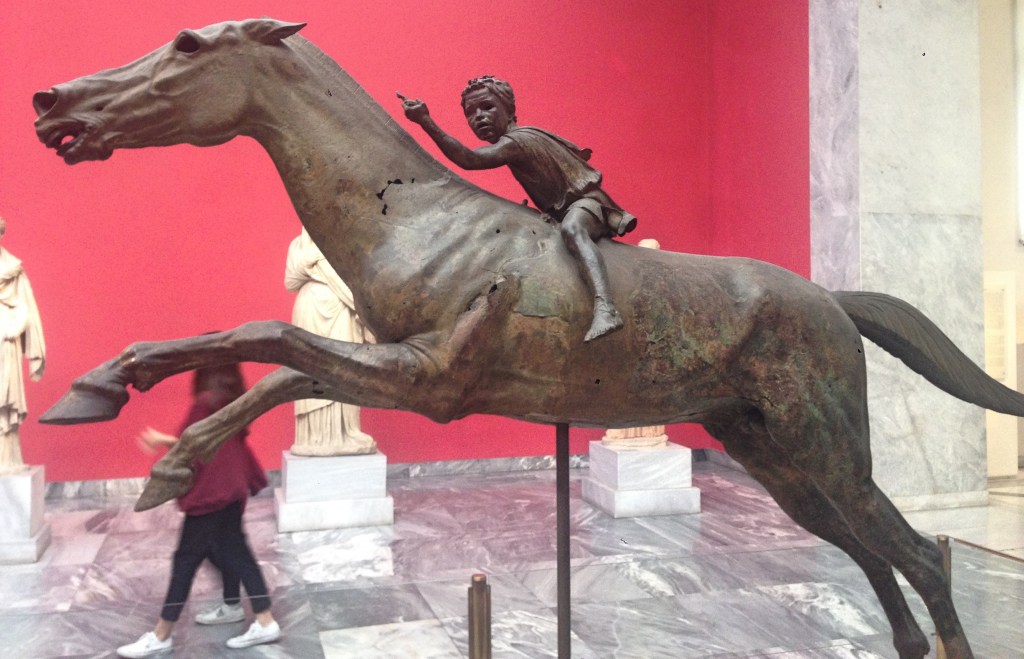
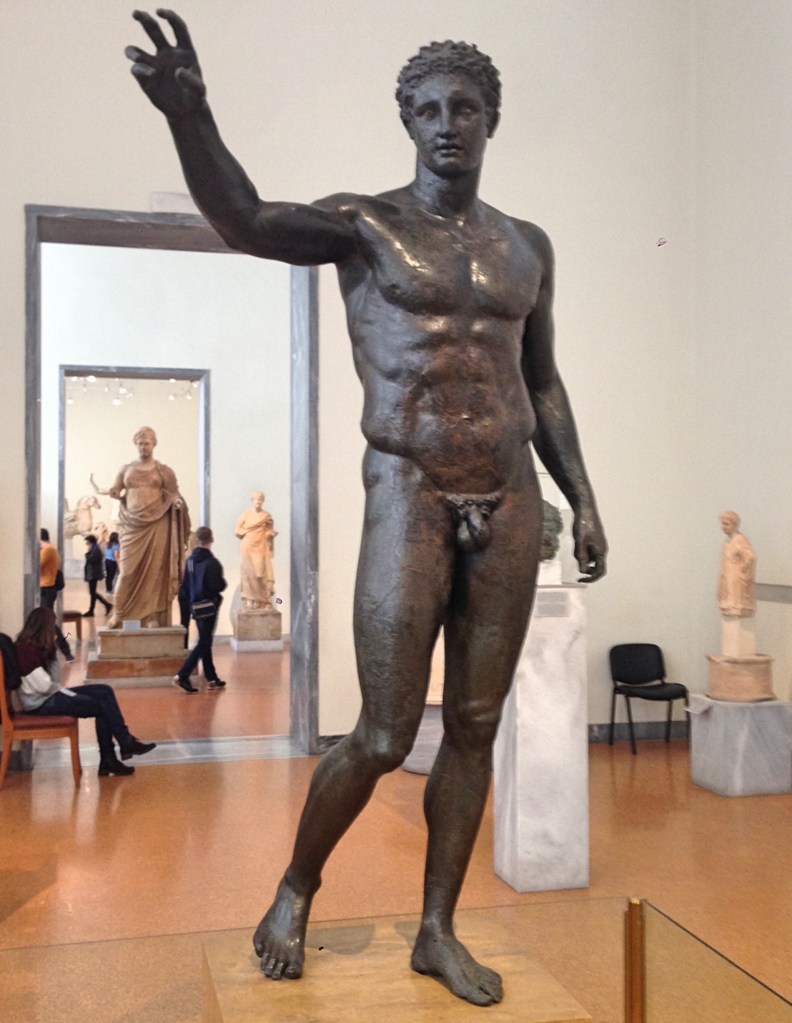


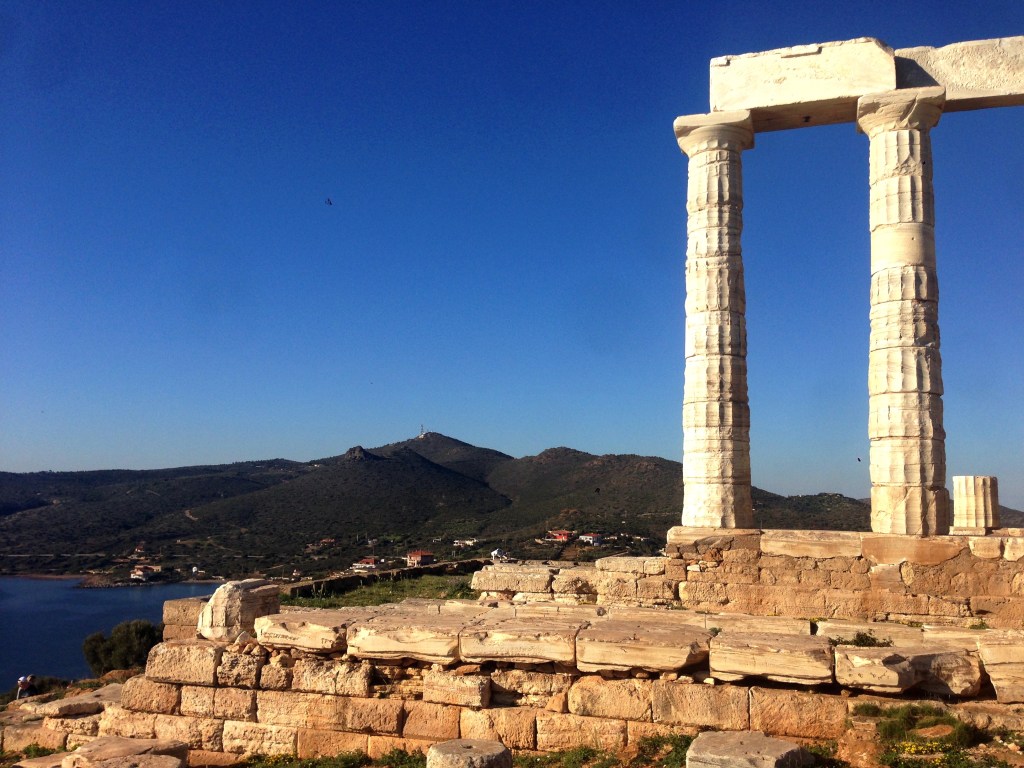
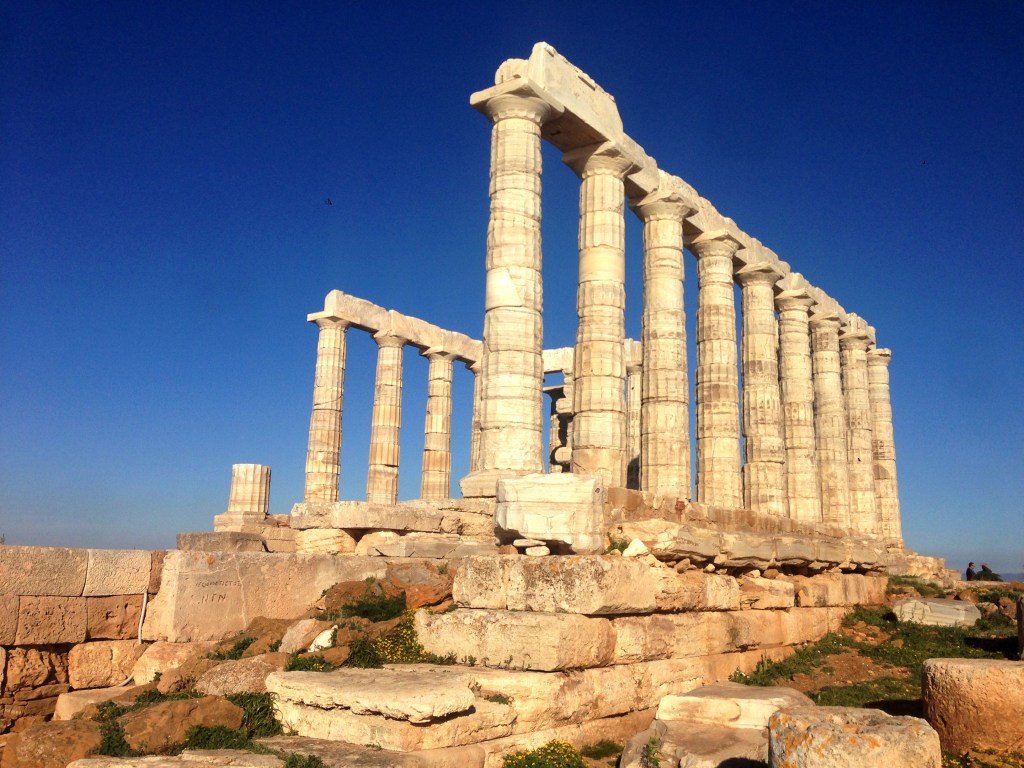

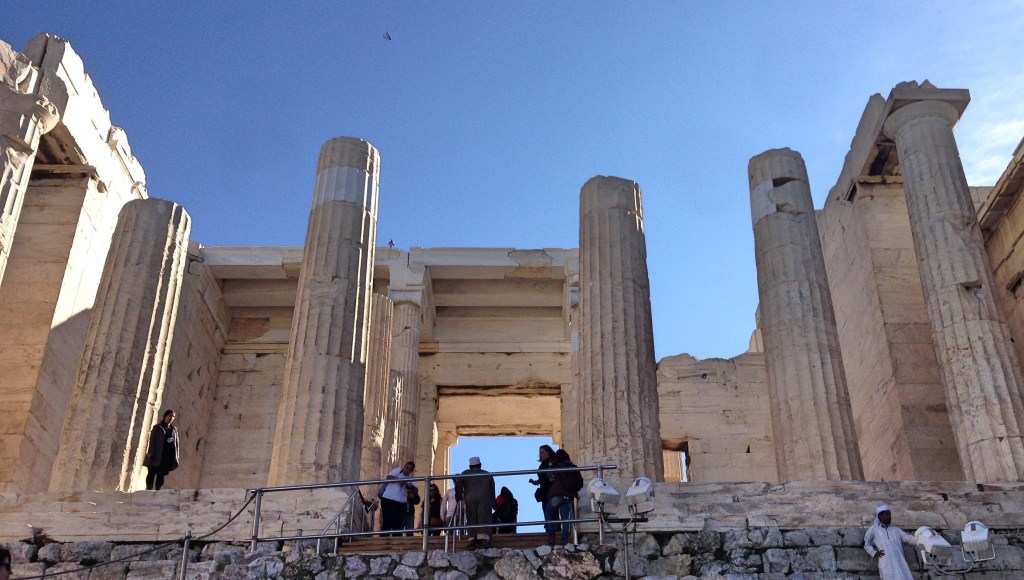


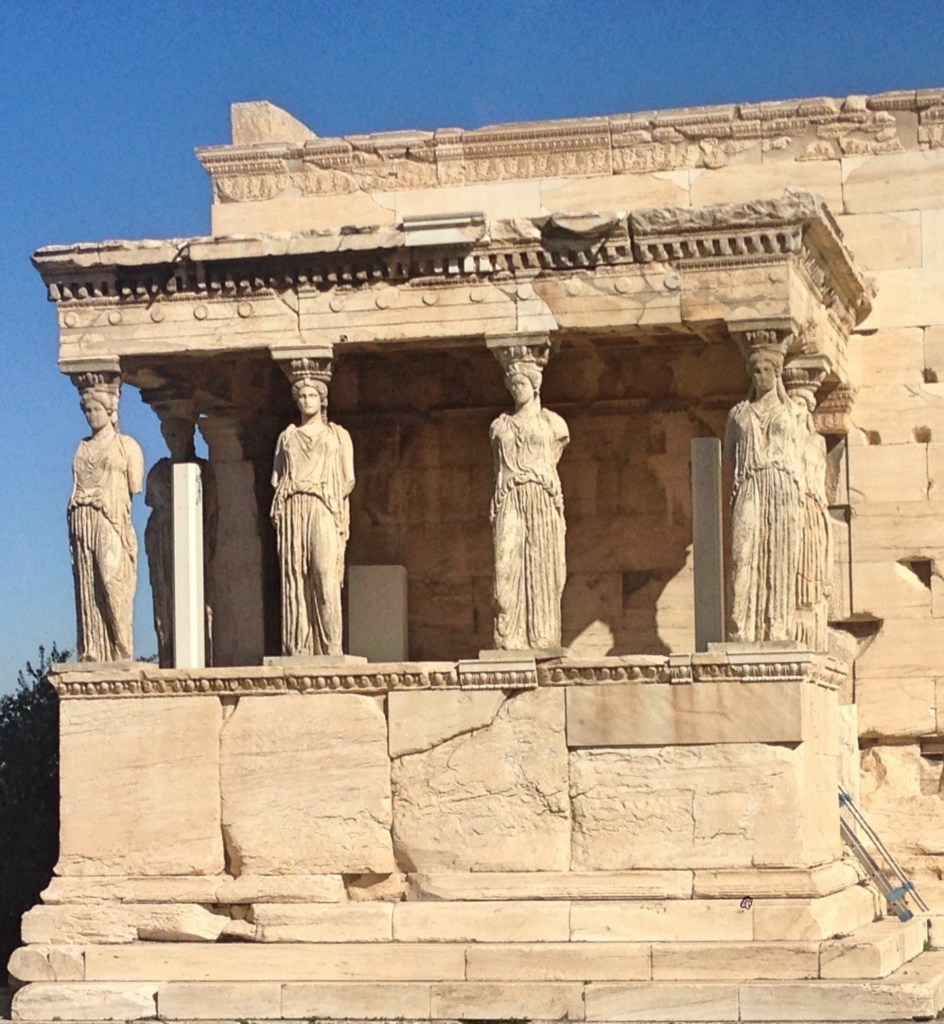
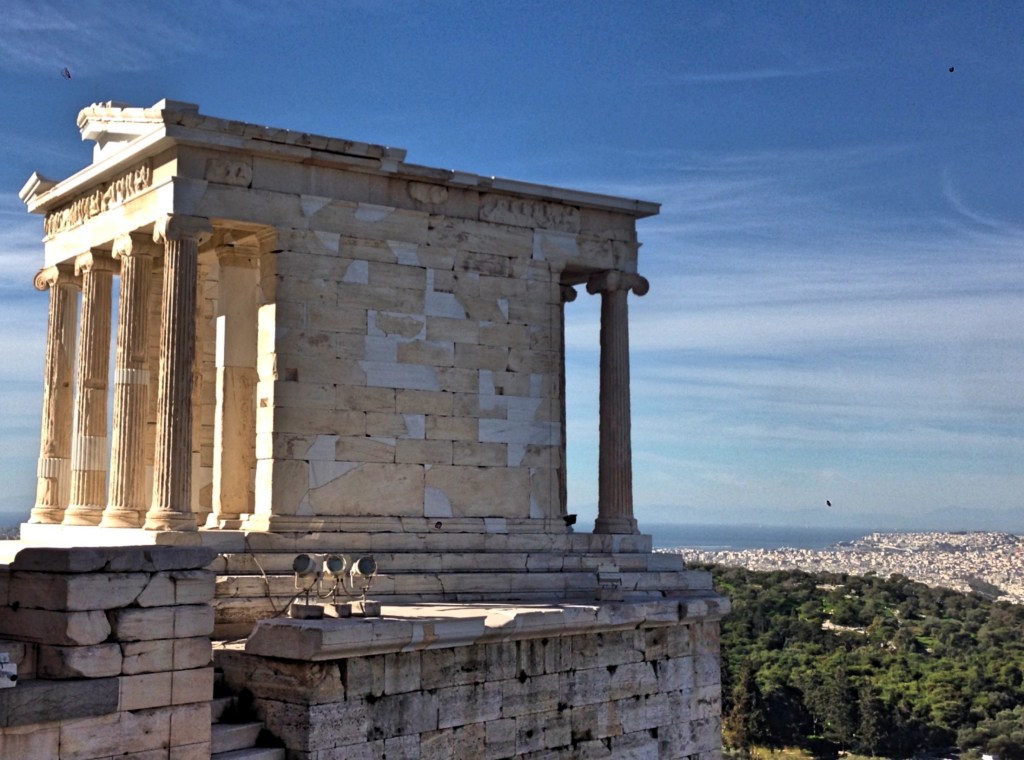
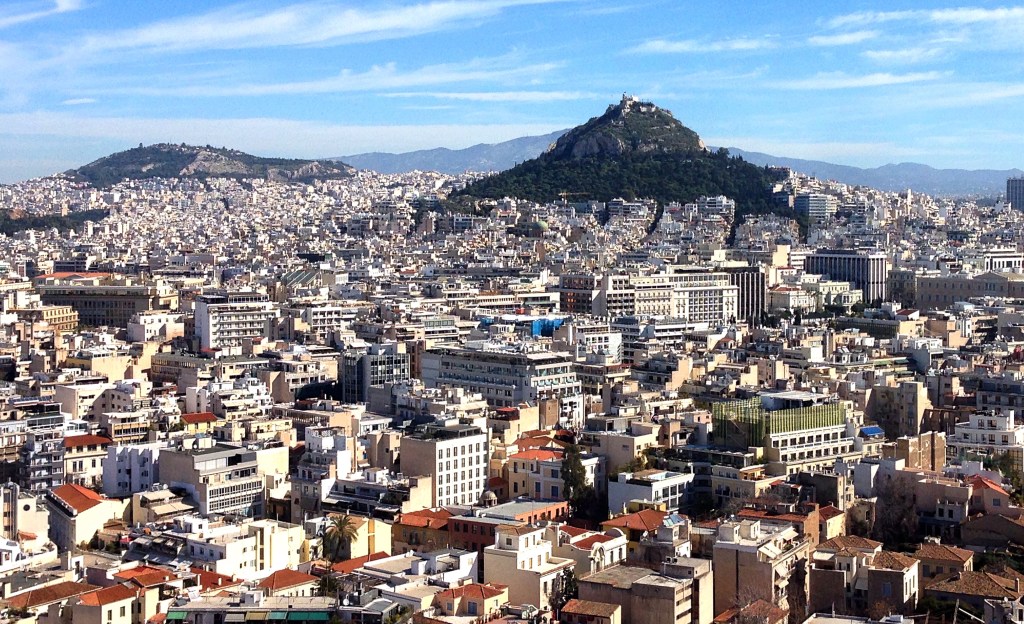
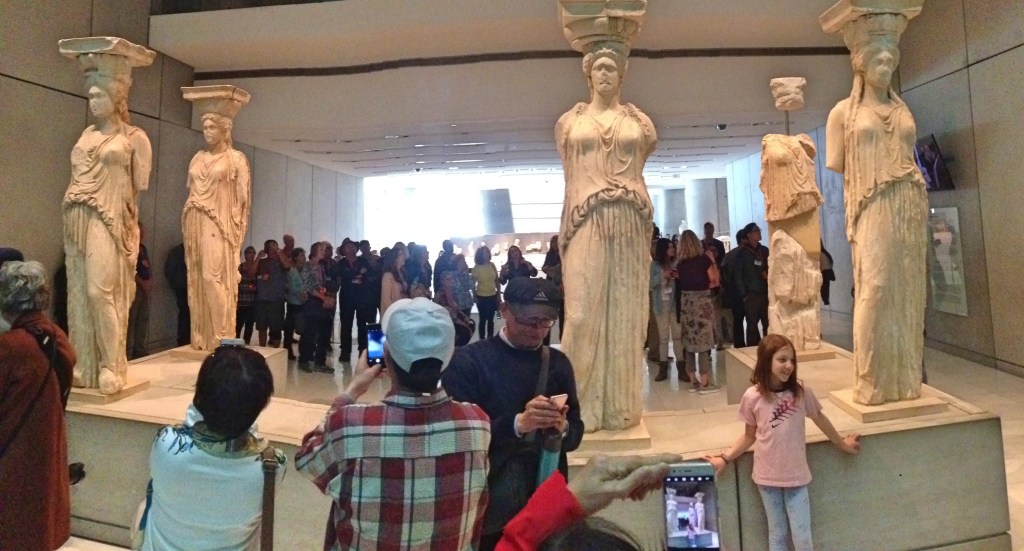
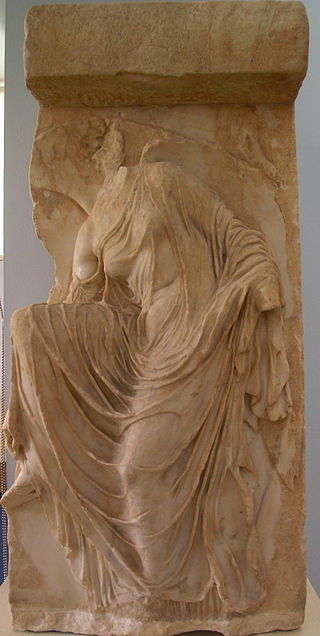
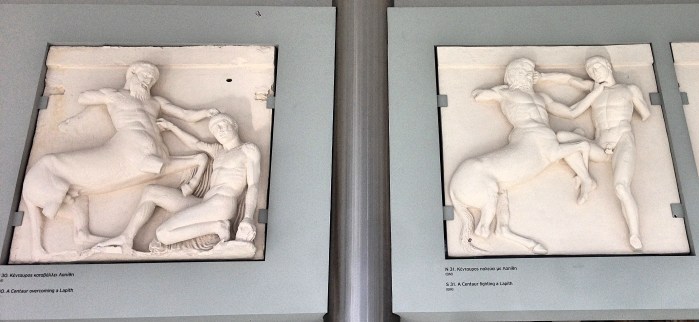
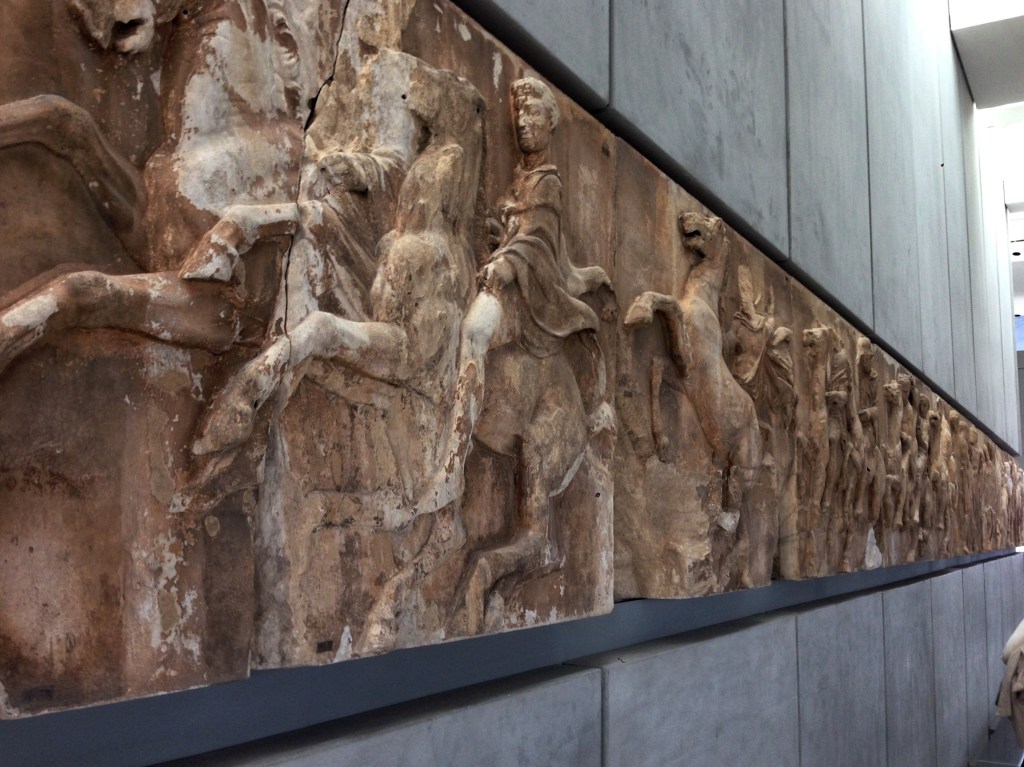

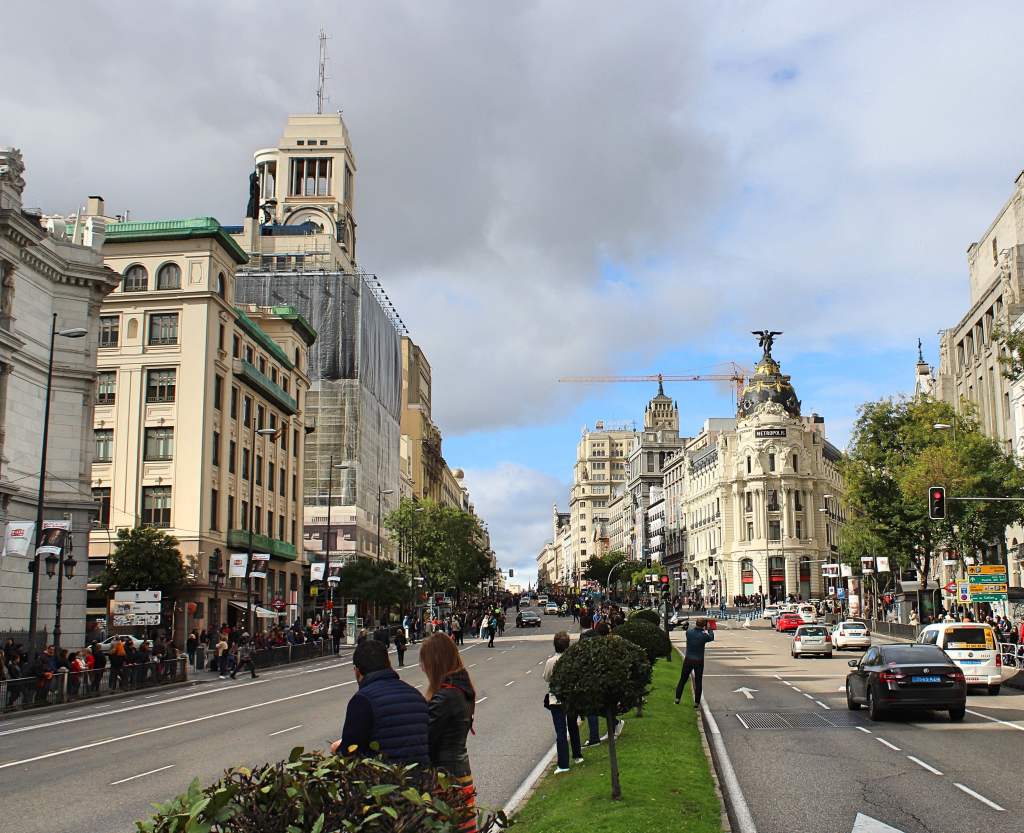


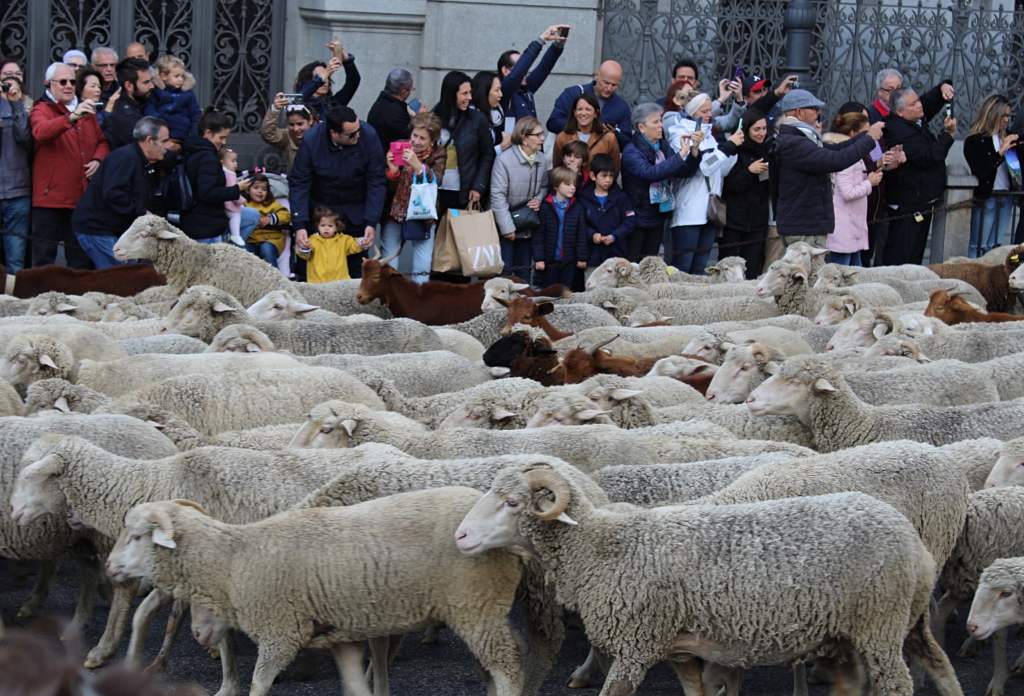
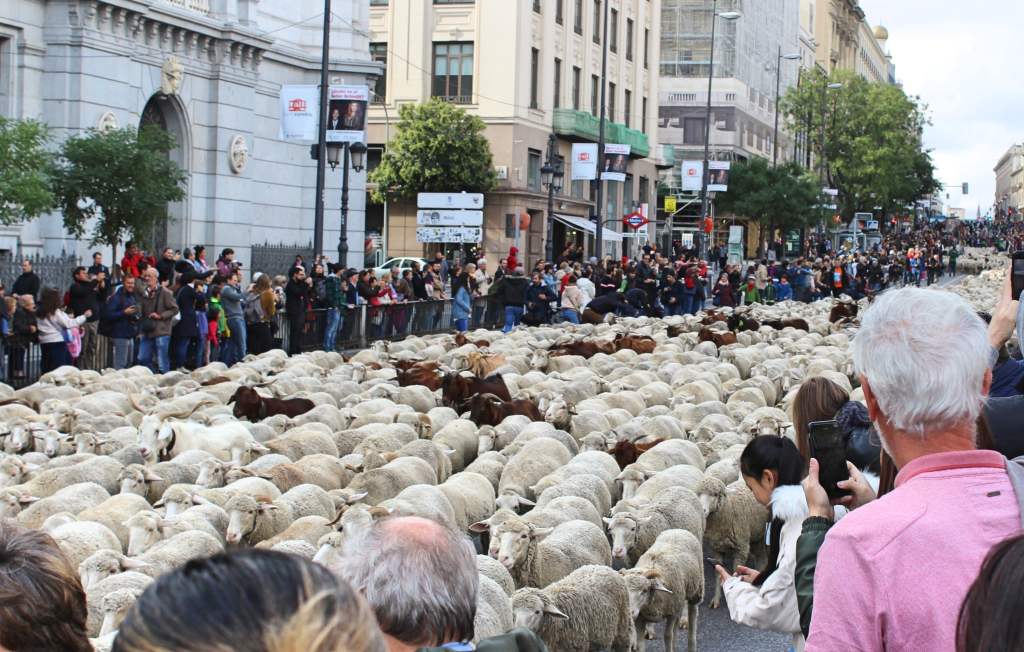

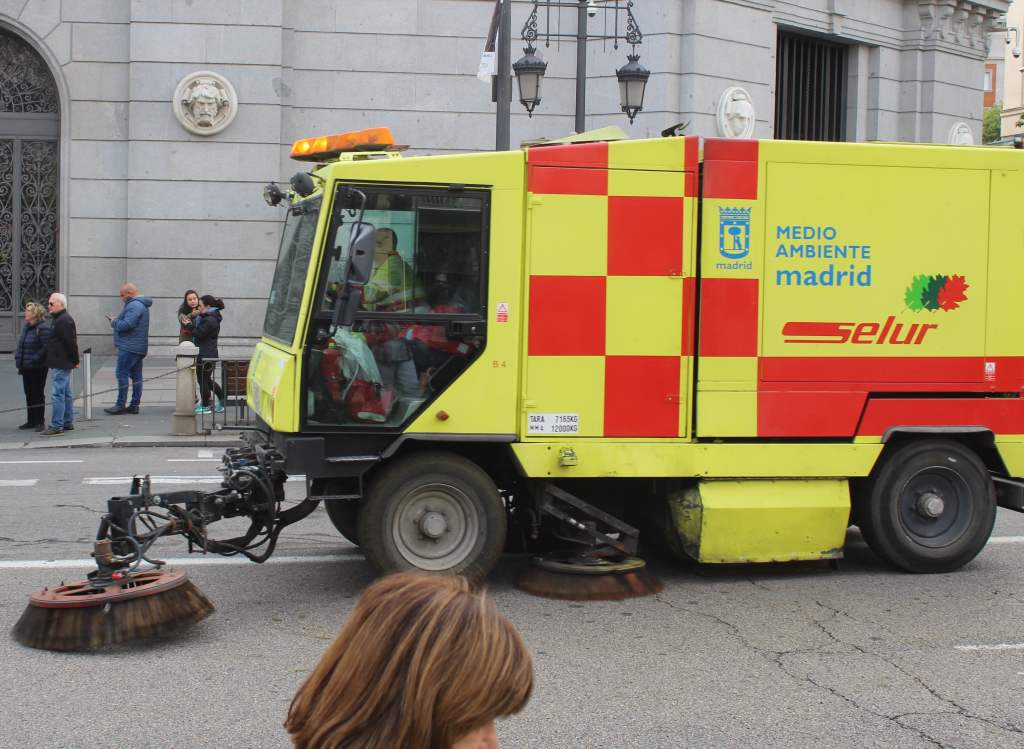
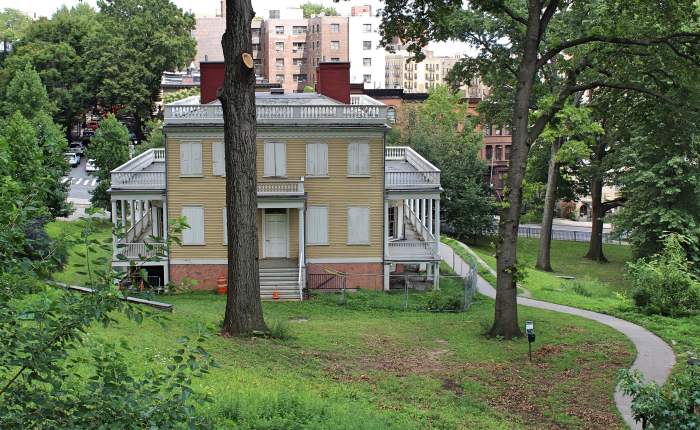
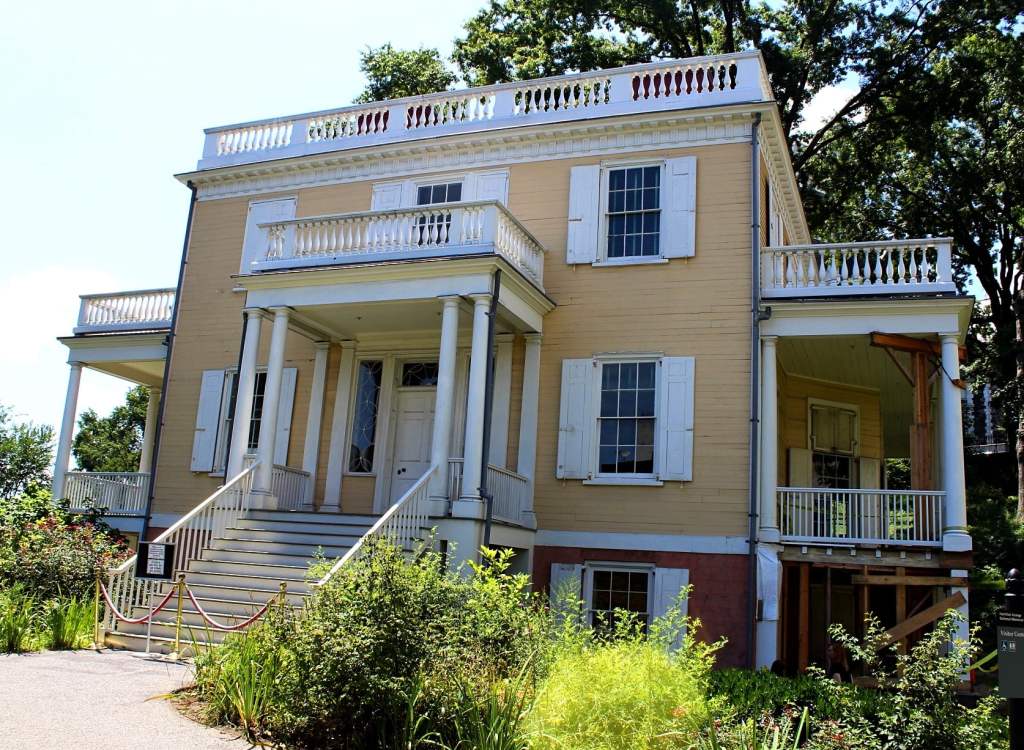
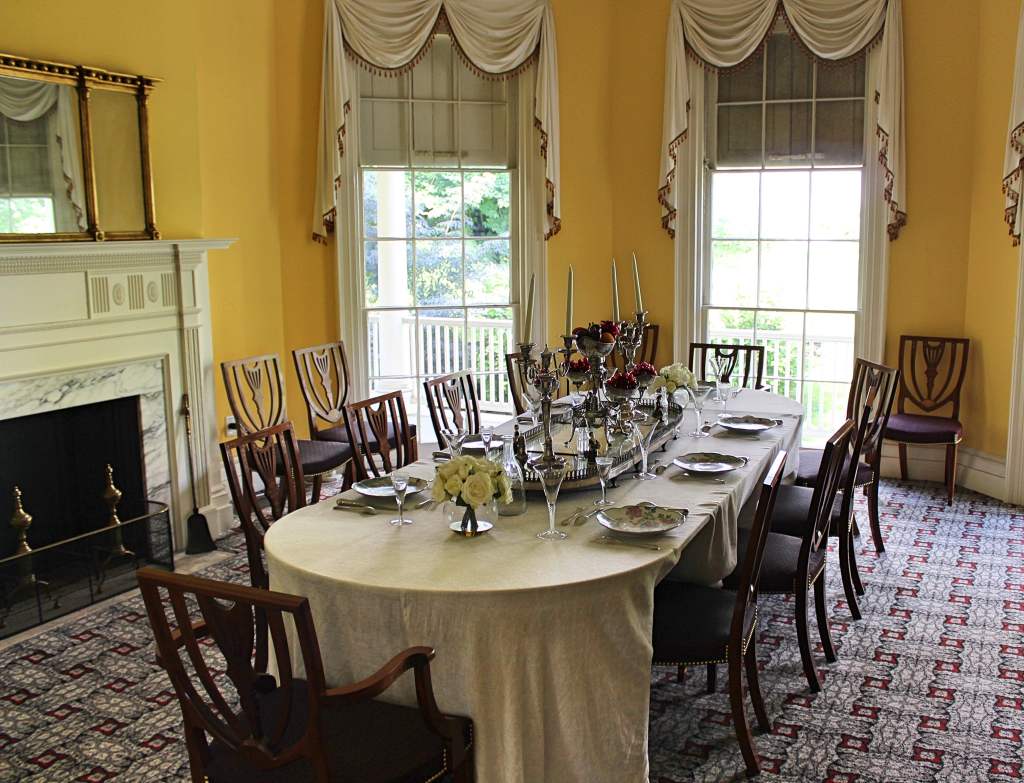
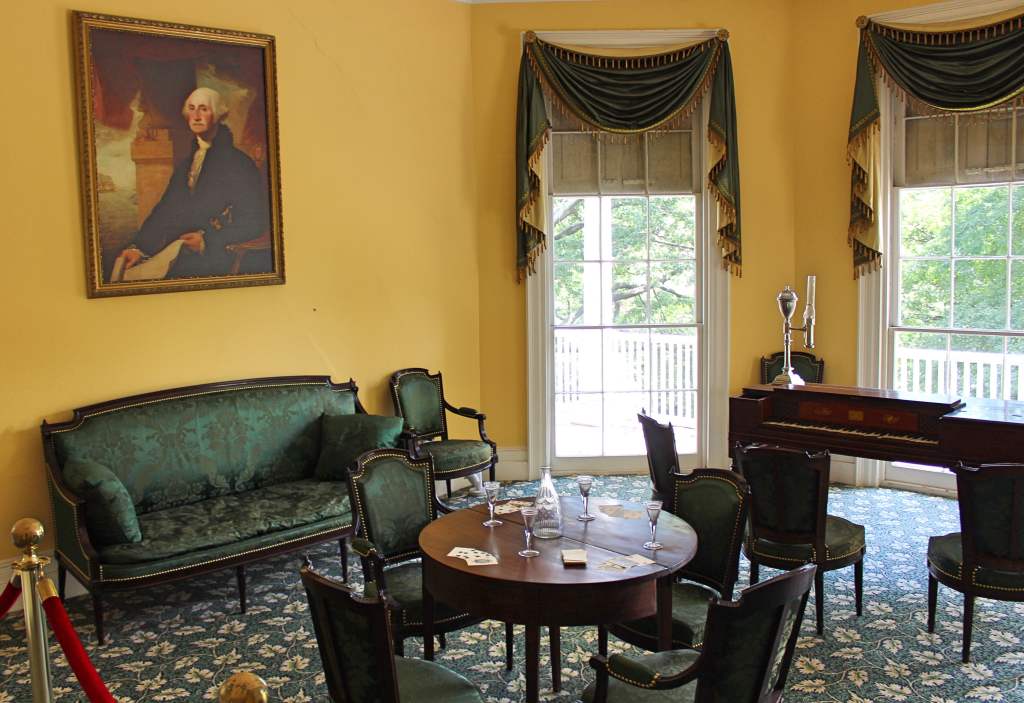
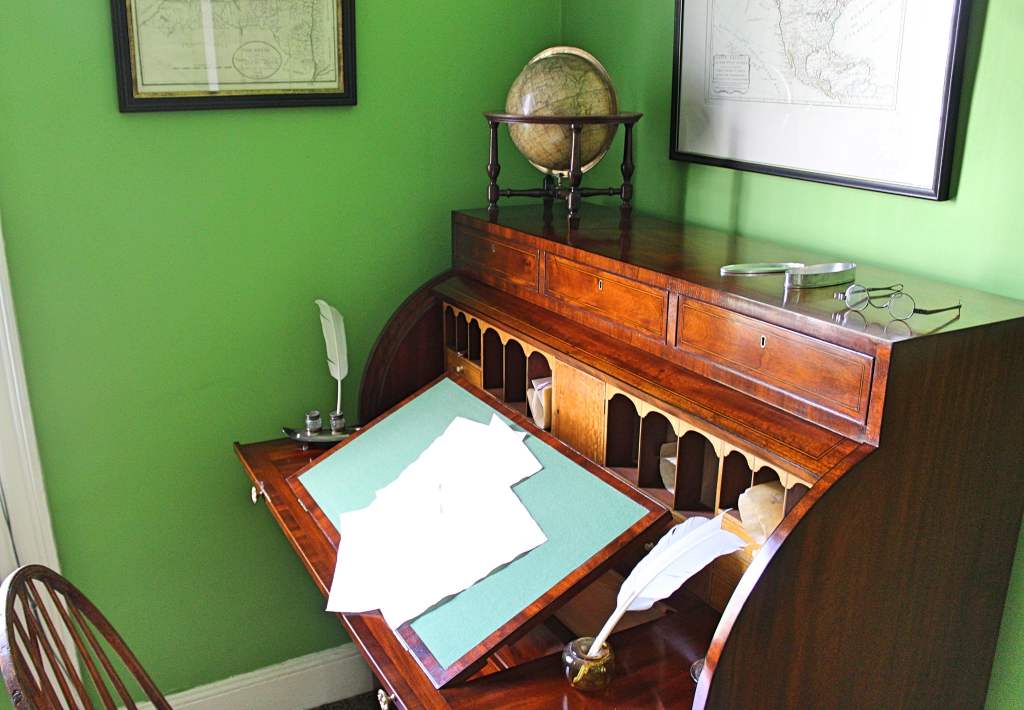
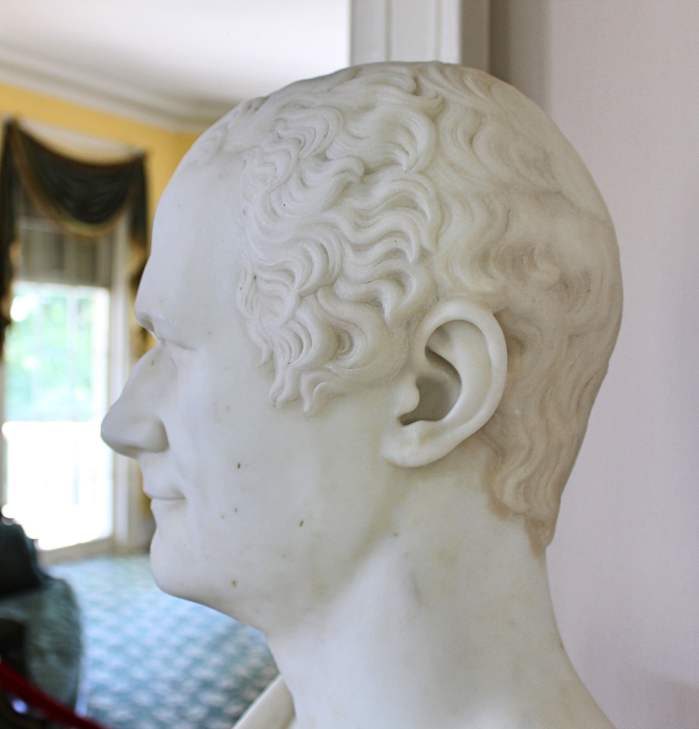

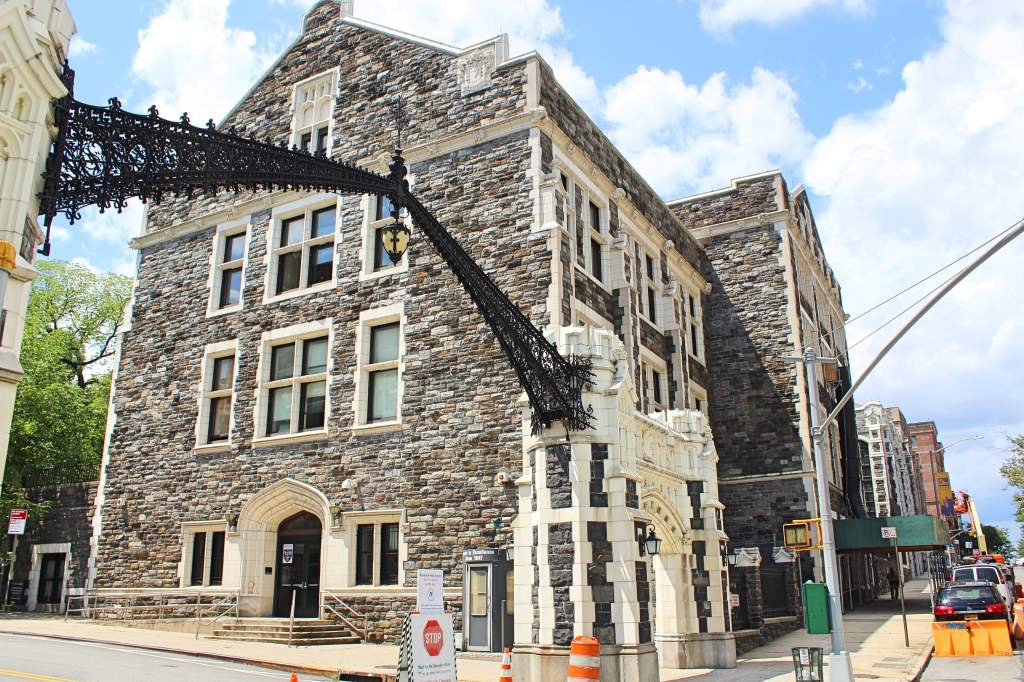


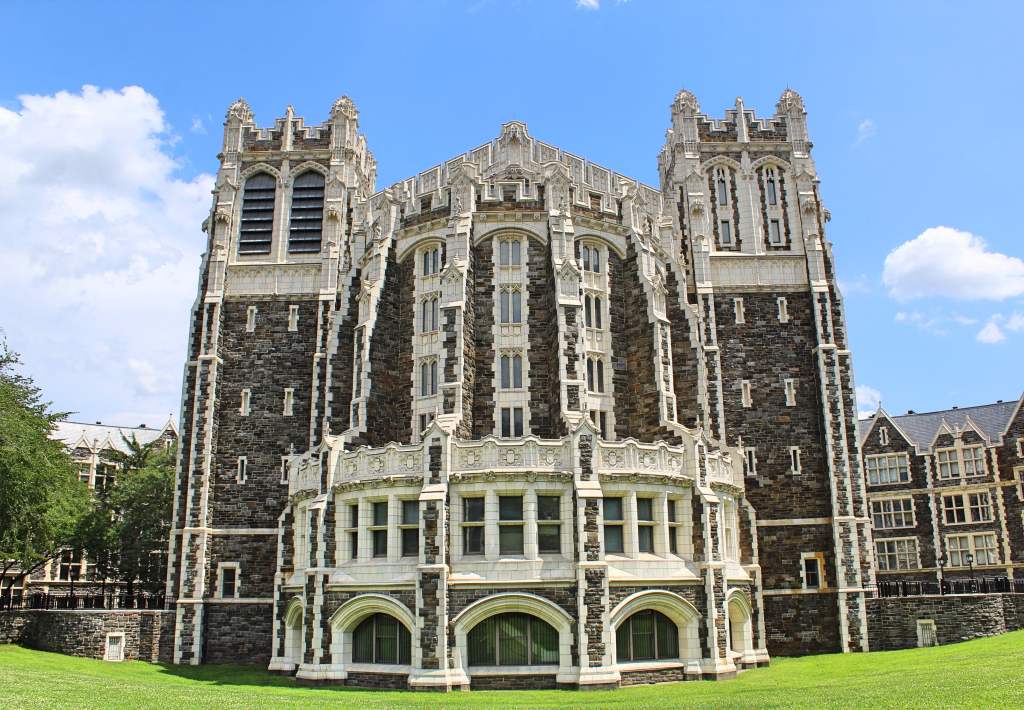
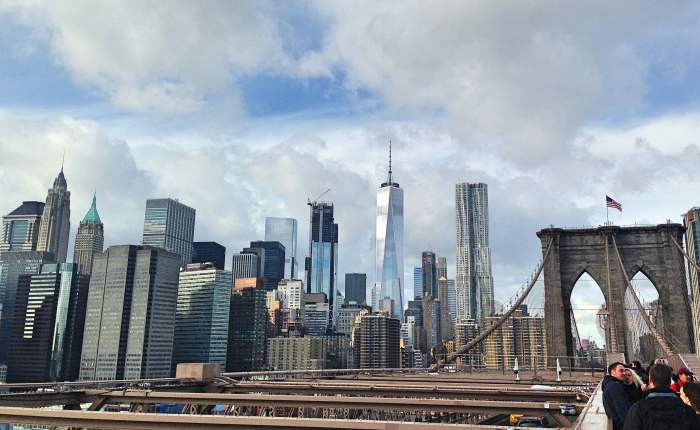


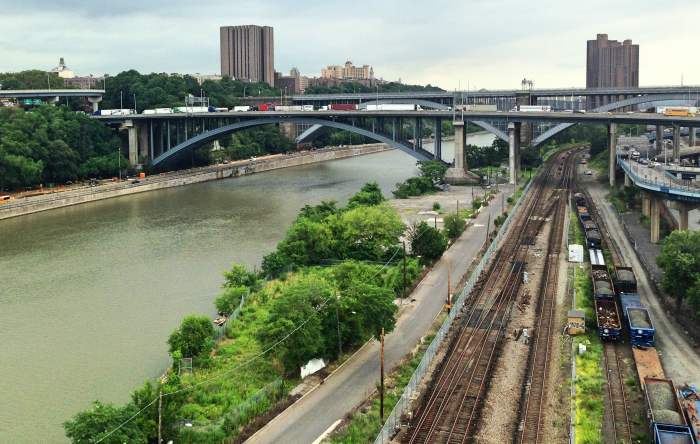
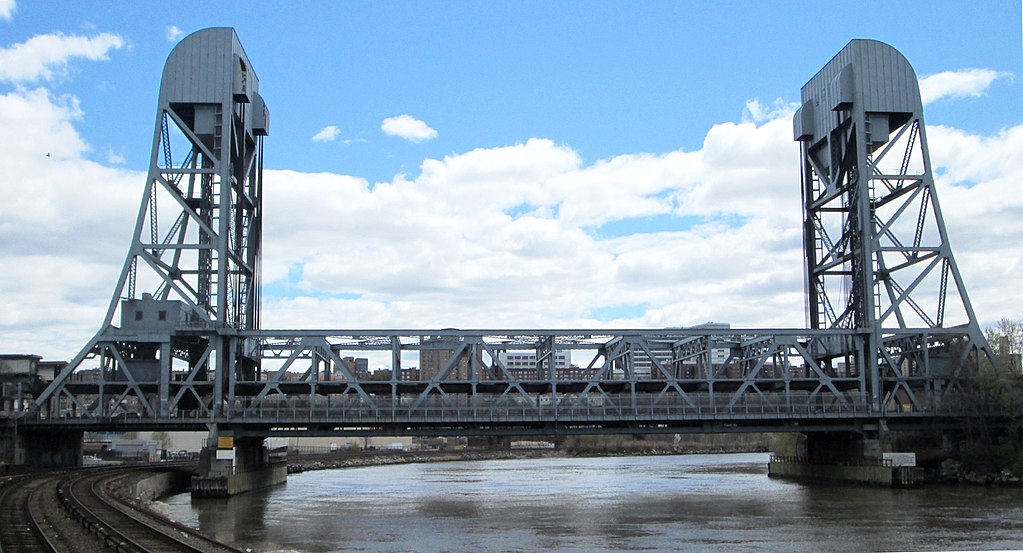





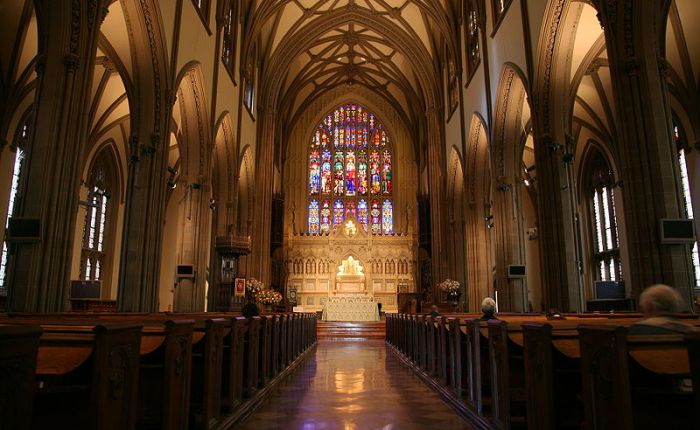

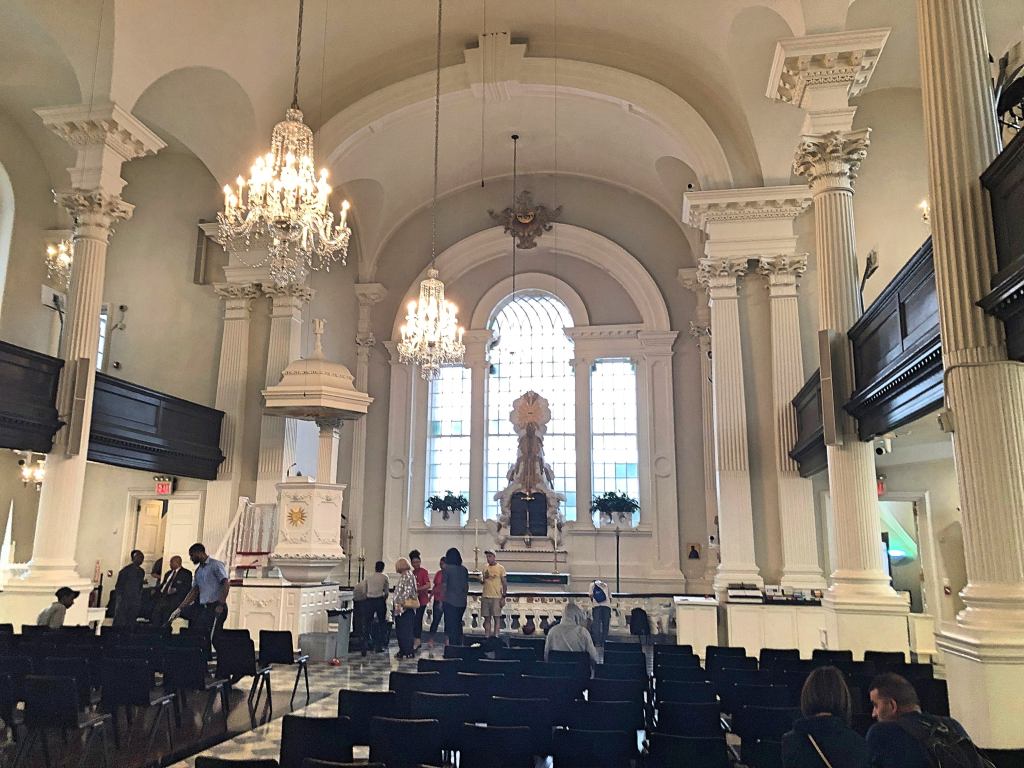
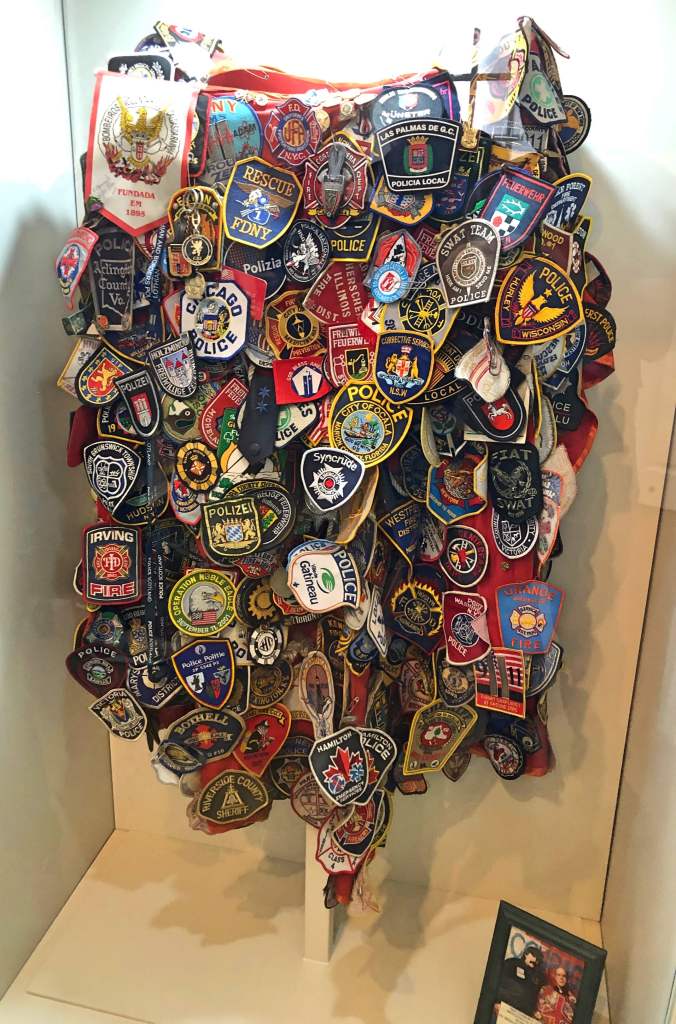
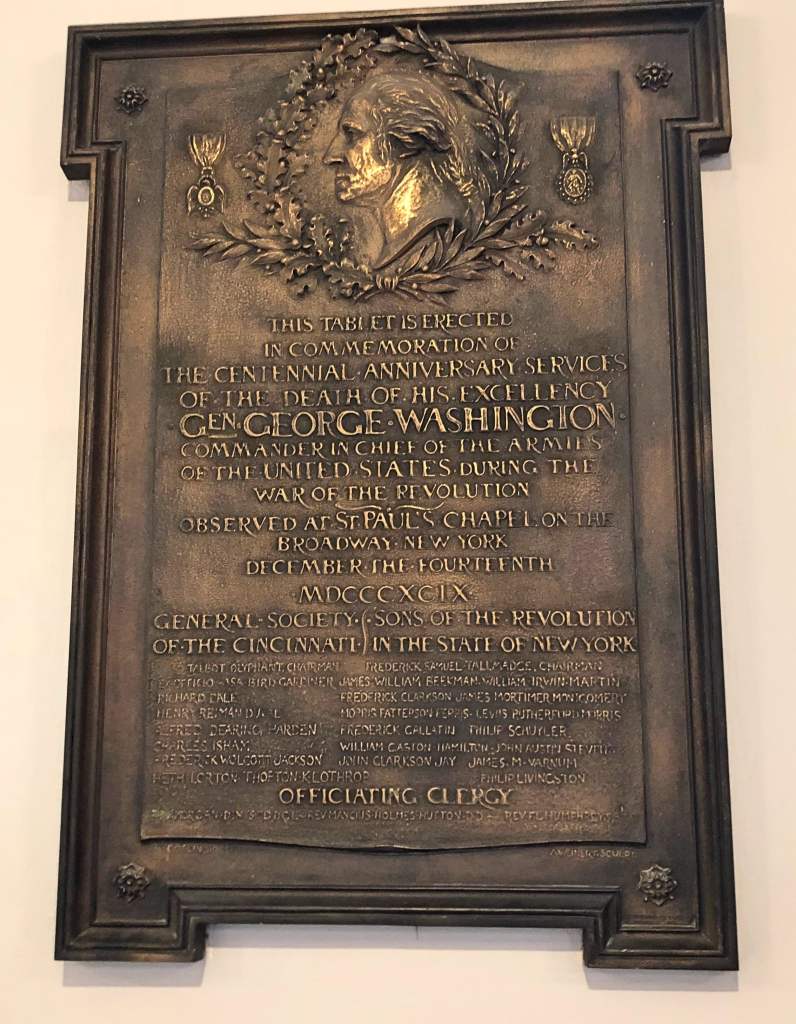
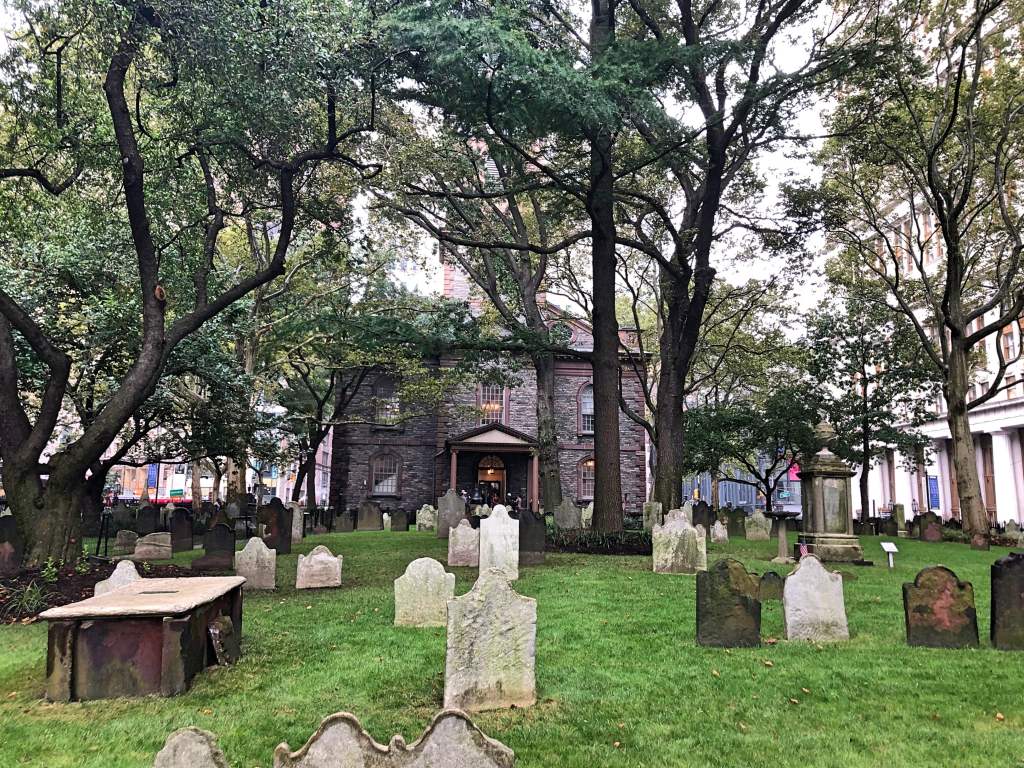
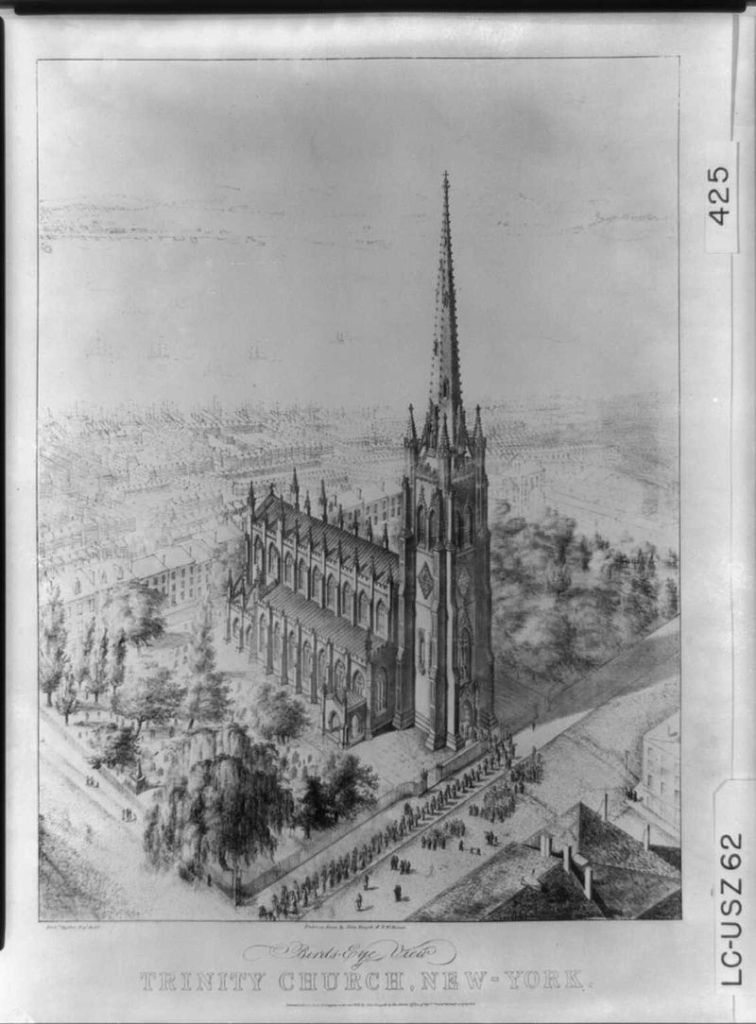
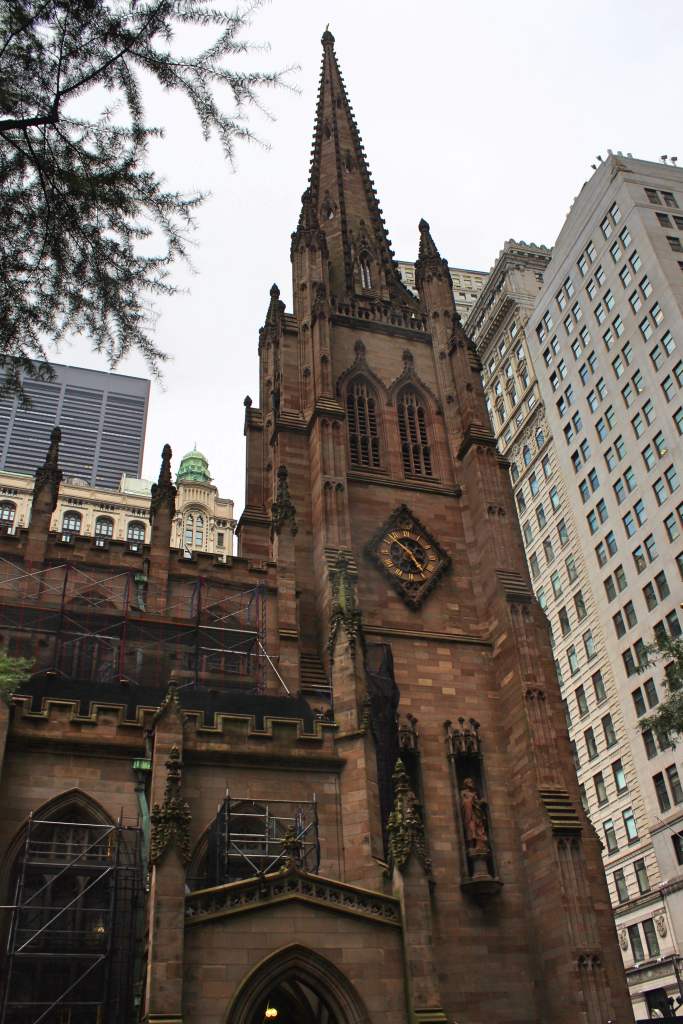


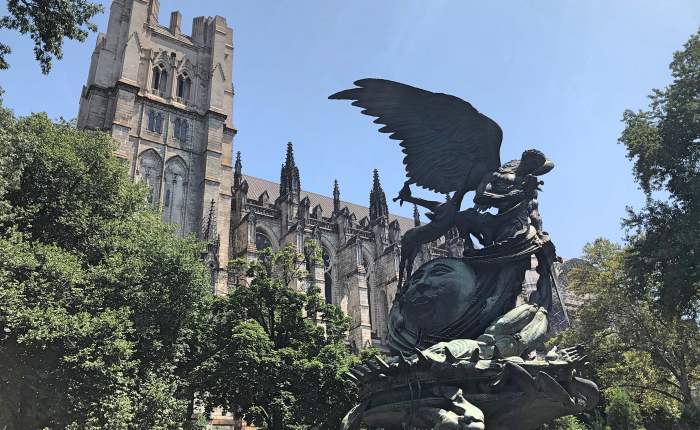

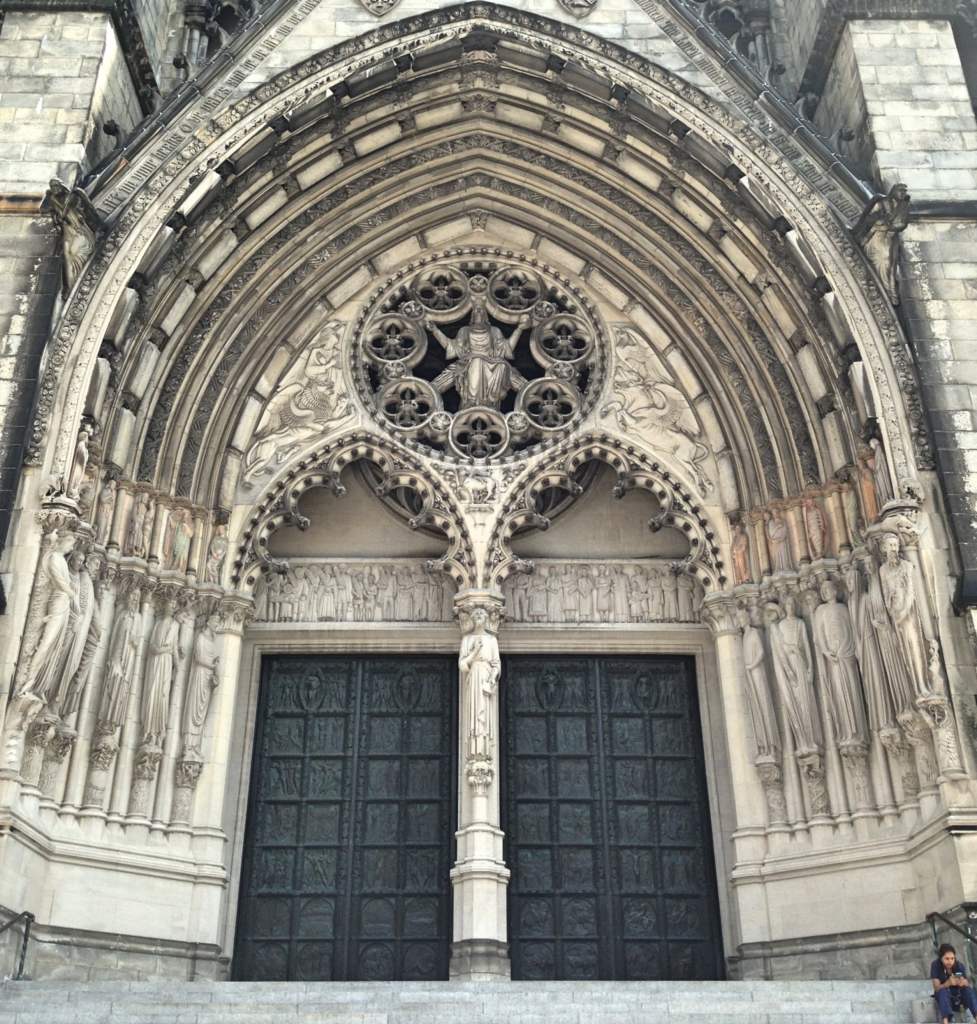
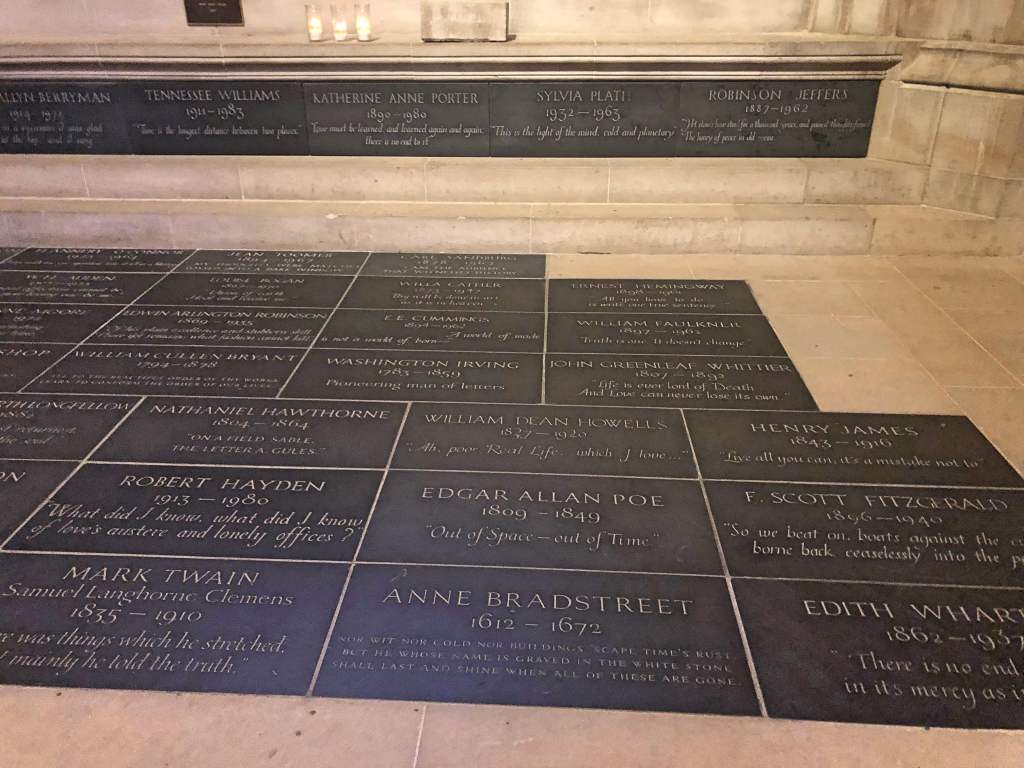
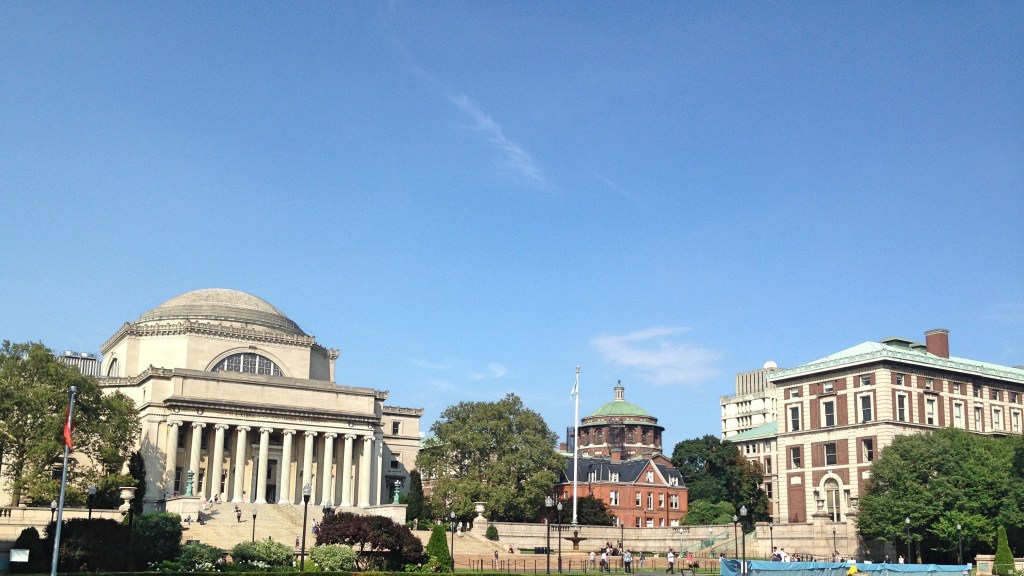


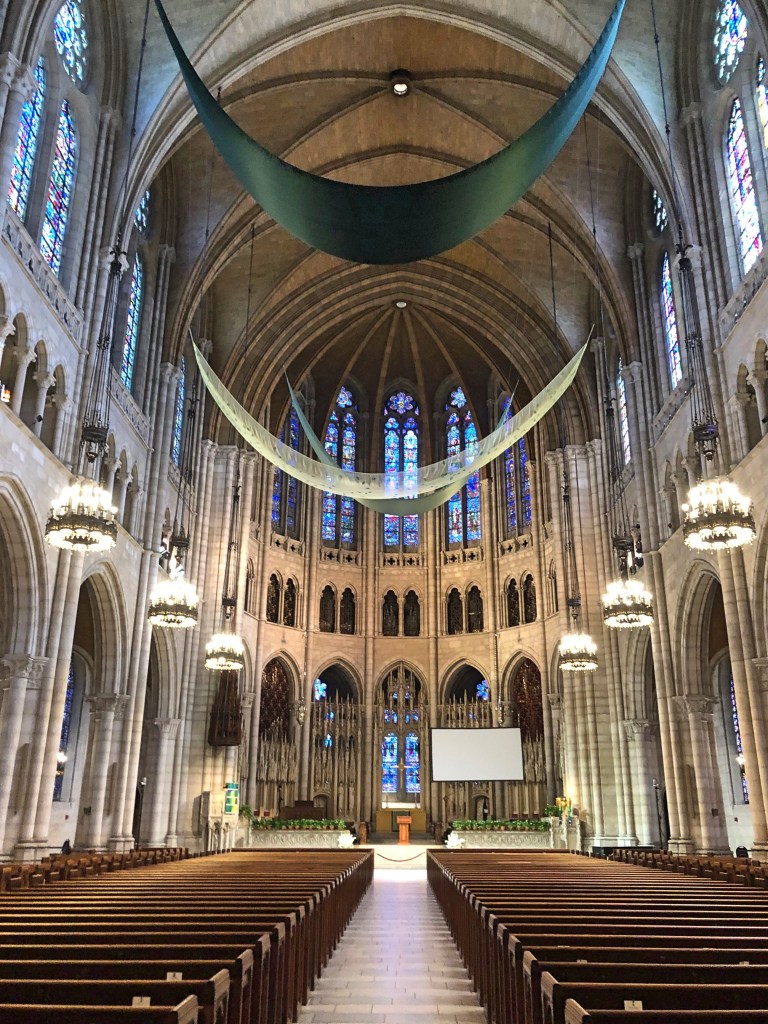
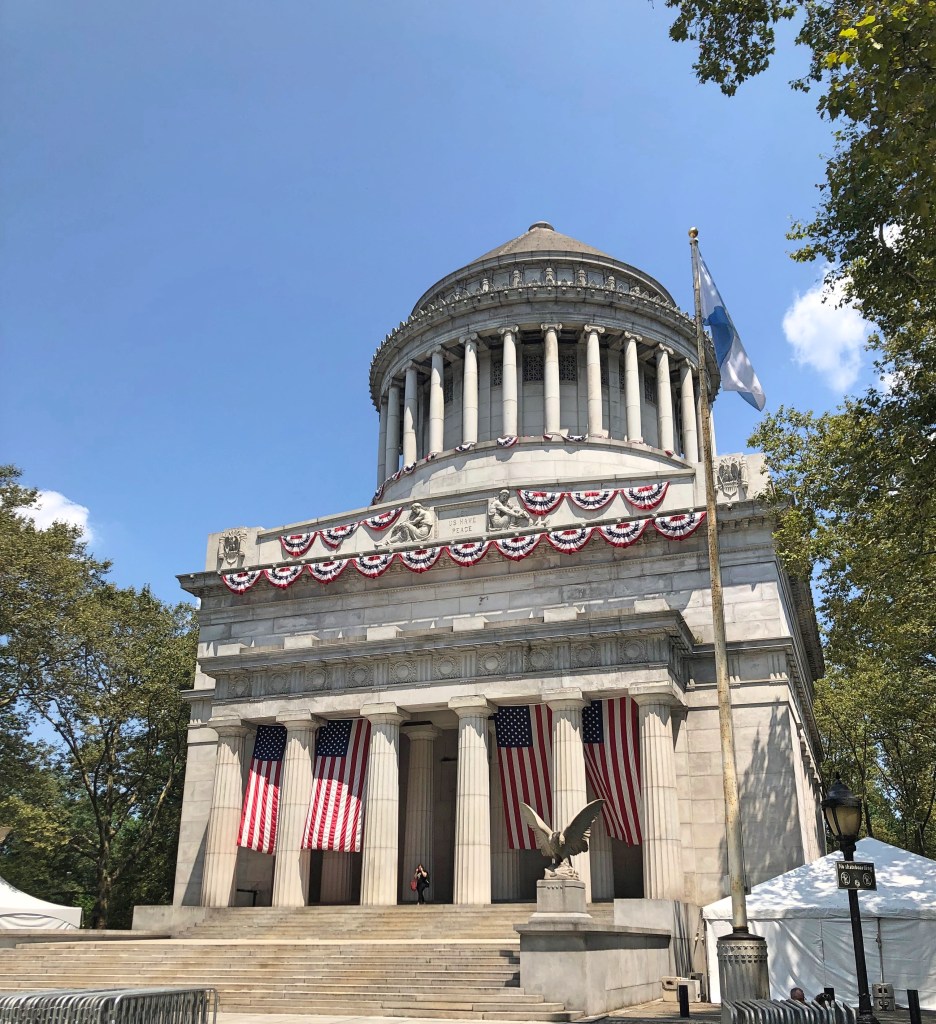


#/media/File:NYC_Trinity_Church.jpg)