I recently started on a new podcast project, Letters from Spain, where I hope to document my life in Madrid, and to reflect on some of the differences between Spain and the United States.
But I should begin with some reservations. Talking about other cultures is a dangerous enterprise. A major risk is exoticizing the culture—making it seem altogether unusual and even nonsensical. From there, it is a short step to dismissing the culture completely, treating it as an illogical accident of humankind, a bizarro land where nothing is as it should be. On the other extreme we may normalize the culture by focusing exclusively on the ways in which it is not so very different. This way we treat the other culture as we treat ourselves, which is partly good; however, this way we may fail to recognize how a culture is genuinely special.
This is only the beginning of our troubles. To talk about something, we must ourselves have a point of view; and that is formed, of course, by our own culture. For me that culture is American, specifically from New York, specifically from Westchester County, specifically from the town of Sleepy Hollow. For me, that is ‘normal,’ and this sense of normality shapes my perspective. I cannot help but compare Spain to this culture, my culture, and to see everything Spanish as, in a sense, a deviation. Is it possible to talk about a culture in purely objective terms? I doubt it; and even if it were possible, I doubt that it would be worth listening to. Culture is, among other things, a system of values, and you cannot understand it without having values of your own.
I am going on, listing difficulties, and yet there are still more risks. An obvious one is the use of stereotypes. Now, what is a stereotype? It is not merely a generalization, but a widely known and popularly believed generalization, usually with positive or negative ramifications. Each country has its share of stereotypes—the Spanish dance flamenco, go to bullfights, and sleep siestas, while Americans eat hamburgers and live in big houses. And so on. Now, some people say that stereotypes are problematic because they are generalizations. I don’t think that’s true. All knowledge consists of generalizations. And some generalizations are perfectly true. It is true, for example, that Spanish people tend to eat dinner later than Americans.
The problem with stereotypes, then, is not that they are generalizations, but that they are misapplied or untrue generalizations. Most Spanish people don’t like flamenco, or go to bullfights, or have time in the middle of the day for a nap. And, besides, these stereotypes are troublesome because they project a kind of fantasy version of Spain, where the people are living passionate, dangerous lives under the scorching Mediterranean sun. Don’t get me wrong, these things do exist in Spain, and they are interesting facets of Spanish culture. But to characterize the whole country that way is highly inaccurate, to say the least.
Considering all of these risks, then, what am I here to do? In this podcast, I hope to use my own experience in Spain to consider some of the subtler differences between life here and life back in the United States. To tell you something about myself, my name is Roy. I am a 28-year-old English teacher, living in Madrid. I decided to move here over four years ago, when I was working in Manhattan in an office job that, shall we say, did not fulfill my dreams of post-college life. I wanted an escape, to see the wider world, to go on an adventure; and Europe seemed to be the answer. I had been reading about European history for years. In undergrad, I studied cultural anthropology, and my advisor did his research in the south of Spain. Dreams of castles and philosophers’ graves beguiled me, and soon I found myself on a plane to Madrid.
You may ask, why Spain? Well, the answer is not very inspiring. Simply, Spain is one of the easiest countries to legally work in for Americans. It was an entirely opportunistic move. But, it was a fortunate one, since I became enamored of the country within months. My backstory explains my own bias. Like many people, I suspect, I came to Spain seeking an escape from the dreary world of American adulthood, and I found one. Thus, for me, Spain is tinged with a kind of rosy hue, as a place of refuge and adventure. I have lived here long enough for some of this to have worn off, but still I am predisposed to see all things Spanish as good. Still, I do hope I will avoid idealizing this country, since such a romanticized image would have little value.
So in this podcast I want to explain what I have come to learn and appreciate about this place, and why I have chosen to stay year after year. And I will do this from an inescapably American perspective. The differences between Spanish and American culture goes far beyond flamenco and siestas, and I think these subtler differences have much to teach us. I hope do to this without either collapsing the differences between these two cultures, and without making Spain seem impossibly exotic. Let us see if I can thread the needle.
I went out of my way last week to praise Madrid’s excellent metro system. Yet this is only a part of the city’s generally superb transport network. Aside from municipal and intercity buses—of which there are many, even at night—the city has a great train network.
Madrid, the political, economic, and geographic center of the country, is naturally the country’s train hub. Many of the long-distance trains run at nearly 200 mph (over 300 km/h). These high-speed trains run north, south, east, and west, to nearly every corner of the country. Indeed, Spain has the most miles of high-speed rail in Europe, and the second in the world after China. They are affectionately referred to as AVE (literally “bird,” but short for Alta Velocidad Española), and they leave from Madrid’s two biggest train stations: Atocha and Chamartín. The trains are extremely convenient and are certainly more comfortable than flying; however, they are often more expensive than a flight.
Atocha Cercanías on a typical day
But no resident of Madrid could long survive without the city’s Cercanías, or short-distance trains. These service the city and the surrounding community, covering 370 km and stopping at 89 stations. There are 10 lines, and each of them stops in Atocha before separating off into a different direction. This is the best way to visit Aranjuez, Alcalá de Henares, and El Escorial—three UNESCO World Heritage sites in the outskirts of Madrid. It is also this network which takes you up into the mountains, to the Guadarrama National Park. For those without a car, it is a lifesaver.
The Cercanías map
The trains are not only useful for tourism, however; they are an essential part of basic city transport. The trains are oftentimes quicker than the metro for certain inter-city trips, such as from Atocha to Chamartín, or Nuevos Ministerios to Príncipe Pío. I rely on the Cercanías every time I need to re-enter bureaucratic hell for my visa, since the office is located down south; and I take the trains whenever I have a flight from the Airport’s Terminal 4. They are, in short, extremely useful—especially because the same transport card works for the trains, the metro, and the bus. For a New Yorker used to paying separately for a monthly rail pass and a monthly subway card, it is extraordinary.
An abandoned station building, near the Méndez Álvaro station
For those who wish to learn more about the country’s railroad history, there is the Museo del Ferrocarril. This is a very reasonably priced museum located near the Delicias Cercanías station. Indeed, the museum is located in the old Delicias station building, which was opened in 1880 to serve as the Madrid hub for the trains to Ciudad Real. It is a typical station building—a huge, cavernous space filled with platforms and tracks. And it is still filled with trains, though all of these are antiques nowadays.
What first caught my attention was a massive steam locomotive. Half of the engine car has been cut away, to reveal the curious arrangement of valves, tubes, and chambers inside. I have been cursed with a rather unmechanical mind, so the enormous intricacy of machinery tends to leave me respectfully silent. However, the basic principle behind steam power is easy to grasp: A fire in one chamber heats the water in an adjacent chamber, which evaporates into steam, which is then channeled down to a piston near the wheels, where a valve lets in the steam at intervals, pushing the wheels forwards. Yet for such a relatively simple process, the mechanical design of the cutaway train seemed extremely complex. The sign revealed that this was one of the latest models of steam-power locomotives, constructed in 1960.
Most of the other steam locomotives on display are much older, and considerably smaller—some dating from the 19th century. To a modern eye, many of these ancient, chimneyed contraptions can seem exceedingly quaint and romantic; they are filled with gritty personality, and remind me of movies of the Wild West and of Old Europe. Still, I am glad we have evolved past these clunking, crawling machines, which had a bad habit of exploding (before the invention of reliable pressure valves). Even so, one must admire such an innovative and durable design. The steam locomotive is a landmark in the history of the Industrial Revolution.
The rest of the trains on display (and there are several dozen) are diesel or electric, and more or less approach the sleek, rocket-like aspect that we associate with trains today. The visitor can enter a few of these to experience an echo of train travel from the past. One of these is an old dining car, apparently made of wood. The tables are set with elegantly folded napkins and fancy silverware. Yet unless the train was going quite slowly on a straight path, it is difficult for me to imagine the dining experience was free of sliding silverware, clanging dishes, and sloshing drinks. Still, it must have felt civilized to glide through the countryside while enjoying an expensive meal.
Though the wide variety of trains are undoubtedly the main attraction—the hulking, slumbering beasts that fill up the space—the museum has much else on display. There is a great deal of railroad infrastructure, such as switchboards (mechanical, hydraulic, and electronic), a central control panel, and a little pushcart which was used for repairs. There is also a room dedicated to train models, hundreds of them, as well as models of certain trajectories. I was particularly gratified to find a model of the route that runs from León to Gijón, through the mountains of Asturias—a beautiful line that I had seen in person.
Henry David Thoreau, the great luddite, famously said: “We do not ride on the railroad; it rides upon us.” What he meant is that the technology we construct to make our lives more convenient ends up dominating us. He was prescient. Nowadays, how many modern luddites speak of our phones the same way that Thoreau spoke of the railroad that ran behind Walden Pond?
Nobody can deny that this occurs. Nevertheless, who would argue nowadays that our lives are dominated by trains? To my eye, they are marvelous inventions: both beautifully designed and eminently functional. They use space and resources efficiently; and the tracks and bridges they ride upon blend in far more harmoniously with the landscape than our cars, asphalt roads, and parking lots. Who knows but that, in one hundred years, visitors with cerebral implants might be visiting a Museum of Smartphones, waxing nostalgic about a simpler time.
Air travel in Europe can be startlingly cheap. And since my job blesses me with ample vacation days (thanks to the Spanish school schedule) I find myself waiting in the airport more than is probably healthy.
Airports are not famous for being comfortable places. The lines are long, the food is overpriced, the atmosphere is completely anonymous. At times airports can be sad places, totally empty of intimacy or human warmth; at other times they can be exciting, the portal to exotic domains; but most often they are simply dreary—filled with tacky commercial trash, listless and sleep-deprived passengers waiting on rows of seats, or nerve-wracking encounters with security personnel or border-control officers.
All of this being said, I think that Madrid’s airport is one that the city can be proud of. Confusingly, its full name is the Adolfo Suárez Madrid-Barajas Airport. Adolfo Suárez was Spain’s first post-Franco president; and it is called Madrid-Barajas because the airport is actually outside the city of Madrid, in the suburbs called Barajas.
In any case, the airport is easily accessible from the city center. A ride in a taxi takes only about fifteen minutes, depending on traffic and your exact destination. I typically avoid this option, however, since the taxis charge a flat rate of €30. Instead, I either rely on the metro or the Cercacías. Metro Line 8 leaves from Nuevos Ministerios and arrives at Terminals 1-2-3 in about 25 minutes. Meanwhile, the Cercanías Line 1 or 10 leaves from Atocha Station and reaches Terminal 4 in about 45 minutes. Both options are covered with my transport card, though people without a transport card will need to buy a special supplement.
Apart from these options, there are also buses. One municipal bus leaves from Avenida de América and requires no additional cost. And a special Airport Bus leaves from either Atocha Station or the Plaza de Cibeles (depending on the time of day), and costs €5 to ride—a good option if you’re going to the airport very early, before the metro or the trains start working. In short, Madrid’s airport is extremely well-connected.
Once you arrive, you have four terminals to choose from. Terminals 1, 2, and 3 were built at around the same time, and are all next to one another. As buildings they are nondescript: functional, clean, and efficient. Terminal 4 was built considerably later, in the early 2000s, and for that reason it is somewhat isolated from the other terminals—2 kilometers distant. It also looks entirely different: support beams jut out at angles and spread leaves the branches of trees, holding up the undulating roof that hangs over the open space. It’s not exactly worthy of Gaudí, but it is an attractive airport.
I have had nothing but good experiences at the Madrid Airport. Even so, every time I am there I find myself edge. Despite having flown almost monthly since my arrival in Spain, I still find the process unsettling. I worry about checking in, getting through security, weighing my bags—even though none of this has ever been a problem. Yet more frightening is the simple prospect of flying. Planes may be quite safe, statistically speaking; but I still feel that I am risking my life every time I take a flight. I look out the glass windows at the aerodynamic machines waiting on the runway, and I think of all the things that could go wrong. It just goes my intuition to think that I should get on a box of metal that uses explosions to accelerate into the air.
To combat this persistent fear of flying, I set out to learn more about the history of aviation. Luckily, Madrid has an excellent—and free—aeronautics museum: the Museo del Aire. It is located in the south of Madrid, near the Cercanías stop Cuatro Vientos. To get there you must walk about twenty minutes along the highway from the train station, and then cross a bridge over the tracks. On your left you will see another of Madrid’s airports, the Aeropuerto de Madrid-Cuatro Vientos. Opened in 1911, this is the oldest airport in the country. Originally it was used as a military air base, though nowadays it is mainly used for light civil aircraft and flight classes. As a result, the air surrounding the museum is full of small propeller planes circling around. It is a wholly appropriate setting for an aviation museum.
(This is not the only other airport in Madrid, by the way. There are military air bases in Getafe and in Torrejón de Ardoz, to name just two. I have been told that when foreign leaders come to Spain on state visits they land in these bases, not in Madrid-Barajas.)
The Museo del Aire used to be a part of the old airport. The original brick buildings of the air force base still sit next to rows of hangers. And military aircraft are still present in abundance, though nowadays it is all obsolete and, presumably, out of commission. Still it is an impressive sight. Dozens and dozens of aircraft are on display in the museum—helicopters, fighter jets, bombers, water planes—from every era, stretching back to the beginning of Spanish aviation. I admit that I arrived with low expectations, if only because the museum is free and seldom talked about. But it ended up becoming one of my favorite museum experiences in the city.
No short description could give an adequate summary of the museum’s contents. But here are some highlights. The biggest plane on display—a massive defiance of the law of gravity—was for mid-air refueling. In one corner were about ten helicopters, ranging from bare skeletons of metal encasing a clear plastic bulb to intimidating hunks of metal used for transport and evacuation. Planes specialized for water landings had bodies shaped like boats, with the wings elevated on a little platform. On the far end the fighter jets were on display. Of these the most noteworthy was the F-4 Phantom II, an American fighter that was extensively used during the Vietnam War. I simply cannot imagine what it is like to fly one of those things: it is little more than a pair of wings, a jet engine, and several tons of explosives.
The hangers also had much of interest. The first one contained an extensive and expertly made exhibition on the history of aviation. There are replicas of early flying devices, including the Wright brothers’ Flyer. The museum also has a copy of one of the lesser-known paintings of the Prado. It is a depicting of the ascent of the Montgolfier hot air balloon in Aranjuez, in 1784. This was a major event. The Montgolfier brothers were the Wright brothers of lighter-than-air travel, and pioneered the first piloted hot air balloons.
The museum also has informative panels on the earliest forerunners of air travel. Leonardo da Vinci is mentioned, of course, with his imaginative sketches in his notebooks. But I had not previously heard of Abbas ibn Firnas, a polymath from Moorish Spain who, in the 9th century, attempted flight by covering himself in feathers, holding onto wings, and jumping off a high building—and he lived, at least according to the story.
The rest of the hangers were no less interesting, containing all sorts of flying paraphernalia, from radios to helmets. I was particularly captivated by the many jet engines on display. As I said above, I have a rather unmechanical mind; so I tend to stare in uncomprehending awe at these intricate machines. But more than anything I wanted to see the museum’s many examples of Autogyros.
The autogyro is a rather strange combination of a plane and a helicopter, designed by the Spanish engineer Juan de la Cierva. Like a helicopter, it has a rotating blade on top; but the air moves up through the blade as the vehicle goes forward, causing the blade to generate lift on its own (without power). This seems quite impossible to my untrained physical intuition; but it worked. And Juan de la Cierva (of whom my coworker wrote a biography) is undoubtedly one of Spain’s great engineers.
An autogyro
This concluded my visit to the Museo del Aire. And, surprisingly, I did feel somewhat better about the prospect of air travel. Our species has been trying to invade the air for about 1,000 years. For most of that time we have, admittedly, been highly unsuccessful. But in the last 100 years we have made such great strides that, nowadays, a man can board a plane, fall asleep watching a movie, and then get off on the other side, excited to see some old buildings—the entire engineering miracle of flight hardly registering.
It is curious that in both the Museo del Ferrocarril and the Museo del Aire most of the visitors are young children. They play excitedly among the antique machines, dragging their parents this way and that, pointing and asking questions. Most adults, on the other hand, are bored even by the mention of a museum dedicated to the history of transport. We are so used to efficient transportation that it is invisible and uninteresting to us. And yet if we were to bring Plato or Aristotle back to life, I suspect they would be more amazed at our metros, trains, and planes, than at any of the things they connect us to.
This year marks the 100th birthday of Madrid’s metro system, and the city is celebrating the occasion. Stations are being decorated, special exhibitions mounted, and festive trains displayed. And I think that we all should celebrate the metro—not just in Madrid, but everywhere—for it is one of those rare human inventions which has worked so well that it has become invisible. Though so often overlooked, the metro system of any city serves as both spine and arteries to the urban body: supporting and guiding development while moving the stuff of life from place to place. Chances are that, if you live in a city, you depend on the metro many times a week: to commute, to see friends, to run errands. Yet we only stop to notice this subterranean network when, for whatever reason, it stops working.
Like so many inventions in our modern world, the metro has been integrated so seamlessly into our lives that it can be difficult to realize what an enormous engineering triumph it represents. Thousands of workers had to tunnel through hundreds of miles of solid earth in order to lay down tracks and build stations; and the resulting network of subterranean passages has to be used every day, all year, without any cave-ins, collapses, explosions, asphyxiations—in short, while being absolutely safe and reliable. As a result of this collaboration of politicians, architects, engineers, designers, construction workers, and too many others to name, I can walk out of my apartment, down a flight of stairs, and then ascend on the other side of a city. For a very reasonable price.
Madrid’s metro is, in my opinion, especially impressive.Opened 56 years after London’s underground, 19 years after Paris’s métro, and 10 years after New York’s subway, Madrid’s metro has grown to become the ninth largest network in the world (and it is the network with the second-most escalators and elevators, only surpassed by Shanghai). The first line stretched a mere three and a half kilometers, traveling at 15 mph between eight stations. Nowadays, the network has 12 lines, 302 stations, and covers almost 300 kilometers. Very few places in the central zone of the city are more than a fifteen minute walk to the nearest metro. I am lucky to live near two of the most useful lines: the original Line 1, which goes through the heart of the city, and the circular Line 6, which makes a giant loop around the outside.
The entire sprawling network
Counting repeat rides, over two million people take the metro every day—well over half the city’s population. Notwithstanding all this, the metro remains clean, timely, and dependable. After four years of living in this city, I can recall very few times when I have been frustrated at the metro service (a constant occurrence in NYC). True, Madrid’s metro does not have a strong personality. It has none of the gritty charm of the New York subway or the endearing retro-ness of London’s tube. The metro is not especially futuristic, quaint, or beautiful. But it works—without screeching and howling, without unpleasant smells, without delays or derailments.
True to form, the metro’s celebrations have also been quiet, efficient, and unobstructive. They have largely consisted of decorating Metro Line 1, the so-called Centennial Line, with antique photos of the metro’s early days—riders in top-hats and trench coats, besmattered workmen excavating the tunnels, old-fashioned entryways amid a cityscape filled with vintage automobiles. One of the more amusing of these is of the King Alfonso XIII inaugurating the metro: the king stands in a pinstripe suit with his hands folded on a cane, a top hat hanging from its end, wearing a bipartite mustache; and surrounding him are dozens of men dressed and groomed identically. Fashion was very strict in those days. Apparently the current King Felipe VI has been so good as to repeat the voyage taken by his great grandfather.
For those who wish to get a deeper sense of the metro’s history provided by the photographs, there are two free museum spaces run by the metro: the Estación de Chamberí and the Nave de Motores.
Chamberí was one of the first stations opened on Line 1. But like the City Hall station on New York’s Line 6, it was eventually closed down because the station’s curve was too sharp to be used with the newer, longer trains. As such, it became something of a time capsule, preserving the appearance of the first generation of train stations. Unlike the City Hall station, Chamberí was never designed to be an architectural showcase; it is simple and functional. Upon entering one passes the antique ticket-collecting booths, and descends to the old platform. Trains on Line 1 still scream past every five minutes or so.
When I arrived a guide was giving a free tour. Apparently, the station has a reputation for being haunted. You see, like many metro stations it was used as a bomb shelter during the Spanish Civil War, and the souls of victims are said to manifest occasionally to frighten visitors. Well, I did not see anything supernatural, but I did see many charming old advertisements—for cafés, hair gels, jewelry shops, and purgative mineral water. Few things are so evocative of the past as an ad for a product that no longer exists. These are the real ghosts.
The other museum is, by chance, right in my neighborhood: the Nave de Motores. This is a cavernous building made to house three giant diesel engines, which used to provide power to the metro system. Just as the contemporary power grid was too feeble for the first generation of trains along the Hudson line, so Madrid’s electricity infrastructure did not support the power necessary to propel the metro. Thus, these engines had to be built especially for the purpose.
The Nave de Motores, in Pacífico
They are gargantuan contraptions, about half the size of a house. For a time this was the most powerful power plant in Spain. I cannot even fathom the noise they would create, much less the amount of fuel they burned. The current produced by these mammoth machines had to be converted by another array of motors before being wired down to the tracks below the station for use by the metro. On a balcony overlooking the engine space there is a control panel, where dozens of little gauges and meters informed the engineers of the state of affairs. (Apparently it is possible to sign up for a hard-hat tour of the tunnels below, but I cannot find the link on the metro’s website.)
This month (May 17 to June 15) there is a special exhibition in the Nave de Motores, and the opening hours have been extended. The massive wheels have been decorated with lights, and informative panels have been put up all around the space. There are antique ticket machines on display, as well as different generations of metro tickets. One can even put on virtual reality goggles and look around a metro stop of the future. Videos of scenes from metro life are projected from the ceiling onto a table, while television monitors play informative mini-documentaries about the network. I was particularly impressed to see the testing and repair center, a huge warehouse where all the equipment is checked and fixed by a team of engineers and mechanics.
There were even a couple models on display, one of the tunnel-boring machine used to chew out the subterranean passages, and one of Sol’s metro station (one of the largest in the network). These miniatures help to give a taste of just how vast is the scale on which the network is built. Whole mountains of material had to be moved to dig out what is, in effect, another city underneath the city above.
The city beneath the city.
Work continues on the metro. Many of the lines have been adapted to allow for cell-phone service, which is much appreciated. Two years ago, Line 1 was closed for a few months for repairs; and Line 2 was recently closed for the same reason. (It has just reopened.) Every night, from 2:00 to 5:30 in the morning, the metro is closed down for repairs. It strikes me as strange that in Madrid, where people go out all night, the metro stops working, while in New York, where most people are home by 2:00, the subway runs all night. Maybe this is why Madrid’s metro runs so much more smoothly; but it is rather irritating on a Friday night.
The network has, for the most part, been entirely updated and transformed from its early years. However, one strange holdover remains. When the system was constructed, Madrid’s roads were like England’s: people drove on the left. Though the road orientation was switched in 1924, the metro kept is left-ward orientation, and so the trains always approach the station from the right as you are facing the train.
Madrid’s metro, like that of any city, serves a vital economic function: many people would not be able to get to their jobs without it. Aside from its economic function, however, the metro also serves as a center for social life. One becomes a native madrileño while riding on the metro: smushed up against bodies, eyeing strangers with anxiety or curiosity, respecting other people’s personal space with navigating the public space of underground transport. It is a place owned by everyone and no one, and so requires special rules to use. Don’t take up more than one seat. Take off your backpack. Give up your seat to the pregnant, the elderly, or the disabled. And don’t be a creep.
One also becomes socialized in more elusive ways. For example, the level of eye-contact considered acceptable on the Madrid metro can be unnerving for an American. Many newcomers to the city report feeling stared at. More than likely, they are just not used to the constant surveillance of Spanish city life—from shop windows, park benches, and balconies—and so misinterpret disinterested glances as either aggressive or suggestive, or both. Adapting to Spanish life means adapting to different standards of proximity and scrutiny. And much of this adaptation happens on the metro.
The metro can be a place of danger. Pickpockets are common, and their roaming hands are apt to relieve the unwary traveler of his wallet. It can also be an aggressive place. The only fight that I ever witnessed in Madrid was on the metro, between a young hothead and a homeless man. But the community quickly intervened, tearing the two kicking combatants apart. And this is the secret to the metro: that the citizens take an active role, however subtle or even invisible, in keeping it a safe place for everyone.
We can also ride the metro to get a taste of culture. In several stations there are miniature libraries, bibliometros (though I’ve never seen anyone actually use them). And apart from the decorations in some of the stations—such as in the stations of Paco de Lucía, Goya, and the Estación del Arte—there is the music. Hardly a station in the entire network is without its performer, singing and dancing in a busy corner, their hat covered in coins. Other musicians ride the metro, going from car to car, playing the pan-flute, singing duets, or rapping over a recorded beat. Admittedly this is not always welcome. Most of the time when I am on the metro I am trying to read. But city life is intrusive, in good ways and bad, and it isn’t for the rider to choose when and which.
Indeed, you might say that the metro represents Madrid in microcosm—both the frustration and the joy. There is the uncomfortable crowding, the long and wearisome commute, and the occasional bad apple. But just as often there is the snippet of overheard conversation, the random acts of kindness, and most of all the quiet assurance that you can get where you need to go.
So I say we should don our caps to the Madrid metro. We are lucky to have a system that is extensive, clean, cheap, and reliable. Take a ride on Line One. Visit the two free metro museums. And, most importantly, don’t be a creep.
Processing…
Success! You're on the list.
Whoops! There was an error and we couldn't process your subscription. Please reload the page and try again.
I have been a bad athlete for as long as I can remember. Apart from a brief and embarrassing stint on a soccer team in elementary school (all I can recall is spending an entire game crying my eyes out), I have avoided team sports all my life. And they have avoided me. In gym class I was always one of the last to be picked for a team. For all of middle school and high school I was tall, overweight, and consequently I had all the gawkiness and sluggishness of both conditions. True, I did spend a few years taking taekwondo classes in high school, and I was not so bad at it. But my unpromising career as a martial artist came to an abrupt end when all the stretching and kicking made it necessary to go to physical therapy for my aching, cracking knees.
Of all of the sports that I have failed at, the most conspicuous is running. Every year I dreaded the day in gym class when we would be made to run a mile. I always began with the hope that, this time, I would be able to run the whole thing without stopping. After all, nearly everyone else could. But inevitably, less than halfway through, I would run out of breath and have to walk; and I spent the rest of the time alternating between a wheezing run and a panting walk. Not once did I manage to run a mile in less than ten minutes. Just as bad was the PACER test, when we had to run from one end of the gym to the other within progressively shorter intervals, signalled by an ominous beep. The real studs were able to get to level nine, while I gave up far before that—defeated by the high-pitched tone.
This long and undistinguished experience taught me that I would never be a runner. My knee problems only added to this belief. So, after high school, I never tried. I was pragmatically and philosophically committed to a life of inactivity, with the sole exception of walking (a true intellectual’s sport). But then something happened to break my conviction that I could not run.
Last year, I got into the habit of leaving my apartment at the exact minute needed to catch the bus. Sometimes I left a little late, however, and this put me in a dilemma: walk and miss the bus (and this would mean arriving late to work), or run and catch it. My fear of being fired overcame my combined fears of looking foolish, getting my clothes sweaty, and dying of suffocation. So I ran. It started with only a half of a block, just a short sprint to catch the light. Then it became the whole block, and eventually two blocks—sprinting for the light, stopping, sprinting for the next light, stopping again—until I would run almost the whole way to the bus. And the strangest part is that I did not hate it.
Still, nothing changed. I did not participate in my school’s “Race Against Hunger,” a charity race that we do every year. Instead, I sat by the sidelines feeling bored and useless. I did not even own a pair of sneakers. Nevertheless, circumstances were quietly conspiring to make running a reality. Aside from my bus sprints, living in Europe had left a mark. On all my travels I had tried to walk as much as possible, mostly to avoid paying for taxis and buses and trains; and this had made me a resolute trekker, capable of walking miles under the hottest suns.
All of this unintended athletic experience culminated in a growing curiosity: Could I, finally, after a decade of not running, run a mile without stopping? Sure, I was no athlete; but I was skinnier and in better shape than I was in high school. That adolescent experience had left within me the iron conviction that a mile was an impossibly long distance for me, and that my body was simply unable to do it. Yet in the spirit of science I wanted to test this conviction.
So, one cold February day, I went to a sportswear store with my brother. I could not have felt any more out of place as I looked at sweatpants, recovery gels, and headbands than if I had wandered into an Aztec ritual sacrifice. This was not my world. But I managed to buy myself tights, sneakers, and an armband for my phone, feeling absolutely ridiculous all the while.
That same day I carried my purchases home and prepared for my trial. The tights were, well, tight; the armband was awkward to use. When I walked out into the street, I felt acutely embarrassed, as if everyone was staring at me. I had not worn athletic wear since… actually, I don’t know. What was I doing? Long before I began to run, my body became flushed with adrenaline. I was certain that I was about to make a fool of myself.
The walk to the park, where I would begin my run, seemed endless. But finally I arrived. This was the fateful moment. I opened the app, Runkeeper, and started the tracking function. Then, I fumbled in getting it into the armband holder, and then fumbled again in putting it on my arm. Now the run began—slowly. The first steps felt strange. Retiro Park seemed to bounce up and down. I remember finding it odd that I could enjoy the beauty of the trees while running; I had assumed that I would not be able to think about or appreciate anything.
Sure enough, the tightness in my lungs soon came, that horrible feeling of suffocating. But it was never powerful enough to make me want to stop. I kept going until I got to the artificial lake, and then I turned left and then left again, to complete the circuit. The ground was mostly flat but there was a slight hill near the end, and I thought my chest would explode as I crawled to the top of it. Finally, and unbelievably, I made it back to where I had started. And I had run the entire time. I checked the app—1.12 miles, at a pace of 9:39 per mile. For the first time in my life, at the age of 27, I ran a whole mile.
The months that followed were full of constant surprise. The biggest was that I actually enjoyed running. I did not necessarily enjoy the physical sensation of running; the mythical runner’s high eluded me, and I felt mostly pain and exhaustion. But I did enjoy improving; and I improved with every run—running longer distances at faster paces. Unlike writing or playing music, running can be measured objectively, in simple, cold figures. There can be no dispute over which runner is better or worse. This makes progress very easy to see and, consequently, very satisfying.
I chatted about it incessantly, even getting mildly obsessed with the subject. It felt genuinely surreal to be spending so much time thinking about an athletic activity: this was not me. More important, it felt liberating to see myself as someone who could actually do something physical. My carefully constructed self-image as a delicate intellectual had cracked and crumbled. I felt as if a new continent of experience was now available for exploration.
Eventually, my coworker, Holden, suggested that I do the half-marathon. He had signed up for the marathon and had been preparing for months. At first I dismissed the idea as absurd. The longest I had run at that point was six miles, at a very sluggish pace, and it nearly killed me. Yet, the idea was implanted in my head. I thought of the feeling of triumph, of surpassing even my most ambitious running goals. And, of course, I imagined how much weight I would lose in the process of training (it wasn’t much). So, I paid my 40€ (somewhat indignantly) and signed myself up. Now the serious training would begin.
This consisted of one long run a week, in which I tried to increase my maximum distance by one mile, and several shorter runs wherein I worked on my speed. This regime got me to 13 miles two weeks before the day of the half-marathon, April 27 (it had been moved up a day because of the elections on April 28). On my long runs, I would end up going so slowly that I struggled to pass old ladies with canes. But at least I knew that I could go the distance.
Finally there was only one week until race day. I was nervous. Somehow, I was certain that I was going to do badly and disappoint myself. It did not matter what time I got, of course, but I had decided that I was to run the race in less than two hours—not an easy thing for a beginning runner. I followed all the typical advice, taking a break in the days before the race and stuffing myself with platefuls of pasta. By the time Saturday came around I was well-rested, well-fed, and as prepared as I could have been. Would it be enough?
Two day before the race I picked up my bib (the little paper with your number on it, and a chip so they can track your movement). Annoyingly, they put the pick-up location all the way out in Feria de Madrid, a large complex of expo centers on the outskirts of the city. It took some time just to get there; and then it took some time just to walk through the mammoth buildings to the proper hall. There, a series of volunteers in booths gave me a bib, a t-shirt, and a drawstring bag. The rest of the space was full of other booths offering running-related products and services—energy gels, massages, protein powders. Probably many had free samples; but it was late and I wanted to go home.
The next night, I attached the bib to my sleeveless running shirt with safety pins. I was officially ready.
Race day.
I woke up, ate toast and peanuts, drank water and coffee, and headed out the door. I had been told that it’s best to warm-up a bit before the race, so I jogged about ten minutes to the train station. When I walked out of the train, I was surrounded by thousands of men and women in colorful sports clothes. I did not realize it was such a massive undertaking. Stalls were set up for clothing drop off; hundreds of port-a-potties lined the streets (all without toilet paper); rock music blared from enormous speakers. The closer I got to the running corrals, the more I was awed at the sheer size of the event. 35,000 people were running that day—the 10k, the half-marathon, and the full marathon. William the Conqueror had conquered England with fewer.
I waited, warmed up again, and waited some more. Finally it was time to get into my corral. It was like being in a nightclub—a packed mass of bodies. How could I run through this? Rock music blared. The announcer counted down. Athletic-looking people were dancing (motivationally?) on elevated platforms in the middle of the track. They had spent a lot of money on this thing.
Finally the signal was given. I tensed for the exertion; but it was a bit anticlimactic, since the whole mass of people had to walk to the starting line before they actually began running. There were people holding big blue balloons with times on them; they were professional pacers, and would run the race at exactly the time indicated on their balloon. I struggled to find the 2 hour balloon: it was several hundred meters ahead, and had started before me. Finally I crossed the starting line and found myself jogging in a loose formation.
“Hey man,” I heard a voice say. I turned to see David, a friend I had made in my masters program. He had helped me work on my speed in preparation for the marathon, as I struggled to keep up with him on our weekly runs around Retiro Park. (This is something I discovered during training: running with better runners makes it easier to push your limits.) Soon it was apparent that he was still faster than me, as he pulled away through the crowd of runners. Besides David, I knew four other people running that day, but did not see a single familiar face during the whole race, even though our finishing times were mere minutes apart.
Peter Sagal said that anyone could run the first mile of a marathon, since it gives you the sensation of running with a mob. Unfortunately I did not feel the same way. Most people were fairly quiet, just focused on the long trail ahead; nobody burst forward in a mad dash. Our route took us straight north from the starting line, up towards the four skyscrapers near Chamartín station. The organizers had planned the route well, since these first 5 kilometers was the only stretch that was consistently uphill. After we turned the corner to go back south, it was smooth sailing.
The route
Without the reference of the balloon, I did not know if I was going fast enough. I tried to keep a constant pace, not pushing too hard but not going easy. The presence of so many other people was surprisingly motivating. I felt as if I were being urged ahead by a social force, and all I had to do was to follow the wave. For the most part there were not many onlookers—just a few scattered people cheering us on. I appreciated it. There are few sports more boring to watch than long-distance running.
The pacers in action. Photo by Rebeca López.
Fifty minutes in we passed our first water station, and I felt like a real professional as I drank my bottle on the move. I also took this opportunity to have some of the energy gel that Holden had given me. This is a cocktail of vitamins, sugar, and caffeine that tastes horrible but it has a satisfying effect. Suddenly I felt optimistic—even chipper. The exhaustion lifted and I felt my stride grow longer. Was this the elusive runner’s high? Probably it was just a caffeine rush, but it felt great nonetheless. As I reached a downhill area in the neighborhood of Salamanca, I began passing some runners ahead of me—which is strange for me. Also strange, I began to talk to myself in almost ecstatically encouraging tones: praising myself and egging myself on. Caffeine is an amazing drug.
As is often the case in Madrid, it was a perfect day to run: a clear blue sky, no wind, no humidity, and not too hot. I am not sure that I ever saw so much of Madrid in a single day, and the city looked beautiful in the sunlight. This is one of the great benefits of running: it makes you feel a part of the community. I had already experienced this during my practice runs in Retiro Park and Madrid Río. Because you are outside, covering plenty of ground, surrounded by others, you feel that you are really getting to know a place and to belong in it. That day, I felt like I belonged in Madrid.
Just as we reached the end of the hill, we passed through a small tunnel. There were people cheering on the road above. But the real noise came from the runners, who shouted and whooped as soon as they passed underground, making the space reverberate with a kind of barbaric din—a war cry for amateur athletes. I added my own feeble contribution to the chorus of adrenaline, and felt for a moment as part of something bigger than myself, as just one pulsating cell of an enormous beast. This feeling, I thought, is why people run these ridiculous races.
This sensation soon passed, as did the euphoric effect of the caffeine, and the usual pain and strain came back. Luckily, I soon reached another water station, and then swallowed the rest of my energy gel, which gave me another boost. But I could tell that my reserves were running low.
This particular marathon was a “rock ‘n’ roll” race, which meant that there were stages set up periodically along the course where local rock bands were playing. I must admit that I did not find the music particularly animating, partially because I was able to hear so little of it as I ran by. The cheering of the crowd was somewhat more uplifting, especially when I noticed my friend Monica calling my name. But by far the most motivating factor were the other runners, sweeping me up into a constant forward motion.
Partially because the race was a “rock ‘n’ roll” marathon, I decided to run it without headphones. This was the first time I had ever done a long run without my trusty audiobooks keeping me company, and I was afraid that I would get bored. But it turned out to be a good choice. Free from the distraction, I was able to focus my energy on keeping myself going at a steady pace. Indeed, the extended focus on my breath and my moving limbs made the experience at times rather meditative; I was completely absorbed in the experience of the race. Another advantage to not using headphones is that I did not have my running app telling me how much distance I had covered. This was a very strategic sort of ignorance, since it allowed me to keep pushing without fear of burning out too early.
Photo by Rebeca López
I started to enter more familiar neighborhoods, and I knew that I was in the final stretch. The more I ran, the more impressed I became at the scale of the marathon: they had to shut down half the city for us. Now I knew why I had paid 40€ to run. Still, city life tried to go on—in particular the life of the elderly, who refused to stop for any sweaty army. More times than could possibly be a coincidence I had to stop or swerve to avoid an octogenarian slowly crossing the race course, cane or walker in hand. They were either very brave or quite blind.
Soon I passed several men and women shouting directions at us: those running the full marathon had to turn left, while us half-marathoners continued straight. I knew from the map that this meant that we were in the final stretch. I did my best to push myself to go faster, but my whole body was achy and unresponsive. So I compromised by trying not to slow down. A small woman with a very loud voice started yelling what she meant to be encouraging slogans to us, most of which were about the beer waiting for us at the end. This failed to motivate me, I am afraid, since the thought of drinking beer after getting so dehydrated filled me with disgust.
It was around this time that the thought finally crossed my mind that I would very much like to stop. I had been running for almost two hours by then, and I was tired and even bored, and the finish line was failing to materialize. Luckily the course started taking us downhill, past Retiro Park on the way towards Atocha. At this point I spotted Rebe, to whom I had delegated the task of taking photos of the race for this blog. She was busy at work—so busy, in fact, that she did not notice me until I was right about to kiss her.
Photo by Rebeca López. I am on the far left.
Now it was truly the final stretch. We got to the bottom of the hill, into the Plaza del Emperador Carlos V, and then began up the Paseo del Prado. The finish line finally came into view. I was afraid to look at it, since I thought it would be too discouraging to see how slowly it came nearer; so I looked at the ground. The loud-voiced woman started shouting even more loudly and insistently. The crowd around us started to roar. I could hear music.
Before the race, I had imagined that the sight of the finish line would fill me with a final burst of energy, and I would be able to spring the last few hundred meters. But when I tried to speed up my body rebelled; it hurt too much; so I contented myself with, once again, keeping an even pace.
When I was within 100 meters I looked up and beheld the goal. Again, I tried sprinting, but it was impossible. So I jogged under the gateway and across the finish line, weakly raising my arms in tired triumph. I was done. Again, I had assumed that I would immediately feel transports of joy and accomplishment, but I was too exhausted to feel or to think anything—except, of course, at how exhausted I felt.
After the finish line volunteers were distributing medals, water bottles, and little bags full of food: a banana, an apple, a chocolate croissant, and a bottle of Powerade—for which I was extremely grateful. I started gulping down the water as I limped out of the race area and into the Plaza de Cibeles. Somehow, Rebe immediately found me, and we sat down nearby while I slowly recovered the ability to speak. My face was marked with salty-white streaks of dried sweat, my clothes were completely soaked, and I walked with an awkward limp. But I felt fantastic, and only felt better as the day progressed. Indeed, the sense of accomplishment, blended with complete bodily relaxation, creating one of the most pleasant days I can remember.
My final time was 2:05, which is five minutes above my goal time, but still easily the best I had ever run. I felt completely at peace—with myself and with the world. And I finally discovered the most valuable benefit of running: not losing weight, nor being healthy, nor even the sense of accomplishment, but just feeling good. And I felt good.
Recently I revisited Peñalara—the biggest mountain in Madrid’s Guadarrama range. I had already been to the mountain four times, but never before in the dead of winter. I doubted that there would be any snow at all. But I was wrong. The landscape was completely covered with snow and ice, smoothed slick by the wind. Rebe and I tried to climb to the peak, but we couldn’t even get halfway. The ground was too slippery, the wind too strong, and the fog too dense.
But it was still a lovely time. As a New Yorker, I sometimes find myself yearning for a proper winter in Spain. Going to the mountains gave me a taste of the cold without my having to live in it. It’s a perfect daytrip from Madrid. The only negative aspect was that, this time, I had to pay almost 30 euros round-trip to get there. Rebe, on the other hand, traveled for free, since it was included in her youth metro pass. Oh, the lost dreams of youth.
The train to Los Cotos. Tickets must be bought in advance.Rebe in the pinesThe author in a knit wool hatMany families come to go sleddingSkiers and serious hikers were also in attendanceA refuge from the snow
My school year thus far has been dominated by the Global Classrooms program. This is an educational initiative that resulted from a collaboration between the Comunidad de Madrid, the British Council, the United States Embassy, and the Fulbright program, in which students in their third year of secondary school (American 9th grade) participate in a model United Nations conference. The program has grown every year since its inception; this year well over 100 high schools took part.
Each year it is one language assistant’s job to implement the program in their school—and this year it was my job. This meant preparing my students for the first conference, which took place the third week of January. This gave me about twelve weeks of class to work with the students.
I was lucky. For one, the program has been running for many years in my school, so the teachers are very supportive. I had also seen the program in action already, during the past two years at my school, so I knew what to expect. What is more, instead of the required two hours per week with students, I had three hours to work with them. But I did have one slight disadvantage: my number of students was higher than average. I had four class groups, each with nearly 30 students, so almost 120 in total.
My Global Classrooms team
Despite the extra time, I still felt rushed. The students need to master quite a number of skills before the conference. First I had to explain what Global Classrooms is, which meant explaining what the United Nations is. Then there is public speaking. Most people—let alone teenagers—do not feel comfortable speaking in front of a large group; and when you add a second language into the mix, you can see why this would be quite a challenge. Another difficulty is teamwork, since the students must work in two-person “delegations,” doing their best to share the responsibilities equally.
Voting in the conference
After the class is divided into delegations and assigned countries, they must write papers and speeches from their country’s perspective. This means doing research. For most of these students, this is the first time that they are asked to diligently search for reliable sources and cite these sources in the proper format. Believe me, it can be a struggle trying to get students to not use Wikipedia (especially since I use it so much). Added to this, the temptation to plagiarize is especially strong in a foreign language, since paraphrasing can be quite difficult for a non-native speaker.
The dais
The two major pieces of writing the students must produce are the Opening Speech and the Position Paper (a short research paper). The former is essentially a shortened version of the latter, since the students need to be able to read their speech in 90 seconds. In both, they must examine a global problem from a domestic and an international perspective, explain what their country has already done to address the problem, and then propose solutions for the future.
This year the problem assigned to my school was Gender Violence—a very timely issue. Thus, the students had to wrap their mind around the forms and causes of gender violence—both in the world and in their own countries—in order to come up with persuasive solutions.
The chair checking the remaining time to the unmoderated caucus
The last piece of the puzzle is parliamentary procedure. The students need to learn the different sections of a conference (formal debate, moderated caucus, unmoderated caucus), how to make a point or a motion or to yield their time (and all the different ways of doing so), and how to write a proper resolution (a proposal to solve the problem).
Teaching these things may sound dry (and can be); but it was made somewhat more engaging by teaching it through a “Zombie Conference,” in which the students had to find a solution to the impending zombie apocalypse.
Two delegates giving their speech, with the evaluator listening closely
The effort to impart all of these skills is rewarded when you see the students in action. By December, my students (well, most of them) were able to operate within a formal environment, speak in public, write a properly-researched paper, debate a global issue, and in general impress all of the adults in the room with their poise and maturity. It is quite a payoff.
Because so many schools are participating in the program, each school may only send 10 students to the first conference in January. I admit I was a little disappointed by this, since it meant choosing between several deserving candidates. But in my school (as in many others) we compensated by having our own conference in December, in which every student could participate. This may have been the most rewarding part of the whole experience for me. It is the middle-range students, the ones who do not normally excel, whom an educator most hopes to reach—since the ones who do normally excel hardly need your help—so it was gratifying to see so many of these students improve.
After this conference in December we picked our team of 10 and began preparing them for the January conference. This meant re-writing position papers and opening speeches, brushing up on parliamentary procedure, and discussing the program of gender violence in greater depth. It can be a nervous time for the students, since they know that only about a third of the schools advance to the next conference (which takes place in late February). Is it important, then, for the students to see the conference, not as a cut-throat competition, but as a learning experience—which it is.
The list of speakers
This year so many schools participated that the conference had to be spread out over six days. It is a big operation, and so each of the Global Classrooms language assistants is required to help run the conference. My job was to be a photographer. It was my first stint as an events photographer, though hopefully not my last. At least now I can reap the benefits of my work, since I have a stockpile of photos that I can use to illustrate the event.
Self-portrait
The conference took place at CRIF Las Acacias, a labyrinthine old building (now a center of “innovation and training”) which had been a state orphanage for nearly 100 years (1888 – 1987). I had the privilege of being taken on a small tour of the old church. It sits empty nowadays, cavernous and deconsecrated, beside the main building. The old altar still stands, the virgin presiding over empty benches. Nearby is a theater—now shrouded in darkness—that the orphans would use to stage plays. Few places I know have such a delightful feeling of being abandoned and even haunted by past lives.
The orphanage’s deconsecrated church
But on the days of the conference, present lives were what attracted the most attention. Students in suits and ties, dresses and high heels, gave impassioned speeches in excellent English about complex and controversial issues. The day would typically start off somewhat tense, with the students nervously eyeing those from other schools, and doing their best to outshine their opponents. But the atmosphere noticeably mellowed as the conference went on (it runs from 8:00 am to 3:00 pm), until by the end of the day each student has accumulated dozens of new instagram followers. Now, that is what I call success.
When I first saw Holden Hollingworth’s name, I thought “This guy is going to be interesting.” Then he told me that everyone born into the Hollingsworth family has a name beginning with H, and I thought “This guy doesn’t disappoint.” A man capable of an extended poker face, I wondered if I ought to trust such an outlandish assertion, until I met the Hollingsworths and was quickly lost in a blur of H’s. Luckily there is more to Holden than his double consonants: a smooth-talking Texan with an endless supply of anecdotes and a continually open mind, he has been a pleasure to work alongside. Here is his story:
ROY: So have you ever been interviewed before?
HOLDEN: I have been interviewed before. I guess mostly for jobs, but also I had to do this interview where the students in a school where I used to work asked me for college advice. And so I gave them advice for going away to school the next year.
R: You were interviewed for their benefit?
H: Yes, I was asked what advice I had for the students as they went to college and I advised them to go to an out of state school. Basically, I told them that going to school in a new area of the country would be beneficial for giving them a better understanding a place/people that they did not grow up with, and that that was one of the main points of the university experience. I gave them a few other bits of advice as well. They played the interview at graduation.
R: Alright, so tell me about your background—your family, your education, your hobbies, and so on.
H: I grew up in Texas. Pretty close-knit family. There were three kids who were born pretty close together, two years apart. So I have an older brother, Harrison, I’m the second, and a sister, Hadley, and we were all born in Dallas.
R: And then two more siblings, right?
H: Well, two more but they came much later. So we were born in Dallas and then we moved to Kingwood, which is in northeast Houston. When I was 11, my younger brother Heath was born. And when I was 16, my youngest brother Hudson was born. So throughout the whole time when we were growing up there was a baby in the house. We spent a lot of time together as a family… playing games, eating family dinners, and traveling quite a bit. Especially in Texas the first couple of years, because my dad was still trying to pay off med school debt.
R: What’s his job?
H: He’s an OBGYN. He’s now in the United Arab Emirates. So anyway, that’s my family.
R: What about your university education?
H: I went to TCU in Fort Worth, Texas. It was a good experience, and it was nice because my mother had grown up nearby and a lot of her family was still living in the area. I went in and I thought I was going to be a dentist. So I took the pre-dental course-load and I finished that but I really hated it. I thought that it was a bunch of hoops that you had to jump through in order to go to dental school.
For instance, Organic Chemistry is something that is not needed if you are going to be a dentist, and yet, it is used as the main weed-out course. Our professors suggested that we spend fifteen hours a week studying for O-chem, as it was affectionately called, if we wanted to get an A. It seemed arbitrary, and like such a large time investment and that was only the start. After dental school you have to jump through more hoops to become a dentist, and then you would buy into a practice, spending hundreds of thousands of dollars, and then you’re paying it off, and that’s the type of lifestyle that does not allow for much freedom to do anything except follow the track that’s been set up for you. I ended up making a course change and majored in history. And then after I graduated I went into teaching.
My hobbies? I really enjoy running. I ran cross country and track-and-field throughout high school and college. I enjoy playing guitar and reading. Earlier it was mostly fiction and now it’s mostly nonfiction… Old movies, new movies… I like watching movies.
R: What did you do when you graduated college?
H: When I graduated from college I moved home and I became a substitute teacher. Then I became a full-time teacher at the same school. It was a pre-K-12 school and they focused on Classical education, which breaks education into three phases: grammar, logic, and rhetoric. Your primary school is grammar, logic is middle school, and rhetoric is high school. I mostly taught high school and middle school: English, history of the middle ages, US history, and my last year they had me co-teaching the capstone rhetoric class. In this class, the students came up with a topic, usually a contentious issue, for example physician-assisted suicide. Then, they researched it all year, and they wrote a 20-page thesis. At the end of the course, the students had to defend their thesis before a panel of judges.
I was there for three years. And I was also coaching cross-country and swimming. At the end of that time, I was feeling a little burnt-out, I felt pulled in a lot of different directions. So I decided to leave.
R: Alright so, is this when you started traveling?
H: That’s when I started traveling.
R: Why did you decide to go?
H: My family had already moved to Indonesia (they lived there for several years before moving to the United Arab Emirates). So I didn’t feel any familial obligations or a strong connection to the place where I was living. I had taken this long road-trip with a buddy of mine named Tom. We drove from Houston to the Grand Canyon. And on the trip I had a revelation, which was “I can keep doing this.”
R: You mean, in terms of what you wanted or in terms of your resources?
H: I think that resources were probably an important part of it. I had a college degree, some teaching experience, and had saved a little money. But mostly it was the revelation that I was happy on the road. I enjoyed moving around. And part of it was my background. My mom really likes traveling. She prioritized that quite a bit growing up. That was one of her interests. And as I said, I was feeling a little burnt out teaching high school, and I was looking for a lifestyle changer. So when I was going to the Grand Canyon I thought that I could do something that I wanted to do, I was still quite young, I was only 25, and I could enjoy myself. So I decided to take a year off and travel.
R: Where did you go?
H: I spent about eight weeks in Turkey, Greece, and Croatia. And as I was traveling other trips were coming together. I traveled primarily with my family, a little bit alone, and also a good friend of mine named Grant. It was really nice, especially the solo travel. I had never really done that before and I was surprised by the kindness of strangers. People wanted to show you their country, their home, the things that they liked about it. So I had a lot of what I like to call “single-serving friends.” For example, I was in Greece for a little while and I kept going to this restaurant, and the waitress/owner/cook gave me a nice breakfast and a packed lunch free of charge, saying “Hey, take this, you need food.”
I did some solo travel in the States as well. I did a big West Coast trip, where I started in Eugene, Oregon, and ended in Anchorage, Alaska, and then I flew back to Texas. I was busing some, I was hitchhiking some, and then I flew from Vancouver up to Anchorage. That was a nice trip. I hadn’t spent much time in the Pacific Northwest before that. It was cool to see the people there and the culture there. I’d spent a lot of time in Texas, where people are very friendly, and I spent quite a bit of time on the East Coast (where my brother went to school), where the people are more interested in what they are doing. And on the West Coast I felt like people were very interested in the things that they were pursuing but also very interested in having relational experiences.
After that I went to East Coast of the US, Europe, the Czech Republic, Germany… I went to Bali… The rest of my time was spent in the Rockies (training for a marathon) and the western U.S. ranging from Montana to California.
R: This was all in one year?
H: Yeah. So it was my year on the road. It was a really good year. I learned a lot. I became quite self-reliant, which was good. And then I got to spend some time doing some things I wanted to do, which I hadn’t done much of when I was teaching back in Texas.
R: What did you do next?
H: I finished my time traveling and I came back to Houston for a little while, and I was working as a swim coach at a gym. Then I applied for a teaching job in Chile and I got offered the job, and I moved to Chile to be a teaching assistant, to a small town northwest of Santiago called Los Andes. I wanted to work a little bit and to go to a place where I could learn some Spanish. I picked Chile mostly because of its natural beauty. I knew that the Atacama Desert was in the north and I wanted to see that. Patagonia is in the south. Also they pay their teachers fairly well.
R: What did you do there?
H: I was a language assistant. Again I was working at this pre-K-12 school. It was kind of strange. I was with seniors in high school and then I’d go straight to kids who were pre-school age. I’d be trying to speak in somewhat elevated English and then I would be dancing and singing with four-year olds. It was fun, it was difficult, just because I was working 30 hours a week in four days. Quite a bit different from the gig we’re doing here. I traveled a lot, which was nice. Chile has a lot to offer as far as travel is concerned.
R: How did you decide to come to Spain?
H: When I was in Chile I met some people who had done the auxiliar program and they suggested it highly. They were like, “Look, instead of 30 hours a week you work 16. It’s a pretty laid-back schedule. You also have a chance to travel within Europe.” Which was exciting to me, the chance to see more of Europe, especially Spain. I’d never been there before. As soon as I got back to the States I applied to the auxiliar program. And as you know the process takes several months to hear back, apply for the visa, you’ve got to dot all your “i’s” and cross all your “t’s”—blah blah blah, yadda yadda yadda.
R: What were some of the challenges of moving here?
H: Oh, mostly wading through the, you know, bureaucratic things. You have to do the paperwork, you have to figure out where you’re gonna live, you have to set things up. Every time you move to a new place there are certain difficulties. But I had already experienced that in Chile so I felt somewhat prepared. But there are always these little things, like, you have to find an apartment. Is it a good apartment? Is it the right location? Are your roommates okay? Besides that, moving here was not super challenging because I have spent the last few years traveling around and moving quite a bit.
R: What are some of your duties as an auxiliar?
H: Essentially, assisting in the classroom. Sometimes leading the class. I teach, or co-teach, help teach… biology, English, and history. Biology is the thing I know the least about, since I haven’t studied it since college. That gave me some pause initially, trying to come up with lectures and activities for that, but the teacher that I work with has been very helpful. In history I’ll usually teach a short lecture on whatever subject they’re talking about. And for English, sometimes I take students out in small groups and really work on their speaking and grammar. Those are the primary duties of being an auxiliar for me.
R: And the challenges of being an auxiliar?
H: The main thing here has been that the behavior is very different from what I’m used to in the States. Spain is similar to Chile, where the students are more familiar with the teachers, they call them by their first name. And because of that familiarity, and maybe that lack of distance, there’s a little bit less respect. They’re talkative and you really have to get on them, like “Hey, be quiet.” And part of it is, I think, that I’m an assistant teacher, and that position is afforded less respect than the primary teacher.
R: How would you compare the education system here with Chile and with the States?
H: Both in Chile and in the States I was working in private schools. The private school where I worked in the States was quite small, 15 kids to a class. So really easy to manage the classroom. The kids were quite bright, there was an admissions test to get in. There were very few behavioral problems. And I felt like I was teaching content, not teaching students how to be what I would call “a good citizen.” And I really enjoyed that quite a bit.
In Chile, it was very different. Much larger classroom. Maybe 30-35 kids. The kids in the back would always be talking, so you would have to shout over them. They did not respect the primary teachers. And I was even less respected. Even though the kids are mostly nice one-on-one, it’s just when you got them in that group they wanted to talk with their friends and not do very much. Most students, there are some exceptions, they all fall to the lowest common denominator. They’ll do what they want to do as long as you allow them to do that thing.
Here in Spain I would say it’s in-between Chile and the US. The kids, mostly nice, mostly respectful, there are a few problems with talking. It’s not horrible like it was in Chile, but it’s not as good as it was in the States. I think the kids are quite smart here. One of the things that’s different is the culture and the grading system. I’m not used to a 5 being a pass, 50%. In the States it was 70 or above. In Chile it was more than 50% as well.
I feel like students are the same everywhere. They want to get away with as much as they can. So if you’re teaching 15-16 year old kids, there are some similarities.
R: What do you plan on doing when you leave Spain?
H: I’m hoping to get my feet wet in the National Parks job arena this summer. I’ve been offered a summer position at the historic site in Hyde Park where FDR grew up. What I would like to do is to work for a government agency, either the State Department or the National Park Service.
R: How do you think you’ll look back on this experience?
H: For me, this is a continuation of the last few years of my life. I’ve been traveling quite a bit. And I feel like, as my twenties end, so does that time in my life. At least for a little while.
R: You mean the traveling time?
H: The traveling time. And the twenties time. Anyway, I think I’ll think of it as the time when I was really trying to experience different cultures, meet different people, and learn different things, but not through book-learning. When I look back I’ll think, “This is the time when I was ready to experience new things.”
Diego is on the far left; Becca the far right; Holden the third from the right.
I have been working alongside Diego for two years now. When I first met him he was straight out of college—a frat boy without his frat, living all the way out in Arganda del Rey, a quiet town far from the center of Madrid. It was obviously a new experience for him. And he adapted admirably: growing more confident, more independent, and more empathetic to others in the process. Far more than two years seem to have elapsed between the Diego I first met and the Diego I know now. He recently took some time to sit down with me and share some of his story:
R: How are you feeling?
D: Feeling pretty good, kinda nervous. It’s weird, you know, having your friend interview you.
R: Have you been interviewed before?
D: Only professional interviews.
R: Tell me about your background—your family, your education, your hobbies, and so on.
D: Okey dokey. My dad is Mexican, born in Mexico. He moved to Los Angeles in the late seventies. My mom was born in America but she’s of Armenian-Spanish descent. And she grew up in Spain, in orphanages. I identify myself as a chicano. I grew up with a bunch of latinos in my community. So I always thought I was Mexican. I was born in East LA but I lived my whole life in South Gate, California.
I went to university to UC Santa Barbara, and I graduated with a bachelor’s degree in sociology. I came to Spain right after that. My hobbies? I like to go to the gym, I like to play soccer, I like to be with my friends. Sometimes write, sometimes read, you know.
R: How did you decide to come to Spain?
D: Alright, so my brother forced me to come to Spain. My brother Rafael was like, “Hey fool you got really bad grades in university so you gotta do something spectacular.” So he was like, “You should do this program.” So for a year and a half or so I was thinking about going to Spain. And then the time came to apply and I barely made it on the deadline and I was told in August that I got in.
R: In August? [The program begins in October.]
D: Yeah, so I had to do everything super fast before I came mid-September.
R: What were some of the challenges of moving to Spain?
D: So the challenges were raising the money, saving up the money to buy the tickets and for rent, security deposit, food. Then eventually it was just saying goodbye to your family and friends. Some friends don’t understand that it’s something you have to do for yourself. Some friends just forget about you. But my family is there for me, so that’s what matters the most.
R: How did you raise money?
D: I worked, I was working as a referee, I was washing dishes. And my mom hooked me up with some money, too, so I was really lucky with my mom.
R: And what about the visa process?
D: That shit was wack. Everything was new to me. You know, my dad came to the States and he got his citizenship. So I thought, “If this fool can get a citizenship then I can get my visa.” So the paperwork took me like three or four weeks. I did some of the things wrong so I had to redo it several times. And so I wasted like 300 bucks.
R: Tell me about your job as an auxiliar—your schedule, your duties, your role in the classroom.
D: Well, I work 16 hours a week, but I’m here for like twenty-something. [We have breaks between classes that adds to the time at high school.] My role is to assist the teacher. But as a second-year now, I’m leading the class and I’m lecturing. I’d say about half of the time I’m lecturing and the other half I’m with the students, with groups of four, talking. I feel we have a specific role in the classroom, because we’re obviously younger than the teachers, so we become this bridge with the students and the teachers. And sometimes the teachers come down on the students hard, so you kinda have to go to the student and tell them what’s good. You’re like, “Hey, the teacher is being a little harsh, but you gotta understand that these are the rules.” So you just try to help them figure it out. That’s how I see myself.
R: What are some of the challenges of being an auxiliar?
D: Upholding the expectations, meeting the expectations of the teachers. Because last year some of the expectations weren’t that clear, you know. So you don’t know if you’re doing a good job or not. But this year I’m doing a lot better, I have better communication with my teachers. So the challenges might be that the students just wanna keep talking to you, and you gotta be like “Hey, now it’s time to do classwork.” Last year it was a struggle to keep them attentive, but this year I’ve been doing a good job of keeping them focused in class, helping them out with their work.
R: How would you compare the education system here to ours in the States?
D: So here I think it’s a little bit too lenient. A five [out of ten] is still passing. And to me that’s failure, you know. You did half of the work wrong. So I don’t see how that’s considered passing. And I also think the students repeat too much. [As in, students are held back because they failed.] You have twenty-year-olds graduating from high school. I think it’s too easy to repeat, it’s done too frequently. But I think the issue is because they have too many subjects, they have eleven subjects in the semester. Back in the States we only had to take six or seven. They’re focusing too much on too many. So it’s too much for the kids and that’s when they start messing up in school, they start not caring in class, they start missing school.
Classroom management is too lenient, too. Some of the teachers are really strict but some other teachers just let the kids talk, and the kids are talking and talking and chit chatting. I think they send out the kids too much. [As in, send the kids out in the hallway when they’re misbehaving.] I don’t know if they should be disciplined or what, but they don’t know respect and a lot of them don’t have that respect towards the teachers. I’m pretty well respected but even if I tell them to be quiet they will just keep talking and chit chatting.
R: What do you plan on doing when you leave Spain?
D: I wanna start getting my coaching license. I want to work with professional soccer teams or college soccer teams. If I fail in doing something with soccer I’ll do something with any type of sport. And if I fail at that, I’ll become a gym teacher. But I’ll be a good gym teacher, I’ll try hard, do my thing. But I definitely want to to something with sports after Spain.
R: How do you think you’ll look back on this experience in 10 years?
D: I think 10 years from now Diego will be really happy with this Diego. I tell this to my friends, in university I was a cool guy and people liked me, but I felt like I was a loser. I wasn’t responsible, I didn’t handle my scandal, you know. I was just a loser, you know. Yeah I had friends and I know people loved me but the way I was, that was some loser stuff. And I’m really proud that when I’ve been here, I’ve been more responsible and I’ve managed to change, to live a healthier lifestyle, to be more optimistic about life. It’s just given me a brand new type of identity. Or it’s reinforced my identity and I’ve become stronger. So I feel that ten years from now I’ll be really proud of that, that I was able to leave everything back home and come to Spain, give it my all, and be the person I would eventually become. I’ll be really happy, I’ll be really content with this Diego.
R: So you think it’s important in your development?
D: Oh yeah, I already know it’s super important. For the person who I wish to become, who I want to become, who I will become.
R: Well that’s all my question. Anything else?
D: Well I want to say that, at first I thought Roy was wack, but then he’s a great guy.
The auxiliares de conversaciones program is a massive initiative by the Spanish state to get native English speakers into the classroom. In Madrid alone there are well over one thousand of us—seven alone in my high school.
Becca is one of these seven. She was the first coworker I met in my current high school. We came in on the first day, disoriented and a little overwhelmed, to explore the plain yellow building that was to become the center of our working lives. This was last year, when we were both simple language assistants. But this year Becca took on the additional responsibility of Global Classrooms (see below), which switched her from an assisting to a leading role. She rose to the challenge—becoming notably less diffident, more assertive, both in and out of the classroom—and meanwhile became the unofficial leader of our group of friends, organizing and planning all our outings. She recently sat down to talk with me about her experience in Spain:
ROY: Is this your first interview?
BECCA: I guess it’s my first, other than a job interview…
R: Hopefully not your last interview, then.
B: Hopefully, fingers crossed, we’ll see how this first one goes.
R: Tell me about your background—your family, your hometown, what you studied in university.
B: I’m one of four siblings, I have three older brothers. My dad was born in Germany but raised in Arizona, my mom is from El Salvador, they met in Mexico but that’s a different story. We moved around a lot growing up. I was born in Connecticut, but I lived near Boston, then two hours from Chicago, and ended up in Plano, Texas, and we’ve lived there ever since. So it’s easier to say I’m from Plano, even though I don’t really feel like I’m from a place. I went to the University of Southern California, in Los Angeles, and I majored in Creative Writing and I double minored in psychology and film (they have a famous film school, so I figured I should).
R: Why did you decide to come to Spain?
B: After graduation I had moved back with my parents, and had gotten a part-time job as a tutor, at a company that specializes mostly in SAT tutoring, but they also do school tutoring. And I worked there for about two and a half years. I loved working with the kids, but after so long I felt like I didn’t want to move up in the company.
So I decided to apply for a MFA (Masters of Fine Arts) programs in creative writing. I applied to five schools, but I’m the kind of person who always needs to have a backup plan. I had come to Spain about seven months before, and I really loved Spain, and I felt like I could live here. So when I saw the language assistant program, I decided to apply for that, since it was teaching English to high school kids, and I knew I liked kids and I knew I liked Spain. This was just a backup plan. Then I heard back from the grad schools, and I had gotten into one, Indiana University. It’s a great school, but I did not want to live in Indiana, just too much corn for me. So I guess the dreamer in me said, “Wow, I can live in Europe.” It made the choice easier for me.
R: What were some of the biggest challenges of moving here?
B: The language is definitely the hardest one. I had some experience of Spanish, and I had known since April that I was going to come, so I was on the app Duolingo and speaking Spanish with my mom. But when you get here it’s a whole different game. Being away from my family was also a challenge because we’re a very close family, and to suddenly be an ocean away is difficult. Thankfully, there’s technology, and also my brother was already living in Germany. And finding an apartment, that was tough. It’s crazy in August, since everybody is trying to find an apartment, and you’re also trying to figure out your Spanish.
And it was incredible to realize how language made simple acts so much more difficult. My first few months in Madrid, I remember I would go grocery shopping and it would take me so long to shop for food. The supermarkets here were organized a bit differently than in the United States, so I didn’t know where to find all the food on my list. Asking for help from one of the workers at the supermarket would have made everything easy, but I was so worried that I wouldn’t know how to ask my question in Spanish, or, worse, I wouldn’t understand the worker’s response. So instead of asking for help, I would just wander around the supermarket, hoping to eventually find the food that I needed. I felt like such a lost child.
R: What do you think are some of the biggest takeaways from living abroad?
B: The first thing I thought of when you showed me this question is that you really come to appreciate people who are patient with you when you’re trying to speak another language. Because some people are annoyed that you’re not particularly fluent, and some people laugh at your accent, and even if they aren’t being mean it’s discouraging. So I came to appreciate the people, whose job it wasn’t to deal with my Spanish, to take the time to listen to me, even if it takes me 10 minutes to say something.
R: What did you do doing your first year here as an language assistant?
B: My first year I worked here at Antares. As a language assistant, our job is exactly that. We are there to assist. A lot of people think we’re teachers but we’re teacher assistants. We work four days a week, sixteen hours a week, and typically you have different classes you work with. So I was assigned to 1st of ESO (American 7th grade), and 2nd of ESO (American 8th grade), and I taught English, Geography & History, Biology, Art, and Music.
Each teacher was different. Some would give me something to do in the book, and I would lead the class the day that I was in there. Sometimes I would take groups of kids outside the class and play games, in groups of four, to give the students more practice speaking. In history I would give presentations about whatever we were learning or do games for review. More or less the same for Art and Biology, and Music…
R: What are some of the challenges of being a language assistant?
B: The biggest challenge is discipline. We’re in this weird limbo where we’re the teacher, but we’re also not the teacher. The kids are really fascinated when an assistant comes in. We tend to be younger, too, so that makes the students like us really quickly. They like us because we’re different. And I’m the kind of person who really likes to relate to my kids one-on-one. Like I’ll talk about Marvel Movies or Star Wars with them, because I’m a little bit of a kid myself, I like the same things that they like.
But then it would create this problem where they felt like I was their friend, but I was also trying to be their teacher. Also, it’s not clearly defined if we can discipline the kids, or how we can. Can we give them negative marks? Can we write up a parte (incident report)? And sometimes, even though I don’t like yelling, I did have to raise my voice. Thankfully, we’re not allowed to be alone with the kids, the teacher has to be there. But sometimes I don’t like that I have to rely on the teacher so much for discipline. I want to figure it out on my own. So I don’t know how to relate to them and to maintain discipline, a weird limbo.
R: Can you explain what the Global Classrooms (GC) program is and what was your role in the program?
B: The Global Classrooms program has been going on for about ten years, and it’s a program that the Comunidad de Madrid does with Fulbright and also the British Council. It’s basically Model United Nations. Only bilingual schools get to participate. Typically, a Fulbright assistant (language assistants who won a Fulbright award) will work with third year (American ninth grade) at a bilingual school. And they teach GC to the entire third year. For some people, that’s 40 kids. For me, this year, it was 145 kids.
For the first part of the year, from October to December, I was teaching them skills they need for Model UN: how to debate, how to write a research paper—and a lot of these kids have never done that in Spanish, much less English—how to find sources, cite sources, how to build an argument, how to write a speech and deliver it, and really, more importantly, just how to engage with the world and think critically.
In GC you get a specific topic for the year, and this year ours was income inequality. So I was trying to teach these kids about this problem in Spain, but also in a lot of different countries around the world. Again, typically this is what the Fulbright assistants do, but now GC has grown so much that they don’t get enough Fulbrights for it. I’m not Fulbright, but I volunteered for it, because I wanted the challenge. So that was October to December.
After that, there are two conferences, a preliminary conference and a final conference. Every school that participates in GC goes to the preliminary conference. Obviously, we can’t send 145 students, unfortunately, so the teachers and I picked a group of 10, which was really difficult. These formed five teams of two. Each of these teams was assigned a country for the preliminary conference. Of all the bilingual schools at the preliminary conference, 28 are chosen to participate in the final conference. After this conference there are interviews.
Of the students who participate in this final conference, each school is allowed to send a single student to be interviewed. That means 28 kids are interviewed in all, and of those, 10 are chosen to participate in a final, final conference that happens in New York, along with teams from all over the world—Mexico, Germany, the United States.
R: And this year one of your students won, right?
B: Yes, this year it was great. The past two years we had always made it to the final conference but our students weren’t picked at the interviews. But this year, our student María Romero was picked to go to New York, which was really exciting. I had her last year and she really deserves it, she’s brilliant, confident, and works hard. She’s right now in the process of working with her partner, who goes to a different school, and she’s writing her research paper. And in three weeks, she’s going to New York City for the first time.
R: What are your plans when you finish your school year?
B: Again, last fall, I applied for grad schools, MFA programs. And I got into Vanderbilt University. So when I finish this school year I’ll be moving back to the United States, to Nashville Tennessee, to complete a two-year Masters of Fine Arts in the Creative Writing program. Which I’m really, really stoked for.
R: What originally drew you to writing?
B: That’s a good question, but I’ve always loved writing, so it’s hard to know what drew me to it. I think it was just reading. My mom really instilled in me this love of reading. I remember when I was learning how to read I was so scared that I’d have problems. Do you remember Hooked on Phonics?
R: Yeah!
B: So I remember watching those commercials, and I remember they were for the kids who were struggling with reading. And I had so much anxiety as a five-year-old that I wouldn’t be able to learn to read. I thought I would need Hooked on Phonics and would tell my mom, you need to call that number in the commercial and order it. But I didn’t end up needing it. From the minute I started learning how to read, I loved it. And I think what originally drew me to writing was reading stories—I would read these stories and put the book down, and the stories would live on in my mind, and I would wonder what I would do in this situation, or come up with my own characters in my mind and play them out in my head. So it was like an extension of make-believe, which I always loved doing with my friends.
I remember one time I put on a show for my family, God bless them, with my Beanie Babies. I think it was like a Zorro story, because I really liked Zorro at the time, I was in love with Antonio Banderas. And they watched, and told me “That was really good, Becca,” even though it was probably terrible.
R: What do you hope to be doing in ten years?
B: Well, I hope that in ten years I’ve published something. A novel, a short story collection, or even just a short story. It would be nice to have published something, to still be finding the time to write the stories I want to write. But I also hope I’ll be teaching, because the two years in Spain have really taught me that I love teaching. I knew I liked kids from my tutoring job, but I wasn’t sure I would like teaching in a classroom, but the Auxiliar program taught me that I really love that.
I hope I’ll find myself back in Europe, maybe not forever, but to live again. Hopefully in Spain, since it’s going to be really hard to say goodbye to Spain. Hopefully, I guess, married, with kids, we’ll see… Have a dog, a German shepherd.
R: And how you think you will look back on this experience?
B: I think I will look back on this experience as extremely formative, not just career-wise, but just as a person. I’ve made friendships here that I hope will be long-term. It’s always a little scary when you move to another country, and think “I don’t know how I’m gonna cope,” but I learned that, yeah, I can be independent. If I can take care of myself in another country, where I struggle with the language, it gives me confidence to do other things. I think living here has taught me to be more empathetic, to other cultures, to other people. It’s certainly helped my writing, just with all the new experiences.
When I approached it, I thought “Oh, this will be a fun year or two in Spain.” But looking back I realize that it wasn’t just a break from life, it was actually a really big stepping stone. It was necessary to get me to where I needed to go. It wasn’t a pause, it wasn’t a breather, it was an important part of my life.



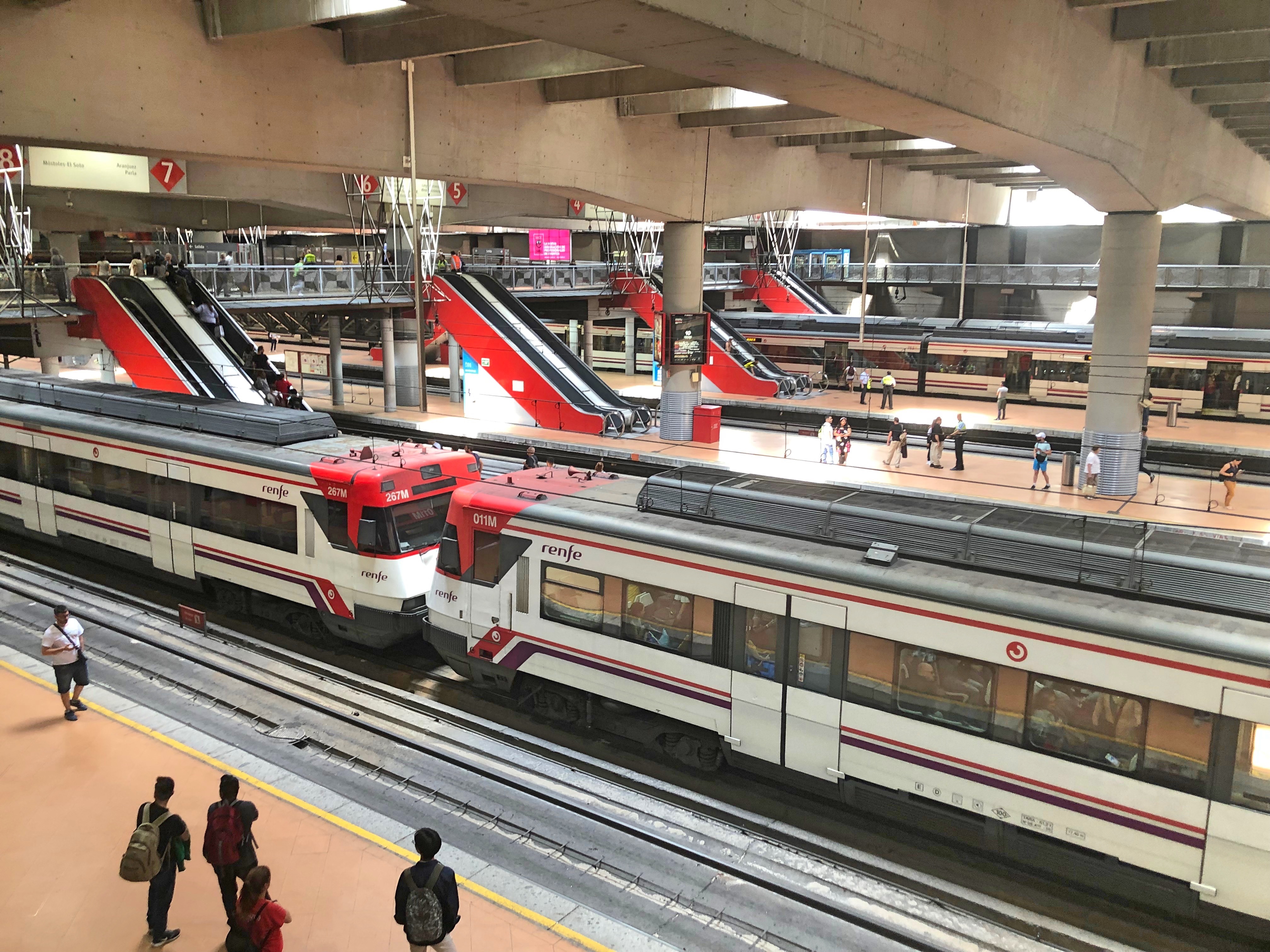


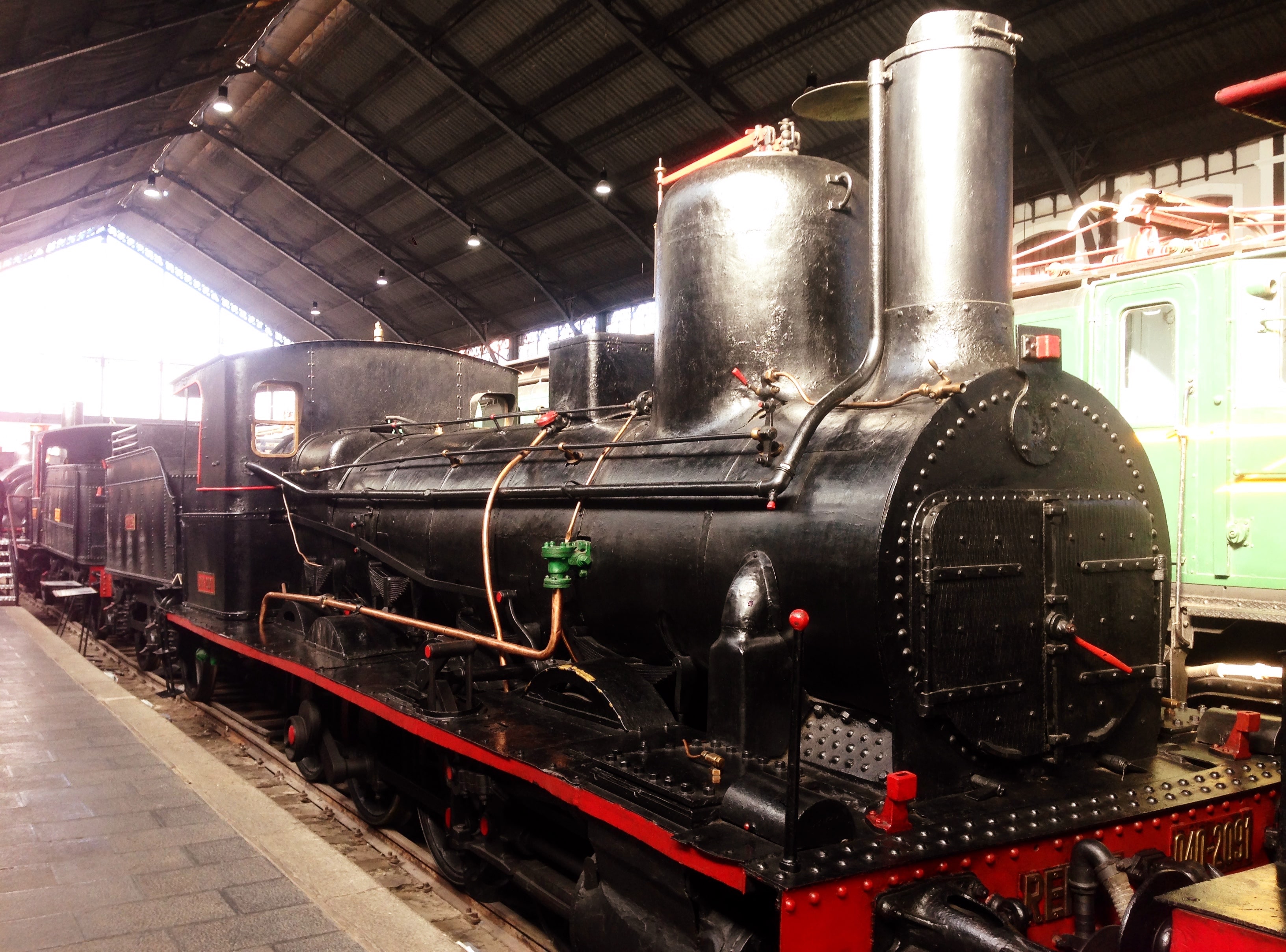
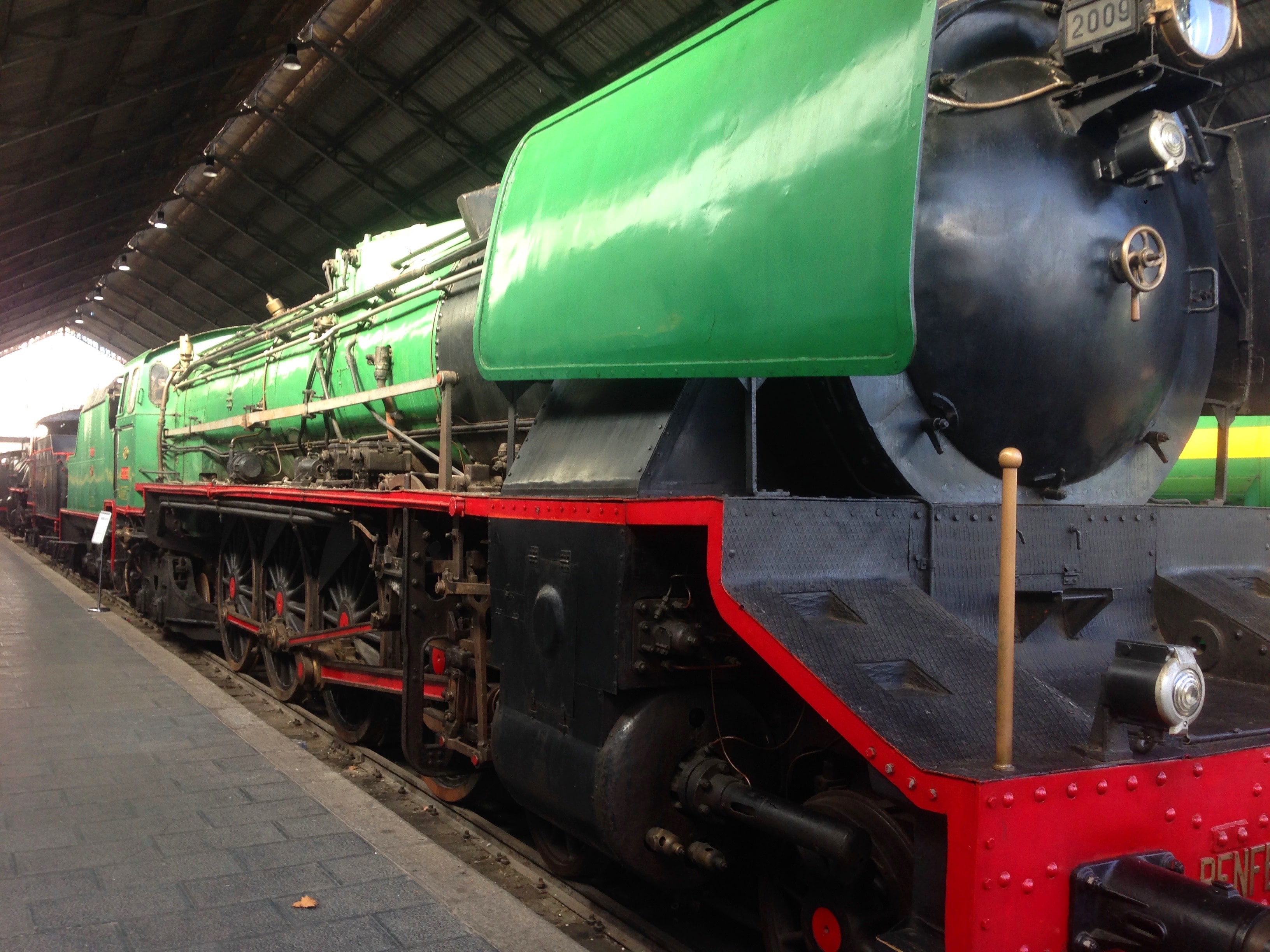
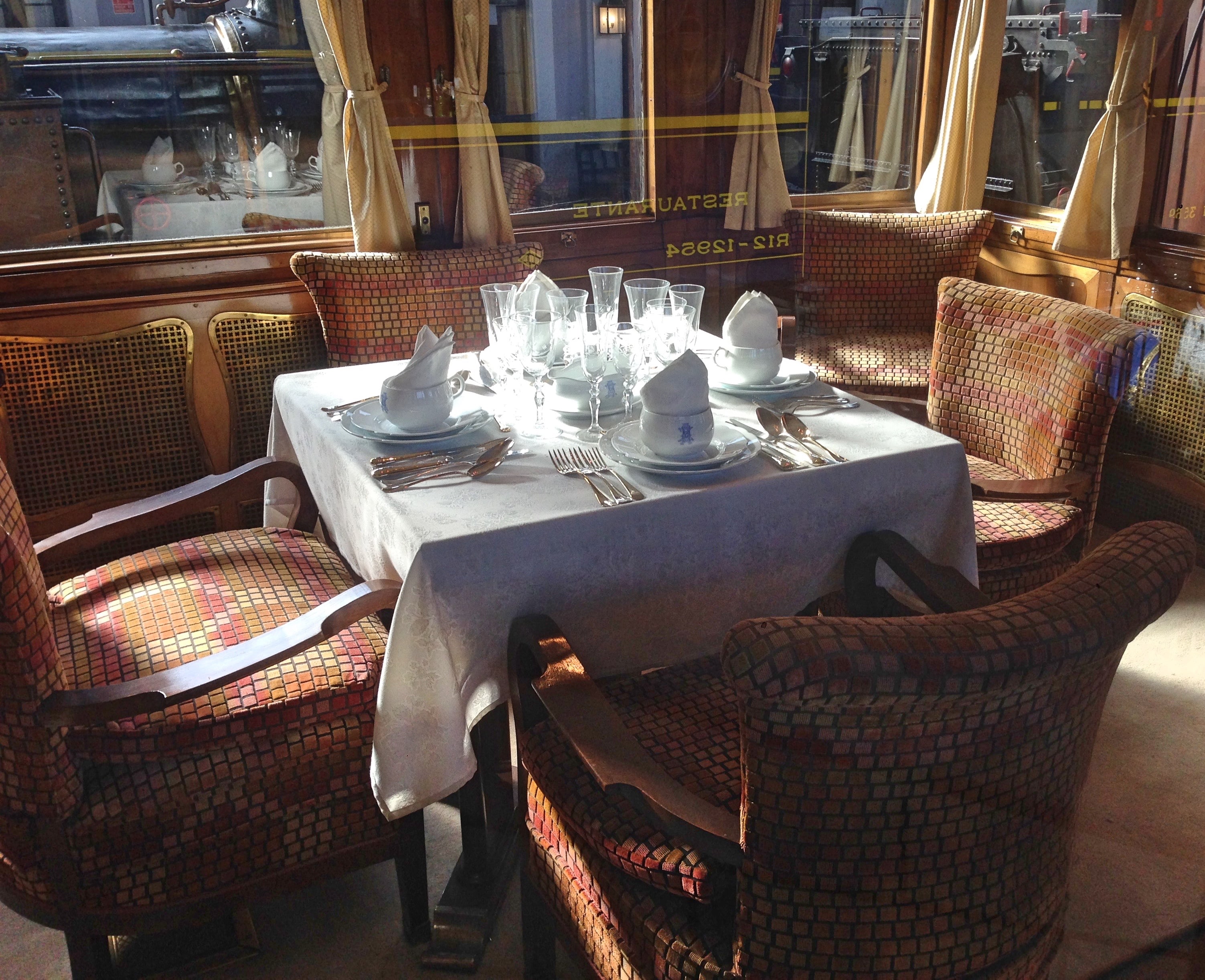


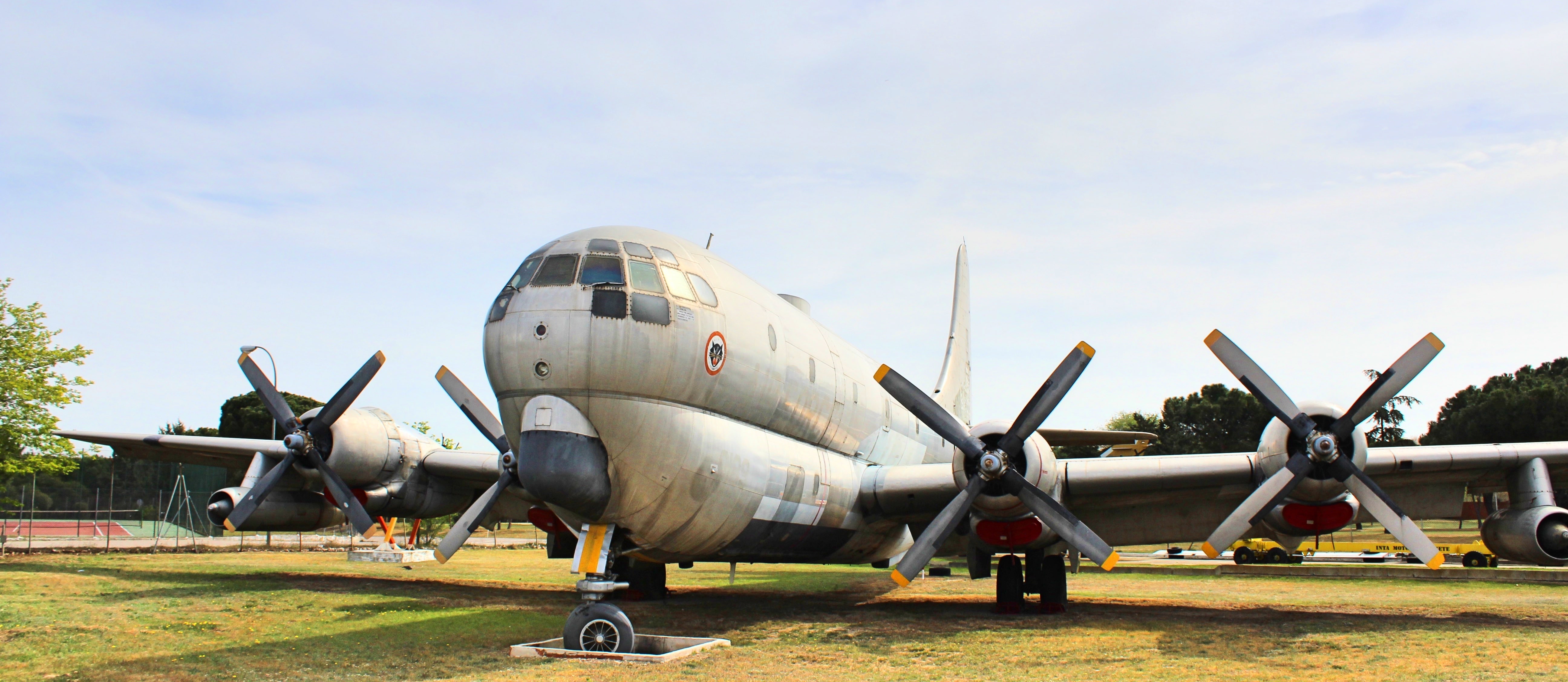

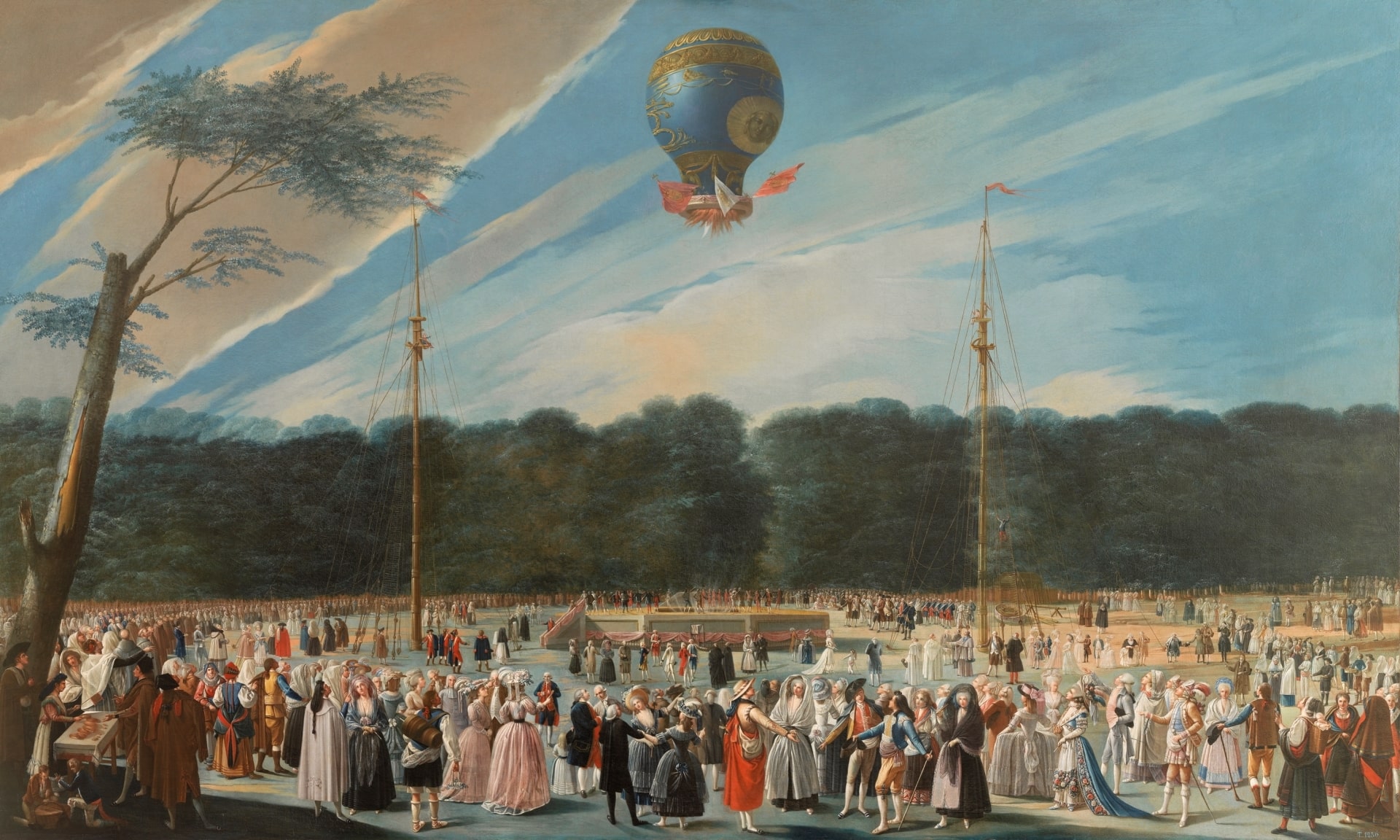
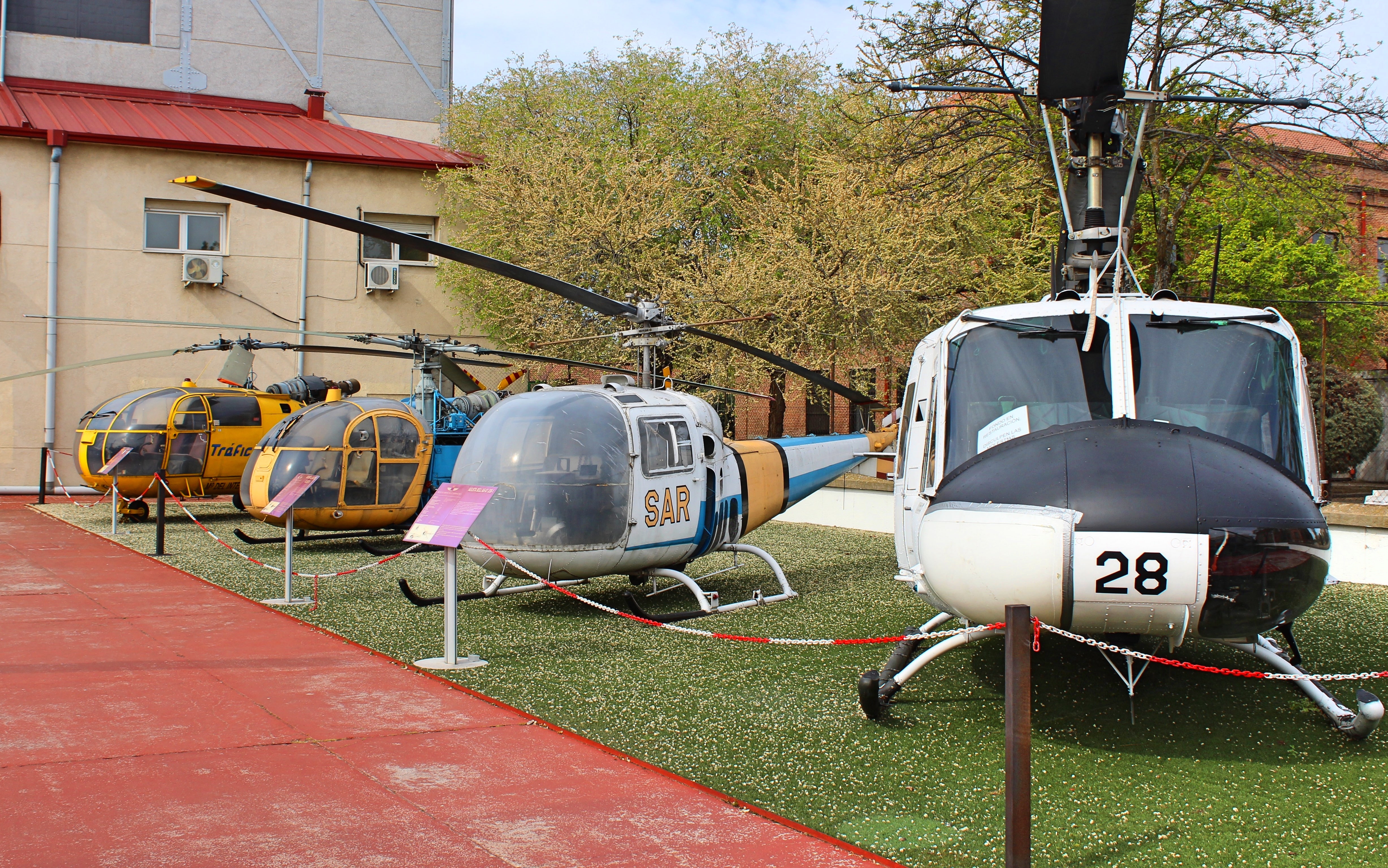

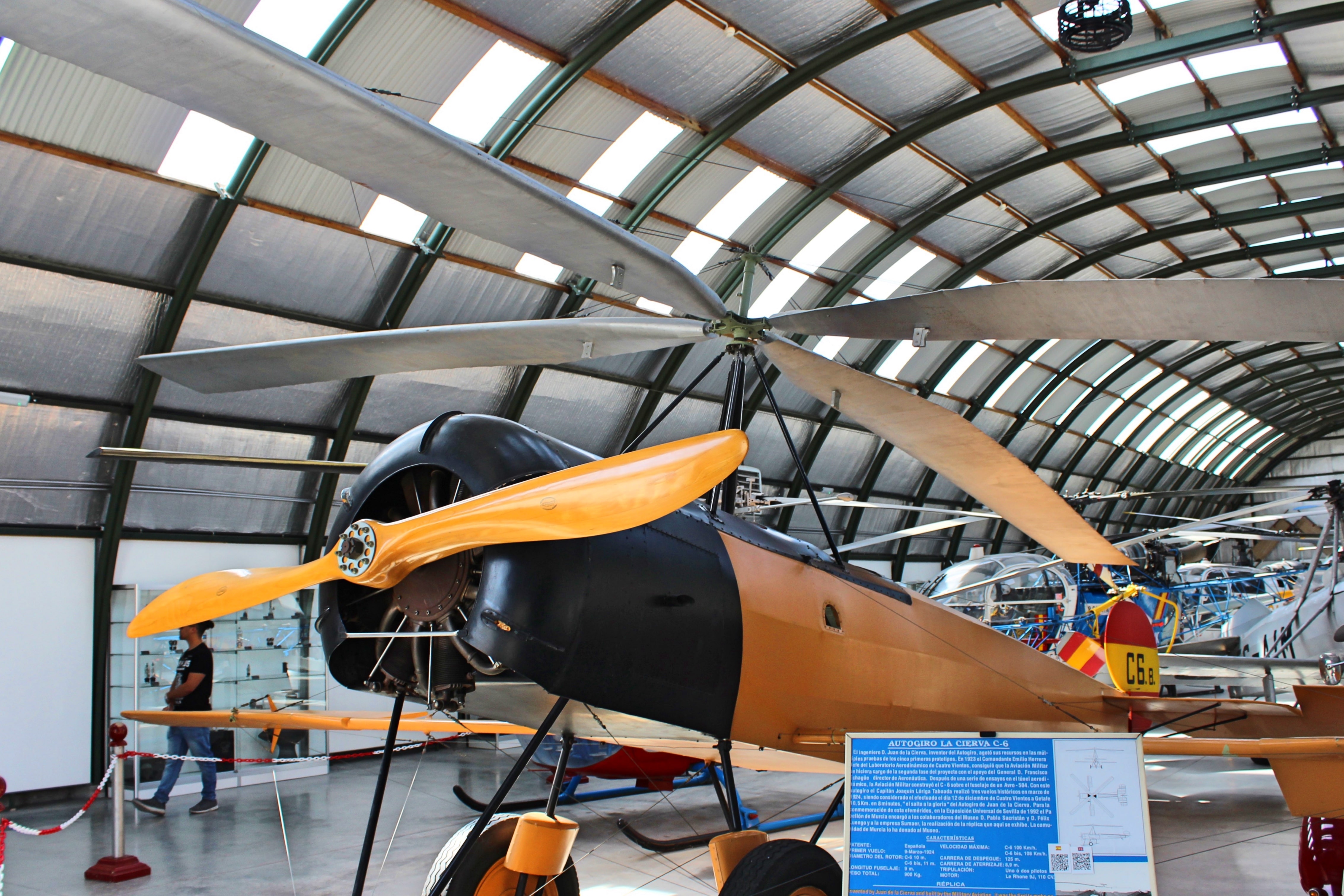


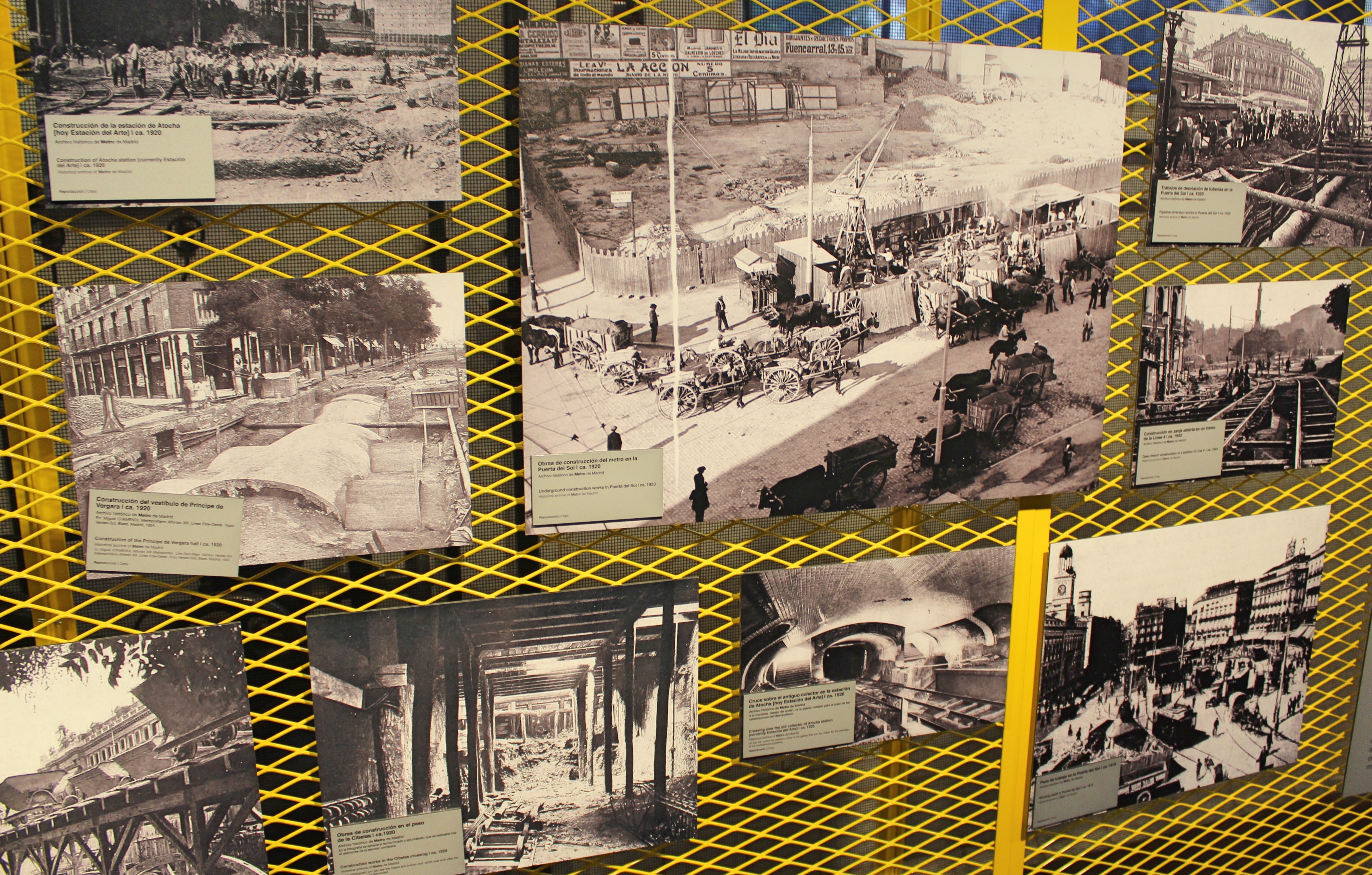
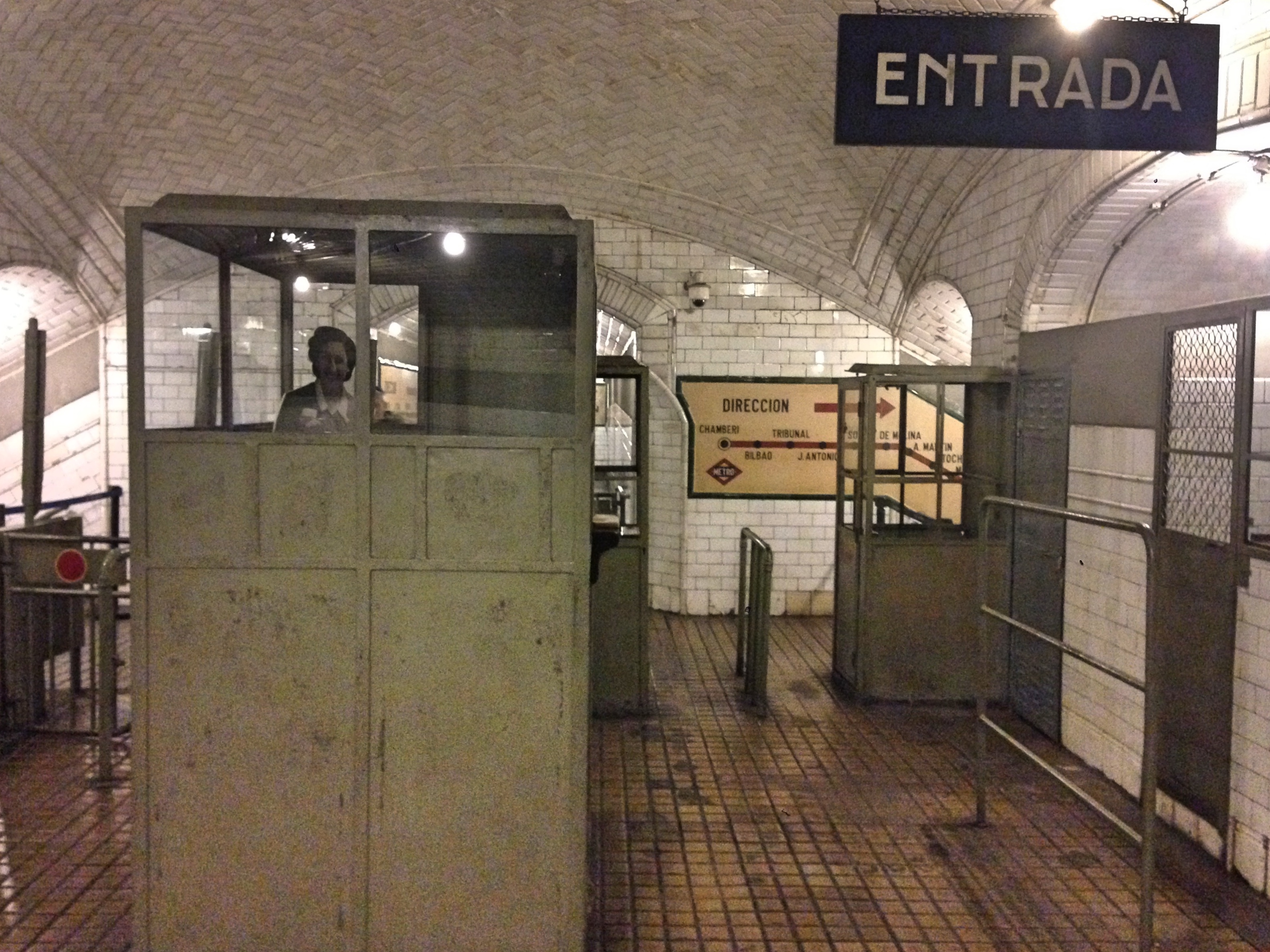
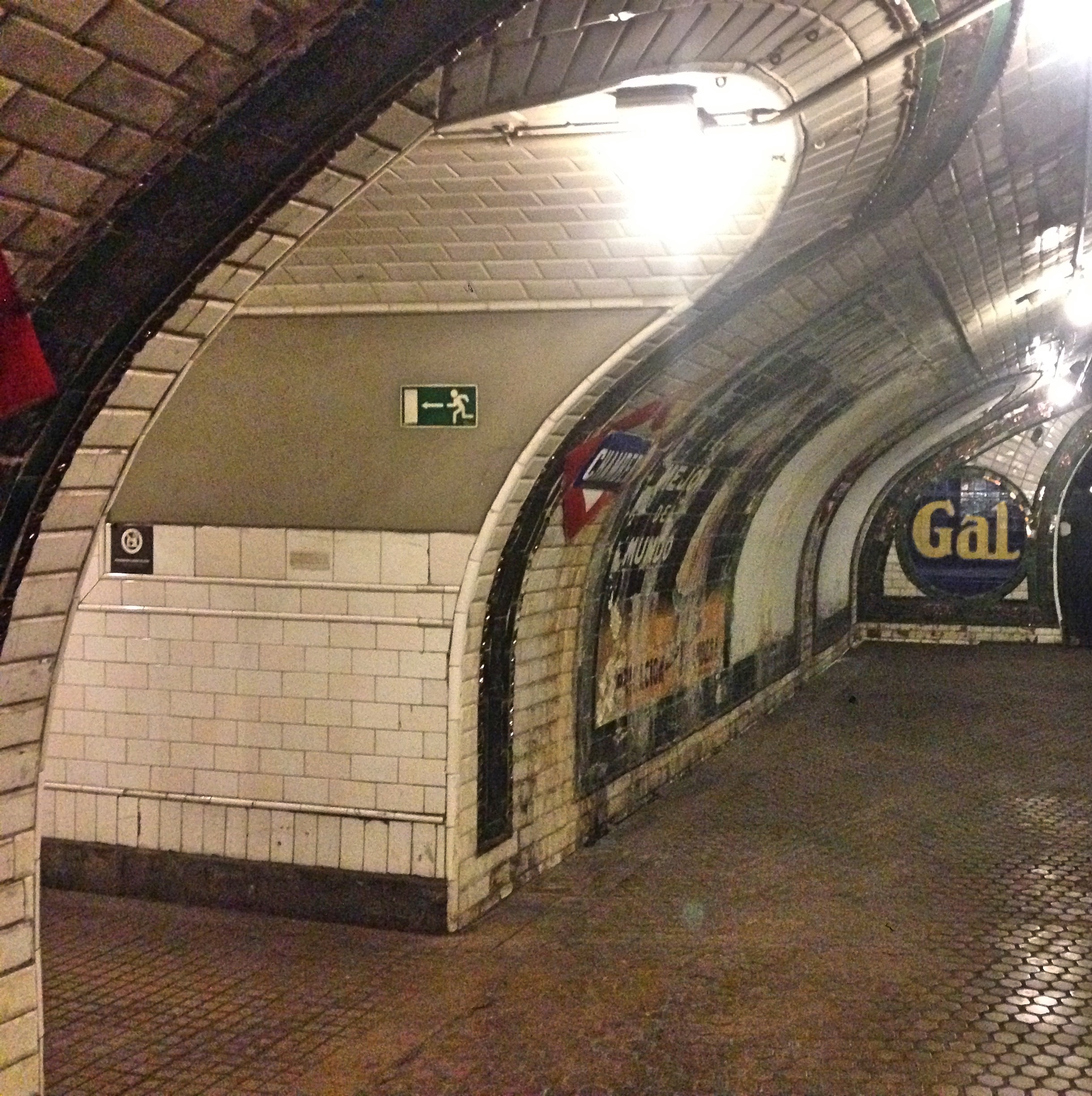
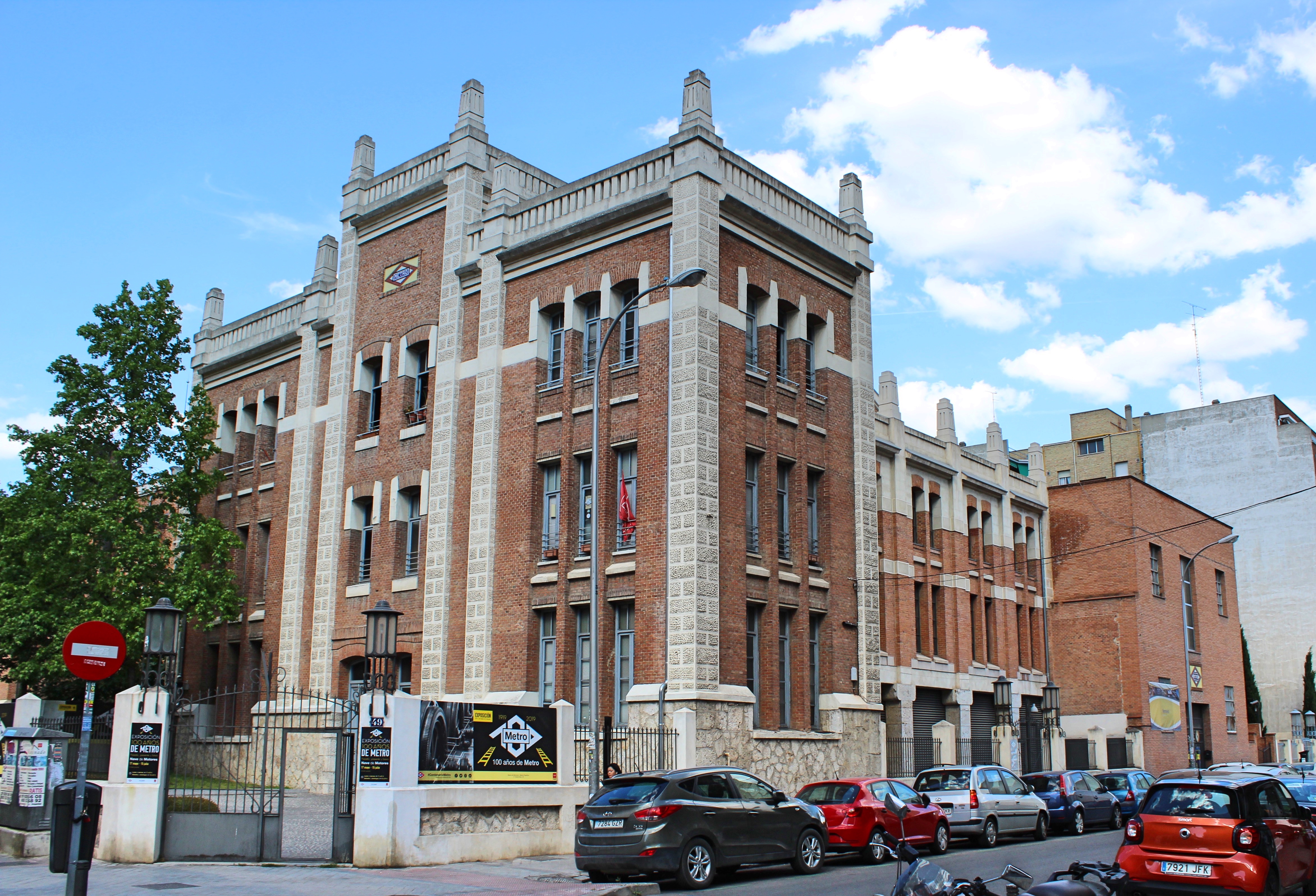
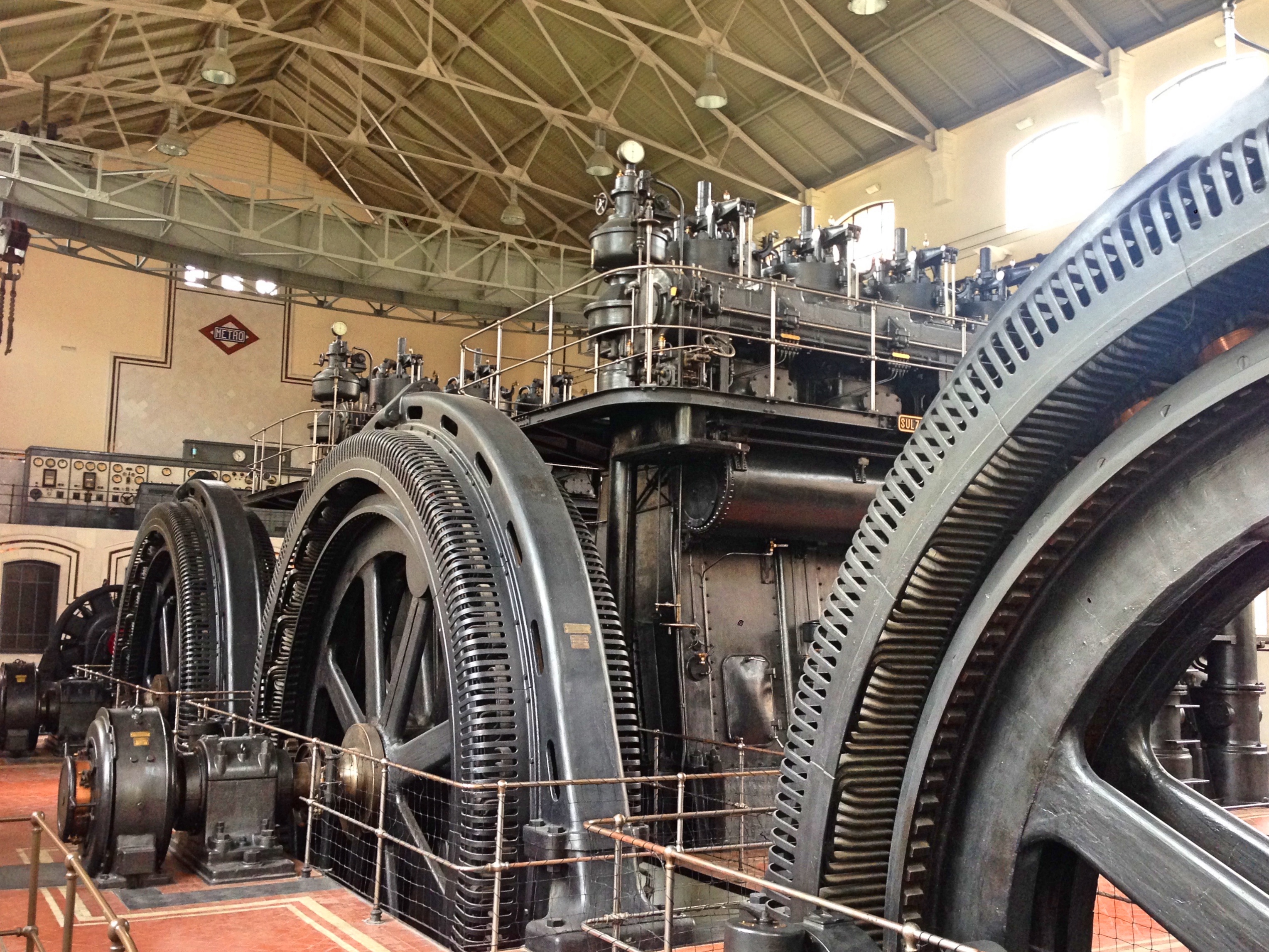
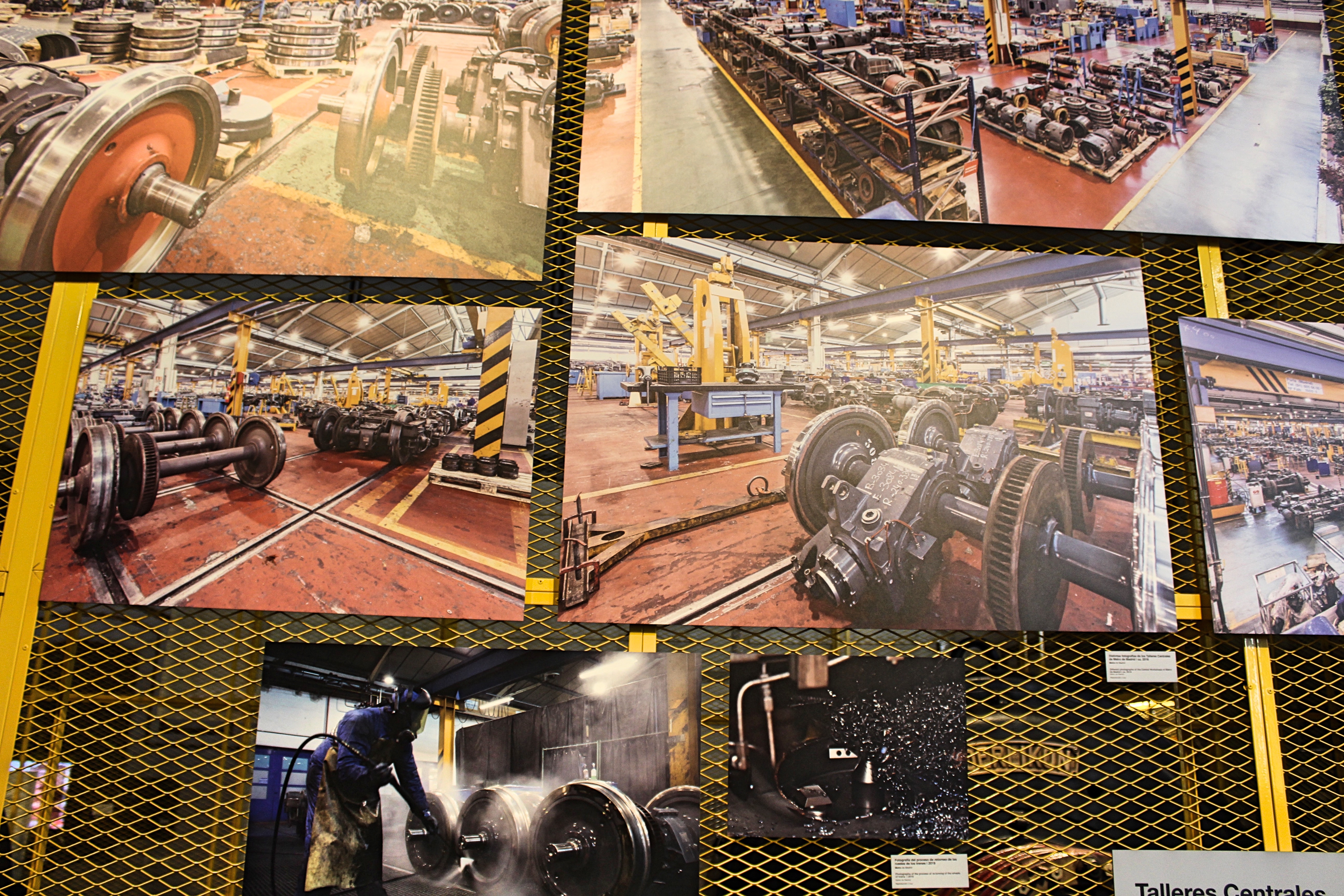
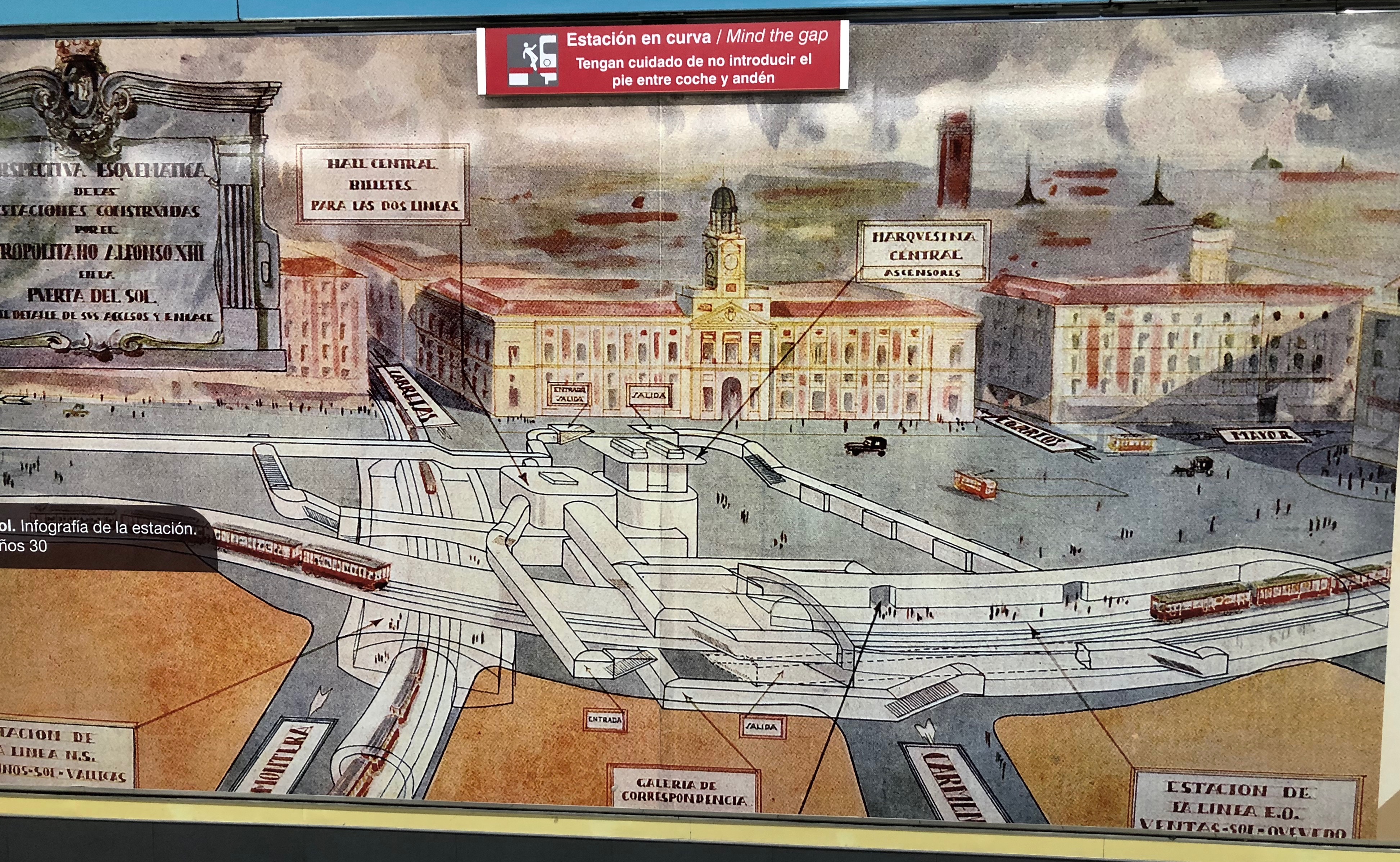
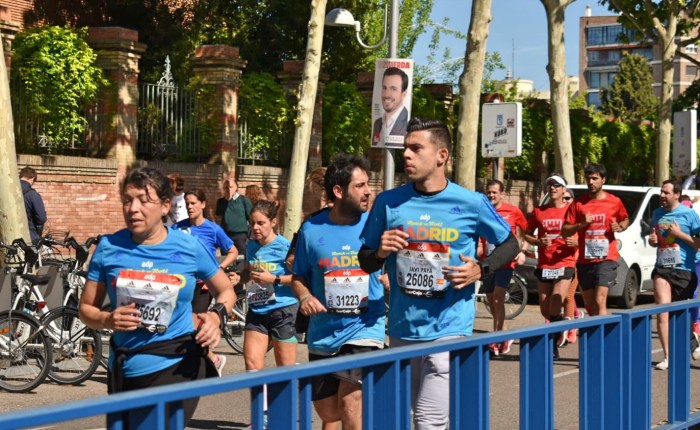
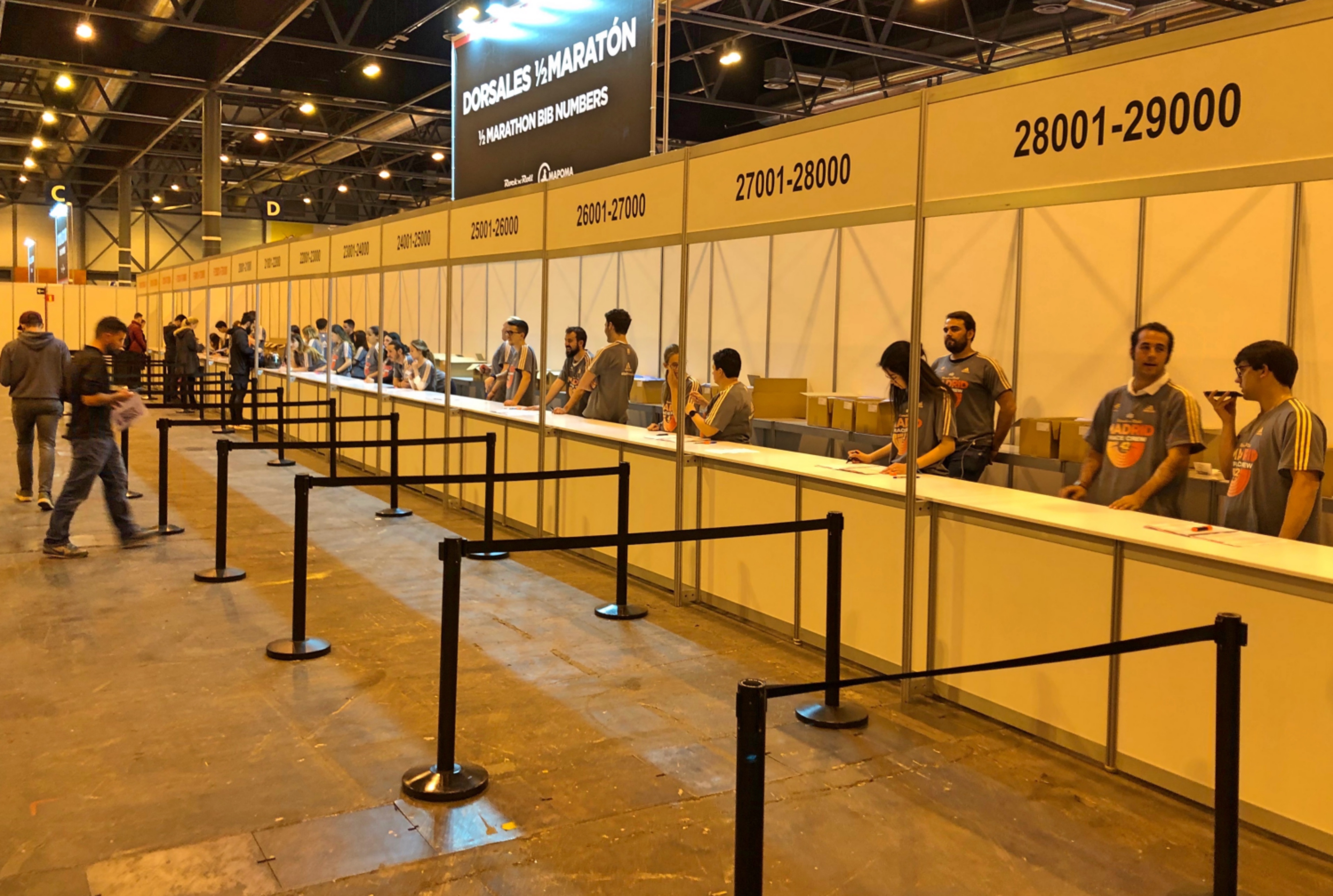
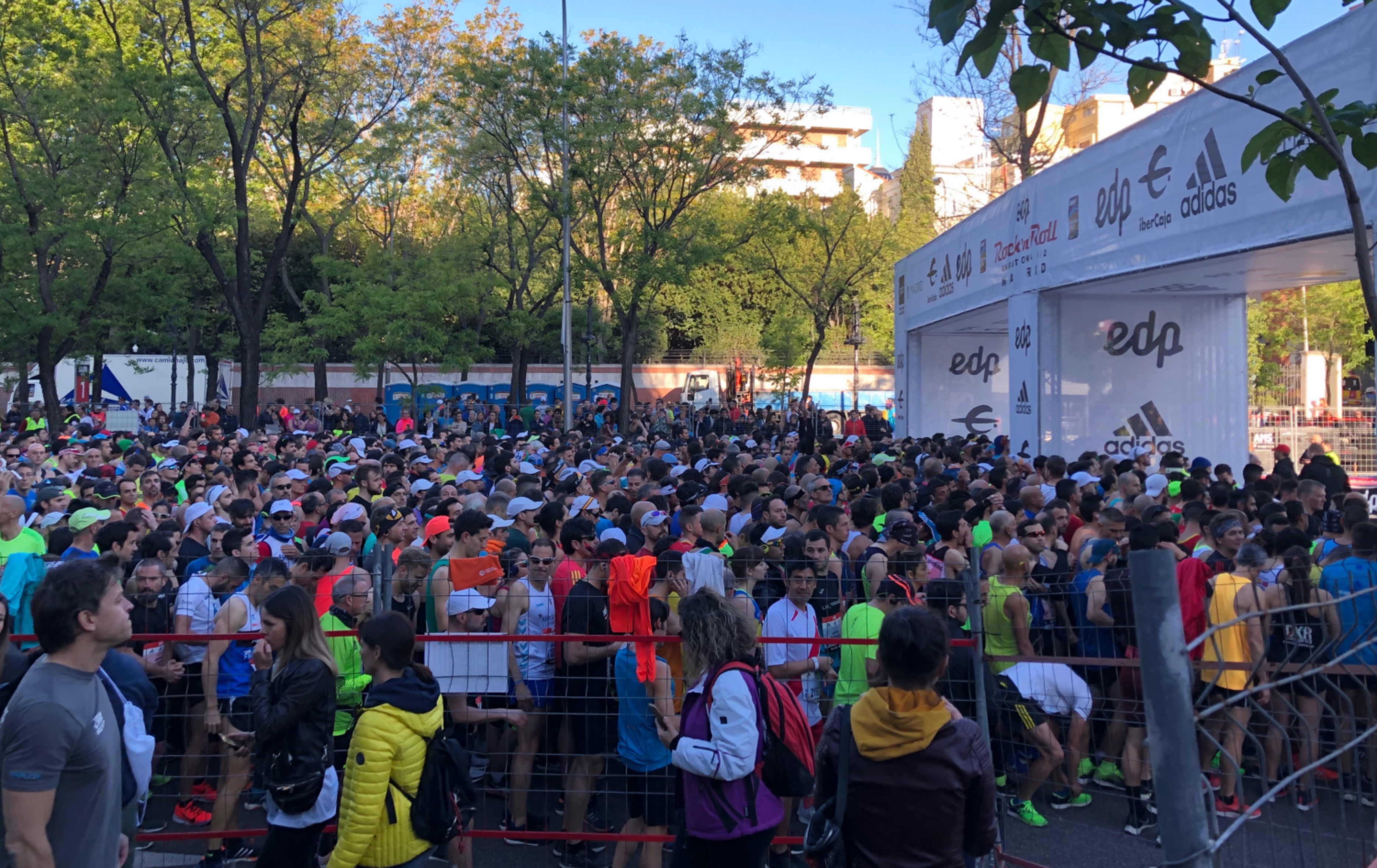
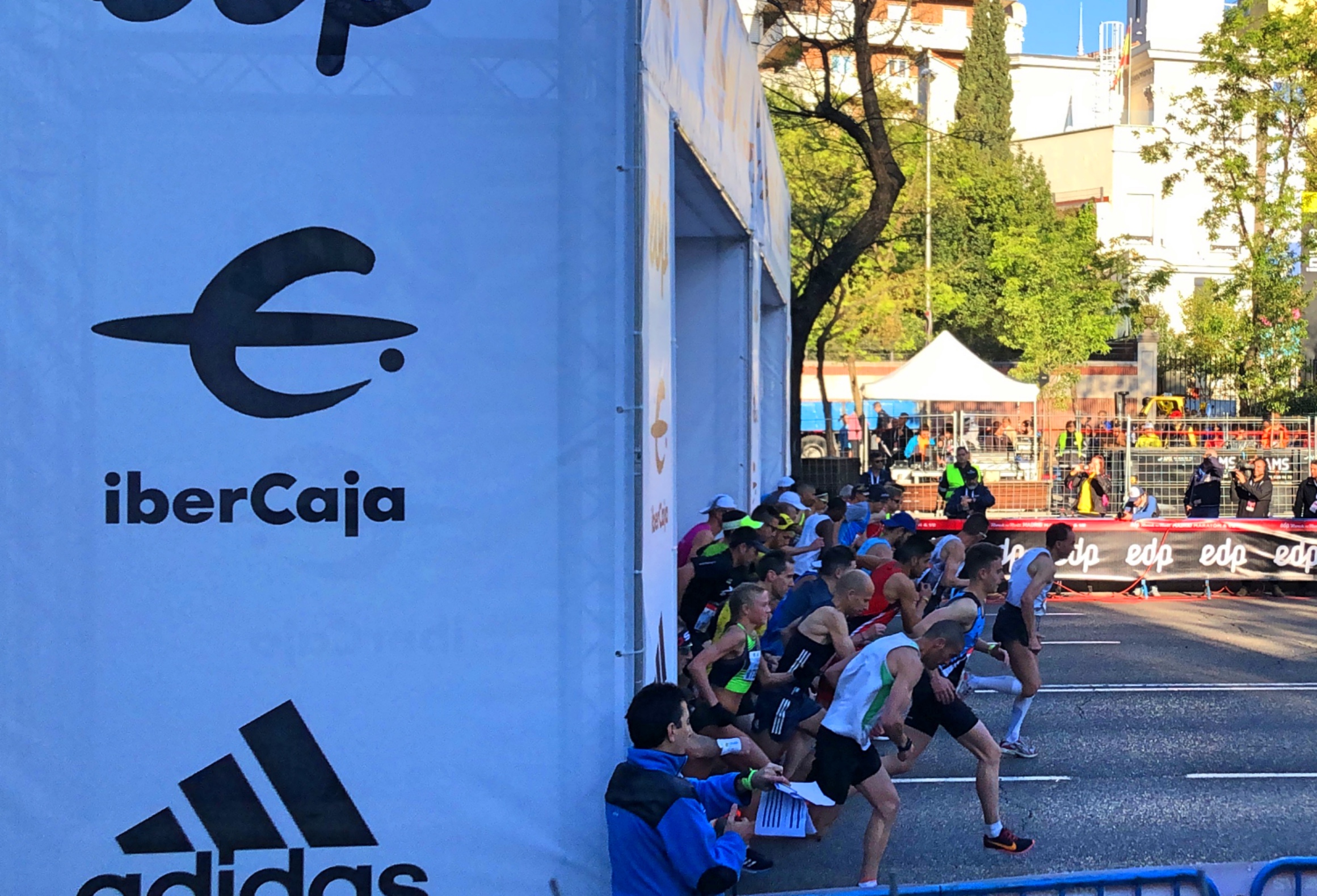
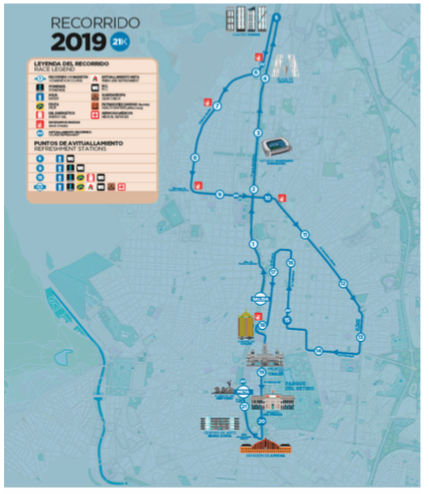


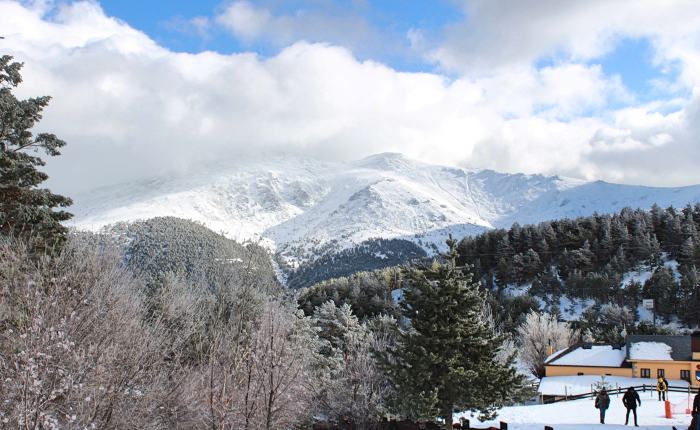

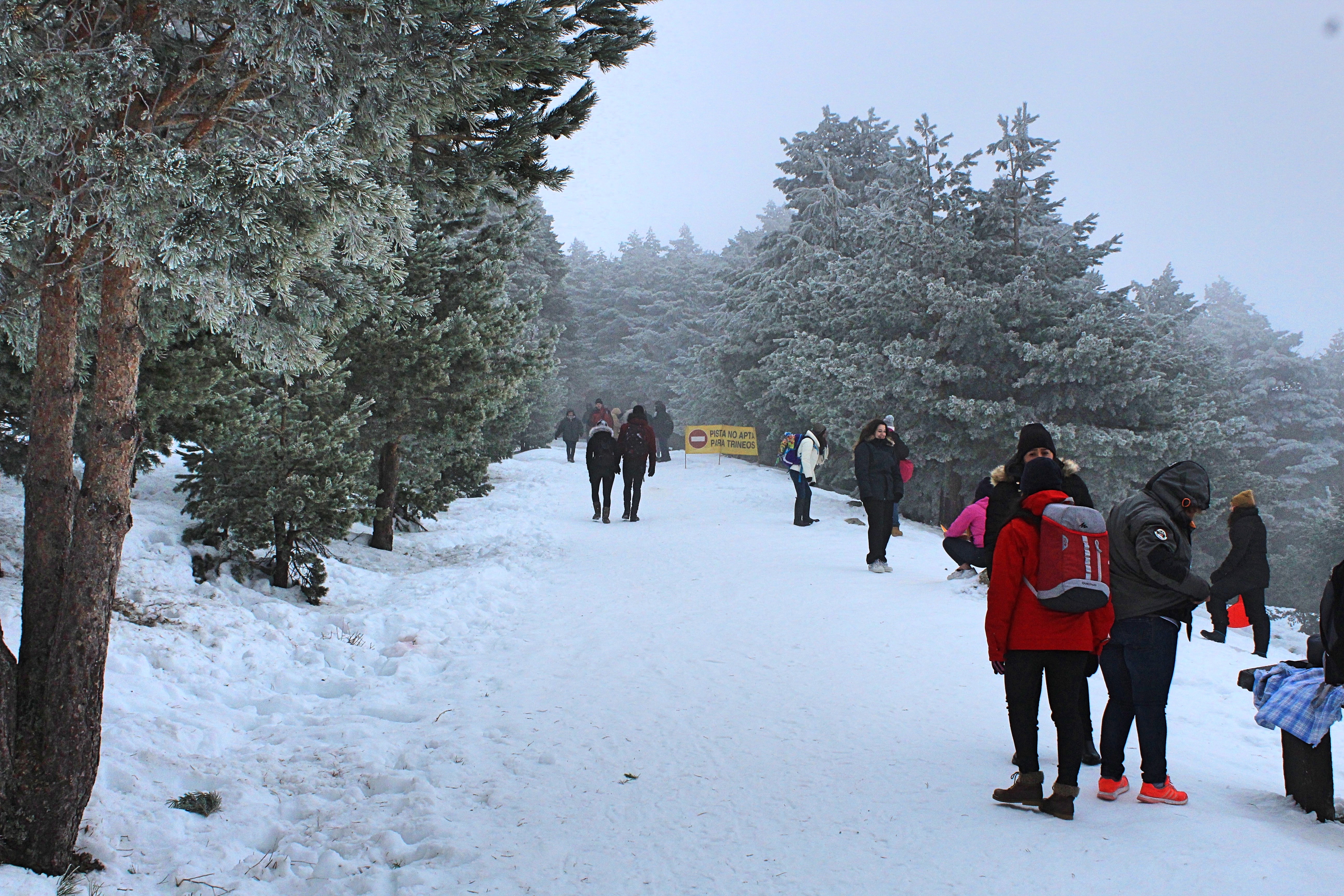
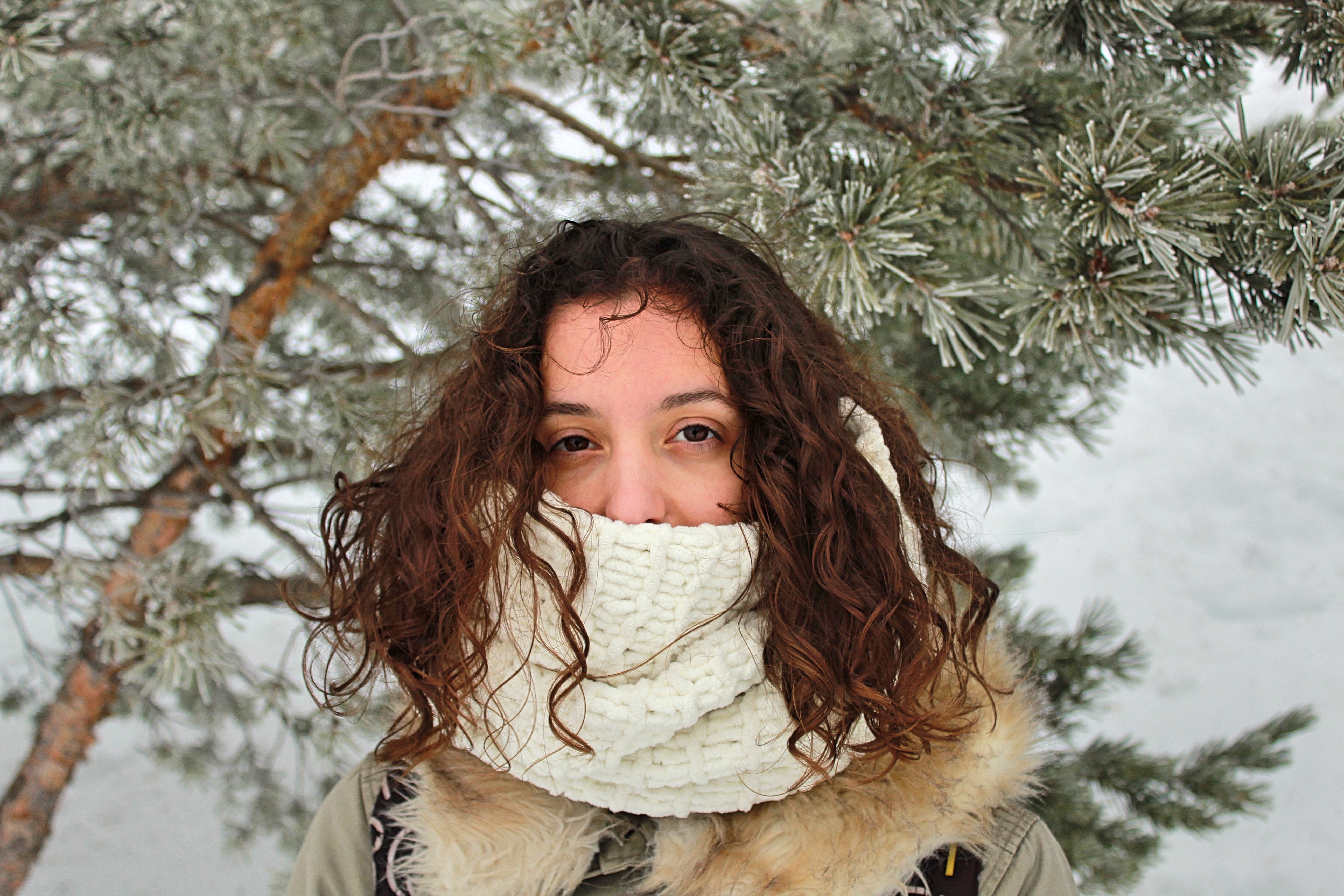

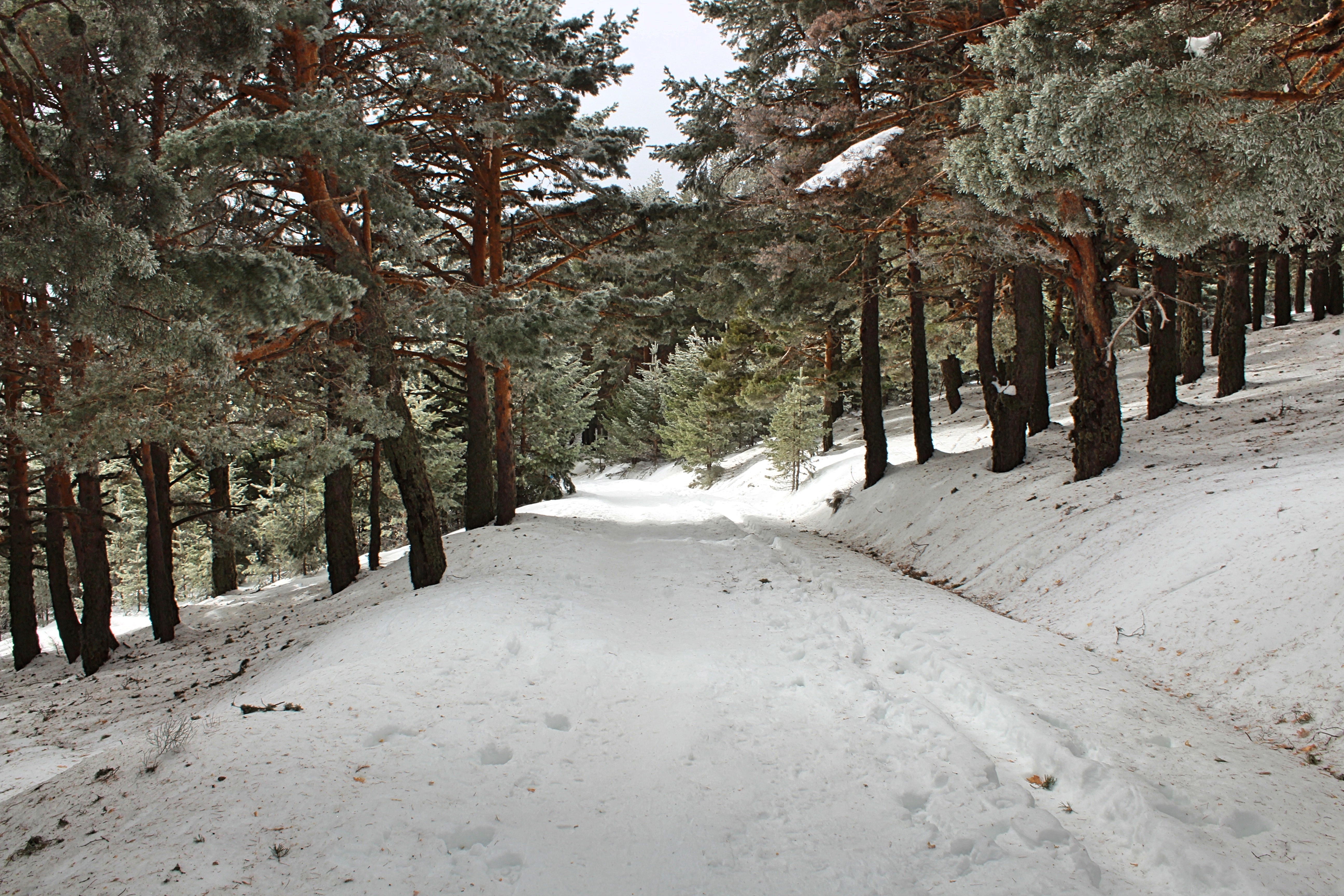

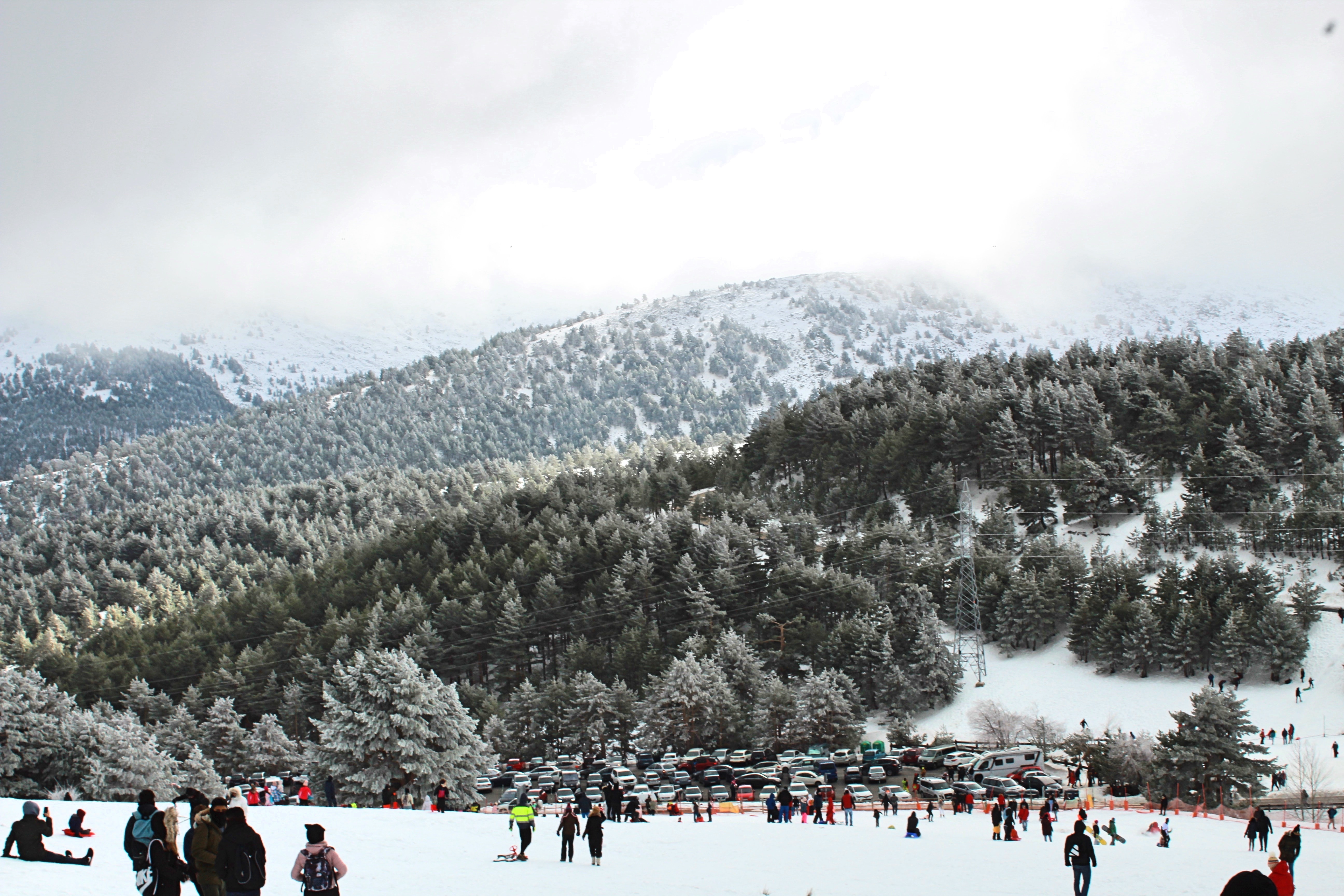
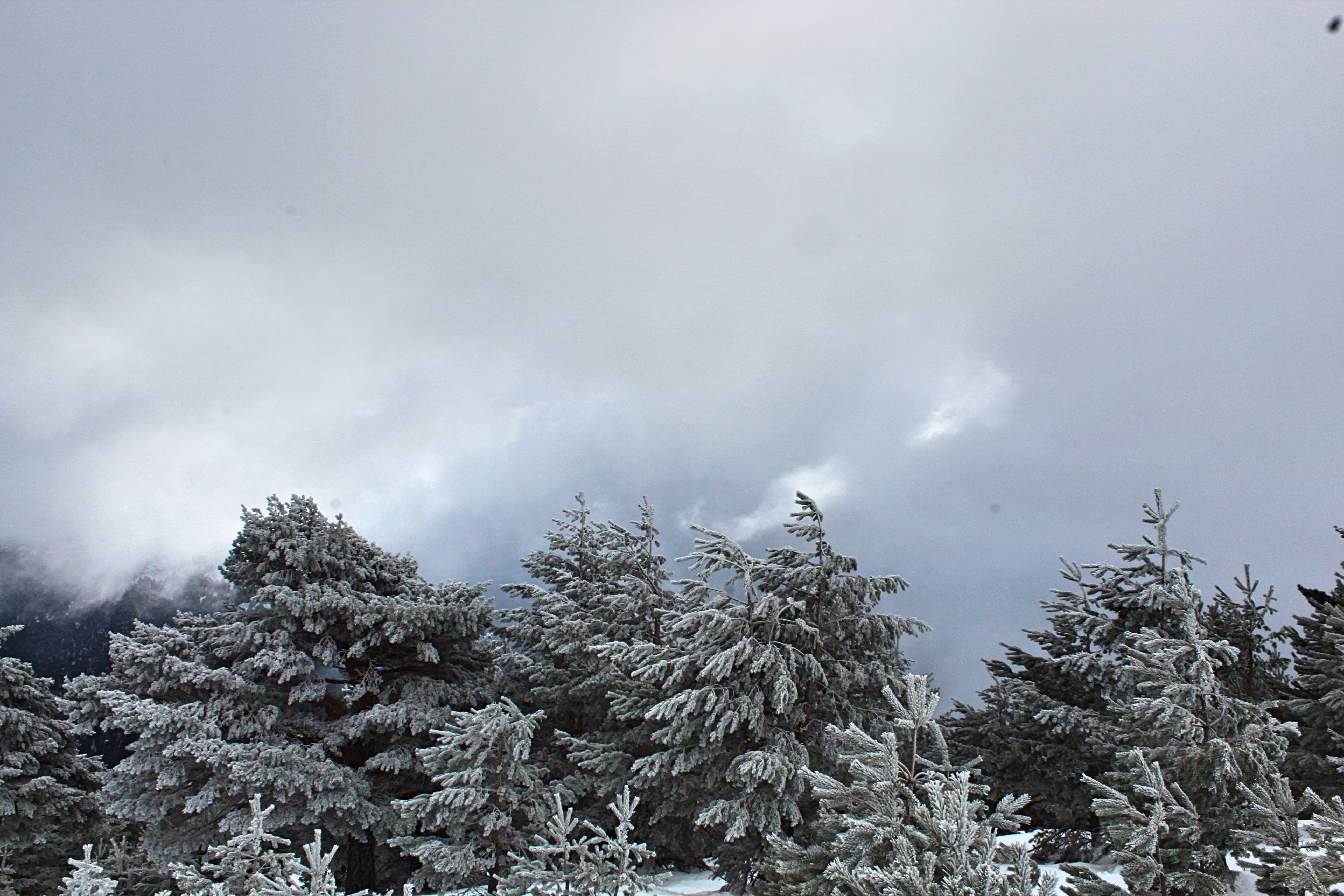

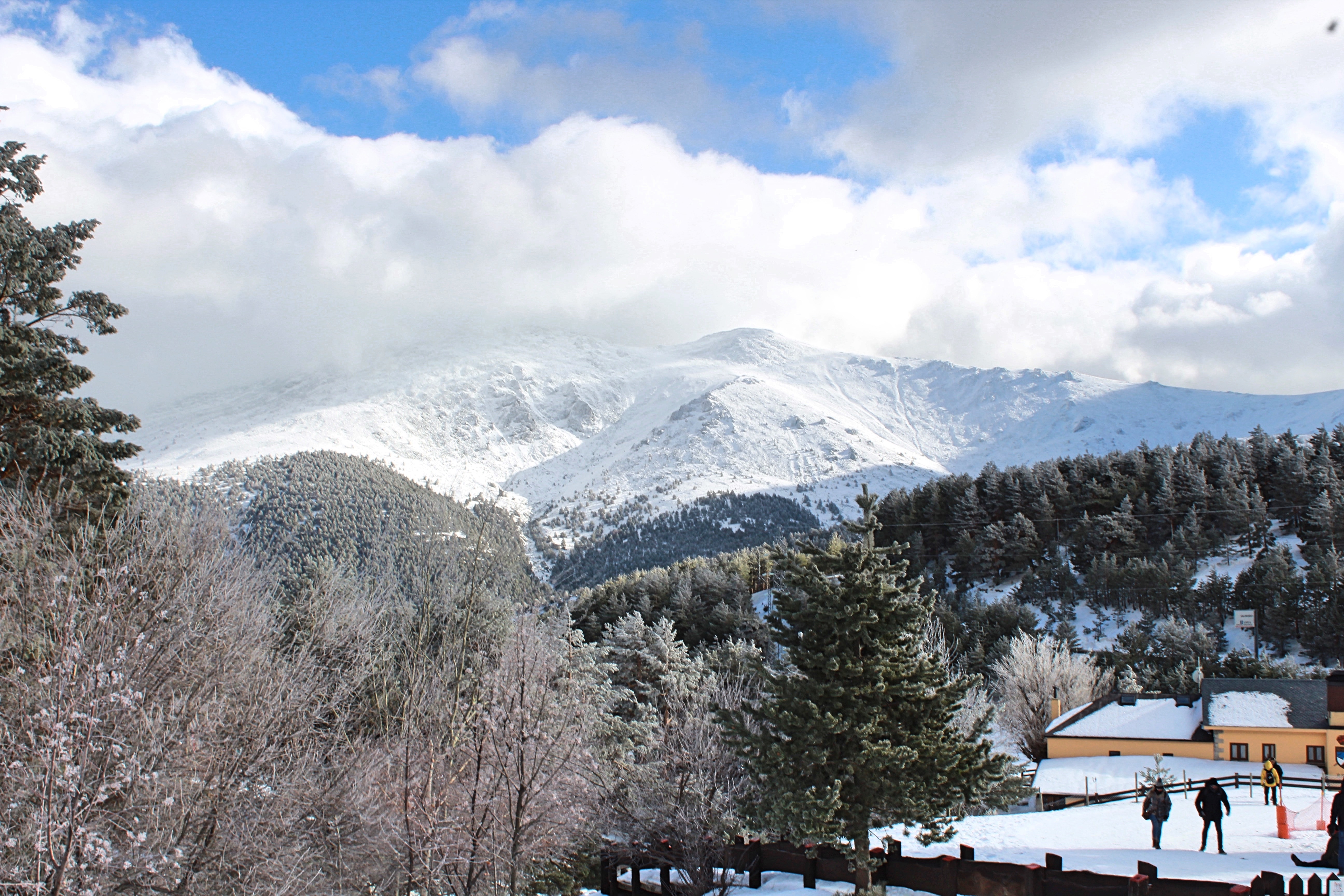


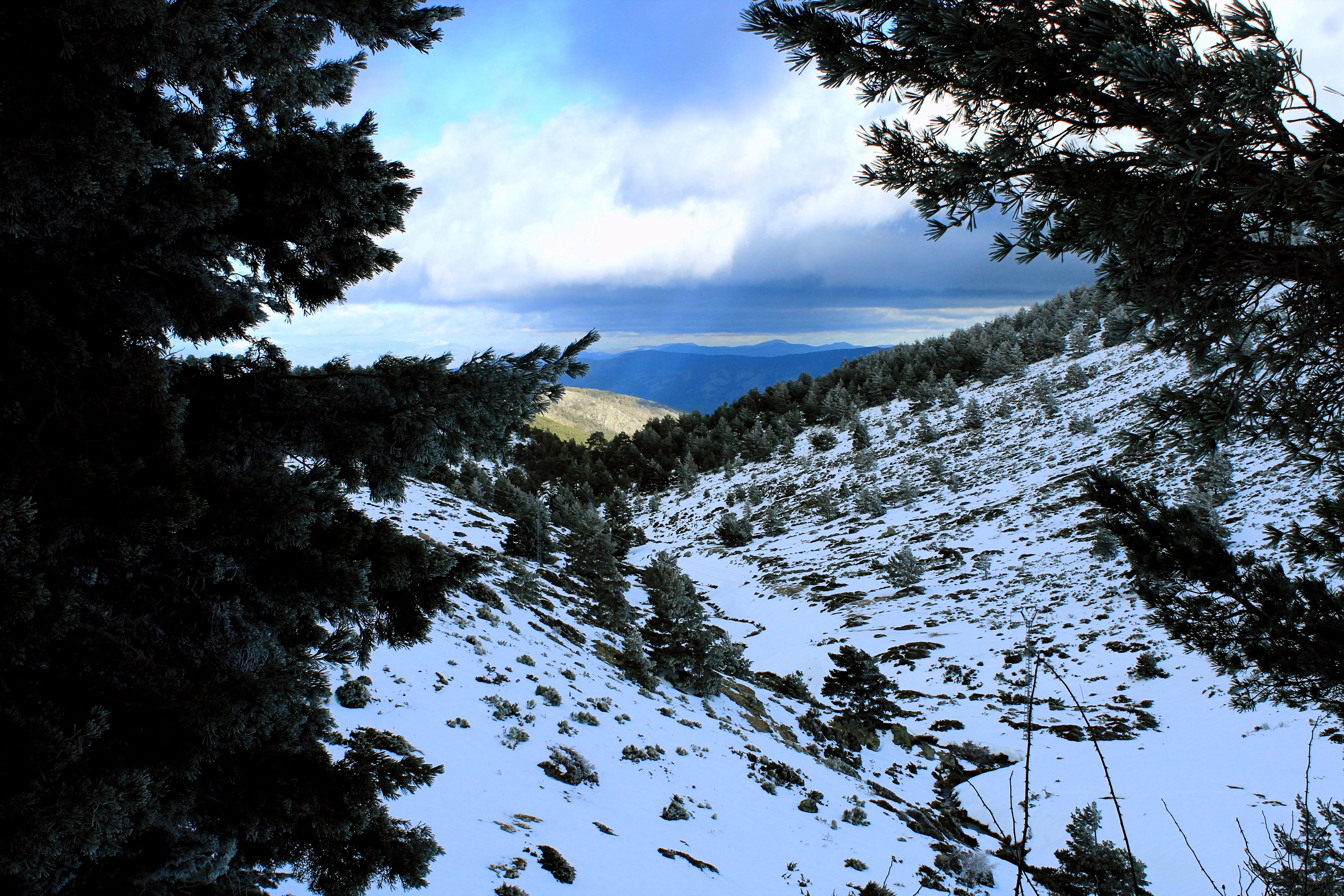
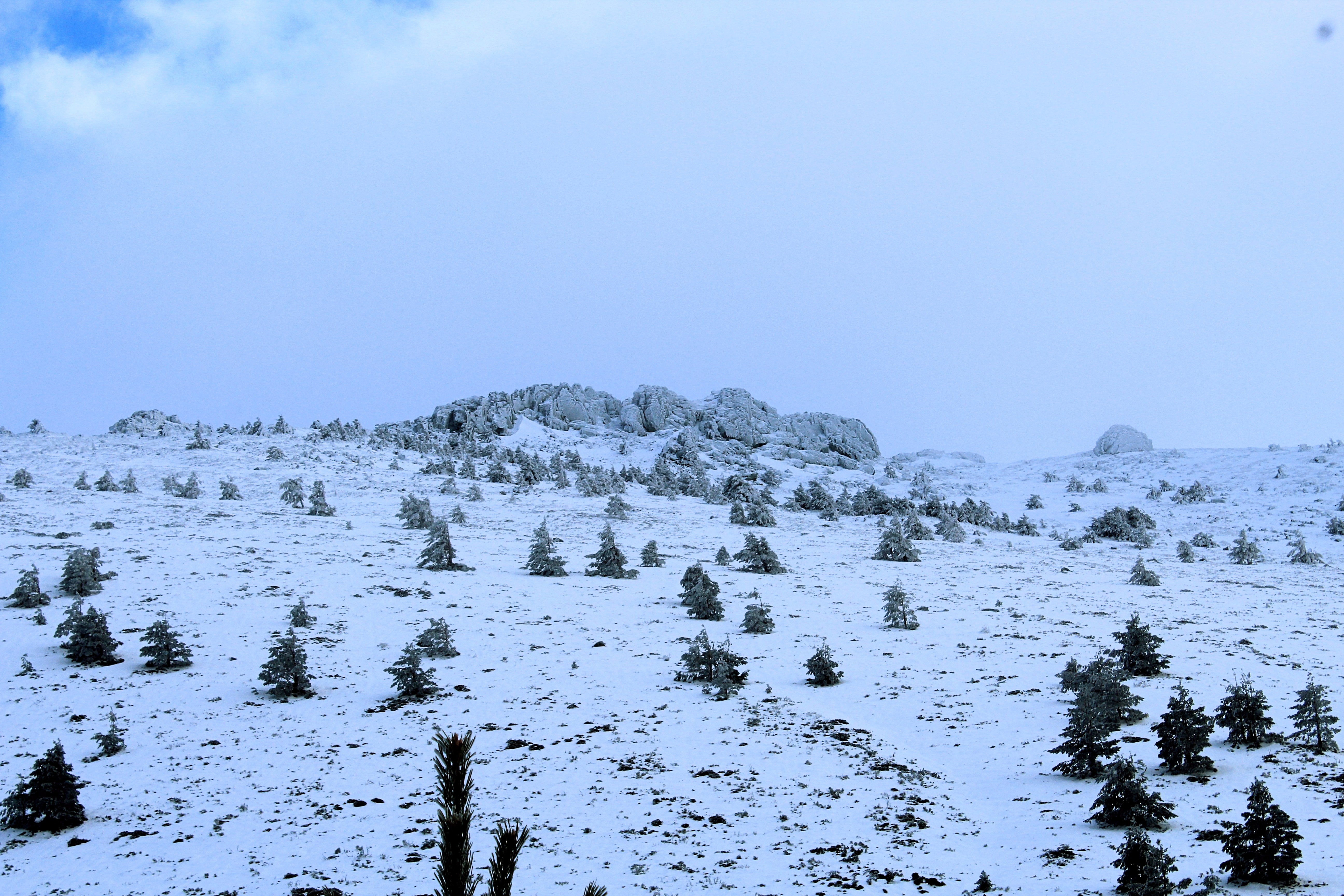
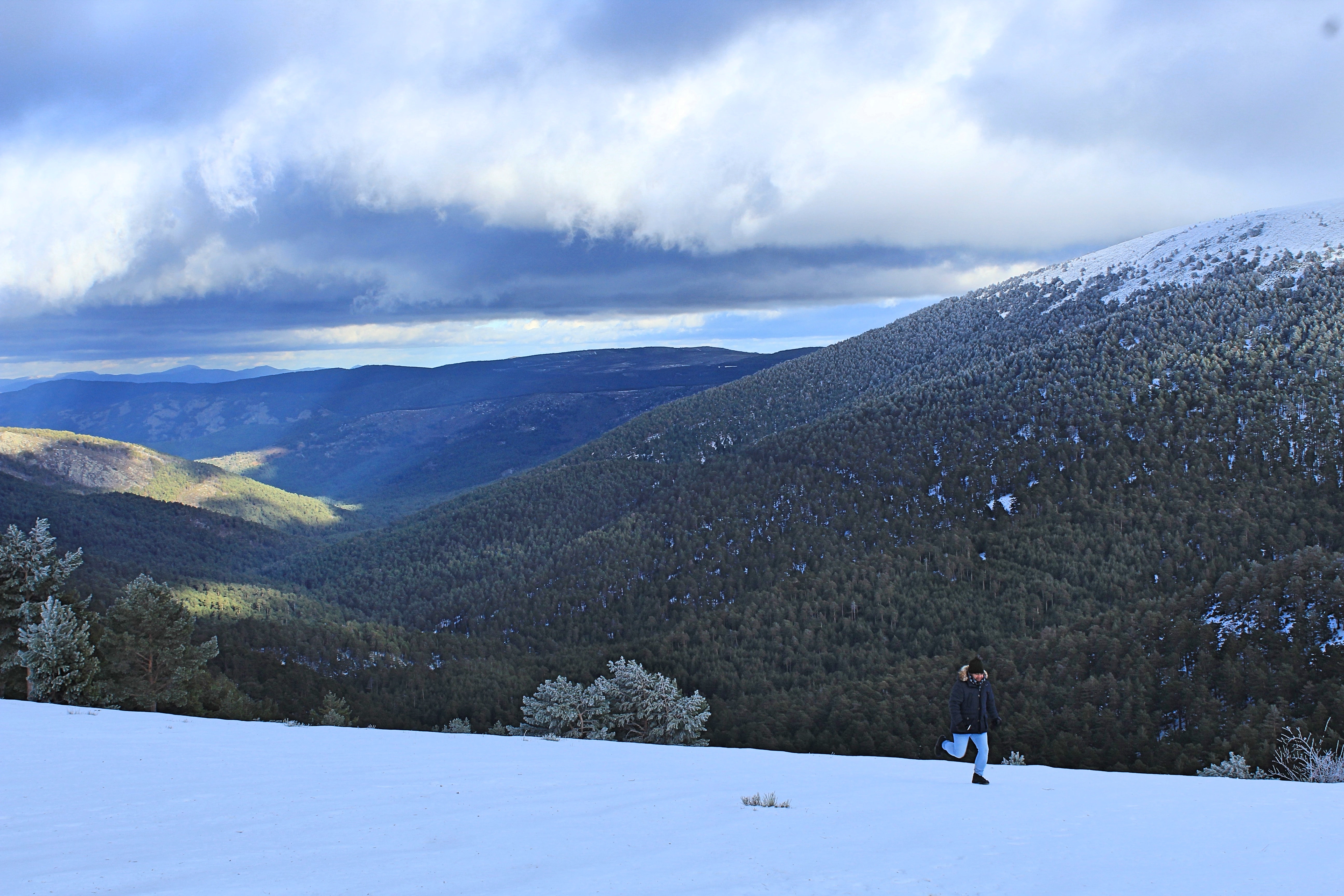
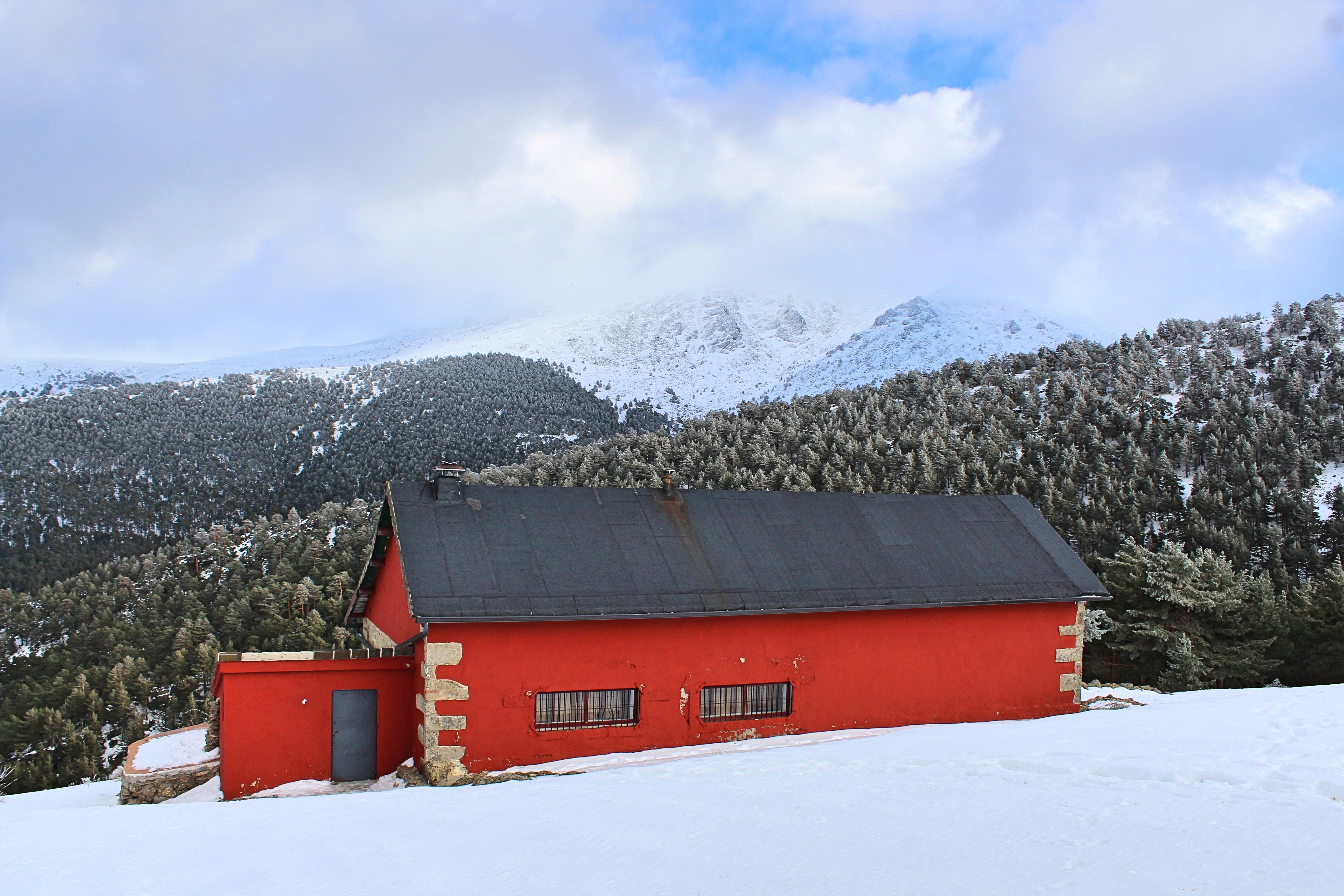

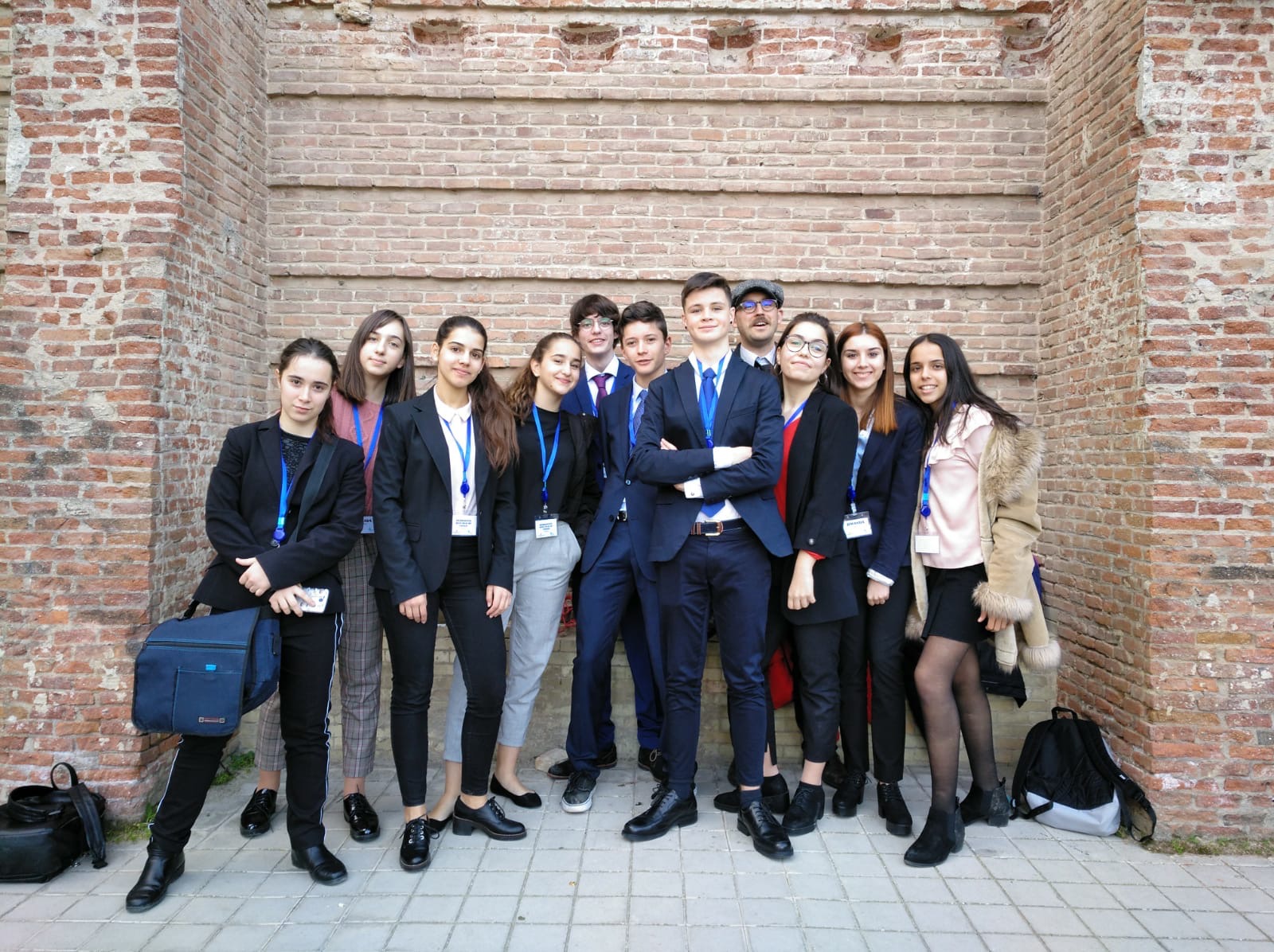

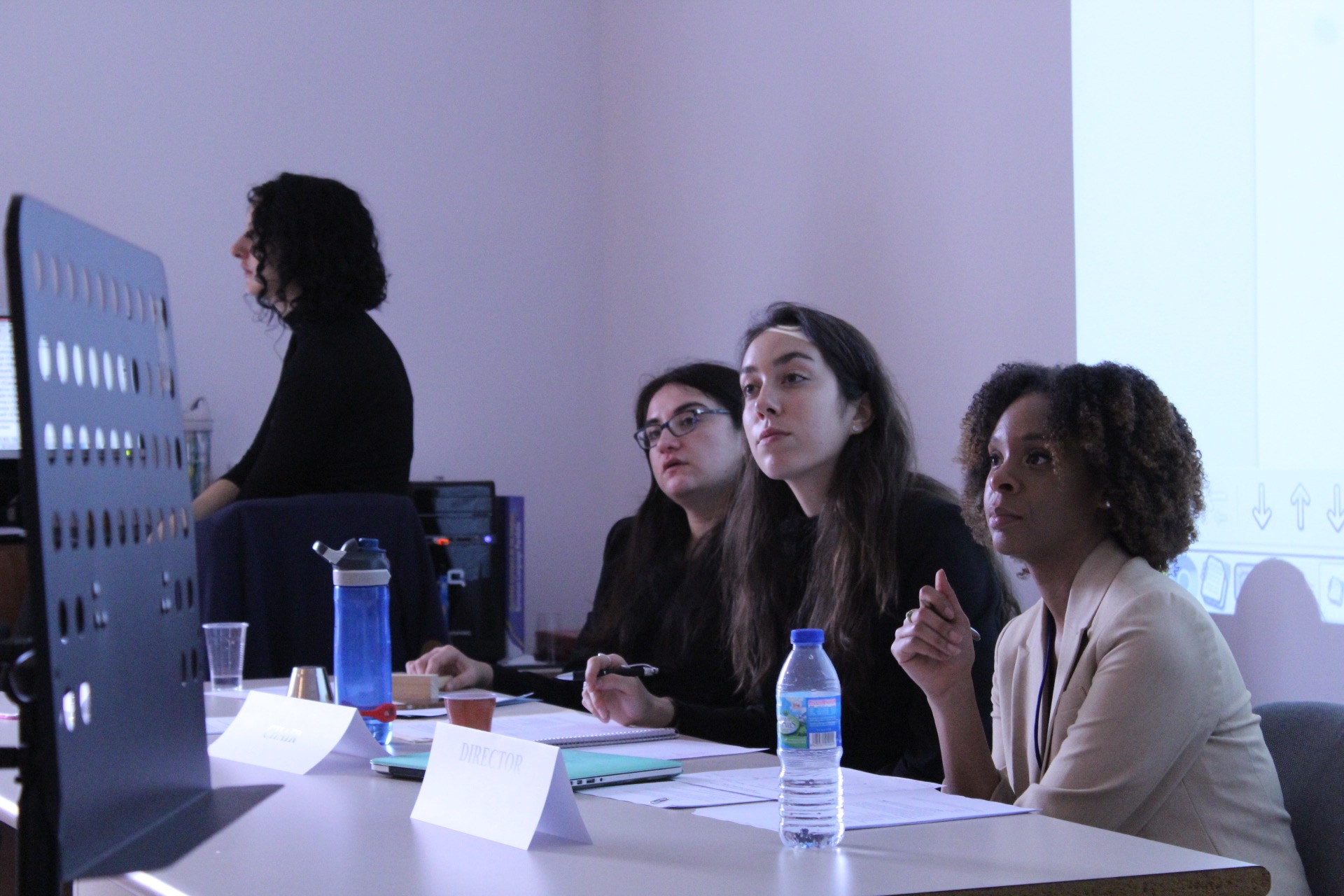
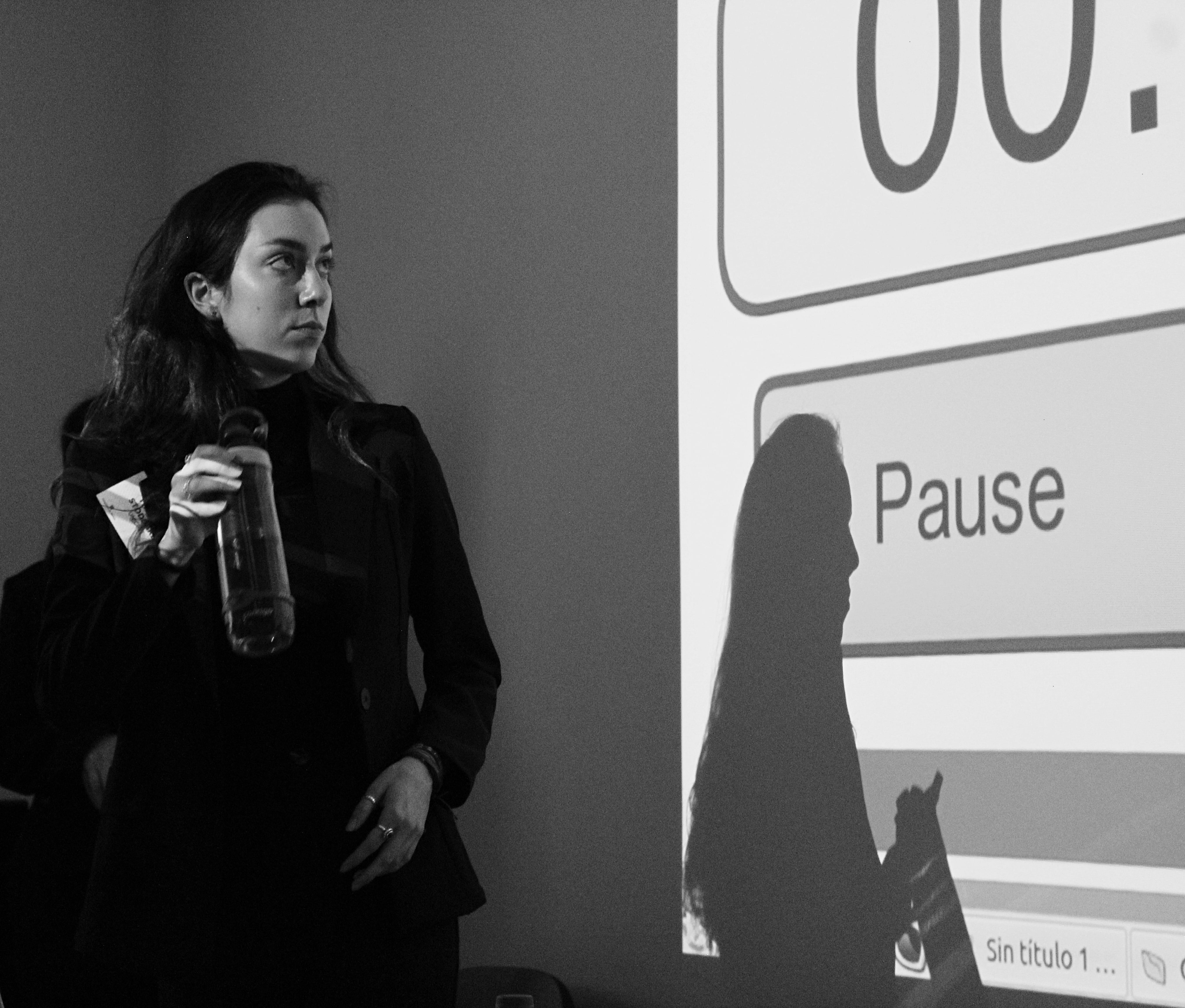
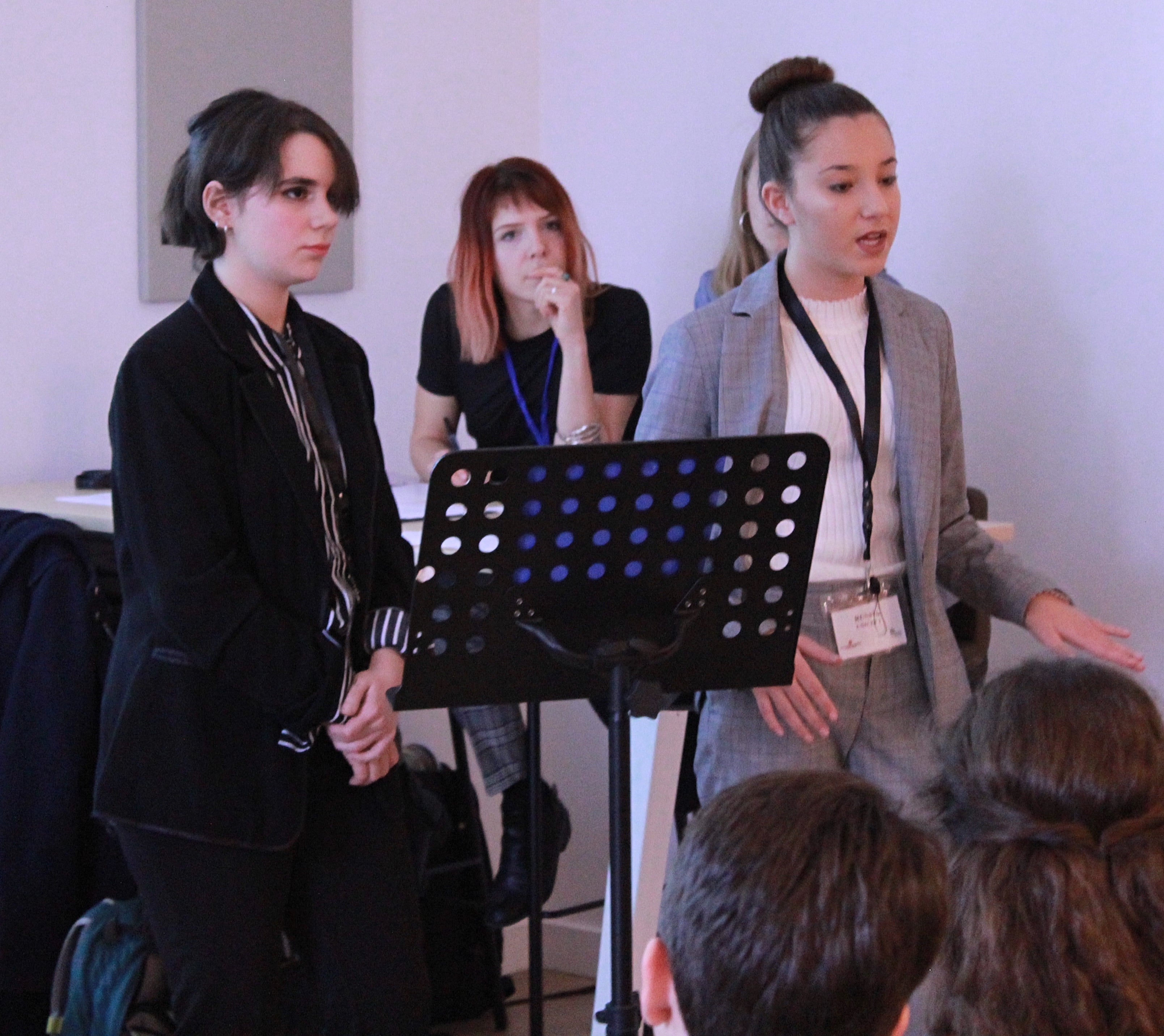
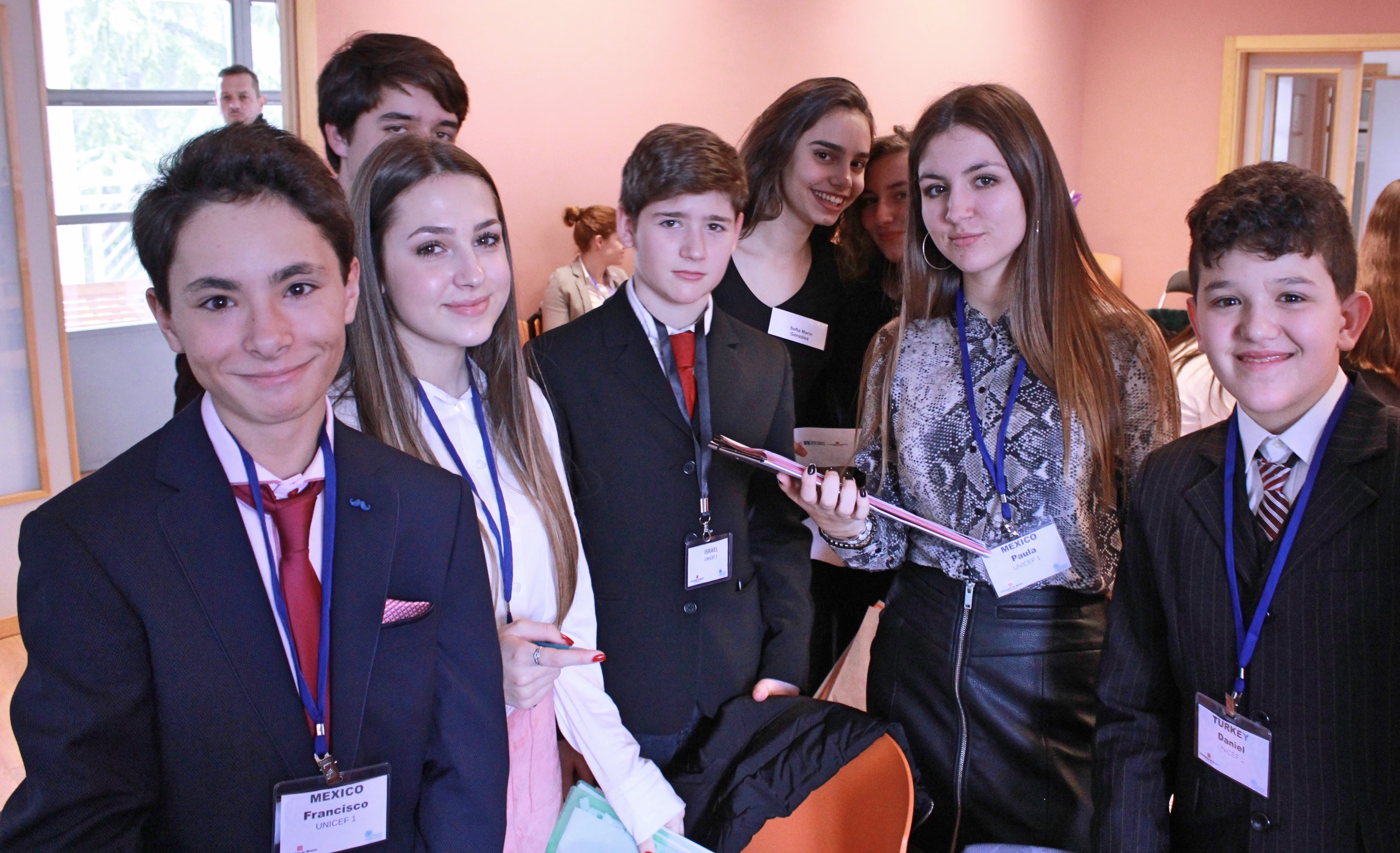
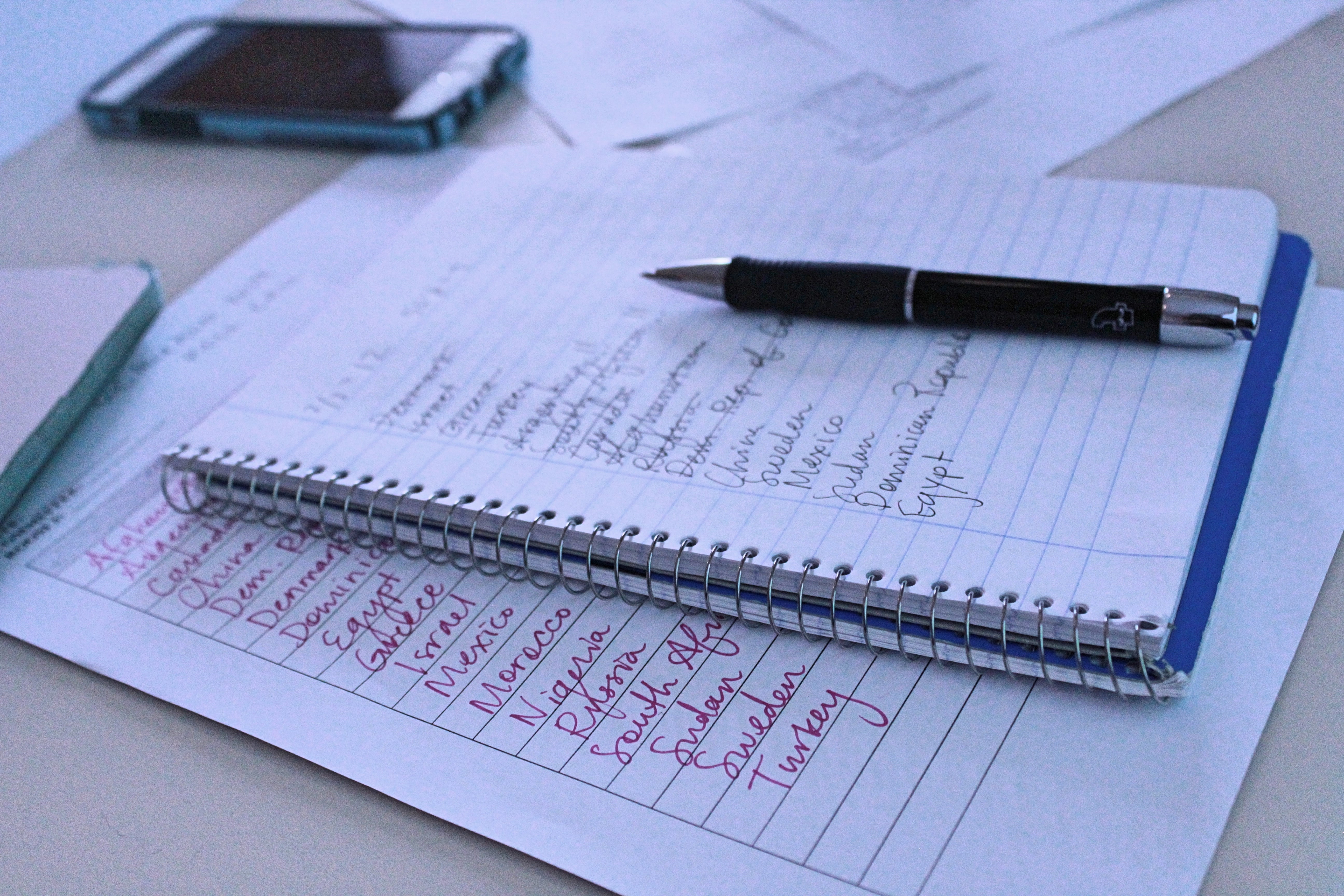







 Lotz in Translation
