Rebe was in acute distress. That day, wholly unexpectedly, she was informed that she had been chosen from the list of substitute teachers (interinos) and had been given a real, full-time teaching job. Essentially, this meant going from unemployed to real teacher in 24 hours. Such a change entails a great deal, of course. For one thing, she had to go get a Covid test the following day at a private lab, and then go directly to her new school to meet the other teachers. And, this being the Spanish government, she also had to do a great deal of paperwork.
But this also meant that she could not go on the vacation that she had so painstakingly planned this weekend before, with me, to the Pyrenees. She had mapped out every glacial lake (ibón), and had ranked them in interest. She had examined the weather predictions in every relevant locale, so that we could take advantage of the most temperate conditions. She had even noted which restaurants in which pueblos would be the best for our future repasts. The mountain resort was booked, the rental car reserved. And she could not enjoy any of it.
“Are you going without me?” she asked, as she frantically searched on her phone for information about the next major phase in her life.
The better angels of my nature told me that I ought to stay, in solidarity and support. But the more wicked of my internal cherubins said, in a choir, that this was an opportunity that I could not forego.
“Uhhhh,” I said. “I think so.”
You see, the trip was too good to pass up. The national park of Ordesa is a UNESCO World Heritage site—an enormous expanse of majestic mountains. Tucked into this landscape are medieval villages, some of the loveliest in the country. Every photo online gives the impression of jaw-dropping beauty. Most importantly, despite my years of crisscrossing Spain, this was a region entirely new to me—one of the final frontiers in the country. How could I pass up the opportunity to finally see the Pyrenees?
Thus, the next morning, while Rebe prepared herself for bloodwork and actual work, I left to pick up the rental car. Soon I was driving on the A-2 highway towards Zaragoza. Even though I still have apprehensions about driving by myself, the car went beautifully, and I figured that I was in for an excellent vacation. There was only one slight source of annoyance, however, and that was that the rental agency had given me the car half-empty, even though I had paid for the full-full policy.
Well, this was remedied easily enough. I pulled over and called the office, and they told me to simply bring it back half-empty with no harm done. Then, feeling rather happy with myself, I filled up the car with unleaded gasoline and drank an unleaded coffee.
But trouble started as soon as I got back on the highway. The engine revved up to a high-pitched buzz, even though I was not going very fast. Looking at the RPM meter, I saw that I was dangerously close to the red zone. Meanwhile, I could barely keep up with the creeping tractor trailers. Something clearly was not right.
I pulled over at the next exit. A call to the rental office did not help. First I was told to restart the car—which led to innumerable and seemingly nonsensical error messages popping up on the screen, for everything from the USB connection to the parking brake—and then to reset the battery. This also proved to be quite useless advice, as the “reset battery” button I was assured existed did not, in fact, exist.
Finally I was able to get the car started and took it for a few drives around the parking lot. It felt quite fine—good, in fact. Maybe the trouble had passed?
With some trepidation I once again took the car onto the highway. Once again, I tried to confidently accelerate past the sluggish transportation vehicles, and once again I found that I was the sluggish one. I pulled over and called the office again.
“What do you think the problem is?” I asked.
“Are you sure you put the right type of fuel in?” they asked.
“Almost completely sure,” I said (instantly made unsure by the question).
“Well,” they said, “then I guess the only thing you can do is return the car yourself, or call a tow truck.”
“Do you think it’s safe to drive?”
“If you go really slowly, I think you can make it.”
My heart was beating somewhere near my eardrums at this point, and sweat was rolling down my back in thick globules. But I was willing to do almost anything to avoid having to call a tow truck. So I plugged in the rental car office into the GPS, and began my journey back. But the car seemed even slower than before. I could only go half the speed limit. Fearing an accident, I turned on my emergency lights and prepared for a long, long drive.
But that was not to be. Within just two minutes, a police jeep was following me. They pulled up alongside, gesturing in perplexity, and then trailed me until I pulled over. I must say that the two men were quite nice, if not exactly helpful. Their intervention essentially consisted in telling me that it was too dangerous to drive so slowly on the highway—quite correct, of course, but not very constructive.
There was a rest area very close to where the police pulled me over. In an act of surrender, I parked the car there, took out my things, and called for a tow truck. After all, the car seemed to be deteriorating rapidly. Several times during that short drive, it rattled and shook, like the engine was choking; and before I stopped by the side of the road, the engine had cut out completely. My mind, seeking a reason for the whole thing, insisted on recriminations. Could it be my fault? Did I really put in the wrong fuel?
The stress of the situation was beginning to seem overwhelming until I walked into the rest area and found myself in that most soothing of environments: a Spanish bar. In moments, I was seated outside sipping on a coffee and nibbling on a slice of tortilla, as I waited for the tow truck to arrive. I was in the barren plains of Castilla La-Mancha, an hour away from the nearest city. As a measure of the remoteness of the area, this particular rest stop specialized in wild meats: deer, rabbit, wild boar… The closest pueblo, Saúca, has a population of about 70.
Hardly twenty minutes had gone by when the tow truck arrived, which I found quite impressive. In the blink of an eye the car was loaded on the back and I was stranded. Now, time to call a taxi. The tow truck man told me to call a number on my rental contract; the lady at the other end of the phone told me to call any local taxi service; and just as I was about to do so, I was called by a taxi driver who was on his way, asking where I was, and berating me for not telling him sooner.
Another twenty minutes and the taxi was there. A typical Spanish character, he smoked two cigarettes and downed a coke before the drive. Then, he insisted that I call the rental company—twice—to confirm that the trip was covered by the insurance. Apparently, he had been stiffed too many times.
When his nicotine and caffeine levels had been properly replenished, and his money assured, he finally agreed to drive me back to Madrid. Nothing at all interesting happened during the ride, other than that I found the receipt for the gas station, which confirmed that I put the right fuel in the car after all. This made me feel considerably better. (As it turns out, this particular model of car, the Ford Focus, has had trouble with fuel pumps; and my issues were entirely consistent with a failing fuel pump. So it was not my fault!)
The rental people were very professional: They offered me another car; and when I decided—in frustration—to cancel the trip altogether, they at least reimbursed me for the fuel I bought. If you ask me, though, giving me a car with a failing motor that required several hours worth of towing should have merited a full refund.
But I am not particularly sad that I did not get to see the Pyrenees. I will see them one day, hopefully when Rebe can actually come. Until then, let this voyage be a counter-balance to all of the nice stories of European vacations on the internet (including, of course, on this blog). Sometimes a vacation simply does not work out.
Convenient mythologies require neither evidence nor logic.
Once, I worked at a market research firm that specialized in print media. I learned quite a few things. For one, there are magazines and journals for everything—from fly-fishing to industrial food-processing equipment, from alpaca farming to professional clown associations. One particular magazine, for yacht owners, taught me something about wealth inequality. But all of the magazines taught me about the importance of ad revenue. While I had naively thought that publications make their money from subscriptions, readers are more akin to television viewers than true customers: they constitute an audience for advertisers to sell to.
It does not take a conspiracy theorist to conclude that this must have some influence on the actual content of the articles. After all, if a publication hopes to make money by selling, say, Home Depot adds, they will be disinclined to rail against the evils of home improvement. Yet this is only one factor that the Herman and Chomsky identify as influencing media coverage. Not only are publications directly funded by large corporations, but these days they are themselves owned by large corporations.
Then there are simply matters of logistics. If a publication must maintain its reputation of credibility while churning out ‘important’ news in the requisite amounts, then it must have a reliable source of news. Sending out investigative reporters to every corner of the world is not cost-effective. Instead, media outlets have symbiotic relationships with government agencies, often merely typing up press releases with a few explanatory comments. This benefits both parties, since the news outlets have reputable and newsworthy information, while the government agency is able to directly shape the narrative.
But the strongest influence of all—at least when it comes to foreign affairs—may be the invisible pull of patriotism. A coworker of mine had a cartoon on his locker that summed this up very nicely. My brave explorer is your bloodthirsty invader, my freedom fighters are your insurgents, my noble traditions are, for you, barbaric rites, and so on. Humans have a nearly irresistible tendency to apply an ethical double-standard when group loyalty is involved. We are always the good guys in the story.
When you put psychological bias, economic incentive, and structural inducements together, you get what the authors creatively term propaganda. Now, it is not propaganda of the traditional sort, with the government actively writing, screening, and approving news stories. Rather, it is a system where the limits of debate are established within an acceptable range, and where certain events are deemed important and others unimportant. It is, in other words, a system of assumptions about what is newsworthy, what is outrageous, and what is acceptable. The authors call this description of media activity the “propaganda model,” and set out to prove it.
Manufacturing Consent has achieved its status as a classic, not because of its sophisticated theorizing, but because of its well-documented case studies in media bias. The first case study may be the most convincing of all: a comparison of the media treatment of the murder of Jerzy Popieluszko, a Polish priest, and the killings of several religious personnel in Latin America. Popieluszko, who was murdered at the hands of communist police, was the subject of ongoing and enthusiastic media coverage, while the deaths of activist nuns, priests, and archbishops in El Salvador and Guatemala received only intermittent and relatively dry reporting. This is especially ironic, as the authors point out, as Popieluszko’s killers were brought to justice, while the vast majority of the murders in Latin America led to no conviction or even investigation.
The reason for this disparity is not far to seek. It is politically beneficial—not to mention emotionally gratifying—to focus on the atrocities of our enemies (the Soviets, in this case), while it is political damaging to consider that our own country is condoning or sponsoring similar terror. The double-standard reappears when it comes to elections. As the authors convincingly demonstrate, the US media went out of its way to praise quite flawed elections in US-backed El Salvador and Guatemala, while questioning the validity of much fairer elections held in adversarial Nicaragua.
The book culminates with two long chapters on the Indochina conflicts (the Vietnam War and its spillover). These chapters are especially powerful, since they contradict the popular narrative of how media coverage influenced the war. The standard story goes that the media, by showing Americans how brutal the war really was, effectively ‘lost’ the war by undermining public support.
But the authors show that the objections to the war presented in mass media insistently centered on whether it was ‘worth it’—whether we were gaining or losing from the endeavor—not, that is, on whether it was even ethical in the first place. There are many other examples of this bias: the use of Agent Orange to destroy crops was discussed in the press as a hazard to American troops, not as a war crime or a chemical weapon; and the lack of support for American involvement among the South Vietnamese was consistently sidestepped. The authors eventually conclude that the media’s portrayal of the war’s progress was more positive than the government’s own internal briefings.
Though the authors are convincing, I cannot help wondering whether the authors’ analysis still neatly applies to the present day. The media misdeeds analyzed in this book occurred during the Cold War, when the United States had an omnipresent enemy to defeat. Shortly after this book’s publication, the Soviet Union fell; but soon enough America had a new enemy in Islamic terrorism. This threat, too, now seems to be receding from public consciousness, and most Americans no longer have such a strong us-versus-them mentality are regards to the wider world. Lacking this evil adversary, does the mainstream media still use such an egregious double standard?
One major shortcoming of this book is its near exclusive focus on foreign affairs (something which, I fear, is of secondary importance to most voters). The exception to this is a short section comparing the media treatment of Watergate, which targeted the elite Democrats, and the simultaneous revelation that the FBI had been actively interfering with and harassing the socialist party for years. The former was a major scandal, while the latter hardly blipped the public’s awareness. But I would have enjoyed a deeper analysis of how issues in, say, presidential elections are framed by the media.
Another shortcoming is the authors’ sharp focus on proving their thesis rather than offering solutions. While the reader is convinced, by the end, of the double standard applied by the media in foreign affairs, we are left in the dark as to how to fix this predicament. Their account of media bias could have been balanced, therefore, by a look at organizations which manage to do a better job, and an analysis of how they do it. Lacking this—or even a list of sources that the authors themselves find useful—the readers is left in perplexity and despair.
The closest the authors do come to imagining a solution is their call for more democratically controlled media. By a miracle of technology, we now find ourselves in just this situation: virtually everyone can upload videos and pictures, write articles and blogs, and potentially reach a wide audience. Yet the evidence is rather unclear as to whether this has been a good thing.
To me it seems that the democratization of media has led both to the greater circulation of truth and falsehood. On the plus side, the growing awareness of police brutality could probably not have come about if people were not able to capture videos and upload them, thereby providing citizens with shocking and undeniable evidence of violence. On the negative side, however, this same easy access has allowed misinformation to be circulated just as widely, creating a kind of epistemological crisis where different political groups not only have different opinions, but believe in very different facts.
This has culminated in an alarming growth of conspiracy theories, most notably the Qanon movement, which Buzzfeed has recently taken to calling a “collective delusion.” As somebody who has witnessed a person fall through the rabbit hole of “alternate” news sources, from vaccine skepticism, to the JFK assassination, and finally to Qanon (complete with rabid Trump support, of course), I am fairly skeptical that democratization of news sources will suffice to save us.
There do not seem to be any easy answers. Good reporting requires resources—not only technology and capital, but trained personnel who are familiar with journalistic standards. The technology, capital, and training must come from somewhere, and it is difficult to imagine where it may come from that would not affect the information in significant ways. State-owned media are not beholden to advertisers, but to the state; and journals funded by subscriptions alone face the strong temptation to gratify their readers with sensationalist content.
One wonders, then, whether this critique of the main-stream media has ultimately backfired. Nowadays, one hears media skepticism most virulently from the right, not the left; and Trump has used this skepticism as a powerful weapon to escape accountability. Skepticism and democratization are blades that cut both ways, it seems. What can be done?
When I picked up this book, I assumed it was a biography of the two famous John Pierpont Morgans. But this is far more; indeed it is a true history of the Morgan bank, though admittedly with heavy emphasis on the biographies of the key figures. Given that this history spans over a century and includes a huge number of players, politics, and policies, the fact that Chernow could put out such a polished book in two and a half years is a testament to his skill as a writer and researcher.
The book is most colorful in its beginning and slowly fades into the dullness of contemporary reality. The Bank of Morgan began with the 19th century financier George Peabody, a sort of Dickensian miser turned philanthropist. Lacking a son, Peabody passed on his business to Junius Spencer Morgan, another personality of a bygone age, who managed to combined pious moralizing with strict business. His son, Pierpont, is by far the most colorful character in this panorama. A rabid art collector, an amateur archeologist, and an inveterate womanizer with a swollen nose and an enormous yacht, Pierpont was a central figure in the American economy of his age.
His son, “Jack,” though resembling Pierpont physically, was a far more mild-mannered sort of banker. His life is mostly lacking in racy and romantic stories (except for the time he was shot by a would-be assassin). The Morgan line mostly fizzles off after Jack; but there are many other Morgan bankers to take note of. The most important was undoubtedly Thomas Lamont. Chernow tracks Lamont’s strange journey from the cosmopolitan advocate of the League of Nations to an apologist for Italian fascism and Japanese aggression. It appears wide culture and smooth manners do not immunize one from ugly politics.
The wider historical arc of Chernow’s book gave me a bit of nostalgia. We begin with bankers in top hats and stiff collars, guzzling port wine and sucking on cigars. (Pierpont was a heavy drinker and smoker, and believed that exercise was unhealthy.) These bankers relied on charisma and relationships as much as they did on any technical understanding. The early House of Morgan was paternalistic towards its employees and stressed an esprit de corps—the importance of banking tradition over personal egos. This sleepy world of respectable bankers gives way, in the late twentieth century, to the high-octane world of trading, where highly trained employees work twelve-hour days trying to beat one another in an enormous casino.
The activities of the bankers also change markedly in this history. While nobody would argue that Pierpont was saintly or altruistic, his main activities consisted of reorganizing industrial companies to make them more productive and effective. This is a great contrast with the bankers of the 1980s, who are mainly concentrated on speculative activities and hostile takeovers which seem to have very little to do with work of real value.
Of course, my impressions of this history are colored by the fact that I know relatively little about finance and thus at times had trouble following the business side of things. Chernow, for his part, is typically vague when it comes to any technical details; his preferred style is to focus on individuals and their foibles. This was a bit frustrating, since I felt that I could have learned more had Chernow simply included more in the way of explanation.
But, as it stands, this is an extremely readable and compelling history of one of America’s most important banks. Things have changed since the publication of this book. Morgan Stanley is still going strong, though J.P. Morgan mainly serves as a brand used by Chase bank, and Morgan, Grenfell & Co. does not even exist as a name anymore. Even 23 Wall Street, the iconic home to this iconic bank, now sits empty and unused, apparently owned by a shadowy billionaire who is reportedly sitting in a Chinese jail. Such is the fate of all great empires.
It is one thing to maintain, for example, that my health-care status is my personal choice and responsibility, but quite another when the only way I can satisfy my needs in the market is through paying exorbitant premiums to inefficient, gargantuan, highly bureaucratized but also highly profitable insurance companies.
Neoliberalism is a term that is often thrown about; and yet, like socialism and capitalism, I often feel that I do not quite know what it means. Its common definition—the preference for free trade and free markets—did not seem to distinguish it from capitalism itself, as I understood the term, which made me wonder why neoliberalism was so controversial and hated.
Harvey’s book goes a long way in answering this question. The best way to understand neoliberalism may be historical. After the end of the Second World War, governments were dominated by Keynesian policies—that is, the use of taxation and spending (if necessary, deficit-spending) to control boom and bust cycles. But in the 1970s the Keynesian consensus broke down as a result of stagflation: low growth combined with high inflation. The failure of Keynesian policies to get the economy out of its rut led, eventually, to the embrace of quite a different governing philosophy: neoliberalism.
This has many intellectual components. Neoliberals are—at least in theory—opposed to fiscal policies as a way of fighting economic ups and downs. (In practice, this means that governments must adopt austerity measures in order to keep their budgets balanced in an economic downturn.) In fact, neoliberals are quite generally anti-government, at least in their rhetoric. They favor privatization, deregulation, low taxes, and low tariffs. The central idea is simple and, on its face, compelling. Prices communicate market information far better than a government can manage; individuals understand their own needs better than the government; and the profit motive is the great driver of general prosperity.
Yet what (ostensibly) began as a great liberation of sovereign individuals and all of their creative genius became, instead, an economic transfer from the poor to the rich. The evidence, by now, is clear that neoliberalization did not jump-start the economy. Growth has never recovered its pre-1970s levels; and economists now admit that they simply do not know how to make an economy grow. But as growth slowed, and wages stagnated for most mere mortals, the rich, richer, and richest made off with ever-increasing slices of the economic pie. Inequality reached such stark levels not seen since the 1920s. Harvey contends that this was not a mere byproduct of the economic philosophy, but one of its primary goals.
If the rhetoric of neoliberalism were, indeed, true—if the government was merely “getting out of the way,” and letting the market do its magic—then claims of nefarious intent would perhaps be unfounded. But as Harvey points out, the neoliberal state is no mere bystander. On the contrary, state power is quite necessary to the operation of neoliberal policies.
Most obviously, if property rights and contracts are sacrosanct, then there must be enforcement—violent if necessary—of those rights. In practice, this also means that there is a double standard between debtors and lenders. In a neoliberal state, the debtor has all the responsibility not to take out a loan that they cannot pay back; and there is very little protection if they do take such a loan. Meanwhile, there is no similar responsibility on behalf of the lender not to lend irresponsibly (as the 2008 financial crash proved); and if the lender does so, the state sanctions any draconian measures necessary to extract repayment.
The state also actively subsidizes the wealthy, both directly and indirectly. It directly subsidizes companies through (among other things) bailouts. The mortgage tax deduction is essentially a handout to the rich—as well as a spur to high-end housing construction. It puts up legal impediments to labor organizations and strikes.
And the indirect subsidies are many. If a community is devasted by a free trade deal, the state deals with the social fallout (often through mass incarceration, in the US). If the housing market leaves many homeless, then the state steps in to enforce eviction notices and provide homeless shelters. If medical insurance is out of reach to many, then the state provides public healthcare and emergency rooms. And this is only to speak domestically. Harvey documents many cases when the IMF and World Bank pressured developing countries to adopt neoliberal policies, and then demanded repayment of loans even if it meant impoverishing their populations.
In sum, the neoliberal state is not a mere onlooker, enforcing class-neutral rights and ensuring a fair game is played without cheating. On the contrary, the neoliberal state serves to provide welfare to the rich while enforcing brutal ‘capitalism’ on the poor.
Yet Harvey is not only valuable in his catalogue of neoliberal hypocrisies. Many of the most interesting parts of this book, I found, were Harvey’s reflections on how neoliberalism has transformed the culture. His contention is that the 1960s era emphasis on personal liberty has led to a kind of atomization of society. As more and more people are convinced that the government is evil or at least useless, people seek different forms of community. This can take many forms: religiousness, political populism (which Harvey predicts), or, for the progressively minded, NGOs. Indeed, one can see the rise in NGO activity as a kind of tacit defeat by the left, as they have yielded the possibility of democratic, governmental action, and instead turned to privately owned organizations run by elites.
More broadly, the embrace of a radically individualist philosophy makes political organization difficult. How can you politically unite people behind the idea that the government is the problem? Few forces have been able to transcend this limitation, most notably nationalism—giving birth to neoliberalism’s ugly cousin, neoconservatism. Other collective bonds—such as race, gender, or sexuality—do not have the widespread pull of nationalism, which Harvey believes gives the left a chronic disadvantage.
Harvey’s solution to this (unsurprisingly, given that he is a Marxist) is to make class, once again, a basis of political mobilization. It is only when workers collectively reform the society that the rich can be defeated. Unfortunately, the two economic crises that have transpired since this book was published have yet to make that happen. Nevertheless, I think this is a valuable and incisive book about one of our era’s most distinctive features.
Marseille’s reputation—at least as a tourist destination—is not enviable. Virtually everyone I told about my upcoming visit raised their eyebrows. They told me that the city was very dangerous and should be avoided. One person told me that a friend of his, while merely driving through Marseille, had a gun stuck in his face through the car window. For my part, I would have never even considered going if one of my oldest friends had not, by chance, been living in the city for his historical research. He was very enthusiastic about the place, and assured me that I almost certainly would not get shot.
(According to this website, however, Marseille does indeed have the highest crime rate of any major European city—or at least in 2018. You are warned.)
Marseille is the second-largest city in France—though its population of around 850,000 is fairly modest—and the third-largest metropolitan area, after Lyon. (Need I mention which city is the first?) Like many European port cities, Marseille has a long history, dating back at least to the Ancient Greeks. Indeed, during the construction of a shopping center in the Place Jules Verne, the remains of two Greek ships were found. (If you would like to learn more, here is an hour-long documentary about the attempt to reconstruct one of the boats and sail it in the port.) Not ones to miss a strategic position, the Romans also set up camp here,
A photograph of the excavation of the Greek sailing vessel.
By the time I arrived, I had an entire posse awaiting me. Greg—the aforementioned historian—was accompanied by my brother (who had arrived the day before), and Lily, another old friend from New York, who was coincidentally visiting at just the same moment I was. Four denizens of the Hudson Valley thus found themselves thrown together in Mediterranean France, looking for a good time.
After dropping off my bag, the first item was lunch. Marseille is fortunate in having a robust culture of street food—particularly pizza. Just down the block, we found a food truck selling pizza baked in a wood-fired oven. And it was good: with a savory tomato sauce and a few anchovies. I mention this because, for all of its many delights, Madrid does not have a street food culture to speak of (Spaniards always eat sitting down) and also lacks a good pizza culture (Dominos is popular). So I was already rather taken with the city.
The repast done, we then boarded a city bus that carried us beyond the city limits. We were going to visit one of the treasures of the area: Calanques National Park. At first I did not know what the fuss was about. The bus left us near a trail, leading us into an entirely typical Mediterranean landscape: with dry, sandy soil, diminutive pine trees, and sun-baked rocks. Indeed, the area was strangely reminiscent of hiking trails in the Guadarrama mountains of Madrid. We carried on walking, pausing occasionally on the wooden benches, smelling some of the wild rosemary growing along the path, until we reached the coast.
Here is where the park became spectacular. The landscape swelled into peaks and then dropped in sharp cliffs towards the sea. The rough and rugged limestone shone pale in the sunlight, like old bone. This arid landscape contrasted sharply with the aquamarine glow of the Meditteranean. The result was quite dramatic. My favorite touch were the little white sailboats in the distance. We climbed a peak and took in the expansive sight, marvelling at how little the boats appeared amid the seething rock. It is difficult to contemplate such a scene—reflecting on the millenia it must have taken to form—and not feel both physically tiny and temporally insignificant.
After taking in the natural spectacle, we walked back to the bus and headed toward the city center. I want to mention something that we passed along the way, but which we unfortunately did not take the time to stop and see: the Unité d’Habitation, a modernist apartment building designed by Le Corbusier, the great French prophet of modernist architecture. Indeed, the building in Marseille is considered to be a prototype of his Utopian vision of urban planning—spaces designed to equalize social rank, to create a more open and organized city, and to embrace the efficiencies of the industrial age. Unfortunately, Le Corbusier’s vision did not pan out so well in practice, as high-rise apartment buildings were used all over the world as public housing for the urban poor, thus isolating them in corners of the city with few other resources.
Photo by Iantomferry; licensed under CC BY-SA 4.0; taken from Wikimedia Commons
Looking at the building in Marseille, however, one does feel a sense of utopian inspiration. Visually it is quite striking: with the entire concrete edifice elevated on stilts, allowing pedestrians to walk under and through the building. Thus, the apartment is integrated with the green spaces on either side, fulfilling the old notion of the ‘garden city.’ The wall panels around the windows are painted red, yellow, and blue, creating an attractively retro color scheme. At least part of the building is now a luxury hotel; and judging from the photos online, the retro aesthetic is maintained throughout. Another part of the building is a modern art museum, in which the visitor can ascend to the roof to enjoy some odd concrete excrescences, as well as a beautiful view of the city and the sea. There is even a nursery school in the building. Despite the attractive and thoughtful design, however, I would much prefer a room in a smaller building, better integrated to the life of the city. Good neighborhoods are organic rather than planned.
It was already getting a bit late, so our next step was to have a night on the town. But first we had to have a little snack. For this, we went to a local shop to buy a baguette and some cheese. Now, I cannot say that I am a particular fan of cheese, or even bread; but this little meal was quite impressive. First, the baguette was far better than what I was used to from New York or Spain—nicely crusty on the outside, while not too flaky, and almost creamy on the inside. The cheese was even more delicious. We bought three kinds (don’t ask for their names), all of them tasty. One in particular impressed me: it had three separate flavors—a sharp attack, a buttery middle, and a bitter aftertaste. The French deserve their reputation.
Evening was fast approaching, so it was time to head into the center of town. In Marseille, this almost inevitably means walking towards the water. We followed the gently sloping ground down to the city’s cathedral, which sits within a few hundred feet of the sea. It looked quite lovely in the waning daylight. Of relatively recent construction (for Europe), the cathedral was made in a Byzantine-revival style, with ample domes and circular arches—a far cry from the angular French gothic. The alternating horizontal bands of dark and light stone used in the facade give the building a playful charm. (Though I did not see it during my trip, I later learned that the much older, much smaller original cathedral can still be seen beside the modern building.)
As the sun sank below the horizon, we found ourselves in the port. Though we were just walking and chatting, this part of the night sticks out in my memory for the vibrant colors that suddenly appeared in the darkening sky. A ferris wheel was lit up neon green, while a nearby museum projected wavy blue lights onto the walkway. The horizon, meanwhile, cooled into an ember glow, turning walkers into dark silhouettes.
But we did not have all night to dawdle on romantic seascapes. We had dinner to eat. For this, Greg took us to a seafood restaurant at the Old Port, where he ordered a terrific platter of the fruits of the sea. There were oysters, clams, mussels, prawns, and crabs, all served on a bed of ice with a few slices of lemon. Now, I admit that I am not the more passionate admirer of seafood; and having it served so raw and unadorned was not exactly to my liking. But there is certainly a kind of purity to such a meal—the unadorned flavor of the Mediterranean.
Our day ended in a bar, over a bottle or two of red wine. From the start, Marseille had maintained a pleasant atmosphere. Contrary to the evil reputation of the French, the people of Marseille were consistently pleasant and friendly. (Maybe it is just the Parisians that are rude.) The city, though not spectacularly beautiful, is full of the charm of old Europe. What is more, since the city does not receive a great deal of tourism, there is a kind of intimacy to the place—the aura of a city that is lived in rather than traveled through. That night, I went to sleep eager to see more.
The next day began with a pilgrimage. We were going to visit Notre-Dame de la Garde, by far the most famous church in Marseille.
There seems to be a universal human urge to climb to tall places and, when possible, build something there. We are willing to endure quite a lot of physical hardship for something as intangible as a view. Of course, there are advantages to having the high ground—most notably, surveillance and defense. This is why so many hills in Europe are occupied by fortresses. Driving through Spain, one even sees castles built on hills overlooking tiny pueblos. Marseille is no different in this respect; a fortress was built on the city’s highest point during the Renaissance.
Before this, the hill had mainly served a religious function, being the home to a gothic chapel. It seems that expansive views, aside from their tactical advantage, also put people into a spiritual frame of mind. When the fortress became militarily useless in the 19th century, the hill reverted back to its primary function as a place of worship. Just as the Marseille Cathedral was getting underway, it was decided to build another large, neo-Byzantine church atop the old fortress. Ever since, the church has served as the most identifiable symbol of Marseille, and the city’s most popular attraction. Hills, you see, are very profitable indeed.
The walk up to the hill was relatively painless (even if we did it before having any coffee). The church presented a splendid sight to us pilgrims, as the sun shone directly behind the building. The basilica is dominated by a large tower, topped with a gilded statue of the virgin. Both inside and out, it is characterized by the same bands of light and dark that distinguish Marseille’s cathedral. In the interior you can find attractive mosaics in a pseudo-Byzantine style. But what I found more charming was the surprising sense of cramped intimacy in the church—pilgrims packed into pews, the walls full of little paintings, and toy boats hanging from the ceiling.
It would be generous, however, to consider the basilica itself an architectural wonder. It is impressive more for its situation than its design. The view is panoramic and thoroughly captivating. You can see the green, grey hills that encircle the city, and the red tile rooftops of the buildings as they fall towards the sea. White sail boats filled the water, accompanied by the odd motored craft.
Off the coast you can see the Frioul Islands (called simply “Les Îles”), four small floating bits of limestone that serve as home to about 150 residents. On the smallest, there is a well-preserved castle (islands are also useful for defense), the Château d’If—iconic as the site where Edmond Dantés was imprisoned in Dumas’s The Man in the Iron Mask. The island was actually used as a prison, in fact; much like Alcatraz, its location made it extremely difficult to escape from.
The Frioul Islands.
On the opposite side of the basilica, you can see the white folded shape of the city’s football stadium, the Vélodrome; and beyond that, you can see the monumental conglomeration of apartment buildings, La Rouvière, which seem to be as much part of the landscape as the mountains.
After partaking of the spectacle—and a quick coffee in the café next door—we went back down the hill and returned to the port. There, we visited the Mucem, short for the Musée des Civilisations de l’Europe et de la Méditerranée, which was opened in 2013 when Marseille was dubbed a European Capital of Culture for that year. We did not visit the exhibitions, however, as we were short on time, and Greg assured us that they were not spectacular in any case. Instead, we headed up to the roof, to enjoy another coffee in the modernistic museum building. The outside of the entire structure is covered in a kind of grey, plastic web, like artificial seaweed, which certainly stands out among the sandy-colored stone that makes up the surrounding area.
The museum on the left and the castle on the right.On the walkway.
The visitor can walk directly from the roof of the museum to the neighboring castle, Fort Saint-Jean, via an elevated walkway. This is yet another fortress in the arsenal of Marseille, built during the reign of the Sun King, Louis XIV. The old turrets provide an attractive view of the Old Port, and many parts of the fortification are now occupied by lovely planned gardens. Across another elevated walkway there is the church of Saint-Laurence de Marseille, a lovely old Romanesque church. From there, the old port (le vieux port) is just a short walk away.
(By the way, I have an idea for Marseille’s new official tourism slogan: “Come for the Port View, stay for Le Vieux Port.”)
The Old Port, with the Basilica in the distance.
On any given day, the water is full of hundreds of little white boats, bobbing gently in the tide. Restaurants wrap around the water, offering French classics like moules-frites (though that’s actually from Belgium!). At the end of the port, you will find something which, as an American, cannot but make you pine for the Old World: fishermen and women selling their fresh catches. Little brown and grey fish float in plastic bins, while their vendors call out their prices. And it is no mere spectacle; when I was there, the fisherpeople were doing good business. I am sure it tastes better than frozen fish at the supermarket.
Right next to this little market is a bit of public art, the Ombrière. Like the museum, this is yet another relic of the 2013 European Cultural Capital Celebration—a design by big-time architect Norman Foster. The Ombrière is an elevated roof whose underside is an enormous mirror. This makes for good fun as you walk underneath and crane your neck, and it is a gift to amateur photographers. It would be much appreciated in a rainstorm, too.
Now it was time for lunch. For this, we decided to experience a different kind of cuisine. Because of the city’s location on the Mediterranean, and owing to France’s colonial past, Marseille has a deep connection with Northern Africa (the Maghreb). Thus, there are many thousands of immigrants in the city; and of course they brought their food with them, too. This was readily apparent when we sat down to have some kebab. Of course, kebab is a European staple, to be found anywhere. But this kebab was special—not the cheap ground meat sandwich with ketchup and mustard, like you find in Spain, but a properly spiced dish with good ingredients. I was very happy with my meal.
After lunch, my brother had to catch his flight back to Madrid. (Our visits were staggered since we had different days of the week off.) This meant a little trip to the city’s Saint-Charles train station so he could catch the bus. Though you may not believe it, this train station is one of the architectural highlights of Marseille, mostly owing to the richly decorated grand staircase—adorned with statues, columns, and elaborate light fixtures—that leads from the city center up to the station building. The station building itself is quite attractive as well, a classic open metal frame.
The train station’s grand staircase, leading into the city.
But we did not have all day to contemplate train stations. There was still one monument left on the agenda: the Palais Longchamp. This is indeed a palatial building, though not really a palace: it is a piece of celebratory architecture, a monument to the completion of the Canal de Marseille.
This canal, completed in 1849, was an enormous engineering triumph, requiring the building of tunnels, bridges, and aqueducts in order to transport the water 50 miles (80 km) to the city, using just the pull of gravity. To this day, the Roquefavour Aqueduct—built to carry the water over the Arc valley—is the largest stone aqueduct in the world, stretching 375 meters (1,230 feet)! The canal still provides the majority of Marseille’s water. (New York City’s Croton Aqueduct, another monumental project, was completed at around the same time, and traveled a similar distance. Both projects were motivated by similar problems—growing population, salty local water, and outbreaks of cholera—but the Croton Aqueduct was supplanted within just a few decades.)
Given this background, you can understand why the Palais Longchamp is truly a celebration of water. The two wings of the building extend out from the central arch, where a statue of some Greek goddess rides atop the waves. Water pours down a mossy basin into a pool, and continues falling down towards the street. The visitor can enjoy this splashy spectacle from the two monumental staircases that wind up on either side, which lead through the triumphal arches to the lovely garden on the other side. The two wings of the structure, I should note, are home to two museums: the Museum of Fine Arts (on the left) and Natural History (on the right). They were both closed by the time we got there, though. So we contented ourselves with sitting aside the fountain, having a good chat, and drinking from a bottle of red wine my friend brought along. As far as French evenings go, this was one of the best.
We finished up the night with a home-cooked meal. For this, we took advantage of the North African influence in French cuisine—a lasting relic of the French colonies. We bought merguez sausages, couscous, and eggplant, zucchini, and tomato for a ratatouille. This meal, so simple, made a lasting impression on me, and I have tried to replicate it many times since. The merguez was particularly impressive: made from lean lamb meat, full of garlic and spice, it is very much unlike the sorts of sausages available in Spain. The couscous—also not popular in Spain—was light, fluffy, and filling, while the ratatouille (made by my talented friend Lily) was wonderfully flavorful.
The night ended, as it always must, with an episode of a history documentary—this one, about the Spanish Civil War (free on YouTube). It had been a wholly enjoyable day.
I did not have much time before my flight the next day. And I had even less time to see Greg, since he had to go work (he was researching in a government archive in the area). So after a breakfast with Lily, I headed off to see one final Marseille monument: the Abbey of St. Victor.
The view of the port from the Abbey.
This is an extremely old monastery—dating from the fifth century—though it was mostly destroyed by invading Vikings and Saracens, and later rebuilt in the tenth century. The abbey is situated next to yet another old castle, the Fort-Saint-Nicolas; and indeed the church looks quite formidable itself: its high, crenellated walls make the building look more military than devotional. Certainly, positioned as it is with a commanding view of the old port, the church would have been a good defensive structure in the case of an invasion. Though I am not sure that the monks would have made the best warriors.
The building is just as formidable on the inside as without. Spare of decoration, the visitor is confronted with grey stone walls forming a somber environment. Even more dark and gloomy is the crypt, where the visitor can find half-ruined tombs and cracked carvings. Yet the building’s interest goes even further back than the church’s founding, as a Greek-era quarry was discovered here, as well as a Hellenistic Necropolis. As so often happens in Europe, history is simply piled on top of itself here.
Before my bus left to the airport, I had just enough time to eat some more delicious kebab. That may have been a mistake, however. All of us experienced some sort of stomach problem either during or after our trip. Lily got sick on the way over from New York. In my case, for many days after returning to Madrid, I would find myself nauseated after eating just a bit of food. It was rather odd.
Infirmity or no, however, I thoroughly enjoyed my time in this supposedly dangerous city. One comes away from Marseille with a very different image of France than the typical Parisian experience. The people were friendly, the food relatively cheap, and the environment thoroughly Mediterranean. I would gladly return to see more of the region.
Processing…
Success! You're on the list.
Whoops! There was an error and we couldn't process your subscription. Please reload the page and try again.
Economics is too important to be left to economists.
After listening to a series of lectures on introductory economics, I was struck by the degree to which the basic logic of supply and demand was used to make sweeping pronouncements about human behavior and economic policy. The lecturer, starting from the premise that supply and demand is inexorable, would rule out certain policies as working against the market, while promoting those he considered ‘market-friendly.’ But rarely did he stop to actually examine a case study to see how these theories played out, leaving me with the impression of a wholly a priori logic.
The central thrust of this book is that a priori logic cannot be trusted. The economy is complex and unpredictable, so the best way to understand it is through historical case studies and randomized control trials. The authors find that, when we examine the economy in such a way, many of our intuitions about how the it works or will respond to certain policies are wrong. Indeed, though this could hardly be called a revolutionary book—its tone is engaging but mostly academic—the two authors, Banerjee and Duflo, reach quite heterodox conclusions.
One basic economic argument used against permissive immigration policies is that the increased supply of cheap labor will inevitably drive down wages, thus hurting native workers. The logic is simple but it does not hold up under the evidence. In case study after case study, immigration is shown to be either economically neutral or beneficial to native workers. Indeed, ironically—and contrary to what Trump and his ilk may say—low-skill immigrants are better for native workers than highly skilled ones, because they often take jobs that native workers do not want—jobs requiring little communication and much labor. Native workers may even benefit by being promoted to managerial roles. A multilingual immigrant doctor actually competes more directly with native workers than a monolingual immigrant fruit picker.
Perhaps you can see that the above supply and demand argument against immigration is simplistic, since immigrants, apart from increasing the labor supply, also increase demand for goods. Indeed, most professional economists are decidedly in favor of migration. Workers have much to gain from moving to where their skills will be most highly rewarded; and businesses would gain from having good workers. But here the economists’ logic is shown to have its own flaw. Real workers are actually quite averse to migration. Banerjee and Duflo show that, even when a better job may just require move from the country to the city, most will simply not go. There is a large amount of inertia built into real people’s lives—the pull of family, friends, and familiarity—which works against even obviously beneficial moves.
This is not the only way that the real economy is (in economic parlance) ‘sticky.’ Though economists imagine a world of workers ready to move and re-train, of companies willing to fire and hire, banks that drop bad investments and jump on promising new ones, firms willing to relocate to new countries with cheaper labor, new businesses popping up and inefficient ones disappearing—in a word, a dynamic world governed by shifting supply and demand—the real world is consistently stickier than this logic suggests. This seems particularly true in the developing world—the authors’ main area of study—where they found that efficient and inefficient businesses coexisted, where bad-selling product lines were retained, where banks merely rubber stamped loan applications from existing clients, and where people do not migrate for work, or even take the work that is available locally.
Inhabitants of planet earth will likely not be surprised by all this. But the upshot, the authors argue, is that free trade does not deliver all that it promises. Now, the logic of free trade is simple and compelling, grounded in the law of Comparative Advantage put forward by David Ricardo. Simply put, this law states that we all will benefit from trade, since we can all specialize in what we are comparatively better at doing.
But the logic has not exactly played out as hoped. Though touted as a way of propelling developing nations out of poverty, in practice free trade policies have a mixed record. The authors use the example of India, which transitioned from a highly-regulated economy with high tariffs to a free market with low tariffs in the 1990s. The result of this transition was hardly the economic wonder that some economists could have predicted. In many places, wages actually went down rather than up, and in subsequent years much of the economic growth has simply gone to the country’s rich. This is not to say that the results of economic liberalization were all bad, only that it was hardly the panacea that free-market advocates promised.
The consequences for rich nations, like the United States, have also been mixed. While most economic transitions involve winners and losers, the shock of free trade has benefited those who were already ‘winning,’ and hurt those who were already ‘losing.’ In other words, while the big cities full of college-educated workers have grown richer, the arrival of cheap goods—mostly from China—has ravaged many blue-collar communities.
Admittedly, the theory of Comparative Advantage does predict that free trade will temporarily hurt some workers who are forced to compete with cheaper goods from abroad. But the belief in economic adaptability (not to mention the political will to help assuage the problem) was overly optimistic.
Even when jobs disappear, workers do not move. Many simply go on disability and leave the workforce entirely. In short, workers are sticky. Not only that, but the United States has been very bad at redistributing the gains of free trade in the form of worker retraining and extended unemployment. No wonder that many in the country are skeptical of the benefits. However, the authors are careful to note that the solution to this problem is not to impose new tariffs on China. This will only create further economic harm in other sectors (like agriculture) without remedying the harm already done. What is needed, the authors argue, are generous government programs to either re-train displaced workers, or to subsidize industries that are being driven out of business.
This leads us to the longest and most theoretical chapter in this book, that on growth. The argument is fairly dry but the conclusion the authors reach is striking: we do not know what makes economies grow. The greatest years of economic growth were between the end of WWII and the 1970s. This was also a time dominated by Keynesian economics, which led many to give Keynes the credit for this economic miracle. But the magic wore off with the coming of stagflation, which the Keynesian seemed powerless to stave off. This crisis brought the managed economy into discredit, and ushered in the neoliberal revolution, where deregulation, lower taxation, and free trade were seen as the best tools to rejuvenate the economy. Unfortunately, that did not work, either, and growth has never picked up to pre 1970s levels.
Instead, what has grown since the neoliberal turn has been inequality. Rather than stimulate the economy into mad activity, these policies have merely directed what modest economic growth there has been to the much-maligned top 1%. And their political influence has grown right along with their fortunes, which only reinforces the government’s tendency to embrace these sorts of ‘business-friendly’ policies.
As usual, the economic logic used to argue in favor of these policies—that lower taxes on the rich will spur greater activity—is supported by a priori logic rather than actual evidence. But the evidence does not bear it out. People work just as hard whether they are being taxed at 30% or 70%, or not at all, as demonstrated by a series of tax holidays in Switzerland. The notion that high salaries reflect employee value (which supply and demand would predict) is also not supported, as demonstrated by the remarkably high wages paid to those who manage stock portfolios, which consistently underperform against index funds—meaning that the wages are essentially a rent for holding onto money. (And since the high salaries in finance influence salary negotiations in other industries, this increases salaries across the board.)
A strange picture emerges from all this, a picture of an economic policy—at least in the United States—that is entirely divorced from reality. We wring our hands about immigration at a time when immigration is not going up, and even though immigrants pose no credible economic or cultural threat. We argue about tariffs but not about how to actually help those hurt by free trade policies. We cut taxes and deregulate businesses in the name of growth that never appears. Meanwhile, automation is likely to make many of these problems that much worse, and we persist in putting off any action related to the looming climate crisis.
The current pandemic—and concomitant economic crisis—has only put this magical thinking into high relief. Perhaps the best thing to call it is free-market fundamentalism: the belief that the economy, acting on its own, will sort out all of our problems—from poverty to pandemic—without any government aid. Strangely, it is a faith held most ardently by those who see the least evidence for it: people who have been hit by the economic dislocation of free trade. Indeed, at just the time when inequality is rising, we have embraced a kind of social Darwinism that treats the economic pecking order as a perfect reflection of personal merit. This mentality, resting upon the assumption of an imagined economic mobility (which is even lower in the US than in the European Union), justifies both extreme poverty and extreme wealth, since both are ‘deserved.’ To the extent that anyone is held responsible for the situations, it is either outsiders like immigrants or minorities, or the government—not the wealthy.
As Manny has suggested, the situation is rather reminiscent of the USSR in its final years. In both cases we have an economic philosophy based on a priori logic rather than evidence, and believed on the same grounds. As this philosophy fails to deliver, the country’s elites still do not publicly renounce it, but instead only increase their displays of fervor. Rather, entirely irrelevant factors—immigrants, minorities, nefarious citizens—are used to explain the lack of prosperity. Meanwhile, the rich line their already deep pockets while spouting the old egalitarian slogans. The result is a society gripped by nihilism, wherein the old ideals become barely-disguised lies by corrupt and incompetent leaders, and anger and hopelessness descend upon a country that senses it is going in the wrong direction but does not understand why.
This may seem rather hyperbolic. But when you consider how bad things have gotten in the United States in the short time since the publication of this book, when it was already quite bad, then perhaps you can see the justification.
If our economic logic is often misguided, and our policies either useless or worse, what do the authors suggest? Here is where I thought that the book was mostly lacking. Banerjee and Duflo are extremely heterodox when criticizing conventional economics, but are not nearly so bold in proposing solutions. Their general point, however, is that we ought to shift our focus away from trying to grow the economy—since we do not know how to do that anyway—and towards most justly distributing the resources we have now. High tax rates on the rich will help curb inequality without reducing effective incentives. Coordinated efforts between countries can help to reduce tax dodging, and enforcing anti-trust legislation will help curb corporate power.
The authors have a fairly nuanced view of basic income. They think that basic income schemes work well in developing countries, where the poorest are mostly working a variety of temporary or seasonal jobs. But they do not think UBI would work in developed countries, because people have come to rely on jobs not only for income but for structure and even meaning in their lives. In studies, people who stop working do not tend to increase time socializing, or volunteering, or on hobbies; instead, most people end up just watching a lot of television—which does not increase happiness or well-being. This is why the authors prefer significantly stronger unemployment support—helping workers to retrain and relocate.
This seemed somewhat timid to me. But perhaps it is misguided to seek bold, sweeping solutions from authors who insist on hewing to trial, experiment, and evidence. Hard-headed economists, the authors do not promise miracles. Yet if you are looking for a probing and insightful look at many of our current economic woes—now only exacerbated by the coronavirus recession—then this book is quite an excellent place to start. The most pressing point is that our economical problems have political solutions. As usual, the only thing we need is the political will to start acting.
Eviction is a cause, not just a condition, of poverty.
Yesterday, on July 24, the federal moratorium on evictions—protecting about 12 million renters—ended; and many state-level moratoriums will conclude soon as well. Enhanced unemployment benefits, which gave households an extra $600 per month, will terminate this month, too, meaning that families will lose income at just the moment they are vulnerable to eviction. Meanwhile, as the virus rages on, so does massive unemployment. It seems likely, then, that the United States is on the cusp of a huge wave of evictions. Under these circumstances, I thought it was a good time to read this book.
This is an urban ethnography written about the lives of the desperately poor as they struggle to find stable housing. Matthew Desmond lived for months in a trailer park and then in the inner city, following people around, taking notes and photographs, recording conversations, conducting interviews, and carrying out large surveys. In many ethnographies—especially since the postmodern turn—the author has striven to include herself in the narrative, emphasizing the subjectivity of the process. But Desmond has effaced himself from this book, and has instead written a kind of nonfiction novel of eight families undergoing eviction.
The first thing that strikes the reader is that Desmond is an excellent writer. The narration is gripping from the beginning—dramatic, vivid, and even occasionally poetic—meaning that my first reaction was emotional rather than intellectual. Wrenching pity for the people caught up in this cycle of poverty alternated, at times, with light disapproval at seemingly self-destructive behavior, which disappeared into outrage at the landlords profiting from this situation, and then incredulity that such things can be allowed to go on in a supposedly advanced nation. Often, I found it hard to take in, and had to put the book down to take a breath:
[Crystal] had been born prematurely on a spring day in 1990 shortly after her pregnant mother was stabbed eleven times in the back during a robbery—the attack had induced labor. Both mother and daughter survived. It was not the first time Crystal’s mother had been stabbed. For as far back as she could remember, Crystal’s father had beat her mother. He smoked crack and so did her mother and so did her mother’s mother.
But if this book were merely a collection of such stories, it would be little more than poverty voyeurism. This book has quite an important point to make, though, and that is how eviction is not only a consequence of poverty, but one of its major causes.
Any account of housing instability needs to begin with the fact that most people who qualify for housing aid to not get it—3 out of 4 receive no aide whatsoever. This leaves them at the mercy of the private housing market, which has seen steadily rising rents for years, at a time when wages are stagnant. Though it is normally recommended to pay no more than 30% of your wages in rent, the subjects of this book paid far, far more—in some cases, over 90%. This has serious consequences. Most obviously, if you are paying so much of your income in rent, it is impossible to save, and often even to pay basic expenses. What is more, this means that virtually any unforeseen expense—repairs, medical problems, or a funeral—can make a renter fall behind.
Once behind, it is extremely difficult for a renter to catch up. This effectively puts them at the mercy of the landlord. Even if the house is in disrepair and violates safety codes, missing rent means that the renter can be evicted on short notice. As Desmond describes, some landlords are willing to be lax—at least for a time—and cut deals with tenants. But for many who fall behind, the sheriff will soon be knocking on their door, along with a team of movers, giving the tenants a stark choice: to have their things left on the curb, or put into storage (where they need to pay extortionate fees in order to keep it from being trashed). Most evictees do not have housing lined up, and many end up in homeless shelters.
In a market where buyers are desperate and sellers are relatively scarce, there is little incentive for landlords to reduce prices, or even to make basic repairs of their properties. As Desmond explains, it is often more profitable for landlords to evict late-paying tenants and contract new ones than to make their properties livable. The tenants in these pages put up with rats, roaches, broken walls, smashed windows, clogged plumbing, sagging ceilings, to give just a short list. Desmond himself did not have hot water during his stay at the trailer park, despite paying rent on time, repeatedly asking the landlord, and even informing them that he was writing a book about life in a trailer park.
Eviction is not a rare occurrence—there are well over one million per year in the United States—and it is also not merely a private tragedy. Unsurprisingly, evictions concentrate in poor neighborhoods; and when residence in an area is unstable, it makes it an even less desirable place to life. As Jane Jacobs pointed out, neighborhoods are not primarily made safe by patrolling police, but by the constant presence of people on the street, people with a sense of ownership of the neighborhood. Ejecting residents obviously erodes this possibility—and not only in the area where people are evicted from, but also in the areas they unwillingly move to—which makes the city generally less safe.
Eviction is also not colorblind. Just as black men are disproportionately locked up, Desmond found that black women are disproportionately thrown out. And when you consider that having either a conviction or an eviction record can disqualify you from public housing, and can legally be used to screen potential renters by private landlords, you can see that this disadvantage is compounded. The white families in these pages certainly did not have an easy time finding and maintaining housing, but the black families were significantly worse off. Desmond followed one white couple who managed to find a place despite both of them having eviction and felony records, and one of them an outstanding warrant!
It is crucial to remember that housing instability is not merely the byproduct of individuals navigating private markets. The government is not only culpable for being a bystander to suffering citizens, but for propping up this very situation. Just as government force—in the guise of police officers and prisons—has been used to deal with the social fallout of disappearing jobs, so has government force—in the form of eviction courts, sheriffs, movers, public eviction records, and homelessness shelters—been used to deal with the disappearance of affordable housing. Without this government backing, the situation could not exist.
In many cases Desmond documented, government workers actually encouraged landlords to evict their tenants. Since many properties do not meet building codes, virtually any government attention—whether from the police, the fire department, an ambulance, or social services—can motivate a landlord to eject a tenant. What is more, if too many 911 calls come from an address, the property is labeled a ‘nuisance property,’ and landlords are forced by the police to ‘take action’—usually through an eviction. Even victims of domestic abuse are often evicted, one reason that many victims do not contact the police.
If we can agree that this situation is unconscionable, then of course we must do something to change it. But what? One solution is rent control: establish maximum prices that landlords can legally charge. This can have some quite negative unintended consequences, however. For one, if low-income housing ceases to be profitable, then there is no incentive to create more. This leads to shortage. But what about simply giving people more money, such as by raising the minimum wage or a basic income scheme? The problem with this strategy is that rising rents can easily offset income gains.
One fairly easy, short-term solution would be to provide defendants in civil courts with public defenders. Currently, in the United States, only defendants in criminal courts have such a right, though many other nations also provide legal counsel in civil cases. At the moment, most people do not even show up for their eviction hearings; the majority who show up do not have a lawyer, and most of them lose the case. Legal counsel can profoundly change the odds of evictees. And it is worth noting that, though hiring lawyers is expensive, cycling people through homelessness shelters is even more so—and this does not even take into account the other forms of economic disruption caused by eviction, such as job loss (quite common when people lose their home).
Another solution, popular in the past, has been to build public housing. This has several obvious problems, too. For one, as happened in NYC, vibrant and affordable neighborhoods were bulldozed to make way for enormous housing projects. What is more, the design of public housing projects was ill-conceived: enormous high-rises with parks in between. By isolating the poor into these buildings—with no shops or other services nearby, and few good communal spaces—the projects became dangerous and dysfunctional.
It is possible that smarter public housing could play an important role in the housing crisis. If apartments are scattered through the city, rather than concentrated, and integrated with shops, restaurants, and other businesses, then it is much less likely that they will become dangerous. An added benefit to cheap public housing is that they exert a downward pressure on the housing market, since private apartments must compete with them. However, the housing shortage is so acute that public housing alone is unlikely to be enough; it would require too much building.
This is why Matthew Desmond advocates housing vouchers. These vouchers basically pick up the tab for renters, covering anything above 30% of their income. However, there is an obvious problem with such a scheme: landlords are incentivized to overcharge for their properties, since the money is guaranteed. Indeed, according to Desmond, this often happens, which leads to a lot of wasted taxpayer money. Clearly, some mechanism is necessary to establish reasonable prices. But the voucher scheme does have the great advantage of scalability: they can be distributed quickly and widely.
Such a program would not be cheap. And in the United States, welfare programs tend to be politically divisive, since in our individualistic culture we prefer to hold the poor responsible for their own poverty. This mindset runs very deep. Desmond even records a preacher who, after giving a sermon about the importance of charity, refused to help a homeless woman so that she could learn her lesson. And certainly many of the people in this book did make bad, self-destructive choices. But as Desmond points out—and as psychological studies have shown—living in poverty actively erodes people’s ability to choose wisely and to think in the long term. Furthermore, many behaviors which seem irrational to middle-class onlookers are actually sensible adaptations to poverty.
The other important point to consider is that those of us lucky enough not to live in poverty are also benefiting from government policies. The federal government subsidizes mortgages—a policy that mainly benefits people with six-figure incomes. The capital gains exception means that homeowners who sell their house do not have to include much of that money in their income, and thus are not taxed. Indeed, the United States loses far more in tax revenue through these kinds of tax breaks than it spends in housing aid for the poor. This fits into a common pattern in American life: that those least in need of help are those most likely to receive it (and vice versa, of course).
As I hope you can see, this is a gripping and important book. The reader comes away with both an intellectual and a visceral understanding of housing insecurity. There are some things that I wish Desmond included—most notably, what economic trends drove this change—but, on balance, I do not think anyone could have written a better book on this topic. Now, as we face the prospect of mass evictions in the wake of the coronavirus pandemic, perhaps we will summon the political will to do something about the problem.
One of my short stories was published in the latest edition of Writer’s Block. You can find the entire issue in pdf form by following this link. My story is on page 30.
Something is wrong with America’s tax structure when the working poor pay taxes so the federal government can make a payment to an e-commerce giant owned by the world’s richest man.
This book was timely when it was released, and it has only grown timelier since the pandemic struck. Normally, Americans are typified by high levels of patriotism and pride in our country—the unshakeable conviction that we are the greatest. (Indeed, as the authors note, while Americans students are not especially strong by international standards, they are most likely of all to think they have mastered the subject-matter.) But now, as the virus comes roaring back, with unemployment soaring and systemic racism undeniable, this illusion is difficult to maintain. Indeed, the pandemic may have been the perfect crisis to expose the underlying weaknesses in our society. With every country responding to the same challenge, we can compare successes and failures; and at the moment the US response is not inspiring.
The premise of this book is that the United States is falling behind its peer countries in many respects—high-school enrollment, healthcare, child mortality, incarceration—largely as a result of a governmental philosophy embraced in the 1970s. In a nutshell, this was the philosophy of extreme individualism: that every person is wholly responsible from themself. Put another way, this was a kind of radical, economic meritocracy—the belief that the distribution of wealth was a perfect reflection of people’s worth. Thus, the wealthy deserved their wealth and should not be taxed or regulated, while the poor deserved their poverty and should not be helped.
The effects of this mentality can be seen in all sorts of places. The IRS is much more likely to audit someone making less than $20,000 than someone making a thousand times that. White collar crimes are rarely prosecuted, and if so with a fine or a light sentence, while a shoplifter can face serious jail time. After irresponsibly marketing OxyContin—and contributing to a heroine epidemic that cost many lives—Purdue paid a fine that was a mere fraction of their profits, while there are many poor individuals serving life sentences for drug possession. Two zip codes in the same city, one rich and one poor, correspond with life expectancies that differ by twenty years. Income bracket is a stronger predictor of college success than SAT scores (and income partially predicts SAT scores, too). The list goes on.
One irony of American life is that the excuse given for not having welfare programs is always the same: How will we pay for it? When it comes to helping out poor Americans we suddenly become extremely penurious. Thus, we wring our hands about Section 8 housing assistance but not tax breaks for mortgages, and we knit our brow at public healthcare but rarely discuss the tax breaks for employer-based healthcare. We underinvest in social services, rehab facilities, education, and housing, but we do not bat an eye at the expense of cycling the poor through shelters, emergency rooms, and jails. When it comes to police, prisons, and the military, there is never any discussion of affordability.
What makes this book worthwhile is not for this information, however, as it can be found in many places, but for the stories from Nicholas Kristoff’s life. The son of Yamhill, a small town in Oregon, Kristoff has watched many of the kids he grew up with succumb to deaths of despair over the years. The most memorable case may be the Knapp family. After growing up with an abusive, alcoholic father, the five Knapp children all died before their sixtieth birthday. One died of liver failure, one of hepatitis from injecting drugs, one of a heroin overdose, one of an explosion in a drug lab, one of a fire while inebriated and unconscious. In fact, when the book was published one of the siblings, Keylan, was still alive, but died last March.
While in any individual case you can make an argument about bad choices, the mere fact that a quarter of the children on Kristoff’s school bus died points to a deeper problem. In the authors’ opinion, the fundamental shift is the disappearance of decent, blue-collar work—particularly for men. By now, the story is familiar enough. Whereas, in the past, a person without a high school diploma could work a unionized job in a factory and afford a house, that is simply not the case nowadays.
The disappearance of jobs has a kind of domino effect: people deal drugs to make money, take drugs to ward off boredom, get arrested, lose custody of children, have their driver’s license revoked, get evicted—in short, the cycle of poverty.
Now, as Kristoff and WuDunn repeatedly point out, it is far too easy to write this off as a series of irresponsible choices. And it is true, many poor people make bad decisions. Being impoverished does not inculcate saintliness or enlightenment. But to ascribe the failure to individuals is, I think, both illogical and unfair, though that is so often how we choose to see it in America. Indeed, this sort of individualistic thinking can be quite compelling, such as in the case of Tanitoluwa Adewumi, a Nigerian immigrant who won the New York State K-3 chess championship at the age of eight while living in a homeless shelter. His tale attracted attention and Tani is now living in a real home, thanks to the generosity of many strangers.
Stories like this are intensely inspiring, since they seem to validate our belief that real merit will always get rewarded in the end. But arguably the more socially important fact of Tani’s story is that all the children he was competing against were from well-off families, with private chess tutors. And this underscores the essential point: that chess ability—like so many things—is not normally the product of raw talent and individual drive alone, but also the result of resources and environment.
For me, the best way of thinking about the competing influences of environment and individual merit is that they conflict only at their extremes. Here is what I mean. The environment is akin to the menu in a restaurant, and the individual chooses from these pre-set options. Only rarely, in extreme cases, does the diner get to switch restaurants and look at a new menu.
Just so, when a child is born into a family of a certain economic class, there is a certain range of likely economic outcomes. A child of a middle-class family has a decent chance of becoming, say, a doctor, while the child of a wealthy family has a fair shot at becoming a CEO. In the United States, at present, most children will not radically change the economic class they were born into. It is even more unlikely that a child of a billionaire will end up homeless than that a homeless boy will win a chess championship. But a small number of people, through a combination of luck and skill, will succeed in radically raising themselves (or, in some cases, lowering themselves). In these cases, individual factors will seem to have trumped environmental influence.
To continue the metaphor, just as it is the responsibility of the individual to choose wisely from the menu, it is the responsibility of the society to make sure that nothing on the menu is poisonous. Too often, however, people are born into circumstances that make it extremely difficult to choose correctly. And in the case of the poor, one bad choice can be disastrous. This is the meaning of the book’s title: the least advantaged have the least room for error—one mistake, and society brands them a criminal, a junkie, or a welfare queen—while those from wealthy backgrounds can make any number of mistakes without facing catastrophic consequences. To use the book’s metaphor, then, it is the individual that has to walk, but it is society that choses whether they will walk on a tightrope or a promenade.
How can we change this situation? The book ends with a series of policy suggestions—universal health care, jobs programs, child credits, maternity leave—which I suspect will not be terribly surprising. But if we are going to adopt any of these, we must first throw off the perspective of seeing every person as wholly responsible for their fate, our belief that the market is a faultless reflection of personal merit—which is the perfect excuse for inaction. We say of poor kids like Tani that they “beat the odds,” and they do deserve accolades. But these stories should motivate us to change those very odds, so that they are not stacked so heavily against the poor.
It is just as indefensible to treat inner-city residents as superheroes who are able to overcome racist oppression as it is to view them as helpless victims.
This book is remarkable to read now, as it documents a phenomenon that has only grown more widespread in the years since its publication. William Julius Wilson set his sights on understanding the causes and effects of urban poverty, particularly as it afflicted the black community.
The process Wilson identifies will be familiar to most Americans now: As factories close and industry decamps, well-paying jobs for people without college degrees dry up. The disappearance of decent work causes a kind of domino effect. Those who can move out, do so, leaving only the most disadvantaged to stay. Little by little, the community starts to crumble. Families fall apart as people—particularly fathers—are unable to support their children. Drug use and drug dealing become widespread in a community with few legitimate employment opportunities.
Meanwhile, the government provides little support for the people trapped in this situation. The chronically underfunded schools did not provide a ladder out of poverty. The lack of public transportation means that people who do not own cars have little opportunity to find work elsewhere. Mothers are forced to choose between staying on welfare, facing stigma and losing a sense of autonomy, or taking minimum-wage work and losing health insurance—for themselves and their children. Instead of providing drug counseling and addiction support, the primary response is to incarcerate drug offenders in large numbers, which only further debilitates the community and makes family life even more difficult.
By now, this basic process has played out in many parts of America. But before it affected rural whites, it hit urban African Americans. And here is where the country’s racial attitude became a major factor. For the public response to this suffering was not sympathetic; rather, people worried about “thugs” and “super predators,” making American streets unsafe—people so dangerous that they could not be helped, only locked away. The public pointed the finger at “welfare queens” and accused poor mothers of milking the system to live a life of ease. In other words, as is so often the case in the United States, we blamed the poor for living in poverty.
As Wilson, a distinguished sociologist, is at pains to show, the key factor in this process is the disappearance of jobs. When there is no opportunity to make a decent living, a community suffers. Nowadays such a thesis is hardly controversial. Indeed, we have seen it play out in many parts of the country. But at the time, it was a vital point to make, since the public discourse insistently framed the problem as a kind of moral failing on the part of the poor. Either that, or some sort of negative cultural attribute was blamed. And, of course, all of this was racially coded. But as more and more communities succumb to this process, the explanations relying on personal responsibility or cultural traits seems less and less plausible. This is a structural problem.
This is not to say that Wilson is against using culture as an explanation. To the contrary, in the first part of this book, where he relies on surveys and interviews performed by his team, he notes how living in such an environment can cause adaptations that are maladaptive elsewhere. This can become a self-reinforcing cycle, since negative stereotypes are sometimes borne out, and used to further stigmatize the community. One of the most fascinating sections are a series of interviews with employers in the area, many of whom give excuses and justifications for not wanting to hire black employees, particularly males. But even more striking is that most of Wilson’s respondents endorsed the basic American value system of individualism and personal responsibility. Those on welfare did not relish a life of ease, but longed for work that could support themselves and their children.
The second part of this book looks at larger trends and solutions. Wilson notes that the sort of urban poverty widespread in American cities is virtually nonexistent in Europe, and credits the strong safety net there. His own proposals for improving the lives of the urban poor are familiar by now—universal healthcare, improved infrastructure, more funding for education—but they do not seem much closer to reality now than in 1996, when this book was published. We can start moving in direction at any time. All that is lacking is the political will.


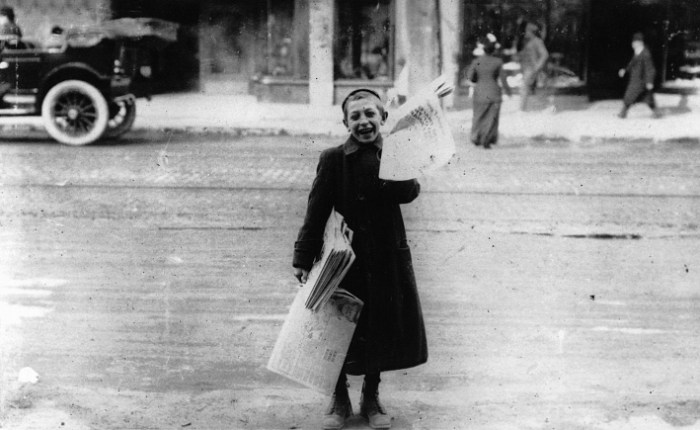
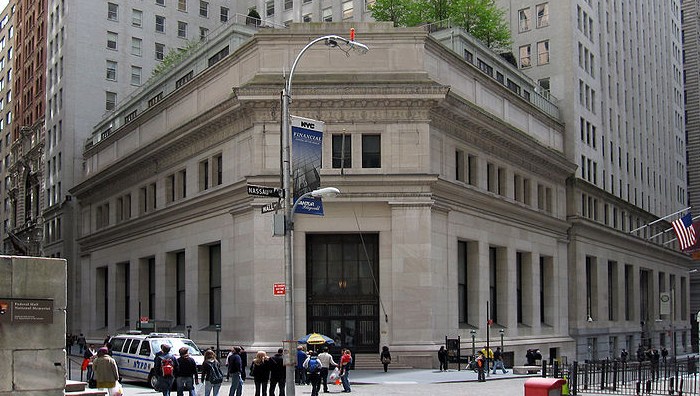


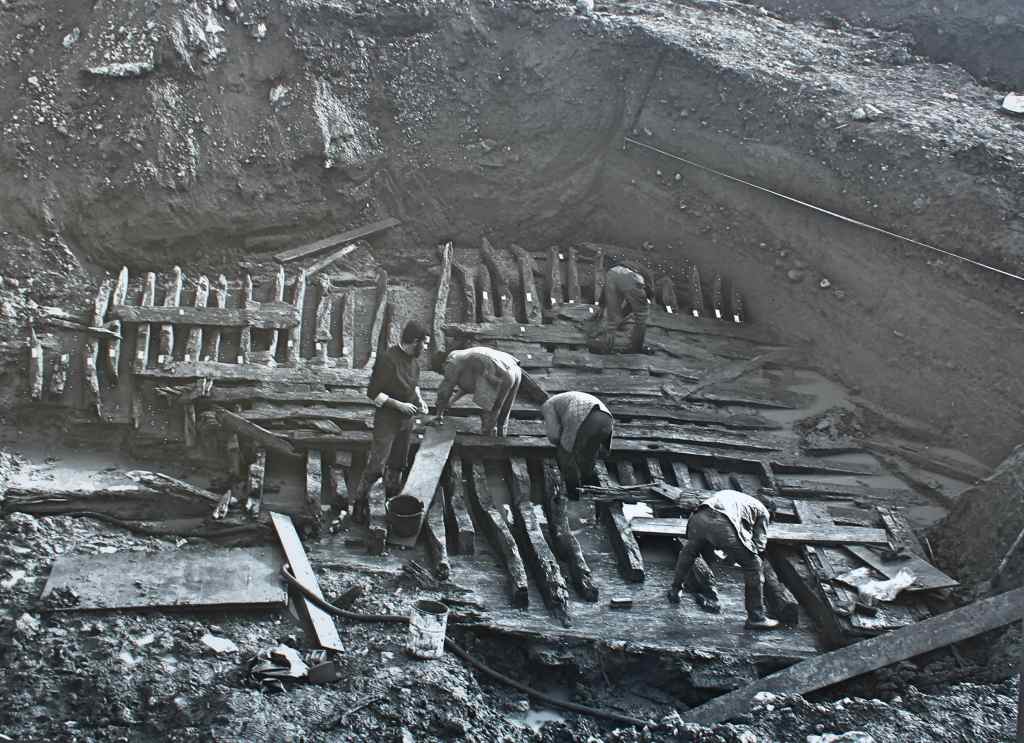
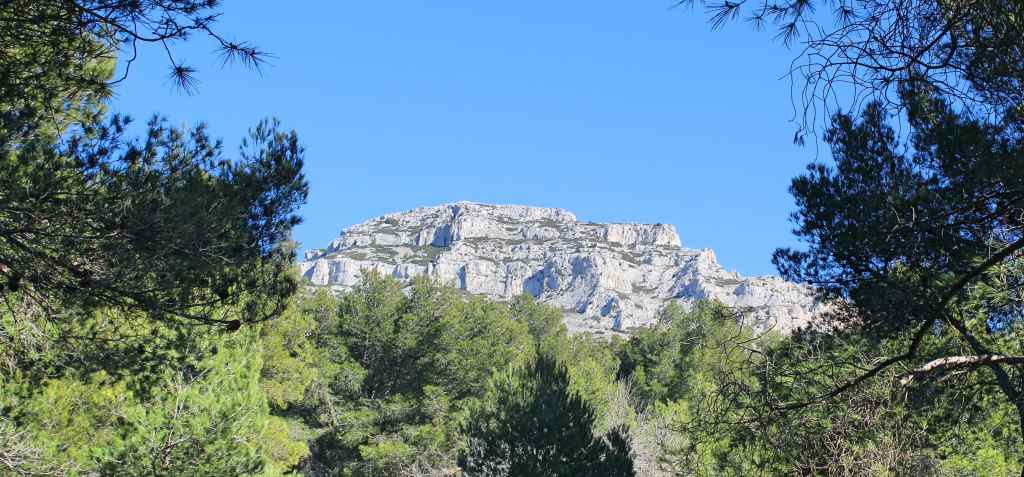
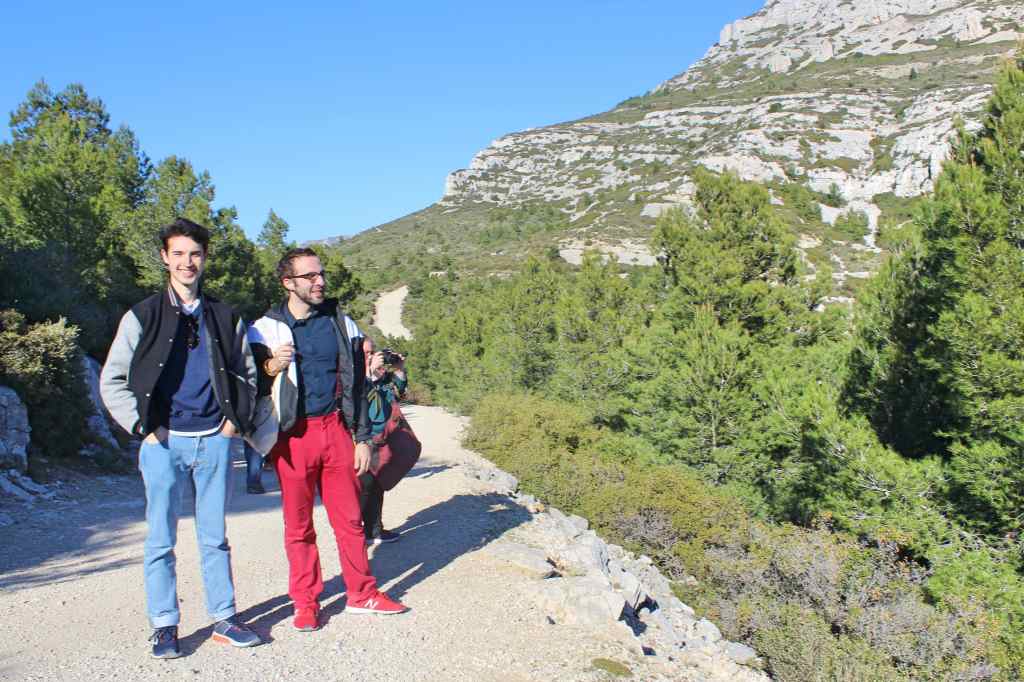

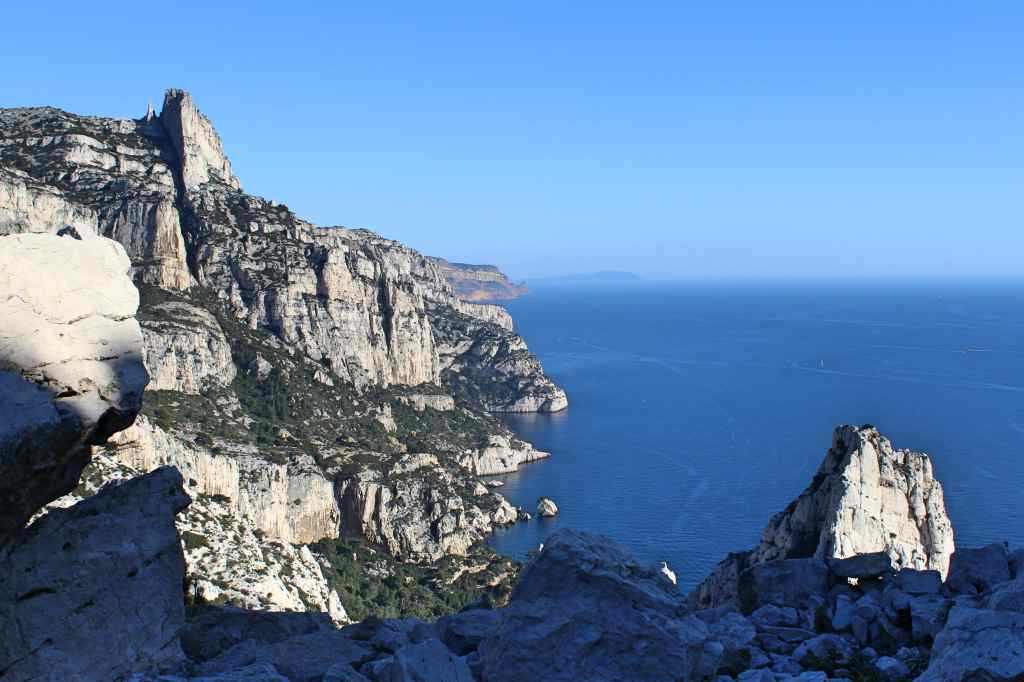
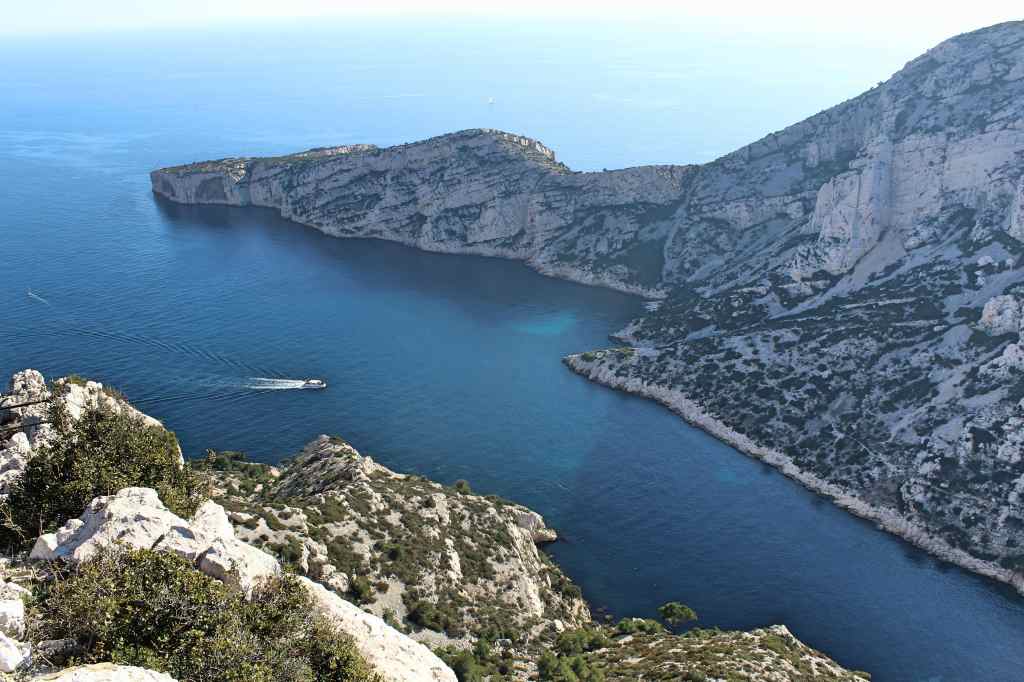

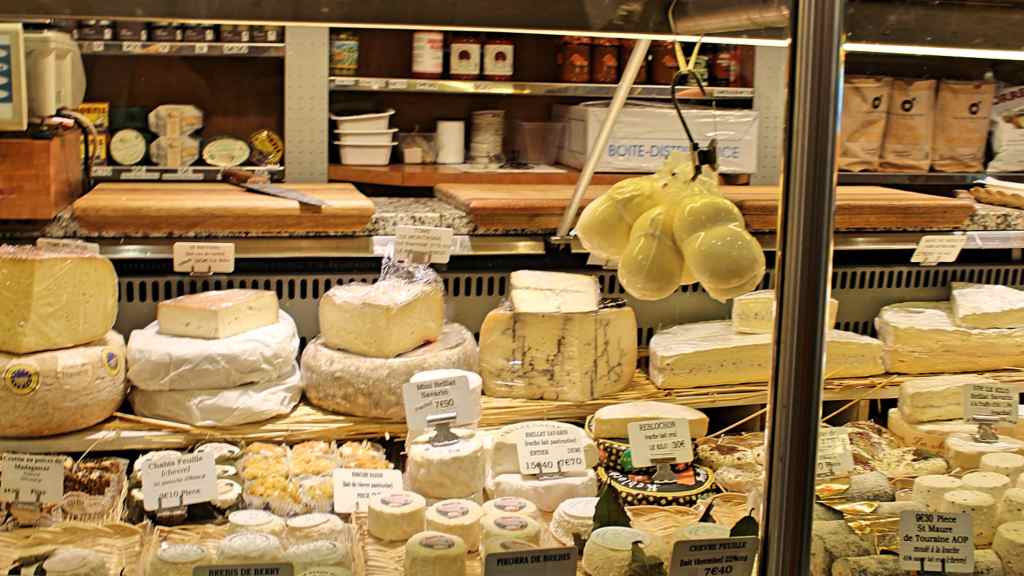
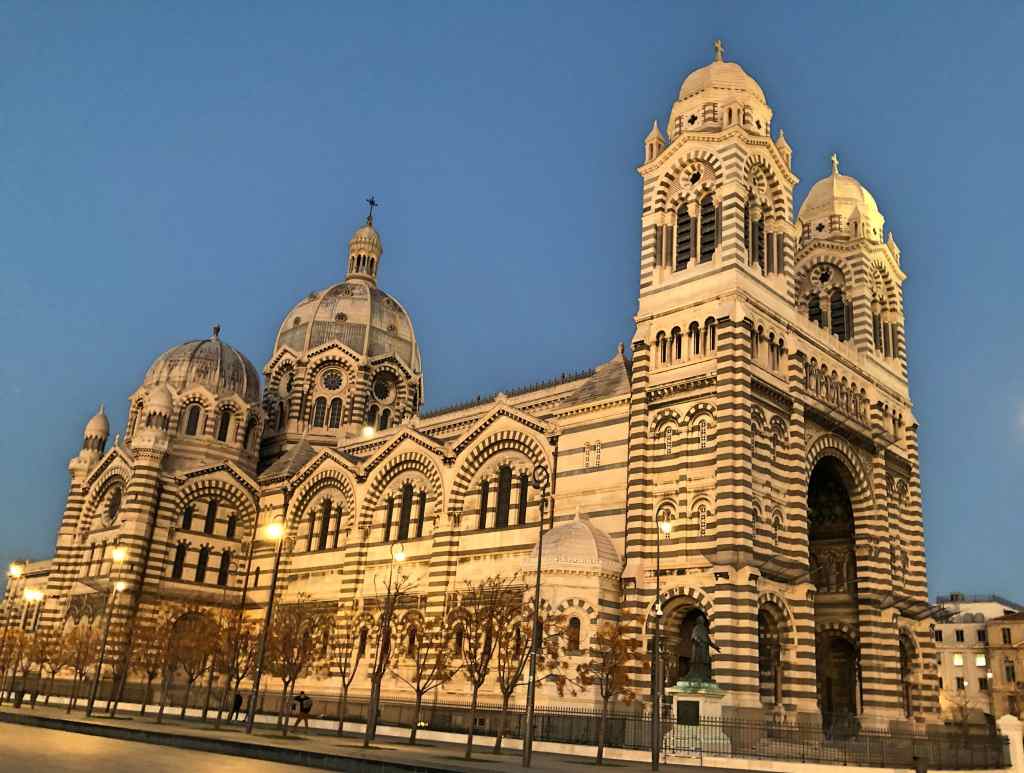

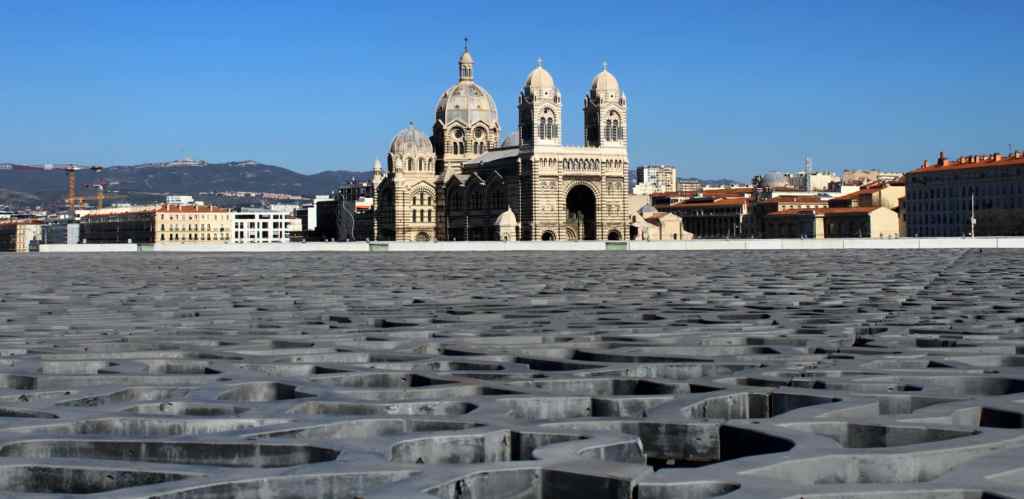


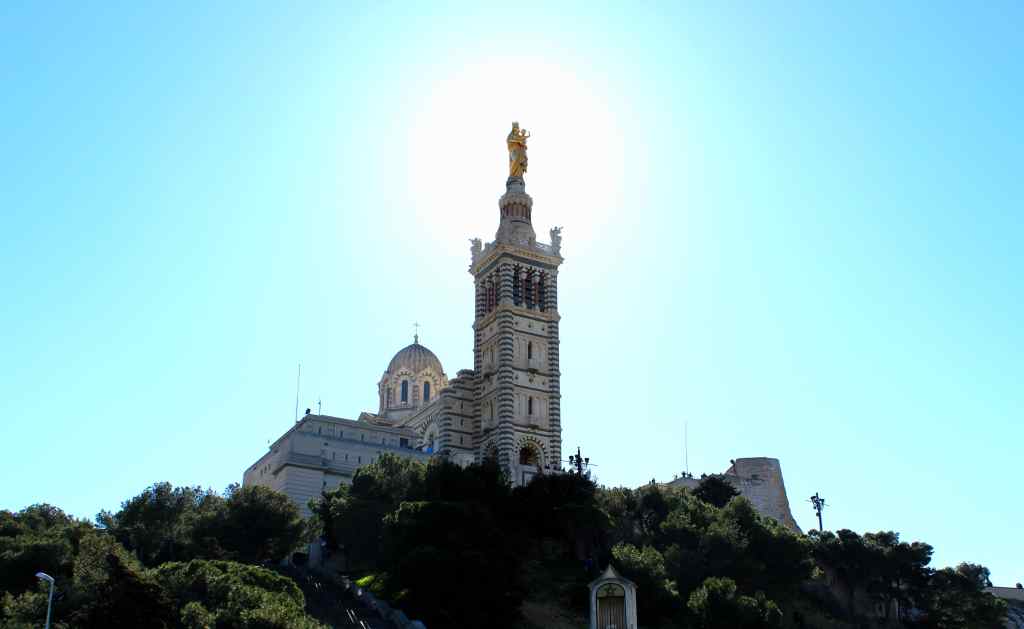

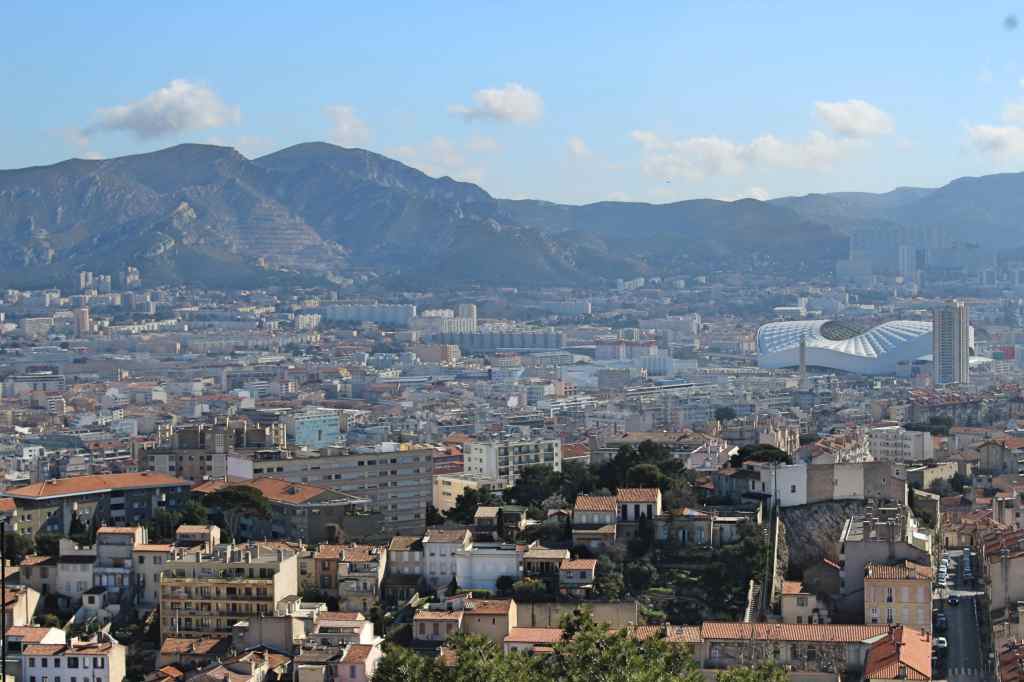


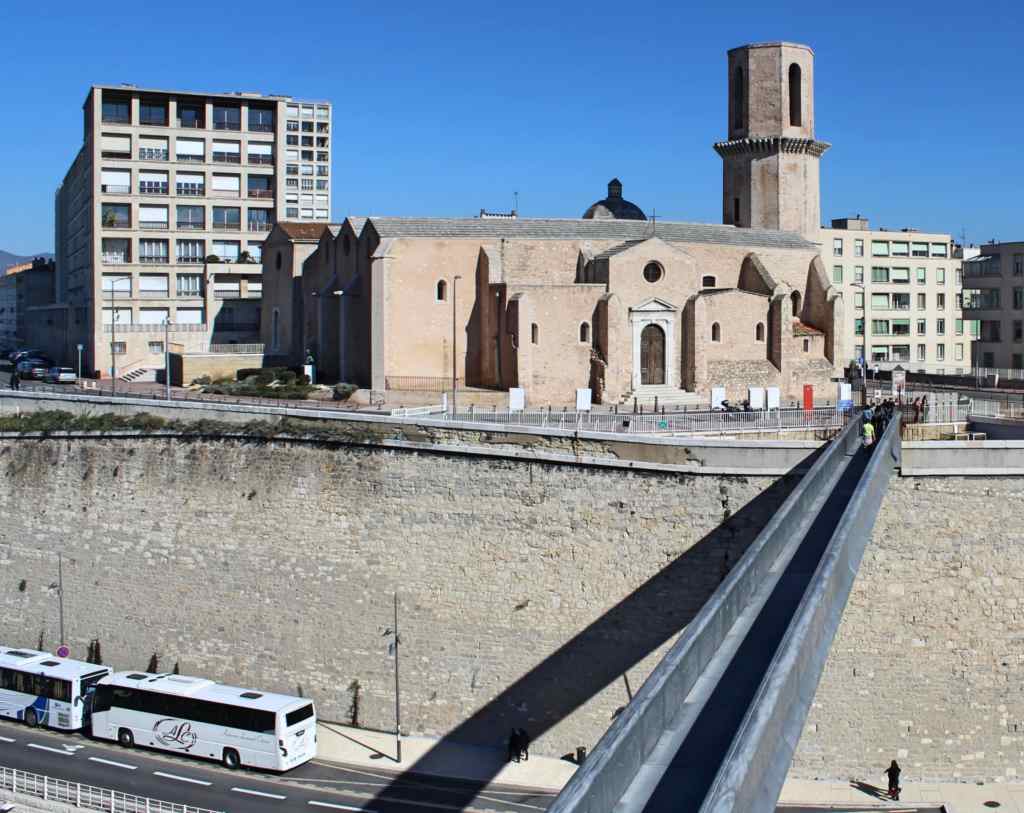
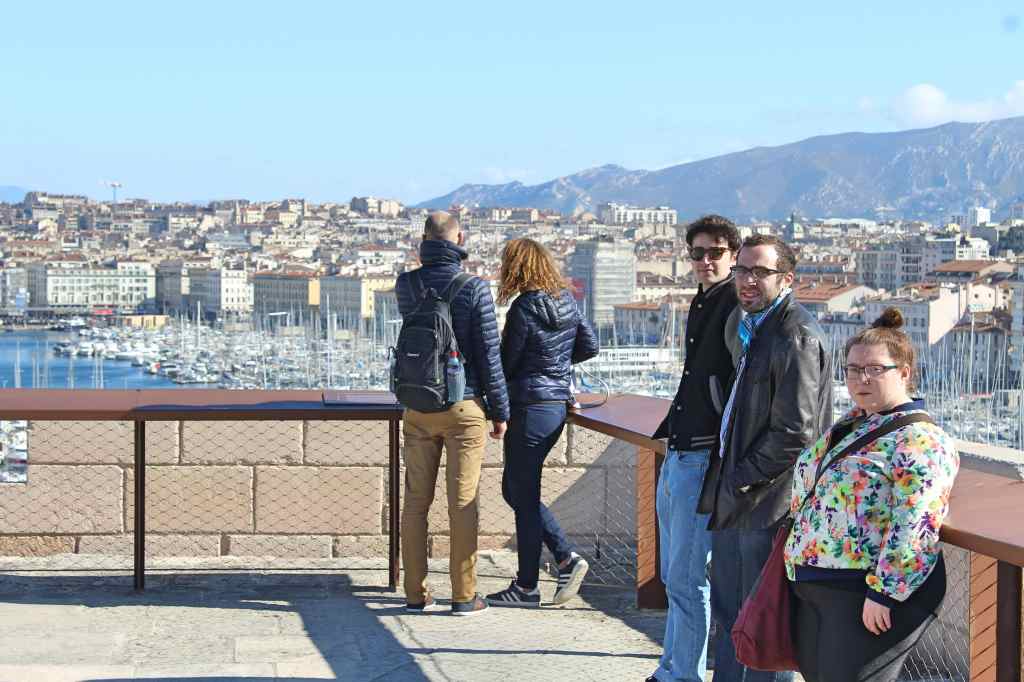

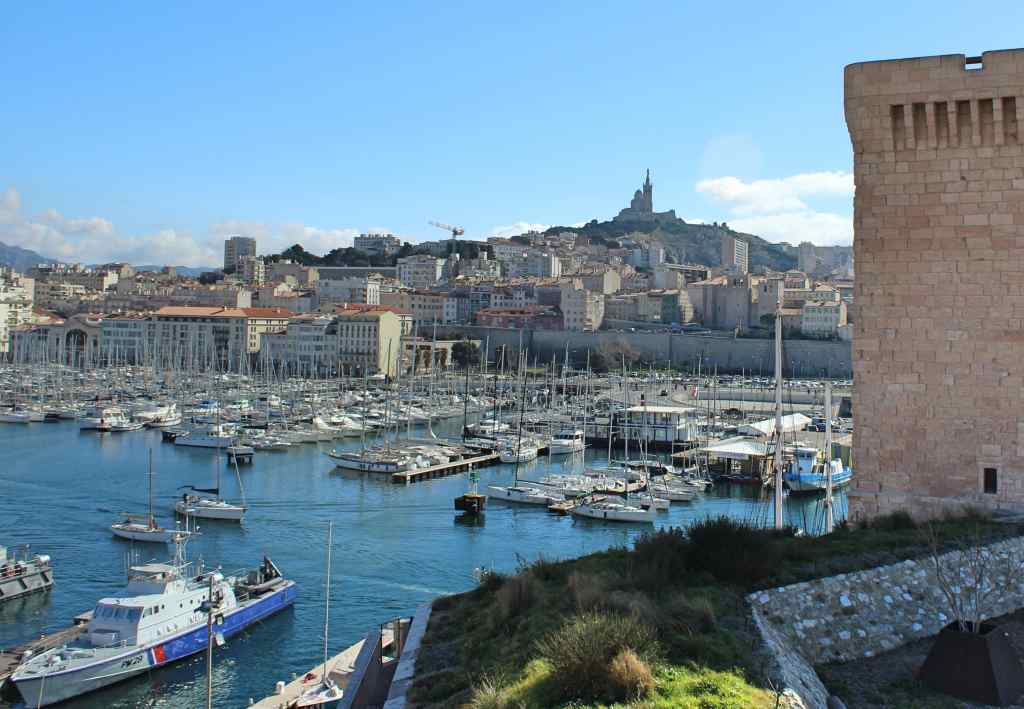
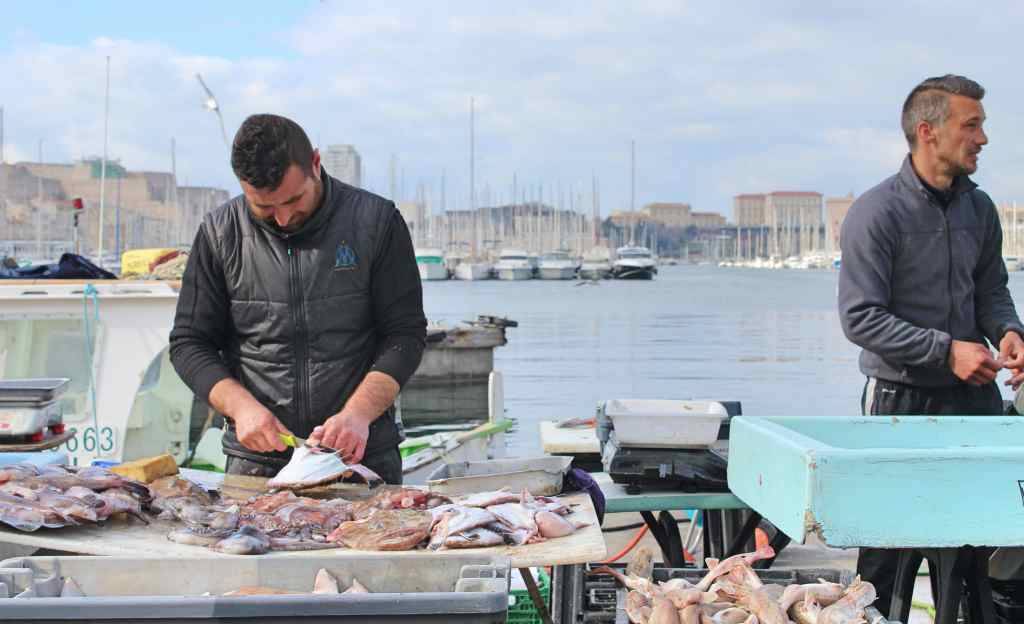
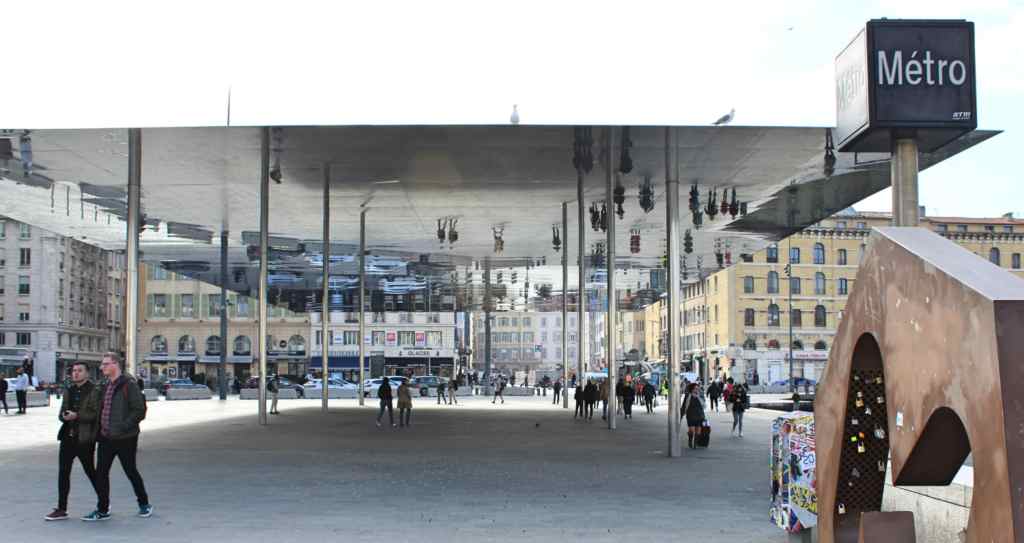
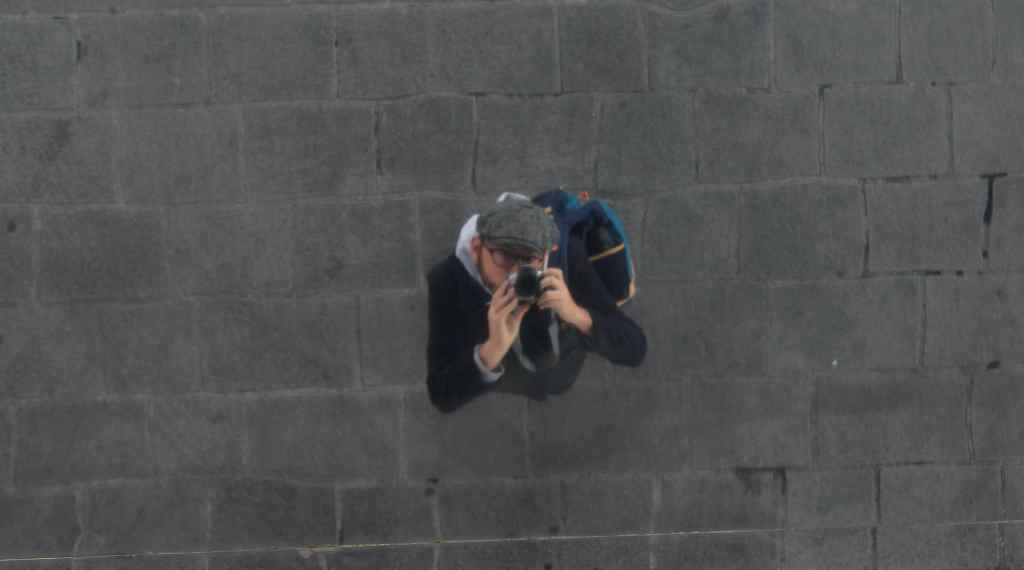
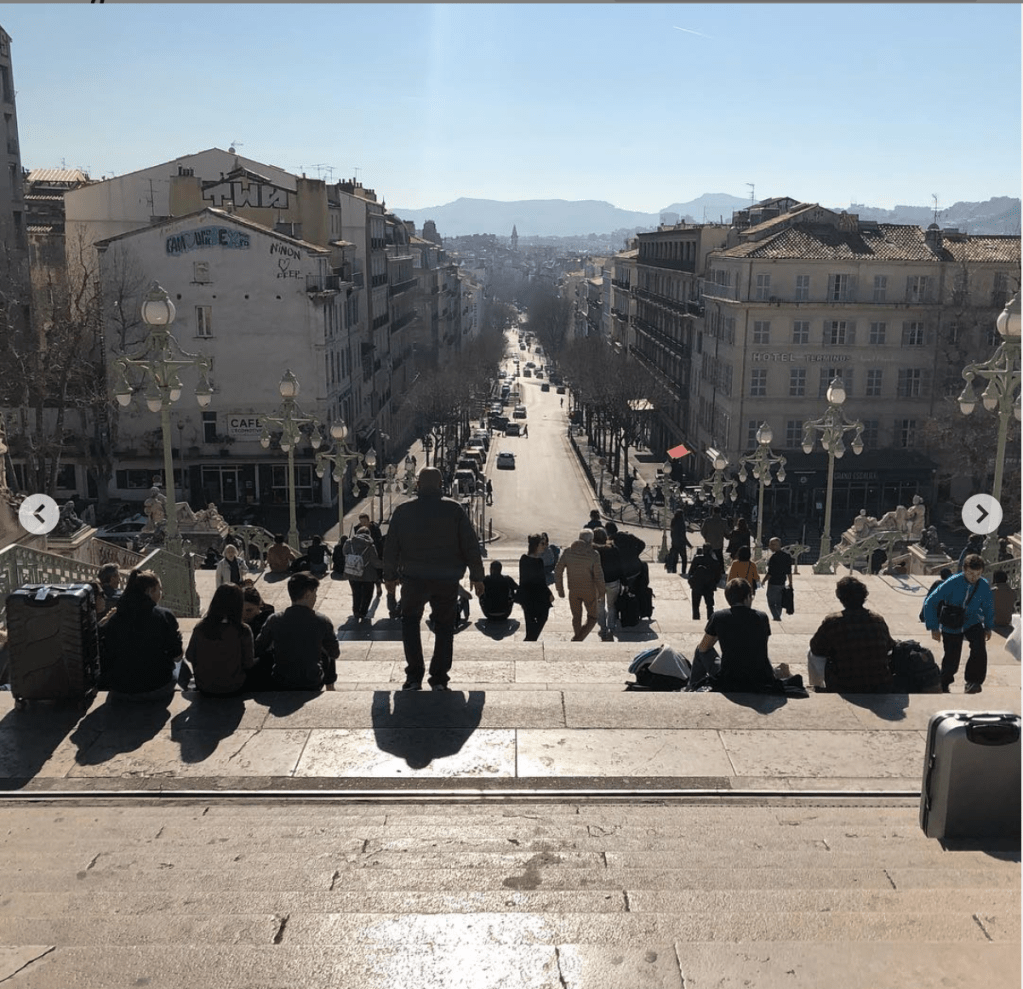
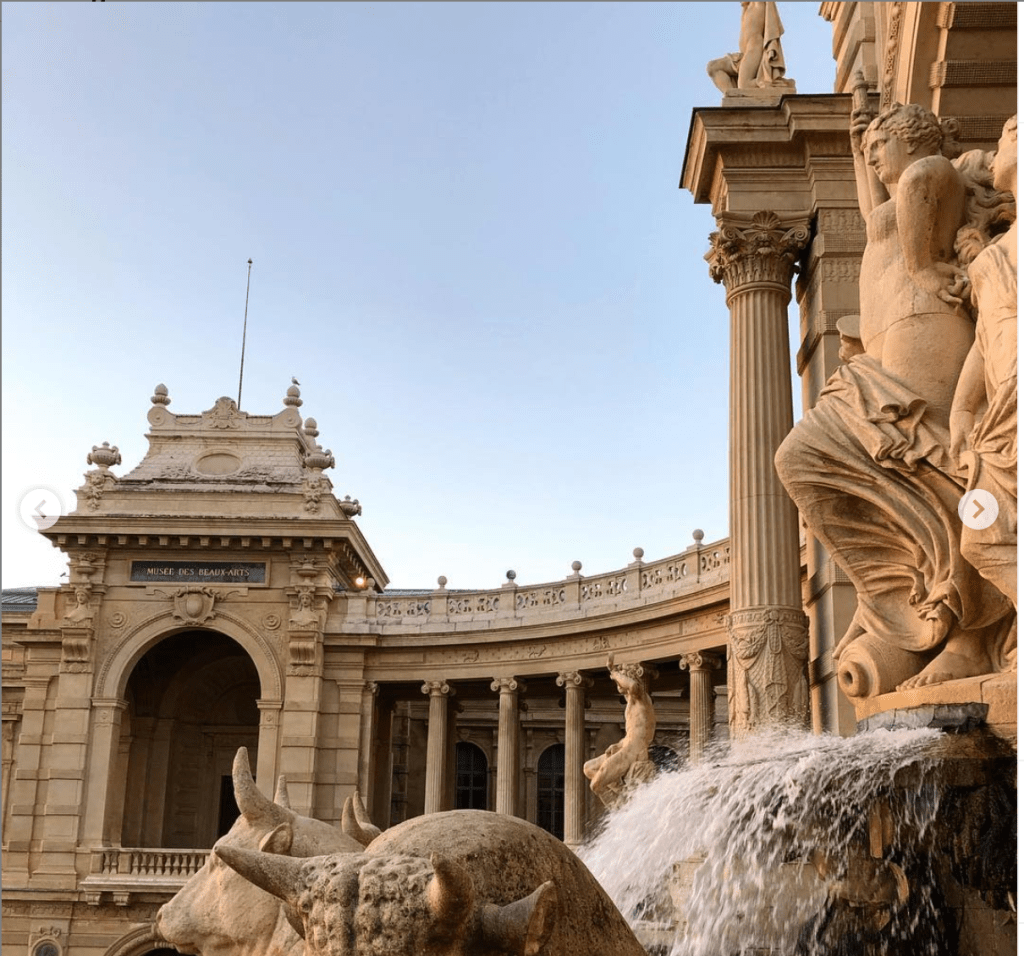
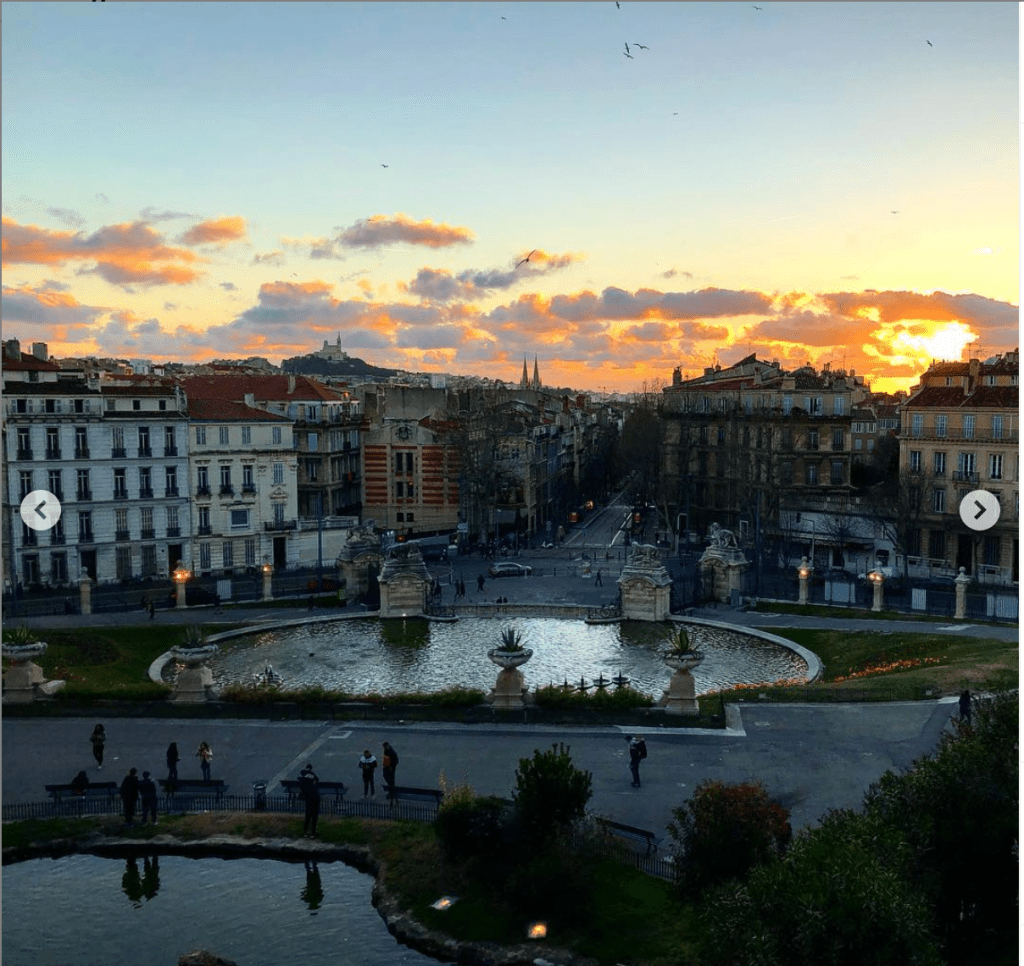
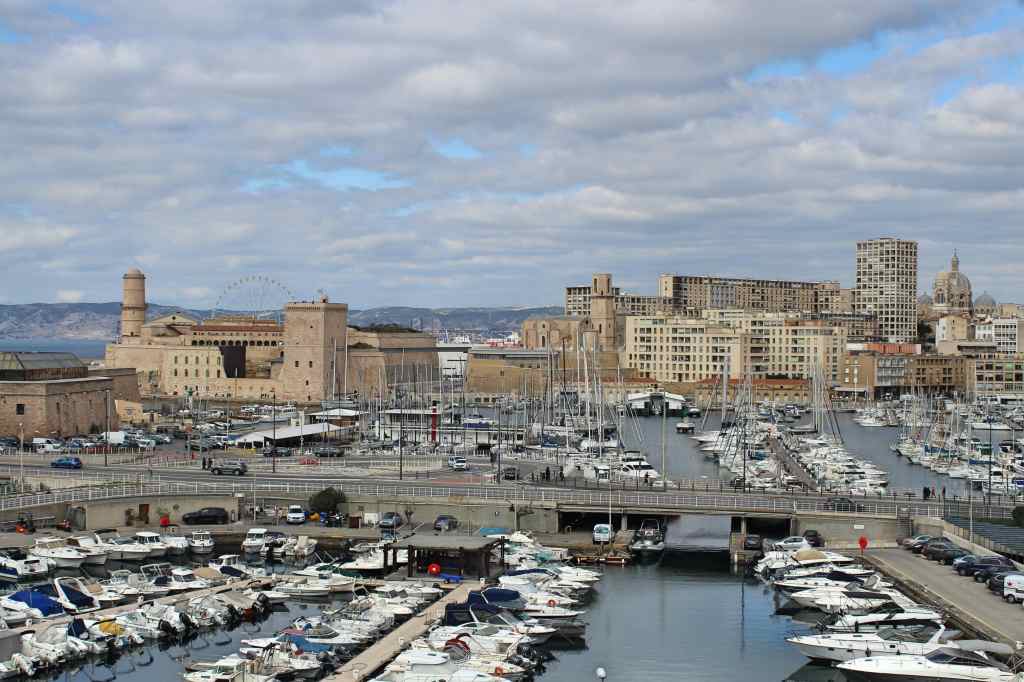
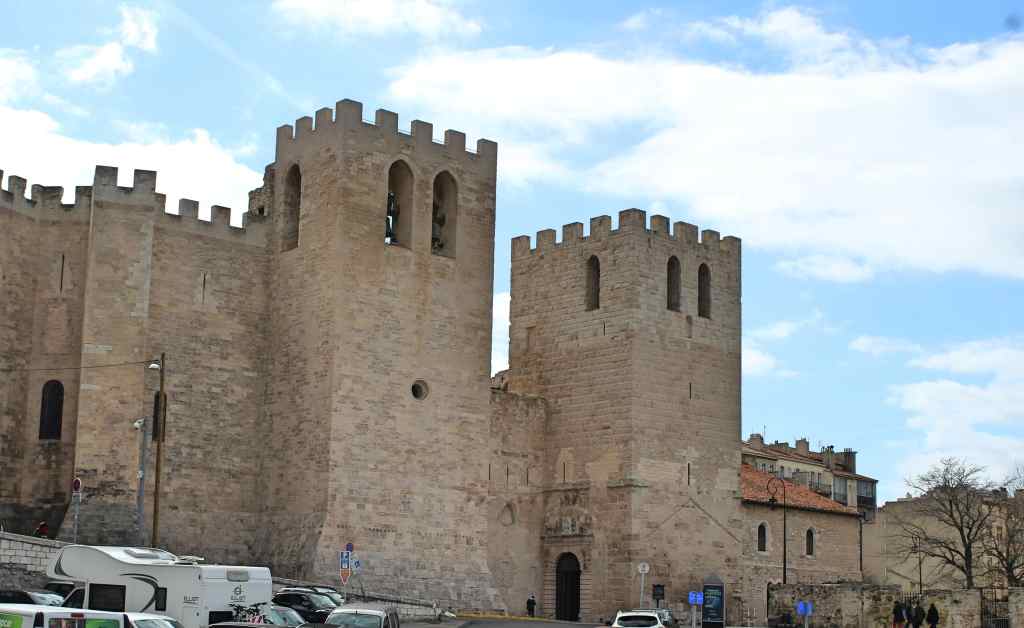
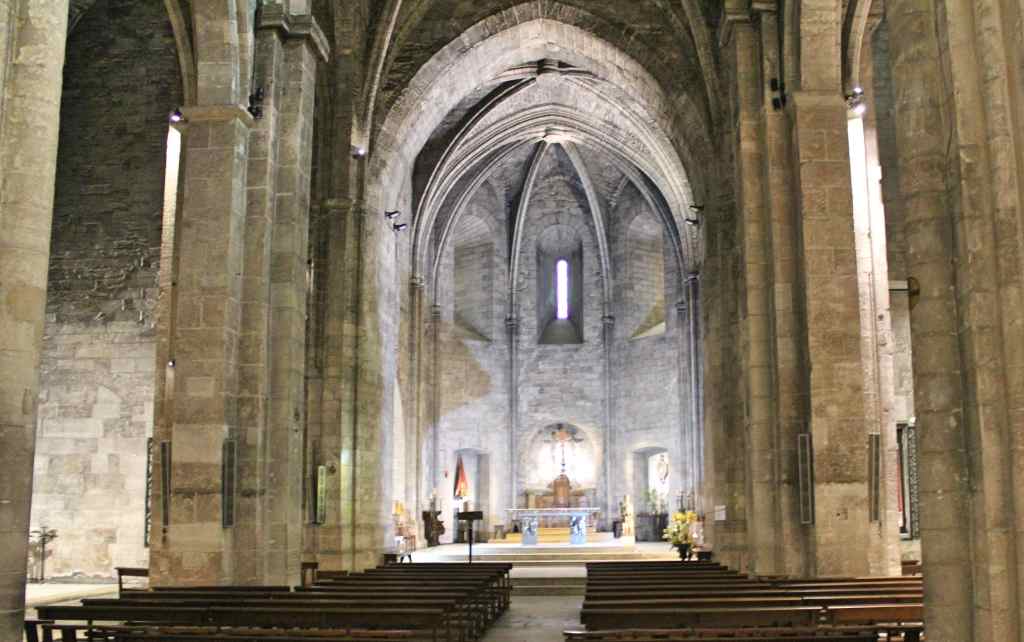


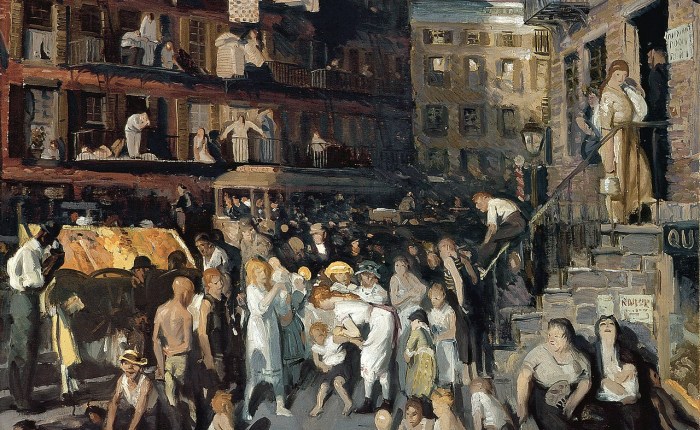
 Lotz in Translation