I met Antonio after moving into my current apartment. There was no doorman in my previous place, much less such a pleasant and helpful one. Little by little I got to know him, and his life started to interest me more and more. Finally, I decided that I had to interview him, and I’m glad I did.
R: Can you tell me a little about yourself?
A: My name is Antonio Bande. I was born in Venezuela. My parents are from Galicia, Spain. They were born in the province of Ourense. I was born in Maracay. Maracay belongs to the state of Aragua. Aragua is one of the central states, because it is near the capital, Caracas. Maracay is the capital of Aragua, where I was born. Maracay is located exactly 105 km from Caracas. It is a coastal region, with lots of beaches, and you can also find many open plains in the countryside.
R: What did your parents do for a living?
A: My parents set up a business in Venezuela. My father left Spain first, and then my mother. My father left in the year 1958. This was the postwar era in Spain, and Spain was very depressed, so he went to look for a future. Of my four siblings, the oldest was born here (in Spain), and the rest of us in Venezuela.
R: So you have three siblings?
A: More, really, because my dad got married again. So we are really eight siblings in all. My parents got into sales, and they set up a business. In the beginning, clothes, but later it grew, and it ended up being what you would call here a chain of stores. For a long time, as an adult— once I had finished my studies— I was working in this chain, until my father decided to sell it. He was thinking of retiring. From then on, I began to specialize in administration. And I became an insurance broker. Before leaving Venezuela, in the last 27 years, that was my job, an insurance broker, in my own office. And I trained, in fact, with an American company. It was the owner of the company Seguro Venezuela, the American Insurance Group (AIG). I trained with them.
R: What year did you move here for good?
A: Three years ago, in 2018
R: I know there’s a crisis in Venezuela, and it’s not going well. But what, in particular, made you decide to move to Spain?
A:When your life is worth the price of a pair of shoes, or the price of a watch, or the price of a phone, then you have to make some decisions. Because the price of life is something intangible, it can’t be determined or quantified. With the rising crime rate, and a complicite government, well, you have to make decisions. So, in the first place, the factor of crime is fundamental. The factor of impunity (that crimes are not prosecuted). I’m talking about insecurity, I’m talking about impunity, and I’m saying that this impunity is rooted precisely in judicial insecurity. Because, what happens? In the state, as a corrupt state, they have made it so that all the powers—that is, the executive, the legislative, the judicial—all the powers are in the hands of the state, including electoral power. So, if you’re in Venezuela it’s not reasonable to think that they’re going to respect your vote. No, no they won’t respect it. But this is not something recent, this has been happening for the last twenty years at least. And it keeps getting worse.
R: I read something about inflation.
A: Hyperinflation. I’m going to tell you something very simple. Up until this month of May, which is about to end, Venezuela has accumulated 1500% of inflation. We’re talking about this cycle, this year. There is no honorable work, there is no honest work, that you can do to support yourself. There’s none. And I’m telling you that back in Venezuela I was a part of the upper-middle class. I had three apartments. I only sold two cars to come here. I had the good fortune to be able to come, and come with my family, with my wife, my youngest children and our dog. But many people arrive alone.
R: So, if you’re earning 1,000 euros a month…
A: Do you know what the minimum wage is for a person in Venezuela? Three euros a month. And those fortunate enough to earn ten times that, earn thirty euros a month. But you can live on that in Venezuela. Because nowadays, Venezuela is an economy that is completely “dollarized.” The bolívar (the national currency) no longer circulates because the necessary amount doesn’t exist to sustain the exchange, dollar-bolívar. If you have 100 dollares, that would be many millions of bolívares. So all transactions are done with dollars. Where do people get dollars? More than 70% of the population receive support from those who have left the country.
R: Is your family here with you?
A: Here I have one daughter by blood, and two stepchildren. In Venezuela I have two more children, and another daughter who lives in Delaware.
R: Do you miss Venezuela?
A: What happens is that… yes, I miss it. But I miss it, knowing that what I’m missing doesn’t exist anymore. The country has changed completely. And it is the quality of being Venezuelan. The gentility, the humanity, of the Venezuelans. And of course I really, really miss the homeland. Because Venezuela is a country where you can go to the beach twelve months a year. It has an enviable climate. It has places with beach weather twelve months a year, places with snow twelve months a year, and even places that are deserts twelve months a year. Truly, it has a range of climates that is something to miss. And, man, the country is beautiful. What’s bad are its politics. It has dreadful politics, and that has totally ruined the country.
R: What surprised you the most about Spain?
A: What surprised me the most was not something very favorable. It’s the difficulty of working, of finding work. In general, in Spain it’s very hard to find work. And this is surprising when you’re a person used to working every day. For someone like me, who wants to manage his own life, you feel a little useless. I never thought of being a superintendent of a building. And I’m not denigrating, or saying that I’m doing something embarrassing, no. I have a job like any other, a job I like doing, not only for necessity but also because I feel comfortable. In Spain, they want young people with lots of training and lots of experience. I don’t understand that. I don’t understand how you can have a lot of experience, being so young.
R: Is there something you like about your life here?
A: There are lots of things in Spain I like. The first is that I have a part of my family here. Not only those who came with me from Venezuela, but also those who were already living here. In Madrid, in Galicia, in Valladolid, for example, or in Bilbao. I like the food and drinks. I have it in my blood because, when I was young, I ate from my grandmother’s hand, who was Spanish. First from my maternal grandmother, who died, and then from my paternal grandmother. Man, Mediterranean food…
R: Do you like Spanish food more than Venezuelan food?
A: Every cuisine has its pleasure. The good thing about being here, is that here you can eat Spanish food and Venezuelan food, because in Venezuela you have trouble eating even Venezuelan food, since everything is scarce. You eat whatever there is. Do you know the terrible ordeal a Venezuelan has to go through to get a loaf of bread? At six in the morning, you have to be in the doorway of the bakery. Standing in line. There are 150 or 200 people, because those are the 150 or 200 loaves of bread they’re going to make that day. You can buy one loaf of bread, maybe two. And they give you the receipt, and you leave. Then you come back after 2:30 in the evening to pick up the bread.
Processing…
Success! You're on the list.
Whoops! There was an error and we couldn't process your subscription. Please reload the page and try again.
Conocí a Antonio poco después de mudarme a mi piso actual. No había un portero en mi último piso, mucho menos un portero tan agradable y atento como él. Poco a poco lo fui conociendo, y su vida me interesaba más y más. Al final, decidí que le tenía que entrevistar, y estoy muy feliz con la decisión.
R: ¿Me puedes decir tus datos básicos?
A: Me llamo Antonio Bande. Nací en Venezuela. Mis padres son gallegos. Nacieron en la provincia de Ourense. Nací en Maracay. Maracay corresponde al estado de Aragua. El estado de Aragua es uno de los estados centrales, porque está alrededor de la capital, Caracas. Maracay es la capital de Aragua, donde yo nací. Maracay se encuentra exactamente a 105 km de Caracas. Es un estado de costa, con playa, y es un estado con llanuras, las zonas de campo.
R: ¿A qué se dedicaron tus padres?
A: Mis padres establecieron un comercio en Venezuela. Mi padre se fue de España primero, luego se fue mi madre. Mi padre se fue en el año 1958. Era la época posguerra de España, y España estaba muy deprimida, y se fue buscando un porvenir. De los cuatro hermanos míos, el mayor nació aquí (en España), y nosotros tres en Venezuela.
R: Entonces, ¿tienes tres hermanos?
A: Más, realmente más, porque mi padre se casó otra vez. Entonces somos ocho hermanos. Mi padres allí se dedicaron al comercio, establecieron un negocio. En principio, de ropa, pero después se fue proliferando, y se acabó convirtiendo en algo que se llama aquí una cadena de tiendas. Por mucho tiempo, ya siendo yo adulto — una vez que culminé los estudios — estuve trabajando en este grupo de tiendas, hasta que mi padre optó por venderlas. Porque estaba pensando en su retiro. A partir de allí, yo empecé en una especialización de administración. Y me hice agente corredor de seguros. Antes de irme de Venezuela, en los últimos 27 años, trabajé así, de agente corredor de seguros, en una oficina propia. Yo me formé, de hecho, con una empresa americana. Eran los propietarios de la empresa, Seguro Venezuela, de American Insurance Group (AIG). Yo me formé con ellos.
R: ¿En qué año viniste aquí a vivir?
A: Hace tres años, en el año 2018.
R: Sé que hay una crisis en Venezuela, y va muy mal. Pero, en concreto, ¿qué te hizo decidir irte por España?
A: Cuando tu vida vale lo que vale un par de zapatos, o lo que vale un reloj, o lo que vale un móvil, pues tú tienes que tomar muchas decisiones. Porque el valor de la vida es algo intangible, no se determina, no se cuantifica. Con el nivel de la delincuencia que se ha exacerbado, y con un gobierno tan cómplice, pues, hombre, tú tienes que tomar decisiones. Entonces, en primer lugar, el factor de la delincuencia es fundamental. El factor de la impunidad (no se juzgan los delitos). Te hablo de la inseguridad, te hablo de la impunidad, y te hablo que esta impunidad tiene su base precisamente en la inseguridad jurídica. Porque, ¿qué pasa? El estado, como un estado villano, se ha hecho de todo de que son los poderes — o sea el ejecutivo, el legislativo, el judicial — todos los poderes están en las manos del estado, incluso el poder electoral. Entonces, si estás en Venezuela no es sensato pensar que se va a respetar tu voto. Pues no, no se va a respetar. Pero esto no está pasando ahorita, esto ya viene pasando desde hace cerca de veinte años por lo menos. Y viene cada vez peor.
R: He leído algo sobre la inflación.
A: La hiperinflación. Te voy a decir algo muy simple. Hasta este mes de mayo, que está a punto de terminar, Venezuela lleva acumulado 1.500% de inflación. Estamos hablando de este ciclo, menos de un año. No hay un trabajo honrado, no hay un trabajo honesto, en el que tú puedes trabajar para cubrirte y costearte. No hay. Y te estoy hablando de que en Venezuela yo era parte de la clase media alta. Tenía tres apartamentos. Solamente vendí dos coches para venirme. Yo tuve la fortuna de poder venirme, y venirme con mi familia, con mi mujer, los dos hijos pequeños y el perro. Pero mucha gente se viene sola.
R: Entonces, si alguien gana unos 1000 euros al mes…
A: ¿Sabes cuánto es el ingreso básico de una persona? 3 euros, mensuales. Y los que tienen la fortuna de ganar 10 veces de esto, ganan 30 euros mensuales. Pero con eso no se vive en Venezuela. Porque hoy en día, Venezuela es una economía totalmente dolarizada. El bolívar ya no circula porque no hay la cantidad circulante necesaria para soportar el cambio, dolar-bolívar. Si tienes 100 dólares, esto sería muchísimos millones de bolívares. Entonces todas las transacciones se hacen en dólares. ¿De dónde saca la gente dólares? Más de 70% de la población recibe remesas de los que estamos fuera.
R: ¿Tienes tu familia aquí contigo?
A: Aquí tengo una hija consanguínea, y dos de mi mujer. En Venezuela tengo dos hijos más, y otra hija que vive en Delaware.
R: ¿Echas de menos Venezuela?
A: Lo que pasa es que, sí lo echo de menos. Pero lo echo de menos, teniendo la conciencia de que lo que tú estás echando de menos ya no existe en el país. El país se ha deformado totalmente, la calidez, el gentilicio, la humanidad, del venezolano, se a perdido. Y por supuesto echo muchísimo de menos, a la patria. Porque Venezuela es un país de riquezas naturales, donde se puede ir a la playa los doce meses del año. Tiene un clima envidiable. Tiene desde sitios de playa los doce meses del año, hasta sitios con nieve los doce meses del año, hasta sitios desérticos los doce meses del año. De verdad, tiene una diversidad del clima que es algo de echar de menos. Y, hombre, el país es hermoso. Lo malo es la política que tiene. Tiene una política pésima, y se ha cargado una nación completa.
R: ¿Qué te sorprendió más de la vida en España?
A: Lo que me sorprendió más no es muy favorable. Es la dificultad de trabajar, de encontrar trabajo. En general en España la posibilidad de encontrar trabajo es muy difícil. Y eso, pues, sorprende cuando eres una persona habituada a trabajar todos los días. Para alguien como yo, quien quiere gestionar su propia vida, se siente un poco inútil. Yo nunca pensé en ser un conserje en una comunidad. Y no estoy denigrando, ni diciendo que estoy haciendo algo penoso, no. Tengo un trabajo como cualquier otro, un trabajo que hago agusto, no únicamente por la necesidad sino porque me siento agusto. En España, te piden poca edad, mucha formación y mucha experiencia. No entiendo esto. No entiendo cómo tú puedes tener mucha experiencia, siendo una persona muy joven.
R: ¿Hay algo que te gusta de la vida aquí?
A: Hay muchas cosas en España que me gustan. Lo primero es que tengo una parte de mi familia aquí. No solamente los que vinieron conmigo de Venezuela, sino los que ya vivían aquí. En Madrid, en Galicia, en Valladolid, por ejemplo, o en Bilbao. Me gustan la comida y la bebida. Lo llevo en la sangre porque de pequeño yo comí de mano a mi abuela que era española. Primero de mi abuela materna, que murió, luego de mi abuela paterna. Hombre, la comida Mediterránea…
R: ¿Te gusta la comida española más que la comida venezolana?
A: Toda la comida tiene su gusto. Lo bueno de estar aquí, es que aquí se puede comer comida española y comida venezolana, porque allí en Venezuela es difícil comer comida venezolana por la escasez de todo. Comes lo que hay. ¿Tú sabes el viacrucis que hace un venezolano todos los días para comer pan? Tiene que estar a las 6 de la mañana, en el portal de la panadería. Haciendo una fila. Estár de 150 o 200 en la fila, porque esto son los 150 o 200 panes que el hombre va a hacer este día. Al pagar la barra de pan, se dará una, o máximo dos. te dan un tiquet, y se va. Para regresar a partir de las dos y media con el tiquet para retirar la barra de pan.
(Cover image by Paolo Costa Baldi; licensed under CC BY-SA 3.0; taken from Wikimedia Commons.)
In this History I have held firmly to it that the truth should be reached in every matter, and that every act should be recorded precisely as it occurred.
I do not think I ever would have read this book, had it not been gifted to me last Christmas. It is quite a beautiful volume—hefty but compact, the pages thin but not fragile, the font and layout quite attractive—and yet, I still felt daunted by the prospect of reading an autobiography from a time and place that I knew so little about. It was a kind of miniature adventure.
By any standard, the Baburnama is an extraordinary book. The memoirs of Babur, founder of the mighty Mughal Empire, the book covers his life (with notable lacunae) from his early years to a short time before his death. It was written in Chaghatai, an extinct Turkic language that was Babur’s mother tongue. This edition, by the way, was translated by Annette Beveridge, who was something of an extraordinary figure herself, having completed this translation at her English home for linguistic amusement. It was no easy task, as the mountains of footnotes—almost all comments on a particular Chaghatai word or phrase—attest.
Babur’s life was nothing if not eventful. The story begins in Central Asia where, at the tender age of 11, Babur first becomes a ruler. From this moment he is thrown into the thick of politics and war, conquering and losing territories, fleeing for his life, gathering forces again, and repeating the process. Eventually his changing fortunes force him southward, to India (or Hindustan, as he calls it), where he conquers vast territories in a series of massive battles, thus setting the groundwork for the Mughal Empire that would dominate for centuries to come.
And yet this thumbnail sketch does not really capture the experience of reading this book. For one, it reads a lot more like a diary than a polished autobiography, full of short entries of quite quotidian details. One senses that Babur wrote this either for himself or for a small circle, as he does not take many pains to explain who people are. In any case, there must be well over 200 individuals mentioned in this book, which can make for a pretty frustrating reading experience—especially when you are also unfamiliar with the geography of the region. (I do wish Beveridge’s footnotes added historical context rather than expanding upon linguistic puzzles.)
In most professional reviews I have read of this book, the writer dwells upon Babur’s virtues. There is, indeed, much to admire in the man. His prose is plain and unadorned, cutting straight to the point with no unnecessary flourish. Even more important, Babur is frank to quite a surprising extent. He admits, for example, that his first feelings of love were for a boy (even if he did not go after men, women did not seem to excite him all that much). He can be disarmingly sensitive; at one point he cries after a melon reminds him of his lost homeland. And he is consistently honest and fair-minded, neither magnifying his victories nor minimizing his defeats.
Babur also boasts many intellectual virtues. He was clearly quite cultured and literate. This book is scattered with poems, many his own. Clearly, he cared deeply for the written word; near the end, he even takes the time to chastise his adult son for sending him a badly-written letter. And in the section on the flora and fauna of Hindustan, Babur reveals a penetrating eye for nature. He divines, for example, that the closest living relative of the rhinoceros is the horse—a brilliant deduction, considering how superficially different the two animals appear. He consistently dwells on his love for beautiful natural spots and well-made gardens.
So much can be said for Babur. But not enough is said—either in those reviews, or the introduction to this edition—of the river of violence that courses through these pages. True, Babur does not dwell on this violence; he usually mentions it as a passing detail to a more interesting story. But it is never far off, and I always found it disturbing. Babur speaks quite casually about executing prisoners and, indeed, putting whole cities to the sword. Probably I should not be shocked by this. After all, Babur was one of history’s great conquerors; and it is obvious from his own narrative that he lived his entire life under threat of violence.
Even so, I could not bring myself to admire the amateur naturalist knowing that he had, some time before, been strolling through the streets of a conquered city, stepping over the bodies of hundreds of massacred civilians. And I think that this considerably diminished my enjoyment of the book, as I found it far more difficult to savor the quieter, more human moments of the text. This, along with the preponderance of names and the diary-like brevity, made the book a bit of a slog at times. However, if you have any historical interest at all in this time or place, then the Baburnama is obligatory. It is full of so much valuable detail that a historian could easily spend a decade on this book alone, parsing out all of the references, piecing together the wider story. And even if you are a complete amateur, like myself, this book is still quite an educational experience.
The plane ride was remarkably pleasant. After years of traveling on budget airlines, finally I had a bit of luxury—spacious seats, decent food, an entertainment system, and even free cologne in the bathroom. I was even more impressed when I stepped off the plane. We were in the new Istanbul Airport, which has been opened just the month before, in April of 2019. (This replaced the older Atatürk Airport, now used only for shipping and cargo.) The place was striking. Everything was sleek and shiny, with a futuristic design reminiscent of a spaceship. This was not what I expected when I chose to fly to an ancient city.
This was Holden’s second time in the city, and my first, so I was following his lead. We withdrew some Turkish Lira from an ATM (worth about ten Euro cents a piece), and then found the bus to Istanbul. Even this bus was pleasant (it had free wifi!). We were dropped off in front of a big hotel, and had a quick bite to eat in a nearby Kebab place.
Now, I need to say a word here about kebab—more specifically, döner kebab. It is a staple in Europe. Indeed, along with pizza, it is one of the only truly pan-European foods. You can find kebab shops in Italy, Spain, France, Portugal, Poland, Germany, or England—all with the same rotating spits of meat, the same shabby decor, the same disposable napkins and frozen french fries—and you are always guaranteed a cheap and filling meal of bread and meat, with a sprinkling of lettuce and, perhaps, the odd tomato thrown in. For two years I even lived above a kebab shop, and breathed in the meaty aromas which wafted up from below, filling me with strange cravings at odd hours.
Unfortunately for me, the kebab in Spain is notably worse than the kebab elsewhere. I blame it on the Spanish preference for bland foods. To adapt to the local tastes, kebab owners here tone down the spices, reducing the flavor to that of a standard hamburger. Even so, during my nights out, after some drinks with friends—or before, or during—I came greatly to appreciate the humble döner kebab, so cheap, fast, and ubiquitous. This may seem to be quite a lot to dedicate to a bit of ground meat on a bun; but I want to explain why I was so excited to try a kebab in Turkey, its birthplace. I was finally in the Mecca.
The kebab arrived, and I devoured it with passion. Absolutely scrumptious—far better than the Spanish version. But it was late now—approaching midnight—so we could not stay to savor the meal. We found our Airbnb and got ourselves ready for bed. The next day our trip would truly begin.
If asked what the largest city in Europe is, I suspect most people would say London, Paris, or perhaps Moscow. But with 15 million souls, Istanbul easily takes the cake. Admittedly, the city is not wholly European: it straddles the continental divide between Europe and Asia. Roughly half of the city sits on either side of the Bosphorus (the strait that connects the Mediterranean with the Black Sea), which has always put Istanbul in an ideal place to dominate trade, as this is a natural bottleneck. We should not be surprised, then, that the city’s roots stretch far back to antiquity.
Istanbul is a city with three names. In addition to its current appellation, it has been called Byzantium and Constantinople. The city began, like many cities around the Mediterranean, as a kind of Greek colony and trading post. The Romans, as was their wont, eventually conquered the city; and when the great Roman Empire grew unwieldy, and split into West and East, Byzantium became the capital of the new state (thus the name Byzantine Empire). Shortly thereafter, however, the city changed its name to honor the great Constantine, who is now remembered mostly as the emperor who converted to Christianity; but he did an awful lot of things besides that—most notably, govern well.
For centuries thereafter, Constantinople was one of the great cities of the world. As the Western Roman Empire collapsed, and Europe was swallowed up by the Dark Ages, the Byzantine Empire preserved much of the pomp, prestige, and power of the erstwhile Romans. The city remained a major center of trade—particularly on the Silk Route—as well as an important barrier between the new religion of Islam and Christian Europe. After a very long and very slow decline (famously catalogued by Edward Gibbon) the city finally fell on April 6, 1453, to the Ottomon Turks, who used cannons to break through the previously impregnable city walls. As Gibbon narrates it:
It was thus, after a siege of fifty-three days, that Constantinople, which had defied the power of Chosroes, the Chagan, and the caliphs, was irretrievably subdued by the arms of Mahomet the Second. … The senators were linked with their slaves; the prelates with the porters of the church; and young men of the plebeian class with noble maids, whose faces had been invisible to the sun and nearest kindred.
But of course that was not the end of its story. The city became the capital of the powerful Ottomon Empire for another five centuries—until finally, after independence was won from the Allied Powers, the capital was moved to Ankara, and Constantinople renamed Istanbul. Even so, few would doubt that Istanbul remains the most important city in Turkey. Indeed, though somewhat fallen from the glory days of Constantine, Istanbul is still one of the most important cities in the world.
It is also, as it happens, one of the most enchanting.
I only had one demand of Holden: that we see the Hagia Sophia. So that is where we headed to first.
It was a stunningly sunny day, the sky a piercing blue. After a bit of fumbling, we managed to get tickets for the tram from the machines, and off we went through the city. The tram took us over the Galata Bridge, which spans the Golden Horn, an inlet of the Bosphorus. The spires of minarets and the domes of mosques loomed in the skyline overhead. The streets teemed with people. The city had none of that sterile polish that some popular tourist destinations have. It was immediately clear that Istanbul was a real place.
Locating the Hagia Sophia was no challenge. But buying tickets presented us with a dilemma. We had the option either to buy a single entry to the museum, or to buy a combination pass that included many other monuments. I normally shy away from such passes, since you lose money unless you visit most or all of the sites; thus buying it commits you to a certain itinerary. So I elected for the single entry. But Holden reached the opposite conclusion, which led to a competition between us: Who would save money in the end? I will not bother with suspense: Holden won. I humbly recommend the combination pass.
In any case, it is too vulgar to dwell on such things in the presence of the Hagia Sophia, one of the great architectural wonders of the world. Completed in 537, under the rule of Justinian, its name literally means “Holy Wisdom.” Two churches had previously occupied this spot; both burned down. Justinian was determined that his own effort not meet with the same fate, and so ordered the new building to be made of brick and stone.
Isidore of Miletus and Anthemius of Tralles were chosen to design the new building, even though they were both mathematicians rather than architects. It was a brilliant choice, as only a mathematician could have designed the series of pendentives and semi-domes that culminate in the crowning central dome, mutually supporting one another over a vast internal space. With the help of some 10,000 workers, they created both the largest dome and the largest cathedral in the world—not to be surpassed for almost a thousand years. (Its dome was eventually surpassed by the Duomo in Florence, and its size by the Seville Cathedral.) Admittedly, an earthquake caused the roof to partially collapse just a few months after it was completed, which required extensive reconstruction.
The Hagia Sophia is a building marked by time. Much has changed since it was first built. For one, the marble covering its façade has almost entirely fallen away, leaving the structural brick exposed. This gives the current building a slightly shabby aspect from the outside; but in its day it would have glimmered brightly in the Mediterranean sun. Many other changes are due to the building’s religious history. After it was converted from a church into a mosque, four massive minarets were constructed on each corner of the building, whose spires even extend beyond the top of the dome.
The inside presents the same contrast of religions. The most obvious sign of Islam are the eight large medallions bearing ornate calligraphy, boldly displaying names of Muhammad, Allah, the caliphs, and Muhammad’s grandsons. There is also a mihrab where the Christian altar used to stand, though it seems strangely misaligned, as it had to point to Mecca in a building which points to Jerusalem. The Christian elements are no less obvious. The walls are covered with elaborate, golden mosaics, depicting Jesus, Mary, Emperors, Empresses, and Saints. These had all been covered with plaster during the centuries when the Hagia Sophia was a mosque, as representational imagery is considered sacriligeous in Islam. They were carefully uncovered during the mosque’s conversion into a museum in the 1930s. The strangest of these might be the six-winged seraphim adorning the pendentives—a bundle of feathery wings with no face, appendages, or bodies.
A few curiosities stand out for note. There is the Wishing Column, a column with a hole in it that apparently was replaced with a piece of bronze. Curiously, the bronze now feels oddly wet, for which reason it is also called the sweating or the crying column. In any case, touching this perspiring indentation is supposed to bring you good luck. Also curious are the two enormous urns, meant for the ritual purification of Muslim worship. The urns themselves were actually carved in Ancient Greece out of two even more enormous blocks of granite—an incredible feat. Most amusing, for me, were the graffiti carved into the upper-story railings. While you may think that these have some religious significance, they were actually carved by soldiers in the Emperor’s Varangian Guard—an elite bodyguard unit, with members recruited from the brutal northern lands. In other words, there are runic inscriptions carved by Vikings in a building in Turkey.
As for the majestic beauty of the place, I will leave that to Edward Gibbon:
A magnificent temple is a laudable monument of national taste and religion; and the enthusiast who entered the dome of St. Sophia might be tempted to suppose that it was the residence, or even the workmanship, of the Deity.
But he also adds:
Yet how dull is the artifice, how insignificant is the labour, if it be compared with the formation of the vilest insect that crawls upon the surface of the temple!
It is true that cathedral architecture does lag far behind insect evolution in complexity and efficiency of design. But I still prefer the Hagia Sophia.
I cannot move on without noting the recent decision to turn the Hagia Sophia back into a working mosque, rather than a museum. Thankfully, this time around, the Christian artworks will not be plastered over. Even so, many people criticized the decision, as the Hagia Sophia has long been considered to be a symbol of co-existence between the two religions. But to be fair, Christians are still worshipping inside the Great Mosque of Cordoba, which was turned into a church when the city fell to Christian conquerors, about 200 years before Constantinople was taken by Mehmed II. So perhaps we should make an exchange.
Standing right outside the Hagia Sophia is another ruin of the ancient city, though you may not recognize it. The current Sultan Ahmet Square occupies what used to be the Hippodrome,* Constantinople’s version of the Circus Maximus. That is, it was an enormous stadium—big enough for 100,000 spectators—used for chariot races and other amusements. None of the stadium survives; but some of the monuments placed in the center of the race track do remain. One of these is the Serpent Column. This was actually the base of a sacrificial tripod, made in the 5th century BCE to commemorate the victory of the Greeks against the Persians; and originally three snakes’ heads extended from the twisted bodies of the column. Unfortunately, those delicate heads rusted off a few hundred years ago, leaving only the slithering column at the base.
(*Hippodrome is Greek for “horse course.” The word “hippopotamus,” by the way, comes from the Greek for “water horse.” Hippocampus, used for both the animal and the part of the brain, means “sea horse.”)
That Greek column was transported here by the Romans as a celebration of their power. The same was done with the Obelisk of Thutmose III. This is an enormous stone tower, built around 1490 BCE during Egypt’s 18th Dynasty (Thus, this column was more ancient to the Byzantines than they are to us!) It was transported here during the reign of the emperor Theodosius, for which reason it is sometimes (though unfairly) referred to as the Obelisk of Theodosius.
In his excellent course on Ancient Egypt, Bob Brier remarks that obelisks were enormous engineering accomplishments, arguably more impressive than the pyramids. This is because they were made from a single piece of stone. Moving them from the quarry, and getting them into position, was thus a terrific challenge—not only because of its massive weight, but also because it could easily crack if not properly supported during transport. As a case in point, this obelisk was damaged when the Byzantines moved it here, effectively losing over a third of its original height. As another case in point, the so-called Walled Obelisk, built by the Byzantines as a kind of matching twin to the Egyptian original, is made from cut stone—that is, assembled out of little pieces, rather than carved from a single rock. It certainly looks shabby when compared to the original.
I should here mention the infamous Nika riots. During the reign of Justinian, in the 6th century, chariot racing was intertwined with political affiliation. The populous divided itself into factions—blues, greens, reds, and whites—which were as much like street gangs as political parties. After chariot races, hooligans frequently clashed, sometimes with fatal results. But in the year 532, tensions were coming to a head. Justinian had become so unpopular that, at one chariot race, partisan loyalties were thrown aside, and the entire populace turned against him, chanting “Nika!” (“Victory!”). The rioters started attacking the palace and destroying the city. Justinian (prompted by his wife, Theodosius) stayed to command his forces against the mob. By the end of the riots, tens of thousands of people had been killed, and half of the city burned down. Indeed, this is what gave Justinian the opportunity to build the Hagia Sophia.
Looming over this ancient racing ground, within sight of the Hagia Sophia, is another iconic monument. Yet this one is not ancient. I am talking about the famous Blue Mosque, though it is properly called the Sultan Ahmed Mosque. Sultan Ahmed I ruled the mighty Ottomon Empire from 1603 to 1617, notably deciding not to kill all of his brothers when he ascended to the throne. (Sultans typically had many sons, from their polygamous ways; and it was customary for the new sultan to get rid of the competition when the time came to rule.) Though his life was eventful by any standard, he is mainly remembered now for the erection of his eponymous mosque. Indeed, he is buried in a türbe (tomb) right outside its walls—a surprisingly humble shrine for such royalty.
The Blue Mosque is still very much an active place of worship. This means that, five times a day, the muezzin sings in a husky, melismatic voice: “Allah is the most great. I testify that there is no God but Allah. I testify that Muhammad is the prophet of Allah. Come to prayer. Come to salvation. There is no God but Allah.” In the old days the muezzin would ascend to the top of the minaret and shout out this call at the top of his lungs; but nowadays they use loudspeakers rigged up to the minarets. In any case, it is a lovely and haunting sound—seeming to encompass the whole culture in a few lines of melody. But this does mean that the Blue Mosque (as with any mosque) is sometimes unavailable for visits.
From the outside one can easily see the influence of Byzantine architecture on the Ottomon style. Much like the Hagia Sophia, the Blue Mosque is composed of a series of cupolas and semi-domes that culminate in the large central dome. Its appellation notwithstanding, the hue of its façade is, at best, only vaguely azure. Visiting the mosque means getting in a queue and shuffling through the impressive courtyard that sits in front of the entrance. Shoes must be removed for the visit (little plastic bags are provided to carry them), and women must cover their hair (scarves are provided if you do not have one). Some Westerners may bristle at the sexist double-standard, though to be fair I have seen women being told to cover up in Rome before visiting Basilicas. So perhaps we are not so different.
I had never been inside a mosque before, so I did not know what to expect. What first struck me was that the inside was a lot less “busy” than a European church. Whereas a cathedral is full of little altars and shrines, with saints and angels jumping out at you from every corner, the Blue Mosque was open and empty. The floor was covered with an enormous prayer rug (red, not blue), and the walls decorated with ceramics of highly elaborate floral designs. As mentioned above, Islamic art considers depictions of the human form—especially of religious figures—to be profane, a prohibition which prompted Muslim artists to develop abstract design to prodigious heights. Yet what I found most charming about my visit was that there were young men passing out copies of the Koran, in multiple languages. I requested and got an English version—with an appropriately blue binding—which now sits proudly on my bookshelf. I ought to read it soon.
Our next stop was the Topkapi Palace. This was the center of Ottomon power while the empire was at its height, built by the order of Mehmed the Conqueror, six years after he took Constantinople. Unlike monstrous European palaces—everything gathered under one enormous roof, Versailles being the prime example—Topkapi takes the form of a series of walled courtyards, each more intimate than the last. In other words, the palace is spread out rather than piled in a heap. The place is quite massive, so I will not even attempt a general description. But there are a few highlights. What most sticks out in my memory is the impressive collection of porcelain, how displayed in the palace’s kitchen. Here the Muslim genius for decorative art is displayed to full affect, as the ceramics were covered in lush patterns.
A model of Topkapi Palace
In the third courtyard, in the Sultan’s private chamber, there is also a display of Islamic holy relics. These include things like Muhammad’s footprint, his bow and sword, his robe and his banner, and a letter by his hand, in addition to relics of Moses and John the Baptist. In one room, a hafiz—someone who has memorized the entire Koran—keeps up a continuous recital of that sacred scripture (presumably they do it in shifts). Koran recitation, by the way, is a serious artform in the Muslim world; to Western ears it sounds like music. The most impressive architecture is to be found in the fourth courtyard, where a series of beautifully decorated kiosks, full of delightful ceramics. Here you can also enjoy a view of the Golden Horn and the Marmara Sea.
Roof decoration from the palace
Unfortunately for me, however, I did not get to see one of the most interesting parts of the palace: the Harem. This was because it cost extra to go inside—that is, if you did not have the pass. Perhaps I would not have minded paying; but I was determined to show Holden that I would save money through my decision not to buy the bass. Holden, meanwhile, strolled right inside, leaving me to wait in the courtyard. In any case, it is worth noting that the harem was not exactly the den of pleasure imagined by European orientalists, where the Sultan luxuriated among limitless numbers of concubines. Indeed, his whole family lived there—including, most notably, his mother, who was involved in selecting women for the Sultan. Still, judging from the photos, it was probably a pretty nice place to be (at least for the Sultan).
Holden running from an Ishtar Lion
Right next to Topkapi is perhaps the finest museum in the city: the Istanbul Archaeology Museum. In fact, you do not even need to go inside to enjoy the museum’s collection, as the courtyard is littered with stone fragments—of sculptures, columns, and even sarcophagi—a kind of graveyard for monuments. Even though part of the museum’s collection was unavailable due to construction, I still came away quite impressed by the visit. There are, for example, some examples of Ancient Mesopotamian art, such as the wonderful Ishtar Gate, or clay tablets bearing cuneiform inscriptions; and the many busts, friezes, and mosaics—from Egypt, Greece, and Rome—should also be mentioned. But the highlight of the museum is its extensive collection of sarcophagi. The most famous of these is the Alexander Sarcophagus, reputed to belong to the great conqueror. Alexander is certainly depicted on the outside (in much the same manner as in the Alexander Mosaic, in Naples), but it is very doubtful that this was actually his resting place. Even so, it is a beautiful place to be dead in.
This actually isn’t the Alexander Sarcophagus, but another impressive work in the museum’s collection
After enjoying the museum, we headed to the Basilica Cistern. This is so-named because, in this spot, a Basilica once stood, facing the Hagia Sophia. Now, only the underground rainwater receptacle remains. But it is impressive in itself. The visitor pays the fee (it isn’t included in the Istanbul pass, much to my delight and Holden’s chagrin!) and descends a tunnel into a kind of damp cave. There, you walk on a platform (the cistern is mostly drained, but some puddles remain on the floor), observing the strange subterranean environment. It is an enormous space, big enough to hold 21 million gallons of water. The roof is supported by 366 marble columns, most rather plain, but some quite elaborately decorated. One column is decorated with eyes, which seem to be weeping tears—apparently a tribute to the slaves who died constructing the cistern. Two other columns rest on enormous carved statues of Medusa (a case of recycling materials). In any case, it is clear that the Byzantines knew the value of water.
After saying so much about the major monuments of Istanbul, I ought to take some time to describe the city itself, as well as its people. This was my first time in a predominately Muslim country, so a lot was new for me. I found the innumerable mosques, with their minarets and domes, to be endlessly charming; and the call to prayer (adhan) never failed to send a little shiver down my spine. What is more, it was Ramadan when we visited, which meant that, every evening, right as the sun was setting, one could observe the people scrambling to eat. One policewoman carried a stack of pizza boxes to her fellows, as they got ready to devour them at the appropriate time; and vendors rapidly set up shop along the streets, with rice and chickpeas ready to be sold to hungry customers. Another consequence was that alcohol was not especially manifest. Granted, if you wanted to find a beer, it was not especially difficult; but it was not reliably sold at every corner store. And, of course, most women walked around with their hair covered (and some with their face veiled, too).
My impressions of the Turkish people were entirely positive. In every interaction we had, they were unfailingly attentive, polite, and helpful. The helpfulness was the most striking thing. Any time we asked someone for directions, they would really go out of their way to help us out. Holden, for example, was determined to get a haircut while we were there, but we did not know where to go. When Holden asked a bystander who was sitting on a bench, smoking, he got up and walked us several blocks to a barbershop. Then he even called inside to the barber, and led us in, purely out of courtesy! (The haircut, by the way, was quite special: The barber used only scissors, no electric razor, and layered the hair with diligent skill. He also gave Holden a shave with a straight edge razor, and even used a little torch to burn off the peach fuzz on Holden’s face and neck. It was quite a performance.)
The Galata Bridge
Aside from its many monuments, the city of Istanbul itself is not exactly beautiful. Yes, the bridges and waterways provide for a nice view; and many neighborhoods are reasonably attractive. But great swaths of the city are run-down, with damaged buildings and shabby roads. Feral cats and dogs were a constant presence, so much so that I doubted whether any Turks had any actual pets. To get a good taste of modern Istanbul, you can head to Taksim Square, one of the major plazas of the city. It is ringed by hotels and restaurants, where tourists are inevitably gathered. In the center is the Republic Monument, which celebrates the founding of the Turkish Republic in 1923. Mustafa Kemal Atatürk—freedom fighter and first president of Turkey—occupies pride of place in this monument; indeed, he is on both sides of it.
But Holden would argue that Istanbul is not best seen from any square, street, or building. As he is fond of saying, “The best way to see a city is by boat.” It is his mantra, his life’s creed. In keeping with this sage principle, therefore, we decided to take a little Bosphorus cruise. The waterway is constantly full of little ferries, transporting busy Istanbullulars north and south, and from Europe to Asia and back again. You can buy a ticket for one of these ferries for an exceedingly reasonable price (though Holden and I struggled to find exactly where to buy the tickets, and which ferry line to use). So after Holden had his hair cut, we were off to the seas for the absolute best possible view of Istanbul.
It was a sparklingly clear day, with cloudless skies and shimmering waters. Seagulls floated motionless on the gales as we ascended the gangplank and found seats on the upper deck. It was not crowded. Soon the ship had pulled away from shore, and we were cruising northeast, hemmed in by two continents. We all around us were gargantuan cargo vessels, full of multi-colored shipping containers. (According to Rick Steves, many of these are Russian, as the Bosphorus is still a major artery between Russia and Europe.) In the distance, swimming among these leviathans, I spied the black backs of a pod of dolphins, coming up for air.
Holden was correct: the city was very attractive from this vantage point. I especially liked the many mosques and minarets that adorned the surrounding hills like crowns. Far off, we could spot the commanding form of the Çamlica Mosque, the biggest mosque in the city, which had opened just a few months before our visit. After fifteen minutes or so we came upon the Dolmahbahçe Mosque—a small and lovely mosque that sits on a platform over the water. Right up river is the Dolmahbahçe Palace, which replaced the Topkapi Palace as the center of Ottomon Power in 1856. Unlike its predecessor, Dolmahbahçe is transparently European in inspiration and design, imitating Versailles in its weighty grandeur.
The Dolmahbahçe Palace
Further on, we encounter the Rumelihisari. This is a large fortress, built by the orders of Mehmet II (the Conqueror), with the intention of choking off boat traffic on the Bosphorus. This effectively prevented any kind of aid from reaching Constantinople during its final siege. Finally we reached the Bosphorus Bridge. Opened in 1973, it was the first permanent bridge to span two continents. (In his attempt to conquer Greece, the Persian Emperor Darius had a bridge of pontoons built for his army to cross.) Leonardo da Vinci first proposed a suspension bridge here in the 16th century; it took the rest of us a little while to catch up with his vision.
Such was our little cruise, which lasted about two hours. (There are longer ones that take you all the way to the Black Sea, a day-long affair.) Holden may be right about his boat theory. But if you do have to see Istanbul from land, then perhaps the best place to go is the Galata Tower. This is a tall watchtower—measuring about 60 meters, or 200 feet—that was built in the 14th century. The Genoese had a colony in the city at that time, which they used as part of their extensive trading network; and they built the tower as a kind of lookout on the Bosphorus. The visit seemed a bit overpriced (and it wasn’t included in Holden’s pass!), but the panoramic view of the city is difficult to beat, even if you do happen to be on a boat.
On any trip to Istanbul, it is pretty well obligatory to pay a visit to the Grand Bazaar—even if, like me, you are no great fan of shopping, and have no need for touristy souvenirs. Here you can see that the idea of a shopping mall has impressively hoary roots, as this enormous market was opened back in the 15th century. The bazaar is fairly inconspicuous from the outside; but once you go inside, you find yourself wandering in an enormous maze of covered passageways—61 streets in total. All around you are shops and stalls, selling textiles, spices, jewelry, makeup, and sweets like Turkish delight. None of this may appeal to you (I didn’t buy anything), but it is enjoyable simply as a spectacle.
Standing quite close to the Bazaar is the oldest monument in the city: the Column of Constantine. In its current form, you may wonder why this lumpy bit of stone is famous. But when it was constructed, this column was enormous (perhaps the biggest triumphal column erected by the Romans) and glorious, featuring a shining bronze statue of Constantine on the top. A gust of wind eventually blew down the statue, as well as a few chunks at the top of the column, which was replaced with a cross. Then the crusaders blundered the bronze rings that held it together, and the conquering Muslims had the cross removed. Finally, the column was scorched in a fire, giving it a distinctive black tint. These days, a masonry base has replaced the original marble one, and iron braces hold the porphyry of the column in place, which makes it a rather ugly sight. But it is still worth seeing, as this column commemorates the renaming of Byzantium in Constantine’s honor, in the year 330.
Our next visit was a less ancient monument: the Süleymaniye Mosque. Until it was surpassed, in 2019, by the aforementioned Caliça Mosque, this was the largest in the city. It is certainly hard to miss—sitting atop a hill, with a commanding view of the Bosphorus. The mosque owes its name to perhaps the greatest Ottomon ruler, Suleiman the Magnificent, famous for both his many conquests and his judicial reforms. He also, as it happened, presided over a high point in Ottomon art and architecture, as evinced by this glorious mosque.
I remember my visit most vividly. Before going inside, we spent some time wandering in the adjacent cemetery, examining the tombstones with Arabic calligraphy. Then we paused to admire the expansive view of the Golden Horn, full of boats on the glimmering waters. Finally we turned our attention to the building itself. Using little fountains outside the walls, people were practicing wudu, the ceremonial washing of the face, arms, and legs before prayer. We went inside, first into the enormous courtyard, surrounded by the towering minarets, and then into the massive prayer hall. In form it was quite similar to the Blue Mosque—a floor covered with a rug, and walls decorated with abstract designs. One side of the space was set aside for visitors, while the other side (roped off) was for worship. A very polite young man, volunteering at the mosque, gave us an enthusiastic explanation of the building’s history, with a few curiosities thrown in. According to him, ostrich eggs are put on the chandeliers to repel spiders (I suppose spiders hate ostriches?).
I must mention here a fact that testifies to my own general ignorance. While waiting for Holden, I peaked into a large tomb, which a sign said was for a man named Suleiman. Somehow, I did not realize that this was Suleiman the Magnificent himself, who is buried right outside his eponymous mosque.
Next, we had a Christian monument to visit, the Chora Church. Its name (Greek for “field” or “countryside”) actually refers to the fact that this church originally stood outside the city walls of Constantinople; and even now, the church is far from the city center. Holden and I elected, unwisely, to walk the few kilometers to the church, thinking that we could see some of the city on the way. Instead, we ended up walking through ugly urban wastelands, alongside busy and noisy roads. It was not pleasant. Thankfully, once we got nearby, we popped into a little café for some Turkish coffee. And we were charmed to find posters of Hollywood films in Turkish hanging nearby.
When we got to the church, Holden’s sagacity in purchasing the Istanbul pass was decisively demonstrated, as he was able to walk right inside, while I had to wait for about 20 minutes to buy a ticket (the ticket office being monopolized by a tour guide buying dozens of Istanbul passes). So, once again, if you go to Istanbul get the pass.
The church was undergoing extensive restorations when we visited, so there was almost nothing to see on the outside, as it was entirely covered with scaffolding. But the church is famous for its interior, anyway. This is because of the gorgeous and astoundingly complete set of Byzantine mosaics that cover the ceilings. Though the church was originally built in the 4th century, these decorations hail from the 14th century, a period of artistic splendor known as the Palaeologan Renaissance. Typical of Byzantine art, the mosaics feature somewhat abstract figures against a glittering, golden background. The mosaics are astounding for their quantity as much as their quality—far surpassing those in the Hagia Sophia, even though Chora is so much smaller.
I should note here that, last year, shortly after the decision to reconvert the Hagia Sophia into a mosque, it was announced that the same was to be done with Chora. Like the Hagia Sophia, this church had spent several centuries as a mosque (known as the Kariye Mosque), until it was converted into a museum in 1945. A Turkish court decided that this conversion was unlawful, and that it should be used as a mosque once again. Personally I found this decision rather odd, as it does not seem practical to cover up the dozens and dozens of Christian images, which the Muslim faith demands. But I suppose it is their monument to dispose of.
To return to the city center, we decided that we had better take a bus rather than walk this time. By chance, the main bus hub we found was right next to the iconic Theodosian Walls. This is a set of double walls, built around the ancient city by the order of Theodosius, who reigned in the 5th century. The walls are both tall and thick; and having two layers of protection only made them more formidable. It is worth going out of your way to see them, as the imposing walls of Constantinople are largely responsible for the Byzantine Empire’s longevity, making the city almost impregnable until the advent of cannons. Indeed, over 60 cannons—including one super-sized cannon, weighing over 30 tons—were used by Mehmet II to finally capture Constantinople.
Now, here I must break off this long list of beautiful monuments, in order to introduce you to an experience. I am talking about the Turkish Bath. Normally I don’t go in for this sort of thing. I have never gotten a massage. But Holden was adamant: we absolutely had to get a Turkish bath if we were in Turkey. Here is how it went.
After looking around for a good place, we decided on one that advertised itself as being traditional (I think it was Çemberlitaş Hamamı, near the Column of Constantine). The price was about 30 euros per person, which I found reasonable. Then we were guided to the changing room, or sogukluk, which is a kind of enclosed courtyard with multiple floors. We were led up the stairs to a little room with a glass door; then the attendant handed us two towels and said something like “Take off your clothes and put these on.” (I should note that both the changing room and bathing areas are segregated by gender.)
At this point I panicked. First of all I still have my puritan notions of nudity to contend with, so I did not feel at all comfortable disrobing. But my other problem, as I soon found out, was that I had no idea how to properly fasten a towel around my waist. I confessed this difficulty to Holden—who, for his part, was feeling totally at ease and eager for his massage—who almost passed out from laughter. When he collected himself, he kindly helped me to wrap myself with the garment, explaining the principle to me. (At home and at college, I had always carried my clothes into the bathroom with me to shower, so I never had to learn!)
Then, we were led from the changing room (where we left our things) to the sickaklik, the bathing room. This is quite an impressive space. The room has twelve walls, and sits under a large dome, which is perforated with little, star-shaped holes for ventilation. In the center is a large, raised platform; and all around the periphery are little niches with fountains. We were instructed to lie down on the slab and wait (we had a little towel to cushion our heads). Holden explained that we had to be properly sweaty for the bath. This was no problem, as it must have been nearly 100 degrees inside, the air dense with moisture.
After about 10 minutes of silent sweating, we were approached by two burly Turkish fellows, who explained (in functional English) that they were there to bathe us. The first step of the process is pretty jarring. My gentle masseuse started to vigorously scrub my skin with a kind of rough cloth (called a kese), I suppose with the goal of exfoliation. It was not exactly painful, but it could not be called soothing, either. Then, my attendant filled a bucket with very soapy water, and proceeded to lather my raw epidermis. After properly suddy, I was instructed to get up and go to one of the bathing niches, where I knelt down as he poured hot water over me. As the final step, I was taken outside the bathing room to a kind of adjoining room. Here I was once again instructed to kneel down, as the attendant vigorously scrubbed my hair and scalp with a bar of soap, and then once again doused me with bucketfuls of hot water.
We were back on the street in about an hour. Holden, for his part, felt absolutely clean, refreshed, and rejuvenated. I mainly felt exhausted from the sensory overload; but it is an experience I will certainly never forget, and will perhaps someday repeat.
So Istanbul has much to offer in the way of history, architecture, cruises, haircuts, and baths. But it would be criminal not to dwell on the food. It was delicious, filling, and cheap—a winning combination, if ever there was one. I have already had occasion to laud the kebab. It was consistently good (most distinctively, it was served with pickles), though I have to admit the best kebab I ever tasted was still in Berlin. The sweets were also excellent. Istanbul of little pastry shops, with displays filled to the brim with tiny packets of delight. I ordered a little plate of baklava every chance I got, and the kunefe was also scrumptious. Another joy was the coffee: it was both very strong and very sweet; likewise for the tea. After a few baklavas and a cup of Turkish coffee, I was always ready for more adventure.
Another common sort of shop are buffet-style restaurants, with hot food—vegetable, meat, and fish dishes—behind a pane of glass, for you to choose. Holden and I ate at one of these; and, judging from the other clientele, it was the most “authentic” place we went to. But the real stand-out place was Falafel House. We went there our first night for dinner, and returned every night for the rest of the trip. I ordered the same thing every time: falafel, hummus, and tabouleh (a kind of salad made from parsley, mint, cucumbers, and bulgur wheat). Not only was it vegetarian, but vegan, and (to repeat myself) delicious, filling, and cheap. Unfortunately for Holden, he suffered from food poisoning on our final night, which is strange, considering that we ate almost the exact same things during the trip. But in general I would rank Istanbul very high in gustatory pleasure.
For our last night in the city, we decided to cross the Bosphorus to visit Asia. So we hopped on another ferry and traveled over to Kadıköy. As I stepped off the boat, I felt a strange thrill: this was my first time in Asia—officially, the fourth continent (after North America, Africa, and Europe) that I had stepped foot in. This part of town was quite different from what we had already seen. First we passed through an enormous market, selling fresh vegetables, jars of pickled foods, cheeses, olives, sweets, fish, spices—a garden of earthly delights Then, we found ourselves surrounded by trendy bars. This, alone, was striking, as establishments mainly devoted to alcohol were absent from the Istanbul we had seen. The people looked different, too. Both men and women were dressed as hipsters; and, notably, many were walking their dogs. (Virtually all the dogs we had seen up until then were strays.) Clearly, this part of town was more Westernized.
Holden and I strolled around, eventually coming to a park on the water. There, young people were lounging on the grass, drinking wine; and a group of boys were playing basketball. The Bosphorus gently lapped the rocky shore, as couples held hands and kissed (it also occurred to me that I had not seen any public displays of affection until then). Holden and I decided to have a coffee, where we found that the establishment had backgammon boards available. We played a game (my first) and I narrowly lost. To drown my sorrows, I then had a drink at a bar.
If Holden’s boat theory was not definitely proven during our Bosphorus cruise, it was strongly verified on our return back across the Bosphorus. At night, as the city lights played on the placid waters, with mist sweeping in from the sea, the city took on a dream-like quality. One could easily imagine what it could have been like for a traveler, years ago, to see the towers, mosques, and minarets rise up in the distance over the waves. This was Constantinople.
As I mentioned before, our final night was somewhat marred by Holden’s getting food poisoning. (We also watched the disappointing penultimate episode of Game of Thrones, which didn’t help.) In the airport, the next day, we noticed some men with shaven heads, partly wrapped in towels, with odd red patches on their scalp. This is evidence of Turkey’s increasing medical tourism, specifically for hair transplants, which are apparently far cheaper than in most Western countries. (According to this article, however, the quality is inconsistent and the procedure potentially dangerous.) Finally, we boarded the plane back to Madrid, which was just as comfortable and luxurious as the ride there had been. It was an extraordinary trip.
Processing…
Success! You're on the list.
Whoops! There was an error and we couldn't process your subscription. Please reload the page and try again.
I am excited to announce that, at long last, my philosophical novel has been published and is nowavailable!
I wrote this book about six years ago—before I even moved to Spain—but I have been steadily working on it since. A philosophical novel with dubious commercial prospects, it took a while before I could find a publisher willing to release it. Thankfully, Adelaide Books agreed, and turned my little project into a reality.
In short, if you have ever read one of my reviews and thought “Boy, I wish that lasted three hundred more pages!” then have I got good news for you—you can! But be advised: I wrote this book when I was working under the combined influence of Marcel Proust and Ludwig Wittgenstein. While I would not dare compare my poor novel to their works, it does suffer from the attempt to emulate them.
In any case, to repeat the novel’s acknowledgments: “I am thankful to be part of such a wonderful online community of readers, and indebted to many members for helping me learn and grow.” It is no exageration to say that this book would never have been written, much less published, without Goodreads and the readers of this blog. So thank you once again.
(Ebook versions will soon be available across various platforms. I have linked to the publisher’s website and Amazon above.)
By some fateful coincidence, I find myself writing this review on the 55th anniversary of Malcolm X’s murder. The coincidence feels significant, if only because this is probably one of the most crucial books in my reading life. I originally encountered the little paperback in university—borrowed from a roommate who had to read it for a class. Though I had only the vaguest idea of who Malcolm X was, the book transfixed me, even dominated me. Every page felt like a gut punch. My love of reading was substantially deepened by the experience. One decade later, The Autobiography of Malcolm X has lost none of its power.
This book has so many things going for it that it is a challenge to focus on a few. For one, Haley has beautifully captured Malcolm X’s voice. You can really hear him speak through the page—with humor, with wit, with passion, and most of all with righteous anger. (This time around, I listened to Lawrence Fishburne’s excellent audio version, which brought an extra dimension of realism to Malcolm’s voice.) What is more, the story that he tells is simply a good story on any terms, even if it were all made up. His childhood poverty, his gradual introduction into the ‘hustling life’ (as he called it), his incarceration, his conversion, his betrayal, his journey to Mecca—a novelist would have difficulty coming up with anything better.
But what is most valuable book is, as Malcolm X himself says, its sociological import. The first time I read this, I thought of it mainly as a historical document. Yet the sad truth is that Malcolm X’s story is still very much possible—indeed, a reality—in the United States. All of the essential ingredients are still there: segregation (de facto if not de jure), limited job opportunities, and mass incarceration. Indeed, while some things have gotten better, and much has remained the same, in some ways things have gotten worse. For example, the US certainly imprisons more people nowadays (disproportionately POC) than in Malcolm X’s day. There is still a direct pipeline from the failing public school in the black neighborhood to the prison cell.
Malcolm X is often contrasted with Martin Luther King, Jr., for presenting a “violent” alternative to King’s non-violence. But the perspective that Malcolm X consistently articulates cannot be simply boiled down to violence. His essential point is that, if any group of people in the world had been treated like black people in America have been—enslaved, lynched, legally disenfranchised, economically shut out, thrown into jails—then they would be well within their rights to fight back, “by any means necessary.” One can hardly imagine a group of, say, German immigrants, after undergoing such an ordeal, marching “peacefully” for their rights. Few ethical or legal codes prohibit self-defense. And it is the height of moral hypocrisy to hold the oppressed to a higher ethical standard than the oppressors.
The best response to this I know is from James Baldwin, who, while conceding the premises, wrote: “Whoever debases others is debasing himself.” In other words, if blacks did unto whites what whites did unto blacks, they would do spiritual damage to themselves. Now, not being of any religious bent myself, I at first treated this as a vaguely mystical sentiment. But I have to admit that, during the presidency of Donald Trump, I gradually came to see the real, practical truth in this statement. Racism is really a kind of psychic rot—not localized simply to our attitudes about race, but spreading in all directions, poisoning our sense of justice, spoiling our intelligence, stultifying our emotions. Though Malcolm X never gave up his insistence on the right to self-defense, he agreed with Baldwin in treating racism, not simply as a matter of prejudice to overcome, but a gnawing cancer at the heart of the country, capable of destroying it. And, for my part, I am no longer inclined to view such statements as merely rhetorical.
So in addition to being a thrilling story, wonderfully told, The Autobiography of Malcolm X presents us with a challenging indictment of America—still as true and valid as when he spoke it, fifty five years ago. I think any citizen will be improved by wrestling with Malcolm’s story and his conclusions. But let us not forget the personality of Malcolm, the man—someone who radiates genuine charisma. For my part, what I find most appealing and inspiring in Malcolm X is his intellectual side. Deprived of a formal education, he largely educated himself in prison by reading voraciously. And this curiosity stayed with him all his life. He recounts the thrill of debating college students—white and black—during his speaking tours, and speaks wistfully of going back to school to get a degree, and filling up his days studying all sorts of arcane subjects. In a saner society, Malcolm X would certainly have become a respected member of the intelligentsia, pushing the bounds of knowledge. It is up to us to create such a society.
Compared to Rome, Florence, Venice, and Milan—all meccas of European travel—Naples is like a disreputable cousin, or worse. Known for being dirty, run-down, and crime-ridden, Naples has none of the chic of Lombardy and none of the rustic charm of Tuscany. But this shady reputation has some advantage; for unlike those more popular destinations, Naples is still very much a city for Neopolitans.
Our plan to visit was multi-pronged. My brother Jay and my friend Greg had Fridays free, while myself and my friend Holden had Monday off. This led us to a strange, staggered schedule, wherein Jay and Greg would arrive Friday and leave Sunday, while Holden and I would arrive Saturday and leave very early Monday morning. But sometimes it is worth a bit of awkwardness and inconvenience to be with friends.
After a plane, a bus, and a metro ride, Holden and I arrived bright and bleary-eyed in the city. Immediately I was struck by the wonderful aesthetic of the city. Much like Marseille, the physical environment of Naples is a mixture of urban grittiness and Mediterranean beauty—the tan, brown, and yellow apartment buildings in various states of disrepair, graffiti sprayed onto every other surface, sun and sea a constant presence. But unlike Marseille, the energy of the city was pure anarchy. Mopeds and motorbikes zoomed by with wild abandon, neither stopping nor even looking, while the streets were filled with yelling, gesticulating citizens. It was, I admit, a little intimidating at first. But I soon decided it beat the more placid north by miles.
The chaos and commotion immediately reminded me of Seville or Granada. But I soon discovered that Naples did have one thing seldom found in Spain: street food. Famished from the journey, Holden and I stopped at a little café that had a take-away window. The display was filled with all sorts of fried delights—rice, vegetables, and meat that had all been rolled into a ball, coated in breadcrumbs, and cooked to a crisp. We ordered some morsels and sat down on a bench. From the first bite, I decided that I liked the place.
Naples is covered with these street shrines, called “edicole votive,” allowing good Catholics a chance to pray wherever they go.
Soon, Greg and Jay appeared down the street in order to let us into the Airbnb. Greg, in fine form, was holding a blood orange (an Italian native), and making quite a mess as he ate it in the street. The Airbnb was in a big old building, slightly rundown but thoroughly charming in its Byzantine layout (we had to take two separate elevators to get to our apartment, since there wasn’t a straight path to the upper floors). In just a few minutes we were reunited and ready to meet this disreputable cousin.
Naples is one of the oldest cities in Europe, with a history stretching back far beyond the Romans. Prehistoric peoples had long been calling this area home when some impertinent Ancient Greeks established a major colony here. The Romans replaced the Greeks, and were in turn replaced by the Ostrogoths. Then the Normans came, and then the Spanish, and finally the French under Napoleon. Only after that, in 1815, did Naples definitively come under Neopolitan rule. A few decades later, while the United States was busy fighting its Civil War, Naples was finally integrated into the Kingdom of Italy. This quintessentially Italian city, then, has only been Italian for a century and a half—a short time for such a hoary place.
Naples is focused around its commodious bay. This has made the city a natural hub of trade and transport for thousands of years. Even today, Naples has one of the most important ports on the Mediterranean. This economic importance has resulted in urban accumulation. Naples is the third-biggest city in Italy, and its most densely populated. The whole place is huddled around the water like a group of children around a schoolyard fight. The streets are narrow and steep, and there are almost no parks within the city center itself to relieve the pressure. But every so often the claustrophobic city opens up into an enormous vista, revealing a giant cacophony of life spread out below the ominous form of Vesuvius. But more on that later.
Our first stop was lunch. And this, of course, had to be pizza, as Naples is the birthplace of that magnificent dish. It is difficult to pinpoint the exact birth of pizza. Bread topped with garlic and cheese is nearly as old as time, or at least agriculture. The missing ingredient was tomato, which had to make its way from the Americas to Italy. Thus, it was not until the early 19th century that pizza really came into its own. It is often told that the most iconic pizza of all, the Margherita pizza, was developed on the occasion of the eponymous queen’s visit to the city, where she sampled a pizza patriotically decorated with red (tomato sauce), green (basic), and white (mozzarella). This story may be partly fantasy; but there is a pizzeria in Naples—Brandi—which claims to be the originator of this now ubiquitous style.
We were famished, and so we headed into the nearest decent restaurant we could find. And as it happened, it was a lovely place. Totò, Eduardo e … Pasta e fagioli is a family style restaurant with a wonderful view of the city. It is not exactly a pizzeria—I assume it specializes in pasta e fagioli, another Italian classic—but, lucky for us, pizza was on the menu. And it was delicious. Neapolitan pizza is quite unlike what we normally eat in the United States. The crust is very thin, and so much tomato sauce is ladled on that it is normally eaten with a knife and fork. In contrast to a NY slice of pizza, then, wherein the lightly scorched crust is such a big component of the flavor, the taste of the Neapolitan version is dominated by the savory tomato and rich mozzarella. For my part, I was astounded at how addictively delicious the tomato sauce on my pizza was. Simple food, made well, can be stunning.
The view from the restaurant, with Mt. Vesuvius in the distance
After the meal, we headed to the city’s major museum: the National Archaeological Museum of Naples. The entrance fee did seem a little steep to us, but I assure you that the collection is worth the price. The visitor is immediately greeted by the enormous head of a horse. This is a work by Donatello in imitation of a Roman original. The Renaissance master outdid both himself and his ancient counterparts, as the horse is a wonder of realism—with each individual tooth, subcutaneous vein, and fold of skin clearly visible. If memory serves, the statue is also significant for being one of the first bronze statues made since antiquity. It is, thus, both a technical and an artistic achievement.
But the bulk of the museum’s collection is devoted to the Romans and not the Renaissance. The first collection the visitor encounters is sculpture; and though many of the statues on display were unearthed in nearby Pompeii and Herculaneum, the most famous works, ironically, come from Rome itself. This is the Farnese Collection. It is situated here because of dynastic maneuvers. Pope Paul III, née Alessandro Farnese, acquired the major pieces of the collection during his papacy. But many years later, when the family lacked a male heir, Elisabetta Farnese became queen of Spain by marrying Philip V, and then passed on the collection to her son Charles, who became the king of Naples and eventually of Spain, too. In short, famous Roman statues acquired by a Renaissance Pope are in Naples because of a Spanish king. Europe can be a confusing place.
In any case, the collection is magnificent. There is Apollo playing the cithara, his robes and body sculpted from costly porphyry, while his head and extremities are white marble (a modern replacement of the original bronze). The statues of Harmodius and Aristogeiton are significant more for their history than their beauty. Roman marble copies of lost Greek bronze originals, the statues depict the two men—lovers, of course—in the act of killing the last tyrant of Athens, thus paving the way for democracy. In the museum of Naples, then, we thus can a little taste of the Athenian Acropolis. Another group of statues commemorates military victories, both real and imagined, as it portrays an Amazon, a Giant, a Persian, and a Gaul—all warriors—all lying dead or dying.
My brother posing with the dying enemies.
But my favorite work of the bunch is the Farnese Hercules. Like so many great “Roman” works, it is actually a copy of a bronze Greek statue that was sadly destroyed when Christian Crusaders sacked the Christian city of Constantinople (they got sidetracked from battling Islam). At least we have this marble version, which is the most wonderful portrayal of that brawny Greek demi-god I know, as it shows both his humanity (he seems a bit tuckered out) as well as his monumental power. A close second is the statue of Atlas, with the world on his shoulders. This work is of some scientific interest, as the globe is supposed to represent the entire cosmos. As if the night sky were a sphere, and we were outside of it, we can see the major Greek constellations sitting atop the bent figure of the Titan.
Holden, Greg, and Jay (left to right)
Yet by far the most dazzling and virtuosic of the collections is the Farnese Bull. Carved from a single, enormous block of marble, weighing 24,000 kg (about 21 tons) it is the biggest statue to survive from antiquity. It also rivals the Laocoön Group in the Vatican for complexity. The statue depicts a now-obscure myth of Dirce, who is being murdered by a pair of twins, sons of Zeus. The two young men are tying the unhappy woman to a bull, who will either impale or trample her in short order, while in the background the twins’ mother watches it unfold. These human figures stand on a beautifully ornate base, and are accompanied by a barking dog and the visibly irate bull. It is a lot for the eyes to take in. Discovered along with the Hercules in the Baths of Carcalla, in Rome, the statue was restored by none other than Michelangelo. As such, it is difficult to say how much the work’s virtuosity owes to the Romans or to the Renaissance. Either way, it is supremely impressive.
Advancing from the sculptures—animals, busts, friezes, sarcophagi, cult statues, and equestrian figures—we come next to the mosaics. These are genuinely local, most having been taken from nearby sites like Pompeii. These are, in my opinion, some of the most charming works of art from antiquity, most of them intended to be interior decoration—images of heroes, deities, birds, and fish. But there is one mosaic in the museum that is far more than decoration: the Alexander Mosaic.
The Farnese Bull
This extraordinary work was excavated from a Pompeiian villa. Though damaged, the essential scene is intact: Alexander the Great facing off against Darius III of Persia at the Battle of Issus. We can see the young and daring Macedonian pressing forward, as the distressed Persian Emperor is ready to turn tail and order a retreat. The mosaic is believed to be a copy of a Classical Greek painting, which would make it a fascinating window into the past, as none of the acclaimed Greek masterpieces have survived. But the Roman contribution cannot be neglected. Putting together a mosaic of this scale and complexity is a major feat by any standard. Over a millenia before the Renaissance we can see a highly sophisticated visual language. A variety of techniques—overlap, scale, foreshortening—are used to convey depth, while the figures show a range of dynamic movement that convincingly brings this battle scene to life.
The entire mosaic.Alexander the Great
Another major section of the museum are the frescos. These, too, are from nearby Pompeii and Herculaneum, and also served as interior decoration—the Roman version of fine wallpaper. Though faded, the color in many of these has held up remarkably well, partially because they are buon fresco, meaning that the paint was applied when the plaster was still wet, thus becoming part of the wall. This also meant that the painters had to work quickly, before the plaster dried. The style of these frescos vary from abstract designs of architectural fantasy and floral patterns, to landscapes or cityscapes, or more intimate scenes of daily life. For my part, the human figures have a kind of generic, cartoonish quality I do not care for. But in the views of cities we can see that the Romans developed a kind of quasi-perspective, using receding lines to give a realistic sense of depth. (In “true” perspectives all the receding lines must converge on the vanishing point, an innovation that the Romans did not develop.) And the abstract designs are quite superb. One can easily see why the re-discovery of Pompeii influenced 18th-century European style.
It doesn’t look they’re having fun
All of this art is lovely, and some of it magnificent. But nothing in the museum is quite as memorable as the Secret Cabinet (Gabinetto Segreto). This is the gallery devoted to erotic and obscene Roman art. Of course, the very notion of obscenity or pornography would likely have been foreign to the Romans, who did not separate sex into a special, taboo category. Pompeii was full of frank depictions of nudity and various sexual acts. But the Romans were especially fond of the phallus. This is usually explained by saying that the Romans thought that knobs brought good luck; but this only leads to the question—why willies? Perhaps they were meant to symbolize the masculinity of Roman culture—the macho ideal. One suspects that, at the very least, the Roman love of the membrum virile goes beyond the low humor of a middle school student doodling Johnsons in his notebook. Some of the art in this museum would have taken an awful lot of time and skill to make.
The fascinus
That is not to say it is not funny. There is, for example, a statue of a Roman wearing a toga, with a very conspicuous bulge in the crotch—the most elaborate dick joke in history, perhaps. Then there is the fascinus, the divine ding-a-ling, portrayed as a kind of strange winged wiener. This was taken very seriously by the Romans. One of the duties of the Vestal Virgins was, ironically to tend to the cult of this godly Roger. They were found all over Pompeii, apparently used as amulets to bring good luck. But, for the life of me, I do not see how anyone could look at a fascinus without a laugh.
The author, with Athena
After our unexpectedly risqué museum visit concluded, the evening was already coming on. So we decided to just enjoy the city. Even a casual stroll turned out to be exciting. Every shop seemed to spill out onto the street, with every sort of merchandise crowded onto racks and displays. Every sidewalk was full of pedestrians; and on every street a buzzing hive of motorcycles went by. The bars, we learned, served drinks to go—an important discovery. Then, we rounded one corner to find, of all things, a clown festival—the stage full of men and women wearing white makeup and red noses. Later, we learned that the city was having a piano festival: As we sat outside for another drink, a man gave a spontaneous performance of a piano sonata from a balcony. It was delightful.
Wandering along this way, we happened upon some of the city’s landmarks. We briefly went inside the Castel dell’Ovo, a castle that sits on a little island off the shore. Though the castle, as it stands today, is mostly medieval, a fortress has been on this island since at least the days of Rome. Not far off is the Galleria Umberto I, which is essentially a beautiful mall. Built in the late 1800s (during the reign of the eponymous monarch), the Galleria is a covered glass arcade, and includes shops, cafés, and private apartments in an attempt to create an integrated civic space. I have no idea if such utopian ideals were realized, but the building itself is a lovely relic from a classier age. The same description applies to the nearby Caffé Gambrinus. This is a coffeehouse from the Belle Epoque, so impeccably decorated that you feel as if you could be in a Wes Anderson film. We ordered some slightly overpriced (but good) coffee and pastries, and tried to imagine ourselves chit chatting with Guy de Maupaussant.
Right next door is the central square of Naples, the Piazza del Plebiscito. This plaza owes its name to the 1860 plebiscite, in which the people of Naples voted to unify with the Kingdom of Italy. It is an expansive space. On one side, the neoclassical church San Francesco di Paola extends colonnades to its left, to the Palazzo della Prefettura, and to its right, to the Palazzo Salerno, forming a kind of embrace. Opposite the church, the erstwhile Royal Palace presides, now bereft of purpose. Adorning this palace are a series of statues that illustrate the tumultuous history of Naples. The first statue is of a Norman conqueror, Roger II, who is followed by a French king, two Holy Roman Emperors, an Aragonese and a Spanish king, one of Napoleon’s generals, and finally an Italian: Victor Emmanuel II, the first king of a united Italy. This quintessentially Italian city has only been Italian for a short while.
For dinner, we decided to try another Neopolitan classic: fried pizza. This is exactly what it sounds like, dough formed into a kind of calzone shape, filled with cheese and tomato sauce, and then deep fried. Apparently the dish originated out of the desolation of the Second World War, when ingredients were scarce. Naturally, a fried pizza uses more flour and fewer toppings; and the dough puffs up during cooking. The four of us stopped at a takeaway place, and were soon gnawing on crunchy pizza dough in the street. I quite liked it. But I admit it could not compare with the genuine pizza we had eaten earlier.
On our way back to the Airbnb, we stumbled upon an enormous group of young people drinking in the street. (Writing this, I feel such nostalgia for the pre-Covid days!) We soon found out why: nearby was a bar selling Aperol spritzes for one euro a pop. The Aperol spritz is a drink that has yet to catch on in the US; but in most of Europe it is a summertime staple. Aperol is an herbaceous liquor, too bitter to be drunk on its own. But combined with a bit of prosecco, seltzer, and some lemon juice, it makes for a delightful refreshment. We idled around, swigging down the cheap plonk, and enjoying the nighttime ambience. But my brother happened to be feeling unwell (this was before cold symptoms sent shivers up our collective spine), so we went back to the Airbnb to drop him off. Greg, Holden, and I then continued our Aperol spritz binge in a nearby bar. And as the warm glow of alcohol fell over me, I listened to the mad rush of scooters zipping down the nearby street, and felt that wonderful, romantic feeling of being in a foreign place.
Pompeii
The next day, Greg and Jay had to catch their flights back to Marseille and Madrid, leaving Holden and I to explore another ancient city: Pompeii.
Getting to Pompeii from Naples is easy. Many people opt to take a tour, of course; but for those plebeians like me, the train is the way to go. There are two train lines that go to Pompeii, the Metropolitano and the aptly-named Circumvesuviana. Either one gets you to the site in around 40 minutes, plus a bit of walking.
After the Colosseum, Pompeii is likely the most famous ancient Roman site. Everyone knows the story; and many of us can remember seeing those frightful plaster casts of the deceased, frozen in their last excruciating moments. Even so, when I walked into this iconic place, I really had little idea what to expect. Indeed, my first reaction was mild disappointment, if only because visiting Pompeii is so unlike visiting other famous monuments. Instead of glorious architecture or priceless artwork, the visitor is confronted with something far more humble: houses, apartments, streets, alleys… The buildings on display were not made to satisfy a king or celebrate god (at least not most of them). They are entirely cotidian. But it is the very ordinariness of Pompeii that makes it special. For it is here, more than almost anywhere else, that we can imagine what life was really like all those years ago.
Let us begin at the end, with the destruction of Pompeii. This was due to a catastrophic eruption of nearby Mt. Vesuvius (still an active volcano), in 79 CE. The traditional date given for this eruption is August 24, as this is the date provided in the letters of Pliny the Younger, the only surviving eyewitness account of the eruption. However, evidence found within the site—coins, clothes, produce—suggest that this day may be too early. Indeed, we know that medieval copyists (who preserved Pliny’s writings) were prone to errors. It now seems more likely, then, that the eruption took place in autumn, in late October or early November.
It also must be remembered that the eruption was a process, not a single moment. Tremors and earthquakes began to rock the city for days beforehand; and the first phase of the event consisted of hail of pumice, lasting many hours, which is normally not life-threatening. The residents of Pompeii thus had ample warning that something was happening, and had plenty of time to escape if they chose to. Most did. For the unlucky few who remained, the situation soon became far more dangerous. Pyroclastic flows—clouds of ash, extremely hot, moving at hundreds of miles per hour—streamed down the sides of the volcano. The physical impact alone was sometimes powerful enough to destroy buildings. But even if the building held firm, anyone sheltering inside was killed instantly by the arrival of the hot gas (after traveling the long distance from Vesuvius, the gas was still as hot as your oven at full whack).
In total, about 1,100 people lost their lives in the event, in a city of probably at least 20,000. What remained of the city was entombed beneath a layer of ash, 6 to 7 meters (19-23 ft) deep.
This eruption is forever connected to two Plinys—the younger, previously mentioned, and the Elder, his uncle. Pliny the Elder was a famous naturalist, remembered for assembling a massive encyclopedia of knowledge of the natural world, called the Naturalis Historiæ. When Vesuvius began to erupt, he was at his villa across the Bay, and set off on his boat on a rescue mission (as well as to collect some observations on volcanoes, one presumes). Unfortunately, the old man died in the attempt, apparently by breathing in toxic fumes from the volcano (though the other members of his party were unharmed). Meanwhile, the younger Pliny—a writer and future statesman—was observing the scene from across the bay. Many years later, this Pliny put down his reminiscence of the catastrophe in a couple letters to the historian Tacitus.
Here is what he said about the eruption:
A cloud, from which mountain was uncertain, at this distance (but it was found afterwards to come from Mount Vesuvius), was ascending, the appearance of which I cannot give you a more exact description than by likening it to that of a pine tree, for it shot up to a great height in the form of a very tall trunk…
And here is the younger Pliny’s moving description of the aftermath:
We had scarcely sat down when night came upon us, not such as we have seen when the sky is cloudy, or when there is no moon, but that of a room when it is shut up, and all the lights put out. You might hear the shrieks of women, the screams of children, and the shouts of men; some calling for their children, others for their parents, others for their husbands, and seeking to recognise each other by the voices that replied; one lamenting his own fate, another that of his family; some wishing to die, from the very fear of dying; some lifting their hands to the gods; but the greater part convinced that there were now no gods at all, and that the final endless night of which we have heard had come upon the world.
It is difficult to imagine something more terrifying—especially when you consider that Pompeians had only feeble oil lamps to use in the ashy darkness as they made their escape. We have unusually detailed knowledge of the victims, as they died almost instantaneously, and were then entombed under the ash. Later excavators would fill in the cavities left by these bodies (now decomposed) to make gruesome plaster casts of victims in their last, painful moments. Some were sheltering in homes or basements, while others were struck down as they fled, carrying some money and a few valuables.
In the weeks and months that followed, the site was visited by survivors and, most likely, looters, who came to retrieve the valuables left behind. There is clear evidence of post-eruption tunneling, and it is even possible that some skeletons in the site are actually would-be robbers, whose tunnels collapsed on them. But after that, the site slowly drifted from memory, laying mostly undisturbed for well over a thousand years. Aside from a few chance encounters, the site was only really re-discovered—and then excavated—in the 18th century, by the Spanish engineer Roque Joaquín de Alcubierre.
Excavation has continued right up to the present day, as significant sections of the city still remain buried in ash. Just three weeks ago, for example, the discovery of a Pompeian pub was announced. Since the city’s discovery, archaeologists and antiquarians have raced against time to preserve the site, as tourism, looting, vandalism, pollution, the Italian sun, the Mediterranean rain, and the slow knife of time do their damage. Pompeii is even battle-scarred: Allied forces dropped bombs on the ruins (presumably they missed their target), reducing many structures to rubble. The city just can’t catch a break.
But now we must go back to the beginning. Though Pompeii is now known as a quintessentially Roman site, one must remember that the Romans were comparative latecomers in antiquity. Before they conquered Italy and spread their Latin language, the peninsula was populated by a patchwork of peoples speaking different Italic languages, such as Etruscan and Umbrian. Here at Pompeii, the people spoke Oscan; and they had been living in Pompeii for centuries before the Romans arrived. Indeed, it was the Greeks who came first, integrating Pompeii into their network of trading ports. (At the time, the city of Pompeii was much closer to the coast; volcanic eruptions have extended the land many hundreds of meters out into the Mediterranean since then.) In an exhibition center, some artifacts from these bygone days—pottery, armor, weapons—were on display.
After centuries of being gradually pulled into the Roman orbit, and serving as a Roman ally, Pompeii officially became a Roman colony in 89 BCE. This meant that its residents were just as much citizens of Rome as the denizens of the capital city itself. By the time of its destruction, Latin was spoken in the streets, Roman gods and emperors were worshipped in the temples, and Roman laws were enforced in the land. But it is worth remembering that many other peoples—Oscans, Greeks, Etruscans, Samnites—contributed to the shape of the city, too.
But enough background. Let us explore the site itself.
Upon entering the front gate, you soon come upon the so-called Antiquario. This is a kind of miniature museum with all sorts of artifacts on display—coins, jewellry, urns, furniture. But the most memorable thing to see are four plaster casts of victims, their bodies curled and twisted in the moment of death. Nearby there is a cabinet displaying a few dozen of the human skulls found at the site (as well as one horse skull). It is a grim introduction to Pompeii. Later on, I peered into another storage area for these petrified corpses. The human tragedy of Pompeii is brought painfully to mind by these remains. But the most touching might be a dog, whose final agonizing moment is captured in vivid detail. It is hard to look at.
Most of the time, however, visiting Pompeii does not feel at all like visiting a macabre museum. Rather, you find yourself walking down cobblestone streets and wandering in and out of buildings. But the streets themselves are interesting enough. There are recognizable sidewalks that run along the street, just like today—though unlike today, in Pompeii the sidewalks are elevated high from the street. In fact, the sidewalks are so high off the ground that I actually ripped the crotch of my bluejeans stepping up onto it (luckily, the rip was invisible while I was standing). The probable explanation for this is that the streets easily flooded during a downpour, as the city lacked sewers. (The streets also probably smelled terrible, for the same reason.) I must also mention one of the niftiest features of the Pompeian streets: the stepping stones that allow the pedestrian to cross the street without descending, while also allowing wheeled vehicles to roll through the gaps in the rocks. That is elegant design.
The buildings of Pompeii range in size, splendor, and state. Some are little more than a few walls and a roof, with weeds sprouting in the middle. But others are quite magnificent. Among the most famous is the so-called House of the Tragic Poet. We have no idea if a tragic poet really lived there; but the house has invited speculation because of the high-quality art packed into a relatively modest dwelling. More amusing to me, however, is the mosaic of a pooch on the floor near the entrance, with the words “Cave Canum” (“Beware of dog,” in Latin) spelled around it. Another notable residence is the House of the Faun—an enormous mansion, which obviously belonged to someone very wealthy, named after a charming little statue in its courtyard. The house was richly decorated. The Alexander Mosaic, for instance, adorned a floor here (imagine walking on such a work of art!). Above the doorway the word “HAVE” is inscribed, Latin for “Greetings”—though it does seem an unintentional pun on the owner’s wealth.
Another common sight in Pompeii are buildings with countertops, filled with large holes. At first, Holden and I speculated that they were communal toilets (which the Romans did use). In reality, however, these were eating establishments. Poorer residents, you see, usually lived in cramped little apartments on upper floors, with no kitchen and hardly any space to store food. Thus, unlike in our own day, it was the poor who ate out. The modern visitor can discover some erstwhile cooking implements, and even some frescos adorning the walls of these eateries—scenes of restaurant life (like two drunkards arguing) or images of what was on the menu: chicken, duck, goat. We know from surviving Roman cookbooks, as well as archaeological remains, that snails were a favorite. They were usually topped with garum, the ubiquitous Roman condiment made from fermented fish. Some garum was produced right in Pompeii, doubtless to the delight of neighbors’ noses.
(Competing with garum production for the stinkiest work in Pompeii was the fullery business, wherein workers—normally slaves—had to stand in a mixture of chemicals and urine, stomping on cloth, in order to soften it for garments.)
If you were a Roman with a little money and some free time, there were plenty of opportunities for entertainment. The biggest structure in the city was the Amphitheater, with seats for almost the entire town (20,000). Here, the bloodthirsty Roman citizen could enjoy a bit of ultra-violence—either in the form of gladiators hacking each other to bits, or humans and animals reducing one another to shreds. In a more pacific vein, Pink Floyd also had a concert here. For more sophisticated amusement, the Roman could head to the Theater Area, which contains two performance spaces, one large and one small, for plays and concerts. But one suspects that many Romans liked the Lupanar best of all—in plain English, the brothel. (“Lupanar” means “wolf-den,” which I suppose says something about the Roman attitude towards prostitution.) It was not especially difficult to identify this building as a brothel. There are erotic frescos adorning the walls, and hundreds of graffiti scratched on as well, mostly vulgar. It is a bit of a sad place, consisting of cramped rooms with concrete beds (one hopes they had mattresses).
The center of city life, as in all Roman settlements, was the forum. Nowadays there is not much to see—a collection of broken columns, supporting nothing, surrounding a big empty space. But one must imagine this place filled with all sorts of people, buying, selling, playing, laughing, and bickering. When I visited there was a statue of a centaur that I took to be original. Actually, it is a sculpture by Igor Mitoraj, a Polish artist, whose work was being exhibited throughout the site. I quite like it. Nearby are the Forum Baths, some of the best preserved Roman baths in existence. Bathing was quite important to the Romans; it was a communal activity, in a space where hierarchy mattered far less. Indeed, bath houses were public goods, owned by the state. Walking through this bath house, you can see the different spaces for hot, lukewarm, and cold baths. Though the image of squeaky clean, democratic Romans is appealing, Mary Beard reminds us that the water was not drained and refreshed. In other words, the Romans were probably bathing in a stew of bacteria and muck—if not worse.
The forum
The Romans were a rowdy and bawdy bunch, but they did have their more spiritual side. The city was littered with images of gods, both large and small; and several temples are to be found in the site. The best preserved of these is the Temple of Isis, captivating both for its well-preserved art and for serving as a window to how foreign gods were incorporated into the Roman pantheon. For Isis was, of course, an Egyptian goddess, and elements of Egyptian design are built into details of the temple. Nevertheless, it is a Roman construction, filled with Roman frescos quite non-Egyptian in style. For my part, I thought the temple was surprisingly small—a covered stone platform, accessed via a small stairwell—and I found the frescos a little silly. But for the women, slaves, and freedman who worshiped here (for Isis was a friend of the downtrodden), it must have been an awesome space.
I can’t say I love the art.
Holden and I visited for about five hours before calling it quits. But we did not see all there was to see. Pompeii just has so much to offer. Indeed, I found it difficult even to wrap my mind around it. While I strolled through the ancient city, my thoughts were mostly blank, my emotions calm, as I wandered this way and that. But for days afterwards, I constantly thought about Pompeii. It is unlike any place I have ever visited, a startling journey to another time. There are plenty of more beautiful and impressive monuments—the Colosseum, the Roman forum, the Pantheon, the aqueduct of Segovia, the theater of Mérida—but no place comes close to the evocative power of Pompeii.
Holden and I in Pompeii
I like to think that a city is a concrete representation of the human mind. You can read our thoughts, values, and emotions in its buildings. In Pompeii you can observe the free and easy attitude towards sex and violence (in the amphitheater and brothel), the inequalities of wealth and status (in the different sized residences), but also the democratic ethos of the Roman people (in the baths). You note the importance of trade and commerce (in the forum), a spirit which even extended to the divine (if I sacrifice a goat to you, you have to reward me). The overwhelming impression is of an extroverted people. Every activity took place in public—eating, bathing, art, business, politics, and even defecation. Sex (or at least images of sex) was always in view. Like the Naples of today, then, Pompeii was a city that lived in its streets.
Epilogue
Holden and I returned to Naples by train. We were tired and footsore, but still eager to see more of the city. So in the remaining hour of daylight, we rushed to see the Castel Sant’Elmo. This is a castle situated atop the Vomero Hill, overlooking Naples. To get there without an exhausting climb, we opted to take the city’s funicular, a kind of subway for the slope. But lacking small change, we ended up climbing in without paying. Holden, to his credit, felt very bad about this. For my part, I was just eager to see the castle. Unfortunately for us, the place had closed right before we arrived, depriving us of the panoramic view of the city. This was the end of our sightseeing.
Now, I need to explain some details of our travel plan before going any further. Our flight back to Madrid left at an ungodly hour in the morning—around 5:30, if memory serves. So to save money, we had decided not to reserve our Airbnb for that night (since we would have had to leave at around 3:00 anyway) and instead sleep in the airport. Thus, now we had to retrieve our things from the Airbnb. After that we elected to have dinner in the same pizza restaurant as before. And it was even better this time. Italian families crowded around us, with children running around and grandparents clinking glasses. I felt fantastic.
After that, we slowly made our way through the center of town, on the way to the airport bus. On the way, we stopped to buy some gelato for dessert. It was some of the best ice cream I believe I have ever tasted; and it was served to me by an incredibly beautiful Neopolitan woman. The point is that I was feeling pretty great—relaxed, satisfied, my stomach full of pizza and ice cream. It was a great shock, therefore, when my jubilation was rudely interrupted at the bus stop.
We had missed the last airport bus, by just a few minutes. For no good reason, I had assumed the buses ran all night; but they stopped at around 22:30.
“I guess we gotta take a taxi,” I said to Holden.
“But wait,” he said. “Is the airport even open?”
“Open? Why not?”
But to double check, I looked it up on my phone.
He was right to ask: As I soon discovered, the Naples Airport closes from 23:30 to 3:30 every night. In short, we had nowhere to sleep and no place to go.
After a bit of despairing head-scratching, we came up with a plan. As it so happened, the Naples International Airport is not very far from the city center, only an hour and a half walk. If we walked slowly, we would arrive at around one or two in the morning, and then only have to wait a couple hours. Granted, we were both quite tired from having spent the day walking around Pompeii, but there did not seem to be much of a choice.
So we set out. The path soon took us out of the busy city center and into the bland and ugly outskirts. We passed twisting highways, empty parking lots, and suburban homes. After about twenty minutes, we happened upon a hostel. The light was on; and the reception room had a big, comfortable couch. I even smelled food. We asked how much it would cost to sleep on a bed for a couple hours, and were told thirty euros a piece. This was too much. Holden asked if we could just stay in the reception room for a while, but was denied. So we had to continue our way, through the suburb and into the industrial park surrounding the airport. Occasionally we passed a group of drunken youngsters; but for the most part the streets were deserted.
Eventually we arrived at a lot used for rental cars. It was fenced in; and next to the parking spots there was a vending machine with a couple benches.
“Let’s stop here for a bit,” Holden said. “I’m going to try to sleep.”
Holden lay down on a bench and, in minutes, was fast asleep. I tried to do the same. But I couldn’t relax. I felt cold and exposed, nervous that I was trespassing. Every time I was on the verge of sleep, a kind of high-pitched chirping would disturb me. Was it rats? I nervously looked around, wondering if the vermin were lurking under the cars. But I didn’t see anything. After a while I figured out that the sound was coming from the bats who were circling overhead, which made me feel at least a little better.
I was again trying to sleep when I heard a car approach. I looked up, and saw—to my horror—a car pulling into the parking lot. It pulled into a space and a man got out. He looked at me, and started walking in my direction. I panicked. Who was he, a police officer? I had no time to think. I got up and walked over to Holden, nudging him awake.
“Holden!”
“Huh? What?”
“Holden, there’s a guy!”
The next moment, he was standing before us. I opened my mouth to sleep. But before I could say anything, he smiled and started speaking in Italian. Judging from his expressions, he was telling us we were free to stay here. Then he gave us the thumb’s up, and left.
Whew.
We stayed there for another half hour or so, before we continued on to the airport. Even so, we arrived an hour before the doors opened. Nearby was a pod hotel, full of little sleeping capsules that can be rented by the hour. It was open; but by this time the price didn’t seem worth it. Besides, I was too nervous to sleep. Holden, for his part, took advantage of a plastic slide in the airport playground to catch a few more minutes of rest.
Finally, at 3:30 the airport doors opened, and we could escape the chilly night air. Soon we were flying back to Madrid, absolutely exhausted. Normally I don’t sleep well on planes; but I was basically comatose on that flight.
My trip to Naples thus ended with a little adventure. But even without this escapade, the trip would have been wonderfully memorable. Indeed, I feel as though every instant of my time there has stuck in my memory, and often catch myself daydreaming about the place. And though my visit could hardly have been more pleasant, I do have many regrets, as there is so much I did not see: Mt. Vesuvius, Herculaneum, or Posillipo in the surrounding area; and in the city itself, the Catacombs of San Gennaro, Underground Naples, or the Capella Sansevero. In short, Naples is an absolute joy, and I hope to return as soon as I can.
Processing…
Success! You're on the list.
Whoops! There was an error and we couldn't process your subscription. Please reload the page and try again.
Barack Obama rose to national prominence after giving the speech of his life at the 2004 Democratic Convention. I remember it. I was 13 at the time, on a camping trip in Cape Cod, listening to the speech in a tent on a battery-powered radio. Though I was as ignorant as it is possible for a human to be, I was completely electrified by this unknown, strangely-named man. “That should be the guy running for president!” I said, my hair standing on end. Four years later, I watched Obama’s inauguration in my high school auditorium, cheering along with the rest of the students, and felt that same exhilaration.
I am telling you this because I want to explain where I am coming from. Obama was the politician who introduced me to politics, so I cannot help but feel a special affection for him. You can even say that Obama was foundational to my political sensibilities, as he was president during my most sensitive years. This makes it difficult for me to view him ‘objectively.’
In this book Obama displays that quality which, despite him having almost nothing in common with me, made it so easy for me to identify with him during his presidency: his bookishness. He is clearly a man delighted by the written word. And Obama is able to hold his own as a writer. While I do think his prose is, at times, marred by his having read too many speeches—his sentences crowded with wholesome lists of good old fashioned American folks, like soccer moms, firefighters, and little-league coaches—the writing is consistently vivid and engaging, pivoting from narrative to analysis to characterization quite effortlessly. If Obama is guilty of one cardinal literary sin, it is verbosity. This book—700 pages, and only the first of two volumes—could have used a bit of chopping.
Obama is notorious for his caution, his conservative temperament, his insistence on seeing issues from as many perspectives as possible. But what struck me most of all in this book was his confidence. Aiming to justify himself to posterity, I suppose, Obama spends the bulk of this book explaining why he made the right decision in this or that situation. Indeed, Obama attributes even his few admitted missteps to noble intentions gone awry.
As Obama goes through the first term of his presidency, explaining how he tackled the financial crisis, healthcare, global warming, or the wars in Iraq and Afghanistan, the central tension of his presidency becomes apparent: the conflict between idealism and realism. Obama the speaker is, as I said, electrifying—soaring to rhetorical heights equaled by very few politicians. And yet Obama the president does not soar, but plods his way forward, examining the earth for any pitfalls five steps in advance. Indeed, I think Obama’s philosophy of governance could by fairly described as technocratic, preoccupied with effectiveness rather than liberty or justice.
This, I would say, is the central flaw in Obama’s governing philosophy. Obama ran for office with a simple message: the promise that we Americans could put aside party loyalty and work together towards a common goal. But this both underestimates and overestimates the forces that pull us into competing factions. In other words, this is both naïve and slightly cynical. Naïve, by failing to understand that politics is about power, and that there was more power to be gained through division than unity. But cynical, by considering our differing political ideologies to be superficial and ultimately unimportant.
Obama seemed to believe that the goals were obvious—that we all basically agreed on the sort of country we wanted to live in—and that the only thing needed was somebody competent enough to actually get the job done. Admittedly, this is quite a compelling idea, even an inspiring one in its way; and Obama is a very convincing proponent. But the limits of this thinking are on display all throughout this book. Obama is constantly making pre-emptive concessions to the Republicans, thinking that a market-friendly healthcare plan, or a strong commitment to killing terrorists, or a more modest stimulus bill will win them over, or at least mute their dissent. The consequence is that, in his policy—such as the deportations or the drone strikes (hardly mentioned here)—he is sometimes unfaithful to the principles he so eloquently expounds at the podium.
I am being somewhat critical of Obama, which is difficult for me. He was subjected so much silly and unfair criticism during his presidency that it can feel mean to add to this chorus of contumely. And I do not wish to take away from his very real accomplishments. Compared to either the administrations that came before or after his, Obama’s presidency was an oasis of calm, sensible governance. Though the fundamental change promised by his campaign failed to materialize, by any conventional standard Obama’s policies were successful—helping to heal the economy, expand healthcare, and slowly disentangle us from foreign wars.
It is also difficult to criticize Obama because it is clear that so much opposition to him was fueled by racial resentment. Obama was continuously subjected to a double-standard, constrained in the things he could do or say. No story better illustrates this than the Henry Louis Gates arrest controversy. After Obama rightly called the decision to arrest a black Harvard professor on his own property ‘stupid,’ the political backlash was so fierce that he had to recant and subject himself to an insipid ‘beer summit.’ And, of course, the moronic birther controversy speaks for itself. In short, it is difficult to imagine the opposition to Obama’s policies being so fierce and so persistent had he been a white man.
I listened to a part of this book on January 6th, the day of the Capitol Riot. After watching the events unfold on the television all day, I decided I could not take anymore, and went out for a walk. As I strolled along the Hudson River, I played this audiobook, listening to Obama narrate his presidential campaign. The contrast between that time and this was astonishing. I could not help but feel nostalgia for those days of relative innocence, when Obama’s “You’re likable enough, Hillary” qualified as a scandal. But I also could not help wondering to what extent, if any, Obama was responsible for what was becoming of my country. If he had embraced bolder initiatives, rather than striving to be as respectable as possible, could he have staved off this backlash of white rage? It is impossible to say, I suppose.
In the end, if I came away somewhat disappointed from this book, it is only because the Obama I found did not measure up to the messianic figure I embraced as an adolescent. But that is an unfair standard. Judged as a mere mortal, Obama is as about as impressive as any person can be—a man of prodigious talents and keen intelligence, whose presidency provided a relief from the onslaught of Republican incompetence. For that we can say, thanks, Obama.
I visited Boston by accident. It was a wedding (second cousin, once removed). On a cold December day between Christmas and the New Year, before the nuptial celebrations commenced, I found myself with some time to kill in this historic New England city. So I figured I would use the opportunity to walk the Freedom Trail.
The Freedom Trail is a walking path linking several historic sites in the city of Boston. Most of these have something to do with our Revolutionary War. In the 1770s, Boston was hotbed of rebellious fervor. John Hancock, Paul Revere, and Sam Adams, early advocates for independence, lived here, as did Sam’s more moderate second cousin John. So it was here that the growing dissatisfaction with British rule first spilled out into conflict and bloodshed. This history can be followed as it unfolds along the Freedom Trail.
The path begins in Boston Common. This is a park in the center of the city, which holds the distinction for being the oldest public park in the country, as it was opened in 1634. When I visited it was a cold and dreary day, which makes it difficult to judge the park’s comeliness. But overlooking the Common is the Massachusetts State House, a very attractive building designed in the Federal style by Charles Bulfinch, which houses both the governor’s offices and the state legislature.
Standing before this building, on the outer edge of the Boston Common, is the Robert Gould Shaw Memorial. Shaw, as you may know, was the white colonel who led the 54th Massachusetts Infantry Regiment during the Civil War, which was composed of free black soldiers. Allowing black people to serve in the military was considered a radical step at the time; but it also was a kind of symbolic victory over the southerners who were fighting to preserve slavery.
The monument itself was a sensation: its opening was attended by the philosopher William James, the sociologist W.E.B. DuBois, and the educator Booker T. Washington, among other notables. And while the monument did attract criticism during the George Floyd protests—for it portrays the white commander above and in front of his black troops—I think that it was actually radical in its own day. It depicts the black soldiers as dignified, powerful, and fully individual. One need only compare this monument to the Emancipation Memorial (recently removed) in Boston, which shows a black man crouching beneath Lincoln. The soldiers in the Shaw Memorial do not kneel, but march resolutely.
The Park Street Church
Continuing along the trail, we immediately come upon the Park Street Church, a very attractive place of worship built in the first years of our Republic. Nextdoor is the Granary Burying Ground, so named because a granary used to occupy the space where the church now stands. The visitor enters through a mock-Egyptian gate into what is the third-oldest cemetery in Boston (founded in 1660). Quite a few heroes of the American Revolution are buried here. There is Samuel Adams (1722 – 1803), the aforementioned firebrand who helped to spark our rebellious spirit, as well as Paul Revere (1734 – 1818) of Midnight Ride fame. Aside from Adams, two more signers of the Declaration of Independence are in attendance: Robert Treat Paine (little remembered these days) and the man whose name survived in his oversized signature, John Hancock (1737 – 1793).
But that is not all. All five victims of the Boston Massacre are buried here. To recount the event dispassionately: An inflamed mob started to throw stones and other things at a garrison of British Soldiers, one of whom fired without orders, causing his comrades to follow suit. Five Americans died from the gunshots. John Adams, who was simply a lawyer at the time, took it upon himself to defend the British soldiers in court, and for the most part succeeded. But the massacre was a decisive step on the road to revolution, as it mustered colonial support more effectively than any speech could. As it turns out, citizens tend to be upset when the forces meant to protect them instead shoot them dead.
The next stop on the trail is another church and burying ground. King’s Chapel is a lovely stone church designed by Peter Harrison, one of the first trained architects to work in the American colonies. Next door is the King’s Chapel Burying Ground, which actually predates the church by over a century, as it is the oldest cemetery in all of Boston (established in 1630). The cemetery does not contain as many famous bodies as the Granary Burying Ground, but some names stand out for comment. Mary Chilton (1607 – 1679), supposedly the first woman to step foot in New England from the Mayflower, was laid to rest here, as was John Winthrope (1587 – 1649), the third governor of the Massachusetts colony. But most consequential may be Frederic Tudor, the so-called “Ice King,” who made a business cutting and shipping blocks of ice from the frigid ponds of Massachusetts. This was both a major innovation and an inspiration for the refrigeration that all of us now take for granted.
King’s Chapel
The next stop, just down the street, is the old site of the Boston Latin School. This is a venerable institution of public education—indeed, the oldest public school in the United States. And it is still active, though it has since moved to more ample accommodations than the little building that once stood here. Its presence is marked by an elaborate plaque in the ground. Nearby is a statue of the school’s most famous dropout: Benjamin Franklin. The portly and balding Franklin is honored beside perhaps the most famous mayor of Boston, Josiah Quincy III, whose namesake is the Quincy Market in central Boston. These two eminent men stand before the Old City Hall—serving that purpose from 1865 to 1969—a lovely old relic built in the French Second Empire style
Continuing down the street, we reach the Old Corner Bookstore. This is an attractive brick building, built in 1718 to be used as an apothecary shop with an attached residence. The place became a bookstore in 1828; and shortly thereafter, starting from 1832 and on to 1865, it was used by Ticknor and Fields, a publishing company. Though long forgotten, Ticknor and Fields published some of the most significant American writers of the day, including Emerson, Hawthorne, and Longfellow. They even published Dickens’s books in the United States. As a result, this humble building came to be a meeting place for men (and women) of letters. Unfortunately, after such an illustrious history, this noble edifice is now the home of a Chipotle restaurant. Meaning no offense to big burrito lovers, I will venture to say that this building deserves better.
Right nearby is the Boston Irish Famine Memorial. This is a group of statues—two families of three—that contrasted the lives of those who left Ireland and those who remained. The family that emigrated is shown happy and healthy, while the family stuck in Ireland is on the verge of death. While the artistic merits of the memorial are not beyond dispute, it is certainly right to have a monument to the Irish in Boston, as the city was dramatically shaped by the influx of Irish in the 19th century. Indeed, Boston reminded me of no city more strongly than Dublin—its brick architecture, tight and chaotic streets, and dour atmosphere. At a glance, one could easily mistake historic Boston for the capital of Ireland.
Next on the trail is the Old South Meeting House. This is a plain but elegant brick Congregational church, with a tall white wooden spite—a typical New England aesthetic. The whitewashed interior is filled with boxes of pews, arranged like an enormous maze. This church is not notable for its aesthetic, however, but for its role in the Revolutionary War. After the Boston Massacre of 1770, annual memorials were held here, complete with fiery rebellious rhetoric. Then, in 1773, thousands of irate colonists met here to discuss the much-hated Tea Act, a tax on imported tea. From here, everyone knows the story: A group of a few dozen colonists—some dressed as Native Americans—raided three English merchant vessels in the harbor, and chucked all the tea overboard. This was the Boston Tea Party
The Old South Meeting House, with the Irish Famine Memorial in front.
Soon we come to the Old State House. And here, the contrast between the old and the new Boston is quite apparent, as this erstwhile commanding structure is now completely dwarfed by the buildings and skyscrapers all around it, in what is now the financial district. But the building is still attractive and graceful. As the name suggests, this building served as the original Massachusetts State House, before it was replaced by the current one (described above). Indeed, built in 1713, the Old State House was used for government affairs long before independence, making it one of the oldest public buildings in the country. Nowadays it is the home to a museum; but I admit the entry fee put me off, and I only browsed the gift shop—filled with the expected touristy stuff. Notably, the museum has a vial containing some tea from the Boston Tea Party, snuck into a raider’s boot. The site of the Boston Massacre is commemorated nearby, in the form of a stone circle.
An engraving by Paul Revere, depicting the Boston Massacre. The Old State House is the building in the center.
Now we enter Government Center, the part of town where we can find the modern City Hall. Unfortunately, this enormous hunk of brutal concrete compares quite unfavorably with the pretty constructions we have seen so far. Apparently gaining our independence did not advance our taste. The contrast is immediate when we turn our attention to our next stop, yet another big brick building with a white spire: Faneuil Hall. This building served as both meeting house and marketplace in colonial Boston. Firebrands like Samuel Adams gave seditious speeches in the building’s Great Hall, a task for which he is now commemorated with a nearby statue. Faneuil Hall owes its name to a slave trader, who sponsored the project with his ill-gotten gains. Slaves were even sold here. But that original building mostly burned down in 1761, passing along its name to the current edifice. So far, activists have not succeeded in changing its appellation.
Faneuil Hall, with Sam Adams out front.
The building’s Great Hall—an enormous auditorium filled with wooden chairs—is now decorated with portraits, paintings, and other sorts of patriotic paraphernalia. It is still used for meetings, organizing, and ceremonies. “Faneuil Hall” is not only used to refer to this building, however, but sometimes to this entire area, a hub of nightlife and a great place to grab a bite to eat. This is partly because the old marketplace has been supplemented by the enormous Quincy Market, named for the Quincy mayor we met earlier. This is a long, open building filled with food stalls and a fair share of touristy junk. I enjoyed walking through the busy space, as it at least provided some respite from the cold.
From Government Center, we now walk to North End, the oldest residential neighborhood in the city. As you will probably notice, this area became popular with Italian immigrants, resulting in the plentiful restaurants serving pizza and pasta. More relevant to the Freedom Trail, this neighborhood is also home to Paul Revere’s House. The house actually predates the famous revolutionary by quite a lot: built in 1680, the house was not bought by Revere until 1770. Though the three-storey, timber house does not look like much to the modern eye, at the time it was both spacious and luxurious, befitting Revere’s status as a prosperous silversmith (there are examples of his work inside). Sold by Revere, and subject to the whims of the market—among other things, it was used as a shop and a tenement—the property was eventually bought by Revere’s grandson, who began the process of restoring it and turning it into a museum. Nowadays, one must pay to enter. Freedom has its price, after all.
Onward, we reach the Old North Church. Once again, we are confronted with a big brick church with a white spire, whose whitewashed interior is filled with wooden boxes for pews. But perhaps the Old North Church does deserve credit for originality, as it is the oldest extant church in Boston. The competition is close: built in 1723, the Old North Church beats the Old South Meeting House by six years. This church was where the iconic lanterns of Paul Revere’s ride—one if by land, two if by sea—were so briefly hung, in order to warn the colonial militia of the approach of the British Army. Revere himself rode his horse to deliver the message to the troops waiting in Lexington and Concord, though he almost certainly was not shouting “The British are coming!” as that would have blown his cover. As it was, Revere was still arrested by the British, and very nearly executed. His patriotic messenger service is now commemorated by a statue of the man on horseback.
The statue of Paul Revere, with the Old North Church in the background. A bit of a mess.
Now we come to yet another cemetery, the Copp’s Hill Burying Ground. As its name suggests, this is situated on a slight hill, giving the visitor a decent view of the River Charles. Founded in 1659, Copp’s Hill is the second oldest cemetery in Boston (29 years after King’s Chapel, but one year before the Granary), and it has its fair share of venerated bodies. Paul Revere’s less-famous fellow rider, Robert Newman, is interred here, as is the poet Philis Wheatley, the first African American woman to be published. But Copp’s Hill is more appealing simply for its landscaping, providing a much-needed relief to the crowded stone and brick streets of Boston. I consider myself something of a connoisseur of cemeteries, and Copp’s Hill is a fine one.
We have a bit of a walk now, as the next stop on the Freedom Trail is across the Charles River. This means walking across the North Washington Street Bridge, which connects North End with the Charleston neighborhood. It would be an exaggeration to say that the bridge is a beautiful piece of engineering, or that the view from the bridge is quite breathtakingly beautiful—especially on a cold, windy, drizzly December day—but I still managed to enjoy the walk. Once across, you turn right towards the wharf, where you may spot the top mast of the next stop in the distance: the USS Constitution.
Now, as it happened, I was visiting Boston during the 2018-19 government shutdown. As a result, the museum attached to this historic war vessel was not open. Visitors were, instead, hastily ushered through metal detectors onto the dock by military personnel (presumably working without pay). In any case, I was able to climb aboard the old ironside and enjoy the charm of an antique vessel. The history of this ship takes us back to the very beginnings of our nation, as it was one of the first six commissioned by the new United States government. Indeed, the Constitution is now the oldest commissioned naval vessel that is still seaworthy. The frigate—equipped with 50 canons—saw significant action during the war of 1812, when it overcame five British warships. This earned the boat legendary status, and it has been kept in good working order ever since. In fact, the boat still has its own 60-person navy crew.
After taking in my fill of the winds and waves, I made my way to the last stop on the Freedom Trail: the Bunker Hill Monument. As you may know, the Battle of Bunker Hill was one of the first and most important of the Revolutionary War. Though the British succeeded in driving the colonial militia from their positions, in their assaults on the rebel position they took heavy casualties, losing far more men than their untrained opponents. According to legend, it was during the first British charge when Col. William Prescott instructed not to fire until they saw “the whites of their eyes.” Unfortunately, there is scant evidence that this dramatic phrase was uttered, and it does seem like a needlessly poetic battle command. What is more, though universally known as the Battle of Bunker Hill, most of the fighting was done on the nearby Breed’s Hill. And this is where the inaccurately-named Bunker Hill Monument is to be found as well.
Built from 1825 to 1843 (they frequently had to stop due to depleted funds), the Bunker Hill Monument is one of the oldest national monuments in the country. And its design was influential. Standing on top of the mound of green earth, a granite obelisk juts 221 feet (67 m) into the air. This design almost certainly provided the inspiration for the tower’s more famous cousin, the Washington Monument. The stone was taken from a quarry in the town of Quincy (the town named after Abigail Adams’s grandfather) and transported to the site via one of the first railroads in the country, the Granite Railway. A statue of Prescott stands in front of the obelisk, not too far from where he likely stood during the battle, looking fearsome and fearless. There is an exhibit lodge next to the obelisk, too, though it was closed due to the shutdown. At least the view was still available—revealing the spires of downtown Boston, the cozy houses of Cambridge, and the industry across the river Charles.
I was very cold by now. My clothes soaked through from the rain, and there was a long walk back to the hotel. But my misery was punctuated by a stop at a restaurant in Chinatown, where I had some delicious noodle soup. Then it was time to shower and get my suit ready for the wedding. And that was it. So, unfortunately, I saw very little of Boston during this trip. I was particularly sorry not to see Boston’s Museum of Fine Arts, one of the finest art museums in the country. But what I had seen, during my few hours of exploration, was enough to motivate me to walk several miles in soggy shoes. And that is a pretty high compliment.
Processing…
Success! You're on the list.
Whoops! There was an error and we couldn't process your subscription. Please reload the page and try again.
My best and oldest friend, Oscar Desiderio, has recently embarked on a new project—the Knowledge Daddies—along with two of his comedian buddies, Sean Barry and Andrew Steiner. The three of them interview others about skills they have, and then try to learn these skills themselves. Recently, I have been flattered to be interviewed myself about my upcoming novel.
The interview is available on Spotify and Apple Podcasts. You can follow the Knowledge Daddies on Facebook and Instagram. I believe they will be releasing some video episodes of their online series shortly. In the meantime, enjoy the interview!




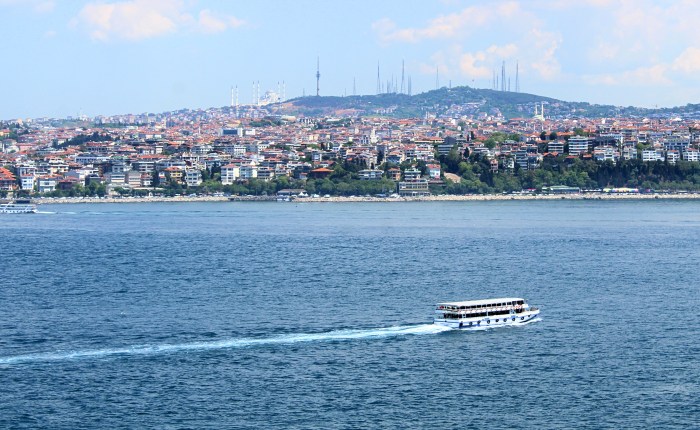
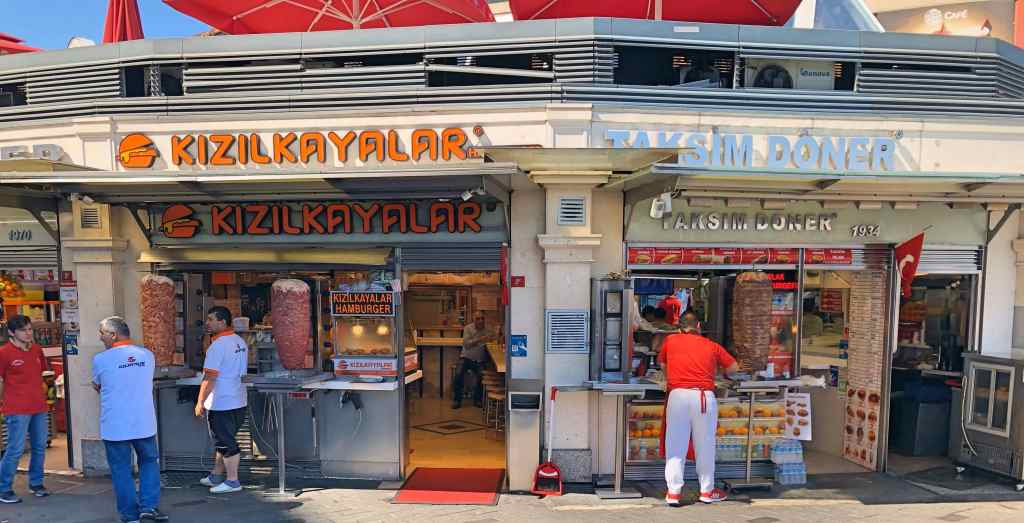
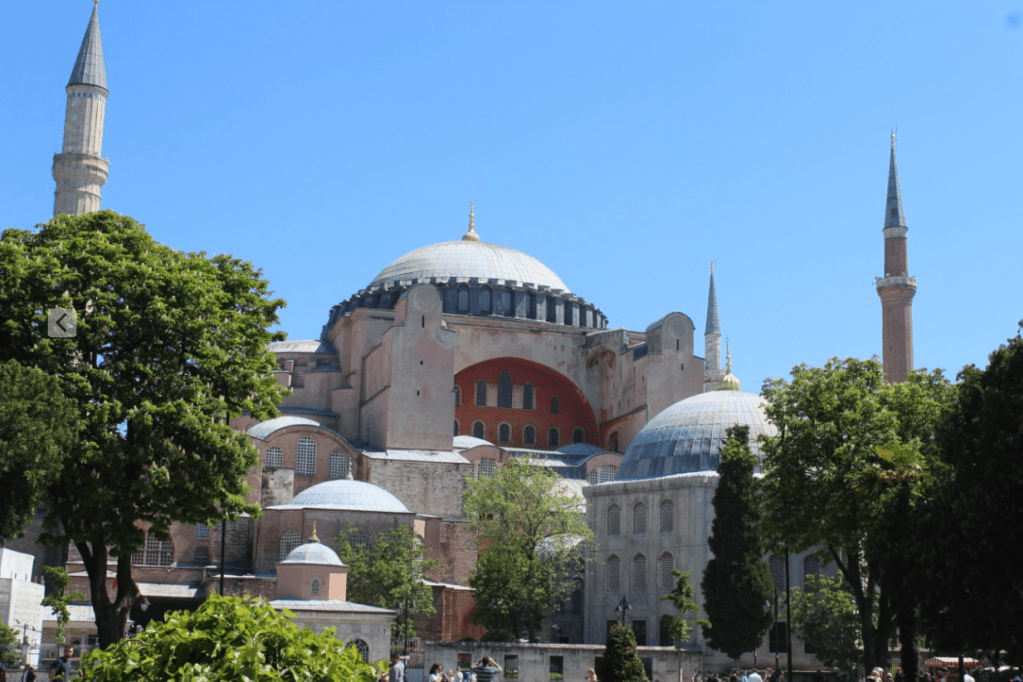


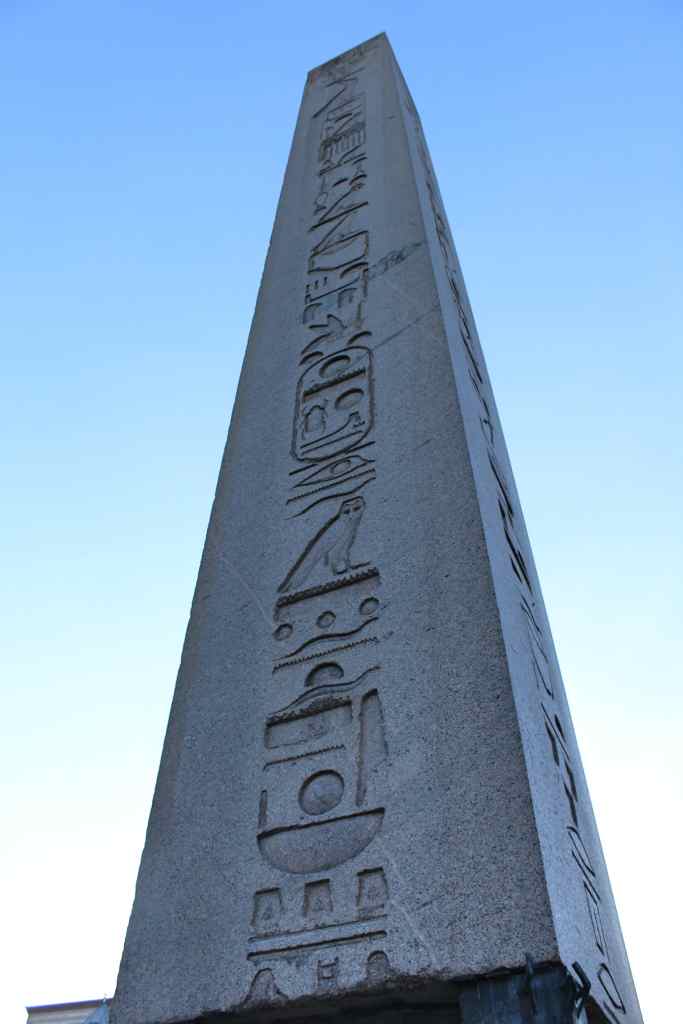
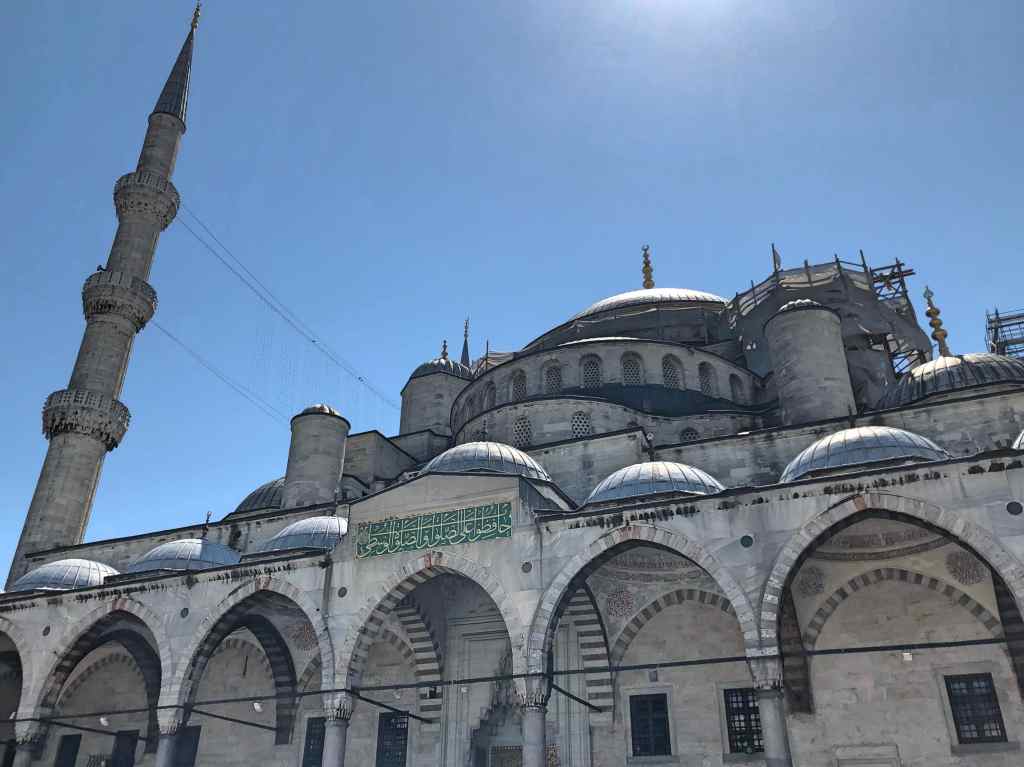
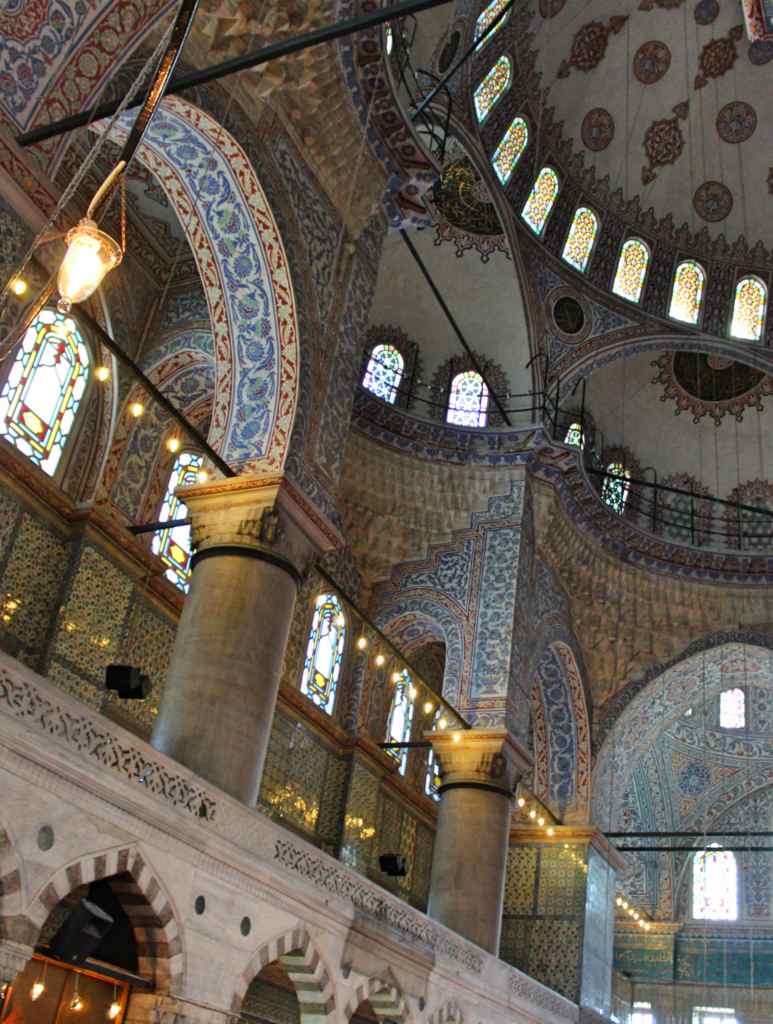
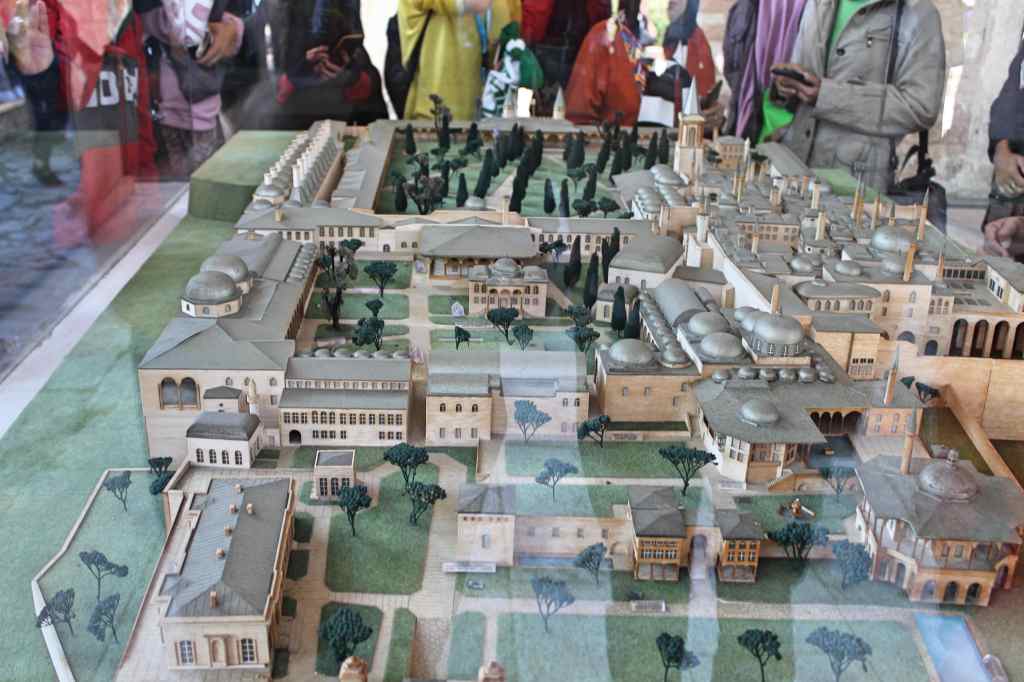
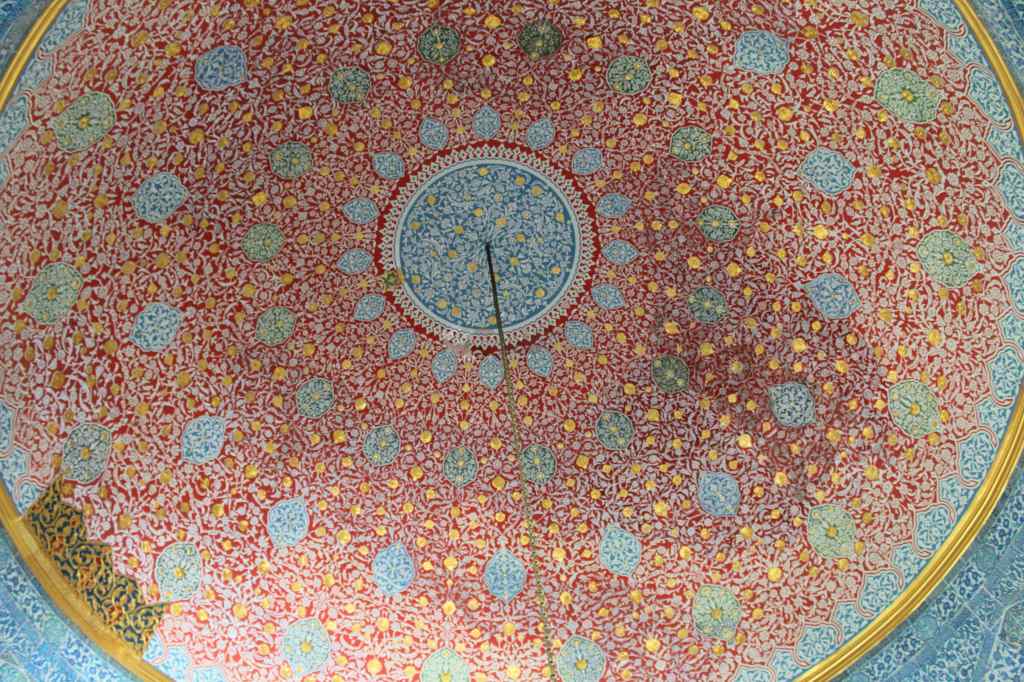
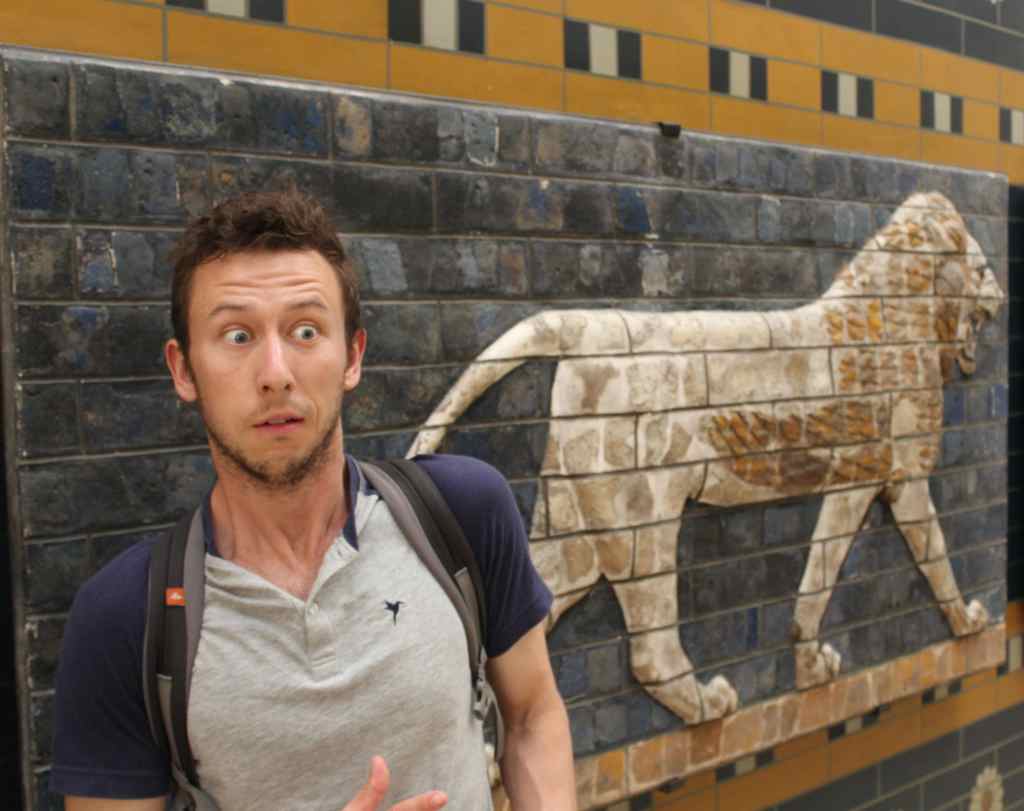

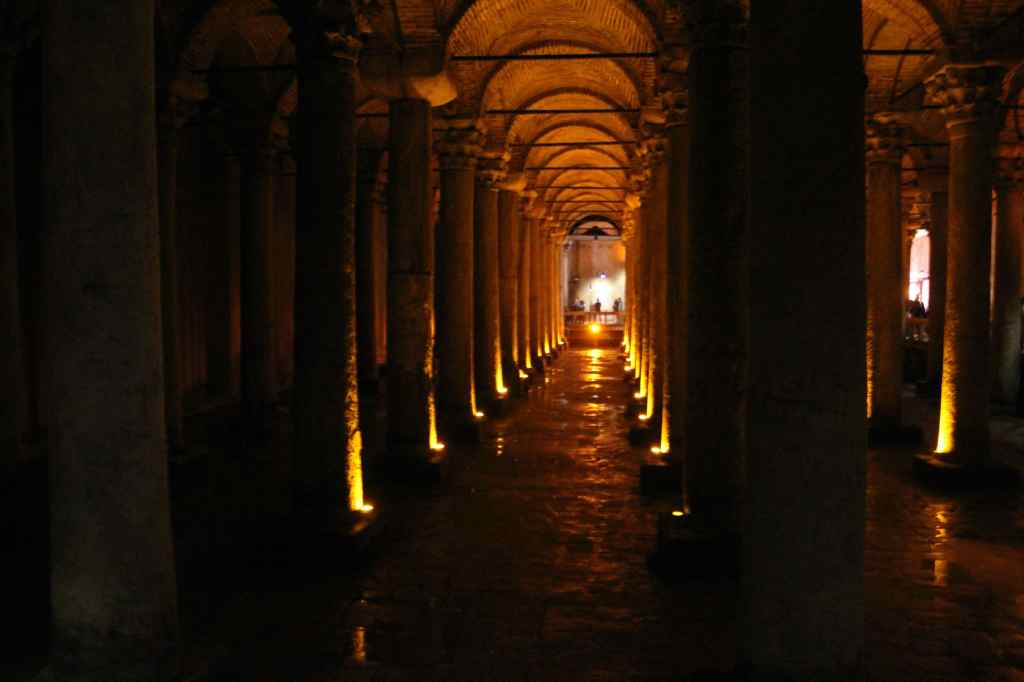
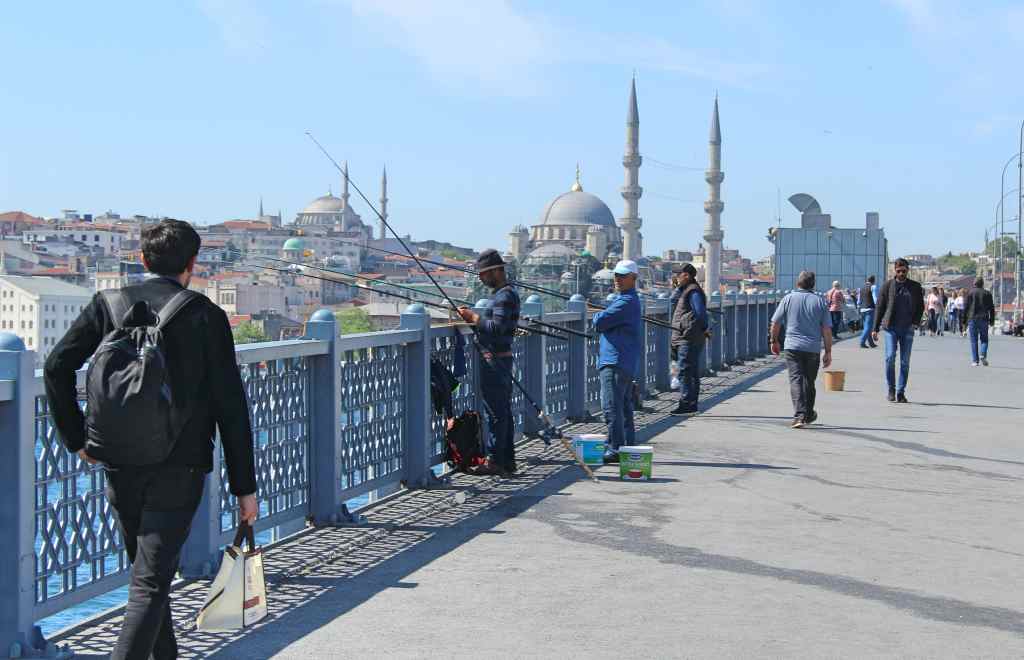

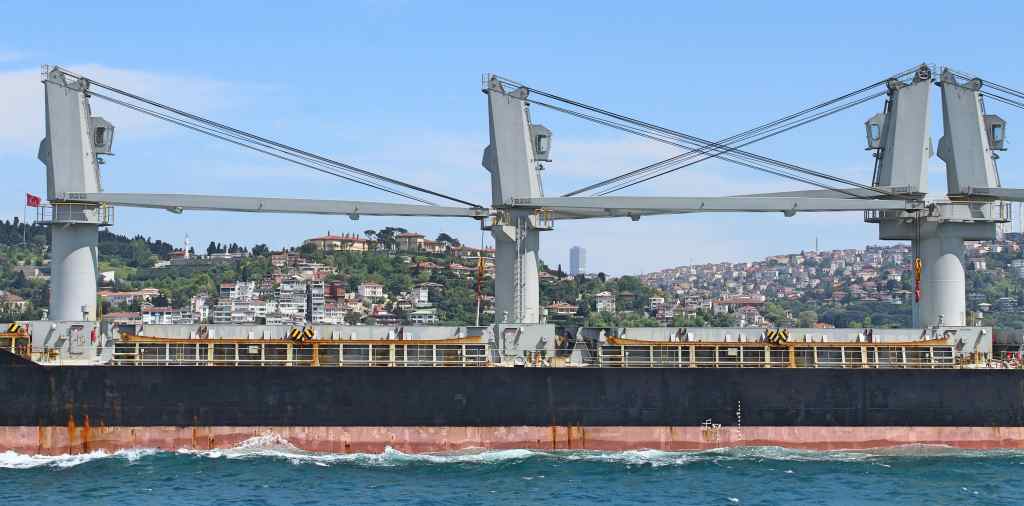


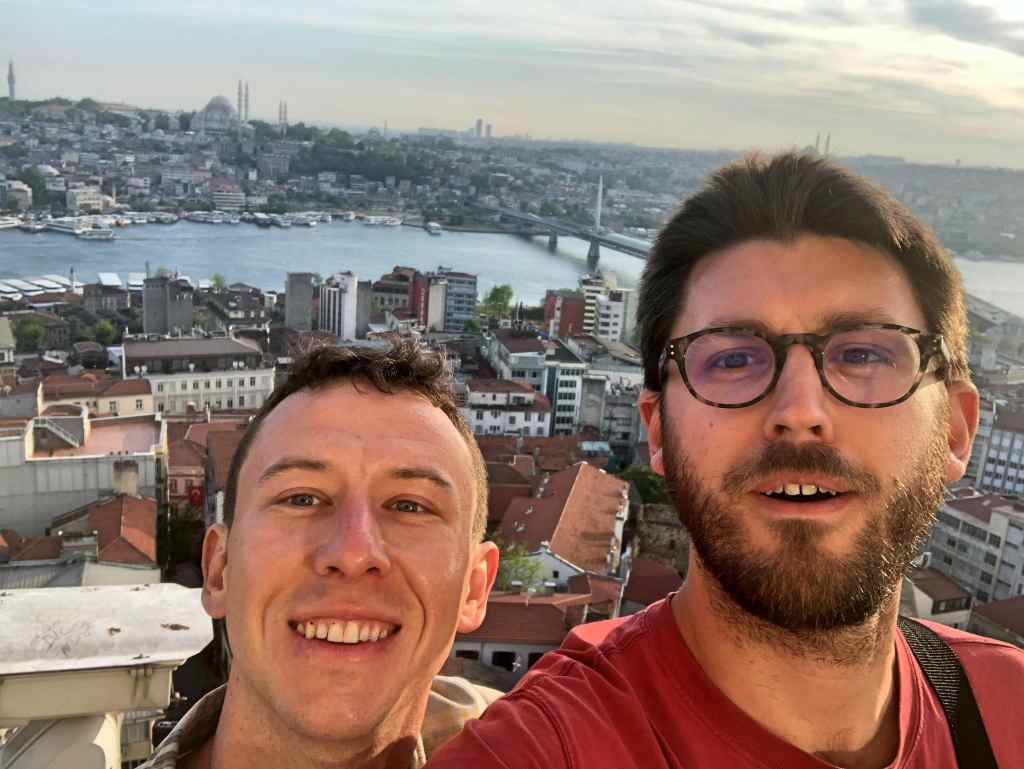
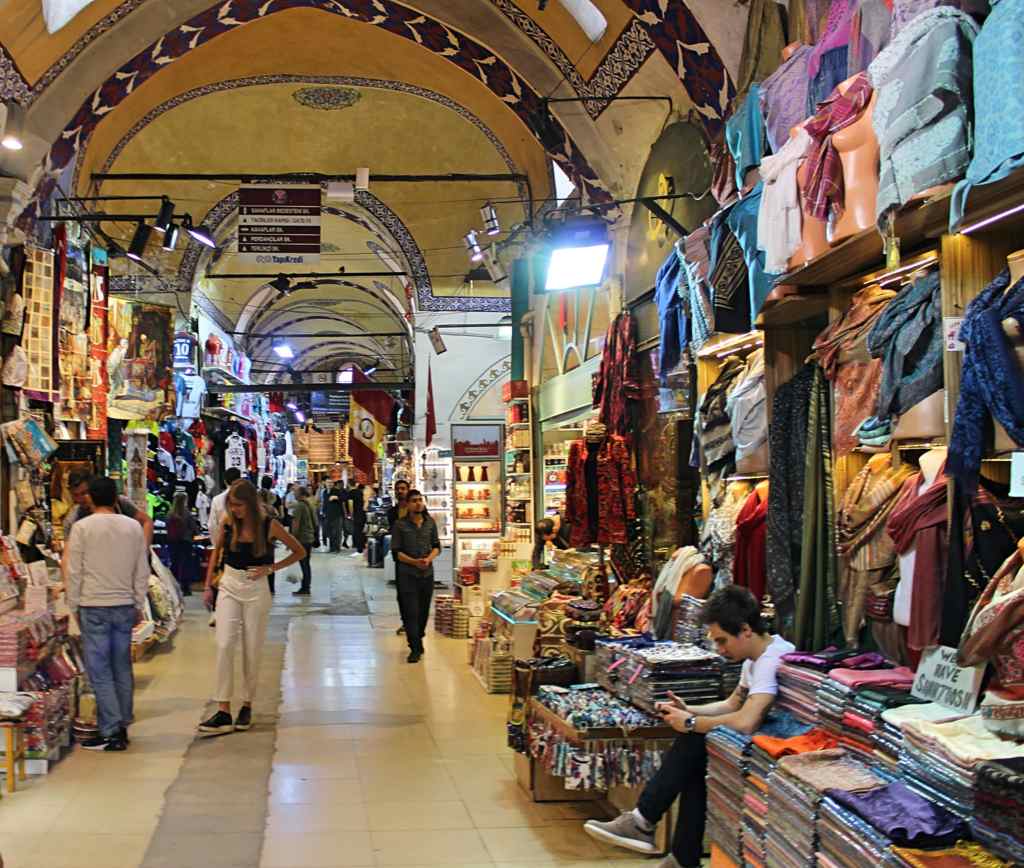


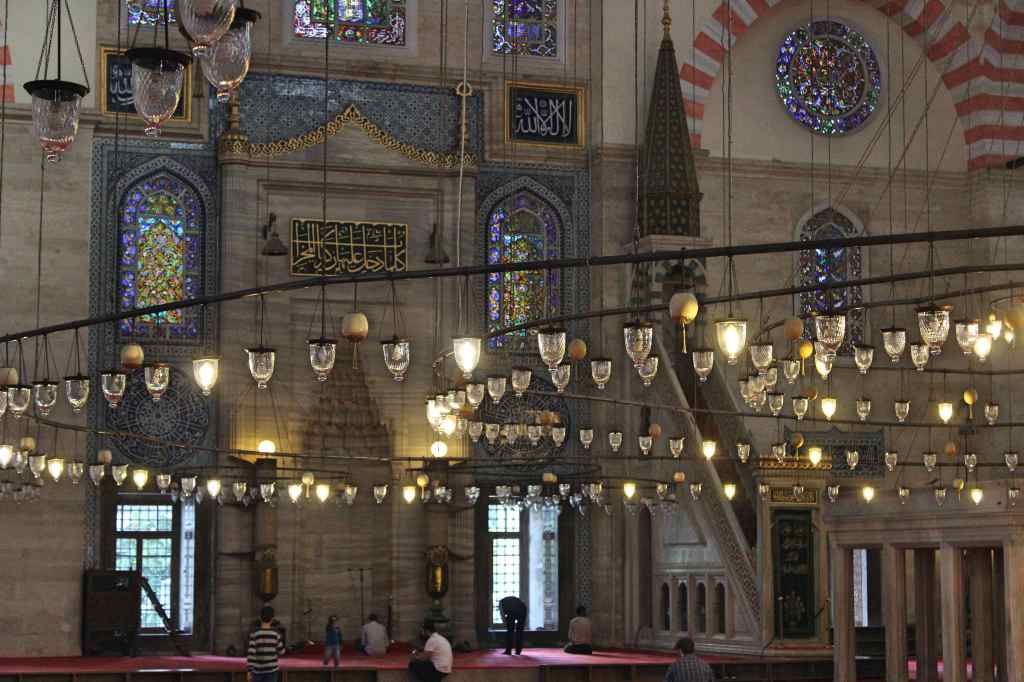


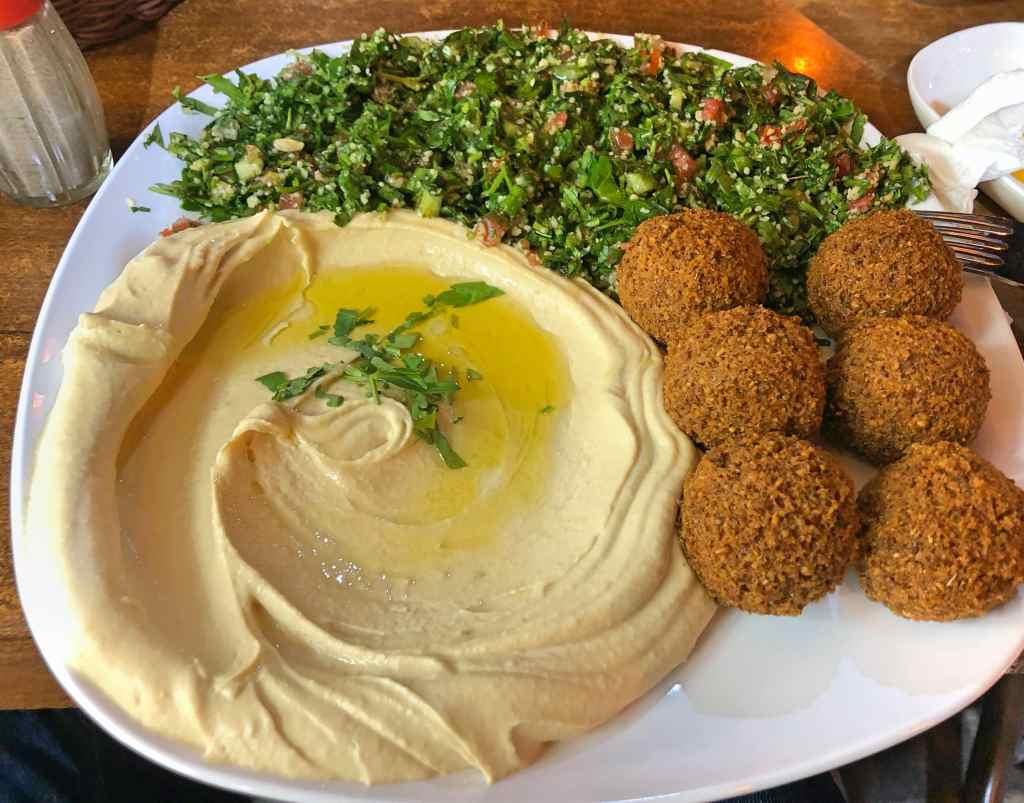

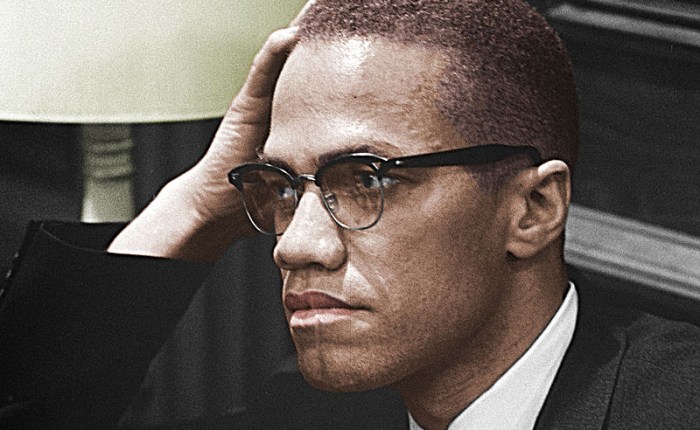
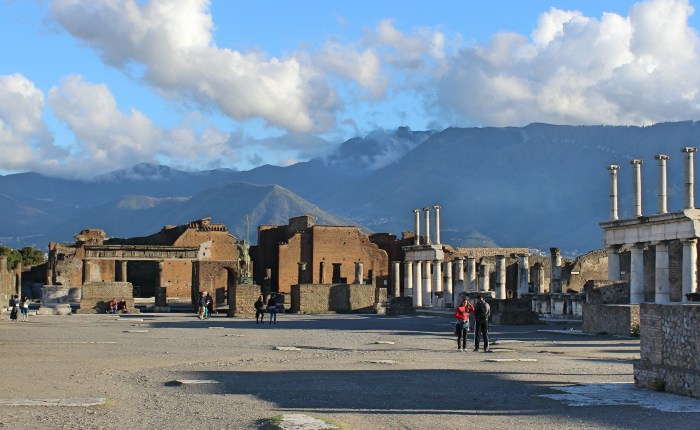

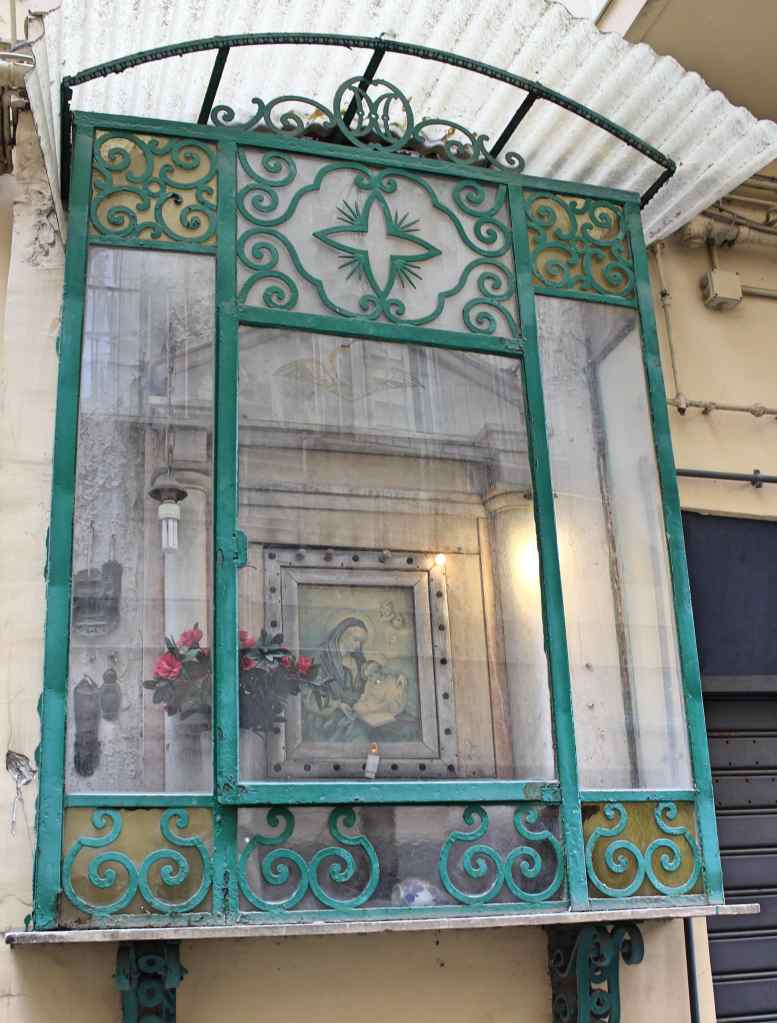
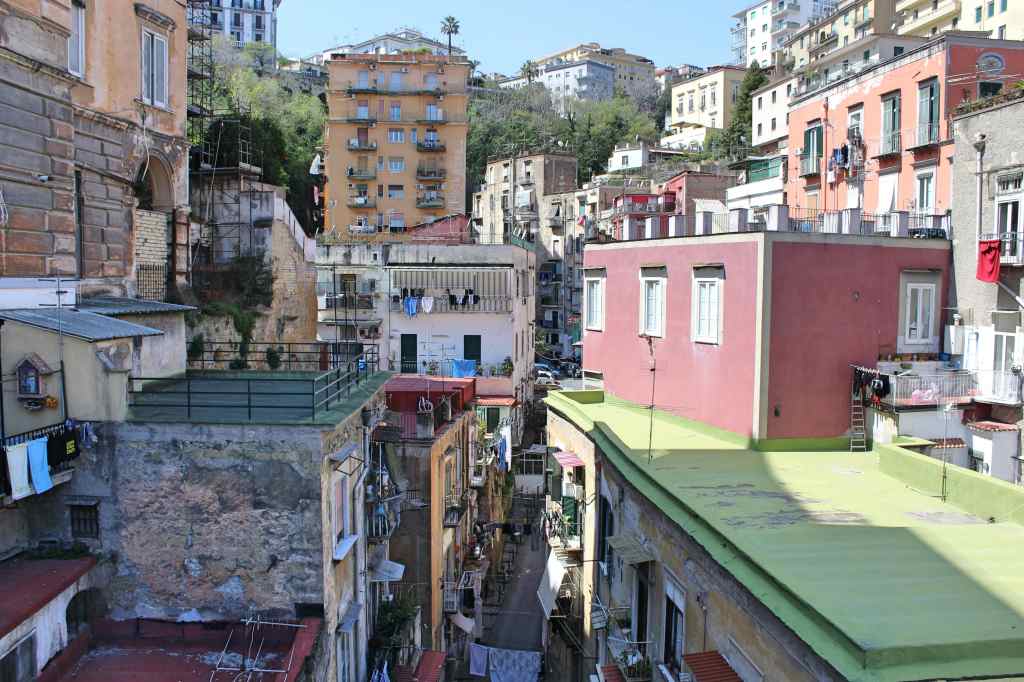

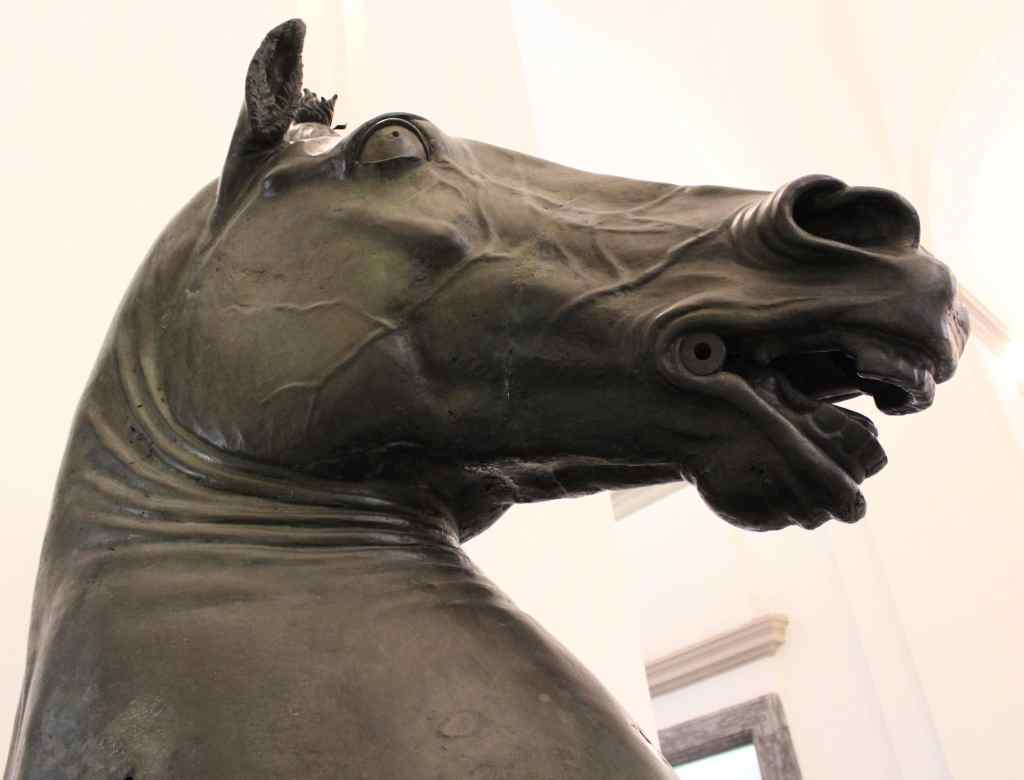
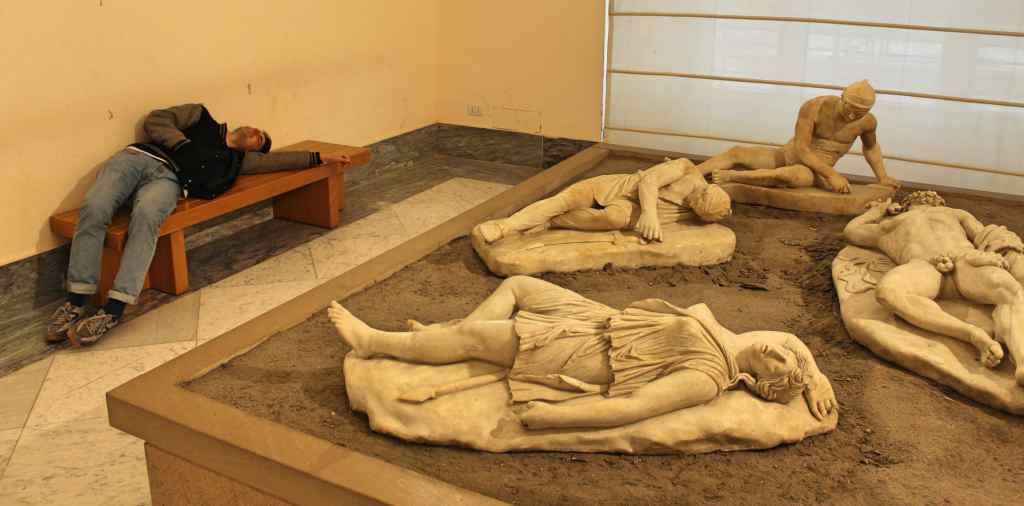

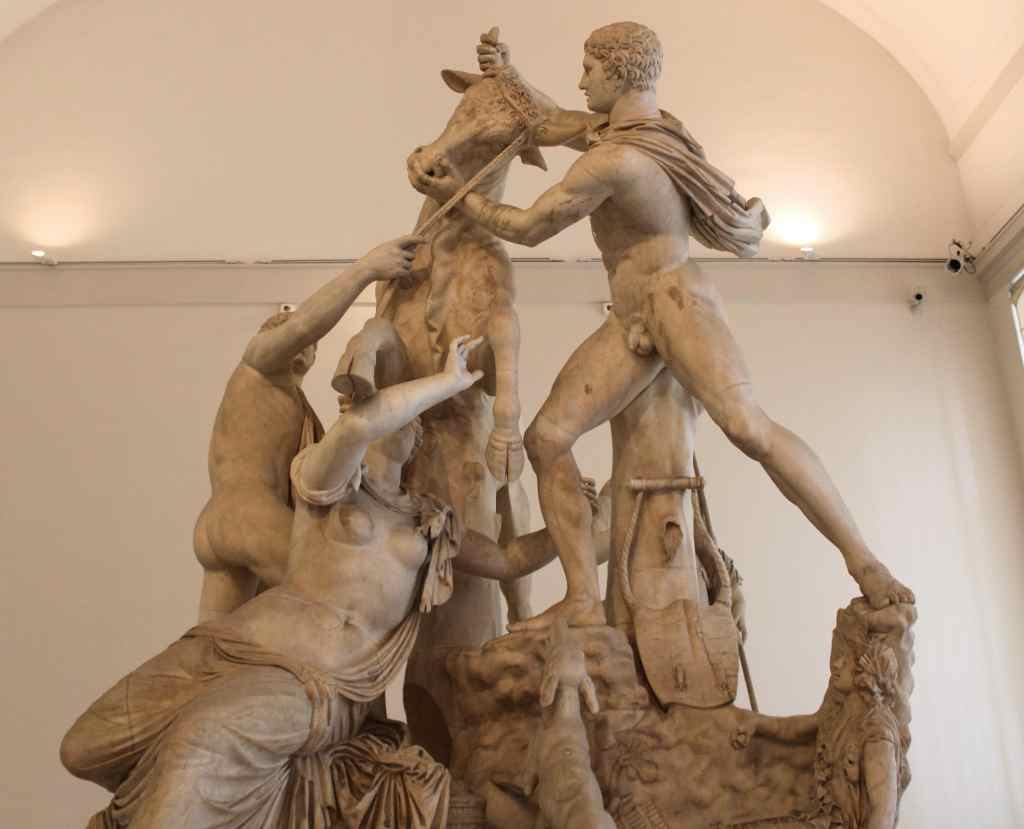
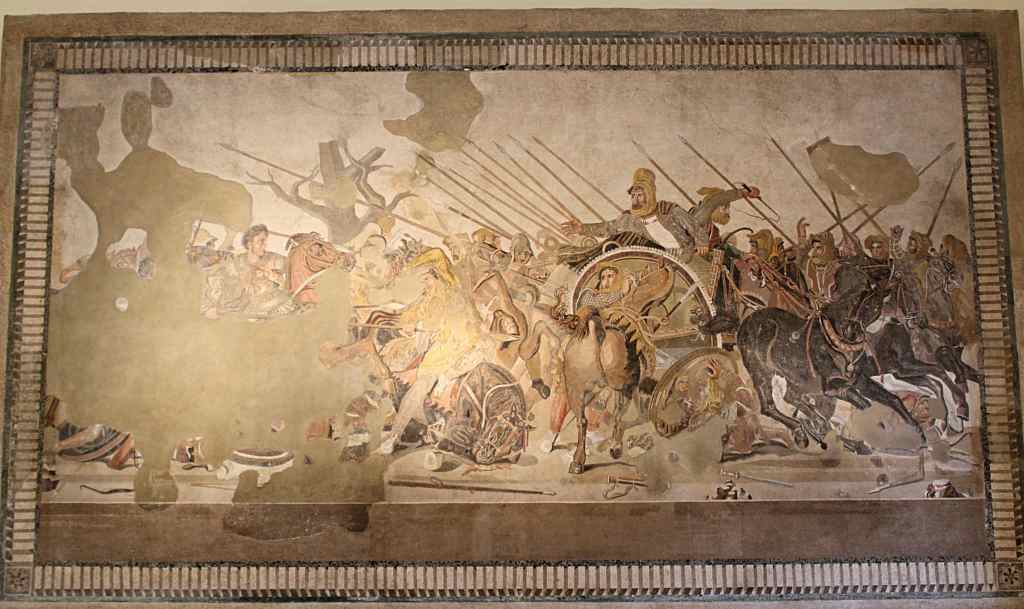

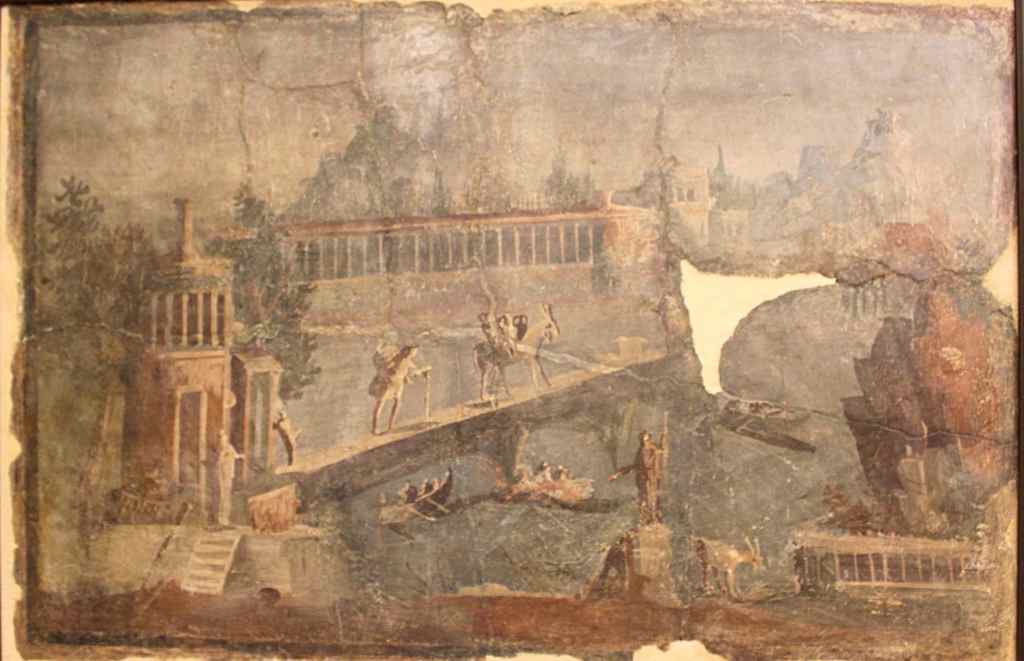
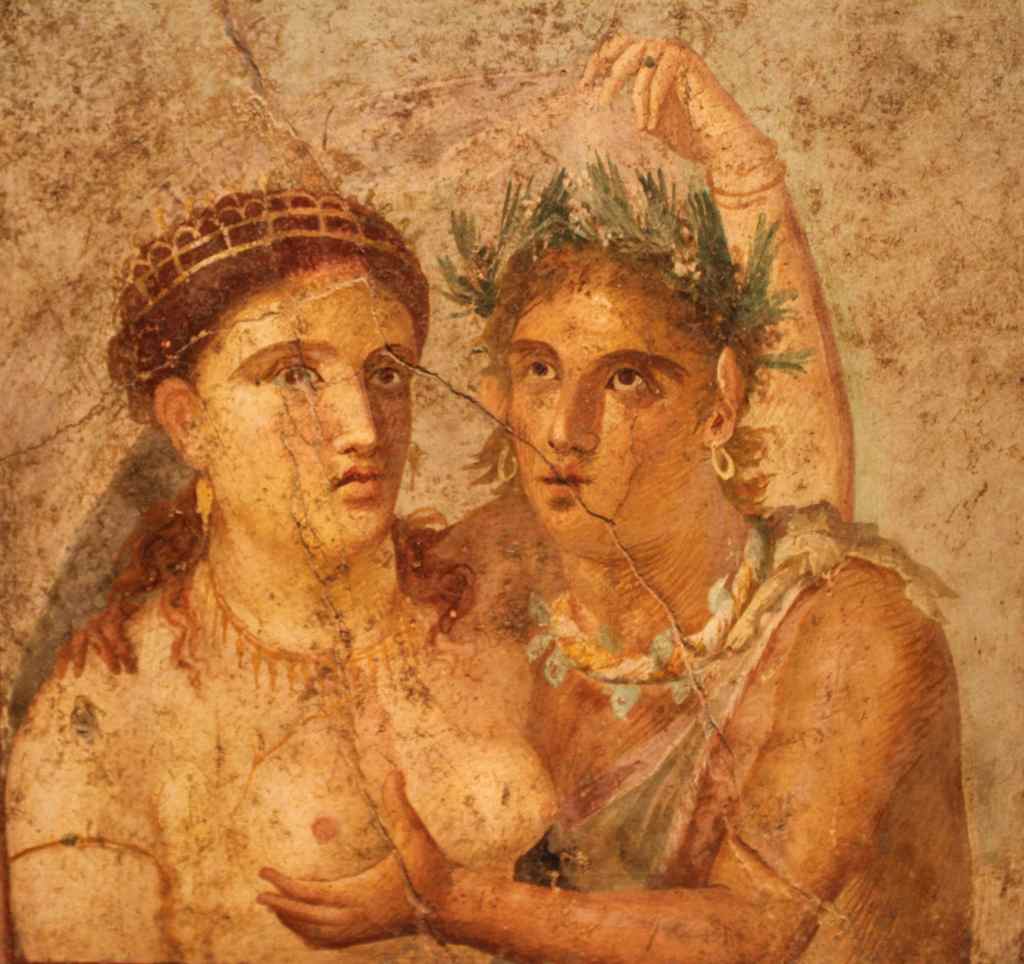

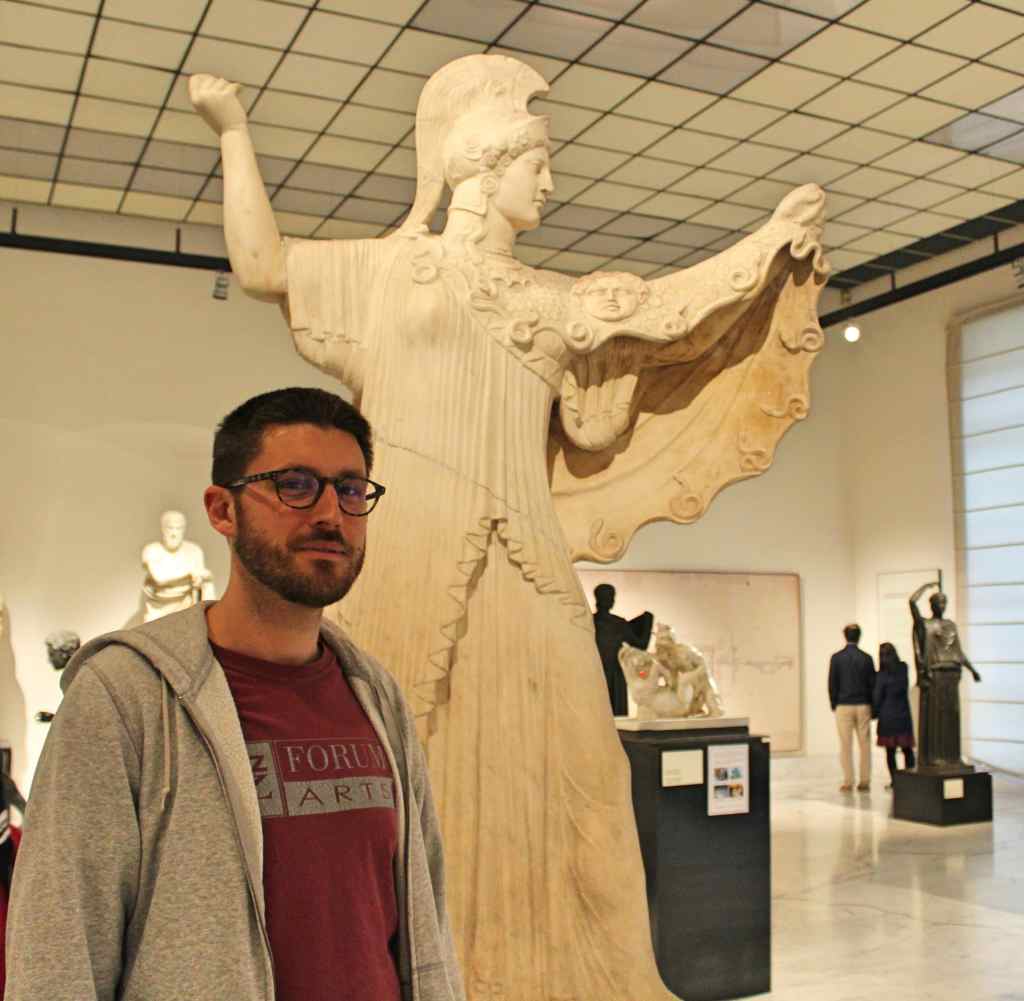

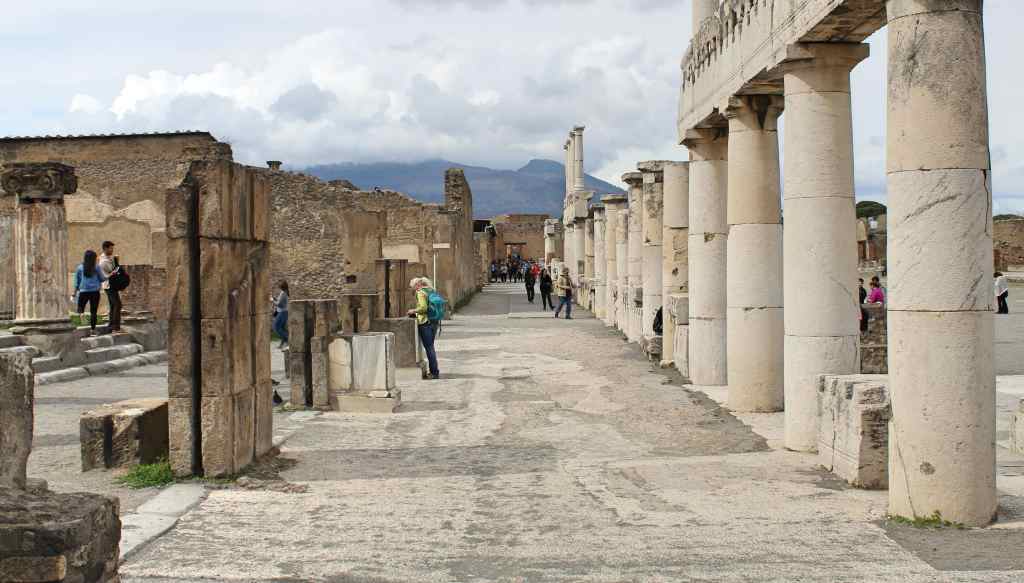
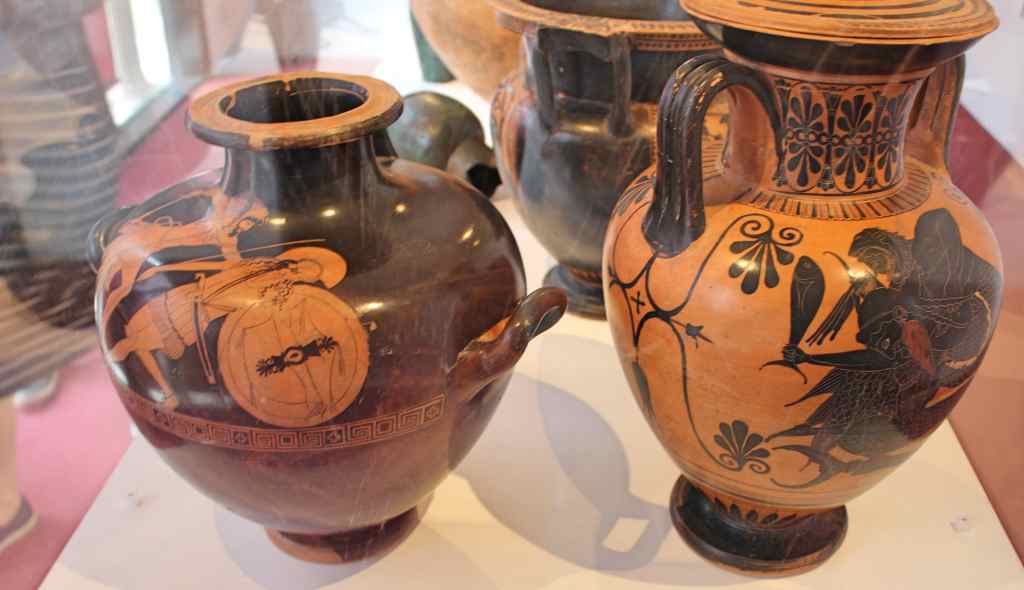

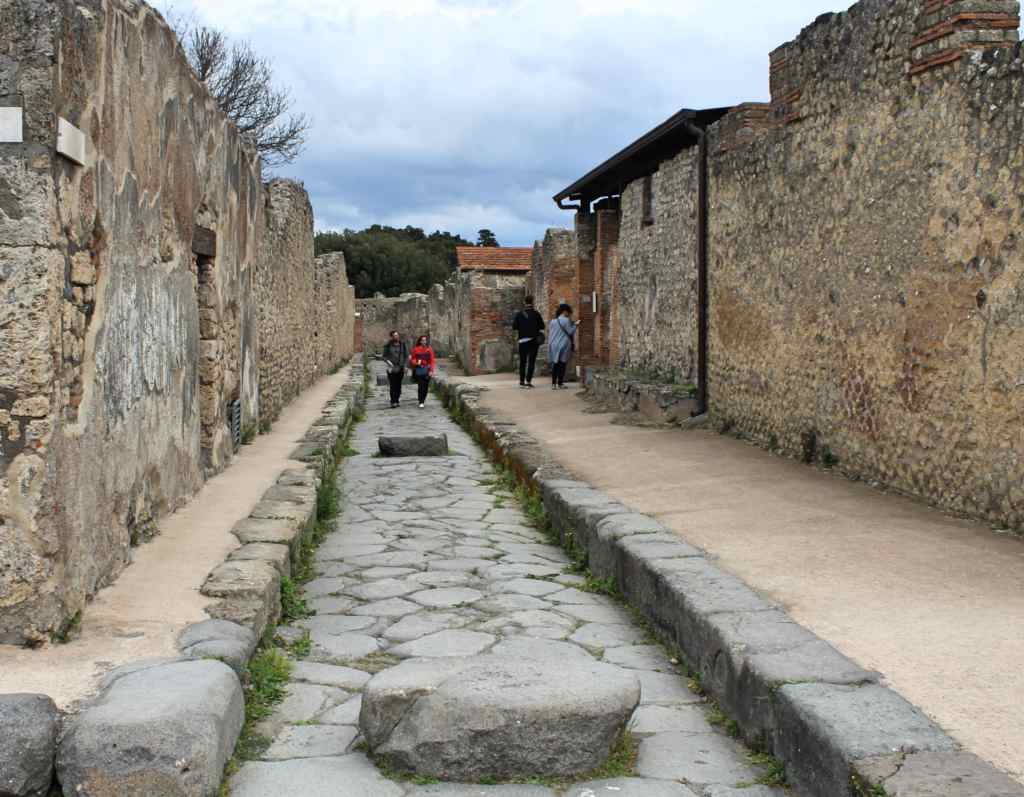
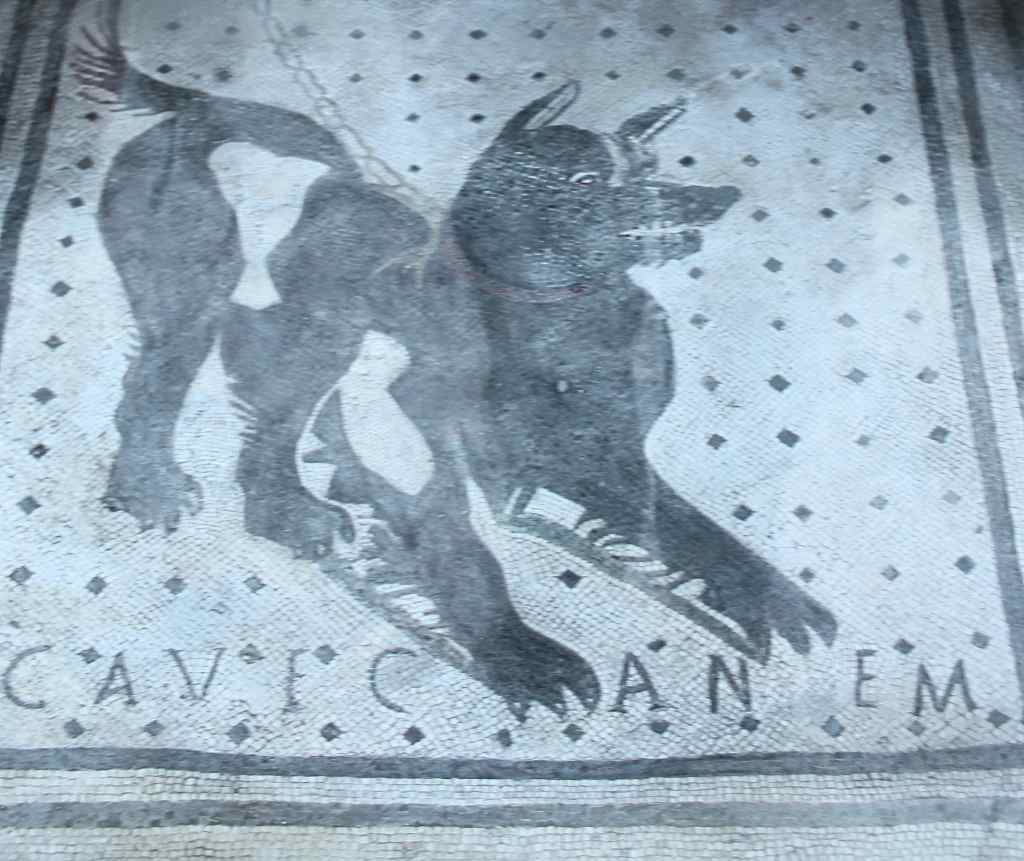

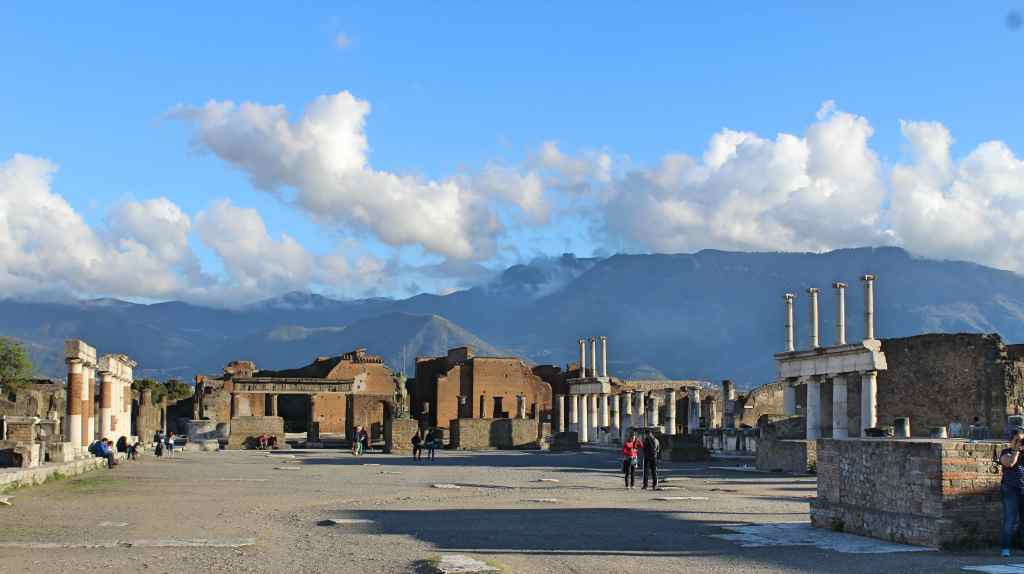


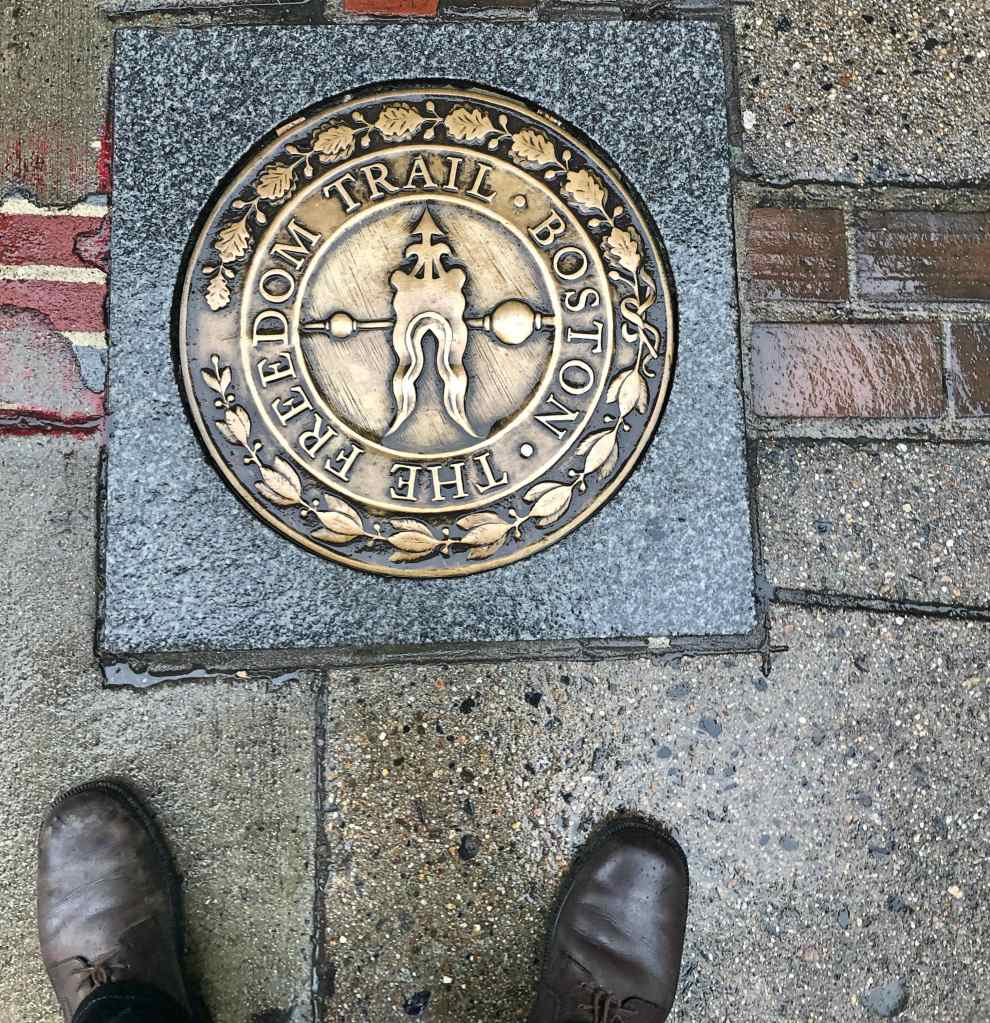


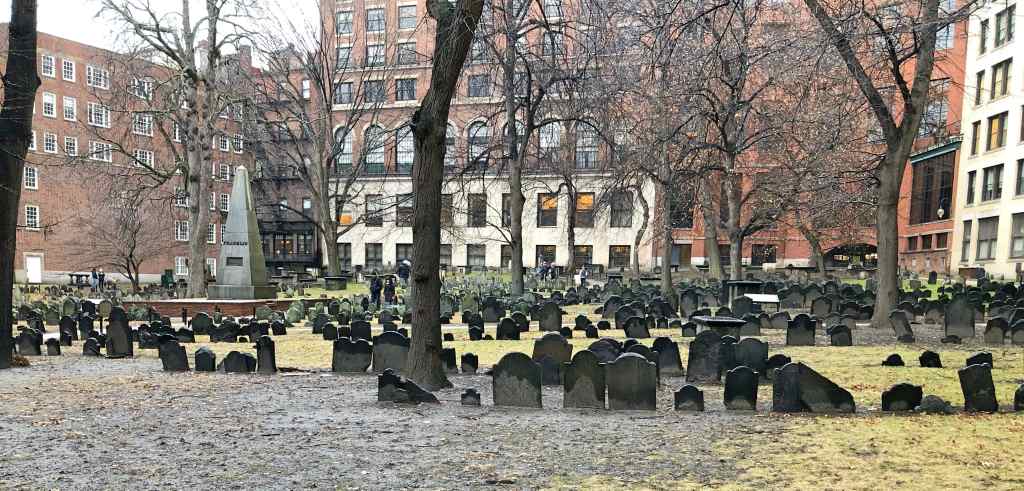

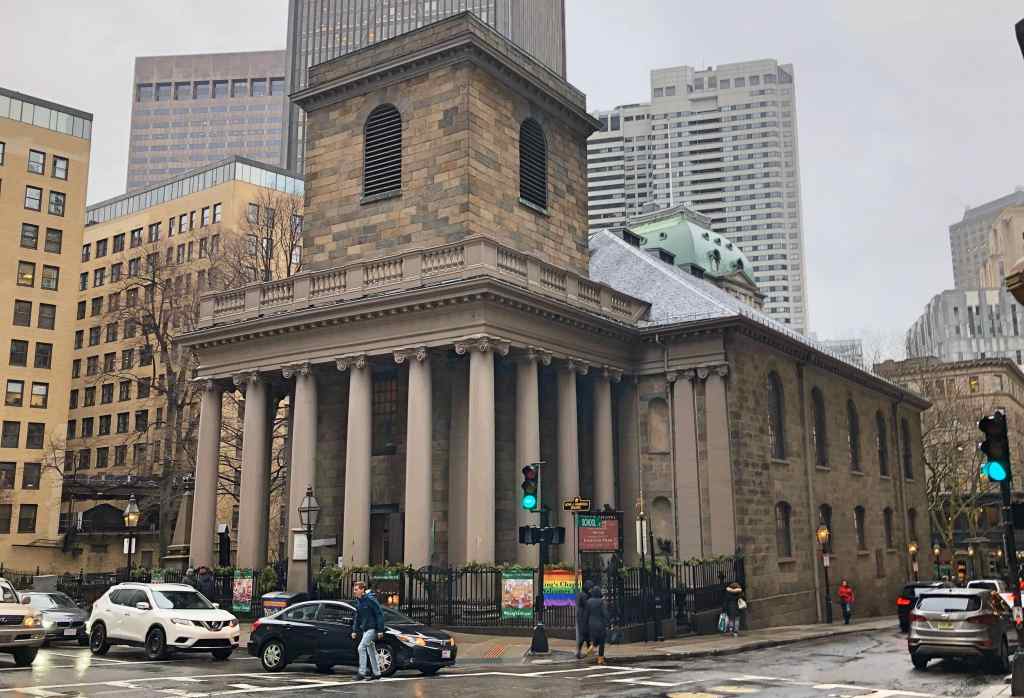

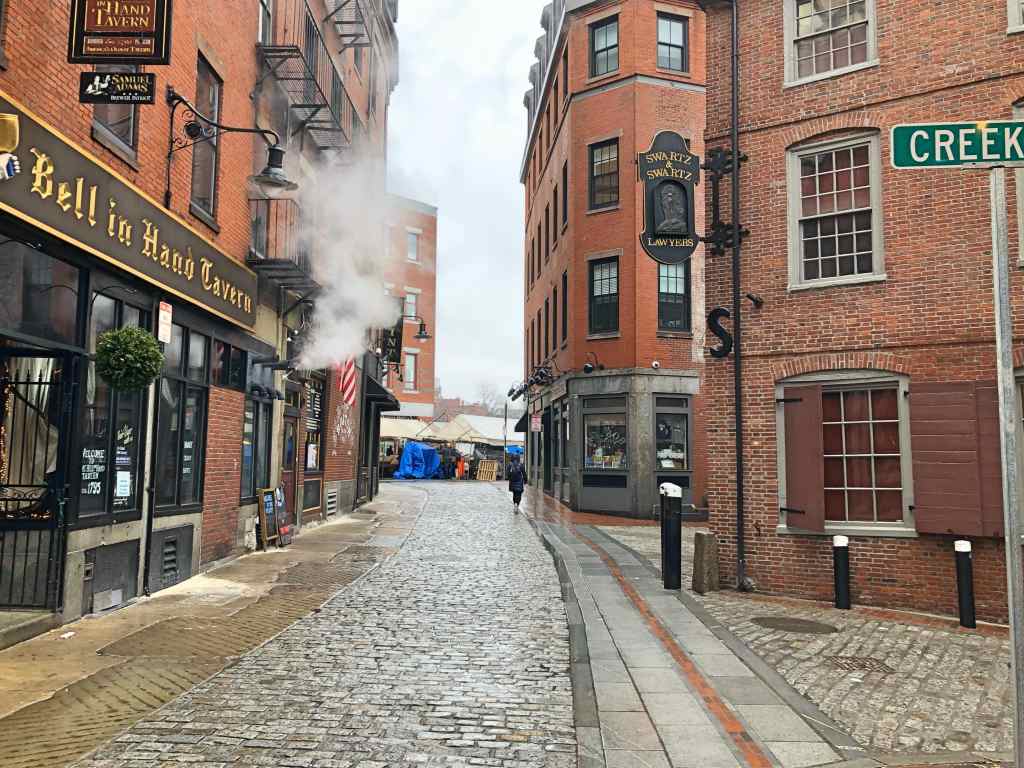

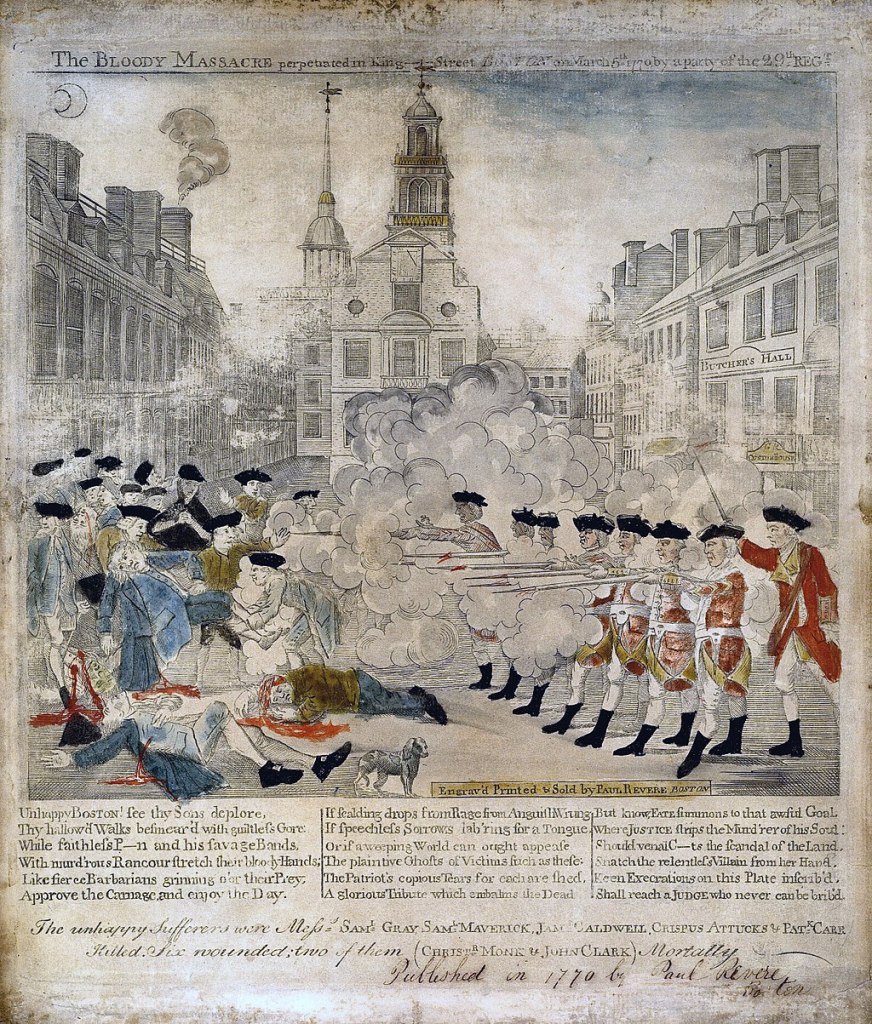
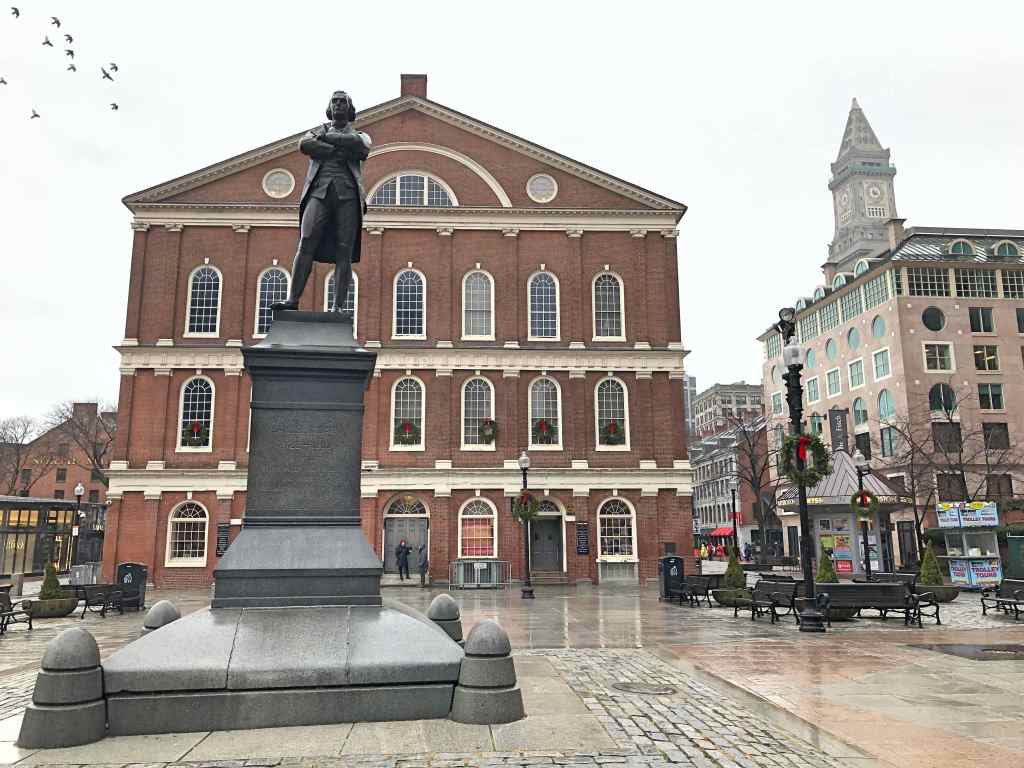
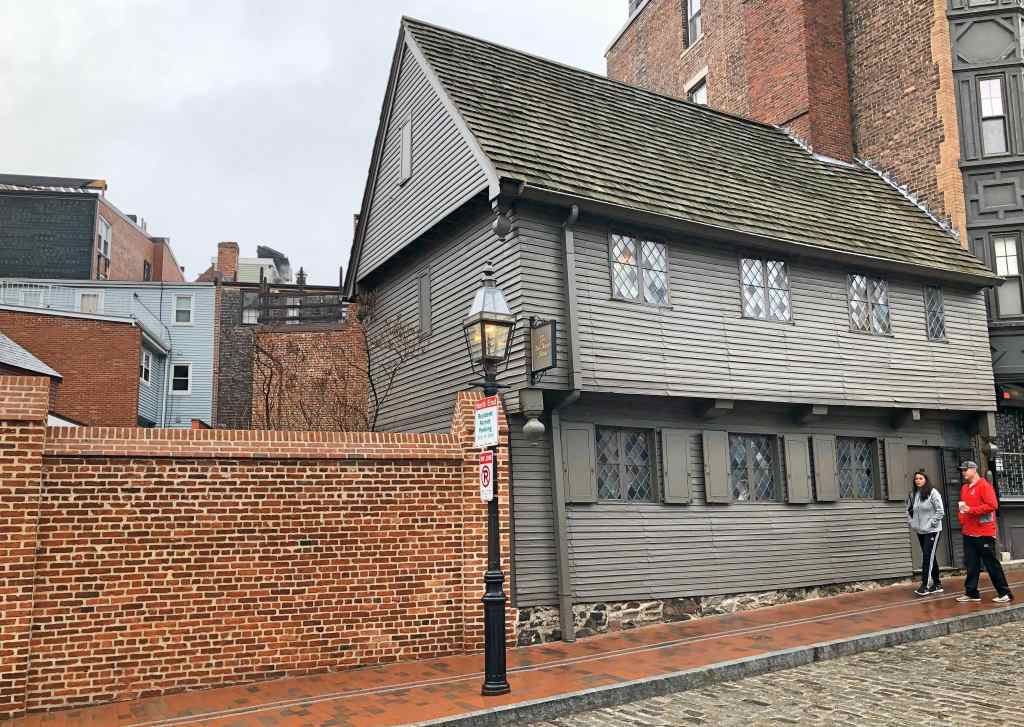
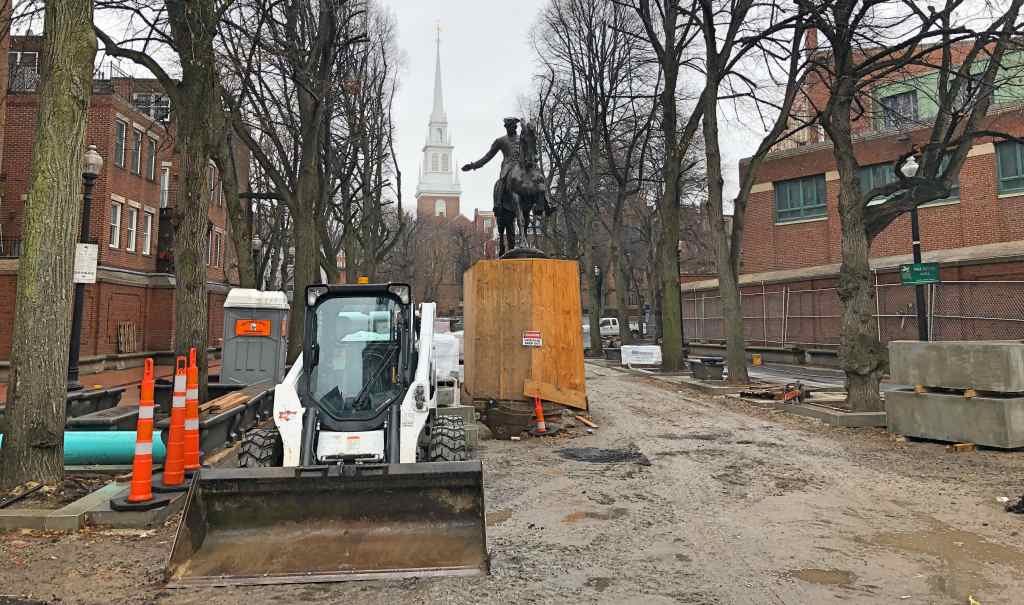
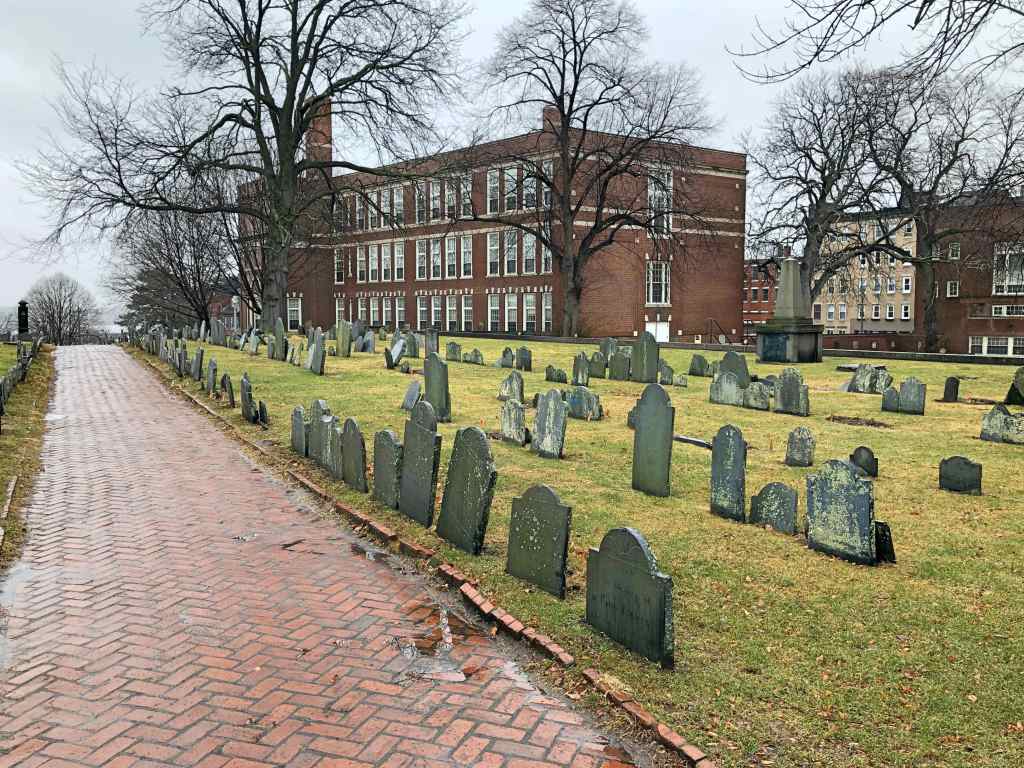


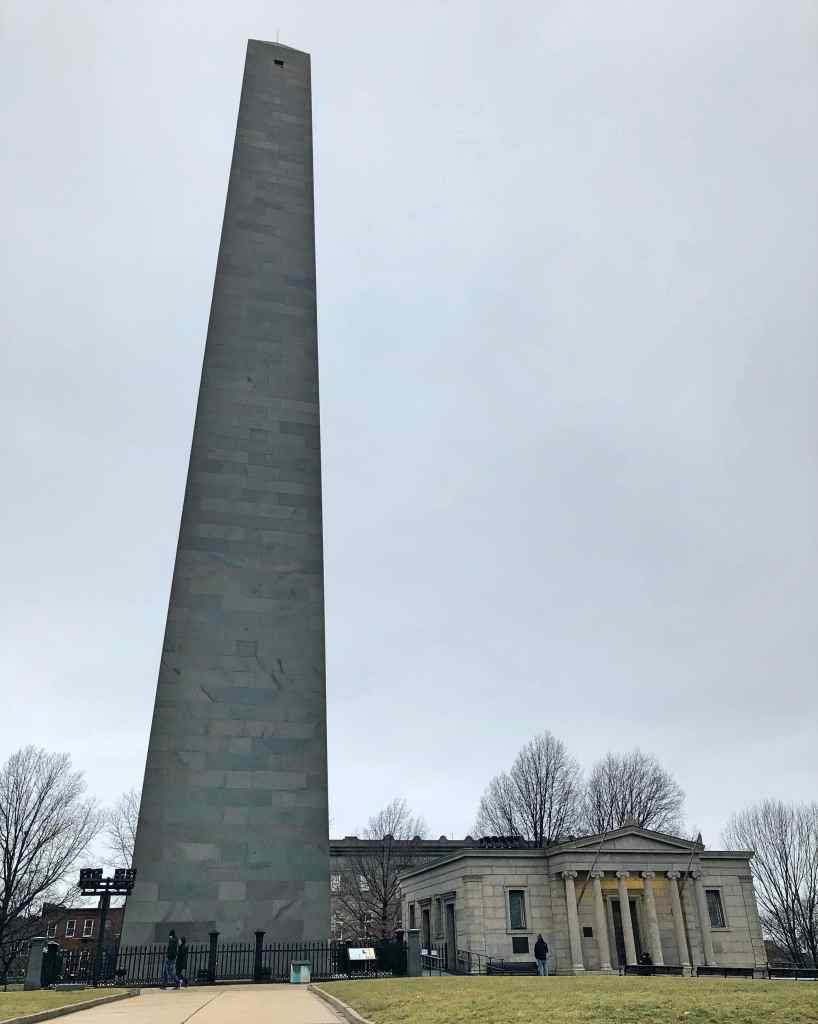

 Lotz in Translation