One thing that an American visitor quickly learns on a trip around Europe is that there are simply some parts of the landscape that cry out to be the site of a castle. At a time when every town was its own kingdom, a time before police forces or standing armies, a time of great scarcity and instability, it was only the presence of a castle that could guarantee the safety of the local ruling family. And the safest place for a castle is usually on the highest available ground—where enemies can be spotted from afar, and where attackers must struggle uphill. The outcropping of limestone that rises dramatically over the fertile, level land known as the “Golden Vale” is just such a place—a natural pedestal. You might even say that it was destined to be the site of a great edifice.
The Rock of Cashel has been important in Irish history for a very long time. Indeed, it is difficult to say precisely how long. There are legends about its formation—about St. Patrick confronting Satan, who then hurled this great rock from a nearby mountain—and there are stories about the early Christian leaders, Patrick and Declán, meeting here all the way back in the 5th century. What we can say with more certainty is that this was the seat of the kings of Munster, who ruled this corner of Ireland from the Iron Age all the way to the Middle Ages. For this rocky outcropping, in other words, geology became history.
By the time we drove up and parked in the shadow of this old pile of rock, it was the middle of a hot, sunny day. We walked up the hill to the entrance and signed up for the next available tour, which luckily was about to start. Our guide was—like so many Irish—eloquent, witty, and engaging, leavening her historic spiel with the right amount of humor. Still, during my visit, I found it difficult to pay attention. The ruins were so vast and so evocative that I felt swallowed up, overwhelmed by their scale and splendor.
But time alone is not solely responsible for the building’s ruined state. Although the Rock of Cashel was a fortified castle for centuries, religion eventually overtook politics as the dominant local force, and a large Catholic cathedral was instead built in its place. Yet such a prominent symbol of Catholic power was an obvious point of resistance during the Irish Rebellion of 1641; and it was an obvious site of English reprisals in the following defeat.
The invading troops massacred the Catholic clergy and looted the church. Among the dead was Theobald Stapleton, one of the fathers of Irish orthography. Henceforth, the cathedral came to be used by the Anglicans. The English clergy were, however, little disposed to invest in the upkeep of the cathedral, which fell into disrepair. Finally, Arthur Price, the local archbishop, overruled plans to repair the roof—considered a jewel of Irish architecture—and had it dismantled, thus leaving the ruin we see today.
But some parts of the original structure remain standing—most notably, Cormac’s Chapel. Completed in 1134, this is a Romanesque chapel, one of the finest in Europe. Unlike the flashy Gothic architecture of the high Middle Ages, this chapel strikes the modern viewer as elegant, meditative, and soulful. Unfortunately, the builders of this chapel used sandstone—which has an attractive hue, but which soaks up water over time. This severely damaged the wonderful ceiling frescoes, as well as weakened the structure. Nowadays, the interior is climate-controlled, and visitors can only enter in small groups, for a limited amount of time.
The other notable structure on the site is the round tower. This is a distinctly Irish design, consisting of a free-standing stone tower with a pointed roof. The one here is nearly 30 meters (100 feet) tall, and was built before the cathedral was even started. The purpose of these towers is somewhat mysterious: they would not make good bell towers (there isn’t room or a sizable window), and they were not used for storing grain. Because they had such a small foundation, it was structurally necessary to put the entry door well over the ground, accessible only by a ladder. Our guide explained that this made the towers ideal places for the monks to hide during attacks, as the ladder could be withdrawn into the tower and the door tightly shut.
Our tour ended on the northern side of the site. In the far distance, the low, lush fields of the Golden Vale spread endlessly outwards. After the cathedral’s destruction, the hill was still used as a cemetery for many years. Many graves thus adorn this side of the hill, giving a somber mood to an already haunting place. As usual in Ireland, many centuries seemed to be compressed beneath our feet.
Learning history is tiring work, so we next headed to a nearby restaurant for some hearty Irish fare. And this gives me an opportunity to talk about Irish cuisine in general. Most people, I would reckon, do not visit Ireland for the food, and it is not especially well-known outside the country. Nevertheless, I found it to be consistently comforting and enjoyable. Both literal and figurative meat and potatoes, it is honest, hardworking food that will keep you fit and fed all day. Yes, it is somewhat bland; and yes, it sits a bit heavy in the stomach. But it does exactly what it promises to do. Besides, if you get tired of it, Ireland is well-supplied with cuisines of other varieties. During our time there, we had good Italian, Indian, and Mexican food.
Our next stop was the nearby town of Kilkenny, just an hour’s drive away. We were behind schedule. It was already afternoon, and we had only allowed for a single day to see the city. After finding a place to park, we rushed to the town’s main attraction, Kilkenny Castle—only to be informed that it would close in an hour. Our visit was thus abbreviated.
If some castles seem to emerge from the landscape, others are imposed on them in order to exert control. This is precisely the origin of this fortification, which was built along the River Nore—a natural choke point for commerce and travel. Kilkenny Castle does not have the same antiquity as the Rock of Cashel. Instead, this building came about during the Norman invasion of the 12th century. The Normans, remember, invaded Britain in 1066, and came bearing a new language (French) and continental ideas of architecture. If the Rock of Cashel is a symbol of Irish identity, then, Kilkenny Castle is a symbol of foreign occupation.
Ironically, however, this castle was also used as a headquarters of the aforementioned Irish Rebellion of 1641. Indeed, it was even used by the provisional Irish parliament. But Oliver Cromwell put an end to that. His troops besieged the town and, in the process, damaged the castle—brutally suppressing the rebellion and instituting laws that would severely reduce the rights of Catholics.
The castle is now a museum, thanks to the 6th Marquess and 24th Earl of Ormonde, who donated it to the Irish government in 1967 for the symbolic sum of 50 pounds—long after his ancient family had run out of the necessary funds for its upkeep. In his words: “We determined that it should not be allowed to fall into ruins. There are already too many ruins in Ireland.” Of course, after decades of neglect, the castle was already quite dilapidated. It took many more years to restore it to its present glory.
What the visitor encounters now is not so much a fortification as an aristocratic home. There is elegant furniture, richly woven tapestries, and lovely floral wallpaper. The showstopper is the picture gallery—an enormous room with wooden vaulted ceilings, every inch elaborately decorated. Even the fireplace is intricately carved. Yet despite the many attractive paintings adorning the walls, I found the ceiling to be the most impressive. Every single board was shaped and painted.
Soon our tour was over, and we were deposited in the sweeping lawn of the castle grounds. It was a delicious evening—warm, cloudless, and still quite bright—and this great lawn, which now serves as a city park, was full of people. We sat on a bench and took it in. A group of high school boys caught my attention. Their backpacks on the ground (it was a school day), they were tossing a ball back and forth with wooden sticks. This is hurling—the quintessential Irish sport, which requires great dexterity to manipulate a small ball with a kind flat wooden club. There, in the shadow of a fortress built by invaders, the Irish culture blithely soldiered on.
It was our misfortune not to have had more time for Kilkenny. One of the most charming and best-preserved cities in Ireland, it is worth a longer visit than we allotted. Still, we enjoyed strolling the streets and walking alongside the placid waters of the River Nore. Indeed, as we searched for a restaurant, we observed a group of school-age girls taking turns jumping into the river. With nobody else around, it felt like a strangely intimate moment in a small town, rather than something I expected to see in a center of medieval Norman power.
As the 6th Marquess and 24th Earl of Ormonde observed, Ireland is indeed quite full of ruins. And yet among them, above them, and between them, it is also a living place.
“Make sure to apply plenty of sun cream,” the radio advised, “and take it easy on the beer. One or two is fine, but any more and you might get dehydrated.”
This was the voice of an expert on public health, speaking on Ireland’s national radio station, RTE. Ireland, you see, was experiencing a heat wave. The skies were clear and sunny, and the temperature was reaching highs of… around 25°C (75°F). In other words, the weather was absolutely perfect. But on this rainy island, such scorching temperatures were worthy of serious news coverage.
Meanwhile, we rode down country roads, windows down, soaking in the effervescent green of the Irish countryside. We were on our way to one of Ireland’s most famous natural wonders: the Cliffs of Moher.
Now, here I want to add a note about RTE. Despite the official name being in the Irish language (Raidió Teilifís Éireann), RTE primarily broadcasts in English. This makes it an absolutely delightful resource for any American travelers to the Emerald Isle. Just by turning on any car radio, you are given an immersive window into the realities of Irish culture. During our trip, we listened every time we were in the car, hearing programs about budget negotiations, interviews with cookbook authors, and discussions of rising energy prices. This may not sound especially engrossing, but it made our visit feel that much more intimate.
The health expert elaborated on the dangers of sunburn and dehydration as our destination came into view: the visitor centre. You know you have arrived when you see the huge parking lot across the road, which on any given day will be full of tour buses and private cars. The cliffs are free, but the parking is not.
The visitor centre is worth stepping into before you see the cliffs. Opened in 2007, it was built into a hillside to better preserve the natural environment. Aside from serving snacks and having public toilets, the centre also has small exhibits on the geology, history, and wildlife to be found on the cliffs. But the detail that most sticks out in my memory are the women working at the gift shop, who were visibly red and covered with sweat due to the heat wave—despite my feeling entirely comfortable. I suppose it matters what you’re used to.
It is a short walk from the visitor centre to the edge of the cliffs. The first view is breathtaking—as is every view after that. Though it is cliche to say it, the photos simply do not do justice to the cliffs. Their scale is unlike anything I have ever seen. Standing at over 100 meters (or around 330 feet) above the sea, and stretching for miles in both directions, the cliffs are an overwhelming spectacle—one of the few tourist attractions that stand up both to the hype and to the inevitable hordes of tourists.
We like to say that Rome was not built in a day, but geological time operates on a scale that dwarfs even our longest empires. These cliffs are a case in point. What we see today is the process of hundreds of thousands of years of water erosion. The process is simple: the waves crashing into the rock eventually cause a notch in the area touching the sea. As this gets deeper, it eventually cannot support the weight of the rock above it, and the whole side of the shore comes crashing down. This is how we get these sheer rock faces.
Due to this erosion, a huge layer of rock is exposed to the eye. This is what geologists dream of. It is the history of the earth, exposed to public view. The rock here is sedimentary, meaning that it was deposited by ancient rivers, and compacted into layers of hard shale and sandstone over time. As you might expect, the oldest rocks are at the bottom; these date back over 300 million years, before the time of the dinosaurs. The fossils preserved in the rock are the traces left by tiny burrowing creatures who lived in the ancient riverbed.
Yet viewing the cliffs does not put most visitors in the mood for scientific inquiry. Instead, they invite a sense of gaping wonder at the scale and majesty of nature, even amid the famously docile landscape of Ireland. My brother and I wandered up and down the path, taking photos of the cliffs from different angles, none of which was wholly satisfactory. Seabirds glided in the strong currents of air that formed from the ocean wind hitting the rock face—and which sent the sharp scent of salt water up to the viewing platforms.
But enjoying a spectacle is hard work; so, feeling hungry, we wandered off to find a vegetarian hamburger truck that we had heard about (it was very good). Our mom, who wasn’t very hungry, stayed behind at the visitor center. By the time we got back, she was enjoying a performance of a marching band that had set up in the large seating area outside. It was an odd contrast—this austere icon of Ireland, and music that would not have been out of place at an American football game. But, strangely, it only added to the pleasant atmosphere of the unseasonably warm day.
The rest of our day was yet unplanned. We figured that we would be able to find something interesting in the vicinity of the Cliffs of Moher, and we were right. With our trusted Rick Steves guidebook in hand, we opened to one of the many maps, and found that we were near an area called “the Burren.” The name alone sounded strangely promising.
As we drove into the area, the landscape began to change. The hills of grass that characterize the country become relatively flat, and covered in rock. Indeed, from a distance you could see how the landscape abruptly changes, the trees and greenery giving way to swirls of gray stone. Getting closer, we could see that the ground was blanketed with a natural pavement—a series of flat stones forming a solid surface, between which grass and flowers grew. It produced an immediate impression—a landscape of stark and ancient beauty.
This impression was magnified at our first stop: the Poulnabrone Dolmen. This is an ancient megalith, well over 5,000 years old. As it stands now, the structure consists of three upright stones supporting a slab roof. But this is only the “skeleton” of the original construction. In its time, it would have been covered in soil and topped with a “cairn,” or a tower of rocks. Even so, it is an impressive sight. The arrangement of stones looks fragile, as if it can topple over at any moment. The visitor cannot help but wonder how it survived for so long. It is also impossible not to wonder how the stones were moved into this arrangement without the help of modern technology. The roof stone is so large that I don’t think even several dozen people could safely lift it.
The short walk from the parking lot to the dolmen was unusually difficult, owing to the curious topography of the Burren. You have to be aware of where you are putting your foot, or you may step from the high platform of rocks into one of the crevices between them—thus risking a twisted ankle. Yet this extra awareness gives the Poulnabrone Dolmen an added spiritual element, as the visitor is forced to focus on their surroundings. This, added to the peculiar beauty of the landscape—quiet, empty of birdsong, isolated and exposed, as if you were on the top of a high mountain—lends this lonely monument a mystical atmosphere, as if it really were the portal to another world.
Our next stop in the Burren was the eponymous visitor centre. Located in the exceedingly small village of Kilfenora, this institution does not look like much from the outside. But it is well worth a visit. A small fee will get you into the museum, which has all the information you could want to learn about the Burren—flora and fauna, geology, history, and even music. I found the information about the flora to be especially interesting. Puzzlingly, this rocky and barren landscape is home to over 70% of the country’s native plant species, many of them wildflowers. Even more puzzlingly, alpine and mediterranean flowers bloom together here. The deep groves in the limestone apparently provide an ideal micro-environment.
Another highlight of the visitor centre is the Kilfenora Cathedral, which today lies mostly in ruins. This attractive church building is now used to exhibit a collection of High Crosses, which are large stone crucifixes. These monuments, dating mostly from the early middle ages, are often decorated with elaborate images—illustrating Biblical stories at a time when most people were illiterate. The finest of these can rival the great gothic tympanums (the area over a doorway).
My mom and brother, admiring the ruined church
Yet during my visit, another parallel came to mind. In Galicia, the northwest of Spain, the landscape is also dotted with tall stone crucifixes, called cruceiros. This parallel struck me as odd, as Galicia is also home to many prehistoric dolmens—some that are remarkably similar to the one I had just seen here. Perhaps this should not be too surprising, however: both Galicia and Ireland were once populated by Celtic peoples. Indeed, there was once a time in human history—over 10,000 years ago, during the last great Ice Age—when it was possible to walk from Spain all the way to Ireland. This may seem like a very long time, but it is just a moment in the history of the earth.
Perhaps I am thinking in these terms because the Cliffs of Moher and the Burren both evoke the deep, geological past of Ireland, and remind us that the land beneath our feet is far more than just a country.
It was odd to be back. My last trip to Dublin, in 2017, was in December. Along with one of my childhood friends and his little brother, we wandered around the city in the cold and dark. We did a lot of walking and a lot of drinking, but not a great deal of sight-seeing. Now, nearly six years later, I was here in early September for a family vacation. The weather was warm, the days long, and I could finally see all the great monuments of Dublin.
Oriented around the River Liffey, Dublin is far and away the biggest city in the Republic of Ireland. I find it a difficult place to describe. It is dense and populous, yet it has a strange intimacy. One doesn’t feel, as while visiting Paris or New York, lost amid an endless expanse of streets. On the contrary, I felt that I got my bearings rather quickly. And though there are plenty of historical buildings, Dublin also does not feel particularly old. The city is not romantic or particularly beautiful, nor is it cozy and immediately welcoming. Perhaps the best way I can describe it is that it feels like the setting for a tragic-comic play.
Dublin is fairly spread-out for a European city. Its center—if it has one—is the O’Connell Bridge. This bridge is named in honor of the political leader Daniel O’Connell, whose monument is nearby; he was one of the many people who advocated, protested, and fought for Irish autonomy. Within walking distance is the Ha’Penny Bridge and the Temple Bar nightlife district, as well as Trinity College. Standing on this bridge and facing north, you will likely catch sight of the Spire of Dublin, which is exactly what it sounds like. Standing at 120 meters (390 feet) tall, this huge metal spike is not especially beloved by the local population, who have a variety of nicknames for it—such as the “stiffy on the Liffey.”
Wandering southward from the bridge, you will likely come across the statue of Molly Malone. This rather busty woman is carrying her cart of baskets, presumably holding the “cockles and mussels, alive, alive, oh!” of the folk song. Chances are, a street musician will be set up before this statue of Irish musical womanhood, and it may be worth your while to stop and listen. The live music scene in Dublin is one of its great charms. Further south is St. Stephen’s Green, the loveliest park in a city not particularly rich in greenspace.
I usually prefer using public transportation to get around, though my mom often insisted that we take a taxi. This ended up being a good choice, as the taxi drivers were generally charming and informative. Nevertheless, I did want to pick up a transport card, called a Leap Card. To do this, we went to the General Post Office, on O’Connell Street. This neo-classical structure is something of a national monument, as it was the center of the Easter Rising—a violent revolt against British rule. The building still has bullet holes in its facade to prove it. Nowadays, it is a convenient place to mail letters and get your bus pass.
Yet what I was most excited for was a pair of monuments somewhat outside the city center. After a short bus ride—yes, we had to use those Leap Cards—we found ourselves, somewhat jarringly, standing between a modern office building and an imposing stone structure. (The city is full of juxtaposing old and new.) This fortress-like structure was Kilmainham Gaol, one of the most infamous places in Ireland.
This gaol, or jail, was built in 1796 to replace the medieval dungeon that the city had been using. It was meant to be modern, embodying the “Panopticon” idea of Jeremy Bentham. The idea was to make all of the individual cells visible from a central point, thus subjecting the inmates to constant surveillance. Being under observation, it was hoped, would eventually create self-discipline. Personally, I am doubtful that this really works. In any case, only one part of the prison—the strangely beautiful Main Hall—follows this philosophy. The rest of the prison consists of narrow hallways of cramped cells.
Conditions in the jail were bad. Both men and women were locked up, often on minor charges such as vagrancy or prostitution. Children were even imprisoned here—in one famous case, a child as young as three. Packed like sardines into the cells, the prisoners endured cold, darkness, and hunger. But this is not why the prison became so famous. This was due to its role in the many struggles for independence throughout Ireland’s history. As far back as the 1880s, the great nationalist politician Charles Parnell was imprisoned here (though apparently in quite genteel conditions).
Looking perplexed with my brother.
Parnell escaped with his life. Many others were not so lucky. After the aforementioned Easter Rising of 1916 was crushed, its leaders were taken here, court martialed, and executed. Public sympathy for these figures directly contributed to drafting of the 1918 Declaration of Independence by Sinn Féin. During the War of Independence, many anti-British fighters were imprisoned here; and later, during the Irish Civil War, four IRA prisoners were executed in this jail. In short, Kilmainham Gaol has a grim role in Irish history.
Learning about such things is thirsty work. Thankfully, the Guinness Factory is not too far. Now, I’d visited a few breweries, but this was unlike any I had seen before. The most popular attraction in Dublin—in all of Ireland, in fact—the Guinness Factory is a kind of Disneyland for beer drinkers, not a working factory so much as a theme park. Perhaps a better comparison is an airport, as the visitor winds their way through the exhibits and attractions in the vast space on an endless series of walkways, escalators, and elevators.
This is making it sound as if I didn’t enjoy the experience. On the contrary, I found it to be well-designed and genuinely fun. Guinness is an institution in Ireland (indeed, the family is now the subject of a Netflix show), whose history goes back to the 18th century, when founder Arthur Guinness famously signed a 9,000-year lease on the property. It was thus a pleasure to learn how the beer and the brand evolved through time.
One of their stranger advertisements.
A few things are noteworthy about the company’s history. For one, Guinness pioneered a groundbreaking welfare scheme for their employees as far back as 1900, at a time when paid retirement was hardly even a dream among the working classes. This is praiseworthy, but the company has also indulged in its share of bigotry. For such a symbol of Irish pride, Guinness has historically been on the side of the Protestant British. Indeed, until as late as 1939 it would fire any employee married to a Catholic; and it would try to avoid employing Catholics until the 1960s.
Nowadays, however, Guinness is, as I said, an institution in Ireland, one of the country’s most iconic symbols. So it was a pleasure to end the tour in the “Gravity Bar,” which is on the very top of the factory building. With a panoramic view of the city of Dublin, it is a very satisfying place to enjoy its most iconic drink: a pint of Guinness.
Enjoying a Guinness in another establishment.
I should include a little note here about the drink itself. It is often said that Guinness simply tastes better in Ireland. Although I can’t say I drink it enough to verify this, it does seem plausible. This isn’t because of the beer itself, I don’t think. After all, beer travels very well when it is properly bottled and stored. Rather, I think it is because Irish bartenders take a lot of care in pouring it properly. The procedure is always the same: fill it up about three quarters of the way, and let the foam settle for a couple of minutes. Then, the beer is finished with a good fizzy head of foam. By contrast, when I’ve had a Guinness in the U.S. it is either entirely too foamy or has no head whatsoever. And the proper ratio does add a lot to the drinking experience.
The evening was concluded with a visit to the Brazen Head, supposedly Ireland’s oldest pub. This was a repeat experience for me, though my mom greatly enjoyed both the ambience and the food. After that, we were ferried back to our Airbnb by one of the many loquacious cab-drivers in the city, who enthused to us about the nearby Croke Park, a stadium for Gaelic games. The Irish are an independent people, you see, and even their sports are unique.
The next day brought two more repeat experiences: the Book of Kells exhibit in Trinity College Dublin, and the National Archaeology Museum. I highly recommend both.
The Book of Kells is one of the treasures of European art—an intricately decorated copy of the Gospels. It is notable not only for its artistry but for its age: at a time when Europe was at its lowest cultural ebb, friars in remote Ireland were keeping the flame of culture alive. Trinity College is also worth visiting in itself for its historic campus, and especially its stunning old library. When I visited, the artwork Gaia, by Luke Jerram, was on display. This is an inflatable globe, lit from the inside, which looks remarkably like photos taken of the earth from space.
A page of the Book of Kells.
Gaia
The Archaeology Museum is just as impressive. Housed in a stately neo-classical building, it has an amazing collection of objects from Ireland’s long past, from pre-history to the middle ages. This post is no place to delve deeply into the collection (I lack the knowledge for that, anyway), but I do want to mention the lovely gold ornaments from the Bronze Age, the well-preserved dug-out canoe from 2,000 BCE, and of course the famous bog bodies—naturally mummified corpses of men who seem to have been ritually sacrificed. The next time I visit Ireland, I intend to do a lot more preparatory reading about its history.
This was basically it for our initial visit. Luckily, however, we had an extra day back in Dublin before our departure. So I will now fast-forward to the end of our trip.
We dropped off our rental car and checked in to our hotel for the night, which was right above the pub, Darkey Kelly’s. Now, normally I am highly suspicious of hotel restaurants and bars, but this proved to be an excellent choice. This was because of the music. Seated in a circle, about 10 musicians—playing fiddle, accordion, bag-pipe, and guitar—were banging out tune after tune. And they were good. The melodies of these traditional Irish songs are quite fast, intricate, and bouncy, yet these players were perfectly in sync. It was a nostalgic way to end what was an amazing family trip.
The next day, before our hotel check out, we had a bit of time. Thankfully, there was a great museum nearby: the Chester Beatty. This museum is actually housed in a section of Dublin Castle. Despite the name, this is now more of a palace than a castle, though when it was originally built—as far back as 1204—it was a proper fortification. Indeed, Dublin Castle formed the nucleus of what is now Dublin. A body of water in this spot was known as the “dark pool,” whose Celtic translation gave the city its name. The old dubh linn has since disappeared; and the river which fed it, the Poddle, now runs underneath the castle.
The Chester Beatty is named after its founder, Sir Alfred Chester Beatty, who was actually an American. He led an interesting life. Beatty was a sort of Andrew Carnegie type, having made his fortune in the mining business. After a brilliant start to his career, he moved to London, and became ensconced in the upper echelons of that city’s politics and culture. He contributed significantly to the British Museum, and even played a role in the Allied war effort under Churchill. Yet the post-war Labor government seems to have scared off the capitalist American, and he relocated to Ireland in his old age.
Chester Beatty himself.
Thus, it was Dublin, and not London, which inherited his magnificent collection of rare manuscripts. The collection is notable for both its beauty and historic value. Many of the items on display are lovely examples of illuminated manuscripts, from Chinese Buddhist sutras to illustrated Armenian gospels to delicate Islamic calligraphy. And several of the documents on display are enormously rare, such as the Biblical papyri, which are among the oldest surviving versions of the New Testament. The museum would be worth paying a high price to visit. And luckily, it’s free.
We went back to our hotel, packed our things, and headed to the airport—me to fly back to Spain, and my family back to New York. Our trip, so long anticipated, was finally over. And yet I am getting ahead of myself. For this was also just a beginning.
“¡De Madrid al cielo!” is something people here like to say—meaning, I suppose, that Madrid is so marvelous that it can only be surpassed by a visit to heaven itself. And Madrid certainly is marvelous, not least for its big open skies, so often completely cloudless. Indeed, there are two institutions in the city dedicated to exploring the air and space above: the Planetarium and the Royal Observatory.
The Planetario de Madrid is a futuristic-looking building located in the south of the city, in the Tierno Galván park. Climbers scale the large concrete wall nearby, and electronic music festivals are often held in the park’s center. Constructed in 1986, the Planetarium gives the impression that it is how the designers imagined houses might look on Mars, in the distant year 2025.
Underneath the bulbous dome of the planetarium is a semi-circular screen, where educational programs are projected—cartoons for kids, documentaries for adults, and educational sessions for school groups. Through an oversight, I once sat through a film about velociraptors who constructed a space ship and traveled throughout the universe, only to return to earth and find the bones of their ancestors in museums.
The rotating projector used in the semi-spherical dome
Apart from these films, the Planetarium has a small exhibition space, where the visitor can see short educational films on the solar system, gravity, and the history of the universe. There are replicas of Mars rovers and space suits, as well as displays on the Milky Way and the moons of Jupiter. Most beautiful, I think, are the photos of distant galaxies and nebulae, taken by the Hubble Telescope and gently illuminated. The universe is a frighteningly beautiful place. All this being said, I think the exhibit space is rather light, and in general the Planetarium is geared towards younger audiences. Still, it is always worthwhile to contemplate the stars.
The Real Observatorio is certainly not a visit for kids. This royal institution was founded in 1790 by Carlos III, and it bears all the hallmarks of its Enlightenment origins. The Observatory is a kind of temple of science—housed, as it is, in a cathedral-like building designed by the great architect Juan de Villanueva. To visit, you need to reserve a spot on a guided tour, which are only available on weekends (and I believe are only available in Spanish). But if you have any interest in the history of science, the visit is certainly worth the trouble.
The tour begins in the great edifice of Villanueva, which preserves so much confident optimism of the Age of Reason. In the great hall, a Foucault pendulum hangs from the ceiling, making its slow gyrations. This device—the original of which hangs in the Panthéon of Paris—is a demonstration of the rotation of the earth, as the planet’s movement under the pendulum makes it appear to spontaneously change direction.
Distributed around the space were any number of beautiful antique telescopes and other scientific devices—crafted by hand out of polished brass and carved wood. Antique clocks hung on the walls in abundance, as if the scientists of that era had to double- and triple-check the time for their observations. In the main chamber, a large telescope occupied the center of the space. There, mounted like a canon, a metal rod is pointed at the slotted ceiling. Below it, a plush chair with a folding back allowed the scientist to look through it from either side.
But the star attraction of the Observatory is held in a different building, a short walk from the Villanueva edifice. This is the great telescope of William Herschel, the English-German astronomer. This huge contraption was built in an English shipyard in 1802 for the new Royal Observatory. It was to be the center of the whole scientific enterprise. Unfortunately, fate soon intervened in the form of Napoleon, whose troops occupied the Royal Observatory (it has a strategic vantage point on a hill) just a few years later. These soldiers melted down the metal parts of the telescope for munitions and used the wood to keep warm. Thus, the current telescope is a careful reproduction, completed in 2004.
The tour ends in the Hall of Earth and Space sciences, a kind of miniature museum that is run by Spain’s Instituto Geográfico Nacional. The exhibit is divided into four sections: astronomy, geodesy, cartography, and geophysics. Each display is full of yet more scientific instruments, both old and new. There are armillary spheres (for determining the position of the planets in the sky), theodolites (for surveying land), and samples of volcanic eruptions from the Canary Islands. My favorite was a lithographic plate used in the printing of the National Topographic Map—the official, hyper-detailed, super-accurate map of the country.
The Royal Observatory is still an active scientific enterprise, monitoring both the skies above and the earth below—though the amount of light pollution in the city makes even Herschel’s great telescope largely useless. Instead, they receive data from far away telescopes, such as the Gran Telescopio Canarias, located high up in the mountains of La Palma, above the clouds and far from major city centers.
Yet even if Madrid’s skies no longer serve the purposes of science, they still inspire locals and visitors alike. As I write this, I am peering up at the blazing ethereal blue of a mid-September day, with the laser-like sun casting sharp shadows on the street below. It is, indeed, just one step short of heaven.
The guy at the bagel store had noticed my camera. I was in Inwood, far uptown, waiting for my friend Greg.
“Oh, you know. A bit of everything, I guess.”
“Got any kind of social media I can follow?”
Very flattered, I typed in my Instagram on his proffered phone.
“I’m not famous or anything,” I said, and took another bite of my bagel—everything, with lox, cream cheese, and onions. A New York classic.
“I’m sure you got a lotta stories with these photos, boss,” he said, very kindly.
I tried to say “thank you” but, mid chew, only managed “thnnn ynnn.”
Greg arrived five minutes later. After ordering something for himself—“There is only one type of bagel,” he proclaimed: “everything”—we headed out. We were starting our walk to the bottom of Manhattan.
At my insistence, we had started late. I hate getting up early on the weekend, and so I set our rendezvous for 1 p.m.—which, of course, meant that we didn’t get moving until 1:30.
Where I began the walk, at Marble Hill, walking over the East River.
It was a brilliant summer day, hot but not too hot, and blessedly not humid. Our plan, if it deserved the name, was to follow Broadway all the way from the East River to The Battery. However, we also had an agreement—nearly fatal—that we would stop at anything that caught our eye. This happened almost immediately.
To our right, we noticed an old wooden house that looked jarringly out of place. A sign proclaimed it Dyckman Farm, the oldest—and possibly, the only—extant farmhouse on the island of Manhattan. Naturally, we had to visit.
The Dyckman family was of old Dutch stock, having arrived in the 1600s. During the Revolutionary War, however, they fled upstate to avoid the British occupation, returning later to find their original property destroyed. Thus, the current structure dates from around 1785.
Yet the description did not focus exclusively on this family, instead devoting ample space to the many enslaved people who worked and lived on the property, as well as the indigenous people who lived here before. “This is definitely not how it would’ve been described when we were kids,” Greg remarked, quite truly.
The visit cost us $3 and was short and sweet. Two things stick out in my memory. One was a small exhibit about the games that were played by the family, including a playable set of nine men’s morris—a board game even older than chess—with rules printed on the wall. If we had more time, we would’ve had a go. Upstairs, in the bedroom, the walls were decorated with “samplers,” which were embroidered fabrics meant to showcase the skill, class, and devotion of a young woman, in order to secure a favorable match. Tinder profiles seem more efficient, though perhaps less worthy to be deemed family heirlooms.
Yet, for me, the most startling item on display had nothing to do with the farm at all. It was a photograph of the construction of the Dyckman Street subway station, from 1905. What is striking about the image is the almost complete lack of a visible urban presence. It is a stunning reminder of how recent the city’s explosive growth has been. (The photo also intrigues for the apparently nonsensical decision to build public transit into empty land—a paradox resolved by the assurance that the land would be quickly populated once the subway was up and running.)
It is hard to believe that Manhattan ever looked like this.
Our walk continued. Broadway took us alongside Fort Tryon Park, a lovely green space overlooking the Hudson River. We briefly considered visiting the Met Cloisters, which sits atop the large hill, but wisely decided it would take too much time.
Now we were in the Heights. Manhattan above Harlem hardly feels like Manhattan at all. It is another world, an outer borough. With a few exceptions, the buildings are just a few stories tall, and there are virtually no tourists to speak of. This part of town is predominantly Latino. You see just as much Spanish as English in store windows, and hear more of it spoken in the streets. Men in tank tops, sitting on folding chairs, play dominoes on the sidewalk as if it were their front lawn. At one point, we passed by a family having a full-blown cookout, with giant trays of spaghetti and rice and beans. The food looked so good that I was a millimeter away from asking for a plate—when my better judgment forced my legs to keep walking.
On any walk through Manhattan, there are some sights that are unavoidable. A fire hydrant leaking water into the streets, for example, or some pigeons having a feeding frenzy. Rats dart from beneath giant mounds of reeking garbage bags. Orange funnels in the street ooze steam into the air—a byproduct of Con Edison’s massive steam heating system belowground—and identical wooden water towers sit inexplicably above every tall building.
But perhaps the most omnipresent Manhattan sight is scaffolding. There are about 400 miles of it in New York City, on seemingly every other building. Remarking on this, Greg recommended John Wilson’s episode on scaffolding, which is a deep dive into the surprisingly strange world of pedestrian protection. I second the recommendation. But here is the short version.
Scaffolding: a ubiquitous sight in Manhattan
In 1979, Grace Gold, a freshman student at Barnard College, was tragically killed when a piece of debris fell off a building, striking her in the head. This led her older sister, Lori, to a dogged campaign to prevent further tragedies, culminating in the passing of Local Law 11. This mandates the inspection and maintenance of the façades of buildings over six floors tall, every five years. During this work, scaffolds (also called sidewalk sheds) are put up to protect pedestrians below.
The scaffolds present a kind of obstacle course for the pedestrian. Sometimes they provide needed shade, or a place to lean and hang out; and for many New Yorkers, they become a kind of outdoor living room. They can also narrow the sidewalk and cut off pathways, creating annoying detours and bottlenecks. Businesses hate them for decreasing foot traffic, and tourists for ruining photos of iconic buildings.
This time around, it struck me how nearly all of these classic elements of the city—the garbage bags, the water towers, the steam vents, the scaffolds, and even the fire escapes—are absent from the other city I know best: Madrid. Indeed, they are absent from most other American cities, too. Yet when I lived in New York, it never even occurred to me that these features could be unique or identifying.
Now, I have created my own detour, and must return to the walk.
Our first major city landmark was the George Washington Bridge. We passed underneath the busiest bridge in the world and were immediately waylaid by some street vendors. Greg got himself a ring and an outrageous bracelet—successfully bargaining down the price—and we were off again, heading towards Harlem.
Broadway does not take you through any of the most iconic spots in Harlem, which are further east. But it does run by one of the most grandiose and least-known museums in the city: the Hispanic Society of America.
As I’ve mentioned elsewhere, its name is somewhat misleading. Though it is in a “hispanic” neighborhood, the museum is mainly devoted to Spanish cultural heritage; and is not, and has never been, a learned “society.”
The museum is housed in Audubon Terrace, a beautiful beaux-arts complex of buildings. And though it is still not fully open after its years-long renovation, it is free to visit, and was a very pleasant place to cool off for a few minutes. For me, it is a measure of the city’s internationalism that, on top of all of the cultures and countries represented in its boroughs and neighborhoods, I can find a panoramic series of paintings depicting all of the regions of my new homeland—by one of Spain’s greatest painters.
Broadway took us within striking distance of two other Harlem landmarks—Hamilton’s Grange and City College’s magnificent neogothic campus—but we powered on, down to 125th street, where we knew a bar with an excellent happy-hour deal on wine. My brother, Jay (who had previously done this walk, and so didn’t want to subject himself to it again), would meet us there, as Greg and I tried to limit our wine intake so as not to sabotage the journey.
This is, coincidentally, one of the most picturesque stretches of Broadway. The street dips low and then rises up again, which forces the adjacent Subway Line 1 to briefly become elevated above-ground. A century ago, Manhattan actually resembled Chicago in its plethora of elevated metro lines; but most train lines have since been moved underground.
For my part, though I can understand hating the noise and resenting the obstructed views, I think there is something remarkably charming about these elevated lines. The criss-crossing steel beams, looming overhead, evoke a moment in industrial history when technology was both gritty and excitingly new. And the view from the train is certainly better. In any case, the large arch over West 125th Street is worthy of a poem.
As you get into Harlem, one sight becomes omnipresent: public housing. These mainly take the form of square, red-brick buildings, surrounded by small grassy lawns. Admittedly, most of my knowledge of these housing projects comes from reading The Power Broker, wherein Caro describes how Robert Moses destroyed old neighborhoods to make way for soulless housing that was, in many respects, worse than what it replaced. But as the city—and, especially, Manhattan—confronts an ever-worsening housing crisis, it occurs to me that we may have to give the idea of public housing another look.
At one point on the walk, the sidewalk narrowed into a kind of tunnel, due to construction on the building next door. And for whatever reason, the pavement was littered with the lifeless bodies of spotted lanternflies. This is an insect pest, originally from southeast Asia, which has spread far and wide due to human activity (they lay their eggs on pieces of wood, which then get transported). Though the insect is actually quite beautiful—with brilliant red wings and an attractive spotted pattern—and though it poses no direct threat to people, New Yorkers were encouraged to kill them on sight for the threat they pose to agriculture and the environment generally.
By now, they’ve probably multiplied to such an extent that killing them doesn’t do any good; but we still did our part and murdered the three or four remaining living insects on the sidewalk.
“It’s like a level of a video game,” Greg joked, as we exited the lanternfly tunnel.
The best picture I’ve managed to get of a lanternfly, taken from inside a bodega.
Now we were entering the vicinity of Columbia University, whose presence stretches far beyond its main campus. One obvious sign that we were entering its orbit was the proliferation of bookstores and book stands. This was perilous for the both of us. Anyone who knows me is aware of my fondness for the written word. And Greg, well… he’s a history professor. If our odyssey was like a video game, then this level was far more challenging than the lanternflies. We had to resist the pull of knowledge.
Greg looking phenomenal next to a strange statue adorning an empty parking lot.
I did, however, take the opportunity to buy Greg a book I’d been recommending him for some time: Times Square Red, Times Square Blue, by science fiction writer Samuel R. Delany.
Now, to give you some background, Rudy Giuliani’s campaign to clean up Times Square has often been celebrated as an example of successful urban redevelopment. Before Giuliani’s stint as mayor—that is, from the 1960s to the early 90s—Times Square was considered a rather seedy area, full of porn theaters, peep shows, and nightclubs. Far from a tourist attraction, it was an area most people tried to avoid. Its transformation from a symbol of the city’s decline to its star attraction is thus usually heralded as a triumph.
Delany calls into question this basic narrative, and he does so with stories of his own explorations—and sexual adventures—in the old, sordid Times Square. For a sex-positive, anti-gentrification, urban studies academic, and a proud New Yorker to boot (in other words, my friend Greg), this seemed like the perfect read.
The real highlight of this part of town was a visit to Tom’s Restaurant, the diner featured on Seinfeld. For such an iconic spot, it is wonderfully unpretentious, with reasonable prices and a classic diner atmosphere. We took the opportunity to order some milkshakes, and I heartily recommend the same to anyone in the area.
We kept going, moving out of Harlem and into the Upper West Side. This is easily one of the architectural highlights of the city, mainly due to the many ostentatious apartment hotels—the Dakota, the San Remo, the Hotel Belleclaire—that were built in the late 19th and early 20th centuries, by architects such as Emery Roth. Indeed, this part of Manhattan could easily rival the heart of Paris for its elegance and beauty. Even the subway station at 72nd street is a monument. Rather than try to explain any more myself, however, I will recommend this excellent video by Architectural Digest—as well as their YouTube channel generally. It is some of the best content available about the city.
But I will pause to savor the pizza we had at one of my favorite New York spots: Freddie & Pepper’s. All of us ordered the same thing: a slice with tomato, basil, and fresh mozzarella. It was exactly what we needed to continue our walk.
Now, I would like to take a moment to consider the smells of the city. Though some, like pizza, are conspicuously good, for the most part Manhattan is malodorous: hot garbage, urine, car exhaust, bodies covered in sweat… But lately a new smell has taken over: marijuana. It is not exactly the most pleasant odor (at times it can smell remarkably like a skunk), but it is certainly omnipresent since the legalization, in 2021, of recreational cannabis.
One of the ideas behind legalization was to treat cannabis like wine or liquor, selling it at licensed stores. However, since the unlicensed distribution network was already (shall we say) quite robust, unlicensed stores and stands popped up throughout the city before the legal venues could get a foothold, much to the embarrassment of politicians. Indeed, a major government crackdown was taking place during the week of our walk, leading to the shutdown of over 750 illegal stores. Crackdowns notwithstanding, the city has certainly taken to legal weed with gusto.
The last major sight in the Upper West that we passed was Lincoln Center. We sat down to rest in the nearby Richard Tucker Park, while a bored-looking young woman sang operatic arias—quite well, really—in order to “fund her education.” Puccini and Verdi notwithstanding, I had the music of West Side Story in my head. It was here, after all, that the original movie was filmed—in the ruins of the demolished San Juan Hill neighborhood—and where the Steven Spielberg remake was set.
Greg, looking very serious about this walk.
Robert Moses enters this story once again, as it was the notorious commissioner who spearheaded the project—seizing the land from the working-class, multi-ethnic residents of the neighborhood, and then razing the property in order to make way for the city’s new bougie performing arts center. In other words, it was yet another chapter in the long history of Manhattan’s gentrification. At least Lincoln Center looks good.
Finally, as Broadway slowly bent eastward, we hit the next major landmark on our walk: Columbus Circle. This meant that we had finally gotten below Central Park, and were officially entering Midtown Manhattan. The entrance to the park was bustling with activity, as hot dog vendors and the drivers of horse-drawn carriages and pedicabs vied for the tourist’s attention (and money). Yet what struck our collective attention was the large monument on the park’s southwest corner. We stared at it, wondering at its significance, until Jay looked it up on his phone:
“It’s a monument to the USS Maine!”
Now, you may be forgiven for not remembering the significance of this ship. This was an armored cruiser that exploded and sank in Havana’s harbor in 1898, with the loss of 268 sailors. And though the evidence that it had been deliberately attacked by the Spanish was weak at best, the ship’s sinking became a cause célèbre which led to the Spanish American War. Nowadays, neither the Maine nor the war itself (which was basically an American colonial power-grab) are much remembered or remarked upon by Americans. Enormous monuments notwithstanding, the war had a more lasting cultural impact in Spain, as the country’s embarrassing loss to the upstart United States prompted severe self-doubt among its intellectuals, who were dubbed the Generation of ‘98.
Above us, some of the tallest buildings in Manhattan soared off into the sky. This is Billionaire’s Row, a collection of supertall, pencil-thin, ultra-luxury apartment buildings at the bottom of Central Park. For me, though the skyscrapers are impressive as feats of engineering, the buildings make a dubious addition to Manhattan’s skyline—imposingly tall, but not particularly pretty. And, of course, it is rather depressing to have the city’s silhouette dominated by properties to be used as investments for the super rich.
Almost as soon as we left Columbus Circle, we entered Times Square. Far from a discrete part of the city, Times Square seemed to spread impossibly far, its bright and suffocating tentacles strangling block after block. It seems unnecessary to describe the scene—the smothering crowds of gaping tourists, the blinding lights and flashing signs, the street acrobats occupying the sidewalks, the Elmos and Marios and Mickey Mouses (some with their helmets off, smoking a cigarette)—but I do want to mention the religious fanatic, who was standing on a street corner and yelling that Christianity had abandoned Jesus Christ. A man in a wifebeater stopped to shout “Fake news!” nonsensically at the preacher, and his young son did the same.
Greg and Jay took off like rockets—or, should I say, like real New Yorkers—once we hit Times Square, weaving and bobbing through the crowd like professional boxers. I could hardly keep up, though I did my best. It is a truth universally acknowledged by native New Yorkers that Times Square is to be avoided at all costs. And I have to admit that, by the time we got to the end of it—power walking in sullen silence through the crowds—I yearned for a few porn theaters or gogo bars to scare away the tourists. In other words, Samuel R. Delany may have had a point.
Right as we were approaching the southern end of Times Square, and the limit of our tolerance, we passed by a glowing neon American Flag, in front of which a drag queen was yelling into a megaphone, leading a boisterous anti-Trump rally. Just across the street there was a decidedly smaller pro-Trump rally, trying in vain to maintain a similar energy-level. My favorite character was a very calm black man who stood next to the Trumpers, casually holding a Black Lives Matter sign and chatting to his friend.
From here on, the walk entered its most grueling phase. The sun had set and we were all tired—especially me. In perfect frankness, I was suffering from an affliction that often plagues me during my summers in New York: chafing. Suffice to say that, by the time we got past 42nd street, every step I took was a minor agony. Added to this, I had chosen badly and worn my sandals for the walk, which meant my toes were grinding against pebbles and dirt, covering the sides of my feet in blisters.
By the time we got to 30th street, I was waddling like a duck, and in no mood to appreciate architectural treasures. In any case, the city was quite dark by now—and surprisingly dead. From 42nd street to 14th, we did not pass by a single store that attracted our attention. And though it was a Saturday in midtown Manhattan, the streets were surprisingly empty, mostly consisting of people dressed up for expensive outings elsewhere.
A silent rave we passed, in Herald Square
Finally, the Flatiron Building came into view. But something else attracted our attention, a large circular TV monitor. This was the New York-Dublin Portal, an art installation by Benediktas Gylys that opened this year. It is a simple but intriguing concept: a two-way video call so that residents of the two cities can wave at one another. But bad behavior shut down the portal for a week in May. People from both cities couldn’t resist exposing themselves, and a few on the Dublin side had the bright idea to display images of the September 11 attacks.
I was looking forward to waving to some Dubliners (despite the risk of getting flashed). Unfortunately for us, by the time we arrived the portal was closed for the day.
We did at least pause for a drink at an outdoor food stand. It was well past nine o’clock at night and we were all pretty ragged. The prospect of accepting defeat was seriously raised. We did not have much more in the tank. For my part, I badly wanted a shower and to change out of my sticky, stinky clothes. But I wanted to finish the walk even more. And when we saw on our phones that we had just over an hour to go, we decided we had to finish what we started.
Back on our feet—though walking slow—we got to Union Square. In normal times, this is one of my favorite parts of Manhattan (which is generally lacking in green space away from Central Park), but now I just felt a sense of relief that we were recognizably downtown.
I did pause to look up at Metronome, an art installation at the bottom of the park. It consists of a hole that periodically blows smoke rings, next to a series of numbers which don’t make any obvious sense. For years, I would wonder what the numbers might mean, to no avail. It turns out that the digits are a strange kind of clock, displaying (from left to right) the hours, minutes, and seconds from the last midnight, and then the seconds, minutes, and hours to the next one. Not particularly useful, I’d say.
However, since 2020 the display has been repurposed to make a Climate Clock, which counts down years and days to 1.5°C of warming—a number considered to be a threshold for many of the worst effects of climate change. As of this writing, we’re slated to pass over this threshhold on July 21, 2029. Yikes.
Just down the street we passed by one of my favorite spots in the whole city: The Strand Bookstore. It was probably fortunate that, by the time we limped by, it was closed for the day. We couldn’t have survived another delay.
This was the final stretch. The street numbers were falling, 4th, 3rd… until the numbers ceased, and all of the streets had names. We crossed Houston street (pronounced “Howston” in contrast to the city of “Hyooston”) and into SoHo. This was Old Manhattan, Dutch Manhattan, New Amsterdam—the original, chaotic colony, whose criss-crossing streets contrast sharply with the ordered grid of the city’s later expansion northward.
We walked on in relative silence. There was nothing more to say—except complaints. By now I looked as bad as I felt, hobbling down the sidewalk, trying my best to tune out the pain from my lower limbs. I did not have the mental energy to contemplate the African Burial Grounds National Monument, nor to even register City Hall, St. Paul’s Chapel, or Trinity Church…
It was only when we got to the financial district, and passed the iconic Bull Statue, that my spirits lifted. I could smell the water now. We were close.
The final stretch felt like a triumphal march, as we walked through the “Canyon of Heroes.” These are black granite plaques commemorating all of the ticker-tape parades held in New York’s history. You see, it used to be customary to fête important visitors with large parades, in which shredded paper would be thrown everywhere. The tradition started as a spontaneous celebration of the Statue of Liberty’s dedication. Most of the celebrants were visiting dignitaries, heads of state, military heroes, and—most prominently—great aviators. It is a rather charming reminder of the intense excitement of the early days of trans-Atlantic flight.
We finally exited Broadway and entered the Battery. The air was notably cooler, the sounds of the city mixed with crickets. There were surprisingly few people about. We turned a corner and, in the distance, Lady Liberty herself came into view—on the other side of a chain-link fence (a rather depressing image, really). I sat down heavily on a bench, too tired and sore to feel much of anything but relief. But we had made it, from the top to the bottom. It had only taken us 10 hours.
As an epilogue, I wanted to pay my respects to perhaps an unlikely hero of this post: Utagawa Hiroshige. A few weeks previous to this walk, the three of us—Greg, Jay, and I—had seen an exhibit in the Brooklyn Museum of Hiroshige’s celebrated series of woodblock prints, One Hundred Famous Views of Edo.
What impressed me most in those images was Hiroshige’s ability to display so many different aspects of the city that would become Tokyo: its parks, its seasons, its festivals, its streets and buildings, and its people—from priests to prostitutes. It struck me as remarkable that Hiroshige was able to find such beauty in familiar surroundings. But perhaps all he needed for inspiration was a very long walk.
Of the many famous names associated with the Hudson Valley—John D. Rockefeller, Alexander Hamilton, Washington Irving, just to name a few—one name looms over them all: Franklin Delano Roosevelt. He needs no introduction. As president, he guided the nation through two existential threats; and he did much of his work from the home where he was born, overlooking the Hudson River.
The young cousin of the great Teddy Roosevelt—whose own stately home Long Island, Sagamore Hill, has also been turned into a monument—Franklin was from a wealthy family. His father, James, had a degree in law but chose to stop practicing, having received an ample inheritance. It was James who purchased the property in 1866, which he dubbed “Springwood” (a fairly bland name, if you ask me). And it was here, on January 30th, 1882, that his son Franklin was born.
When Franklin himself inherited the house, in 1900, he set about expanding and improving the place. Children notwithstanding, the extra space was mainly to house his collections of books, prints, model ships, stuffed birds, and other paraphernalia. He was apparently something of a packrat. But the result of this remodeling is a beautiful neoclassical structure—grand, without being grandiose.
Having been donated to the government two years before his death, the furnishings of the house are perfectly preserved. Often these are just the sort of things one might expect to see in the house of a patrician: fine furniture, oil paintings, expensive pottery. But a few things stick out in my memory. The most impressive room in the house is Franklin’s library, a beautiful space with dark, polished oak bookshelves filled to the brim. Other rooms are surprising for their simplicity. The bedrooms are anything but luxurious; and the dining room, though elegant, hardly seems big enough for the entourage of the head of state.
Undoubtedly the loveliest aspect of the house is its location. The view of the Hudson Valley from its upper floors could hardly be improved. It is no wonder that the young Franklin came to have a keen appreciation for natural scenery—doing more to expand America’s national parks than even his mustachioed cousin.
The tour of the house is relatively brief. After that, the visitor is free to explore the grounds. Nearby are the stables (Franklin’s father was an avid horse breeder), and I was amused to find a plaque for a horse named “New Deal.”
My mom and my brother, who was in his pandemic mustache phase
But the most moving spot on the entire property is Franklin’s tomb. As per his instructions, he is buried in his garden, where a sundial used to stand, encircled by roses. His tombstone is plain white marble, devoid of any decorations. The president died unexpectedly at the age of 63, of a brain hemorrhage, after being elected a record four times. His body was carried in a grand and somber procession to this place, as the shocked nation mourned his loss.
Interred with him is his wife, Eleanor, who died seventeen years later, in 1962. She was just as much a revolutionary as her husband, and transformed what it meant to be First Lady. If I had properly done my research, I would have gone to see her famous residence, Val-Kill, which is about two miles east of Springwood. Eleanor purchased this property along with two women’s rights activists, Nancy Cook and Marion Dickerman. There, they put into practice their idea of handicrafts (heavily influenced by the art critic John Ruskin), teaching locals to make pewter and furniture.
The site is perhaps more interesting for its LGBT history, as Cook and Marion were romantic partners, and Eleanor herself had a long relationship with the journalist Lorena Hickok. (FDR, for his part, had a prolonged affair with Lucy Mercer Rutherford, Eleanor’s social secretary. You can say that they had a modern marriage.)
Closeby is Top Cottage. Aside from Jefferson’s architectural wonders in Virginia, this is actually the only building designed by a sitting president. It is certainly not a showpiece. Indeed, the cottage was primarily designed to be more wheelchair accessible, after his bout with polio in 1921 left FDR’s legs paralyzed. Curiously, then, Val-Kill and Top Cottage reveal how two normally marginalized groups—the LGBT and the disabled communities—were connected to the center of power during one of the country’s most perilous periods.
To get back to Springwood, however, no visit to the property is complete without the museum, located in the Henry A. Wallace Center. Now, normally I am not a fan of exhibits which consist mainly of long texts with historical photos. It always strikes me that the information would be better displayed in a book or magazine, rather than distributed throughout a building. Even so, I enjoyed the long biographical exposition of FDR’s life, and learned a great deal.
The visit culminates in the basement, with FDR’s iconic Ford Phaeton. It was modified to allow him to drive with his hands, and he keenly enjoyed driving. There is an excellent chapter in Winston Churchill’s memoirs of the Second World War, in which he describes a visit to Springwood, where he was terrified by Franklin’s tendency to race around the country lanes. But Churchill had nothing but praise for the hospitality he received in Hyde Park.
Now, a visit to the Franklin D. Roosevelt Historic Site would be more than enough to fill a day. But the visitor is spoiled by being able to also pay a visit to the Vanderbilt Mansion, which is located just up the Albany Post Road.
The name Vanderbilt is nearly as synonymous with old money as Rockefeller. The dynasty began with Cornelius Vanderbilt (1764 – 1877), who managed to transform his father’s modest ferry business into a railroad empire. Upon his death he bequeathed the vast majority of his riches to his oldest son, William Henry, often called “Billy.” Understandably, the other Vanderbilt descendents were not happy with this arrangement, and this led to a lengthy court battle—which Billy eventually won, thereby becoming the richest man in America.
Billy was a careful guardian of his father’s empire. Though he survived his father by just nine short years, he managed to double the family’s wealth during that time. But he did not decide to imitate his father in leaving all of his wealth to his oldest son. Rather, he split his money between his eight children. While admirably equitable, this fairly well ended the Vanderbilt Empire, as his children proceeded to squander the family fortune, leaving very little for the next generation.
As a case in point, while Cornelius and Billy lived in (comparatively) modest circumstances, the grandchildren built a series of mansions across the United States. All told, they left 40 elaborate dwellings, many of which have become monuments. Among the best-known are Marble House, Rough Point, and The Breakers, all in Newport, Rhode Island. And the most famous of them all: Biltmore Estate, still the largest privately-owned residence in the United States, in Asheville, North Carolina.
The Vanderbilt Mansion in Hyde Park belonged to Frederick William Vanderbilt. Of all of the grandchildren, he was perhaps the most reserved and upright. The ostentatious mansion notwithstanding, he managed to preserve his inheritance and lived free of scandal, quietly devoted to his wife Louise.
But there is nothing quiet about this house. It is palatial, making the Roosevelts’ Springwood look puny by comparison. Every room is decorated to the highest standards of Gilded Age taste—the American nouveau riche imitating European aristocrats. As far as furnishings go, it is a convincing copy: a photo of the interior could easily pass for the house of an English country squire.
My clearest memory of the tour was the guide’s description of their daily routine. It was leisure elevated into a formal art, with rigid rules. Men and women both had different attires for different times of the day—for some light outdoor sport, then for cocktails, then for dinner—and each hour came with its specific sort of alcohol. I imagine mustachioed men in tuxedos, drinking copious quantities of port wine and filling the room with cigar smoke, while their wives sat on the divan in the next room, sipping sherry in elegant ball gowns. It was the transmutation of alcoholism into sophistication.
The tour ended in the servants quarters in the basement—shockingly bare and utilitarian compared with the extravagant luxury in the house above. It was a stark reminder of the huge staff whose (poorly remunerated) work was necessary to make a life like this possible.
When Frederick Vanderbilt died in 1938—having survived his wife by twelve years, and never having had children—he bequeathed his estate to his niece, Margaret. Yet by this time, the huge Gilded Age mansion was a relic from another age; and his niece understandably had little interest either in living on the property or in paying for the upkeep. Her neighbor Franklin thus easily persuaded Margaret to donate the mansion and its property to the United States government (for the token sum of $1) to be turned into a national monument. In fact, FDR occasionally used the property to house his secret service and some visiting guests.
At the end of the tour, we asked the guide (who was excellent) where we could get a local bite to eat. He recommended the nearby Eveready Diner. And as I took a bite of my hamburger, I reflected that I’d just had a wonderful—and a wonderfully American—day in the Hudson Valley.
Death is unsanitary. Yet it was not until the nineteenth century that urban planners in Europe and the United States connected overstuffed cemeteries with public health. For centuries, the same small church burying grounds of the inner cities had been used for the local dead. Bodies were buried upon bodies, until the ground was piled high above street level, and a good rainstorm would leave rotting limbs exposed. One can only imagine the stench.
It was clear that something had to be done. Carlos III of Spain, for example—a relatively “enlightened” monarch—wanted the cemeteries transferred to the outskirts of Madrid. Yet this policy conflicted with the practice of the Catholic church, in which parishioners were tended to by their local priests and buried in the corresponding consecrated ground. It took the violent arrival of José Bonaparte to the throne of Spain to overcome the resistance of the clergy and establish the first cemeteries on the outskirts of the city, just as Napoleon himself was responsible for the construction of Père Lachaise in the outskirts of Paris.
The most beautiful of these far-flung cemeteries is, undoubtedly, that of San Isidro. Well, I ought to give its full, official title: El Cementerio de la Pontificia y Real Archicofradía Sacramental de San Pedro, San Andrés, San Isidro y la Purísima Concepción.
This snappily named cemetery is located on the far side of the Manzanares River, between the Toledo and the Segovia Bridges, in what used to be a remote area. Indeed, there is a famous cartoon (a design for a tapestry) by Goya, La pradera de San Isidro, which shows almost the exact same area where the cemetery stands now. It was painted in 1788, just 23 years before the cemetery was opened, and the area was visibly absent of any human construction. Of course, the ever-growing city of Madrid has since swallowed up the cemetery in its greedy embrace. Even so, the place is not exactly easy to get to, at least on public transportation. It does not help that it is only open until 2 pm.
The cemetery takes its name from the patron saint of Madrid, San Isidro Labrador. (“Labrar” means to till the soil, as he was a poor farmer in life.) Isidro lived in Madrid almost 1,000 years ago, when it was a small town of little importance. Last year, 2022, marked the centenary of this saint’s canonization, and thus it was deemed a year of special celebration. But regardless of the year, every May 15th the adjacent San Isidro park fills up with revelers as a celebration of the saint’s day.
As with many catholic saints, a variety of miracle stories are told about San Isidro, one of which is that of a fountain he created by striking his staff on the ground, in order to slake his master’s thirst. This miraculous spring quickly became known for its curative properties, and it still occupies a place of honor in the cemetery.
Times have changed somewhat. To accommodate the pandemic, a motion-sensor has been added to make the fountain more sanitary. Thus, one can partake of the miraculous healing water without touching any germs. The fountain itself, though not large, is interesting for the long inscription that covers the wall. This text boasts, among much else, of having cured various types of fevers, urinary and kidney problems, erysipelas (a bacterial infection), vomiting, sores, leprosy, wounds, and even of restoring a blind person to sight. An impressive record, indeed—though I think I will stick with my current physician. Yet the fountain’s longevity is palpable, considering that it also bears an inscription of a short poem by Lope de Vega (1562 – 1635) praising the water’s power.
This fountain is right next to the Chapel of San Isidro. This is no coincidence, as the chapel was built on this spot in the 16th century on the orders of the Empress Isabel of Portugal, who believed that the blessed waters had cured her son, the future Felipe II. (This did not prevent poor Felipe from developing severe gout later in life.) Though a chapel has been here on this spot a long while, its current form is from the 18th century, when it was rebuilt. Thus, when Goya painted the chapel in 1788 (in another sketch for a tapestry, on display at the Prado), it looked very much as it does today. Even so, this is something of an illusion, as the chapel was—like much else in Madrid—totally destroyed during the Civil War, and only reconstructed to appear as it did in Goya’s day.
The Hermitage in Goya’s Day
The Hermitage Today
This quiet, peaceful cemetery was in the news last year as the site of a fascist demonstration. About two hundred Falangists (the Spanish fascist party) gathered to protest, hold up signs, and wave the Nazi salute. This was occasioned by the re-interment of the remains of one José Antonio Primo de Rivera (1903 – 1936), the founder of the Falangist party.
Ironically, Primo de Rivera became more important in death than he had ever been during his short political career. The Falangists were never a major electoral force during the Second Republic, and José Antonio did not help plan or execute the military coup which eventually resulted in Franco’s dictatorship. Rather, he became something of a martyr when he was imprisoned and then executed by the Republicans during the first year of the Civil War. After Franco emerged victorious, he found it convenient to treat Primo de Rivera as a kind of John the Baptist to his Messiah, and had Primo de Rivera’s body transported from Alicante to Madrid in a massive funeral parade.
After this, Primo de Rivera was temporarily laid to rest under the altar in El Escorial. But when Franco’s enormous symbol of fascist power—The Valley of the Fallen—was completed in 1959, Franco had the body moved once again, to serve as the symbolic centerpiece to his monument to the Civil War dead. For decades, Primo de Rivera slumbered underneath the mosaic dome of the underground basilica, directly opposite Francisco Franco’s own body.
Yet having such ghastly figures entombed in such a place of honor naturally bothered a lot of people, for the same reason that having statues of Confederate generals disturbs many Americans. The Valley of the Fallen was argued over for years until, in 2019, Franco’s body was dug up and moved to a cemetery in El Pardo. In 2023, the job was finished when Primo de Rivera’s body was also removed (the third time this embattled body has been re-buried, if you’re counting). Indeed, the official name of the site is no longer the Valley of the Fallen, but the Valley of Cuelgamuros.
Such is the hold of fascist propaganda on people’s minds that, decades after the fall of Franco’s dictatorship, and nearly a century after Primo de Rivera’s death, people still showed up to protest for the sake of these old bones.
Enough politics! It is finally time to enter the cemetery itself. As the map by the entrance informs us, the cemetery is divided into several “patios.” The first three are located on a level with the chapel and are rather like church cloisters, without much decoration. The most interesting part of the cemetery is, without doubt, the large, semi-circular fourth patio.
A walkway, lined with cypress trees—the traditional tree of mourning—leads up a hill to the upper level. It is obvious at a glance that this used to be a very fashionable place to decompose. The place is covered in elaborate tombs, mausoleums, and monuments—clearly not a burying ground for the penny-pinched. Look behind you, and you can see part of the reason for its popularity: The views of the city are quite wonderful from here (presumably why it was popular for picnics back in Goya’s day).
There are many eye-catching sculptures on display. But the first I want to discuss is a rather puzzling monument.
In a previous post, I explored the often-overlooked Pantheon of Illustrious Men, located near Atocha. The Cemetery of San Isidro has what can only be described as an aborted first attempt at that same monument. Also called the Pantheon of Illustrious Men, it consists of a tall stone pillar, upon which an angel stands with his trumpet. At the bottom of this column there is an ornate base with carved reliefs of the extremely distinguished bodies which rest beneath it. Three of these four are people the reader is unlikely to have heard of (illustriousness notwithstanding), but the fourth is none other than Francisco Goya, a person who is famous indeed.
The painter’s posthumous presence here is puzzling for two reasons. For one, this monument was not completed until 1886, while Goya died almost sixty years before that, in 1828. Second, I happen to know that Goya is certainly buried in a different chapel, not far off, called San Antonio de la Florida.
This mystery has a clear—if not exactly a logical—explanation. Goya was first buried in Bordeaux, France, where he died in exile. His body rested there, unharassed, for several decades until it was chanced upon by the Spanish diplomat to France, whose wife was coincidentally buried in the same cemetery. Obviously, the glorious Aragonese painter could not be left to decay on foreign soil, so he was relocated to his native land, and taken to this cemetery. However, because of all the bureaucratic hassle of transporting a body, Goya’s bones did not arrive until 1899, by which time the original idea of the Pantheon had lost its luster. Thus, he was instead buried in the aforementioned chapel of San Antonio de la Florida, which he had decorated with his own hand.
(To make the matter even more confusing, this chapel was eventually deconsecrated and turned into a museum, while an identical chapel was built just across the street—to the delight of many potential visitors, I am sure. And, to top it all off, Goya’s skull was lost at some point during this process, never to be found again. To add to the mystery, there is a painting in the Museum of Zaragoza of what is supposed to be Goya’s skull, made in the year 1849, before any of this tomb switching went on. It is possible it was stolen by curious admirers.)
The supposed skull of Goya
We have spent a lot of time on this odd cenotaph, but there is a great deal more to see in the cemetery. Indeed, I have seen enough cemeteries so that I can confidently proclaim that the Cementerio de San Isidro is among the most beautiful in Spain—perhaps in all of Europe. The finest artists and sculptors of the time were hired to turn a place of mourning into a wonderful open-air gallery. Of course, this was not an act of public service. This was done to preserve and glorify the names of the rich and famous—who wanted their final resting places to reflect the splendor of their lives.
It would be impossible to review every notable tomb and name in the cemetery. The following is only a brief sampling of what you may find there.
By the standards of the cemetery, a relatively modest grave belongs to Cristobal Oudrid, an important composer of zarzuelas (the distinctively Spanish version of light opera). His mustachioed face, carved into the stone, keeps watch over his earthly remains. Not far off is the resting place of Consuelo Vello Cano, better known by her stage name Fornarina. She performed a genre of song called cuplé, considered somewhat risquée, which was normally sung by women (or men in drag) for an all-male audience. Her grave is presided over by the torso and wings of an angel. An extremely modest grave belongs to Ventura de la Vega, an Argentinian playwright who lived and worked in 19th century Spain. He is buried in a niche in the encircling walls of the patio.
But what naturally attracts the casual visitor are the big tombs. Perhaps the most eye-catching is the Panteón Guirao, a massive sculptural tour de force by Augustín Querol. Querol is also responsible for a monumental tomb in the Panteón de Hombres Ilustres in Atocha, and this work displays his ability to create dramatic, fluid, and even ghostly textures out of hard stone. This tomb—which occupies the center of the patio—was made at the behest of Luis Federico Guirao Girada, who was a lawyer and a politician during his life, but who is now principally remembered for his photography.
An extraordinary tomb is that which belongs to the Marquis of Amboage, an aristocratic family. This is an enormous neo-gothic chapel, bristling with prongs and complete with a metal spire, much like that of Notre-Dame de Paris. It could be a church if it did not have permanent tenants. But my favorite tomb is that of Francisco Godia Petriz. Petriz had a successful import-export business but was also an avid art collector. His mausoleum is unlike any I have ever seen. A stone sarcophagus hangs suspended by heavy chains from a large rectangular frame. The frames are held by miniature angels, who are ready to literally and figuratively carry the dead businessman up to heaven. Even if it is a bit tacky, I think the design is so original that I am surprised its architect, José Manuel Marañon Richi, is not better known.
Some of the jewels of the cemetery are only available for those taking the official guided tour. These are offered only every so often and are all in Spanish. If you do manage to get one, however (they are reserved by emailing the cemetery), then you may be taken inside some of these impressive tombs. In the tomb of the Dukes of Denia, for example, there are two statues by the Spanish sculptor Mariano Benlliure, who vividly depicts the Duke and Duchess lying in deathly repose. Even more stunning is what awaits the visitor of the tomb of the Marquis of la Gándara. Inside, sitting atop a sarcophagus, is an angel wistfully looking into the beyond. This is a work of the Italian sculptor Giulio Monteverde, and it is quite wonderful. Standing in front of this heavenly being, it is easy to forget that she is made of inanimate rock, so subtly lifelike is the work in every detail.
If I am dwelling on this cemetery for so long, it is because it was a revelation to me that such a beautiful place was to be found in the city, virtually overlooked as a tourist destination. If Pére Lachaise Cemetery deserves to be on every Parisian tourist’s itinerary, then the Cementerio de San Isidro merits the same—both as an important link to Madrid’s history, and a place beautiful in itself.
Though I have, by now, spent years exploring Spain—having seen most of the major sights, done most of the deeds, eaten most of the comestibles, and drunk most of the potables—there still remain some corners of the country that have escaped my notice. In the summer of 2021, one of these was Alicante, the second largest city in the province of Valencia. With a bit of spare time on my hands, I set about to remedy this.
The fast train from Madrid deposited me in Alicante early in the morning. My first impression of the city was rather uninspiring. Like many Spanish cities—particularly great tourist destinations on the Mediterranean, of which there are many—the city had a generic look, consisting of medium-sized white or gray apartment blocks looming over streets full of cafés.
I made my way to one of these establishments for a much-needed coffee, and quickly fell under the charm of a busy Spanish café, full of chattering abuelas and well-dressed abuelos reading their newspapers. This older generation was accompanied, as is usual, by several grandchildren, who sat in the chairs with their legs hanging off the ground, their mouths stained with chocolate pastries.
After killing some time this way, I went to the Airbnb, which was a spare room in the apartment of a retired British man. It is quite common (or it was, before Brexit) for English retirees to move to Spain. It is considerably cheaper than the UK, to say nothing of the weather. This particular Brit struck me as very happy in his new home. He mentioned a local girlfriend, and his apartment was full of large photographs he had taken on his travels around the world. I particularly remember one of a mountain he had climbed in China.
“Of course, I’m not stupid,” he said. “I used the proper equipment to climb it.”
I do not think even the most generous traveler could argue that there is very much to do in Alicante. Indeed, sightseeing struck me as contrary to the spirit of the city. It is, rather, a place to relax—preferably, on the beach, or perhaps sitting at a nice café and eating ice cream. But I am not very good at that sort of thing. Besides, I have found that sitting on the beach by yourself—as I was—can invite melancholic thoughts. So I resolved to keep myself reasonably busy.
As with many Spanish cities, Alicante was built around a naturally defensible location. In this case, it was Mount Benacantil (the name comes from Arabic), a rocky hill that looms over the city. This elevation has proven to be such an advantageous feature that humans have been inhabiting it since at least the bronze age. But the castle, as it currently exists, has its roots in the Moorish period of Spanish history. It was captured by Christian forces in 1248 and thereafter dubbed Santa Bárbara, and during the many wars since that time it has been bombarded by the French and occupied by the English—not to mention, used as a concentration camp by Franco.
Approaching the Castle of Santa Bárbara
The walk up to the castle was a bit tiring, but it takes you through the small historical center of Alicante—where the generic streets below give way to the intimate sprawl of medieval living. Despite its bloody past, the castle struck me as a tranquil place. There really is not much to see aside from the old walls; but the views of Alicante and the sea beyond are worth the trek.
Now, at this point I must mention something which has absolutely nothing to do with Alicante. On my way up to the castle I started to feel a sharp pain in my left ear. The sensation was not emanating from deep within my ear, as in an earache. Instead, the outer part of my ear was throbbing as if somebody had hit it. It hurt to turn my head and to touch it. I had to take out my headphones, and wearing a mask (this was 2021, after all) was agonizing.
I was naturally afraid that I had gotten an ear infection. But my symptoms did not seem to fit. Thankfully, the pain subsided after about an hour. In the years since this trip, however, my left ear has periodically flared up with this same painful sensation. There are weeks when it hurts almost constantly, and months when it doesn’t bother me at all. I’ve been to four doctors, but none of them have been able to shed light on the matter. They’ve mostly just assured me that there doesn’t seem to be anything wrong with any part of my ear. Still, it is rather annoying. If anybody reading this perchance has any idea what it might be, let me know.
With my ear still aching, I decided to visit the Archaeological Museum. I was immediately struck by the size and grandeur of the building, which seemed almost excessive for a regional museum. This large, multi-winged structure was actually first constructed as a hospital with multiple wards. The archaeology museum, though founded back in 1932, was not moved here until the year 2000, by which time the hospital had been shut down. (Before this, the museum occupied a space in the Provincial Palace.) As a result of this architectural inheritance, Alicante’s Archaeological Museums is among the largest museums in the country—at least in terms of floorspace.
Once I walked inside, I found that the museum’s collection was also quite impressive—both in terms of quality and quantity. With more than 80,000 pieces, the collection spans prehistory to the modern period; and this extensive treasury is displayed in a series of attractive exhibits, along with audiovisual supplements. There are even a series of large-scale models of major archaeological sites that you can walk through. As I have said before, provincial museums in Europe can often be surprisingly good—and this is yet another example of this general rule. My ear even felt better by the time I finished my visit.
By now it was lunch time, and I wanted to try that most iconic of Valencian dishes: paella. Luckily, quite near the museum is a well-known restaurant called Racó del Pla which specializes in the savory rice. I believe that the place is normally booked solid. Fortunately for me, however, I was given a seat at a high table near the door. I was disheartened to find the smallest amount of paella on the menu was to share between two people. But some skillful begging on my part convinced the waiter to let me order a personal paella. It was among the best I’ve ever had.
This fairly well does it for my sightseeing in Alicante. But before I move on to Tabarca, I wanted to include a note on language. If you know any Spanish, you will probably notice that there are many signs and advertisements in Alicante which don’t seem to be in Castilian. Indeed, the very name of the city is sometimes written as Alacant. This is the Valencian language—more commonly known as Catalan. It is curious to note that, although the same language is spoken here, and although there is a strong regional culture, there is virtually no talk of Valencian separation. Regional Spanish politics is complicated.
The Island of Tabarca
The most popular day trip from Alicante is to the island of Tabarca, which is an hour away by ferry. Tabarca is rather small, with a permanent population of about 50. Most of the year, the primary activity is fishing; but in summer the island is overrun with tourists.
That included me. After booking my ferry ticket online, I walked along the attractive promenade beside the Mediterranean until I got to the dock. The ferry was medium-sized (maybe big enough for 120 people), with two decks. I decided that I would enjoy the views from the top.
The boat rumbled into life and we began our journey.
My attention was immediately arrested by a massive wooden boat that was moored in the city port. This is actually a replica of the famous Spanish galleon, the Santísima Trinidad—the biggest ship of its time, which held 130 canons. It was called the Escorial of the Sea, and was understandably the pride of the Spanish navy. But it was so large that it could not effectively sail during the Battle of Trafalgar (fought between the English fleet and a combined French and Spanish force), and was captured and eventually sunk near Cádiz.
The Santísima Trinidad, with the Castle of Santa Bárbara in the background.
This replica is even more cumbersome than its namesake, since it was never designed to sail at all. Rather, it was meant as a kind of floating tourist attraction—complete with a museum and a restaurant. It was moored in the port of Málaga from 2006 to 2011, when the owner decided that an offer from the city of Alicante seemed more profitable. It was a major attraction in this city until 2017, when the ship suffered a reverse of fortune. That year, it was bought by a company which planned on bringing it to Benidorm. But for whatever reason the entrepreneurs thought better of the idea, and ultimately left this floating hulk to rot in a corner of the port. It was still there in 2021 when I visited.
So much for the flagship of the Spanish armada. Meanwhile, my little ferry did not seem to be faring much better. As soon as the boat reached the open waters, we began to rock side to side from the current. I was surprised by this, since it was hardly a windy day and the seas did not look at all choppy. The problem was that we were traveling south, while the tide was coming in from the east, thus turning the hull into a kind of sail.
The constant swaying, while at first merely annoying, began to be truly distressing about half an hour into the journey. My stomach began to protest at the churning. I did my best to focus on something else, which helped a little. But when people around me began to vomit, this became understandably fairly difficult. By the time that Tabarca came into view, I was covered in sweat and doubled over in pain. My first step onto dry land filled me with relief.
One of the many ferries approaching the island.
But the trauma of the journey faded quickly when confronted with the beauty of this small Mediterranean island. Tabarca has the profile of a melted dumbbell, the two parts connected by a narrow strip of beach in the middle. Virtually all of the human dwellings are on the smaller of these parts. It is quite an attractive little town, though one would be hard pressed to say there is very much to see or do. I contented myself with wandering around and enjoying the different views of the sea and the coast of Spain, until it was time for lunch. This was, of course, seafood—something the Spanish can be relied upon to do well.
After this, I decided to walk around the other, uninhabited half of the island. This is a strangely beautiful and barren landscape of rocks and grass, seagulls perpetually flying overhead. With no obstacles to break the wind, I was buffeted by strong gusts that almost made me shiver on the hot summer day. Yet there is something both exciting and calming about the roar of waves and the rush of wind. I spent an hour just sitting on a rock and enjoying it.
One of the few structures to be found in this part of the island is an imposing square building, called the Tower of San José. This is just one of the many defensive structures which have been built on the island over the centuries. A plaque in the city informed me that this was the site of the execution of 19 Carlist sergeants in 1838, during the so-called Carlist Wars (between factions supporting different claimants to the Spanish throne). They were executed, apparently, as a reprisal for a similar execution of prisoners on the Carlist side.
In any case, I was surprised at the tone of the commemorative plaque, which calls them “martyrs” and proclaims Don Carlos V the “legitimate” king of Spain. For one, Carlos lost the war and never became king. What is more, Carlism is associated with the most fanatically conservative parts of the political spectrum. Pretty heavy stuff for 1996, which is when the plaque was installed.
When you are lucky enough to travel to a place as lovely as Tabarca, it is pretty rich to say that you have “regrets.” Nevertheless, I do wish I had tried snorkeling in the crystalline waters around the island. This area is a “marine reserve” and is considered to be one of the best places for both snorkeling and scuba diving in the country. As somebody who has never done anything similar, I can only imagine how fun it must be to swim amongst the sea life.
Now it was time for the ferry ride back. Dreading the seasickness, this time I figured that I would stay on the lower level, as close to the middle of the boat as possible. My thinking was that this would be the part of the boat which would experience the least movement, in the same way that the best place to avoid turbulence on an airplane is over the wings.
The boat began its journey and my confidence quickly evaporated. If anything, the swaying was worse than before, and this time I had no view to distract me. Instead, I put on an audio book (one by David Attenborough) and stared at the floor. My own physical discomfort was manageable this way—at least for about twenty minutes. But I began to feel real distress when the vomiting started. It was, to say the least, difficult to ignore. The ship’s crew were running back and forth with white paper bags, as the people two rows up, to my left, to my right, and finally right next to me, all began to wretch into these bags. By about 45 minutes into the ride, over half of the passengers had lost their lunch. In retrospect, it was amazing that I did not smell anything.
But the sight alone of all this sickness was strangely contagious. My stomach twisted itself into a tighter knot. Sweat covered my whole body. I curled my fingers into fists and buried my head in my arms, trying to block out my surroundings. When I could not see anything, the swaying actually did not seem too bad. Yet I did not have the discipline to remain like that. I would look up and, when I did, would inevitably witness another victim.
Finally, I decided to get up and walk up to the prow. Here the wind felt like ice and water continually splashed up onto the deck. This cold air was, however, exactly what I needed: I snapped out of the sick feeling and was able to enjoy the final approach to Alicante.
You may think that after such an ordeal, the last thing I would want to do was eat. Yet I had seen a ramen shop that intrigued me that morning, and I arrived back in Alicante just in time to get a table (there was a queue forming even before it opened). Thus, I concluded my final day exploring Alicante hunched over a bowl of hot noodles. And that is certainly the mark of a good vacation.
After our stays in Granada and Málaga, our next base of operations was Jerez de la Frontera.
If you know some Spanish, you may recognize that this name translates literally into “Sherry of the Border.” But this has an explanation. For one, sherry wine is named after Jerez, not vice versa; the original name “Jerez” goes all the way back to Phoenician times. And the place is referred to as occupying a “border” because, during the middle ages, this town was on the border between Christian- and Muslim-controled areas.
After dropping off our things, the first thing we did was to visit the city’s Alcázar. Now, there are “alcázars” all over the country. The name—like most Spanish words beginning with “al”—comes from Arabic, in this case from al-Qasr, meaning a castle or a fortress. This one was built in the 11th century, when Jerez was part of a small Muslim kingdom. The conquering Christians added to the fortress. Even so, the fortress—with its horseshoe arches and baths with star-shaped vents—is an excellent example of Moorish architecture. And the walls provide an excellent view over the city.
An ant in the alcázar
Next we visited the city’s cathedral. This is quite a grand building. But if you are used to the scale of European cathedrals, it may strike you as on the smaller side. This is because it was not originally built as a cathedral, but as a collegiate church which was later “promoted” to the status of cathedral in 1980. In any case, it is a lovely building with gothic flying buttresses and baroque decorations on its façade. Even lovelier might be the Church of San Miguel. If memory serves, the opening hours of this church are rather limited (and they aren’t posted online). But if you manage to get in, you will be rewarded with striking gothic vaults and richly-carved altarpieces.
A detail of the cathedral.
Jay navigating a staircast in the cathedral.
A detail from an altarpiece in the Church of San Miguel.
Another detail.
But the highlight of Jerez is not, in my opinion, any monument. Rather, it is the wine. We happened to arrive on a Sunday and most of the major wineries were closed. But after calling several in a row (getting through to a janitor in one of them), I finally reached a man who seemed rather surprised on the phone. He said he had a totally flexible schedule and that we could come any time we liked. Like an ignorant American, I suggested five o’clock, but he quickly told me that it would be too hot then, and that seven would be far better.
We arrived punctually at Bodegas Faustino González. An older man with white hair was waiting for us. He introduced himself as Jaime, and led us inside. It quickly became apparent that this tour was just for the two of us. And it was also quickly apparent that we had inadvertently chosen a beautiful bodega. (In Spain, a “bodega” is a winery, not a corner store.) In a simple white warehouse there were long rows of barrels, stacked three barrels high. Jaime explained that this is the standard way of aging sherry. The bottom barrel is known as the “solera,” from the word for floor (“suelo”). This is the basis for the wine, as the solera is never entirely emptied. Thus, it preserves the distinct character of any particular winery. Then the sherry is moved up to the next barrel, a “criadera” (literally a “breeding ground”), and finally to the last one. This process takes at least two years, often far longer.
(The barrels, by the way, are made of American oak. Once they are too old for sherry, they can be sold to Scottish Whiskey makers, where they continue to age fine spirits.)
Jaime took a device known as a “venencia”(basically, a cup on the end of a stick), stuck it into a barrel, and let us taste the fresh wine. It was fresh and quite tart. He explained that dry sherry is normally made with palomino grapes, which are white. There are several varieties of the wine, which can be divided into two main groups: manzanilla and fino (white, clear, plain), and amontillado, palo cortado, and oloroso. These latter three kinds are oxidized during the aging process, giving them a dark, rusty color and a far more aromatic flavor. (For my money, oloroso is consistently the best.)
The venencia in action.
Many exported sherries are basically sold as cooking wine, and taste like finos with added sugar. But if you really want to taste a sweet sherry, you’ve got to try Pedro Ximenez. This wine is made from the grapes of the same name, which are left to dry into raisins before they are turned into wine. This makes the final product almost black in color and incredibly sweet. The flavor is intense—almost too intense to drink, like maple syrup. In fact, I used the bottle I bought from the winery to pour over vanilla ice cream, and found it to be extravagantly delicious.
As you can probably tell, my brother and I were delighted by the visit. We emerged, about two hours later, very satisfied and quite drunk (we had been given about six glasses of sherry), and wandered off to find something for dinner. I have subsequently bought sherry from Jaime and can attest to its excellent quality.
During our time in Jerez, we managed to visit another winery: González Byass. Its name comes from its founder, Manuel María González, and his English agent, Robert Blake Byass. (There is a charming statue of Manuel near the cathedral.) This is possibly the biggest and certainly the most famous producer of sherry. The iconic Tío Pepe fino sherry—whose mascot is a bottle dressed in a red sombrero and jacket, holding a guitar—is from this company. Any visitor to the Puerta del Sol, in Madrid, will recognize it: an advertisement which has been elevated to a symbol of Spain. (An even more famous symbol of Spain, the Osborne Bull, also originated as an advertisement—for sherry brandy.)
The tour lasted about an hour and was with a group of about twenty people. I imagine that it is more difficult to secure a spot on a tour during normal times. Right after the lockdown, we were given a spot on the very next group. Compared to Faustino González—an artisanal producer, with a single warehouse—this winery was enormous. It is also, obviously, famous. There were bottles dedicated to heads of state and signed by celebrities (notably, Orson Wells). Indeed, according to our guide, the most attractive of the warehouses, La Concha, was designed by none other than Gustave Eiffel, on the occasion of a queen’s visit. (It appears, after looking it up, that this is not really true. Though commonly attributed to Eiffel, “La Concha” was designed by an English firm.)
La Concha
Finally we were ushered into a posh bar for a tasting. Though I can hardly be called an expert in this ancient art, the difference between the handcrafted sherry of the previous visit and this industrially-produced wine was immediately apparent. The sherry from González Byass tasted simple and even bland by comparison. In fairness, the GB products are significantly cheaper and easier to find. And I certainly would not turn down a glass of their oloroso.
The dark one on the right is Pedro Ximénez. The rust-colored one further down is Oloroso. One of the two clear ones is a dry fino, and the other is a sweet one.
Cádiz
Jerez de la Frontera is a delightful city by itself. But one of its best qualities is its close proximity with Cádiz. Indeed, aside from Venice, I would rank Cádiz as the prettiest city in Europe. And unlike that Italian icon, Cádiz is a place where people actually live.
Cádiz is located on a small peninsula that juts out into the Atlantic ocean. It is an extremely old place, inhabited since at least the 7th century BC. Arriving from Jerez is a breeze: the local train takes you right there in about 45 minutes—treating you to some arresting views of the landscape and the ocean along the way.
The first thing any visitor to Cádiz ought to do is to simply walk around. The buildings form a coherent color palette: made of tan stone or painted pastel colors. The inner streets are narrow and winding, like those of any city with a long pedigree. But go too far in any direction and you emerge onto the open sea. Even on a hot day, the breeze makes it tolerably cool, and if it is sunny the ocean shines a kind of delirious turquoise. (You can probably gather that I am fond of Cádiz.)
One of the most attractive parts of the city are the Gardens of Alameda Apodaca, which is located alongside the water on the Northern side of the peninsula. It is a kind of garden walkway, with flowers hanging from trellises. At the end of this garden you reach two strange and enormous trees. These are Australian Banyans, which have special supporting structures known as “buttress roots,” which spread over the ground to support the enormous canopy. An equally lovely park is the Parque Genovés, which is full to the brim with exotic plants, such as a Drago tree (from the Canary Islands), a Metrosideros (from New Zealand), and a Norfolk Island Pine (from Australia).
As you can perhaps tell from these exotic trees, Cádiz is (or was) well connected with foreign lands. Indeed, the city owes its wealth to being the primary port of trade between Spain and her American colonies for several centuries. Of course, this source of revenue abruptly ended when Spain lost her empire in the 19th century, which is one reason the city is still so quaintly beautiful. If that had not happened, then doubtless Cádiz would be full of modern glassy skyscrapers.
After a stroll around, my brother and I were in the mood for lunch. For the hungry or the morbidly curious, the Mercado Central is worth a visit. On the inside you can see an enormous collection of freshly-caught seafood, still covered in ocean brine. There are piles of squids and shrimp, and tuna as heavy as a person. If this whets your appetite, you can get something to eat in any of the dozens of food stalls running along the outside. I would certainly recommend sampling the seafood. Local specialties include tortillitas de camarones (shrimp fritters) and cazón en adobo (marinated dogfish)—both quite tasty, in my opinion.
After our meal, we visited the Cádiz Museum. Normally, this institution has exhibits which range from prehistory to the 20th century. But when we visited, it was under renovation, and the upper floors were closed. This was fine with me, however, as the section on ancient history was still open, and this is what I especially wanted to see.
As I mentioned before, Cádiz has a very long history, and the museum has artifacts dating from well before the era of Socrates and Confucius. But the two most famous artifacts are two Phoenician sarcophagi, carved in the form of a man and a woman, made some time around the year 400 BC. The male sarcophagus was discovered all the way back in 1887, with a well-preserved skeleton still inside. The corresponding female was found almost an entire century later—coincidentally just outside the former home of a museum director—during a routine construction job. The two tombs are quite lovely works of art, showing possible Greek influences but still unlike any Greek statue I have ever seen.
Perhaps the best way to get a tour of Cádiz is to visit the Torre Tavira. This is a former lookout tower, now the second-tallest structure in the city (after the cathedral). The views from the top are worth the fee to go up. But your visit also includes a kind of remote tour using a camera obscura, reflecting light from outside onto a large dish, while a guide points out all of the major landmarks in the city. It is certainly a touristy experience, but one I do not hesitate to recommend.
(The cathedral, I should mention, is also certainly worth a visit. Unfortunately, it had yet to reopen after the lockdown when my brother and I visited.)
The next site I want to mention did not figure on our itinerary. But as I visited two years later, with Rebe, I think it worth including here for the sake of information. This is the Gadir Archaeological Site. Gadir is the original, Phoenician name for the city, and this site takes you directly into the ancient past. As fate would have it, the site is located under a puppet theater. Visits are conducted by guided tour only, which means you must reserve at least a little bit in advance. During my visit, the tour was conducted by one of the archaeologists who actually did work on the site, which made for an especially interesting experience. The ruins are not visually impressive (consisting of the outlines of buildings and streets), but the information revealed about ancient lifeways was fascinating.
But of course, I cannot end a post about Cádiz without mentioning the beach. There is an extremely long beach—Playa de la Cortadura—running along the road that connects Cádiz with the mainland. Far more beautiful and iconic, however, is La Caleta, which is at the very end of the peninsula. My brother and I spent two evenings lounging under the shade of an old spa and taking dips in the ocean, from which I can conclude that it is a thoroughly lovely spot. (This spa building, by the way, is itself an icon of Cádiz. It was built in 1926 with long, sweeping arms suspended over the sand. The spa went out of business, however, and nowadays it is the headquarters of the Underwater Archaeology Center.)
The white structure is the former Balneario de Nuestra Señora de la Palma y del Real (a spa).
Under the spa, looking a little ragged.
La Caleta is made especially picturesque by being flanked by two castles. On the right is the Castle of Santa Catalina, built around the year 1600. There is a small exhibition center inside and a good view of the beach. (I also think there is a hotel somewhere in the castle.) On the left side is the Castle of San Sebastián, which is located on a small island off shore, and connected by a thin walkway to the beach. It is possible that a Greek temple occupied this spot millennia ago, but the castle was built around the year 1700. The last two times I visited Cádiz the castle was closed, though the very first time I went I could go inside (and there was not much to see). In any case, the walkway is attractive enough to merit a visit.
That does it for our trip to Jerez and Cádiz. As great as were Granada, Málaga, and the little towns we visited, these two cities were easily the highlights of the trip. There is little that can compete with a cold glass of exquisite sherry followed by a swim.
It was the summer of that fateful year, 2020. In Spain, the major restrictions had just been lifted. Indeed, in retrospect this summer was the eye of the storm, as the first wave of infection had just receded, falling to very low levels; and public health officials were still unsure whether further measures would be necessary—and, if so, which.
My brother and I had weathered the pandemic in our tiny apartment in Madrid. He had been accepted into law school back home, so his time in Spain was coming to an end—time which had recently been spent doing pushups in his room and watching movies on his laptop. Now it was finally our chance to get out and have one last trip through the country.
Our plan was, as usual, rather convoluted. We took the high-speed (AVE) train down to Málaga, and then went to the airport to rent a car. Finally, we drove an hour and a half to Granada, listening to an audiobook about the Morgan banking dynasty along the way (random, I know).
We arrived in the middle of a typically hot summer day. It was around 38 degrees Celsius (100 Fahrenheit) and the streets were totally deserted. But like two dumb tourists, we decided to walk into the city. The whitewashed walls of the buildings seemed to reflect the sunlight into our faces. On the side of one building somebody had spray painted: Welcome to nueva normalidad (the new normal). And the city did have a post-apocalyptic feel, if only because nobody seemed to be living in it. The shops were closed; the windows and doors all shut; and a few lonely drinkers hid inside the bars.
We experienced some relief when we entered the Granada Cathedral. The cavern-like interior was reasonably cool. As you may know, Granada was the last stronghold of Muslim Spain to fall to the Catholic Monarchs (Isabel and Ferdinand), finally conquered in that other fateful year, 1492. This cathedral is, then, something of a triumphalist monument, having been built over the remains of the mosque that once occupied this spot. To add insult to injury, the Catholic Monarchs are themselves portrayed as figures on either side of the main altarpiece (a device later used by Ferdinand II in El Escorial), piously thanking God for their victory.
The cathedral of Granada
One can sense the symbolic importance Granada had to these two epochal figures, as they are buried right next door, in the Royal Chapel. Curiously, although the cathedral is built in a clean, elegant Renaissance style, this chapel—though constructed just a few decades earlier—is wholly gothic in style, bristling with spires and points. Photos are not permitted inside, but the main attraction is the beautifully carved tomb of the king and queen, carved by the Italian Domenico Fancelli.
Right next to these are the even grander tombs of Juana la loca (the mad)—daughter of the Catholic Monarchs—and her husband, the very short-lived Felipe el hermoso (the handsome). This unfortunate Philip, who died at the age of 28, actually was the king of Spain for a few months in 1506, but died in Burgos under mysterious circumstances. It is unknown whether, or to what extent, his widow Juana really was mentally ill, as the men in her life (her husband, father, and then her son) all had much to gain by having her declared unfit to rule and confined.
Next, we visited the Monastery of San Jerónimo, which was built at around the same time as the cathedral and the chapel, also at the behest of Isabel and Ferdinand. Like the cathedral, the monastery was constructed in the Renaissance style, which had just arrived in the country. By far the outstanding part of the visit was the main altarpiece, which is both enormous and enormously detailed. But I also enjoyed the statue of the maniacally smiling nun.
The church of the Monasterio de San Jerónimo
A detail of the ceiling above the main altar.
My brother emerged from the lockdown a little more put together than I did.
I am narrating these visits as if we were coherent. In truth, by this point we were sleep-deprived, hungry, dehydrated, and just worn out from the train ride, the drive, and from walking around the hot city. So, after a quick bite to eat, we decided to walk back to the Airbnb for a break. By now it was late afternoon, the hottest part of the day. Our path took us up one of the many hills in the city as the sun blazed down from above. The streets were still completely deserted. The only people stupid enough to be marching through the evening heat were the two American tourists. And we were regretting it. (If you think Spaniards are lazy because of the siesta, try staying active in the middle of an Andalusian summer day. There is a reason that certain customs develop.)
After what seemed an eternity, we arrived at the Airbnb and collapsed into the bed, falling asleep immediately.
We awoke two hours later into a different world. The sun was about to set (which means that it was around nine at night) and the city had come alive then. Every bar and restaurant was full, the plazas and sidewalks were bustling. And it was easy to see why: the temperature had dropped from hellish to perfectly pleasant.
Granada is really a city for the birds.
We had a quick dinner and then made our way to the famous Mirador de San Nicolás, a viewpoint on the top of a hill, directly opposite the Alhambra. As usual, it was swarming with people, though for a change they were mostly Spaniards (if memory serves, the country had not yet opened up to foreign tourists after the lockdown). We had a drink, listened to the locals playing flamenco, and looked across to that famous palace—emblem of Moorish Spain—which was the next item on our itinerary.
Even in the wake of the apocalypse, it is still wise to book your visit to the Alhambra in advance. We had our tickets to go bright and early. Now, I have already written a very long post about the Alhambra, its architecture, and its history, so I will not rehash that here.
I will only say that if you ever have a chance to visit this iconic site in the wake of a global pandemic, take it. The Alhambra is normally packed with people, which necessarily detracts from the experience—since it is hard to appreciate the mathematical elegance of its designs while elbowing fellow tourists. This time, there were perhaps a quarter of the usual number of visitors. It was incomparably better.
The famous lion fountain.
Contrast between Moorish and Christian decoration.
The Generalife
Washington Irving and me—two children of the Hudson.
Jay with mustache and Granada.
With our visit to the Alhambra completed, our short time in Granada was up. We ate a quick meal and then drove back to Málaga for the next stage of our journey.

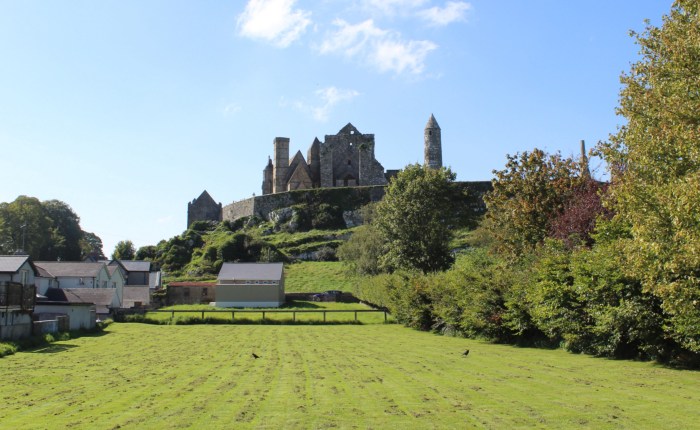
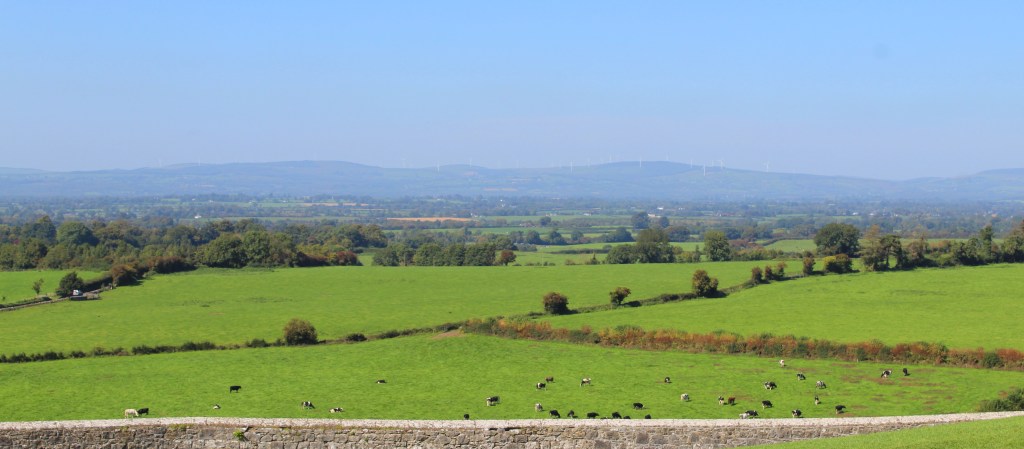
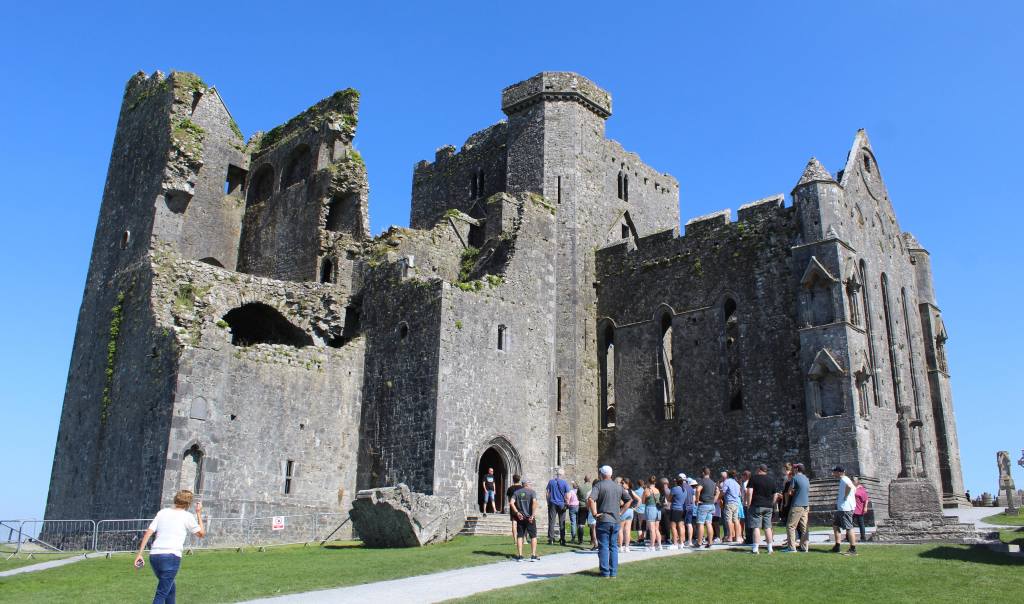
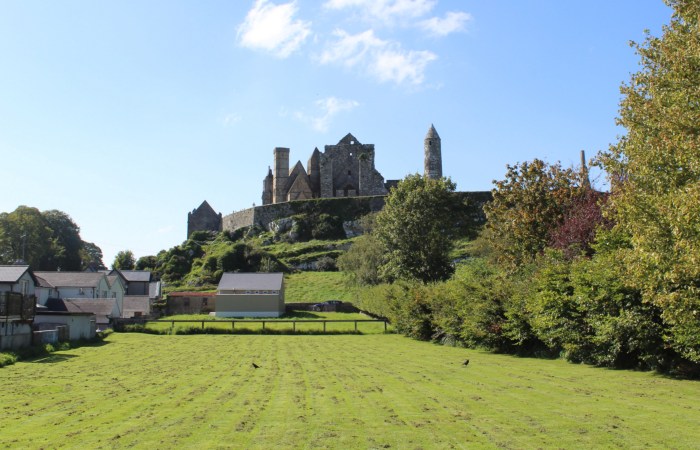
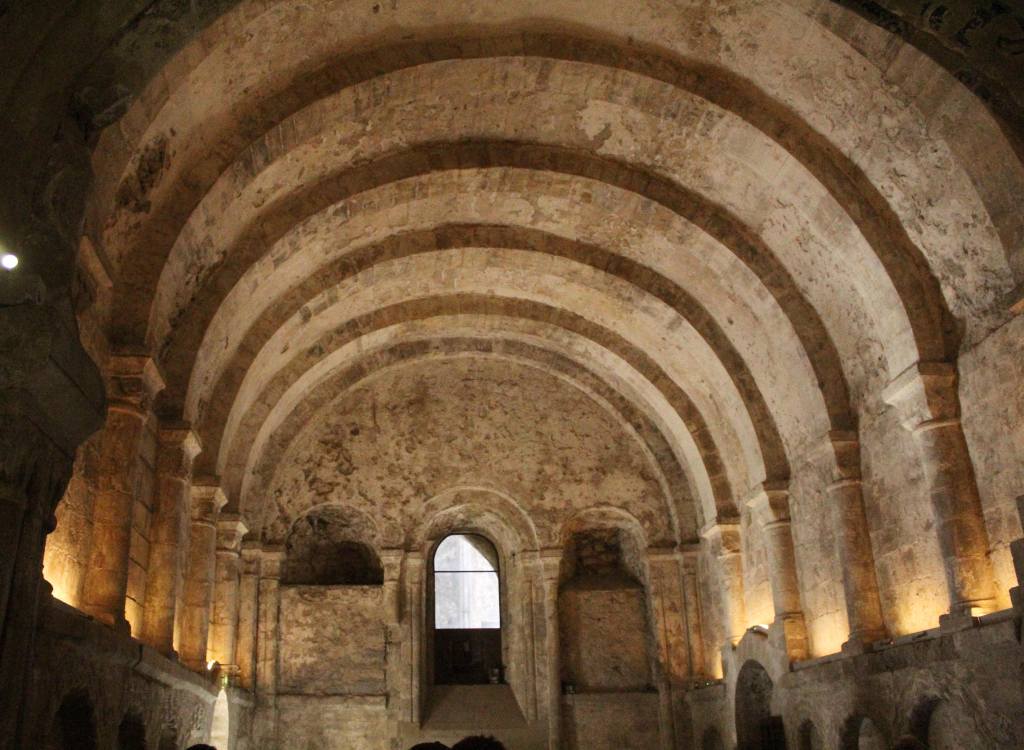
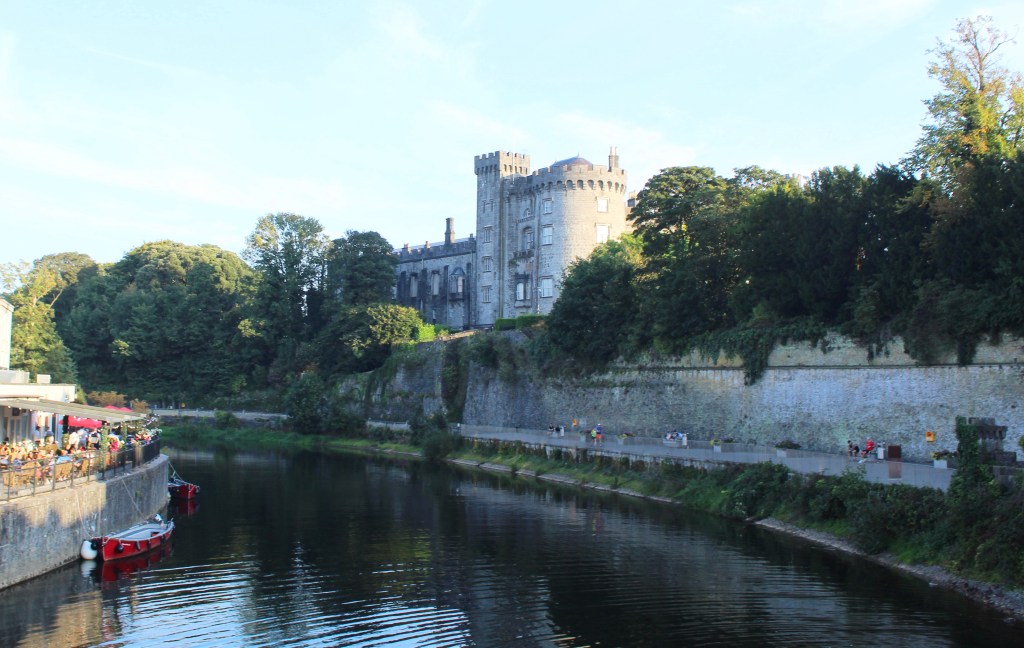
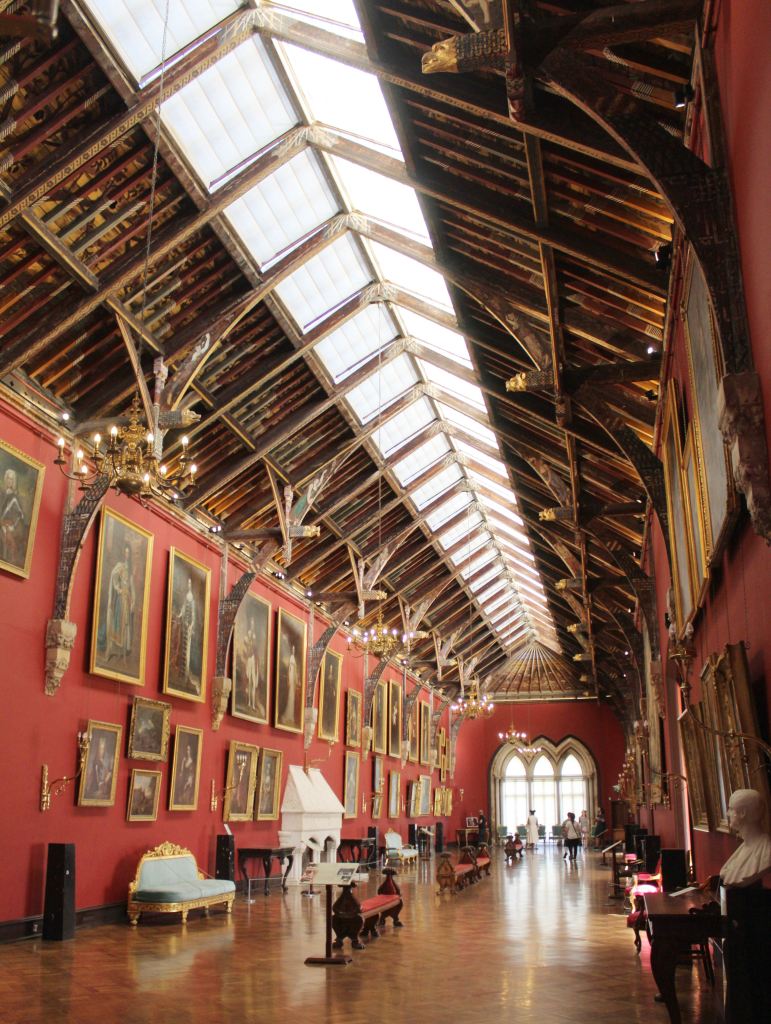
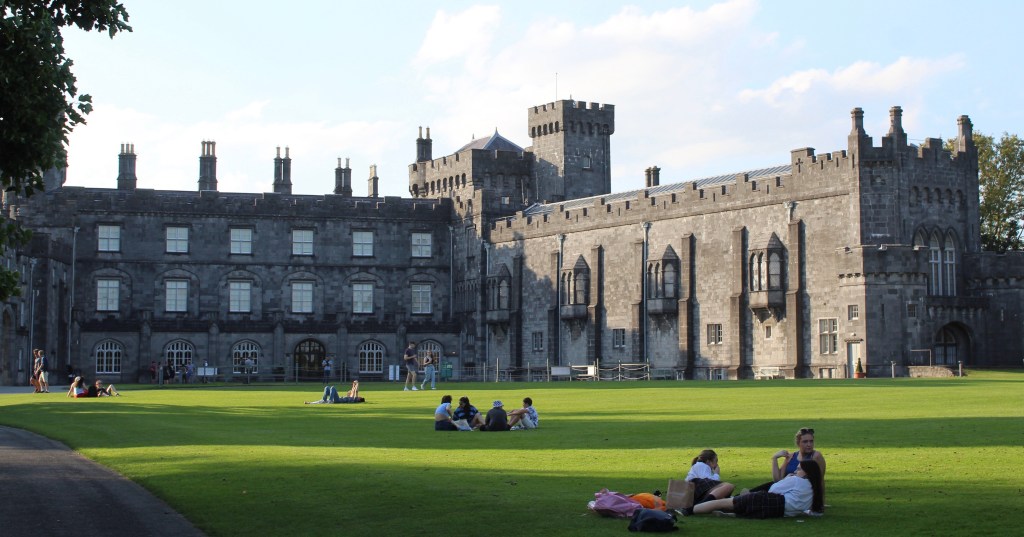
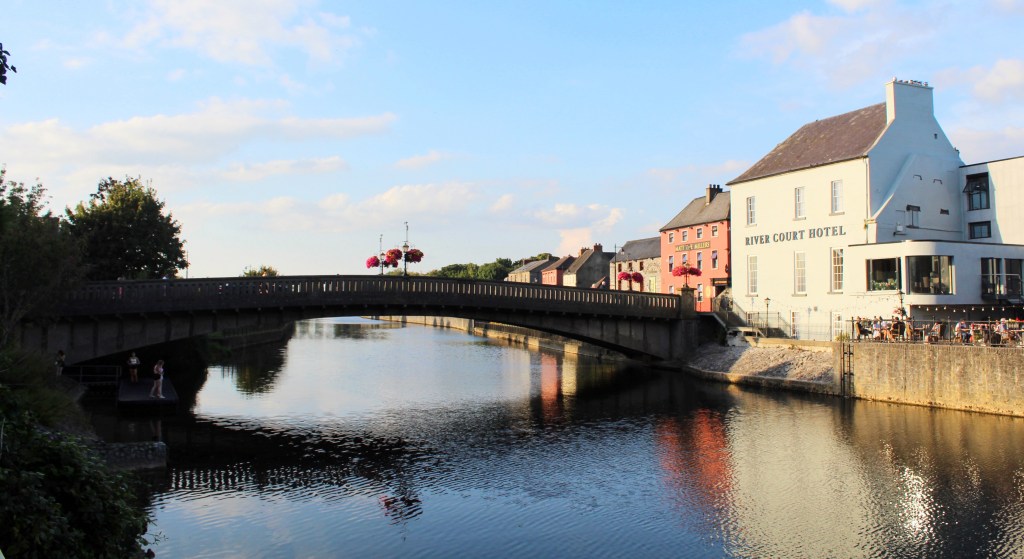
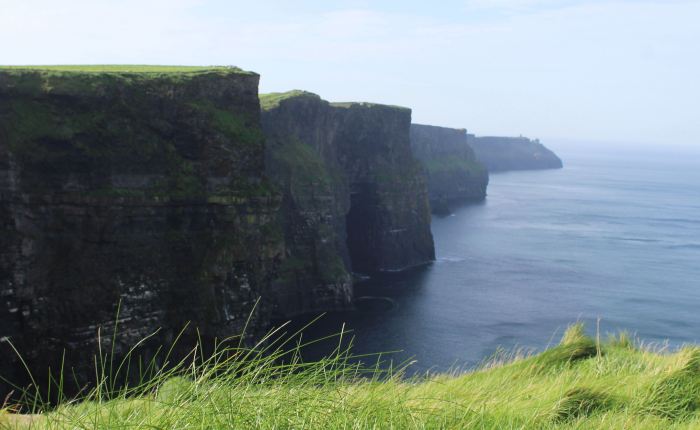
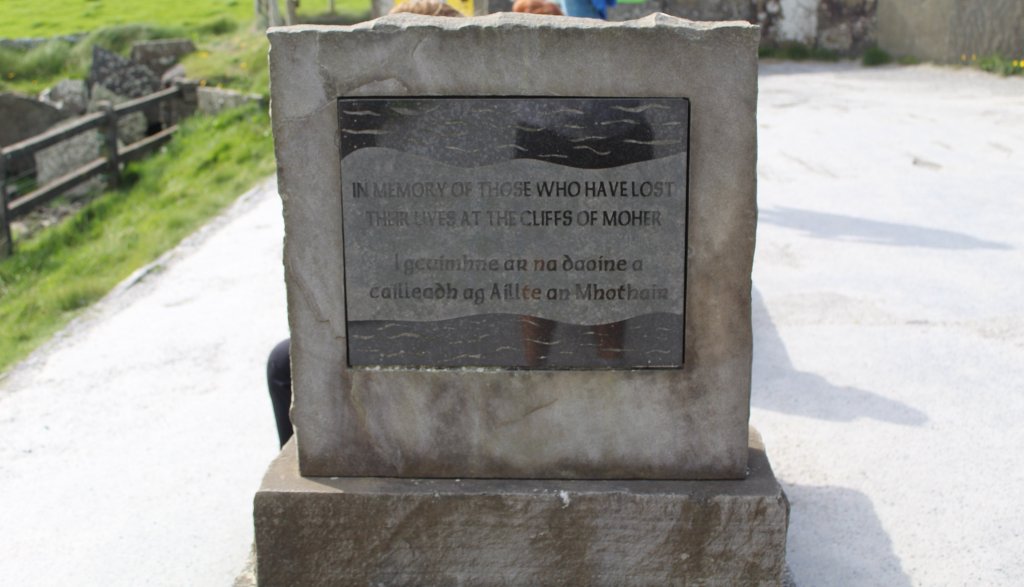
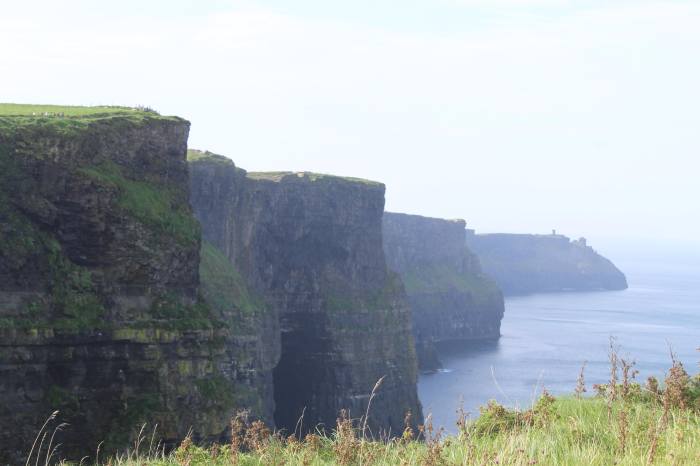
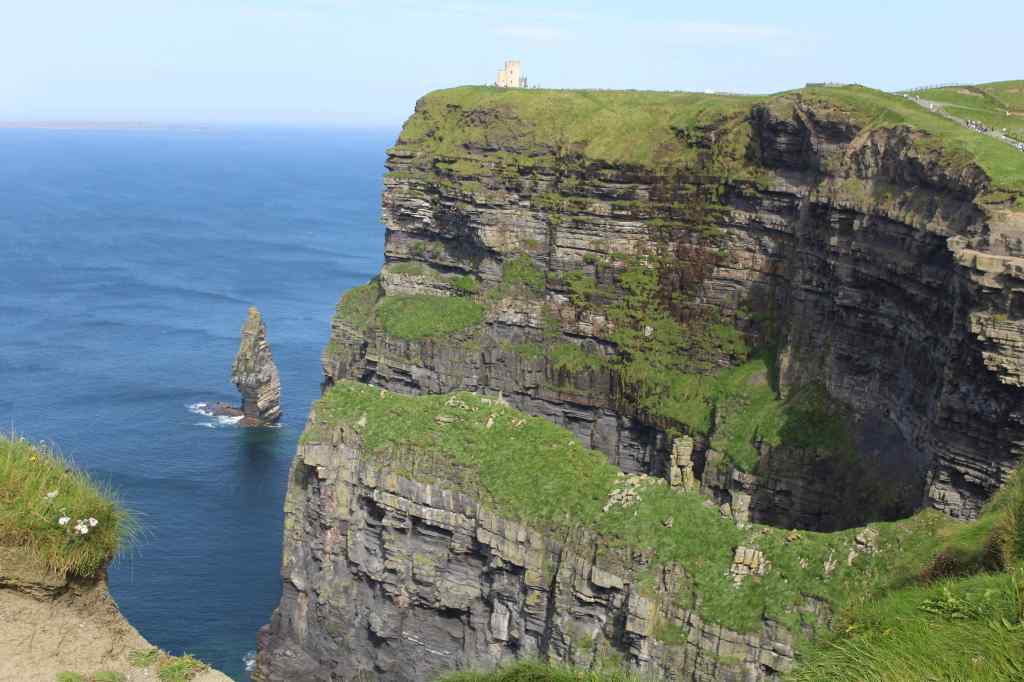
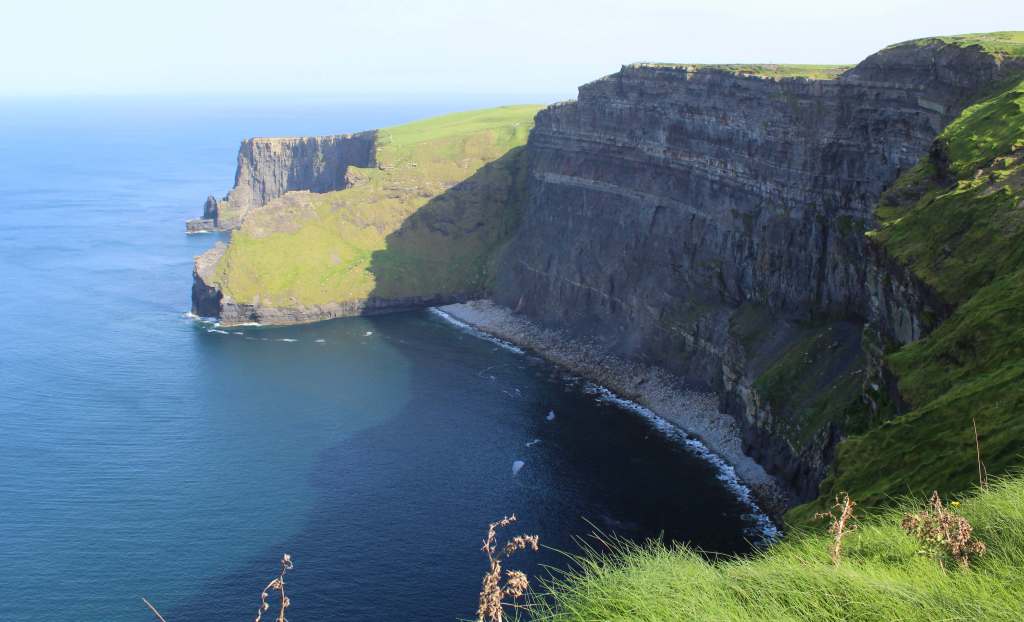
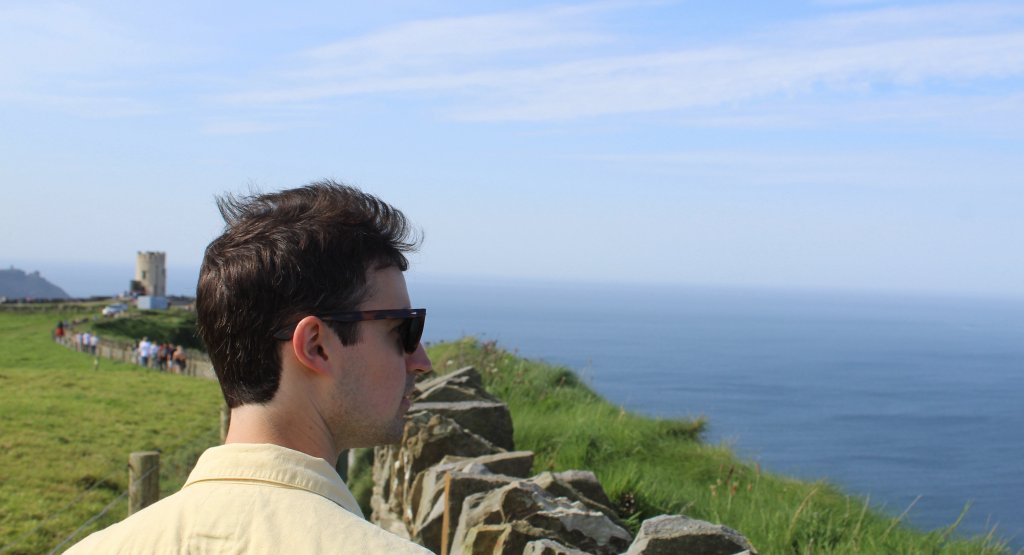
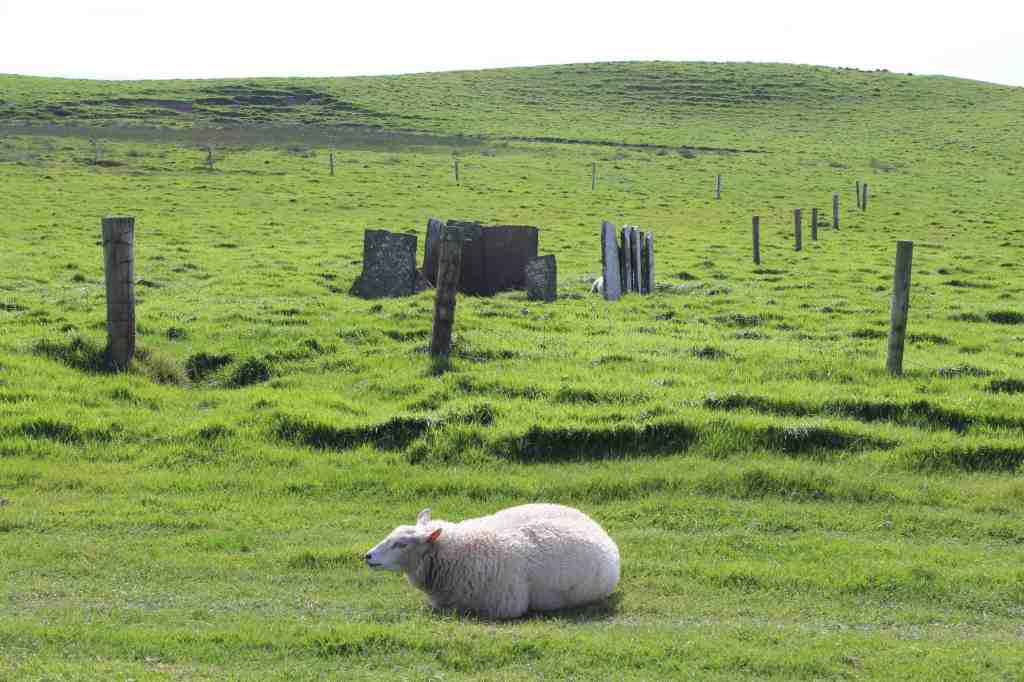
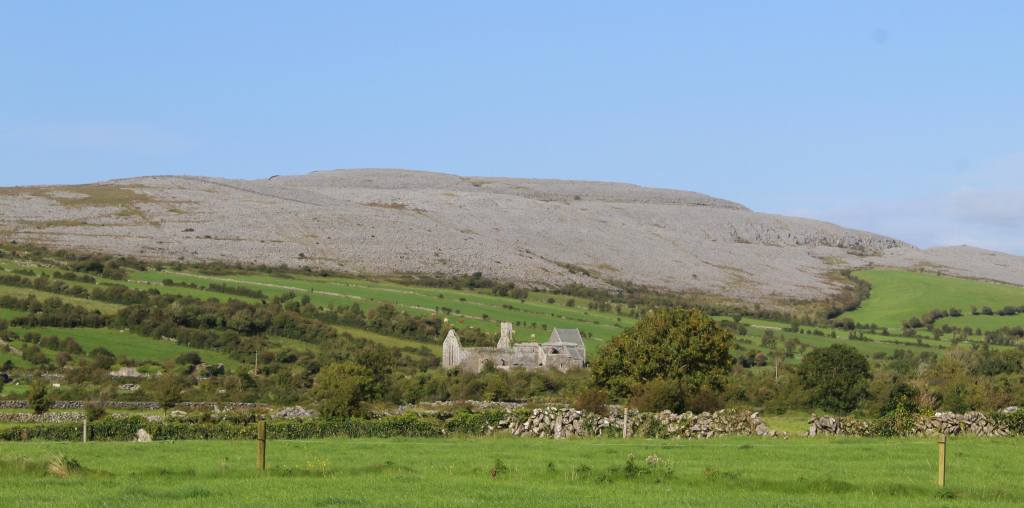
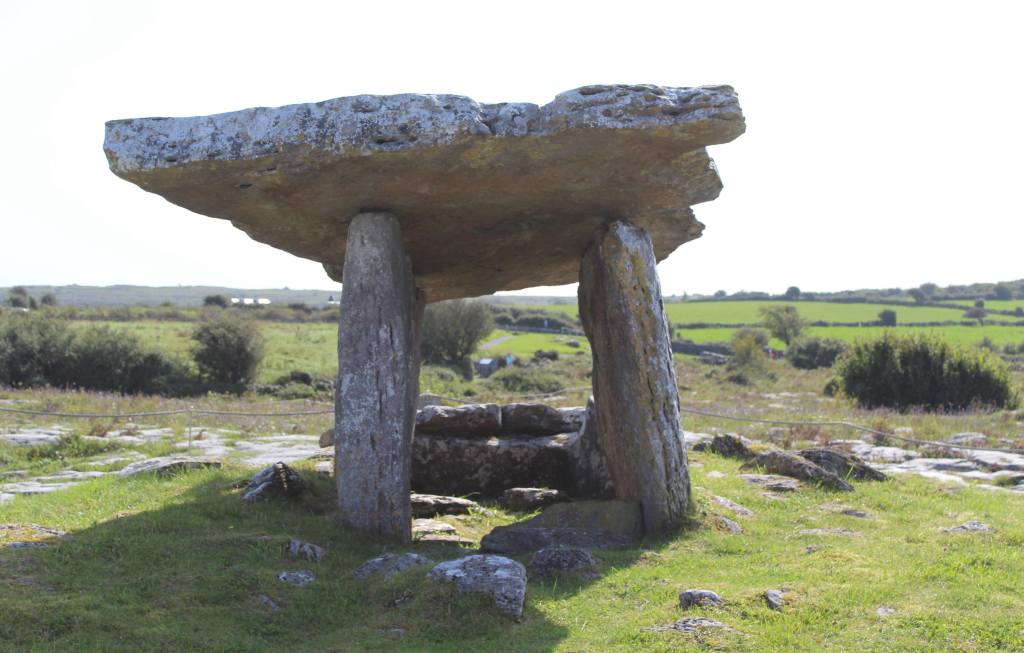
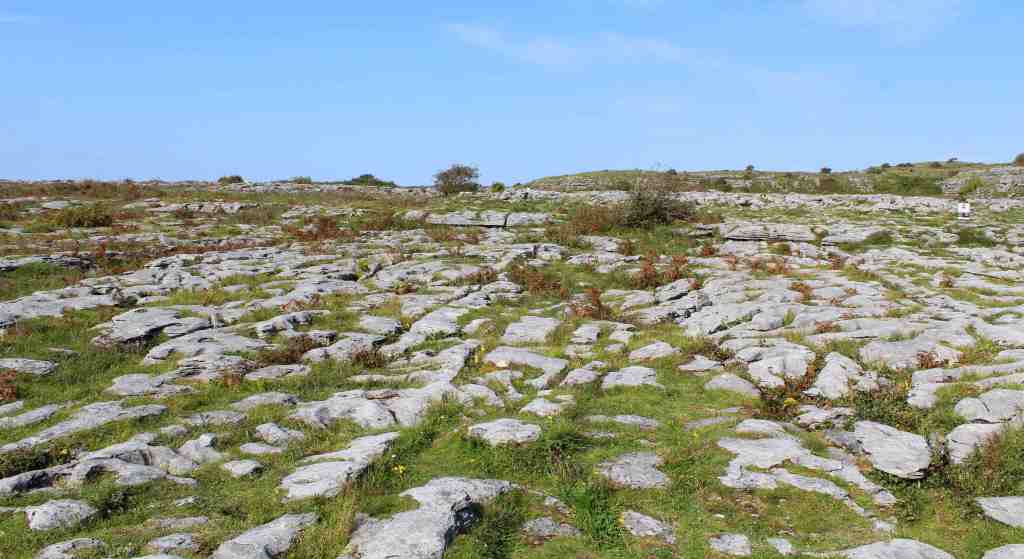
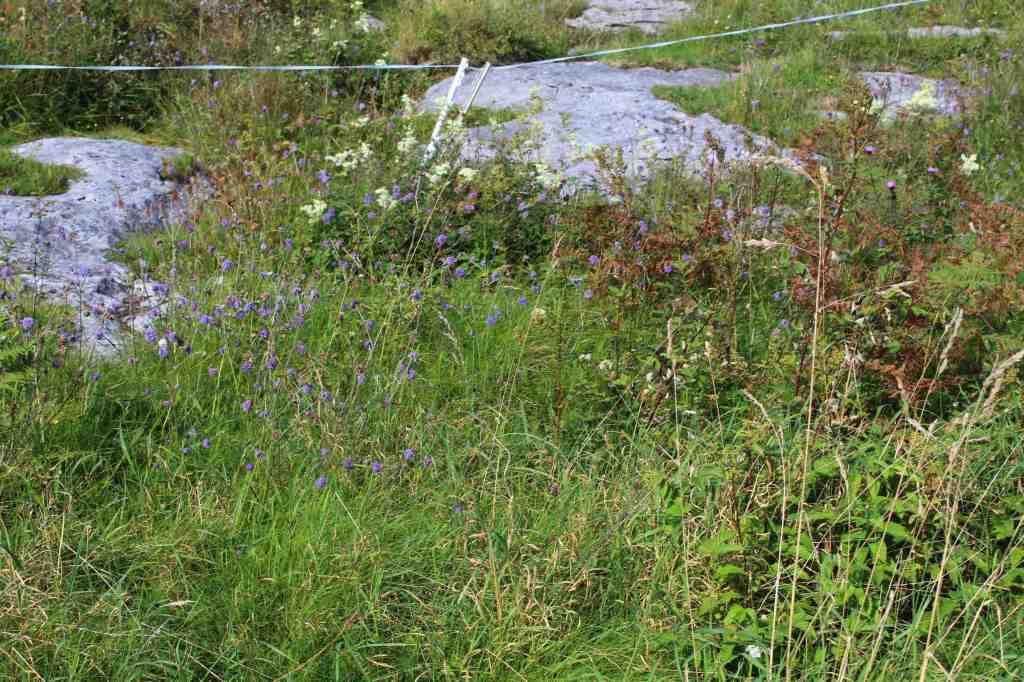
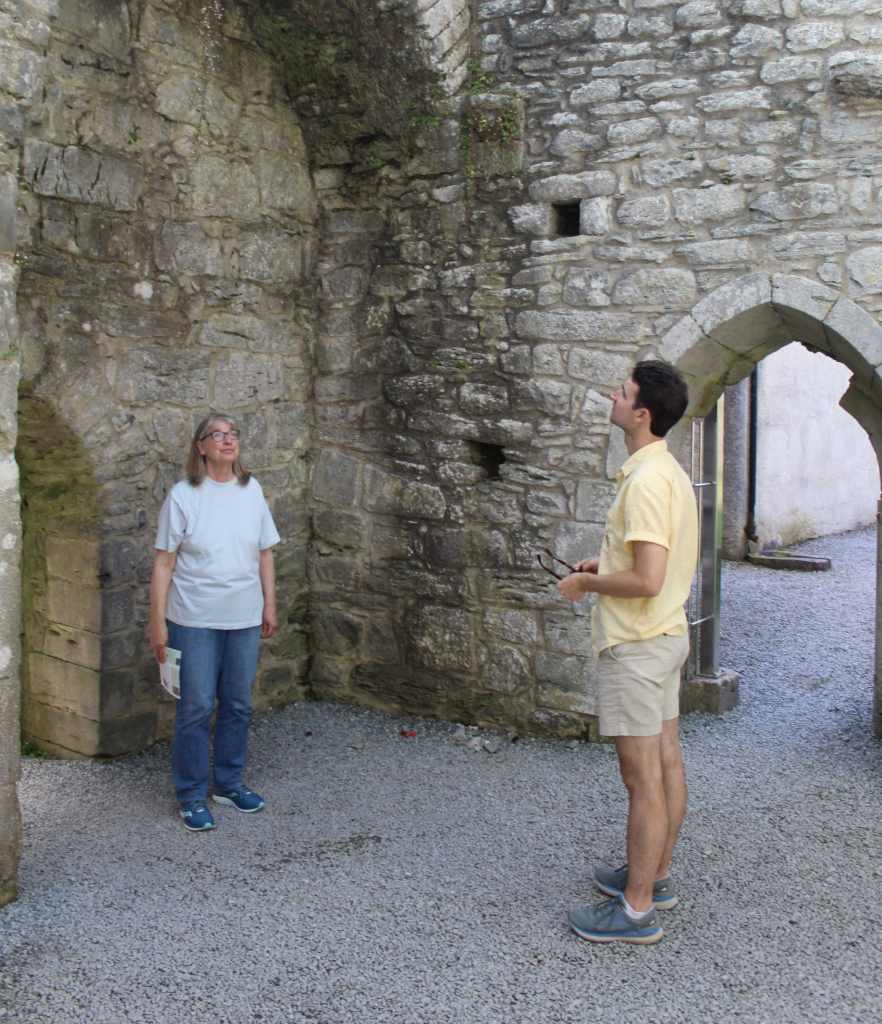
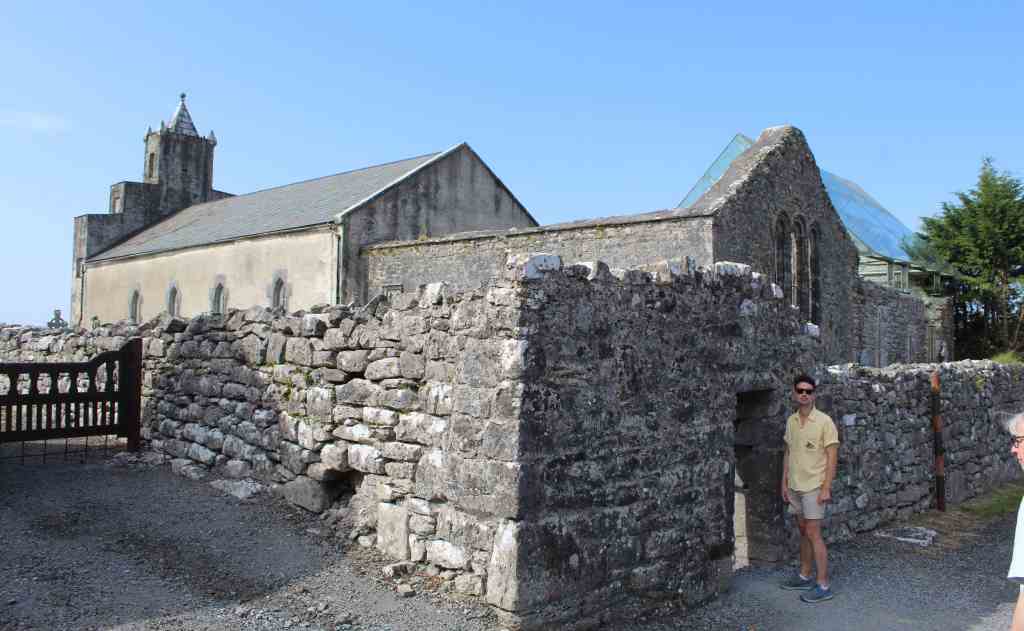
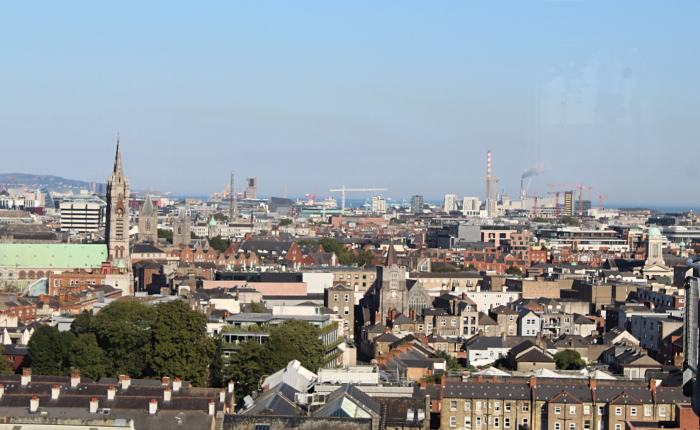
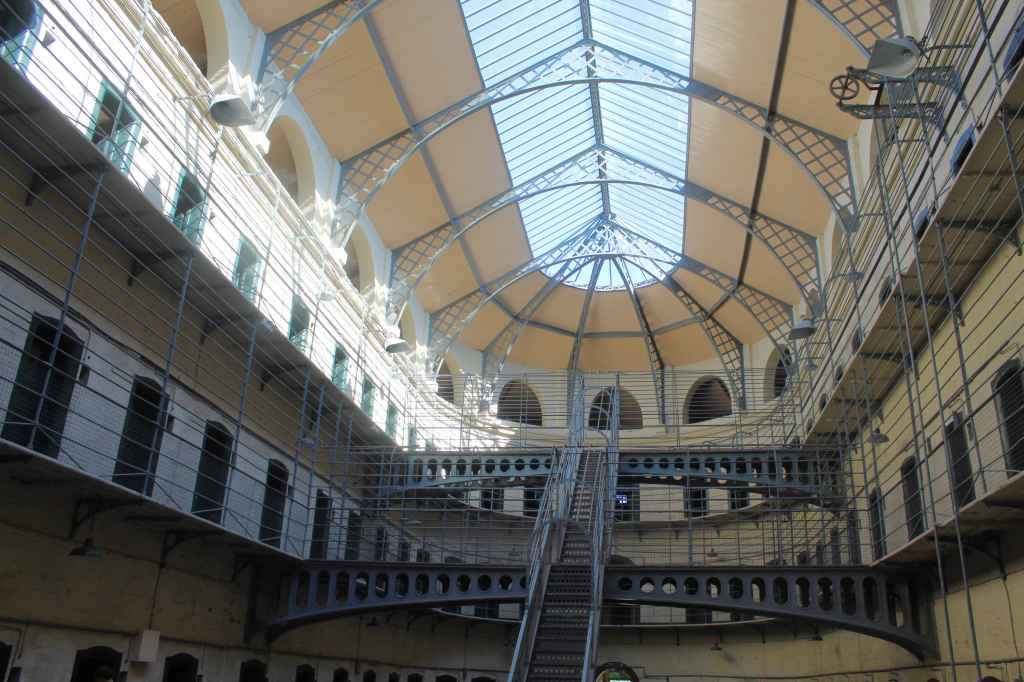
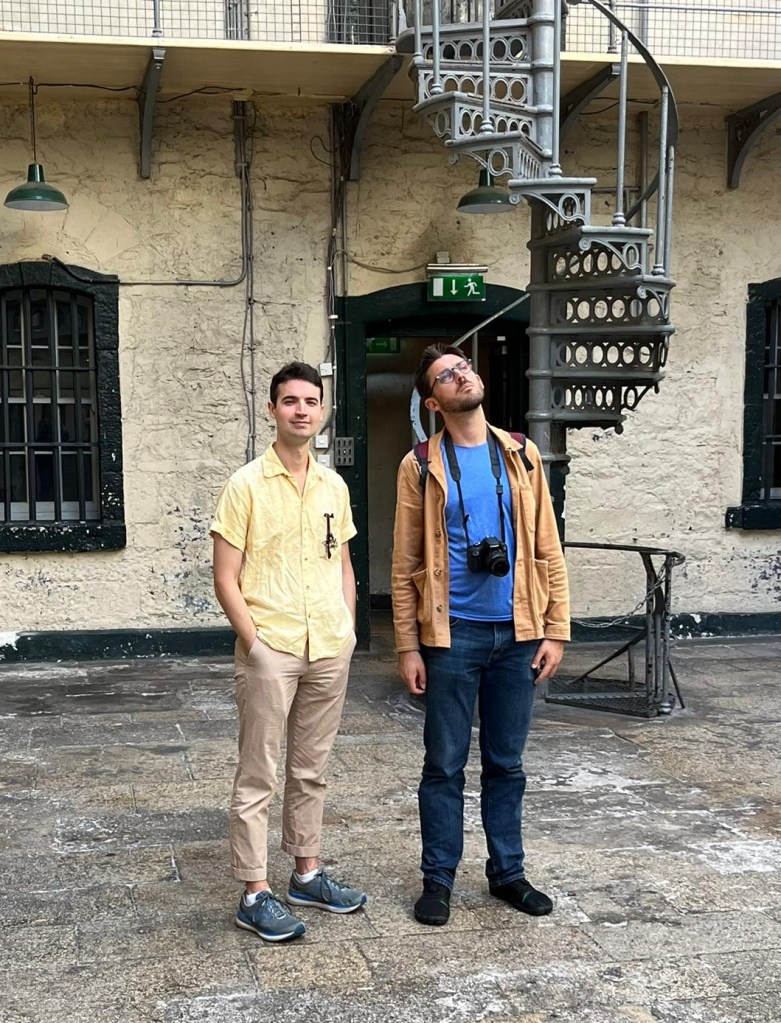
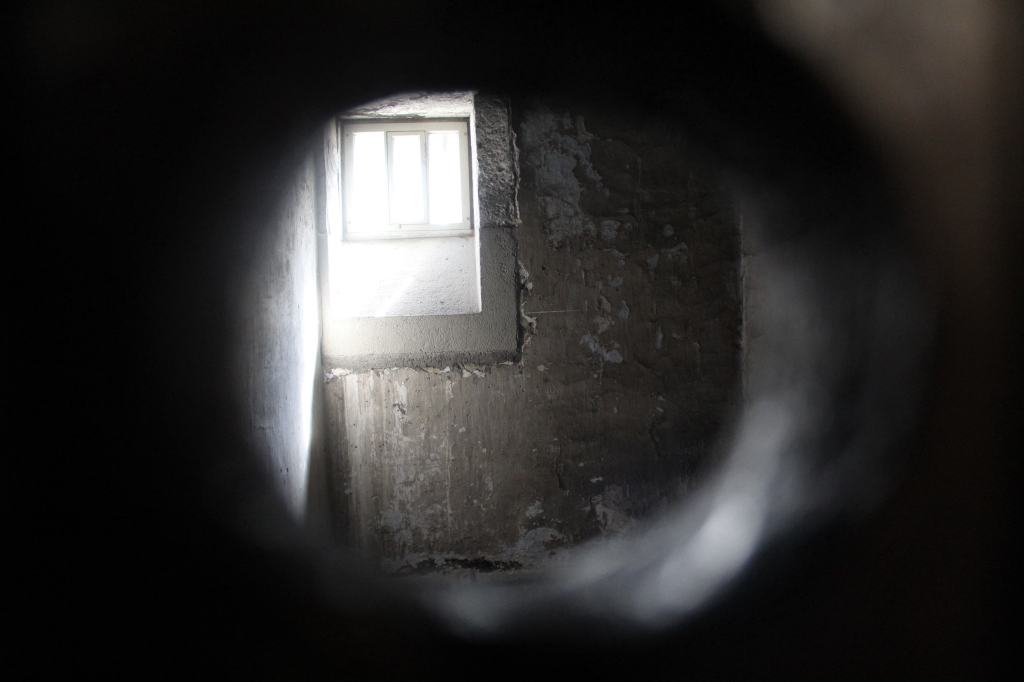
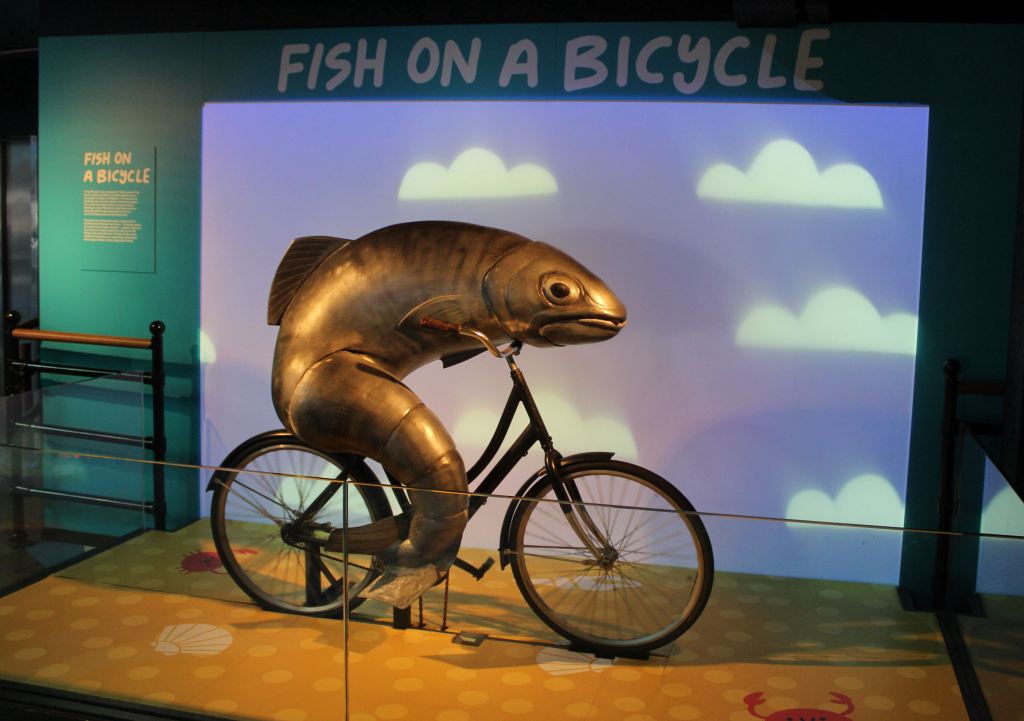
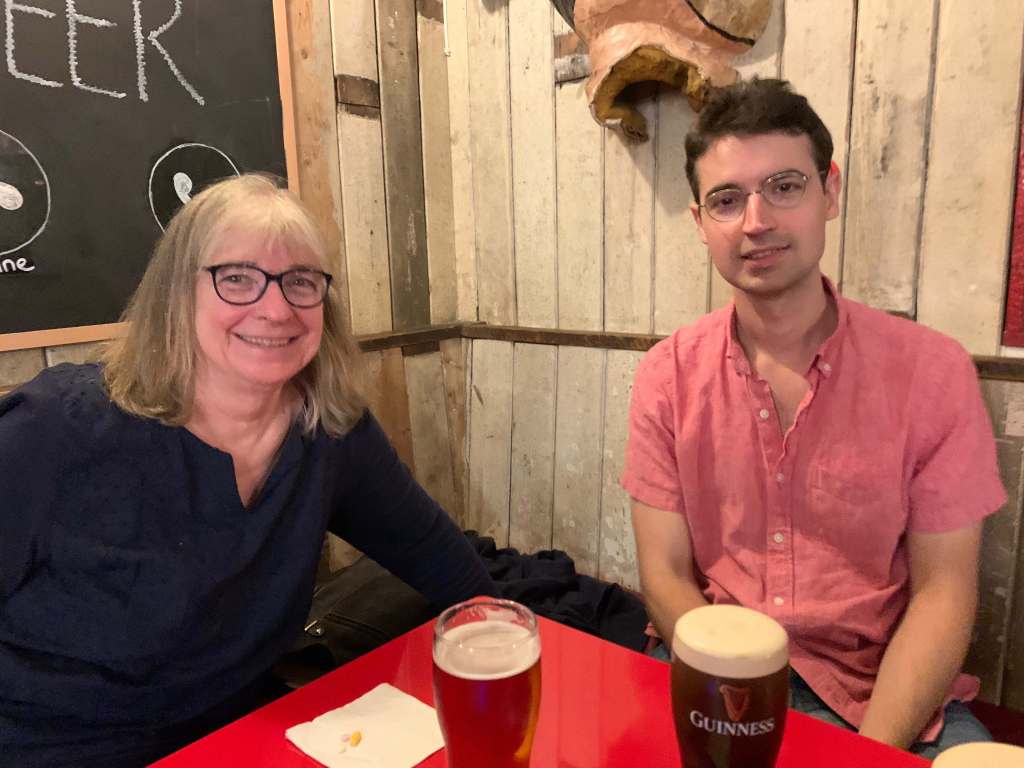
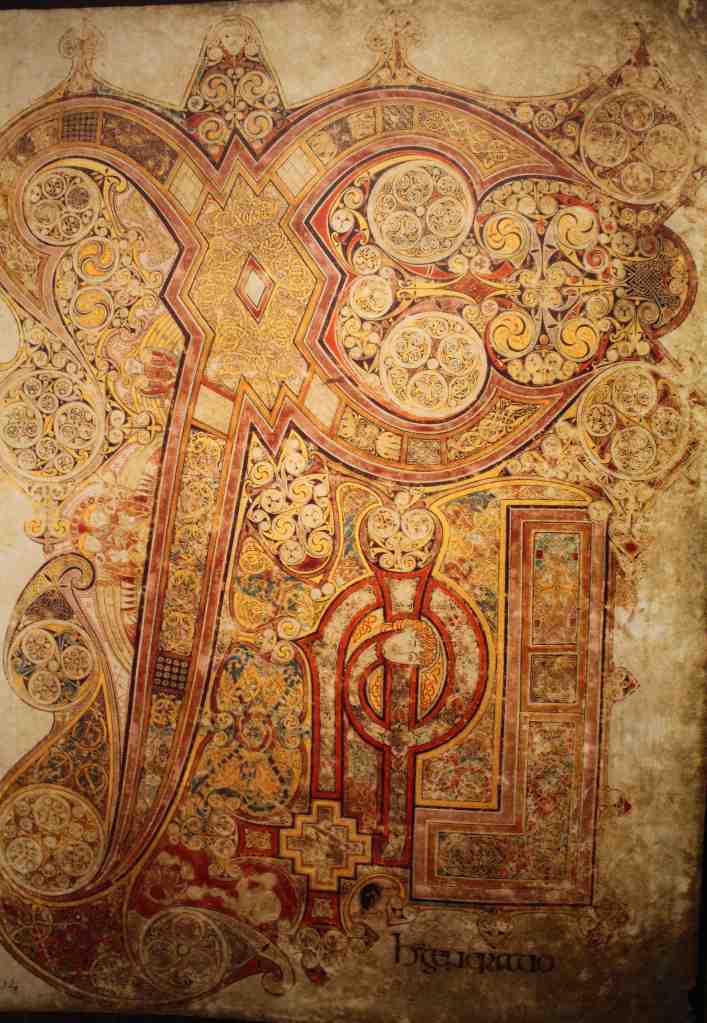
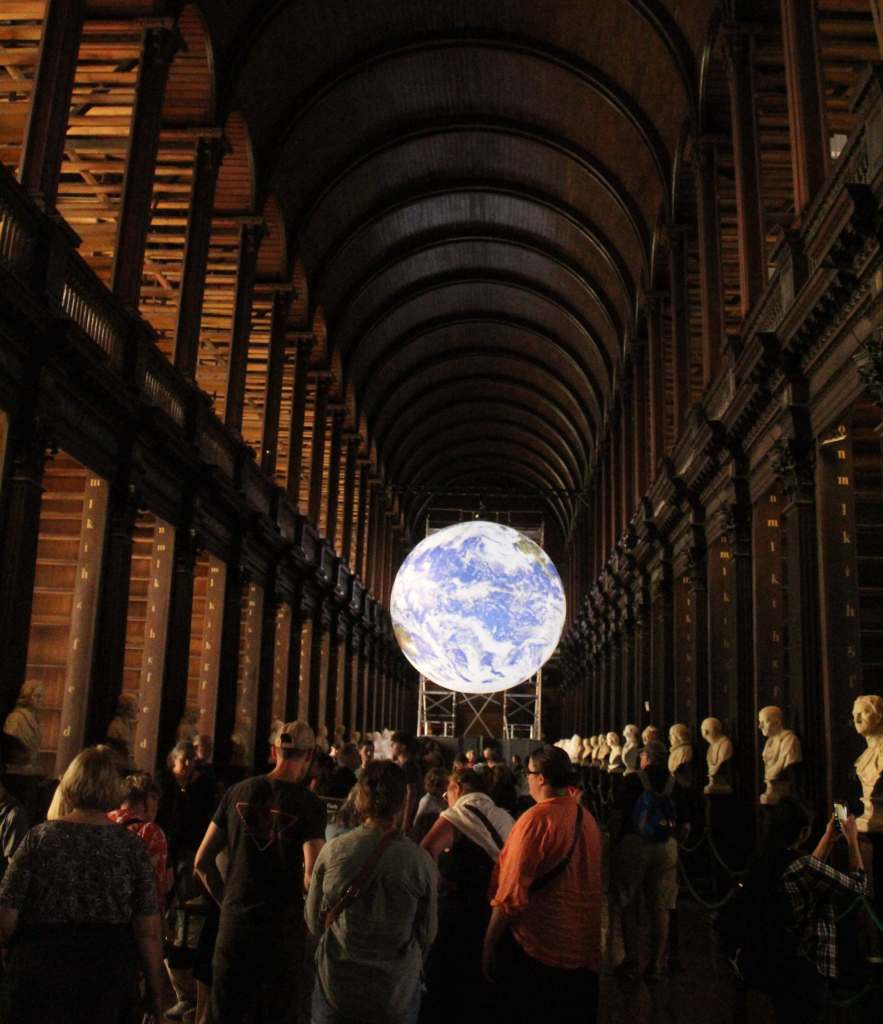
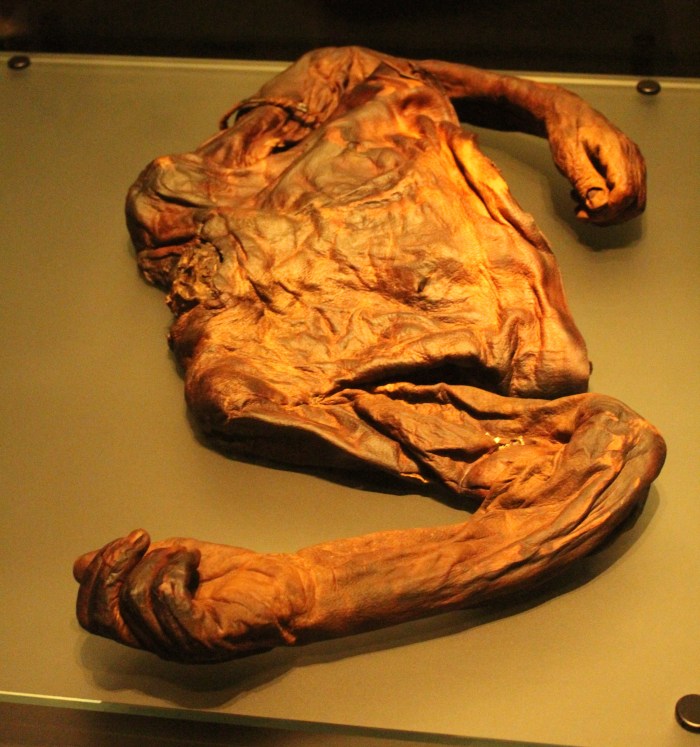
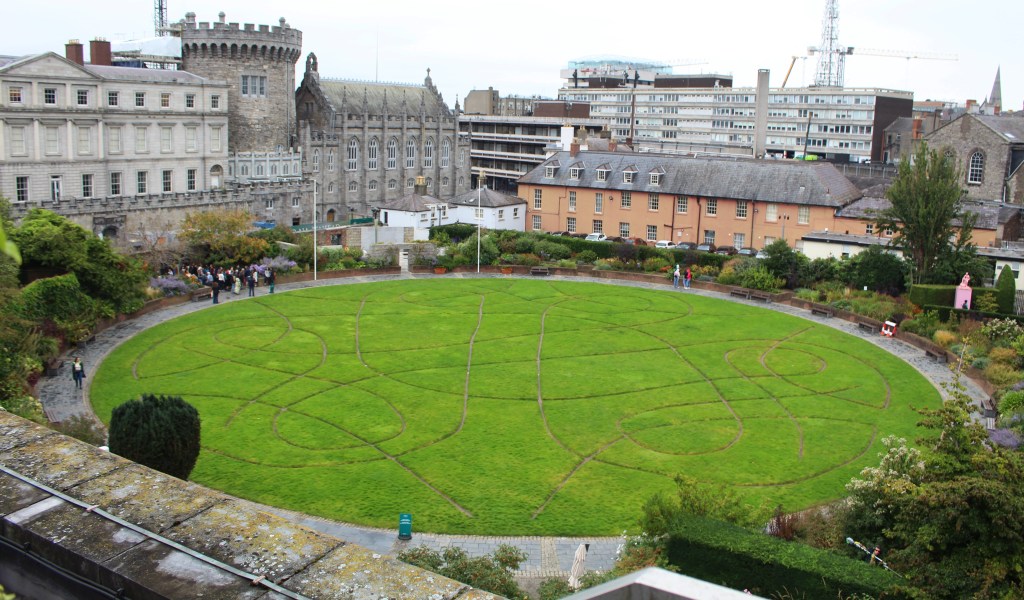
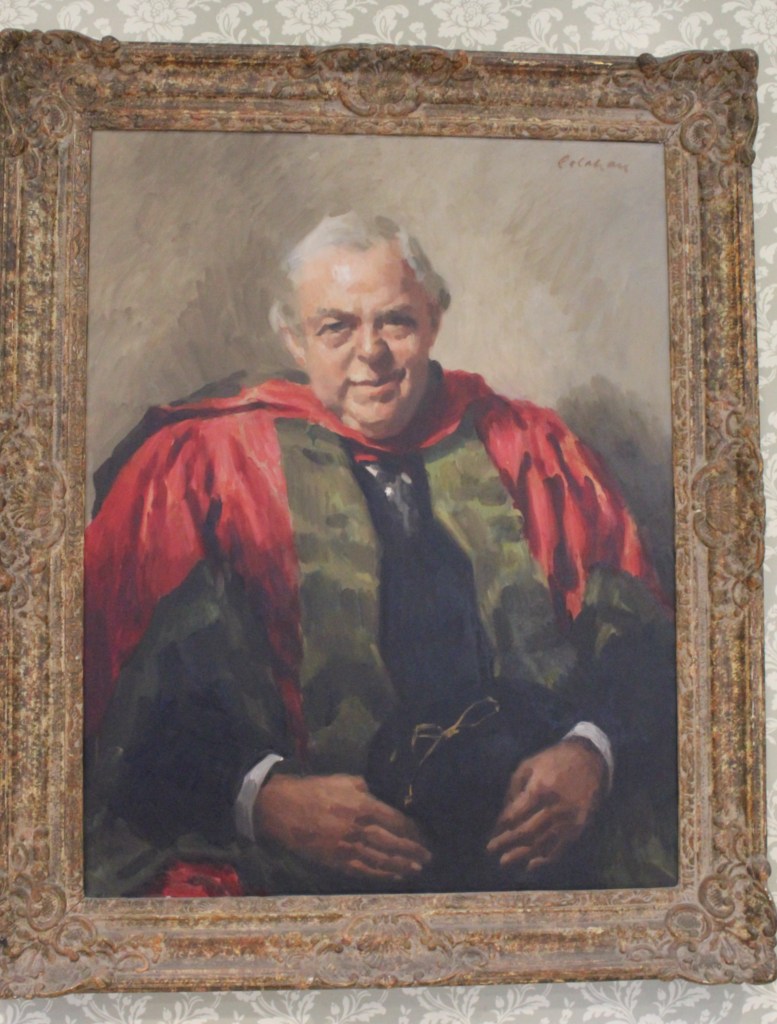
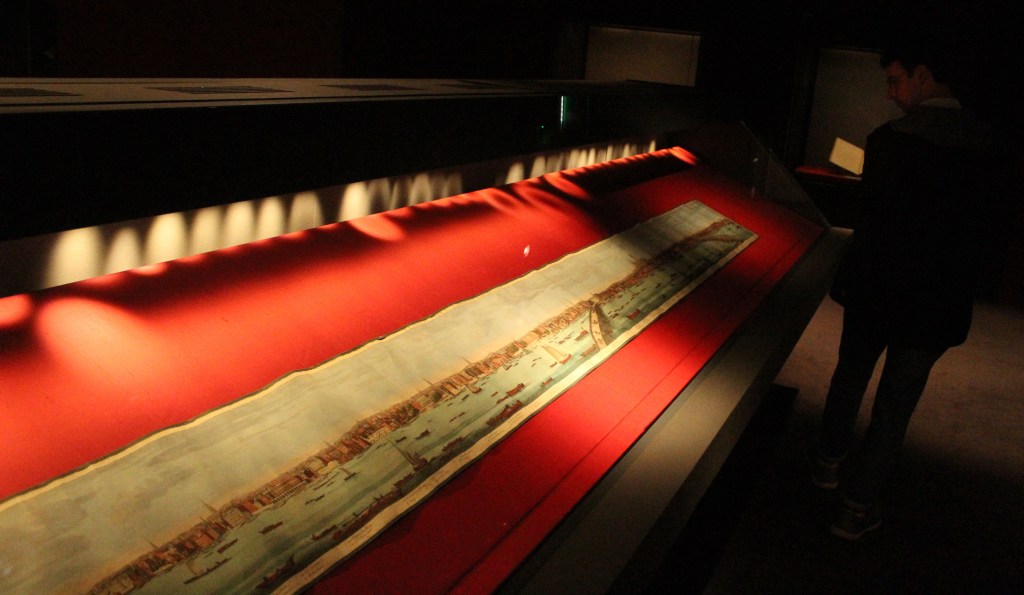
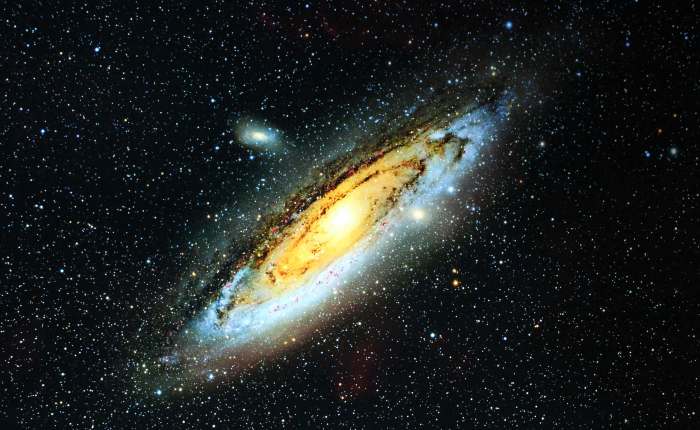
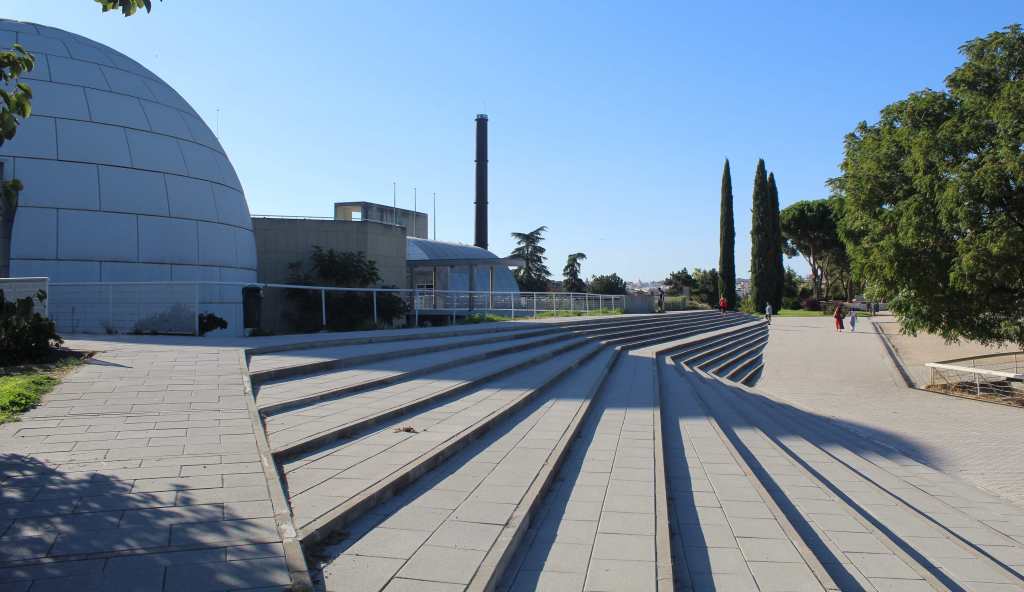
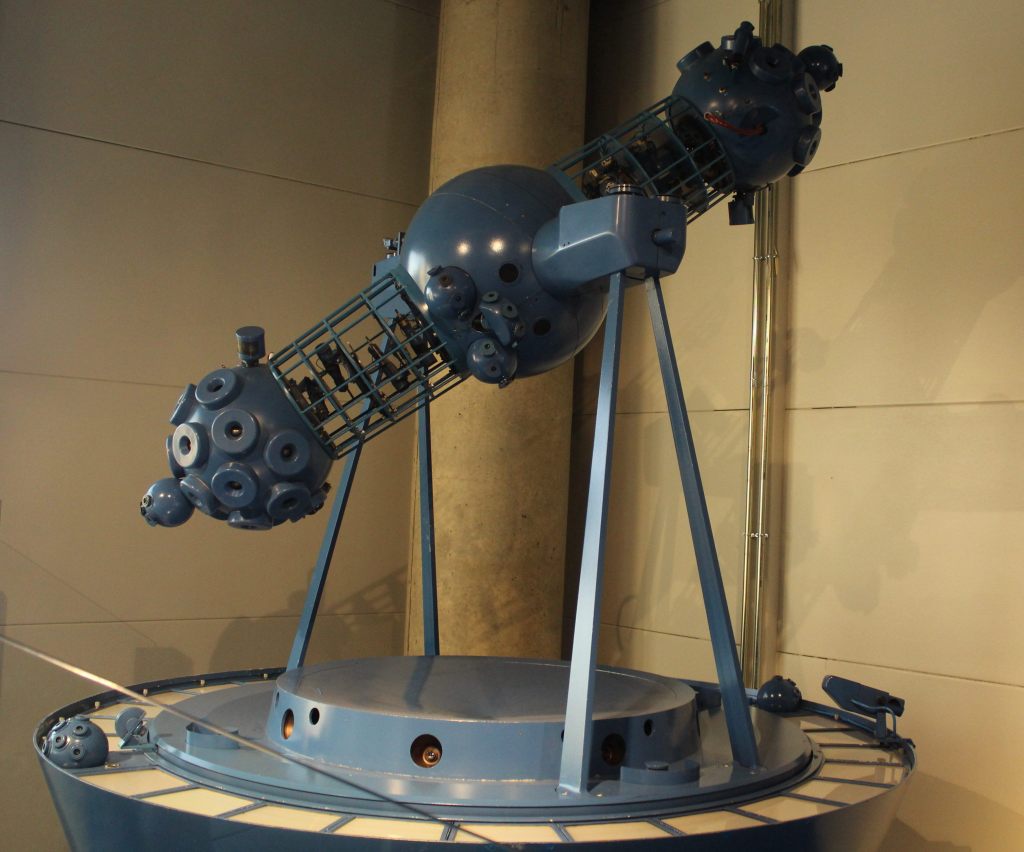

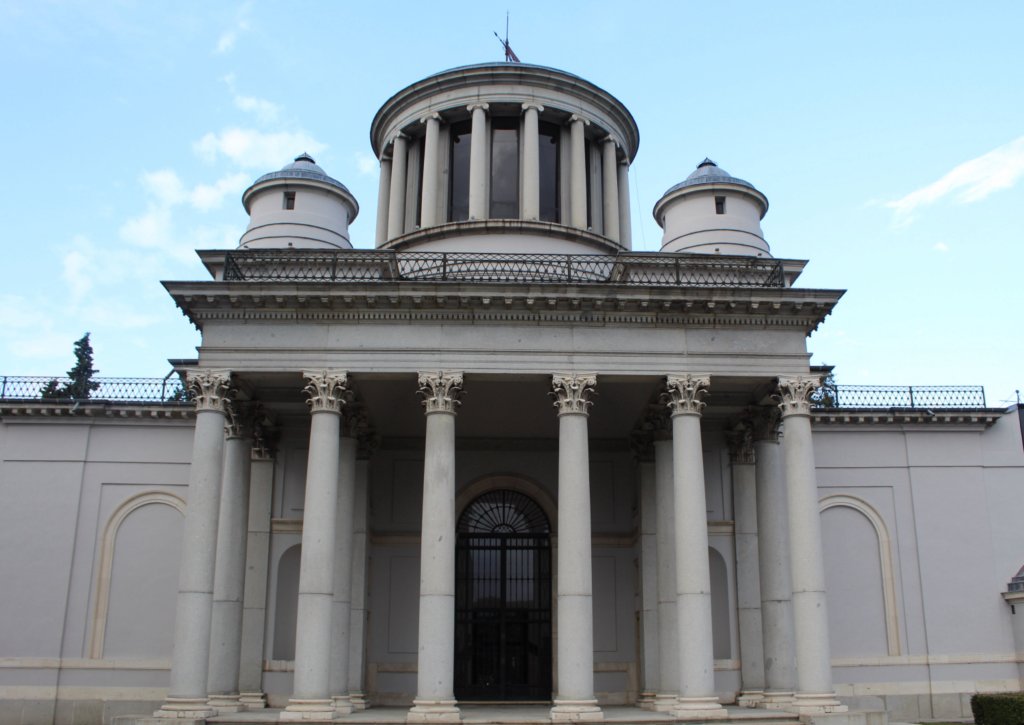
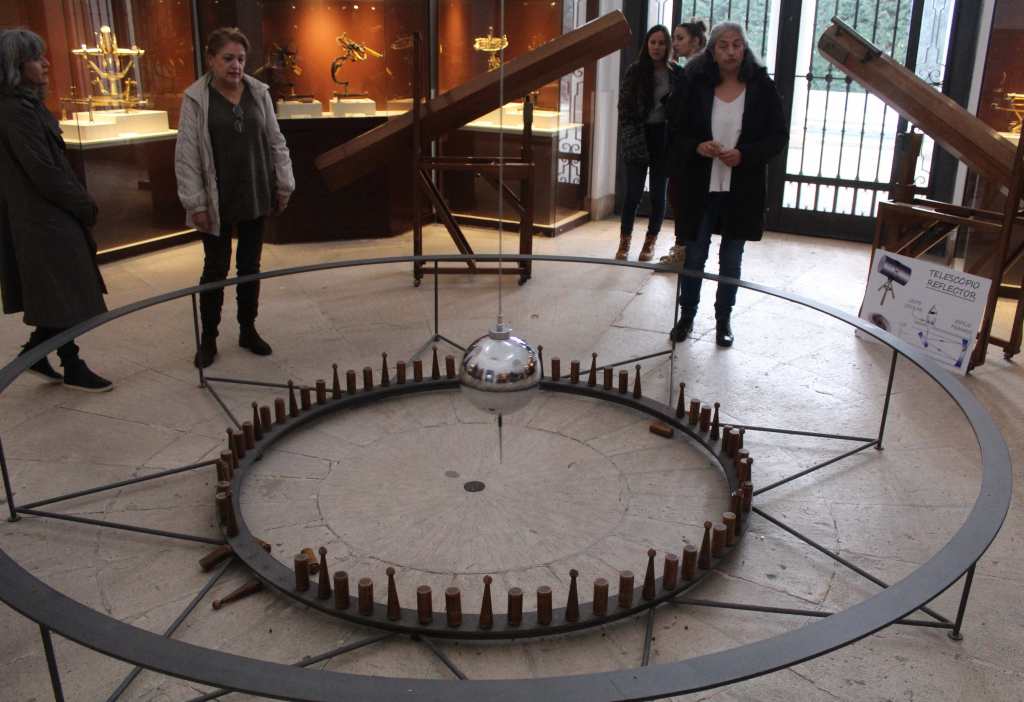
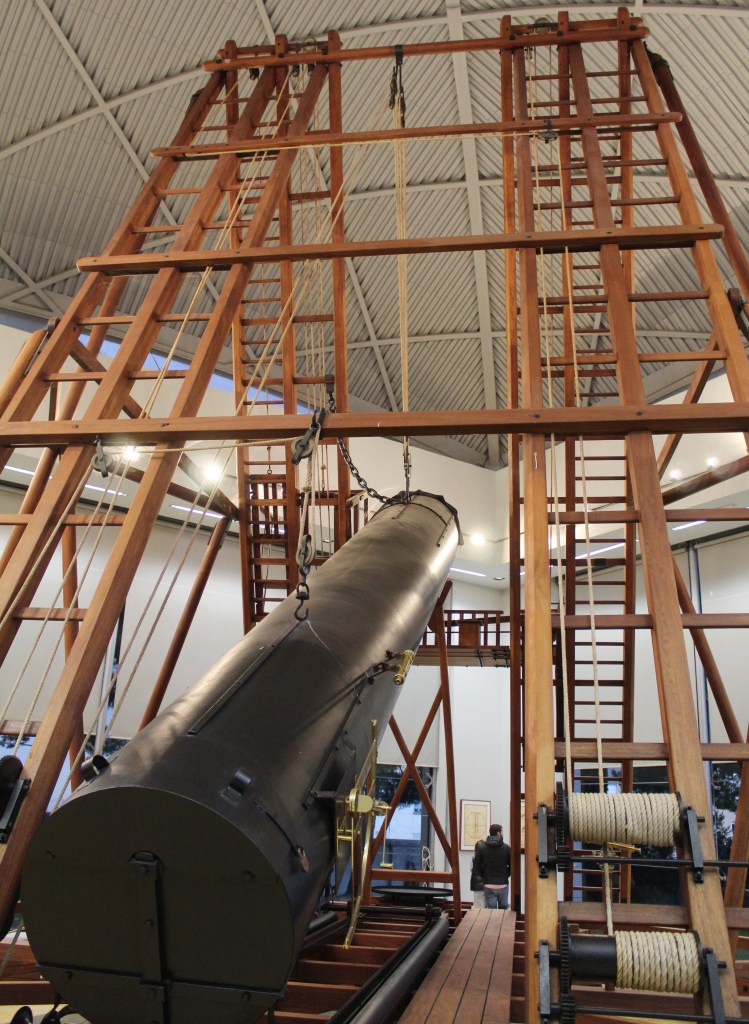
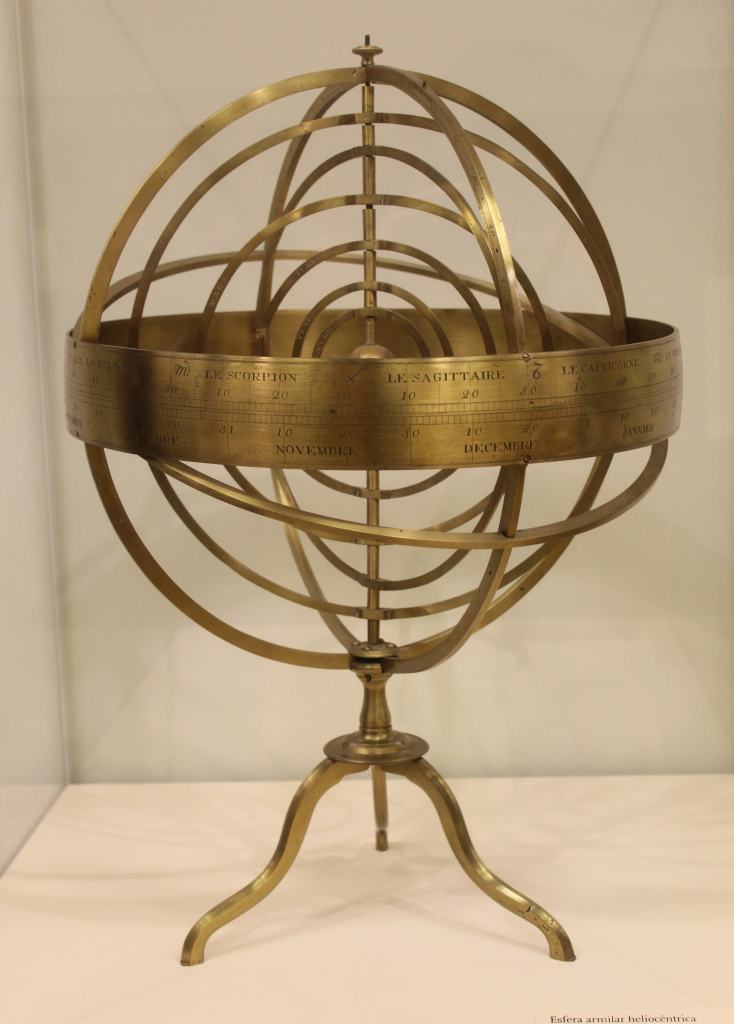
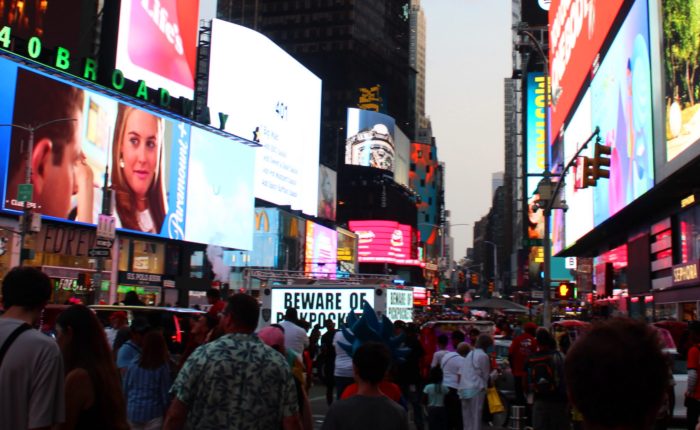

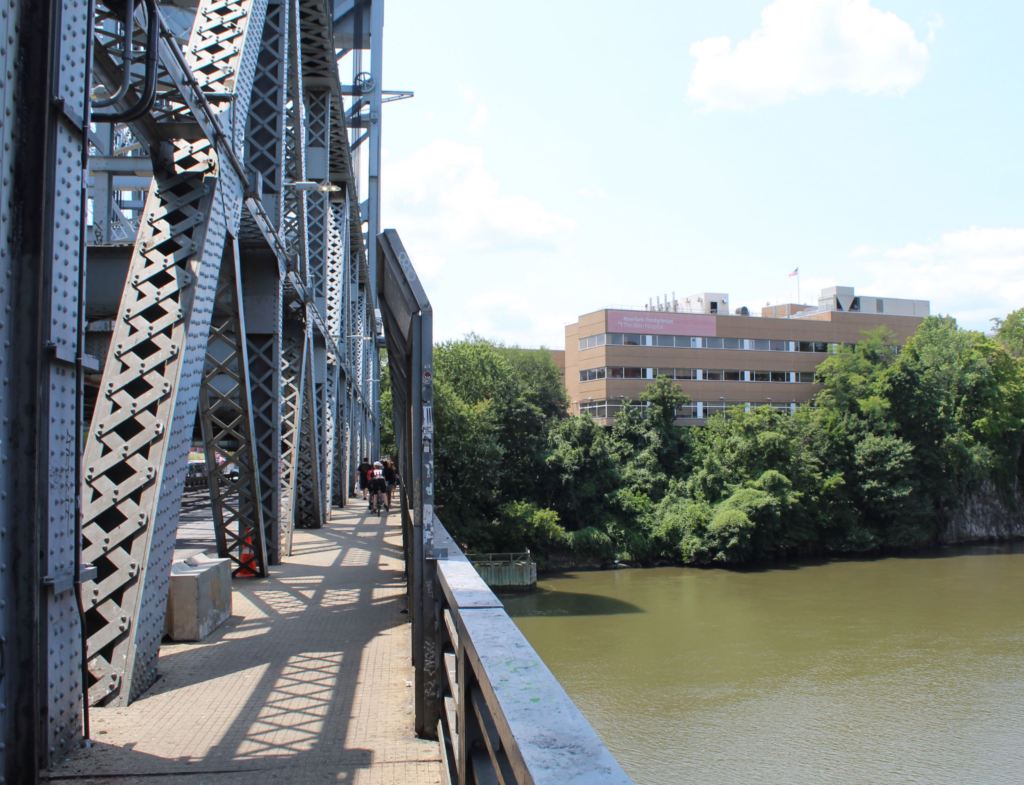
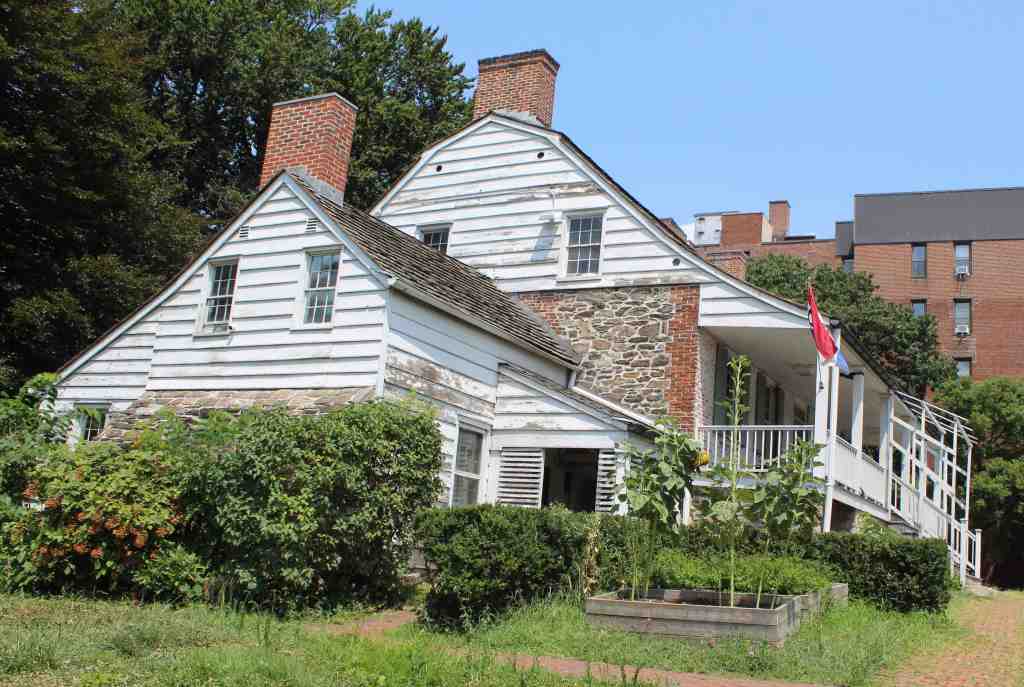
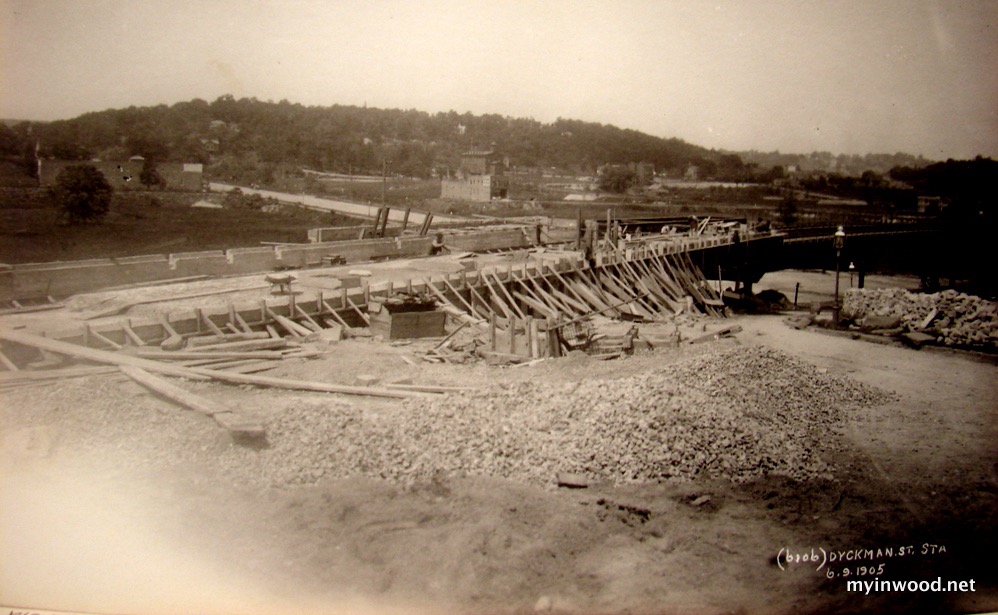
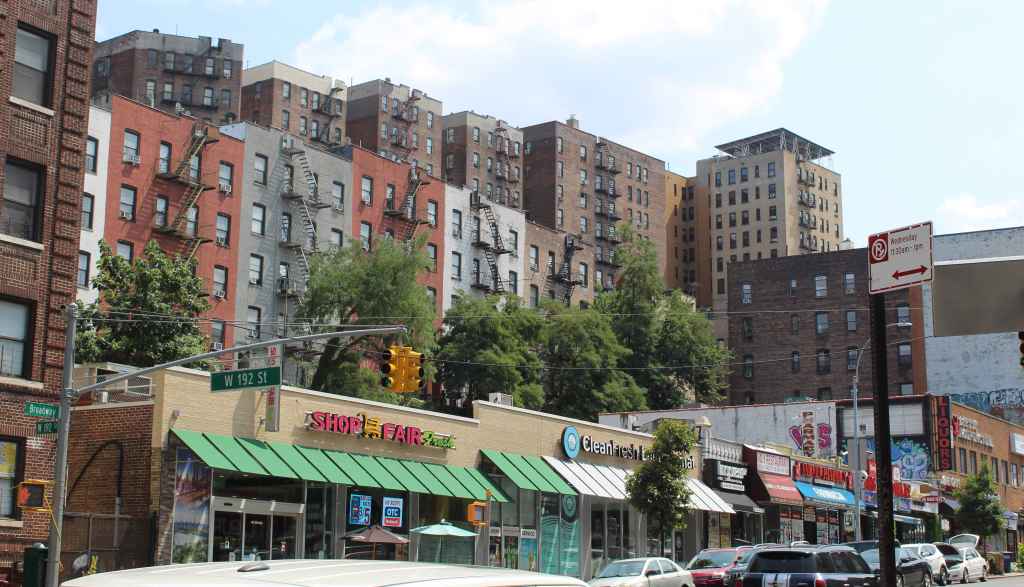
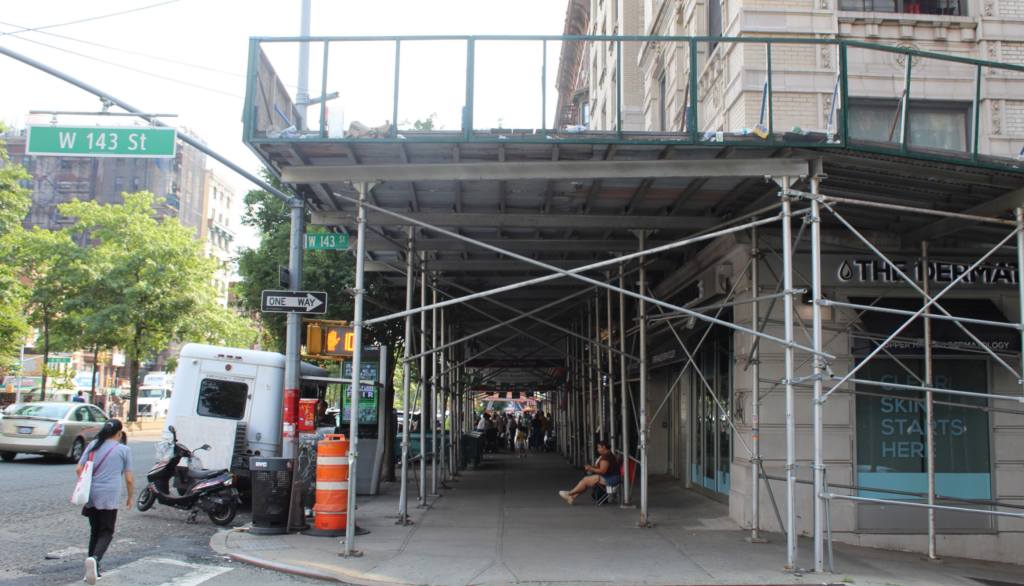
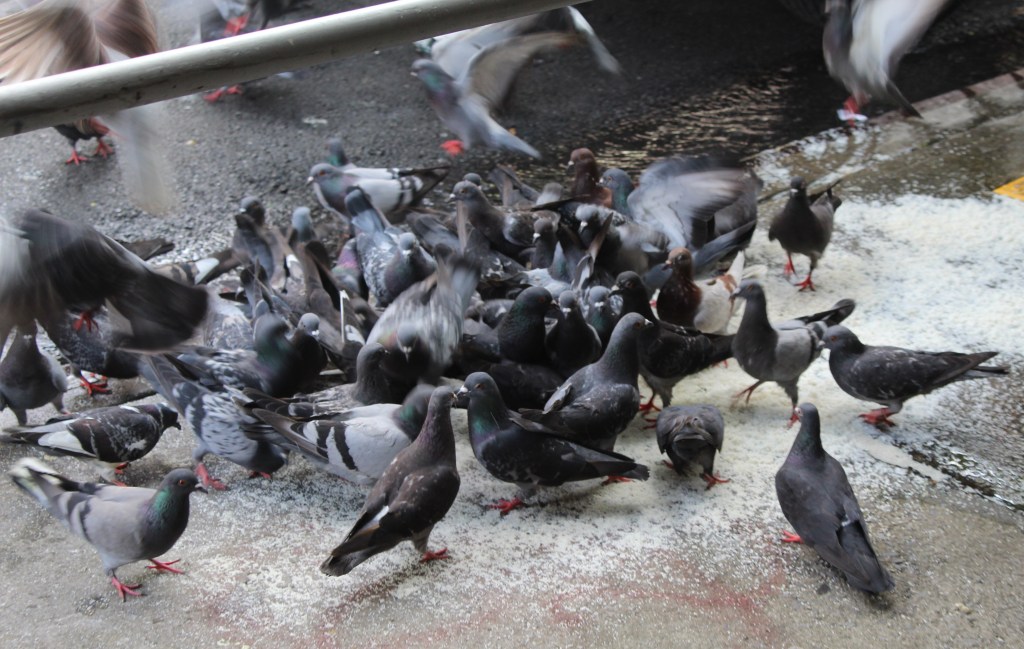
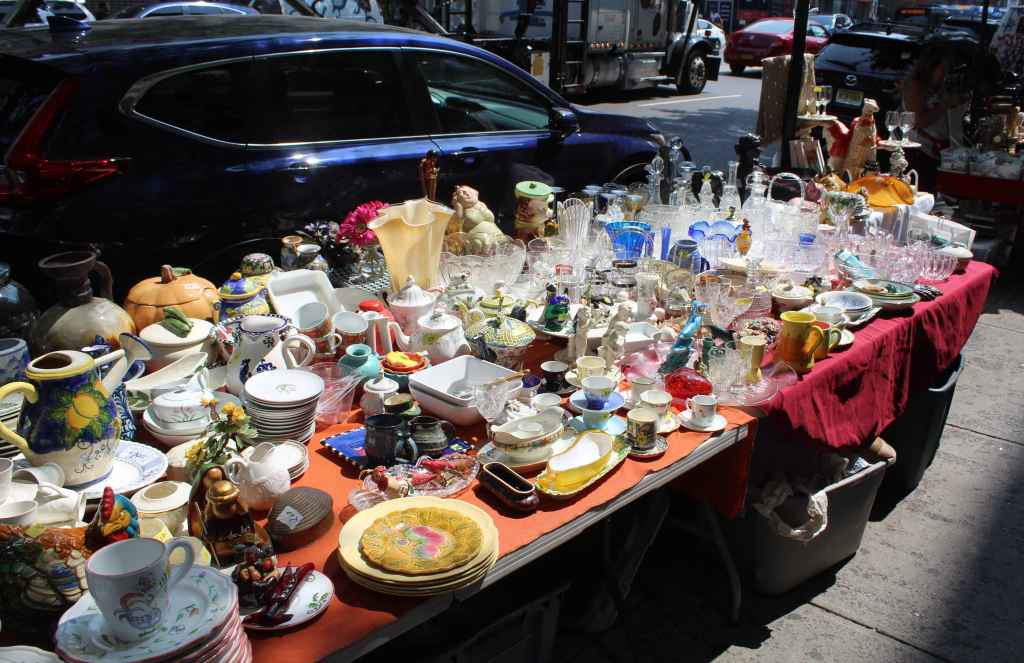
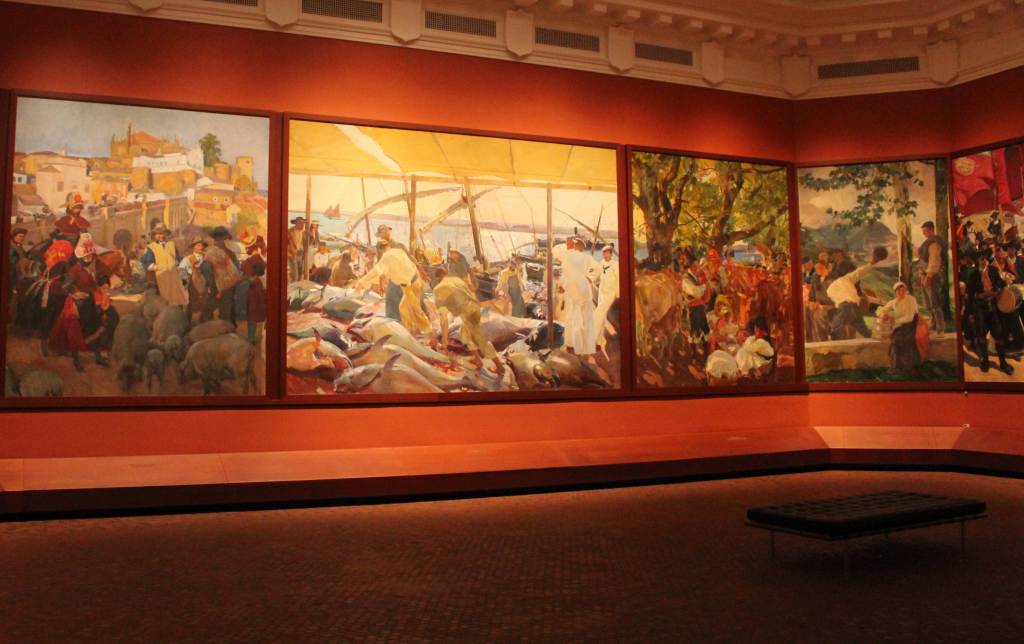
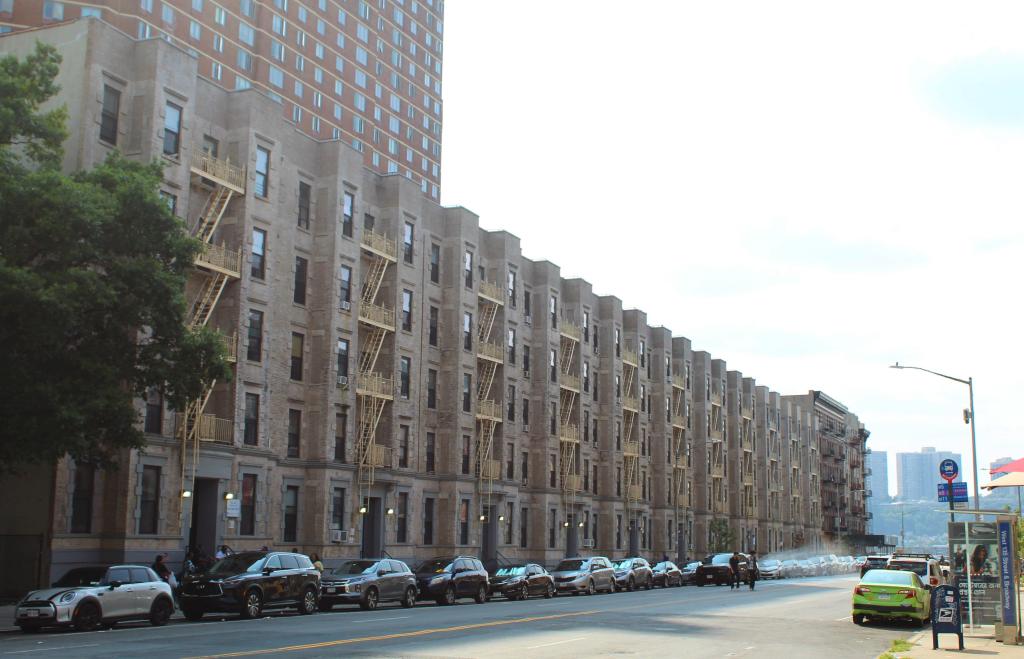
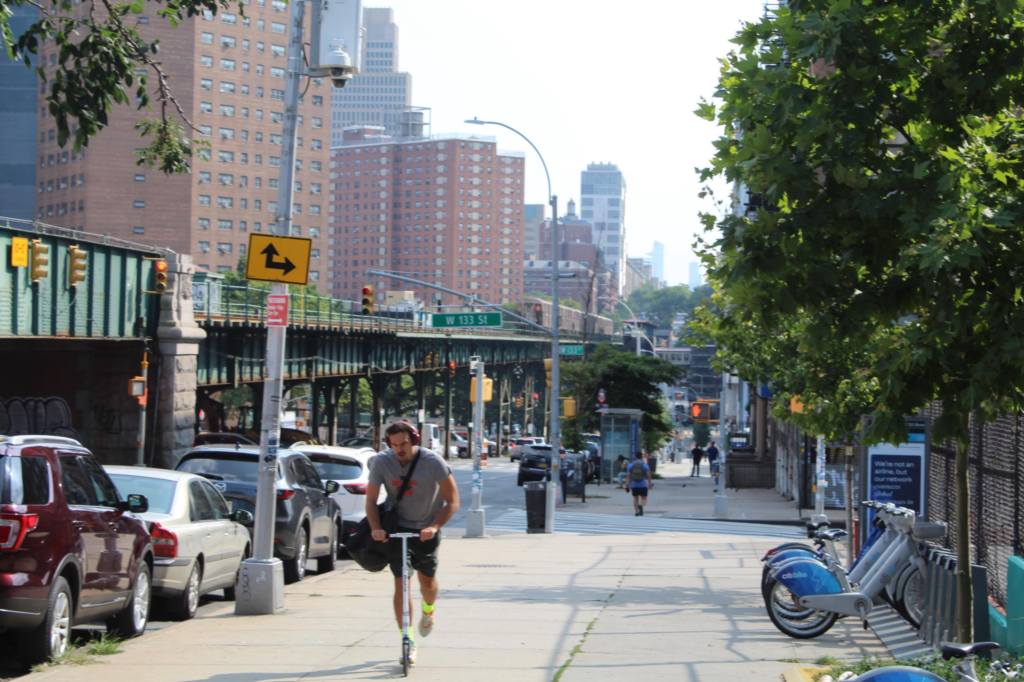
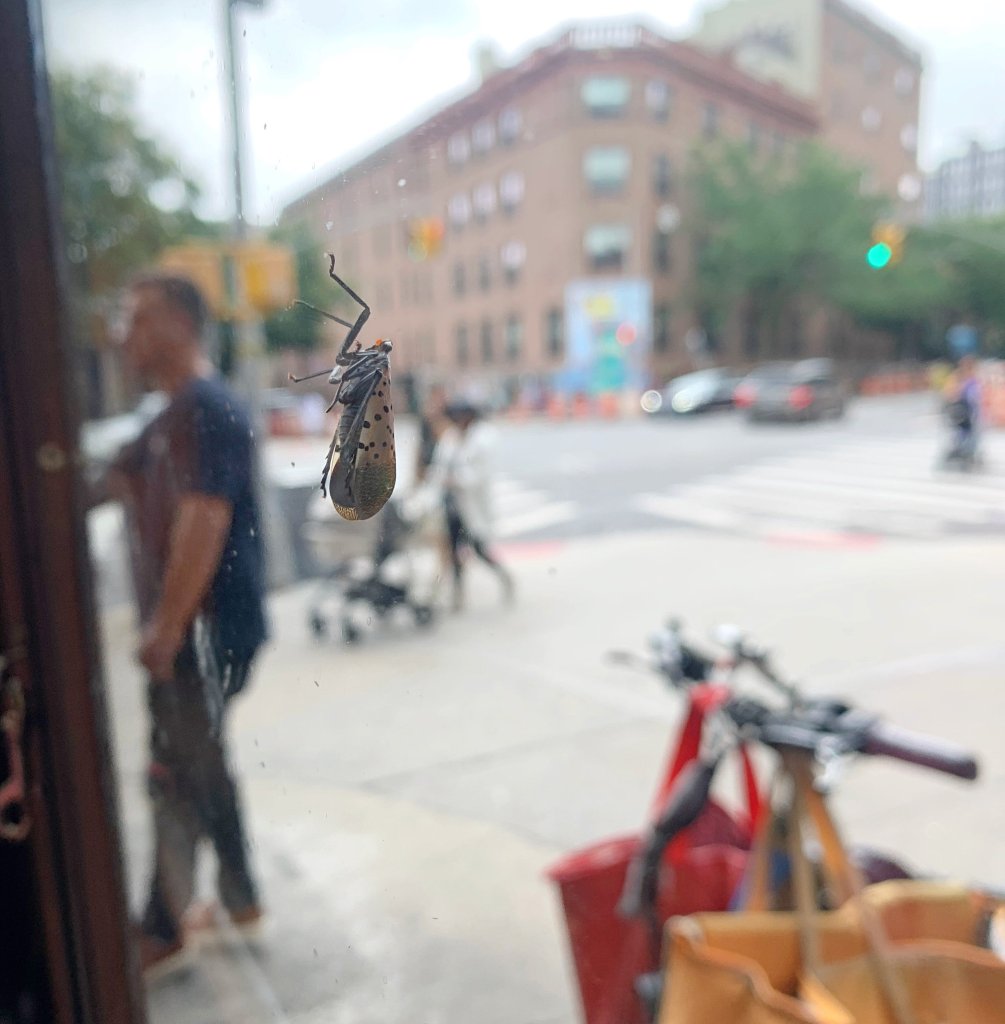
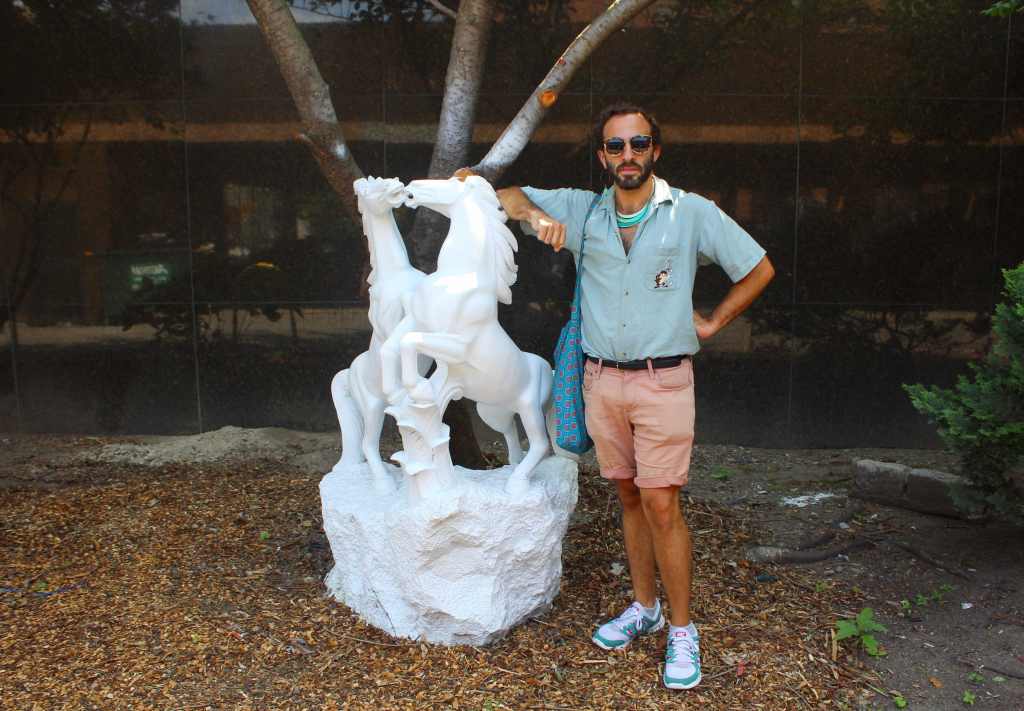
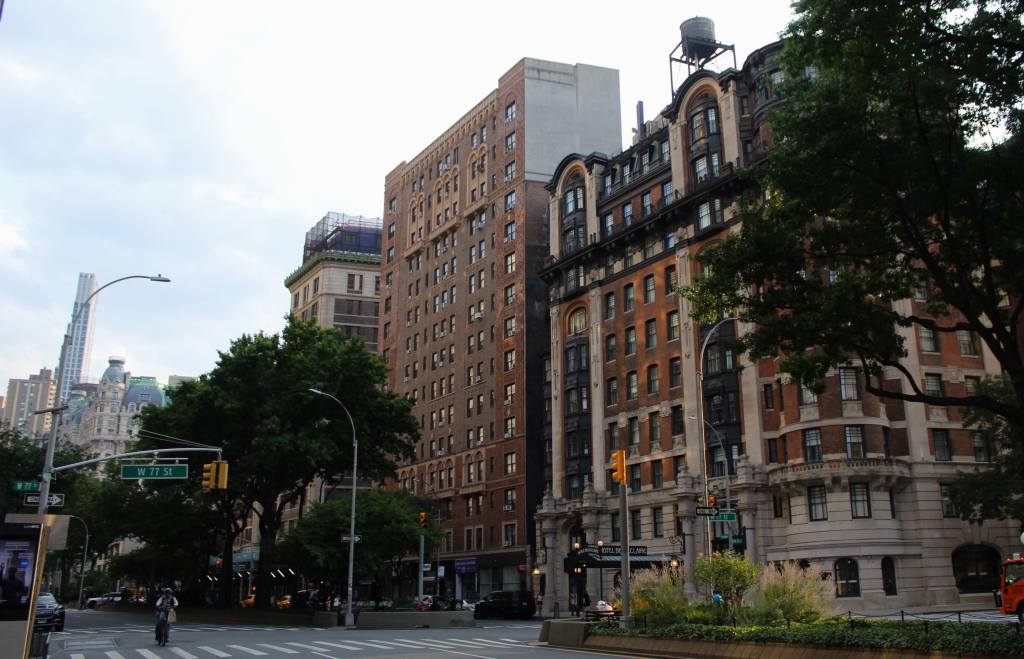
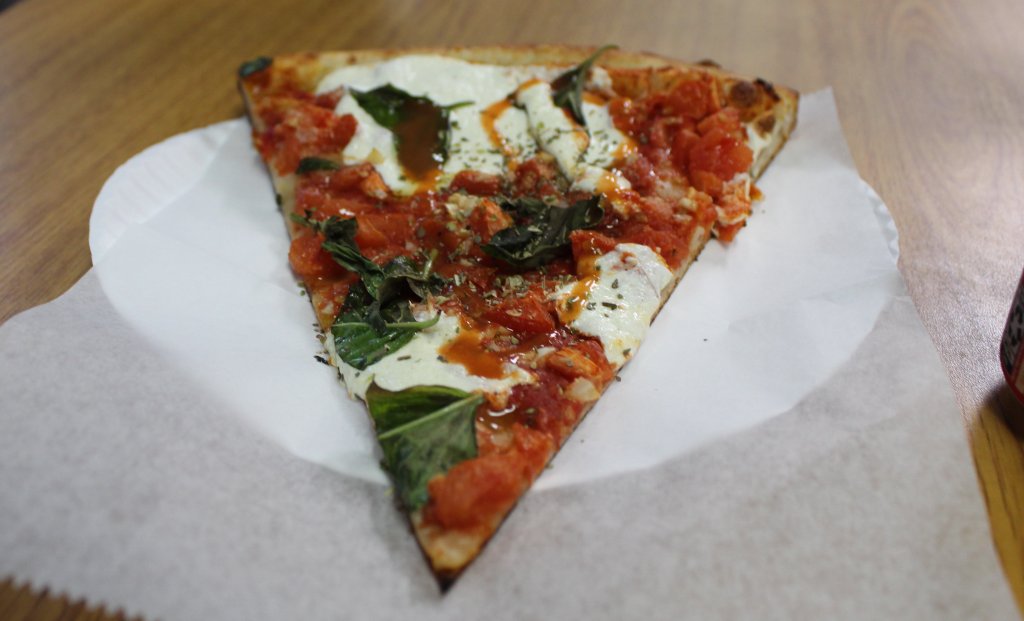
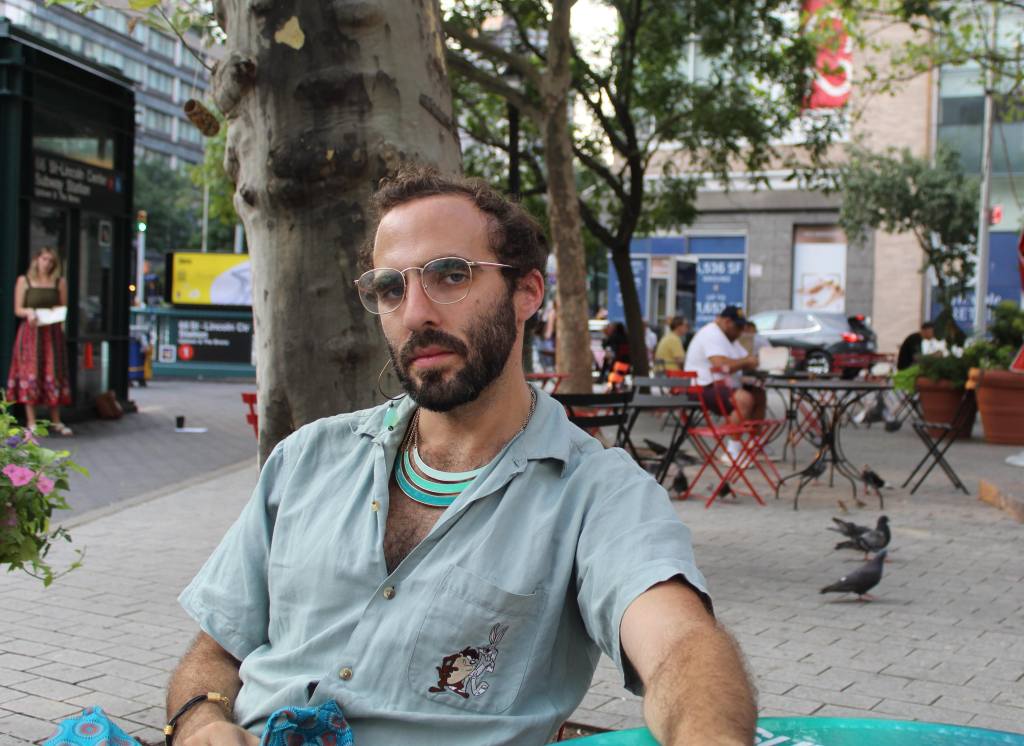
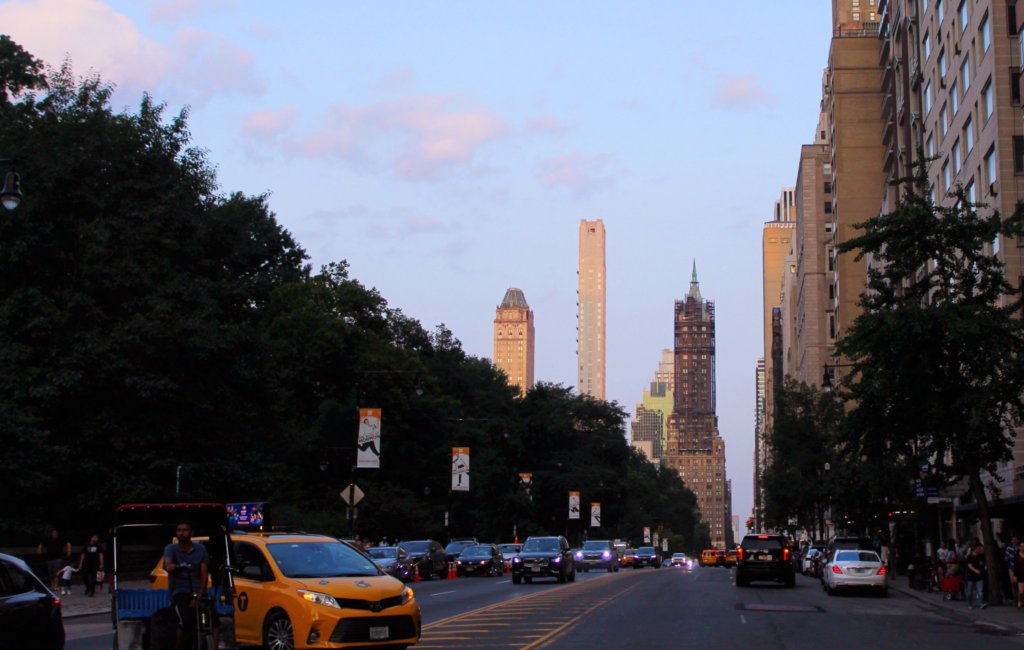
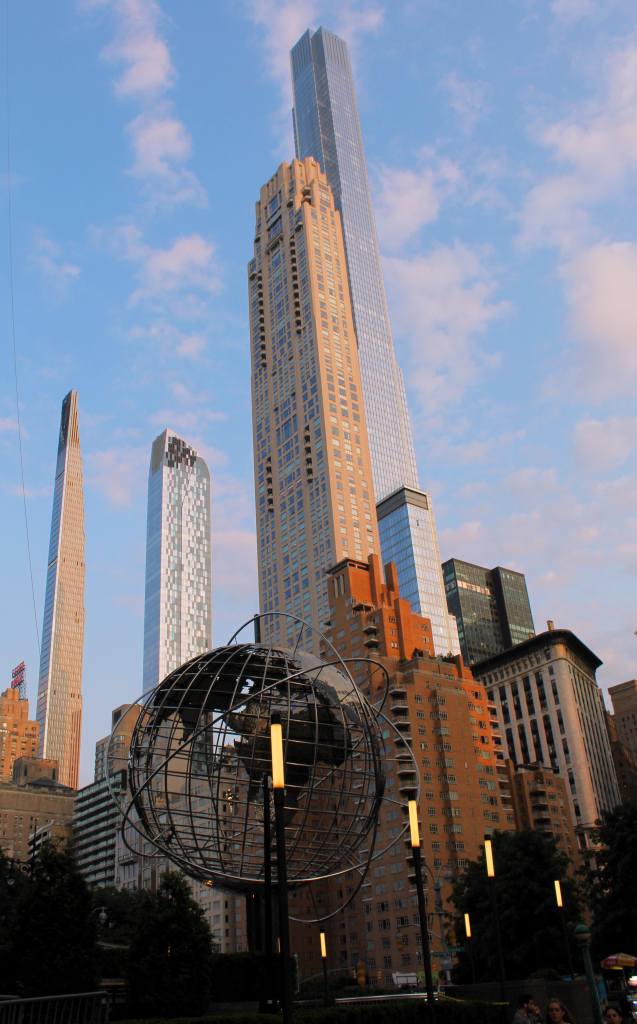
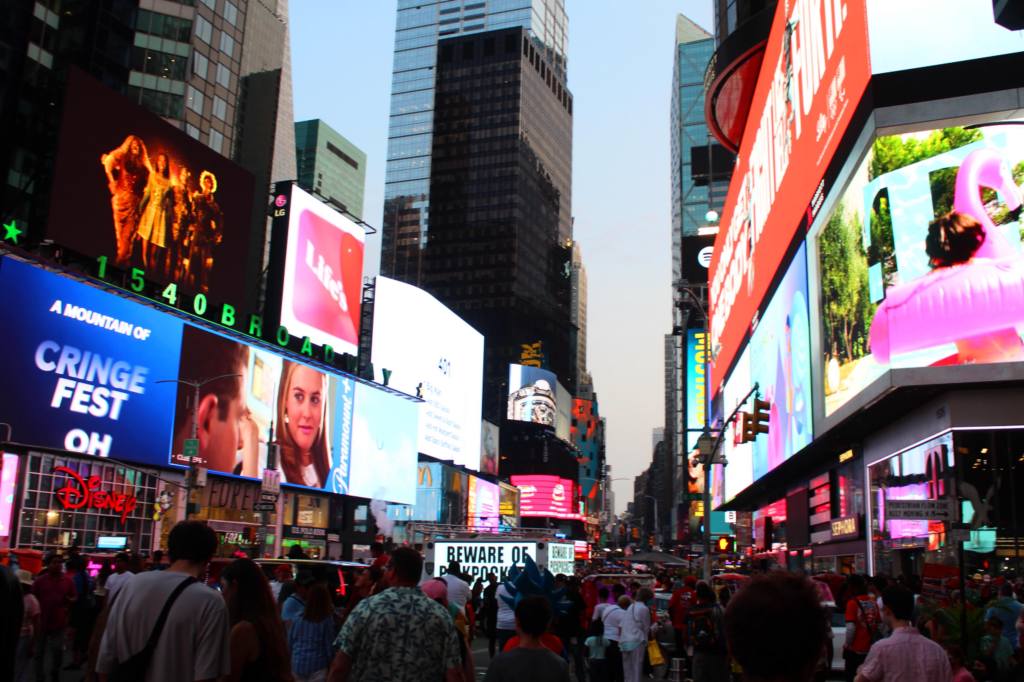

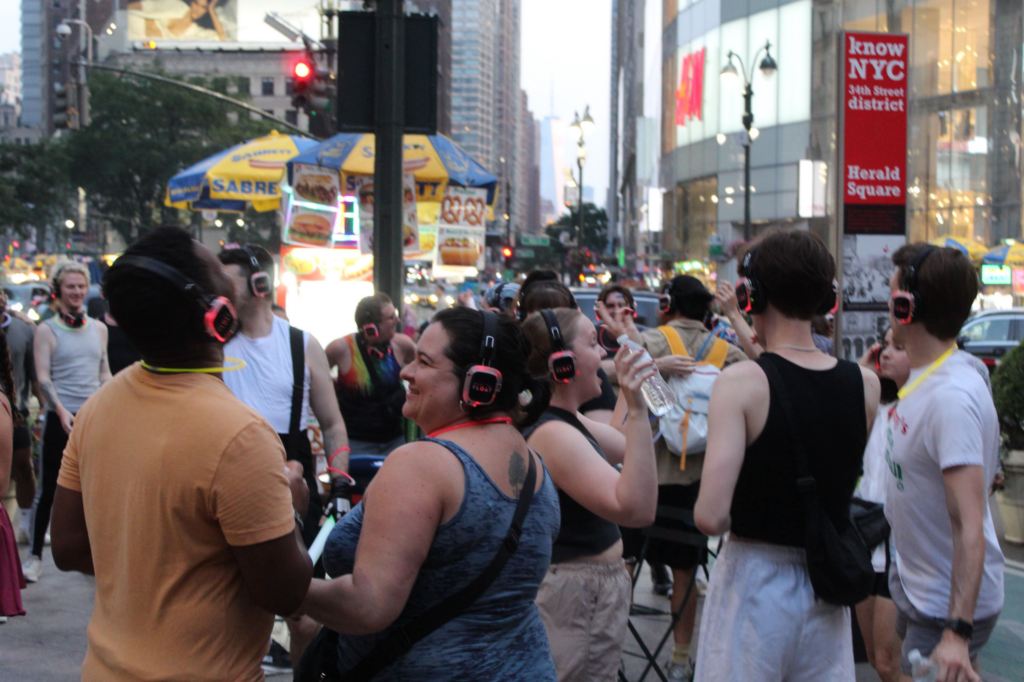
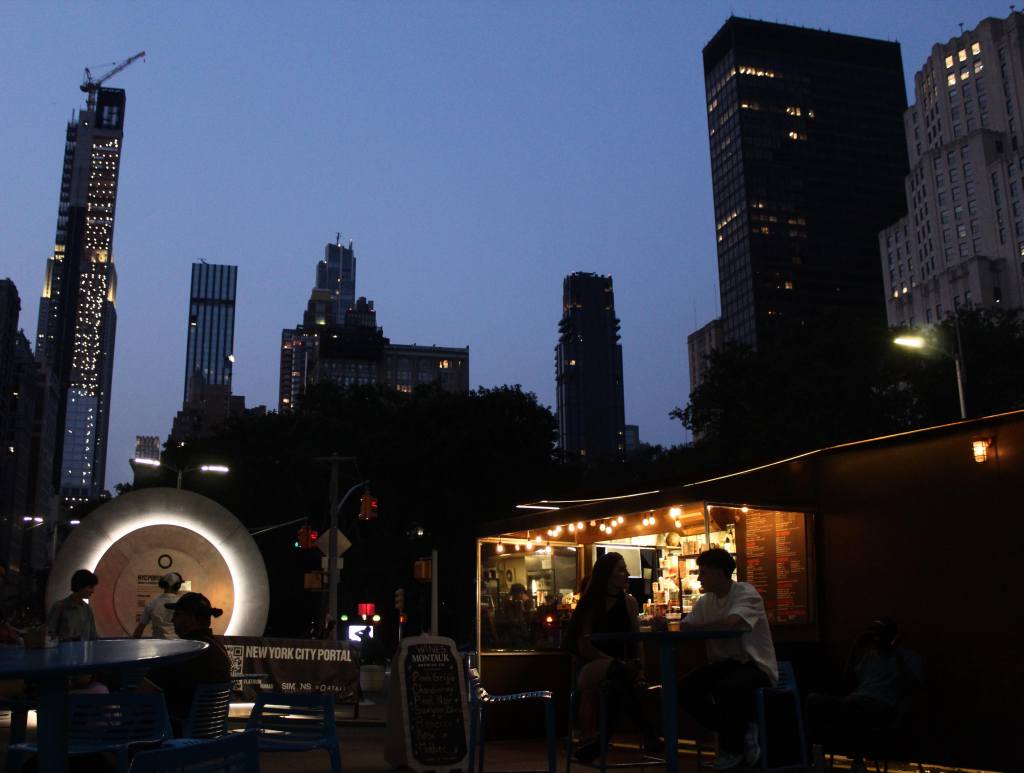
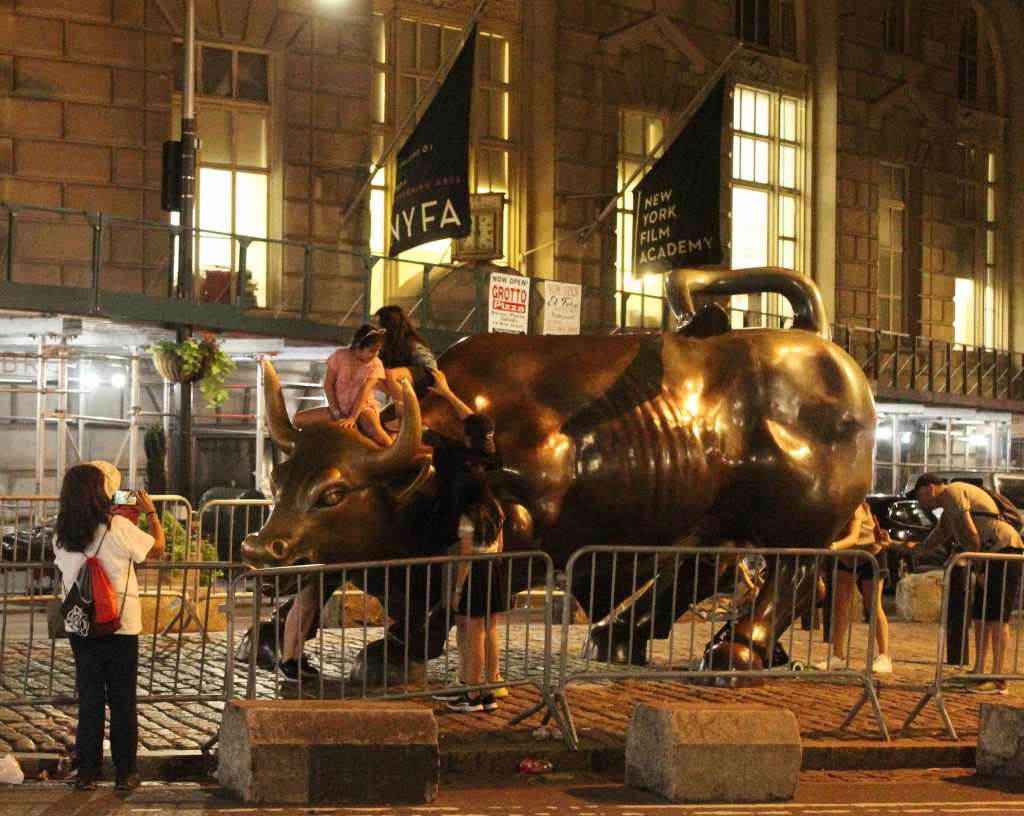
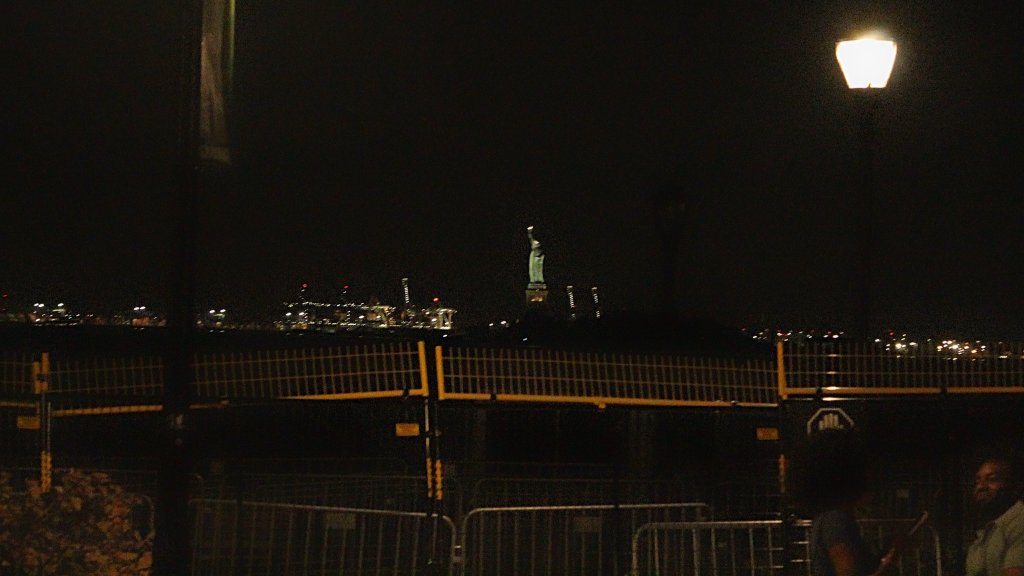
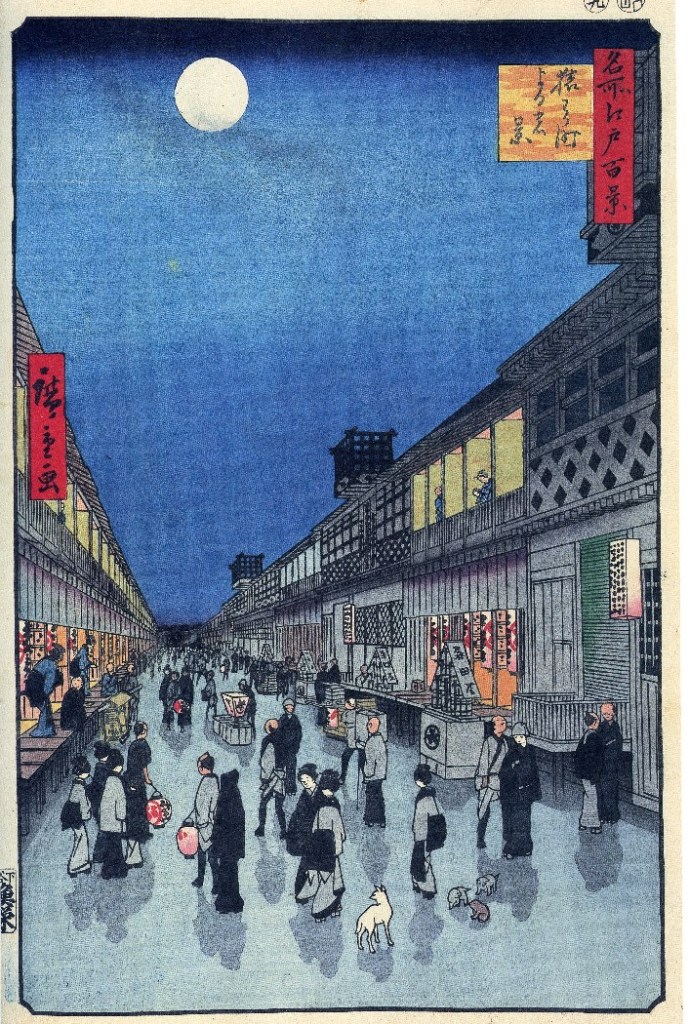
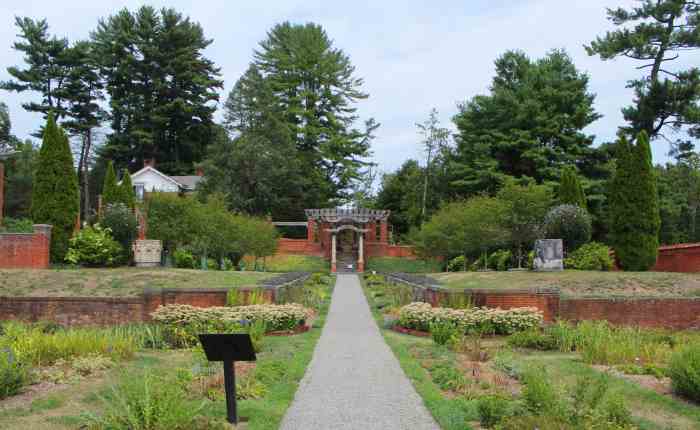
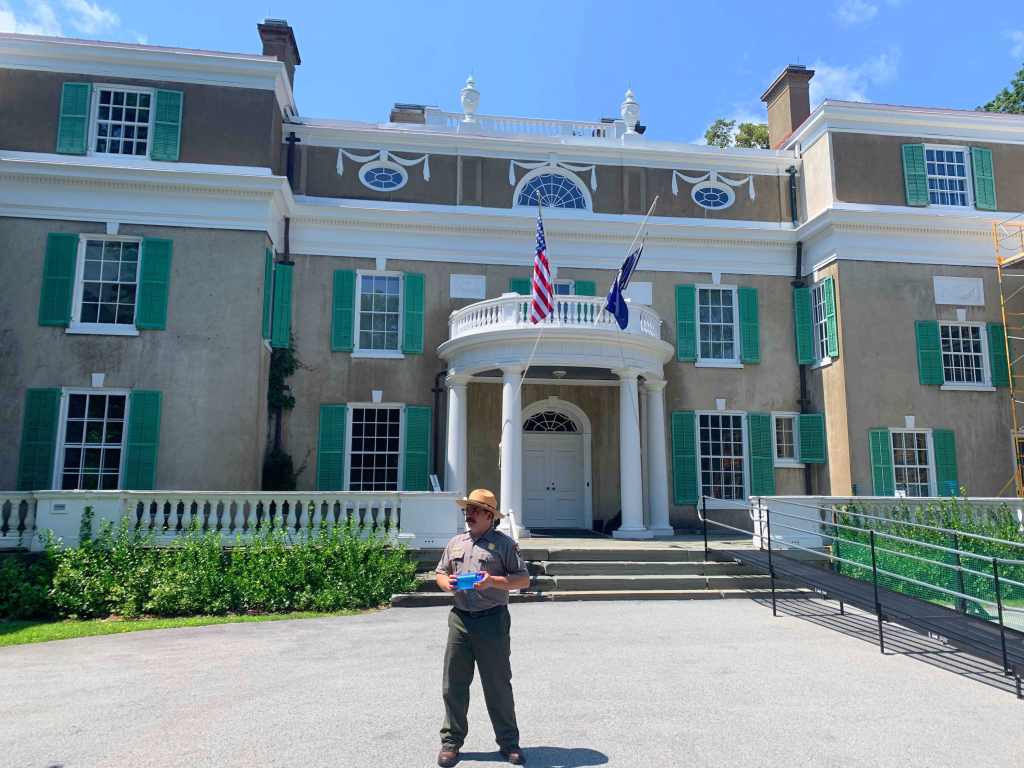
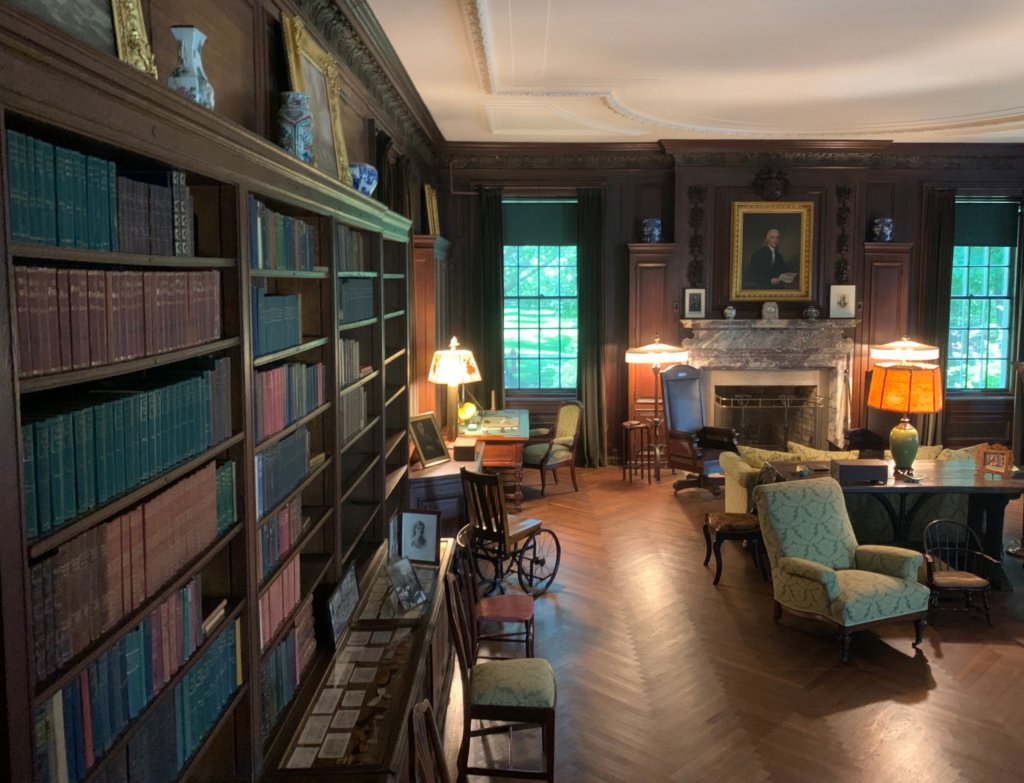
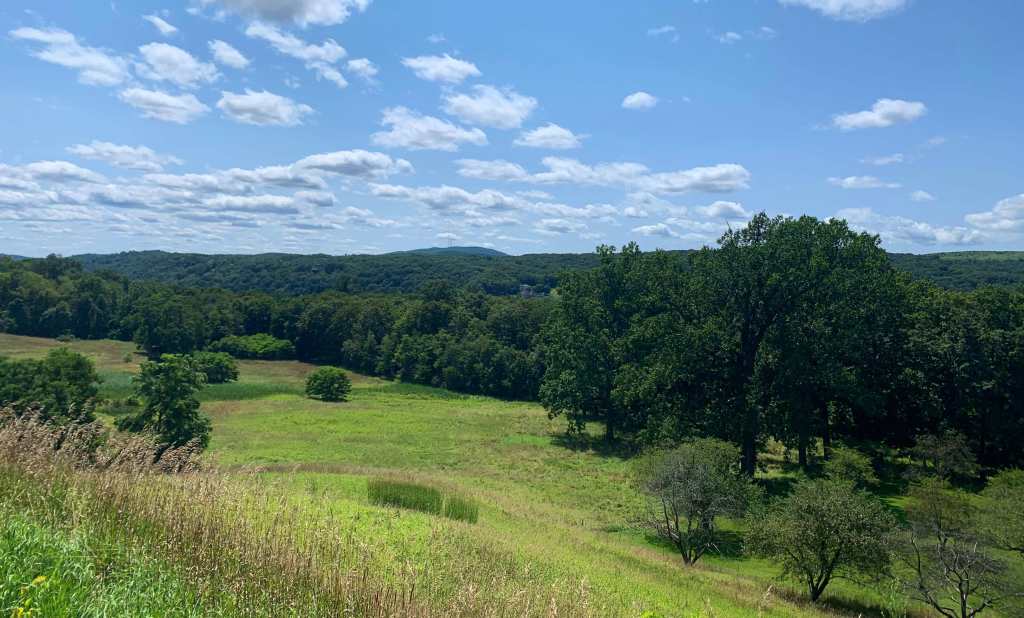
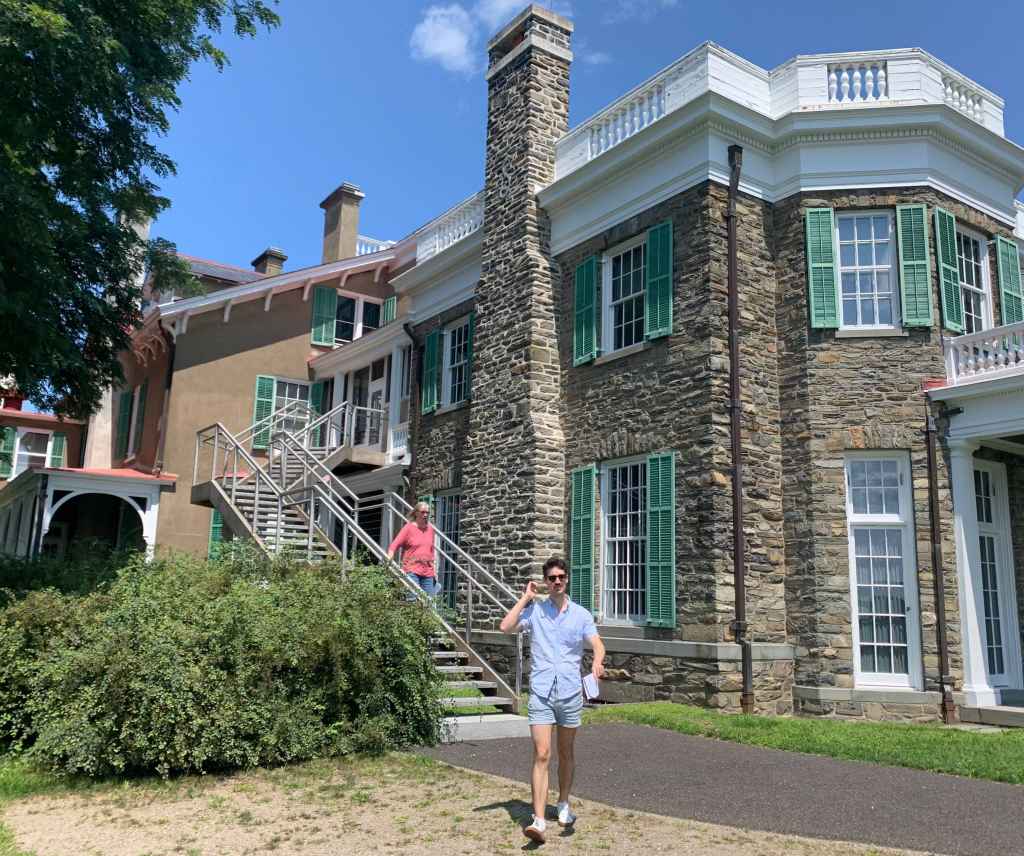
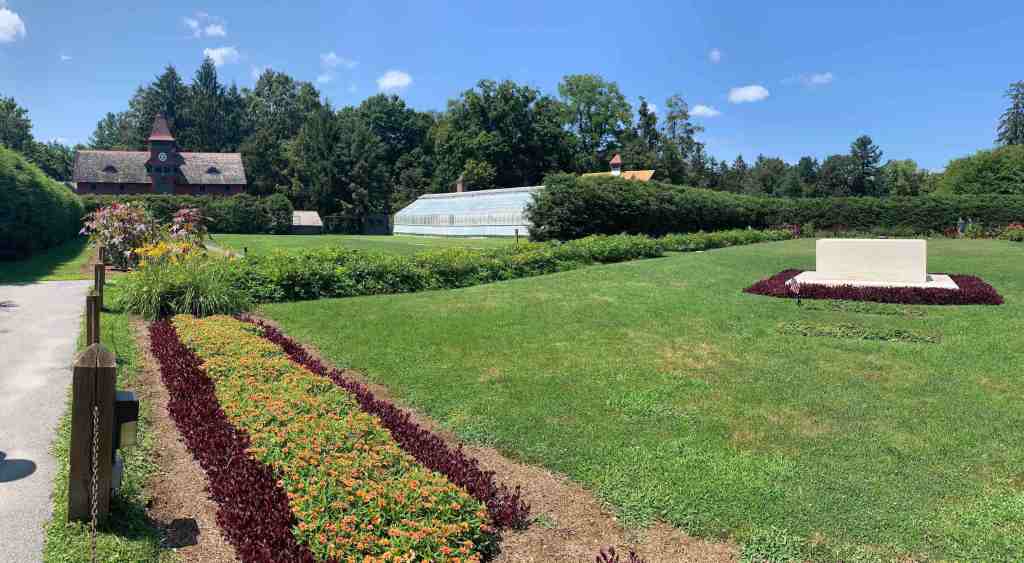
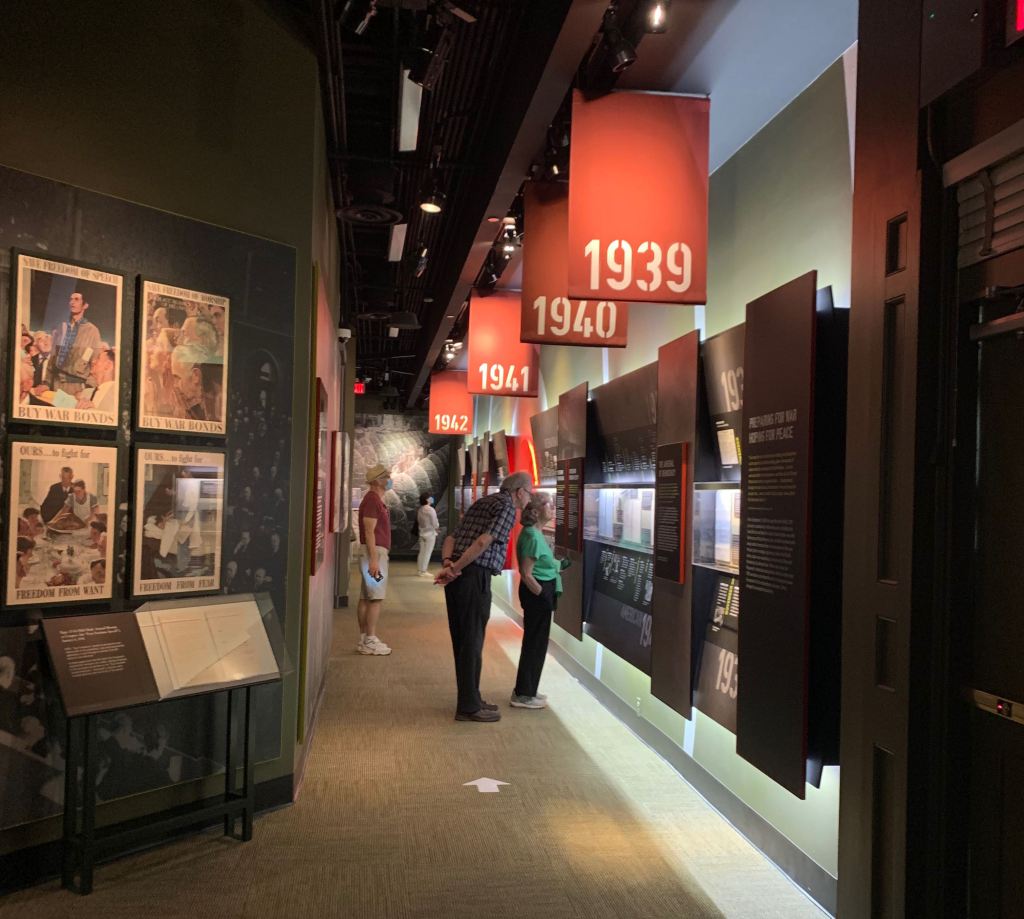

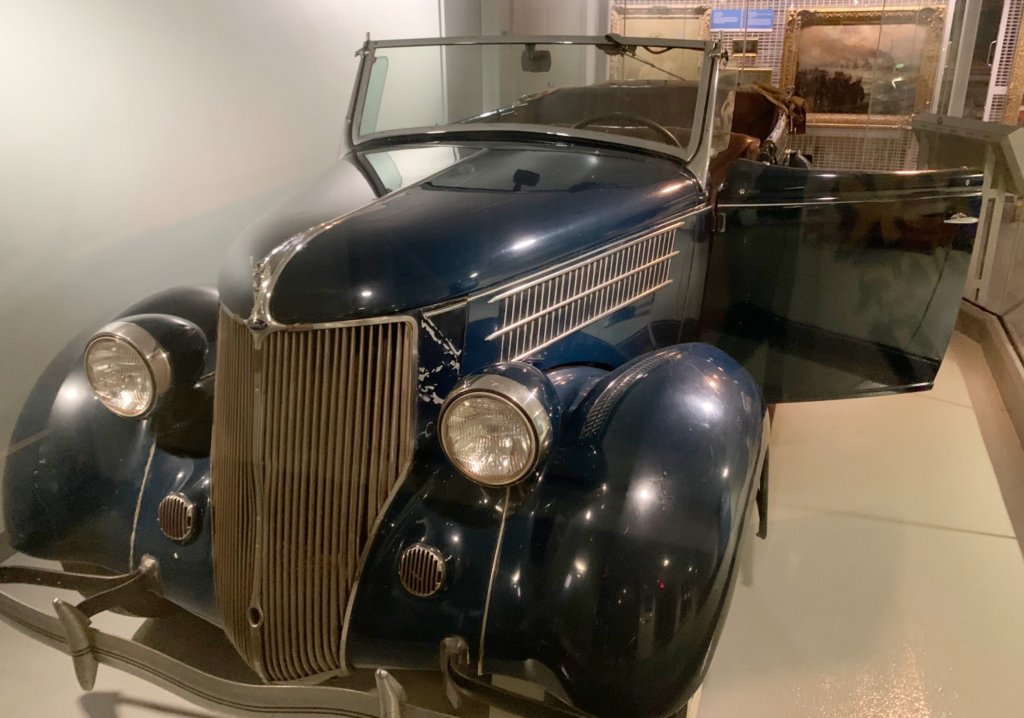
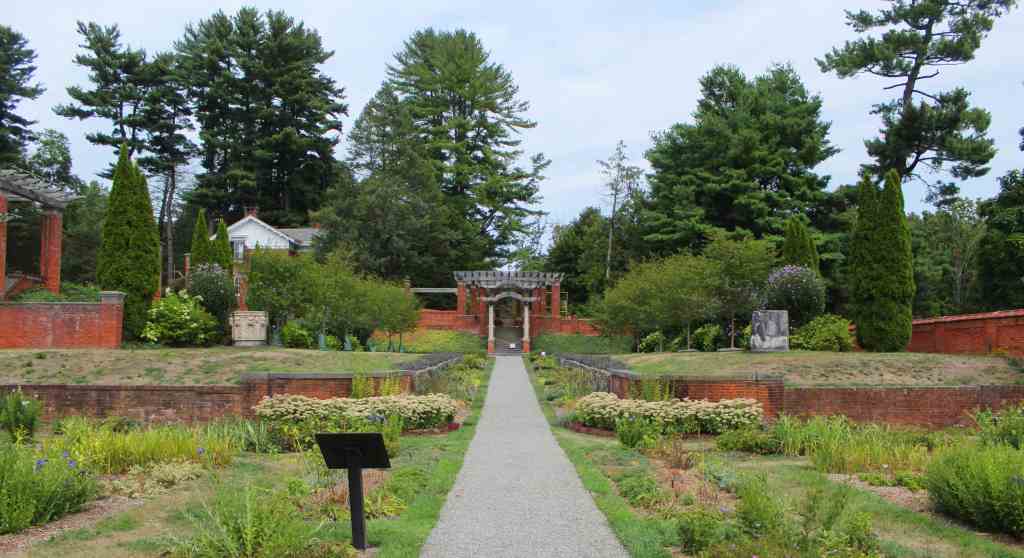
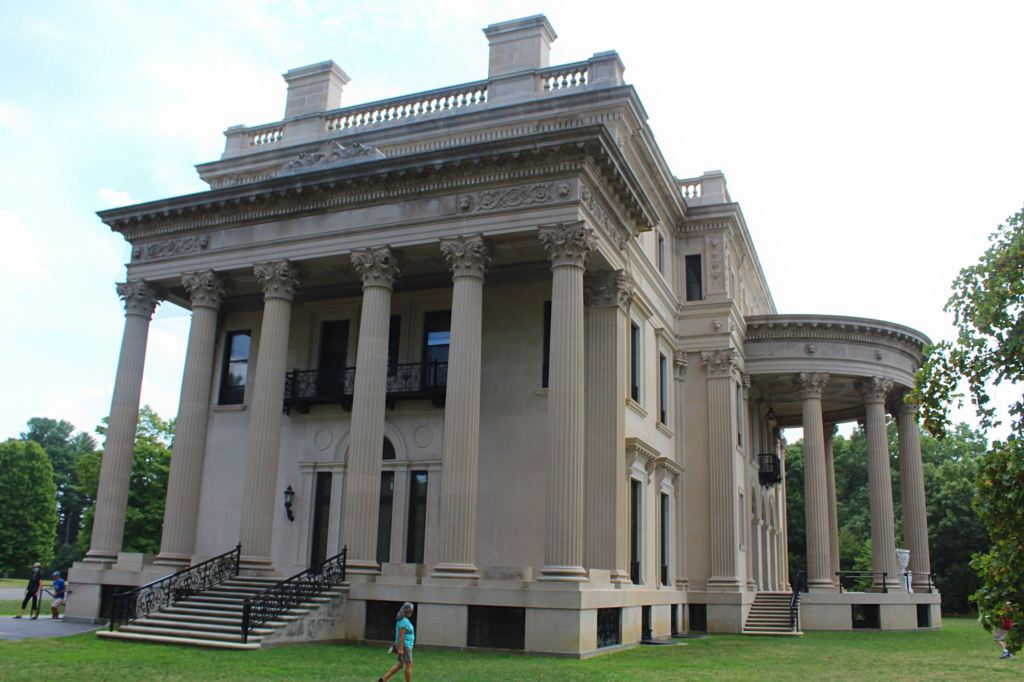
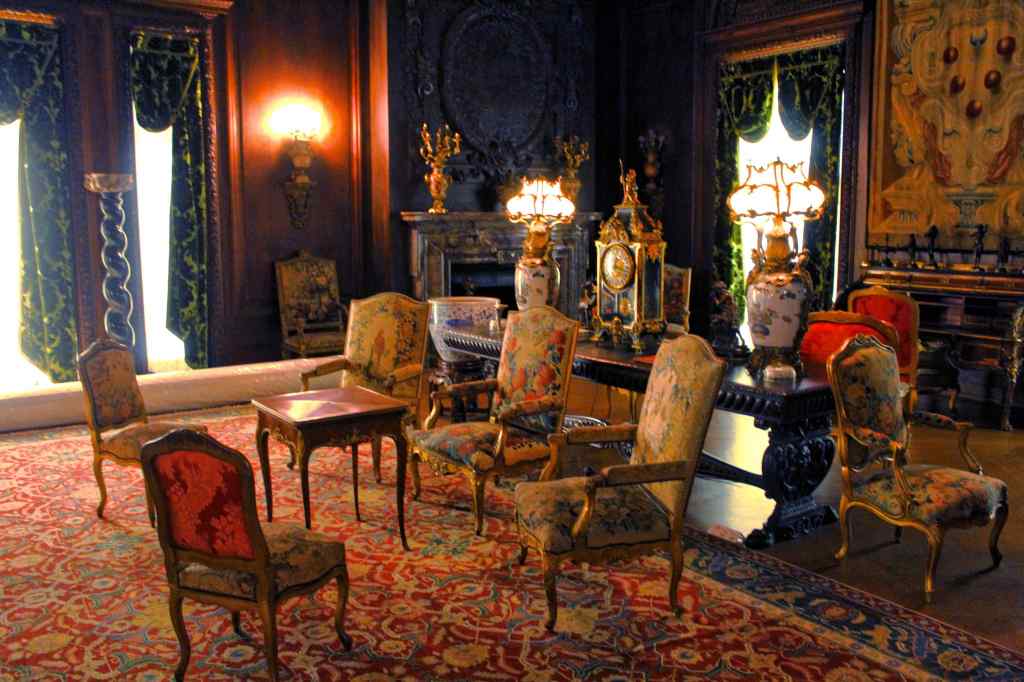
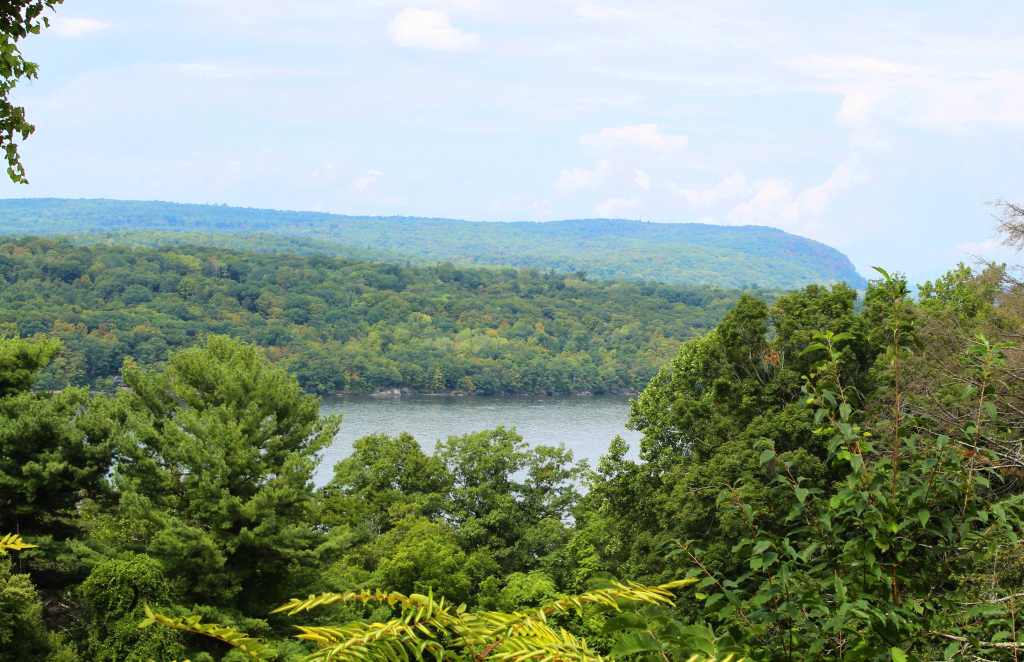
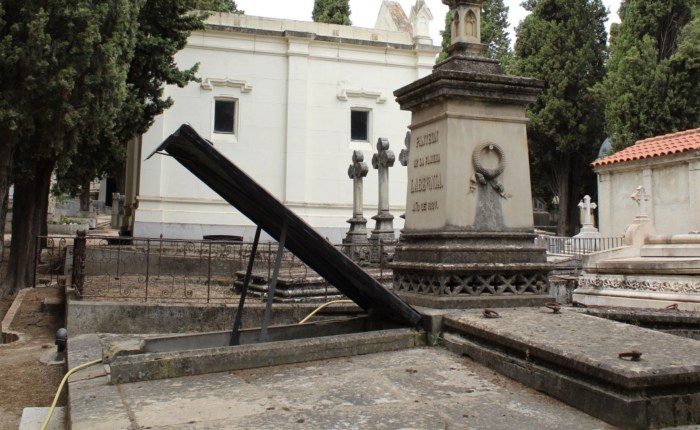
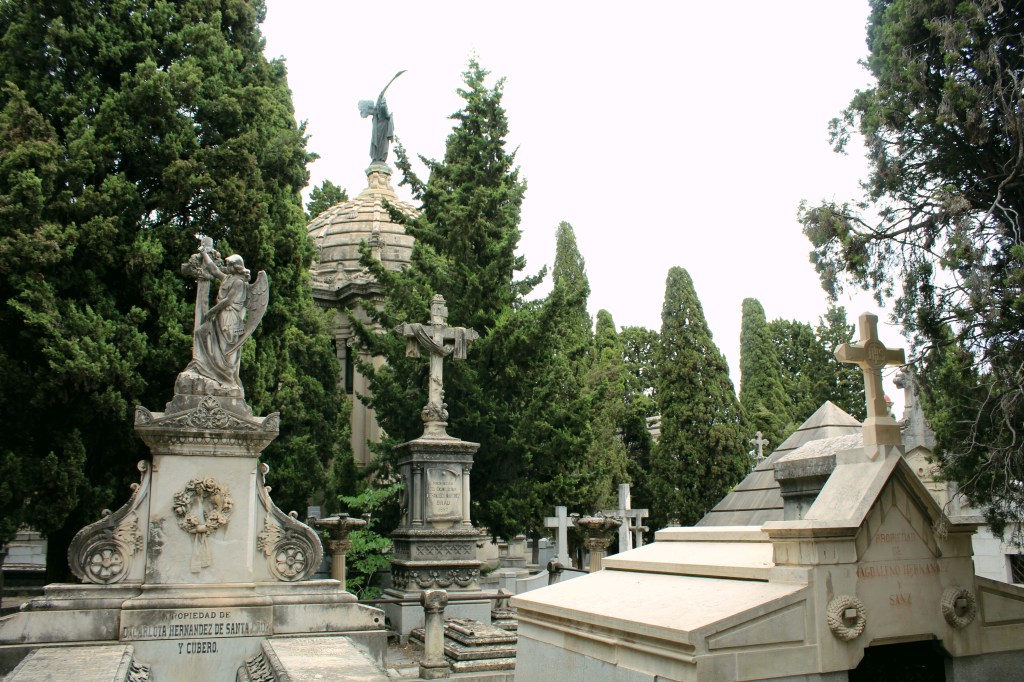
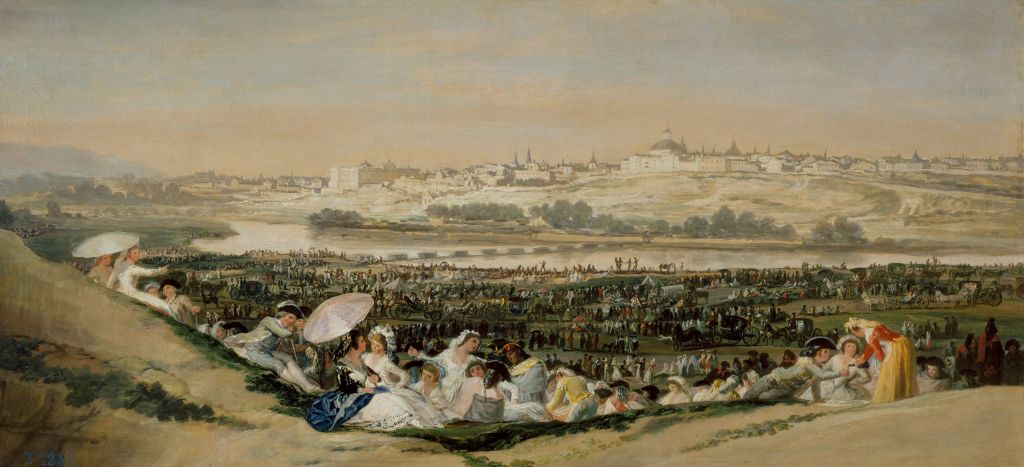
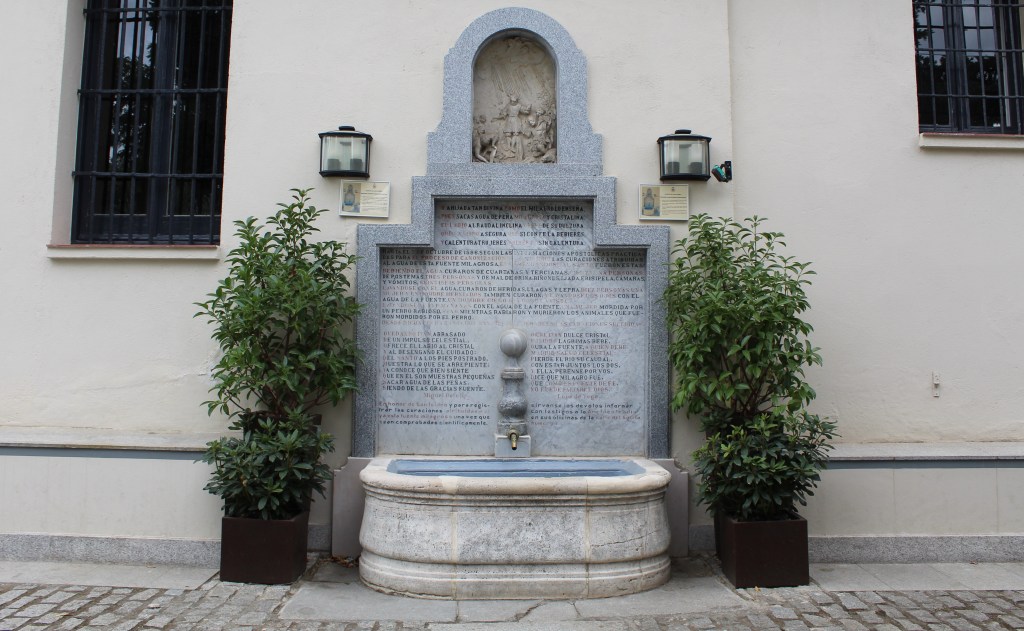

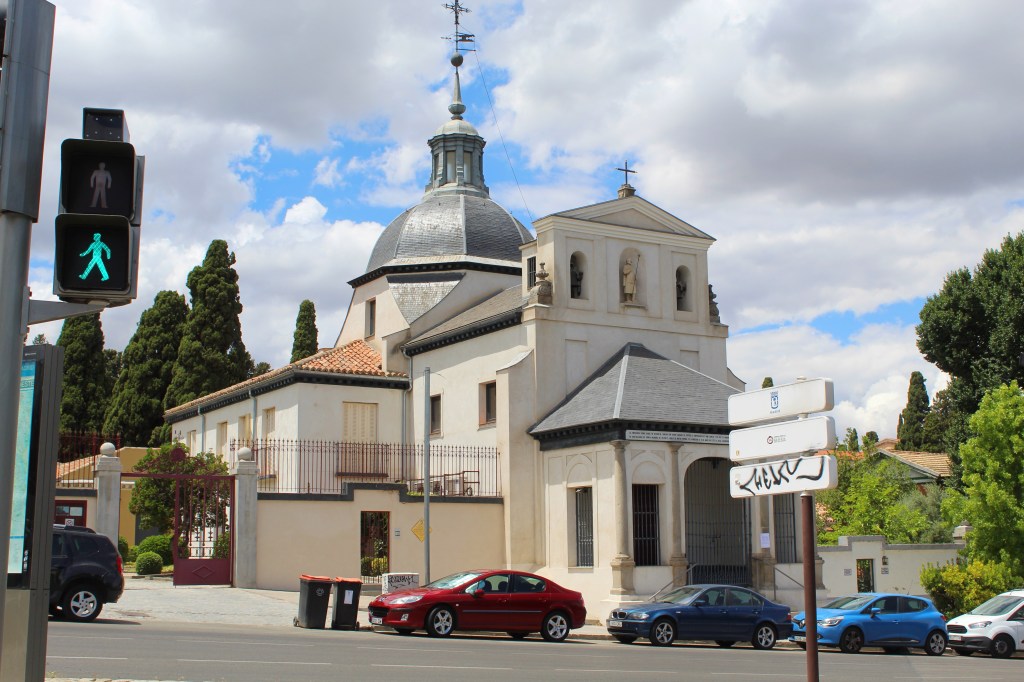
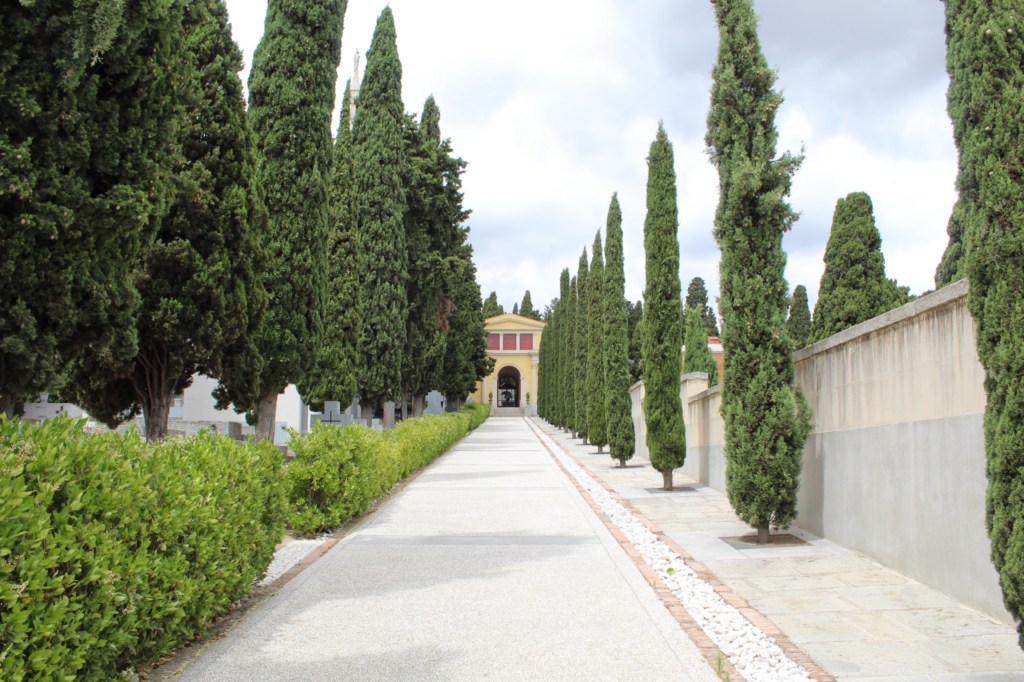
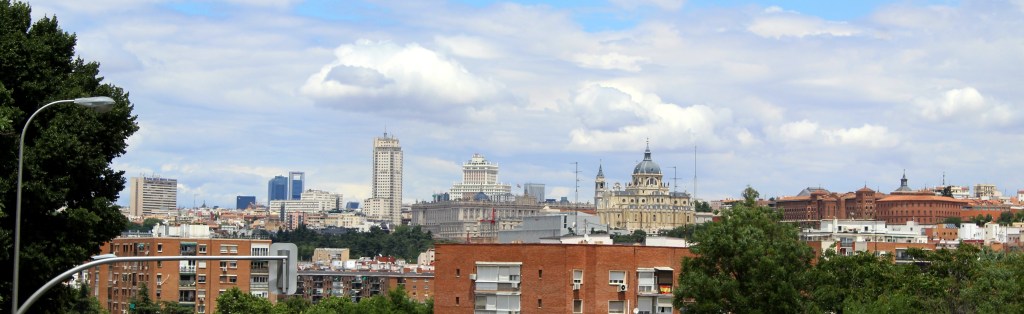
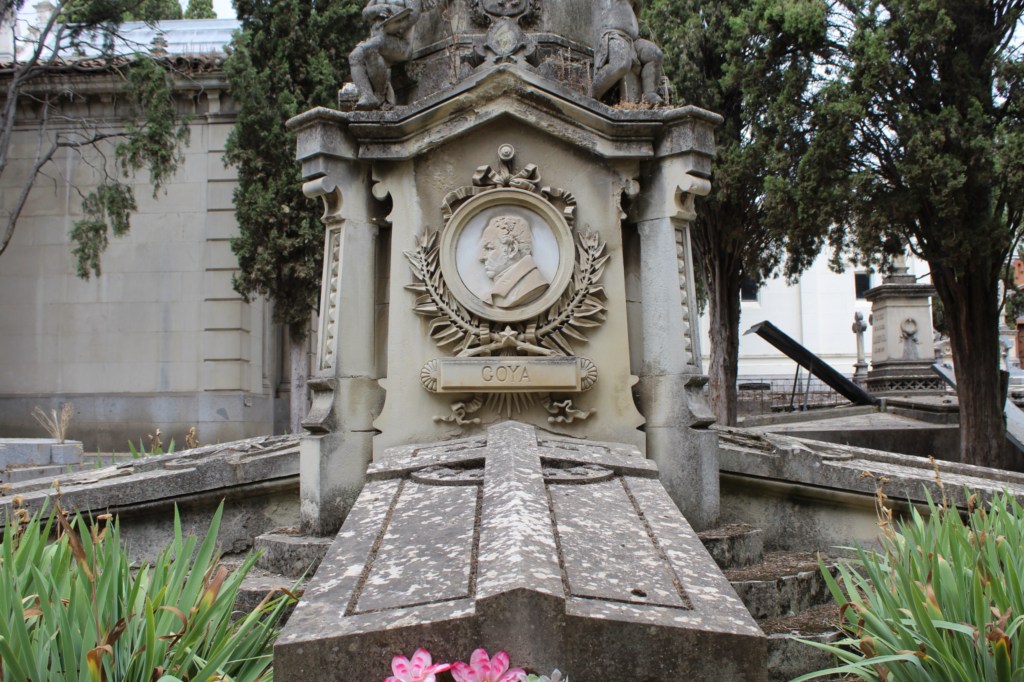
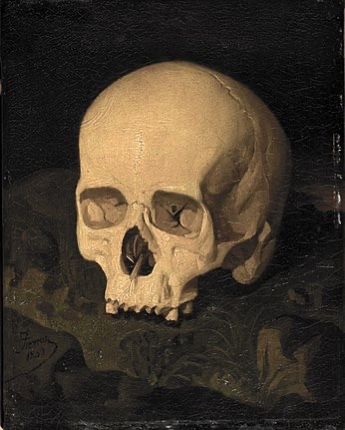

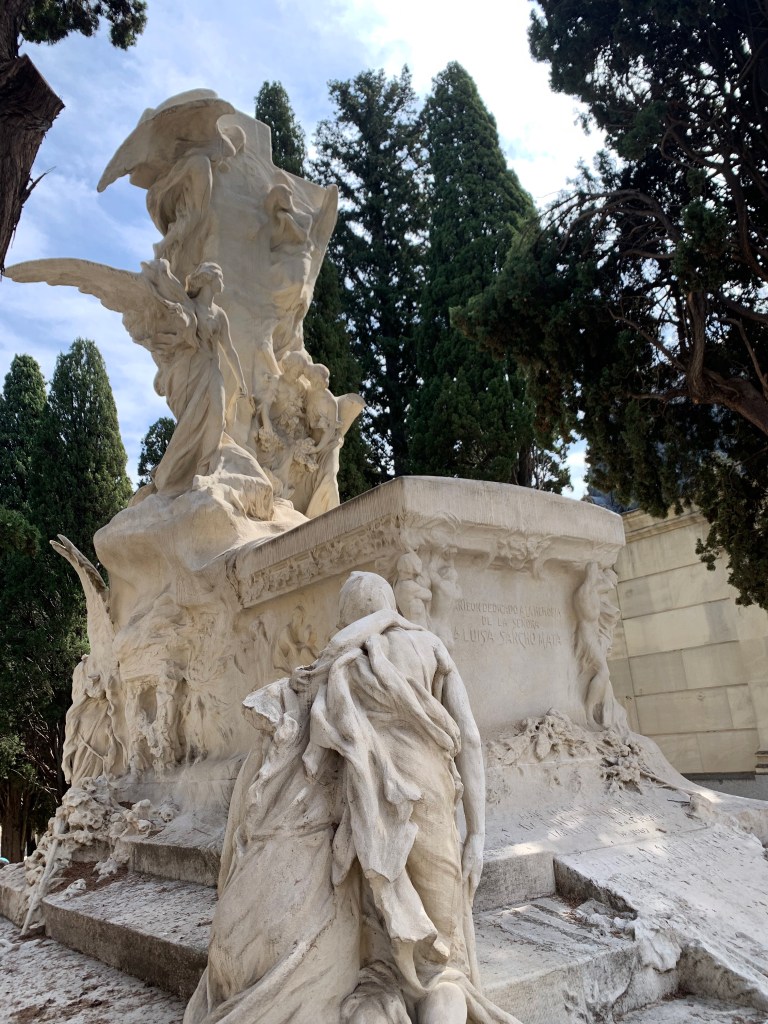

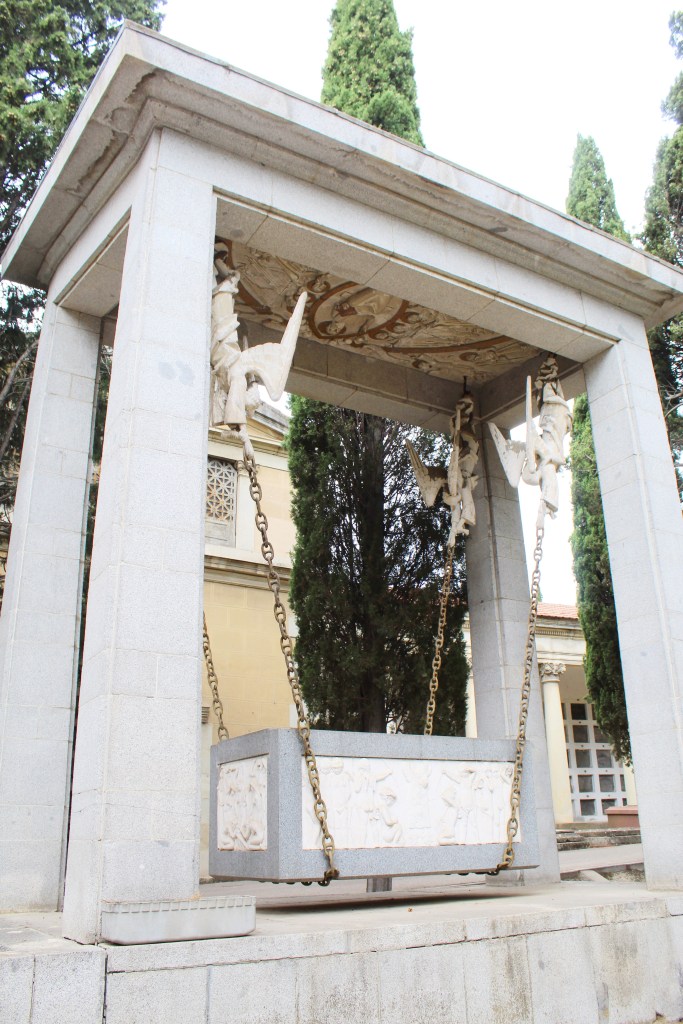
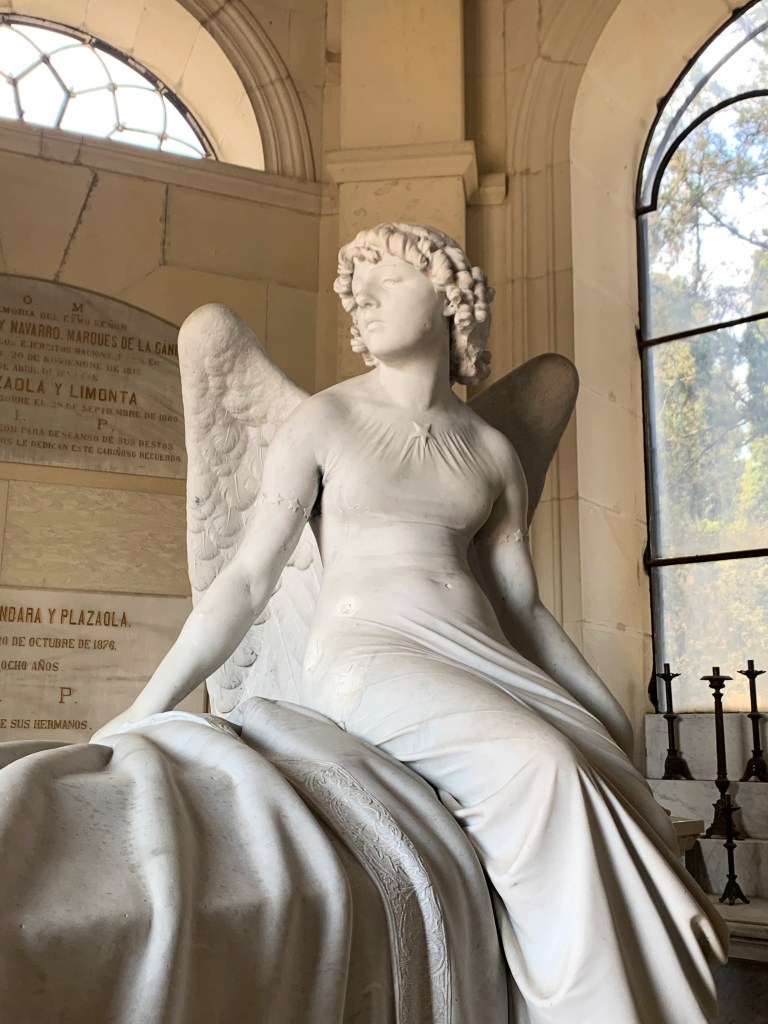
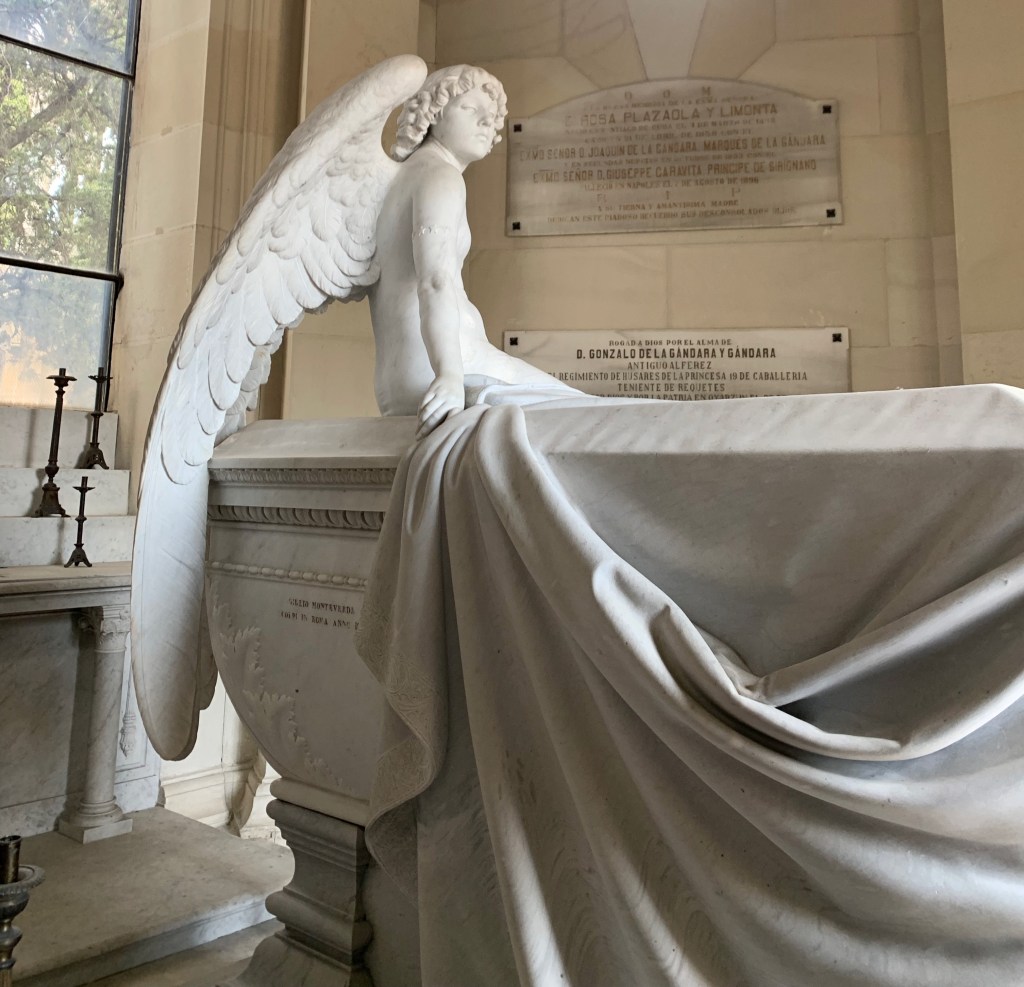

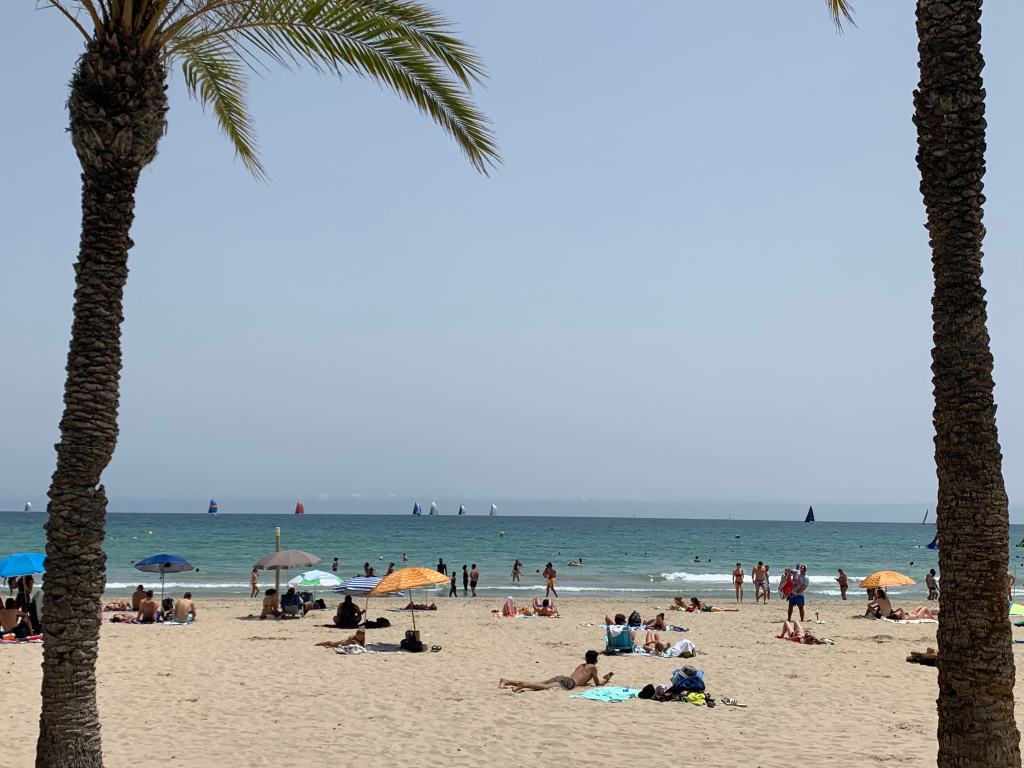

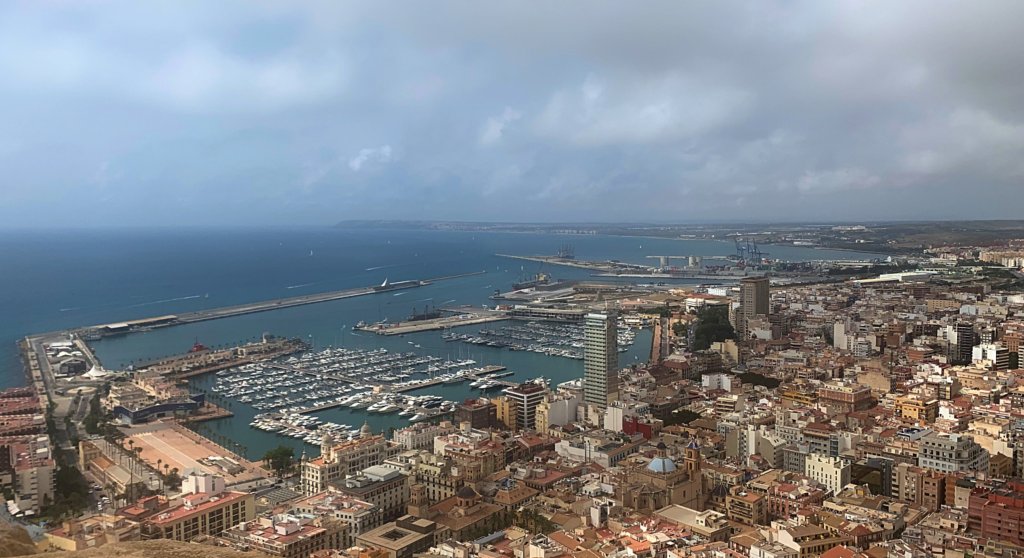
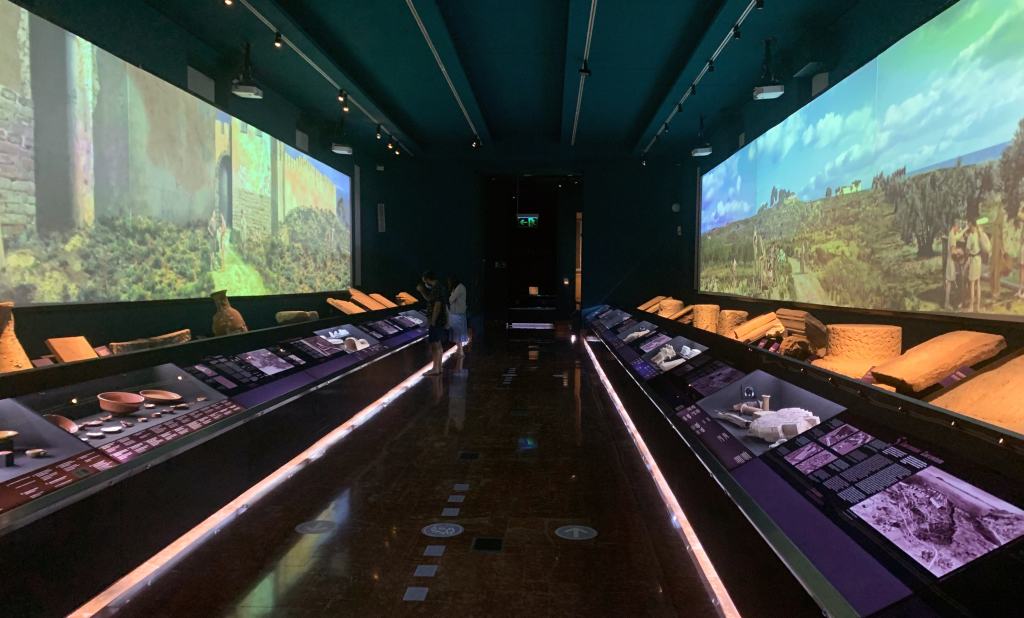

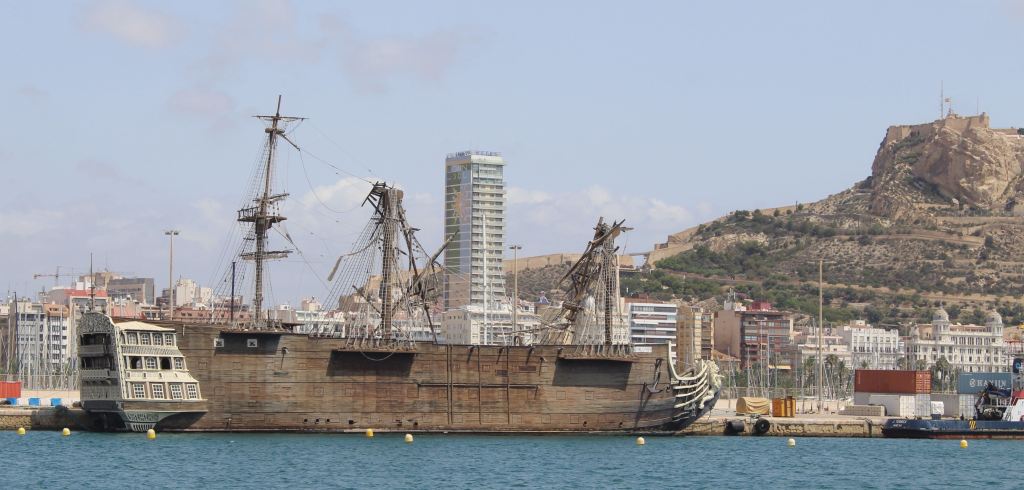
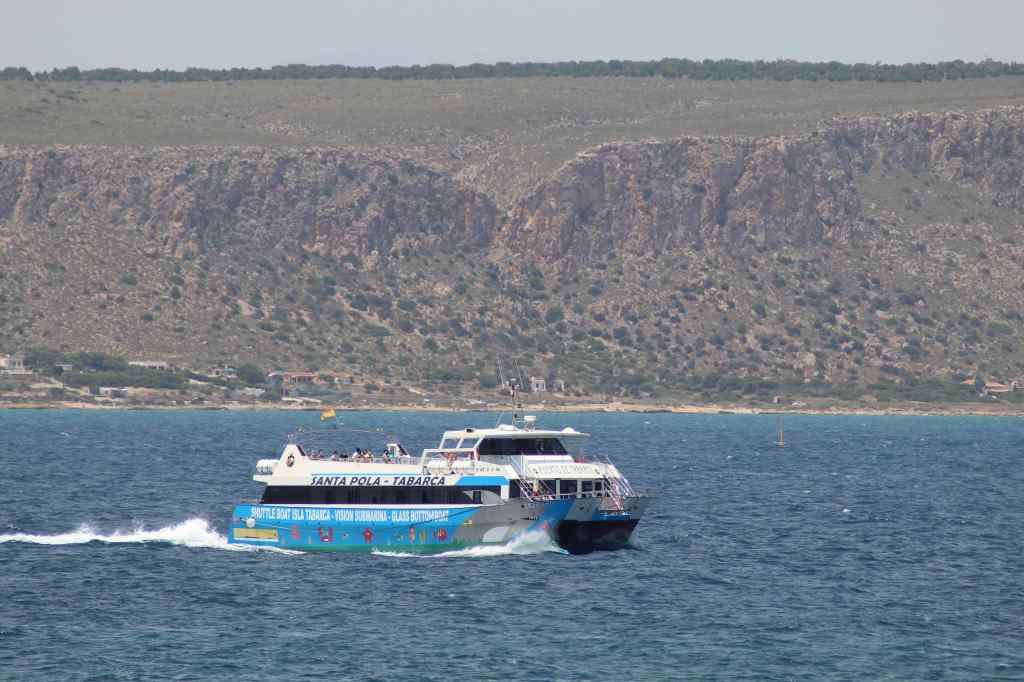


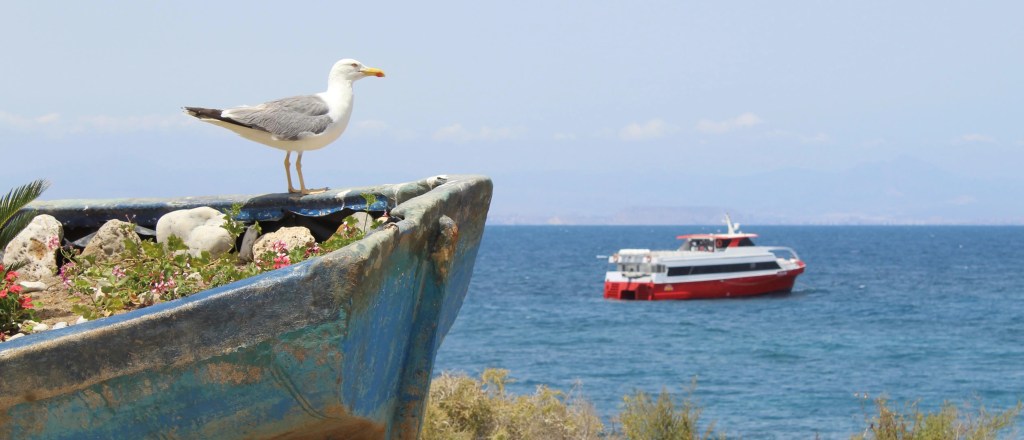
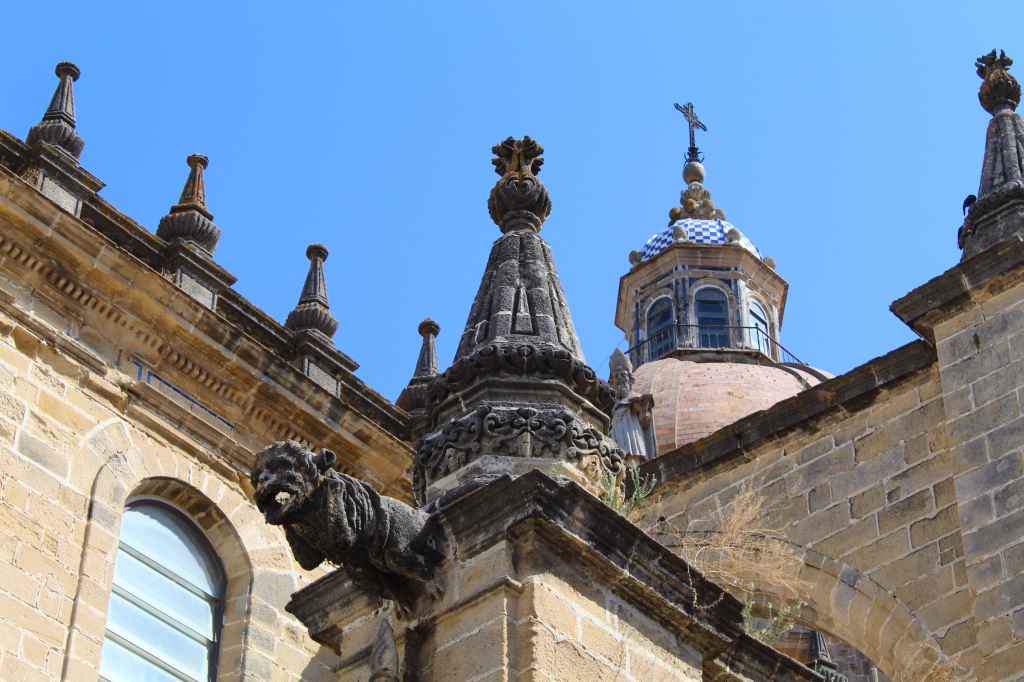
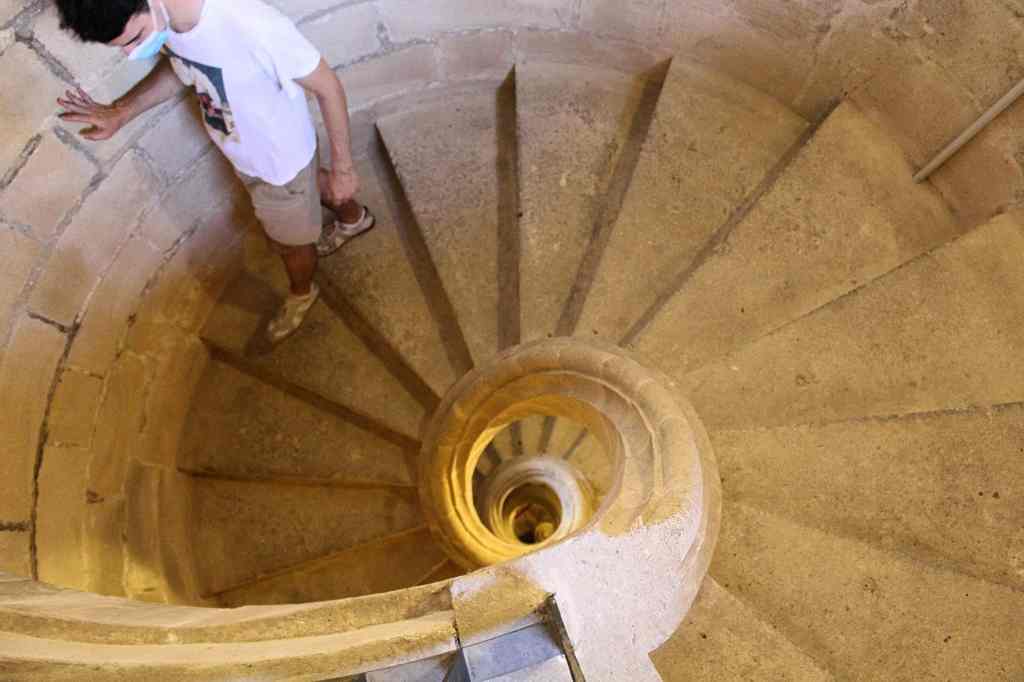
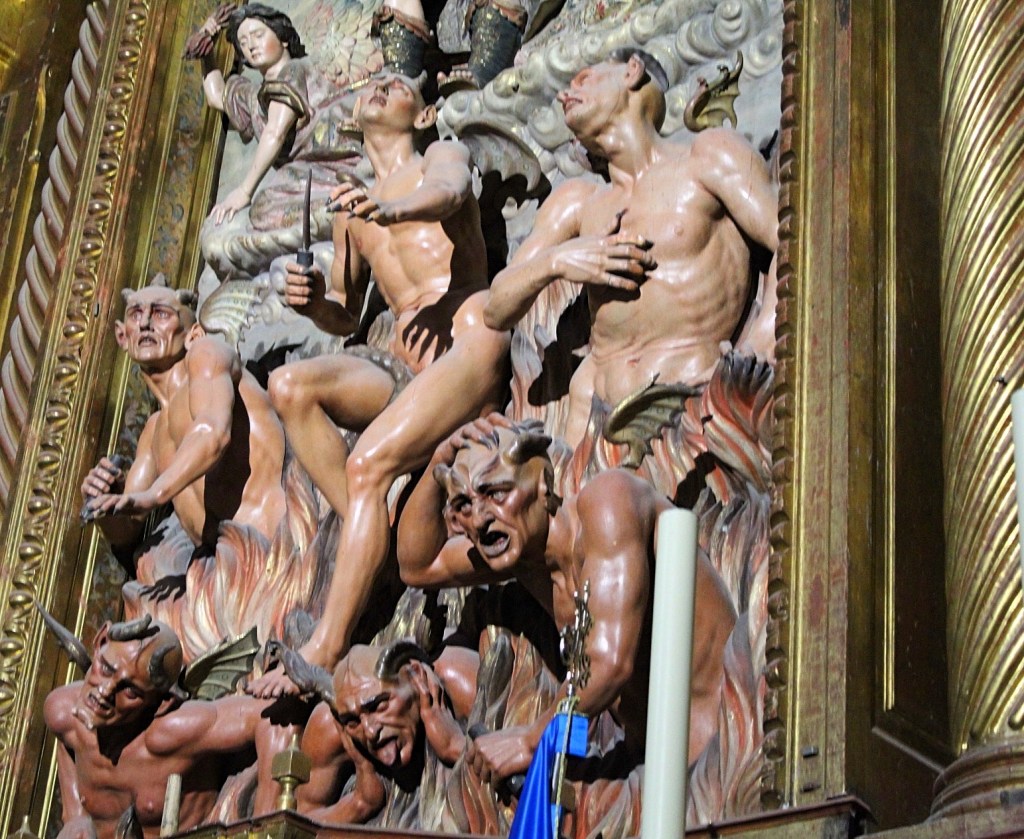
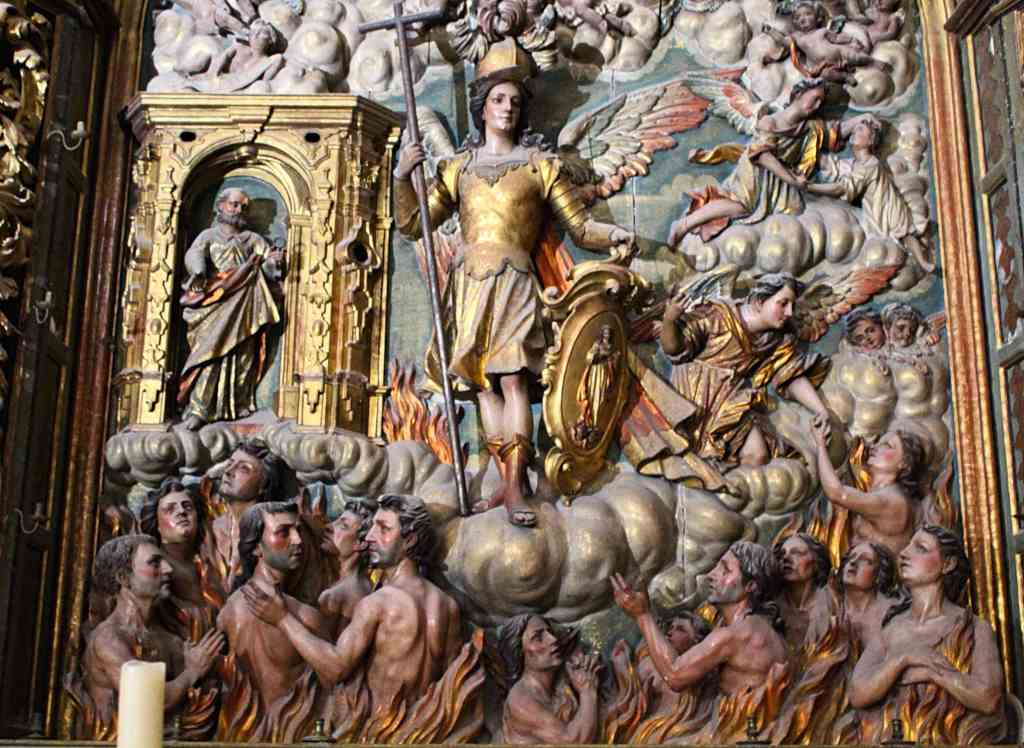
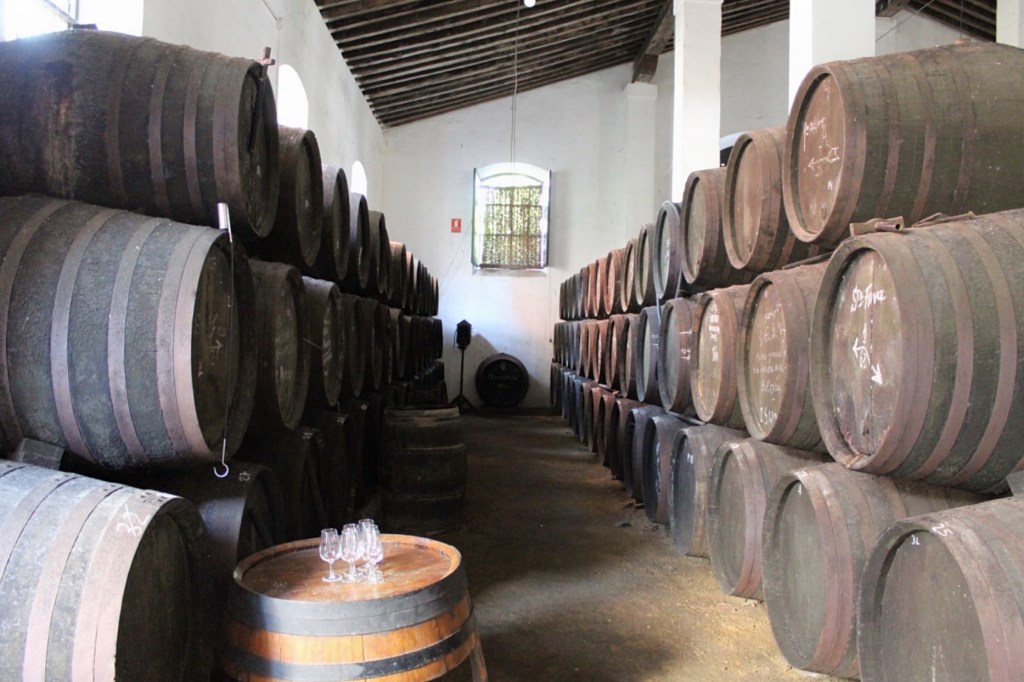

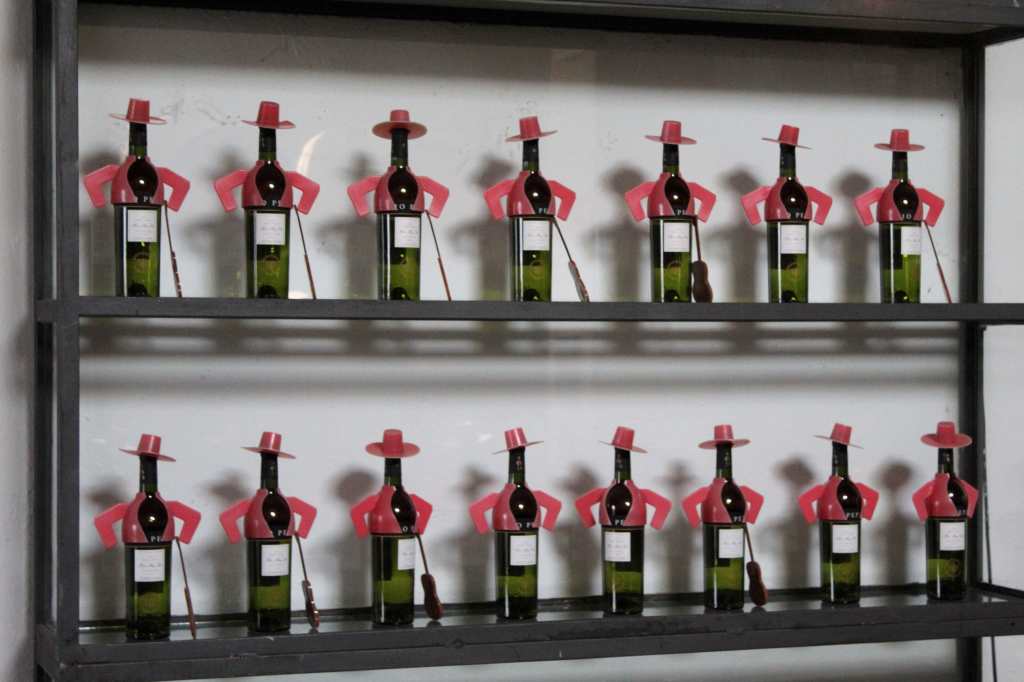


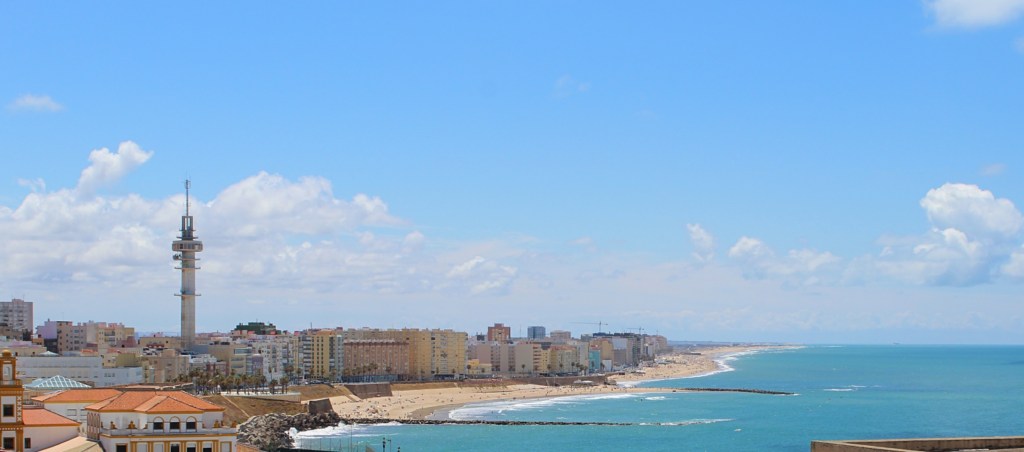
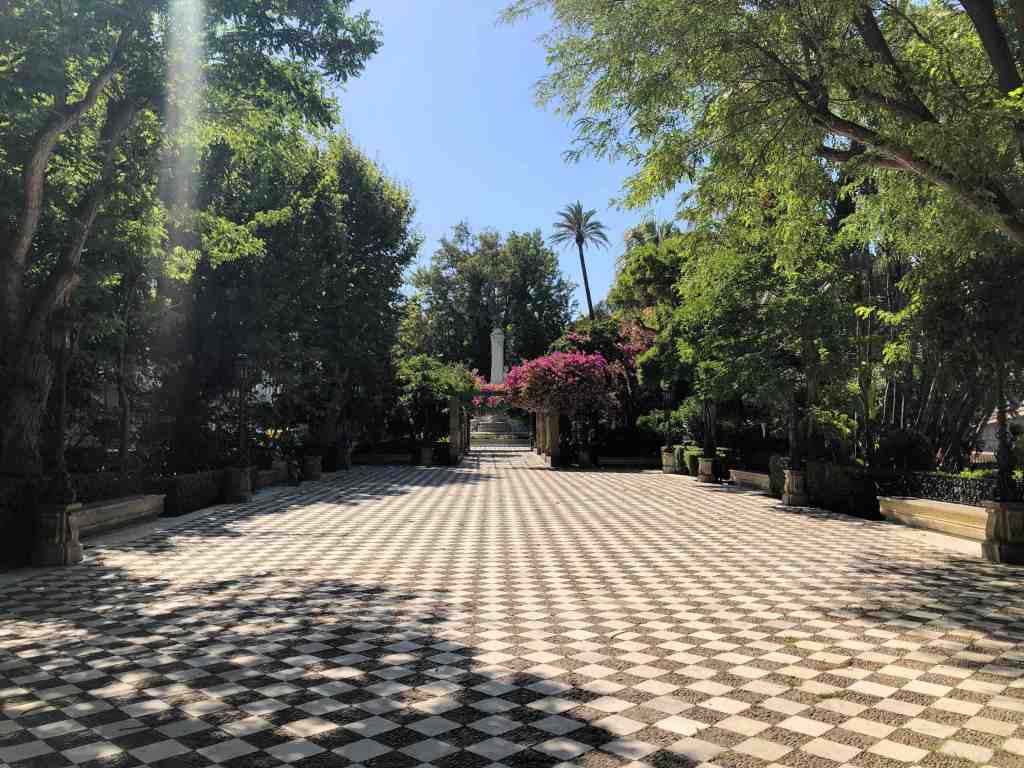
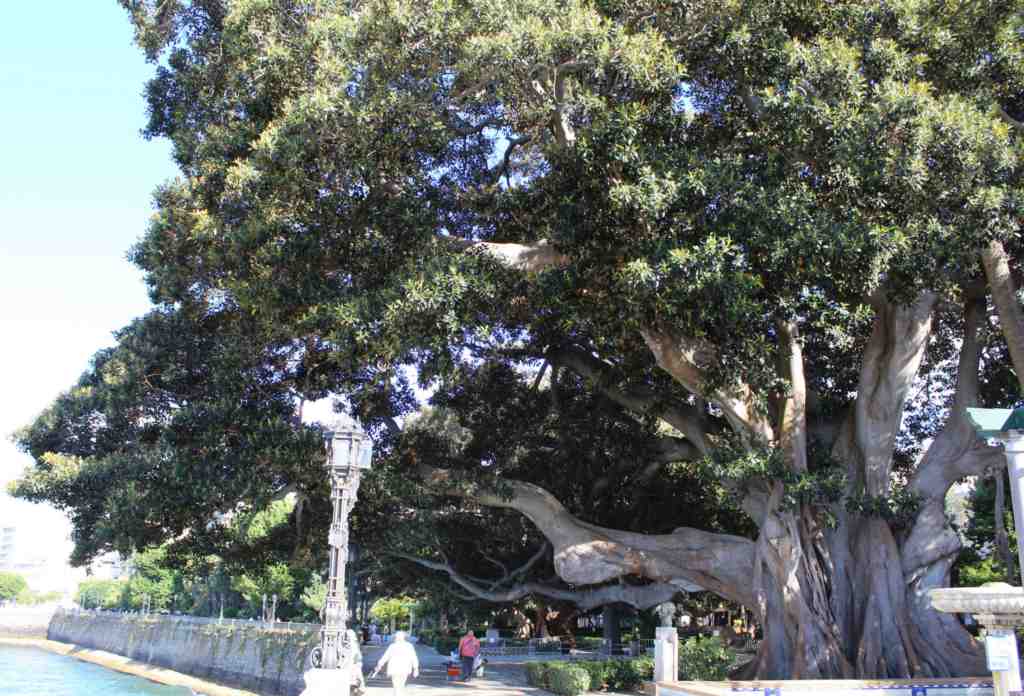
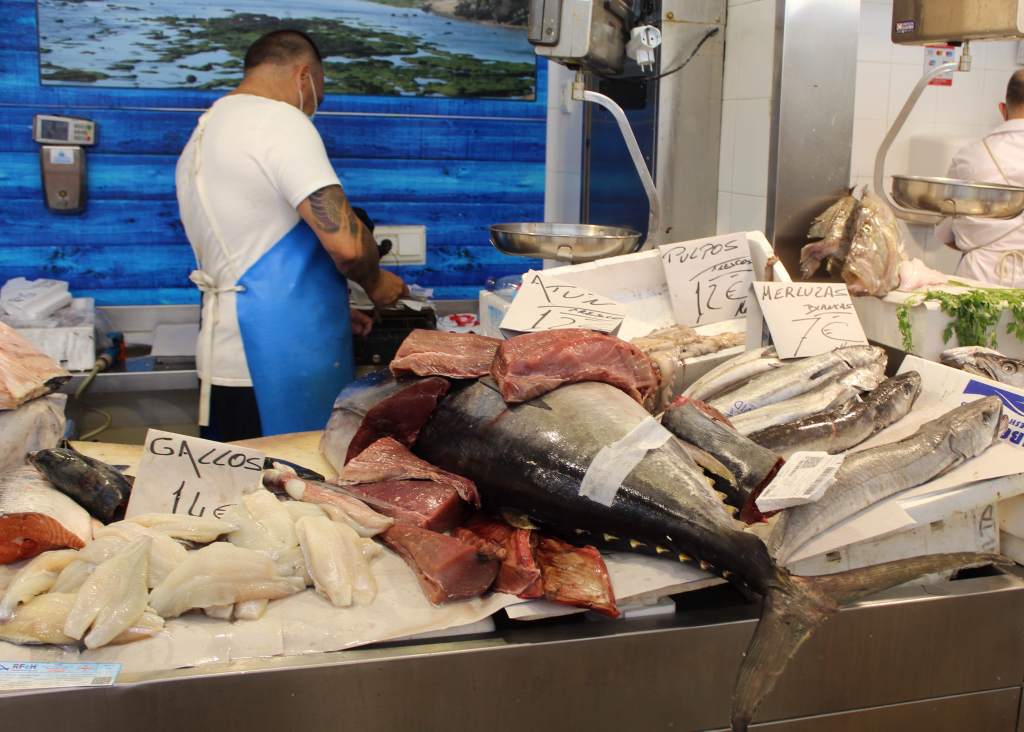


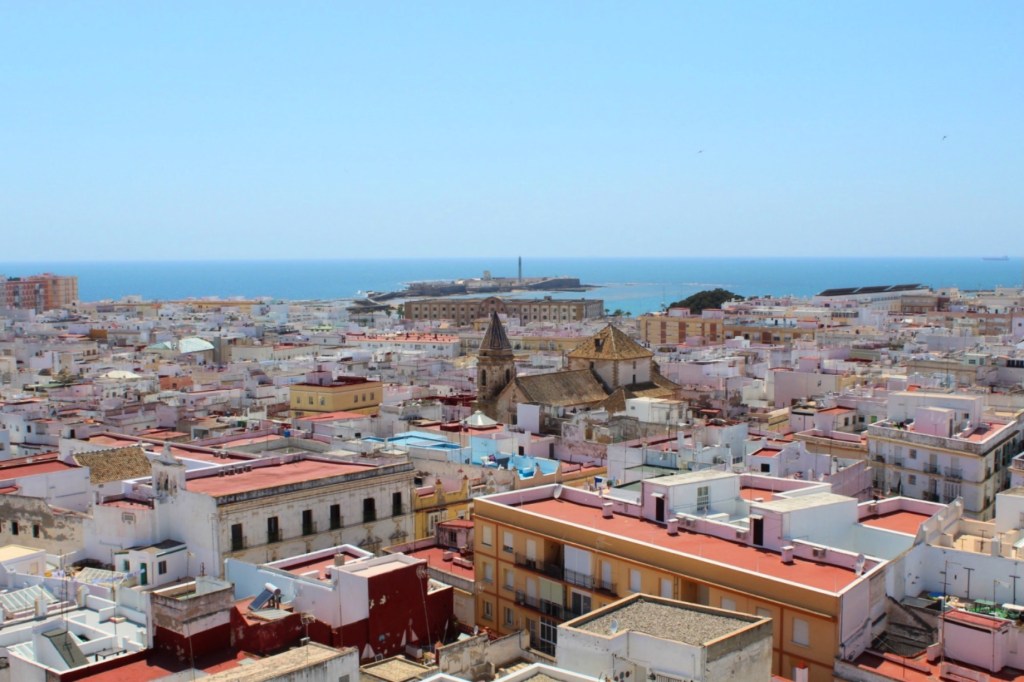


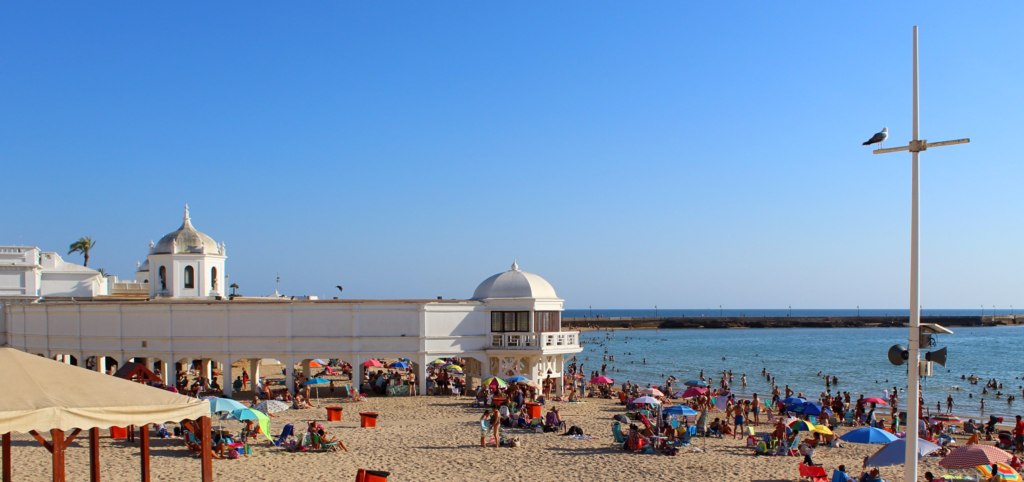


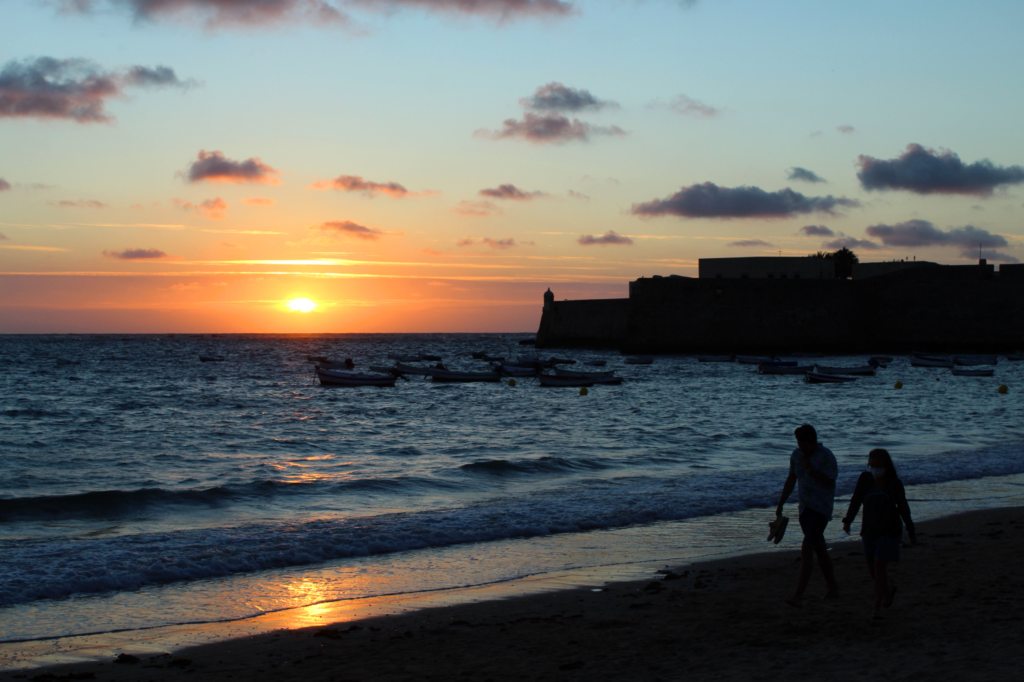


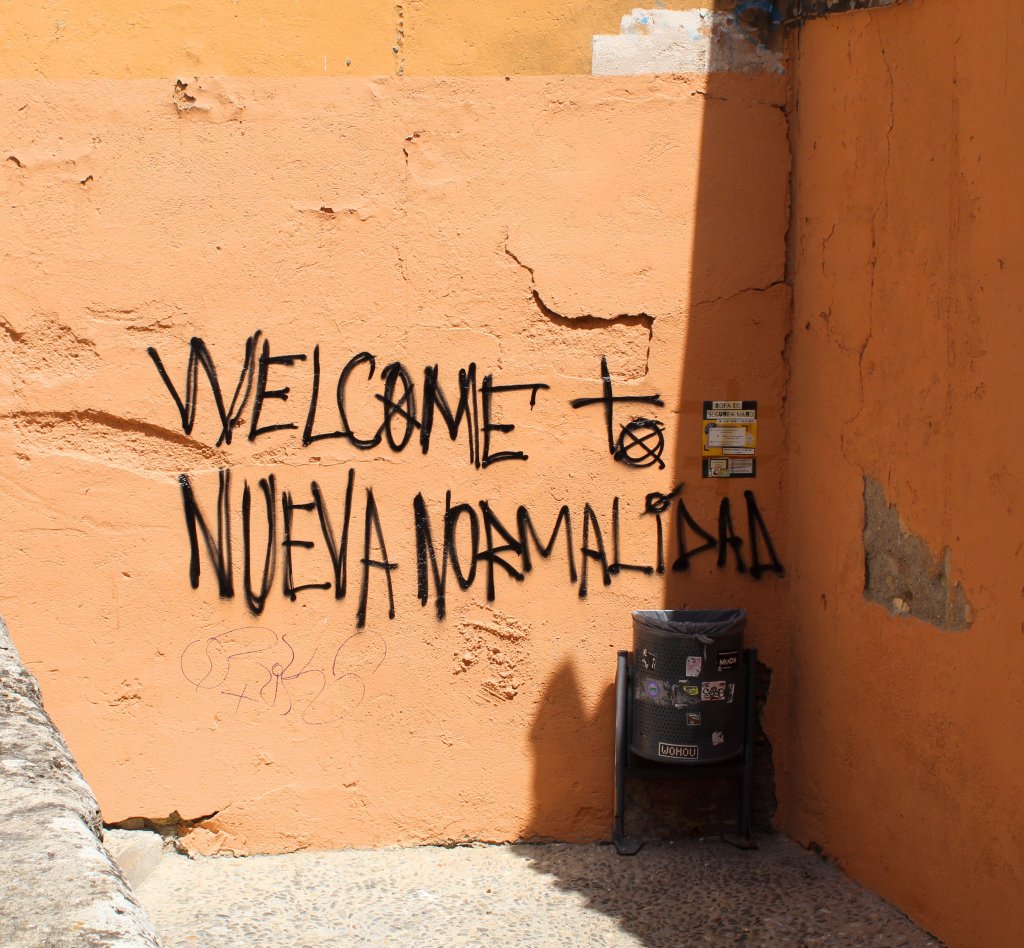
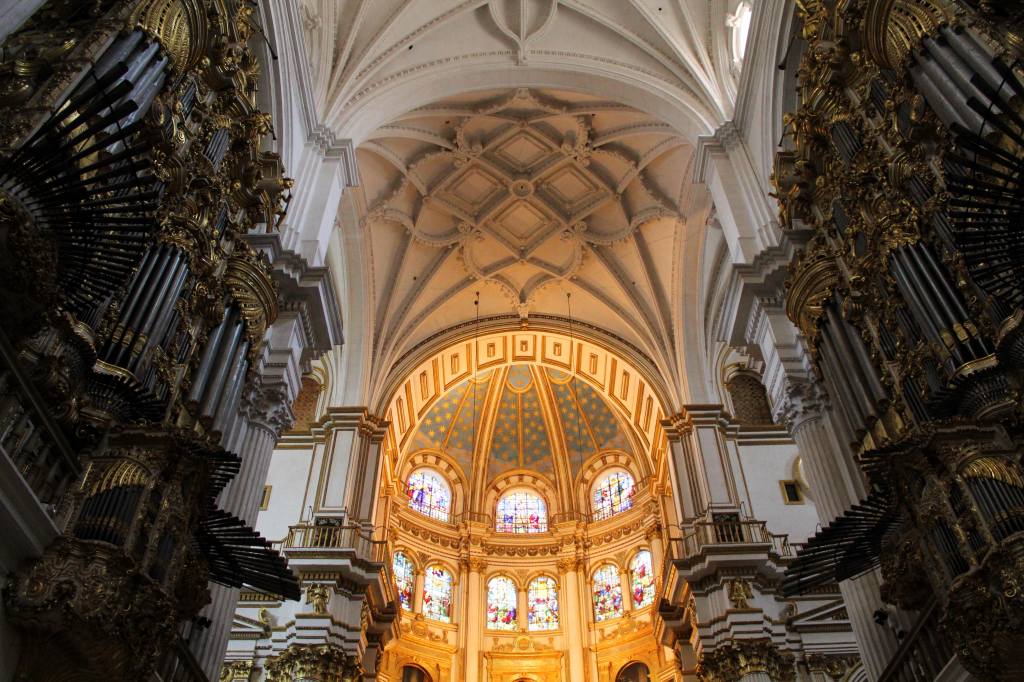

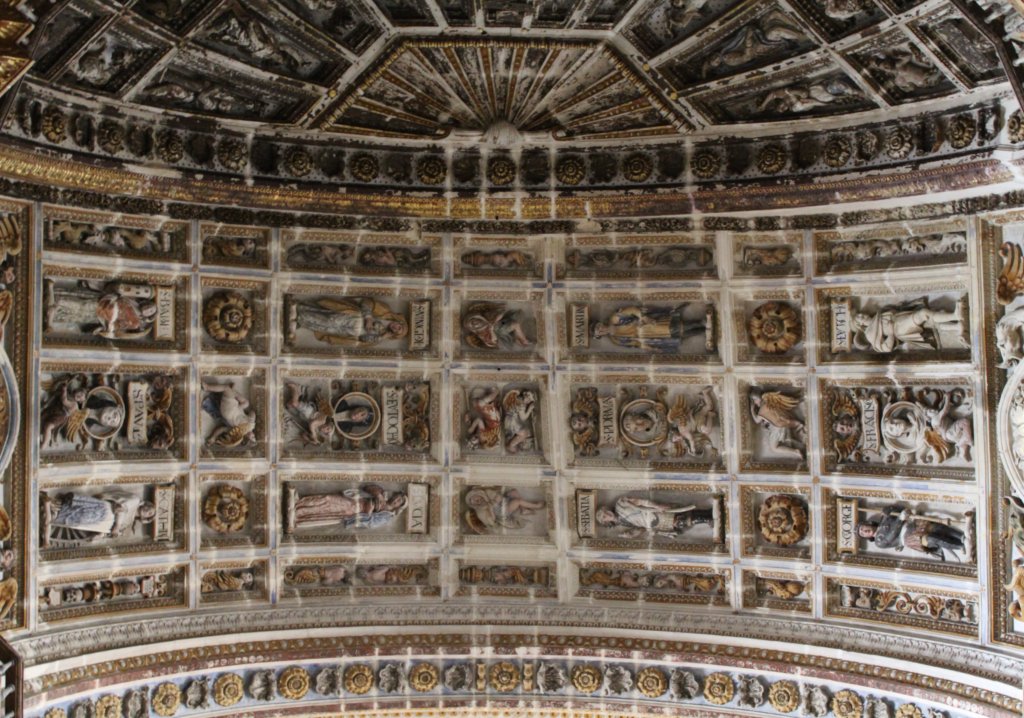
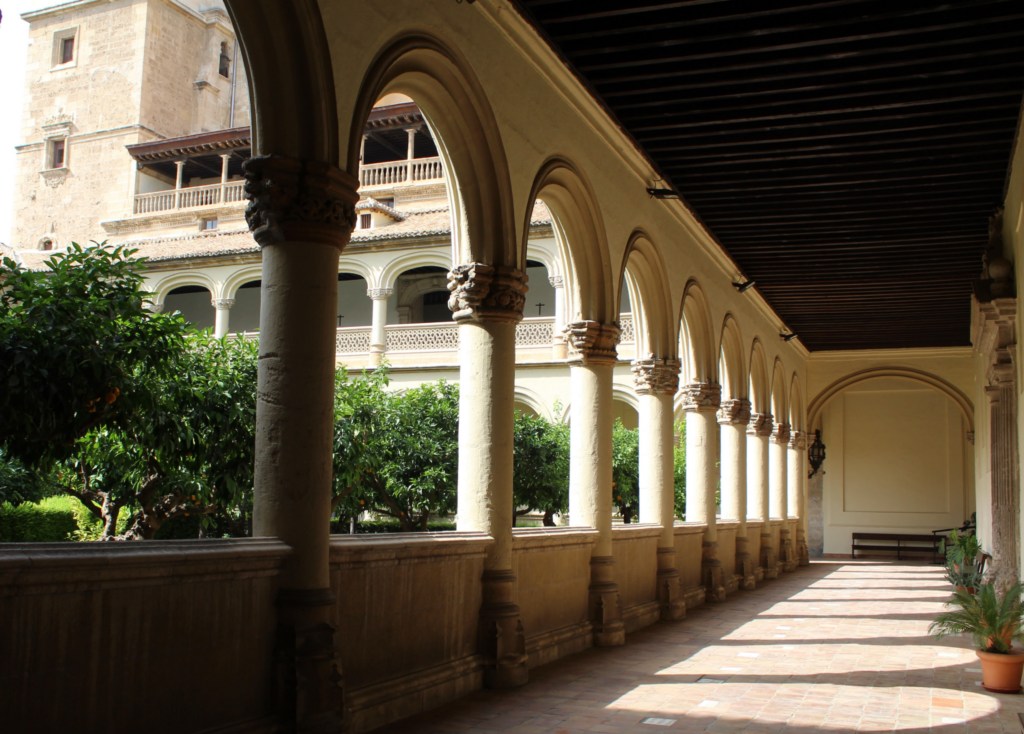
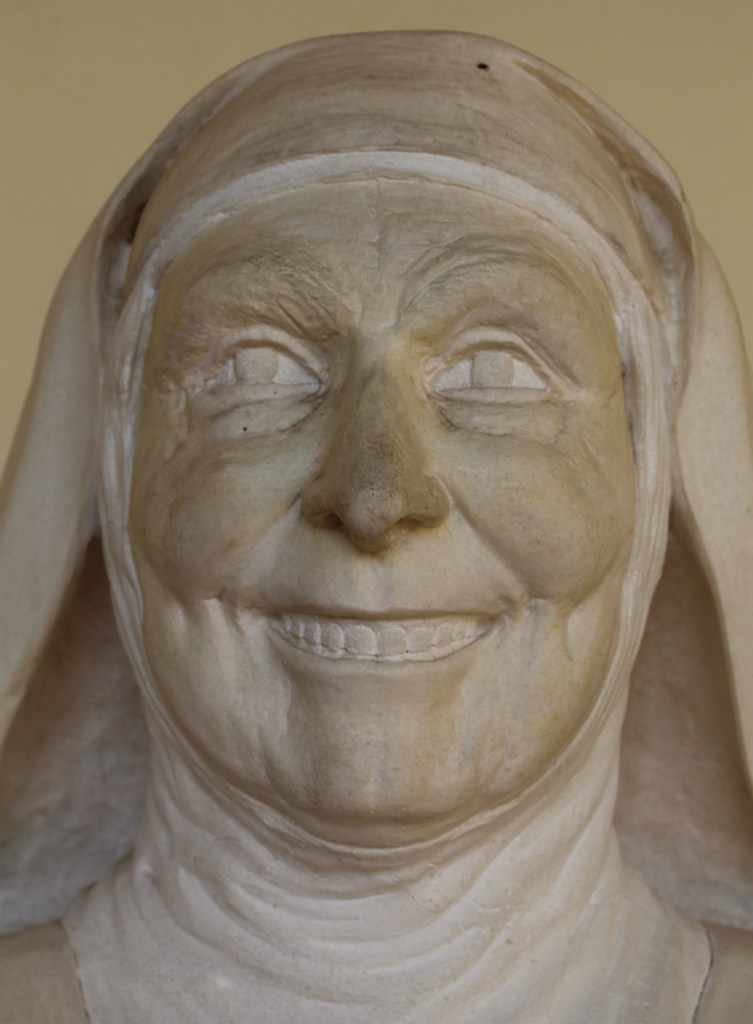
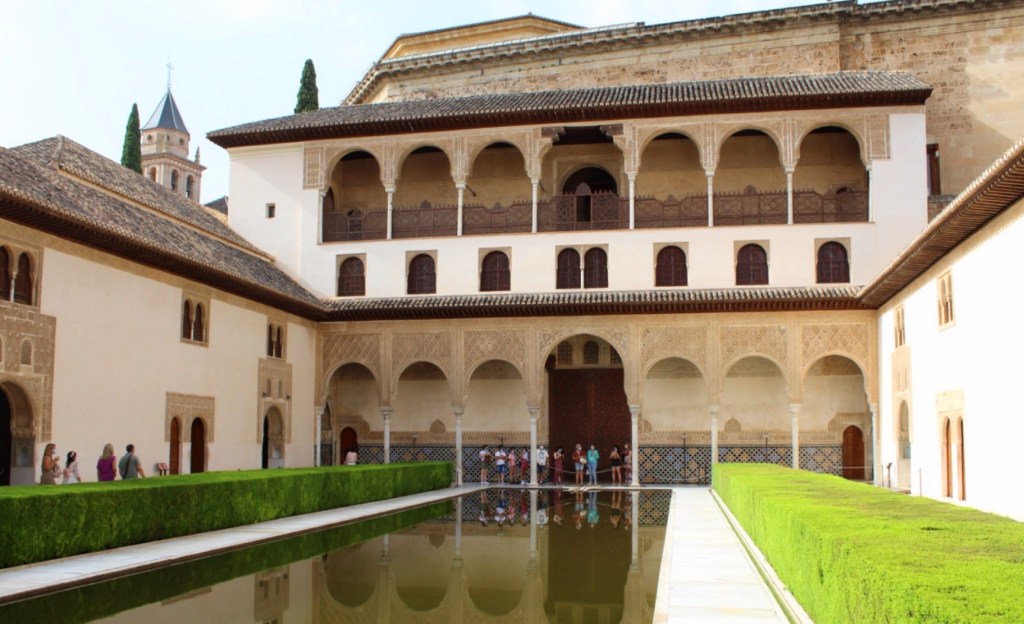
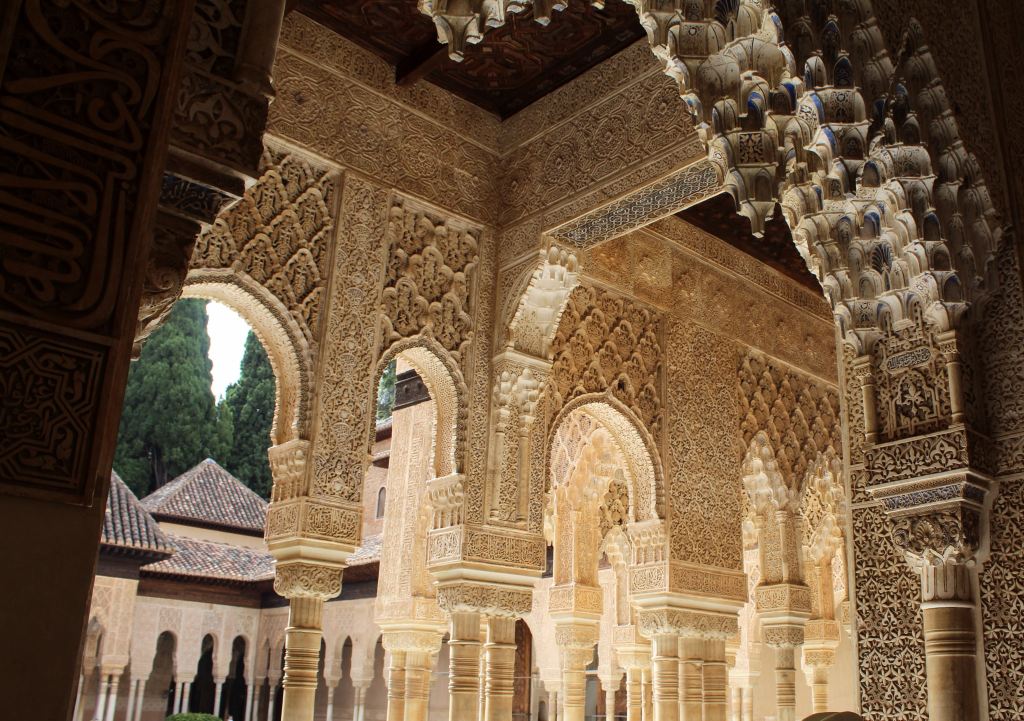
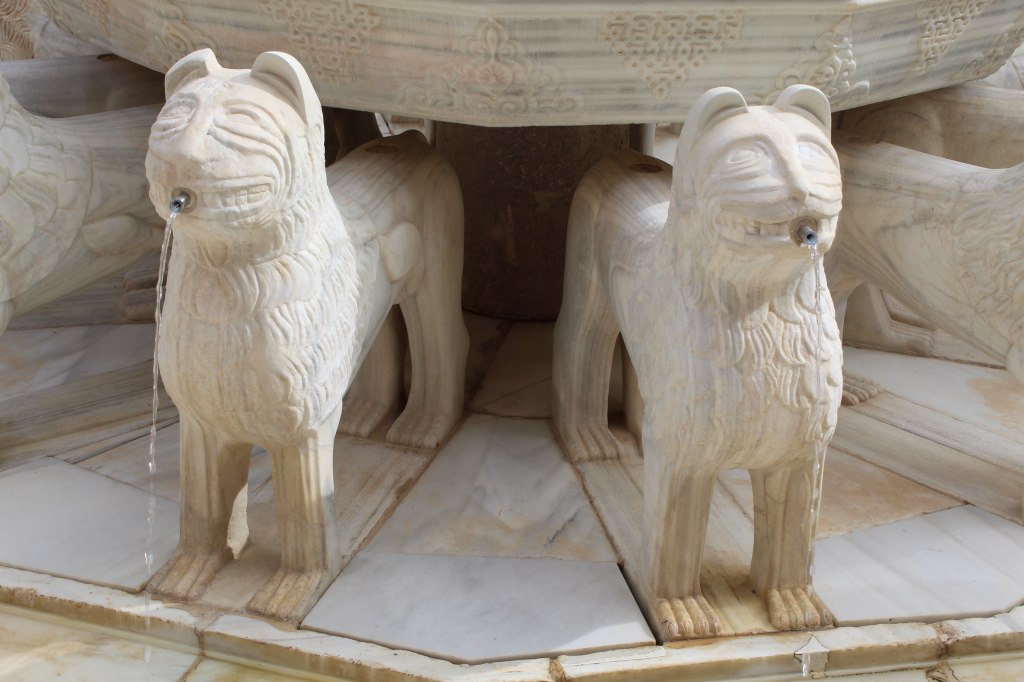

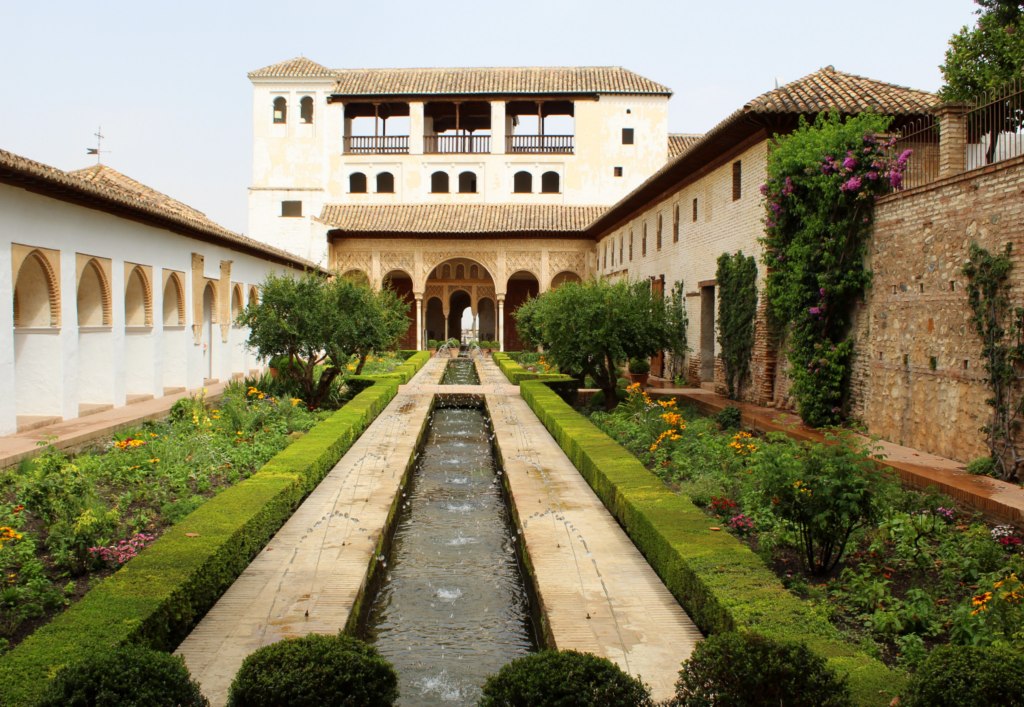
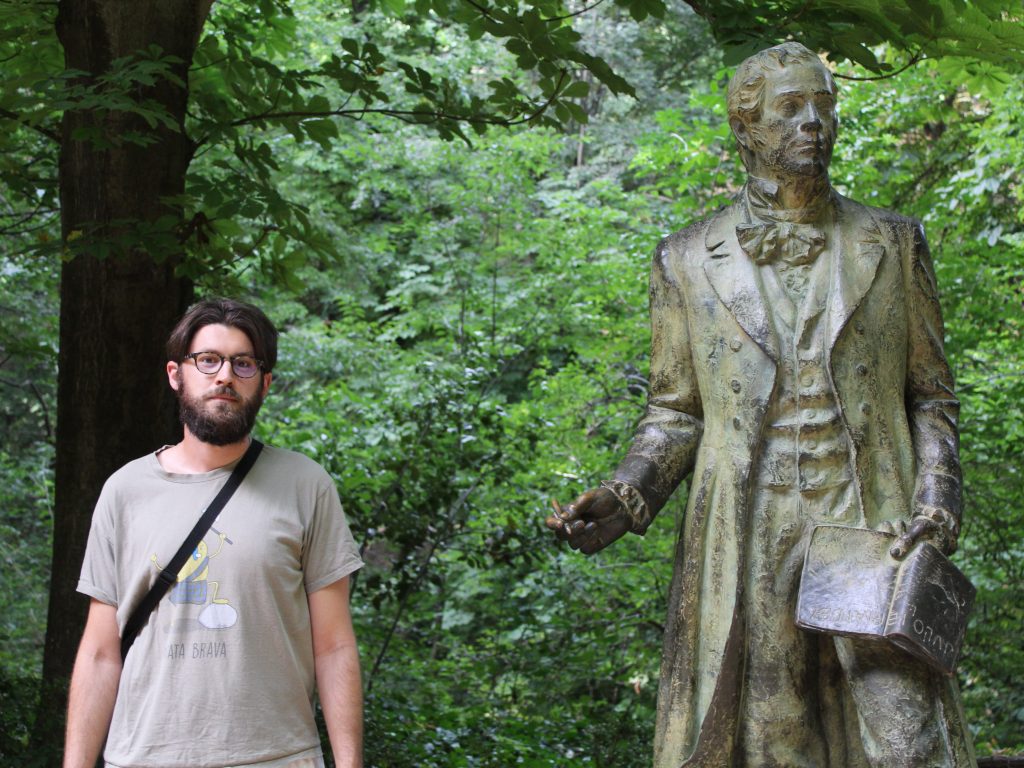
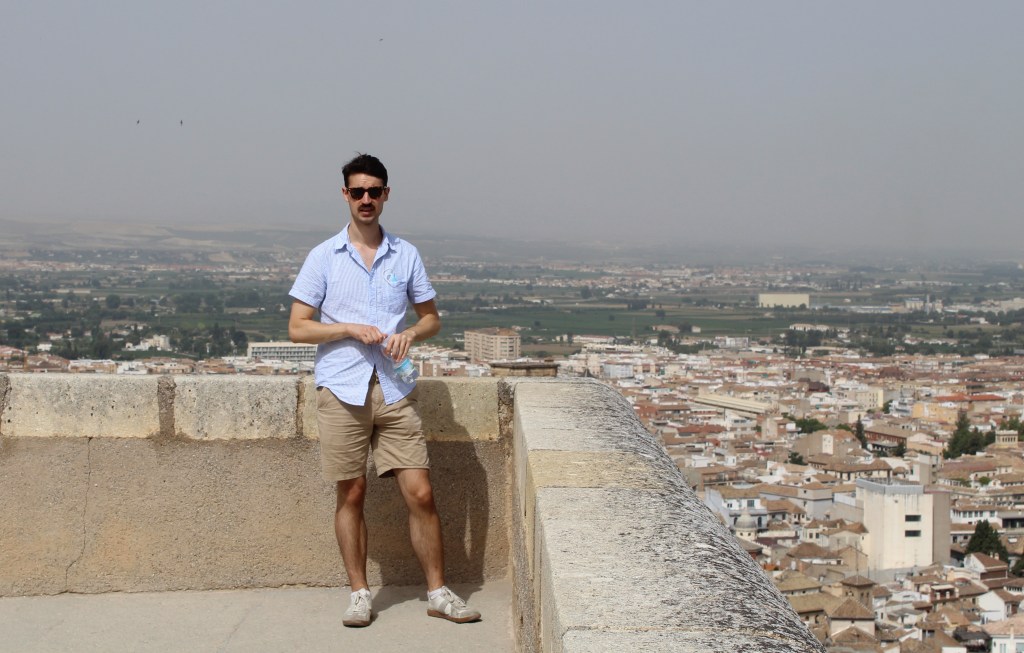
 Lotz in Translation