Alicante & the Island of Tabarca

Alicante & the Island of Tabarca

Alicante

Though I have, by now, spent years exploring Spain—having seen most of the major sights, done most of the deeds, eaten most of the comestibles, and drunk most of the potables—there still remain some corners of the country that have escaped my notice. In the summer of 2021, one of these was Alicante, the second largest city in the province of Valencia. With a bit of spare time on my hands, I set about to remedy this.

The fast train from Madrid deposited me in Alicante early in the morning. My first impression of the city was rather uninspiring. Like many Spanish cities—particularly great tourist destinations on the Mediterranean, of which there are many—the city had a generic look, consisting of medium-sized white or gray apartment blocks looming over streets full of cafés.

I made my way to one of these establishments for a much-needed coffee, and quickly fell under the charm of a busy Spanish café, full of chattering abuelas and well-dressed abuelos reading their newspapers. This older generation was accompanied, as is usual, by several grandchildren, who sat in the chairs with their legs hanging off the ground, their mouths stained with chocolate pastries.

After killing some time this way, I went to the Airbnb, which was a spare room in the apartment of a retired British man. It is quite common (or it was, before Brexit) for English retirees to move to Spain. It is considerably cheaper than the UK, to say nothing of the weather. This particular Brit struck me as very happy in his new home. He mentioned a local girlfriend, and his apartment was full of large photographs he had taken on his travels around the world. I particularly remember one of a mountain he had climbed in China.

“Of course, I’m not stupid,” he said. “I used the proper equipment to climb it.”

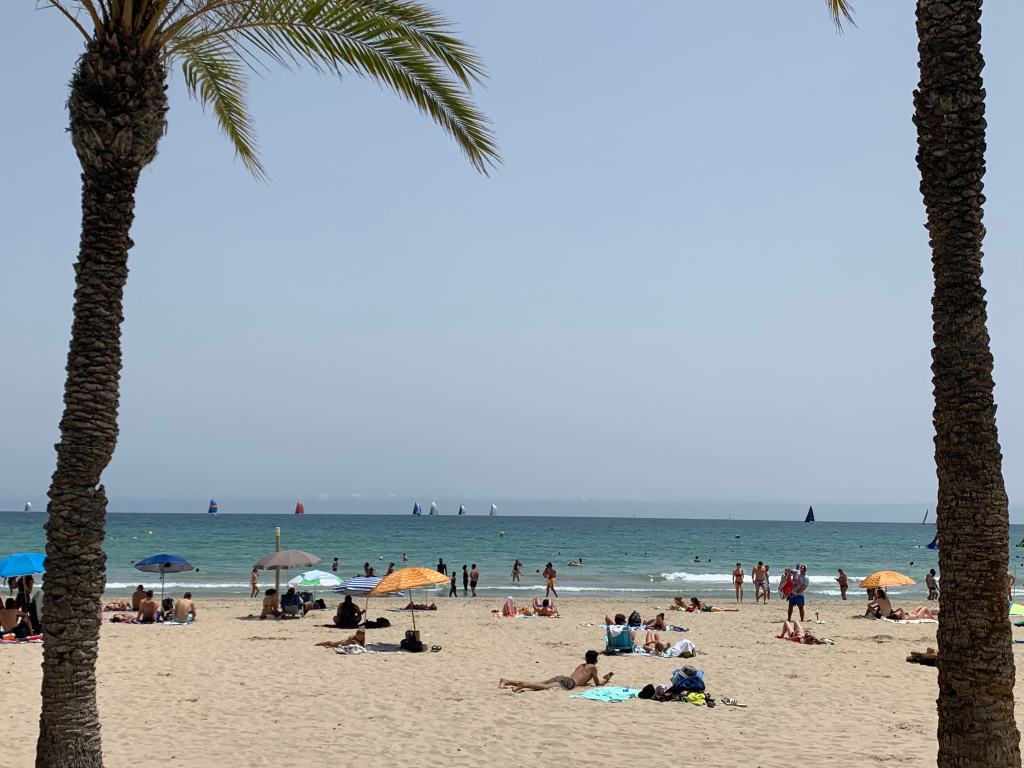
I do not think even the most generous traveler could argue that there is very much to do in Alicante. Indeed, sightseeing struck me as contrary to the spirit of the city. It is, rather, a place to relax—preferably, on the beach, or perhaps sitting at a nice café and eating ice cream. But I am not very good at that sort of thing. Besides, I have found that sitting on the beach by yourself—as I was—can invite melancholic thoughts. So I resolved to keep myself reasonably busy.
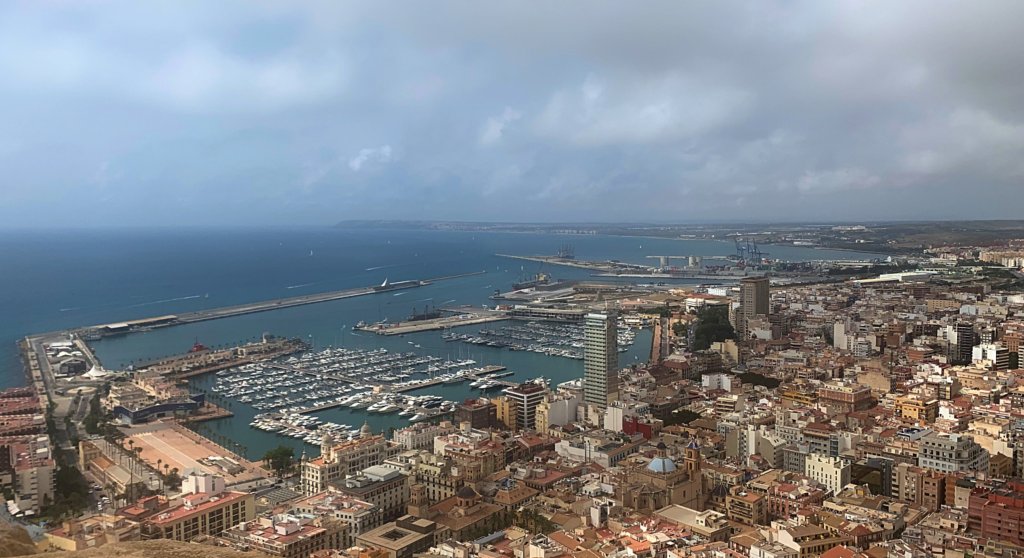
As with many Spanish cities, Alicante was built around a naturally defensible location. In this case, it was Mount Benacantil (the name comes from Arabic), a rocky hill that looms over the city. This elevation has proven to be such an advantageous feature that humans have been inhabiting it since at least the bronze age. But the castle, as it currently exists, has its roots in the Moorish period of Spanish history. It was captured by Christian forces in 1248 and thereafter dubbed Santa Bárbara, and during the many wars since that time it has been bombarded by the French and occupied by the English—not to mention, used as a concentration camp by Franco.

Approaching the Castle of Santa Bárbara

The walk up to the castle was a bit tiring, but it takes you through the small historical center of Alicante—where the generic streets below give way to the intimate sprawl of medieval living. Despite its bloody past, the castle struck me as a tranquil place. There really is not much to see aside from the old walls; but the views of Alicante and the sea beyond are worth the trek.
Now, at this point I must mention something which has absolutely nothing to do with Alicante. On my way up to the castle I started to feel a sharp pain in my left ear. The sensation was not emanating from deep within my ear, as in an earache. Instead, the outer part of my ear was throbbing as if somebody had hit it. It hurt to turn my head and to touch it. I had to take out my headphones, and wearing a mask (this was 2021, after all) was agonizing.

I was naturally afraid that I had gotten an ear infection. But my symptoms did not seem to fit. Thankfully, the pain subsided after about an hour. In the years since this trip, however, my left ear has periodically flared up with this same painful sensation. There are weeks when it hurts almost constantly, and months when it doesn’t bother me at all. I’ve been to four doctors, but none of them have been able to shed light on the matter. They’ve mostly just assured me that there doesn’t seem to be anything wrong with any part of my ear. Still, it is rather annoying. If anybody reading this perchance has any idea what it might be, let me know.

With my ear still aching, I decided to visit the Archaeological Museum. I was immediately struck by the size and grandeur of the building, which seemed almost excessive for a regional museum. This large, multi-winged structure was actually first constructed as a hospital with multiple wards. The archaeology museum, though founded back in 1932, was not moved here until the year 2000, by which time the hospital had been shut down. (Before this, the museum occupied a space in the Provincial Palace.) As a result of this architectural inheritance, Alicante’s Archaeological Museums is among the largest museums in the country—at least in terms of floorspace.
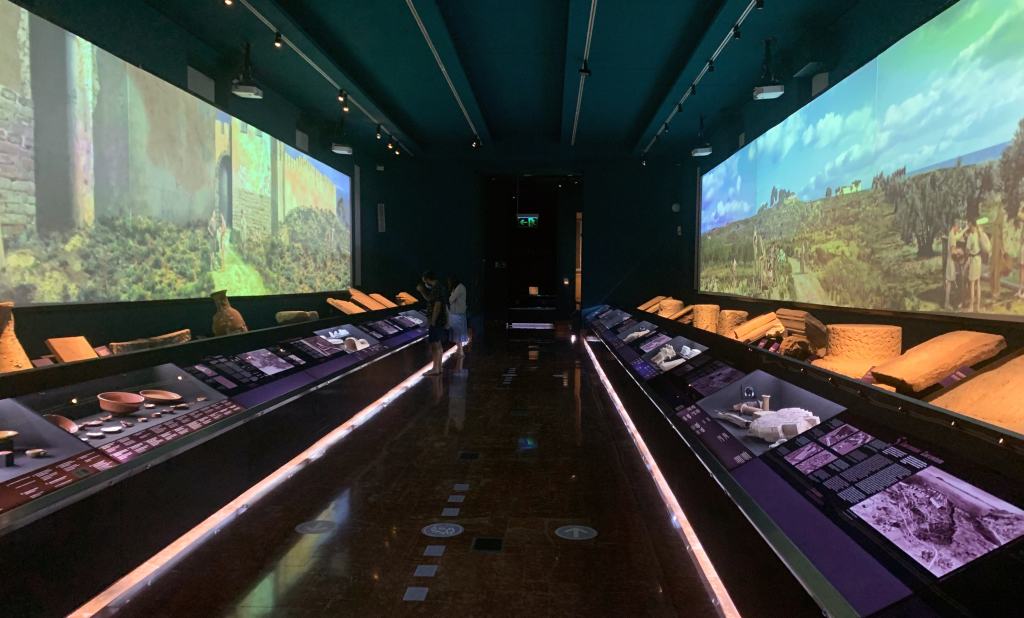
Once I walked inside, I found that the museum’s collection was also quite impressive—both in terms of quality and quantity. With more than 80,000 pieces, the collection spans prehistory to the modern period; and this extensive treasury is displayed in a series of attractive exhibits, along with audiovisual supplements. There are even a series of large-scale models of major archaeological sites that you can walk through. As I have said before, provincial museums in Europe can often be surprisingly good—and this is yet another example of this general rule. My ear even felt better by the time I finished my visit. 

By now it was lunch time, and I wanted to try that most iconic of Valencian dishes: paella. Luckily, quite near the museum is a well-known restaurant called Racó del Pla which specializes in the savory rice. I believe that the place is normally booked solid. Fortunately for me, however, I was given a seat at a high table near the door. I was disheartened to find the smallest amount of paella on the menu was to share between two people. But some skillful begging on my part convinced the waiter to let me order a personal paella. It was among the best I’ve ever had.

This fairly well does it for my sightseeing in Alicante. But before I move on to Tabarca, I wanted to include a note on language. If you know any Spanish, you will probably notice that there are many signs and advertisements in Alicante which don’t seem to be in Castilian. Indeed, the very name of the city is sometimes written as Alacant. This is the Valencian language—more commonly known as Catalan. It is curious to note that, although the same language is spoken here, and although there is a strong regional culture, there is virtually no talk of Valencian separation. Regional Spanish politics is complicated.


The Island of Tabarca

The most popular day trip from Alicante is to the island of Tabarca, which is an hour away by ferry. Tabarca is rather small, with a permanent population of about 50. Most of the year, the primary activity is fishing; but in summer the island is overrun with tourists.

That included me. After booking my ferry ticket online, I walked along the attractive promenade beside the Mediterranean until I got to the dock. The ferry was medium-sized (maybe big enough for 120 people), with two decks. I decided that I would enjoy the views from the top.

The boat rumbled into life and we began our journey.

My attention was immediately arrested by a massive wooden boat that was moored in the city port. This is actually a replica of the famous Spanish galleon, the Santísima Trinidad—the biggest ship of its time, which held 130 canons. It was called the Escorial of the Sea, and was understandably the pride of the Spanish navy. But it was so large that it could not effectively sail during the Battle of Trafalgar (fought between the English fleet and a combined French and Spanish force), and was captured and eventually sunk near Cádiz.
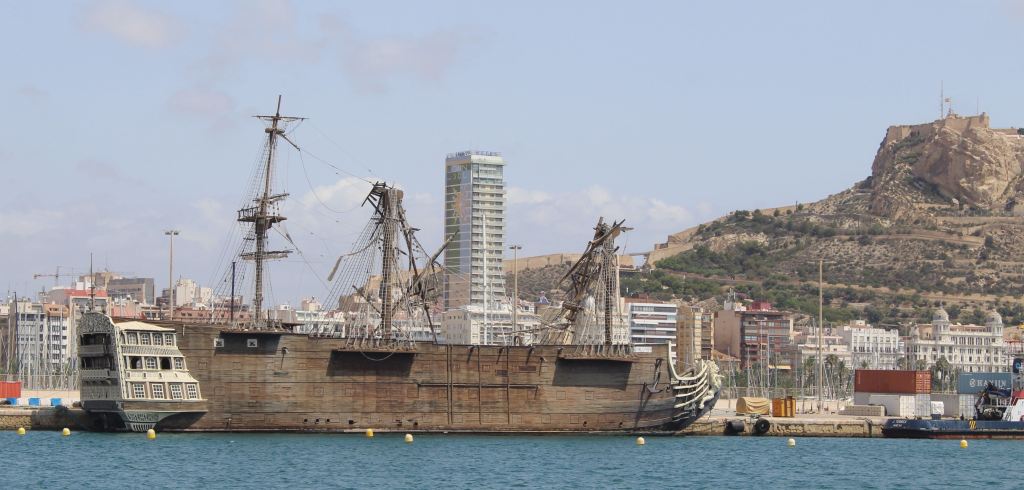
The Santísima Trinidad, with the Castle of Santa Bárbara in the background.

This replica is even more cumbersome than its namesake, since it was never designed to sail at all. Rather, it was meant as a kind of floating tourist attraction—complete with a museum and a restaurant. It was moored in the port of Málaga from 2006 to 2011, when the owner decided that an offer from the city of Alicante seemed more profitable. It was a major attraction in this city until 2017, when the ship suffered a reverse of fortune. That year, it was bought by a company which planned on bringing it to Benidorm. But for whatever reason the entrepreneurs thought better of the idea, and ultimately left this floating hulk to rot in a corner of the port. It was still there in 2021 when I visited.

So much for the flagship of the Spanish armada. Meanwhile, my little ferry did not seem to be faring much better. As soon as the boat reached the open waters, we began to rock side to side from the current. I was surprised by this, since it was hardly a windy day and the seas did not look at all choppy. The problem was that we were traveling south, while the tide was coming in from the east, thus turning the hull into a kind of sail.

The constant swaying, while at first merely annoying, began to be truly distressing about half an hour into the journey. My stomach began to protest at the churning. I did my best to focus on something else, which helped a little. But when people around me began to vomit, this became understandably fairly difficult. By the time that Tabarca came into view, I was covered in sweat and doubled over in pain. My first step onto dry land filled me with relief.
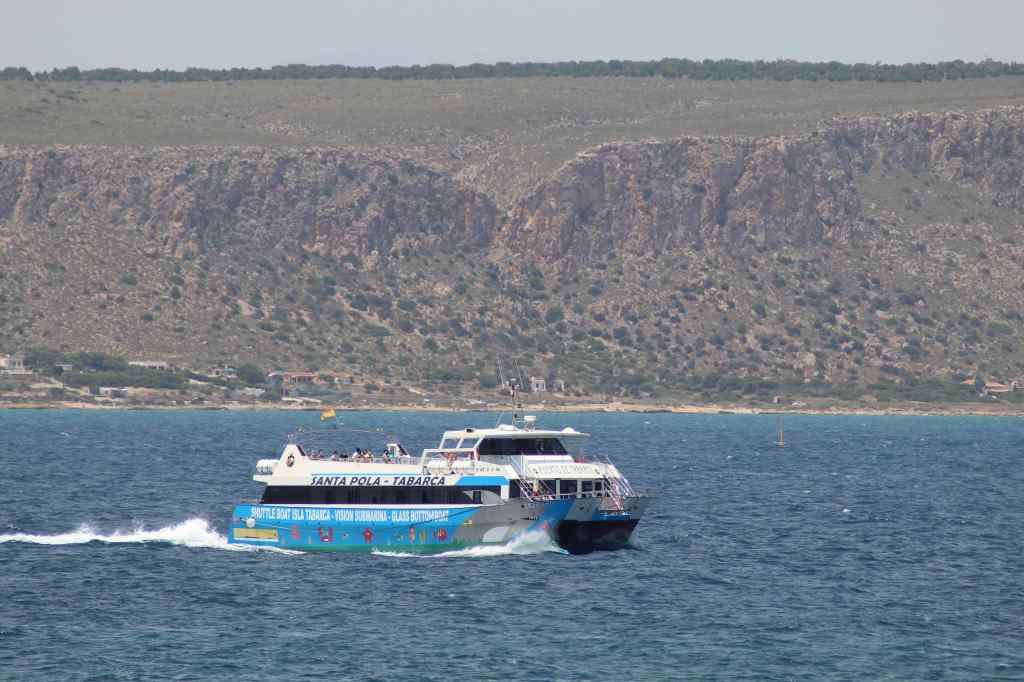
One of the many ferries approaching the island.

But the trauma of the journey faded quickly when confronted with the beauty of this small Mediterranean island. Tabarca has the profile of a melted dumbbell, the two parts connected by a narrow strip of beach in the middle. Virtually all of the human dwellings are on the smaller of these parts. It is quite an attractive little town, though one would be hard pressed to say there is very much to see or do. I contented myself with wandering around and enjoying the different views of the sea and the coast of Spain, until it was time for lunch. This was, of course, seafood—something the Spanish can be relied upon to do well.

After this, I decided to walk around the other, uninhabited half of the island. This is a strangely beautiful and barren landscape of rocks and grass, seagulls perpetually flying overhead. With no obstacles to break the wind, I was buffeted by strong gusts that almost made me shiver on the hot summer day. Yet there is something both exciting and calming about the roar of waves and the rush of wind. I spent an hour just sitting on a rock and enjoying it.

One of the few structures to be found in this part of the island is an imposing square building, called the Tower of San José. This is just one of the many defensive structures which have been built on the island over the centuries. A plaque in the city informed me that this was the site of the execution of 19 Carlist sergeants in 1838, during the so-called Carlist Wars (between factions supporting different claimants to the Spanish throne). They were executed, apparently, as a reprisal for a similar execution of prisoners on the Carlist side.

In any case, I was surprised at the tone of the commemorative plaque, which calls them “martyrs” and proclaims Don Carlos V the “legitimate” king of Spain. For one, Carlos lost the war and never became king. What is more, Carlism is associated with the most fanatically conservative parts of the political spectrum. Pretty heavy stuff for 1996, which is when the plaque was installed.

When you are lucky enough to travel to a place as lovely as Tabarca, it is pretty rich to say that you have “regrets.” Nevertheless, I do wish I had tried snorkeling in the crystalline waters around the island. This area is a “marine reserve” and is considered to be one of the best places for both snorkeling and scuba diving in the country. As somebody who has never done anything similar, I can only imagine how fun it must be to swim amongst the sea life.
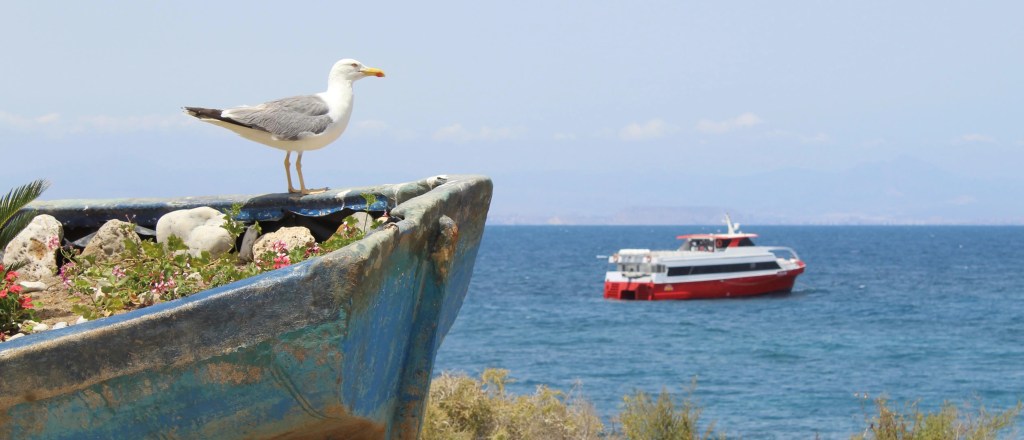
Now it was time for the ferry ride back. Dreading the seasickness, this time I figured that I would stay on the lower level, as close to the middle of the boat as possible. My thinking was that this would be the part of the boat which would experience the least movement, in the same way that the best place to avoid turbulence on an airplane is over the wings.

The boat began its journey and my confidence quickly evaporated. If anything, the swaying was worse than before, and this time I had no view to distract me. Instead, I put on an audio book (one by David Attenborough) and stared at the floor. My own physical discomfort was manageable this way—at least for about twenty minutes. But I began to feel real distress when the vomiting started. It was, to say the least, difficult to ignore. The ship’s crew were running back and forth with white paper bags, as the people two rows up, to my left, to my right, and finally right next to me, all began to wretch into these bags. By about 45 minutes into the ride, over half of the passengers had lost their lunch. In retrospect, it was amazing that I did not smell anything.

But the sight alone of all this sickness was strangely contagious. My stomach twisted itself into a tighter knot. Sweat covered my whole body. I curled my fingers into fists and buried my head in my arms, trying to block out my surroundings. When I could not see anything, the swaying actually did not seem too bad. Yet I did not have the discipline to remain like that. I would look up and, when I did, would inevitably witness another victim.

Finally, I decided to get up and walk up to the prow. Here the wind felt like ice and water continually splashed up onto the deck. This cold air was, however, exactly what I needed: I snapped out of the sick feeling and was able to enjoy the final approach to Alicante.

You may think that after such an ordeal, the last thing I would want to do was eat. Yet I had seen a ramen shop that intrigued me that morning, and I arrived back in Alicante just in time to get a table (there was a queue forming even before it opened). Thus, I concluded my final day exploring Alicante hunched over a bowl of hot noodles. And that is certainly the mark of a good vacation.

Marseille: Southern France

Marseille: Southern France

Marseille’s reputation—at least as a tourist destination—is not enviable. Virtually everyone I told about my upcoming visit raised their eyebrows. They told me that the city was very dangerous and should be avoided. One person told me that a friend of his, while merely driving through Marseille, had a gun stuck in his face through the car window. For my part, I would have never even considered going if one of my oldest friends had not, by chance, been living in the city for his historical research. He was very enthusiastic about the place, and assured me that I almost certainly would not get shot.

(According to this website, however, Marseille does indeed have the highest crime rate of any major European city—or at least in 2018. You are warned.)

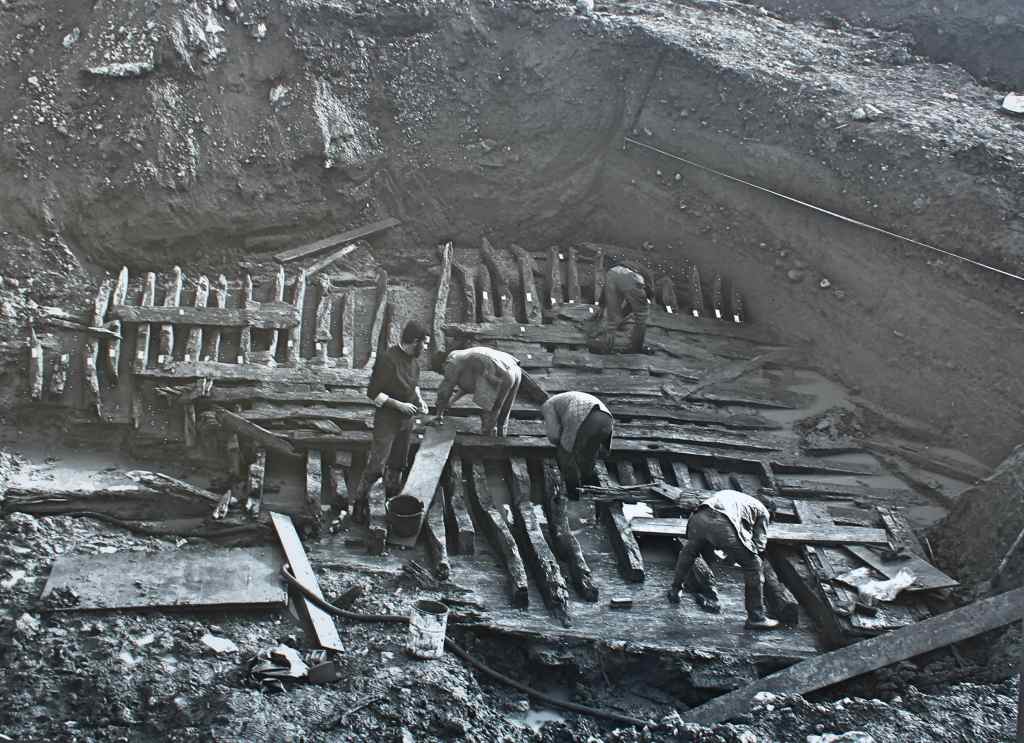
Marseille is the second-largest city in France—though its population of around 850,000 is fairly modest—and the third-largest metropolitan area, after Lyon. (Need I mention which city is the first?) Like many European port cities, Marseille has a long history, dating back at least to the Ancient Greeks. Indeed, during the construction of a shopping center in the Place Jules Verne, the remains of two Greek ships were found. (If you would like to learn more, here is an hour-long documentary about the attempt to reconstruct one of the boats and sail it in the port.) Not ones to miss a strategic position, the Romans also set up camp here, 

A photograph of the excavation of the Greek sailing vessel.

By the time I arrived, I had an entire posse awaiting me. Greg—the aforementioned historian—was accompanied by my brother (who had arrived the day before), and Lily, another old friend from New York, who was coincidentally visiting at just the same moment I was. Four denizens of the Hudson Valley thus found themselves thrown together in Mediterranean France, looking for a good time.

After dropping off my bag, the first item was lunch. Marseille is fortunate in having a robust culture of street food—particularly pizza. Just down the block, we found a food truck selling pizza baked in a wood-fired oven. And it was good: with a savory tomato sauce and a few anchovies. I mention this because, for all of its many delights, Madrid does not have a street food culture to speak of (Spaniards always eat sitting down) and also lacks a good pizza culture (Dominos is popular). So I was already rather taken with the city.

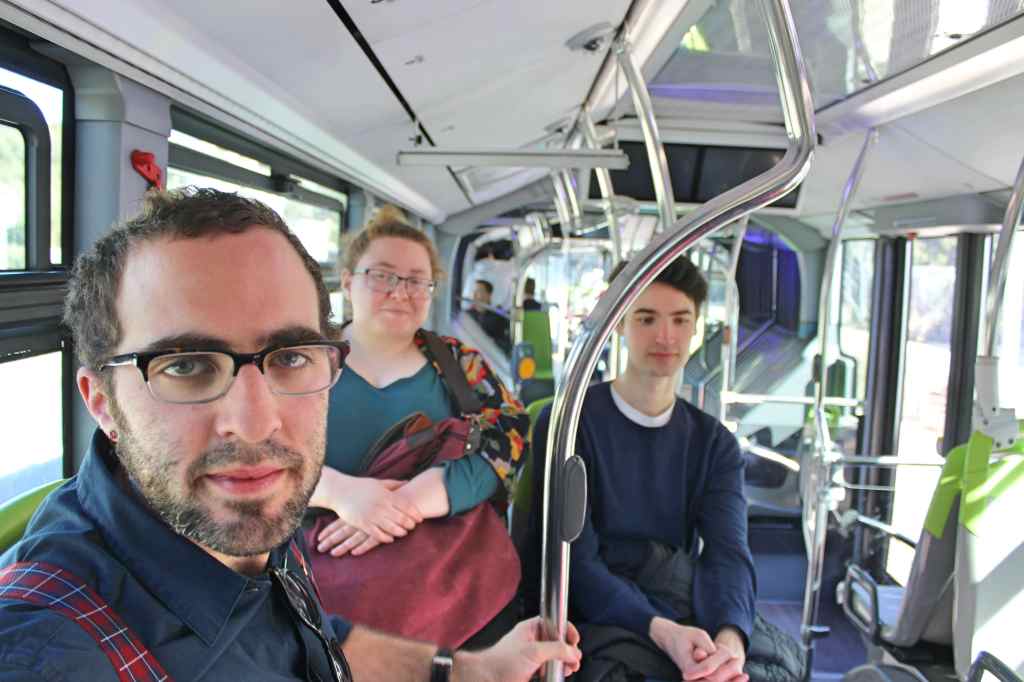
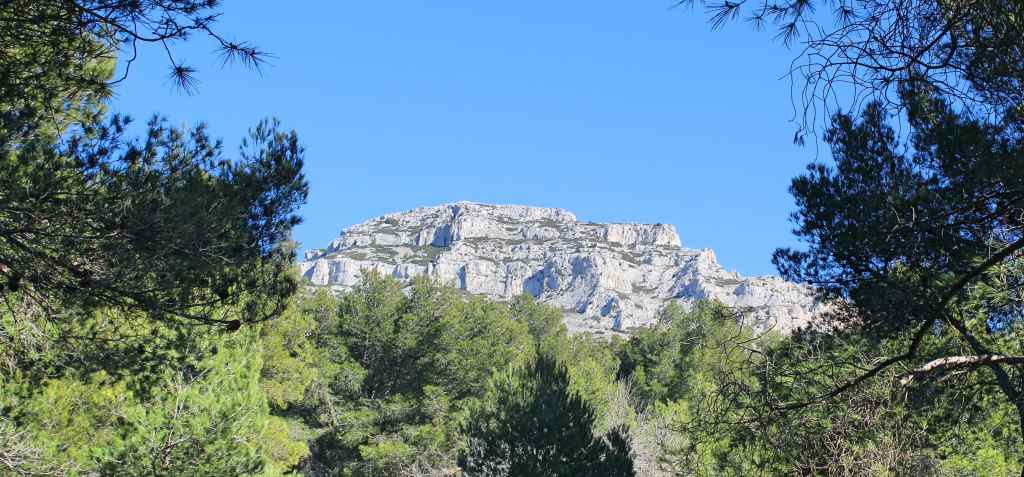
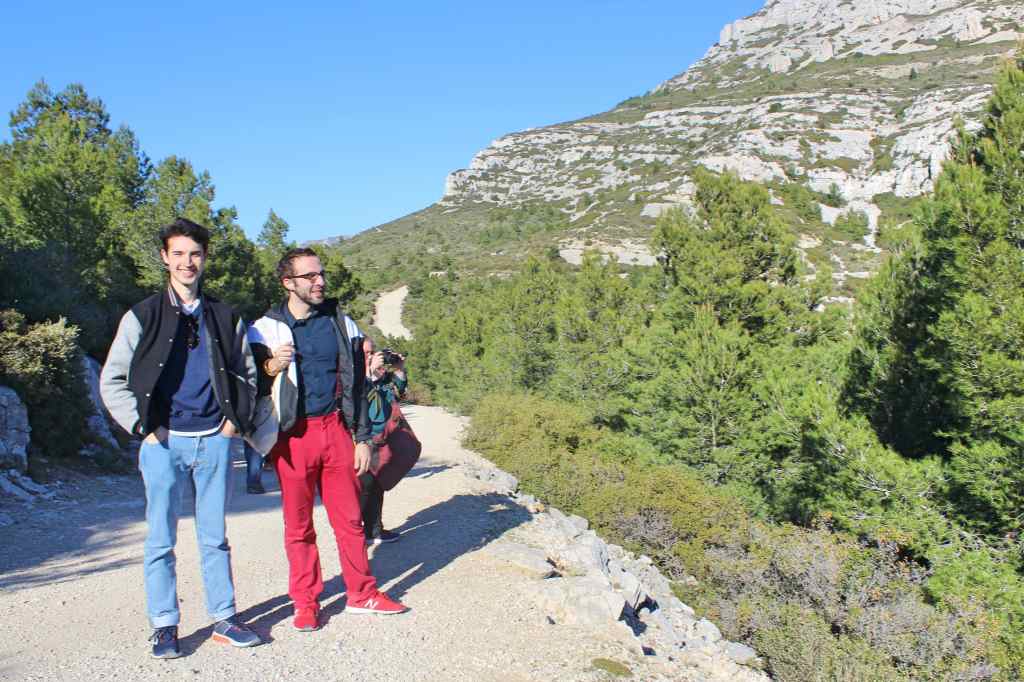
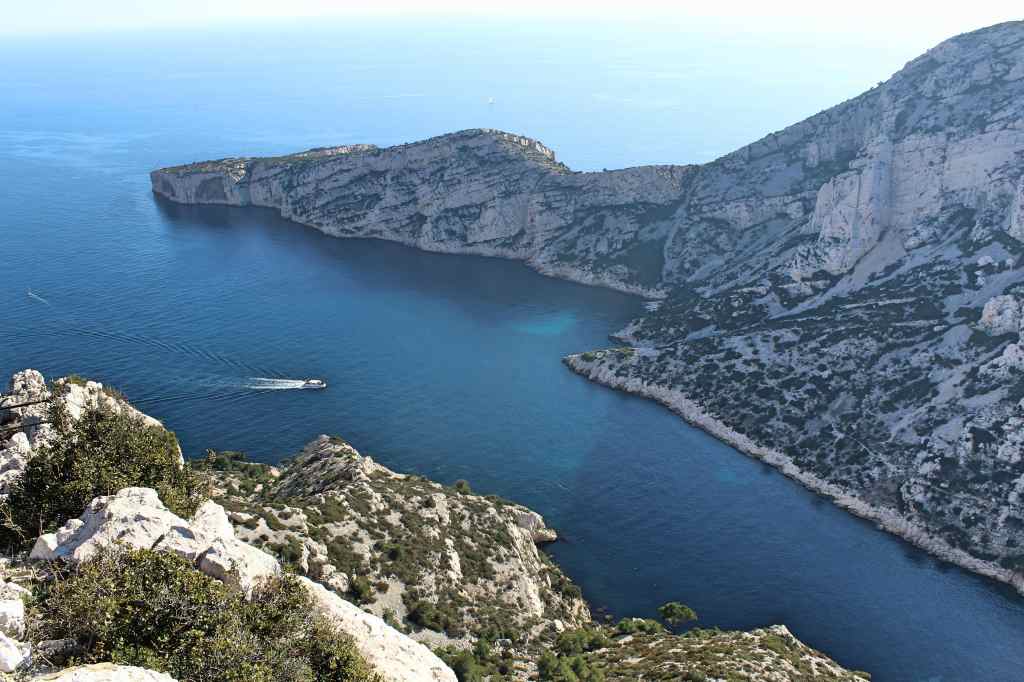
The repast done, we then boarded a city bus that carried us beyond the city limits. We were going to visit one of the treasures of the area: Calanques National Park. At first I did not know what the fuss was about. The bus left us near a trail, leading us into an entirely typical Mediterranean landscape: with dry, sandy soil, diminutive pine trees, and sun-baked rocks. Indeed, the area was strangely reminiscent of hiking trails in the Guadarrama mountains of Madrid. We carried on walking, pausing occasionally on the wooden benches, smelling some of the wild rosemary growing along the path, until we reached the coast.

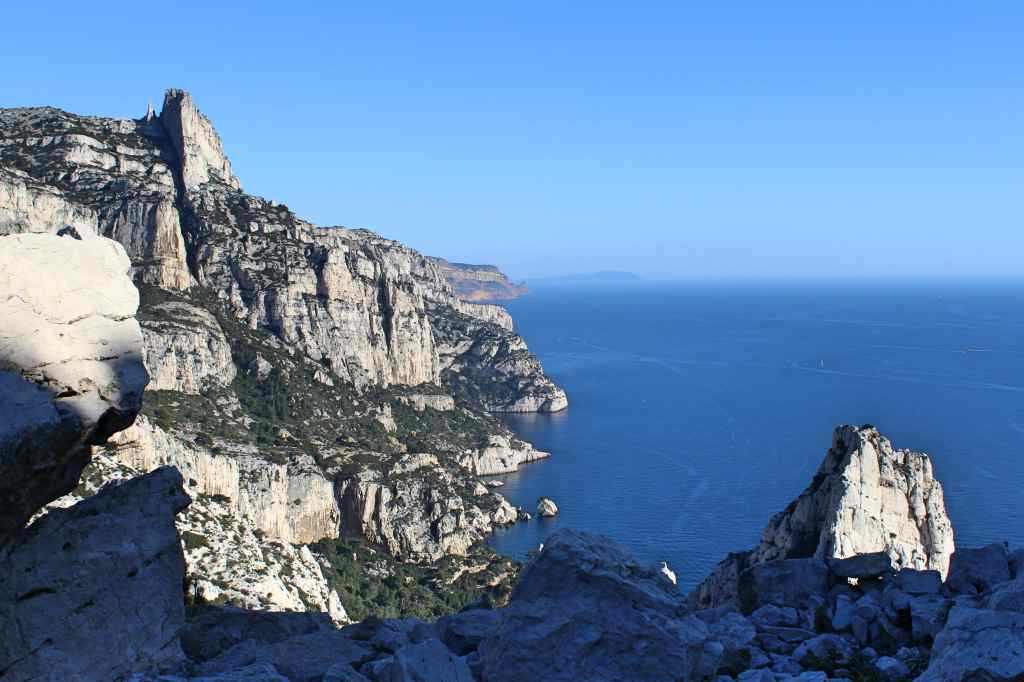
Here is where the park became spectacular. The landscape swelled into peaks and then dropped in sharp cliffs towards the sea. The rough and rugged limestone shone pale in the sunlight, like old bone. This arid landscape contrasted sharply with the aquamarine glow of the Meditteranean. The result was quite dramatic. My favorite touch were the little white sailboats in the distance. We climbed a peak and took in the expansive sight, marvelling at how little the boats appeared amid the seething rock. It is difficult to contemplate such a scene—reflecting on the millenia it must have taken to form—and not feel both physically tiny and temporally insignificant.

After taking in the natural spectacle, we walked back to the bus and headed toward the city center. I want to mention something that we passed along the way, but which we unfortunately did not take the time to stop and see: the Unité d’Habitation, a modernist apartment building designed by Le Corbusier, the great French prophet of modernist architecture. Indeed, the building in Marseille is considered to be a prototype of his Utopian vision of urban planning—spaces designed to equalize social rank, to create a more open and organized city, and to embrace the efficiencies of the industrial age. Unfortunately, Le Corbusier’s vision did not pan out so well in practice, as high-rise apartment buildings were used all over the world as public housing for the urban poor, thus isolating them in corners of the city with few other resources.

Photo by Iantomferry; licensed under CC BY-SA 4.0; taken from Wikimedia Commons

Looking at the building in Marseille, however, one does feel a sense of utopian inspiration. Visually it is quite striking: with the entire concrete edifice elevated on stilts, allowing pedestrians to walk under and through the building. Thus, the apartment is integrated with the green spaces on either side, fulfilling the old notion of the ‘garden city.’ The wall panels around the windows are painted red, yellow, and blue, creating an attractively retro color scheme. At least part of the building is now a luxury hotel; and judging from the photos online, the retro aesthetic is maintained throughout. Another part of the building is a modern art museum, in which the visitor can ascend to the roof to enjoy some odd concrete excrescences, as well as a beautiful view of the city and the sea. There is even a nursery school in the building. Despite the attractive and thoughtful design, however, I would much prefer a room in a smaller building, better integrated to the life of the city. Good neighborhoods are organic rather than planned.

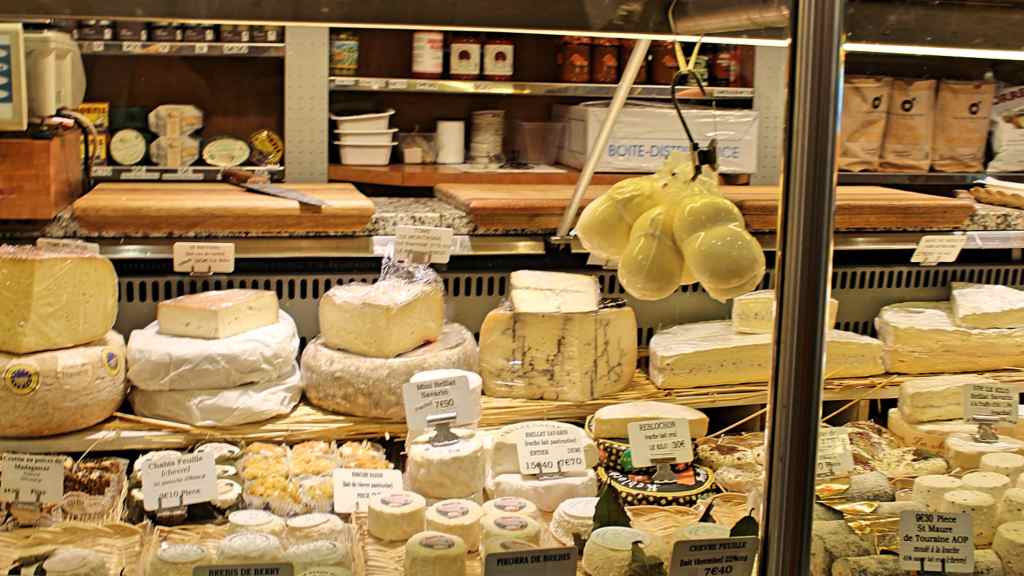
It was already getting a bit late, so our next step was to have a night on the town. But first we had to have a little snack. For this, we went to a local shop to buy a baguette and some cheese. Now, I cannot say that I am a particular fan of cheese, or even bread; but this little meal was quite impressive. First, the baguette was far better than what I was used to from New York or Spain—nicely crusty on the outside, while not too flaky, and almost creamy on the inside. The cheese was even more delicious. We bought three kinds (don’t ask for their names), all of them tasty. One in particular impressed me: it had three separate flavors—a sharp attack, a buttery middle, and a bitter aftertaste. The French deserve their reputation.

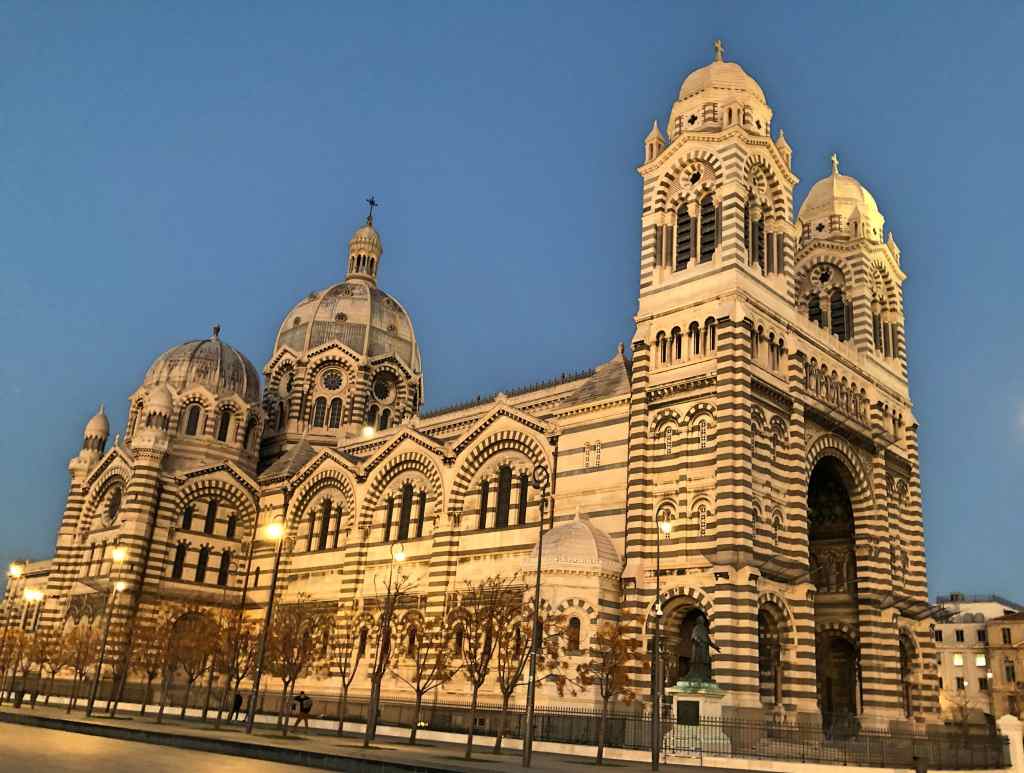
Evening was fast approaching, so it was time to head into the center of town. In Marseille, this almost inevitably means walking towards the water. We followed the gently sloping ground down to the city’s cathedral, which sits within a few hundred feet of the sea. It looked quite lovely in the waning daylight. Of relatively recent construction (for Europe), the cathedral was made in a Byzantine-revival style, with ample domes and circular arches—a far cry from the angular French gothic. The alternating horizontal bands of dark and light stone used in the facade give the building a playful charm. (Though I did not see it during my trip, I later learned that the much older, much smaller original cathedral can still be seen beside the modern building.)

As the sun sank below the horizon, we found ourselves in the port. Though we were just walking and chatting, this part of the night sticks out in my memory for the vibrant colors that suddenly appeared in the darkening sky. A ferris wheel was lit up neon green, while a nearby museum projected wavy blue lights onto the walkway. The horizon, meanwhile, cooled into an ember glow, turning walkers into dark silhouettes.

But we did not have all night to dawdle on romantic seascapes. We had dinner to eat. For this, Greg took us to a seafood restaurant at the Old Port, where he ordered a terrific platter of the fruits of the sea. There were oysters, clams, mussels, prawns, and crabs, all served on a bed of ice with a few slices of lemon. Now, I admit that I am not the more passionate admirer of seafood; and having it served so raw and unadorned was not exactly to my liking. But there is certainly a kind of purity to such a meal—the unadorned flavor of the Mediterranean.

Our day ended in a bar, over a bottle or two of red wine. From the start, Marseille had maintained a pleasant atmosphere. Contrary to the evil reputation of the French, the people of Marseille were consistently pleasant and friendly. (Maybe it is just the Parisians that are rude.) The city, though not spectacularly beautiful, is full of the charm of old Europe. What is more, since the city does not receive a great deal of tourism, there is a kind of intimacy to the place—the aura of a city that is lived in rather than traveled through. That night, I went to sleep eager to see more.


The next day began with a pilgrimage. We were going to visit Notre-Dame de la Garde, by far the most famous church in Marseille.

There seems to be a universal human urge to climb to tall places and, when possible, build something there. We are willing to endure quite a lot of physical hardship for something as intangible as a view. Of course, there are advantages to having the high ground—most notably, surveillance and defense. This is why so many hills in Europe are occupied by fortresses. Driving through Spain, one even sees castles built on hills overlooking tiny pueblos. Marseille is no different in this respect; a fortress was built on the city’s highest point during the Renaissance.

Before this, the hill had mainly served a religious function, being the home to a gothic chapel. It seems that expansive views, aside from their tactical advantage, also put people into a spiritual frame of mind. When the fortress became militarily useless in the 19th century, the hill reverted back to its primary function as a place of worship. Just as the Marseille Cathedral was getting underway, it was decided to build another large, neo-Byzantine church atop the old fortress. Ever since, the church has served as the most identifiable symbol of Marseille, and the city’s most popular attraction. Hills, you see, are very profitable indeed.

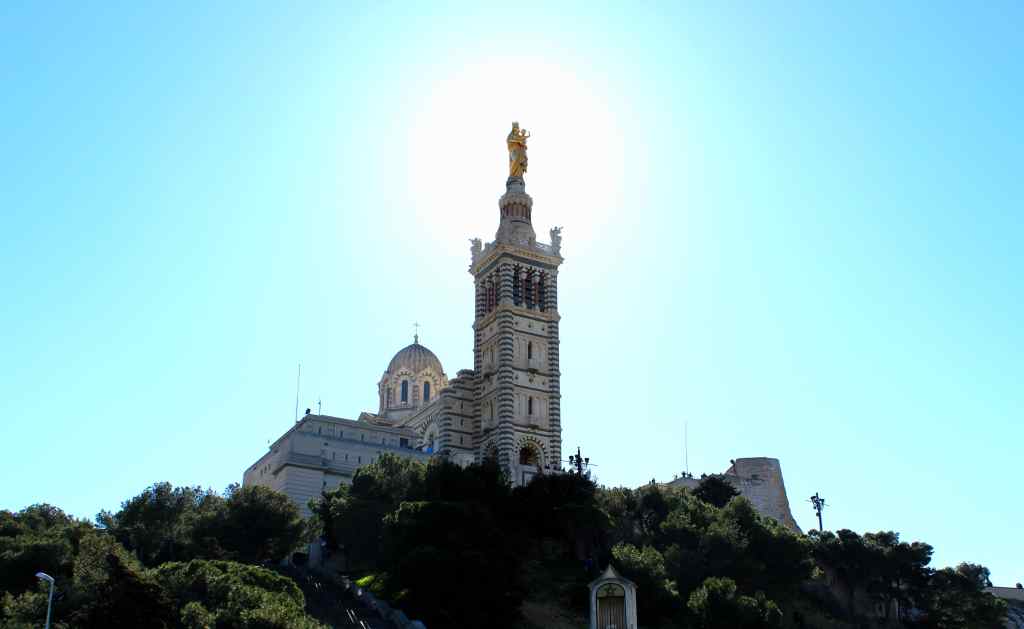
The walk up to the hill was relatively painless (even if we did it before having any coffee). The church presented a splendid sight to us pilgrims, as the sun shone directly behind the building. The basilica is dominated by a large tower, topped with a gilded statue of the virgin. Both inside and out, it is characterized by the same bands of light and dark that distinguish Marseille’s cathedral. In the interior you can find attractive mosaics in a pseudo-Byzantine style. But what I found more charming was the surprising sense of cramped intimacy in the church—pilgrims packed into pews, the walls full of little paintings, and toy boats hanging from the ceiling.

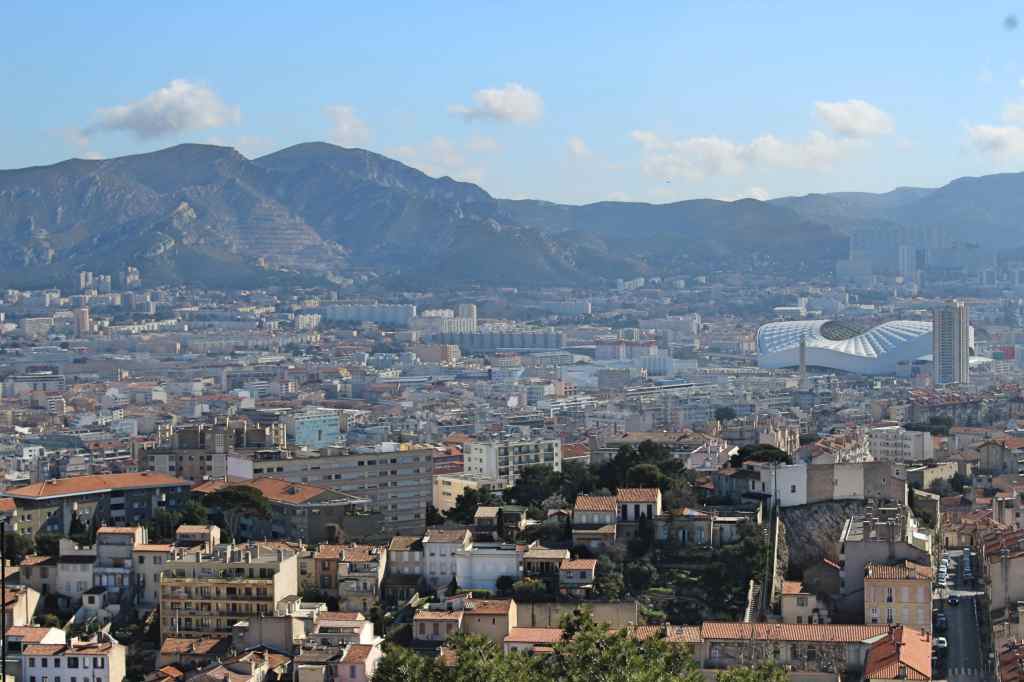
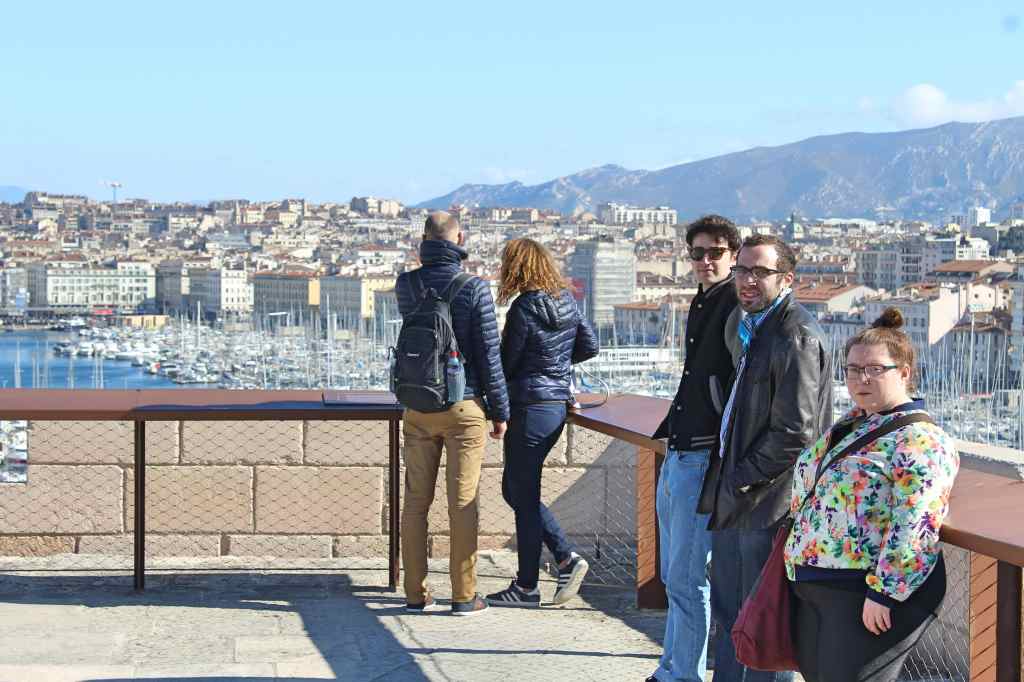
It would be generous, however, to consider the basilica itself an architectural wonder. It is impressive more for its situation than its design. The view is panoramic and thoroughly captivating. You can see the green, grey hills that encircle the city, and the red tile rooftops of the buildings as they fall towards the sea. White sail boats filled the water, accompanied by the odd motored craft.

Off the coast you can see the Frioul Islands (called simply “Les Îles”), four small floating bits of limestone that serve as home to about 150 residents. On the smallest, there is a well-preserved castle (islands are also useful for defense), the Château d’If—iconic as the site where Edmond Dantés was imprisoned in Dumas’s The Man in the Iron Mask. The island was actually used as a prison, in fact; much like Alcatraz, its location made it extremely difficult to escape from.

The Frioul Islands.

On the opposite side of the basilica, you can see the white folded shape of the city’s football stadium, the Vélodrome; and beyond that, you can see the monumental conglomeration of apartment buildings, La Rouvière, which seem to be as much part of the landscape as the mountains.

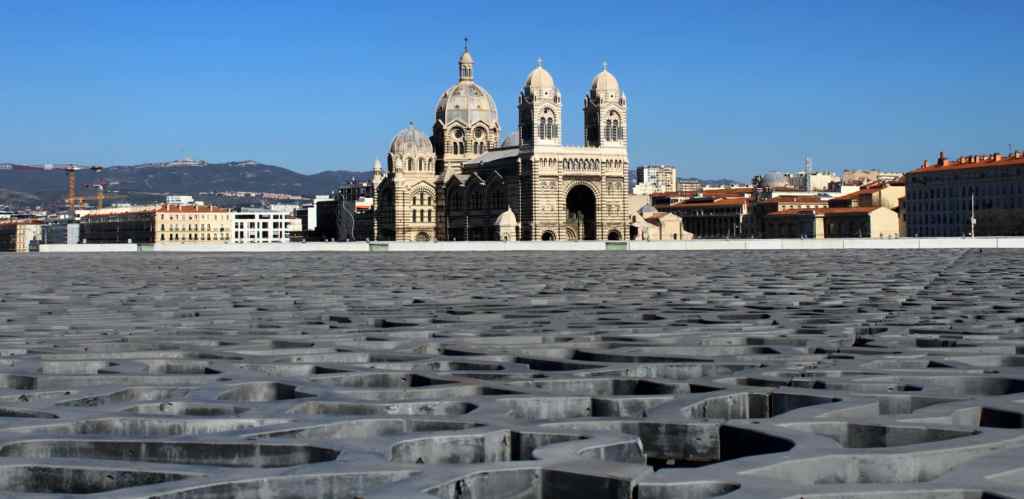
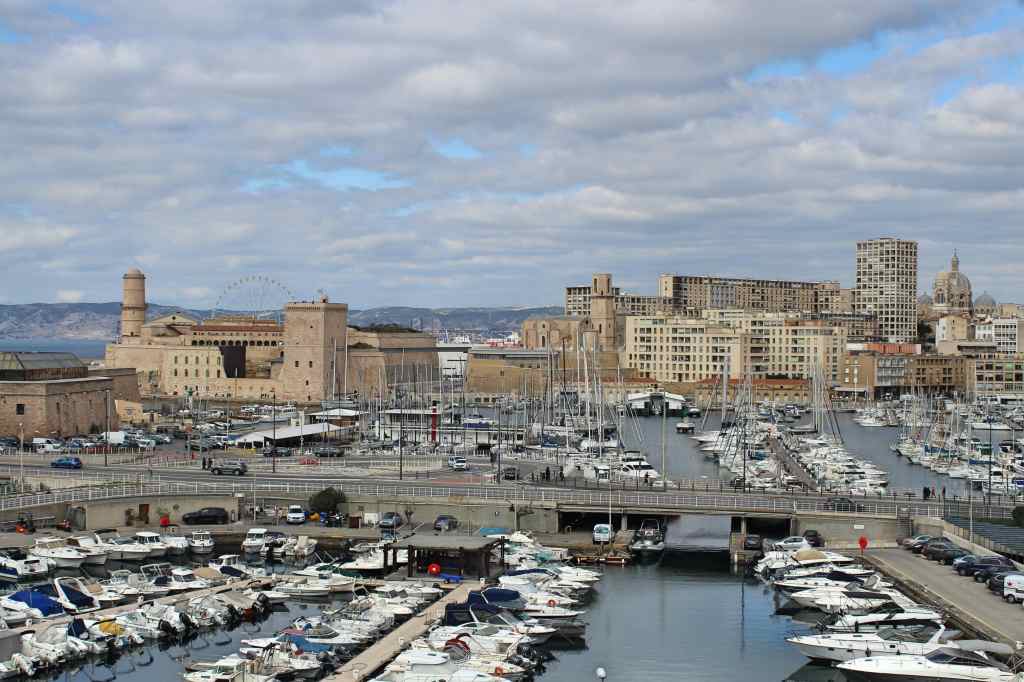
After partaking of the spectacle—and a quick coffee in the café next door—we went back down the hill and returned to the port. There, we visited the Mucem, short for the Musée des Civilisations de l’Europe et de la Méditerranée, which was opened in 2013 when Marseille was dubbed a European Capital of Culture for that year. We did not visit the exhibitions, however, as we were short on time, and Greg assured us that they were not spectacular in any case. Instead, we headed up to the roof, to enjoy another coffee in the modernistic museum building. The outside of the entire structure is covered in a kind of grey, plastic web, like artificial seaweed, which certainly stands out among the sandy-colored stone that makes up the surrounding area. 

The museum on the left and the castle on the right.
On the walkway.

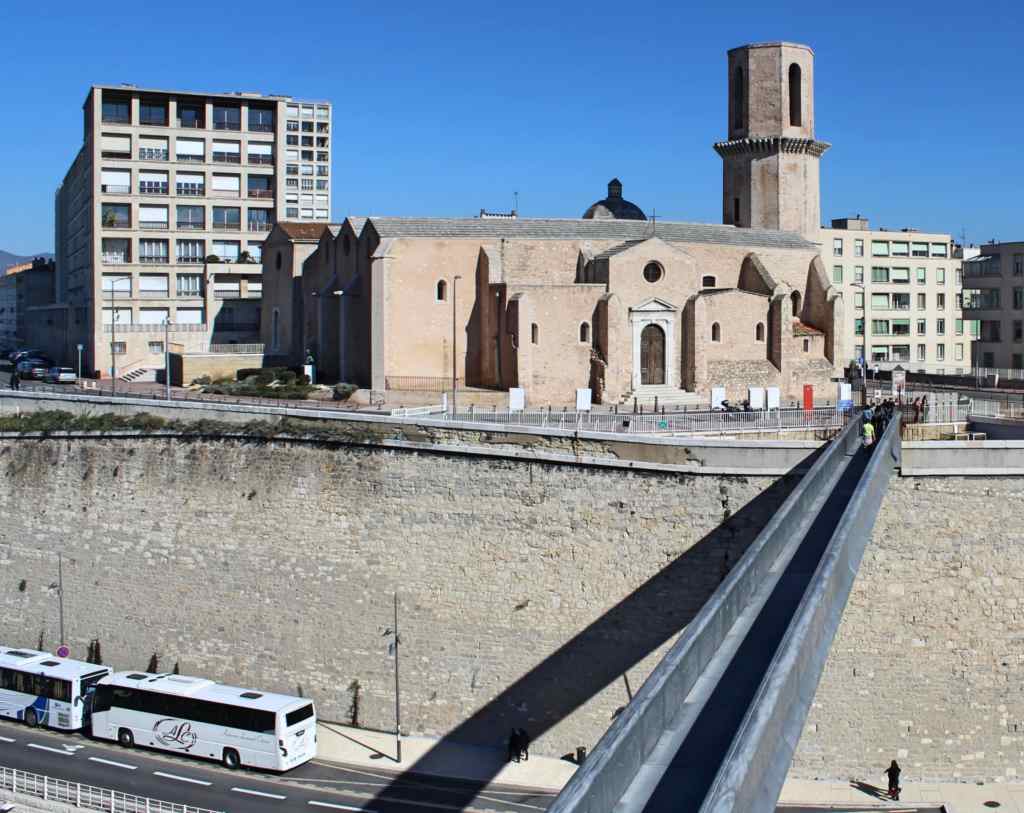
The visitor can walk directly from the roof of the museum to the neighboring castle, Fort Saint-Jean, via an elevated walkway. This is yet another fortress in the arsenal of Marseille, built during the reign of the Sun King, Louis XIV. The old turrets provide an attractive view of the Old Port, and many parts of the fortification are now occupied by lovely planned gardens. Across another elevated walkway there is the church of Saint-Laurence de Marseille, a lovely old Romanesque church. From there, the old port (le vieux port) is just a short walk away.

(By the way, I have an idea for Marseille’s new official tourism slogan: “Come for the Port View, stay for Le Vieux Port.”) 

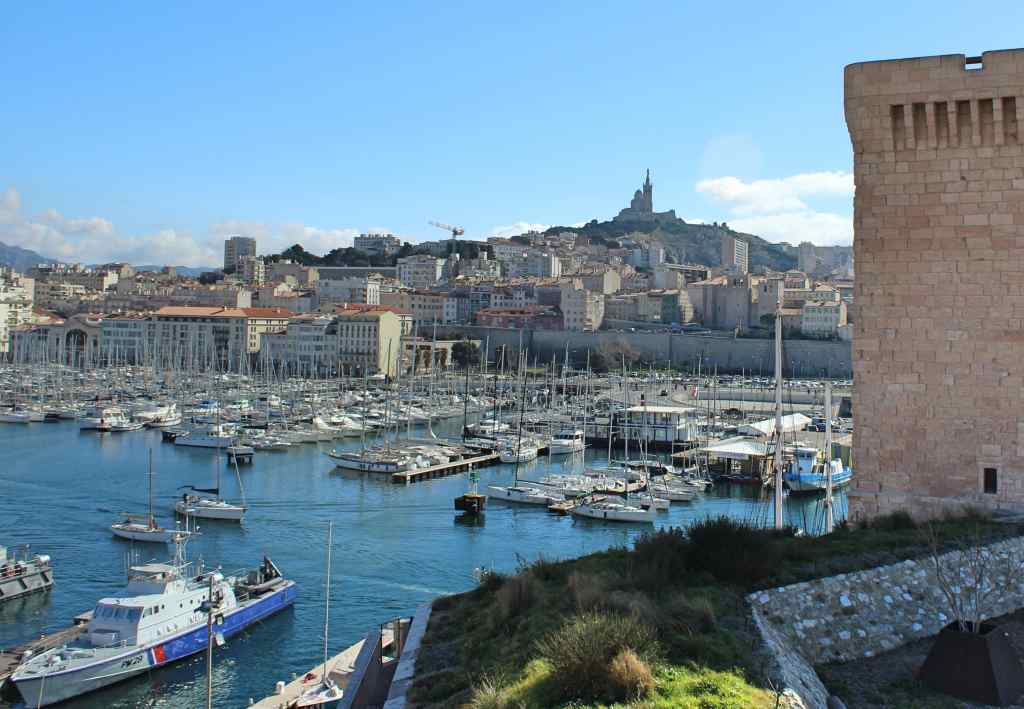
The Old Port, with the Basilica in the distance.

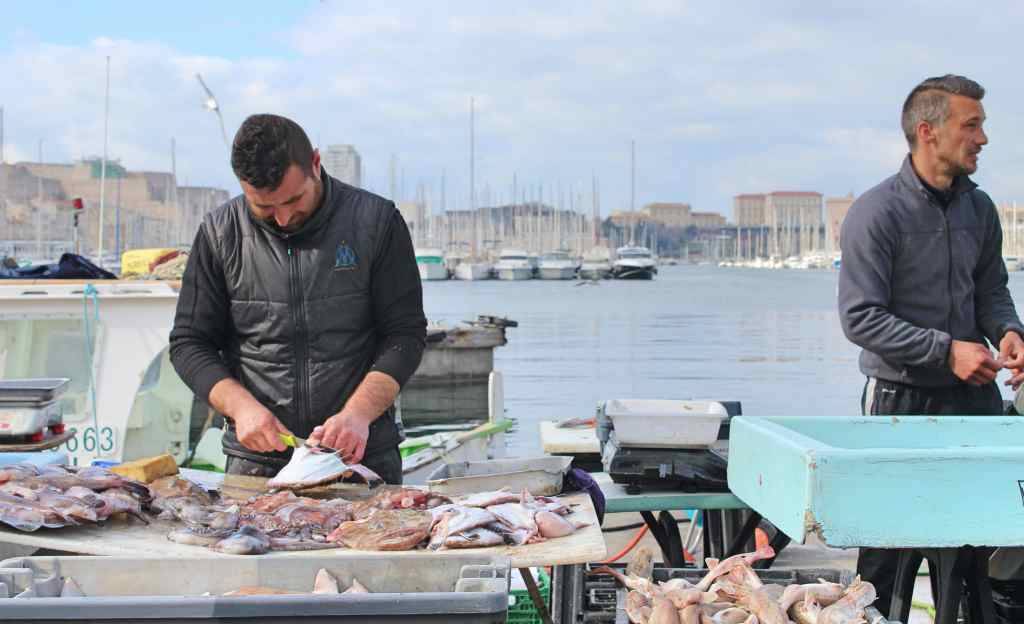
On any given day, the water is full of hundreds of little white boats, bobbing gently in the tide. Restaurants wrap around the water, offering French classics like moules-frites (though that’s actually from Belgium!). At the end of the port, you will find something which, as an American, cannot but make you pine for the Old World: fishermen and women selling their fresh catches. Little brown and grey fish float in plastic bins, while their vendors call out their prices. And it is no mere spectacle; when I was there, the fisherpeople were doing good business. I am sure it tastes better than frozen fish at the supermarket. 

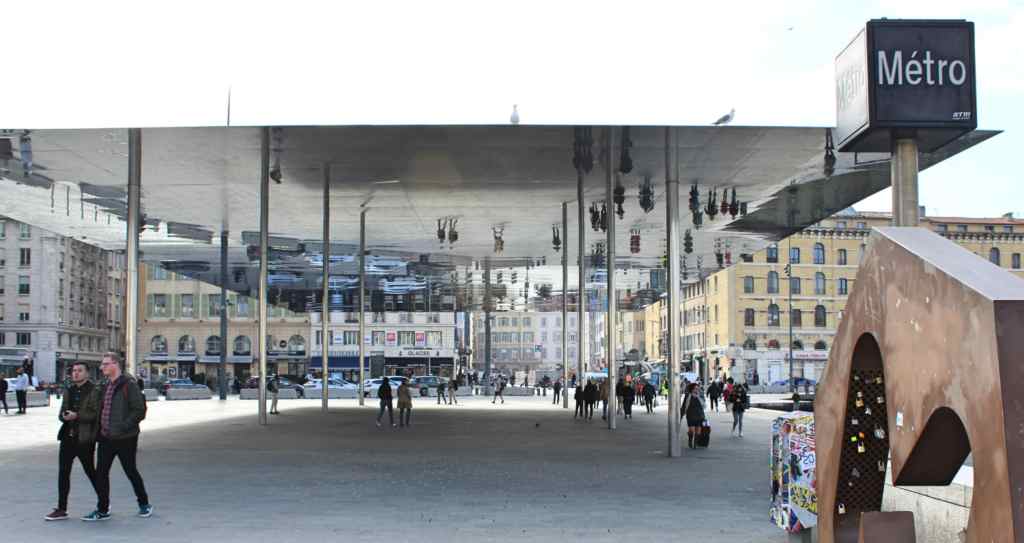
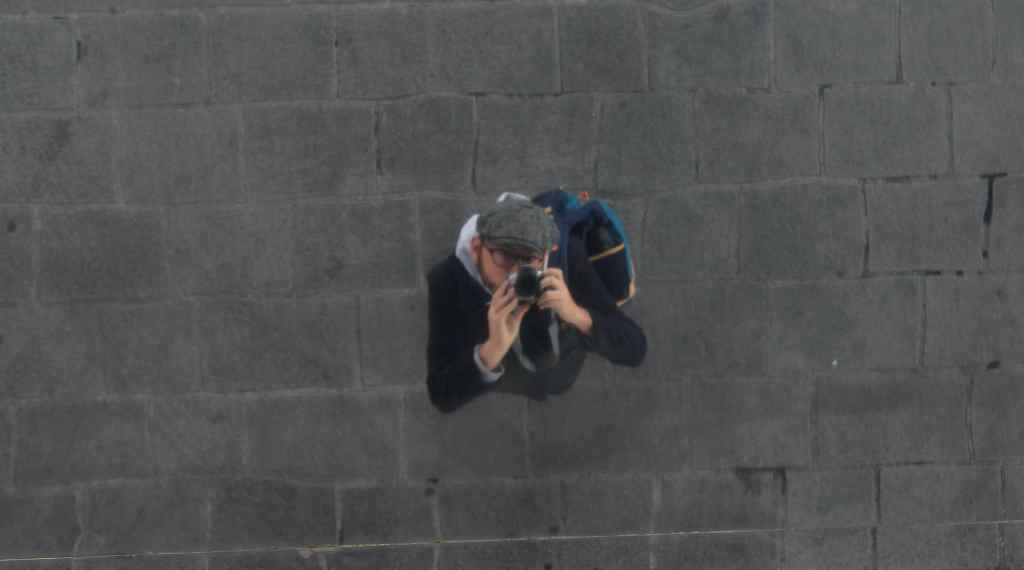
Right next to this little market is a bit of public art, the Ombrière. Like the museum, this is yet another relic of the 2013 European Cultural Capital Celebration—a design by big-time architect Norman Foster. The Ombrière is an elevated roof whose underside is an enormous mirror. This makes for good fun as you walk underneath and crane your neck, and it is a gift to amateur photographers. It would be much appreciated in a rainstorm, too.

Now it was time for lunch. For this, we decided to experience a different kind of cuisine. Because of the city’s location on the Mediterranean, and owing to France’s colonial past, Marseille has a deep connection with Northern Africa (the Maghreb). Thus, there are many thousands of immigrants in the city; and of course they brought their food with them, too. This was readily apparent when we sat down to have some kebab. Of course, kebab is a European staple, to be found anywhere. But this kebab was special—not the cheap ground meat sandwich with ketchup and mustard, like you find in Spain, but a properly spiced dish with good ingredients. I was very happy with my meal.

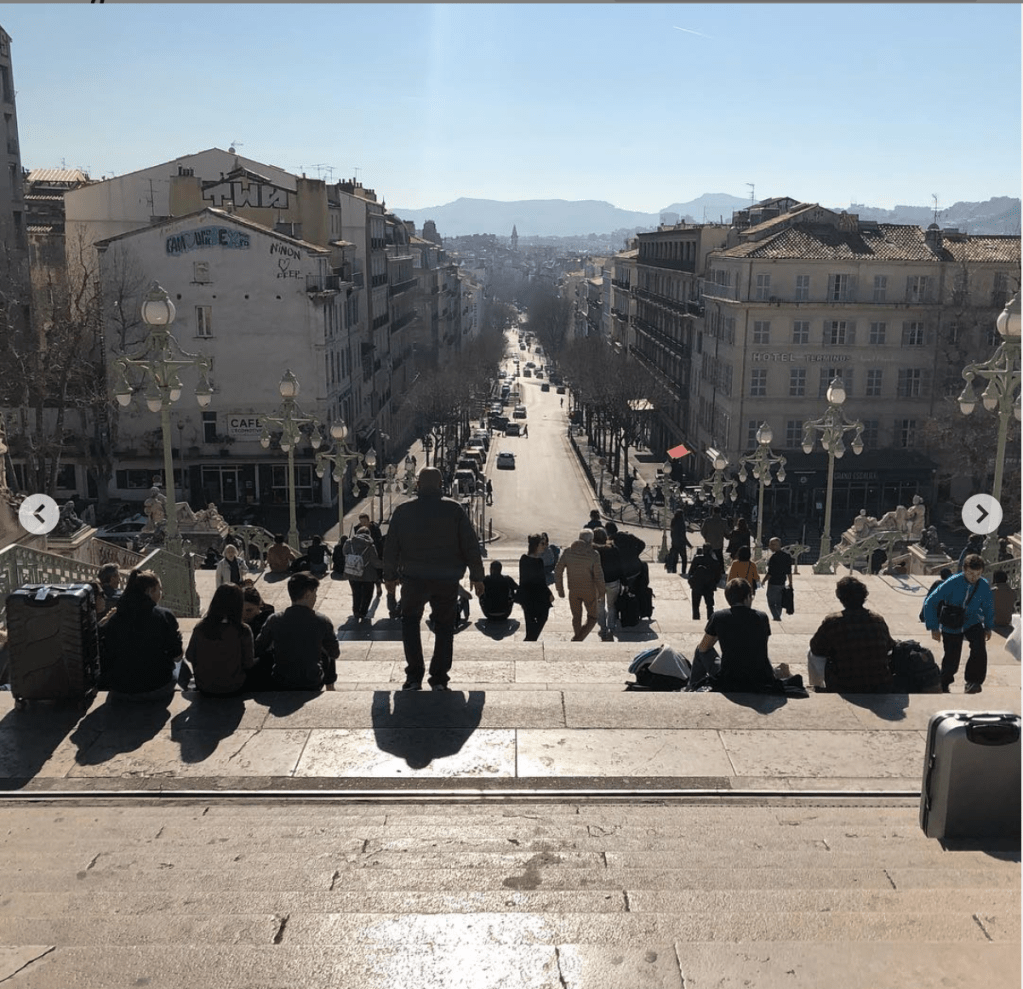
After lunch, my brother had to catch his flight back to Madrid. (Our visits were staggered since we had different days of the week off.) This meant a little trip to the city’s Saint-Charles train station so he could catch the bus. Though you may not believe it, this train station is one of the architectural highlights of Marseille, mostly owing to the richly decorated grand staircase—adorned with statues, columns, and elaborate light fixtures—that leads from the city center up to the station building. The station building itself is quite attractive as well, a classic open metal frame.

The train station’s grand staircase, leading into the city.

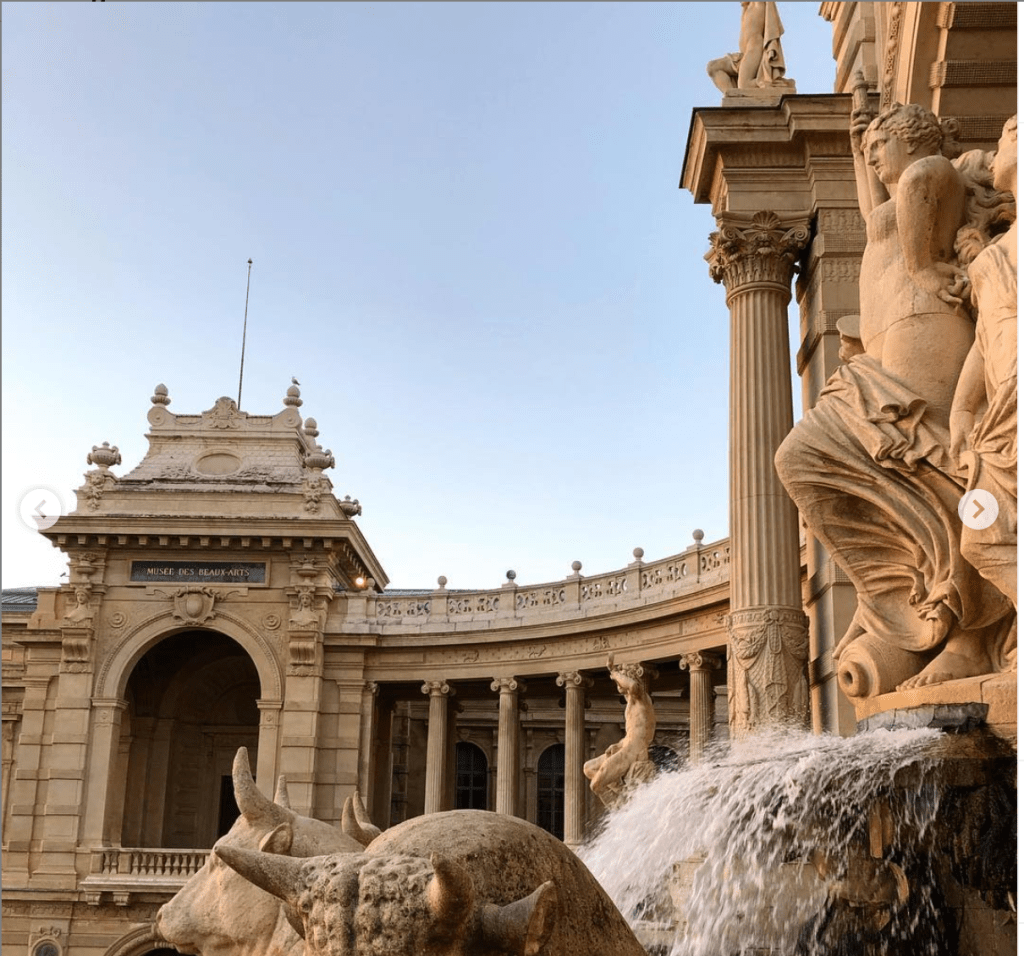
But we did not have all day to contemplate train stations. There was still one monument left on the agenda: the Palais Longchamp. This is indeed a palatial building, though not really a palace: it is a piece of celebratory architecture, a monument to the completion of the Canal de Marseille.

This canal, completed in 1849, was an enormous engineering triumph, requiring the building of tunnels, bridges, and aqueducts in order to transport the water 50 miles (80 km) to the city, using just the pull of gravity. To this day, the Roquefavour Aqueduct—built to carry the water over the Arc valley—is the largest stone aqueduct in the world, stretching 375 meters (1,230 feet)! The canal still provides the majority of Marseille’s water. (New York City’s Croton Aqueduct, another monumental project, was completed at around the same time, and traveled a similar distance. Both projects were motivated by similar problems—growing population, salty local water, and outbreaks of cholera—but the Croton Aqueduct was supplanted within just a few decades.)

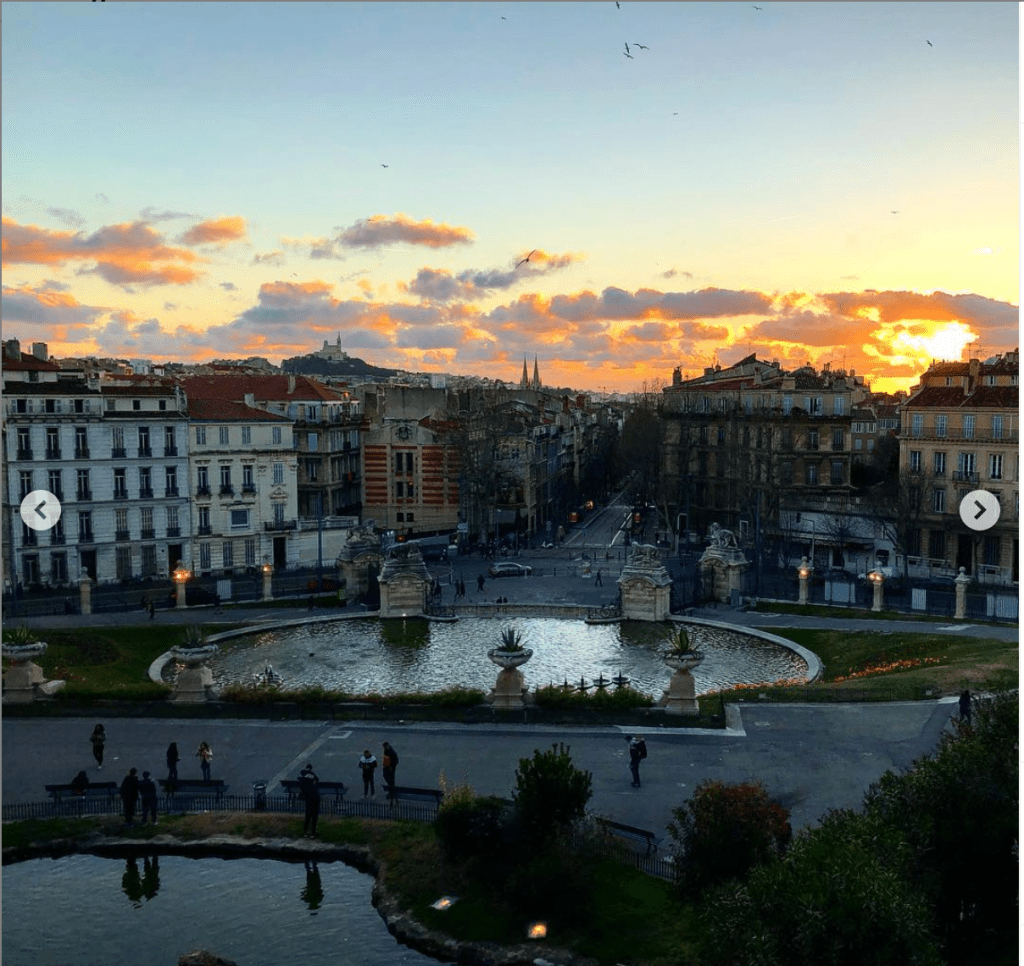
Given this background, you can understand why the Palais Longchamp is truly a celebration of water. The two wings of the building extend out from the central arch, where a statue of some Greek goddess rides atop the waves. Water pours down a mossy basin into a pool, and continues falling down towards the street. The visitor can enjoy this splashy spectacle from the two monumental staircases that wind up on either side, which lead through the triumphal arches to the lovely garden on the other side. The two wings of the structure, I should note, are home to two museums: the Museum of Fine Arts (on the left) and Natural History (on the right). They were both closed by the time we got there, though. So we contented ourselves with sitting aside the fountain, having a good chat, and drinking from a bottle of red wine my friend brought along. As far as French evenings go, this was one of the best.

We finished up the night with a home-cooked meal. For this, we took advantage of the North African influence in French cuisine—a lasting relic of the French colonies. We bought merguez sausages, couscous, and eggplant, zucchini, and tomato for a ratatouille. This meal, so simple, made a lasting impression on me, and I have tried to replicate it many times since. The merguez was particularly impressive: made from lean lamb meat, full of garlic and spice, it is very much unlike the sorts of sausages available in Spain. The couscous—also not popular in Spain—was light, fluffy, and filling, while the ratatouille (made by my talented friend Lily) was wonderfully flavorful.

The night ended, as it always must, with an episode of a history documentary—this one, about the Spanish Civil War (free on YouTube). It had been a wholly enjoyable day.


I did not have much time before my flight the next day. And I had even less time to see Greg, since he had to go work (he was researching in a government archive in the area). So after a breakfast with Lily, I headed off to see one final Marseille monument: the Abbey of St. Victor.

The view of the port from the Abbey.

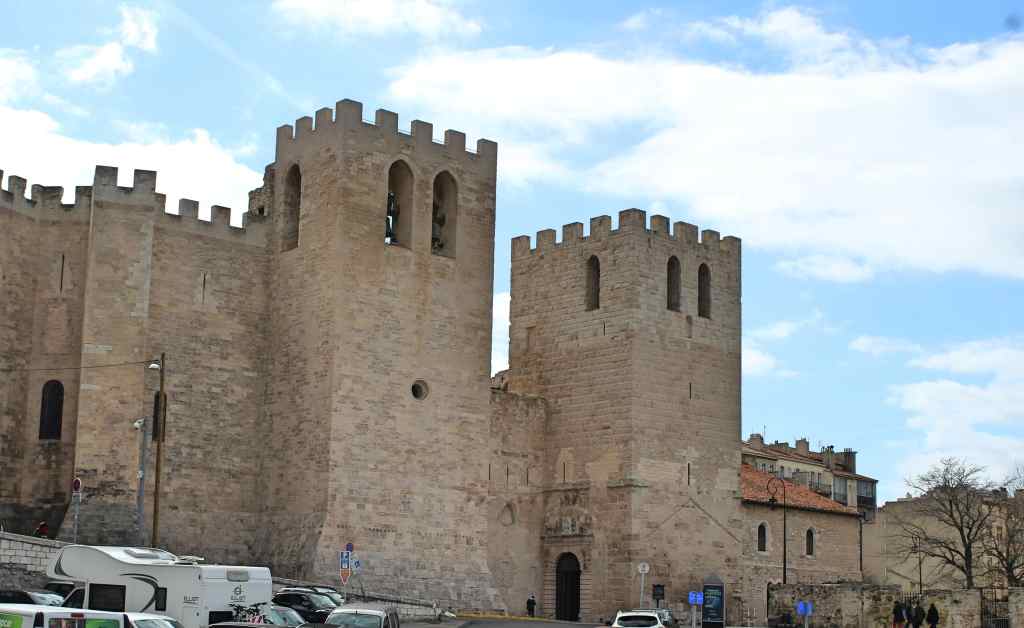
This is an extremely old monastery—dating from the fifth century—though it was mostly destroyed by invading Vikings and Saracens, and later rebuilt in the tenth century. The abbey is situated next to yet another old castle, the Fort-Saint-Nicolas; and indeed the church looks quite formidable itself: its high, crenellated walls make the building look more military than devotional. Certainly, positioned as it is with a commanding view of the old port, the church would have been a good defensive structure in the case of an invasion. Though I am not sure that the monks would have made the best warriors.

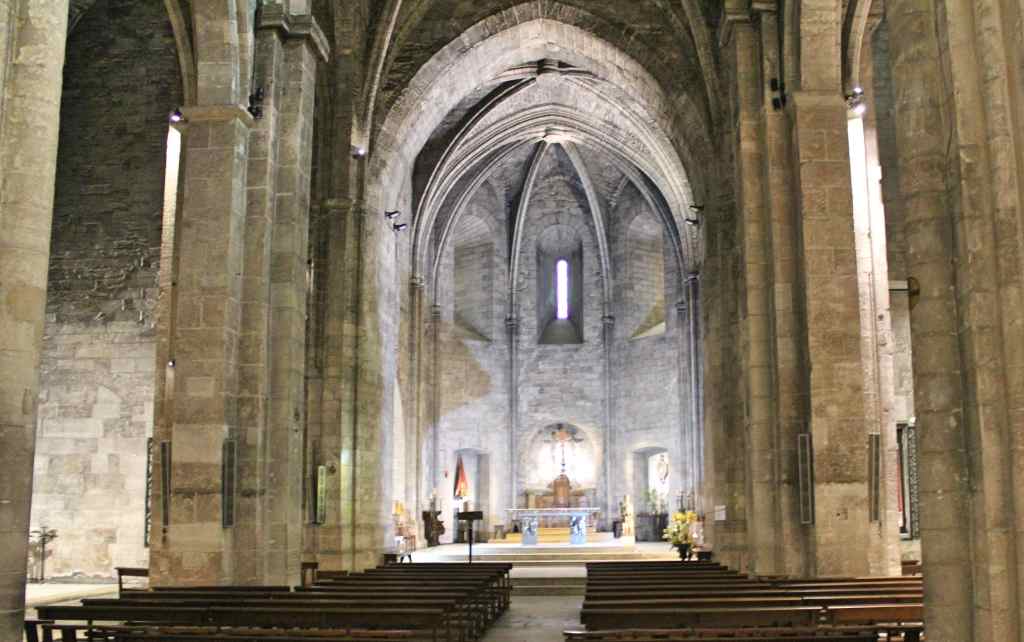
The building is just as formidable on the inside as without. Spare of decoration, the visitor is confronted with grey stone walls forming a somber environment. Even more dark and gloomy is the crypt, where the visitor can find half-ruined tombs and cracked carvings. Yet the building’s interest goes even further back than the church’s founding, as a Greek-era quarry was discovered here, as well as a Hellenistic Necropolis. As so often happens in Europe, history is simply piled on top of itself here.

Before my bus left to the airport, I had just enough time to eat some more delicious kebab. That may have been a mistake, however. All of us experienced some sort of stomach problem either during or after our trip. Lily got sick on the way over from New York. In my case, for many days after returning to Madrid, I would find myself nauseated after eating just a bit of food. It was rather odd.

Infirmity or no, however, I thoroughly enjoyed my time in this supposedly dangerous city. One comes away from Marseille with a very different image of France than the typical Parisian experience. The people were friendly, the food relatively cheap, and the environment thoroughly Mediterranean. I would gladly return to see more of the region.

Processing…
Success! You're on the list.