On Pandemic Fatigue

On Pandemic Fatigue

If there is a common thread to this pandemic, it is loss. Many have lost jobs, businesses, or homes. Others have lost members of their family, and still others have lost their lives. Even the luckiest among us have lost something, if only time. But this essay seeks to focus on another kind of loss: the loss of patience. Specifically, I want to put into words for myself this strange and unsettling feeling that, of late, comes over me at least once a day, the feeling we call pandemic fatigue. 


The first time the coronavirus entered my consciousness as anything more than a blip was around Chinese New Year, in late January. I was going to see the celebratory parade in Usera, Madrid’s Chinese barrio, and I asked a friend of mine if he wanted to come. “Doesn’t seem like a good idea,” he said. “Lots of people coming from Wuhan.” Wuhan? I did not understand. “You know, that new coronavirus.”

I was stunned that someone in my life—and someone I considered sensible—was willing to change their behavior because of this virus on the news. Long before that, I had written off the periodic media frenzies about foreign diseases. Every other year there seemed to be some new virus ready to destroy the world—avian flu, swine flu, zika, SARS, Ebola—and every year it amounted to very little, at least in my life. Besides, I figured the media had such a strong financial incentive to frighten people that they would play up any potential danger, however remote.

So I went to the Chinese New Year Parade, and I didn’t get sick (though my camera was stolen), and I pushed coronavirus back to the peripheries of my awareness. It did not stay there for long. The news coming out of China seemed increasingly dire. The city of Wuhan was shut down completely. A whistleblower doctor died. Travel from China was banned. And still, stories of coronavirus infections started popping up all over the place.

I went on vacation in late February with my brother—to Poland—and, for the most part, life was still completely normal. But our flight back to Madrid took us through Milan, just for a short layover. By that time Italy was in bad shape, and parts of the country were already on lockdown. Milan was one of the worst hit areas. Even so, we did not even consider changing our flight. I was still quite sure that this virus business would blow over. All this was just our instinctual fear of the unknown. 

By the first of March, most people were still in denial. By that I mean that we were thinking of this virus like some other kind of natural disaster, a flood or a fire—one that is localized in space and time. Maybe Italy was bad, and maybe China was bad, but we didn’t live in Italy or China. The virus would go away and we would move on. Yet two weeks after I got back to Madrid, the schools were closed. Two days later, restaurants had to shut down; and the next day we were shut up in our houses. It was the lockdown.

I really believed that it would just be for two weeks. A month, tops. I encouraged my mom to buy tickets for a trip to Ireland in June. No way this would still be going on in June, I thought. No chance. But now that I had so much extra time, I decided to read a little about pandemics. I read books by experts in public health and infectious disease, by historians and novelists, and by investigative journalists. And slowly, the truth dawned on me—the hard truth that this emergency was going to last a long time.


This was the first time that I was living through a world-historical crisis as an adult. The closest thing I could remember were the attacks of September the 11th, but I was just a kid then, and I did not really understand what was going on. This time, I was painfully aware, and yet equally powerless to do anything about it.

I had heard stories of the solidarity that arises during times of crisis, but this was the first time I experienced it. Admittedly, it was difficult to show solidarity in any normal way, since we could not be physically close to one another. This was one of the most depressing aspects of the situation. But people figured out ways to lift each other’s spirits. There were the balcony concerts, the children’s drawings taped to windows, and the nightly rounds of applause for the healthcare workers.

The other aspect that helped us to get through this lockdown was fear. During these months we were still coming to grips with this new infection. How deadly was it, exactly? How did it spread? Could it stay in the air? Who was more vulnerable? What were all the symptoms? The uncertainty made the virus all the more frightening. Even so, it was clear that the virus was dangerous: overwhelmed emergency rooms, bodies stored in hockey rinks, and improvised field hospitals. With such a predator lurking the streets, it was less tempting to go outside.

The twin supports of fear and solidarity made the lockdown bearable. That, and a certain amount of creativity.


In Spain we were only allowed out to go shopping for food. We could not take walks or exercise outside. This really limited the options when it came to maintaining mental health—especially in my case, since I love a long walk or a good run.

But I adapted. I created a workout routine I could do in my tiny room, and made sure to do it every day. To get some sun, I snuck out onto my roommate’s balcony. Missing the local parks, I bought a bunch of plants. I made YouTube videos for my students learning English at home. Since we could not go to restaurants, my brother and I started cooking ever-more elaborate dishes—braised oxtail stew, Brazilian feijoada, French cassoulet, and even homemade kebab.

Still, the monotony could be numbing, the social isolation irritating. I can hardly imagine what it would have been like for someone living alone.

Eventually, after what seemed to be half an eternity, we were let out to exercise. In mid-May, I took my first run in over two months. I emerged onto the street almost shivering with excitement.

And yet the run was somehow less enjoyable than I thought it would be. Partly this was due to circumstances. For whatever reason, the Spanish government decided to let us out only at certain prescribed times; so when I set out the streets were absolutely packed. But I was more disappointed at my own physical shape. Though I had been regularly exercising in my little room, running even a fairly short distance felt difficult, heavy, painful. Breathing was so uncomfortable that I even wondered if I had gotten the virus. And, of course, I was much slower than before.


By the beginning of summer, some flicker of light began to appear at the end of the tunnel. We were coming down from the virus’s curve, and hopefully hitting a flat bottom. The state of alarm lifted on June 21 and we were free to do whatever we wanted. Except for the masks, life began to look pretty normal again.

But even at this relatively calm time, the virus could not be forgotten. This was brought home to me when I tried to get my papers in order to visit New York for the summer. I do this every year, and I was even more eager than usual to go home, since it is always nice to take refuge in times of trouble. Even after getting the requisite documents together, however, I was faced with uncertainty.

Here was my predicament: though I could legally travel there and back with my documents, there was no guarantee that the airlines would know that. Visa regulations are enforced very imperfectly by airlines, who tend to err on the side of caution since they face penalties if they transport someone who cannot legally enter a country. Aside from that, flights could simply get cancelled from lack of demand, or the rules could change while I was in the United States, leaving me unable to return to my job in Spain. I hoped that someone in authority could give me some clarity. But the Spanish consulate could only tell me that the situation was evolving, and advised me not to risk it. So, in the end, I had to forego a visit to my homeland.

I focus on this situation because it captures an essential part of pandemic fatigue: the sense of total uncertainty about the future. It is the feeling of being in limbo, of your life being totally up in the air, of being unable to plan even in the short-term. The most one could do was to wait, while the normal pleasures of life passed silently by.


During the summer, I slowly tried to regain the running facility I had lost. It was far more difficult than I anticipated. My body was slow and sluggish, and even rather delicate. On one run I pulled a muscle in my core and had to spend several days recuperating. Nearly every run was in some way a disappointment. But I did discover a new place to run: a park near my apartment, affectionately called siete tetas (seven boobs), a name the park owes to its seven prominent hills that stand above the surrounding city. Running there obviously meant a lot of running uphill, and I figured that this challenge might be enough to get me back into shape.

Practicing this way, I quickly discovered the key to uphill running: look down. It is simply too painful to focus on how much of the hill remains. When you look forward, you become hyper-aware of your labored breathing, and the urge to give up becomes irresistible. But if you look down, focus on your feet, you notice that each individual step is not that much harder than running on level ground, and so you can continue. And it quickly struck me that the pandemic requires just this same mentality: look down, focus on each step, and forget about how much of the hill is left to climb.

Perhaps a Buddhist would describe this state of mind as enlightened, since it is just this absorption in the present moment that meditation tries to cultivate. And, indeed, it is a powerful strategy when times are tough. But few runners, I suspect, would enjoy running the whole time with their head down. Part of the pleasure of a good run is the scenery—at least for me. Likewise, a big part of the motivation of running comes from setting goals and trying to accomplish them: an attitude inherently oriented towards the future. The pandemic, just like this hill, made all this impossible, and it was all we could do to just keep our heads down and keep pushing forward.


Time became a problem during the pandemic—empty time.

At first, I admit, it was exciting to have so much time to fill. Indeed, mixed in with all the alarm and frustration of the early days of the lockdown, there was a distinct note of relief—the opportunity to slow down, to maybe work on some hobbies, or simply to relax and introspect.

But very soon people began to hit a wall, or at least I did. Humans are simply not meant to spend so much time inactive, cut off, and without a fixed schedule. We need a bit of structure and variety, or else time turns into an mushy purée, thin and bland. With no reason to get up early or late, to do something in the morning or the evening, today or tomorrow, this week or next, it somehow became all the more difficult to focus on anything productive. Focus, after all, is as much an act of exclusion—expelling extraneous distractions—as it is of inclusion; and there was nothing to exclude (or, perhaps, there was everything at once?).

One consequence of this lack of any fixed temporal landmarks was an increase in my consumption of alcohol. Simply put, there was not much else to do, and none of the usual reasons not to drink. Not that I was deliberately drowning my sorrows, you see (at least not most of the time); rather, my background consumption of alcohol grew steadily, until I was drinking almost every day. This only exacerbated the physical toll of prolonged inactivity, contributing to the general sense of malaise and torpor that became my natural element. I would wake up groggy and late, and hang around the house most of the day, even when we were finally allowed outside.

The cumulative effect of all this has been pandemic fatigue: a listlessness mixed with an undercurrent of anxiety. Without a routine, unable to see my family, I passed the time the best I could—taking a few trips, teaching a few online classes, and trying to carry on with my usual hobbies. It was not an altogether unpleasant way to live, I suppose.

Yet the feeling was rather like sunbathing on an active volcano. The whole world had a delicate, fragile quality, as if the situation might suddenly and drastically change once again. This made it difficult to fully relax or to fully commit to future plans. Even the approach of the new school year seemed distant and unreal. Would the schools really re-open? And if so, how long would they remain so?


The reason I have become so aware of pandemic fatigue is that, for the moment, it is partially lifting. School has started for in-person classes, and I am once again in front of a classroom, writing on a white board, trying to memorize students’ names (much more difficult with the masks!). In short, I not only have a routine once more, but also a social purpose. It feels surprisingly good. Aristotle was correct when he noted that we are social animals. 

Now, after all this time, I have to be presentable in front of other people. This means no more gym shorts and sweatpants. The pandemic beard—quite impressively long, if I may say so—was shaven off, and my long hair trimmed. I even decided to do a dry month, Sober October, in order to reduce my drinking to pre-pandemic levels. 

Best of all, my running ability has started to reach pre-lockdown levels once again. All that running uphill paid off, and I can finally run without my body dragging behind my intentions. Better still, I can run while looking forward instead of with my head down, staring at my feet.

But this pandemic is not over yet, and neither is the fatigue. We are in the midst of the long-predicted second wave of infections. The Spanish government is scrambling, amid bitter partisan bickering, to put together a coherent response for this new challenge, and without much success. The main consequence has been a slew of new rules, changing unpredictably from week to week, the majority more annoying than effective. Even as I write this, I am not sure what I will be allowed to do by next week.

The worst part of the current situation is that we will have to endure the next round of restrictions and rules without the psychological supports from the early days. The buoyant solidarity has vanished into the usual humdrum concerns and routine bickerings of life. Lately, most of us (especially the politicians) are more concerned with finger-pointing than with lending a helping hand.

Also, the fear of the virus has lessened considerably. While this is, perhaps, partly justified, since we are more familiar with its symptoms and have better treatments, this is mostly a result of familiarity. Coronavirus is beginning to shift into the background threats in our environments, like car crashes or lung cancer—one of many dangers that we mostly ignore.

After the solidarity and the fear have mostly gone, the only thing left is the feeling of fatigue. In the end, this fatigue is a failure to live with coronavirus, to really face up to it. Most of us badly want to forget about this emergency and move on, and yet we are constantly reminded of its nagging presence. Without the support of the community or even the fear of a new threat, the virus becomes merely a burden, an extra chore, an added whisper of anxiety. Somehow, a problem affecting nearly everyone on the globe has become a dull ache that we all must deal with privately and alone.

I am afraid that there is still a lot of uphill running in our future. The only thing to do is to put our heads down, and push on. 
Processing…
Success! You're on the list.

Review: Rage

Review: Rage

Rage by Bob Woodward

My rating: 4 of 5 stars

We were speaking past each other, almost from different universes.

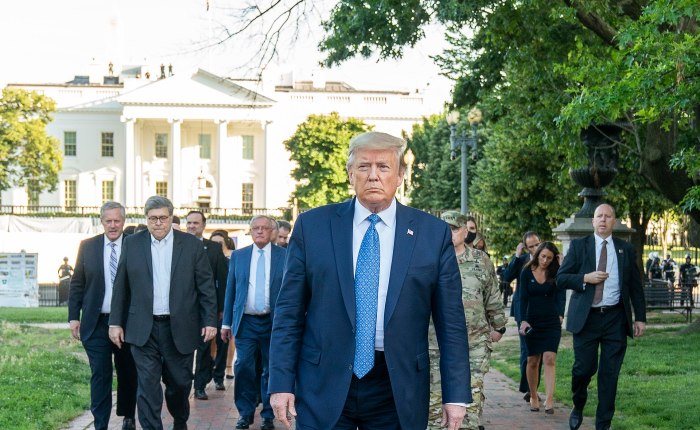
Under normal circumstances, I would not subject myself to a single book about Donald Trump, much less two. But I happened to finish A Very Stable Genius—written by two of Woodward’s fellow reporters at the Washington Post—during one of the most bizarre weeks in Trump’s very bizarre presidency.

The week began ordinarily enough, with the revelation in the New York Times that Trump was using his business failures to avoid taxes. Big surprise. This scandal was quickly eclipsed by Trump’s unhinged performance in the first presidential debate, which even some keen supporters found unpalatable. And then Trump managed to top his own performance, by announcing his coronavirus diagnosis. Somehow, even this potentially solemn event quickly devolved into a carnival of lies, as various reports on the president’s health conflicted. The farce was capped off by Trump’s tweeting “Don’t be afraid of COVID” after leaving the hospital.

I mention all this only to show that, even after four years and four thousand scandals, Trump has retained his ability to completely absorb my attention and, yes, to shock me. Hoping for some more insight or clarity, I reached for this book—yet another in the long list of Trump exposés. And I did find that Rage complemented the story told in A Very Stable Genius quite nicely, covering much of what is left out in that earlier book. Whether I am any the wiser for having read these books is another question.

The basic story is simple: Trump relentlessly wore down his advisors and officials through unreasonable and often contradictory demands, until they either resigned in frustration or were fired (often via a Tweet). As the authors of A Very Stable Genius put it, Trump ground through his human guard rails. This way, advisors willing to oppose or moderate the president were gradually replaced by sycophants who did little to curb his more destructive whims. Thus, when a real crisis hit the country, one requiring a complex and coordinated response, the White House was completely unprepared.

However, it is also apparent that this was not originally the story that Woodward set out to tell. The first half of the book focuses quite steadily on foreign policy, and is clearly the fruit of much careful research. There are the usual stories of Trump snubbing allies and pining after Putin. But the real surprise comes when Woodward reveals that he somehow obtained the letters exchanged between Trump and Kim Jong-un. Though containing little of substance, these letters are quite surprising in their affectionate and even flowery tone. Even so, this is one section of the book where Trump does not come off so badly. Nothing was gained from the meetings and the letters, but nothing was lost, either; and arguably it was worth a try to extend an olive branch.

Like so much of life, the book gets severely derailed in its second half by the arrival of the coronavirus. It was around this time, too, that Woodward gained access to Trump himself. From January to shortly before the book’s publication, Woodward interviewed the president eighteen times, for a total of over nine hours. This meant that Woodward had a direct line to Trump during the greatest test of his presidency. The book thus becomes a kind of character study in a time of crisis, with Woodward pushing and probing, trying to understand why Trump is handling the pandemic so badly.

The closer a look one gets of Trump, the stranger he appears. To use Woodward’s phrase, he is a “living paradox”—or at least bafflingly inconsistent. One obvious example of this is Trump’s decision to do these interviews in the first place. After all, Woodward had already written a book highly critical of Trump, and is an associate editor at the Washington Post, a paper Trump routinely derides as liberal media spouting fake news. Was it simply bad judgment? More likely, in my opinion, Trump thought that by personally speaking with Woodward, he could convince the journalist to change his tone. (Trump hoped to do the same with Mueller, Putin, and Kim Jong-un, after all.) Either that, or he simply found the publicity and prestige offered by a Woodward book irresistible.

Another tension in Trump’s personality is that between authoritarianism and negligence. Trump’s admiration for strong-men around the world has often been noted, as has his demand for loyalty and praise from his subordinates. And his response to the Black Lives Matter protests—threatening to send the military, and using federal troops to illegally detain protesters—is broadly authoritarian. On the other hand, Trump’s response to the coronavirus crisis reveals a man quite averse to real responsibility, as he often left it up to the governors to deal with the problem. An aspiring autocrat could easily have used the emergency to appropriate more power for himself, but Trump did no such thing.

But this apparent paradox is resolved when one realizes that Trump’s conception of authority is very superficial. Being praised by subordinates, being the center of attention, being declared the best, being seen as a tough guy—this is the extent of what Trump demands from the world.

This superficiality is pervasive in Trump’s makeup, and has much to do with his (almost non-existent) relationship with the truth. It is common to call Trump a “liar”—and, of course, the major revelation of this book is that Trump apparently knew how dangerous the coronavirus was in February, and did not take action or warn the public. Yet for me this term is misleading, as it implies that Trump is fully aware of the truth and is carefully concealing it. I am sure he does that sometimes, of course. But more often it is as if he is speaking as a person might when totally overcome with emotion—in extreme rage or ecstatic joy—without even considering the truth.

The reason I say this—and I hope that I am not getting carried away here—is that, when Trump speaks, the words do not seem to come from some deep place inside himself, as happens during a thoughtful conversation. Rather, the words seem to pop out of thin air, determined only be the immediate needs of the present. To put it slightly differently, Trump never seems to be searching inside himself as he speaks—turning an issue over mentally or finding the appropriate phrase—but instead his mouth goes off by itself, like a machine gun, in its predictably staccato rhythm. The following excerpt captures this quite well:

“I’ve talked to lots of your predecessors,” [Woodward] said. “I never talked to Nixon, but I talked to many, many of them. They get philosophical when I ask the question, what have you learned about yourself? And that’s the question on you: What have you learned about yourself?”

Trump sighed audibly. “I can handle more than other people can handle. Because, and I’ll tell you what, whether I learned about it myself—more people come up to me and say—and I mean very strong people, people that are successful, even. A lot of people. They say, I swear to you, I don’t know how it’s possible for you to handle what you handle. How you’ve done this, with the kind of opposition, the kind of shenanigans, the kind of illegal witch hunts.”

I find this response so telling, because we can safely ignore the truth or falsity of Trump’s words. Indeed, I am inclined to think that questions of this kind usually elicit bullshit. But if I were asked this, I know that I would have to pause and search within myself for something that at least appeared to be self-knowledge. I would have to at least simulate speaking from the heart. And it takes a certain amount of self-awareness to do this. Trump’s answer, meanwhile (which essentially amounts to “I am better than other people”), pivots almost immediately from self-knowledge to what anonymous “very strong people” are telling him. In other words, it does not even betray the modicum of self-knowledge necessary to plausibly bullshit.

I am writing this to fully express these thoughts for myself, even though I am painfully aware that I am falling into the tar-pit of Trump’s personality. But enough. Let us move on from Trump to the secondary question of whether Woodward is guilty of journalistic malpractice for sitting on the information about the coronavirus. And I think he is. Woodward has given multiple reasons why he did not go public with the Trump tape, such as that he needed to give the story more context, or that he thought Trump was just talking about China. Neither of these make much sense to me. And I do think it could have made a difference if the recording of Trump had been released in, say, March.

Be that as it may, this book is still a valuable and alarming look into Trump’s White House and character. After such a steady inspection, it is difficult to disagree with Woodward’ conclusion: “Trump is the wrong man for the job.”

View all my reviews

Review: Evicted

Review: Evicted

Evicted: Poverty and Profit in the American City by Matthew Desmond

My rating: 5 of 5 stars

Eviction is a cause, not just a condition, of poverty.

Yesterday, on July 24, the federal moratorium on evictions—protecting about 12 million renters—ended; and many state-level moratoriums will conclude soon as well. Enhanced unemployment benefits, which gave households an extra $600 per month, will terminate this month, too, meaning that families will lose income at just the moment they are vulnerable to eviction. Meanwhile, as the virus rages on, so does massive unemployment. It seems likely, then, that the United States is on the cusp of a huge wave of evictions. Under these circumstances, I thought it was a good time to read this book.

This is an urban ethnography written about the lives of the desperately poor as they struggle to find stable housing. Matthew Desmond lived for months in a trailer park and then in the inner city, following people around, taking notes and photographs, recording conversations, conducting interviews, and carrying out large surveys. In many ethnographies—especially since the postmodern turn—the author has striven to include herself in the narrative, emphasizing the subjectivity of the process. But Desmond has effaced himself from this book, and has instead written a kind of nonfiction novel of eight families undergoing eviction.

The first thing that strikes the reader is that Desmond is an excellent writer. The narration is gripping from the beginning—dramatic, vivid, and even occasionally poetic—meaning that my first reaction was emotional rather than intellectual. Wrenching pity for the people caught up in this cycle of poverty alternated, at times, with light disapproval at seemingly self-destructive behavior, which disappeared into outrage at the landlords profiting from this situation, and then incredulity that such things can be allowed to go on in a supposedly advanced nation. Often, I found it hard to take in, and had to put the book down to take a breath:

[Crystal] had been born prematurely on a spring day in 1990 shortly after her pregnant mother was stabbed eleven times in the back during a robbery—the attack had induced labor. Both mother and daughter survived. It was not the first time Crystal’s mother had been stabbed. For as far back as she could remember, Crystal’s father had beat her mother. He smoked crack and so did her mother and so did her mother’s mother.

But if this book were merely a collection of such stories, it would be little more than poverty voyeurism. This book has quite an important point to make, though, and that is how eviction is not only a consequence of poverty, but one of its major causes.

Any account of housing instability needs to begin with the fact that most people who qualify for housing aid to not get it—3 out of 4 receive no aide whatsoever. This leaves them at the mercy of the private housing market, which has seen steadily rising rents for years, at a time when wages are stagnant. Though it is normally recommended to pay no more than 30% of your wages in rent, the subjects of this book paid far, far more—in some cases, over 90%. This has serious consequences. Most obviously, if you are paying so much of your income in rent, it is impossible to save, and often even to pay basic expenses. What is more, this means that virtually any unforeseen expense—repairs, medical problems, or a funeral—can make a renter fall behind.

Once behind, it is extremely difficult for a renter to catch up. This effectively puts them at the mercy of the landlord. Even if the house is in disrepair and violates safety codes, missing rent means that the renter can be evicted on short notice. As Desmond describes, some landlords are willing to be lax—at least for a time—and cut deals with tenants. But for many who fall behind, the sheriff will soon be knocking on their door, along with a team of movers, giving the tenants a stark choice: to have their things left on the curb, or put into storage (where they need to pay extortionate fees in order to keep it from being trashed). Most evictees do not have housing lined up, and many end up in homeless shelters.

In a market where buyers are desperate and sellers are relatively scarce, there is little incentive for landlords to reduce prices, or even to make basic repairs of their properties. As Desmond explains, it is often more profitable for landlords to evict late-paying tenants and contract new ones than to make their properties livable. The tenants in these pages put up with rats, roaches, broken walls, smashed windows, clogged plumbing, sagging ceilings, to give just a short list. Desmond himself did not have hot water during his stay at the trailer park, despite paying rent on time, repeatedly asking the landlord, and even informing them that he was writing a book about life in a trailer park.

Eviction is not a rare occurrence—there are well over one million per year in the United States—and it is also not merely a private tragedy. Unsurprisingly, evictions concentrate in poor neighborhoods; and when residence in an area is unstable, it makes it an even less desirable place to life. As Jane Jacobs pointed out, neighborhoods are not primarily made safe by patrolling police, but by the constant presence of people on the street, people with a sense of ownership of the neighborhood. Ejecting residents obviously erodes this possibility—and not only in the area where people are evicted from, but also in the areas they unwillingly move to—which makes the city generally less safe.

Eviction is also not colorblind. Just as black men are disproportionately locked up, Desmond found that black women are disproportionately thrown out. And when you consider that having either a conviction or an eviction record can disqualify you from public housing, and can legally be used to screen potential renters by private landlords, you can see that this disadvantage is compounded. The white families in these pages certainly did not have an easy time finding and maintaining housing, but the black families were significantly worse off. Desmond followed one white couple who managed to find a place despite both of them having eviction and felony records, and one of them an outstanding warrant!

It is crucial to remember that housing instability is not merely the byproduct of individuals navigating private markets. The government is not only culpable for being a bystander to suffering citizens, but for propping up this very situation. Just as government force—in the guise of police officers and prisons—has been used to deal with the social fallout of disappearing jobs, so has government force—in the form of eviction courts, sheriffs, movers, public eviction records, and homelessness shelters—been used to deal with the disappearance of affordable housing. Without this government backing, the situation could not exist.

In many cases Desmond documented, government workers actually encouraged landlords to evict their tenants. Since many properties do not meet building codes, virtually any government attention—whether from the police, the fire department, an ambulance, or social services—can motivate a landlord to eject a tenant. What is more, if too many 911 calls come from an address, the property is labeled a ‘nuisance property,’ and landlords are forced by the police to ‘take action’—usually through an eviction. Even victims of domestic abuse are often evicted, one reason that many victims do not contact the police.

If we can agree that this situation is unconscionable, then of course we must do something to change it. But what? One solution is rent control: establish maximum prices that landlords can legally charge. This can have some quite negative unintended consequences, however. For one, if low-income housing ceases to be profitable, then there is no incentive to create more. This leads to shortage. But what about simply giving people more money, such as by raising the minimum wage or a basic income scheme? The problem with this strategy is that rising rents can easily offset income gains.

One fairly easy, short-term solution would be to provide defendants in civil courts with public defenders. Currently, in the United States, only defendants in criminal courts have such a right, though many other nations also provide legal counsel in civil cases. At the moment, most people do not even show up for their eviction hearings; the majority who show up do not have a lawyer, and most of them lose the case. Legal counsel can profoundly change the odds of evictees. And it is worth noting that, though hiring lawyers is expensive, cycling people through homelessness shelters is even more so—and this does not even take into account the other forms of economic disruption caused by eviction, such as job loss (quite common when people lose their home).

Another solution, popular in the past, has been to build public housing. This has several obvious problems, too. For one, as happened in NYC, vibrant and affordable neighborhoods were bulldozed to make way for enormous housing projects. What is more, the design of public housing projects was ill-conceived: enormous high-rises with parks in between. By isolating the poor into these buildings—with no shops or other services nearby, and few good communal spaces—the projects became dangerous and dysfunctional.

It is possible that smarter public housing could play an important role in the housing crisis. If apartments are scattered through the city, rather than concentrated, and integrated with shops, restaurants, and other businesses, then it is much less likely that they will become dangerous. An added benefit to cheap public housing is that they exert a downward pressure on the housing market, since private apartments must compete with them. However, the housing shortage is so acute that public housing alone is unlikely to be enough; it would require too much building.

This is why Matthew Desmond advocates housing vouchers. These vouchers basically pick up the tab for renters, covering anything above 30% of their income. However, there is an obvious problem with such a scheme: landlords are incentivized to overcharge for their properties, since the money is guaranteed. Indeed, according to Desmond, this often happens, which leads to a lot of wasted taxpayer money. Clearly, some mechanism is necessary to establish reasonable prices. But the voucher scheme does have the great advantage of scalability: they can be distributed quickly and widely.

Such a program would not be cheap. And in the United States, welfare programs tend to be politically divisive, since in our individualistic culture we prefer to hold the poor responsible for their own poverty. This mindset runs very deep. Desmond even records a preacher who, after giving a sermon about the importance of charity, refused to help a homeless woman so that she could learn her lesson. And certainly many of the people in this book did make bad, self-destructive choices. But as Desmond points out—and as psychological studies have shown—living in poverty actively erodes people’s ability to choose wisely and to think in the long term. Furthermore, many behaviors which seem irrational to middle-class onlookers are actually sensible adaptations to poverty.

The other important point to consider is that those of us lucky enough not to live in poverty are also benefiting from government policies. The federal government subsidizes mortgages—a policy that mainly benefits people with six-figure incomes. The capital gains exception means that homeowners who sell their house do not have to include much of that money in their income, and thus are not taxed. Indeed, the United States loses far more in tax revenue through these kinds of tax breaks than it spends in housing aid for the poor. This fits into a common pattern in American life: that those least in need of help are those most likely to receive it (and vice versa, of course).

As I hope you can see, this is a gripping and important book. The reader comes away with both an intellectual and a visceral understanding of housing insecurity. There are some things that I wish Desmond included—most notably, what economic trends drove this change—but, on balance, I do not think anyone could have written a better book on this topic. Now, as we face the prospect of mass evictions in the wake of the coronavirus pandemic, perhaps we will summon the political will to do something about the problem.

View all my reviews

Quotes & Commentary #77: Camus

Quotes & Commentary #77: Camus

Really, however, it is doubtful if this could be called a victory. All that could be said was that the disease seemed to be leaving as unaccountably as it had come. Our strategy had not changed, but whereas yesterday it had obviously failed, today it seemed triumphant.

—Albert Camus

We humans are vulnerable to a variety of cognitive illusions, not the least of which is the illusion of control. The idea that an event is completely out of our control is extremely difficult for us to accept, apparently; and so our brain tricks us into thinking that we are the ones pushing the buttons. This can take many benign and amusing forms. For example, many of us repeatedly push the call elevator button or the crosswalk signal while waiting, with the idea that we can somehow speed it up. Or we leave the pit of an avocado in some guacamole, thinking we can prevent it from going bad. 

This behavior often leads to superstitions, especially in situations when chance plays a major role. For example, baseball is notorious for the great many superstitions which abound, as players recruit supernatural intervention to reduce the role of chance. Fundamentally, these superstitions all make the mistake of confusing correlation for causation. So if a batter eats sixteen carrots and then hits a home run, he may conclude that the home run was due to the carrots.

And this process can take place on a societal scale. The classic example is, perhaps, the rain dance—an attempt to control weather patterns through ritual. Indeed, the idea that humans can influence the natural order through carefully prescripted and repeated gestures is arguably one of the psychological roots of religion. 

The reason that I am bringing all of this up is that I believe we can observe this process quite clearly in our response to the coronavirus. All of us badly want to feel as though we can control the spread of the virus, and this has led to some sensible and, I suspect, some far less sensible solutions. I have observed several people in my neighborhood who put little bags on their dogs’ feet. Only slightly less ridiculous are the shoe disinfectant mats being sold online. Even the practice of wiping down our groceries with bleach strikes me as more ritualistic than sensible. 

Indeed, considering that we can get the virus just from breathing in particles, then all this trouble to disinfect surfaces does seem rather suspect to me. I cannot help thinking that, by the time you touch an infected surface, you will have breathed in the virus ten times before. (And by the time you get it from your dog’s paws, you will have gotten it one hundred times before.)

Just as in superstition, irrational virus precautions can take place on a societal as well as an individual scale. The most notorious example of this I have seen was the bleaching of a Spanish beach, in the coastal town of Zahara de los Atunes. While undoubtedly causing significant environmental damage, the benefits to coronavirus control seem doubtful in the extreme. As another doubtful measure, I would offer Governor Cuomo’s decision to disinfect New York City’s subway system every night. Again, if the virus can be breathed in, then the threat from contaminated surfaces may be entirely redundant.

More generally, I think it is fair to say that we do not completely understand the pattern of coronavirus spread. A few days after announcing the nightly subway cleaning—a massive and expensive effort, which displaces the homeless and may impede some people’s commutes—Cuomo announced the results of a study on 600 people who were diagnosed with the virus in a hospital. He was surprised to find that only 4% had used public transportation. The large majority were not working. This result is puzzling. If mere exposure to the virus was enough, then one would expect the essential workers—especially those on public transport—to constitute a far larger portion of cases, since they come into contact with far more people.

Perhaps we have overestimated the importance of mere exposure, then, and underestimated the importance of “viral dose.” (Please keep in mind that I am in no way an expert, and this is pure speculation on my part!) This means that a long amount of time spent with one infected person could matter more than a passing proximity with several. If this is the case, then forcing people to stay in their homes, even if they have symptoms (which was the policy here in Spain), may be somewhat counterproductive, since it would increase the viral dosage of any co-residents.

This would also mean that prohibitions on outdoor exercise were not sensible. Indeed, over two weeks after finally letting children go outside in Spain, no noticeable uptick has been observed (despite complaints that people were not maintaining the correct distance). Other evidence points in this direction as well. This Chinese study could only find one single case of an outdoor transmission, and instead found that the vast majority of outbreaks took place inside the home.

Globally, the data also seems to indicate that we do not fully understand the relevant variables. The virus seems to be striking some countries hard while leaving others mostly untouched, in a pattern that is not easily explained either with governmental action or weather. The case of Spain and Portugal seems especially baffling, as Spain’s small neighbor has so far suffered five times fewer fatalities per habitant as Spain. And this, in spite of never having imposed mandatory stay-at-home orders or closing all non-essential businesses. Though Portugal is given credit for acting early, the two countries entered into a state of alarm at about the same time, closing schools and restaurants the same week. Yet the contrast is striking. 

If we are going to effectively combat this virus, then I think this means doing our best to resist the illusion of control. This is because the cognitive illusion blinds us to the real effectiveness of our strategies. If we embark on a maximal strategy—doing everything we can think of to stop the virus—and the virus indeed abates, we may conclude that it takes a maximal strategy to beat the virus. But in that case, we may end up like the carrot-eating batter, drawing false conclusions from a mere correlation. And since so many individual measures are rolled into a maximal strategy, we remain in the dark as to which specific measures are the most helpful, which are basically useless, and which are counterproductive.

This information is vital if we are to achieve anything resembling a functional economy. Our goal should be to uncover which measures have the lowest cost-benefit ratio—inexpensive and minimally inconvenient strategies which effectively curb the virus. If indeed masks work, then widespread mask usage would be such a strategy, since they do not significantly disrupt normal life and cost mere pennies to produce. If it is not too late, increased security measures for senior care homes would be another such strategy, since age is a major risk factor.

Perhaps the easiest way to determine such measures would be surveys. Governor Cuomo has already demonstrated the knowledge that can be gained by surveying incoming hospital patients. Indeed, we probably should have been doing so from the beginning, allowing a more detailed picture to emerge of which activities tend to increase risk. Widespread serological testing for antibody prevalence can also be easily supplemented with detailed surveys. With any luck, certain patterns will emerge from this data, which will point us in the right direction.

Another way to find out more about how and where the virus spreads would be to turn our testing capacity away from patient diagnosis and towards investigative studies. This would mean testing representative samples from relevant populations, to ascertain the prevalence of the virus in different areas and professions. Such testing may reveal useful patterns in the virus’s spread. Contact tracing—once we have the ability to do so—can be similarly used as an investigative tool.

But as it stands now, I often get the impression that officials (here in Spain at least) are like a blindfolded boxer, swinging left and right hopping to connect with the target. The result is rather incoherent. For example, when people were finally allowed outside to walk and run, the officials decided to impose time constraints for these activities. I am not sure what they hoped to gain from this. But the result has been that everyone rushes out the door as soon as the clock strikes, and the streets are consequently packed.

Adding to this, officials decided not to open the parks, so there is less space for walking. To compensate, they tried converting several roads in the city into pedestrian zones. But I cannot help wondering: how is a pedestrian zone any safer than a park? Last weekend we were treated to the absurd spectacle of joggers squeezed into a narrow, tapped-off zone, jogging in one big circle around Madrid’s Retiro park, which remained closed. 

Such policy mistakes are harmless enough, I suppose. But I think we need to be very wary of what this blind swinging can lead to. Traumatic events can provoke a panicked response that can do more damage than the threat we are trying to avoid. America’s last traumatic event—the September 11th attacks—provoked some very sensible changes, like increased airport security, but also set off a series of interventionist wars that cost far more lives than the original attacks themselves. Such wars seem rather absurd to many of us now; but at the time, when the threat of terrorism seemed to overshadow every other consideration, we were willing to react with a maximal strategy.

Does this crisis present us with a similar danger? I think it may. And if so, we need to do our best to avoid the coronavirus equivalent of an Iraq War, and focus on finding strategies equivalent to bomb screenings and reinforced cockpit doors—easy, cheap interventions that can save lives, rather than a giant quagmire that only adds another problem on top of the one we already have. If we are the blindfolded boxer, we need to focus on removing the blindfold, rather than swinging as hard as we can.

Review: Plagues and Peoples

Review: Plagues and Peoples

Plagues and Peoples by William H. McNeill

My rating: 4 of 5 stars

Looked at from the point of view of other organisms, humankind therefore resembles an acute epidemic disease, whose occasional lapses into less virulent forms of behavior have never sufficed to permit any really stable, chronic relationship to establish itself.

It is risky to write a book like this. When William H. McNeill set out to analyze the manifold ways that infectious diseases have shaped world history, it was almost an entirely novel venture. Though people had been writing history for millennia, specialized works focusing on the ways that civilizations have been shaped by illness were few and far between. This seems rather strange when you consider that it was only in the twentieth century when disease reliably caused fewer casualties than enemy action during war.

Perhaps thinking about faceless enemies like viruses and bacteria simply does not come naturally to us. We personify the heavens readily enough, and do our best to appease it. But it is more difficult to personify a disease: it strikes too randomly, too mysteriously, and often too suddenly. It is, in other words, a completely amoral agent; and the thought that we are at the mercy of such an agent is painful to consider.

This tendency to leave diseases out of history books has come down to our own day. The 1918 flu pandemic is given a fraction of the coverage in standard textbooks as the First World War, even though the former caused more casualties. Curiously, however, that terrible disease did not even leave a lasting impression on those who survived it, judging by its absence in the works of the major writers of the day. It seems that memory of disease fades fast, at least most of the time. The 1968 Hong Kong flu killed 100,000 Americans that year (which would translate to 160,000 today), and yet neither of my parents remembers it.

This is why I think this book was a risky venture: there was not much precedent for successful books written about the history of diseases. Further, since there was not much in the way of prior research, much of this book must perforce consist of speculation using the spotty records that existed. While this does leave the historian open to the criticism of making unfounded claims, as McNeill himself says, such speculations can usefully precede a more thorough inquiry, since at least it gives researchers an orientation in the form of theories to test. Indeed, in my opinion, speculative works have just as important a role as careful research in the advancement of knowledge.

McNeill most certainly cannot be accused of a lack of ambition. He had completed an enormous amount of research to write his seminal book on world history, The Rise of the West; and this book has an equally catholic orientation. He begins with the emergence of our species and ends with the twentieth century, examining every inhabited continent (though admittedly not in equal detail). The result is a tantalizing view of how the long arc of history has been bent and broken by creatures lighter than a dust mite.

Some obvious patterns emerge. The rise of agriculture and cities created population densities capable of supporting endemic diseases, unknown to hunter-gatherers. Living near large masses of domesticated animals contributed much to our disease regimes; and the lack of such animals was decisive in the New World, leaving indigenous populations vulnerable to the invading Europeans’ microbes. Another recurring pattern is that of equilibrium and disturbance. Whenever a new disease breaks in upon a virgin population, the results are disastrous. But eventually stasis is achieved, and population begins to rebound.

One of McNeill’s most interesting claims is that the great population growth that began in the 18th century was partly a result of a new disease regime. By that time, fast overland and sea travel had exposed most major urban centers to common diseases from around the world, thus rendering them less vulnerable to new shocks. I was also surprised to learn that it was only the rise of modern sanitation and medicine—in the mid 19th century—that allowed city populations to be self-sustaining. Before this, cities were population sinks because of endemic diseases, and required constant replenishment from the countryside in order to maintain their numbers.

As I hope you can see, almost fifty years after publication, this book still puts forward a compelling view of world history. And I think it is a view that we still have trouble digesting, since it challenges our basic sense of self-determination. Perhaps one small benefit of the current crisis will be an increased general curiosity about how we still are, and have always been, mired in the invisible web of the microscopic world.


View all my reviews

Quotes & Commentary #76: Thucydides

Quotes & Commentary #76: Thucydides

Reckless audacity came to be considered the courage of a loyal ally; prudent hesitation, specious cowardice; moderation was held to be a cloak for unmanliness; ability to see all sides of a question inaptness to act on any. The advocate of extreme measures was always trustworthy; his opponent a man to be suspected.

—Thucydides

In my previous post I bemoaned the conversion of a public health crisis into yet another partisan fight—with those on the left for the lockdown, and those on the right against it. In this regard, I think it is striking to reread this passage of Thucydides, as it encapsulates a common occurrence in times of crisis: the preference for extreme measures over moderation, for decisiveness over prudent hesitation.

The reason for this is our very human need to feel safe and secure. Having a plan, especially a drastic plan, is one of the ways we accomplish this. Carrying out extreme measures at least gives us the illusion of control; and control is what everyone craves in an emergency. But I do not think we should let this very human need prevent us from being critical, open-minded, and moderate. These are good qualities in the worst of times as well as in the best of times.

My main concern is that I think that too many people—especially on the left—are advocating long, strict lockdowns as the only possible option. Calls to reopen are being dismissed as irresponsible or even nefarious, and respected epidemiologists like David Katz (who advocates more measured policies) can only get a hearing on Fox News and Bill Maher’s show. This makes me worry that the left is backing itself into an ideological corner, insisting that lockdowns are the only way to fight this virus.

There is certainly a noble impulse in this: valuing human life over profit. But I think that the situation is far more complex than this dichotomy implies. A narrative is starting to emerge that it is our evil corporate overlords (Elon Musk, most notoriously) who want us to return to work in order to satisfy their greed. Already in Georgia, people are compiling lists of businesses which are reopening with the intention of blacklisting them for doing so. But are we really willing to vilify people for reopening when remaining closed would mean bankruptcy, financial ruin, and losing their livelihoods? The anti-corporate, pro-lockdown messaging is ignoring the simple truth that the economic effects of the lockdowns will hurt the poor far, far more than they will hurt the rich. 

Granted, we could and should be doing much more to help the poor and disadvantaged during this time. Also granted, our economy was rife with structural inequalities before all of this, which ought not to have been there to begin with. But we must work with the economy we have and with the options that are politically possible—not with the economy we should’ve had and the things we should be able to do. And we also must be sure that our policies are shaped by prudence rather than fear or ideology.

So here is my worry: if the left (of which I consider myself a member) becomes the party of lockdowns, this may not appear so wise in retrospect. This is because the efficacy of our anti-virus measures is still very much an open question; and it is thus very possible that some of our policies will have done more harm than good.

As a prime contender for this, I would submit school closures. As I noted in my previous post, young children seem both safe from, and hardly able to transmit, the virus. The idea that they were major transmitters was an educated guess, and it seems to have been wrong. Keeping children out of school, however, will undoubtedly be harmful to their development and detrimental to their futures. And it will most certainly do the most harm to the poorest among us. Furthermore, keeping children home puts more pressure on parents, and may take some doctors and nurses out of commission.

At the very least, I think it is wrong to close schools in a “better safe than sorry” mentality, without very thorough consideration of the costs and benefits. As a teacher myself, I can say with confidence that virtual learning is no substitute for being in the classroom. If my students must miss class, I want to be sure that it is to protect them, and not simply to make us feel safer. I am not willing to sacrifice their education to satisfy my panic.

Here is the trouble with a total lockdown: it combines so many different measures into one sweeping global approach that we have no opportunity to see which specific parts of the lockdown—closing restaurants, canceling concerts, calling off school—have the highest cost-benefit ratio. It simply cannot be taken for granted that a total lockdown is the single best strategy going forward. In the absence of more data about the virus’s lethality and total spread, we cannot even be confident that it was even a wise strategy to begin with. (A study by the Wall Street Journal—which admittedly has its own biases—found that there was no correlation at all between coronavirus mortality and the speed of lockdown in U.S. states.)

The case of Sweden should give lockdown advocates pause. Sweden has become notorious for its lax coronavirus measures. Shops and restaurants are open, and life carries on without masks or gloves. Meanwhile, most other European countries instituted strict lockdowns. Spain had one of the strictest lockdowns of all. Parks were closed, and people were not allowed to go on walks or to exercise outside. All non-essential businesses were shuttered, and people could only leave the house to go to the pharmacy and the supermarket. Police patrolled the streets, giving out hundreds of thousands of fines, and making hundreds of arrests, in enforcement of the lockdown.

If lockdowns were really an effective way of controlling the virus, then one might expect Spain to have a substantially lower death rate. On the contrary, Spain has suffered twice as many deaths-per-million as Sweden. Indeed, Sweden is in the ballpark of Ireland and Switzerland, two countries that took swift, decisive action to shut down their economies. And Sweden’s “curve” seems to be leveling out anyway. To say the very least, it has not been an unmitigated disaster in the country. 

Admittedly, if you compare Sweden to its Scandinavian neighbors, Finland and Norway, you can see that their lax policy seems to have resulted in a higher mortality rate. Does this prove that Sweden has taken the wrong course? I think we should not rush to judgment. First, it is easily possible that, as Finland and Norway open up, their death rates will climb to approach Sweden’s. Furthermore, by minimizing the damage done to their economy, there is a very real possibility that Sweden inflicted less total harm on its society.

(We also should not rush to declare New Zealand’s tough policies a success, which for the moment seems to have eliminated coronavirus from their shores. While this is impressive, it remains to be seen whether this was the best strategy for the long-term, since it is possible that it will only make it that much more difficult to reestablish open channels with the outside world.)

My own personal fear—which apparently is not shared by many—is that the left will put itself in a bad position if it becomes the party of the lockdown. At the present moment, there is an awful lot of fear of this new virus. But in six months, when the elections roll around, what will be at the forefront of people’s minds: the virus, or the economic depression?

My guess is that, as time goes by, fear of the virus will fade, and concern for ruined businesses, blasted retirement accounts, and lost careers will only grow more acute. So far, it seems that Republicans have shifted most decisively in the direction of economic concern, with Independents shifting somewhat in that direction, while Democrats have hardly budged.

Such flagrantly political concerns should not guide our policy. Concern for human welfare should. And I am afraid that we may be developing myopic and unrealistic ideas about the lockdowns in this regard. First, somewhere along the line, many people seemed to have forgotten that our original idea of “flattening the curve” was to prevent the healthcare system from being overwhelmed. The idea was never that we would absolutely prevent people from getting sick. Unless we are willing to stay inside until a vaccine is widely available—an unknown timeline, but still many months away—we are simply going to have to accept some risk from the virus.

Now, perhaps some rich countries could afford to stay shut up indoors until we have a vaccine. And maybe this would benefit these rich countries (though I doubt it). However, I think such a prolonged and severe period of economic inactivity would be horrendous for poorer countries. Telling people to stay inside is simply not feasible where people live in shacks and have no savings. And governments in poor countries could not afford drastic social policies to keep their people fed, especially during a severe depression. (Remember that a depression in richer countries means a depression everywhere.) A months-long lockdown could easily result in food shortages in many parts of the world, which might claim significantly more lives than the virus itself. 

What is more, prolonged economic depression has serious political repercussions. Economic instability easily translates into political instability, and political instability easily translates into violence—even war. The 2008 financial crisis has already had an awful effect on worldwide politics, eventually resulting in waves of populist right-wing parties, and a growing polarization which has resulted in increasingly dysfunctional governments. And this is only to speak of rich countries.

In countries already struggling with low standards of living and ineffective governments, what will be the results of an economic crisis much more severe than 2008? Will every government be able to take the pressure? We must keep in mind that, if any government fails, the consequences will be bad for everyone. As we have learned, power vacuums leave the door open for the most dangerous among us to gain control.

For those of us on the left, I think it behooves us to examine the complete picture, and not to fall into easy rhetoric about workers being sacrificed for the economy. These are the hard facts: the virus is here to stay; and if the economy is not working, it will be very, very hard on millions of people—especially poor people all around the world. Our governments could and should do more to alleviate the economic suffering. But many countries around the world simply do not have the resources to do so, and a severe depression will only make this more true. Of all people, we on the left should know that poverty hurts and kills, and we cannot afford to turn this into yet another purity test.

The hardest truth of all, perhaps, is that we are in a horrible situation that requires us to make painful compromises. An ideology that promises easy answers and readily-identifiable villains will not get us very far.

Quotes and Commentary #75: Franklin

Quotes and Commentary #75: Franklin

So convenient a thing is it to be a reasonable creature, since it enables one to find or make a reason for everything one has a mind to do.

—Benjamin Franklin

Our brain has an astounding ability to formulate justifications for believing things that we want to believe. As I have already remarked, the current pandemic—a major historical event—seems to have changed nobody’s mind. Socialists are calling for universal healthcare, capitalists are calling for corporate bailouts, and in general the old battle political lines are as strong as ever.

Indeed, at a time one might expect people to turn towards experts, I have observed some even embracing—of all things!—anti-vaccination. Really, if a pandemic cannot convince somebody that viruses really do cause disease and that we ought to prepare for them, then I do not see much hope for reasoned debate.

Considering that our collective response to a novel virus has somehow turned into a partisan fight, then I do think there is ample reason to suspect that many of us are not reacting rationally. And there are powerful emotional reasons for this. Specifically, I think that we have been impaled on the twins horns of fear and foolhardiness.

A part of our brains is terrified of contagion and disease, while another part is prone to wishful thinking. And it seems that these two emotional reactions are coming to dominate the two sides of the political spectrum: the left is fearful, while the right is foolhardy. The problem is that I think both emotions lead to irrational and unsustainable responses.

Giving into fear means embracing long and even indefinite lockdowns. Better to be safe at home than putting oneself and others outside at risk. And of course this is not wholly unreasonable: the coronavirus is real, and it has taken lives. My concern is that the original justification for the lockdowns is being forgotten. The idea of “flattening the curve” was to prevent our healthcare systems from being overwhelmed, which was a real danger in places like Madrid and New York City. The idea was that, if we flatten the curve, we will save lives—not by reducing the total number of infections, but by spreading out the infections so our healthcare system could handle them.

But somehow this thinking got lost, and I am afraid that there are many who think we can somehow eliminate the virus altogether by staying inside. The virus will be there, waiting, whenever we leave our homes. A virus has no timeline and infinite patience. So unless we are willing to wait until a vaccine has been invented, mass-produced, and widely distributed—which will be such a long time that it could cause unprecedented economic harm—then the only reason to wait, as far as I can see, is to make sure our hospitals will be able to handle the influx of patients. In places where the healthcare system is not nearly at maximum capacity, I do not see what would be gained by an extra month of waiting inside, other than allowing people to feel safe a little longer.

Demanding long, strict lockdowns even in areas where the virus is not widespread strikes me as a response motivated primarily by fear. And the problem with fear is that it gives you tunnel-vision, focusing all your attention on the source of danger, and reorienting all of your priorities around the new threat. This can lead to some obviously irrational behavior—in nearly all of us.

For example, a person may refuse to walk across a bridge because of his fear of heights, but may smoke cigarettes and drink heavily (much more serious risk factors for health) on a regular basis. Collectively we may focus frantic attention on a mining disaster that kills dozens—launching inquiries and investigations and instituting reforms—while we completely ignore hospital-acquired infections, which kill tens of thousands year after year. The human brain is wired to respond to immediate threats, and especially the kinds of threats (like violence and disease) that shaped our evolution. Much more serious threats, which kill through slower and less spectacular means, are easier to ignore. (Global warming is probably the best example of this.) 

The problem with our great fear of the virus is that I think it may cause us to neglect the costs of our containment measures. The success of a country’s policies cannot be measured in the number of its coronavirus cases and deaths alone. A profound and prolonged economic depression will both reduce lifespans and, directly and indirectly, also cause deaths. But the suffering caused by the depression will be slower, longer, less spectacular, and thus less scary. However, such damage is just as real, and it is just as much a consequence of our policies.

As I have argued before, a truly moral response to the crisis requires that we try to reduce harm as much as possible, all across the board. Fearfully focusing our attention exclusively on the coronavirus will lead us to be not only irrational, then, but potentially immoral.

Let me give a concrete example of this. From what I can tell, there is a growing amount of evidence that young children are in negligible danger from the virus. Moreover, according to this study performed in Australia, children are apparently not even a significant source of contagion. Indeed, in Switzerland they are apparently confident enough that children do not pose a danger that they have given young kids permission to hug their grandparents.

If it is true that children neither pose nor suffer a significant risk, then that would make many of our school closures questionable at best. In Spain, for example, schools will not reopen until the fall. But keeping kids out of school does serious, lasting harm to them—harm that disproportionately falls on poorer students, and harm that must also be taken into account when we make policies. (Also, Spain’s policy of keeping children confined in their homes for 6 weeks also seems hard to justify in this light.)

My point is not to advocate for school reopenings, per se (though it does seem reasonable to me), but to make the more general point that the current environment of fear makes even a rational discussion about school closures impossible. Instead of balancing the risks and rewards to students, many on the left seem to instinctively dismiss such conversations as frivolous and irresponsible. I do not think this is a productive mindset.

The mirror image of fear is foolhardiness, and I can sense it taking hold in certain sections of the right. We see it most clearly in the demonstrations in front of state capitals, in which participants deliberately flout safety guidelines in order to demand an economic reopening, often for pretty superficial reasons (like a haircut). It seems that many people still believe that the virus is not a significant threat and does not require any special action. But judging from what happened both here in Madrid and in my own state of New York, I think there is ample evidence that this virus is, minimally, a significantly greater threat than the seasonal flu. A policy of “do-nothing” is clearly inadequate when bodies are outstripping coffin-production and morgue capacity.

Foolhardiness also leads to another kind of cognitive blindness: wishful thinking. We all have the tendency to grasp at any data which supports our hoped-for conclusions. We can see this at work in a viral video of a certain Dr. Daniel Erickson (since removed from YouTube), who claimed that the data showed that coronavirus was, in fact, already widespread and far less deadly than the flu. But his argument was a product of wishful thinking, and rested on a basic error of statistics—extrapolating from a non-representative sample.

Erickson used our current coronavirus test records to extrapolate to the entire population. This does not take into account the obvious fact that most testing is done on people who are sick or who otherwise suspect they may have the virus. Our testing records, then, will obviously show much higher rates of coronavirus than the general population. Extrapolating from this data is simply nonsense. However, this video gained traction in rightwing circles and was even used on Fox News to argue against the lockdown.

A rational and moral response will be neither fearful nor foolhardy, but will take measures to minimize the total harm to society—both from the virus and the economic downturn. This is easier said than done, of course, especially in the world of politics. Personally, I think this is the ideal time to try out something like Universal Basic Income, which I think would ease the economic pressure and also give us more flexibility in combating the virus. But sadly this does not seem likely.

Given the real possibilities, then, I think that it is our obligation to cut the best path we can through both fear and foolhardiness, balancing the risk posed by the virus against the risk posed by a major economic depression. This means that we cannot let our fear of the virus be the only factor we consider; but we also cannot let wishful thinking cloud our judgment.

Acting rationally means fighting against the universal human tendency to give in to our hopes and fears. Both hope and fear, in different ways, distort the real danger.

Review: The Plague

Review: The Plague

The Plague by Albert Camus

My rating: 5 of 5 stars

Officialdom can never cope with something really catastrophic.

As with all of Camus’s books, The Plague is a seamless blend of philosophy and art. The story tells of an outbreak of plague—bubonic and pneumonic—in the Algerian city of Oran. The narration tracks the crisis from beginning to end, noting the different psychological reactions of the townsfolk; and it must be said, now that we are living through a pandemic, that Camus is remarkably prescient in his portrayal a city under siege from infection. Compelling as the story is, however, I think its real power resides in its meaning as a parable of Camus’s philosophy.

Camus’s philosophy is usually called absurdism, and explained as a call to embrace the absurdity of existence. But this is not as simple as giving up church on Sundays. Absurdism is, indeed, incompatible with conventional religion. Camus makes this abundantly clear in his passage on the priest’s sermon—which argues that the plague is god’s punishment for our sins—an idea that Camus thinks incompatible with the randomness of the disaster: appearing out of nowhere, striking down children and adults alike. But absurdism is also incompatible with traditional humanism.
The best definition of humanism is perhaps Protagoras’s famous saying: “Man is the measure of all things.” In many respects this seems to be true. Gold is valuable because we value it; an elephant is big and a mouse is small relative to human size; and so on. However, on occasion, the universe throws something our way that is not made to man’s measure. A plague is a perfect example of this: an ancient organism, too small to see, which can colonize our bodies, causing sickness and death and shutting down conventional life as we know it. Whenever a natural disaster makes life impossible, we are reminded that, far from being the measure of all things, we exist at the mercy of an uncaring universe.

This idea is painful to contemplate. Nobody likes to feel powerless; and the idea that our suffering and striving do not, ultimately, mean anything is downright depressing. Understandably, most of us prefer to ignore this situation. And of course economies and societies invite us to do so—to focus on human needs, human goals, human values—to be, in short, humanists. But there are moments when the illusion fades, and it does not take a pandemic. A simple snowstorm can be enough. I remember watching snow fall out of an office window, creating a blanket of white that forced us to close early, go home, and stay put the next day. A little inclement weather is all it takes to make our plans seem small and irrelevant.

A plague, then, is an ideal situation for Camus to explore his philosophy. But absurdism does not merely consist in realizing that the universe is both omnipotent and indifferent. It also is a reaction to this realization. In this book, Camus is particularly interested in what it means to be moral in such a world. And he presents a model of heroism very different from that which we are used to. The humanist hero is one who is powerful and free—a person who could have easily chosen not to be a hero, but who chose to because of their goodness.

The hero of this story, Dr. Bernard Rieux, does not fit this mold. His heroism is far humbler and more modest: it is the heroism of “common decency,” of “doing my job.” For the truth is that Rieux and his fellows do not have much of a choice. Their backs are against the wall, leaving them only the choice to fight or give up. An absurdist hero is thus not making a choice between good and evil, but against a long and ultimately doomed fight against death—or death. It is far better, in Camus’s view, to take up the fight, since it is only in a direct confrontation with death that we become authentically alive.

You might even say that, for Camus, life itself is the only real ethical principle. This becomes apparent in the speech of Tarrou, Rieux’s friend, who is passionately against the death sentence. Capital punishment crystalizes the height of absurdist denial: decreeing that a human value system is more valid that the basic condition of existence, and that we have a right to rule when existence is warranted or not. To see the world with clear eyes means, for Camus, to see that life is something beyond any value system—just as the entire universe is. And the only meaningful ethical choice, for Camus, is whether one chooses to fight for life.

This book is brilliant because its lessons can be applied to a natural disaster, like a plague, or a human disaster, like the holocaust. Indeed, before the current pandemic, the book was normally read as a reaction to that all-too-human evil. In either case, our obligation is to fight for life. This means rejecting ideologies that decree when life is or is not warranted, it means not giving up or giving in, and it means, most of all, doing one’s job.


View all my reviews

Review: And the Band Played On

Review: And the Band Played On

And the Band Played On: Politics, People, and the AIDS Epidemic by Randy Shilts

My rating: 5 of 5 stars

The story of these first five years of AIDS in America is a drama of national failure, played out against a backdrop of needless death.

Though this book has been on my list for years, it took a pandemic to get me to finally pick it up. I am glad I did. And the Band Played On is both a close look at one medical crisis and an examination of how humans react when faced with something that does not fit into any of our mental boxes—not our ideas of civil liberty, not our categories of people, and not our notions of government responsibility. As such, this book has a lot to teach us, especially these days.

Randy Shilts was working as a reporter for the San Francisco Chronicle. This position allowed him to track the spread of this disease from nearly the very beginning. Putting this story together was a work of exemplary journalism, involving a lot of snooping and a lot more interviewing. What emerges is a blow-by-blow history of the crisis as it unfolded in its first five years, from 1980-85. And Shilts’s lens is broad: he examines the gay community, the epidemiologists, the press, the blood banks, the medical field, the research scientists, and the politicians. After all, a pandemic is not just caused by a virus; it is the sum of a virus and a society that allows it to spread.

The overarching theme of this book is individual heroism in the face of institutional failure. There are many admirable people in these pages: epidemiologists trying to raise the alert, doctors struggling to treat a mysterious ailment, gay activists trying to educate their communities, and a few politicians who take the disease seriously. But the list of failures is far longer: from the scientists squabbling over claims of priority, to the academic bureaucracies squashing funding requests, to the blood bankers refusing to test their blood, to the government—on every level—failing to take action or set aside sufficient funding.

A lot of these failures were due simply to the sorts people who normally caught AIDS: gay men and intravenous drug users. Because both of these groups were (and to some extent still are) social pariahs, major newspapers simply did not cover the epidemic. This was crucial in many respects, since it gave the impression that it simply was not worth worrying about (the news sets the worry agenda, after all), giving politicians an excuse to do nothing and giving people at risk an excuse not to take any precautions. The struggle in the gay community over how to proceed was particularly vexing, since it was their very efforts to preserve their sexual revolution which cost time and lives. As we are seeing nowadays, balancing civil liberties and disease control is not an easy thing.

But what made these failure depressing, rather than simply frustrating, was the constant drumbeat of death. So many young men lost their lives to this disease, dying slow and agonizing deaths while baffled doctors tried to treat them. When these deaths were occurring among gay men and drug users, the silence of the country was deafening. It was only when the disease showed the potential to infect heterosexuals and movie stars—people who matter—that society suddenly spurred itself into action. This seems to be a common theme to pandemics: society only responds when “normal” people are at risk.

Another common theme to pandemic is the search for a panacea. At the beginning of the AIDS crisis, there were many claims of “breakthroughs” and promises of vaccines. But we still have neither a cure nor a vaccine. Fortunately, treatment for HIV/AIDS has improved dramatically since this book was written, when a diagnosis meant death. Pills are now available (Pre-Exposure Prophylactic, or PrEP) which, if taken daily, can reduce the chance of contracting HIV through sex by almost 99% percent. And effective anti-viral therapies exist for anyone who has been infected, greatly extending lifespans.

Unfortunately, these resources are mostly available in the “developed” world. In Sub-Saharan Africa, where resources are scarce, the disease is still growing, taking many lives in the process. Once again, a disease is allowed to ravage in communities that the world can comfortably ignore.

One day, a hardworking journalist will write a similar book about the current coronavirus crisis and our institutions’ response to it. And I am sure there will be just as much failure to account for. But there will also be just as much heroism.


View all my reviews

Review: The Great Influenza

Review: The Great Influenza

The Great Influenza: The Story of the Deadliest Pandemic in History by John M. Barry

My rating: 4 of 5 stars

People write about war. They write about the Holocaust. They write about the horrors that people inflict on people. Apparently they forget the horrors that nature inflicts on people, the horrors that make humans least significant.

Like so many people nowadays, I have been scrambling to wrap my mind around the current pandemic. This led me, naturally, to the last major worldwide outbreak: the 1918 influenza. I have a distant connection to this disease. My great-grandfather (after whom I was named) was drafted out of Cornell’s veterinary school to work as a nurse in a temporary hospital set up for flu victims. I read the letters he sent to his mother, describing the experience.

John Barry’s account of this virulent flu is sobering to say the least. In a matter of months, the flu spread across the world and caused between 50 and 100 million deaths. More American soldiers died from this flu than from the entire Vietnam War. In most places the mortality rate hovered around two percent, but it struck much more fiercely elsewhere. In the Fiji Islands, 14 percent of its population succumbed; in Western Samoa, twenty-two percent; and in Labrador, a third of the population died. And because the disease mainly struck young people—people in their twenties and thirties—thousands were left orphans.

Barry’s book is not, however, simply a record of deaths. He sets the historical scene by giving a brief overview of contemporary medicine. In the early 1900s, modern medicine was just coming into its own. After centuries in which it was thought that bad air (“miasma”) caused illness, and in which bleeding was the most popular “cure,” researchers were beginning to discover viruses and bacteria, and were beginning to understand how the immune system combats these germs. Major public health initiatives were just getting underway. The John Hopkins School of Public Health had been founded, and the Rockefeller Institute was making new types of research possible. It was not the Dark Ages.

The other major piece of historical context is, of course, the First World War. Undoubtedly this played a major role in the epidemic. Not only did troop movements help to spread the disease, but press censorship virtually guaranteed that communities were unprepared. Barry notes how newspapers all across the country consistently downplayed the danger, which ironically only further increased panic. (The pandemic is sometimes called the “Spanish flu,” because the press in neutral Spain was uncensored, and so reported freely on the disease.) The war effort overrode all of the warnings of disease experts; and by the time the disease struck many communities, most of the available doctors and nurses had been sent to the military.

Barry’s narration mainly focuses on the United States. Partly this is because this is where he believes the disease originated (there are several competing theories), partly this is because the disease’s impact in Europe was overshadowed by the war, and partly this is simply because of the amount of easily available sources. I did wish he had spent more time on other countries—especially on India, which suffered horribly. The sections on science—both on the history of science, and summarizing what we know now about flu viruses—were in general quite strong. What was lacking, for me, were sections on the cultural impact of the disease.

But perhaps there are not so many. As Barry notes, no major novelist of the time—Hemingway, Fitzgerald, Lawrence—mentioned the pandemic in their works. I have noticed the same thing myself. I cannot recall a single mention of this flue in biographies and autobiographies of people who lived through the pandemic, such as John Maynard Keynes or even John D. Rockefeller (who personally funded research on the disease). This is perhaps understandable in Europe, where the deaths from the pandemic were swallowed up in news of the war; but it seems odd elsewhere. What is more, the pandemic did not seem to exacerbate existing racial or class tensions. In many ways the virus seems to have swept through communities and then disappeared from memory.

(Barry does have one fairly controversial claim in the book: that Woodrow Wilson contracted the flu while negotiating the treaty of Versailles, and that it caused him to capitulate to Clemenceau’s demands. If this is true, it would be a major historical consequence.)

It is illuminating to compare the 1918 pandemic to the current crisis. There are many similarities. Both are caused by easily transmissible viruses, and both spread around the world. The H1N1 flu virus and the SARS-CoV-2 virus both infect the respiratory system, causing fever, coughing, and in severe cases pneumonia and ARDS (acute respiratory distress syndrome). In both cases, no vaccine is available and no known treatment is effective. As in 1918, doctors are turning desperately to other therapies and medicines—those developed for other, unrelated diseases like malaria—and as in 1918, researchers are publishing at a frantic pace, with no time for peer review. Police are again wearing masks, hospitals are again overrun, and officials are struggling to catch up with the progress of the virus.

But of course, there are many important differences, too. One is the disease itself. The 1918 flu was almost certainly worse than the novel coronavirus. It was more deadly in general, and it killed younger people in far greater numbers—which resulted in a much bigger dip in life expectancy. (Young people died because their immune systems overreacted in what is called a “cytokine storm.”) The H1N1 flu also had a far shorter incubation period. This meant that the gap between infection and the first symptoms was short—often within 24 hours—and patients deteriorated far more quickly. Barry describes people being struck down within mere hours of showing their first symptoms. The challenge of the SARS-CoV-2 virus, however, is the very long incubation period—potentially up to two weeks—in which people may be infectious and yet not show symptoms. This makes it very difficult to keep track of who has it.

The explanation for this difference lies in the nature of the virus. A virus is basically a free-floating piece of genetic code incased in a protein shell. It needs to highjack animal cells in order to reproduce; and it infiltrates cells using proteins that link up with structures on the cells’ surface. Once inside, the virus begins to replicate until the cell literally bursts, spilling virus into adjacent cells, which in turn get infected, and which in turn burst. Each burst can release thousands of copies. The rate at which the virus replicates within the cells determine the incubation period (between first infection and first symptoms), and coronaviruses replicate significantly more slowly in animal cells, thus explaining the slower onset of symptoms. Their greater speed also means that flu viruses change faster, undergoing antigenic drift and antigenic shift, meaning that new strains of the virus are inevitable. The novel coronavirus is (likely) more stable.

Another potential difference is seasonality. Flu viruses come in seasonal waves. The 1918 virus struck first in spring, receded in summer, and then returned in autumn and one last time in the winter of 1919. Every wave hit very quickly—and then left just as quickly. Most cities experienced a sharp drop-off in cases after about six weeks of the first patients. The seasonality of the 1918 flu was partly a result of the genetic drift just mentioned, as the different waves of this flu were all at least subtly different strains of the virus. Atmospheric conditions—humidity and temperature—also presumably make some difference in the flu virus’s spread. COVID-19 may exhibit a very different pattern. It may, perhaps, be less affected by atmospheric conditions; and if it mutates and reproduces more slowly, it may linger around for one long wave rather than several short ones. This is just my speculation.

Well, so much for the virus. How about us? The world has changed a lot since 1918. However, not all of those changes have made us better prepared. Fast and cheap air travel allowed the virus to spread more quickly. And economic globalization did not help, either, as both medicines and medical equipment are often produced overseas and then imported, thus rendering countries more vulnerable to supply-chain disruption than in the past. As we witness countries and states compete for supplies, this vulnerability is very apparent.

But of course we have many advantages, too. Many of the deaths caused by the flu and the coronavirus are not from the virus infection itself, but because the virus renders us vulnerable to secondary infections by bacteria, causing pneumonia. Antibiotics (which did not exist in 1918) can save many lives. Another advantage is medical care. The most severe patients of both epidemics were struck with ARDS, a condition with an almost 100% mortality rate for those who do not receive intensive medical care (using a ventilator machine). In 1918 they were able to administer oxygen, but far less effectively than we can. Even so, even with the best intensive care, the survival rate of ARDS is between 40-60%. And our ability to administer intensive care is quite limited. The ventilator shortage has become a global emergency in itself, as hospitals are overrun.

Medical science has also advanced considerably. Now we can isolate the virus (which they could not do in 1918), test individuals for it, and work on a vaccine. However, testing has so far been unable to keep up with the virus. And the most optimistic estimate of an available vaccine is in a year. Arguably a much bigger advantage is information technology. The press is not censored—so citizens have a much better idea of the risks involved—and experts can communicate with each other in real time. We can coordinate large-scale societal responses to the pandemic, and can potentially even use technology to track individual cases. As we come to better understand the virus, we will be able to use more sophisticated statistical methods to understand its progress. None of this was possible in 1918.

One thing that we will have to contend with—something that is hardly even mentioned in Barry’s book—is the economic toll that this virus will take. Even in the ugliest days of the 1918 pandemic, governments did not require businesses or restaurants to close. War preparations went on unabated. (In 1918, after years of slaughter and at the height of the war, life was simply cheaper than it is now.) Our societal response will likely mitigate the health crisis but will create a secondary economic crisis that may ultimately be more difficult to solve. The solutions to this crisis could be our most lasting legacies. Already Spain’s government is talking of adopting universal basic income. Though of course it is far too early to predict anything with confidence.

Comparisons with 1918 are partly depressing, and partly uplifting. Depressing, because we knew this was possible and did not prepare. Depressing, because so many governments have gone through the same cycle of early denial and disorganized response as they did back then. Uplifting, because we do know much more than we did. Uplifting, because—after our early fumbles—we are finally coordinating as a global community to deal with the crisis. Perhaps most uplifting of all, despite some ugly stories here and there, the crisis has revealed a basic sense of solidarity in the face of a universal threat. Hopefully, unlike 1918, we will not do our best to forget about this one.


View all my reviews