These three villages all lay on the road between Málaga and Cádiz, and make for very easy and pleasant stops along the drive.
Ronda
Of all of the beautiful villages in the south of Spain, Ronda may be the most famous. This is due to its dramatic location—perched high over the edge of a cliff.
Improbably, the two sides of this small town are separated by a massive gulf. For centuries, they were only connected by a relatively small bridge, built at a point where the height and width of the chasm are manageable, but far from the town center. It was only in 1793, after forty-two years of construction, that the massive “New Bridge” was completed, which spans the canyon at its tallest point. This was a major engineering challenge. A previous bridge, built in 1735, had collapsed just six years later, killing fifty people in the process. When the New Bridge was finished, it was the tallest in the world (98 meters, or 322 feet). Even for somebody used to skyscrapers, its dimensions are stupefying to behold in person.
More importantly, the bridge is beautiful. Made of the same rock as the surroundings, it seems to emerge from the landscape, as ancient as the cliffs themselves. The Guadalevín River flowing underneath it seems almost pathetic in comparison to so much towering rock—but, of course, it was the action of this patient little stream which cut this chasm in the first place.
My brother and I took the path down into the gully. The way down is relatively easy, the afternoon sun notwithstanding, and recommended if you want to get a real sense of the size of the bridge. I was disappointed to find that the path leading under the bridge and into the canyon had been closed off. On my previous visit, this was not the case. Once we had gone all the way back up to town, we were thirsty, sunburned, and exhausted, and decided to continue our drive towards Cádiz.
Jay, with mustache and bridge.
Me, with beard and bridge.
But Ronda has more to offer besides its iconic bridge. For one, the oldest bullring in Spain is in the city, and you can visit even if you do not want to see any animals slaughtered. There are ruins dating back to the town’s Muslim past, and lovely views of the surrounding landscape. Even without all of this, the town itself is a charming example of a whitewashed pueblo. No wonder that Orson Walles, Rainer Maria Rilke, and Ernest Hemingway were so fond of the place. Indeed, Hemingway set a major scene in his novel For Whom the Bell Tolls in Ronda; and though he embellished, it is actually true that prisoners were thrown into the canyon during the Civil War.
On that grim note, let us turn our attention to the next pueblo.
Arcos de la Frontera
We visited Arcos de la Frontera on our return journey to Málaga, when we did not have very much time to stay. Even so, it was a memorable visit.
The beginning was harrowing. My brother had innocently set the GPS to take us straight to the center of the village. However, this quickly appeared to be a bad idea as the road narrowed, twisted, and turned, leading us in a crazy labyrinthine path that was constantly diverted due to construction. Convinced I was either going to hit a pedestrian or scrape the side of a building, I was in a panic as we tried to navigate the tiny medieval streets. Finally, with some relief, I saw a sign informing us that only local cars were permitted to park in the center. We escaped the maze and parked the car in a grassy lot right on the edge of town.
The arches of Arcos.
A monument with figures dressed in Holy Week garb.
The walk up was considerably more pleasant than the drive had been. The center of Arcos de la Frontera is impossible, located as it is at the top of a large hill. In just a few minutes we had arrived at the church that crowns the entire village, the Basílica de Santa María de la Asunción. As commonly happens in Spain, this church seems unnecessarily large and ornate for a village of some 30,000 people. The façade is ornately decorated, culminating in an elegant neoclassical tower. Unusually, the building’s massive buttresses extend over the adjacent street. The inside is just as elaborate as the exterior, with several fine altars and beautiful vaulted ceilings.
The plaza in front of the basilica is taken up, rather prosaically, by a parking lot. Next door is the local “parador,” which is the term for a historical building which has been converted into a state-run hotel (normally on the pricier side). Across the square is the town hall and, right behind it, the castle, at the highest point of the city. This castle is not open for visits; but the lookout point at the end of the parking lot is fully satisfying. As in Ronda, you are treated to a wonderful view of the Andalusian landscape—fields of crops, rolling hills, and not a modern building in sight.
As we had to drop the car off and catch our train back to Madrid, our time was limited. I can say with confidence, however, that Arcos de la Frontera is worth a much longer stay.
Zahara de la Sierra
Our next visit was the briefest of all. Indeed, we had not even planned on stopping to see any more pueblos. But the sight of Zahara de la Sierra—perched, like so many Spanish villages, on a rocky hill, presiding over a sapphire-blue reservoir—convinced us to at least stop for lunch.
A rather touching sign, made by a child during the lockdown.
This little town (population just shy of 1,400) is known for its meat stews, and that is what we ordered. Indeed, we had time to do little else. But I think any visitor who is not in a rush ought to climb to the top of the ridge and see the old castle, which still stands guard over the village. And it would not be a Spanish village without a beautiful and historical church—in this case, Santa María de la Mesa, a rather joyful-looking Baroque temple.
Unfortunately for us, we only had time to glance at the main attractions before we got back in the car and kept driving. Yet the drive itself—on the rural highways which connect Jerez de la Frontera with Málaga—was extremely lovely, and a wonderful way to close our long trip to Andalucía.
The view during our drive.
Taken together, this was a special trip in many ways. For one, it was an amazing relief to travel after being trapped in our tiny Madrid apartment for months. And this was probably one of the few times in recent decades that such iconic sites such as the Alhambra, the caves of Nerja, and the beaches of Cádiz could be visited with hardly any crowds. This was also the last trip I took with my brother in Spain, before his return to the United States to study law. As such, it was a little sad—but only just a little, since we really had a wonderful time.
After our stays in Granada and Málaga, our next base of operations was Jerez de la Frontera.
If you know some Spanish, you may recognize that this name translates literally into “Sherry of the Border.” But this has an explanation. For one, sherry wine is named after Jerez, not vice versa; the original name “Jerez” goes all the way back to Phoenician times. And the place is referred to as occupying a “border” because, during the middle ages, this town was on the border between Christian- and Muslim-controled areas.
After dropping off our things, the first thing we did was to visit the city’s Alcázar. Now, there are “alcázars” all over the country. The name—like most Spanish words beginning with “al”—comes from Arabic, in this case from al-Qasr, meaning a castle or a fortress. This one was built in the 11th century, when Jerez was part of a small Muslim kingdom. The conquering Christians added to the fortress. Even so, the fortress—with its horseshoe arches and baths with star-shaped vents—is an excellent example of Moorish architecture. And the walls provide an excellent view over the city.
An ant in the alcázar
Next we visited the city’s cathedral. This is quite a grand building. But if you are used to the scale of European cathedrals, it may strike you as on the smaller side. This is because it was not originally built as a cathedral, but as a collegiate church which was later “promoted” to the status of cathedral in 1980. In any case, it is a lovely building with gothic flying buttresses and baroque decorations on its façade. Even lovelier might be the Church of San Miguel. If memory serves, the opening hours of this church are rather limited (and they aren’t posted online). But if you manage to get in, you will be rewarded with striking gothic vaults and richly-carved altarpieces.
A detail of the cathedral.
Jay navigating a staircast in the cathedral.
A detail from an altarpiece in the Church of San Miguel.
Another detail.
But the highlight of Jerez is not, in my opinion, any monument. Rather, it is the wine. We happened to arrive on a Sunday and most of the major wineries were closed. But after calling several in a row (getting through to a janitor in one of them), I finally reached a man who seemed rather surprised on the phone. He said he had a totally flexible schedule and that we could come any time we liked. Like an ignorant American, I suggested five o’clock, but he quickly told me that it would be too hot then, and that seven would be far better.
We arrived punctually at Bodegas Faustino González. An older man with white hair was waiting for us. He introduced himself as Jaime, and led us inside. It quickly became apparent that this tour was just for the two of us. And it was also quickly apparent that we had inadvertently chosen a beautiful bodega. (In Spain, a “bodega” is a winery, not a corner store.) In a simple white warehouse there were long rows of barrels, stacked three barrels high. Jaime explained that this is the standard way of aging sherry. The bottom barrel is known as the “solera,” from the word for floor (“suelo”). This is the basis for the wine, as the solera is never entirely emptied. Thus, it preserves the distinct character of any particular winery. Then the sherry is moved up to the next barrel, a “criadera” (literally a “breeding ground”), and finally to the last one. This process takes at least two years, often far longer.
(The barrels, by the way, are made of American oak. Once they are too old for sherry, they can be sold to Scottish Whiskey makers, where they continue to age fine spirits.)
Jaime took a device known as a “venencia”(basically, a cup on the end of a stick), stuck it into a barrel, and let us taste the fresh wine. It was fresh and quite tart. He explained that dry sherry is normally made with palomino grapes, which are white. There are several varieties of the wine, which can be divided into two main groups: manzanilla and fino (white, clear, plain), and amontillado, palo cortado, and oloroso. These latter three kinds are oxidized during the aging process, giving them a dark, rusty color and a far more aromatic flavor. (For my money, oloroso is consistently the best.)
The venencia in action.
Many exported sherries are basically sold as cooking wine, and taste like finos with added sugar. But if you really want to taste a sweet sherry, you’ve got to try Pedro Ximenez. This wine is made from the grapes of the same name, which are left to dry into raisins before they are turned into wine. This makes the final product almost black in color and incredibly sweet. The flavor is intense—almost too intense to drink, like maple syrup. In fact, I used the bottle I bought from the winery to pour over vanilla ice cream, and found it to be extravagantly delicious.
As you can probably tell, my brother and I were delighted by the visit. We emerged, about two hours later, very satisfied and quite drunk (we had been given about six glasses of sherry), and wandered off to find something for dinner. I have subsequently bought sherry from Jaime and can attest to its excellent quality.
During our time in Jerez, we managed to visit another winery: González Byass. Its name comes from its founder, Manuel María González, and his English agent, Robert Blake Byass. (There is a charming statue of Manuel near the cathedral.) This is possibly the biggest and certainly the most famous producer of sherry. The iconic Tío Pepe fino sherry—whose mascot is a bottle dressed in a red sombrero and jacket, holding a guitar—is from this company. Any visitor to the Puerta del Sol, in Madrid, will recognize it: an advertisement which has been elevated to a symbol of Spain. (An even more famous symbol of Spain, the Osborne Bull, also originated as an advertisement—for sherry brandy.)
The tour lasted about an hour and was with a group of about twenty people. I imagine that it is more difficult to secure a spot on a tour during normal times. Right after the lockdown, we were given a spot on the very next group. Compared to Faustino González—an artisanal producer, with a single warehouse—this winery was enormous. It is also, obviously, famous. There were bottles dedicated to heads of state and signed by celebrities (notably, Orson Wells). Indeed, according to our guide, the most attractive of the warehouses, La Concha, was designed by none other than Gustave Eiffel, on the occasion of a queen’s visit. (It appears, after looking it up, that this is not really true. Though commonly attributed to Eiffel, “La Concha” was designed by an English firm.)
La Concha
Finally we were ushered into a posh bar for a tasting. Though I can hardly be called an expert in this ancient art, the difference between the handcrafted sherry of the previous visit and this industrially-produced wine was immediately apparent. The sherry from González Byass tasted simple and even bland by comparison. In fairness, the GB products are significantly cheaper and easier to find. And I certainly would not turn down a glass of their oloroso.
The dark one on the right is Pedro Ximénez. The rust-colored one further down is Oloroso. One of the two clear ones is a dry fino, and the other is a sweet one.
Cádiz
Jerez de la Frontera is a delightful city by itself. But one of its best qualities is its close proximity with Cádiz. Indeed, aside from Venice, I would rank Cádiz as the prettiest city in Europe. And unlike that Italian icon, Cádiz is a place where people actually live.
Cádiz is located on a small peninsula that juts out into the Atlantic ocean. It is an extremely old place, inhabited since at least the 7th century BC. Arriving from Jerez is a breeze: the local train takes you right there in about 45 minutes—treating you to some arresting views of the landscape and the ocean along the way.
The first thing any visitor to Cádiz ought to do is to simply walk around. The buildings form a coherent color palette: made of tan stone or painted pastel colors. The inner streets are narrow and winding, like those of any city with a long pedigree. But go too far in any direction and you emerge onto the open sea. Even on a hot day, the breeze makes it tolerably cool, and if it is sunny the ocean shines a kind of delirious turquoise. (You can probably gather that I am fond of Cádiz.)
One of the most attractive parts of the city are the Gardens of Alameda Apodaca, which is located alongside the water on the Northern side of the peninsula. It is a kind of garden walkway, with flowers hanging from trellises. At the end of this garden you reach two strange and enormous trees. These are Australian Banyans, which have special supporting structures known as “buttress roots,” which spread over the ground to support the enormous canopy. An equally lovely park is the Parque Genovés, which is full to the brim with exotic plants, such as a Drago tree (from the Canary Islands), a Metrosideros (from New Zealand), and a Norfolk Island Pine (from Australia).
As you can perhaps tell from these exotic trees, Cádiz is (or was) well connected with foreign lands. Indeed, the city owes its wealth to being the primary port of trade between Spain and her American colonies for several centuries. Of course, this source of revenue abruptly ended when Spain lost her empire in the 19th century, which is one reason the city is still so quaintly beautiful. If that had not happened, then doubtless Cádiz would be full of modern glassy skyscrapers.
After a stroll around, my brother and I were in the mood for lunch. For the hungry or the morbidly curious, the Mercado Central is worth a visit. On the inside you can see an enormous collection of freshly-caught seafood, still covered in ocean brine. There are piles of squids and shrimp, and tuna as heavy as a person. If this whets your appetite, you can get something to eat in any of the dozens of food stalls running along the outside. I would certainly recommend sampling the seafood. Local specialties include tortillitas de camarones (shrimp fritters) and cazón en adobo (marinated dogfish)—both quite tasty, in my opinion.
After our meal, we visited the Cádiz Museum. Normally, this institution has exhibits which range from prehistory to the 20th century. But when we visited, it was under renovation, and the upper floors were closed. This was fine with me, however, as the section on ancient history was still open, and this is what I especially wanted to see.
As I mentioned before, Cádiz has a very long history, and the museum has artifacts dating from well before the era of Socrates and Confucius. But the two most famous artifacts are two Phoenician sarcophagi, carved in the form of a man and a woman, made some time around the year 400 BC. The male sarcophagus was discovered all the way back in 1887, with a well-preserved skeleton still inside. The corresponding female was found almost an entire century later—coincidentally just outside the former home of a museum director—during a routine construction job. The two tombs are quite lovely works of art, showing possible Greek influences but still unlike any Greek statue I have ever seen.
Perhaps the best way to get a tour of Cádiz is to visit the Torre Tavira. This is a former lookout tower, now the second-tallest structure in the city (after the cathedral). The views from the top are worth the fee to go up. But your visit also includes a kind of remote tour using a camera obscura, reflecting light from outside onto a large dish, while a guide points out all of the major landmarks in the city. It is certainly a touristy experience, but one I do not hesitate to recommend.
(The cathedral, I should mention, is also certainly worth a visit. Unfortunately, it had yet to reopen after the lockdown when my brother and I visited.)
The next site I want to mention did not figure on our itinerary. But as I visited two years later, with Rebe, I think it worth including here for the sake of information. This is the Gadir Archaeological Site. Gadir is the original, Phoenician name for the city, and this site takes you directly into the ancient past. As fate would have it, the site is located under a puppet theater. Visits are conducted by guided tour only, which means you must reserve at least a little bit in advance. During my visit, the tour was conducted by one of the archaeologists who actually did work on the site, which made for an especially interesting experience. The ruins are not visually impressive (consisting of the outlines of buildings and streets), but the information revealed about ancient lifeways was fascinating.
But of course, I cannot end a post about Cádiz without mentioning the beach. There is an extremely long beach—Playa de la Cortadura—running along the road that connects Cádiz with the mainland. Far more beautiful and iconic, however, is La Caleta, which is at the very end of the peninsula. My brother and I spent two evenings lounging under the shade of an old spa and taking dips in the ocean, from which I can conclude that it is a thoroughly lovely spot. (This spa building, by the way, is itself an icon of Cádiz. It was built in 1926 with long, sweeping arms suspended over the sand. The spa went out of business, however, and nowadays it is the headquarters of the Underwater Archaeology Center.)
The white structure is the former Balneario de Nuestra Señora de la Palma y del Real (a spa).
Under the spa, looking a little ragged.
La Caleta is made especially picturesque by being flanked by two castles. On the right is the Castle of Santa Catalina, built around the year 1600. There is a small exhibition center inside and a good view of the beach. (I also think there is a hotel somewhere in the castle.) On the left side is the Castle of San Sebastián, which is located on a small island off shore, and connected by a thin walkway to the beach. It is possible that a Greek temple occupied this spot millennia ago, but the castle was built around the year 1700. The last two times I visited Cádiz the castle was closed, though the very first time I went I could go inside (and there was not much to see). In any case, the walkway is attractive enough to merit a visit.
That does it for our trip to Jerez and Cádiz. As great as were Granada, Málaga, and the little towns we visited, these two cities were easily the highlights of the trip. There is little that can compete with a cold glass of exquisite sherry followed by a swim.
We arrived in Málaga in the late afternoon, reversing the hour and a half drive to Granada we had just done the day before. Compared with that interior city, the climate of Málaga felt cool and humid—no doubt, thanks to the Mediterranean.
The City of Málaga
Málaga is among the largest and most important cities in Spain. Populated since Phoenician times, it is also among the oldest. Even so, for me the city has a curiously un-Spanish atmosphere. This is due, I think, to the huge numbers of immigrants—from England and Germany, mainly—who live in and near the urban center, as well as the many tourists who stop through on cruises.
Yet this is not to say that the city is not a nice place to visit. Case in point: As soon as we arrived, we walked into the city center and ascended Gibralfaro Hill. This is a somewhat arduous trek, going up ramp after ramp, but you are rewarded with some truly terrific views.
The best vistas are to be found from the walls of Gibralfaro Castle, a fortification that dates back to the city’s Moorish past. Indeed, the history of the castle actually extends much farther back; a natural point of defense, a fortress of some sort has been here for over two thousand years. This castle is connected to a fortress lower-down the hill, the Alcazaba, which was another holdout against Christian conquest. The Catholic Monarchs starved out the defenders in a prolonged siege, which ended in 1487. One can easily see why it took the Christians so long: fortified with double walls, and in a perfectly defensible position, it is a formidable redoubt.
Another worthy historical site is Málaga’s cathedral. Though the building was not finished until 1782 (and arguably not even then, as one tower remains conspicuously incomplete) the church is made in a Renaissance style. Like any worthy cathedral, the place is filled with works of art, some of them quite wonderful. The wooden choir stalls are beautifully carved, there is a lovely neoclassical altarpiece, and hanging on one wall is a monumental painting by Enrique Simonet depicting the beheading of St. Paul.
But I suspect that most visitors to Málaga don’t come for the historical sites. Rather, they come for the seemingly endless beaches and its endlessly sunny weather. Dotting the shore are a certain type of restaurant called chiringuitos, which are distinguished by the large wooden fire outside, often made atop an old boat that has been filled with sand for the purpose. These are not just decoration: fish are skewered and fire-roasted for the guests.
And this sort of place is very popular among the locals, as my brother and I discovered when we tried to have lunch in Litoral Pacífico without a reservation. There was not a single spare table. Defeated, we drove to Chiringuito Mari Guitiérrez, another well-rated place a little outside of the city center, and did manage to get a table. There, we ordered the most famous regional dish, espetos de sardinas. These are little sardines which have been cooked over the fire.
Being novices in the world of fish and seafood, we were unsure of the correct procedure for this particular fish. Impatient, I decided to eat one whole—tasty, but also a bit crunchy and slimy. My brother, Jay, more observant, saw that the locals ate the fish like corn on the cob, picking the meat off and leaving the spine. I tried another fish that way, and found it considerably better. To round out the order, we have boquerones fritos, which are basically sardines which have been breaded and fried. (You do eat those whole.) It was a very fishy meal.
But the best part of eating at a chiringuito is, undoubtedly, the fact that you can lounge on the beach and go swimming right after you finish. And that is just what we did.
At this point, I would like to make a general observation about Spanish food. Virtually every region—sometimes every city—has its own culinary specialty that the locals are very proud of. Nevertheless, once you try a few of these famous local dishes, you realize that these are mostly just variations on a basic theme. For example, in Málaga we were advised to have “pitufos,” which we discovered was just a sort of toast with crushed tomato—a dish consumed all over the country—but with a slightly different type of bread. We were also advised to get gambas pil pil. But when the dish was served, we found that it was identical to the commonly served gambas al ajillo (shrimp with garlic in olive oil), except for the addition of a few red pepper flakes.
If I sound like I am complaining, I can assure you I’m not, since all of these dishes and variations are delicious.
There is a lot to see and do in the city of Málaga. But as we spent much of our time visiting nearby towns, we unfortunately did not see many of the city’s attractions.
We did manage to make it to the Automobile and Fashion museum. It is a rather long walk from the city center, but accessible with the urban buses. When we arrived, we were greeted by about a dozen young people wearing strange clothes, who were arranged in the walkway in front of the building—apparently, models in training.
As a person who has virtually no knowledge of, or interest in, fashion, I really cannot say anything about the fashion side of this museum. But as somebody who knows nothing about, but can at least appreciate a cool-looking car, I can give the automobiles my blessings. The collection of odd and historic cars is quite impressive. There are examples of some of the first commercially available automobiles; enormous luxury cars with plush interiors; sleek sports cars; and some novelty vehicles, such as a car with a propeller or one designed to run on solar power. Though there were little informational plaques about the vehicles, it was more pleasant just to wander from specimen to specimen, to witness how something as familiar as a car can take so many different forms.
Mariposario and Mijas
On one of our days in Málaga we got into the rental car and made our way to the Mariposario de Benalmadéna, a butterfly sanctuary a short drive from the city.
When we parked the car, however, we could not help but notice the very large and odd structure nearby. This is the Stupa of Enlightenment, a 33 meter (108 ft) tall Buddhist shrine that has a commanding view over the landscape. According to the website, this stupa is the largest “in the Western world.” As far as I can tell, this is actually true—the only competition coming from the Great Stupa of Dharmakaya, in Colorado, which is about the same height—though it is not, for my money, among the most beautiful examples of the genre. To enlighten you a little further, I will add that this stupa was completed in 2003 and consecrated by a high-ranking Tibetan lama.
Visible from the base of the Stupa is another odd monument, the Castillo de Colomares. This is the brainchild of one Esteban Martín, a doctor by profession, who decided to design and build a huge monument to Christopher Colombus. And while that explorer is no longer in such high repute, one must admit that this eccentric homemade castle is rather impressive. For some reason, this castle is the site of the smallest church in the world, with a total area just shy of 2 square meters (just over 21 square feet).
These silly buildings are interesting enough. But I think the real star of this area is the butterfly sanctuary. After paying the entry fee, you walk through heavy plastic flaps, and enter a tropical world—hot, humid, and full of exotic plants. Signs warn you to be careful where you step, so as not to accidentally crush any of the inhabitants. The air is teeming with life. Bright wings are continuously flapping all around you. The butterflies range in size from a postage stamp to a paperback book, and come in every color and pattern imaginable, some with long, slender wings, others with wings like flower petals.
To be honest, I had never taken much time to appreciate butterflies before this visit. But spending time with these harmless, dainty creatures was almost therapeutic. And butterflies weren’t the only animals on display: the sanctuary also had tortoises, exotic birds, and a wallaby.
After that, we went to the town of Mijas, which is right next door. This is a typical whitewashed Andalusian village, with excellent views of the Costa del Sol. We did our best to explore the village and to enjoy the vistas, but the tremendous afternoon heat was not conducive to calm enjoyment. So, after a short walk, we found a restaurant with air conditioning and chugged down a few glasses of water with our meal. Then, it was back to Málaga.
Nerja
Arguably the best day trip from Málaga is the small town of Nerja. We had our rental car, but I know from a previous visit that it is fairly easy to get to by bus.
On the day we visited, we headed immediately to the caves. These are located in the outskirts of the city—admittedly a fairly long walk if you arrived on the bus, but still doable. They are certainly worth the trouble of visiting. They are magnificent. After making your way through a few smaller chambers, you emerge into a series of caverns, each one bigger than the last. Elevated walkways make the visit quite easy to navigate, despite the slippery surfaces and dim light. The rock formations are wonderful—undulating, folding, melting, seeming almost alive.
It seems that earlier—much earlier—humans also found the place captivating, as the cave was used over thousands of years. There are cave paintings (in an area inaccessible to the visitor) made by prehistoric hunter-gatherers, as well as the remains of domestic animals, textiles, and pottery from later agricultural humans. Apparently, the cave was still used by locals up until the Middle Ages, but at some point knowledge of the cave was lost. It was rediscovered by a group of 5 locals in 1959 who, for whatever reason, decided to go catch some bats. For any visitors curious to learn more, I recommend the Cave Museum, located in the center of Nerja.
The skeleton found in the caves.
The cave thoroughly explored, we made our way into town, passing on our way the Acueducto del Águila, an enormous aqueduct made in the ancient Roman style, but constructed in the 19th century. We parked the car and had lunch in a restaurant called Dolares El Chispa. I imagine that it is a pretty crowded spot in normal times. Traveling in the wake of a global emergency, however, we almost had the place to ourselves, and enjoyed a feast of fish and seafood. Spanish cuisine at its finest.
Any visitor to Nerja will soon end up in the Balcony of Europe, an imposing viewpoint over the surrounding coastline. The name of this jutting cliff was given by the much-beloved king, Alfonso XII, who died of tuberculosis at the age of 27, but who still presides over his balcony in the form of a metal statue. Nearby are the town’s gorgeous beaches. Unfortunately, we had neglected to bring our swimsuits.
Me and the king.
On the way back to Málaga we stopped, briefly, at another beautiful village: Frigiliana. This is another very popular day trip from the city, and it is easy to see why. Frigiliana is a classic whitewashed Andalusian village, nestled on a mountain ridge. We arrived at the hottest part of the day, however, and only withstood about 10 minutes of walking around under the afternoon sun before we returned to the car. So I will leave this part to be filled in by you, dear reader.
It was the summer of that fateful year, 2020. In Spain, the major restrictions had just been lifted. Indeed, in retrospect this summer was the eye of the storm, as the first wave of infection had just receded, falling to very low levels; and public health officials were still unsure whether further measures would be necessary—and, if so, which.
My brother and I had weathered the pandemic in our tiny apartment in Madrid. He had been accepted into law school back home, so his time in Spain was coming to an end—time which had recently been spent doing pushups in his room and watching movies on his laptop. Now it was finally our chance to get out and have one last trip through the country.
Our plan was, as usual, rather convoluted. We took the high-speed (AVE) train down to Málaga, and then went to the airport to rent a car. Finally, we drove an hour and a half to Granada, listening to an audiobook about the Morgan banking dynasty along the way (random, I know).
We arrived in the middle of a typically hot summer day. It was around 38 degrees Celsius (100 Fahrenheit) and the streets were totally deserted. But like two dumb tourists, we decided to walk into the city. The whitewashed walls of the buildings seemed to reflect the sunlight into our faces. On the side of one building somebody had spray painted: Welcome to nueva normalidad (the new normal). And the city did have a post-apocalyptic feel, if only because nobody seemed to be living in it. The shops were closed; the windows and doors all shut; and a few lonely drinkers hid inside the bars.
We experienced some relief when we entered the Granada Cathedral. The cavern-like interior was reasonably cool. As you may know, Granada was the last stronghold of Muslim Spain to fall to the Catholic Monarchs (Isabel and Ferdinand), finally conquered in that other fateful year, 1492. This cathedral is, then, something of a triumphalist monument, having been built over the remains of the mosque that once occupied this spot. To add insult to injury, the Catholic Monarchs are themselves portrayed as figures on either side of the main altarpiece (a device later used by Ferdinand II in El Escorial), piously thanking God for their victory.
The cathedral of Granada
One can sense the symbolic importance Granada had to these two epochal figures, as they are buried right next door, in the Royal Chapel. Curiously, although the cathedral is built in a clean, elegant Renaissance style, this chapel—though constructed just a few decades earlier—is wholly gothic in style, bristling with spires and points. Photos are not permitted inside, but the main attraction is the beautifully carved tomb of the king and queen, carved by the Italian Domenico Fancelli.
Right next to these are the even grander tombs of Juana la loca (the mad)—daughter of the Catholic Monarchs—and her husband, the very short-lived Felipe el hermoso (the handsome). This unfortunate Philip, who died at the age of 28, actually was the king of Spain for a few months in 1506, but died in Burgos under mysterious circumstances. It is unknown whether, or to what extent, his widow Juana really was mentally ill, as the men in her life (her husband, father, and then her son) all had much to gain by having her declared unfit to rule and confined.
Next, we visited the Monastery of San Jerónimo, which was built at around the same time as the cathedral and the chapel, also at the behest of Isabel and Ferdinand. Like the cathedral, the monastery was constructed in the Renaissance style, which had just arrived in the country. By far the outstanding part of the visit was the main altarpiece, which is both enormous and enormously detailed. But I also enjoyed the statue of the maniacally smiling nun.
The church of the Monasterio de San Jerónimo
A detail of the ceiling above the main altar.
My brother emerged from the lockdown a little more put together than I did.
I am narrating these visits as if we were coherent. In truth, by this point we were sleep-deprived, hungry, dehydrated, and just worn out from the train ride, the drive, and from walking around the hot city. So, after a quick bite to eat, we decided to walk back to the Airbnb for a break. By now it was late afternoon, the hottest part of the day. Our path took us up one of the many hills in the city as the sun blazed down from above. The streets were still completely deserted. The only people stupid enough to be marching through the evening heat were the two American tourists. And we were regretting it. (If you think Spaniards are lazy because of the siesta, try staying active in the middle of an Andalusian summer day. There is a reason that certain customs develop.)
After what seemed an eternity, we arrived at the Airbnb and collapsed into the bed, falling asleep immediately.
We awoke two hours later into a different world. The sun was about to set (which means that it was around nine at night) and the city had come alive then. Every bar and restaurant was full, the plazas and sidewalks were bustling. And it was easy to see why: the temperature had dropped from hellish to perfectly pleasant.
Granada is really a city for the birds.
We had a quick dinner and then made our way to the famous Mirador de San Nicolás, a viewpoint on the top of a hill, directly opposite the Alhambra. As usual, it was swarming with people, though for a change they were mostly Spaniards (if memory serves, the country had not yet opened up to foreign tourists after the lockdown). We had a drink, listened to the locals playing flamenco, and looked across to that famous palace—emblem of Moorish Spain—which was the next item on our itinerary.
Even in the wake of the apocalypse, it is still wise to book your visit to the Alhambra in advance. We had our tickets to go bright and early. Now, I have already written a very long post about the Alhambra, its architecture, and its history, so I will not rehash that here.
I will only say that if you ever have a chance to visit this iconic site in the wake of a global pandemic, take it. The Alhambra is normally packed with people, which necessarily detracts from the experience—since it is hard to appreciate the mathematical elegance of its designs while elbowing fellow tourists. This time, there were perhaps a quarter of the usual number of visitors. It was incomparably better.
The famous lion fountain.
Contrast between Moorish and Christian decoration.
The Generalife
Washington Irving and me—two children of the Hudson.
Jay with mustache and Granada.
With our visit to the Alhambra completed, our short time in Granada was up. We ate a quick meal and then drove back to Málaga for the next stage of our journey.
Spain’s response to the pandemic was much like other European nations. However, there was one notable difference: for almost three months, the vast majority of the population were only allowed outside to go to the supermarket. Businesses were closed all over the world, of course; and people were urged and even compelled to stay indoors. However, most countries to my knowledge made an exception for outdoor exercise. Not Spain. We could not take a walk, ride a bike, or go on a jog.
As a result, by the time we were allowed out for a breath of fresh air, I was intensely nature-deprived. Indeed, during the lockdown I began obsessively buying plants from the supermarket. I even bought a zoom lens for my camera to take close-up pictures of the neighborhood trees. Now, I normally like the outdoors, but it is surprising to me how debilitating it felt to be totally cut off from trees, grass, and sun. Admittedly, it is impossible to determine how much of my anxiety during this period was due to nature-deprivation, and how much due to every other disruption (social, professional, personal) that took place. Suffice to say that I felt withered.
Under normal circumstances I get my fill of forest from the Rockefeller State Park Preserve, behind my house in New York. However, the restrictions on travel that year made it impossible for me to go home. So I decided to travel to the lushest part of the country: Galicia. This region is famous, among other things, for being the end-point of the Camino de Santiago—the network of walking and biking trails that start from all over Europe and converge in Santiago de Compostela. I had walked parts of this trail on twoseparate occasions, but much of it remained unexplored. After a bit of preparation, I had my pilgrim’s passport and a plan. But it was not exactly simple.
Day 1: Arrival in Las Médulas
Las Médulas is the name of a former Roman gold mine. It is a tremendously important archaeological site and has been declared UNESCO World Heritage. It is also, as it happens, on one of the branches of the Camino—though not on a much-traveled one.
Determined to visit, I decided that I would start my Camino there. But there was a problem: getting to Las Médulas from Madrid on public transportation is not easy. After a week of investigating, I figured out a viable route. First, I had to catch a fast train from Madrid to the city of León, which left at 5:30 in the morning. (The seating system put the few passengers on the train all close together, in flagrant contradiction of social distancing.) Once in León, I had to walk quickly to the city’s bus station to catch the morning bus to Ponferrada, a nearby city. Then, in Ponferrada, I had to immediately get on a local bus (more of a van) to a small village called Carucedo. Finally, I walked about an hour from the bus stop to Las Médulas. I note all this for anyone tempted to follow in my footsteps.
I arrived at my hotel in time for Spanish lunch, having had almost nothing to eat all day. Luckily, there was a table available at the hotel restaurant. I ordered the local specialty: botillo del bierzo. This is a very heavy dish, consisting of pig intestines stuffed with spiced pork, with a side of potatoes and cabbage. The Mediterranean diet, indeed. After so little sleep, and such a hearty meal, a nap was irresistible. I lost consciousness as soon as my body touched the bed. It was only thanks to multiple alarms that I awoke in time for my evening tour of the Roman mines.
Unless you were told, you would probably never suspect that the landscape of Las Médulas was man-made. A collection of orange cliffs jut out from the forested valley, with no obvious sign of human manipulation. However, these jagged ridges were not worn away through natural processes, but with a Roman mining technique known as ruina montium (destroying the mountain). The first step was to dig a network of tunnels into the mountain (by hand of course). Then, enormous quantities of water were transported via aqueduct up to the top, and poured into these tunnels, eventually causing a kind of avalanche. This way, the Romans accessed the large stores of gold in the mountain’s interior. According to our guide, the workers responsible for this were not exactly enslaved, but were indentured servants. In any case, it was brutal and dangerous work, and our guide informed us that many miners ended their own lives.
This story of Las Médulas—a story of environmental destruction and worker exploitation—is, thus, not exactly the most charming story of antiquity. It is a strange irony, then, that this rapacious extraction produced such a picturesque landscape. The faces of the cliffs are so orange that they seem still to be imbued with gold. The surrounding forest is full of chestnuts, heather, holly, and rock rose. After spending the whole morning in a rush of anxiety and impatience, the valley was almost supernaturally calm.
Day 2: Las Médulas to Ponferrada
I awoke early and set out before the sun. I was nervous. Las Médulas is on a leg of the Camino that is seldom traveled under the best of circumstances. During a pandemic it was deserted. The EU’s borders were (mostly) closed to travelers, and in any case most Spaniards still thought it unwise to sleep in bunk beds with strangers. Thus, the albergues (pilgrim’s hostels) along this route were closed, so I had to spend one day going the opposite direction on this route, in order to link up with the more famous French Way where things would be open.
The region is strewn with dilapidated houses.
Normally, when you walk the camino, a series of yellow arrows and concrete markers guide you along the way. But now, I would have to find the arrows and try to intuit where the pilgrim was supposed to be coming from. This seemed rather difficult. I soon found, however, that the route was nearly as easy to follow backwards as forwards, and I relaxed into the rhythm of the road. I was not yet in Galicia, but in a part of Castilla y León called El Bierzo. The landscape was hilly, with a light covering of trees, and the ground dry and rocky. In the morning hours it was cool enough for a jacket. The route took me through several small villages, each full of houses that featured a distinctive kind of wooden balcony that I found quite beautiful.
As I went along, I listened to an audiobook by Jonathan Haidt about how to be happy. I suppose I was in an introspective mood. Yet all of Haidt’s advice seemed trite compared with the simple experience of walking and observing. If you can take an interest in your surroundings, then there is little else you will need to be content. And I was fully absorbed. So much time staring at the ceiling of my apartment had made virtually anything wild and green fascinating. The countryside here had a sort of rugged beauty, which culminated in the Castillo de Cornatel. This is a fortress that sits on a hilltop, believed to have been originally built in Roman times to defend their goldmines. In any case, the castle is now little more than an eloquent ruin. I peeked inside and carried on my way.
Descending the hill, I found myself in wine country. Virtually every region of Spain has its own variety of the drink. The grape from here is called mencía. As I walked, I was passed on a road by an elderly man driving a tractor; his wife sat in the trailer, alongside several buckets of grapes. What a life. Now I was getting near Ponferrada. In the distance I could see the strange geometric form of the Torre de la Rosaleda, the tallest building in the city. My legs and back were aching now. Six hours of walking had gone by and I still had an hour to go. The path took me alongside the Sil River, across it, and then finally to the municipal albergue.
Once there, I was amused by the reception. The institution had developed a kind of sanitation ritual for all incoming guests. My whole body was sprayed with a disinfectant; my backpack had to be kept in a trash bag; and even the soles of my shoes were chemically cleaned. Meanwhile, guests were not required to wear masks indoors, though of course the virus is primarily transmitted through the air. Even at the time, it seemed rather silly.
I ate two hearty meals and passed the time by reading Monkey—a delightful abridgement of the Chinese classic, A Journey to the West. (The story concerns a Buddhist pilgrim, so it seemed rather appropriate.) Unfortunately, I was much too footsore to do any sightseeing, and so passed up the chance to visit the city’s impressive Templar Castle or the Fábrica de la luz, a museum of industry in a former power plant. I suppose I will just have to go back.
The Templar Castle of Ponferrada.
Day 3: Ponferrada to Villafranca del Bierzo
I awoke early, before my alarm, at half past five. Outside it was calm and black. The route took me along the river Sil to the outskirts of the city. On the way, I passed the Fábrica de la luz and once again regretted not having been able to visit. It was not long before the western clouds were tinged with gold, and the gray dusk began to dissipate. Behind me, in the morning mist, a rainbow hovered over Ponferrada.
The first half of the walk was not especially interesting. I slowly made my way through suburb after suburb. The residents were just beginning to stir—walking their dogs, making their way to the local café, doing yard-work. Finally, the suburbs gave way to a beautiful stretch of wine country. The sun was shining strongly now, and the vines were an ocean of bright green. I did my best to walk slowly, to take in the scenery. Agricultural country has a particular charm—at once natural and cultivated. I felt a pang of envy for whoever was living in the fine white house among this little paradise.
At about two in the afternoon I arrived in Villafranca del Bierzo. It is a surprisingly beautiful place. Though scarcely three thousand people call it home, it is full of impressive structures: a romanesque church, a large monastery, and even a castle. Being a Camino town has its advantages, I suppose. Better still, the town was full of excellent bars and restaurants. After seeing so many grapes, I could not resist a sampling of the local wine, which I found to be excellent (though I am hardly a connoisseur). By nine I was in my bunk bed. The only other residents of the albergue were two quiet Spanish men. We all said goodnight and turned off the lights.
Day 4: Villafranca del Bierzo to O Cebreiro
I awoke full of excitement. According to gronze.com (a great resource for anyone considering the trail), the next stretch of the camino was both among the most beautiful and the most arduous. The trail would take me up into the mountain range that separates northern Castilla y León from Galicia. For those completing the entire Camino, the entry into Galicia is a special occasion, since that means they are in the final stretch. For me it was special, too, since I just generally love Galicia.
The beginning of the trail was disappointing. Far from beautiful, the trail ran along a highway and there was little in the way of scenery. I had (happily) finished the book on happiness and began an audiobook by David Attenborough about life on earth. His resonant voice soothed me as I made my way under overpasses and through small villages. In one village, there was a woman with a clipboard waiting for pilgrims passing through. She told me that in the villages I had to wear a mask (I already was, though it was a cloth mask that looked rather like a diaper) and that I had to register in a government website before entering the province of Galicia (I already had). She also told me that the village of Ponfría—which was on the route—was under lockdown because of a local outbreak.
Armed with this information, I kept on going. The sun climbed in the sky and it got hot enough for me to stop and change into shorts. Finally the landscape began to bloom as I left the highway and made my way into the woods. Cows abounded, often sunning themselves on the grass. And every village had its colony of stray cats. About three-quarters of the way there, I was accosted (in English) by a shirtless man asking me for some change. I didn’t have any and told him so. But I was taken aback at the request, as we were really not near any village.
The next thing I knew, I had hit the mountain. The trail led up and up, through a dense forest of oak and birch. It was hard going and after a few minutes I paused to catch my breath. When I did, I looked back to see the shirtless man not far behind, and I got the strange notion that he was after me. This caused me to pick up my pace, and I started rushing up the mountain almost at a run. Besides being irrational, this was a shame since, in retrospect, this was one of the most beautiful stretches of the walk. I climbed and climbed until, near the top, I was surprised by a man on horseback, who was making his way down the steep, rocky path with a great deal of care.
Then the trees cleared and I found myself on the top of a series of rolling hills. Nearby was an elaborate sign that announced my official entry into Galicia. The trail led up and down over the gentle ridges until I reached one of the infinite small Galician settlements which dot the region. This one had an attractive restaurant and I immediately decided I would stay for lunch. I ordered caldo gallego—the regional soup—and chicken. Several tables were already occupied by other pilgrims. As I ate, the shirtless vagabond arrived, and seated himself at a table with a woman, who seemed to know him. They commenced to talk in German. She bought him a beer and let him finish her meal. A group of cows walked by on the street and, of course, some cats were sunbathing.
My entry into Galicia. Note the pandemic beard.
Walking on a full stomach (and several glasses of wine) was not pleasant. Thankfully, my destination was very close. O Cebreiro an attractive little town (population: 121) situated on a hillside. There are wonderful views from every corner of the town and a few well-equipped shops for pilgrims, who constitute the economic basis of the village. Though tiny, there is some sightseeing in O Cebreiro. There are four examples of pre-roman buildings which can be visited, presumably reconstructions of the sorts of buildings in the ancient “castros” (Celtic settlements). There is also the church of Santa María, an ancient building with a legend attached to it.
As it happens, the legend was told to me by a Polish woman staying in my albergue. It goes: There was once a very devout man who never missed mass. One day the weather was terrible, a storm was blowing, but he still came to worship. The priest was surprised and amused by his devotion and joked that mass wasn’t worth all this trouble. Then God, to humiliate the priest, turned the holy wafer into real, bleeding flesh. Catholic legends are always a bit macabre. Anyway, this Polish woman was among the minority of truly faithful pilgrims. She said that she had sold everything in her country to walk the camino and devote herself to God. I declined her offer to accompany her to mass.
A traditional Galician dwelling.
Day 5: O Cebreiro to Triacastela
The sunrise was particularly beautiful that morning.
I awoke late the next day, at 6:30. But that was alright, since I only had 22 km to trek that day, a relatively light day on the Camino. The path took me further up the mountain, until a sign informed me that I was 1300 meters above sea level. There, a statue of a windswept pilgrim presides over the road, providing a kind of solidarity to the passing traveler.
Then I began to descend into the heartland of Galicia. The landscape became ever greener as I went along. The countryside was at its most bucolic, with winding dirt roads cutting across fields ringed with forest. Cows were ever-present, as were there droppings. David Attenborough continued to amaze me with his stories of the natural world. I also listened to some broadcasts of Alistair Cooke’s Letters From America—the British journalist’s reflections on American life. In my diary, I remarked of Cooke: “He is like a village priest, weaving together history, folk wisdom, penny philosophy, and current events.” For the record, I have never met a village priest.
The tree is apparently 850 years old.
Finally, I arrived in Triacastela. On the way in I passed the famous Castaño de Ramil, a famous chestnut tree that is a major landmark on the Camino. Apparently it is about 850 years old; it certainly looks like it, at least. The town of Triacastela is small and lovely. It is situated in a valley, surrounded by the woods on all sides. I checked into an albergue owned by a very pleasant man from Ibiza, and immediately went to the restaurant he recommended for a hearty meal. My hunger slaked, I spent the rest of the day just lazing about. But I was extremely happy. In my diary I wrote:
“I feel as though today I found what I was looking for. Galicia always does it. The landscape could easily be upstate New York. The weather is almost perfect—sunny, but not hot. I love the vibrant lushness and the bucolic charm. As I write, I can see cows grazing and hear their bells tinkling. A mother and daughter are nearby, playing on some swings.”
What I was searching for was, apparently, nature and peace. And, truth be told, I can remember few times when I was so absolutely content. This did not make me, however, any more willing to socialize with my fellow pilgrims. Many people love the chance to make friends on the Camino. Not me. When I walk, I want to be alone, and I make sure not to invite any unwanted conversation. I suppose this makes me antisocial and unpleasant. But there are not that many opportunities in life to be really alone.
At least the beard made me look more like a pilgrim.
Day 6: Triacastela to Sarria
This day I had a decision to make. The Camino here forks into two roads: one leads to Sarria via Samos, and the other gets there via San Xil. The path through Samos is attractive because it passes by the Abadía de Samos, an impressive historic monastery. This seemed like obviously the better option until I found out that the monastery did not open until noon; and if I wanted to get to Sarria at a reasonable time (in time for lunch, and before the heat of the day) I would pass through Samos in the early morning. Perhaps I should have done what many other pilgrims did, and go straight past Triacastela to see the monastery in the evening. Having missed my chance, I decided to take the San Xil route, since it is supposed to be the more picturesque.
It certainly was. The morning mist rolled up through the valley, obscuring the landscape in a white fog until the sun was finally warm enough to break it up, revealing the ever-green Galicia underneath. Vines clung to trees and moss to rocks. Birds called in the canopy overhead. I shared the road with cows and watchful dogs. Sometimes the path took me up on a hill, offering me a view of the sweet, almost innocent landscape all around me. It is the sort of place that makes city-dwellers want to move to a farm and start milking cows.
I arrived at Sarria feeling a little sad. This was my last day on the journey. Though I was enjoying it immensely, the news was increasingly alarming: levels of COVID were spiking once again. It was possible that the different regions would once again go into lockdown (and they would, though about a month later)—which was not good for me, as my identity card was expired and awaiting renewal. Getting back to Madrid felt urgent. So I tried to savor my last day in Galicia.
Compared to the little towns I had been staying in, Sarria, with a population of 13,000, felt like an actual city. It is not a place devoted exclusively to pilgrim tourism. There are high schools and pet shops and locals eating in the restaurants. After lunch, I tried to do a little sightseeing by walking around the Fortaleza, a ruined fortress, but my sore feet made me give it up. So I went to bed early, with a full belly and an empty mind.
Day 7: Sarria to Madrid
Accustomed to my Camino schedule, I woke up in the early morning, even though my train back to Madrid left at noon. With nothing to do, I decided I would hike part of the next section of the trail. So, with my backpack on my aching shoulders, I headed off into the early-morning fog.
I crossed a stone bridge and then found myself in the countryside once more. Further on, the trail crossed a local railroad without any gates or lights to warn of an oncoming train. A little dangerous. It was remarkably misty that morning. The landscape was entirely invisible. The sun was just a vague yellow blotch in the sky, as in a painting by Turner. I could hardly even see ten feet in front of me (that’s about three meters). Out of the sea of fog a flying magpie appeared and disappeared. Somewhere nearby a dog started barking at me. Spiderwebs were covered in water droplets. And then, seemingly all at once, the fog cleared away and I was once again in the beautiful green of Galicia.
After passing through some small villages the trail took me alongside another highway. A truck passed by, carrying live pigs—spreading a stench so bad that I was only too glad to wear my cloth-diaper mask. Finally I decided that I could not afford to go any further and so turned back toward Sarria. All the savoring in the world could not make time stand still. I said a long and sad goodbye to the Galician countryside. I arrived back in Sarria in time to eat lunch before my train ride.
And then it was time to go. This was the seventh or eighth time I had been on this train back to Madrid from the north, and each time it has been a mournful experience. In the five hours of the journey, the landscape dries out; the trees disappear; and the green of Galicia is transformed into the straw color of the interior. But this time was different. More than any vacation I have ever taken, I had achieved a state of blissful peace during my walk. It was a very good Camino.
As I have written time and again, Galicia is my favorite place in Spain, a region I return to again and again. Part of it is homesickness. Galicia is the only region in the country which bears a passing resemblance to the Hudson Valley—green, hilly, forested. But part of it is due to Galicia’s unique delights: its simple and hearty food, its distinct local architecture and customs, its calm and quiet. And, best of all, a trip to Galicia is very easy on the wallet.
A Coruña
It was the summer of that fateful year, 2020. My brother had just left to return to America. Soon, the school year would begin, and I would go back to in-person teaching—though I could hardly imagine what it would be like after the trauma of the (still ongoing) pandemic. Wanting a last gasp of peace before what I assumed would be chaos, I took a train to my favorite city in Spain, A Coruña.
I had no ambition to do anything but relax. I walked for miles—through the dense streets of the old city, under the distinctive galerías (glass balconies), along the promenade (paseo maritímo) and past the aquarium. One evening, I sat amid the jagged rocks below the Tower of Hercules, a Roman lighthouse, and read a book as the waves crashed below me. Another evening I made my way to Monte de San Pedro and watched the sunset from the old naval guns overlooking the sea. For dinner, I had takeout Chinese food. It was absolutely splendid.
And I packed my running shoes. After the isolation and confinement of the lockdown, I craved the outdoors, and spent as much of my time under the sky as possible. I ran in the late afternoon, with the sun beginning to set. A cool breeze blew in from the ocean, seeming to propel me faster than I had ever gone before. The combination of wind and waves flowing all around me gave me the odd sensation of flying. This, of course, was followed by duck curry and spring rolls.
The only thing vaguely touristy that I did was to visit the Museum of Science and Technology. Considering the museum’s low entry fee and relative obscurity, it is an impressive institution. The halls were filled with beautiful examples of extinct apparatuses—calculating machines, steam locomotives, telegraphs, type-writers… By far the biggest installation is a cockpit of a Boeing 747, which you can walk inside. It must have been no easy task to transport. My only criticism of the museum is that they put the informational texts in three languages (English, Castillian, and Galego)—yet the texts are not repeated in those languages, but continue through them. That means to read the information completely you must be trilingual.
A Walk in the Woods
The coast of Galicia—like that around A Coruña—is gorgeous. But I had just finished a camino through the wooded interior of the countryside, and I was still craving the forest. So, one day, I decided to take a day trip to a more rural area.
Yet I had little idea where to go or how to get there. In search of a solution, I looked up the stops on the train that runs from A Coruña to Santiago de Compostela, and then I examined these stops on Google Maps to see if they looked like decent hiking spots. I eventually settled on a little stop called Cerceda-Meirama, which is remote from any major population center. The fast train had me there in no time.
I emerged onto an empty platform and immediately found myself in the countryside. Having absolutely no idea in what direction to go, I decided to try to walk a lap around a nearby lake. As often happens in Galicia, I passed by a few scattered houses and then was in the woods—or, at least, a grove of trees. (Unfortunately, the countryside of Galicia has been heavily logged and many areas are covered with young saplings, often eucalyptuses, deliberately planted to be farmed later.)
The narrow path took me alongside the Meirama Lake. This is not a natural lake, but was created to cover an industrial eyesore. For decades, not a lake but a lignite mine occupied this area, which only closed as recently as 2017. (Lignite is a type of coal.) Indeed, though at the time I assumed the surrounding trees were planted by loggers, they were actually put into place by the mining company as part of an environmental rehabilitation project that had previously denuded the area. An ominous concrete cylinder still sits, overlooking the lake, next to a featureless gray building.
I cannot honestly say that the path was particularly beautiful. Even so, in my nature-deprived state, I was enraptured by the intermittent calls of birds and even stopped to examine insects crawling along the dirt road. I walked along quite contently, making a circuit around the lake and trying to be mindful of my return time. (The fast train does not pass through this station so often, so I had until about four in the evening or I would be stranded for the night.) Eventually I decided that I had time to spare, and took a detour.
Things went bad very quickly. The path I took trailed off into the forest, and soon I was scrambling through brush. Twice I almost walked straight into a spiderweb with a large awaiting inhabitant. Somehow, to right myself, I had to walk up to an overpass and then along a small highway, before finding a path leading me in the correct direction. Even then, I was not (pardon the pun) out of the woods. The hour of my departure was nearing, and I was still quite lost, just hoping that the path I was on would lead me back to the train station.
Once again, however, the path led to a dead end in the forest. Luckily, by now I was at least close to civilization. Through the brush I could see what was obviously a field of crops. Desperate by now, I went for it—pushing through the thick vegetation and praying that there would be no shotgun-wielding farmer or attack dog waiting for me. Thankfully, not a soul was in sight, and I was able to make my way through the rows of wheat to the nearby road. I only had twenty minutes now before my train arrived. No choice but to run.
Tired and sore, wearing hiking boots, I jogged the remaining distance to the station (scaring off what I believe were two partridges in the process). I made it, sweaty and panting, with just a minute to spare. Sometimes relaxing is hard work.
Pontevedra
The next day I decided to visit Pontevedra. I had been there once before, but it was under unfortunate circumstances. That time, I had parked the rental car in an underground parking lot (the center of the town is a pedestrian zone), and had scratched it badly against a concrete pillar. This put me in such a fretful state that I could not even focus on the city.
But this time was different. I arrived on the early train from A Coruña, ready to do some sightseeing.
The name Pontevedra comes from Latin, and means “old bridge.” And there is, indeed, a rather old bridge in the city, the Burgo Bridge, built in the 12th century. It spans the River Lérez—the dominant water feature of Pontevedra, which sits nestled in a bend of this river, near the coast. Pontevedra is not an especially large city, but it is an especially well-planned one. It was a pioneer in instituting a car-free zone in the center, and is known for the high quality of life enjoyed by its denizens.
As in any good old Spanish city, there are lots of ornate churches to see. Chief among these is probably the Church of the Pilgrim Virgin. By European standards, it is not an especially old construction, dating back to about the signing of the American Constitution. It was made in order to venerate a rather odd statue of the Virgin Mary dressed as a pilgrim. This image was declared the patron saint of the Portuguese Way, a branch of the Camino de Santiago that passes up through Portugal and then Pontevedra on its way to Santiago de Compostela. Even if you are not a pilgrim, however, you must admit that it is a rather nice church.
The car-free center of Pontevedra is well-preserved and charming. There are tiny side-streets and grand plazas, historic convents and ornate façades, and of course lots of restaurants and cafés. As I strolled around, I came across a life-sized statue of Ramón del Valle-Inclan, an iconic Spanish writer who was born just outside the city. He is outfitted in his usual way: neat suit, thick-rimmed glasses, and a long flowing beard. A literary innovator and iconoclast, he now holds an honored place among the Spanish literary patheon, and is one of the many writers often assigned to suffering high school students.
One of the most interesting sites in the city are the ruins of the church of San Domingos. This is (or was) a lovely gothic structure that now stands without a roof or half of its walls. I have seen ruined churches before, but those have been ruined by some disaster, like an earthquake or a fire. In this case, the culprits are time and neglect. In 1836, during a liberal spasm in Spanish history, a huge amount of land was confiscated from the Catholic church through a law called, in Spanish, the desamortización. This Dominican convent was one of them. The monks had to find a new home and the building was used, in turn, as a women’s prison, hospice, and an infant school. But it fell into decay very quickly under civil ownership and now stands like a ghost in the old city.
I have said before, and will again, that it is often worthwhile to visit relatively obscure museums in Europe, as they can have collections that rival the most prestigious institutions in the United States. This is certainly true of Pontevedra’s Provincial Museum. Even the structure itself is impressive, comprising a complex of buildings which includes modern glass constructions and former mansions. Its collection is vast and varied, including archaeological remains, ornate silverware, religious sculptures, traditional costumes and oil paintings (including those by Goya and Sorolla). Best of all, it is free to visit.
After spending a few hours in the museum, I made my way to the nearest Pulpería I could find. As its name would suggest, this is a kind of restaurant that specializes in octopus. I gorged myself on tentacles and pimientos de padrón (small green peppers), and chased it down with a pitcher of the local wine—typically young and fruity. For some reason, it is customary to drink the wine out of a little ceramic bowl, which reminds me very much of the vessels used to drink saki (called sakazuki).
The meal ended, I contemplated trying to do more visiting. But, somehow, I had lost the motivation. Instead, my legs took me on a meandering walk out of the city and, following the river, towards the ocean. I walked until the city receded into the less dense outskirts, and kept going until I came across a small beach at the mouth of the river. A small boat—more of a dingy—had been hauled up on the sand, looking somehow pathetic next to the water. Smokestacks split the sky on the opposite bank. A helicopter came into view, flying low over the river. Though I was surrounded on all sides by evidence of human life, I was the only person in view, and I had the illogical feeling that I had reached the edge of the world.
This romantic feeling was dispelled when I checked the time and realized that, once again, I had to hurry in order to make my train back to A Coruña. I arrived that night, and celebrated with a final dinner at the takeout Chinese restaurant. It had been an excellent stay in Galicia.
Santiago de Compostela
One year later. It was the All Saints’ Day holiday, in late October, 2021. I had no plan whatsoever, except to relax and to look for some foliage. (Madrid is quite bereft of colorful leaves in autumn, as a result of, well, not having many trees.) I bought a cheap train ticket to Santiago de Compostela, the regional capital, and booked the cheapest Airbnb I could find. My hosts were not thrilled when I arrived at nearly midnight. But at least I was back in Galicia.
My first day was uneventful. It was the day before Halloween, overcast and foggy. I decided that I wanted to take a hike. Santiago de Compostela has some attractive city parks—the two principal ones being the Parque de San Domingos de Bonaval and the Parque da Alameda—but these are rather small. Seeking wider fields to wander, I walked to the edge of town, to the Parque Forestal de Monte Pedroso. This is a large park—well, more of a young forest than a park. The land had obviously been clear cut not too long ago. Virtually all of the trees were young saplings, planted in neat rows on the hilly landscape, doubtless to be themselves harvested at some future date. (Galicia, though beautiful, has mutilated many of its own landscapes.)
Paths led in and out of clearings in the forest, climbing and falling through the misty trees. The fog was so thick that I would have been completely disoriented if not for the AllTrails app on my phone. It was perfect for Halloween, but not ideal for pretty foliage or beautiful views. At the very least, the hike allowed me to work up an appetite for my visit to El Mesón Do Pulpo, one of Galicia’s many fine pulperías, or octopus restaurants.
I must have been in a very suggestible mood, for I allowed the waiter to talk me into buying a plate of octopus followed by a whole steak, washed down with a pitcher of the fruity local wine. It was an excessive amount of food—and absolutely delicious. You can imagine that the rest of that day was not particularly productive. The only thing I managed to do was to have another excessive meal, this time dinner at a Korean restaurant called NuMaru. I am glad I did, since it was perhaps the best Korean food I ever tasted, better than any restaurant I have visited in Madrid (which one would think is more cosmopolitan and diverse than the provincial Santiago). Clearly, then, my first full day in Galicia was a success.
As an afterthought, I wanted to mention the strange architectural installment (sculpture?) I found on the edge of town, on my way to the forest. The thing consists of a kind of arched hallway, constructed of massive pieces of granite. This monstrous monument was built in honor of the Sociedade Xeral de Autores e Editores, which translates to the General Society of Authors and Editors, a private organization that aims to protect intellectual property of those who write and publish music, books, and plays. This sounds noble enough, but it sometimes boils down to publishing companies trying to wring money out of musicians and acting companies—most of which never gets to the artists or writers themselves. Once, the organization charged €96 to a high school theater company who wanted to do a play by Federico García Lorca, who died in 1936. This happened in 2010.
In any case, my next day in Galicia was far, far more eventful.
A Whirlwind Tour
I awoke early, having set an alarm. The previous day, my Airbnb host invited me on an outing to see his native village. “It is one of the most beautiful villages in Galicia,” he said. The other guest at the Airbnb was going, too. Not having any real plans, I accepted.
The next day, after breakfast, I was ready to go.
“Alright, I’m ready,” the host said.
“And the other guest?”
“Something came up.”
Unphased, I followed my good host and got into the passenger seat of his car. It soon emerged that my host was not simply a man fond of his pueblo. He was a professional researcher and extremely knowledgeable about his native region. As he drove, he rattled off a constant string of information about the area, and I soon realized that, rather than a simple trip to a town, he had an entire itinerary planned out.
Our first stop was the church of Santa Maria de Adina. The church itself is large and attractive but otherwise not remarkable. But buried in the surrounding graveyard is Camilo José Cela, a writer who was born in this town and who went on to win the Nobel Prize in Literature in 1989. I have not read any of his work (it does not seem to be especially popular now), but I was glad to pay my respects to a writer.
Nearby was the town of Padrón, our next stop. This town will be familiar to lovers of Spanish food, for being the home of the famous pimientos de Padrón—delicious small green peppers that are fried in olive oil and served with rock salt. But my host wanted to show me the Parroquial Church. Again, like many local Spanish churches, it was large and attractive but not memorably so. What sets the church apart is the “pedrón.” This is a sort of large stone that is given pride of place in the church. According to legend, the ship that divinely transported Saint James’ body from Jerusalem to Spain was finally moored to this stone.
The truth is actually more interesting than the legend, as the letters clearly visible on the stone were actually inscribed by the Romans to honor the god Neptune. It reads: “To Neptune: the Orieses (?) put up this stone at their expense.” It seems odd that a pagan monument would hold pride of place in a church. But many pagan rites and rituals were taken over by the Christians. (Christmas is December 25, not because we know when Jesus was born, but because it allowed the holiday to replace the pagan celebration of the winter solstice.) According to this website, the stone was used even before the Romans as a place to tie up their ships.
The tour continued. My host then took me to a very small village called Bustelo, in order to show me a fine example of a Galician cruceiro. This is a distinctly Galician artifact, consisting of a large stone cross standing atop a pillar, often with a small carving of Jesus or the Virgin as adornment. According to my guide, since only the properly baptized were allowed to be buried in the church graveyard, babies who died at or near birth were often prohibited from this sacred ground. Despondent mothers thus would bury their babies at the base of this cruceiro, being another kind of religious burying ground. (If you’re curious, this website contains an image and the location of every cruceiro in Galicia. They are quite beautiful, in my opinion.)
Our next stop was another distinctive monument of Galicia: the hórreo (yes, it sounds like the American cookie). This is small building that was used to store food, primarily grain, before refrigerators became common. They are elevated to keep out vermin, and normally have slits in the walls to keep the food dry. Nowadays they sit unused, a charming and constant reminder that one is in Galicia. My guide had an encyclopedic knowledge of hórreos as well as cruceiros, and he took me to see one of the largest ever built, called the hórreo do traba. It is huge: five or six times the length of a normal hórreo. I have no idea why it was built so large.
Next we visited the lovely seaside town of Noia where, mercifully, we had some coffee. But our break was brief: I was whisked off to the church of Santa María a Nova, which now houses a museum of antique gravestones. These are notable for their decoration (though they are often faded by time and weather), which normally feature the deceased person’s profession. I must admit, however, that I did not understand much of what I saw.
No matter, we had pressing business, and within moments I was back in the car on my way to the next destination. This was probably my favorite thing I saw that day, but I admit I was on guard when my host pulled over by the side of a road and told me to start walking into the forest. My misgiving aside, it was a thoroughly lovely example of a lush Galician forest, with moss-covered trees all around, and the Traba river gurgling nearby. Soon we had arrived at our destination, the abandoned village of Xei. Though the ruins appear absolutely ancient, this village was not abandoned so long ago (less than a century, I think). According to this website, the town was depopulated because its economy relied on the water-powered mills, which became obsolete with the adoption of electricity. In any case, I think ruins often have a strange and otherworldly beauty, and these skeletal structures, green with encroaching forest, were wonderfully evocative.
Our next stop was brief, to the nearby Dolmen of Argalo. A dolmen is a kind of megalithic tomb, consisting of a single chamber in a stone structure. In this case, very large slabs of granite were stuck into the ground to form the walls, and dirt was piled up all around it to make a kind of mound. Human remains do not preserve well in the acidic soil, so no bones were found inside. However, archaeologists did uncover stone tools and fragments of ceramics. As my guide remarked, we will never know what the people who built these believed.
Are you tired already? I was, but that did not stop us from visiting yet another stop. I shouldn’t complain, since this was also a wonderfully beautiful spot. We parked the car near a large old monastery building, the Mosteiro de San Xusto de Toxosoutos, which seemed unused. But this attractive old building was not our objective. Nearby, a path led into the forest, along the San Xusto river, and soon we were surrounded yet again by beautiful Galician forest. Better yet, at this juncture the river formed a series of ever-more attractive waterfalls (fervenza in Galician). Also of interest were the large mill-stones which now sit, unused, alongside the river, a reminder of the ancient importance of water-power.
In addition to its many charms, Galicia is rich in prehistoric sites. Not far from the waterfalls, for example, was yet another dolmen, the Dolmen de Axeitos. This one is larger and more impressive than the Dolmen of Argalo, with a massive granite slab somehow elevated in place as a roof over the wall stones. Whoever made this benefited from not a little teamwork, coordination, and technological sophistication, since moving stones of that size is no easy feat.
It was getting late now, and darkness was setting in. But my guide still wanted to show me one more thing. Aside from dolmens, Galicia has many sites known as “castros,” which are the remains of ancient (presumably Celtic) settlements. One of these sites is the Castro de Neixón, which occupies a peninsula on the coast. (Peninsulas were advantageous locations, both ideal for fishing and sea transport, and easy to defend from the land.) To be honest, this site was disappointing compared to the spectacular Castro de Baroña, which I had previously seen. But the interpretation center nearby also houses a fine museum—which, unfortunately, I was too tired to really take in.
We arrived back in Santiago de Compostela at around eight at night. I immediately went to the nearest restaurant I could find, which happened to be a Chinese place. I was ravenous—we had eaten just a little sandwich for lunch—and the order actually discouraged me from ordering the amount of food I wanted to. He was amazed when I ate every last bite. I really am grateful to the host for having shown me such a wealth of interesting things. But it was a long, long day.
A Pilgrims’ Mass
I had just one more morning in Santiago de Compostela, and I knew how I was going to spend it. The previous night, I learned that the other Airbnb guest (the one who had abandoned the odyssey of Galician sightseeing) was a veteran of the Camino de Santiago. He informed me that was planning on attending the so-called Pilgrims’ Mass the following day.
Now, I had already attended this mass several times (once while suffering a severe stomach cramp), and had always been disappointed that the famed Botafumeiro was not used. This is the enormous incensor that, on special days, is swung from wildly through the cathedral on a pulley. Constantly missing this event was perhaps my greatest disappointment in Spanish travel. But according to my fellow guest, today there was a good chance that I would finally witness the spectacle.
The cathedral was packed. There were lines to get in at every entrance. I arrived nearly an hour early and still had to stand, as the pews were completely occupied. It was obvious at a glance that most of the audience was not there to save their souls. Foreign languages abounded, and cameras were held at the ready. I was certainly no different; but even within this great crowd I tried to temper my expectations. I had been in a similar crowd when the Botafumeiro failed to materialize.
But today was different. A hush came over the crowd as the robed priests appeared. Then, somewhere behind me, voices began to echo in the stone chamber. It was a choir, and a very good one. The singers were moving through the space, from the front to the back, but with so many people I could hardly catch a glimpse of them. It hardly matters, as their voices were rendered omnipresent by the reverberations, washing over me like a wave. It was genuinely spiritual music, soothing and even spine-tingling in its ethereal beauty.
The choir ceased, and the priest approached the pulpit. Everyone turned around to face the main altar. Sunlight was pouring in through the high windows, a single bright beam illuminating the white robe of the priest. For the second time in my life, I briefly considered converting to Catholicism. (The first time was in Mont Saint-Michel, and also involved sunlight and choirs.) I was so transported by the atmosphere that I could hardly register anything he was saying. In any case, his prayers were brief. Soon an organ had begun to play, now filling the cathedral with piercing reedy notes, while several robed men got into position around a multi-corded rope.
My body filled with electricity as I realized that, yes, this time I was finally going to see it. The rope was pulled taught and the men began to tug, gently at first, and then more firmly. With every tug, the enormous incensor began to swing higher and higher, from right to left, until it completed an arc that almost touched the ceiling. Smoke poured out of the flying metal casket, and soon the entire cathedral smelled of frankincense and myrrh.
This performance lasted for about five minutes. Then, the Botafumeiro gradually slowed down enough for the brave priests to catch it. This was our cue to leave, and the audience filed out in a respectful silence. I must admit, as absolutely cool as the Botafumeiro was, it did leave me feeling a little sorry for the priests. It is not a sight calculated to inspire religious devotion, merely to please tourists like myself. There is nothing theologically significant about a flying ball of smoke. Even so, I was very happy to have seen it. Though it had been more than a year since my last walk on the Camino, it felt like the end of a long pilgrimage.
From León, the journey continued north. Our GPS took us on the main highway, the AP-66, which cuts straight through the Cordillera Cantábrica—the major mountain range separating the interior plains from the northern coast—with tunnel after tunnel. Our destination was Oviedo, the capital of Asturias. Thankfully, this time our Airbnb had heating and hot water.
Oviedo
On my last visit to Oviedo, I went into raptures about the beauty of the city. This time around, having much to see, we did not spend very much time in the city. Indeed, though last time I regretted not entering the cathedral to see the Cámara Santa—a pre-Romesque church that has been converted into a chapel, and which now houses several famous relics—during this trip I positively forgot. I suppose I will just have to go back.
Instead, our brief time in the city center was spent visiting museums. If memory serves, we were able to buy combination tickets to the Archaeology and the Fine Arts Museums. In general, it is a good idea to visit even relatively obscure, provincial museums in Europe, as there is a good chance that it will have a collection that rivals far more prestigious institutions in the United States. This was no exception. The archaeology museum had artifacts from the stone age to medieval times, and the collection was housed in a beautiful old monastery. Even more impressive was the Museum of Fine Arts (Bellas Artes), which has a surprisingly large and wide-ranging collection of paintings, including some by Picasso, Sorolla, El Greco, and Goya.
Then, we ventured somewhat outside the city to see what are Oviedo’s most precious monuments: Santa María del Naranco and San Miguel de Lillo. These are two pre-Romanesque structures from the 9th century—very rare survivals from this time period. I visited these two structures on my last visit to Oviedo, but I wasn’t able to go inside. This time, however, we arrived in time to take a tour of Santa María del Naranco. Despite its religious name, this structure originated as a palace, built for the Asturian king Ramiro I, and was only consecrated centuries later. Compared to what was to come in the Romanesque and the Gothic ages, this structure seems quaint and primitive. Indeed, considering that it is less spacious than many suburban houses, it is difficult to believe that it was intended to be a palace. But for its time, its design was highly innovative—incorporating rounded arches and the barrel vault to make it more spacious and bright inside. Though these two buildings are youngsters compared with, say, the Colosseum or the Parthenon, they nevertheless evoke the feeling of deep time and lost memories.
The last thing I must mention about Oviedo is the food. In Spain, Asturias is famous for its cuisine, and we sampled two of the most iconic dishes: fabadas (a hearty bean stew) and cachopo (similar to cordon bleu). Washed down with the local hard cider, this makes for a hearty meal in the cold, rainy weather.
Cudillero
With a few hours of daylight to spare on our first day in Asturias, we decided to visit Cudillero. To be honest, I had no idea what this was, but Rebe assured me that it was worth seeing. We put the name ‘Cudillero’ in our GPS and started to drive. Within an hour, I was screaming as we careened down a steep, narrow road straight through the center of a seaside village. The street seemed much too narrow for a car, and the many pedestrians paid no heed as they walked back and forth in front of us. Meanwhile, the GPS took us down and down and down, until we were right at the water’s edge. At least there was free parking.
To be honest, I do not have much to say about Cudillero, other than that it is a memorably beautiful and dramatic village. The entire thing is like an amphitheater, with some roads that ring from side to side, and others that lead down toward the water. Every new vantage point opened up another lovely perspective on the town.
Cangas de Onís
We visited Cangas de Onís when the light was already fading and we were pressed for time. It is a small village and, as often happens, parking was scarce. We found a parking spot on the street but it required me to parallel park—something I hadn’t done in years. I messed it up, badly. To make matters worse, an elderly local couple were standing on the sidewalk, watching me. The shame grew too acute and I eventually gave up and drove away. Thankfully, after I circled back, we found a parking lot. (I have since improved my parallel parking abilities.)
The town is quite lovely but we hardly had time to do anything but walk down the main street and admire the elegant “Roman” bridge, which is actually medieval.
Lagos de Covagonda
Our next stop was nearby. Now, if you visit during the off season, it is possible to drive to these lakes yourself. But as this was a holiday weekend (the Puente de la Constitución, in early December), we had to park the car and board a bus at a bus station right outside Cangas de Onís. It is probably wiser to buy the tickets online instead of doing as we did and buying them on the spot, late in the day.
The bus trip is a bit harrowing, as the enormous vehicle navigates narrow mountain roads. But we got there in one piece. It is a stunning place. The lakes are over 1,000 meters up the mountain (3300 feet), and are surrounded by snow-capped mountains, with still green meadows below.
Mirador del Fitu
I do not remember what day we visited this lookout point, but it was one of the best things we did in Asturias. It is one of the most beautiful mountain views I have ever seen.
A special thanks to Rebe, who took many of these photos.
The Drive South
For the drive back to León, and then to Madrid, we set the GPS to avoid tolls. This took us, instead of through the mountain via tunnels, over the top via the Puerto de Pajares. This is a lovely mountain road, full of twists and turns, that leads up and up, giving you a wonderful view of the bucolic Asturian countryside.
Along the way, you can see the historic Rampa de Pajares, a train line that seems to weave around the road. This was constructed between 1880-4, and represented a major engineering accomplishment. I am not sure if trains still use the tracks, though. The high-speed trains (AVE) pass through a tunnel rather than climb the mountain.
Right when we reached the top (about 1380 meters, or 4500 feet) we saw a light covering of snow on the ground. In retrospect, we were lucky. Had the weather been less kind, the road might easily have been impassable with snow. Once we began our descent on the other side of the mountain chain, we saw a series of fascinating rock formations. Rebe look up one particularly noticeable mountain on her phone, and found that it was the fossilized remains of a coral reef! If anything, this is an excellent lesson in geology.
After a brief stop in León (described in the other post), we carried on to Madrid. Our trip was over. It was the best mountain scenery I have ever seen.
Three years ago, in December of 2019, Rebe and I took a trip up north, to Léon and Asturias. Though I have already written a post about those two areas, my first visit was brief—and in any case I did not have a decent camera back then. It is with much apology, therefore, that I upload these belated photos of what was a thoroughly lovely holiday.
The drive from Madrid to León is the better part of four hours. Thus, we could have arrived at a decent time, had not the rental company been swamped with angry customers, waiting to pick up their cars. A word to the wise: when you rent at the cheapest company, you end up paying one way or another—in time, emotional energy, and yes, unexpected payments. As the Spanish say, lo barato sale caro. This has been my consistent experience with rental companies and airlines—though, I admit, I am so stingy that I still can’t help myself when I see a good deal.
In any case, we arrived in León just before the sunset. Compared to Madrid, it was frigid—made that much colder by the fact that the airbnb I selected did not have heating or hot water (again, being cheap has its costs). We were greeted by a dramatic sunset, the pinks, oranges, and reds dancing across wisps of clouds, as the shifting light played across the gray surfaces of the city. Such sunsets are rare in normally cloudless Spain.
We headed straight for the cathedral, hoping to visit before it closed for the evening. This cathedral is, without doubt, one of the finest in Spain—and all of Europe, for that matter. León, you see, was a major stopping point along the Camino de Santiago, and so was visited by a constant stream of pilgrims during the Middle Ages—who, of course, brought both money and knowledge along with them. This explains the notable French influence in the gothic design of León Cathedral.
Although it is, by the exalted standards of gothic cathedrals, not especially big, its placement in an open plaza allows the visitor to appreciate the full, weighty majesty of the structure. In the waning evening light the delicate tracery, the graceful buttresses, and the many points and spires appeared like a dance captured in stone. But the real treasure is inside the walls—or, rather, in the walls themselves: the stained glass. Unlike most gothic churches, León has preserved its medieval windows (wars, bombs, and fires destroyed a good many over the centuries). These are absolutely stunning: full of intricate details and hundreds of individual figures, filling the interior with gemlike colors and ethereal light.
Once we had our fill of divine beauty, we turned our attention to more earthly matters. It was December and the town was full of Christmas decorations and market stands selling all sorts of knicknacks. I did some Christmas shopping—buying a colorful plate with a serrated center, for grinding up garlic, as a present to my grandmother—while Rebe contented herself with a new pair of mittens. And if you are in Spain in the winter months, it is obligatory to have some churros with hot chocolate.
Our meandering took us, inevitably, to Casa Botines, one of a handful of buildings outside Catalonia designed by Anton Gaudí. It is a severe building, strictly neogothic, lacking the exuberance of Gaudí’s later works. Even so, it fits in harmoniously with the city of León and is, at the very least, imposingly symmetrical. Right next to it is the Palacio de los Guzmanes, an attractive Renaissance structure that is now the seat of the local government (Guzmán was a wealthy family who commissioned the original palace).
This was basically it for our evening in León. After a short stroll along the Bernesga River, we drove to the Airbnb where we shivered all night.
Rebe with her new mittens.
However, this was not our last glimpse of the city. Three days later, on the way back from Asturias, we made a stop in the city to see the one major attraction we missed: the Basilica de San Isodoro. The history of the basilica’s name is interesting in itself. Though originally dedicated to another saint, in the middle ages it was re-dedicated after the Muslim ruler of Seville allowed the remains of the venerated Sevillian (he was a theologian and archbishop) to be moved north to León, which at the time was under Christian control.
Above the Casa Botines. Below the Palacio de los Guzmanes.
The basilica can only be visited on a guided tour. And though this tour lasted about an hour, only two things really stick out in my memory. The first is a jewel-encrusted chalice that was displayed in a glass case, in the center of a room devoted solely to this item: the Chalice of Doña Urraca. This item lay relatively unnoticed and uncelebrated in the basilica’s collection until 2014, when two Spanish writers claimed that it was the legendary Holy Grail. The evidence for this assertion was thinner than air. Art historians believe the chalice was likely constructed in 11th century Germany. In any case, there is another potential Holy Grail in Valencia’s Cathedral, if you want to cover all of your bases.
The real jewel of the basilica is, undoubtedly, the royal pantheon. This is the burial place of many of the kings and queens of León—from a time before Spain existed as a country, and León was just one of several small kingdoms occupying the Iberian Peninsula. Yet the pantheon is not famous for its bodies, but for its art. The ceiling is covered in a series of beautiful and well-preserved murals from the Romanesque period. These are of such fine quality that they have been compared with the Sistine Chapel, though stylistically they share little with Michelangelo. As is typical of Romanesque art, the figures are stylized, almost cartoonish, with no attempt at creating accurate proportions or a realistic space. The result is a kind of naive charm that I find quite moving.
A public domain image of the Pantheon.
That was the end of our tour. We ate tacos at a nearby Mexican restaurant (surprisingly good), and kept going back towards Madrid. But not long after we left the city, the sky exploded into yet another gorgeous sunset—with streaks of purple, red, and pink undulating like waves in the rolling clouds. We pulled over to take pictures. By chance, right in our line of sight, was one of the iconic Osborne bulls—the universal symbol of Spain. It was yet another reminder of the enchanting beauty of this country.
A special thanks to Rebe, who took many of these photos.
The plane—Ryanair, unfortunately—landed well after dark. My brother and I quickly extracted some złoty from an ATM and then got into a taxi. The driver was a friend of our Airbnb host. Quite polite and charming, he asked us about where we were from, and a halting conversation began.
“Man, it’s really cold,” I observed, lamely, during a lull.
“Yes,” he said in his thick accent. “In Poland, we have winter.”
Indeed, he was right: it was winter. In fact, this was the last weekend of February 2020, right before the pandemic turned the world on its head. Though I was blissfully unaware of it at the time, this trip would prove to be my last gasp of “normalcy”—and, at least until now, my final European trip outside of Spain. But at the time, I only noticed that it was awfully cold compared to Madrid.
We had left for Poland as soon as we had gotten out of work. As a result, by the time we made it into our room, it was past midnight, and we only had the energy to crawl into bed and pass out.
The next day we awoke, dazed and still a little cold, ready to explore Krakow.
But first, breakfast. For this, we stopped by a food stand and got some obwarzanki krakowskie, the so-called Krakow bagel. Unlike the bagels I am used to, this version is thinner, saltier, and crunchier—almost like a cross between a bagel and a soft pretzel. Very tasty and affordable. After this wholesome repast, we wandered toward Krakow’s old center.
Like many cities in Europe, Krakow has a history that stretches back to medieval times, and beyond. And like many beautiful cities, a certain set of circumstances conspired to build up and preserve the place. The first necessary step is to enjoy a golden age of artistic creation—either through commerce, or by being the seat of political power, or preferably both—and it just so happens that Poland’s so-called golden age occurred when Krakow was the capital of the country. Then, importantly, political power shifted elsewhere (to Warsaw), leaving many impressive buildings to weather the centuries, bereft of their original importance. Finally, and crucially, Krakow was lucky enough to survive the desolation of modern warfare. While Warsaw was blown to smithereens, Krakow remained relatively unscathed during the Second World War. Thus it is that the city has the look and charm of a medieval capital.
The first thing to catch our eyes was the Grunwald Monument. This is an enormous equestrian statue of the Polish king Władysław II Jagiełło (don’t ask me to pronounce it), who forged an alliance with Lithuania and defeated the Teutons (Germans) in the battle of Grunwald. This epochal battle, which took place in 1410, is said to mark the beginning of Poland’s golden age; and the monument was erected 500 years later, in 1910, to commemorate this symbol of Polish pride. Unsurprisingly, when the Nazis invaded, they could not abide the sight of a monument to a German defeat; so they did what Nazis do, and destroyed it. The monument was rebuilt in 1976—and may it be forever a symbol of Poles triumphing over Germans.
Nearby is the barbican. This is a kind of fortress that once formed an important part of the city’s defenses. Though we did not go inside, a single glance was enough to reveal an imposing and, in a way, a beautiful structure—with gothic spires jutting out over the solid brick walls. I would hate to have been the poor soldier tasked with capturing it. The original medieval walls are also preserved nearby, which encircle the old center of Krakow. We proceeded through the gate, and down a long avenue—Floriańska Street—filled with touristy shops and American fast food, until we reached the Rynek Główny, which is just Polish for “Main Square.” It is a grand, open space, filled with pigeons, tourists, and stately buildings.
Prominent among these is the Town Hall Tower, a gothic clock tower that—as its name suggests—once formed a part of the town hall. For better or worse, the rest of the town hall was demolished in 1820 in order to open up the Main Square. Much more modest in stature is the Church of St. Adalbert, a relatively small church with modest decorations inside. Yet it is distinguished for being one of the oldest stone churches in the country, having been built in the 11th century. Nearby is the Adam Mickiewicz Monument, a large sculptural assembly that may be the best place to meet somebody if you want an easy-to-find landmark. Adam Mickiewicz, by the way, can perhaps be considered the national bard of Poland. (One day, I hope to read his epic poem, Pan Tadeusz.) Right in the center of the square is Cloth Hall, a lovely Renaissance building that once served as a kind of medieval stock exchange, though for spices and fabrics instead of stocks and bonds. Nowadays it is a touristy market.
Yet the loveliest building of the bunch, for me, is St. Mary’s Basilica. Like the cathedral at Chartres, this basilica has two unmatching towers, which rise splendidly over the main square. The interior is even more impressive than the relatively unadorned façade. Pride of place undoubtedly belongs to the magnificent wooden altarpiece, carved by one Veit Stross. As you may have guessed from his name, Stross was a German; yet his masterpiece has—ironically, perhaps—become an icon of the Polish identity. Even more ironically, this artistic treasure was stolen by the Nazis, only to be found in the basement of the Nuremberg Castle (a city, as it happens, where Stross also lived and worked). Passing over the other lovely works of art in the basilica—most notably, Jan Matejko’s murals—I must mention the hejnał mariacki, a bugle call played every hour, twenty-four hours a day, from the taller tower. It is a beautiful melody that ends awkwardly and abruptly, in honor of a bugler who was, supposedly, shot in the throat by an arrow during an attack by the Mongols, in the 13th century.
The altar was being restored when I visited.
Next we made our way to another edge of the old town, to a hill overlooking the river Vistula. This is Wawel, a large building complex that includes a castle and a cathedral. It is an architecturally jumbled place, with buildings from every major stage of Poland’s history. One highlight is the arcades in the Italian Renaissance-style courtyard, constructed under the reign of Sigismund the Old (1506 – 1548). This old Sigismund, along with the younger one, are buried in a resplendent chapel in the cathedral. Yet old as he was, Sigismund was not the first king to be buried in this august place, that distinction belonging to Władysław I the Elbow-high, so called because of his short stature. This cathedral, as it happens, also has two unmatching towers; and while not as beautiful as St. Mary’s, Wawel Cathedral makes up for it with its many royal bodies.
Leaving the old town now, we visited the nearby neighborhood of Kazimierz. This part of town is now most famous—partly thanks to the movie Schindler’s List, which was filmed here—for its Jewish culture. But Kazimierz was never exclusively Jewish, as you can see from the many churches, such as the impressively pointy Corpus Christi Basilica.
The Old Synagogue.
Though this part of the city was looted and destroyed by the Nazis, and then further devasted by the Red Army, many examples of Jewish culture survive. Foremost among these is the Old Synagogue, which is part temple and part fortress, with thick walls built to protect those inside. Constructed in the 15th century, it is the oldest synagogue in the country. Aside from the many synagogues and Jewish restaurants, there are also many reminders of the oppression suffered by this community under the Nazis. A plaque affixed to a stone invites onlookers to meditate on the tens of thousands of Jews from Krakow killed during the Second World War. A short walk across the Vistula brings you to another monument, this one consisting of empty metal chairs, which commemorates the former Jewish ghetto (the Nazis forced the Jewish population to leave Kazimierz and live in this ghetto, where conditions were so bad that most did not survive).
Nearby is the famous factory of Oskar Schindler. If you have seen the movie (I actually haven’t, come to think of it), you know the story: Schindler, a member of the Nazi Party, dedicated enormous resources and energy in order to keep the Jewish workers of his factory safe, thus saving the lives of over 1,000 Jews. The factory is now part memorial, part museum. You can see Schindler’s old desk, examples of the enamelware they produced, as well as exhibits on the history of Krakow—including a good deal of information about World War II and the Holocaust. It is an ideal place to learn about some of the more recent history of the city.
To learn about some more distant history, the place to go is the Rynek Underground. As its name suggests, this is a subterranean museum, to be found below the Main Square (it took us a few minutes to locate the entrance). This museum is situated in an archeological site, where the remains of the medieval city are still visible. Rather than just letting the old bricks and rocks do the talking, however, the curators opted for holograms, wherein daily scenes of medieval life (recreated by actors) are projected onto the scene. I am not sure that it was particularly educational, but it was interesting. My favorite part of the museum, ironically, was near the end of the visit, where a documentary of the history of Krakow is simply played on repeat. It was quite well-made, I thought, and taught me more than the actual exhibits had.
This fairly well did it for our time in Krakow. Yet the Rynek Underground did not prove to be the most interesting thing we saw below the earth that trip.
Wieliczka Salt Mines
The train from Krakow dropped us in the town of Wieliczka in a little under an hour. Having a bit of time to kill before our timed entry, we went on a short stroll of the town. It is quite a pretty place, with brightly colored buildings spread out in the valley—though not particularly exciting. Surely, few tourists would go out of their way to visit this place if not for the enormous mine below the ground.
Finally, it was time for us to enter. For reasons that soon become obvious, it is only possible to visit the mines in a group. For one, the descent to the main level of the mine is long; and there are so many passages that it would be easy to get hopelessly disoriented and lost. For another thing, there are quite a number of precipitous chasms that the unwary traveler could easily trip into. In a word, the Wieliczka Salt Mines are big—over 300 meters (1,000 feet) below the earth, and whose chambers and tunnels, if laid end to end, would cover the same distance between Krakow and Warsaw. The guided tour covers a mere fraction of this enormous extent. Thus, to visit you need a guide.
Descending into the mine.
Now, considering that I did not even know beforehand that salt is mined, you can imagine that this experience was a revelation to me. The walls of the tunnels are brownish gray, nothing like the crystalline white familiar to cooks. This salt is truly ancient, having been formed in seabeds eons ago. Through the churning of the earth’s tectonic plates, this oceanic salt has ended up many hundreds of miles from the nearest coast. Apparently sick of bland cabbage and potatoes, Poles have been mining salt here since the 13th century. (The smaller Bochnia Salt Mine, located nearby, is slightly older.) The salt is mined much as anything else might be: by tunneling into rich veins, extracting as much as possible with picks and shovels, and then hurling it back up to the surface where (I presume) it can be processed into something more attractive than its raw, rocky state. For much of its history this work was carried out by man-power alone; but eventually horses were brought down into the tunnels, to perform some of the drudgery in literally abysmal conditions.
Nowadays the horses are just models.
One cannot discuss the history of these mines without mention of Casimir III the Great. One of the most important and pivotal rulers in the country’s history (he ruled from 1333 to 1370), he was instrumental in the development of these mines. This was no disinterested gesture, however, as up to a third of the royal revenues were derived from salt. In the medieval world, salt was big business. Another famous name that must be mentioned is that of Nicolaus Copernicus. (That is the latinized version of his name; in Polish—his country of birth—his name is Mikołaj Kopernik.) He is the first known person to visit the mines as a tourist, and he was followed by many more over the centuries. Thus, even though salt production stopped in 1996, Wieliczka is still a gold mine—pardon the pun—of tourism, with over a million visitors per year.
A salty last supper.
Yet the reason that Wieliczka became so popular is not because tunnels and salt are so fascinating. It is, simply, a beautiful place. Over the years, talented miners have carved works of art into the walls—humorous statues, religious figures, historical personages. There are four entire chapels, one of them as impressive as a cathedral, complete with a chandelier adorned with salt crystals. Another highlight is an underground lake, eerily blue in the artificial light of the cavern, whose water is so saturated with salt that it is probably quite toxic. And then there are the massive scaffolds that seem to go endlessly on into the bowels of the earth.
Yes, that is salt.
This fairly well wraps up my trip to Poland. But I would be remiss if I ended this post without mentioning the food. Though most people do not think of Eastern Europe as a garden of culinary delights, I must say that every single thing I ate in Krakow was scrumptious. The pierogies, the soups, the fried pork cutlets, the potato pancakes, and, yes, even the cabbage—it was all terrific. (I would like to single out the restaurant Domowe Przysmaki for special praise.) One night, my brother and I walked out of the center of town to visit a food cart selling nothing but grilled kielbasa, and it was worth the cold and the long line. The fresh ingredients and bright flavors of Mediterranean cuisine get all of the attention, but if you ask me the salty, vinegary, smoky flavors of Poland are just as satisfying.
Considering everything I mentioned in this post, along with the opportunity to visit Auschwitz (detailed in another post), I would say that this is one of the most interesting and rewarding corners of Europe for the traveler.
The train slowed as it approached its destination. Outside, I could see a bleak landscape of dead trees, soggy fields of gray, covered with a haze of fog. We were in Oświęcim, Poland, about an hour’s train ride from Krakow. It was a cold February day in 2020, and we had arrived to visit Auschwitz.
The walk from the station to the former concentration camp was brief. Beside the road, the remains of the old railroad tracks used to transport prisoners were preserved. After showing our tickets at the entrance (it is strongly recommended to book them in advance), we were ushered inside and, within minutes, our tour of the complex had commenced.
The tour guide was a young Polish man who spoke excellent English. From his somber tone, it was immediately clear what kind of tour this was: a visit to the site of a historical atrocity.
On the way in, we passed through the infamous “Arbeit Macht Frei” gate. Though this slogan—German for “Work Sets You Free”—seems to be a kind of sick joke, according to historian Laurence Rees, it was placed there without any sense of irony by the camp commandant, Rudolf Höss, who had himself spent four years in prison. In any case, as you undoubtedly know, it was very far from the truth.
As the guide informed us, what is often thought of as “Auschwitz” was actually two camps, Auschwitz and the newer, larger Birkenau. We were now in the older, original camp. It consisted of tall brick buildings arranged in neat rows. Our guide spoke rapidly, giving us some idea of the history of the camp. It had been opened in 1940, originally to house Polish prisoners of war. Even at this early stage, however, the camp was a sadistically cruel place, where many inmates quickly died. By 1941, mass execution via gassing had commenced; and from 1942 to 1944, the camp became the site of mass death for Jews who were transported from all over Europe. In all, over one million inmates died at the camp. The day of its liberation by the Red Army, on January 27, 1945, is commemorated as International Holocaust Remembrance Day.
But this tour was not primarily educational. It was designed to make us feel the horrors that went on in that place. To that end, many of the buildings in Auschwitz have been converted into exhibition spaces. It is viscerally disturbing. We saw the discarded glasses, shoes, luggage, pans, pots, canes, crutches, artificial limbs, and walking sticks of the victims. Most nauseating, there was a large mound of the victim’s hair, shaved from women’s bodies after gassing, and examples of clothes that were woven from such hair. Inmates with dental experience were also employed to remove any gold teeth from victims. All of these remnants form a powerful summary of how the Nazis dehumanized their victims. It was not enough to kill their ‘enemies.’ The bodies had to be turned, as much as possible, into sources of profit, or industrial products.
This attitude is just as apparent in the so-called ‘experiments’ that the Nazis subjected some of their victims to. The guide only touched on this aspect briefly, but the details are chilling. The company IG Farben, for example, paid the camp for 150 female inmates, in order to test an anesthetic. A letter regarding the test still survives; it reads: “The transport of 150 women arrived in good condition. However, we were unable to determine conclusive results because they died during the experiments.” The letter ends with a request for more inmates. And, of course, there was Dr. Mengele, who performed savage experiments on identical twins before killing and dissecting them. This ‘experimentation’ took place in block 10.
Nextdoor, in the closed space between blocks 10 and 11, executions were carried out—the victims, usually prisoners of war. Thousands died this way: forced to kneel, and then shot in the back of the head with a small-caliber pistol. The neighboring building, Block 11, was used for brutal punishments, such as being hung from the ceiling by one’s wrists, or being forced to stand in a cell for days on end. In 1941, a group of prisoners were deliberately starved to death in the small, dark, windowless cells in the lower level, as retribution for other prisoners who had managed to escape.
After this, the guide took us to the first gas chamber in the camp, Crematorium I. Here is where the Nazis who ran the camp perfected their method of mass-execution. Prisoners were told they were going to take a shower or to be de-loused. This kept people calm and allowed the camp to preserve a facade of order. After removing their clothes, they were herded into the chamber, and the door locked behind them. Then, pellets of Zyklon B were dropped into the chamber from the ceiling, releasing hydrogen cyanide gas that would kill everyone inside within minutes. The bodies were then burned. All this was explained to us as we stood outside the structure—which looks like a concrete bunker—and then we were briefly led inside. The structure that stands now is a reconstruction (the Nazis tried to hide the evidence of their crimes). Still, if it is faithful to the original, then it is chilling that such a nondescript place could the site of mass murder.
The gallows where Rudolf Höss was executed
Right next to this crematorium—on the spot where the Gestapo headquarters used to be—was where Rudolf Höss, the commandant of Auschwitz, was executed. Höss unsuccessfully tried to go into hiding after the war by pretending to be a low-ranking soldier. But he was arrested in 1946, tried by the Polish Supreme National Tribunal in 1947, and hanged on a specially made gallows shortly thereafter. According to Laurence Rees, the execution had to be postponed for several days because the crowd—which included camp survivors—became unruly and aggressive (understandably). Yet as our guide informed us, it is hard to say that justice was done, as less than 15% of those who worked at Auschwitz were ever tried. As a case in point, the horrid Josef Mengele died of natural causes in Brazil.
After this, our group boarded a small bus that drove us to the second camp, known as Auschwitz II-Birkenau. This camp, built in 1941 on Himmler’s orders, has a very different look from the original Auschwitz. It is much larger, built on a wide, open field. The surviving structures are also shorter and less substantial. This is the camp that was specifically built for mass killing and large-scale slave labor. The guide showed us the train tracks that brought the prisoners in through the front gate. Here, Mengele (among others) would make his “selections,” choosing who would be forced to work, who would be used for experiments, and who would be immediately sent to the gas chambers. (Auschwitz is unique for having been both a concentration camp—where prisoners are forced to work—and an execution camp. Usually a camp was one or the other.)
An example of the kind of train car that would transport prisoners to Auschwitz
Our guide then took us to the site of the two main crematoria. They are little more than piles of broken concrete now, as the Nazis destroyed them before they abandoned the camp. Still, it is deeply unsettling to see the remains of a building made especially for mass killing. The victims would be led to an underground room, where they undressed in preparation for “disinfection,” leaving their clothes on numbered pegs. Then, after walking down a hallway, they entered the gas chamber, where Zyklon B was dropped inside. (From the outside these looked like bricked-up cottages; one was called the “little red house,” and the other the “little white house.”) As soon as it was safe to enter, the bodies were taken to the adjoining crematorium and burned. An efficient factory of death.
The ruins of one of the gas chambers
It was here that the guide left us. My final image of Auschwitz was walking through one of the old barracks for prisoners. It was a simple, one-story structure with brick walls. With its poor insolation and large windows (I am not sure if they originally had glass in them), it must have offered little warmth in the cold months. Prisoners slept on wooden bunks, often with more than one prisoner crammed into each bunk. The abysmal living conditions—a scanty diet, insufficient clothing, poor sanitation—meant that many prisoners died without the use of gas chambers, simply through malnutrition, disease, cold, or overwork.
I have given the briefest description of Auschwitz. There is infinitely more that could be said; and there are many books on the subject. There are also, I am sure, many lessons and morals that can be drawn from this atrocity. What struck me was how perfectly designed the camp was to strip inmates of their humanity. The entire process—from transport, to uniforms and tattoos, to the living quarters, to the gas chambers, to the use of prisoners for experiments and their bodies for raw materials—was designed to turn individual human beings into something entirely disposable, like cattle. This allowed men like Höss and his subordinates to perpetuate one of history’s greatest crimes with hardly a second thought.
Later, we were on the train, heading back to Krakow. I did not feel sad, or angry, or even somber—just a kind of emptiness. If a place like Auschwitz is possible, what does that tell us about being human?

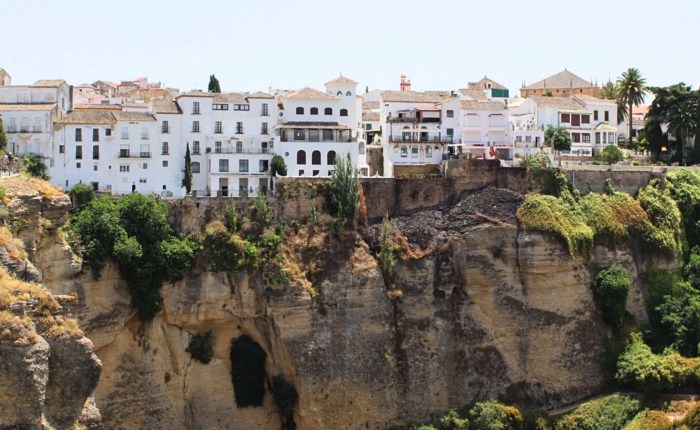
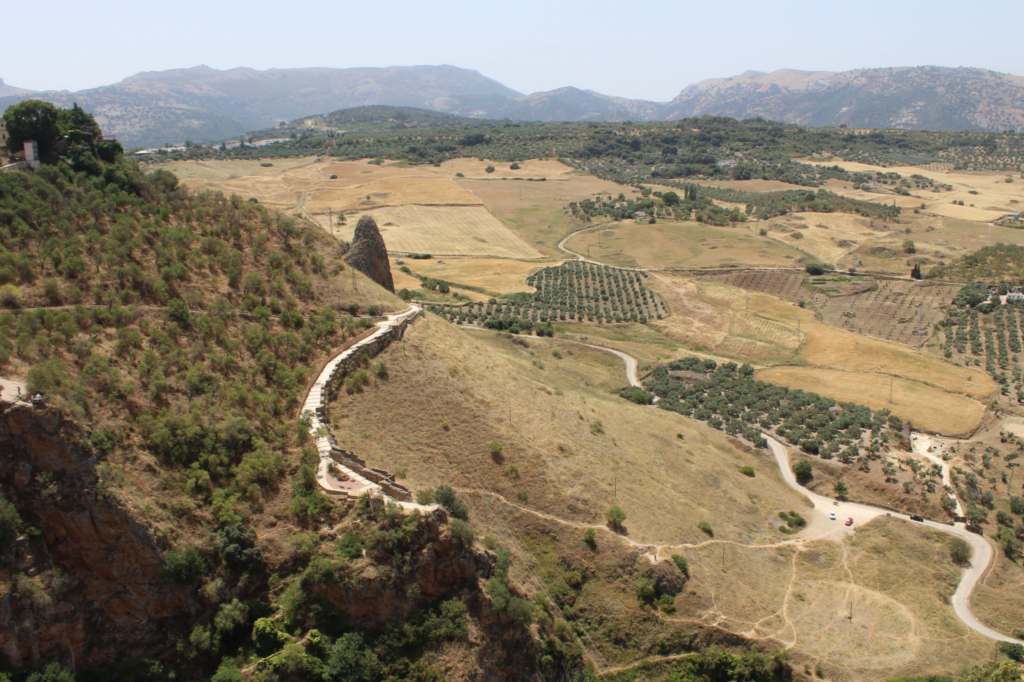
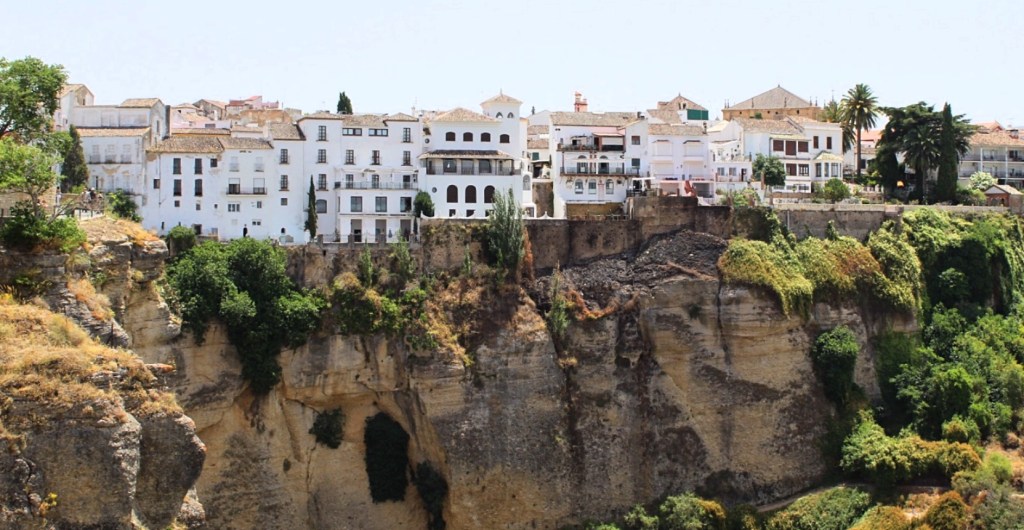
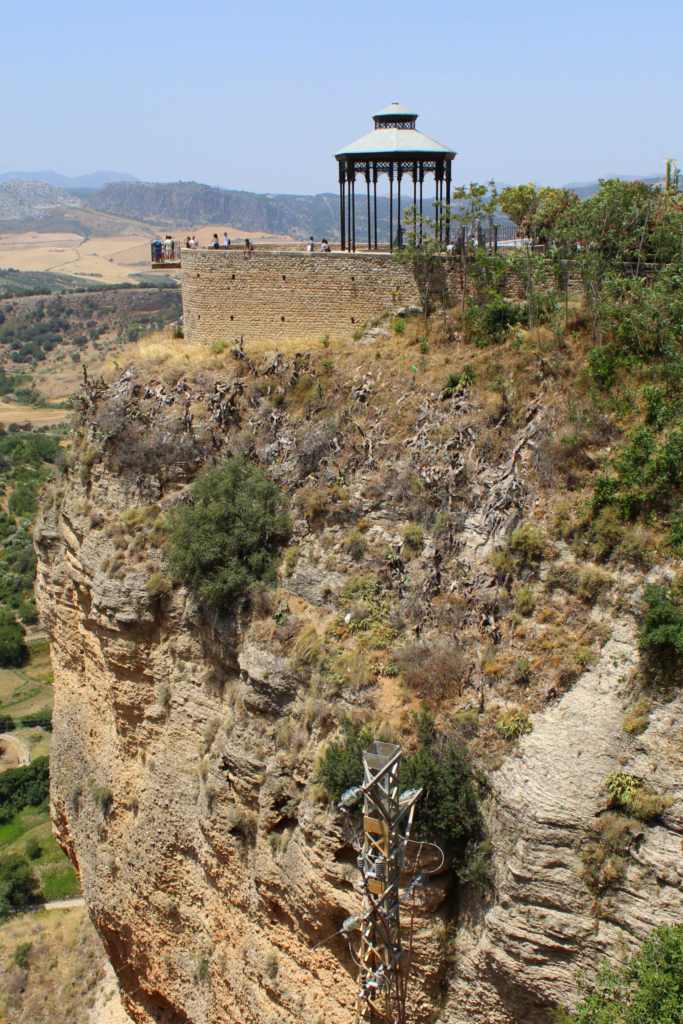


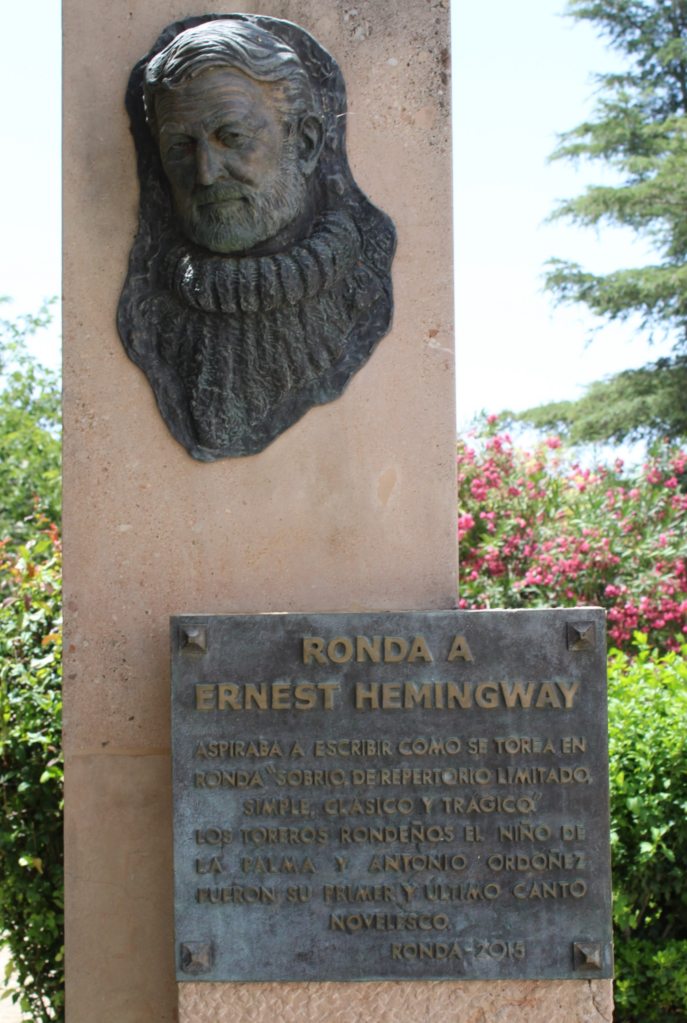


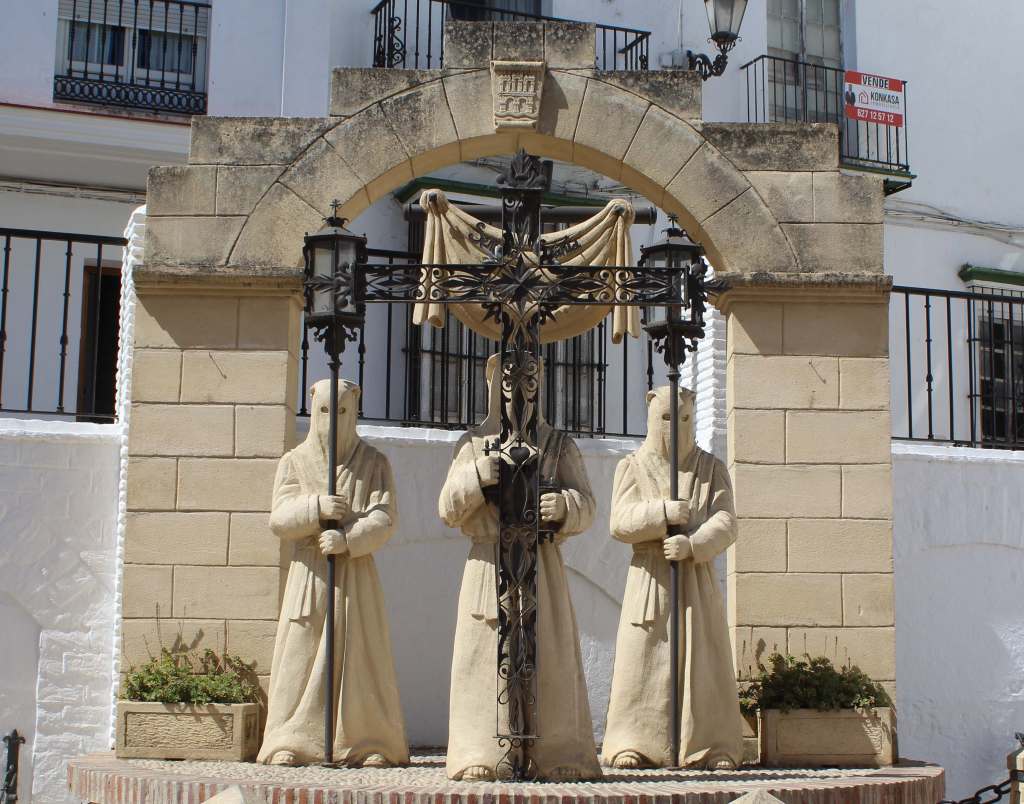
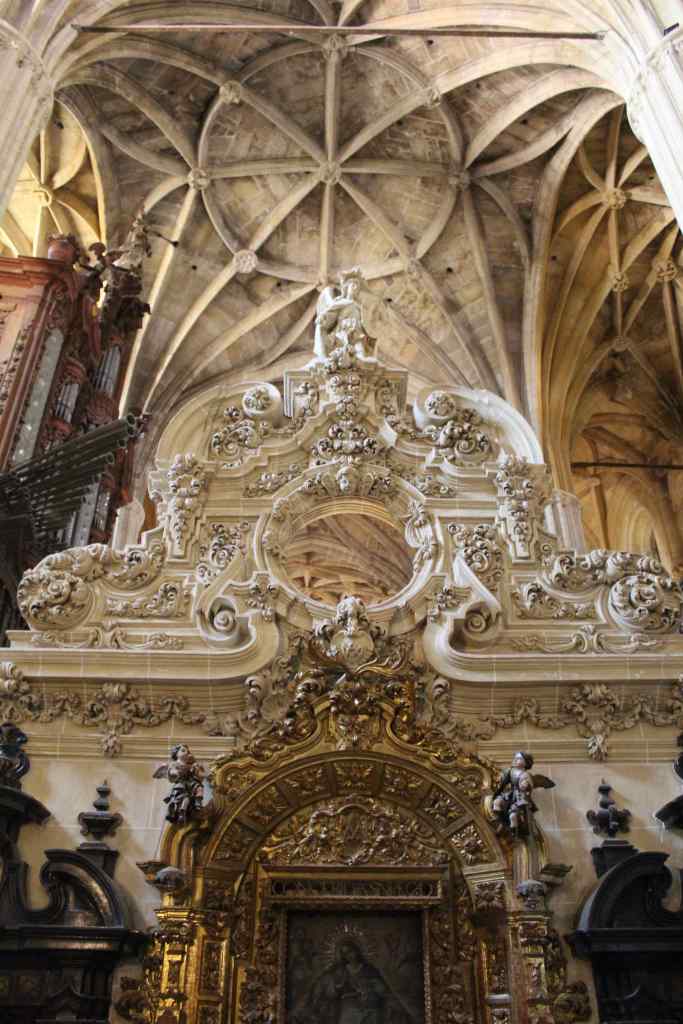

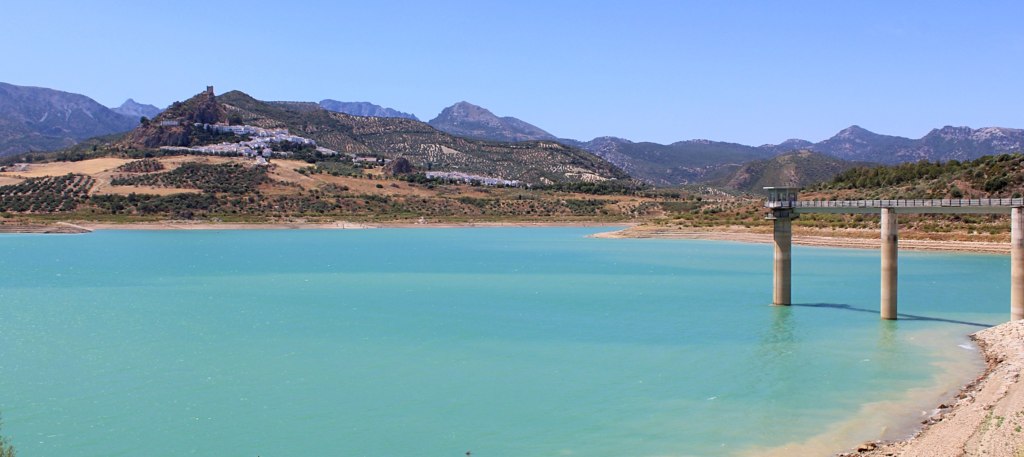
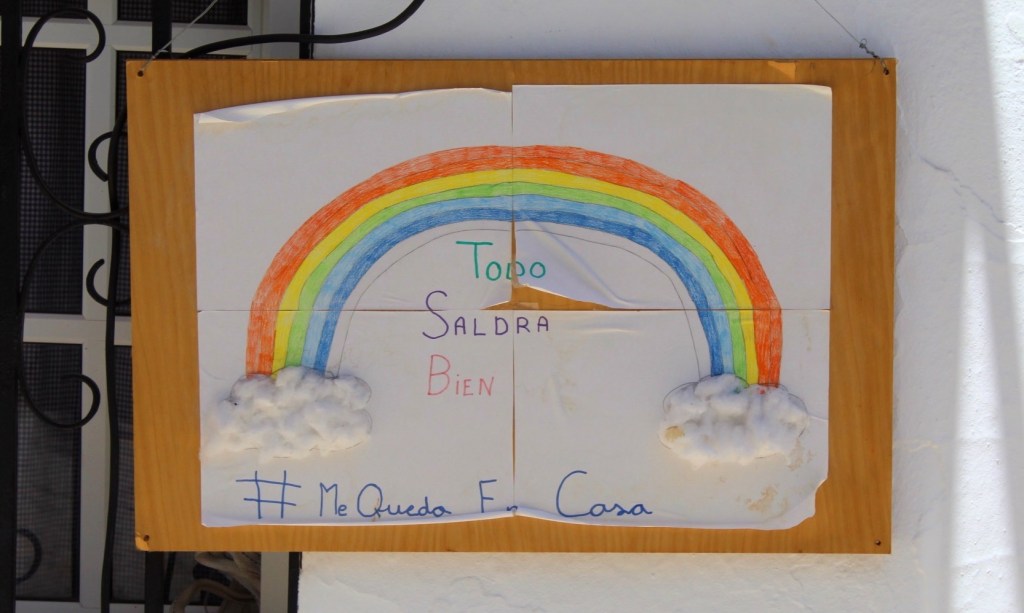
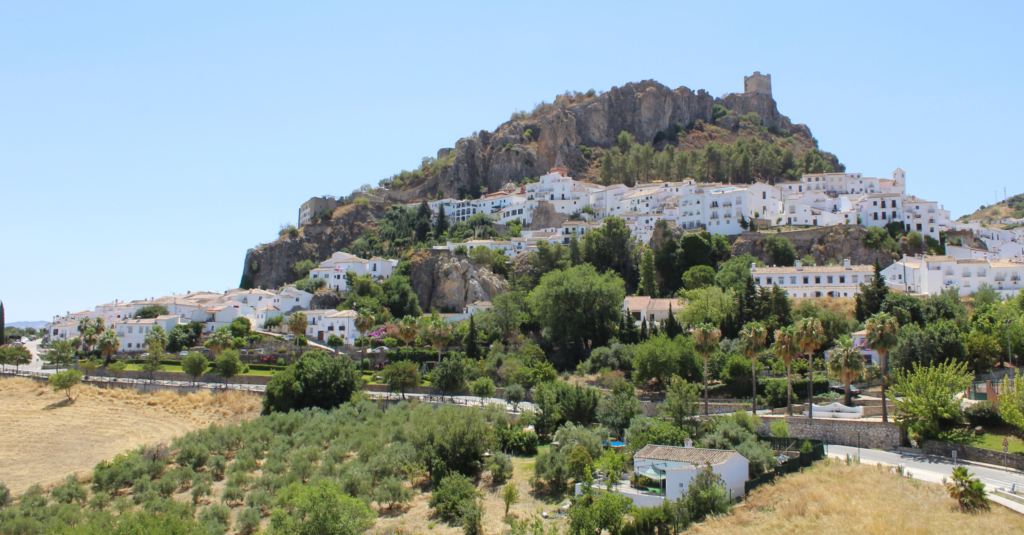
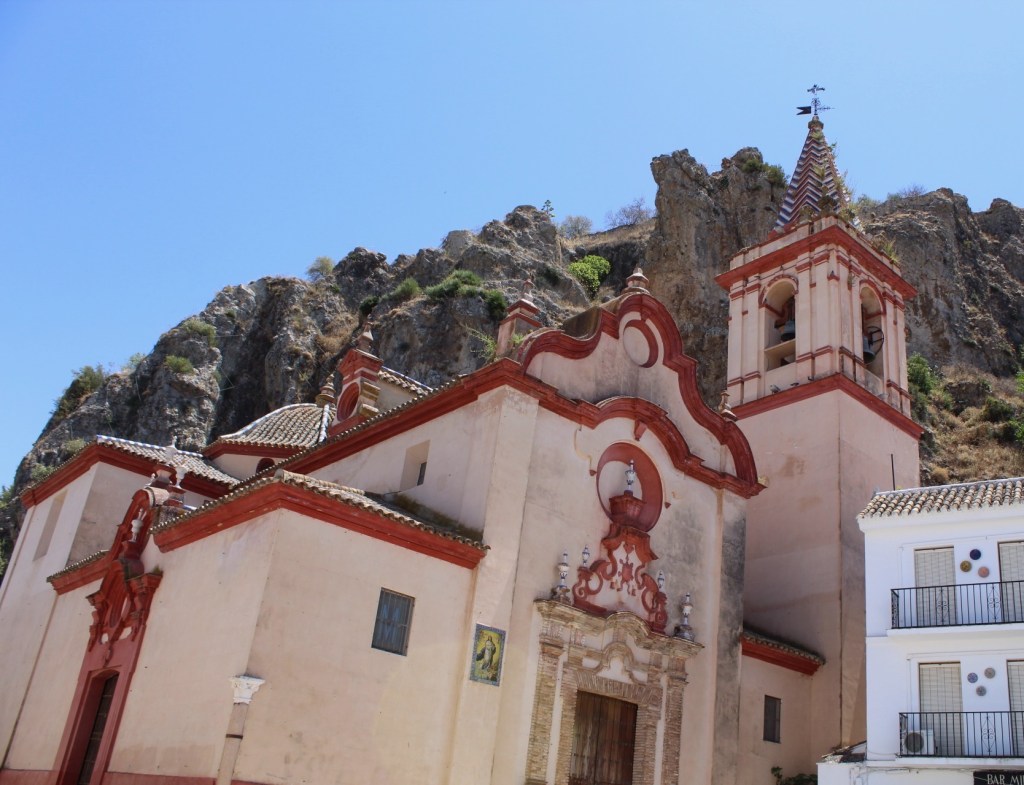

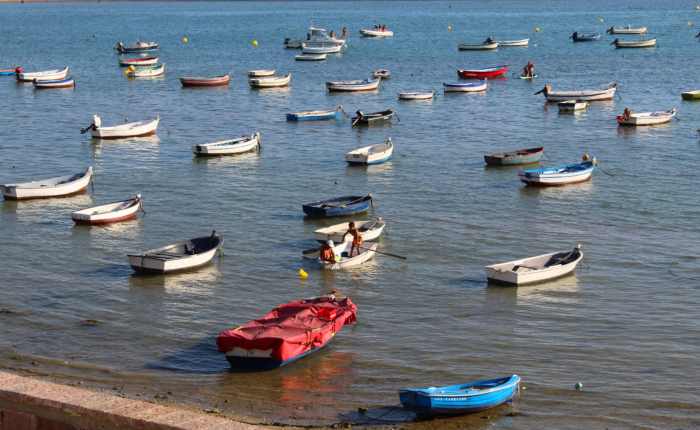
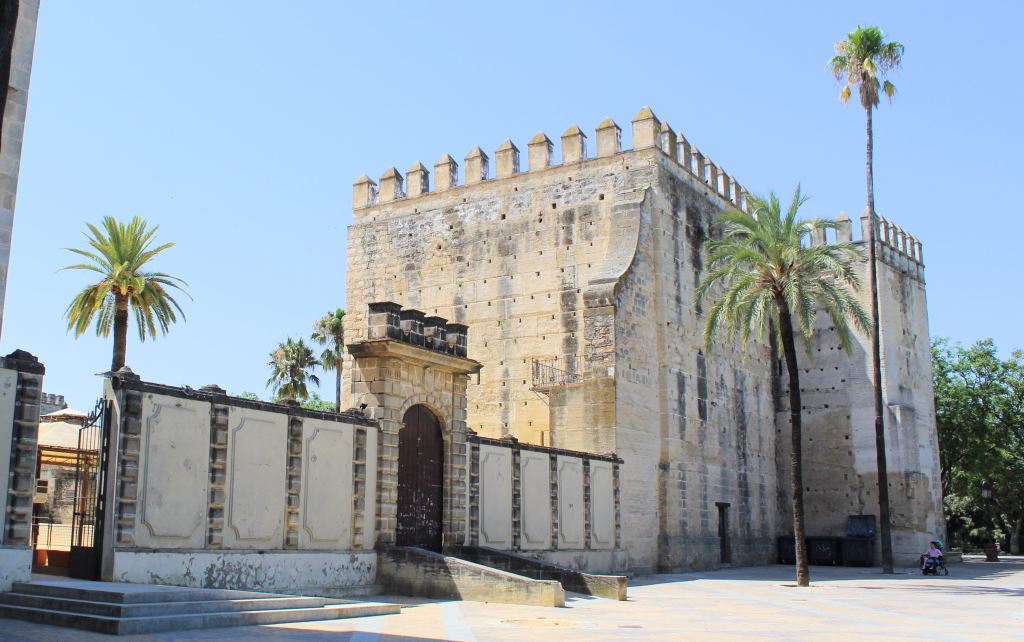
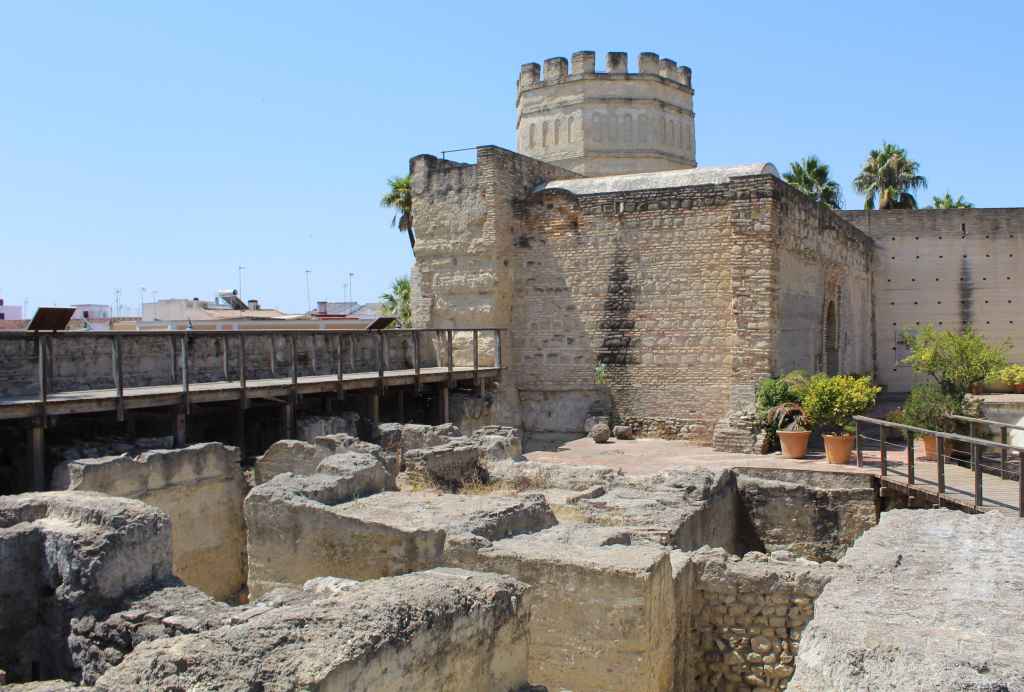
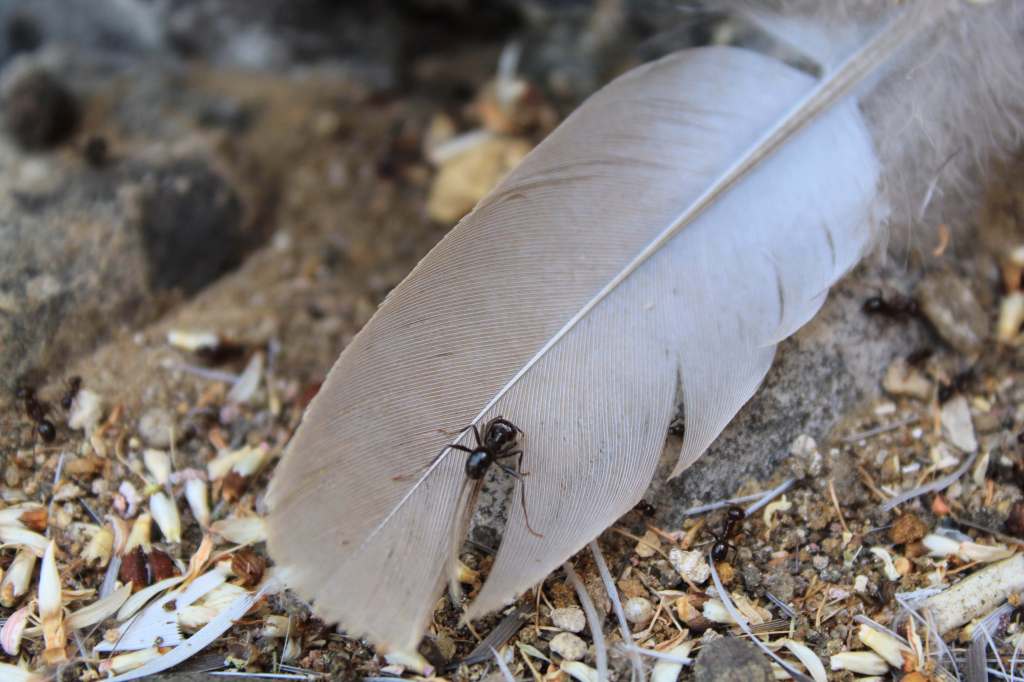
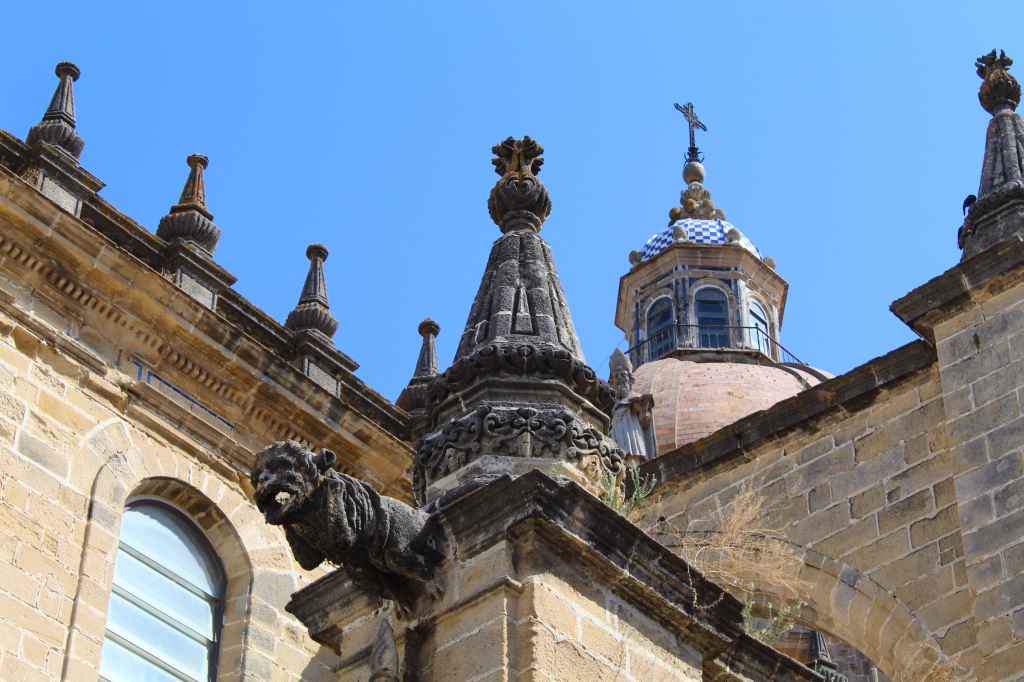
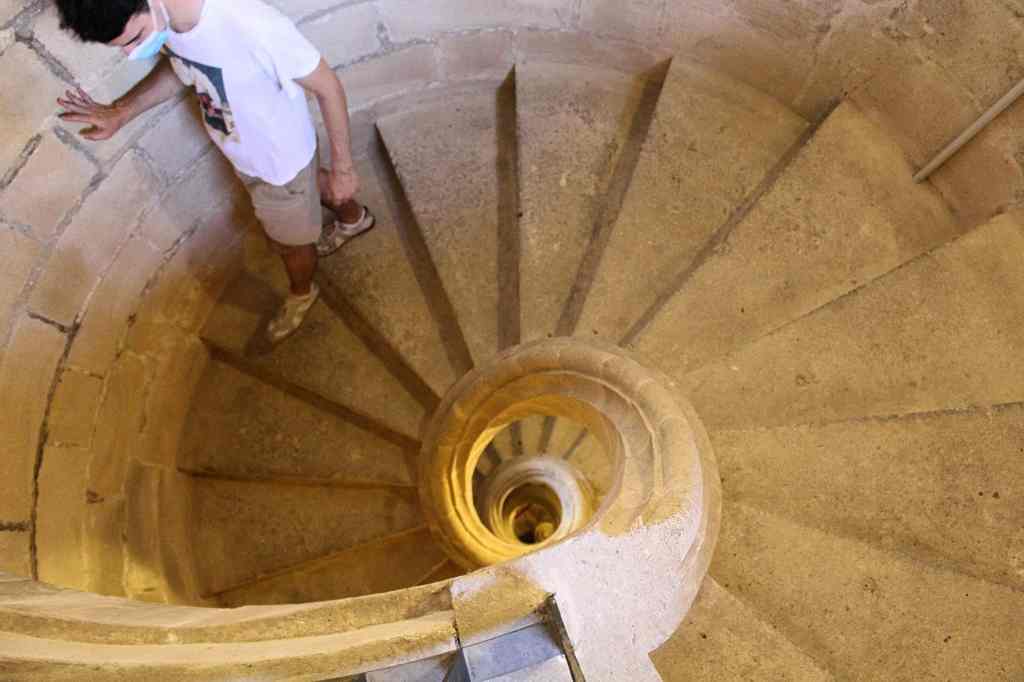
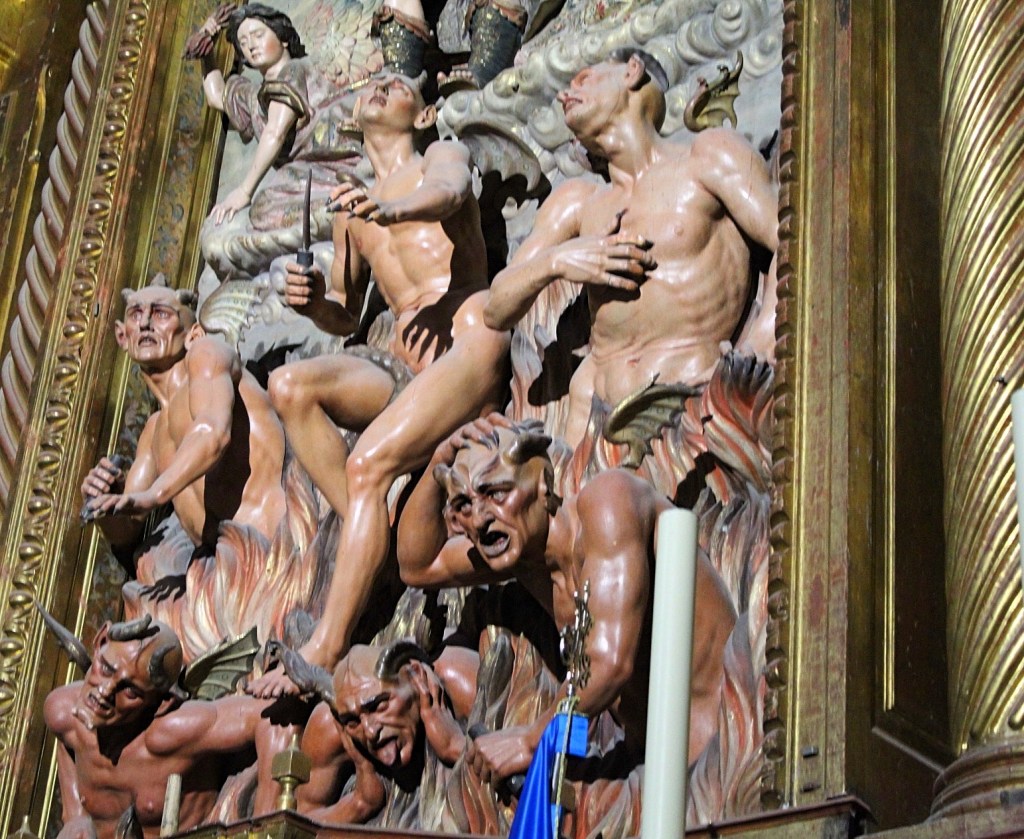
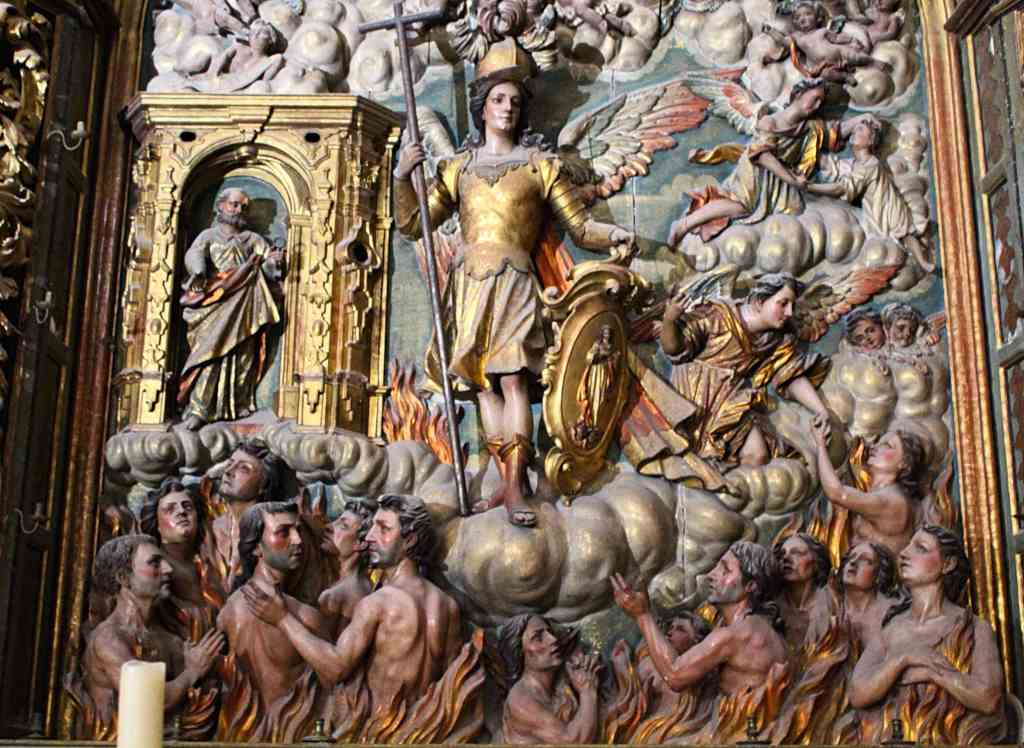
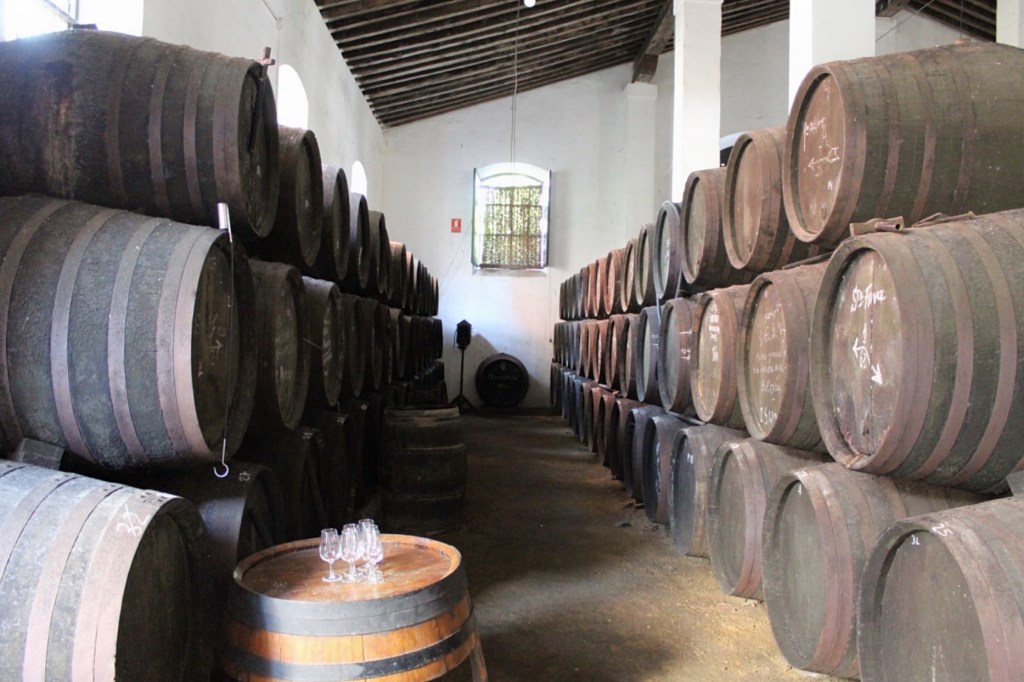

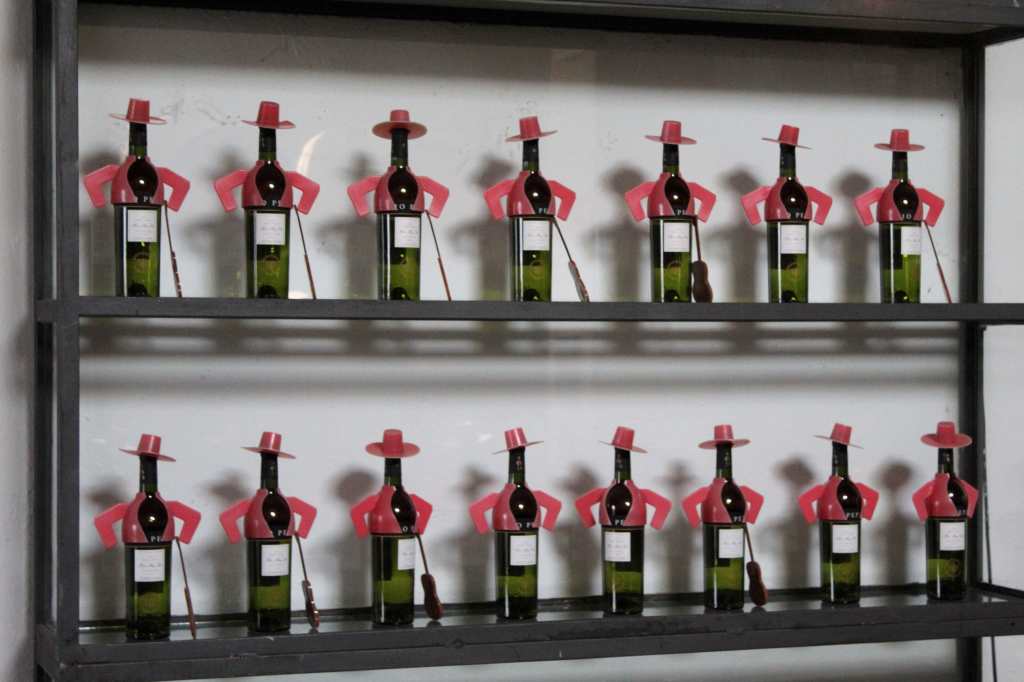


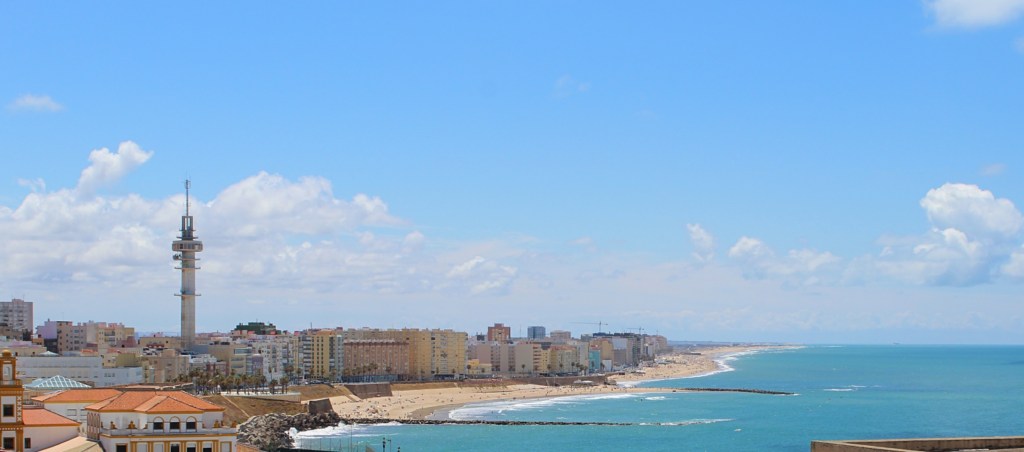
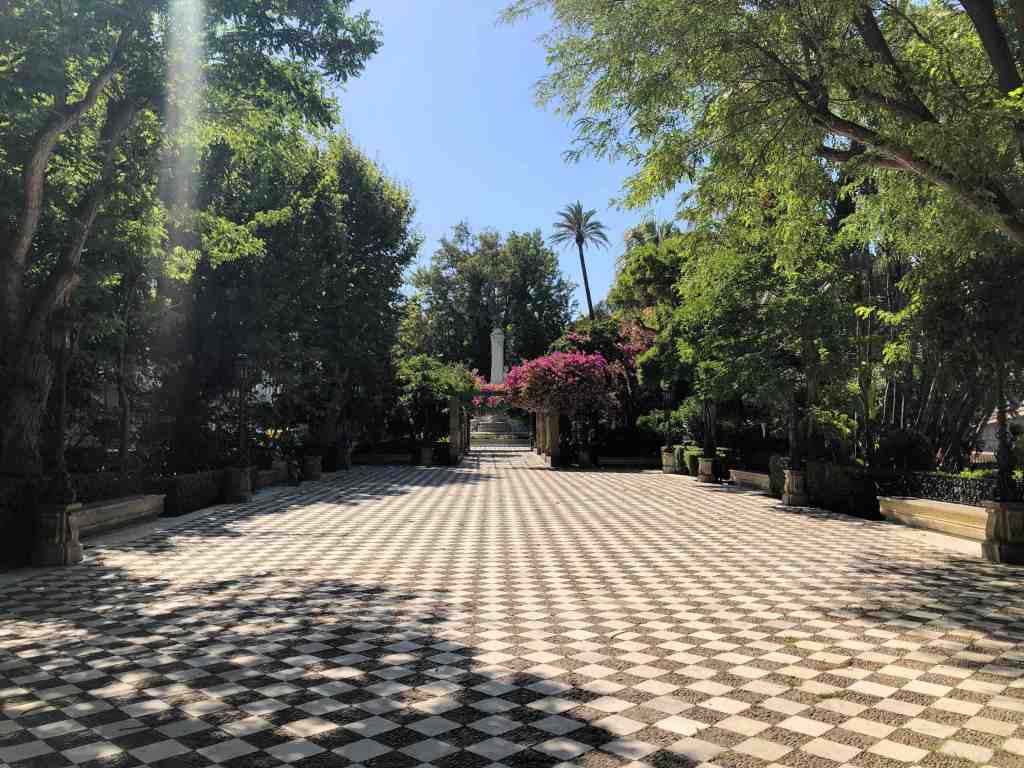
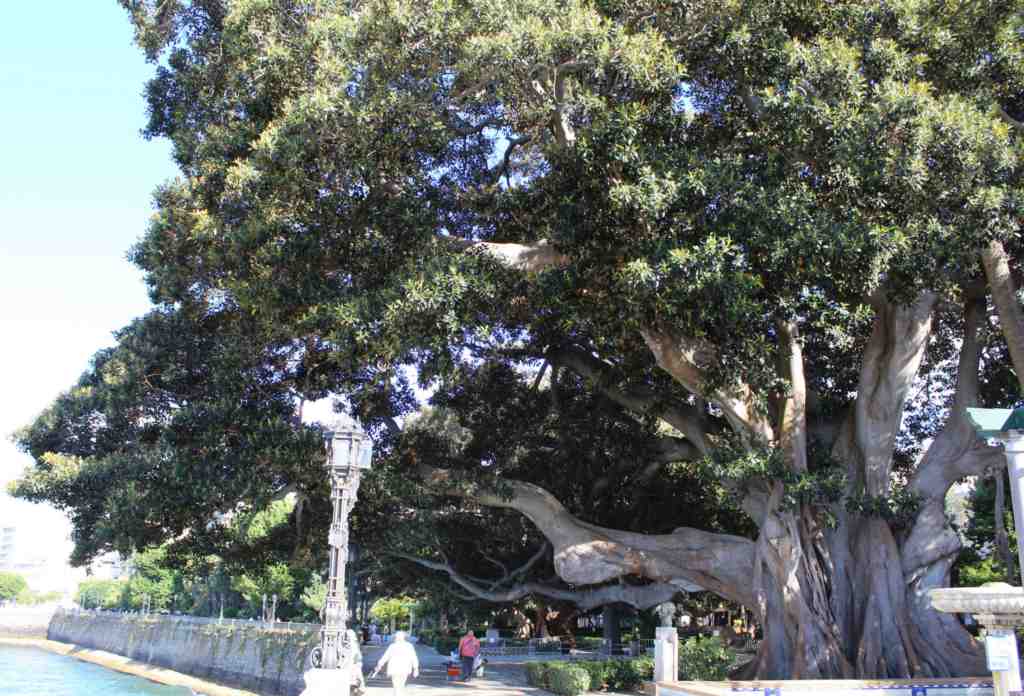
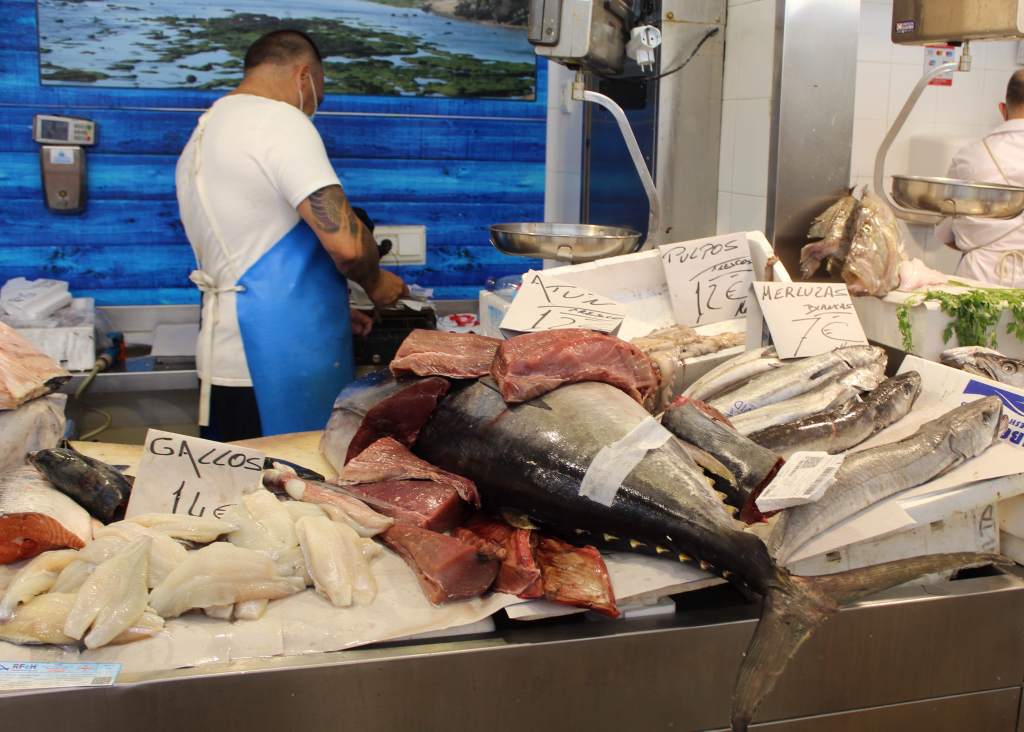


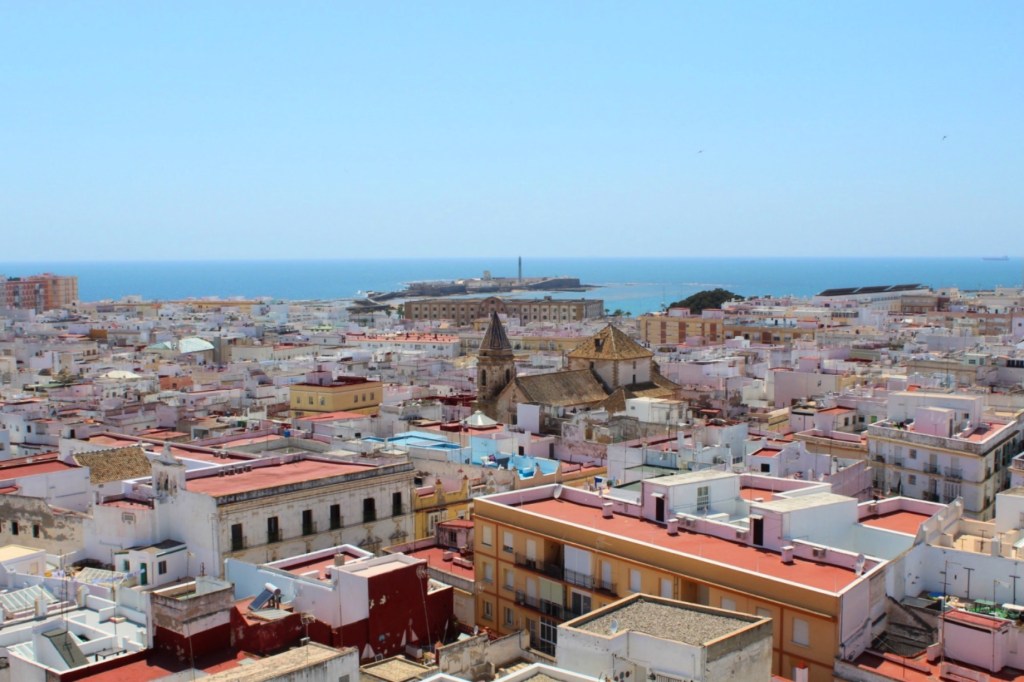


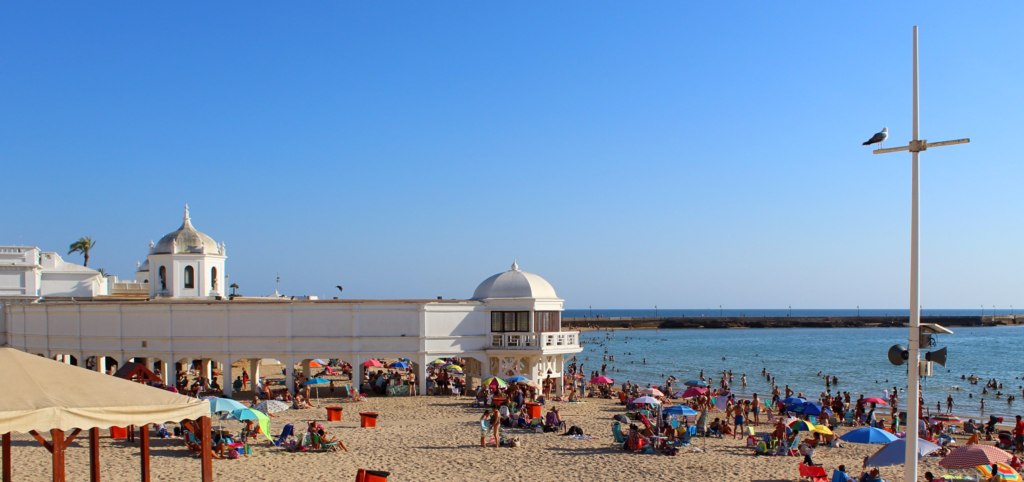
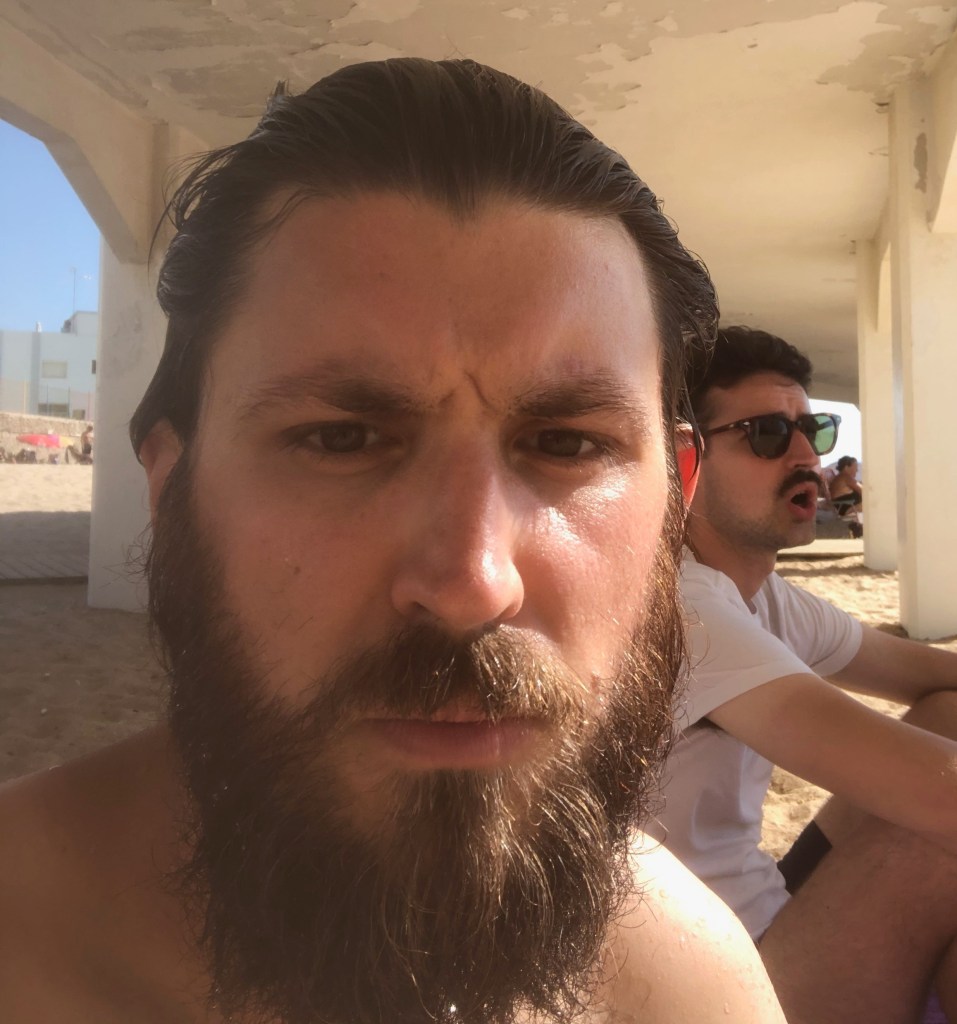


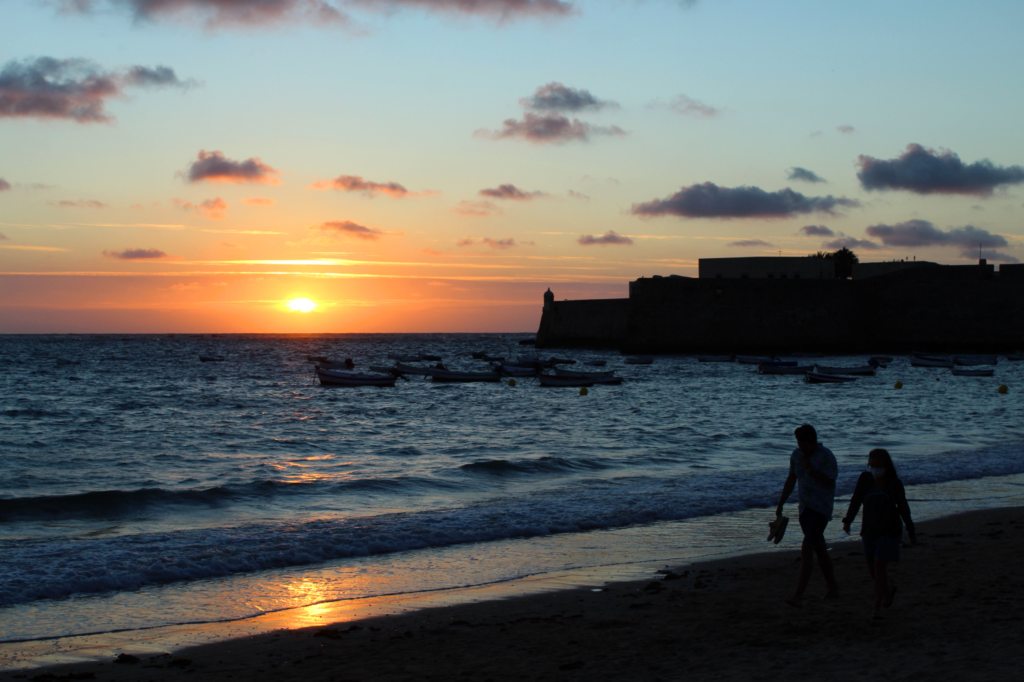
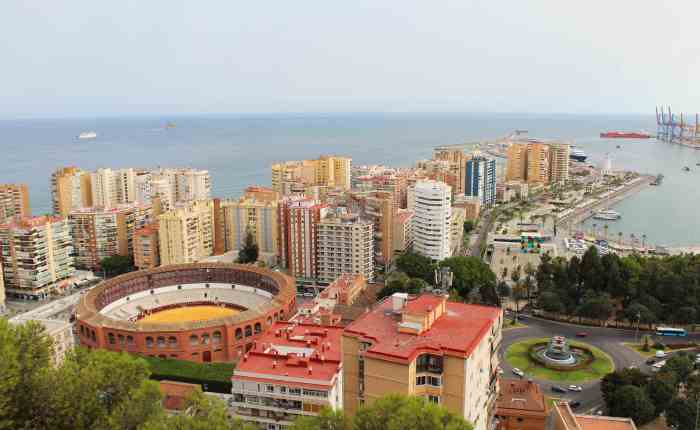




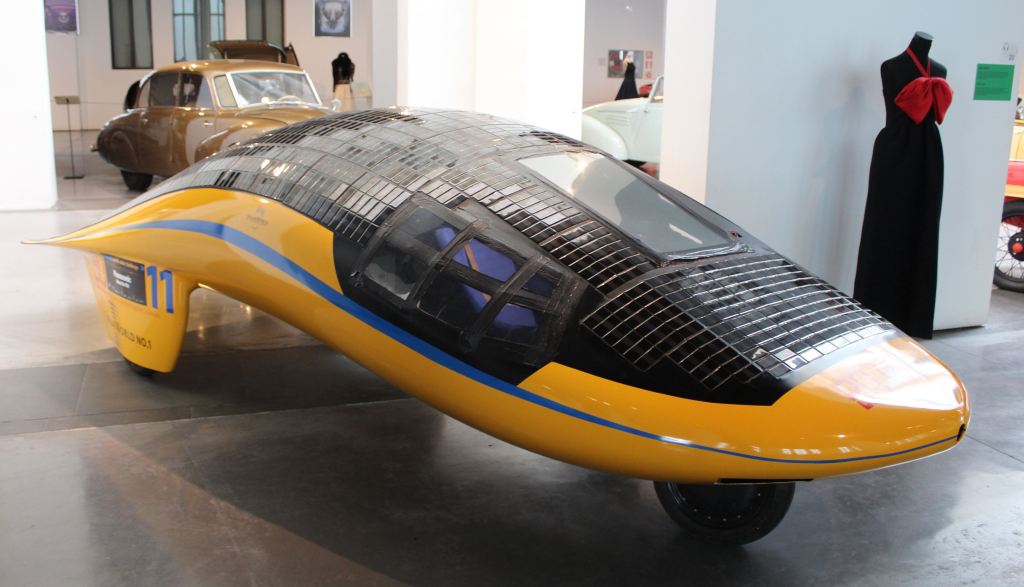
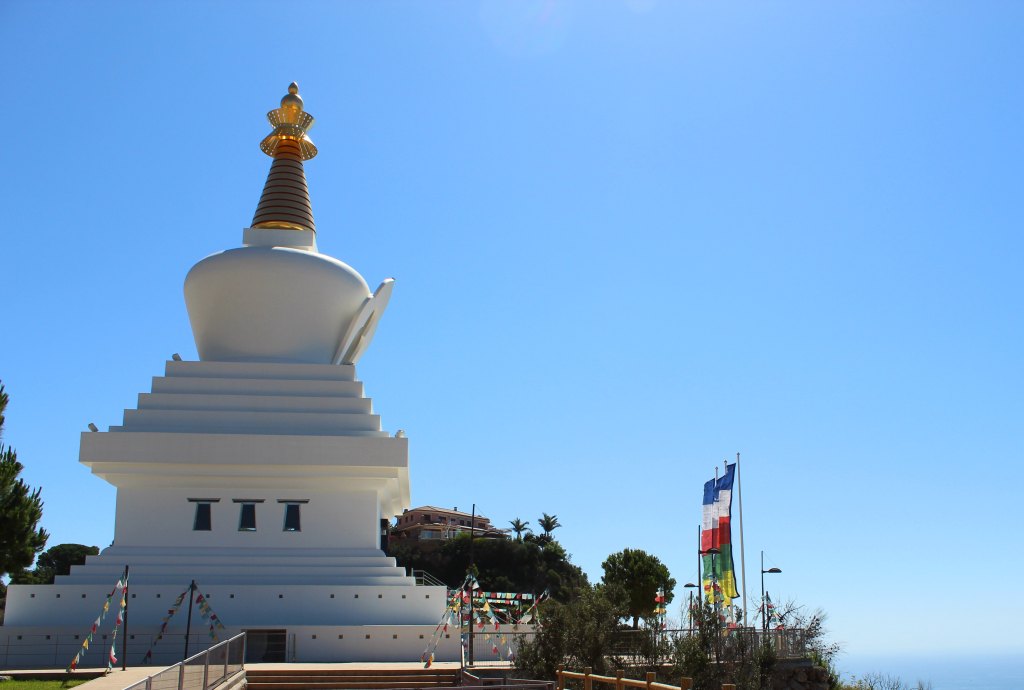
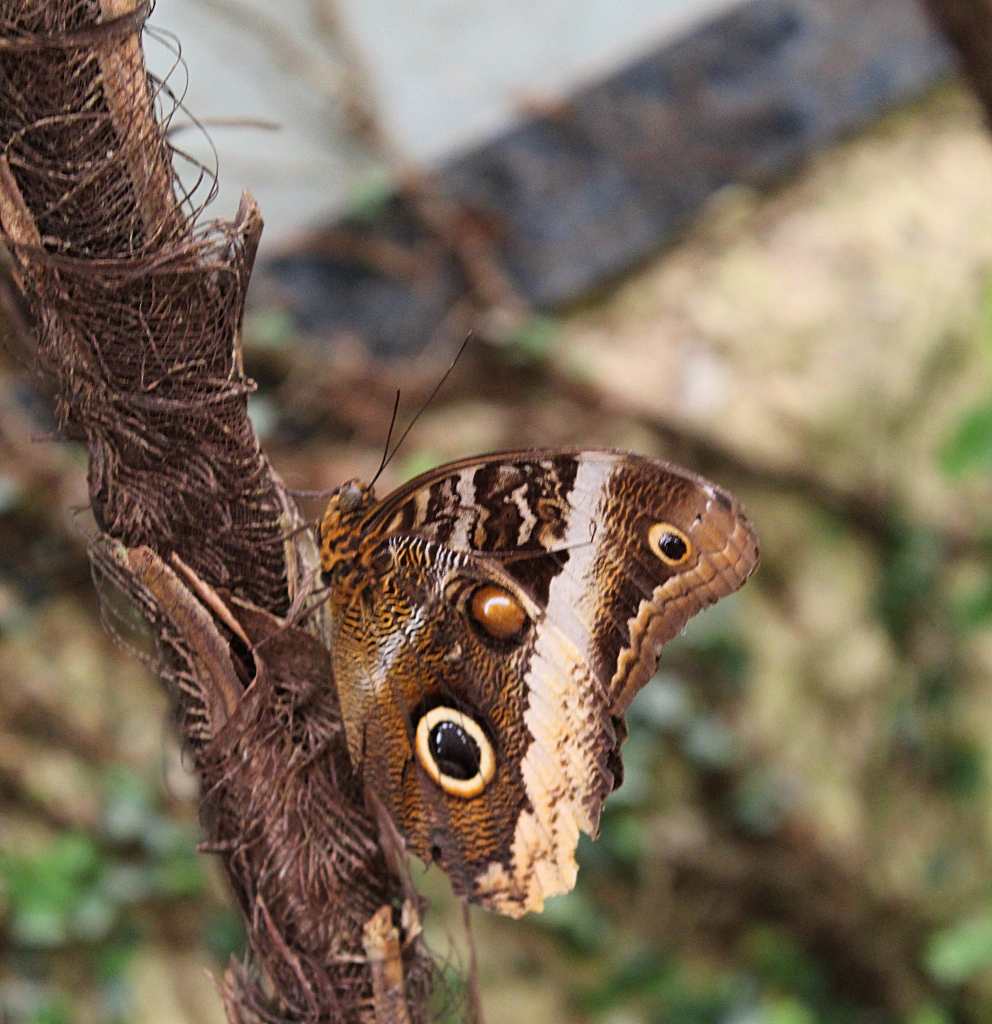

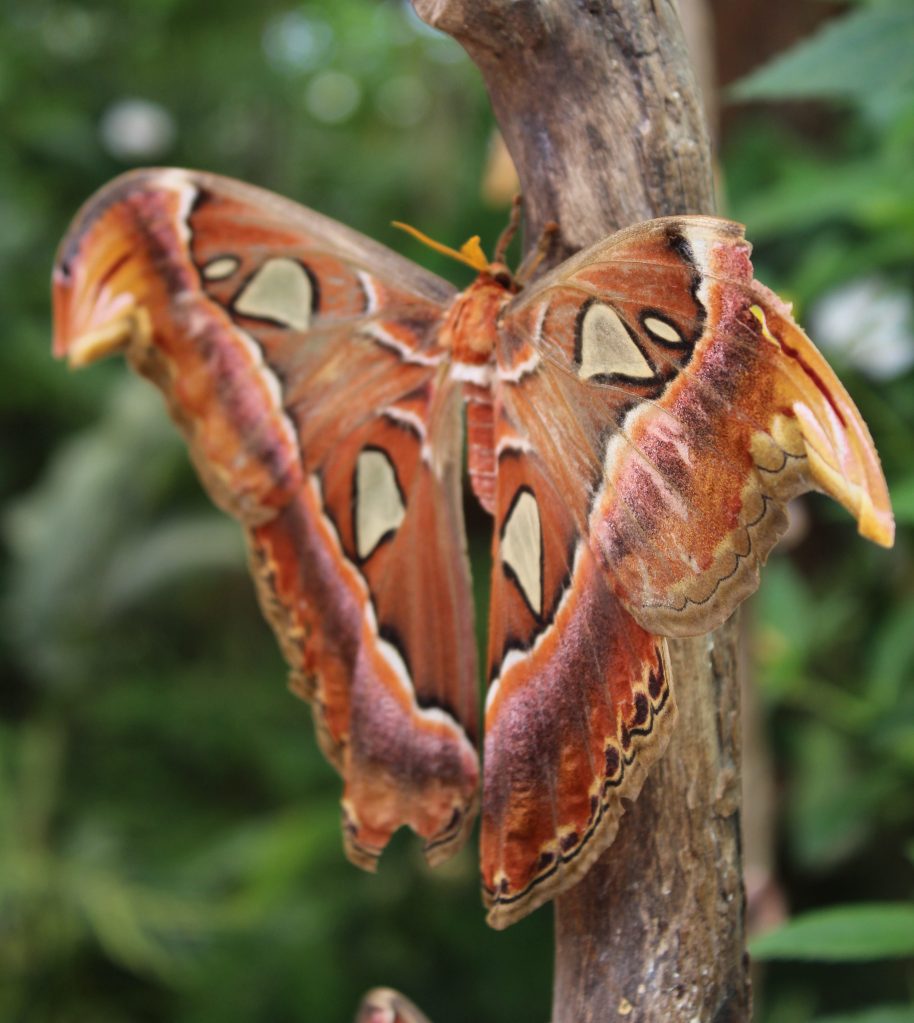
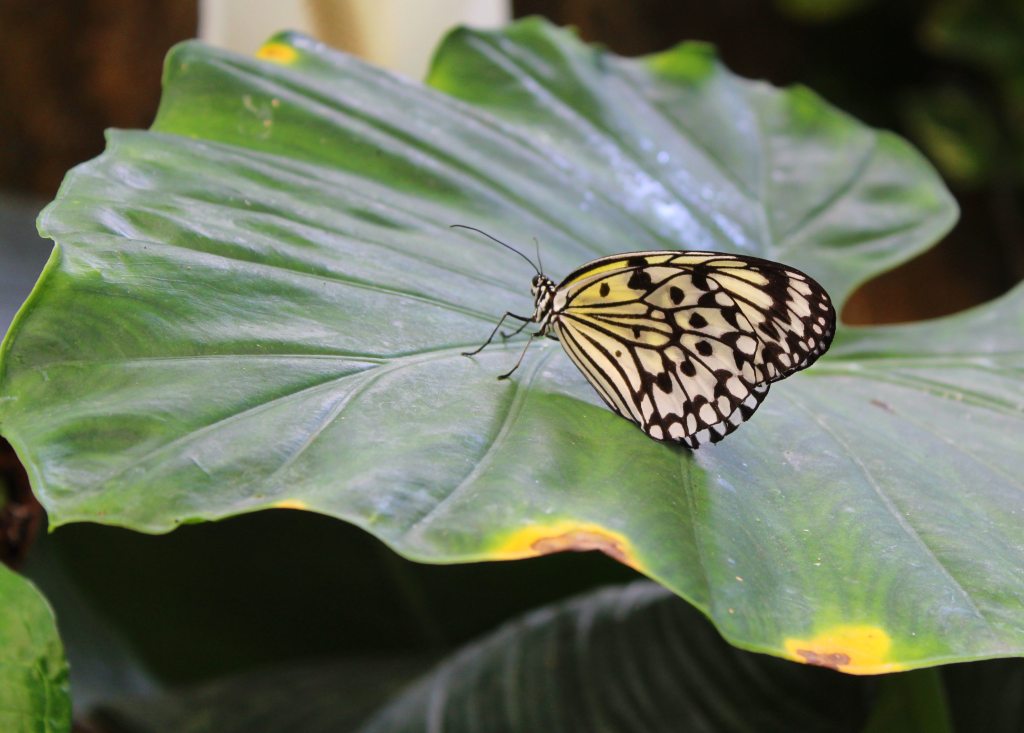
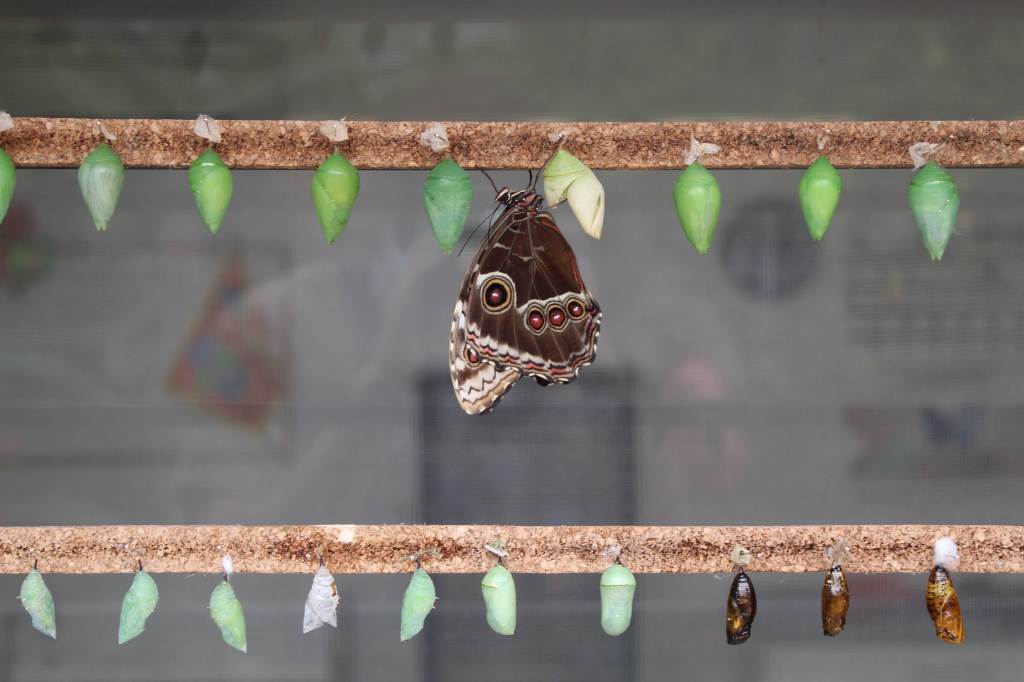
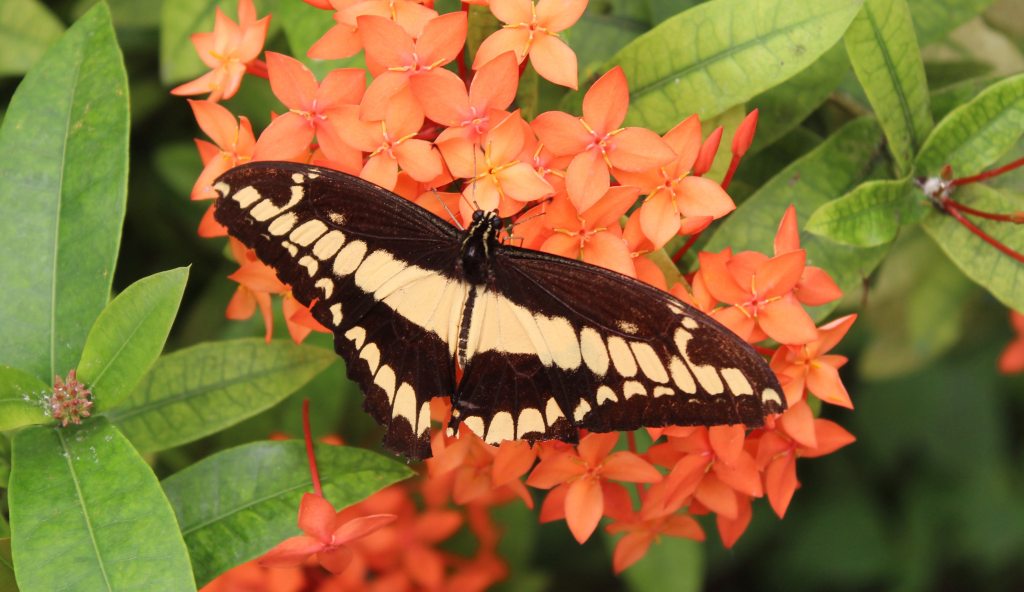
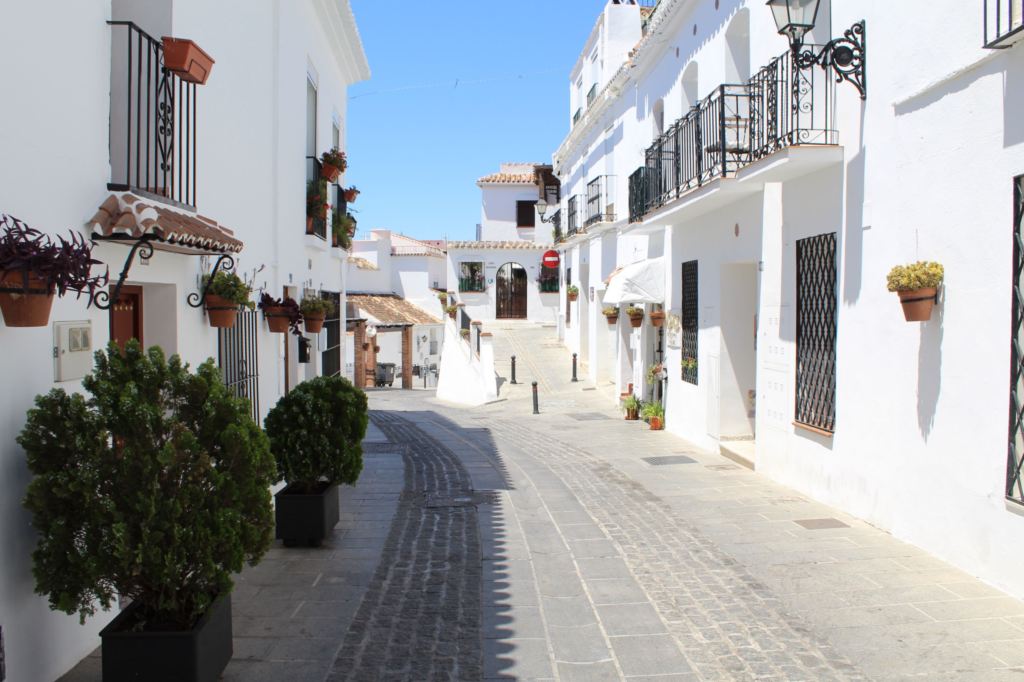
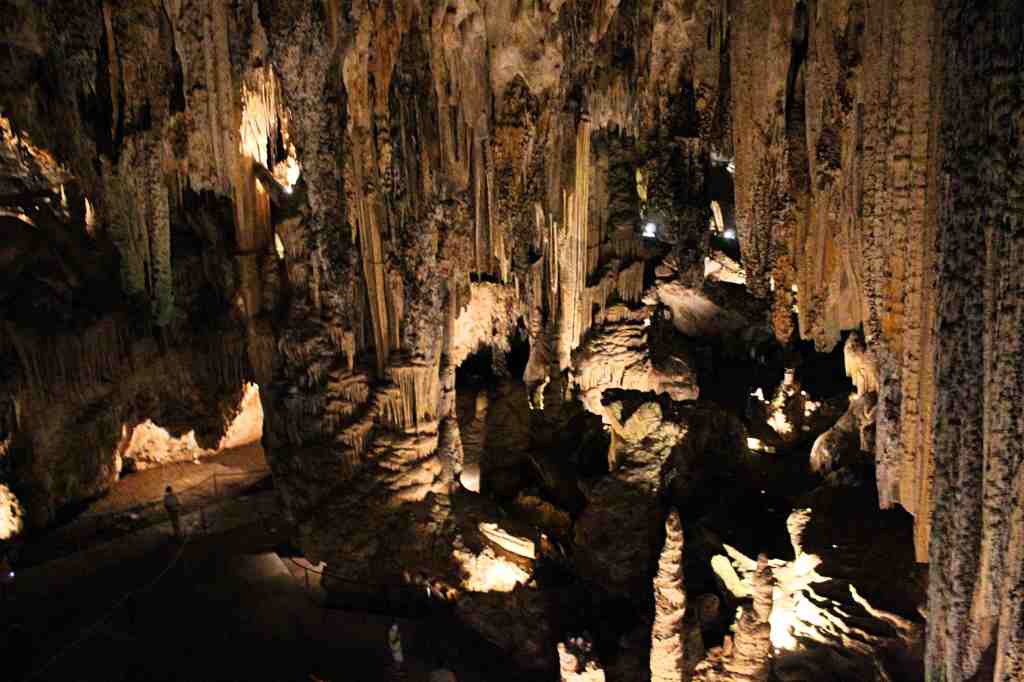
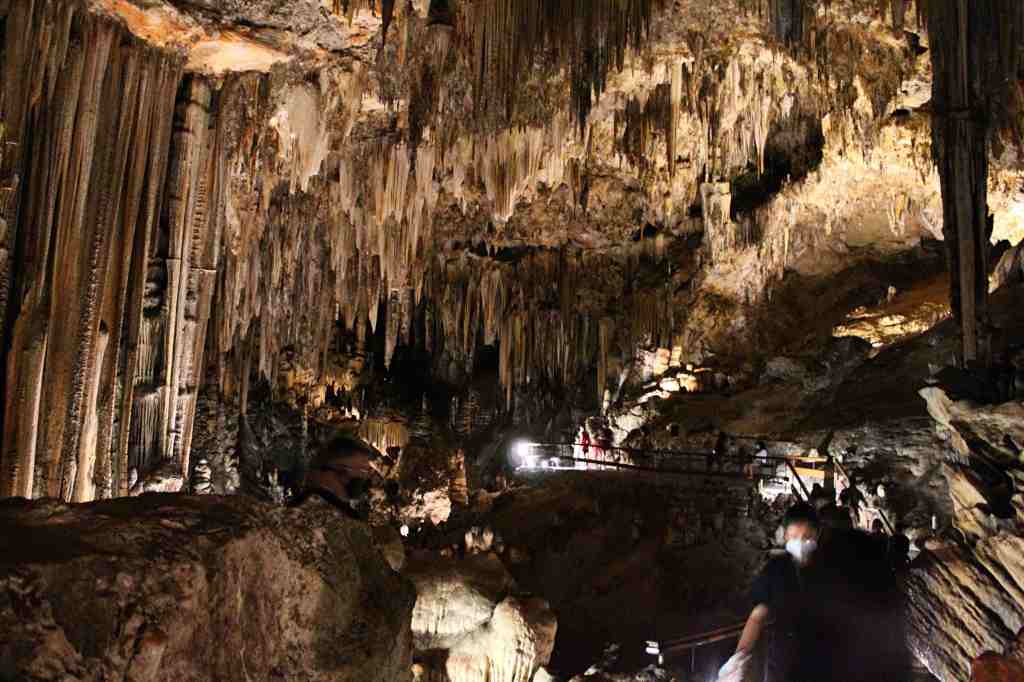

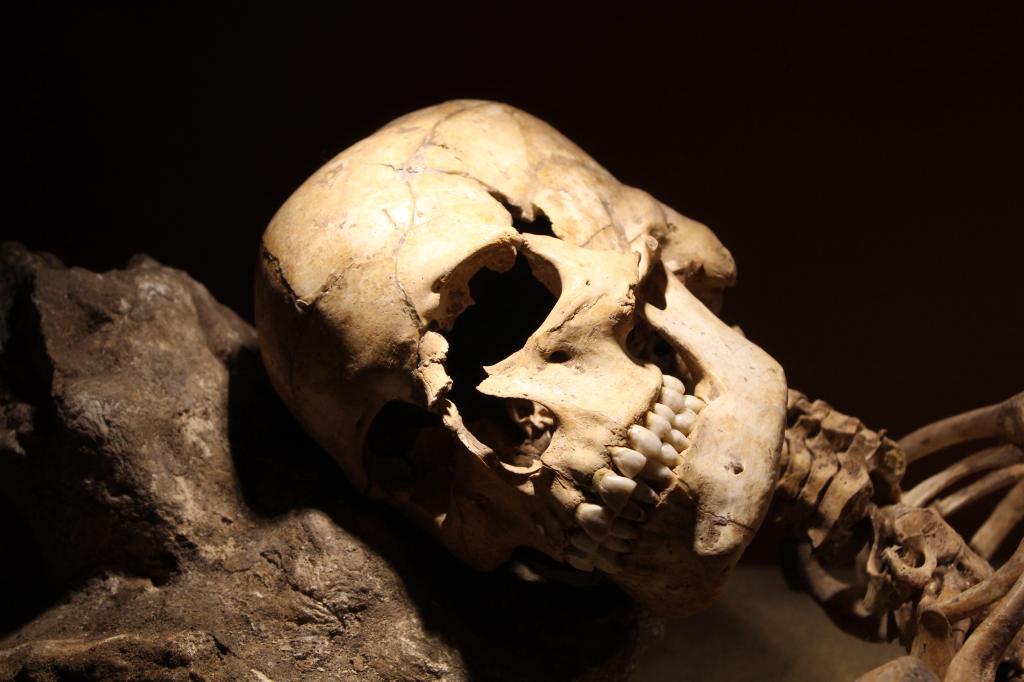


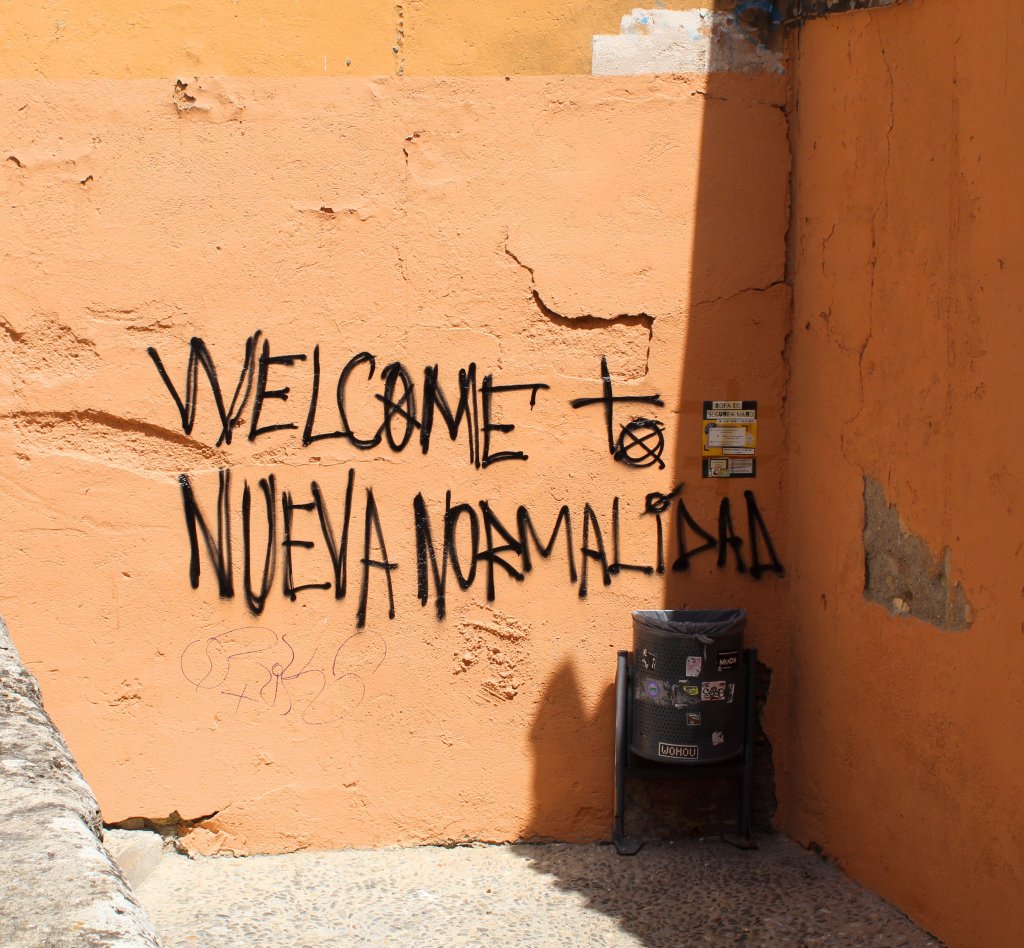
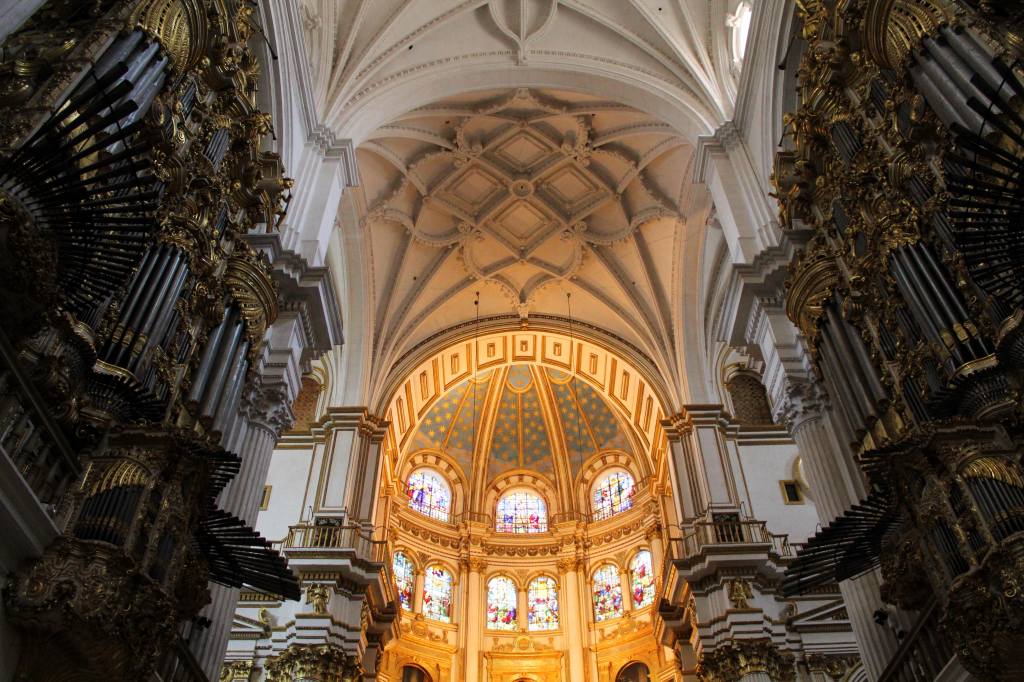

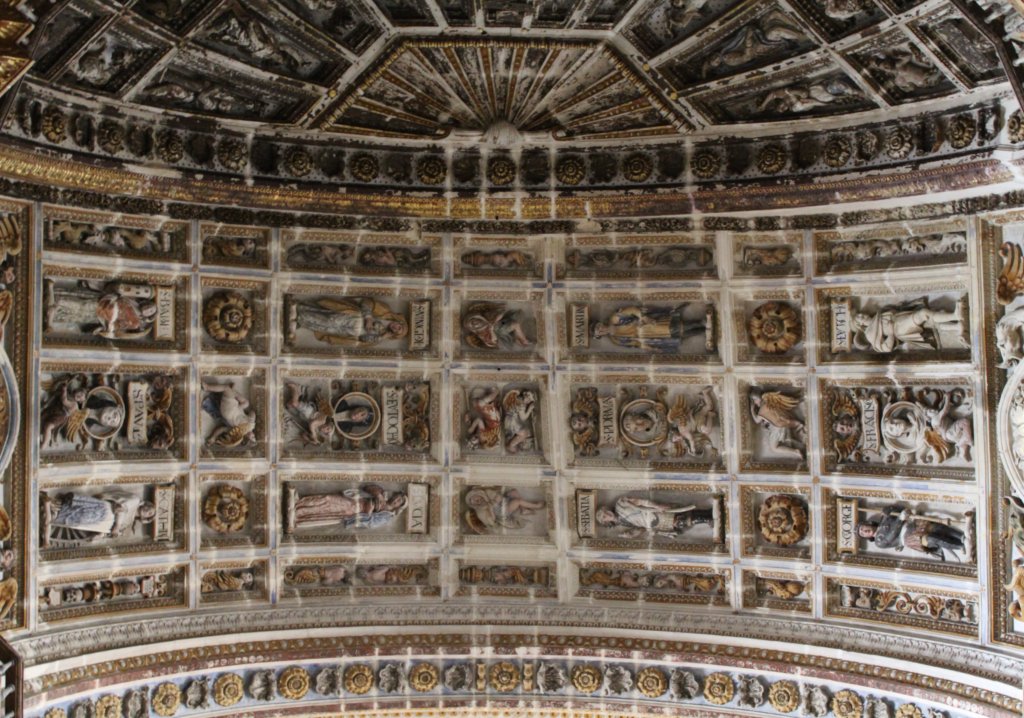
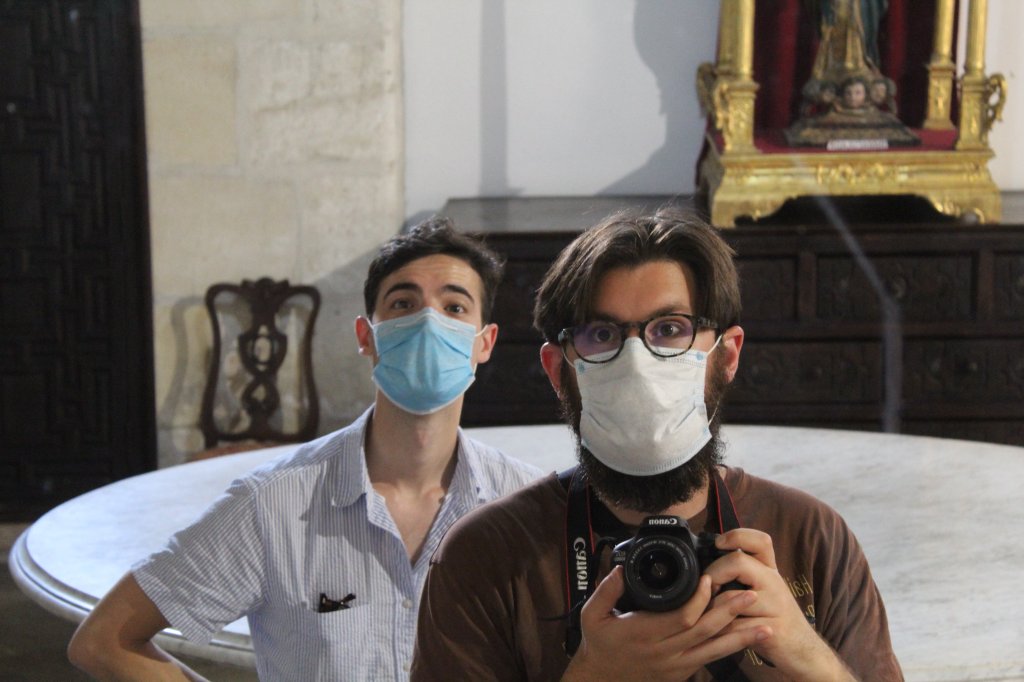
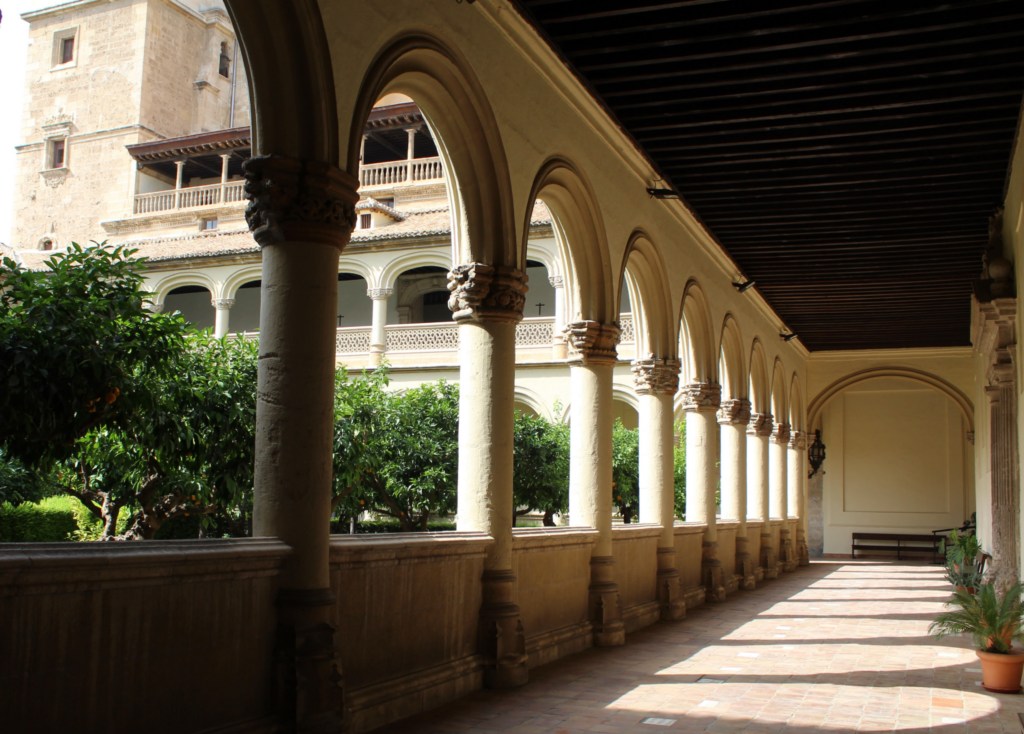
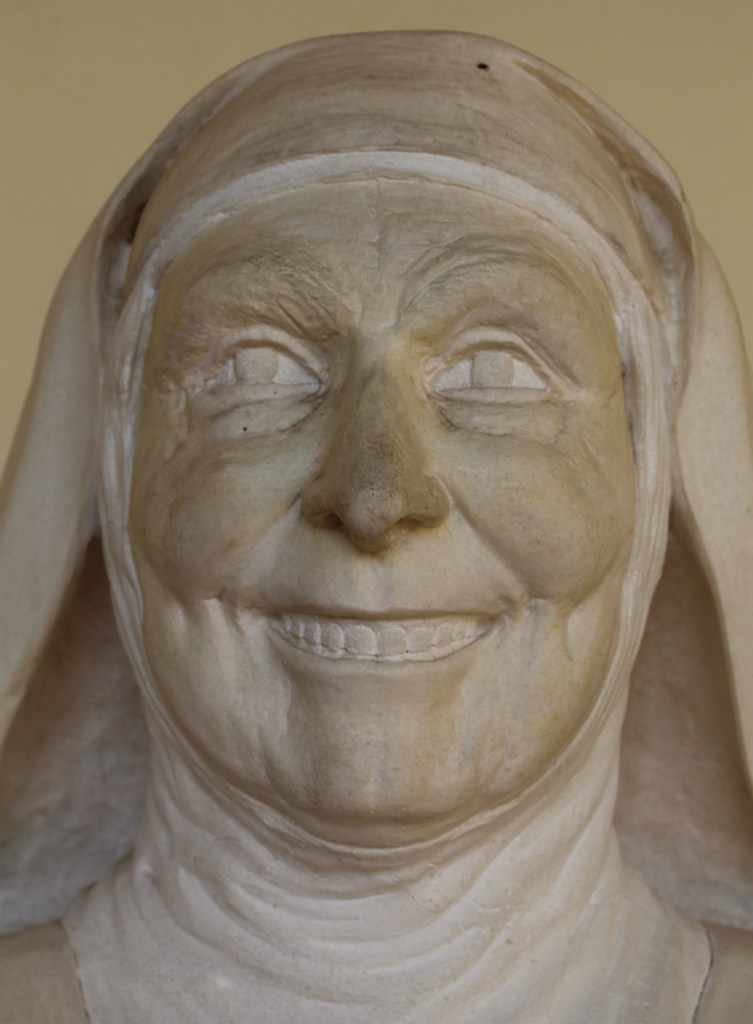
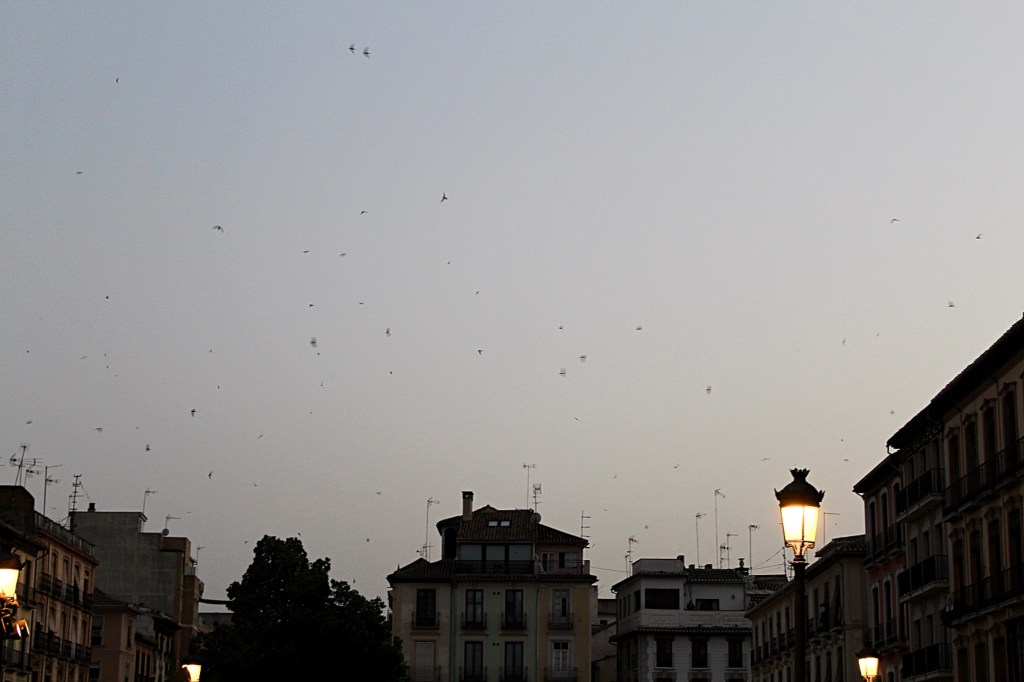
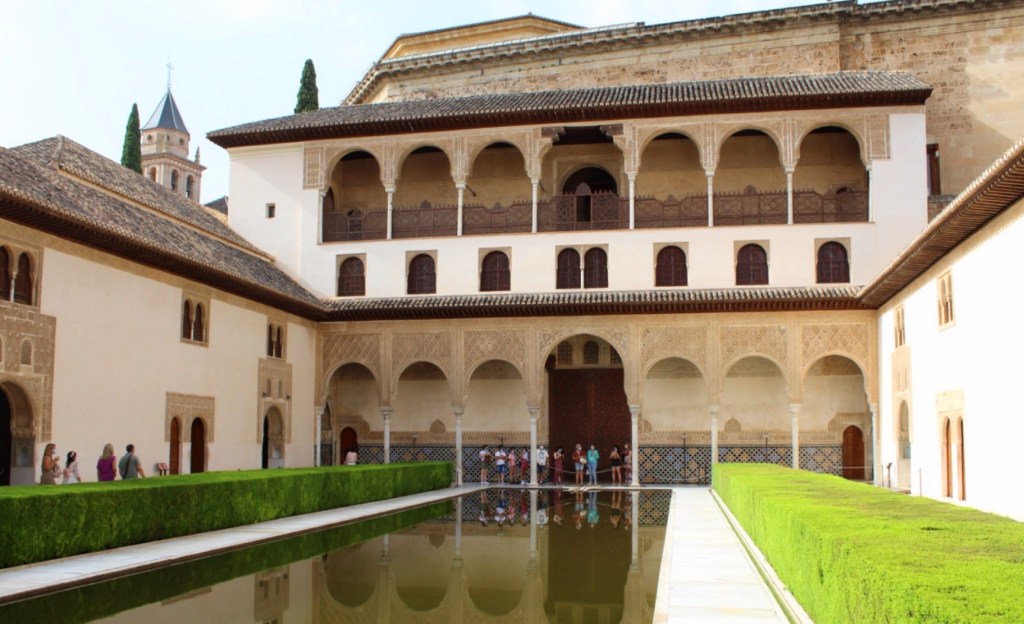
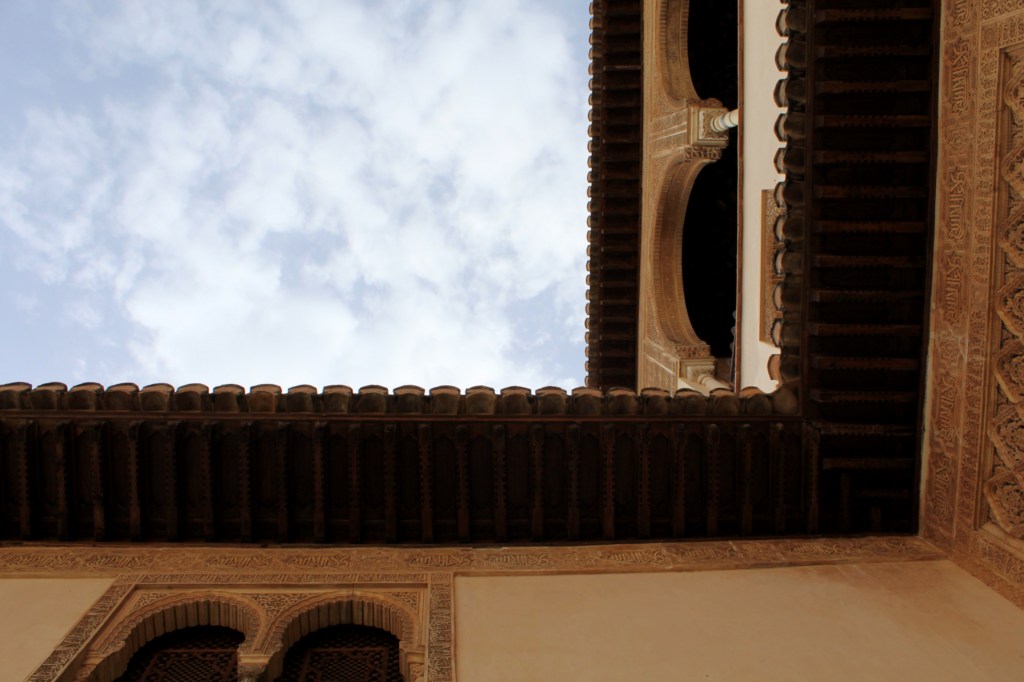
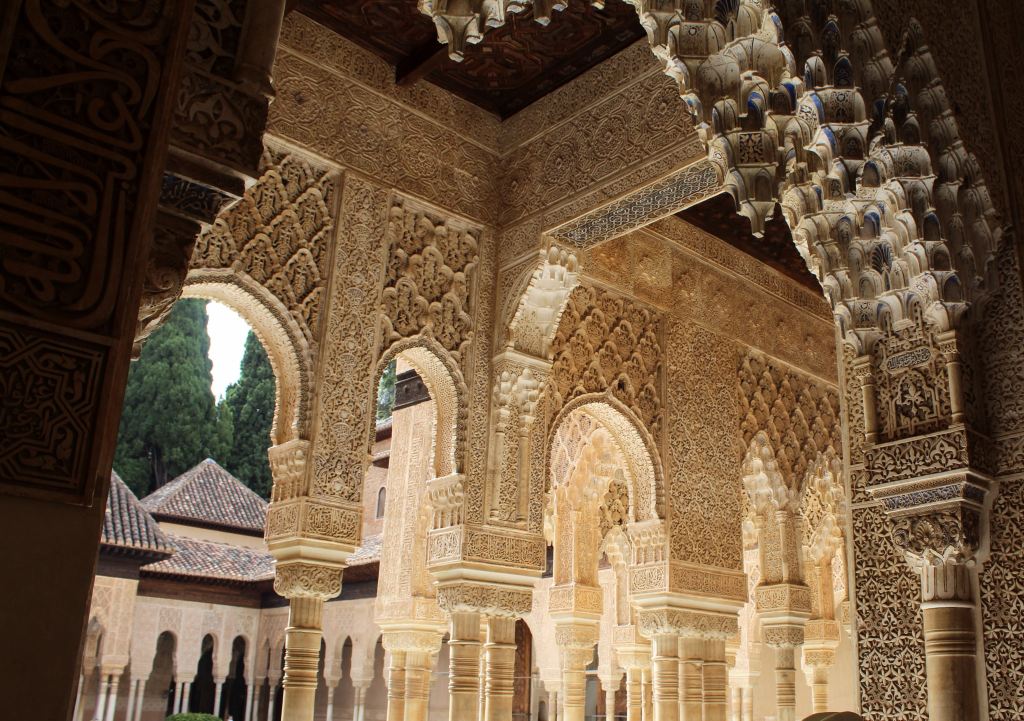
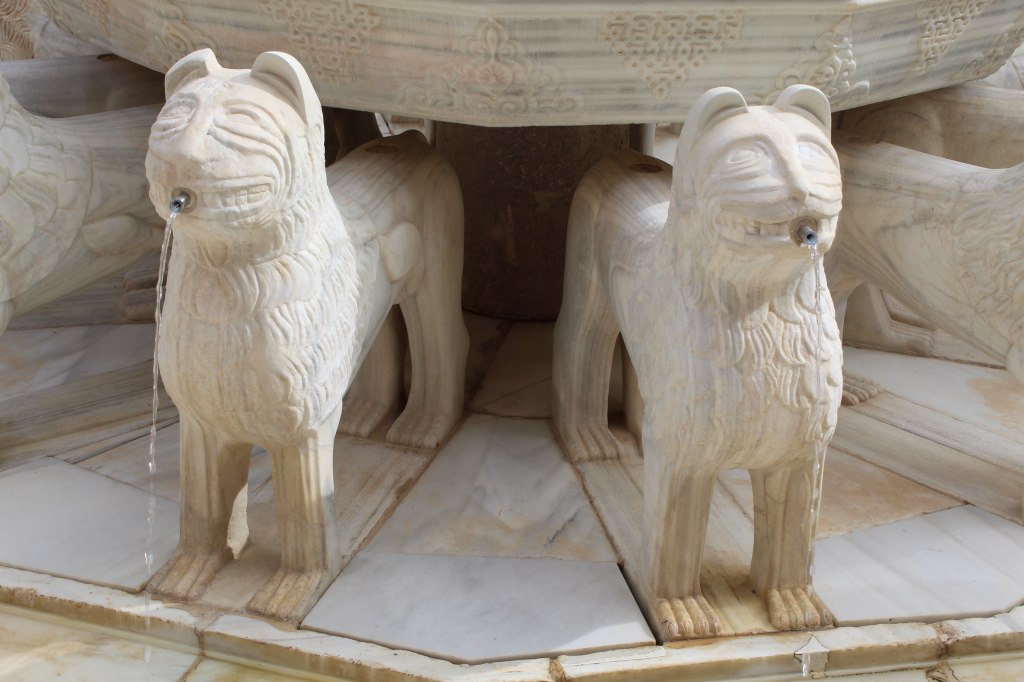

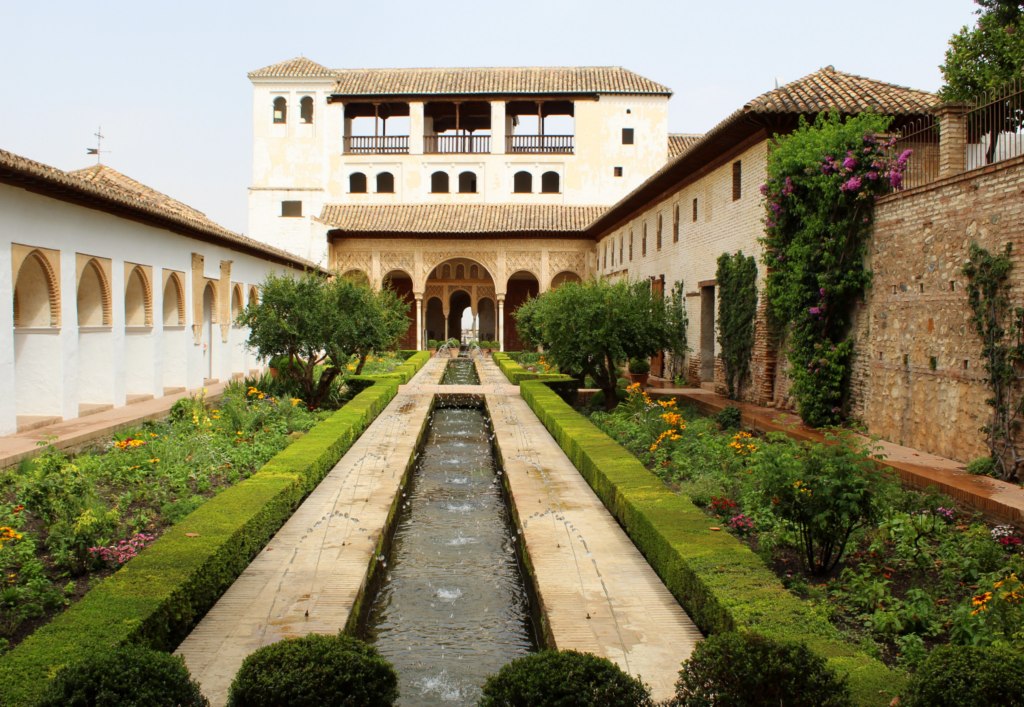
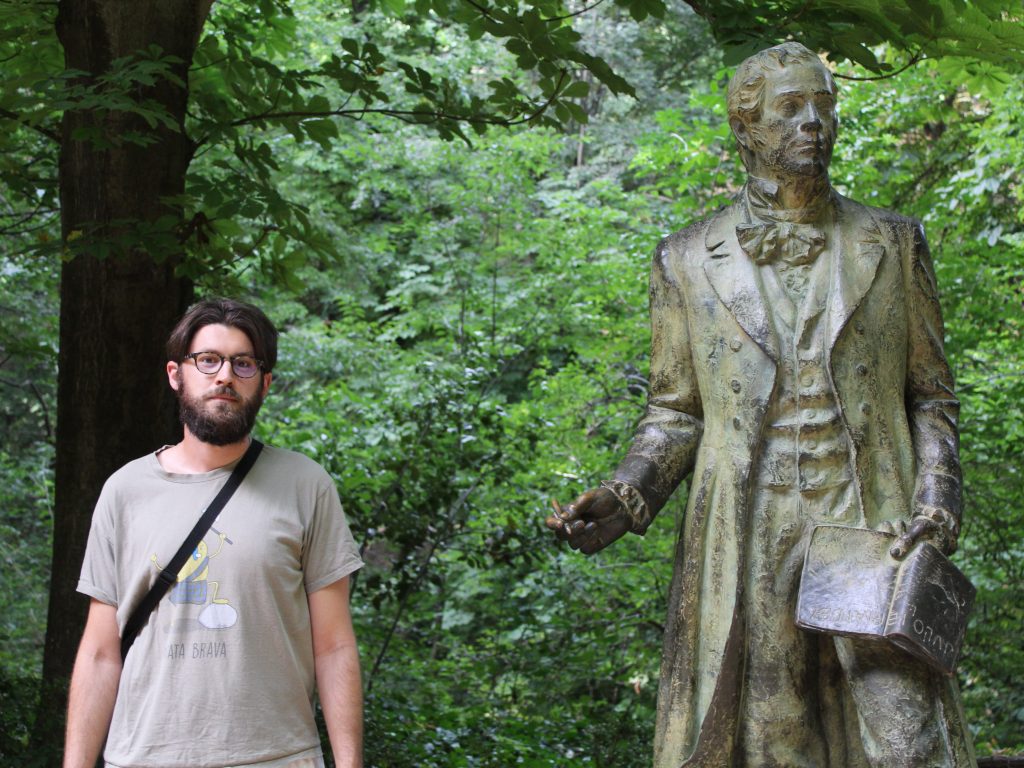
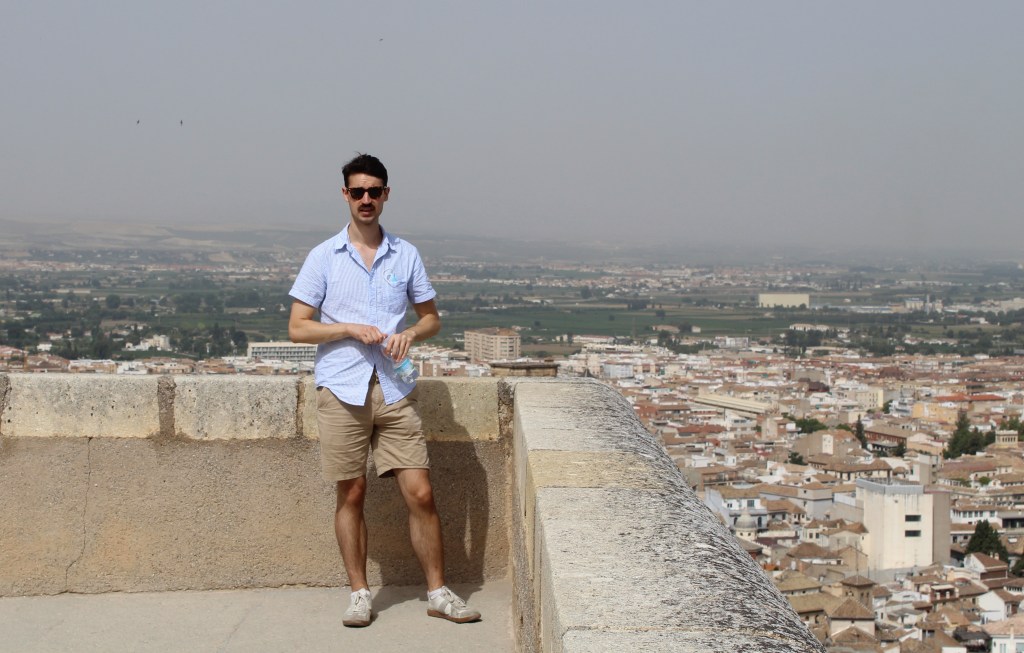
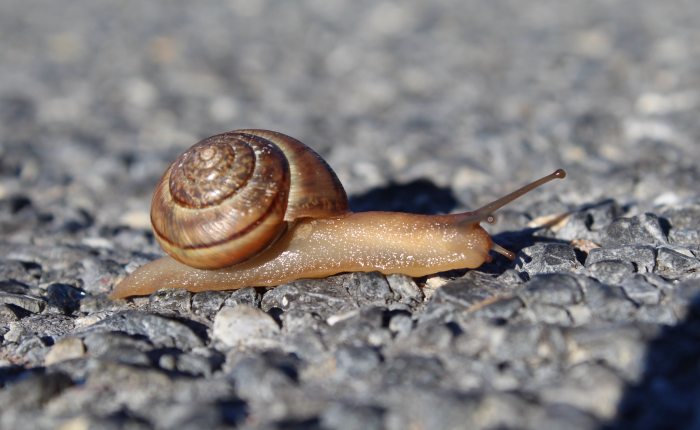
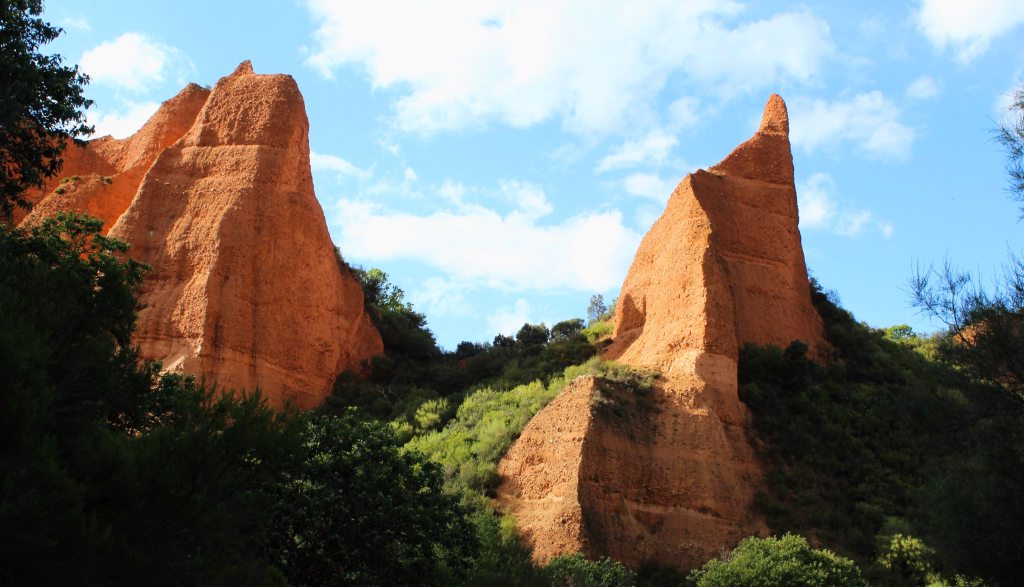
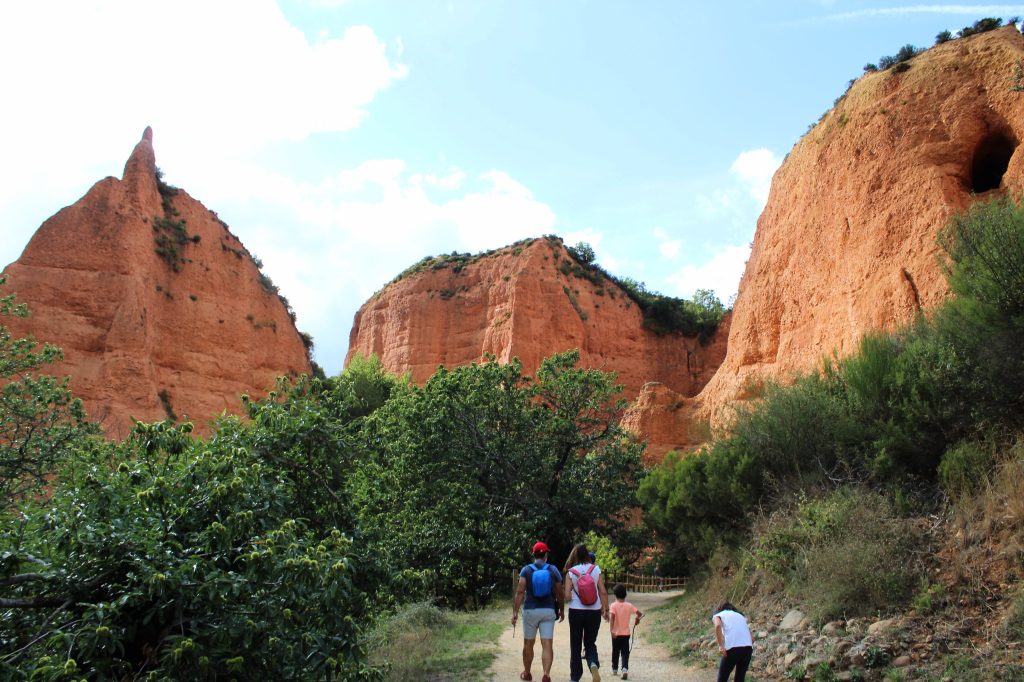

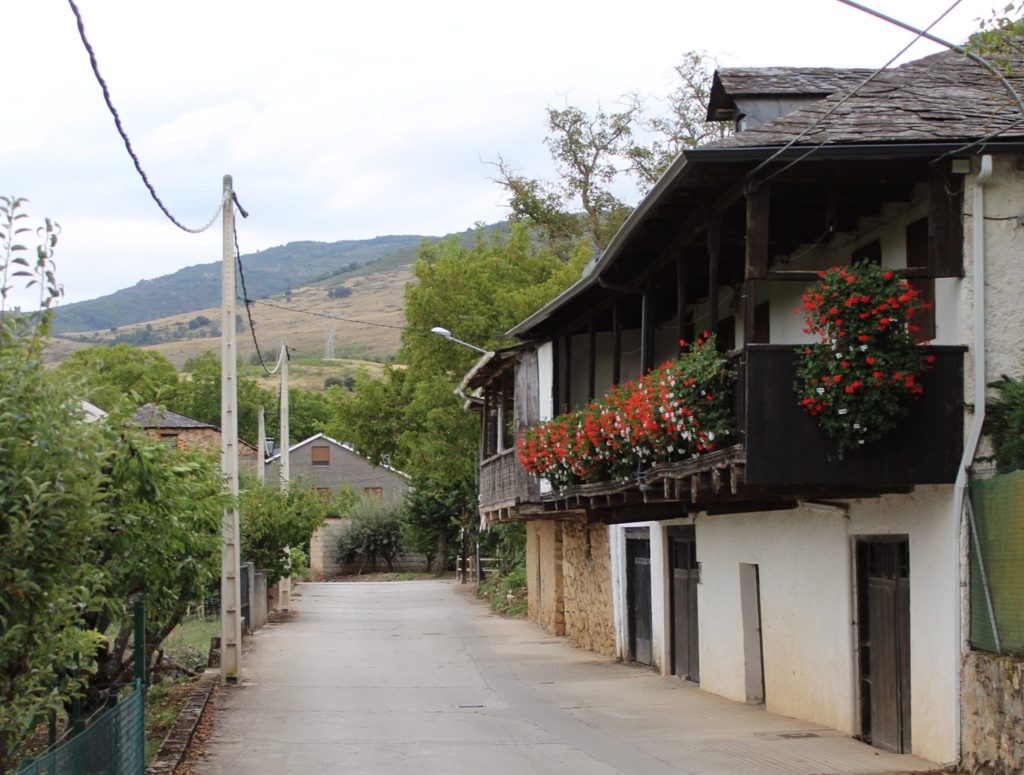
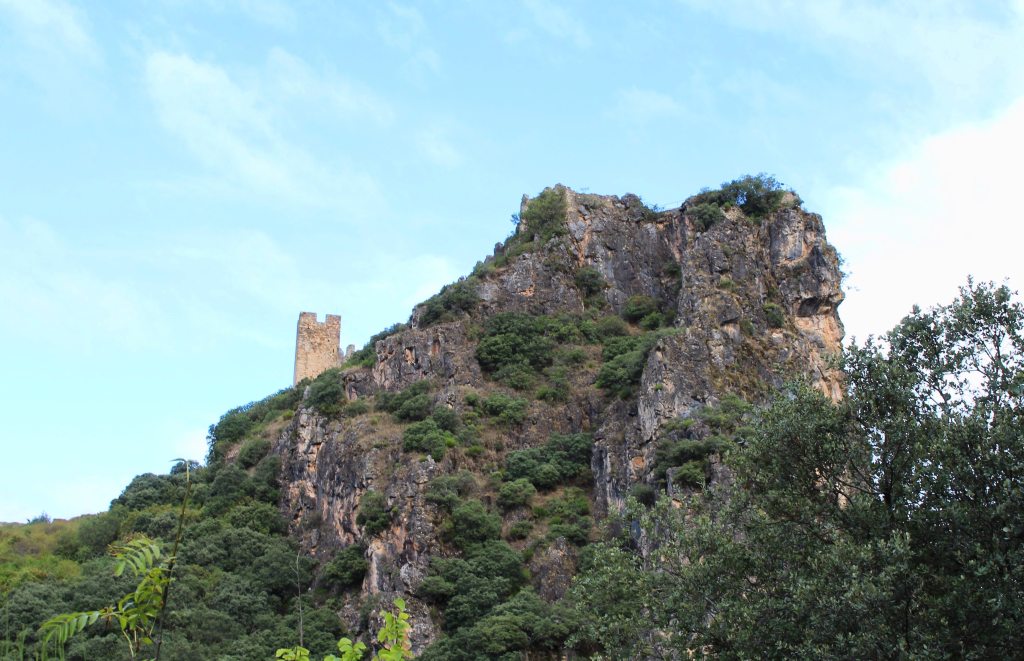
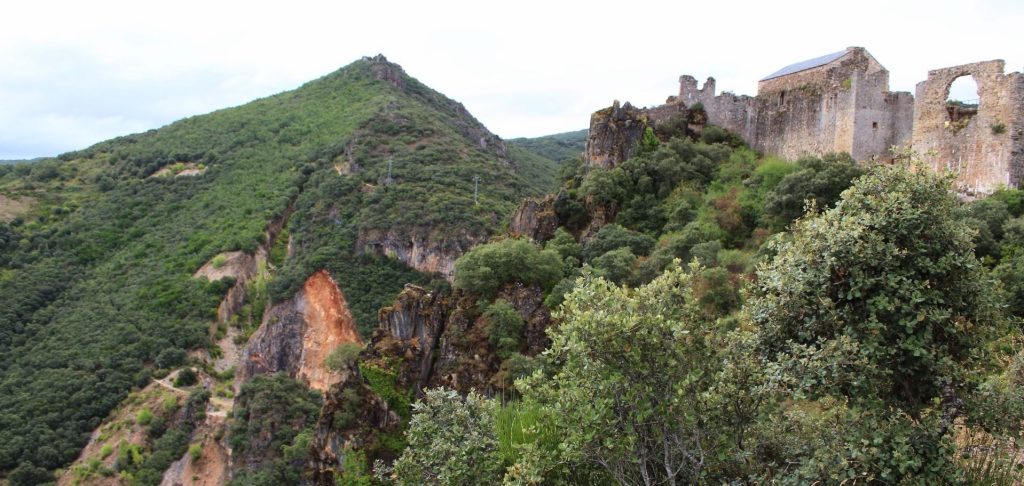


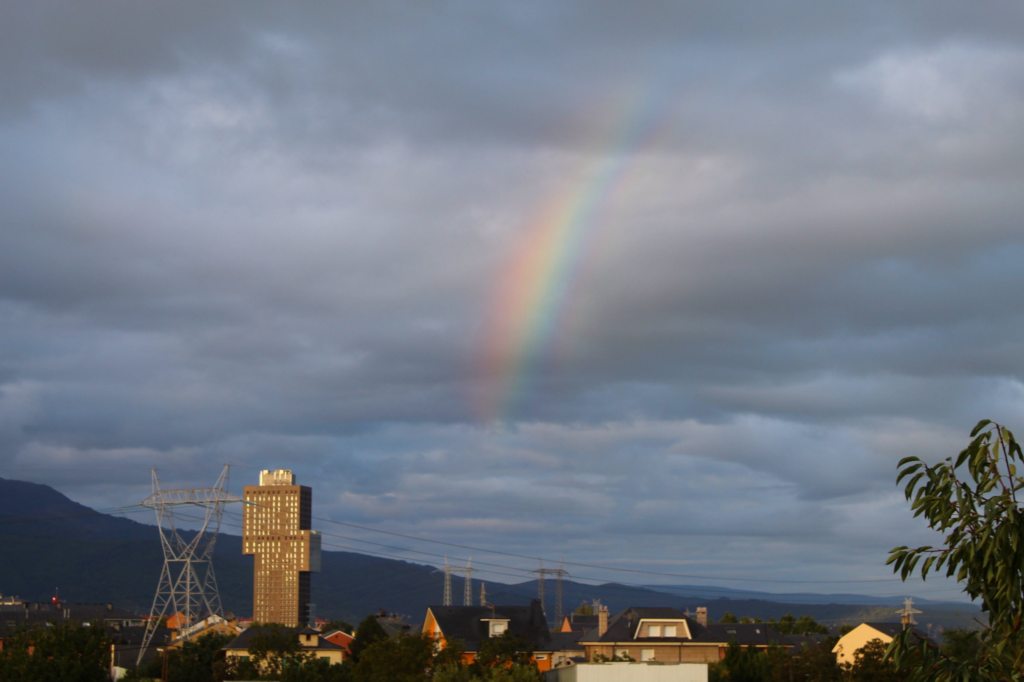

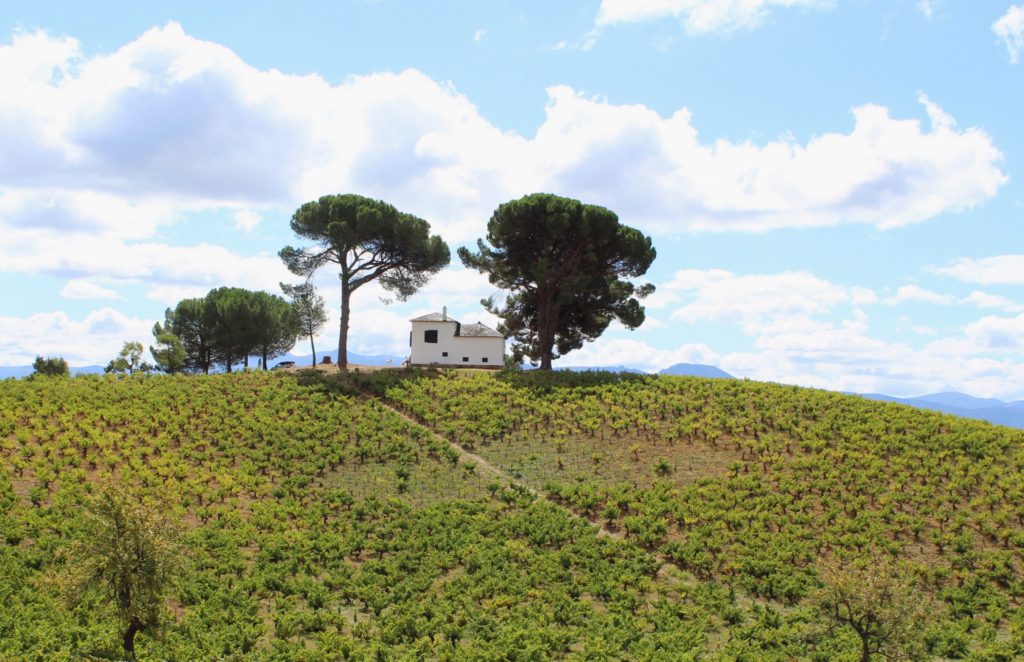
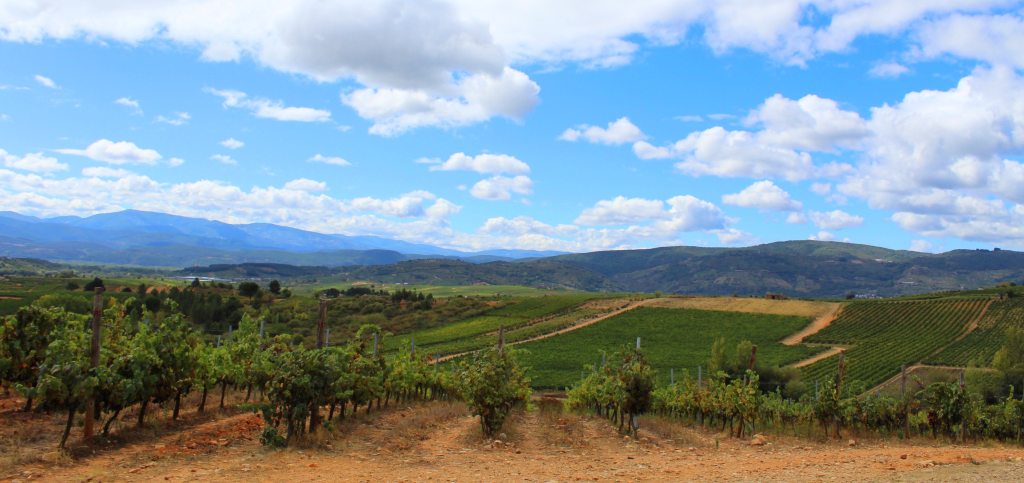
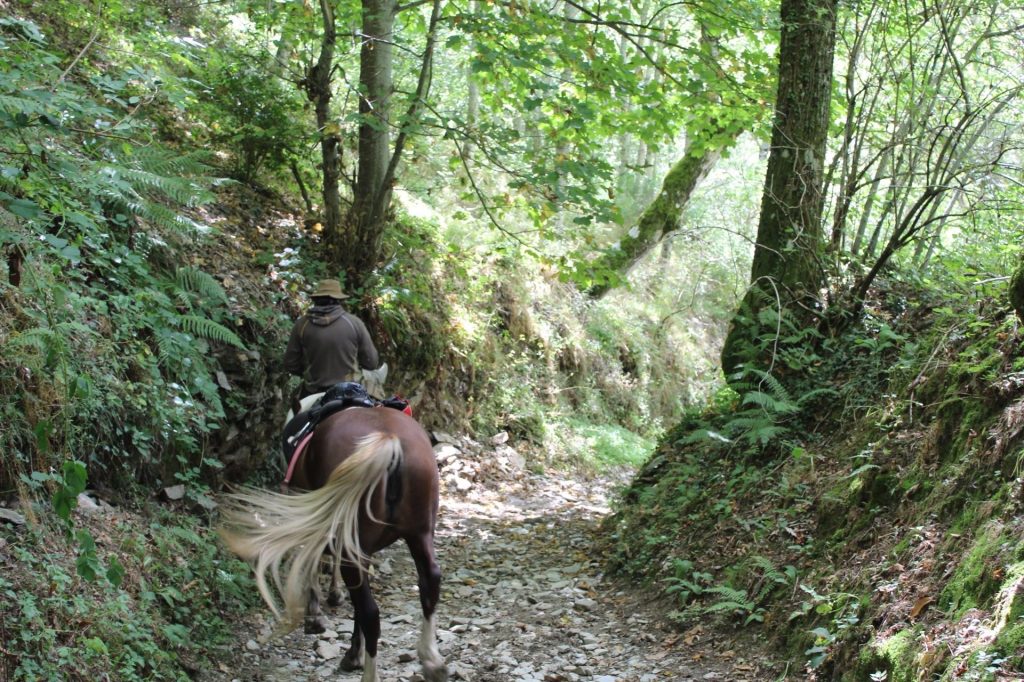
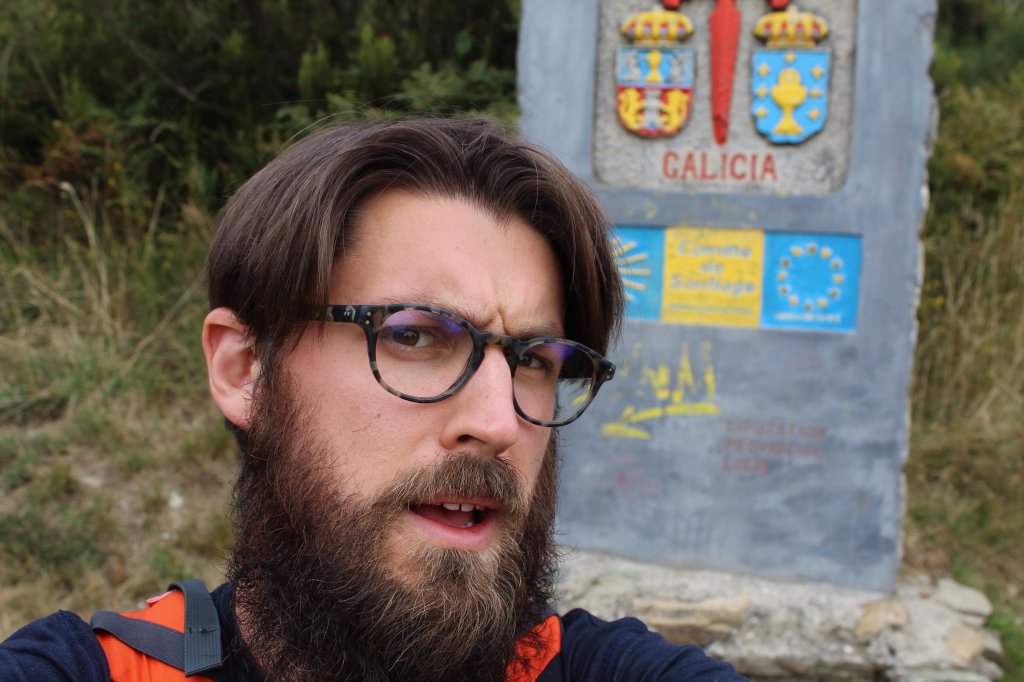
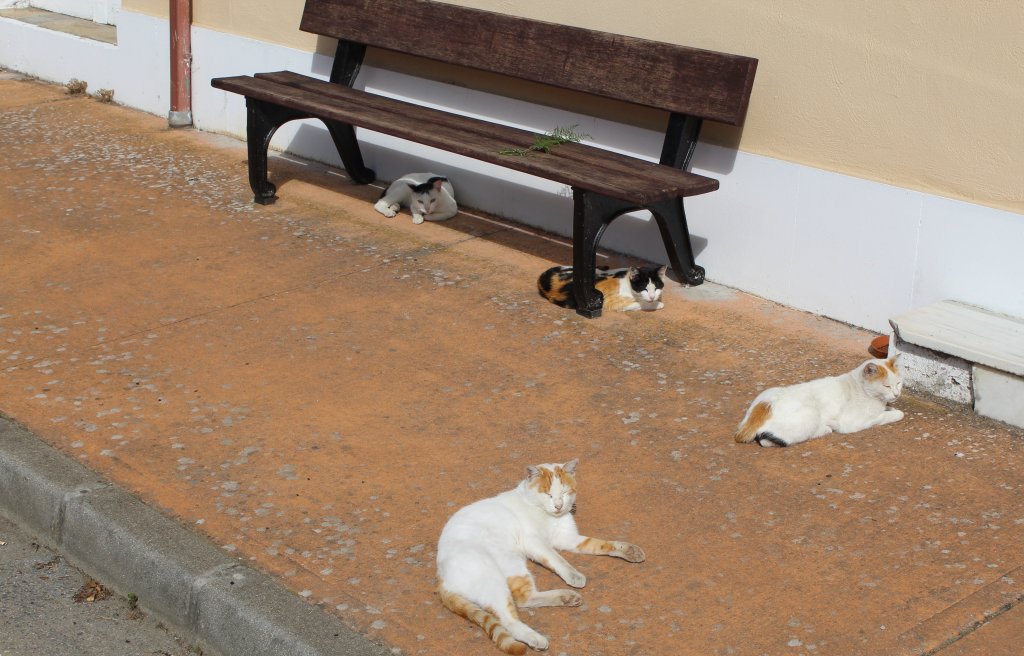
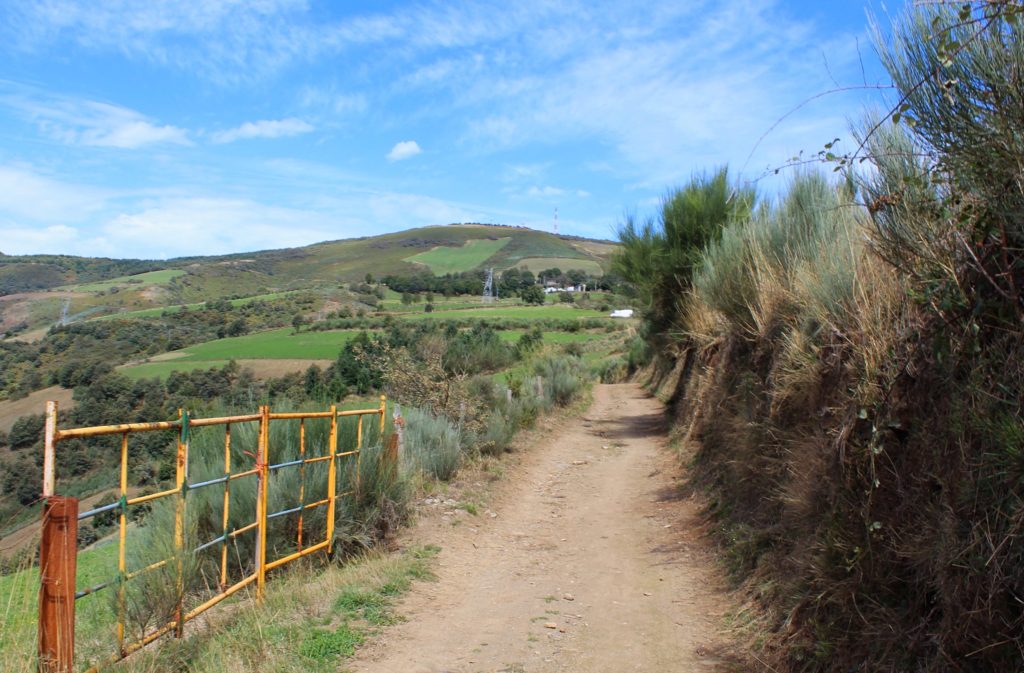
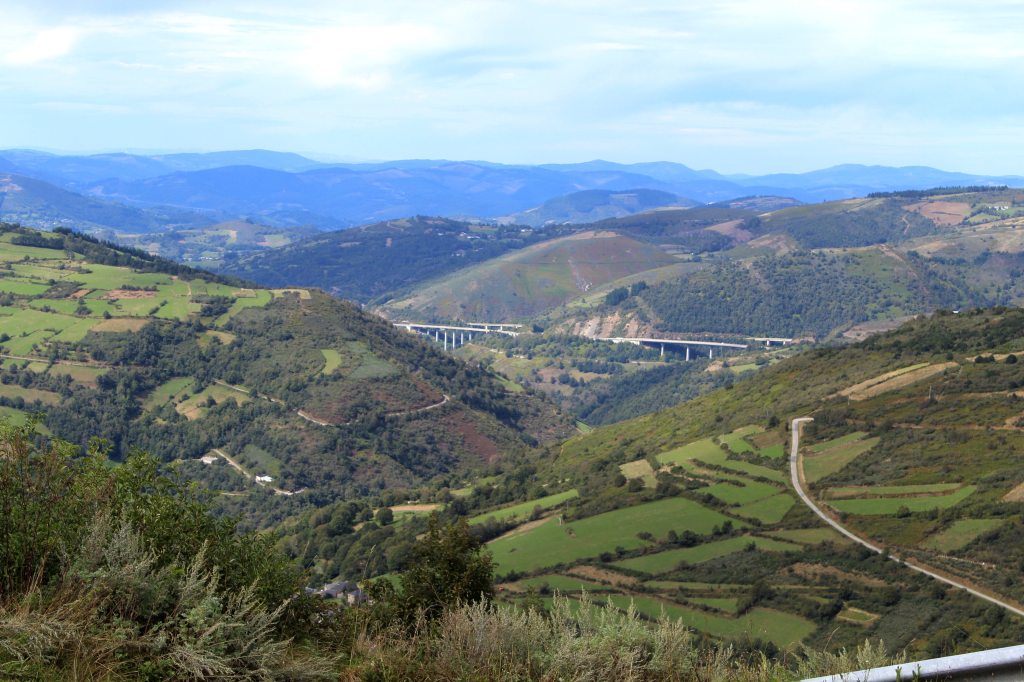
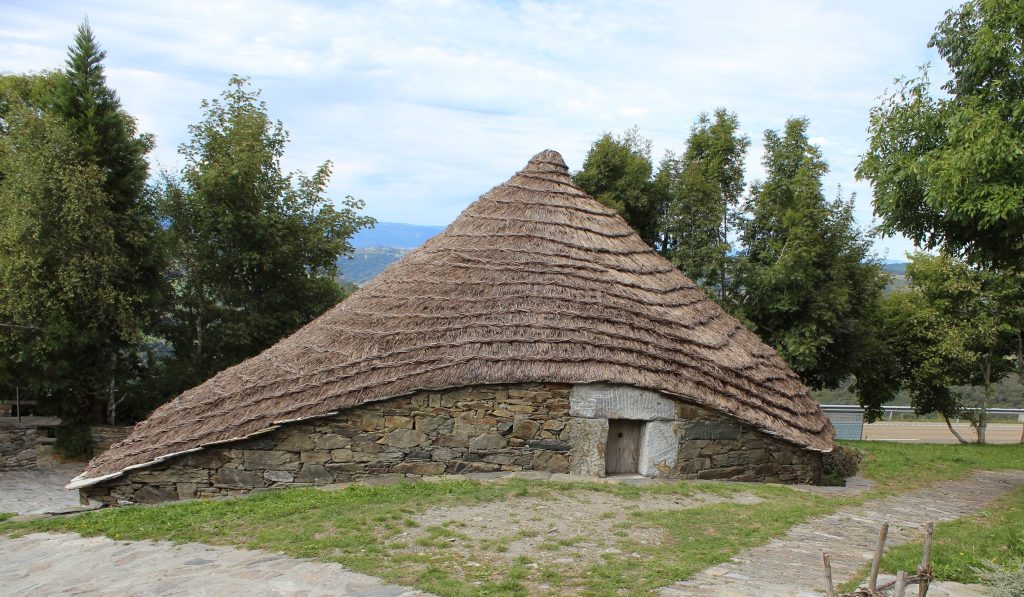

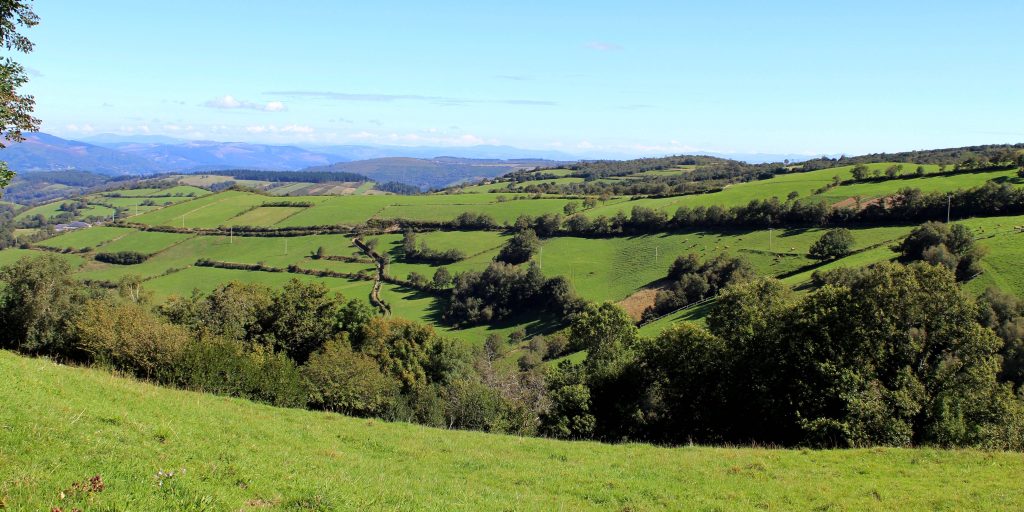

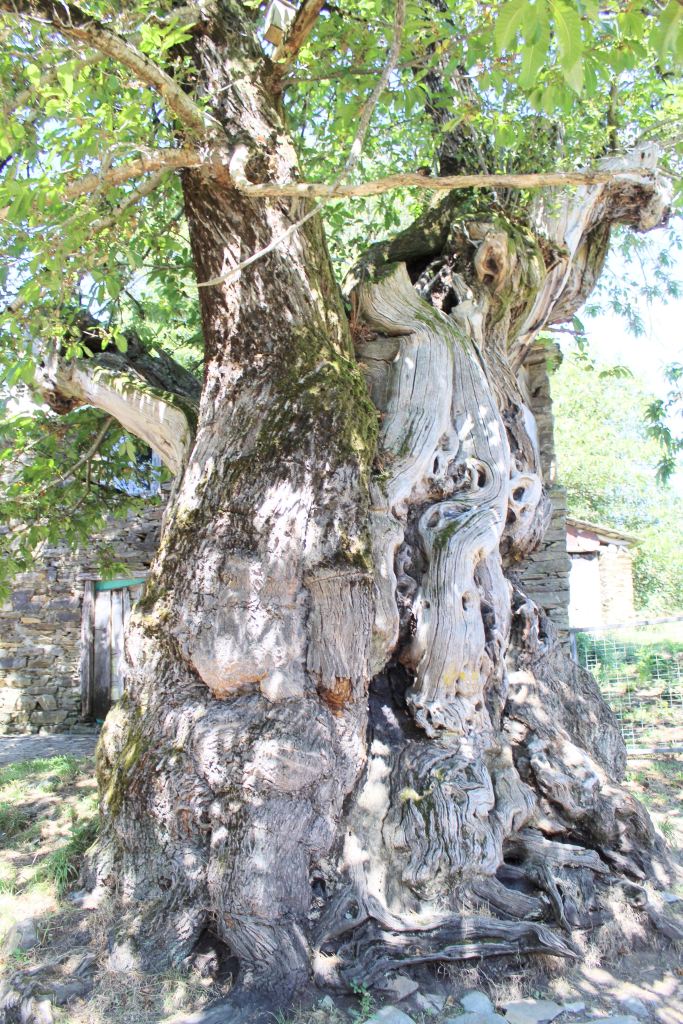
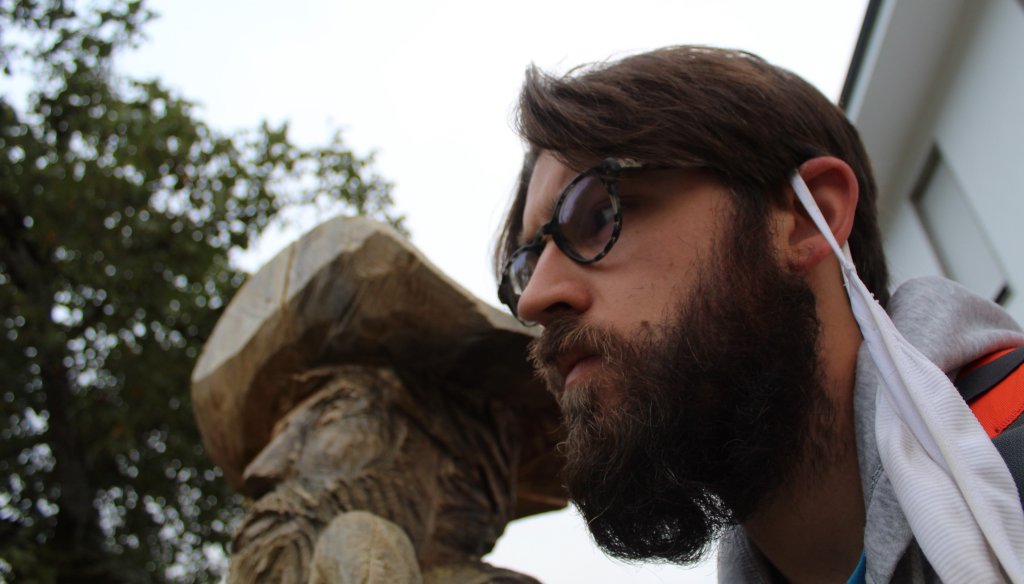
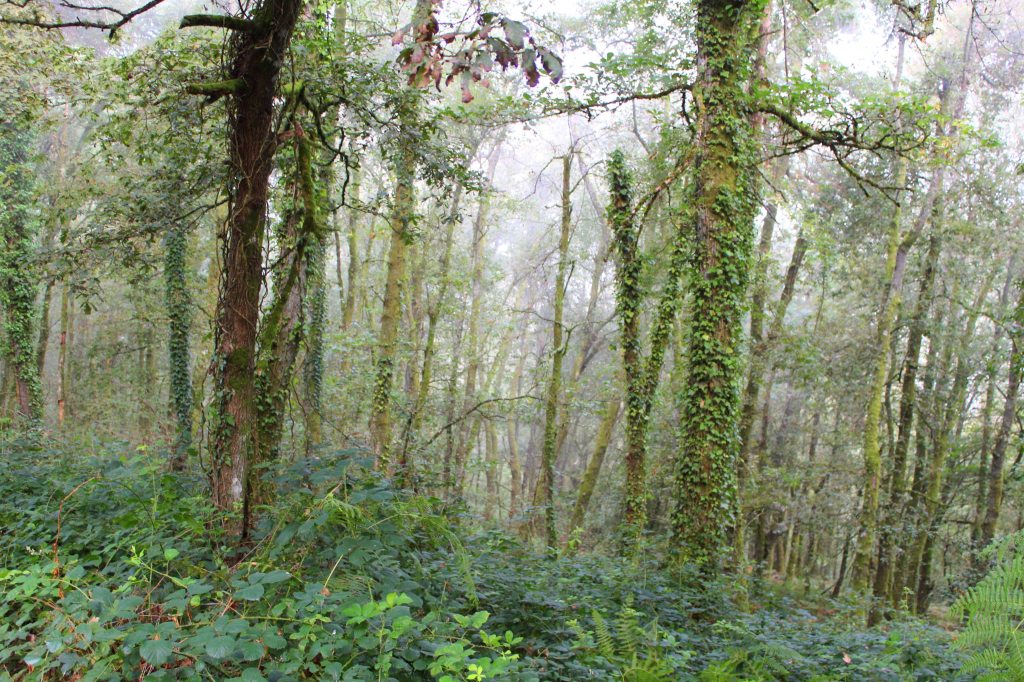
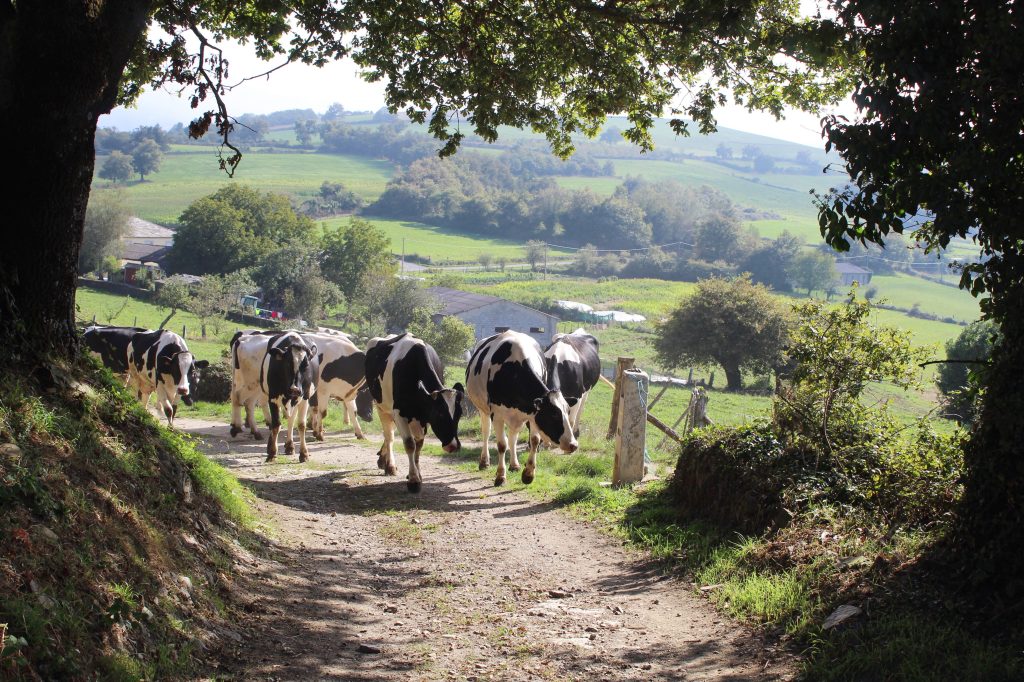


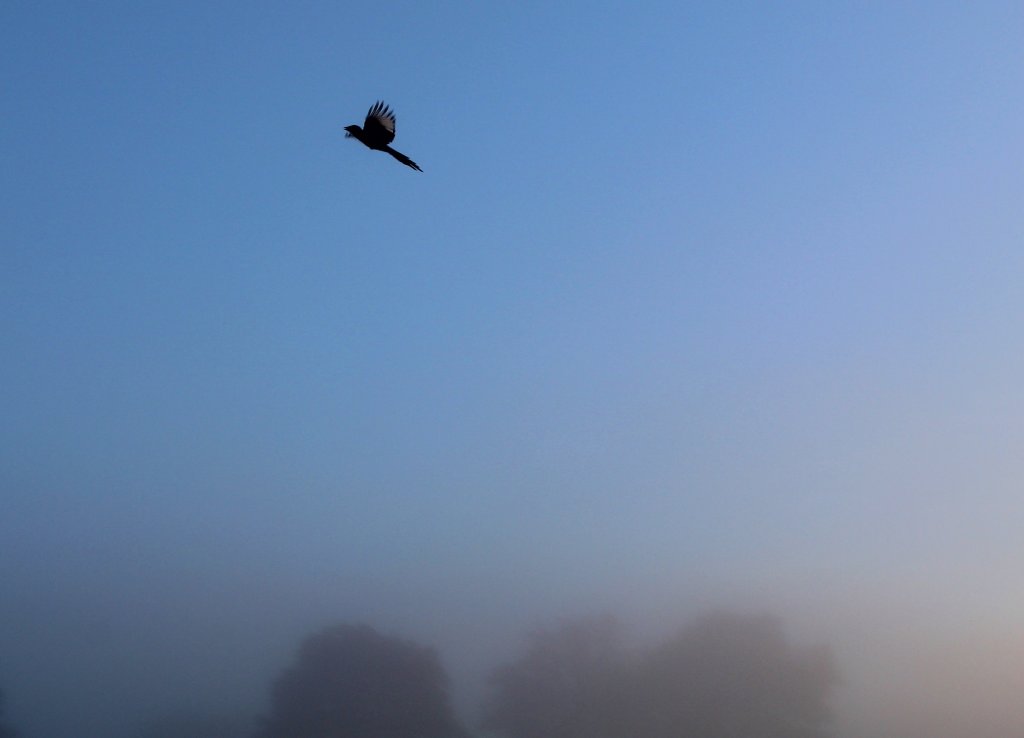
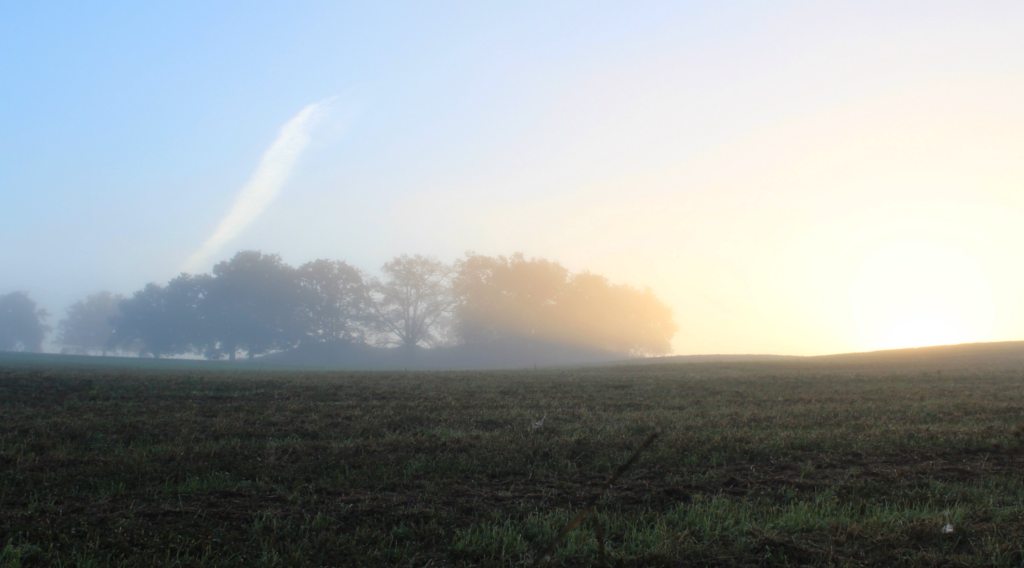
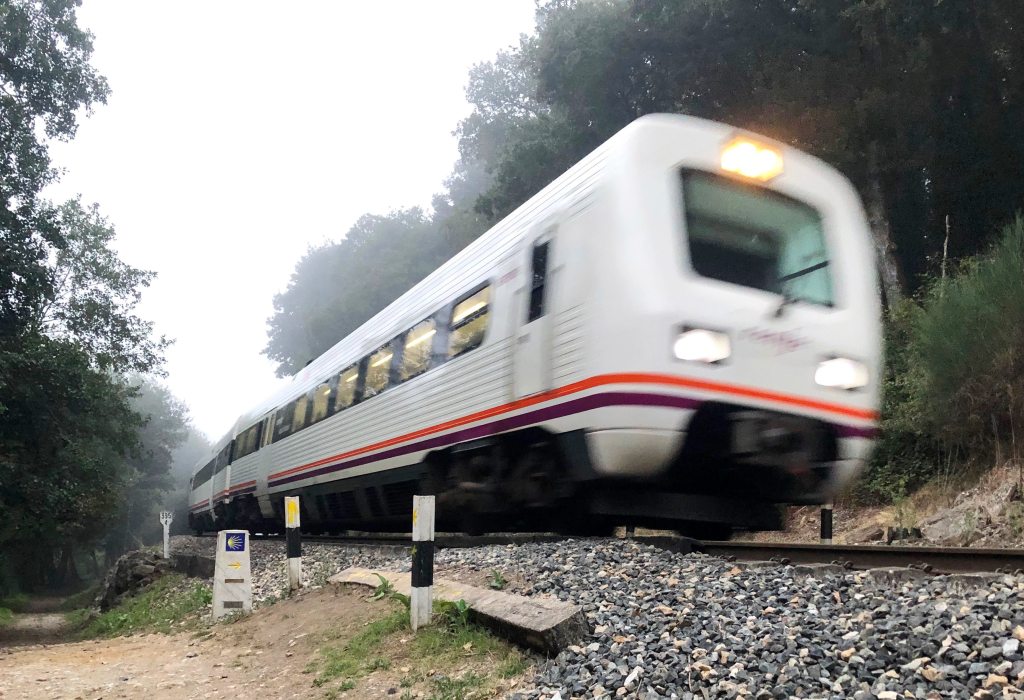
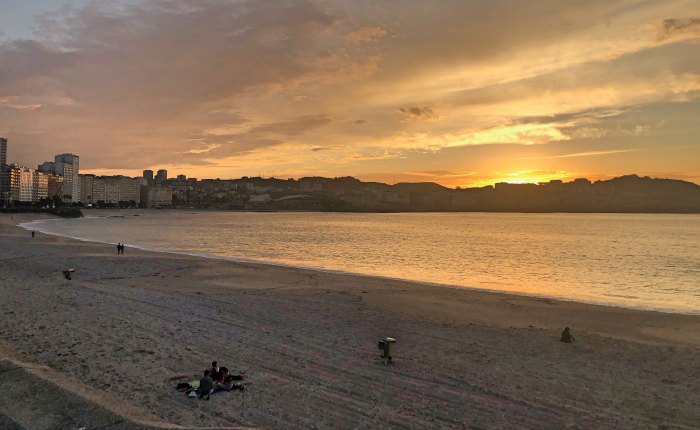

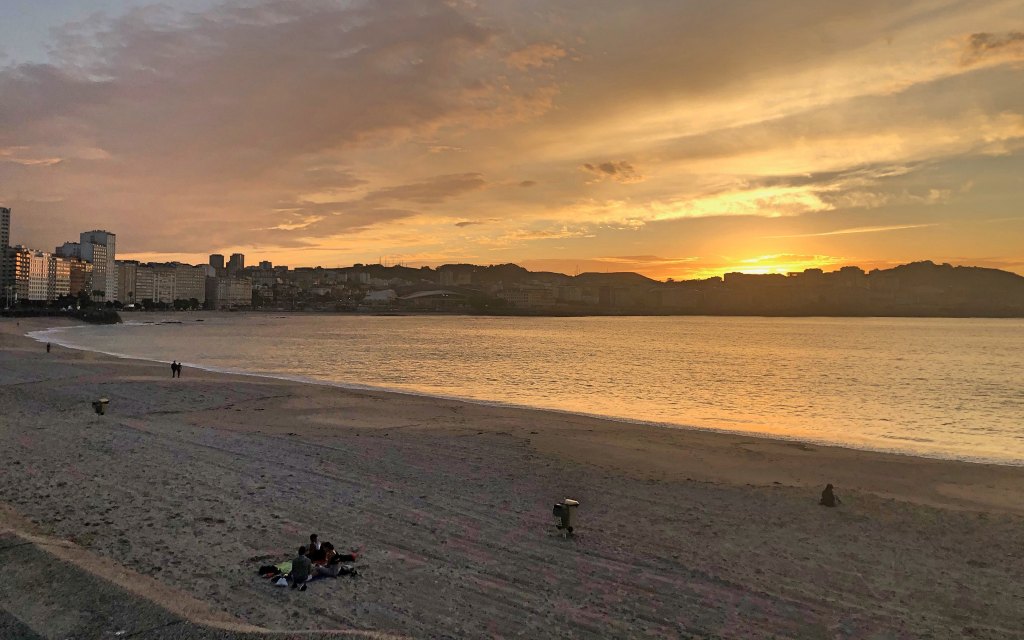
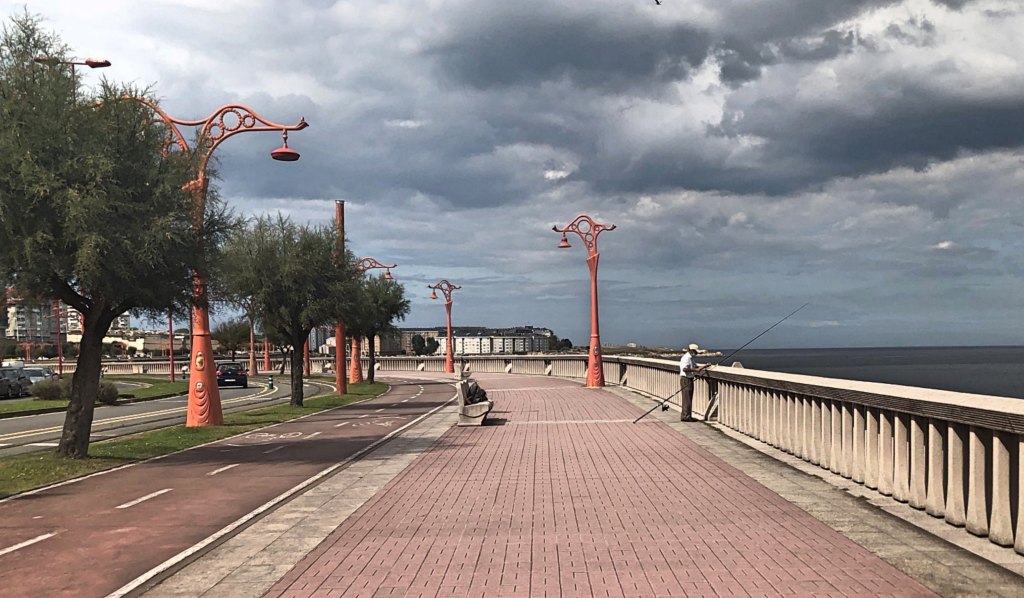
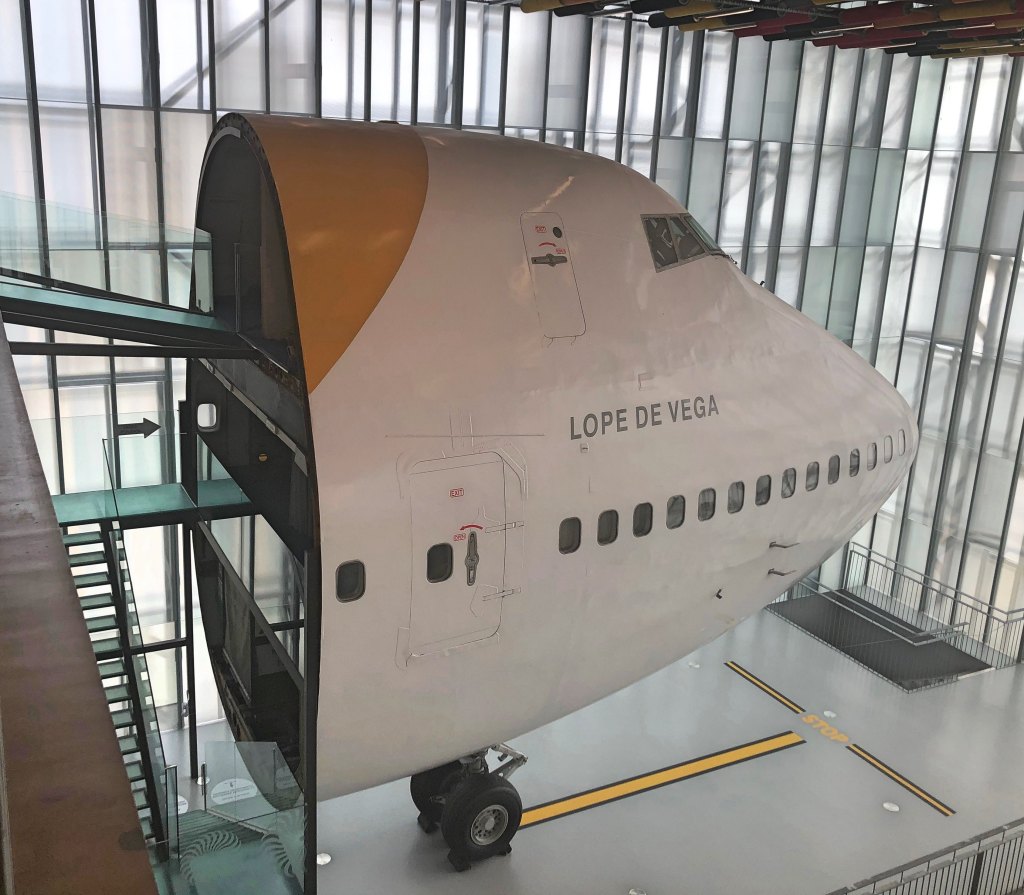
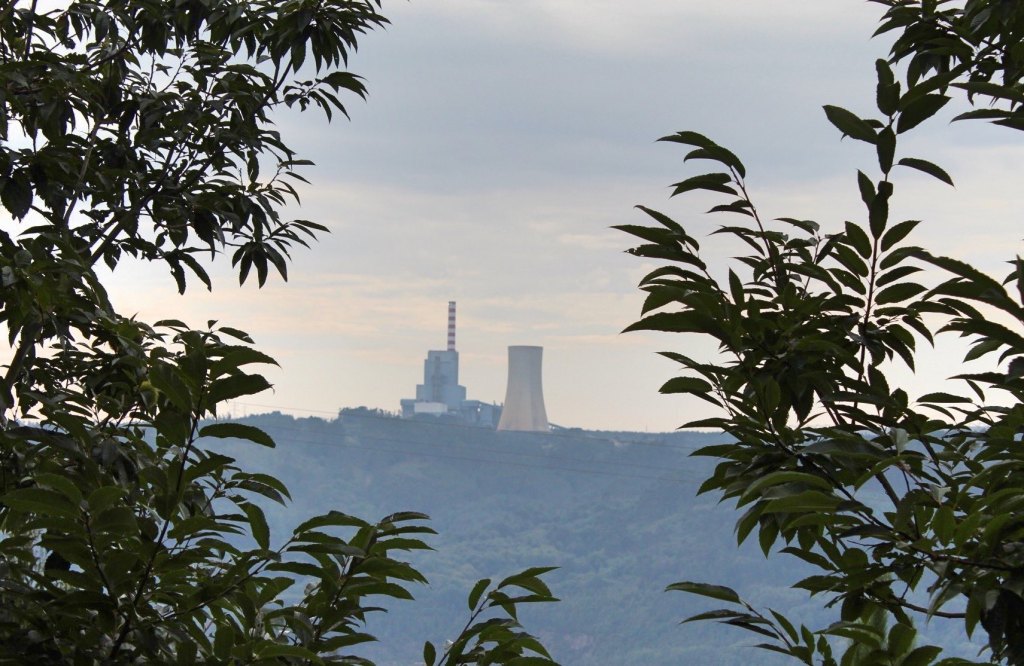
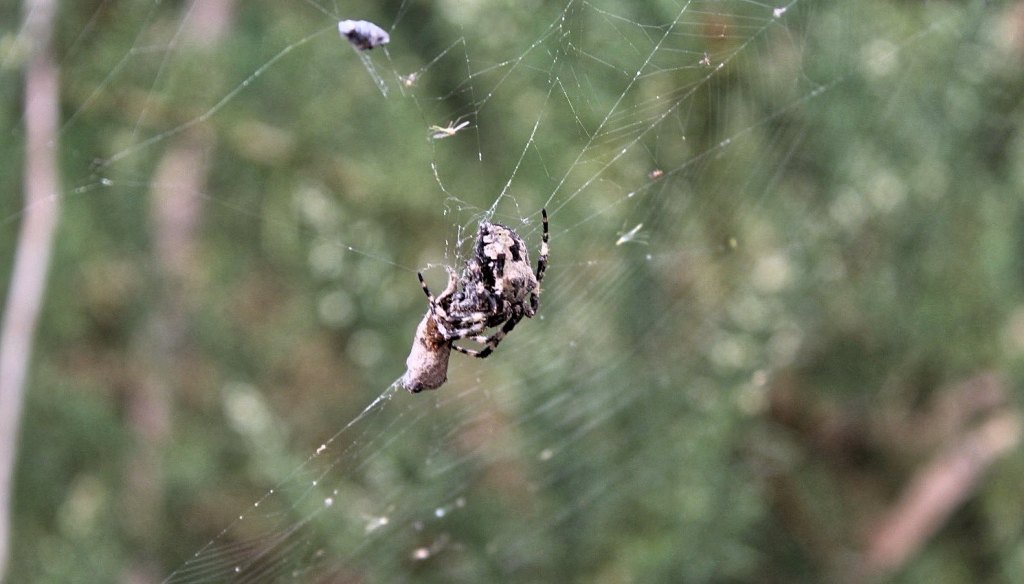
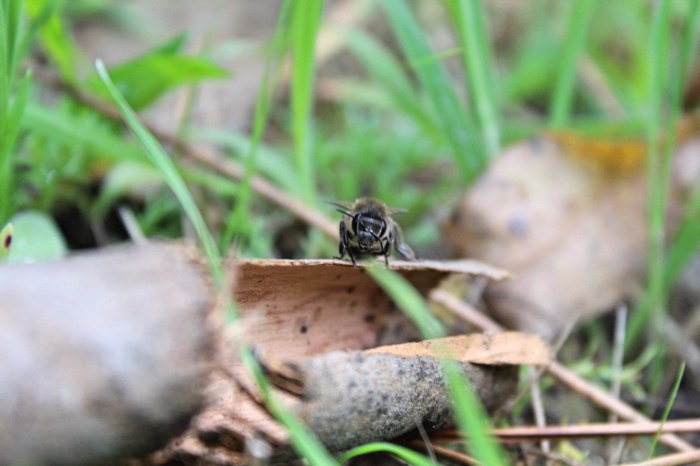
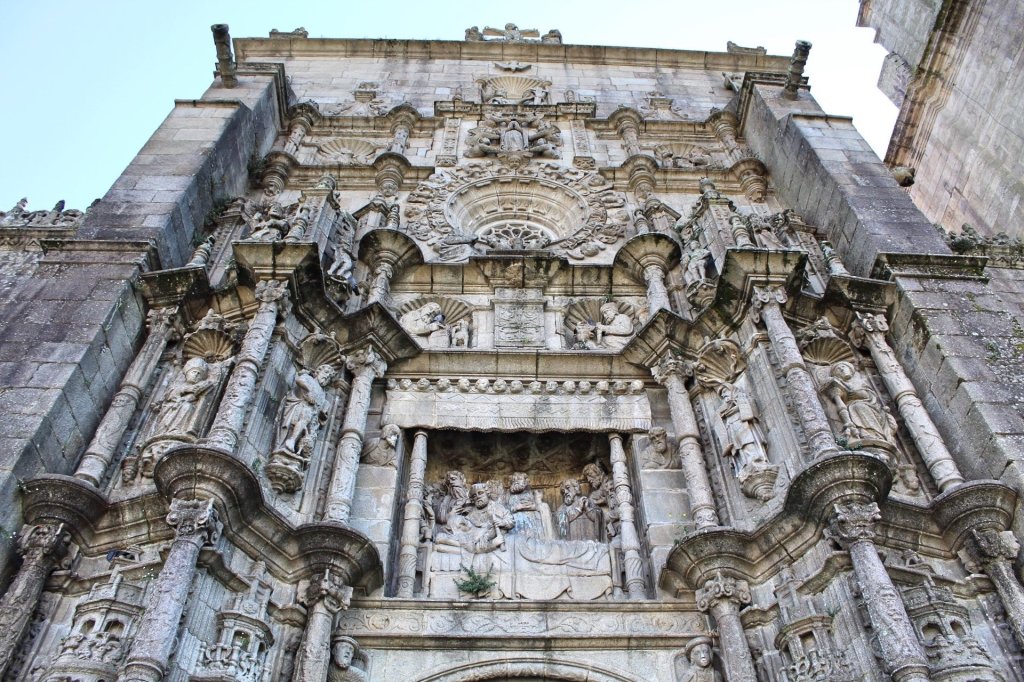
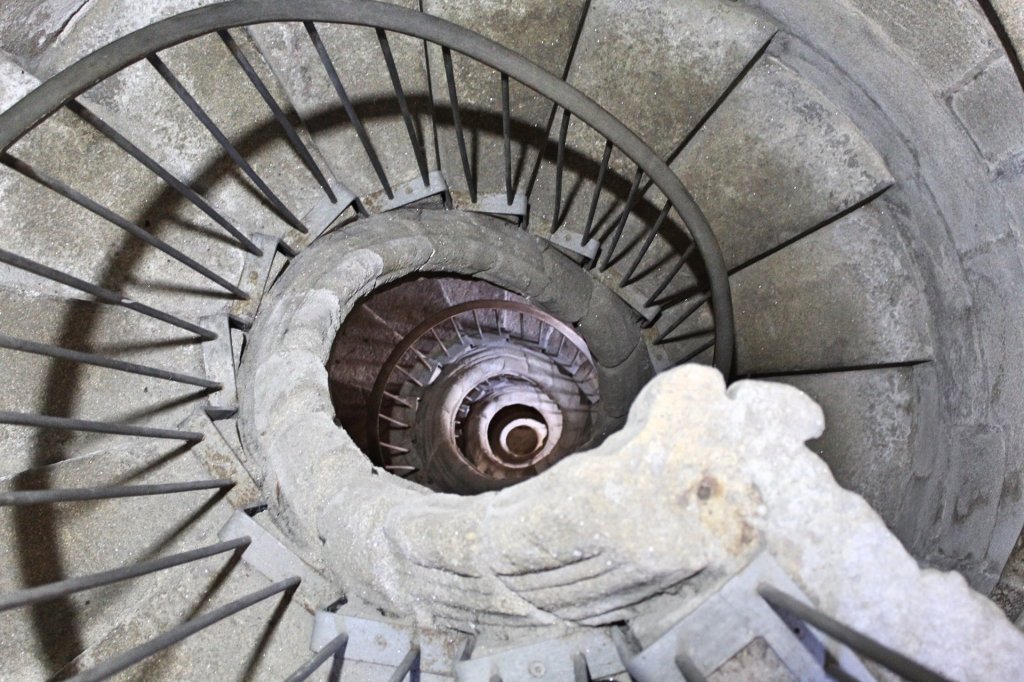
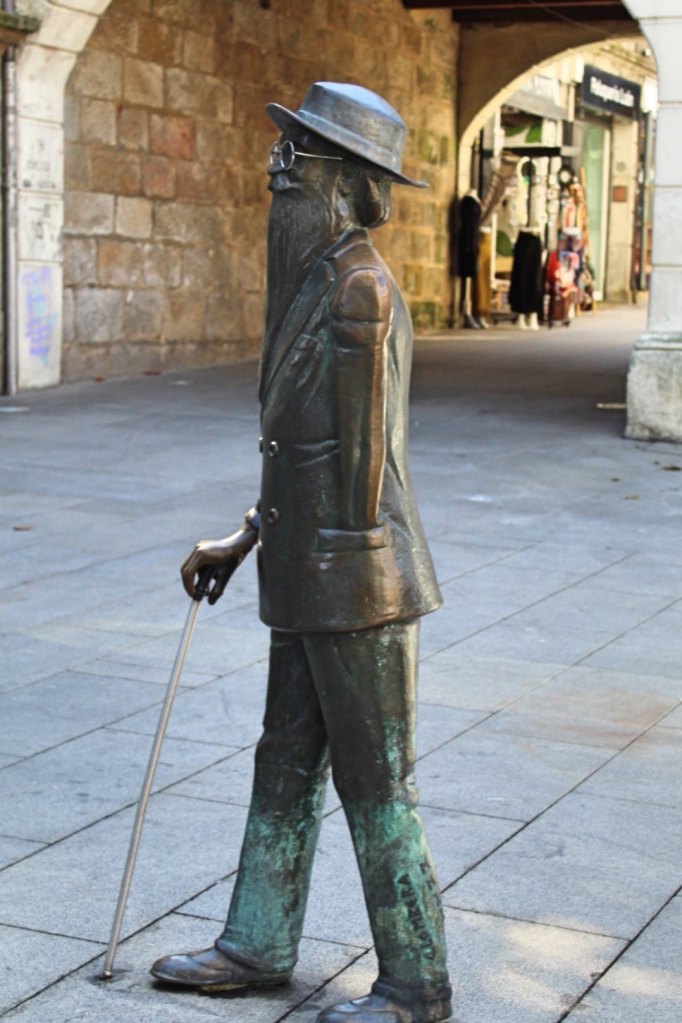
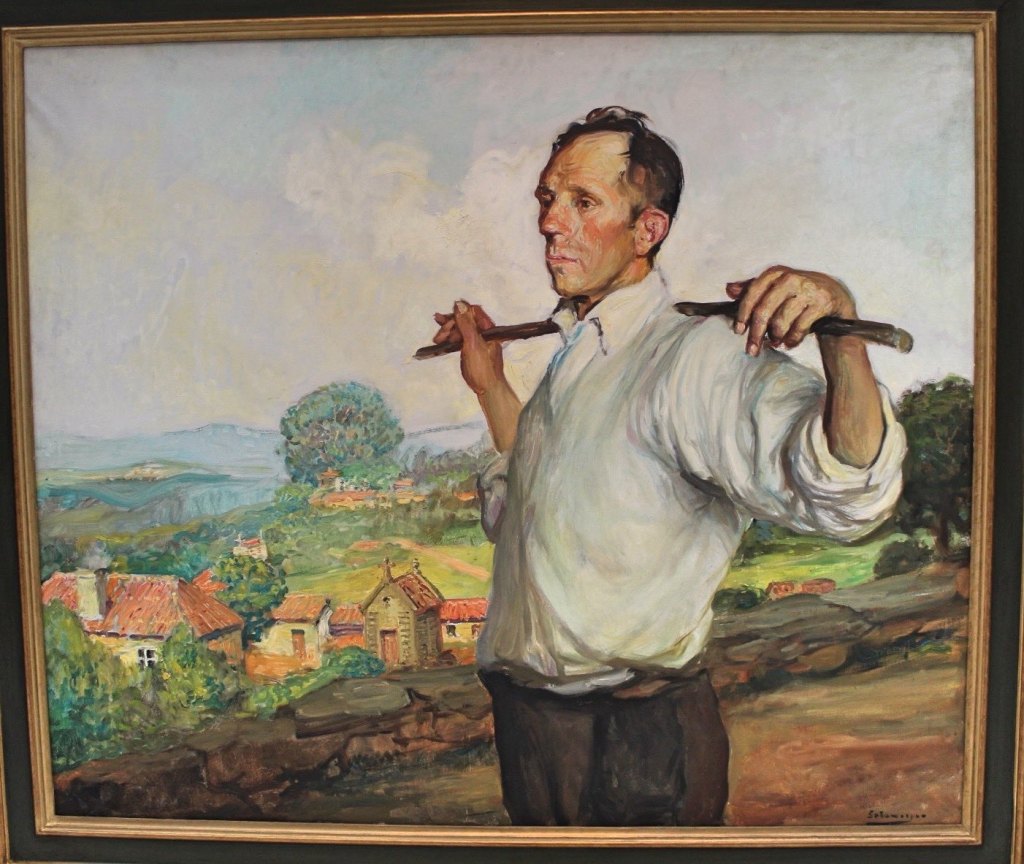
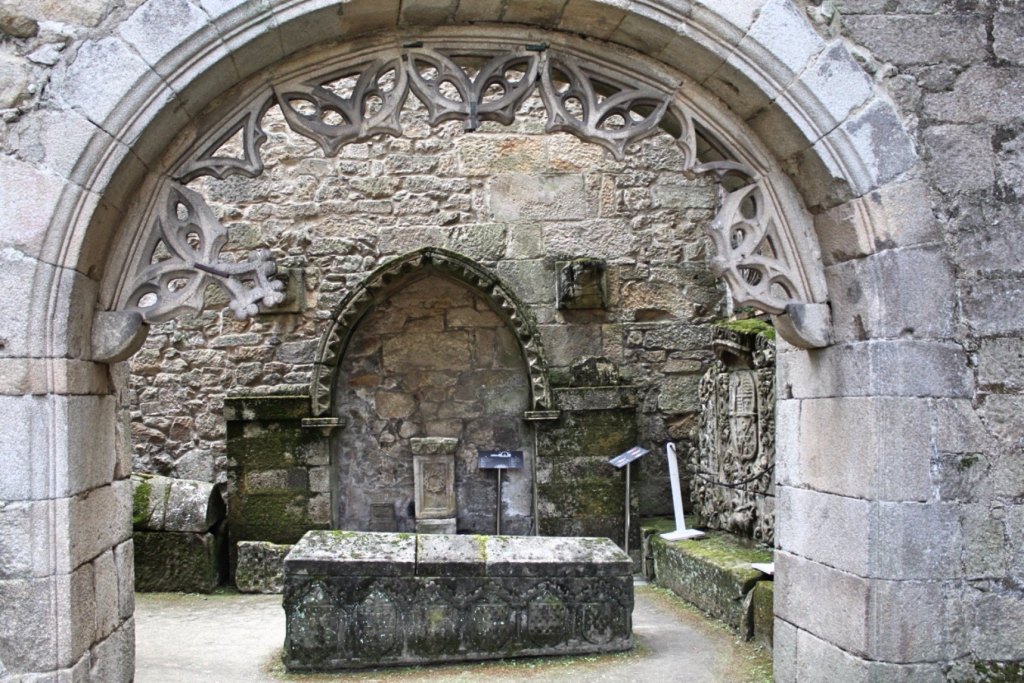

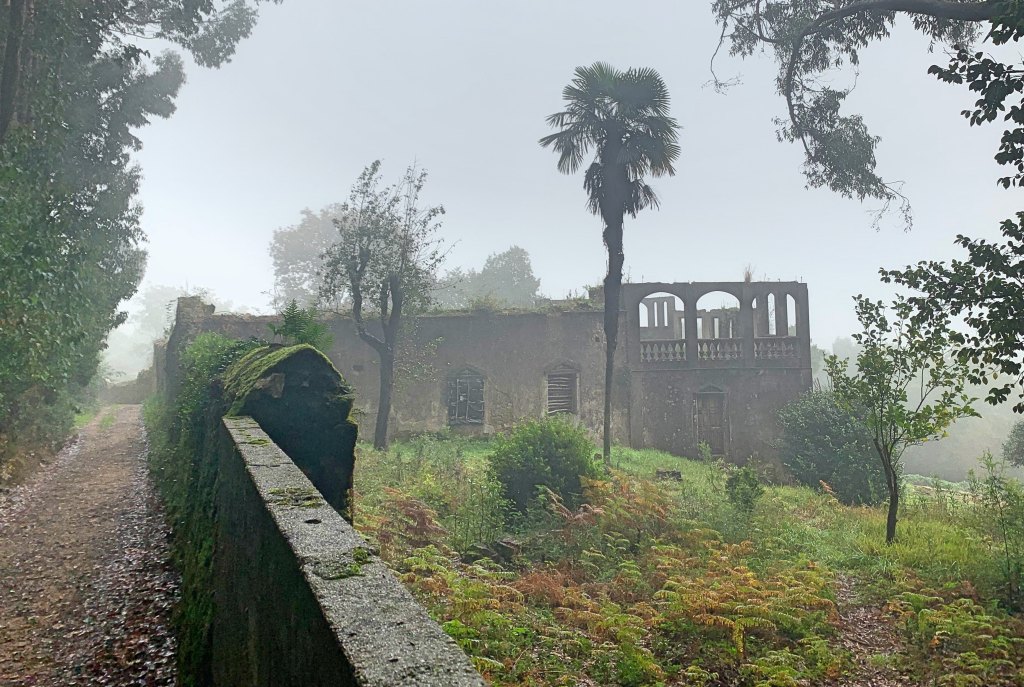
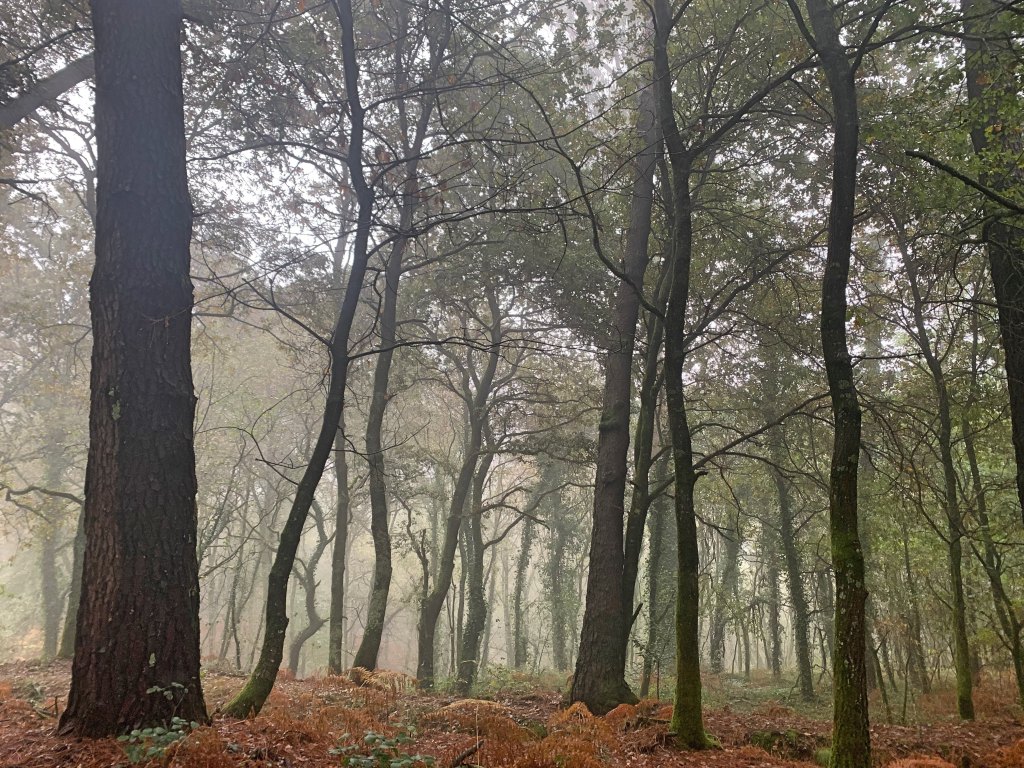
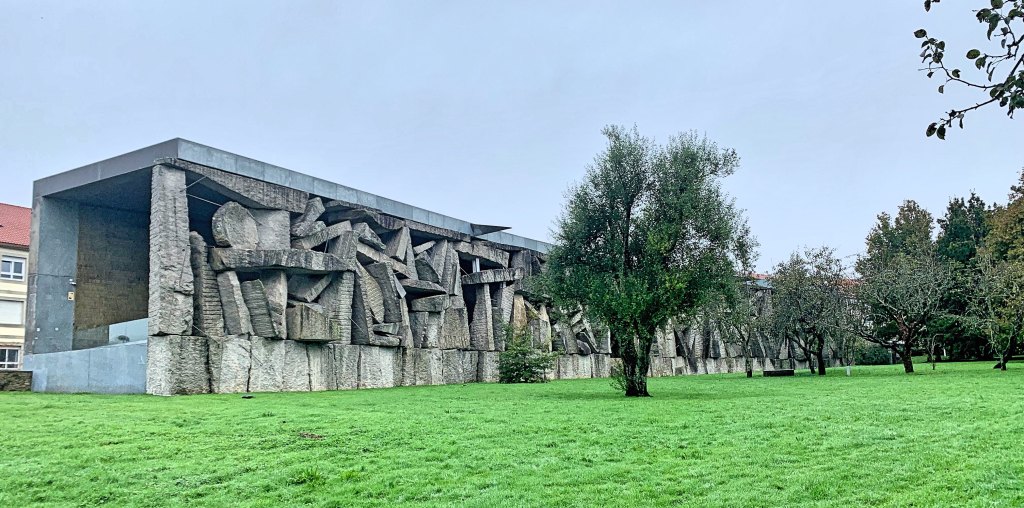
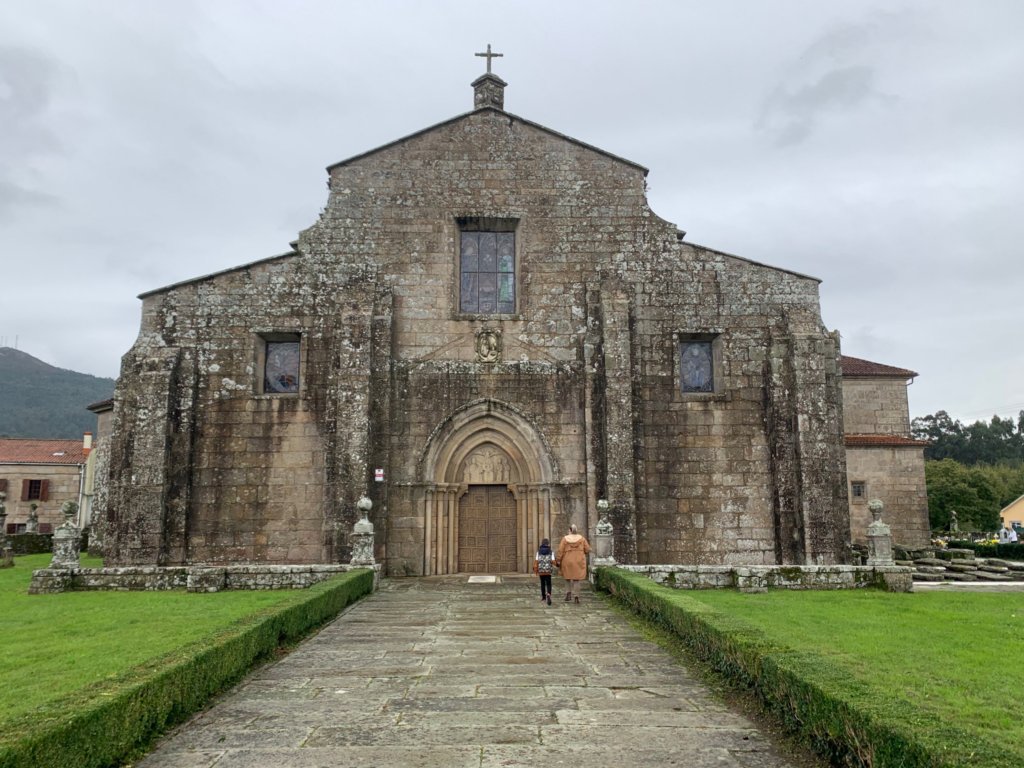
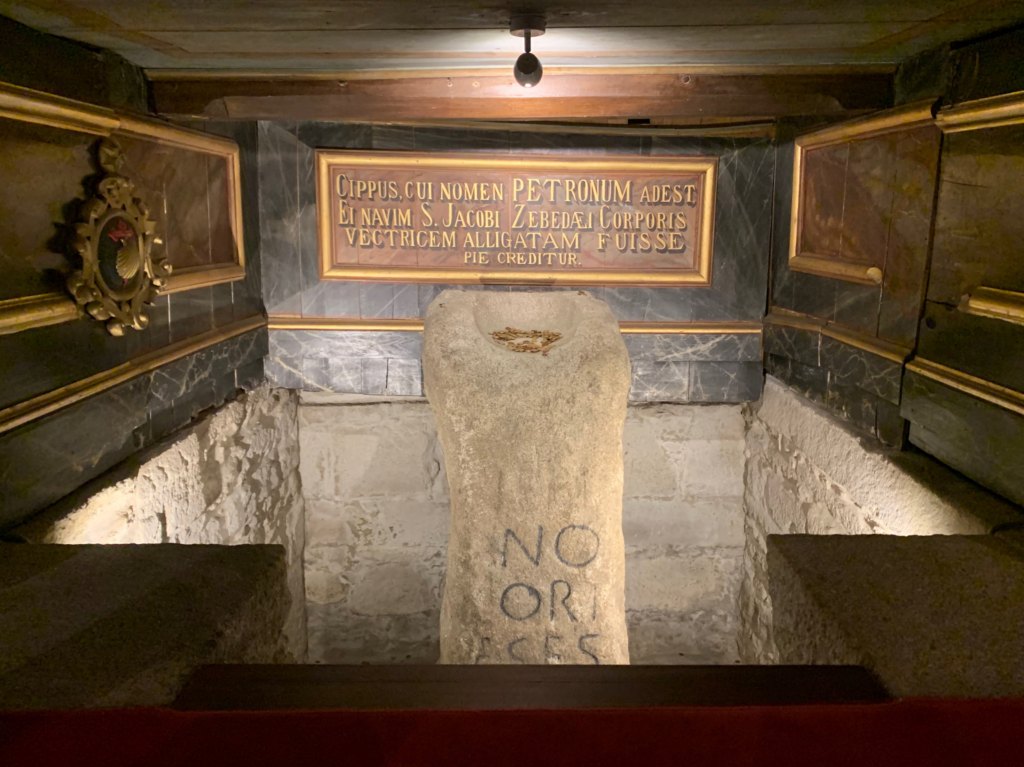


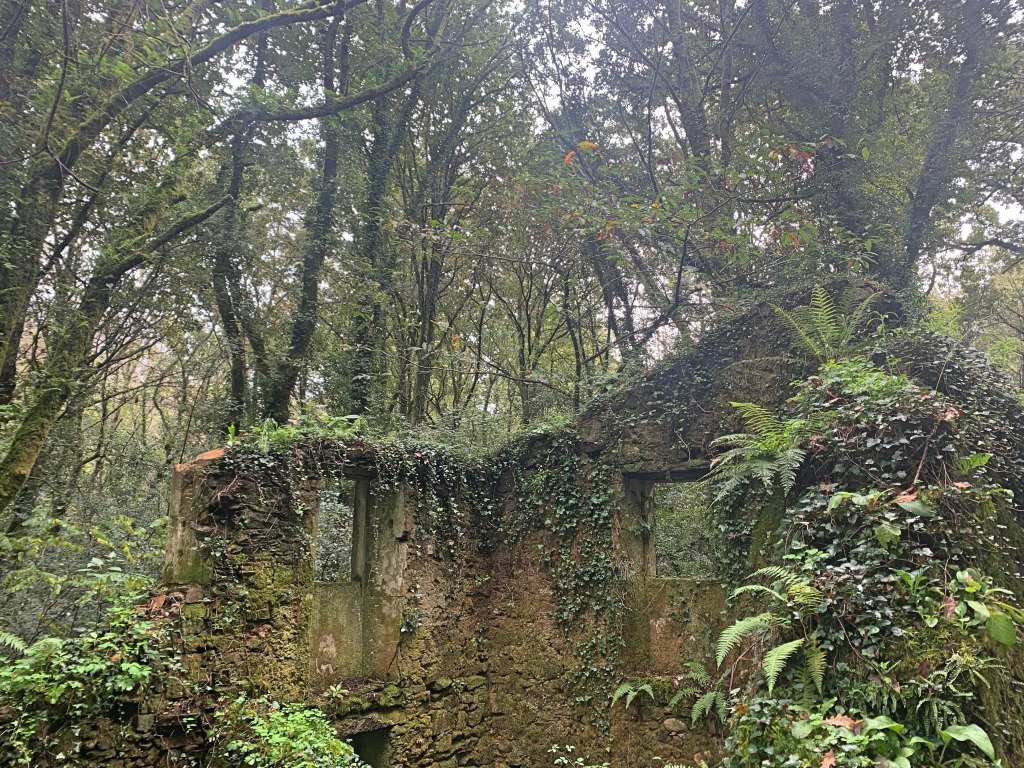
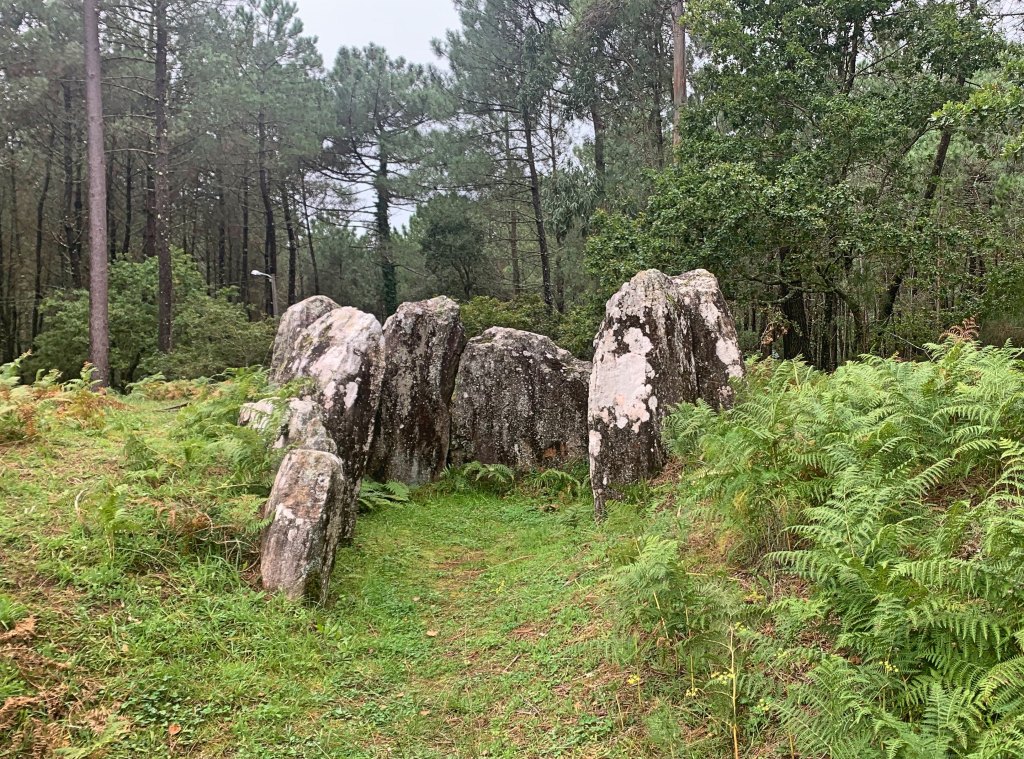
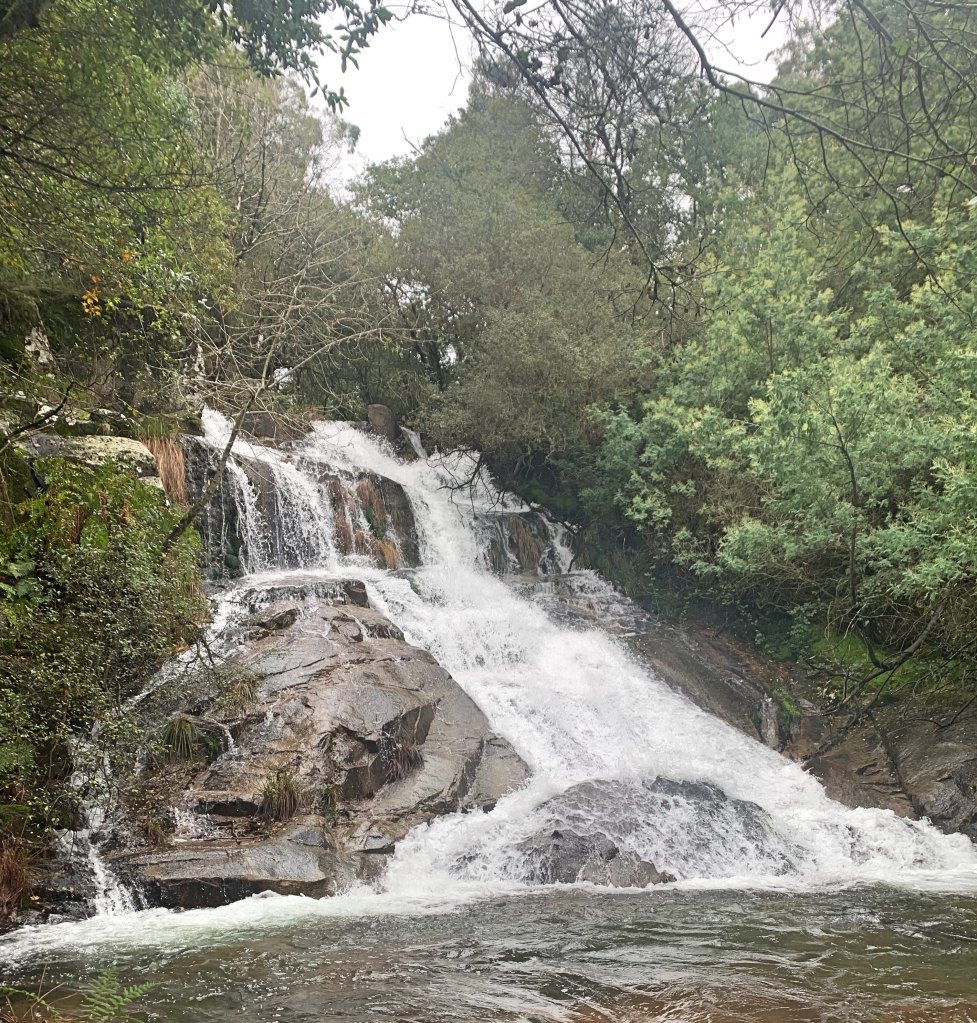
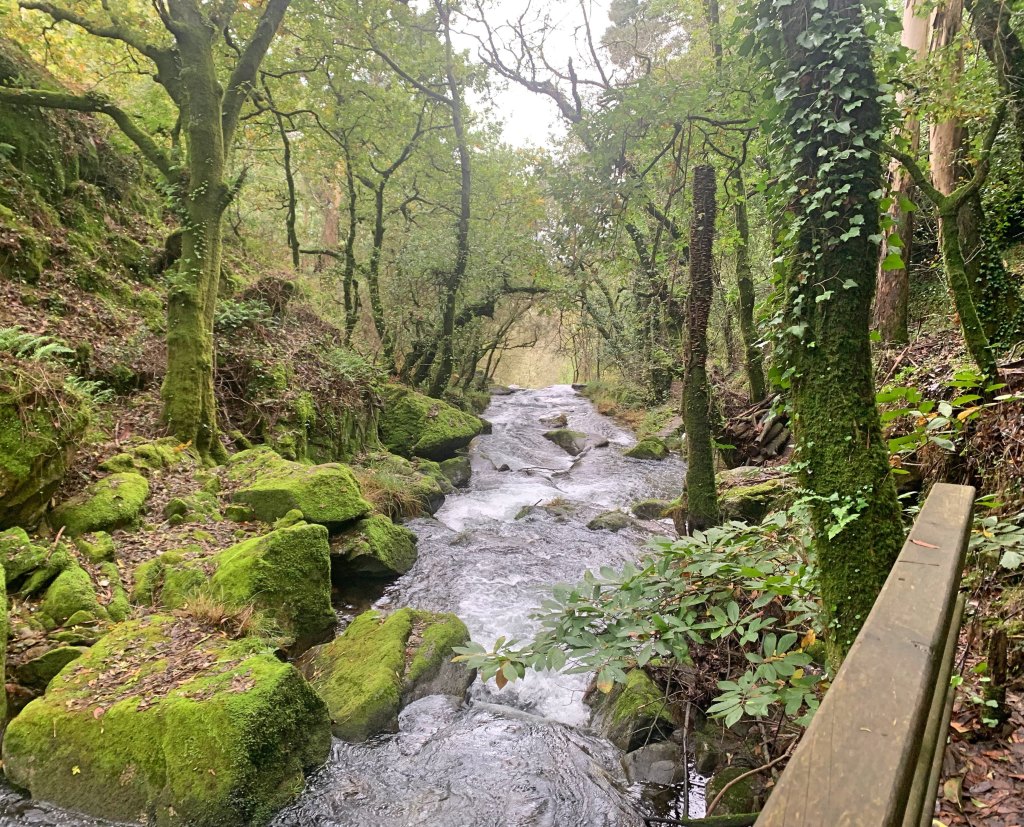
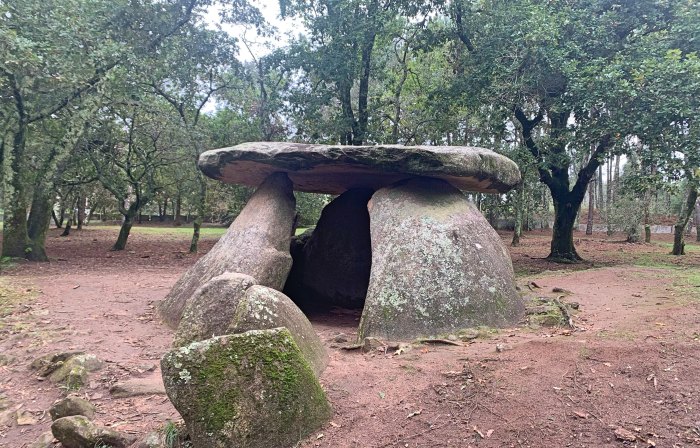
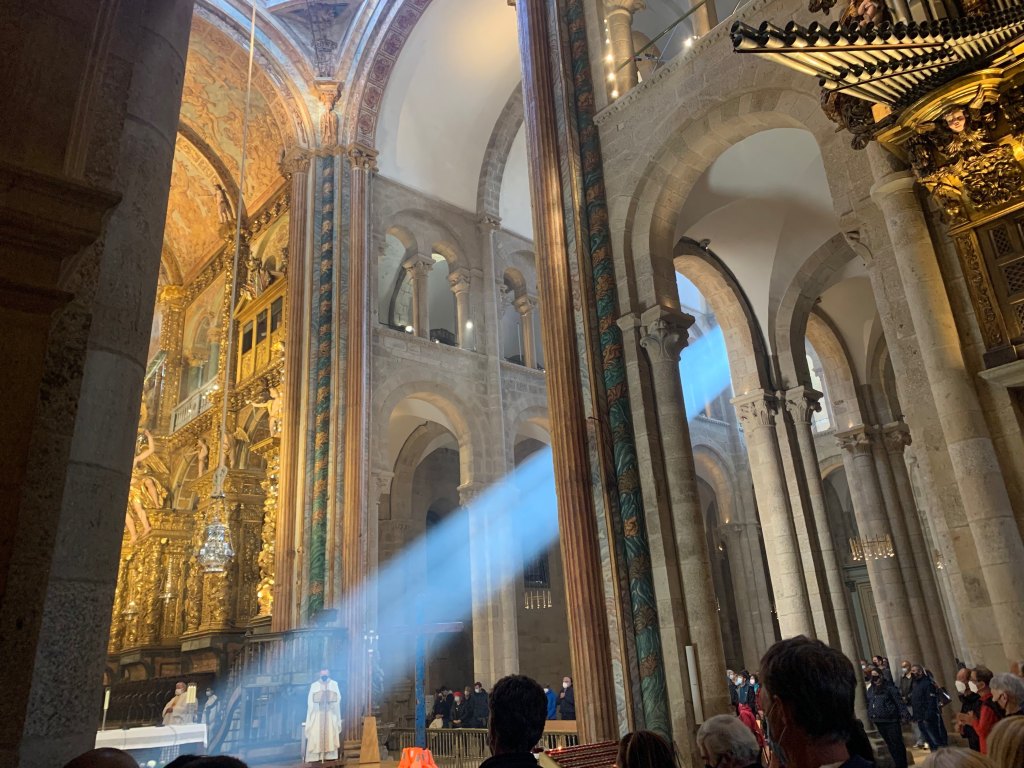

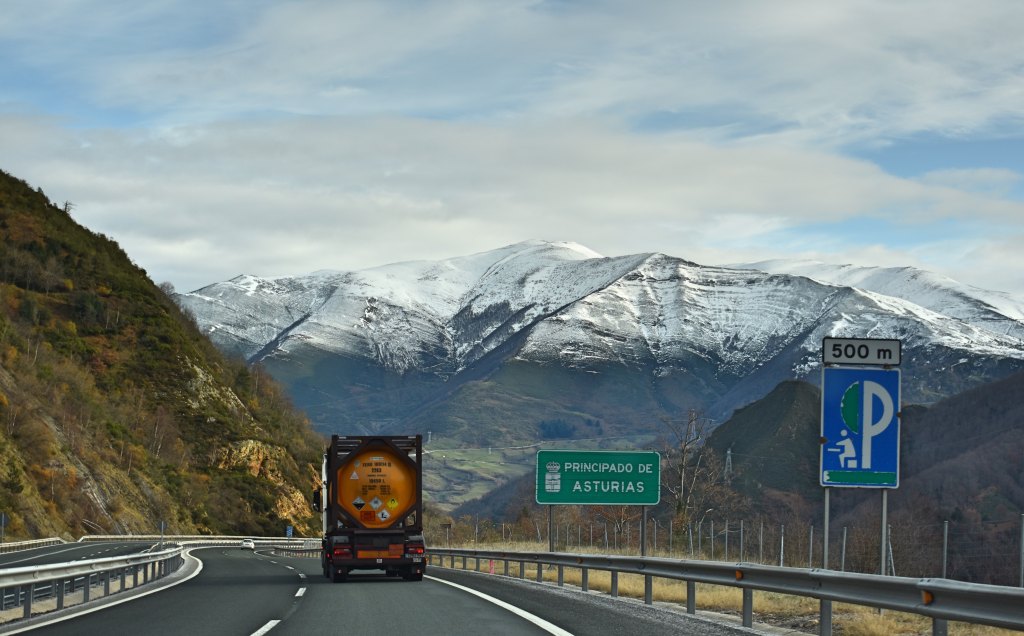
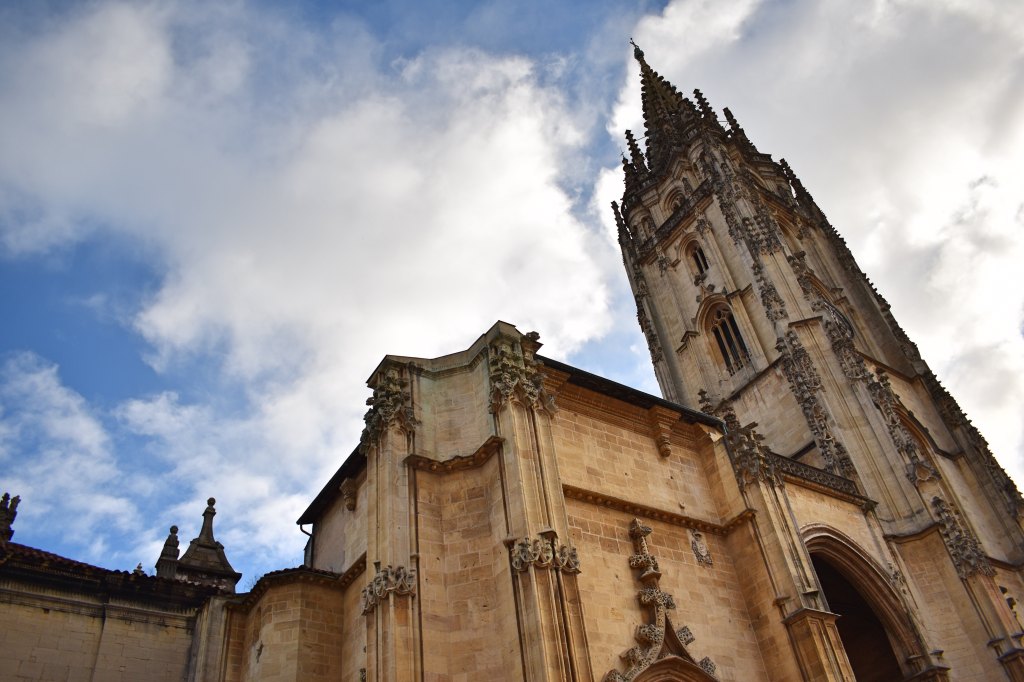
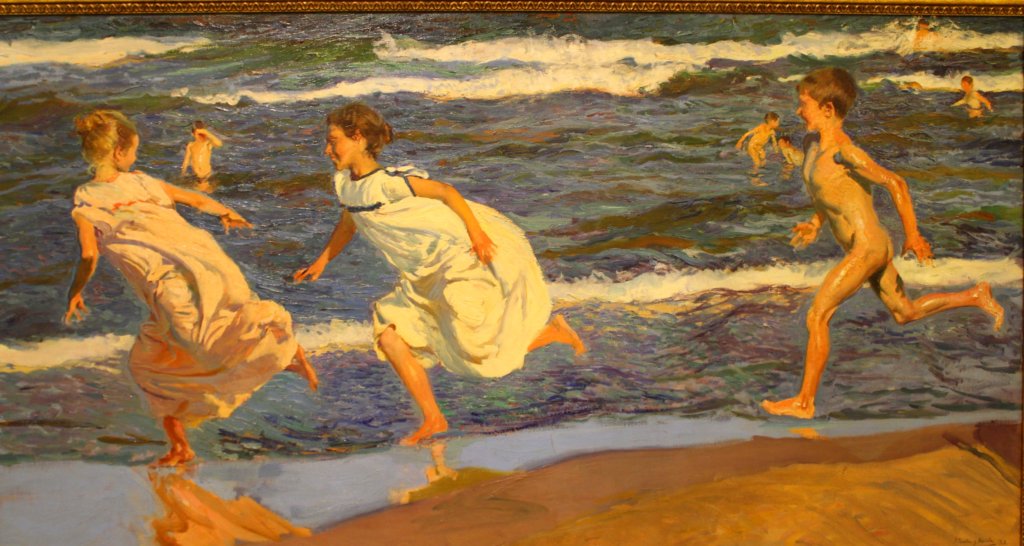
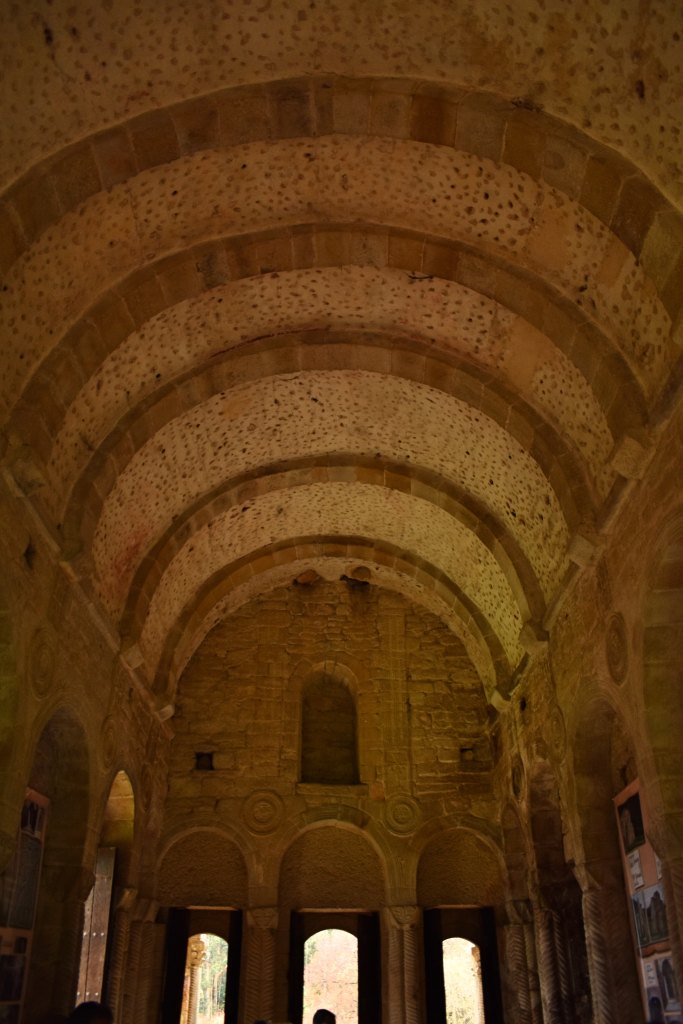


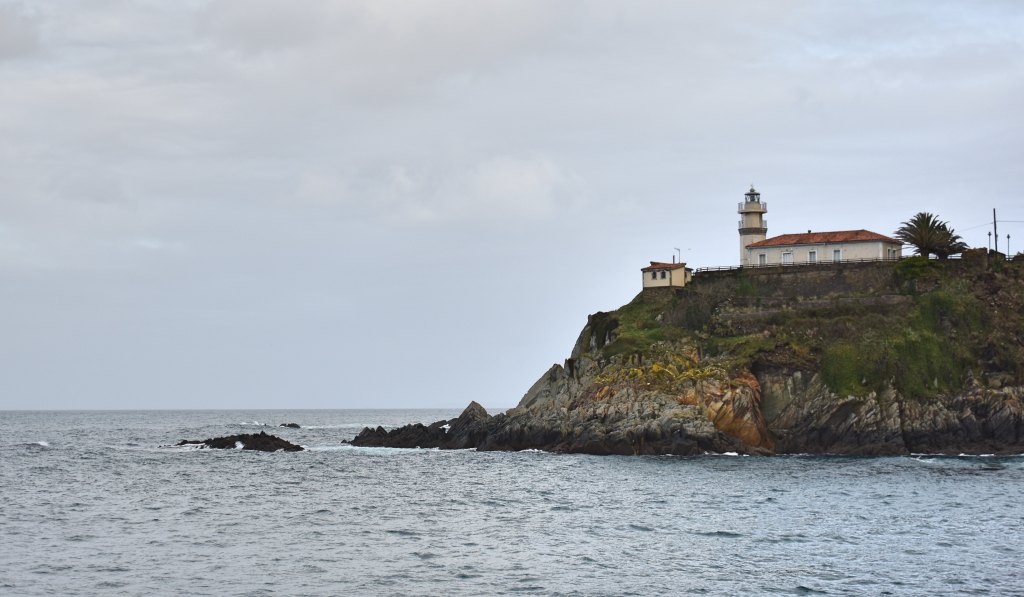
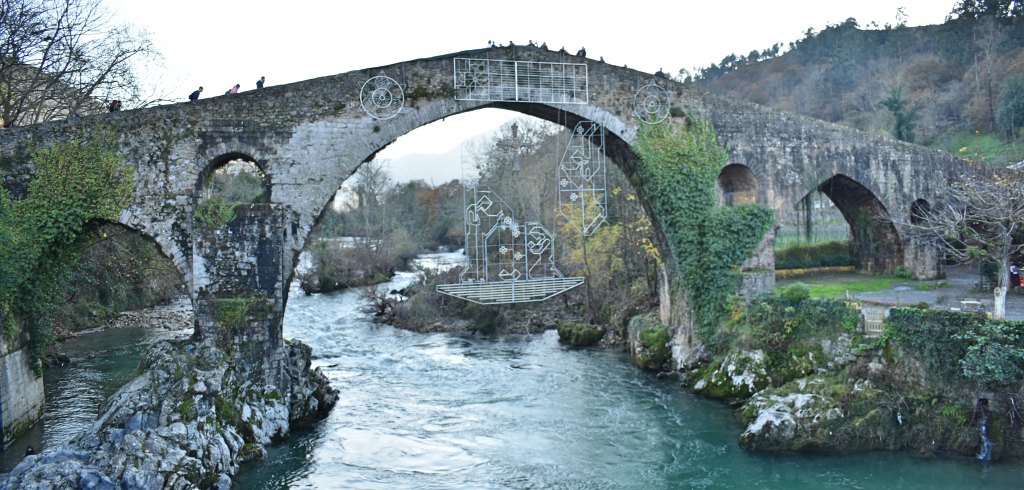

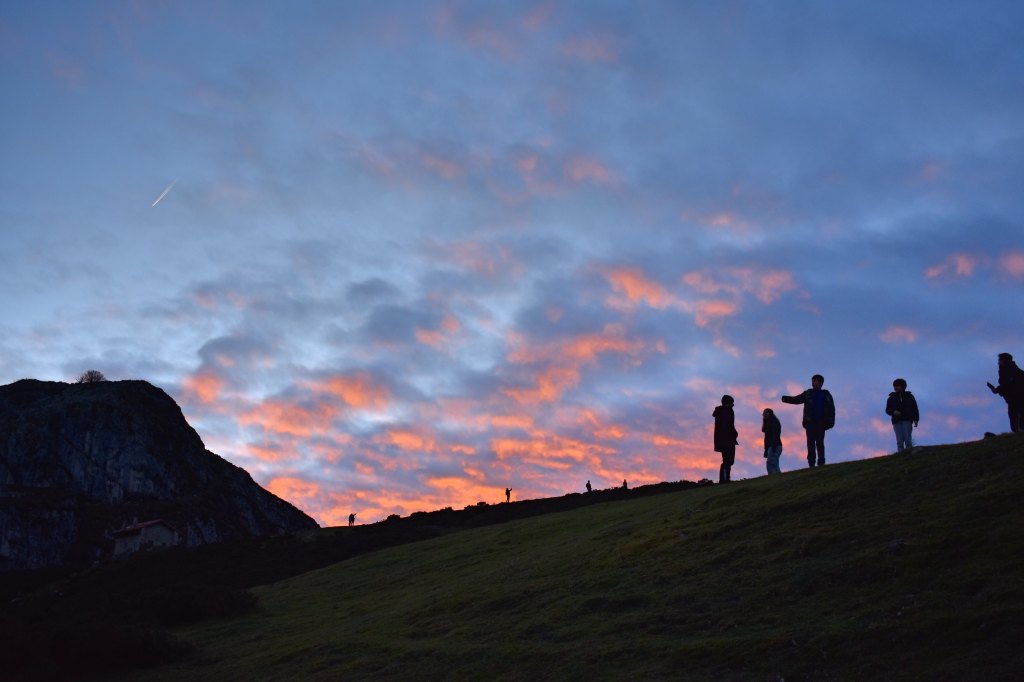
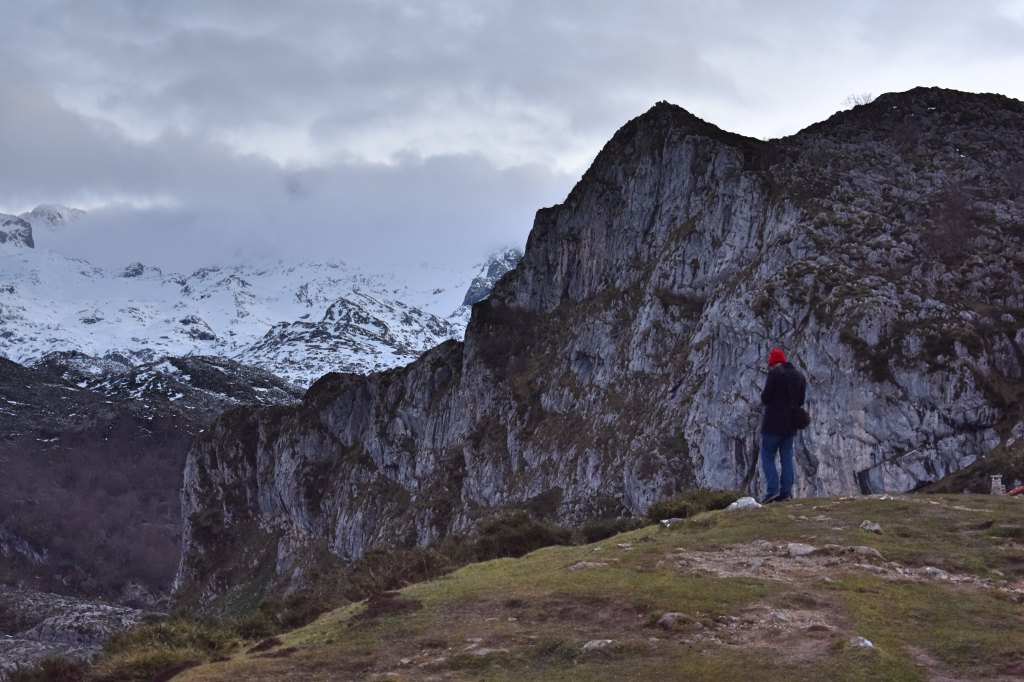
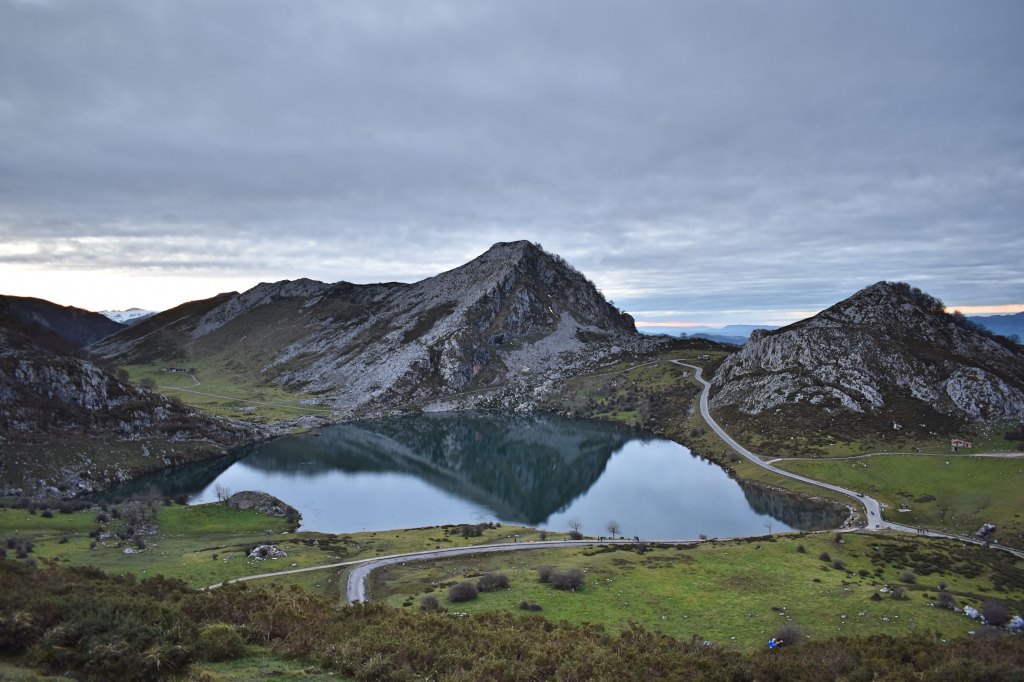
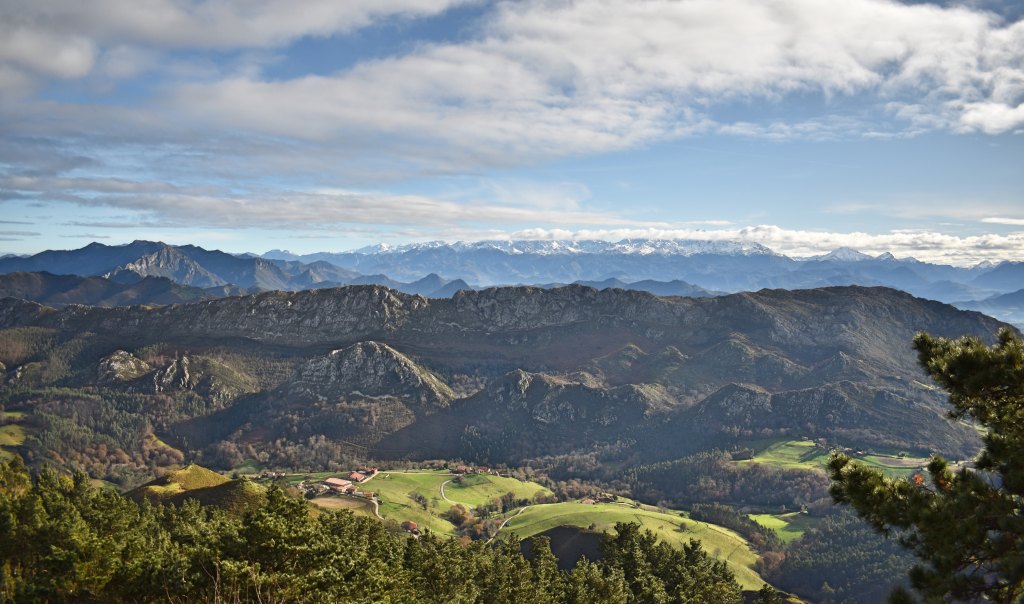
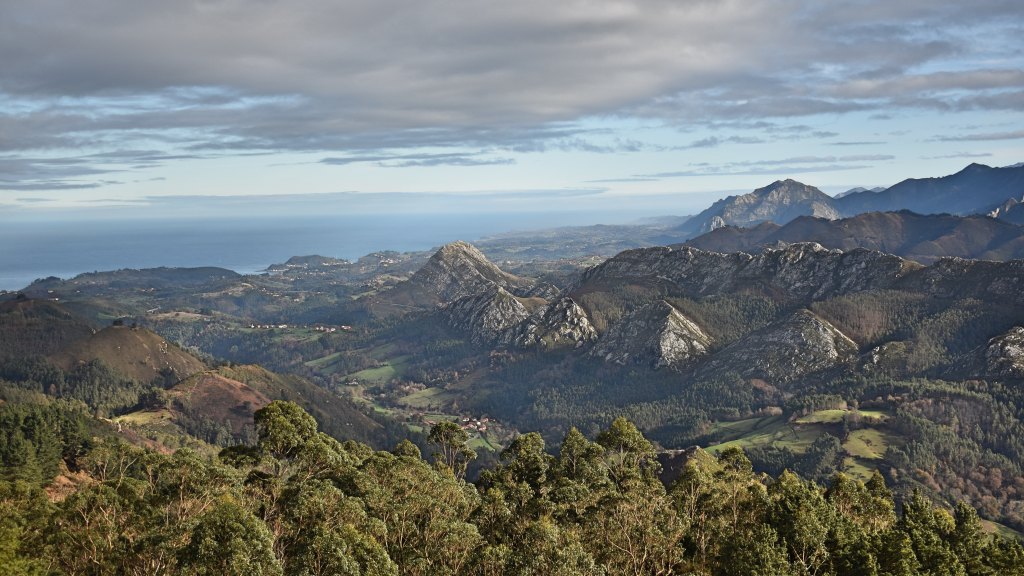
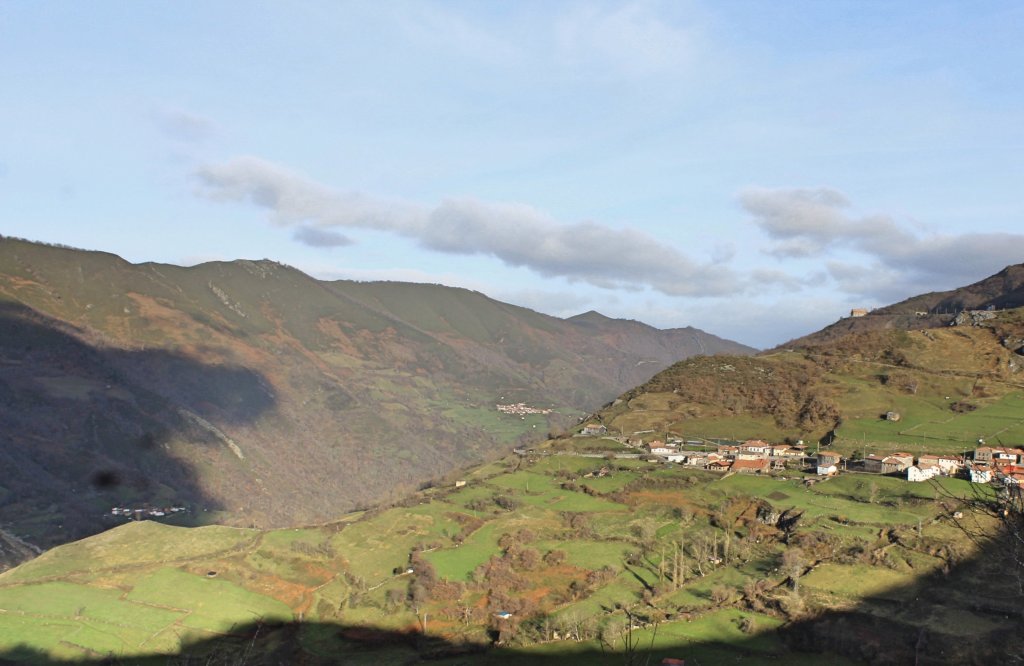
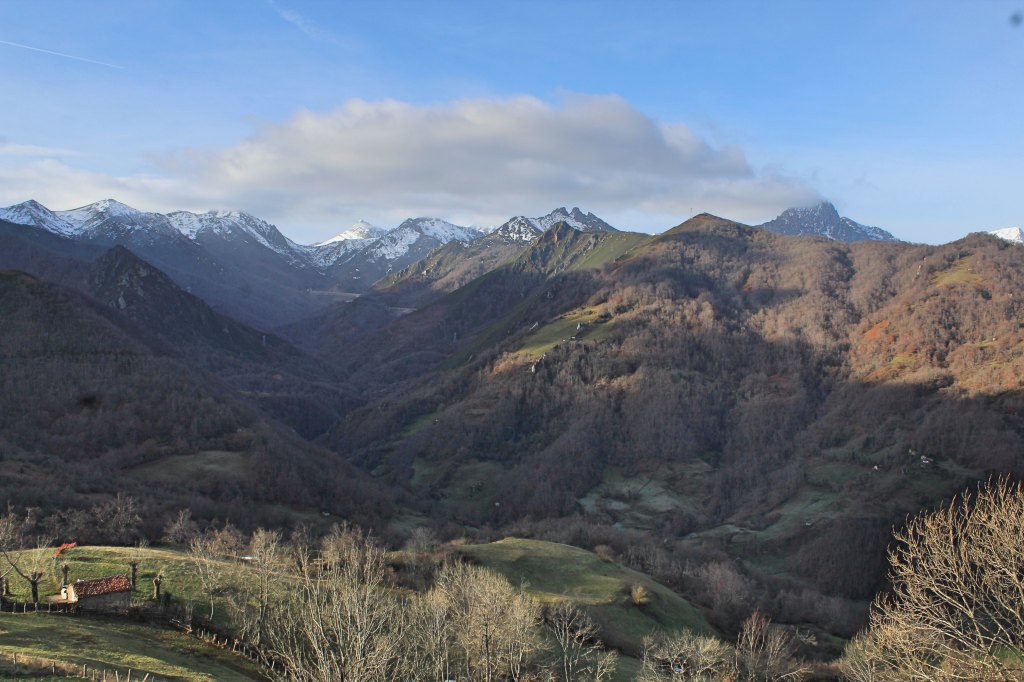
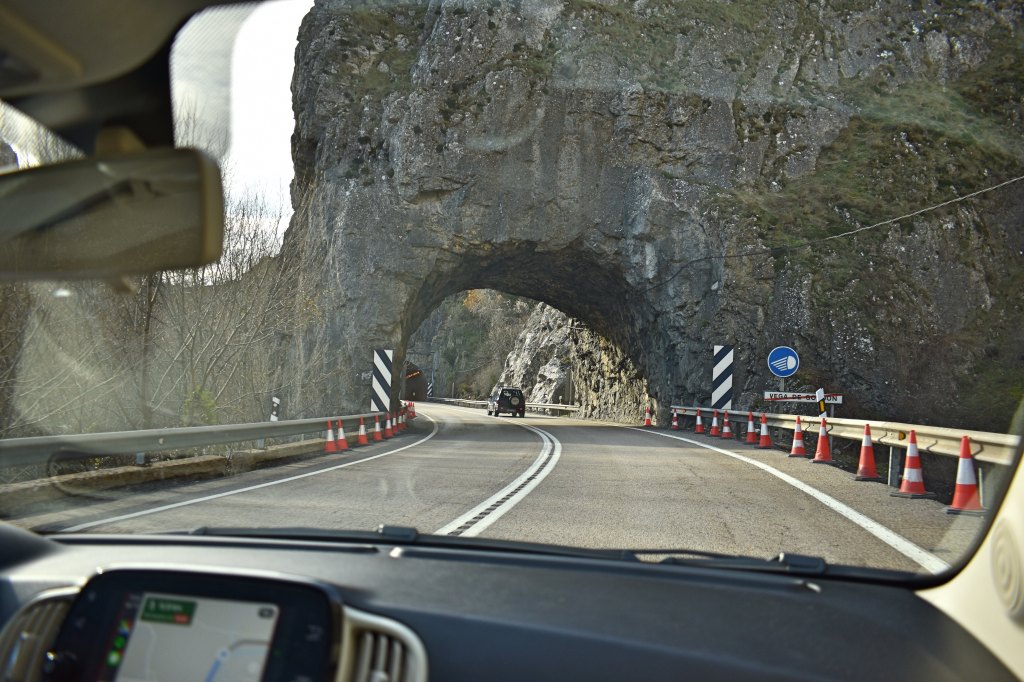
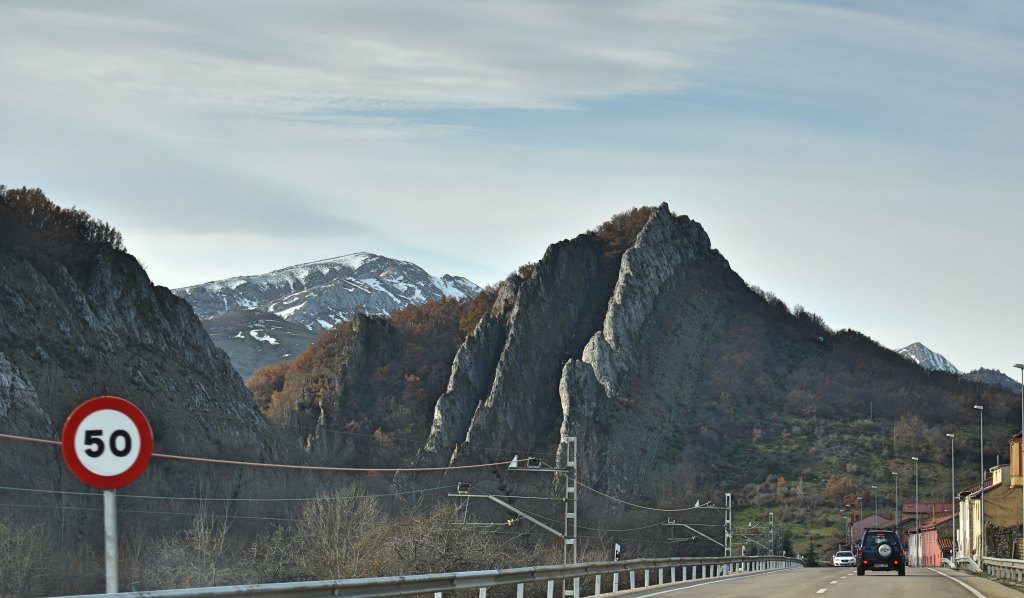
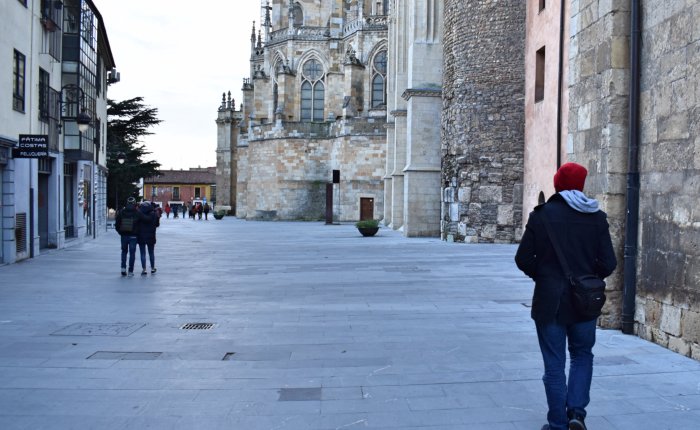
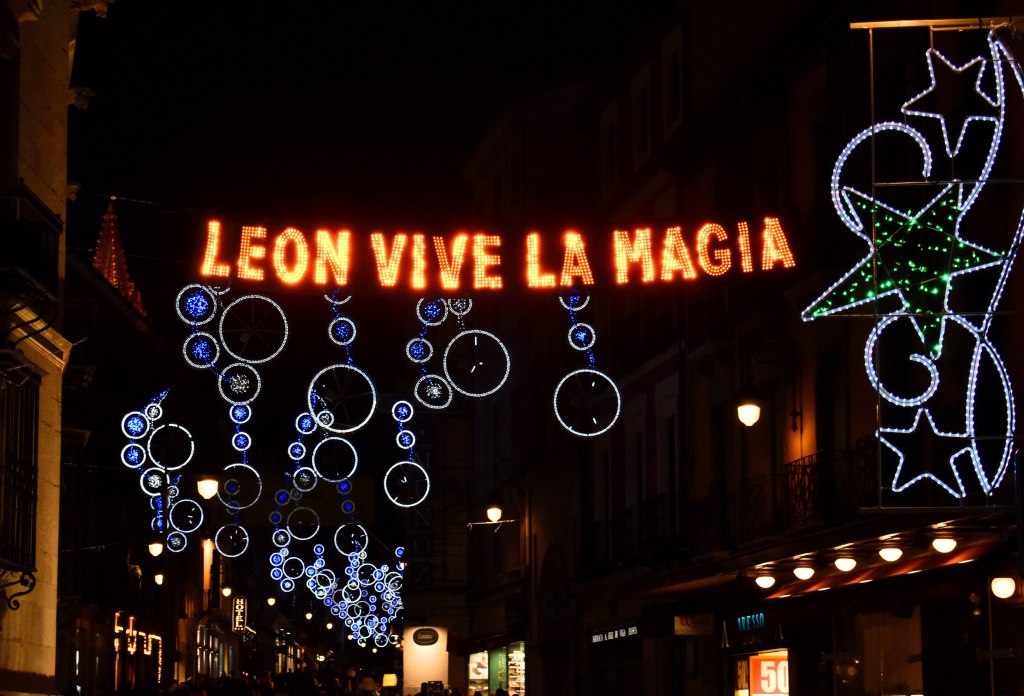

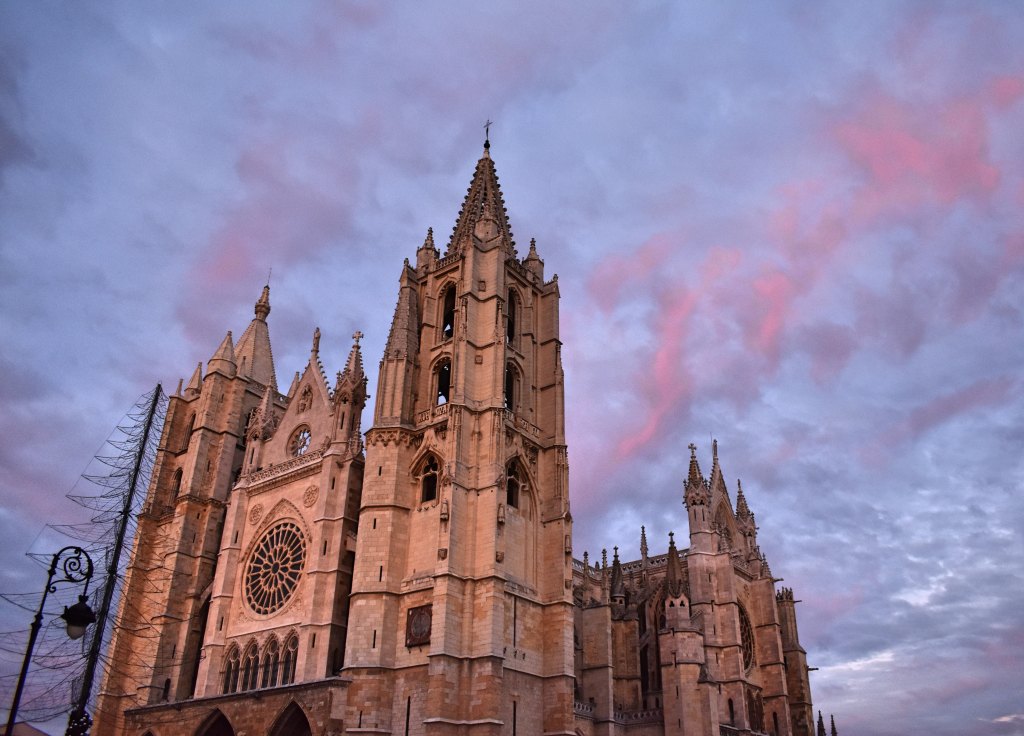
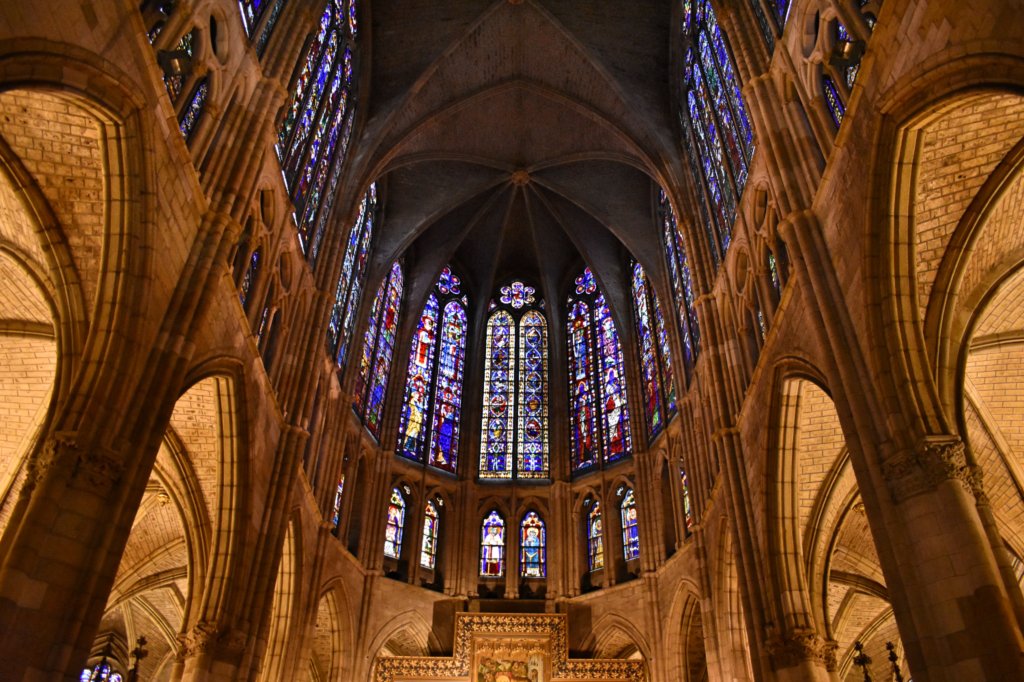

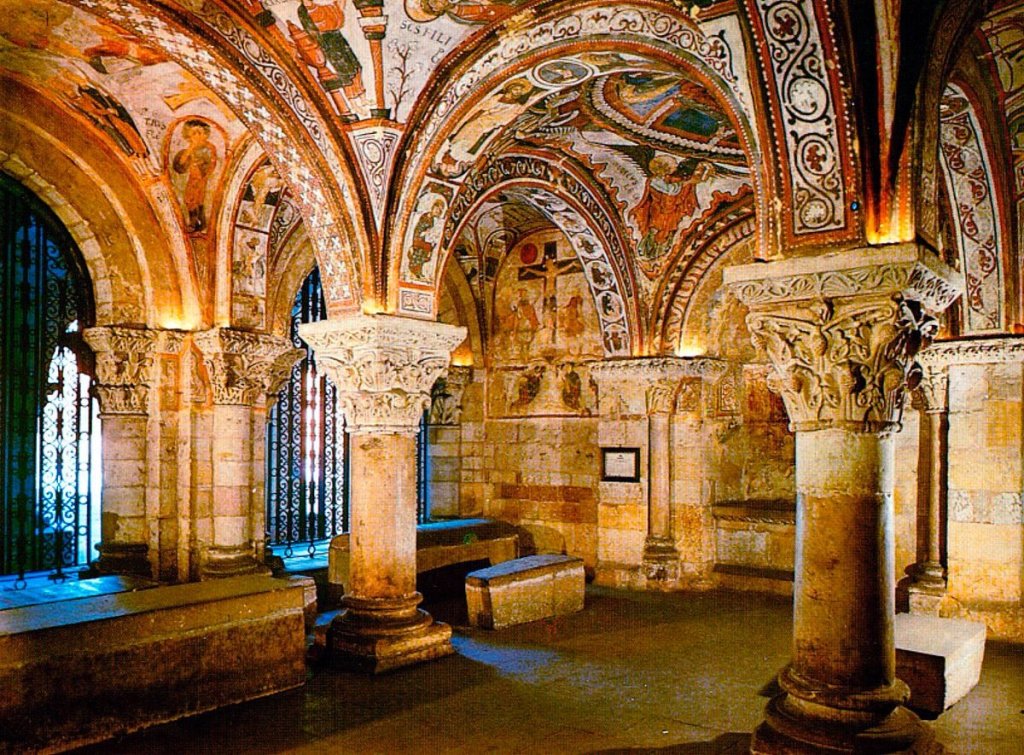

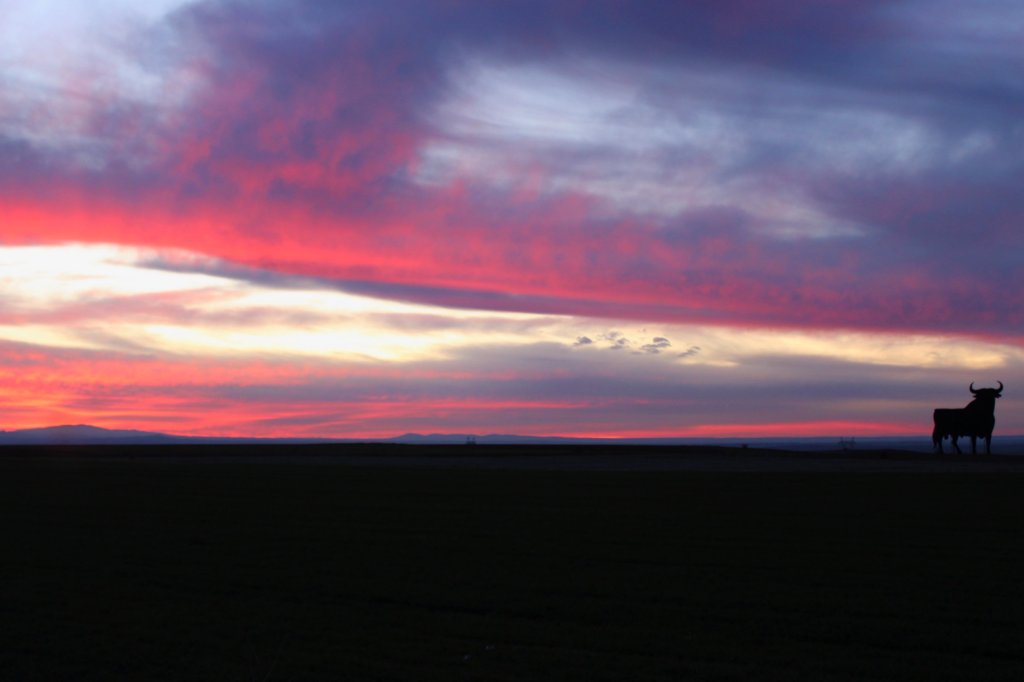
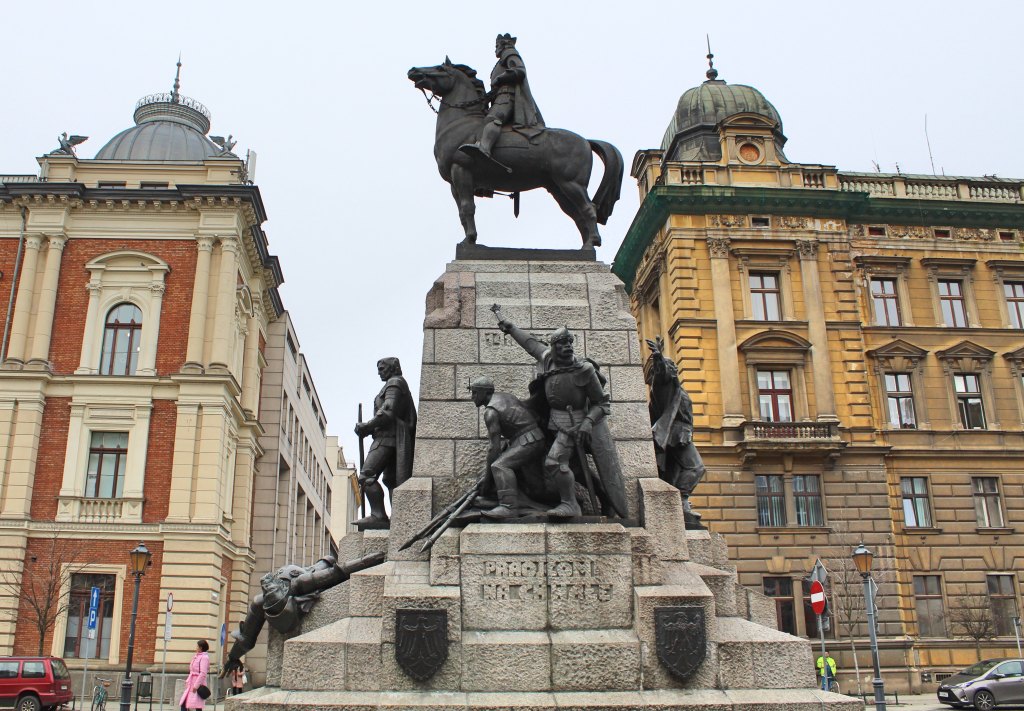


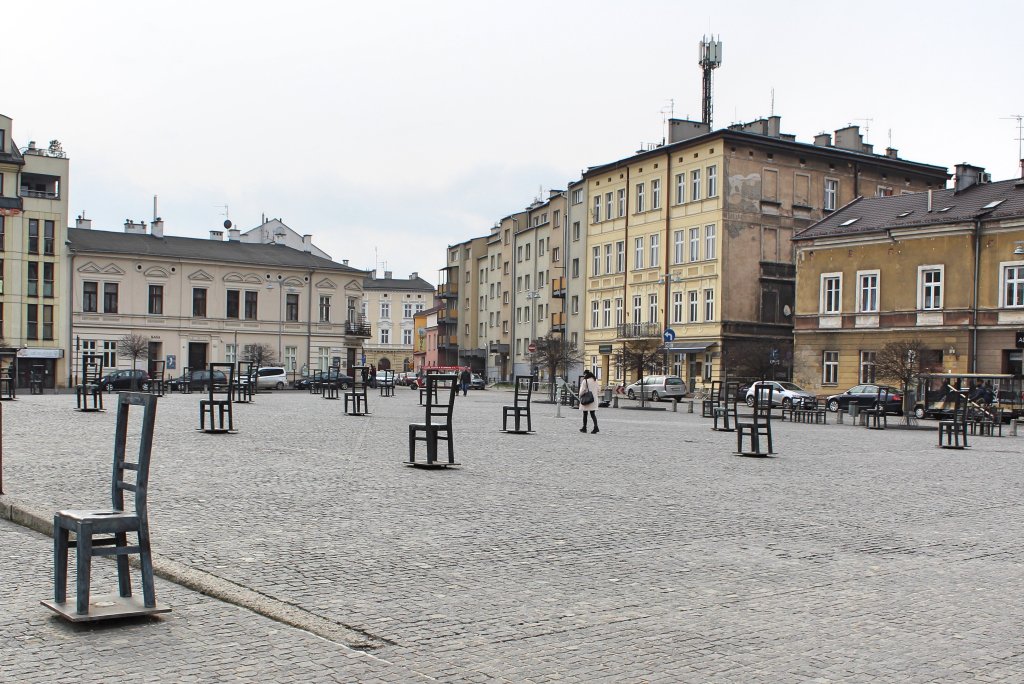

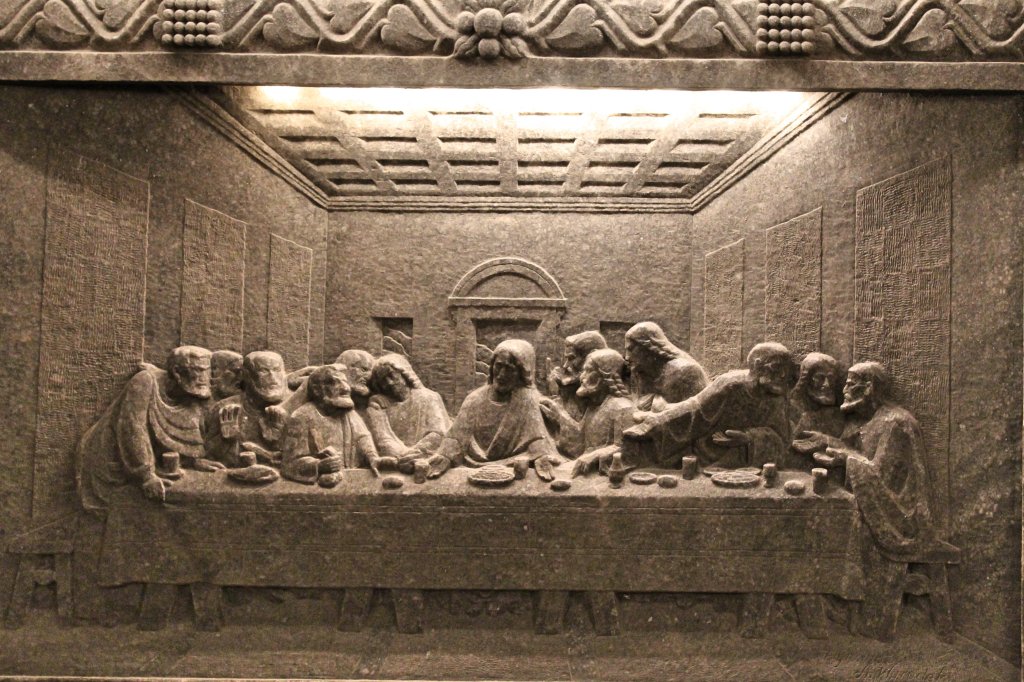
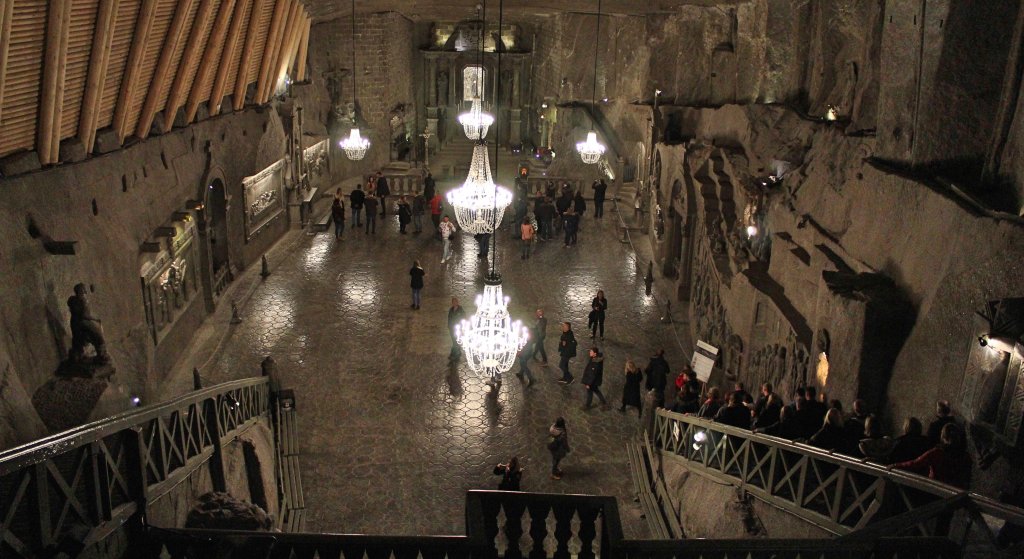
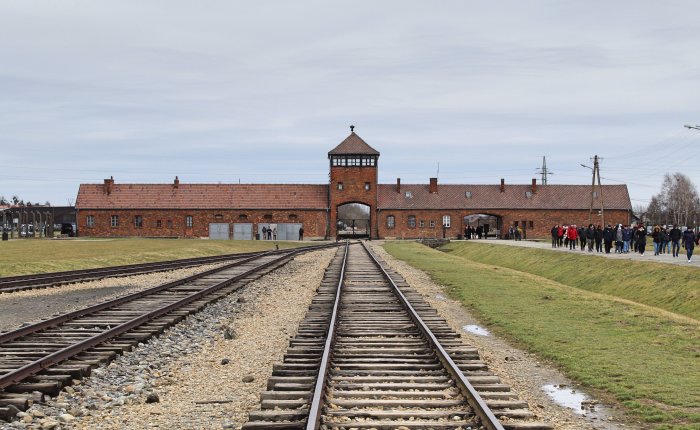
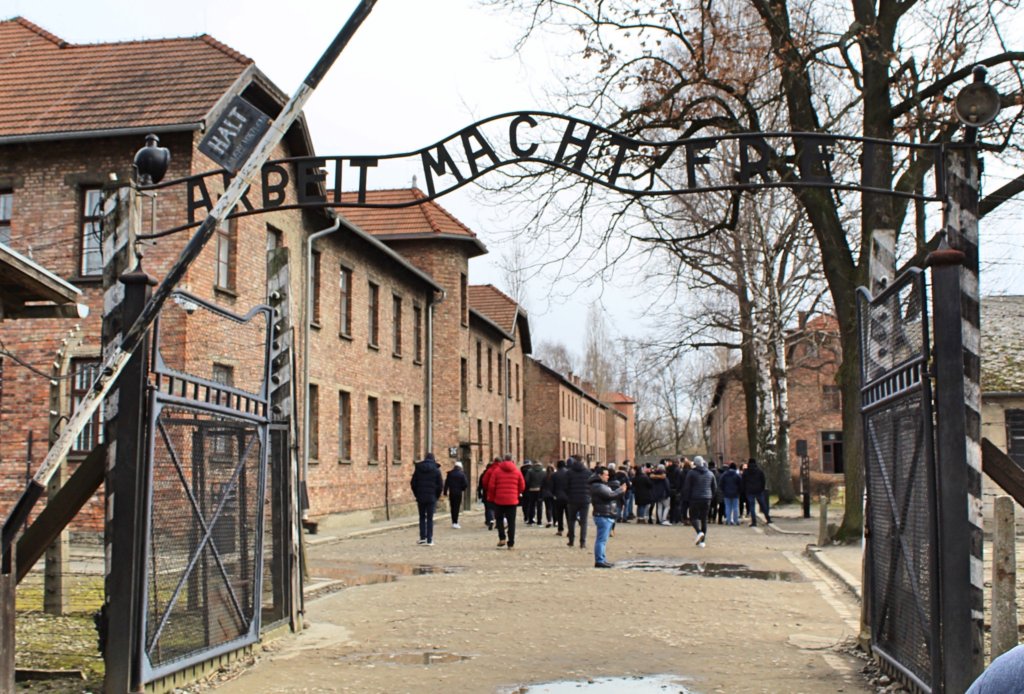
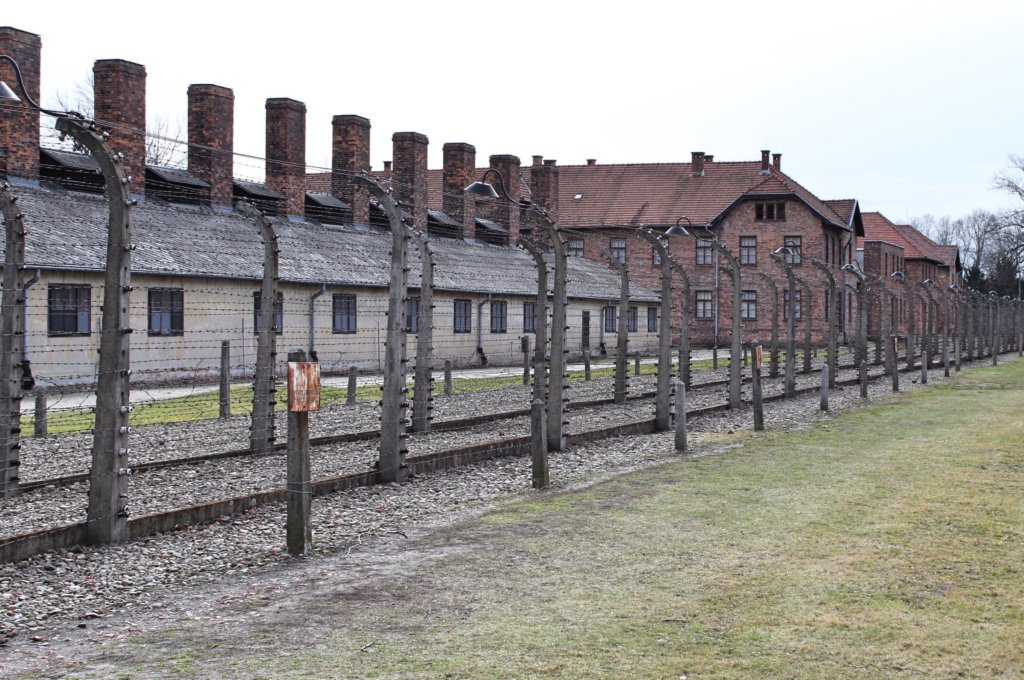


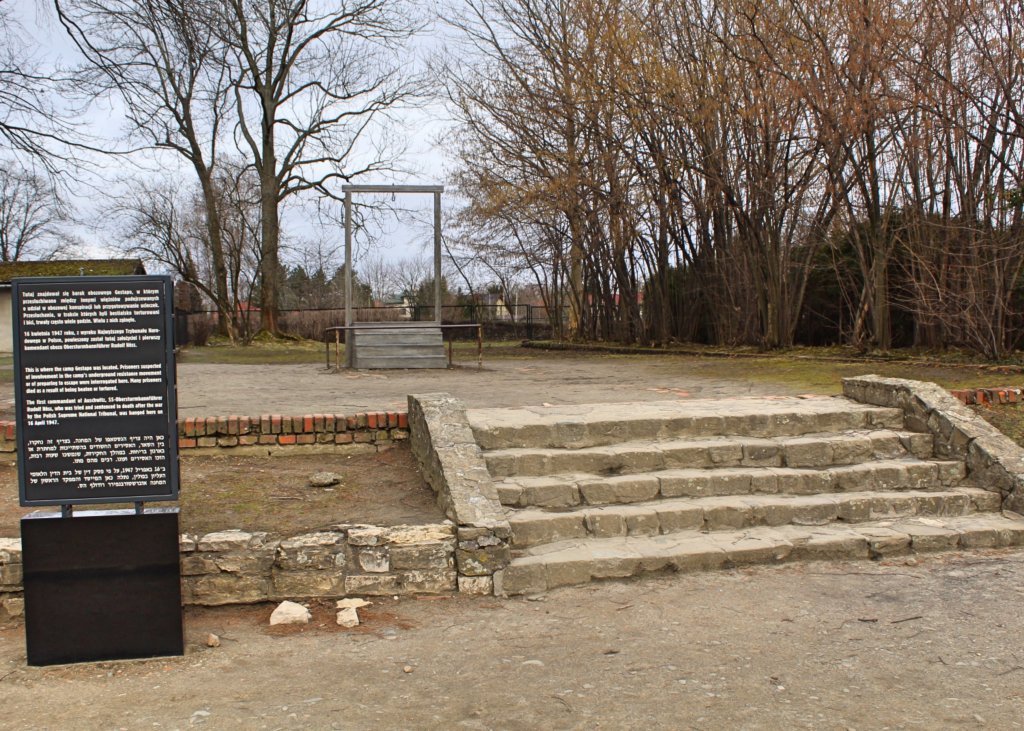


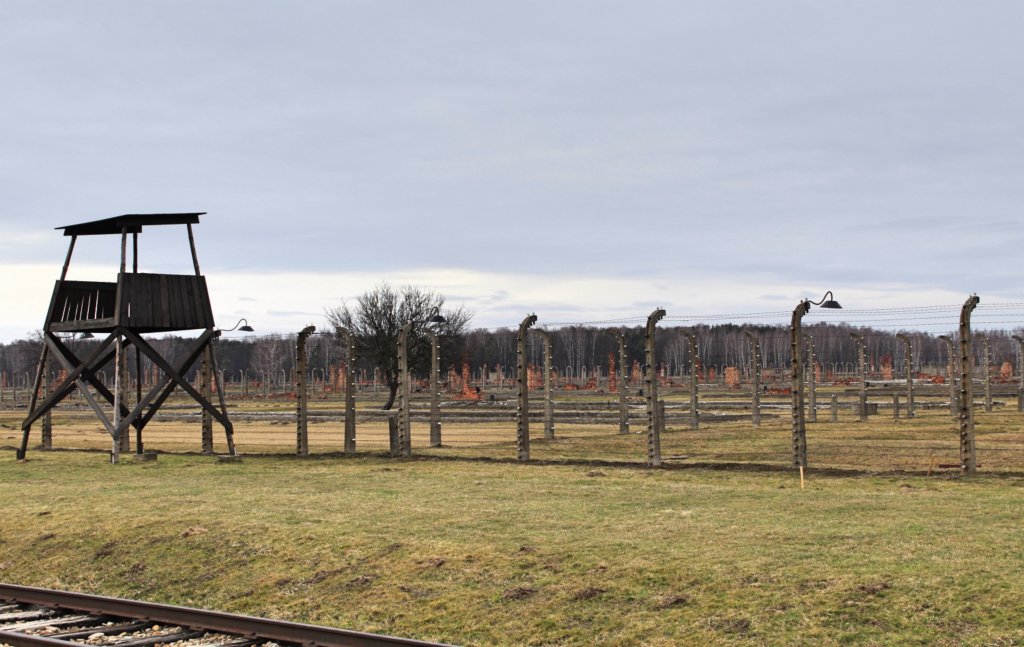

 Lotz in Translation