Lost Worlds of South America by Edwin Barnhart
My rating: 4 of 5 stars
This is the last installment (well, really, the first, but I did it backwards) in Barnhart’s lecture series on Pre-Columbian archaeology. They are all quite excellent and greatly enlightening. Throughout the series, I was constantly surprised—both at the material, and at my own ignorance of the material.
You see, I was raised in the United States, where some material on Pre-Columbian cultures was on the syllabus. Not only that, but I studied anthropology and archaeology in university. So I assumed that I would have at least a fair impression of what was going on in the Americas before Columbus.
But I had only the faintest notion. I did not know, for example, that some of the oldest stone structures on earth can be found in South America. Nor did I know that these ancient peoples also made the world’s oldest mummies. Now, mummies and stone huts may not seem very important to you, but their very early appearance underlies the surprisingly early presence of humans in the Americas. For a long time it was thought that humans crossed the Bering Strait after the end of the last ice age, around 11,000 years ago. Many recent findings have dramatically pushed back the date of these first humans, however; and most mysteriously, the oldest finds are in South America.
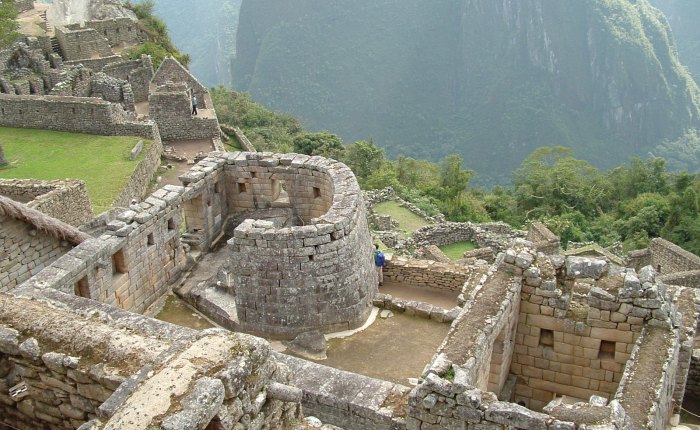
In high school I was taught about the Inca. But I did not realize that the Inca Empire occupied only a small part of this long history. Nor did I know anything at all about the other historical cultures that preceded the Inca—the Moche, the Chavín, or the Norte Chico, just to name a few. Of the Inca, I knew little more than that they were conquered by Pizarro and built Machu Picchu. That they built earth-quake resistant buildings, an enormous system of roads, and even (possibly) a writing system (quipu) in the form of knots—all this had either been either forgotten or never learned.
In short, I would encourage all Americans to get better acquainted with these ancient peoples. Most of us know, on some level, that the land had been occupied before Europeans arrived. But it is difficult to wrap your mind around the scale of what was lost. These lectures are an excellent place to start. By carefully examining the archaeological record, Barnhart brings this lost world—at least partially—back to life. And as he constantly reminds us, there is still much left to learn.
View all my reviews
Tag: Pizarro
Images of Extremadura: Trujillo, Cáceres, and Monfragüe
Even though Halloween is not nearly as popular in Spain as it is in my own country, it is still a time of celebration. For the day after Halloween, November 1st, is All Saints’ Day. and this means that we have a long weekend. I took the opportunity to visit one of the lesser-known regions of Spain: Extremadura. This is the area that lies to the Southwest of Madrid. Known for its relative poverty (the area is mostly agricultural, with hardly any industry), Extremadura nevertheless produces some of the country’s finest cured meats. Its cuisine is delightful.
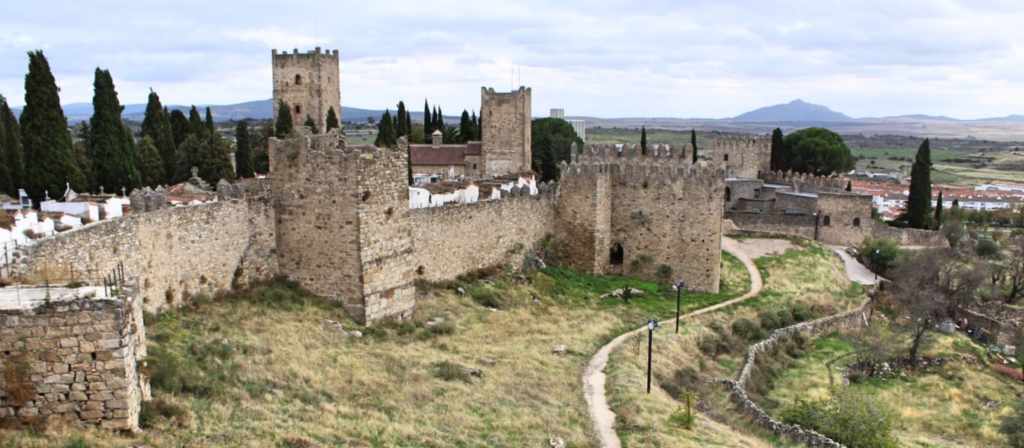
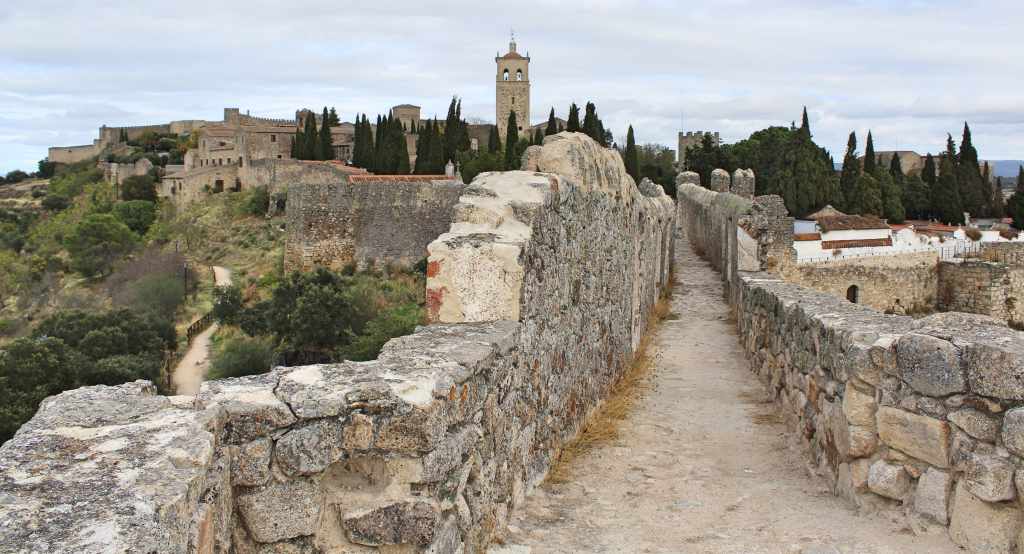
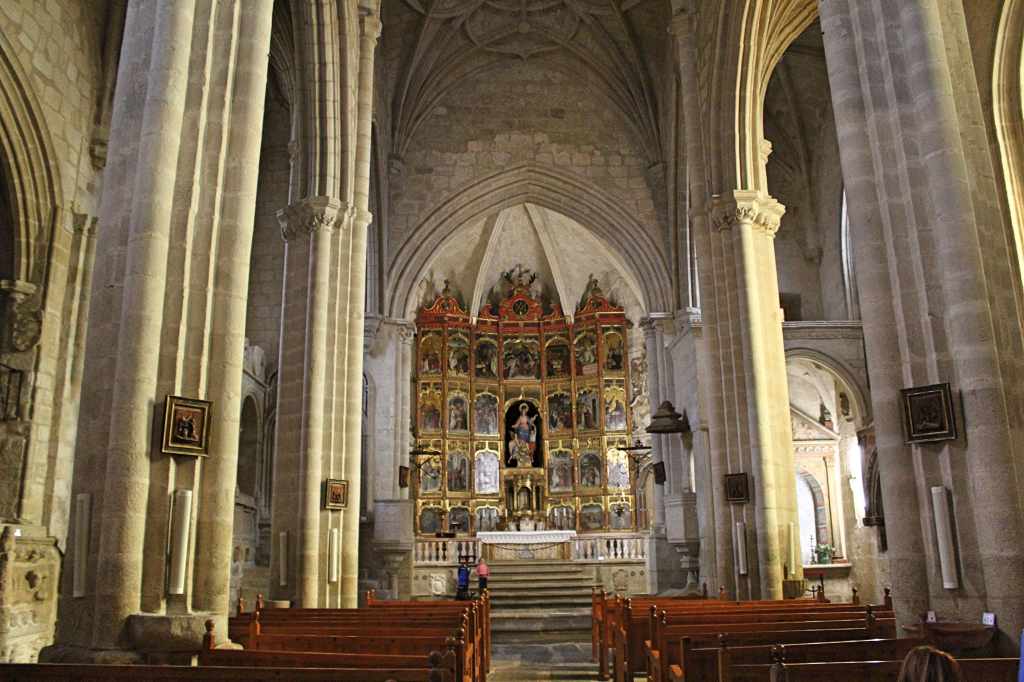
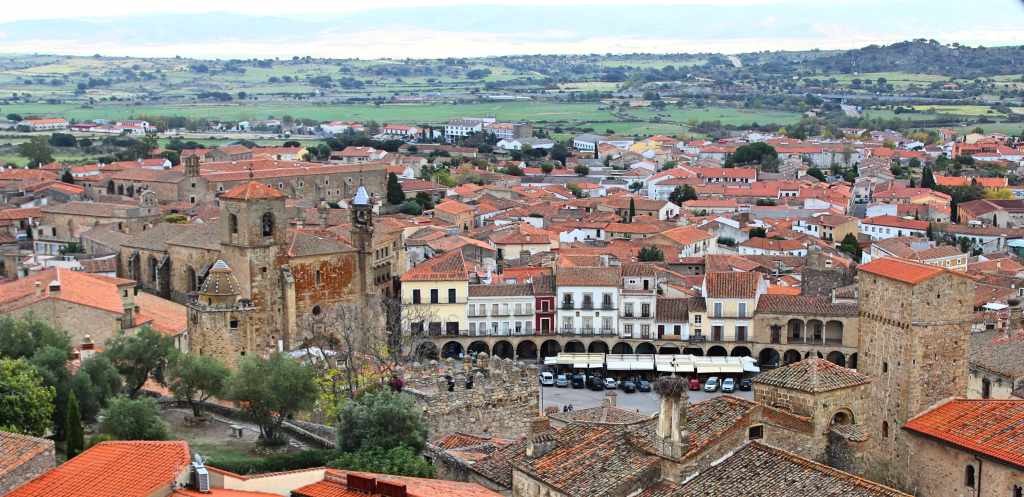
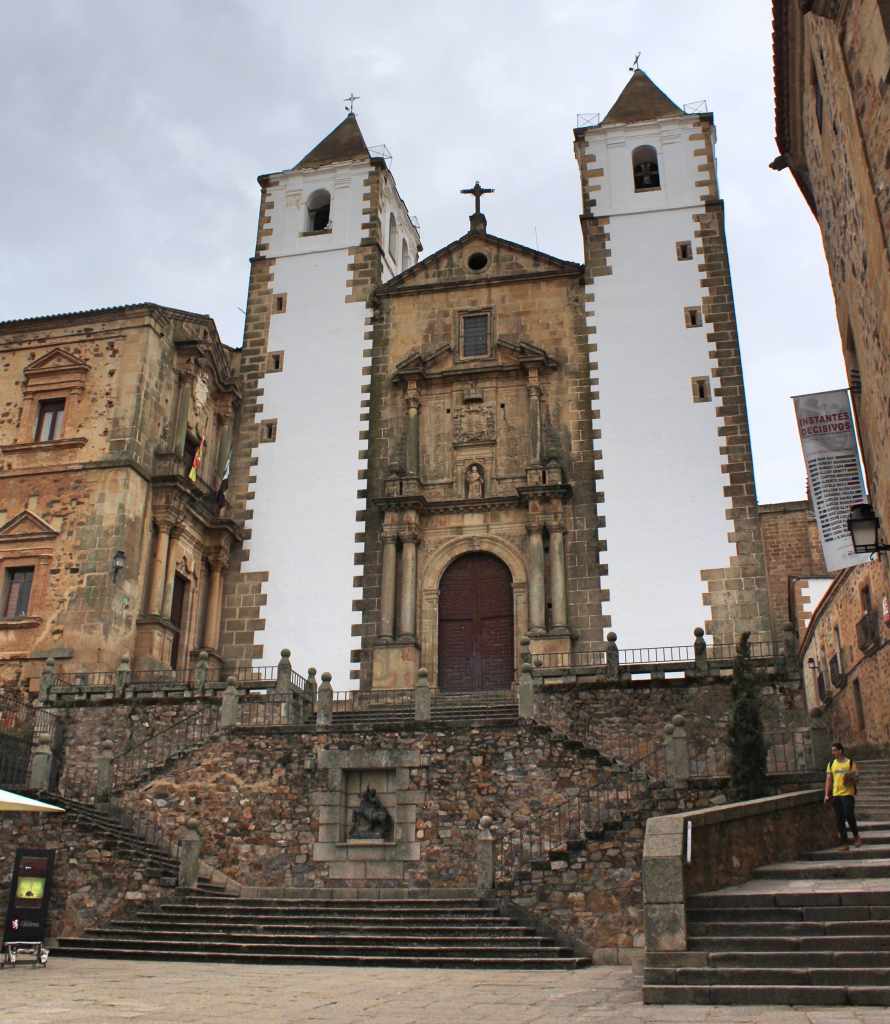
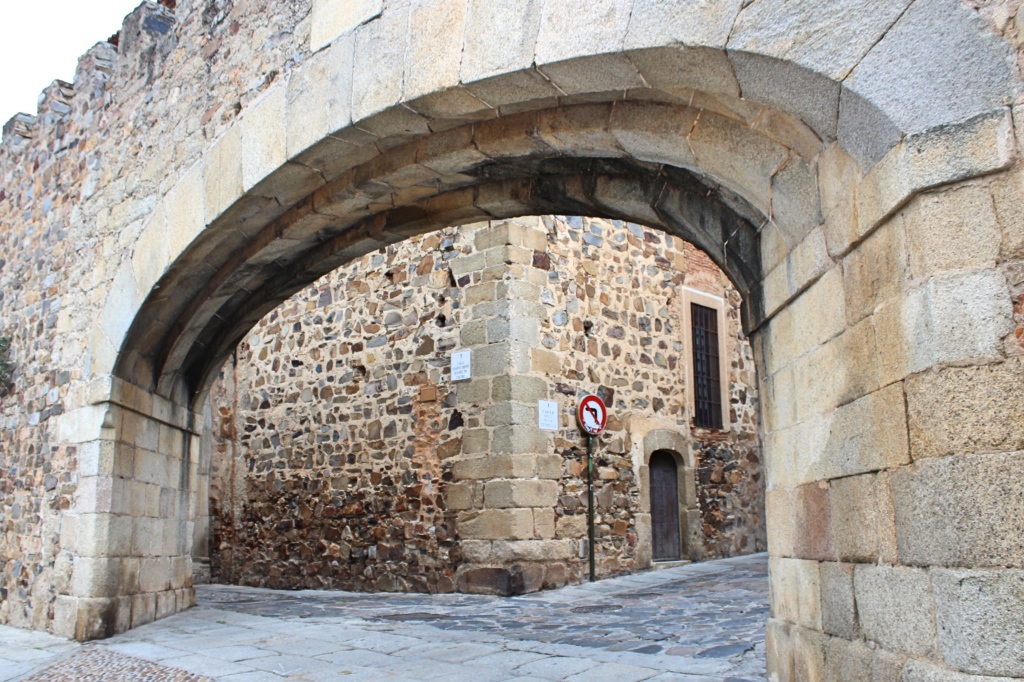
Our first stop was the town of Trujillo. This is a small town (with less than 10,000 inhabitants) famous for being both beautiful and historically significant. The town owes its beauty partly to its location. Situated atop a granite knoll, the town has a commanding view of the surroundings, and the plentiful local rock has been quarried and used to give all the buildings a uniform appearance. The whole place is stone—from the pavement stones, to the restaurants, to the churches, to the city walls.
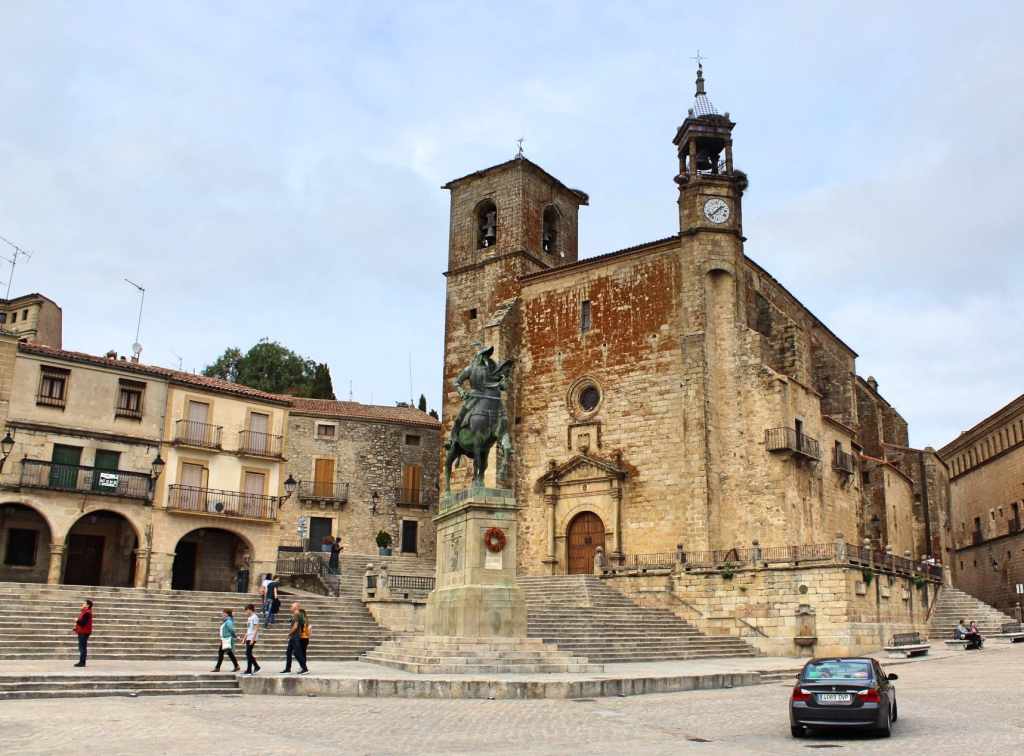
The town is also known for being the home of several Conquistadores (the Spaniards who conquered the New World), most notably Francisco Pizarro, the man who conquered the Incan Empire. Nowadays, of course, we are more likely to feel uneasy at this “accomplishment” of destroying a whole civilization. Even so, he is a historical character of immense importance. Pizarro’s statue stands in the main square, looking properly triumphant. (Hernan Cortés, the conquirer of the Aztecs, was from a small village not so far off. I wonder why Extremadura was a breeding-ground for these characters.)


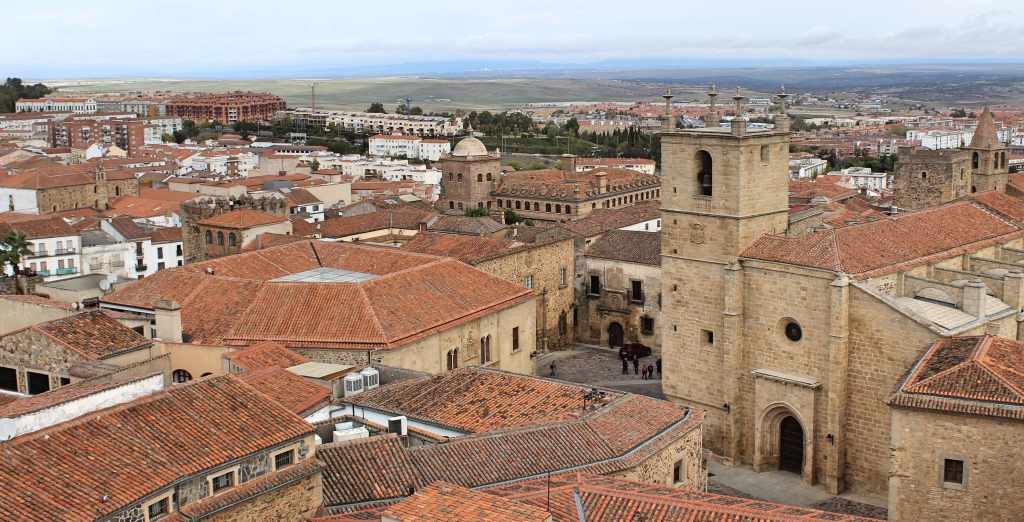
Later that day we went to Cáceres, the second-largest city in the whole province. Cáceres also has a beautifully-preserved historical center, making it a lovely place to walk around. But perhaps even more important, Cáceres has an excellent food scene. There are many superb restaurants in the city.


The next morning we left Cáceres early to go to the National Park of Monfragüe. This is a beautiful area of green hills around the valley of the Tajo River. Humans have been drawn to this area for a long time. In the center of the park, high up on a hill, are the remains of a medieval fortress. In a cave on that same hill, cave paintings have been found, dating from thousands of years ago.
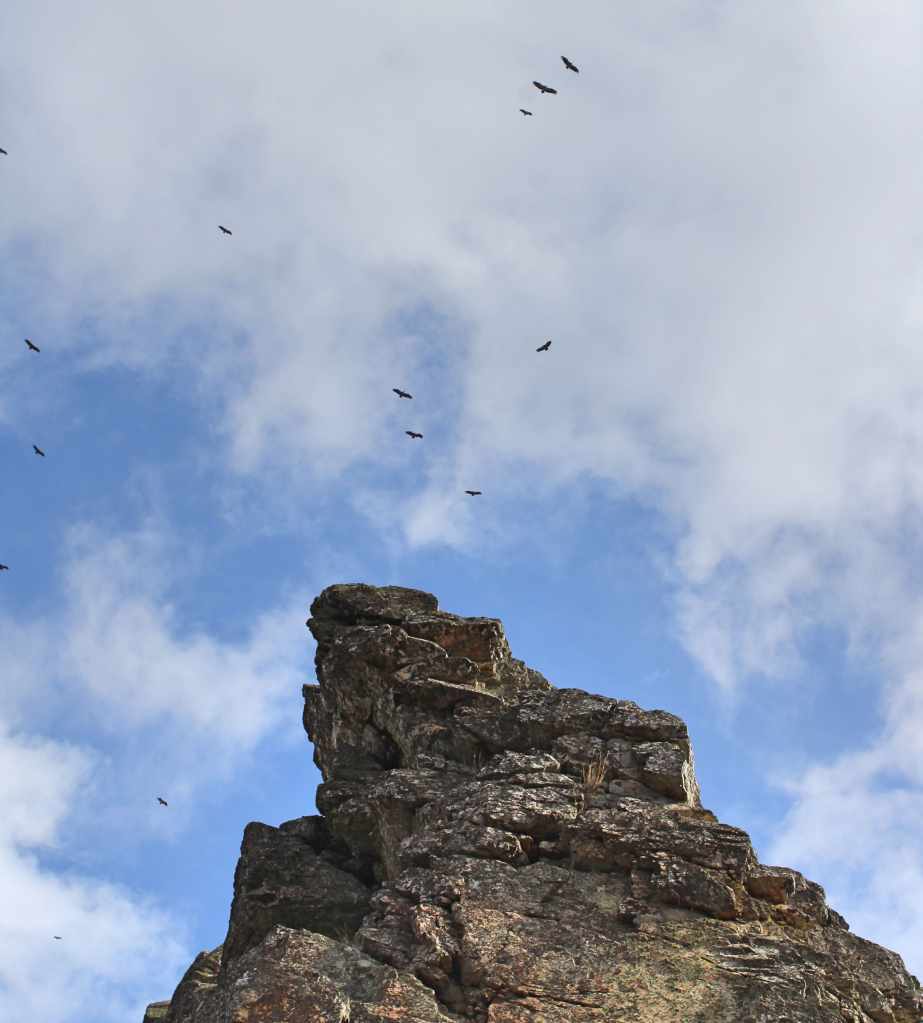
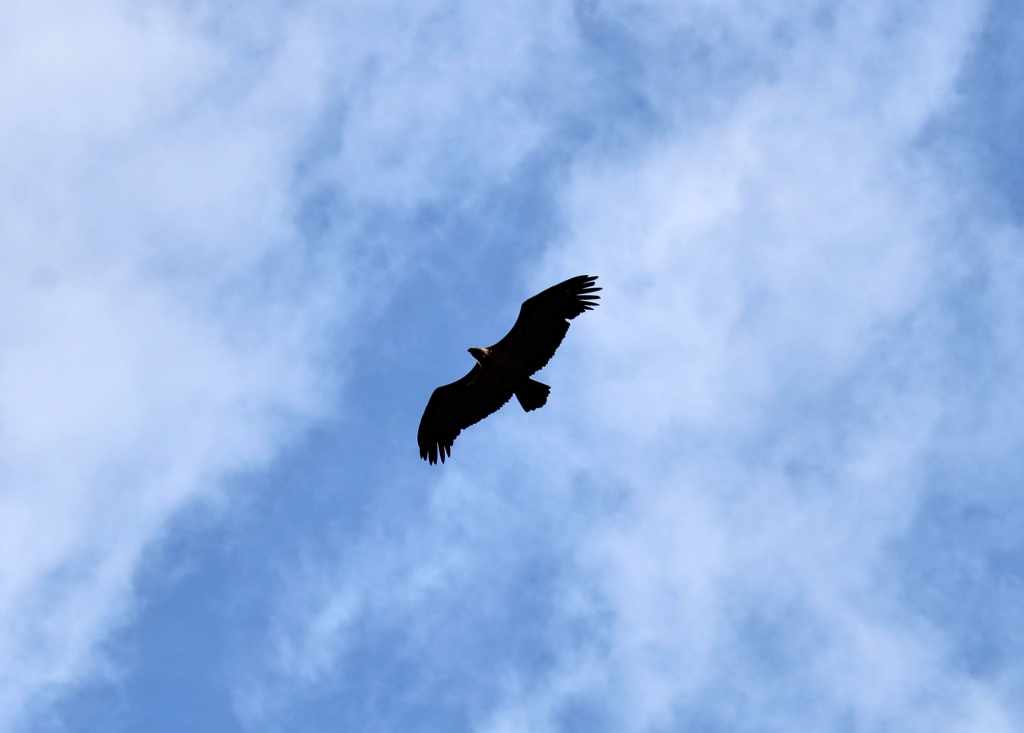
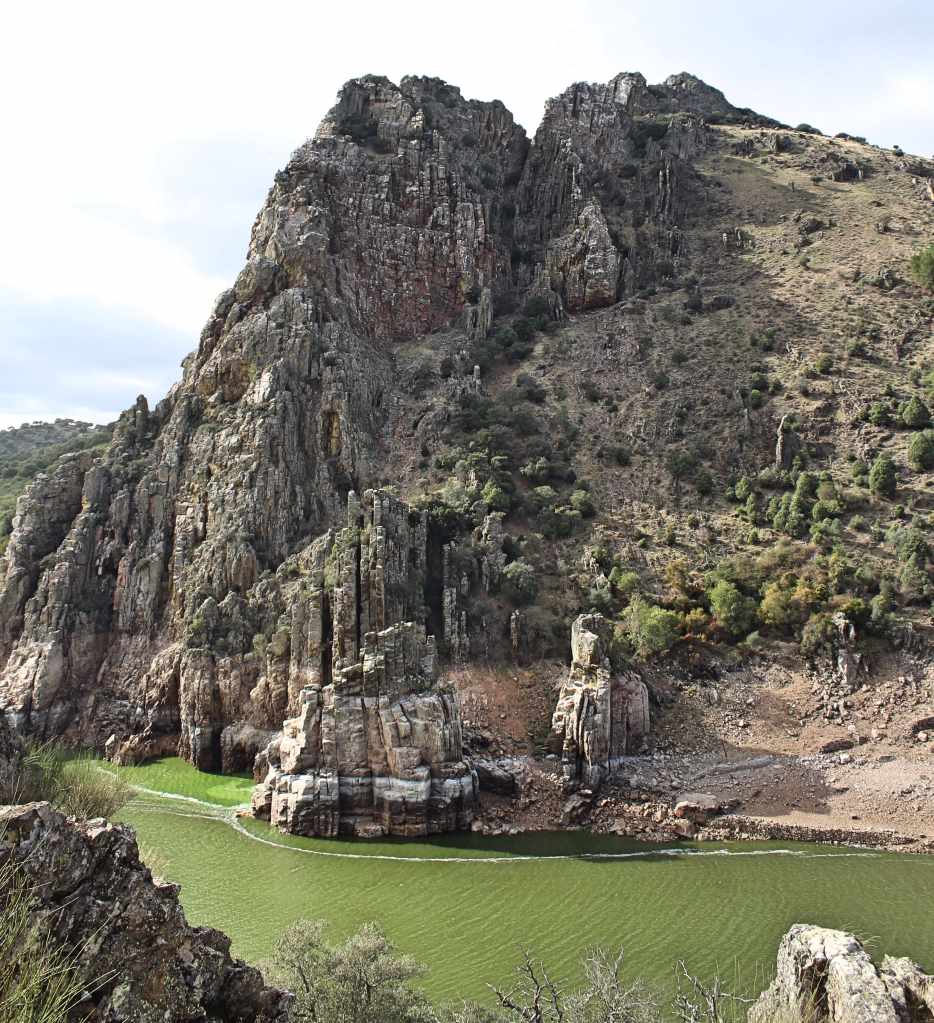
Nowadays tourists mostly come for the birds. A massive rock formation, called the Salto del Gitano (or the “gypsy’s jump”), sits at the river’s edge, creating a persistent updraft. For whatever reason, predatory birds—most notably vultures, but eagles as well—enjoy coasting in this pillow of air. This has made the park one of the best places for bird-watching in all of Europe.