Of the many famous names associated with the Hudson Valley—John D. Rockefeller, Alexander Hamilton, Washington Irving, just to name a few—one name looms over them all: Franklin Delano Roosevelt. He needs no introduction. As president, he guided the nation through two existential threats; and he did much of his work from the home where he was born, overlooking the Hudson River.
The young cousin of the great Teddy Roosevelt—whose own stately home Long Island, Sagamore Hill, has also been turned into a monument—Franklin was from a wealthy family. His father, James, had a degree in law but chose to stop practicing, having received an ample inheritance. It was James who purchased the property in 1866, which he dubbed “Springwood” (a fairly bland name, if you ask me). And it was here, on January 30th, 1882, that his son Franklin was born.
When Franklin himself inherited the house, in 1900, he set about expanding and improving the place. Children notwithstanding, the extra space was mainly to house his collections of books, prints, model ships, stuffed birds, and other paraphernalia. He was apparently something of a packrat. But the result of this remodeling is a beautiful neoclassical structure—grand, without being grandiose.
Having been donated to the government two years before his death, the furnishings of the house are perfectly preserved. Often these are just the sort of things one might expect to see in the house of a patrician: fine furniture, oil paintings, expensive pottery. But a few things stick out in my memory. The most impressive room in the house is Franklin’s library, a beautiful space with dark, polished oak bookshelves filled to the brim. Other rooms are surprising for their simplicity. The bedrooms are anything but luxurious; and the dining room, though elegant, hardly seems big enough for the entourage of the head of state.
Undoubtedly the loveliest aspect of the house is its location. The view of the Hudson Valley from its upper floors could hardly be improved. It is no wonder that the young Franklin came to have a keen appreciation for natural scenery—doing more to expand America’s national parks than even his mustachioed cousin.
The tour of the house is relatively brief. After that, the visitor is free to explore the grounds. Nearby are the stables (Franklin’s father was an avid horse breeder), and I was amused to find a plaque for a horse named “New Deal.”
My mom and my brother, who was in his pandemic mustache phase
But the most moving spot on the entire property is Franklin’s tomb. As per his instructions, he is buried in his garden, where a sundial used to stand, encircled by roses. His tombstone is plain white marble, devoid of any decorations. The president died unexpectedly at the age of 63, of a brain hemorrhage, after being elected a record four times. His body was carried in a grand and somber procession to this place, as the shocked nation mourned his loss.
Interred with him is his wife, Eleanor, who died seventeen years later, in 1962. She was just as much a revolutionary as her husband, and transformed what it meant to be First Lady. If I had properly done my research, I would have gone to see her famous residence, Val-Kill, which is about two miles east of Springwood. Eleanor purchased this property along with two women’s rights activists, Nancy Cook and Marion Dickerman. There, they put into practice their idea of handicrafts (heavily influenced by the art critic John Ruskin), teaching locals to make pewter and furniture.
The site is perhaps more interesting for its LGBT history, as Cook and Marion were romantic partners, and Eleanor herself had a long relationship with the journalist Lorena Hickok. (FDR, for his part, had a prolonged affair with Lucy Mercer Rutherford, Eleanor’s social secretary. You can say that they had a modern marriage.)
Closeby is Top Cottage. Aside from Jefferson’s architectural wonders in Virginia, this is actually the only building designed by a sitting president. It is certainly not a showpiece. Indeed, the cottage was primarily designed to be more wheelchair accessible, after his bout with polio in 1921 left FDR’s legs paralyzed. Curiously, then, Val-Kill and Top Cottage reveal how two normally marginalized groups—the LGBT and the disabled communities—were connected to the center of power during one of the country’s most perilous periods.
To get back to Springwood, however, no visit to the property is complete without the museum, located in the Henry A. Wallace Center. Now, normally I am not a fan of exhibits which consist mainly of long texts with historical photos. It always strikes me that the information would be better displayed in a book or magazine, rather than distributed throughout a building. Even so, I enjoyed the long biographical exposition of FDR’s life, and learned a great deal.
The visit culminates in the basement, with FDR’s iconic Ford Phaeton. It was modified to allow him to drive with his hands, and he keenly enjoyed driving. There is an excellent chapter in Winston Churchill’s memoirs of the Second World War, in which he describes a visit to Springwood, where he was terrified by Franklin’s tendency to race around the country lanes. But Churchill had nothing but praise for the hospitality he received in Hyde Park.
Now, a visit to the Franklin D. Roosevelt Historic Site would be more than enough to fill a day. But the visitor is spoiled by being able to also pay a visit to the Vanderbilt Mansion, which is located just up the Albany Post Road.
The name Vanderbilt is nearly as synonymous with old money as Rockefeller. The dynasty began with Cornelius Vanderbilt (1764 – 1877), who managed to transform his father’s modest ferry business into a railroad empire. Upon his death he bequeathed the vast majority of his riches to his oldest son, William Henry, often called “Billy.” Understandably, the other Vanderbilt descendents were not happy with this arrangement, and this led to a lengthy court battle—which Billy eventually won, thereby becoming the richest man in America.
Billy was a careful guardian of his father’s empire. Though he survived his father by just nine short years, he managed to double the family’s wealth during that time. But he did not decide to imitate his father in leaving all of his wealth to his oldest son. Rather, he split his money between his eight children. While admirably equitable, this fairly well ended the Vanderbilt Empire, as his children proceeded to squander the family fortune, leaving very little for the next generation.
As a case in point, while Cornelius and Billy lived in (comparatively) modest circumstances, the grandchildren built a series of mansions across the United States. All told, they left 40 elaborate dwellings, many of which have become monuments. Among the best-known are Marble House, Rough Point, and The Breakers, all in Newport, Rhode Island. And the most famous of them all: Biltmore Estate, still the largest privately-owned residence in the United States, in Asheville, North Carolina.
The Vanderbilt Mansion in Hyde Park belonged to Frederick William Vanderbilt. Of all of the grandchildren, he was perhaps the most reserved and upright. The ostentatious mansion notwithstanding, he managed to preserve his inheritance and lived free of scandal, quietly devoted to his wife Louise.
But there is nothing quiet about this house. It is palatial, making the Roosevelts’ Springwood look puny by comparison. Every room is decorated to the highest standards of Gilded Age taste—the American nouveau riche imitating European aristocrats. As far as furnishings go, it is a convincing copy: a photo of the interior could easily pass for the house of an English country squire.
My clearest memory of the tour was the guide’s description of their daily routine. It was leisure elevated into a formal art, with rigid rules. Men and women both had different attires for different times of the day—for some light outdoor sport, then for cocktails, then for dinner—and each hour came with its specific sort of alcohol. I imagine mustachioed men in tuxedos, drinking copious quantities of port wine and filling the room with cigar smoke, while their wives sat on the divan in the next room, sipping sherry in elegant ball gowns. It was the transmutation of alcoholism into sophistication.
The tour ended in the servants quarters in the basement—shockingly bare and utilitarian compared with the extravagant luxury in the house above. It was a stark reminder of the huge staff whose (poorly remunerated) work was necessary to make a life like this possible.
When Frederick Vanderbilt died in 1938—having survived his wife by twelve years, and never having had children—he bequeathed his estate to his niece, Margaret. Yet by this time, the huge Gilded Age mansion was a relic from another age; and his niece understandably had little interest either in living on the property or in paying for the upkeep. Her neighbor Franklin thus easily persuaded Margaret to donate the mansion and its property to the United States government (for the token sum of $1) to be turned into a national monument. In fact, FDR occasionally used the property to house his secret service and some visiting guests.
At the end of the tour, we asked the guide (who was excellent) where we could get a local bite to eat. He recommended the nearby Eveready Diner. And as I took a bite of my hamburger, I reflected that I’d just had a wonderful—and a wonderfully American—day in the Hudson Valley.
Every child should have someplace wild nearby. For me it was the Rockefeller State Park Preserve. I was fortunate enough to have the entire sprawling forest right behind my house, accessible through the back fence. So much of my childhood is connected with that place. I remember searching for ghosts with a polaroid camera, playing make-believe with the neighbors, and taking a winter walk with my family. When it snowed we would sled down the hill behind our house (and my unfortunate brother split his lip this way, when his sled collided with a tree).
I really came to cherish the forest when we got a dog. Dogs need to be walked, of course, and the forest was the perfect place to do it. Most dogs would love to be walked somewhere with so many plants, animals, and other dogs. But my dog was rather special. She was only mildly interested in chasing squirrels; she was even apathetic towards other dogs. There were really only two things that mattered to her: humans and food. The forest had the former in abundance—people out for a walk or a jog—and every time I passed another person I had to wrap the leash around my wrist and hold it tight to prevent her from jumping all over her new friends. The forest also had things to eat, in the form of dog and deer droppings; but I tried to discourage that, too.
Jenny loved the snow.
My dog’s life came and went, but the forest remained. The many years of walking her instilled the habit in me so deeply that I continued to take walks in the forest just for myself. In fact, I started to walk much further than I ever could with my poor girl, since she had hip dysplasia (a common malady among purebreds). The forest was bigger than I had ever known. There were so many paths left to explore, stretching for miles and miles behind my house. It has been the work of years to know them all; and even now I am missing a few corners of the map. The park is so big that I reached its most distant corners when I took up running as regular exercise. That is the only way (besides horseback) to go from one end of the park to the other in a comfortable span of time. (Cycling is not permitted in the park, though it is allowed on the Aqueduct Trail.)
In this post, then, I would like to tell you everything I have learned about this park over the years. I have done my best to be as thorough as possible, describing the geography, climate, topography, history, flora, and fauna of the park. But I am not a scientist or a naturalist, or even a particularly knowledgeable amateur. Indeed, this post would have been impossible without the resources compiled by experts and nature-lovers alike, many of which are free online. Technology, for all of its ravages, does have its perks.
We shall begin at the beginning: with the formation of the earth. According to the geological maps I have been able to find—available on a superb application called Rockd—the bedrock of this area is composed of Fordham gneiss. The gneiss was formed between four billion and one billion years ago, which makes it one of the oldest rock formations in the world. Gneiss is a metamorphic rock (made by transforming other types of rock, such as granite in this case) created under high pressure and temperatures. This gives it a characteristic and rather attractive banding pattern that you can find on some of the exposed boulders in the area.
An exposed rock formation
According to what I have been able to find (and the American Museum of Natural History’s exhibition on the New York State environment is the best resource I have come across), gneiss tends to form only a thin layer of fertile humus on the surface, making such areas ill-suited for agriculture. Further, gneiss tends to weather into “massive rough surfaces” (to quote the AMHN), which again is not ideal for planting and harvesting. You can see some of the exposed gneiss at various points in the park, most notably in the high elevations between the Aqueduct Trail and the Big Tree Trail. I suppose that this gneissic bedrock is why the land was mostly left alone by previous farmers. (Admittedly, the Stone Barns Center for Food and Agriculture is situated on the same bedrock, and they seem to have no trouble with their agriculture.)
Note the banding pattern
The landscape also bears the traces of the previous ice age, which ended around 12,000 years ago. This is most obvious in the glacial erratics (large boulders left by the receding glaciers) that are scattered about. One of these is Spook Rock, a fairly nondescript rock with an obscure scary story attached to it, after which a trail is named. Then there is the nameless glacial erratic, which is tucked into a detour off of Nature’s Way, one of the park’s smallest trails. According to a story in the New York Times from 1987, this massive rock is perhaps the biggest glacial erratic in the country, and certainly the biggest in the Hudson Valley. It stands about 20 feet high and is over 60 feet in diameter, which means that it must weigh several tons. Just imagine such a thing being budged, bit by bit, by frozen water. Nowadays, benches are set up around the rock, where I assume educators give presentations to students.
The glacial erratic
On the subject of rocks, I ought to mention Raven’s Rock. This is not a glacial erratic, but a large exposed rock formation. As usual in these parts, a couple ghost stories have been attached to this place, too. In fact, Raven’s Rock is referenced in Washington Irving’s The Legend of Sleepy Hollow: “Some mention was made also of the woman in white, that haunted the dark glen at Raven Rock, and was often heard to shriek on winter nights before a storm, having perished there in the snow.” Of course, there is some question as to whether the rock was named after this episode in the story, or vice versa.
The topography of the park is not especially dynamic. New York in general is geologically inactive. A mild earthquake in 2011 was enough to send people running from tall buildings, and made front-page news. A lack of tectonic activity makes for relatively flat landscapes, and consequently this area is hilly rather than mountainous. Rockefeller’s own house, Kykuit, occupies the highest point in the Pocantico Hills, just 500 feet above sea level. According to my running app, even the hilliest paths barely exceed 500 feet in elevation over several miles of trail. As discussed below, the paths were originally laid out for horse-drawn carriages, which require a relatively flat surface.
The view from my back window, several winters ago
The Rockefeller State Park Preserve partakes in the climate of the lower Hudson River Valley, which is classified as humid continental. This means that there are quite dramatic seasonal changes in temperature, from well below freezing in winter to upwards of 90°F (or 32°C) in summer—both of which can be uncomfortable and even dangerous if you do not take proper precautions. Rainfall is heavy and steady. The yearly average is over 50 inches (or 130 cm) per year—for comparison, London gets less than half that amount—and it rains in all seasons. The typical Hudson Valley sky is low and grey, a consequence of the ever-present stratus clouds.
Even when it is not rainy, humidity is typically quite high, which can make summer days unpleasant. Even so, summer is my favorite time in the park, since the leaves shine with an intense greenness that I rarely see in Europe. It usually snows in the winter months, though how often and how much can vary quite a lot from year to year. The park can take on an ethereal beauty after a good snowfall. All of this snow, rain, cloudiness, and humidity can be somewhat depressing; but it does allow for a verdant landscape, full of plants and all the animals that they support. Fall is perhaps the most comfortable and certainly the most beautiful season in the park, when the trees turn bright shades of red, orange, and yellow. This effect is far more pronounced in the United States than in Western Europe, which is due to the much greater variety of tree species in America (a byproduct of the ice age).
A snow-less winter day
The Hudson River is the most important geographic feature in the area. The river is unusual for having waters that alternately flow north and south, depending on the ocean’s tide. This alternating current is due to the river being, in its southern portion, a tidal estuary, intimately connected with New York’s harbor. For this same reason, the Hudson’s waters are brackish (a mixture of salt and fresh water), are thus not potable. The Hudson also marks a divide in the area’s geography, as the rock formations on either side of the river are vastly different in age and type. The rocks directly across from the Rockefeller State Park, in Nyack, were formed in the Late Triassic, and have been found to contain dinosaur fossils. That is a difference of at least half a billion years in age.
But the Hudson is not the only relevant water feature in the park. Several smaller rivers and brooks—tributaries of the Hudson—wind their way through the park’s confines, having long ago carved out a channel within the topography. The most important of these is the Pocantico River (whose name is derived from its indigenous appellation). It is normally between ten and twenty feet across, and usually not much deeper than your knee. Normally the current is gentle enough to allow you or your dog to walk right in, though strong rains cause the river to swell and flood, washing over the bases of neighboring trees. Even smaller and gentler are the little Rockefeller and Gory Brooks, which connect with the Pocantico and which all eventually flow into the Hudson. As charming as are these little rivers, it is worth noting that they are quite contaminated—more so, in fact, than the Hudson River itself—and this from sewage leakage. Do not be tempted if you are thirsty.
The Pocantico River
The biggest water feature in the park is Swan Lake, with an area of 24 acres. This is one of the most picturesque areas in the park, as well as one of the best spots to see many of the local bird species. Quite nearby, though technically not within the park itself, is Pocantico Lake. This lake used to be used as a reservoir, and ruins of the old waterworks building still stand next to the dam. Every year, the lake is stocked with hundreds of brown trout, which swim down the Pocantico River into the Hudson. Other native fish include perch and suckers; and if you have the relevant license you are free to cast your line into the waters—though I do not think I have ever actually seen somebody do so. (Judging from observation, the fishing seems to be better in the nearby Tarrytown Lakes.)
Swan Lake
Human habitation in this area goes back far before Henry Hudson sailed up his eponymous river in 1609. Back then, the land of the park was occupied by the Wecquaesgeek people, a subgroup of the Wappinger. They spoke an Algonquin language closely related to the Lenape (the people who were living on the island of Manhattan), and lived as hunter-gatherers, dressing themselves in the skins of deer and beaver. When the Dutch began to settle in large numbers, in 1624, thus commenced a series of treaties, epidemics, and battles, all of which resulted in the Wecquaesgeek being pushed off their land. I do not know if any native artifacts have ever been found on the grounds of the park, or if anyone has ever looked.
Nowadays, the only things that may vaguely remind the visitor of this history are the lean-tos, situated in the forest near Spook Rock. Technically, they are not lean-tos, but “survival shelters,” made by leaning sticks against the base of a tree; and I very much doubt that they actually resemble anything that was built by the Wecquaesgeek. I believe they are made as demonstrations for boy scouts, judging by the little benches that have been set up nearby. If you find yourself lost in the middle of the woods for an extended period of time, I suppose that knowing how to build one of these may come in handy. Perhaps the very oldest surviving human constructions in the park are the stone walls that can be seen in many areas. These were built well over a century ago by yankee farmers, and they accomplished several purposes. The fields had to be cleared of stones to allow for planting; and the stone barriers helped to mark boundaries and keep livestock from escaping.
A survival shelter
The history of the park as it exists today begins with one of the most controversial men in American history: John D. Rockefeller, Sr., a man whose very name has become synonymous with wealth. In 1893, Rockefeller purchased the land for what was to become his new home, Kykuit, on the Pocantico hills overlooking the Hudson. Part of the reason he chose this spot was because his brother, William, had already built a mansion for himself fairly closeby, called Rockwood.
Rockefeller was a man of few pleasures, among which was to ride in his elaborate horse-drawn carriages. Thus, he made sure to buy up huge tracts of lands adjacent to his new home, which he turned into a kind of paradise for scenic rides. This explains the peculiar characteristic of the park’s trails: they are quite wide and usually have a gentle inclination—both of which are necessary for horse-drawn carriages. Rockefeller was something of an amateur landscape designer, and many of the trails were laid out by the tycoon himself, along with his son. You can still occasionally see carriages being driven along the trails of the park, presumably owned by the descendents of the Rockefeller family, who still live closeby. (One friend of mine claims to have seen Martha Stewart riding around.) Another reminder of the continuing Rockefeller influence are the helicopters that sometimes fly overhead, presumably ferrying scions of this noble family over their domains.
The visitor center
In the 1980s, this enormous swath of land—almost 1,800 acres of land (over twice as large as Central Park), with over 50 miles of trails—was donated to New York to be used as a park and nature preserve. Nowadays it is overseen by the state of New York, which maintains a visitor center off of Route 117. Here you can park your car, see a bit of art in a small gallery, take a map, use the bathroom, and learn about the wildlife.
When I was younger, as I walked alone through the tall woods, I imagined that the park was as close to pure nature as I was likely to see. But of course this is not true: the park is a managed environment, even if that land management is done with a light touch.
The most obvious human intervention are the trails. Topped with crushed rock, they are quite wide, smooth, and easy to walk on. The trails are carefully maintained. At some points in the park, stone retaining walls prevent a neighboring hill from spilling onto the trails. More subtle is the drainage system, visible as a series of ditches and gutters running besides the paths, which work to redirect rainwater away from the trails. Without simple systems such as this, I am sure that the trails would be washed away in a short while.
The sycamoreslining Canter Alley
The park staff also work to control certain types of invasive species. One of these is a vine called mile-a-minute (Persicaria pertofoliata), so named because of its rapid growth rate—about six inches a day. This plant is indigenous to India, and its accidental introduction to NY has put native species in jeopardy, since the thorny plant grows so fast that it can literally smother its competition. The park staff is currently engaged in a battle to stop this vine from spreading, and is asking for volunteers to help in the fight. (If you would like to help, call 914-631-3064.)
You can see the vine’s characteristic leaves all around
Another obvious human intervention are the many areas of the park which are kept as grassland rather than forest. The staff maintain this area in several ways. The grass is cut down at the end of spring with a tractor and gathered into bundles, to be given to livestock. The staff also bring in livestock—goats, sheep, and cows, guarded by a few wary dogs—to graze the land in summertime. Personally I find it quite charming to come across a group of these farm animals on a walk. And the animals are certainly effective. They eat all day from dawn to dusk, and they leave hardly a stalk untouched.
Livestock maintaining the fields
In layout, the park is massive and sprawling. The furthest reaches of the park are bounded by the Hudson River to the west and the Saw Mill River Parkway to the East. But between these two boundaries the park’s extent is uneven. Bits of the park jut out past Route 117 to the north or Route 9 to the West. One major artery through the park is the Old Croton Aqueduct trail, which runs parallel to Route 9 and across it into William Rockefeller’s old estate. Another major division is Bedford road, which cuts the park into two fairly distinct areas: the part to the east of Bedford road tends to have fewer visitors than the part to the west.
The view from the bridge over Route 117
Virtually every one of the park’s dozens of trails has its own personality. I am biased, of course, but for me the area closest to my house (between the Sleepy Hollow Cemetery and Sleepy Hollow Road) is easily one of the most beautiful sections of the park. There are three stone bridges that span the Pocantico River. These are the clearest signatures of the Rockefeller family: for the bridges would certainly have been costly to build, and they perfectly evoke the kind of European antiquity that the Rockefellers enjoyed. For my part, I think they are lovely constructions, totally in keeping with the primeval aesthetic of the park. When I was a child, I could not help but imagine legions of centurions marching over these apparently ancient viaducts.
The largest stone bridge, spanning the Pocantico River
Some of the most beautiful trails—especially in summer—are in the area surrounding the Stone Barns Center for Food and Agriculture. (Stone Barns is a non-profit, sustainable farm founded by David Rockefeller.) Here the forest gives way to rolling hills shaded by rows of oaks, and the stone buildings and fields of crops create a bucolic picture. Just as lovely is Rockwood, located right on the Hudson River. There, several paths leads up a hill to what appears, superficially, to be a kind of stone fortress overlooking the river. This is actually the foundation for William Rockefeller’s mansion, long since demolished. Here you can sit on the wall and contemplate the new Tappan Zee bridge, and even spot Manhattan in the far distance. (For some reason, flies love to buzz around these rocky walls in summer.)
The view from RockwoodA colorized photo of the destroyed Rockwood mansion
One of my favorite places to run is the Thirteen Bridges Trail, so named for the many little bridges that lead the wanderer criss-crossing over Gory Brook. Once you finish this loop, you can cross back over Route 117 on one of the two metal bridges. Turning in one direction takes you on the Pocantico River Trail, which (you will be surprised to learn) runs parallel to the Pocantico River. Turning the other way can bring you to the Big Tree Trail. This trail runs along a lower-lying part of the park, and is noted (as you may have guessed) for its large trees. If you walk along the trail on a quiet afternoon, as the sunlight drifts through the canopy, and the sounds of birdsong echo from above, the enormous columns of trees can create the impression of being in a natural cathedral.
Big Tree Trail
This brings me to the flora of the park. By my count, the park is home to well over fifty species of tree. The tallest to be found is the tulip tree, which is so named because of its yellow spring flowers. The trunk is as straight as an arrow, and the tree can grow upwards of 150 feet (or 45 meters). In general, the tallest trees are found in lower-lying areas, often near the river. Erosion causes soil to fall from the higher areas and accumulate here. Apart from the tulip tree, the park contains a mixture of beech, maple, and oak, along with shrubbier trees such as sassafras and witch hazel. There are relatively few conifers—mostly spruces—and they seem to prefer the areas close to the rivers. The park also has some non-indigenous species, too, such as the beautiful European beech—with red leaves—overlooking Canter Alley. My favorite may be the (non-native) Shagbark Hickory on Douglas Hill Loup.
The view from the base of a tulip tree
In the fall, most trees lose their leaves. They accumulate on the ground as a thick, brownish, rust-colored matting. Even by late summer, this bed of dead leaves is still noticeable everywhere. It seems that all of the insects, fungi, and bacteria present in the park’s soil have their hands full with such a superabundance of nutrients; but sooner or later, the dead leaves decompose and enrich the soil. We must pause here to acknowledge the kings of the park, and indeed of all life: bacteria. They are the most abundant organisms in the park and absolutely essential to each vital process. This is most obvious with the case of diazotrophs, which are the bacteria that convert nitrogen gas into a form (ammonia) that plants can use. Without these helpful microorganisms, plants could not grow, and the rest of us would be out of luck, too.
When it comes to shrubs, ferns, grasses, vines, and other sorts of plants, the species-count goes up into the hundreds. I could not hope to identify even a significant chunk of these plants. Using the application Plantsnap, however, I have collected a list of some of the more common vegetation. Claytosmunda (or interrupted fern) is intermixed with sensitive fern and spikenard, forming a thick underbrush of low, leafy plants in summer. In some areas there are thick masses of wild blackberry bushes, whose fruits are delicious and safe to eat, but whose vines are covered with painful spikes. In the more open grasslands one can find reeds and grass, as well as wild carrot.
The bark of a Shagbark Hickory
(The application, iNaturalist, allows visitors to log any sightings of a species—be it bird, bush, or bear—within the park. This list, available here, has been a great aide to me.)
The most hazardous plant is poison ivy, which is quite common in the area. Rubbing up against this plant can cause painful rashes that last well over a week. (Lucky for me, I seem to be among those who have no allergic reaction to the plant, so I have never learned to identify it.) Another plant to avoid is the wood nettle, whose leaves are covered with little stinging hairs. Once I rode my bike through a patch of this stuff, and my skin erupted into painful red bumps. Fortunately, the effects from a wood nettle sting wear off in under an hour.
The park also has a robust fungus population. Identifying mushrooms is a skill that I lack entirely; but visitors to the park have registered about two dozen species. The mushroom I most often notice is a Stereum, I believe, which grows on the sides of decaying trees. Indeed, saprotrophic mushrooms (which feed on decaying organic matter) play an essential role in the park’s ecosystem, allowing dead trees and plants to be broken down and returned to the soil. To name just a few of the mushrooms identified by park-goers, there is the dryad’s saddle, chicken of the woods, turkey-tail, resinous polypore, and honey mushroom. Some of these may be edible, but I would not take my chances.
Fungus growing on a decaying tree
The park’s fauna is even more diverse than its flora. We may start with the arthropods—specifically, my least favorite animal in the park: the tick. There are two main species of tick in this area: the dog tick (Dermacentor variabilis) and the deer tick (Ixodes scapularis). Do not let these names mislead you, for both are happy to bite dogs, deer, or humans. The dog tick is bigger and is completely black, while the deer tick is smaller, with a brown body and black legs. Getting bitten by either is not fun, but it is really the deer tick that you should watch out for, since it can transmit Lyme disease. My dog would inevitably get a few ticks every summer (and got Lyme disease twice), and I have found three or four ticks on myself over the years. It is a good idea to check both yourself and your pets after a walk, especially if you went through a woody area. If you have been bitten, it is wise to watch out for any signs of Lyme disease, which can include a circular rash around the bite.
Coming in second for hazardous bugs are the mosquitos, which can also carry diseases. People in the area have been concerned about West Nile Virus for years now, and more recently there has been worry regarding Eastern Equine Encephalitis. Fortunately, the mosquitoes normally come out around dusk, and are mostly absent during the day. I ought also to mention the possibility of a wasp sting. Once, while walking on the Aqueduct Trail in the park, I accidentally stepped onto a wasp’s nest in the path. The angered insect flew out and stung my legs several times before I could run away—quite painful. But I think the chances of this happening are very low. More annoying than dangerous are the gnats that can sometimes be found swarming, particularly in low-lying areas of the park. Though they are completely harmless, some of them seem to be attracted to the secretions produced by your eyes, and so you can end up endlessly swatting away curious little bugs.
The park is also home to some beautiful insects. My favorites are the fireflies, which come out around dusk in summertime. They fly low to the ground, hovering slowly in search of prey. The light, created with chemicals in the abdomen, is used to attract small insects. Without this lure, the firefly would be quite an ineffective predator, since it is clumsy and ponderous in flight. Indeed, fireflies would be the perfect snack for any insectivorous birds—the easiest bugs in the world to find and catch—if they were not filled with bad-tasting chemicals. Thus they float around in security, lighting up the evening forest like little stars.
A monarch butterfly on the flower of a wild carrot
Also lovely are the many species of butterfly that flap about, including the majestic monarch butterfly. The best place to see them, in my experience, is the area around Bedford Road, in the fields of Buttermilk Hill. There the butterflies congregate in the hundreds, floating from flower to flower. Another attractive insect is the blue dasher dragonfly, which normally prefers watery areas like Swan Lake. They are graceful fliers, now hovering in place, and now darting forward at great speed—their long blue bodies flashing in the sunlight. A personal favorite of mine are the grasshoppers, which sometimes jump along the paths, their razor-like bodies cutting through the air.
Sugar maple leaves
Insects are not merely seen everywhere, but they generate the loudest noises of the park. In the evening the crickets chirp with their wings, creating that comforting chorus of summertime. (Aside from these chirping crickets, however, there is the so-called camel cricket, which is a large, wingless species of cricket. Lacking wings, this species cannot chirp, and it is mostly known for accidentally invading basements.) The big noise makers, however, are the cicadas. The park is home to both the annual and the periodical varieties. The former are responsible for most of the daytime noise in summer, creating a kind of sonic sheet with their buzzing wings. Though constantly heard, cicadas are seldom seen, at least not in my experience. Both cicadas and crickets will stop chirping if you get too close; and in general their sounds are difficult to track down. The periodical cicadas hatch in enormous broods every 13 or 17 years (prime numbers make it difficult for predators to synchronize) and are quite a presence when they appear.
Rather inconspicuous to most park-goers, but fundamental to the park’s ecosystem, are the bees. According to a guide compiled by Sharp-Eatman Photography, over 100 species of bee have been found in the park. Most people, I suspect, will be surprised to learn that there are 100 species of bees in the world, much less in a relatively small area in New York. But bees are an incredibly diverse group. There are several species of bumble bees, carpenter bees, leaf-cutter bees, digger bees, and mining bees, to name just a few common groups. The bees are attracted by the many species of wildflowers found within the park, which include (to quote the guide) “wild azaleas, countless spring woodland bulbs, American white water lilies, four varieties of milkweed and large swatches of dogbane and meadow flowers.” European honey bees are also kept at the Stone Barns, where they help to pollinate the plants on the farm and in the surrounding park.
I have reached the limit of my knowledge of the park’s arthropod life, and yet this short description only scratches the surface. I am sure the park is home to a great many species of ants, spiders, and beetles; but it just so happens that I hardly ever see these creatures. They live their little lives in a small-scale world, vitally important to life in the park, but mostly invisible to people having a nice stroll.
Most visitors, I suspect, are far more interested in the birds. The Rockefeller State Park is also a wonderful place for birdwatching; indeed, it is recognized as an Important Bird Area by the Audubon Society. Over 180 species of bird have been identified within the park’s confines, which is well over twice as many birds as I could probably name. I should admit that I am not myself a skilled birdwatcher; I lack the patience and the good binoculars. But even a casual visitor will likely see a great many interesting avians.
Starlings flying over the foliage
The most common bird in the park may be the humble house sparrow. This bird is not even native to New York, but is an invasive species from Europe. Apparently it was first introduced into New York in an attempt to control the linden moth, and since then the bird has become ubiquitous. This is a shame, since the sparrow is not particularly pretty and its call is a tuneless chirp. The common starling is another species imported from Europe. Now extremely widespread across the continent, the bird was first brought to the United States in the 1890s; it was introduced into Central Park by a group of Shakespeare fans who sought to import every species mentioned by the Bard. This whimsical idea has cost the United States billions in damaged crops, and untold more in damage to native ecosystems.
The starling is—to my eyes at least—a rather ugly bird with a mangy look to it; and its song is not very pleasant either. But the bird does have its delights. In the autumn months, the starlings flock together in massive formations, shifting shape in the air like an ethereal wave. I have watched them take off, swarm, divide, rejoin, twist and turn, and then land—all perfectly in sync. It is wonderful to see.
The smallest stone bridge
But now we should discuss some of the park’s native species. My childhood favorite was the American robin, which was named after (but completely unrelated to) the European robin. These are the only birds which can commonly be found on the paths, where they like to look for worms. Also common is the red-winged blackbird, whose few scarlet feathers contrast sharply with its jet-black body. Its song is one of the most distinctive in the park, a tripartite raspy trill. (Describing bird calls in words is always tricky.) Even more brilliant is the cardinal, whose bright red plumage (among the males, at least) is impossible to miss. The blue jay is superficially similar to the cardinal, with its bright color and distinctive head crest. But jays are only distantly related to cardinals, and really belong to the crow family. The beautifully colored eastern bluebird is also unrelated to the blue jay, and is actually in the same family as the American robin.
One of the prettiest birds in the park is the American goldfinch, a petite yellow bird normally found in the more open areas of the park. Even smaller, and even harder to find, are the hummingbirds. In fact, the only reason I know they live in the park is that my brother set up hummingbird feeders in my backyard, and I have seen them fly in to have a snack. Few things in nature as are charming as a hummingbird; they way they move through the air is not quite birdlike (and not quite buglike, either), and the low-pitched hum from their wings is unmistakable.
Among the more tuneful residents of the park is the black-capped chickadee, a small bird (about the size of a sparrow) with a complex and varied song. Its very name (“chickadee”) comes from one of its many calls, and is an immediately recognizable sonic signature. The tufted titmouse is a cousin of the chickadee, somewhat bigger more graceful in appearance, though lacking the chickadee’s elaborate melodies. (Why some birds develop elaborate calls while others stick with simple chirps? Does a chickadee have that much more to communicate than a titmouse? I will let the biologists ponder this one.)
The last of the three stone bridges
The eastern towhee—a pretty mixture of red, white, and black—has a musical call, with three notes that sound somewhat like an augmented triad. Even more alluring is the call of the wood thrush. Indeed, many have considered the thrush’s song the most beautiful in the country, and I agree. Henry David Thoreau had this to say about this small brownish bird: “The thrush alone declares the immortal wealth and vigor that is in the forest. … When a man hears it, he is young, and Nature is in her spring.” To my ears, the thrush’s song has an odd auditory quality to it, sounding almost like water echoing in a closed chamber, or even like some digital effects on a sound editing program. It is wonderfully soothing, like the soft babbling of a river.
If the thrush is the most beautiful melodist, the mockingbird is the most virtuosic musician of the area. As its name indicates, this bird can imitate a seemingly infinite range of sounds, from the calls of other birds to the whining of car alarms. I should mention that the mockingbird is probably more commonly found in the suburbs surrounding the park than in the park itself, owing to its preference for short grass and open areas. In reasonably short doses the mockingbird’s endlessly shifting song is enchanting; but when one is keeping you awake in the middle of the night, the charm wears off. Strangely, mockingbirds accumulate a repertoire of mimicked bird calls, not in order to trick other birds—who are not easily fooled—but instead to impress potential mates. Evolution is a wonderous thing.
It is quite an impressive construction
One of the most charming sounds of the forest is not a call, but a rhythmic tapping or rattle. This is caused by the pileated woodpecker, whose large size and red crown make it easy to recognize. This tapping noise is not a byproduct of the woodpecker’s feeding, but is instead created intentionally as a display; the bird raps its beak against a resonant piece of wood, like a hollow log, in order to proclaim its territory. The woodpecker feeds by drilling into the sides of trees with its beak and gobbling up the ants and beetles living within the living wood.
We cannot depart from the world of birds without considering the humble raven. While no beauty, it is the raven that participates in one of my favorite animal spectacles in the park. Ravens are vigorous defenders of their nests, and do not hesitate to attack birds much larger than themselves. Thus, any red-tailed falcons that get too close—whether they are going for the raven’s young, or simply by chance—are likely to be harrassed by one or two angry ravens snapping after them. It is amusing to see the formidable profile of a hawk in flight from the pugnacious ravens, like a F-16 being driven off by a couple Cessnas.
The red-tailed hawk is one of the park’s apex predators. They can be startlingly big—big enough to be mistaken for an eagle (that is, until you see a real eagle). Red-tailed hawks are carnivores whose diet mostly consists of rodents, particularly squirrels, though I do wonder if they ever try to attack stray cats or small dogs. Their call is a high-pitched screech that sounds like a war-cry. Much smaller is the American kestrel, a petite little hawk with muted coloration, which likes to eat large insects and small mammals. Intermediate between these two is the Cooper’s hawk, which in my experience is significantly less common. There may be owls in the park, too—either barred owls or the great-horned owl—but I confess I have never knowingly laid eyes on one.
Cows in wintertime
The park is home to many water birds as well. If you are at Rockwood, looking out at the Hudson, you may be lucky enough to catch a glimpse of a bald eagle. But normally the best place to see water-loving birds is, unsurprisingly, Swan Lake. There you can find the modest duck—in many varieties, including the common mallard duck, with its charming emerald head. The pestilent Canada goose is sometimes present as well, though in mercifully small numbers in the park. (Perhaps the presence of so many carnivores makes the park unsafe for the goose’s young, and so they prefer more human-dominated areas.) Out in the middle of the lake I have seen the black profile of a double-crested cormorant as it dove for fish and then reappeared on the surface.
More graceful avians include the great egret and the great blue heron. Both of these slender creatures tend to stand still in shallow water, waiting to snatch an animal with their long beaks. Coming across a heron—waiting motionless in a river—is one of my favorite moments in the park. It is stunning to see one stretch is long wings and take off. According to the website, the lake is home to “large-mouth bass, crappie, pumpkinseeds, bluegills, and bullhead catfish,” and this is not to mention the brown trout that are stocked every year. And this is not all: the egrets and herons also feast on some of the local amphibians, such as the common snapping turtle or the painted turtle.
As you can see, there are an awful lot of birds in the park. I ought to stop now before this post becomes truly unreadable. And yet I cannot leave off without mentioning the biggest bird of all, bigger than the bald eagle or the great blue heron. This is the wild turkey. They are rather reclusive creatures, and so catching sight of one is not easy. Indeed, I cannot say whether they are often in the park, or only very occasionally. I have only seen a wild turkey once, many years ago, as I walked on a quiet winter day. The startled birds ran off (surprisingly quickly) through the forest and out of sight.
The park has a few reptile and amphibian inhabitants, too, though thankfully they are not normally very visible. We have already mentioned the turtles, who like the water. The park is also home to several varieties of frogs and toads. Visitors have spotted and identified several: the bullfrog, the wood frog, the pickerel frog, the spring peeper, and the American toad. There are even salamanders. Snakes crawl among the underbrush, though thankfully no dangerous ones (well, not dangerous to humans, but lethal to the frogs). There are garter snakes, water snakes, milk snakes, and the tiny brown snake. I have never seen one of these snakes, and I am not particularly anxious to. (Technically, the park lies within the range of the timber rattlesnake, which is venomous, though I have never heard of any sightings.)
Now we come to the mammals of the Rockefeller State Park. We begin with the very smallest, the chipmunk. These adorable little creatures are most commonly seen scurrying about near the ground, usually at the base of a tree. They climb just as well as their larger squirrel brethren, but their burrows and much of their food is located at ground level, so it is not usual to see them in the tree-tops. The grey squirrel, one of the most common species of the park, is over twice as large as the chipmunk. Though so often seen as to be nearly invisible, the gray squirrel is quite an impressive animal. Not many mammals can climb and jump so ably; indeed the gray squirrel is one of the few mammals who can climb down a tree head-first. And if you try to prevent the squirrels from eating from your bird-feeders or fruit trees, you will find them to be wily and clever adversaries. Their name notwithstanding, a significant portion of grey squirrels are entirely black.
Before moving to Europe, I did not know how distinctive chipmunks and grey squirrels are to America. One does sometimes see gray squirrels in Spain, but there they are invasive. In the United Kingdom they have largely displaced the native red squirrel. Another of the squirrel species—an American icon—is the groundhog, which are also called woodchucks. (The name woodchuck has nothing to do with chucking wood, but comes from an Algonquin word.) These normally stay earth-bound, and live in underground burrows. Unlike the grey squirrel, which stores food away and is active all winter, the groundhog gorges itself and hibernates during the lean times. The chipmunk takes a middle road, and falls into a non-hibernative torpor (which is my winter strategy as well).
One of my favorite views, on Douglas Hill
There are some other rodents to be seen. The meadow vole (more often called a field mouse) makes it home in the park, though it is normally difficult to find. The eastern cottontail rabbit can sometimes be spotted at a distance; they are rather skittish, too. I suppose these rodents must be careful, considering the number of predatory birds circling overhead. Almost all nocturnal animals are not seen in the park, if only because it gets so dark that virtually nobody wishes to be there. Thus we miss the possum, a comically ugly creature that looks like an oversized rat. It is not a rodent at all, however, but a marsupial, the only one to live north of Mexico. This means that the young are born very small (the size of a dime) and reside in their mother’s pouch, just like kangaroos.
Mammals do not just inhabit the trees and undergrowth; they compete with birds for the air. Several species of bats are endemic to the area, and they can be spotted in the waning light of summer evenings. The most common types are the little brown bat and the northern long-eared bat. Personally I like bats, since they help to control mosquito populations; but they can also transmit diseases to humans. The most deadly of these is rabies. Once, when a bat was discovered in—and chased out of—my house, my whole family had to go several times the hospital for the rabies vaccine, just as a precautionary measure. At present, bat populations all over the United States and Canada are threatened by a virulent fungus that colonizes the bat’s skin, a condition called white-nose syndrome. This has had a devastating effect on many bat populations, reducing some by over 90%. It remains to be seen how they will recover from this blight.
One of the most common—and hazardous—animals of the area is the striped skunk. I know they live in the park, since my poor dog was sprayed twice. The smell is powerful and rancid. From far away it can smell vaguely like marijuana smoke, though from up close it is harshly chemical. If you keep your distance, however, skunks are harmless animals who mainly eat insects. Slightly more of a pest is the common raccoon. Once I was surprised when, seemingly out of nowhere, a group of raccoons appeared, pushed over a nearby garbage can, and then carried off their loot into the forest. They are very dextrous and intelligent animals, and able climbers. During a rainstorm I witnessed a raccoon climb to the top of an electricity pole and huddle their for well over an hour. Raccoons, like skunks, are only really dangerous if they are infected with rabies. A police officer shot a rabid raccoon at the top of my street some years ago. If you are unlucky enough to get bitten, you will need to get the vaccine immediately.
A snowy day
The park is also home to many predators. By their nature, these carnivores are quite expert at sneaking around unheard and unseen, and so catching sight of one is an uncommon experience. The red fox prowls around the park, eating pretty much anything it can find, be it bird, amphibian, reptile, or mammal, as well as some seeds and grasses. I have heard of bobcats occasionally appearing in Westchester county, but I believe there are not many; competition with coyotes often drives them away. And the Rockefeller State Park Preserve definitely has coyotes. Some nights, you can hear their high-pitched yelps and howls echoing through the forest. It can be very loud, and quite eerie.
I have only seen a coyote on three or four occasions—always at a distance, and always briefly. The only exception to this was one odd sighting, right in the middle of Tarrytown, of a coyote chasing a domestic cat. The cat escaped by clawing its way up a tree. Coyotes are bigger than foxes—though smaller than most dogs—and are more ferocious hunters. Close cousins of the gray wolf, coyotes prefer fresh meat and are capable of taking down animals as big as deer (but they normally go after immature animals). They are very effective predators, and can kill porcupines and rattlesnakes, as well as many species of birds, including wild turkeys. Coyotes are not pack animals, but instead form pair-bonds, which are probably more stable than most human relationships. Unless they are rabid, they pose no threat to humans.
Coyotes became top dog after gray wolves were hunted out of the region, which was done over 100 years ago to protect livestock. Now the biggest canines in the park are domestic dogs. Another predator that has been eliminated from the area is the cougar (or mountain lion, or catamount—it has many names), which became locally extinct about 200 years ago. Black bears have occasionally been sighted in Westchester County, though I have not heard of any within the park. The lack of predators may make the area a little safer, for humans and for cows, but it did greatly upset the ecosystem.
The most apparent evidence of this is the huge profusion of deer. The white-tailed deer is the biggest animal in the park (that is, not counting the domestic cows); big bucks can get even heavier than most adult humans. They are everywhere, and often they are not particularly skittish around people. Many will not even bother to run away when you walk by. The most flighty seem to be the males with fully-grown antlers, which can be seen starting in late spring. Perhaps they are nervous because the park does allow some limited bow-hunting of deer in one section of the preserve. This is done as a needed control over the deer’s explosive population.
This description, long as it is, does not even come close to fully capturing all of the manifold forms of life within the park. Language is linear, so we must go through these many species as a long list. But life is not a list, not even a long one. Every level and layer is intimately bound up with every other, creating a dense web too complex for us to wrap our minds around. This is the problem of organized complexity. We can readily understand things that are complex but disorganized (like the motions of gas particles) or simple but organized (like the orbit of a planet); but when there are so many variables, all influencing one another in precise and specific ways, we find ourselves grasping in the dark. This partially explains why humans so persistently disrupt ecosystems. We cannot tweak them by simply eliminating the parts we do not like—such as wolves or mosquitos—since every change has ripple effects through the whole system.
The European beech near Canter Alley
To see all of these particulars as one enormous whole is the challenge of the naturalist. But it is also what comprises the real beauty of a natural place. Organized complexity, after all, is what separates a forest from a botanical garden or a zoo, wherein species are divided and labeled. And this is also, I think, why natural spaces are so refreshing to us. Every human-made environment is composed of simple shapes—lines, circles, rectangles—all arranged simply enough for us to easily navigate them. From a suburban neighborhood to the inside of a cathedral, this holds true. Natural spaces betray no such simple geometry or geography. By comparison, nature can appear chaotic or disorganized; and yet if it were truly so we would not find nature so aesthetically pleasing. Rather, natural spaces are highly organized, but along non-intuitive lines; and this lack of obvious arrangement is why, I believe, it can feel so refreshing for us to take a walk in a forest. Sensually and cognitively, it is a richer experience.
Henry David Thoreau famously went into nature and found the meaning of life—or at least, the meaning of his life. I cannot say that the Rockefeller State Park Preserve has been to me what Walden Pond was to him. Yet the park has been a constant, comforting presence in my life, a place of beauty and continuing wonder. Even now, there are still some corners I have yet to explore, and so many plants and animals I have yet to know. Like all of nature, the park can teach many lessons, provided you are a willing pupil. The principles which shaped the park are the same as those which have shaped the entire earth; and so understanding one small plot of land may be the best way to come to grips with the cosmos. If the park has any moral lessons to teach, it is the lesson of all nature: that life goes on. I do find a sort of comfort in the thought that, whatever happens to me, this buzzing, blooming world will continue.
A free-standing oak tree
But the park has another lesson, too, and that is the value of cooperation. The Rockefeller State Park Preserve would not exist without the generosity, care, and work of thousands of people—from the original donors of the land, to the volunteers who help to combat invasive species, to the casual visitor who takes care not to litter. Wild places do not simply exist nowadays, but must be actively maintained. It is one of the ironies of our history that we only really began to savor wilderness when much of it had already been destroyed. Now, without places of refuge like the park, we will be condemned to wander among asphalt landscapes of endless surburbia. For our own sake—if for nothing else—we must fight to protect it.
Processing…
Success! You're on the list.
Whoops! There was an error and we couldn't process your subscription. Please reload the page and try again.
More people are alive now than ever before, and yet the dead still outnumber the living. Many, perhaps most, of those dead are buried beneath our feet. It is unclear whether there are more interments than inhabitants in all of New York City, but it seems at least possible, considering that over five million people are buried in Queens—over twice that borough’s population. Calvary Cemetery alone holds three million bodies, making it the largest cemetery in the country.
Queens became an epicenter for burials in the 19th century, when land scarcity in Manhattan led citizens to look further afield. The state government took a cue from Pere Lachaise, the magnificent Parisian cemetery located far outside the city center. They eventually decided to convert barren and useland land near the Queens-Brooklyn border into an array of cemeteries. According to Keith Williams, bodies in Manhattan were disentered in the dead of night, to be ferried over to their new home across the river; and many were doubtless destroyed in the process.
The city was badly in need of a park around this time. Neither Central Park nor Prospect Park would be open until the 1870s. It was partly for this reason that the beautiful Green-Wood cemetery, which opened in 1838, became so popular. Indeed, the cemetery was such an attractive place to stroll about that, by the 1860s, it had scarcely fewer visitors than Niagara Falls. Though mostly neglected by tourists nowadays, it is still a lovely respite from the noise of city life, not to mention a repository of the city’s history.
I visited the cemetery on a scorching day in August. The air was humid and heavy. My clothes were soaked through with sweat, and the sun beat down harshly in the open space of the cemetery. Autumn or spring is preferable. I entered through the monumental neo-gothic gate at 25th street—a delightful work of architectural exuberance by Richard Upjohn, one of the founders of the American Institute of Architects.
Once inside, the cemetery is as rustic and attractive as a park, with roads winding through grass lawns and scattered trees. The tombstones are distributed somewhat sparsely and unevenly in this immense green space. The majority are simple graves, no more than a foot or two tall, with some more imposing obelisks thrown in. Here and there one finds a statue, in bronze or stone, and some of the wealthier families have their mausoleums built into hillsides. Near the entrance at 25th street is one of the original ponds; and nearby is the cemetery chapel, a noble structure modeled after the work of Christopher Wren. Even more beautiful, perhaps, than the cemetery itself is the view that it provides, with several vantage points offering an excellent look at the Manhattan skyline beyond the river.
Green-Wood Cemetery holds over 560,000 “permanent residents” (as the website calls them) and a great many of them are famous. Indeed, a list of the prominent burials in the cemetery reads like a who’s who of notable 19th century New Yorkers. We have Henry Ward Beecher (1813 – 1887), a preacher who during his lifetime was among the most famous men in America. Brother of Harriet Beecher Stowe (the author of Uncle Tom’s Cabin), Henry was himself an abolitionist and later on a champion of women’s suffrage. However, his immaculate image became somewhat tarnished during a highly publicized adultery trial.
Another dead titan from this age is William M. Tweed (1823 – 1878), known as “Boss” Tweed, the corrupt and powerful leader of Tammany Hall. After years of stealing millions of taxpayer money, he was exposed and thrown into prison. On the stand, with nothing to lose, his confessions shocked the nation. He hoped for an early release; but that was not to be. Tweed did manage to escape custody once, sneaking across the Atlantic aboard a Spanish vessel; but he was apprehended in Vigo, Spain, by the local police (who had nothing other than a rough sketch to go on). He eventually died in an American jail.
Green-Wood cemetery, though never affiliated with any religion, has prided itself through the years on its respectability, prohibiting all executed criminals, and all who died in jail, from burial within its esteemed grounds. But Tweed, never one to play by the rules, posthumously circumvented this rule and found himself underground for the long sleep.
To discuss all of the notable people sunken in the dirt would take me from now until my own funeral. But I might mention two great musical giants to be found there, Leonard Bernstein (1918 – 1990), most famous for West Side Story, and Elliot Carter (1908 – 2012), one of the pre-eminent American composers of the last century, who lived all of 103 years. Yet another of the cemetery’s residents may have had a greater influence on music than either of these composers: Henry Steinway (1817 – 1871), founder of Steinway & Sons. His son, William (1835 – 1896), is there too, who played an important role in the development of Queens. In fact, the 7 train stills runs under the East River in the so-called Steinway tunnel, which William commissioned for his own shipping and transportation.
We may also find some men of the Revolutionary era, such as William Livingston (1723 – 1790), a New Jersey governor who signed the Declaration of Independence, and DeWitt Clinton (1769 – 1828), New York governor who oversaw the building of the Erie Canal. Indeed, the cemetery itself has a deep connection to the Revolutionary War, since it occupied a sight of a major engagement in the Battle of Brooklyn during the opening stages of the war—when invading redcoats routed Washington’s ragtag army, in a colossal defeat for the rebels.
But the cemetery is not just a collection of famous bodies. A more somber monument is that raised to the victims of the Brooklyn Theater Fire, a conflagration which killed nearly 300 people in 1876. Of the victims, some 100 whose bodies were scorched beyond identification were interred in a common grave here, marked by an obelisk. About twice as many people died in this disaster as in the more famous Triangle Shirtwaist Factory fire of 1911. It was the third-deadliest fire in American history.
Even if you have no interest in the dead, Green-Wood is worth visiting for its greenery. In fact, Green-Wood is a notable arboretum, and its map also has the location of some notable trees—such as American Chestnuts and large Camperdown Elms. Life prospers where death appears to reign.
On that note, let us leave the Green-Wood cemetery and travel back across the East River, to Manhattan, and then onwards north to the Bronx. Here we will find another enormous and noteworthy cemetery: Woodlawn.
Opened during the Civil War, in 1863, this cemetery received some of bodies removed from overcrowded Manhattan. It has since grown to vast proportions, and is now the resting place of over 300,000 people. While not as inviting and park-like as Green-Wood, and while not providing such an excellent view of Manhattan, the cemetery is quite attractive in its own right. What is more, Greenwood is the final resting place of some of the most iconic figures in American history.
I visited on a cold winter day, last January, with my father. My priority was to see the tomb of Herman Melville (1819 – 1891). It is a simple and indeed humble tombstone, with nothing but an empty scroll of paper as decoration. This was surprising to me. For my money, Moby Dick is the Great American Novel, and Melville our greatest novelist. Yet Melville himself died in relative obscurity. After early success writing potboiler seafaring novels, Melville’s reputation sank once he turned to more serious work; and starting with Moby Dick, he was a critical and financial failure. It was only some decades after his death that his star began to rise again. For any struggling writers (such as myself) his story provides a depressing truth, slightly tempered by the hope that posterity can be kinder than contemporaries.
Melville and Me
My father’s hero is also in this same cemetery: Miles Davis (1926 – 1991). A bass player and jazz lover, my dad has been talking to me about Miles Davis all my life, especially Davis’s landmark album, Kind of Blue; so it was gratifying for us both to finally visit him. Davis’s grave is a large tombstone, so highly polished as to be almost mirror-like. The first two measures of one of Davis’s compositions, “Solar,” are inscribed on the tombstone. Curiously, Davis is referred to as “Sir,” which as I learned was because he was inducted into the Order of Malta (in a ceremony in the Alhambra in Granada).
Note our reflections
Miles and My Dad.
It would be hard to name a musician so influential in the history of jazz. Yet there is one buried right next to Davis: the Edward Kennedy Ellington, better known as “Duke” (1899 – 1974). Ellington has a claim to being the supreme composer of jazz tunes—many of which have become standards in the repertoire—and, indeed, I think he can be justly considered one of the master composers in any genre of the last century, for his music went far beyond the conventional boundaries. His grave is a small plaque in the ground, set before a large tree and flanked by two stone crosses.
Nearby, up the hill, is the conspicuous grave of Illinois Jacquet (1922 – 2004), an important saxophonist; and not too far off lies Coleman Hawkins (1904 – 1969), another great saxophone player, and further on Max Roach (1924 – 2007), the great bebop drummer. Woodlawn does not, however, cater solely to jazz musicians. Also interred is Irving Berlin (1888 – 1989), the Russian-born Jewish composer who helped to define American music, all while being unable to read music and only being able to play in the key of F sharp. Even if you know nothing of Berlin, chances are you can sing at least one of his songs.
Two major figures from the history of New York City are also here in Woodlawn. Fiorello La Guardia (1882 – 1947), the short Italian sometimes called the “Little Flower” who was arguably the city’s most influential mayor. He sits under an elegant tombstone, which states simply: “Statesman, Humanitarian.” Buried within the community mausoleum is someone perhaps even more influential in the city’s history, Robert Moses (1888 – 1981), the subject of the landmark biography The Power Broker. Moses was a power broker indeed, responsible for the building of parks, roads, public housing projects, and bridges. In the process, Moses displaced hundreds of thousands of the poor and destroyed whole communities. He died with his reputation in tatters, yet having fundamentally shaped New York in the twentieth century.
Woodlawn, too, is an arboretum, with some beautiful trees on its grounds. Unfortunately for me, January was not the best time to appreciate this. Nor was the bracing breeze of that January day any more pleasant than the oppressing heat and humidity of the day in August when I visited Green-Wood.
In spite of this, I greatly loved my visits to these two resting grounds. Indeed, cemeteries are some of my favorite places. They are storehouses of history, and sites of homage to those who have shaped our world. They are also places of peace, an escape from the bustle of the surrounding city, providing us a space to contemplate how our own lives might be remembered. I recommend a visit.
There is no place in New York City to which I have a more intimate connection than the American Museum of Natural History. I practically grew up inside its walls. For a nerdy boy on the Upper West Side, it was the perfect place for a weekend outing. My mom recalls taking me there and letting me run around in the big Hall of Ocean Life, while she enjoyed a beer at the refreshment stand. (They do not sell beer anymore.) My dad took me plenty of times, too, and then followed up the visit with a meatball subway sandwich.
Kids still love the museum. The natural world, after all, is far more accessible than the highfalutin world of art. A child who is still figuring out the basics of the world around her has no need of elaborate images to reconnect her to her senses. And it is fortunate for our society that the museum is so accessible to children. Judging from the case of Carl Sagan, Stephen Jay Gould, or Neil deGrasse Tyson (as well as myself) the fascination exerted on youthful visitors to the museum often matures into a fascination for the natural world and a respect for the power of human reason. And you do not need to be a child to feel this twin amazement at world without and the intelligence within. I feel it every time I visit.
You can enter the museum from several spots. The grandest is, without a doubt, through the Roosevelt Rotunda on Central Park West. When walking up the stairs, the visitor will notice the heroic equestrian statue of President Theodore Roosevelt. It is worth pausing to continue this statue, for it encapsulates much of the controversial history of the institution. The mustachioed man is flanked by a Native American and an African man, both on foot, and both looking rather dejected to my eyes. The racial message is clear: the white man sits atop the lesser races. To its credit, the AMNH is acknowledging this imagery with a special exhibit, “Addressing the Statue.” I think this strategy is far preferable to the idea of simply removing it, since now the statue provides an opportunity for learning.
Theodore Roosevelt holds a special place in the history of the museum. His father was one of the museum’s founders, when it was still housed in the Arsenal Building of Central Park. The younger Roosevelt was himself an ardent naturalist, and we have him to thank for many of our country’s most beautiful national parks. But being a nationalist in those days did not mean what it means today. Roosevelt did an awful lot of hunting on behalf of the museum, providing some of the exotic animals that were later stuffed and mounted in the amazing displays. Our views on hunting big game and on racial differences have both, fortunately, evolved since then.
To thank the President for his support, the museum is studded with acknowledgements. The most extravagant of these is the massive mural painted by William Andrew Mackay, covering three tall walls of the Roosevelt Rotunda, where the visitor enters. These depict the eventful life of the naturalist president, turning him into a kind of secular saint on the walls of the cavernous room. But of course most people’s attention is absorbed by what is happening in the middle: the dramatic encounter between a brontosaurus protecting its calf, and the hungry allosaurus prowling for prey. Both the baby and the predator are dwarfed by the gargantuan form of the brontosaurus, whose already significant height is bolstered by standing on its hind legs. Personally I doubt that such a massive animal could perform such a maneuver without breaking its legs. Indeed, replica fossils had to be used, since the real fossils (made of stone, after all) are too heavy to mount in such a way.
Much as I would like to move on to the museum’s exhibits, there is one more relic from the museum’s past that deserves comment. Downstairs from the glorious Roosevelt Rotunda is the Roosevelt Memorial Hall, which includes four small exhibitions about the varied activities of the president: his interest in nature; his love of exploration; his time as a statesman; and his life as a writer. What draws most attention, however, is a diorama showing a meeting between Peter Stuyvesant—the Dutch leader of what later became NYC—and the indigenous Lenape people. Made in 1939, this diorama contains several omissions and inaccuracies that work in the Europeans’ favor, such as showing the Lenape almost nude. Again, to its credit, the AMNH has included annotations on the glass, pointing out several of these problems; and their website includes lesson plans to help visiting teachers use the diorama.
I am dwelling on these examples of the museum’s less noble past, not to portray the institution in a negative light, but to show that the museum is working to improve itself without burying its past. It is a model to imitate. And the museum has a long history. This year, 2019, marks the 150th anniversary of the institution. This makes the AMNH one year older than the Metropolitan, which was founded in 1870.
Now it is finally time to enter the museum. Luckily, the entrance fee is still a suggested donation for all visitors, so you need not break the bank. What should we see first? There is a great deal to choose from. In fact, the AMNH is the largest natural history museum in the world, with millions upon millions of specimens of animals, fossils, minerals, artifacts… It would be virtually impossible to see the entire thing in one day. For my part, it has taken me dozens of visits to fully wrap my mind around the museum; and even a lifetime would not suffice to learn all it has to teach.
Let us go on straight ahead from the Roosevelt Rotunda into the Hall of African Mammals. Simply as a work of art, this is one of the high points of the museum. In the center a herd of eight African elephants—bulls, cows, and calves—huddle together. Arranged around this heard, in little niches in the walls, are other exotic animals: lions, zebras, giraffes. The visitor would be forgiven for thinking that all of these were merely plastic replicas; but they are real taxidermied specimens of animals (one of the elephants was shot by Theodore Roosevelt himself). This gives the dioramas a kind of macabre air, which is combined with melancholy when examining endangered species such as the rhinos and the gorillas.
Yet art intervenes to uplift this collection of exotic bodies into a thrilling exhibit. Every diorama is masterfully done: the animals stand in dramatic, lifelike poses amid an environment so scrupulously recreated as to be totally convincing. Added to this are the paintings on the curved surfaces enclosing the dioramas. These hand-painted backgrounds are worthy works of art in their own right: adapting perspective to the wall’s curvature in order to create a nearly seamless continuation with the scene in the foreground. The result is a strange blend of natural beauty and human invention, which is at turns convincingly lifelike and technically astounding. As I walked along from diorama to diorama, I felt like pilgrim visiting a church, walking around from chapel to chapel.
The lion’s share of the credit for this work goes to Carl Akeley, who participated in both collecting and mounting these specimens. Though this business of big-game taxidermy can seem to us in the present day as grim and barbaric, I think that Akeley deserves to be viewed as an artist of high ability. Creating compelling nature dioramas is no easy matter. It requires a naturalist’s eye for fact and a sculpture’s eye for form. To construct a compelling design that is, at the same time, true to nature, requires a special knack. Akeley was a master of it.
A kind of sister to this gallery is the Hall of Asian Mammals, also accessible through the Roosevelt Rotunda. This is a decidedly smaller space; and as the plaque on the wall informs us, the animals here are owed to a “Mr. Ferney” and a “Colonel Faunthorpe,” who made six expeditions into Asia to hunt these animals. Two Asian Elephants stand in the center of this gallery, slightly smaller than their African counterparts. This gallery originally contained a specimen of a giant panda and a Siberian tiger, but the subsequent history of those species led the museum to place these in the Hall of Biodiversity as examples of endangered species (more later). On my latest trip, I learned that there is a type of Asian Lion with a rangy mane, which lives in a small sliver of India.
Now let us descend a flight of stairs once again to the Rockefeller Memorial Hall, on the ground floor. Here we can enter the space directly below the Hall of African Mammals: the Hall of North American Mammals. We find still more superb animal dioramas. The most famous of these is the Alaska Brown Bear. Two of these stand behind the glass. One is reared up on its hind legs, while the other prowls menacingly nearby. The height of the upright bear is startling. Standing before it, you feel how easily this creature could overpower you. Another superb display is of the moose, which features two bull moose jousting with their antlers. As a Canadian friend once told me, moose are the “king of the beasts.”
A quick trip through the Roosevelt Memorial Hall will lead us to one of the museum’s newer spaces: the Hall of Biodiversity. Opened in 1998, it did not exist when I was a young child. The room has a stunning design. Through the center is a swath of artificial rainforest, made to replicate one of earth’s most diverse environments. A legion of tentacled creatures hang from the ceiling, including a giant squid, an octopus, and a massive jellyfish. A glass case holds the giant panda and Siberian tiger, among others, as examples of endangered species; and the bones of the long-dead dodo can be found. Most of the action takes place on the far wall, which is illuminated from behind. Here is represented the entire panoply of life, from bacteria, to algae, to fungi, to plants, and finally to all the many variations of animals: worms, insects, crustaceans, mollusks, and vertebrates of every kind. (There is an online version that you can click through.)
The sheer abundance of models on display gives a visual illustration to the richness of life on this planet. This amazing variety, developed over 3 billion years of evolution, goes far beyond our humdrum ideas about plant and animal types. To give an example, once a teacher of mine asked everyone in class to make a guess at how many species of bee there are in the world. People’s guesses ranged between 12 and 300. The answer is 20,000. Unfortunately, this biodiversity is being dramatically curtailed through human action—which is why this gallery was made.
This attractive space opens up to what has always been, for me, the most dramatic room in the museum: the Hall of Ocean Life. Here is where I would spend most of my time as a child. This hall is one of the biggest spaces in the museum. It is dominated by the life-sized model of a blue whale, the largest animal to ever exist on the planet, hanging from the ceiling. This lightweight model weighs no less than 21,000 pounds—so just imagine what the real animal must weigh. It is frankly stupefying that something so large can be alive. The entire herd of elephants from the Hall of African Mammals can huddle underneath its belly.
Dioramas line the walls of both floors of this hall. The best of these are on the bottom, where you can find a polar bear, a pod of walruses, and a huddle of sea lions. Here, as elsewhere, these displays are amazingly dramatic and lifelike. We can see the sharks in pursuit of the poor sea turtle, and the dolphins jumping out of the water to catch some flying fish. But the real masterpiece of this hall is the battle between the sperm whale and the giant squid. The sperm whale is the biggest toothed predator in the world, and its prey is likewise large. This big-headed mammal dives deep under the water—sometimes over a mile deep, going more than an hour without breathing—in order to prey on the invertebrate monsters that lurk below.
The most notable foe of this whale is the giant squid, itself one of the world’s largest animals, capable of growing to over 40 feet in length. When a whale finally catches on of these squids, it must be a serious fight, as the suction-cup scars found on the hide of sperm whales attest to. The diorama evokes all the drama of this encounter. We arrive once the fight has commenced: the whale has one of the squid’s tentacles in its jaws, and the squid is wrapped around the whale’s enormous head. The diorama is illuminated in a semi-darkness that recalls the inky blackness of the deep ocean
As a child, I found this scene both fascinating and terrifying, and became obsessed. I drew the battle over and over, doing my best to perfect the two different forms: the smooth blue whale and the sprawling red squid. Even now, this conflict between the big-brained sperm whale and the monstrous giant squid calls to mind a deep conflict within our own nature.
This description only touches upon the strange, otherworldly beauty on display in the Hall of Ocean Life—a beauty that captivated me as a child and which still moves me. The world below the seas is more fantastic and alien than anything dreamed up in science fiction. You can see this clearly in the three dioramas depicting life in the ancient oceans: creatures whose bodies form spirals, cones, wings, prowling about on an ocean floor populated with blooming anemones. The colorful, twisting, bulbous forms of the coral reef also evoke this strange allure. A part of me has always wished to be a marine biologist.
Now we will leave the Hall of Ocean Life to travel back through the Hall of Biodiversity, to enter a space which I have still not adequately explored. The first is the Hall of North American Forests. This space is dedicated to the sorts of environments present in the United States and Canada, from the deserts of Arizona to the cold forests of Ontario. The most impressive object on display is a cross section from a 1,400 year-old Sequoia. It is enormous: big enough to serve as a dance floor or even to serve as the foundation for a house. Notable historical events are marked on the tree rings, going from the invention of book printing in China (in 600), to the crowning of Charlemagne (in 800), to the death of Chaucer (in 1400), to the ascension of Napoleon (in 1804), to when the tree was finally cut down, in 1891.
This hall is also notable for a diorama depicting the little critters who live in the soil, responsible for breaking down organic matter and keeping the cycles of life in swing. The worm, centipede, and daddy-long-legs are blown up to 24 times their actual size, which is not a pleasant sight. The same can be said for the giant model of a malarial mosquito, which does not increase my affection for that species. Teddy Roosevelt played a part in educating the public about the role mosquitos play in spreading malaria, since he had to deal with the disease when overseeing the Panama Canal.
When we leave this hall, we enter yet another of the museum’s grand entrance spaces. This is named, appropriately enough, the Grand Gallery. It is most famous for the hanging Great Canoe, made by the peoples of the Pacific Northwest. Carved from a single tree, this enormous boat can hold a dozen people and is suitable for use in ocean waves. The front features an exquisite painting of a killer whale. When I was a boy, I normally entered the museum here. At the time the canoe was filled with the plastic figures of Native Americans; and I would look at these mannequins with a kind of uncomprehending terror, since I could not figure out what those men were doing. The museum has since refurbished the canoe and removed the figures, hanging it higher so as to make the decoration more visible.
There are still other treasures to be found in this gallery. In one corner is a glass containing an ammonite fossil. This are extinct mollusks which looked like squids living in a spiral shell. This particular ammonite happened to fossilize under high pressure, which resulted in it being an iridescent rainbow. Nearby is a magnificent stibnite: a metallic crystal formed from antimony and sulfur. These crystals form themselves into a collection of jagged silver spikes all sprouting from a central core. A nearby child compared it to a porcupine.
The Grand Gallery normally leads to the Northwest Coast Hall; but it is currently closed for renovation. This hall is the oldest continued exhibit space in the museum, having been opened in 1900. The peoples of the Pacific Northwest are known throughout the world for the high quality of their visual art, including the iconic totem pole. This hall contained a great many of these poles, among other art, which made it one of the museum’s more beautiful spaces. Much of this was collected by the pioneering anthropologist, Franz Boas, during the famed Jesup North Pacific Expedition of 1897 – 1902. The current renovations are yet another example of the museum’s attempt to confront its past: updating the information to reflect how these cultures wish to be represented, rather than how anthropologists represented them 100 years ago.
The Grand Gallery also leads into the equally grand Hall of Human Origins. Opened in 1921, this hall was the first exhibit about the controversial topic of human evolution in the United States. The hall still performs this admirable task, teaching visitors about the evolutionary past of our own species. The visitor is first confronted with three skeletons, one of a modern human, one of a chimpanzee (our closest living relative), and one of a Neanderthal (our nearest extinct cousin). On the wall there are models of various primates, with their genetic similarity to humans shown underneath. Chimpanzees are nearly identical, with 99% similarity.
A major highlight are casts of famous human ancestor fossils, including Turkana Boy and Lucy. (I myself studied human evolution in the Turkana Basin, so it is always gratifying to see the plaque about the region.) There is also a reproduction of the Laetoli Footprints—imprints preserved in volcanic ash 3.5 million years ago, showing clear evidence of bipedalism—and a diorama of the what the two australopithecus may have looked like as they walked across the ashy plain (the male with his arm snuggly around his mate). There are also scenes representing the life of early humans, building shelters out of mammoth bones or being ambushed by giant hyenas. It was a tough life back in the paleolithic.
After moving through the Hall of Human Origins, you come to the Hall of Meteorites. This is most notable for containing a large chunk of the Cape York Meteorite. It is unknown when this iron meteorite struck the earth (near Cape York, in Greenland), though it was likely thousands if not millions of years ago. The original meteorite broke up into three large pieces, which were used by the Inuit living nearby to make iron tools. For decades Westerners searched for the mysterious source of iron (not easy to come by in the arctic), until Robert Peary, the explorer, finally found the meteorites and arranged for them to be transported and sold to the AMNH (likely without compensating the Inuit). The fragment displayed is so heavy that the foundations for the platform had to be built down to the bedrock below. It’s an awfully big rock.
The Hall of Meteorites normally leads to the Hall of Gems and Minerals. However, this hall is closed for renovations at the moment, which does not surprise me, since every time I visited the hall struck me as looking decidedly retro. The angular, geometrical design of the room (which appropriately mirrors that of a crystal) was praised highly when it was opened in the 1970s; but nowadays it looks very similar to how Kubrick imagined the future would be, in 2001: A Space Odyssey. Nevertheless, this is one of the most beautiful corners of the museum. The glass displays, arranged throughout the room, are filled with gleaming stones—gems which reflect and refract light in a thousand distinct ways.
(Visit here to see photos of the original gallery and concept drawings for the new gallery.)
This hall has a colorful history. Whenever I visit, I think that the hall looks like the kind of place Lex Luther would rob in order to get some kryptonite. Other people have had similar thoughts, it seems. In 1964, Jack Roland Murphy (“Murph the Surf”), with two accomplices, snuck into the museum and stole some of its most famous pieces: the Eagle Diamond, the DeLong Star Ruby, and the Star of India sapphire (all donated to the museum by J.P. Morgan). The thieves were eventually caught, and the jewels found and returned to the museum—the Star of India was found in a bus station foot locker—with the notable exception of the Eagle Diamond, which was likely cut into smaller pieces and sold. (Murph the Surf was later convicted for murder; in prison he became a minister and was released early; he is currently the vice president of the International Network of Prison Ministries.)
The heist even inspired a 1975 movie.
We have gone to the very end of the museum, but we have still left out one of the museum’s most notable wings: the Rose Center for Earth and Space. Opened in 2000 (so I did not see it as a child) this is the newest part of the museum, and it shows. The space-age design features a massive central sphere enclosed in a glass cube. The new Hayden planetarium is housed within this sphere, where visitors can see shows projected on the upper dome. Neil deGrasse Tyson is the first and, so far, the only director of the Rose Center; and he narrates many of the astronomical shows.
Below this “cosmic cathedral” (as the designer called it) is the Hall of the Universe. Here you can find information about stars, planets, galaxies, and the moon, all displayed on sleek metallic panels. There are scales that tell you what your weight would be on Mars and the Moon (in pounds, which requires a conversion for non-American visitors). In one clear glass case there is a self-contained ecosystem of algae and tiny shrimp—a microcosm that represents the macrocosm of earth. A curving walkway that leads away from the planetarium takes the visitor through the entire history of the universe, from the big bang to the present day.
The star of the hall is the Willamette Meteorite. This is another iron meteorite, yet it looks strikingly different from the Cape York Meteorite. Its surface is pockmarked—I believe from centuries of weather erosion. The rock has been on earth a long time. Possibly the core of an early proto-planet, smashed to smithereens in a cosmic collision, this meteorite struck earth thousands of years ago (but we have yet to be able to find the impact sight). It was found in Oregon, but it was likely moved by expanding and receding glaciers. As with the Cape York Meteorite, the Willamette Meteorite was taken without the consent of the native peoples who had long known about it. This led to a lawsuit, in 1999, by the Confederated Tribes of the Grand Ronde Community of Oregon, demanding the return of the rock (which had been in the museum for nearly 100 years by then). Luckily, the AMNH reached a deal that allowed it to keep the meteorite.
Adjoining the Hall of the Universe is the Hall of Planet Earth, devoted to geology. This gallery has accomplished the difficult job of rendering geology visible, tactile, and immediate. The space is filled with models of geological formations, many of which can be touched. These slices of earth help to illustrate the normally invisible processes below the surface which have shaped our planet—the slow churning of the continental plates, the effects of receding glaciers and running water, the volcanic explosions which hurl up new land from the depths. The hall also has a section devoted to climate change, which features an ice core (a piece of ice formed over thousands of years) which the visitor can “read” by moving a monitor over different sections, thus revealing how the climate has changed.
From what I observed, children love the Rose Center for Earth and Space. Everywhere I looked young kids were reading, looking, touching, laughing, and in general having a great time. To me this represents an accomplishment of a high order. Making whales and dinosaurs accessible to children is straightforward; but to make accessible the abstract theories of physics, the slow processes of geology, and the distant threat of global climate change—this calls for subtlety and skill, and the designers of this hall have accomplished their task with brilliance.
Now we must get to an elevator and ascend from the bottom to the top floor. We have dallied in the museum for a good, long time, and it will close soon, so we had better get to the spectacular fossil rooms on the fourth floor.
The proper place to begin is on the Orientation Hall. Here the visitor can see a video that explains some background of evolution and cladistics (making evolutionary trees). But the visitor will likely have difficulty focusing on this video, since in 2016 the museum added an enormous dinosaur to the room. This is the Titanosaur, a massive, long-necked sauropod whose form dominates the space. From tail to head, the animal stretches 119 feet (or 32 meters); and in life it likely weighed well over 60 tons (an adult elephant, by comparison, weighs about one-tenth as much). The size of these animals is simply staggering—especially considering that they began life in an egg scarcely bigger than that of an ostrich. How much vegetation did one of these have to eat in a day in order to survive?
The fossil rooms make a closed circuit, so the visitor can go in any direction. The most logical direction to go in, however, is to begin with the Hall of Vertebrate Origins—since this way the galleries are chronological.
From the perspective of biology, the Hall of Vertebrate Origins is likely the most fascinating hall of fossils, even if it lacks any of the spectacular specimens of later eons. We can see examples of the first vertebrates, on sea, on land, and in the air. One of the more memorable fossils on display are the jaws of the extinct Megalodon, a shark that lived millions of years ago, and which grew several times larger than today’s great white shark. The tremendous and terrifying jaws, hanging from the ceiling, dwarf even the bite of a Tyrannosaur. Nearby hangs a model of the Dunkleosteus, an armored fish that lived many hundreds of millions of years before the Megalodon, and which likely was major predator of its day. Further on is a Pterosaur, a member of the first known vertebrates to have achieved flight. (Commonly called dinosaurs, the Pterosaurs were closely related but technically not dinosaurs. Also, the term “Pterodactyl” only refers to one subgroup of the Pterosaurs.)
These three examples only touch on the immense biological richness in this hall. For anyone hoping to better understand the history of life on our planet, their time will be well spent in close examinations of the specimens on display. The museum also offers computer booths that allow visitors to scroll through various evolutionary trees and learn more about different species.
We now come to one of the museum’s most spectacular spaces: the Hall of the Saurischian Dinosaurs. Now, Dinosaurs are typically split into two large evolutionary groups, the Ornithiscia and the Saurischia. The latter includes all carnivorous dinosaurs as well as sauropods (and birds, the only living dinosaur group). This means that this gallery includes the famous Tyrannosaur. Even when manifestly dead, the Tyrannosaur has a commanding presence. The mere thought of it being alive is enough to cause goose bumps. And this predator—one of the largest to have ever walked the earth—was likely even more terrifying than we normally think. According to the paleontologist Stephen Brusette, Tyrannosaurus was highly intelligent, had excellent vision, and likely lived and hunted in packs. One of them is frightening enough; imagine a gaggle of T. Rex. And to think that this fearsome creature began its life no bigger than a chicken.
Across from the Tyrannosaur is another museum favorite, the Apatosaurus (sometimes called the Brontosaurus). This is a sauropod, somewhat smaller than the Titanosaur in the other room, but still large enough to make even the Tyrannosaur look petite by comparison. Another fearsome predator on display is the Allosaurus, a carnivore somewhat smaller than Tyrannosaurus that lived several million years earlier, which was an apex predator in its own epoch. This Allosaur is bending over to scrape some meat off of a fresh carcass. One less flashy specimen on display is the skull of a velociraptor (which, despite its portrayal in Jurassic Park, was about the size of a turkey).
Next we come to the Hall of the Ornithischian dinosaurs. This group does not contain quite as many star dinosaurs as the other hall, but it will not disappoint. Here can be found one of the museum’s most important specimens, a mummy of a duck-billed dinosaur. Unlike in the vast majority of dinosaur remains, here we do not only have the skeleton, but the skin of the ancient animal. This has allowed scientists to get a much better idea of what the scales of a dinosaur were like. Also on display is a Stegosaurus, famous for its small brain, spiked tail, and a back covered in vertical plates (whose purpose is still debated). My personal favorite, however, is the Triceratops, an herbivore that lived alongside T. rex and was one of its principal foes. Powerfully built, with a three-pronged horn and a protective ridge, hunting these beasts must have been no easy matter.
I am always moved by the dinosaurs. They were magnificent animals, many of them so far beyond the range of size and power that we can find among today’s land mammals and reptiles. That such a diverse group of powerful beasts could go entirely extinct from a chance event—a meteoric bolt from the blue—cannot but remind us of our own precarious existence. Indeed, these chance catastrophes play a disturbingly crucial role in the history of life on our planet. Dinosaurs themselves would never have become so dominant if not for the Triassic-Jurassic extinction event (possibly caused by volcanic activity), which eliminated much of their competition. And the mammals would never have been able to emerge as the current dominant life form if not for the Cretaceous-Paleogene extinction event, which eliminated every one of these creatures (except for birds), thus leaving the stage set for us. But how long will we last?
The next hall focuses on the early history of our own clan, the mammals. The further back one goes in evolution, the mudier become the distinctions between distinct lineages. Thus, some of the fossils on display in the Hall of Primitive Mammals do not strike us as mammals—and in fact are not, only early relatives. Into this class falls the Dimetrodon, a sail-backed cuadroped that looks far more reptilian to my eyes than anything resembling a house cat. But a close examination of its skull reveals the tell-tale opening behind its eye socket, leaving a bony arch which scientists have decided constitutes the defining mark of a new class of animal, the Synapsids, which includes mammals.
The Hall of Primitive Mammals is notable for the mammal island—a large array of fossil specimens that illustrate the range of mammalian diversity. By any measure, we mammals are an immensely diverse lot, having populated the land, sea, and air, occupying all sorts of niches, and ranging in size from a large insect (the smallest bat) to the biggest animal ever to exist (the blue whale). Amid this sea of variety we find the Glyptodont, an extinct relative of the armadillo, far larger and far more heavily armored. The face of this fossil preserves a sense of the patient drudgery which must have characterized this poor beast’s life, as it dragged its heavy shell through the landscape. The saber-toothed cat led a more exciting, if not more successful, life thousands of years ago, as did the lumbering cave bear. But the most terrifying skeleton of all may belong to the Lestodon, an enormous ground sloth whose gaping nose socket seems to look at you like a cyclops.
Finally we come to the Hall of Advanced Mammals, which features species more recently extinct (many of which died off during the great megafauna extinction 10,000 years ago). Here we can see a large array of specimens that illustrate the evolution of horses, growing up from dainty things the size of dogs up into the stallions of today (though, as often happens with evolution, this progress was not always linear). At the end of the hall we see extinct relatives of the elephant. One is the mastodon, which is about the size and build of a modern elephant, if slightly stockier. This nearly complete fossil skeleton was found in New York—amazing to consider.
Standing a head taller is the Mammoth, a much closer relative of the elephant that went extinct not too long ago, while the Mesopotamian and Egyptian civilizations were well under way. It is massive, of nearly dinosaurian proportions, with tusks that curve so tightly inward that it seems they would have been useless for defense. (Scientists are now playing with the idea of using DNA from frozen mammoth remains to bring them back. I wish them luck.)
By now, you must be exhausted. Museum fatigue has set in, and you can no longer concentrate on or even enjoy what you are seeing. This is inevitable at the American Museum of Natural History. There is just way too much. I have already written far, far more than I planned to, and there is still so much of the museum left to explore. I have left out the Hall of Reptiles and Amphibians, the Hall of North American Birds, and the Hall of Primates. And that is not all. The museum has huge exhibits devoted to cultural anthropology. Aside from the aforementioned Northwest Coast Hall, there is the Hall of Asian Peoples, the Hall of African Peoples, the Hall of Mexico and Central America, and the Hall of South American Peoples.
And here I must add a note of criticism. It says a great deal that a museum of natural history would include exclusively non-Western cultures. Admittedly, this is largely a historical artifact of the time when the study of “primitive” living peoples was grouped with the study of human evolution and primate behavior in the discipline of “anthropology.” This grouping obviously reflected cultural and racial biases of the original founders of the field. But we have moved far beyond that, and now it seems discordant and strange to walk through, say, the Hall of Asian Peoples. How could a single hall, however well-made, encompass the enormous history and diversity of the Middle East, Central Asian, Southeastern Asia, and East Asia? Even encompassing the traditions of China alone would require a museum for itself. Not only that, but the cultural halls generally have a dark and dingy aspect, as if they have been left unchanged for decades.
So it is my hope that the museum soon refurbishes, not just the Northwest Coast Hall, but all of the cultural halls—taking into account not only advances in our understanding, but how the cultures themselves would like to be represented. Judging by the progress that the museum is already making in this respect, I think that the future looks bright.
What more can I say about the Museum of Natural History? I have already said more than I planned to, and yet it scarcely seems enough. My visits to the museum had a fundamental influence on me. My shifting interests throughout my childhood and adulthood—in marine biology, chemistry, physics, botany, human evolution, and human cultures—have virtually tracked the floor plan of the museum. From an early age, I have been possessed with a desire to collect, catalogue, and display—an urge which I am sure owes much to this place. Beyond its importance in my life, however, I see the Museum of Natural History as a model institution for the coming ages, as something much needed in our society, even as a kind of secular church for the new age: capable of appealing to the mind and to the emotions. I hope that every child may feel the wonder I felt, and still feel, at both the universe around us and the intelligence within, which has allowed us to know something of this universe.
Sitting atop one of the highest points on the island of Manhattan, overlooking the palisades of the Hudson Valley stretching northwards, is the most convincing slice of Europe in New York—perhaps in the country. This is the Cloisters, a branch of the Metropolitan Museum, specializing in medieval art and architecture.
Like any great museum, the story of the Cloisters begins with a person and his vision. In this case we have George Grey Barnard, a European-trained sculptor and collector, who managed to acquire a large collection of medieval sculptures, pillars, and and tombs during his time in France. He did this by focusing on stones that had been the victims of pillage and war—often repurposed by local populations for mundane needs. This was an especially amazing feat, considering that Barnard—an exuberant and impulsive man—was not wealthy to begin with, and had terrible spending habits which often landed himself on the verge of financial ruin.
John D. Rockefeller, Jr.
It was during one of his periodic pecuniary crises that he was forced to sell his collection to John D. Rockefeller, Jr., a man who could hardly have been more different—puritanical, reserved, prudent. But the two men shared a love for medieval art; and Barnard’s collection was the first step towards Junior’s dream of opening a museum in this romantic niche of Manhattan.
Things moved rather swiftly with the world’s wealthiest man financing the project. After the acquisition of Barnard’s collection in 1925, Junior had Fort Tyron Park built around the chosen site (designed by the descendants of the designer of Central Park); then, he had substantial sections from abbeys in Catalonia and France shipped to New York, where they were incorporated into a single structure. The museum was then donated to the Metropolitan Museum, and the park to the city. The result is an oasis of medieval Europe in uptown Manhattan.
It is interesting to compare this museum to the one founded by Junior’s wife, Abby Aldrich: the MoMA. They are a study in contrast. The MoMA sits right in the center of the city, surrounded by activity and noise; its design is sleek and modern, with a vertical orientation and sterile white walls. The Cloisters is situated far from the city center; indeed it is somewhat inconvenient to visit the museum, since it is so out of the way. The surrounding park is quiet and bucolic, a haven from the noise and stress of city life. The museum building itself is an attempt to recreate the past: using traditional materials and techniques to mimic a bygone age. If the MoMA tries to break with tradition, the Cloisters tries to break with modernity. It is a wonder that Junior and Abby got along so well, since they had such diametrically opposed attitudes to art.
The Cloisters is exceptional in that the building itself is one of the main attractions. Whenever possible, the original materials have been integrated into the structure, creating a faux-monastery, complete with quasi-churches and pseudo-cloisters, where imaginary monks perform invisible rituals. There are several ornamented doorways, with sculptures climbing up the sides and crowning the top. Some walls display decorative friezes—Biblical scenes and medieval bestiaries—and the windows shine with colorful stained glass. The cloisters have authentic columns, complete with Romanesque capitals; and there are three gardens where rare plant species pertinent to the medieval mind are grown. (Apparently, the madonna lily is associated with love and fertility.)
As for the museum’s collection, on display are fine examples of every type of medieval plastic art: paintings, altars, carvings, sculptures, reliquaries, sarcophagi, illuminated manuscripts, stained glass, and tapestries. For the most part these are not organized by medium or style, but by their architectural setting: they are placed to create a harmonious and authentic experience. Thus walking around the Cloisters is akin to exploring a great cathedral, whose every chapel contains distinct works of art, organized by religious themes rather than academic categories. The final effect is not an emphasis on any one piece in the collection, but on the collection as a gestalt: an integrated, aesthetically captivating space.
Nevertheless some pieces to stand out for special comment. One is the Mérode Altarpiece, whose central panel depicts the annunciation. It is a wonderful example of Dutch realism, showing a celestial scene taking place in a modest Dutch living room. I particularly like the Virgin’s round, plump face, and her carefree expression as she idly reads a book, not even bothering to look up at the angel bearing news of universal significance. In general the interior is convincingly painted—filled with fine detail, especially the book lying open on the table—but the perspective is a little uneven, as you can clearly see when comparing the table to the room. The kneeling figures of the donors are on the left-hand panel, looking appropriately wan and penitent. On the right, Joseph (looking considerably older than his wife) is busy at work as a carpenter; and behind him, through the window, we can see what is obviously a lovely Netherlandish town. (Biblical scholarship was not highly advanced in those days.)
Besides Rockefeller Junior, an important early donor to the museum was J.P. Morgan, who contributed a few items from his incomparable collection of rare manuscripts (most of which, however, he kept for his own museum downtown). Among these are the Cloisters Apocalypse, the Psalter of Bonne de Luxembourg, and the Hours of Jeanne d’Evreux. This last is particularly impressive. A “book of hours” is a prayer book, usually made for wealthy patrons, containing prayers appropriate for different times of the day. In this case, Jeanne d’Evreux was the third wife of king Charles IV of France (reigned 1325-28); and the book was executed by the Parisian artist Jean Pucelle, who was a witty inventor of drolleries (the little designs that frame the text in an illuminated manuscripts). In any case, the book is a terrific example of gothic illumination.
Yet my favorite work—and I suspect the favorite of many others—is the famed Unicorn Tapestries. This is a series of seven tapestries, depicting the hunt, capture, and (possible) rebirth of a unicorn. Its provenance is mysterious: First recorded in the possession of La Rochefoucauld family many years after their creation, then looted during the French Revolution (reputedly used to cover potatoes), the tapestries were ultimately acquired by Rockefeller Junior, who adored them and could scarcely bear donating them to the museum. But eventually his charity prevailed over his aesthetic greed, and now the tapestries hang in the museum for all to see.
What is immediately striking is the quality of their workmanship and preservation. I have seen a fair number of tapestries by now, and most are not nearly as detailed nor as vibrant. Scholars debate nearly everything about the works—their meaning, their relationship to paganism and Christianity, and even the order in which they should be seen. Nevertheless some basic narrative is obvious. A group of hunters sets out in the forest; they encounter the unicorn by a well, surrounded by other beasts; they attack; the unicorn defends itself, killing a dog with its horn and kicking a man; but the unicorn is surrounded, killed, and brought back to the castle (apparently with its horn missing). But there is one tapestry that is difficult to account for, showing a unicorn standing inside a fenced enclosure, alive and with horn intact. Where does this image fit in? Should it go first or last? Does the unicorn come back to life?
This last interpretation makes some sense, considering that the unicorn was used as a symbol for Christ during the Middle Ages. Still, the metaphor of hunting a unicorn seems odd for symbolizing the path to Christian salvation. Are the hunters supposed to be those seeking Christ’s wisdom, or is this rather a metaphor for the passion and death of Christ? I can hardly give a coherent answer; but the ambiguity only adds to the tapestry’s magnetic power. Yet even as images alone, the series is compelling: the lush forest, the atmosphere of fantasy, the dynamic encounters with the unicorn.
I am spilling words on these exceptional works, yet I feel I am failing to do justice to this museum—whose effect is never dependent on the excellence of a single piece. Indeed you might say that the building itself is the greatest work on display. Despite being a melange of elements—incorporating churches and monasteries from different eras and different regions—the Cloisters convincingly brings the visitor into the Medieval mindset: of chivalry, romance, nobility, and, most importantly, Christianity. Indeed, arguably the architectural eclecticism of the museum accurately captures the feel of medieval religious structures, which were often built over hundreds of years and incorporated several different mediums and styles.
So if you have any interest at all in the Middle Ages, I highly recommend taking the A train uptown (190th street station) to visit this shrine to a bygone age.
I have always been prone to conservative tastes in music, literature, and art. I remember having long discussions in high school about the emptiness of contemporary music and the inanity of modern art (at the time, I knew close to nothing about visual art, ancient or modern). Every painting I encountered from the 20th century only confirmed my prejudices—using a minimum of technical skill to create images that were either incomprehensible or simply dull. At the ripe age of eighteen I mourned the decline in standards and the decadence of our culture.
Luckily, my tastes have broadened somewhat since then (though not as much as could be desired), and I have come to cherish the Museum of Modern Art as one of the great museums in New York—indeed, of the world.
Like many New York landmarks, the MoMA is a product of the Rockefeller family. Specifically, it was conceived and funded by Abby Aldrich Rockefeller, along with two of her friends.
Abby was the wife of John D. Rockefeller, Jr., who himself had a great love of art. However, he and his wife had diametrically opposed tastes. Junior was fond of Chinese porcelain and medieval art (which led him to develop the Cloisters Museum, uptown), while his wife was enamored with modern art. This occasioned not a few marital squabbles, since the straight-laced and puritanical Junior considered modern art to be degenerate and scandalously uninhibited. To add insult to injury, Abby wanted to demolish their old home to make way for the museum. Nevertheless, Junior offered the requisite financial support for his wife’s project, and so the MoMA was born. It opened in 1929, just a few days after the financial crash (while Junior was busy dealing with Rockefeller Center); and this opening marks a watershed in the institutional acceptance of modern art.
Upon entering the MoMA, the visitor should go all the way to the top, the fifth floor (American style), and then work her way down. Nearly all of the museum’s most famous paintings are to be found in this gallery, so it is best to go with fresh eyes.
Almost immediately you will find the most famous painting in the collection: Starry Night. Like La Gioconda in Paris or The Birth of Venus in Florence, Starry Night is always surrounded by a swarm of buzzing tourists. Predictably, this detracts from the viewing experience. Much of the pleasure of a great painting consists in minute observation; and this is doubly true of Van Gogh’s works, which are so thick with paint that they are nearly tactile. In any case, I need hardly say that Starry Night is one of the great images of Western Art, as instantly recognizable as Guernica or the Sistine Chapel ceiling. The swirls in the night sky have been as overanalyzed as Mona Lisa’s famous smile: as turbulent manifestations of the artist’s epileptic visions, or as a profound insight into the physics of nebular star formation, or as an allegorical representation of Christ.
While I think Starry Night is undeniably among Van Gogh’s best, I admit that overexposure has diminished my enjoyment of the painting. It is like hearing a song played one hundred times on the radio: even if it is a great song, it will lose interest eventually. In any case, the painting is exceptional in many respects. Unlike the majority of Van Gogh’s mature work (characterized by the artist’s strong commitment to observation), it contains several imaginative elements. For one, the village in the distance is an invention: it was not visible from his window at the monastery in which he was staying. More striking, the swirls in the sky seem to be a purely imaginative detail—not only invented, but fantastical. Are they clouds, wind, or a spiral galaxy? Nothing quite seems to fit, which is strange in a painter so obsessed with working from nature.
Starry Night Over the Rhône
The final result is a painting whose effect is somewhat different from Van Gogh’s other mature work. The Starry Night Over the Rhône, for example, is typical of the artist in that, despite not being “realistic,” it evokes the sensation of an actual starry night. The Starry Night in the MoMA, however, evokes a quite different feeling: that of a cryptic, quasi-mystical utterance.
Another famous painting in this gallery is Henri Rousseau’s The Dream. It features a nude European woman reclining on a couch, in a reclining pose reminiscent of many European female nudes, such as Titian’s Venus of Urbino or Goya’s The Naked Maja. But she is not in a living room, but deep in the jungle, surrounded by exotic birds, tropical plants, two lions, and an African person playing the flute. The style is exaggerated and cartoonish, not exactly dreamlike but heavily stylized. The woman’s portrayal, for example, is almost Egyptian in its perspective: her body facing forward but her head entirely in profile, with both of her braids somehow in front of her chest. My favorite aspect of the painting are the large, hypnotic eyes of the lions, which serve to make the animals seem terrified rather than terrifying.
However, I must admit that, on the whole, I do not find the painting terribly captivating to look at. I do appreciate it as a kind of satire of bourgeois dreams of the exotic: the gentile French woman, dozing in her salon, lost in daydreams of the lush forests of the Africa. And perhaps the snake tail sticking out from the bushes, and the fruit hanging on the tree above, tell us that this imaginary Eden is liable to implode when faced with actual knowledge.
In the next room there are several works by Picasso, including what I consider to be, after Guernica, his greatest: Les Demoiselles d’Avignon. (In this case, Avignon refers to a street in Barcelona where prostitutes would congregate, not to the city in France.) It is a brutal, disturbing work. Picasso painted it in 1907, when he was still relatively obscure and was embroiled in a rivalry with the older Henri Matisse. At the time there was widespread interest in so-called “primitive” art, such as that of sub-Saharan Africa, Oceania, and pre-Roman Iberian sculpture. The painter Gauguin (who died in 1903) also contributed to this interest, since he had spent the last ten years of his life on the island of Tahiti, and had cultivated a “primitive” style in his late works. (This can be seen in Gauguin’s The Seed of Areoi, also at the MoMA.) Picasso combined this interest in the exotic with his admiration of Cézanne, whose daring landscapes pioneered the geometrical simplification that would become the basis of Picasso’s mature style. (The MoMA features several excellent works by Cézanne, including The Bather.)
The result is a painting utterly unlike any other in Western art. Five nude prostitutes gaze at the viewer, who is supposed to be a potential customer in their brothel. But there is not a hint of sensuality about these ladies of the night. Indeed, the extreme distortions of their bodies, and the mask-like form of their faces, transforms them into threatening monsters—particularly the two women on the right, whose faces bear the obvious influence of African art. The women have been literally objectified: reduced to distorted, two-dimensional placards. But the objectification turns them into objects of fear rather than desire; their curves are sharpened into knife-blades, their frontal gazes—traditionally a sign of invitation—are instead frightening blanks, devoid of any discernible emotion.
Compare this work with Matisse’s Le bonheur de vivre (The Joy of Life), completed just the year before; it shows us a colorful landscape full of voluptuous nudes, luxuriating in sensual pleasure. This is the ever-beguiling fantasy of sex. Picasso shows us the reality beneath the fantasy, the ugliness that we push into the shadows. For the relationship between the viewer as client, and the prostitutes gazing back, is dehumanizing for both parties. The women are visibly dehumanized—turned into thin masks, which perform their sexual function without pleasure or pain, without lust or hatred, but only a blank apathy. For his part, the client’s desire for sex becomes yet another financial transaction, performed mechanically—without enthusiasm and even without real desire—to fulfill mundane biological urges.
Perhaps I am reading too far into the painting, but for me the image represents the consequences of a repressive sexual morality: wherein a single man’s only opportunity for sex is the brothel, which in turn fuels a market that preys upon vulnerable women, pulling them into a cycle of poverty and abuse. Yet this is only one of an endless list of interpretations, as the helpless critic struggles to make sense of this pitiless image.
It was not a long way from these distorted forms to Picasso’s major breakthrough: cubism. Several cubist works of his hang nearby, as well as those of his partner in cubism, Georges Braque. I must admit that these works of “high” cubism always leave me cold: they are monochromatic and chaotic images, with at most the purely intellectual interest of a crossword puzzle. But there is no denying that cubism was the most influential movement of the period; through the painters’ experiments with perspective and abstraction, a new idiom was developed, a pictorial language that Picasso (among others) would later use to great effect.
Not far from here is a room mostly dedicated to works by Marcel Duchamp. Now, Duchamp is one of the most influential figures in 20th century art; in his program, The Shock of the New, Robert Hughes dedicates ample time to his work, and most of what he says is quite positive. For my part, I have been unable to penetrate this artist’s work, in part because he seems to represent what I generally dislike about modern art: namely, its abandonment of aesthetic qualities for intellectual games or self-involved irony.
An example of this is his piece To Be Looked at (From the Other Side of the Glass) with One Eye, Close to, for Almost an Hour. It consists of two panes of glass with a magnifying lens mounted in the middle. On the glass is a geometrical design of a three-dimensional pyramid. The glass was unintentionally cracked during transport, which greatly appealed to Duchamp’s sense of random creation. I can see that the piece is a sort of ironic comment on science and perspective; the design and the lens suggest the meticulous representation of space, and yet it is a mere parody—the image through the lens is distorted and fuzzy. It is also a sort of ironic comment on the act of seeing in a gallery, since the viewer must dedicate a frankly unrealistic amount of time to experience the visual distortions induced by the lens. In other words, the whole point of this work, which uses symbols of seeing scientifically, is to see badly. Yet is it interesting to look at?
Another example of Duchamp’s work is Three Standard Stoppages. He made this by dropping a meter-long thread onto sheets of glass, so they it fell in haphazard shapes, and then gluing the threads to the glass. Afterwards, he made wooden “rulers” (whose length is less than a meter, since the thread is curved) using these shapes. The idea (or so the MoMA audioguide explains) is to show the arbitrariness and the boringness of the standard meter, as opposed to the spontaneous naturalness of these shapes. This is a fine idea; but again I do not see the point of creating a work of art which only serves as the prop for an argument. I remain old-fashioned enough to think that it should be beautiful in itself; this is one of my many intellectual shortcomings.
A room nearby is dedicated to the work of Giorgio de Chirico. Indeed, the MoMA has perhaps the world’s greatest collection of this elusive artist’s work, including his most famous painting: The Song of Love. Like so many of Chirico’s paintings, it is a baffling image: a rubber glove hangs from a wall, next to a beautiful antique bust (of Apollo?), with a green ball on the ground in front—all of this in a cartoonish urban landscape. Like many, I can only hazard a guess of what this all means. I suppose that the powerful juxtaposition of the bust and the rubber glove is suggestive of different interpretations of the human body—one a unique idealized image, another a prefabricated utilitarian object—indicative of the many cultural manifestations of the same underlying reality. But, really, whatever interpretation we choose to impose, the image persists; and it is memorable.
Another memorable image is Dance (1) by Henri Matisse. The work in the possession of the MoMA is a preliminary work for a decorative panel in the Heritage Museum, Saint Petersburg. If you keep in mind that this naive image was created in 1909, you can get an idea of how revolutionary it must have been. For there is not a hint of realism in the work; not only do the figures lack detail, but their postures are impossible—anatomically and perspectively. The landscape consists of two blobs of color, slashed across the canvass. And yet it is an utterly convincing image of joyous celebration. The freedom from realism is transformed into a freedom of all restraint, a kind of basic delight in movement and release. The painting is also a convincing demonstration that childlike can produce lasting art.
I have a much more negative opinion of another so-called childish piece in the collection, White on White, by Kazimir Malevich. Malevich was the creator of the Suprematist movement, which emphasized the use of basic geometrical shapes—squares, circles, lines, and so on—with a black-and-white color scheme. White on White consists of an off-white square positioned diagonally in a white canvass. Neither this painting nor any other of the Suprematist works on display produce even the slightest iota of emotion in me; they are not visually interesting or intellectually stimulating.
But I should not pause to cast aspersion, but should dwell on the paintings that I do like. Among these is, naturally, Claude Monet’s wonderful painting of water lilies, stretched out on an enormous canvass (well, actually three canvasses). In the later part of his life, Monet retreated into his own estate; here following Voltaire’s advice, he cultivated his own garden. This became his artistic haven, where he would sit for hours, working. The most famous and stunning results of this aesthetic quest are these enormous representations of the surface of his lily pond. (Monet made several of these; most are collected in the Musée de l’Orangerie in Paris.) The work is unmoderated aesthetic bliss: the swirling colors are so inherently peaceful and pleasant that they induce a sort of meditation, an artistic absorption in color and light.
I see that I am rattling on and on, as I tend to do, so I will restrict myself to two more paintings. But be advised that this list is only representative of my tastes, and does not adequately reflect the wealth of beauty on display.
As a somewhat begrudging fan of Dalí, I was delighted to finally see his Persistence of Memory. This image is so famous that it requires no description. Nevertheless, I think it is worth pausing to savor this painting’s brilliance. For no painting I know is such a convincing depiction of time. Contrast this work with another whose subject is time: The Ages and Death, by Hans Baldung. This painting, which hands in the Prado, represents time by showing its effect on the female body. It is an exceptional painting, well executed and well conceived; but it has none of the haunting power of Dalí’s work. For here time itself ages—it melts and droops pathetically. In Baldung time is universal, inescapable, and adamantine; but for Dalí time itself takes place in a larger environment—that suggested by the rocky landscape—and is itself subject to change. This leads us to ask: what is ultimate, after all?
The last painting I will mention is Jackson Pollock’s One: Number 31, 1950. Admittedly, giving the name of a certain Pollock seems silly, since I at least would be at a complete loss to pick one out of a slideshow. Nevertheless I do want to single out this painting, and Pollock’s work generally, for its extraordinary energy. Though superficially random, any amount of inspection will reveal that, in fact, Pollock exerted an extreme level of control over his paint drippings. The result is a sort of explosion of human movement, an exploration of gesture, a kind of visual dance, where the overlapping colors create a rhythmic sensation, and the blobs of paint sticking out of the canvass make it nearly tactile.
If she is at all like me, the visitor will be quite exhausted by the end of this gallery. Yet this floor, although it contains the majority of the MoMA’s most famous works, is only a small fraction of its total exhibitions. On the next floor down are the more contemporary works, from 1940 to 1980. I will pass over this gallery in silence since, for me, visual art after the Second World War is hit or miss—and usually the latter. Below this, on the third floor, is a rotating special exhibition on architecture. When I went last year it was a fascinating exposition dedicated to Frank Lloyd Wright; this year it is dedicated to communist Yugoslavian architecture. On the second floor (European first floor) the collection continues from 1980 up to the present. Finally, on the ground floor is the Abby Aldrich Rockefeller sculpture garden, a peaceful place full of bizarre statues, plants, and benches, which is perfect for having a short rest.
This does it for my virtual tour of the MoMA. It is well worth a visit, not only because of its wonderful collection, but because it is one of the most significant institutions that governed artistic taste in the 20th century. Next, I will examine a museum founded by Abby Aldrich’s conservative husband: the Cloisters.
… on a day when two young men were walking on the moon, a very old woman on Long Island would tell reporters that the public excitement over the feat was not so much compared to what she had seen “on the day they opened the Brooklyn Bridge.”
On the inside cover of my copy of this book its previous owner has inserted a little love note. The brief message is written in a very neat script, in red ink, apparently on the eve of a long separation. Now, you may think that a book about the Brooklyn Bridge is a rather odd gift for a lover—and, considering that the book ended up in a used book shop, this may be what the recipient thought, too—but, now that I have read McCullough’s chronicle of the Brooklyn Bridge, I can see why it might inspire such sentimental attachment. For it is a thoroughly lovable book.
This is my first McCullough work, and I am pleased. He is a fine writer. His prose is stylish yet unobtrusive, striking that delicate balance between being intelligible but not simplified. He has a keen eye for the exciting details of a seemingly dry story; and effectively brings together many different threads—the personalities, the politics, the technology—in such a way that the past looms up effortlessly in the imagination. The only parts which I think could have been improved were his explanations of the engineering, since he used too many unfamiliar terms without explaining them, perhaps thinking that such explanations might swell the book to unseemly proportions. In any case, he is a writer, not an engineer, and he shines most when discussing the human experience of the Bridge.
The bridge’s designer was John A. Roebling, who deserves a book unto himself. An eccentric polymath, who among other things studied philosophy under Hegel, he came to America to found a Utopian village and ended up the foremost expert on suspension bridges. The Brooklyn Bridge was his project; but tragically he died during the first year of the project, after his foot was crushed, his toes amputated, and he contracted tetanus. His son, Washington, immediately took over—in many ways just as remarkable a man. A Civil War hero with a tenacious memory, the bridge ruined his health, too, through a combination of stress and the bends.
In those days the bends were known as “caisson sickness,” named for the compartment sunk underwater in order to excavate for the bridge’s foundations. These were filled with pressurized air in order to prevent water from seeping in. Unfortunately, in those days the dangers of rapidly depressurizing were not understood, so many people fell ill during the construction—including Roebling himself, who spent the final years of the bridge’s construction as an invalid, observing the work through a telescope from his apartment. Luckily for him, his wife, Emily, was a remarkable woman—diplomatic and brilliant—and helped to carry the project to completion.
These personalities come alive in McCullough’s narration, turning what could have been a dry chronicle into an enthralling book. And this is not to mention the political corruption, the manufacturing fraud, the deadly accidents, and the glorious celebrations that took place during the fourteen years of the bridge’s construction.
Yesterday I revisited the Brooklyn Bridge, which is beautiful even if you know nothing about it. As a friend and I strolled across in the intense summer heat, elbowing our way through crowds of tourists, I blathered on about all the fun facts I had learned from this book—which I am sure my friend very much appreciated. Sensing his discomfort, I made sure to emphasize that a fraudulent wire manufacturer had tricked the engineers into using sub-par cables, and that a panic broke out a week after the bridge’s opening, which resulted in twelve people being trampled. You see this book has already helped my social life. Maybe next I can write my own love note inside.
Millions of immigrants came to the United States during Jacob Riis’s lifetime, and a great many of them landed on an island: Manhattan. Sadly, thousands of these hopeful souls ended up on another island: Hart Island, New York City’s potter’s field, where the indigent dead are buried.
This island is still in use, by the way. Twice a week, a ferry comes bearing corpses in simple pine coffins, which are buried in mass graves dug out by bulldozers, with prisoners paid fifty cents an hour acting as pall-bearers. It was only in 2015, almost 150 years after the island began being used as a cemetery, that relatives were given permission to visit the island. Before that, the bodies disappeared completely—off limits to the public, isolated by the sea, out of the sight and out of mind. (Click here to see the New York Times’s excellent story about the island.)
I mention Hart Island, not only because it was already in use back in Jacob Riis’s day (he took a seminal photo of a burial there), but because it is a perfect example of how the city’s poor can be made invisible. In writing this book, Jacob Riis explicitly tried to combat this invisibility. He wanted to bring home to middle-class readers just how bad life in the tenements could be.
Riis was a precursor to the muckraking journalism made famous by Upton Sinclair and his ilk, who came a generation later. In Riis’s case, the term “muckraker” is almost literally accurate, since it was grime he was trying to document. Immigrants from all over the world were pouring into New York City, many of them desperately poor, and housing simply did not keep up with the need. And because there were few building regulations on the books, this resulted in squalid and unsanitary tenements—shabby and dark (many rooms had no windows), and totally packed as families took on lodgers to afford the rent. The overcrowding not only made the buildings fire hazards, but also centers of disease.
Jacob Riis first experienced the plight of the poor when he arrived in New York City fresh from Denmark, aged twenty-one, trying to find work as a carpenter. He struggled for years to get by, occasionally sleeping in police lodging houses alongside beggars and street urchins. When he eventually found his vocation as a journalist, he wound up accompanying the police in nightly patrols of the poorest neighborhoods in the city. He wrote articles about what he saw; and one of them was so successful that he eventually expanded it into How the Other Half Lives.
I must say that this book is not a very compelling read. The prose is fine, but Riis is not a natural story-teller. The writing drifts on in an aimless, impressionistic way, never quite cohering into a cogent overview of the situation. The book itself is somewhat jumbled, with each chapter focusing on one aspect of the poor neighborhoods—stale-beer dives, lodging houses, “street Arabs,” paupers, and so on. You quickly learn that, however indignant Riis may be on behalf of the poor, he is not above racial bigotry. He has an unkind word for nearly every group—Italians, Irish, Jews, Chinese. To his credit, however, he is relatively progressive on the subject of the color line between blacks and whites.
I don’t know if this is true, but I quickly got the impression that Riis never actually spoke with the poor people he took upon himself to document. He mentions a few casual conversations, but no distinct individual emerges. To Riis, the poor seem to be nameless masses, with an ethnicity but not an identity. You occasionally wonder whether Riis is outraged by the injustice of the situation or is simply disgusted by the filth. This complete lack of individual stories contributes to the book’s underwhelming impact. Probably I am judging this book a little harshly, though, since I read this book concurrently with Sinclair’s The Jungle, and the comparison is not flattering for Riis.
There was one area, however, in which Riis excelled: photography. This edition has over one hundred of his photographs, and they are stunning. Riis was able to capture things nobody had before, since he was one of the first field journalists to use flash photography. The early generation of flash cameras used a pistol-like device that was extremely loud and fairly hazardous; twice Riis set fire to the room he was in. Later, he switched to a method that required him to heat the flash powder in a frying pan. The world before smart phones was harsh indeed. Considering these technical limitations, Riis’s photographs are all the more remarkable: candid, dramatic, and sensitive.
It is all too easy to criticize this book from the perspective of the present. Really, Riis is impressive by any measure. He learned English late in life and writes better prose than most of us. He was a brilliant pioneer of photography, and of muckraking journalism. He even had a small hand in the construction of the New Croton Aqueduct, since he documented unsanitary water supplies, as well as the New York Subway, since he was among the reformers who advocated for improved transportation to lessen population density in the slums. Most importantly, despite his flaws, he believed that society had an obligation to its least privileged members, and could not avert its eyes with a clear conscience.
This is a common assumption: that human beings are charming in small numbers and noxious in large numbers.
I picked up this book immediately after finishing The Power Broker, and I highly recommend this sequence to anyone who has the time. The conflict between Robert Moses, czar-like planner of New York City for almost half a century, and Jane Jacobs, ordinary citizen and activist, has become the source of legend. There is a book about it, Wrestling with Moses, a well-made documentary, Citizen Jane, and an opera, A Marvelous Order, with a libretto written by a Pulitzer Prize winner (I haven’t seen it). The two make an excellent hero and villain. Moses, the autocratic, power-hungry city-planner who eviscerates neighborhoods and bulldozes homes. Jacobs, the underdog autodidact, community organizer, defender of Greenwich Village and Washington Square Park.
The two did not only clash in life—with Jacobs leading protests to stop Moses’s highways—but, more importantly, in thought. More diametrically opposed conceptions of the city could hardly be imagined.
Moses was, at bottom, a follower of Le Corbusier, a modernist who put forward the idea of the Radiant City. The idea was to create a city with all the different functions in separate zones—sections for retail, business, manufacturing, residences—and to create as much green space as possible by putting everything in high-rise buildings, freeing up land for parks. These buildings would be connected, not by ordinary roads, but by giant superhighways. In a way, it is a conception of the city that is anti-city: there would be no streets, no corner shops, no neighborhoods. The impulse was, I believe, originally progressive: to erase differences in class by creating uniform conditions for everyone. But in Moses’s hands this philosophy became deeply reactionary: isolate the poor people of color in projects and build highways for the car-owning middle class.
Jacobs was absolutely opposed to this model. There are innumerable theoretical differences between Jacobs and Moses, but I think the most essential difference is this: Jacobs loved cities. She loved walking around cities, chatting with neighbors, gazing at street-life, making small-talk at local shops, sitting on stoops and leaning out windows. And so her idea of urban planning is not to pack everyone into high-rise buildings to get them off the street, but the reverse: to get as many people on the street as possible. She loves the messiness of cities. A healthy city is not, for her, a work of art, consciously designed. It is more like a biological organism, shaped by natural selection into a well-functioning, complex, interrelated, constantly-changing whole. Healthy cities are not made by planners but by ordinary people.
Since the publication of this book, Jacobs’s ideas have become enormously influential—so influential, in fact, that it is difficult to see anything radical about what she says. One of her basic principles, for example, is that a well-used street is a safe street, because the presence of many bystanders discourages crime. I suspect that this seems obvious to most people. But when you look at the projects that Moses and his ilk built—high-rise buildings surrounded by lawns, with no shops, restaurants, or anything else to attract people to street level—you realize how totally out of touch they were. Indeed, the whole idea of housing projects sounds like a recipe for disaster: pack all the poor into one area, set income limits so anyone successful has to move out, discourage all street activity to eliminate a sense of community. And in practice the projects were disasters—centers of delinquency and despair.
Jacobs’s recipe for creating a healthy neighborhood has four ingredients: (1) mixed uses, so that different kinds of people are drawn to the area at different times of day for different reasons; (2) a mixture of old and new buildings, so that there is low-rent space available for small businesses and low-income residents; (3) small blocks, so that streets are not isolated from one another; (4) and sufficient density of residents, to create the necessary amount of economic and social activity. The goal is to produce a neighborhood like her own Greenwich Village: with lots of street life, with successful residents who choose to stay long-term, with local stores and restaurants and cafes, and with a steady influx of immigrants.
To use a metaphor, Jacobs thinks we should try to create an ecosystem with a lot of biodiversity; and to do this we need a lot of biomass and a lot of separate niches. The essential fact about ecosystems—which also applies to cities—is that they are a delicate balance of different elements, deeply complex, shaped by the action of countless individual players over countless eons. This level of complexity is baffling to the human mind, which is why we so often disrupt ecosystems by trying to “improve” them. Urban planning does the same thing with cities.
The Moses approach (to continue the metaphor) is agricultural rather than natural: sweep away the natural environment and create an artificial monoculture. Monocultures never spring up in healthy ecosystems. Lacking biodiversity, they are inherently vulnerable and difficult to maintain. We expend enormous amounts of money and energy defending our wheat fields from vermin and disease. The same principle applies to the housing projects, which need constant police surveillance to remain remotely viable.
This gives a taste of Jacobs’s guiding idea, perhaps, but I can hardly do justice to the wealth of thought in this book. Jacobs has convincing sociological insights into what makes streets safe or unsafe, what makes city economies thrive or stagnate, why housing projects fail and slums form, why parks are used and unused, why city governments are so often inefficient and ineffective, and even includes her ideas on the history and progress of science. In a way, this book is a constant rebuke to academe. At the time, academic urban planning was entirely stagnant, relying on ideas and principles that hadn’t been modified in thirty years and which were never very good to begin with. It took someone like Jacobs, an autodidact without a college degree, to break up the orthodoxy—and she had to endure a lot of sexism and condescension in the process.
What made her so successful, and what has made this book so enduring, was a rare combination of talents: keen observation, a highly original mind, the ability to think on multiple scales at once, hard-nosed practicality, and a healthy sense of social responsibility. In this book she relies on her wide and somewhat eclectic reading, but even more on her own eyes and ears. She has visited successful and unsuccessful neighborhoods and had talked to their residents. She has led protests and was a frequent visitor of City Hall. When you read this book, it is easy to see why she has become something of a hero for many citizens and academics: she is absolutely unafraid of authority, either intellectual or political, and she had the mental and personal resources to win.
It is, of course, ironic that her ideas, so heterodox, eventually became the new orthodoxy of urban planning. When Jacobs passed away in 2006, there were many who called for an end to her intellectual reign.
The most common criticism, I believe, is that Jacobs did not anticipate gentrification—the gradual takeover of neighborhoods by the affluent. This is the most talked-about problem in New York City today. There’s a popular blog, Vanishing New York, which documents all the small business and local establishments being pushed out by big money. Jacobs’s own former neighborhood, Greenwich Village, is a prime example: now it is nothing like the bustling, bohemian, working-class place it was in her day. I’m not sure if Jacobs can be fairly blamed for this, however. For one, she anticipates how successful neighborhood can become “too successful” and lose their vitality as more money pours in. What’s more, she was very concerned with maintaining housing for low-income tenants within successful neighborhoods, and includes a novel plan to do so in this book.
In any case, this book is not just a recipe for creating neighborhoods. In an oblique way, it presents an entire ideology. Jacobs is a proponent of what you might call progressive decentralism. Normally, decentralism is associated with the right, at least here in the US, but Jacobs make a strong case for leftist decentralism. Large, vertically-oriented government structures simply cannot understand or respond to individual citizens’ needs. The answer is to empower local government so that citizens can shape their own neighborhoods. Government must help the disadvantaged, but must do so by cooperating with local forces and private individuals—exploiting economic and social elements that naturally arise, instead of imposing its own cumbrous structure.
This book can be read even more broadly, as an attack on suburbia and modern isolation. Cities are the future, as Jacobs reminds us—hotbeds of ideas and centers of population growth; and cities are natural products, created by the free choice of individuals, places that organically foster their own sense of identity and community. Suburbia is a rejection of cities: artificial products created through the deliberate policies of planners. Not shaped by free choice, they are not organic communities; and even if they escape being unsafe, like the projects, they foster that constant specter of modern life: isolation. When you hear Jacobs describe her own neighborhood in Greenwich Village, you get a sense of what so many places nowadays lack: neighborliness, friendliness, a group of semi-strangers and sidewalk acquaintances who will go out of their way to help each other, a sense of communal ownership and belonging.
In sum, this book is a true classic: ensconced in an intellectual climate that no longer exists, responding to contemporary problems with eloquence and insight, and championing a perspective that is still vital.
Many are concerned about the monuments of the West and the East—to know who built them. For my part, I should like to know who in those days did not build them—who were above such trifling.
—Henry David Thoreau
“Who’s Robert Moses?” I asked my brother, after he bought this book.
Well, who was he?
To drive from my house to the city, you need to take the Saw Mill Parkway, across the Henry Hudson Bridge, onto the Henry Hudson Parkway. Those roads, and that bridge, were built under the direction of Robert Moses. If you have a flight to catch, you take the Hutchinson Parkway across the Whitestone Bridge to the Whitestone Expressway, which takes you the JFK airport; these, too, are Moses constructions. To get from my house to my old university in Long Island, you can take Bronx-River Parkway, which links up with the Cross-Bronx Expressway; then cross over the Throgs Neck Bridge onto the Long Island Expressway or the Northern State Parkway—and that bridge, and every one of those highways, is a Moses project.
Who was Robert Moses? He had formed the world around me. Robert Moses was the most decisive figure in shaping 20th century New York. But what was his job?
In his forty-four years as a “public servant”—from 1924 to 1968—Moses came to hold twelve titles simultaneously. He was the New York City Park Commissioner, with control over the city’s parks and parkways; he was the Long Island State Park Commissioner, with control over all the parks and public beaches on Long Island; he was the chairman of the Triborough Bridge Authority, with near-total autonomy from the city or state government. He was the chairman of the New York Power Authority, the chairman of the State Council of Parks, and the head of Title I, which oversaw all the public housing in New York City—and this is not to mention his membership on the City Planning Commission and the City Youth Board—and his eventual title as the City Construction Coordinator, which gave him control over nearly all public works in the city.
Robert Moses was a master builder. He built hundreds of miles of parkways and expressways; he opened hundreds of parks and playgrounds; he built some of the biggest bridges and tunnels and dams the world had ever seen. In the process, Moses displaced hundreds of thousands of people, condemning and demolishing their homes, and tearing the hearts out of old neighborhoods. How did he build so many things, acquire so many titles, move so many people? How, in other words, did he get and hold onto so much power? This is the central question of Robert Caro’s biography. And I can’t give you an idea of Caro’s biography, or why it is so incredible, without giving you an idea of Robert Moses.
The old adage about power and corruption is repeated so often, in such different contexts, that it can sound stale and meaningless. Moses’s story gives meaning to the adage—and qualification. He began his career as an idealist and a reformer; he was an opponent of nepotism, graft, and privilege. Moses’s first major effort was to institute civil service exams and strict pay scales that would serve as checks on government inefficiency and corruption. This effort failed utterly, defeated by the forces Moses hoped to check, leaving him out of a job.
After that, Moses learned to change his tactics. He stopped being an uncompromising idealist and started working with the forces he had once hoped to subdue with his ideas. And once he began to use the tactics of his erstwhile enemies, his prodigious intelligence and drive allowed him to master every force in his way.
The more power he gained, the more he wanted, and the more adept he became at getting it. One strategy was legislative. He was very crafty at drafting bills, sneaking through obscure clauses that extended his reach. His first master-stroke was to give himself, as the Long Island Park Commissioner, power to condemn virtually any piece of land he chose to for his parkways. Later, he managed to pass a bill that allowed him to simultaneously hold city and state government posts. Later still, he wrote the legislation authorizing the creation of the Triborough Bridge Authority, an entity with so much power and wealth that it was essentially a separate government, unelected by the people and unaccountable to and uncontrollable by the city or state governments.
He used underhanded tactics to build his parks and roads and bridges. To get the approval he needed from government boards, he would give extremely low estimates for the construction projects; and then, when the money ran out when the project was half-complete, no politician could refuse him more money, since that would require leaving a road or a bridge embarrassingly incomplete. He used scare tactics to speed eviction of buildings, telling tenants that demolition was imminent and they needed to vacate immediately, when in reality demolition was months away. To outmaneuver opposition to his projects, he would wait until his opponents were asleep and then bulldoze and jackhammer in the night—destroying dockyards, apartments, old monuments—rendering all acts of defiance pointless.
Moses was a master organizer. He learned to use the selfish interest of the major power-players in the city to accomplish his own ends. The unions and construction companies loved him because he provided work on a massive scale. The banks were eager to invest in the safe and high-yield Triborough bonds; and Moses rewarded the banks by depositing his massive cash reserves into their coffers. Cooperative lawyers received lavish rewards as “payment,” hidden through third-parties and carefully disguised as fees and emoluments. In everything, Moses prized loyalty and doled out money, commissions, and jobs based on how much power was at stake. He also forged a close relationship with the press by throwing lavish parties and befriending many newspaper owners and publishers. His carefully cultivated public image—as a selfless public servant who Got Stuff Done—made him an asset to politicians when they worked with him, and a major liability if they antagonized him.
And the more power he gained, the more uncompromising he became. He surrounded himself with yes-men—he called them his “muchachos,” and others called them Moses Men—who never criticized, or even questioned, what Moses said. He would refuse calls from mayors and governors. He did not go to council meetings and sent delegates to City Hall rather than go himself. Once he had planned the route of a road, he wouldn’t even consider changing it—not for protests or activists or local politicians; he wouldn’t divert his road one mile or even half a mile. If you opposed him once, he would use all his connections and resources—in government, construction, law, and finance—to ruin you. He ruined his own brother’s career this way. He kept files on hand full of compromising information that he would use to threaten anyone who dared oppose him, and during the Red Scare he freely accused his enemies of being closet communists—and if that didn’t work, he would accuse their families.
Summed up like this, Moses seems to be a classic case of a man corrupted by power. He went from a hero, fighting on behalf of the citizens to create public parks, struggling to reform an inefficient and corrupt government, to a villain—bullying, blackmailing, evicting, bulldozing, handing out graft. However, as Caro is careful to note, power did not so much corrupt Moses, turning him from pure-hearted to rotten, as allow certain elements of his personality free play, unhampered by consequences. The most prominent of these elements was his monumental arrogance. There are not many clips of Moses online, but the few there are give some idea of Moses’s egotism. He was uninterested in others’ ideas and perspectives, and could hardly deign to explain his own thinking. He spoke about the removal of thousands of people in a tone of utter boredom, as if the families he was moving were less important than gnats.
Compounding his arrogance, Moses was an elitist and a racist. He built hundreds of playgrounds in New York City, but only one in Harlem. He kept the pools in his parks cold, in the odd belief that this would keep black residents away. He built exclusively for the car-owning middle-class, draining resources away from public transportation, even encouraging subway fare-hikes to finance his projects. He made no provisions for trains or buses on his roads, and refused even to build his highways in such a way that, in the future, they could be easily modified to include a railway. It would, for example, have cost only a few million to do this while the highway to JFK was under construction, keeping a few feet in the center clear for the tracks. But because Moses didn’t do this, the railway to JFK, when it was finally built, had to be elevated high up above the highway; and it cost almost two billion dollars.
Moses was also a workaholic. He worked ten-, twelve-, fifteen-hour days. He worked on vacations and on weekends, and he expected his subordinates to do the same. Politically, Moses was a conservative. Ironically, however, Moses was a key figure in the implementation of the progressive New Deal policies of FDR (who was Moses’s arch enemy, as it happens). Also ironic was Moses’s adoption of progressive, modernist urban-planning principles. His ideal of the city was, in its essentials, no different from that outlined by the Swiss-French architect Le Corbusier, who was certainly no conservative—an orderly city of parks, high-rise apartments, and highways, with no messy downtown areas and no ordinary streets for pedestrians to stroll about. But perhaps the most ironic fact in Moses’s life is that this most fervent believer in the automobile, this builder of highways and bridges, never learned to drive. He spent his life getting chauffeured around in a limousine that he had converted into an office, so he could work and hold meetings on the go.
Now if you’re like me, you may think there is something obviously wrong with a racist and elitist planning housing for poor people of color. There is something wrong with a man who couldn’t drive planning highways for an entire state. There is something wrong with a workaholic who was never home planning homes; something wrong with a lover of the suburbs organizing a city. There is something wrong with a man who was never elected wielding more power than mayors and governors. There is something wrong with a man who was scornful of others, especially the lower-class, being allowed to evict thousands from their homes. There is something wrong with a man who did not care about other perspectives and philosophies, who never changed his mind or altered his opinions, wielding power for over four decades. Really, the whole thing seems like a recipe for disaster, doesn’t it?
And, indeed, many came to see Moses’s policies as disasters. Caro certainly did. Moses thought that his legacy would speak for itself, that his works would guarantee him immortal gratitude. Rather, Moses’s name came to be synonymous with everything wrong with urban planning. Sterile public housing that bred crime and hopelessness; ugly highways that cut through neighborhoods and flooded the city with cars; top-down implementation that didn’t take into consideration the needs and habits of residents; cities that had superhighways but lacked basic, affordable public transportation. Even the harshest critic, however, must admit that Moses did some good. That both the city and the state of New York have such an excellent network of parks is in no small measure due to Moses. And if his highways were hopelessly congested when Caro wrote this book in the 70s, nowadays they work quite well, perhaps because they’ve since been supplemented by better public transportation.
While the value of his legacy is at least debatable, the injustice of his tactics is not. Moses was extremely fond of saying that “You can’t make an omelet without breaking a few eggs.” For him, the ends always justified the means. If a few people—maybe a great many people—would be inconvenienced or hurt by his projects, future generations would thank him. But I think his story is an excellent example of why this type of thinking is dangerous, since it allowed him and his followers to trample over the lives of thousands, destroying houses and neighborhoods, treating those in his way with neither respect or dignity, for the sake of the “common good.” It allowed him, in other words, to be a tyrant in good conscience. And the reason he was able to do this and get away with it was because, as an appointed official, his power did not derive from the public—something intolerable in a democracy.
And yet, as Caro points out, Moses does illustrate a conundrum at the heart of a democratic government. Moses tried to achieve his dreams through the normal channels of government, and failed utterly. It was only when Moses started circumventing the usual rules that he was able to accomplish anything. And I think anyone who has ever tried to make a group decision—whether at work or with friends—can appreciate how enormously inefficient democracies can be. Moses was unjust, but he was efficient. That’s a major reason why no mayor or governor dared fire him; while other officials were mired in red tape and board meetings, waiting for approval, allocating funds, holding public hearings, Moses was plowing through and building his works. As he was fond of saying, he Got Stuff Done. His record of achievement made him, for a time, into a political asset and a public hero.
Here is the democratic conundrum in a nutshell. Quick decisions require unilateral power. This is why the Roman senate appointed dictators in times of trouble. But just decisions require a legal framework, open debate, and the people’s approval—a slow and often painful process. And as the story of Caesar shows, it is a risky matter to grant unilateral power temporarily. Power, once granted, is difficult to take away; and power, once concentrated into one area, tends to keep on concentrating.
But the major lesson about power I learned from this book is that power is particular and personal. This is why this book is so eye-opening and shocking. Before reading this, my operating assumption was that power derived from rules and roles. You were elected to a position with a clearly delineated scope and legally limited options. Each position came with its own responsibilities and jurisdiction, unambiguously defined in black and white by a constitution or a law. Yet Moses’s story illustrates the opposite principle. The scope of a role is defined by who holds it; the power of the position is derived from the ingenuity of the individual. Everything comes down to the personality of the man (usually a man, then as now) in charge, his philosophy, his force of will, his cunning, his intelligence, as well as the personality of the people he has to deal with. Circumstances play a role too. Success or failure depends on the individual’s ability to take advantage of any opportunity that arises. Power is not embodied in an eternal set of rules but rather in an ever-changing set of particular circumstances.
Here’s just one example. Moses thought that his power over the Triborough Authority was inviolable, because he had made contracts with his investors, and contracts are protected by the United States Constitution. But when Nelson Rockefeller, the governor, wanted to merge the Triborough into the Metropolitan Transit Authority—a clear violation of the bond contracts—Moses couldn’t stop him, since the banks were represented by Chase, which was owned by Nelson Rockefeller’s brother—who wouldn’t take the matter to court. In other words, because of the particular circumstances—the family relationship between the governor and the bank—the most sacred rule of all, the Constitution, was broken and Moses was defeated. And the reason this happened was not due to any regulation; it came down to the incompatibility of Moses’s and Nelson Rockefeller’s personalities.
I have written an enormous review, and yet I still think I have not done justice to this enormous book. Caro weaves so much into this story. It is not simply a biography of Robert Moses, but a treatise on power, government, and city-planning, a history of New York City and New York State. Robert Caro is an excellent writer—dramatic, sweeping, and capable of weaving so many disparate threads and layers and levels together into one coherent narrative. The one virtue he lacks is brevity. This book is long; arguably it is unnecessarily long, full of peripheral details and sidenotes and rhetorical passages. But its length is what makes The Power Broker so engrossing. It is more absorbing than a fantasy novel, pulling you completely into its world. For three weeks I lived inside its pages.
I loved this book so much, and learned so much from reading it, that it seems peevish to offer criticisms. I will only say that Caro is clearly hostile to Moses and perhaps is not entirely fair. He is an extraordinary writer, but uses repetition as a rhetorical device a bit too much for my tastes. Also, despite this book’s huge scope and length, there are some curious omissions. Particularly, Jane Jacobs’s conflicts with Moses—which have become somewhat legendary, even the subject of a recent opera—are not covered. Jacobs, who articulated many of the intellectual criticisms of Moses’s approach, isn’t even mentioned.
All these are mere quibbles of a book that totally reconfigured my vision of power and government. I recommend it to anyone. And if you’re from New York, it is obligatory.

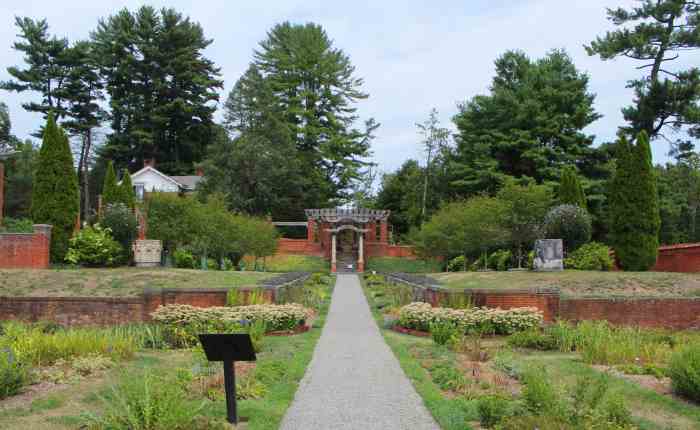
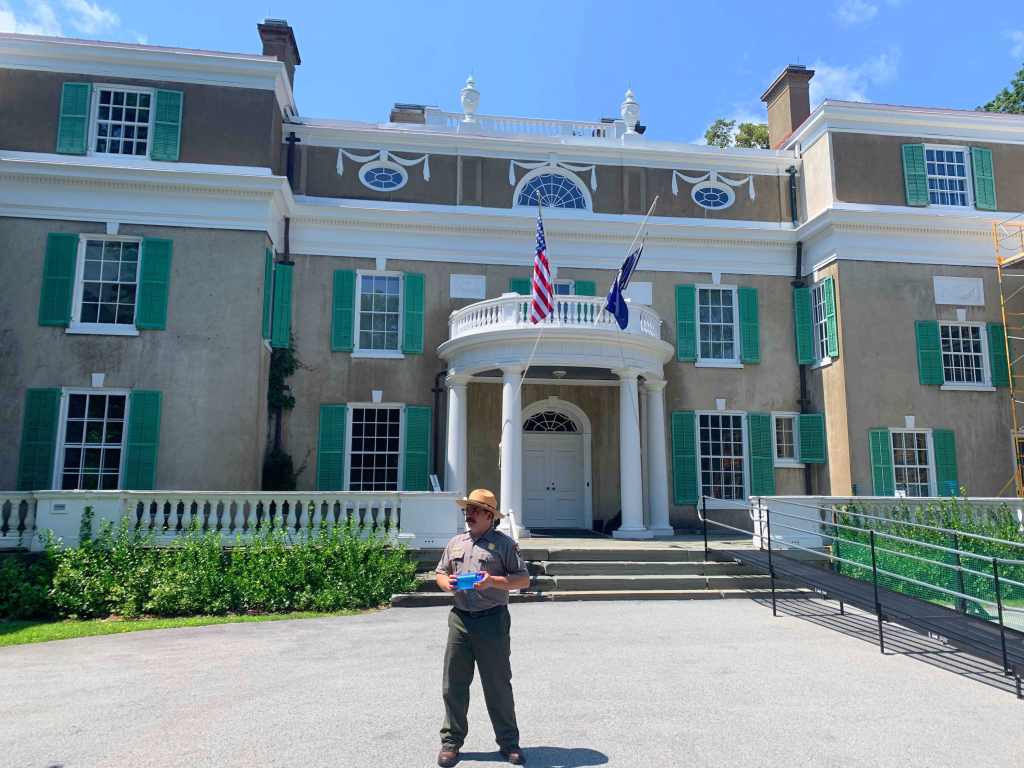
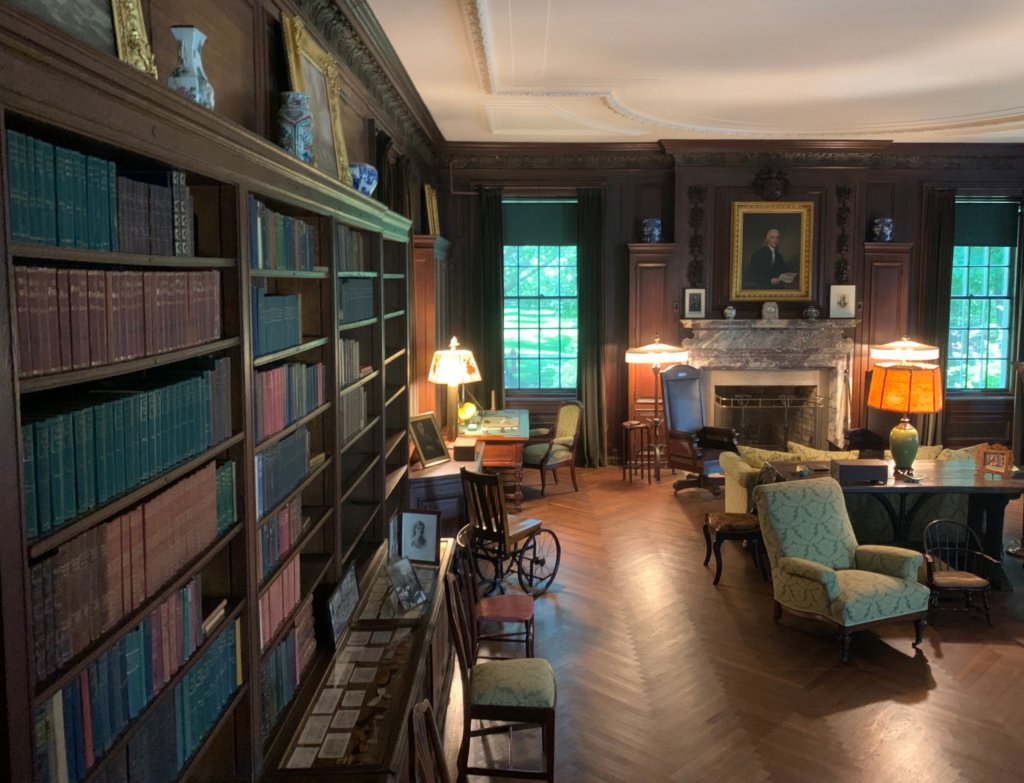
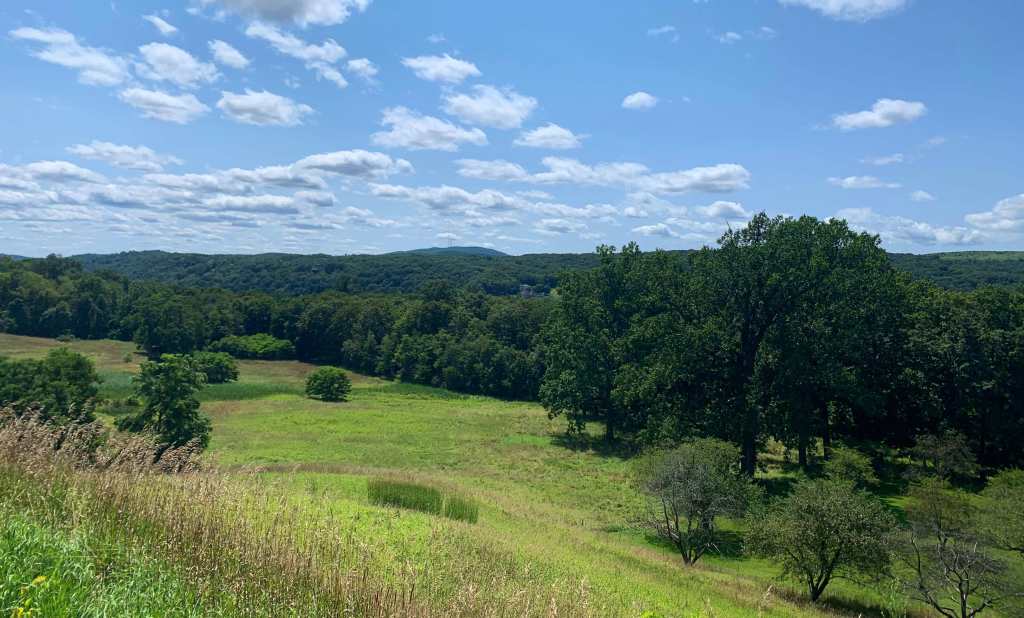
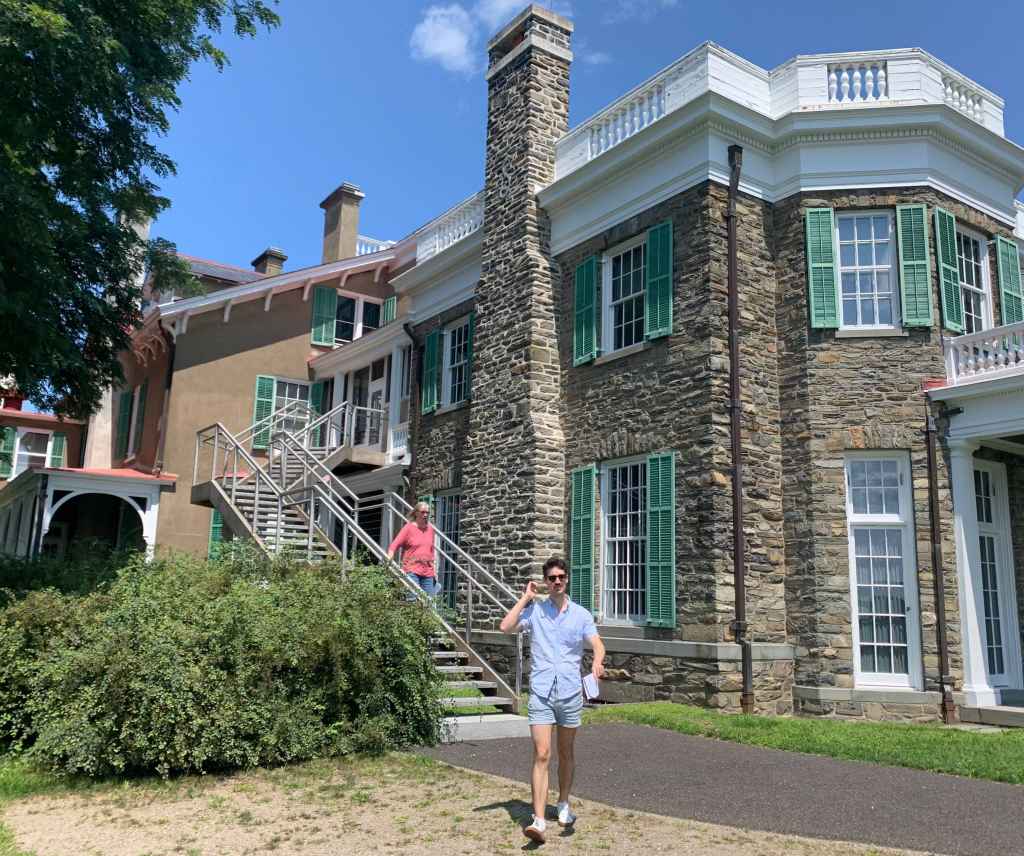
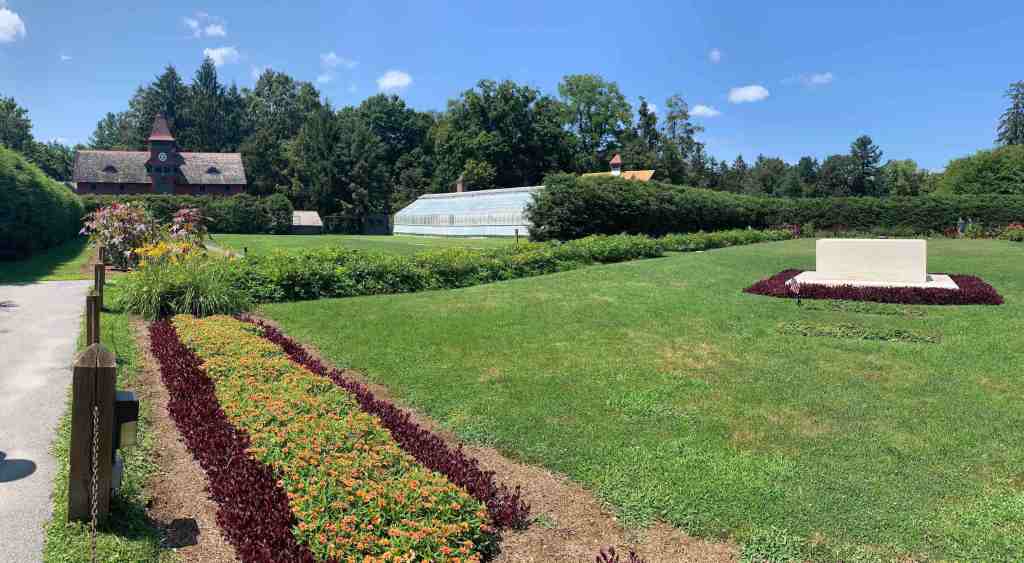
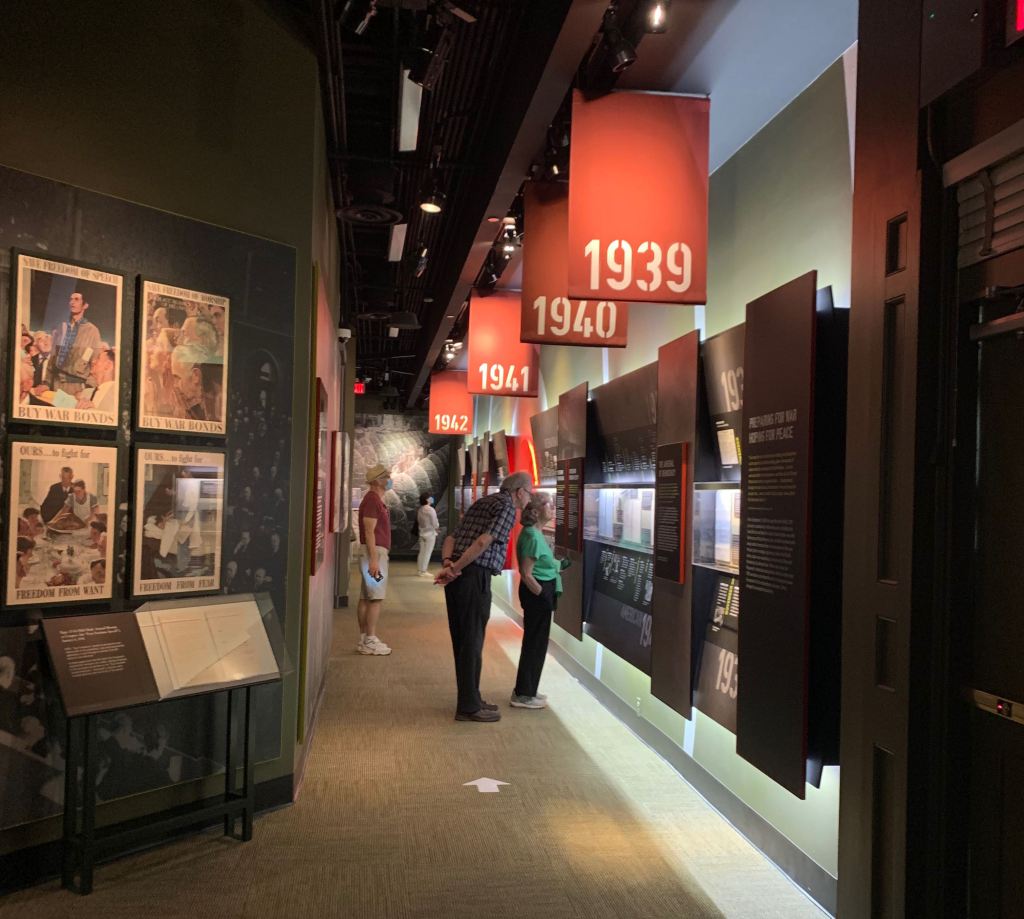
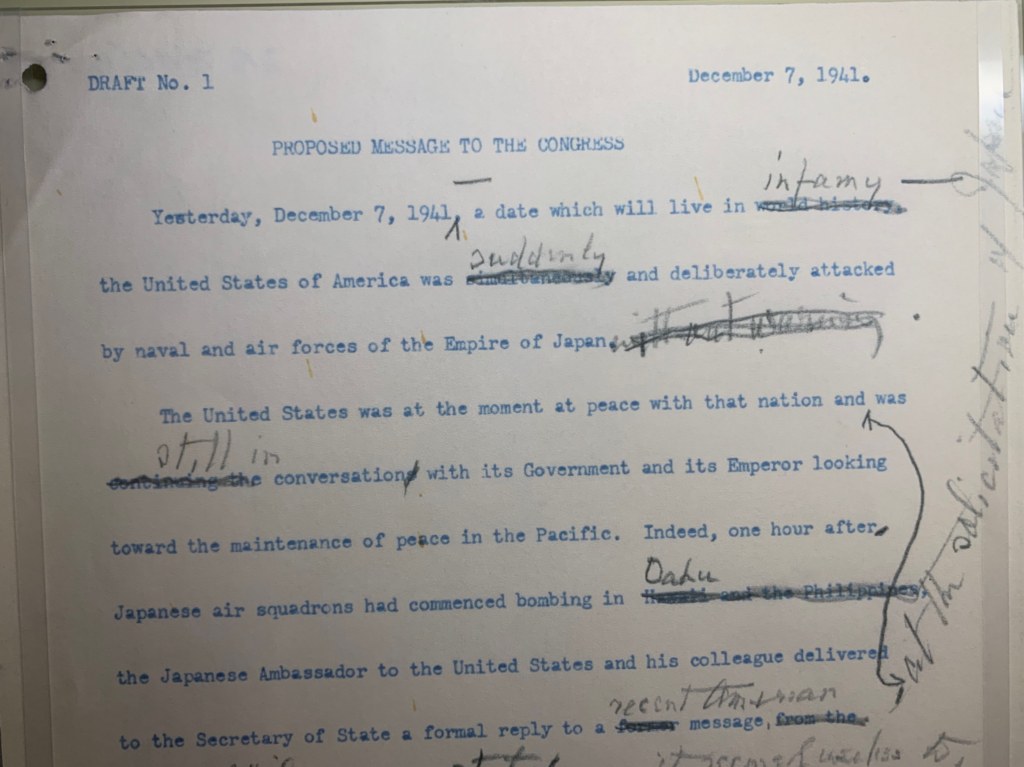
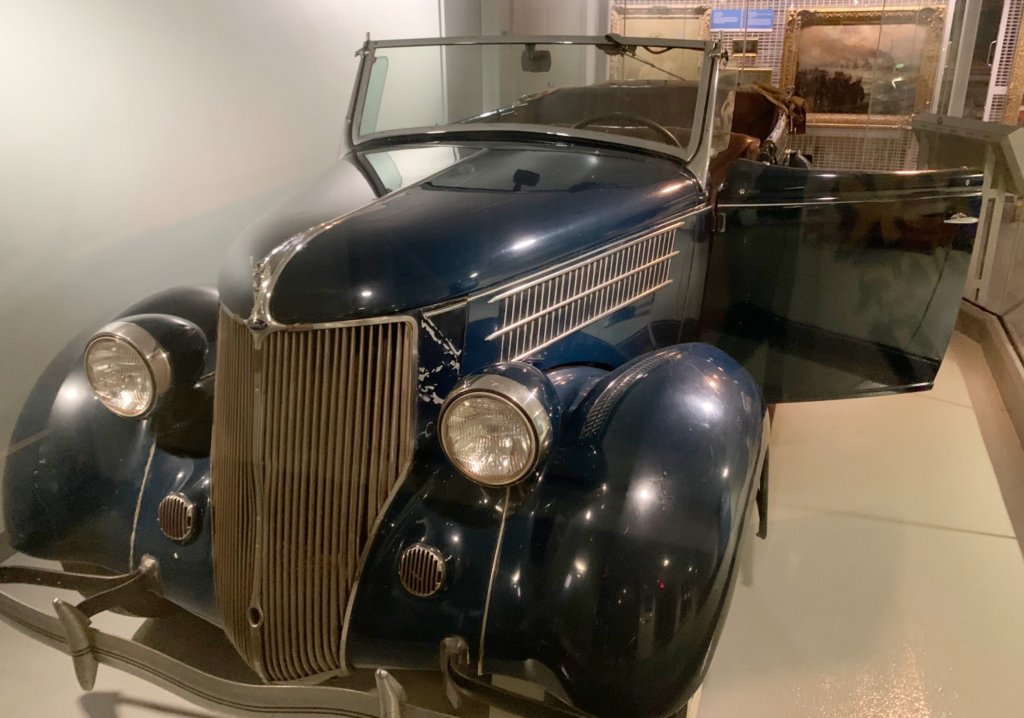
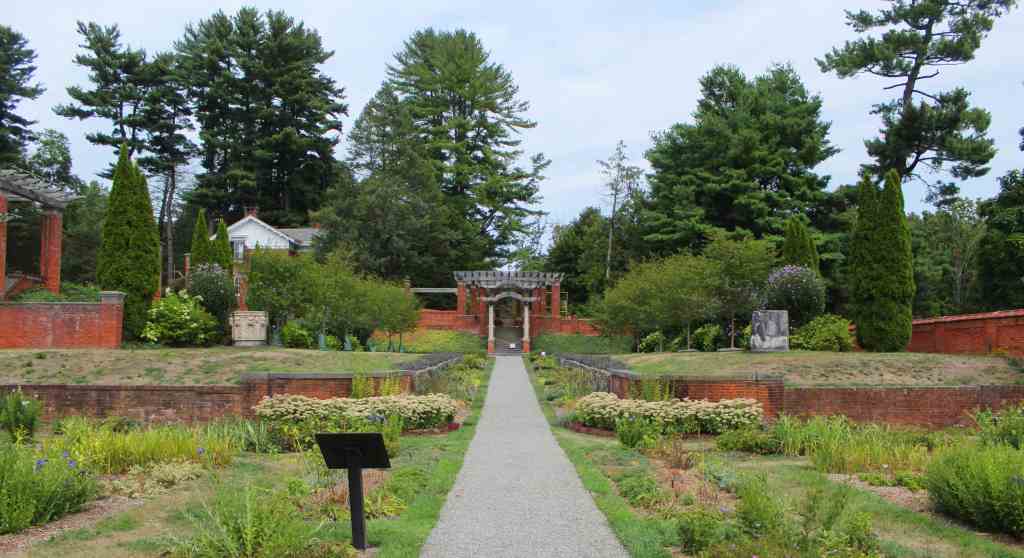
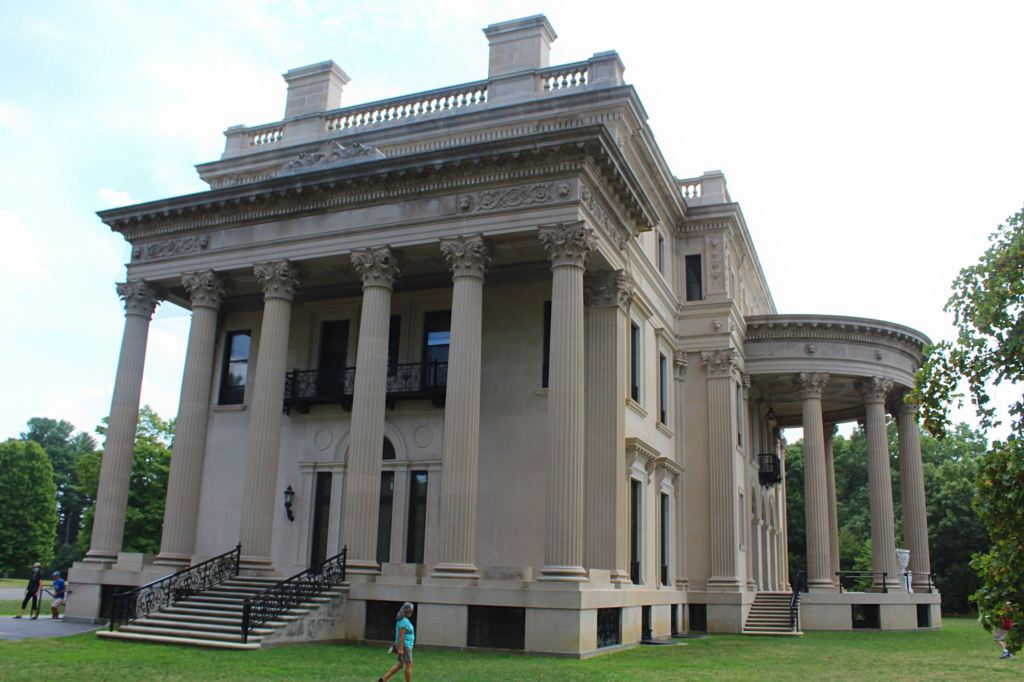
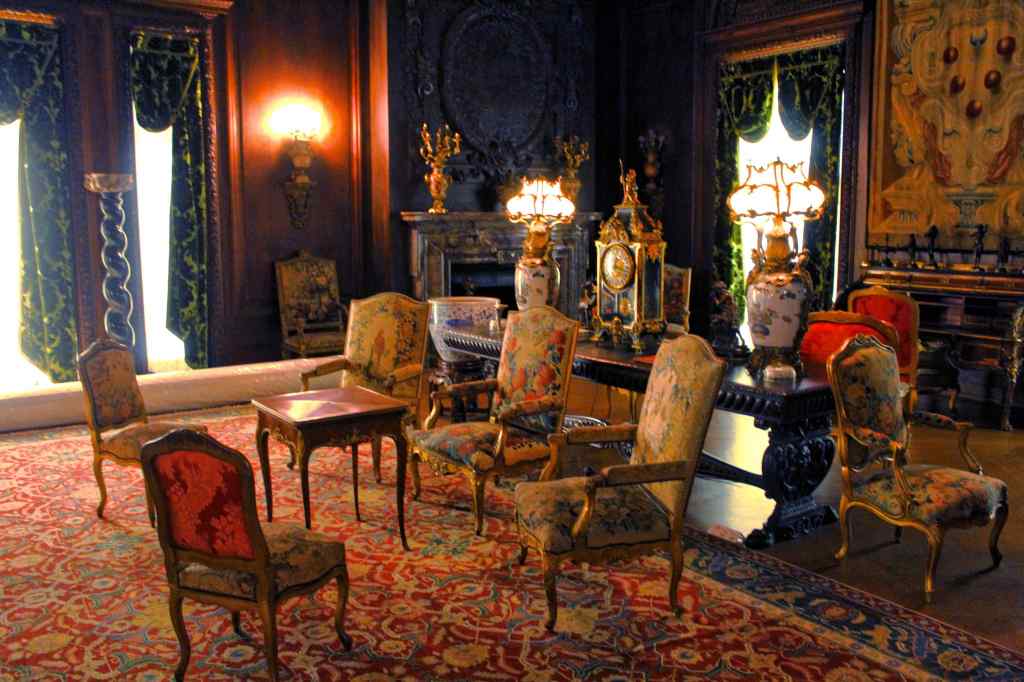
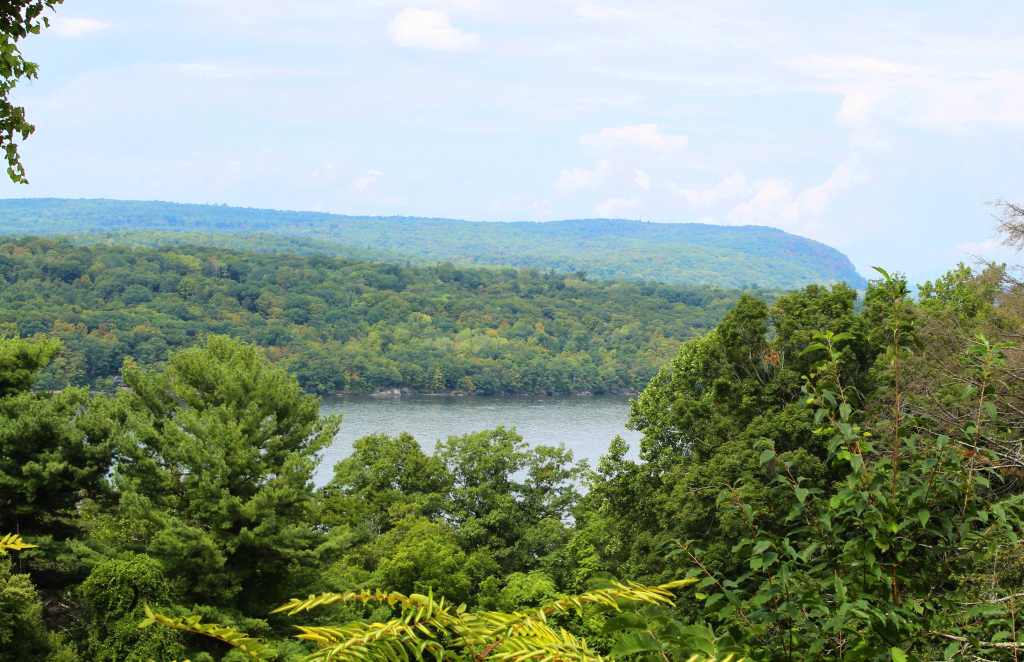


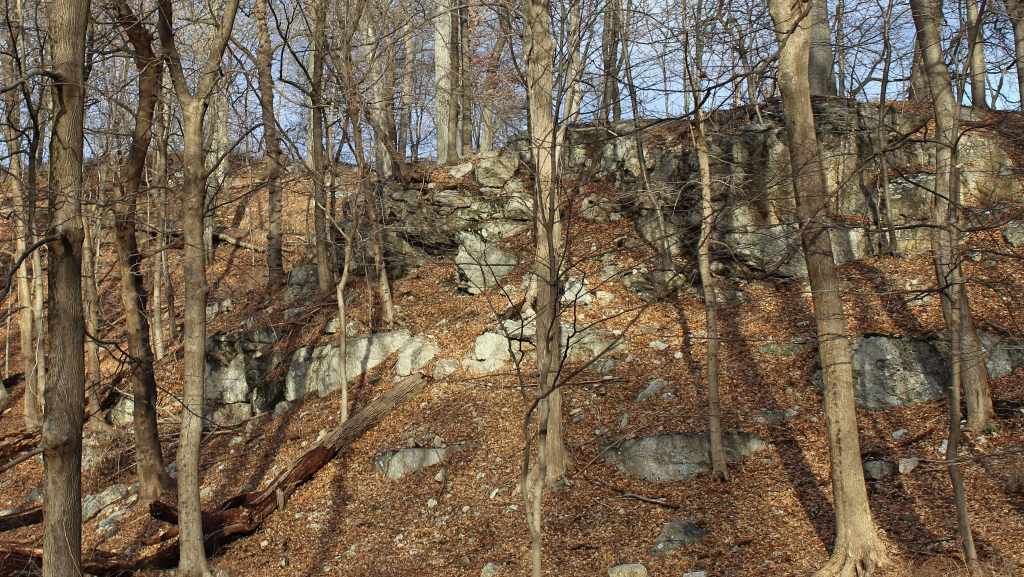

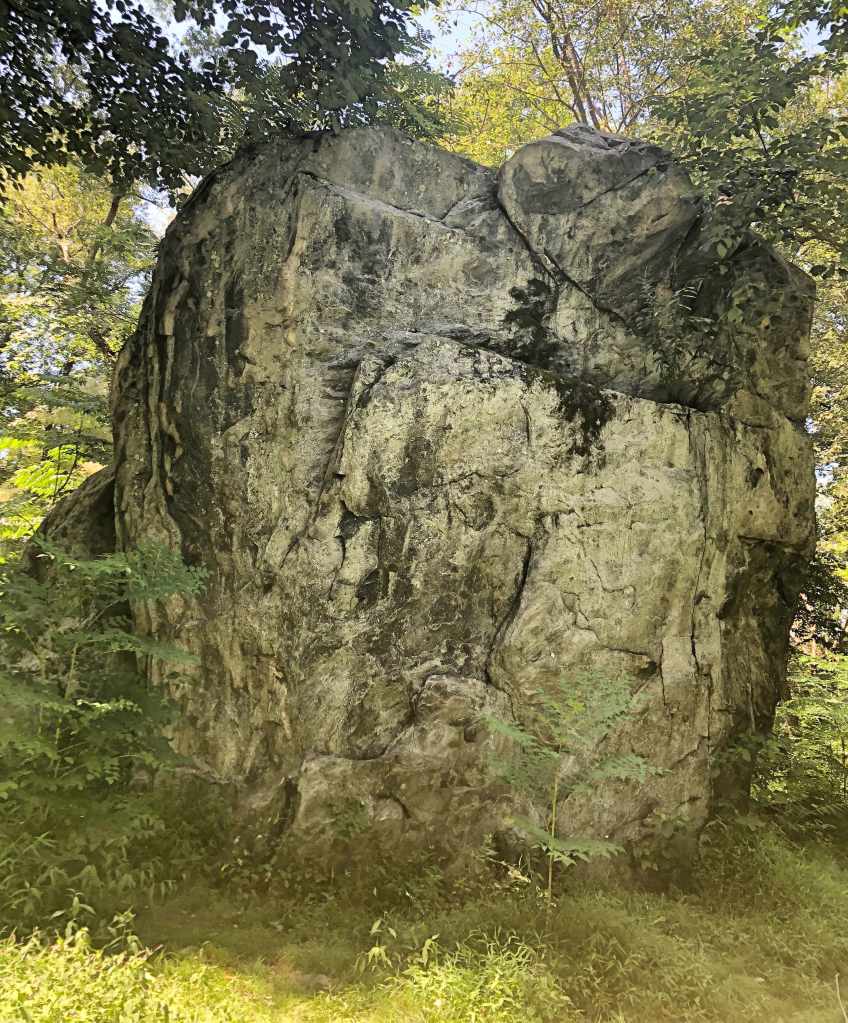
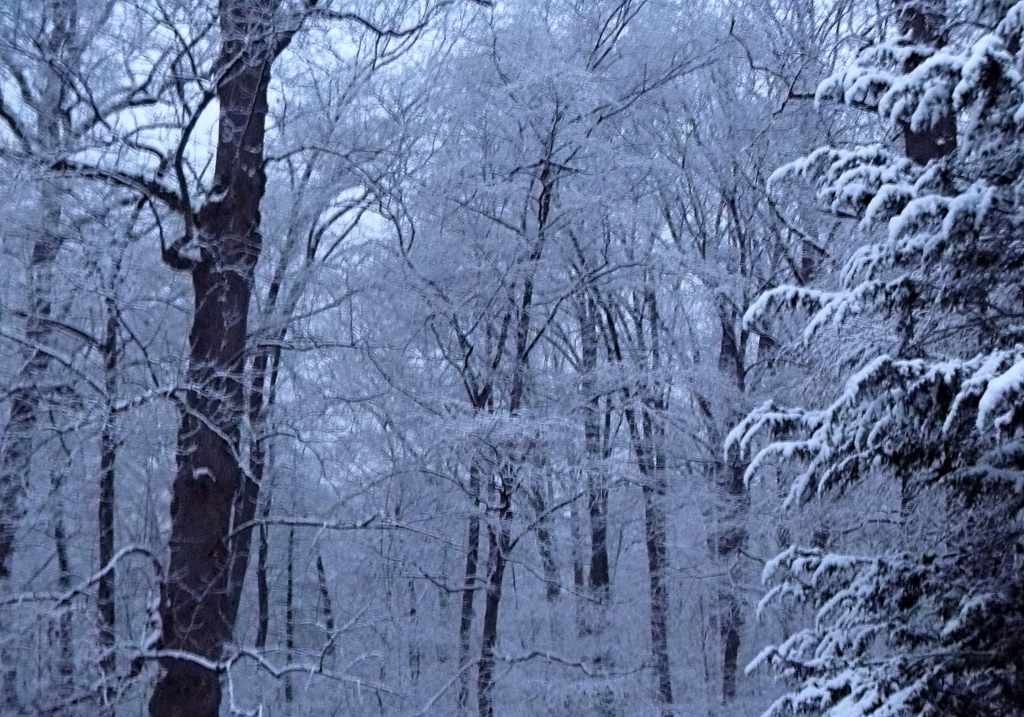
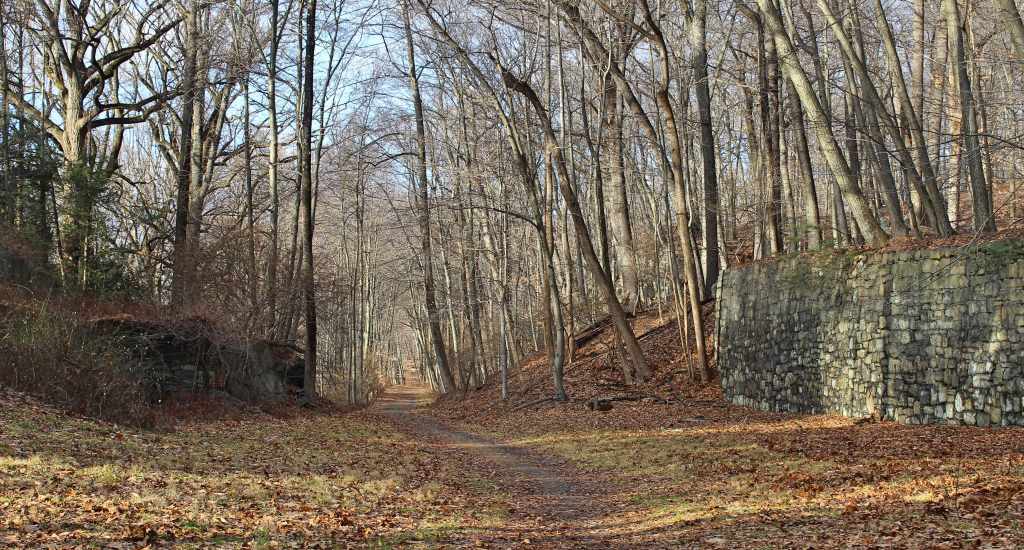
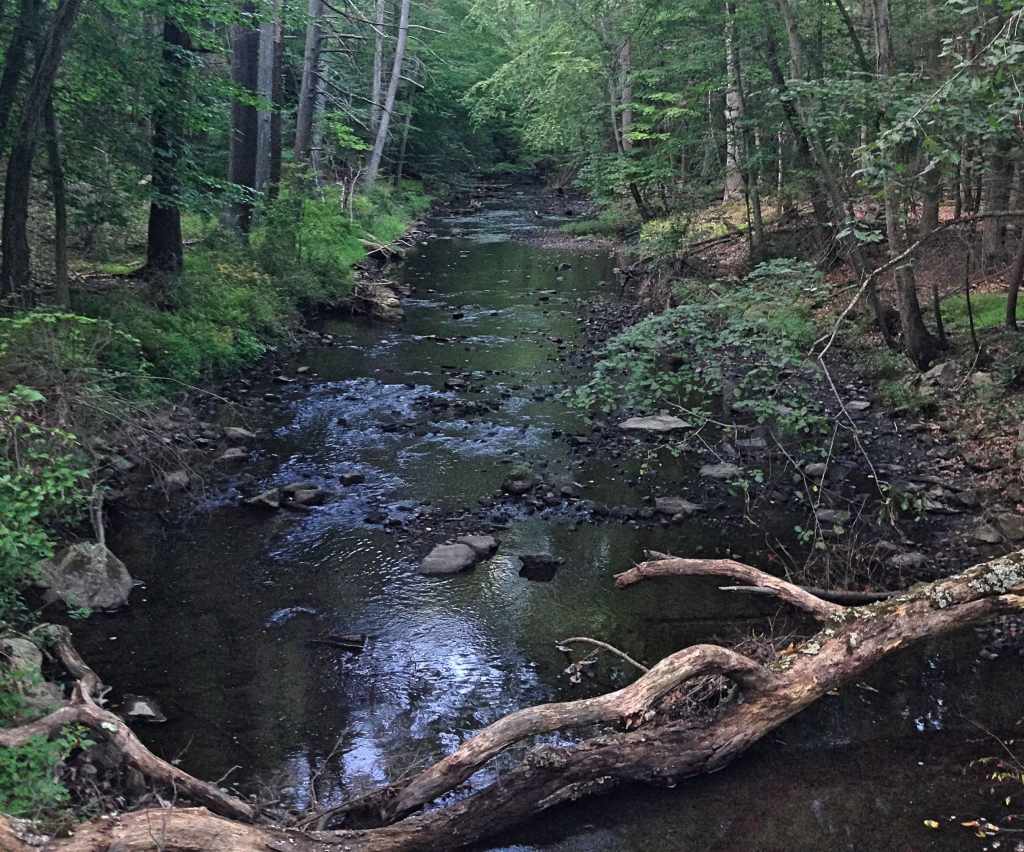
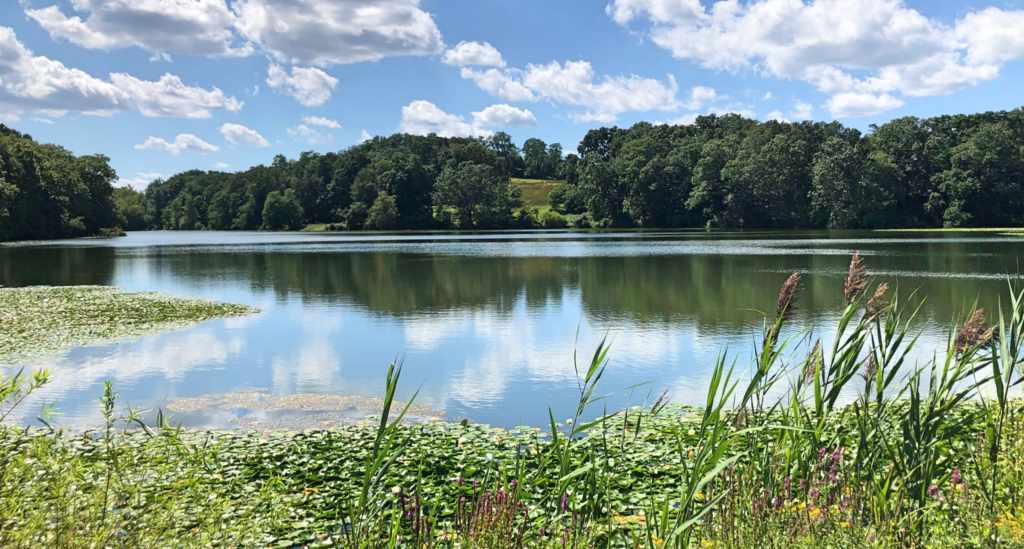
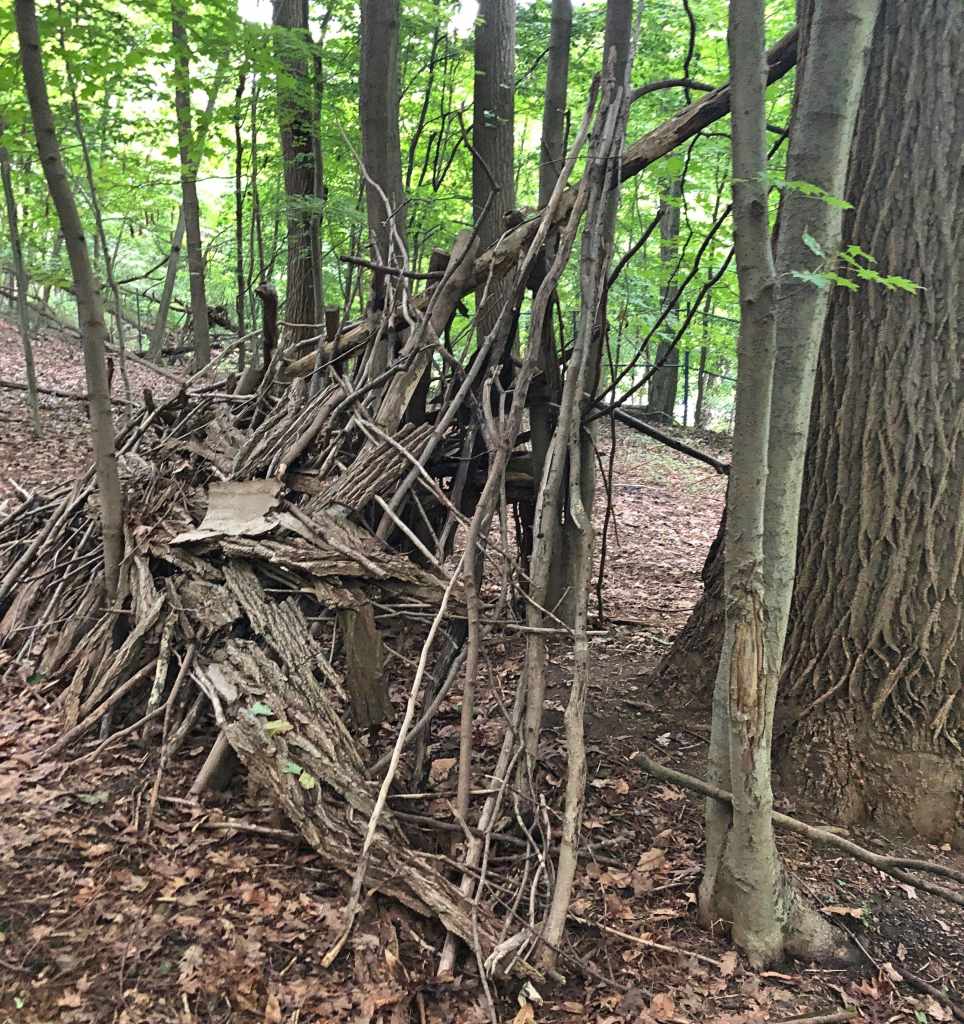
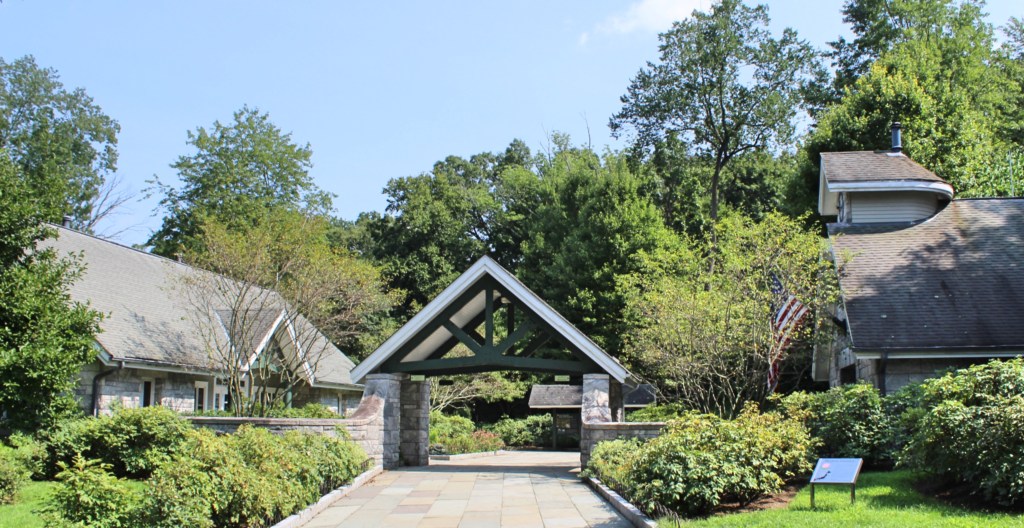

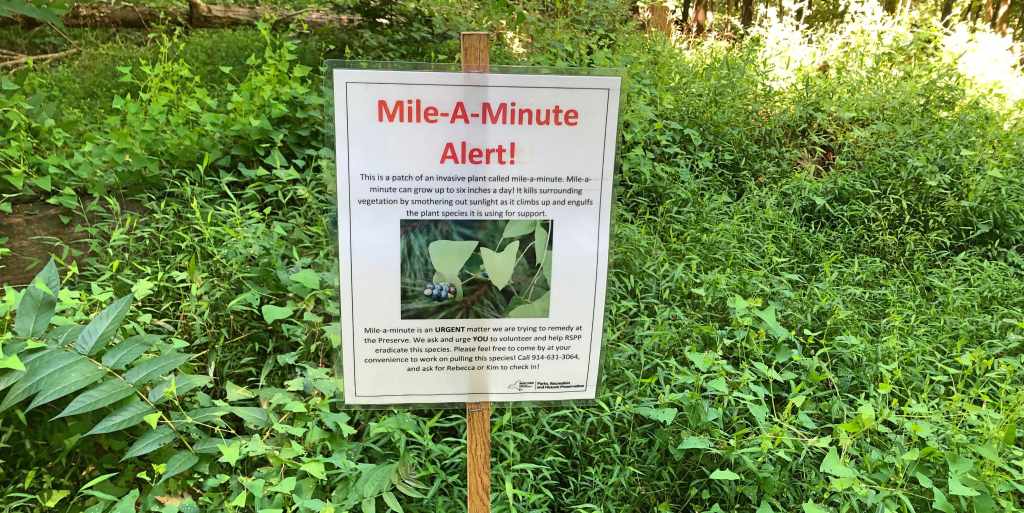
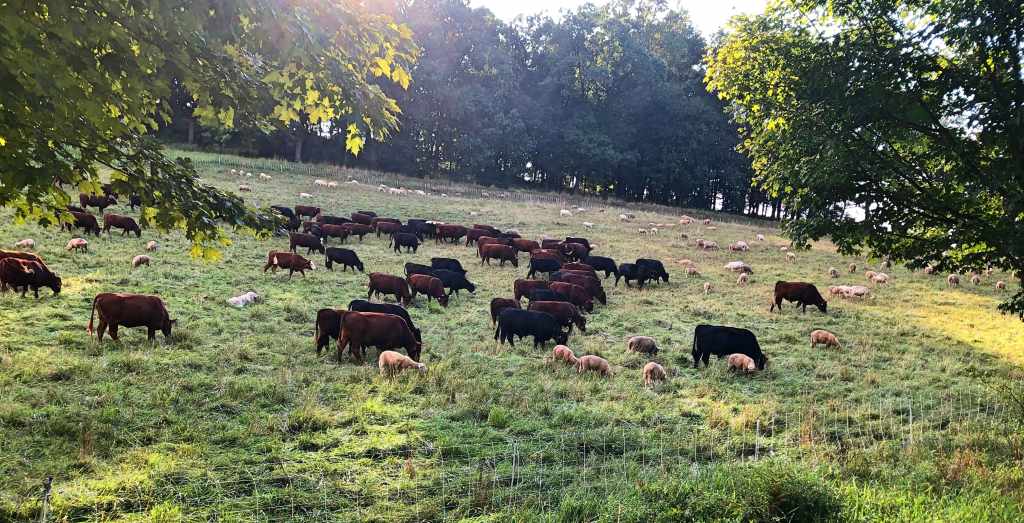
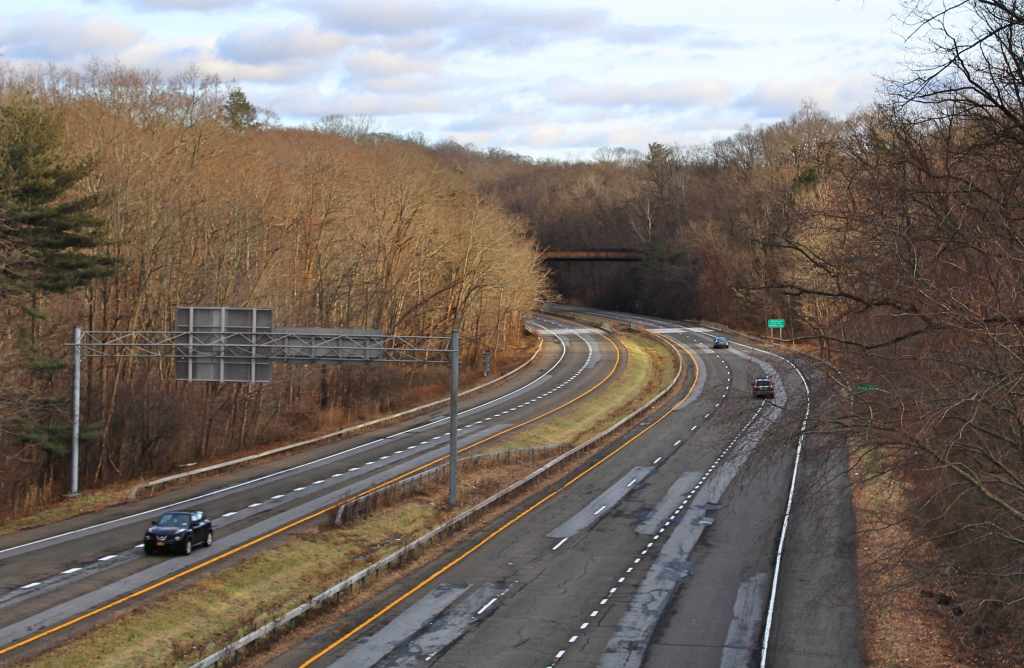

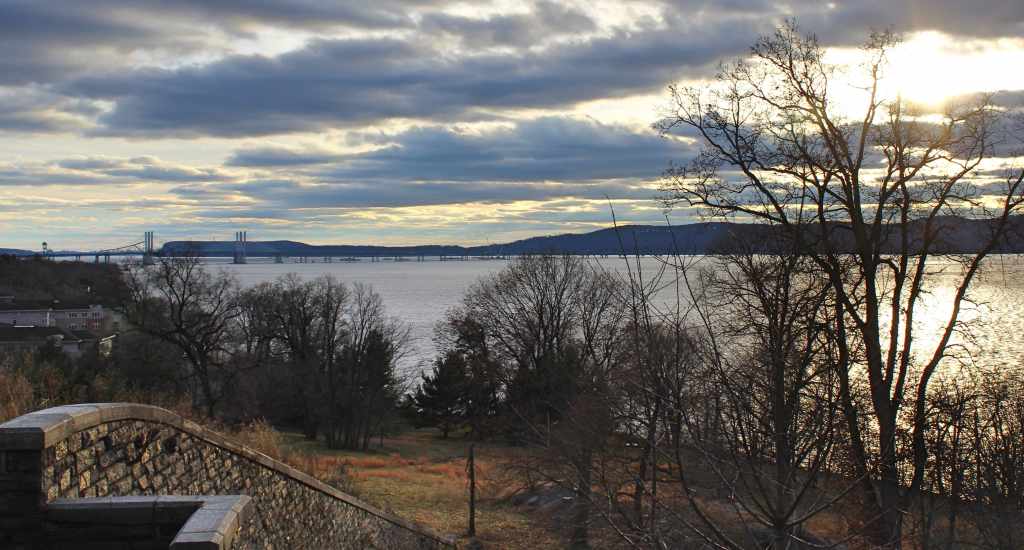
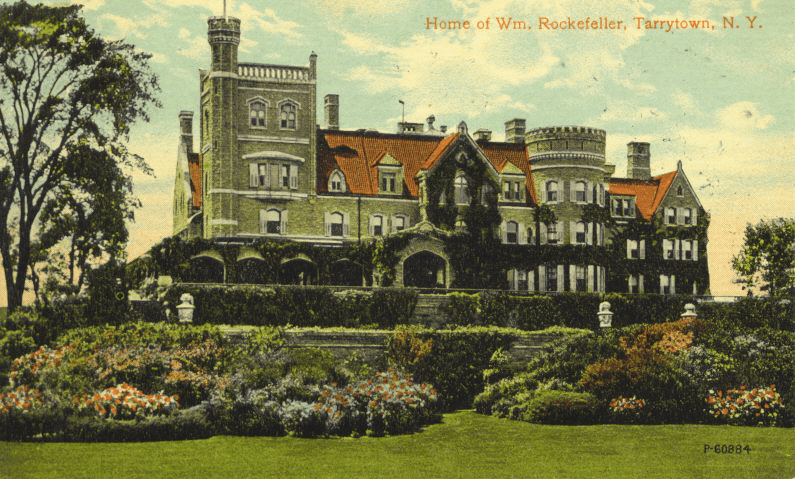
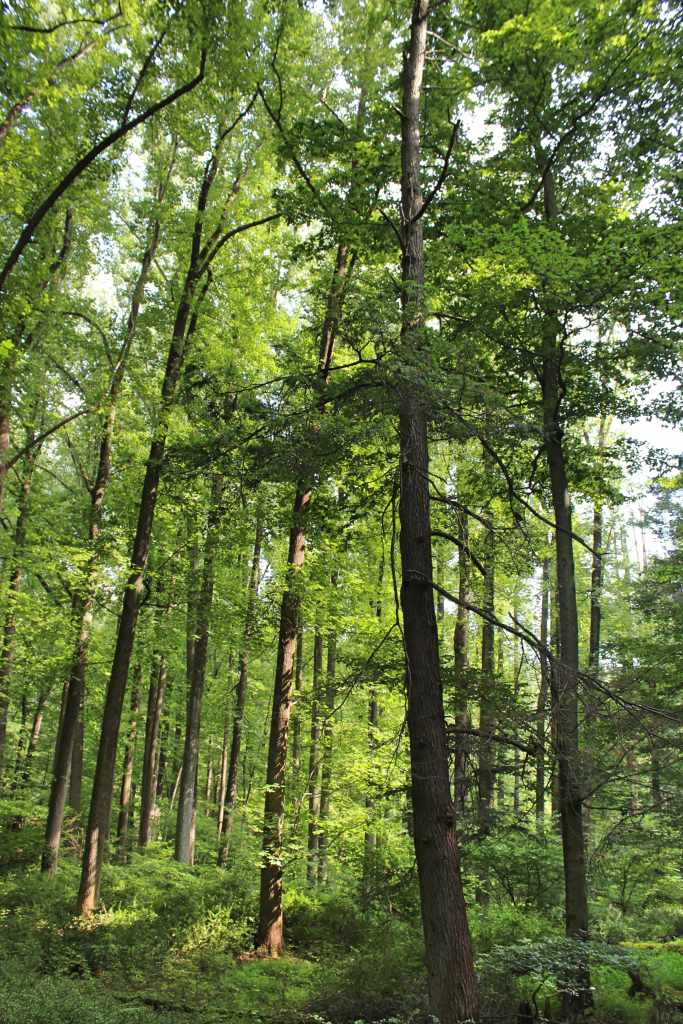
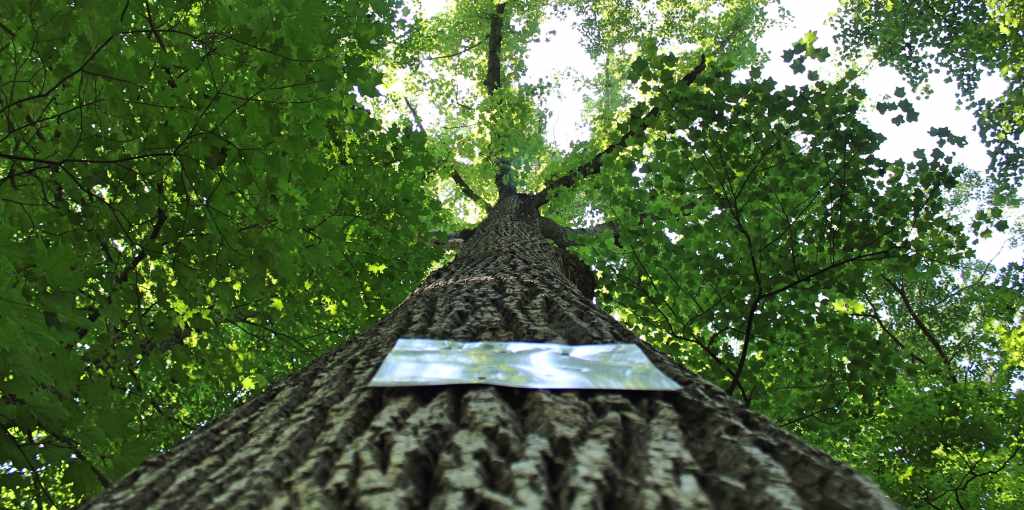
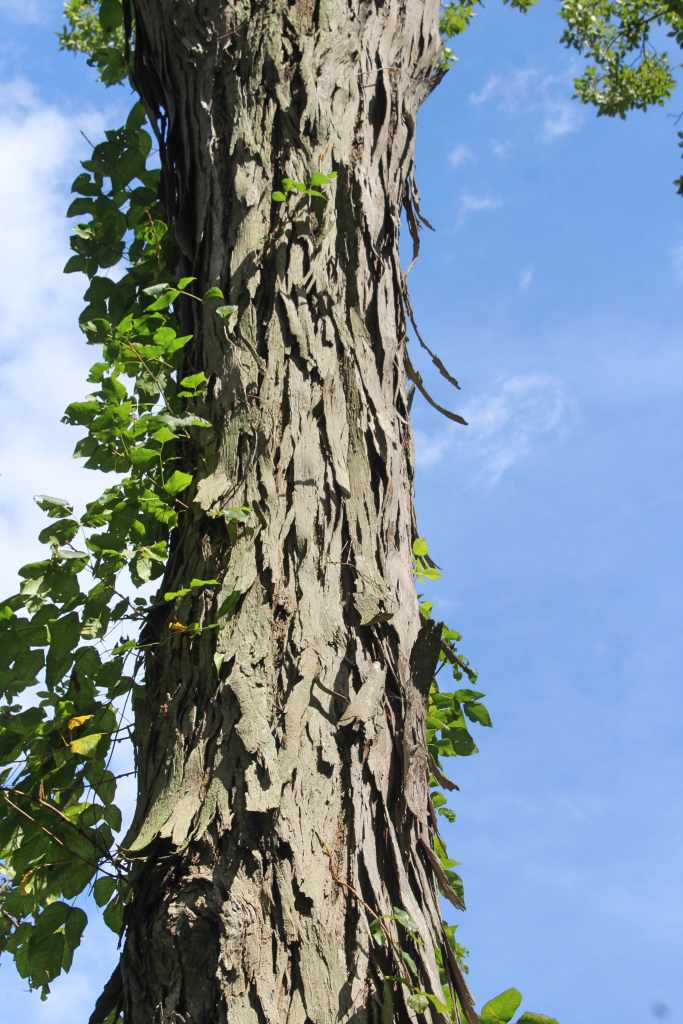

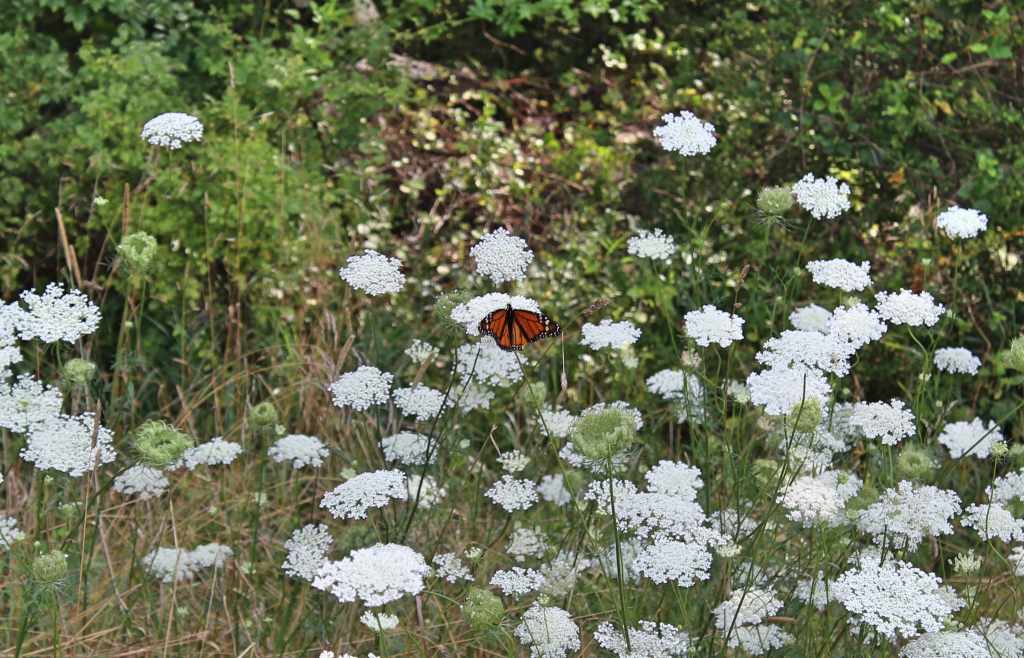
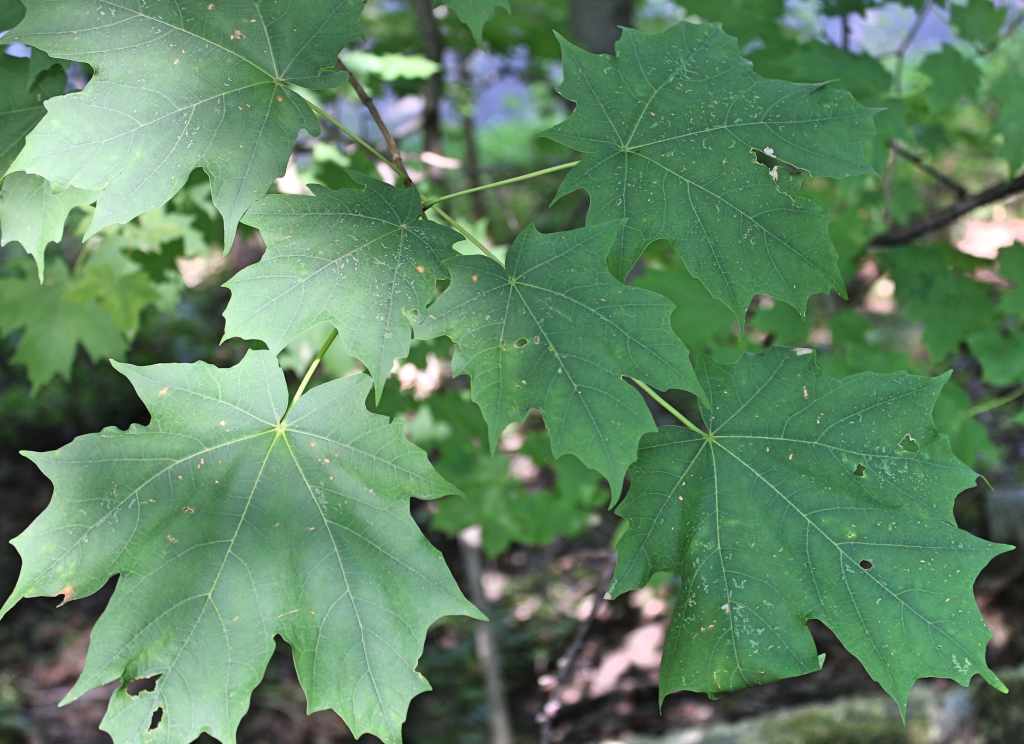
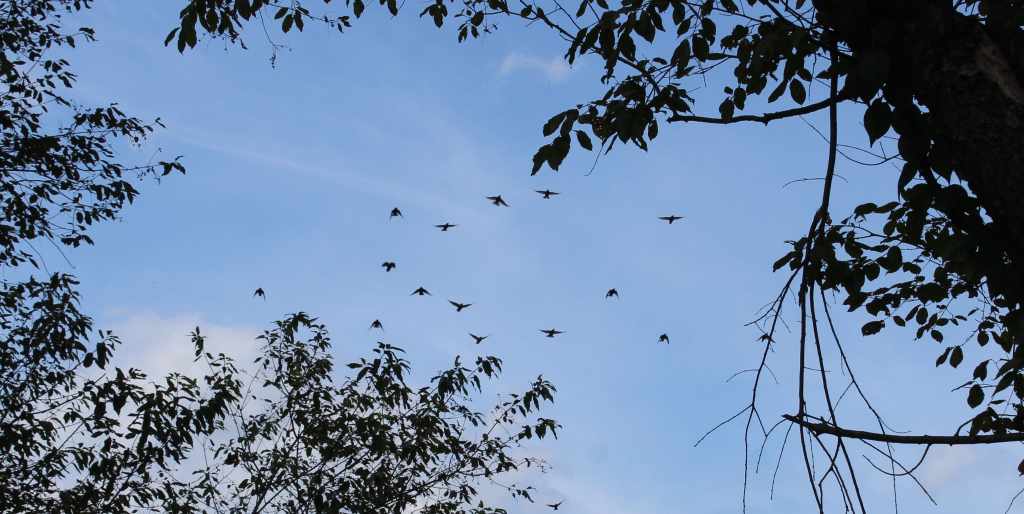
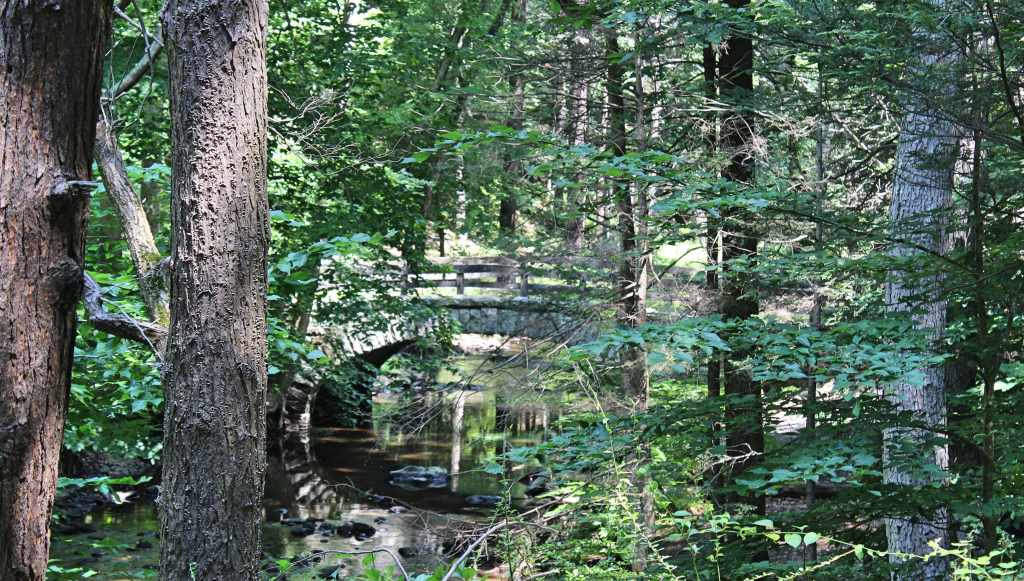
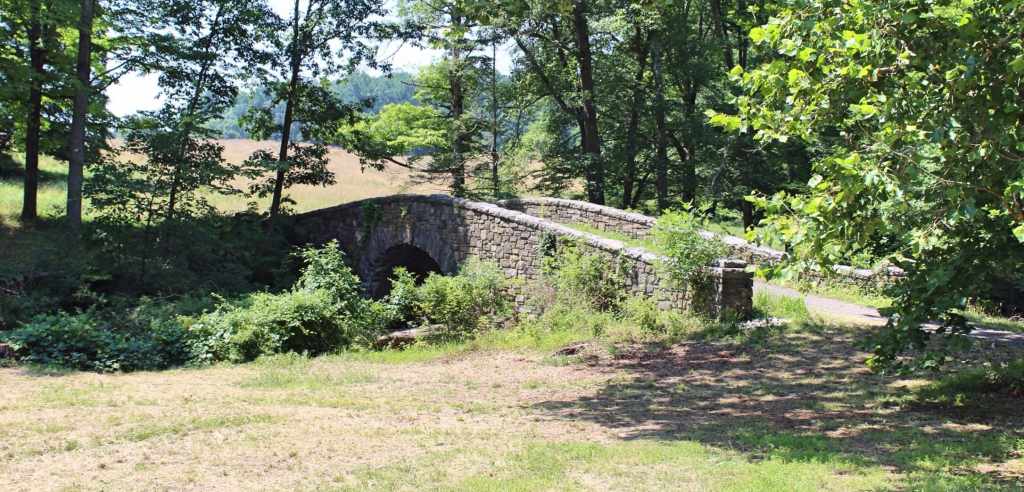
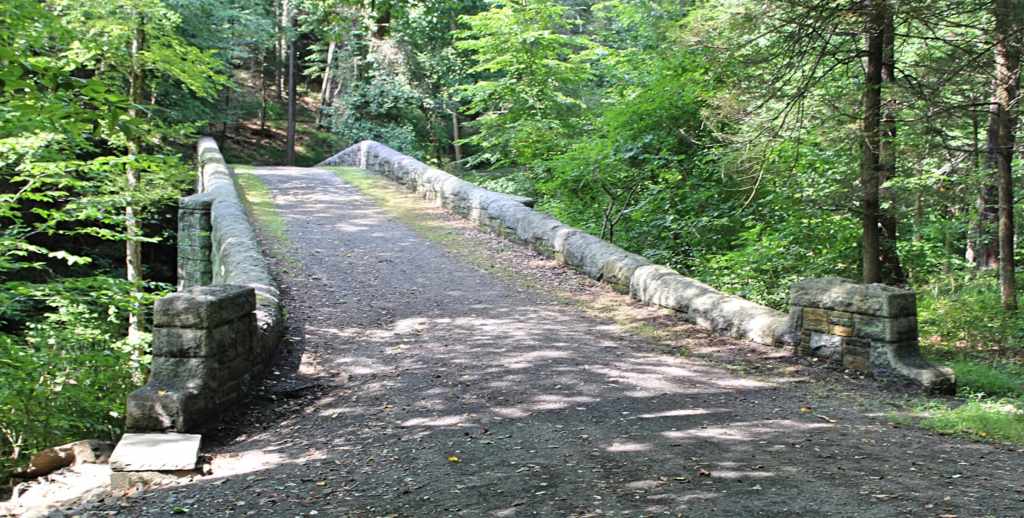


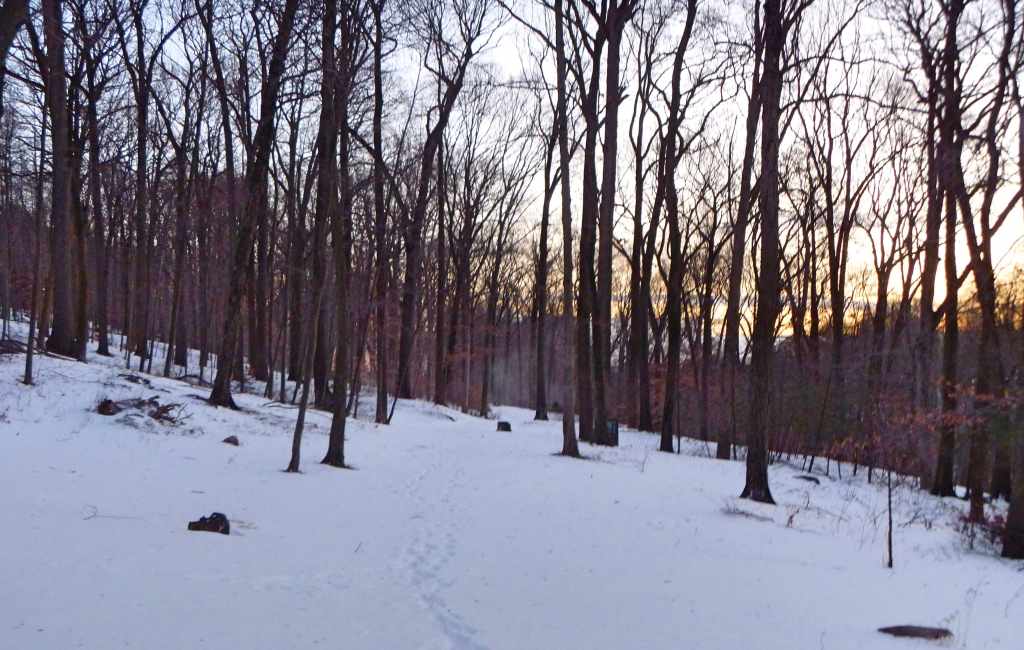
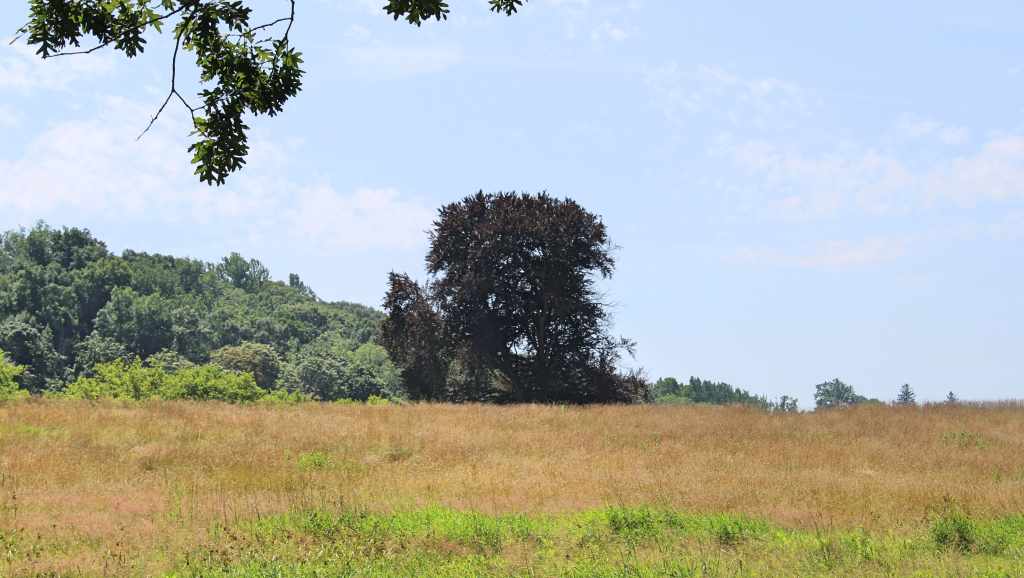
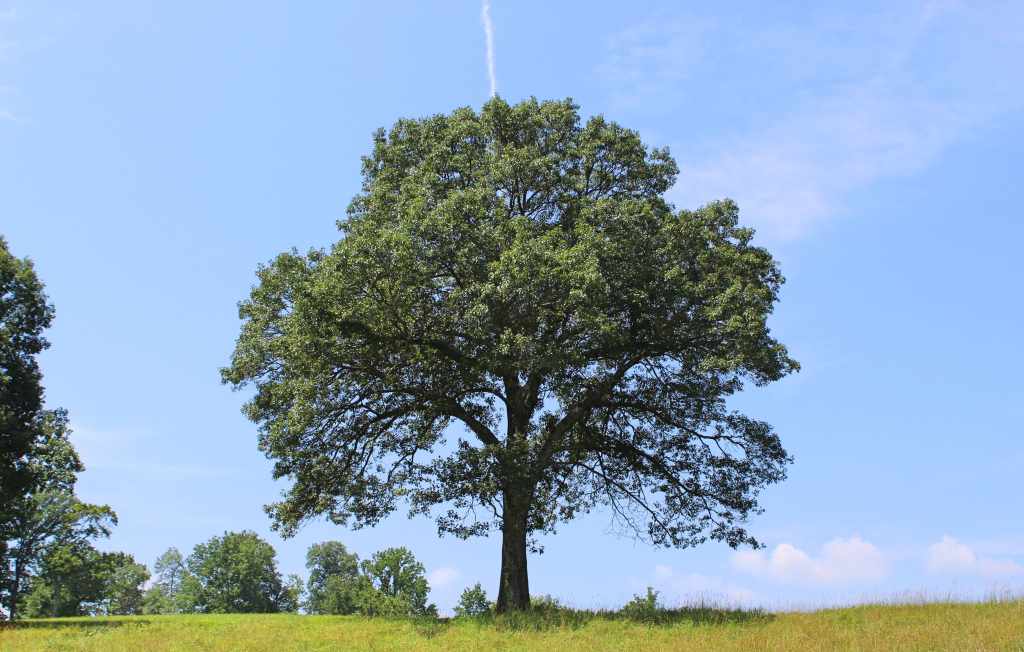


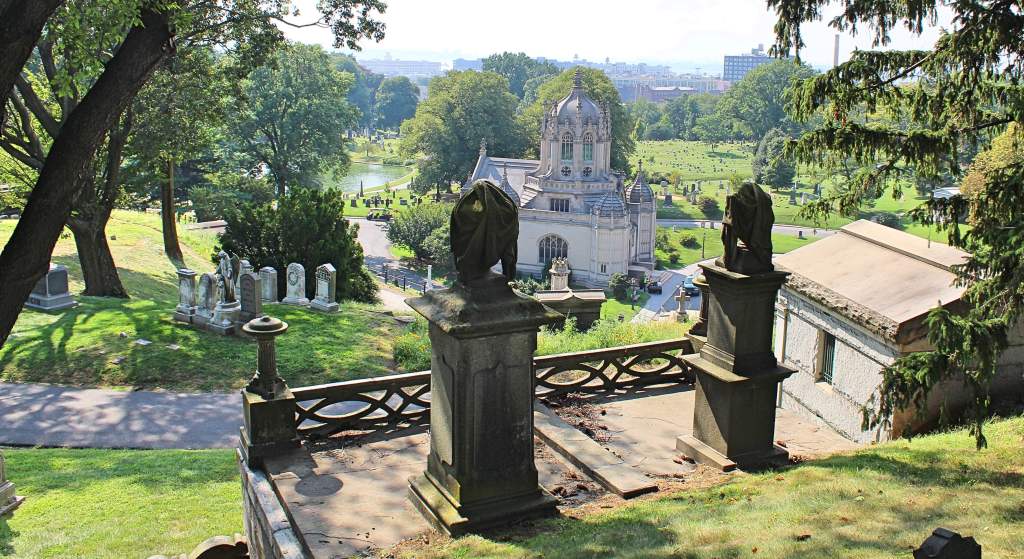

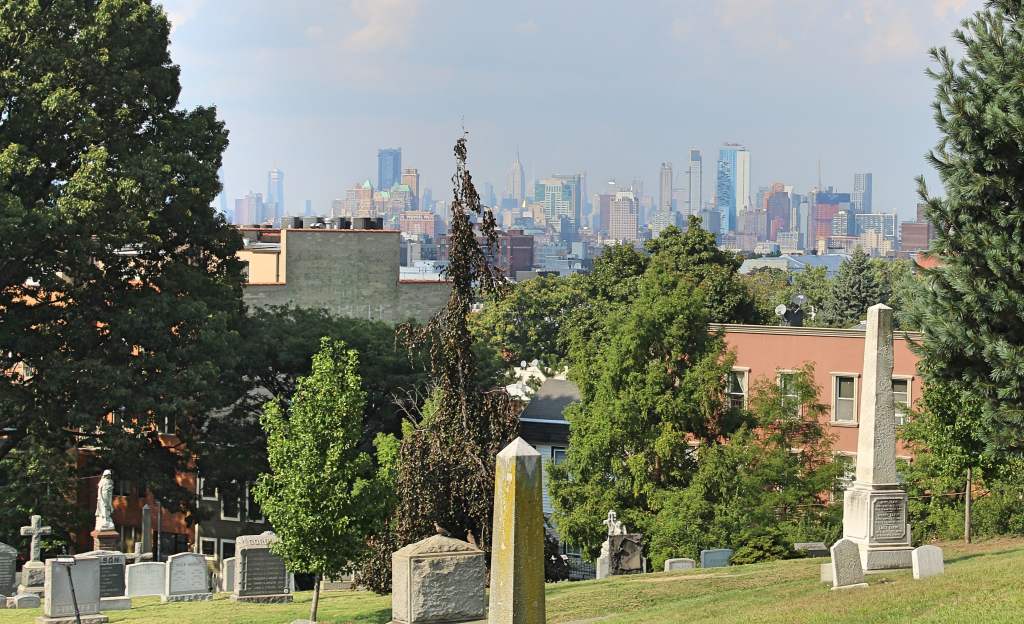
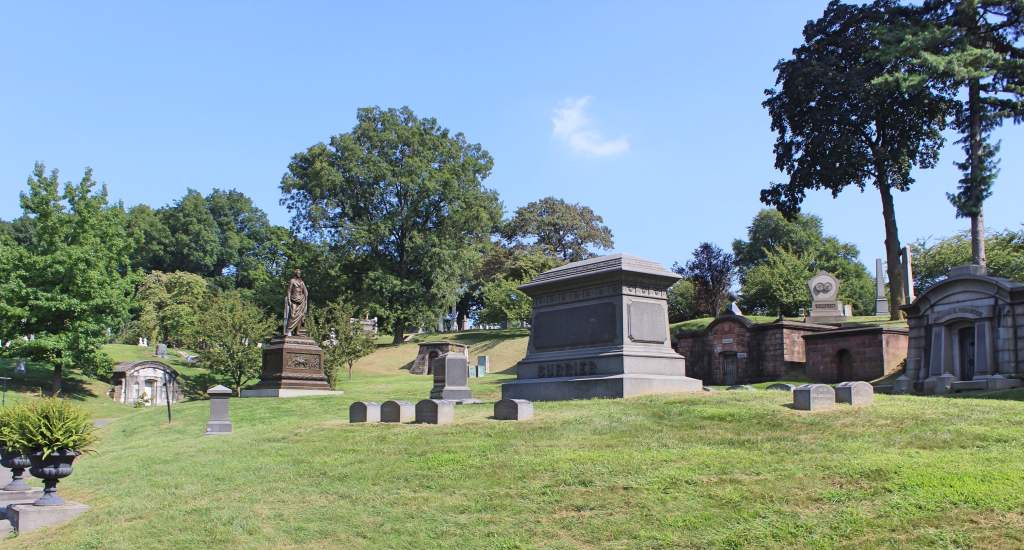


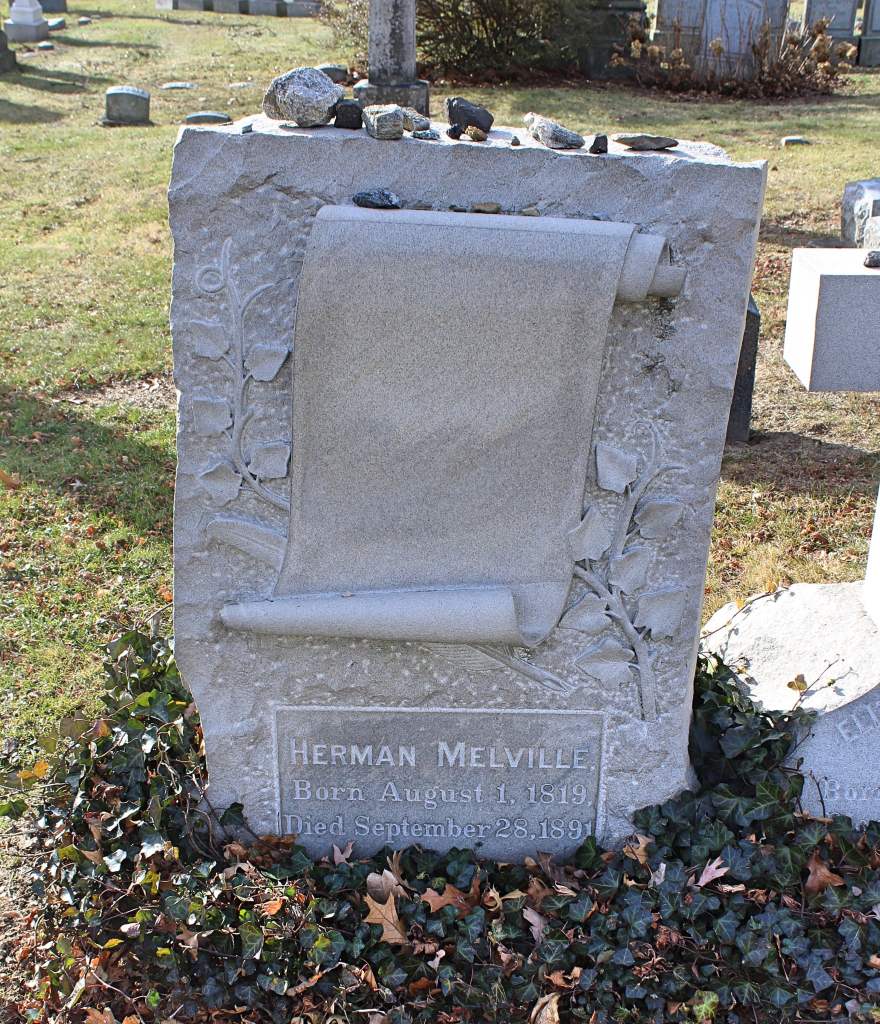
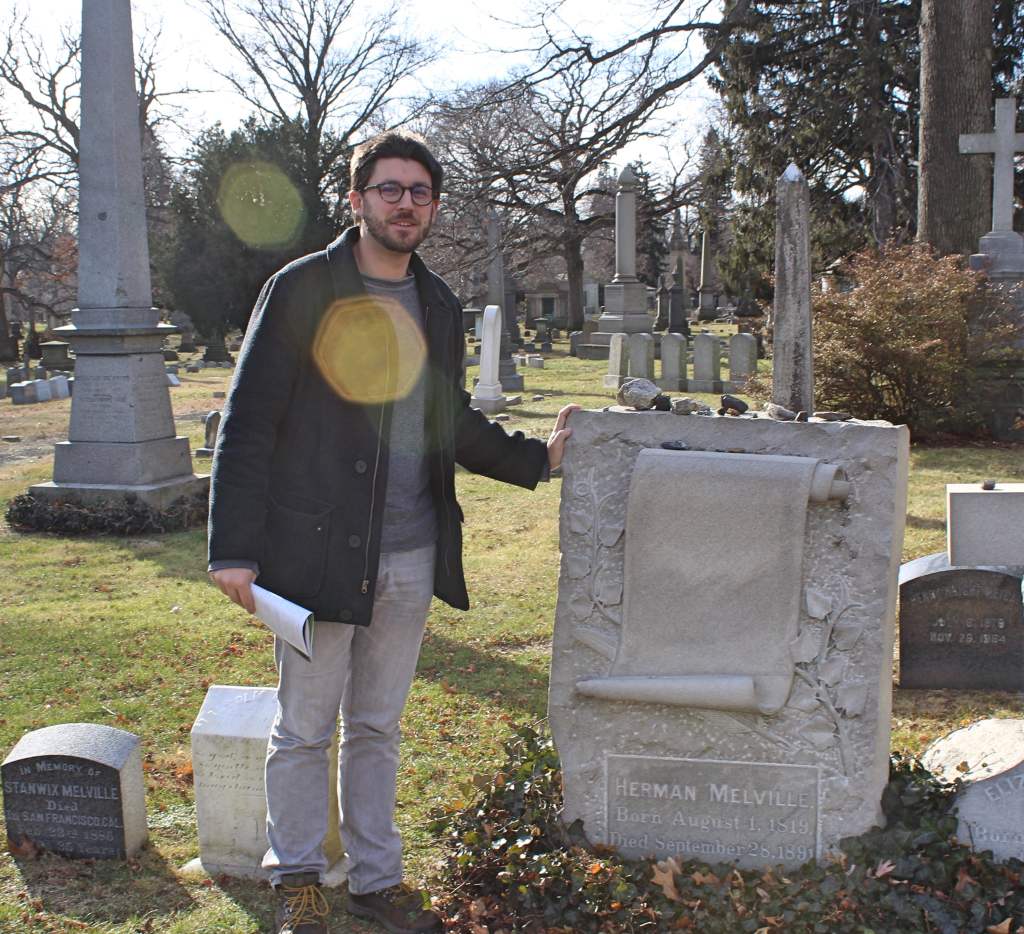

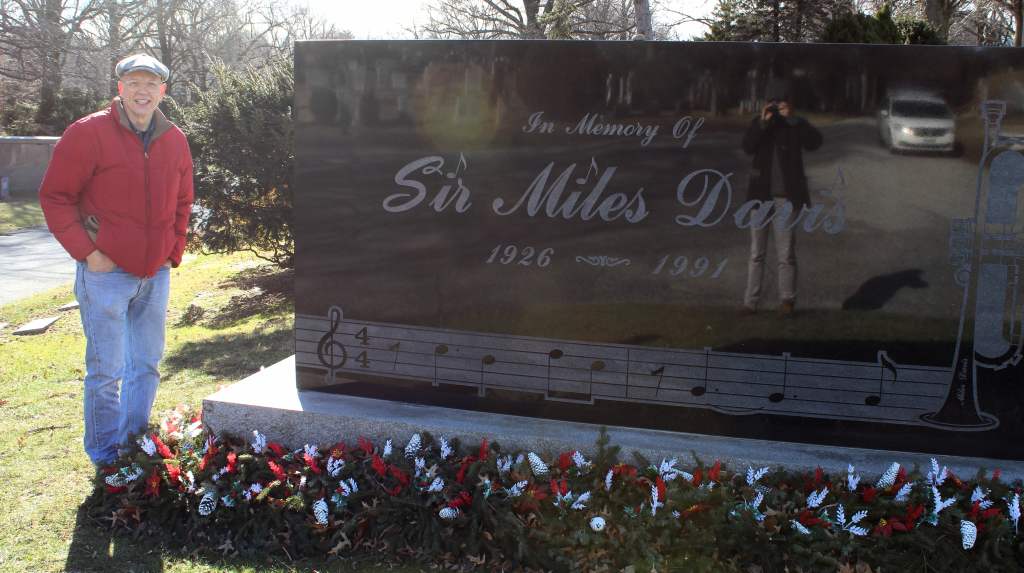
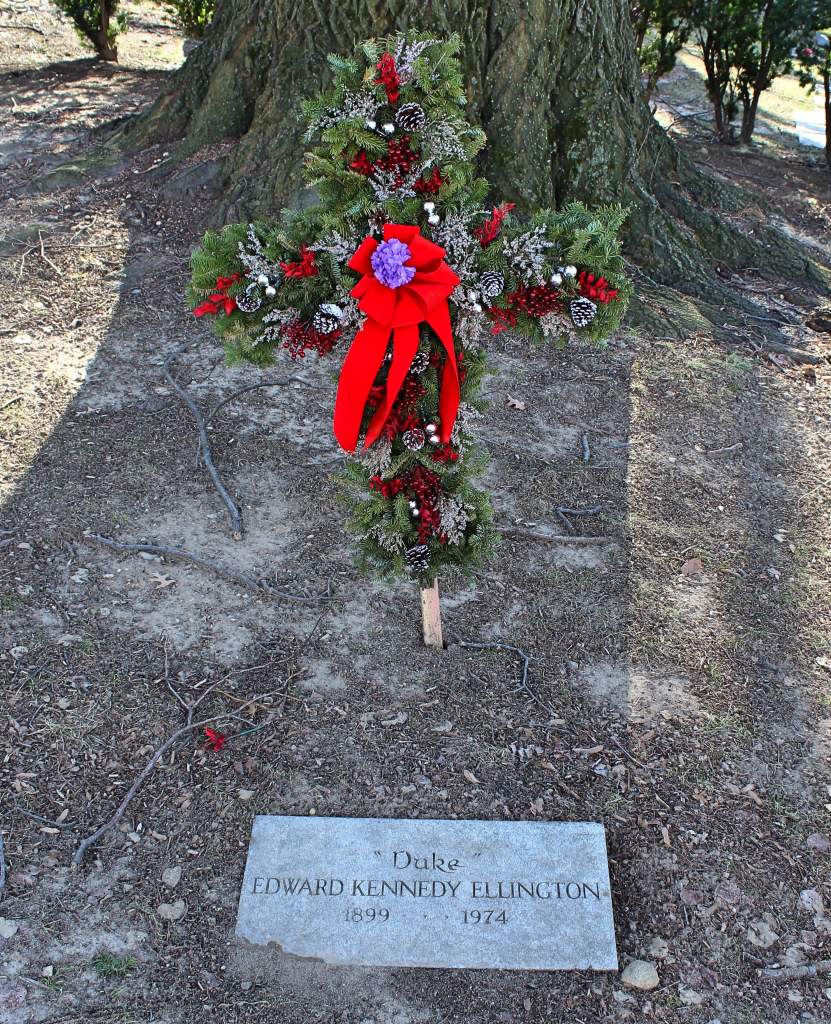
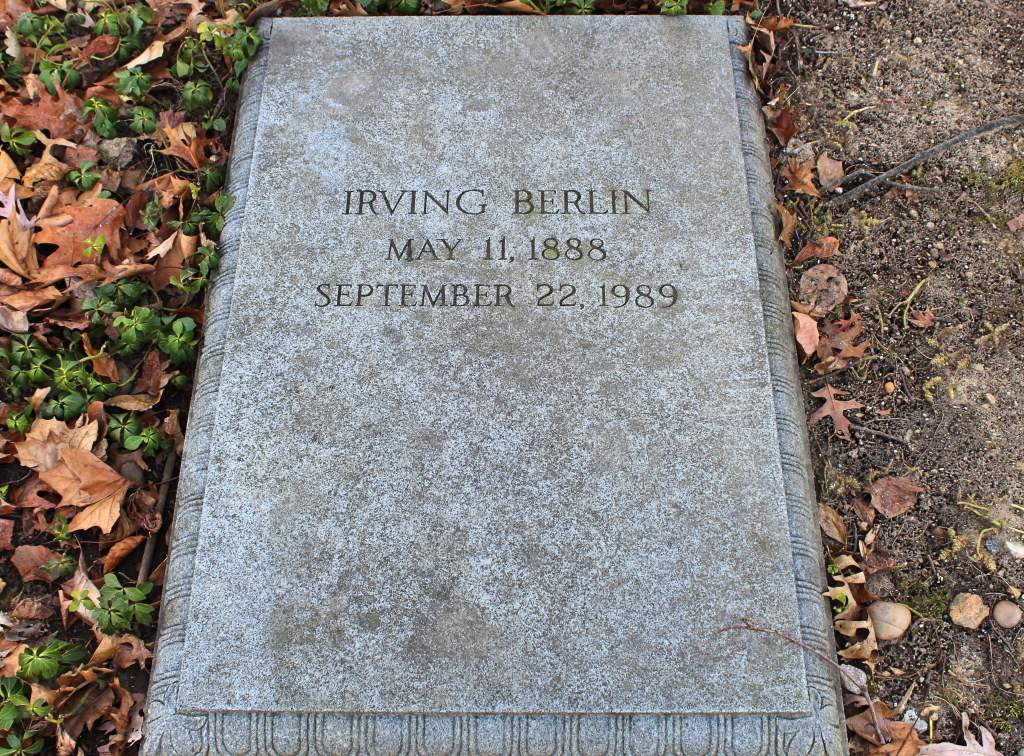
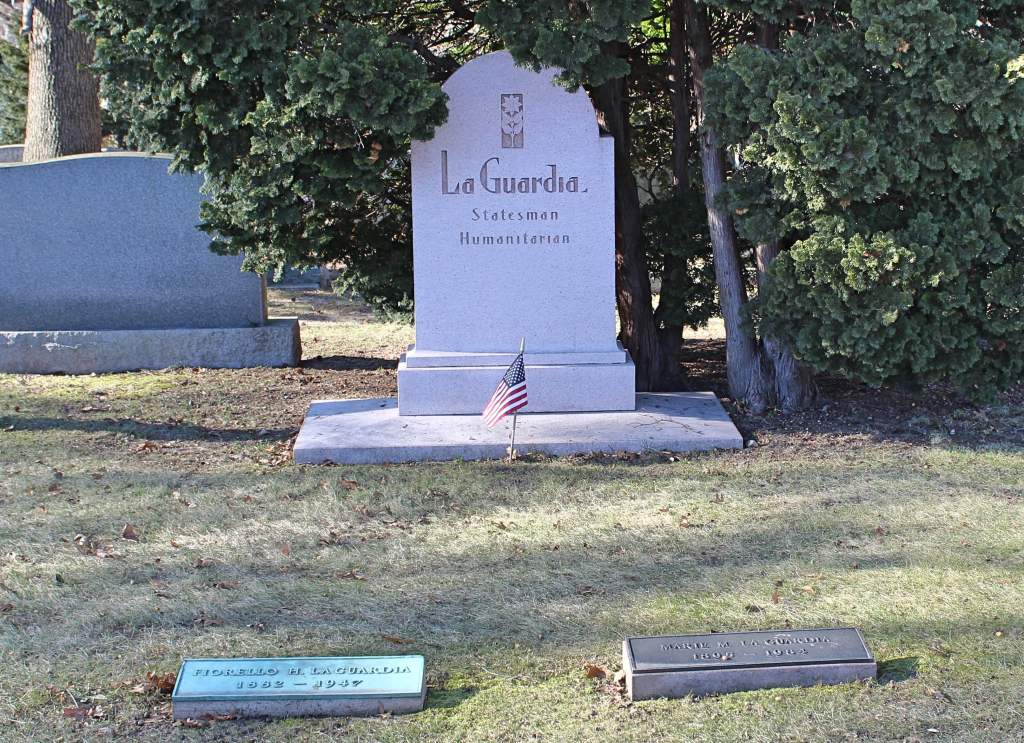

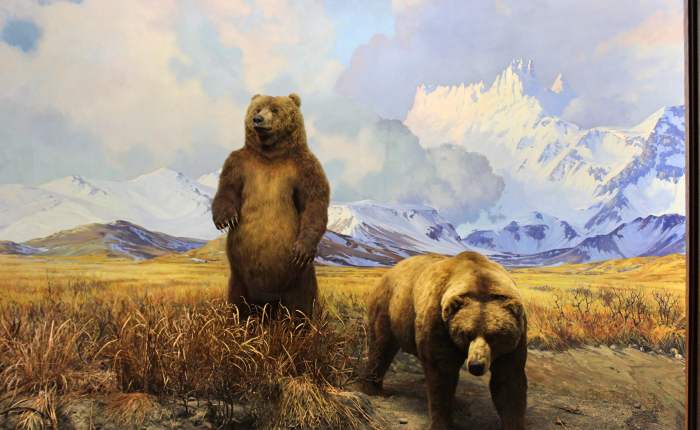
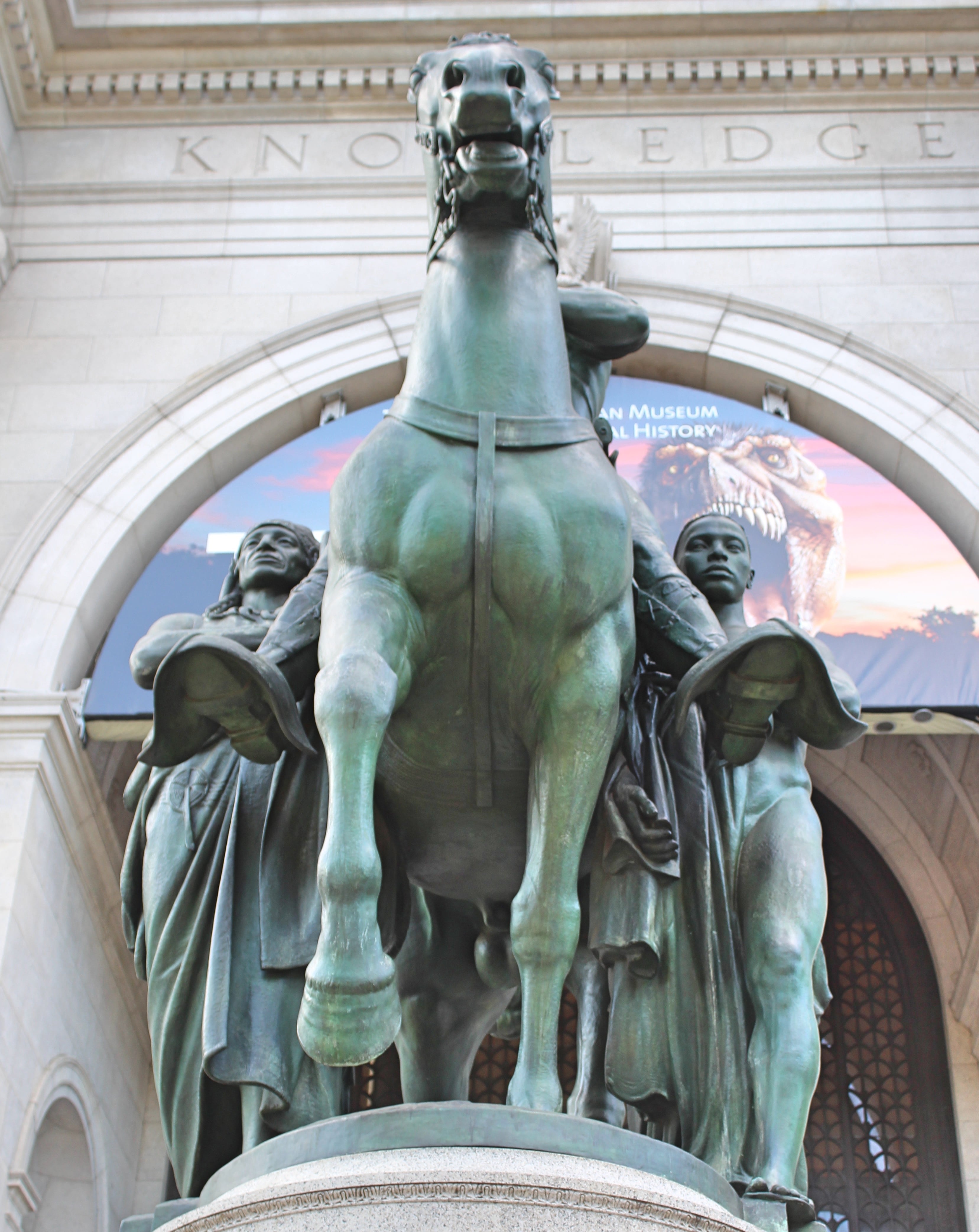


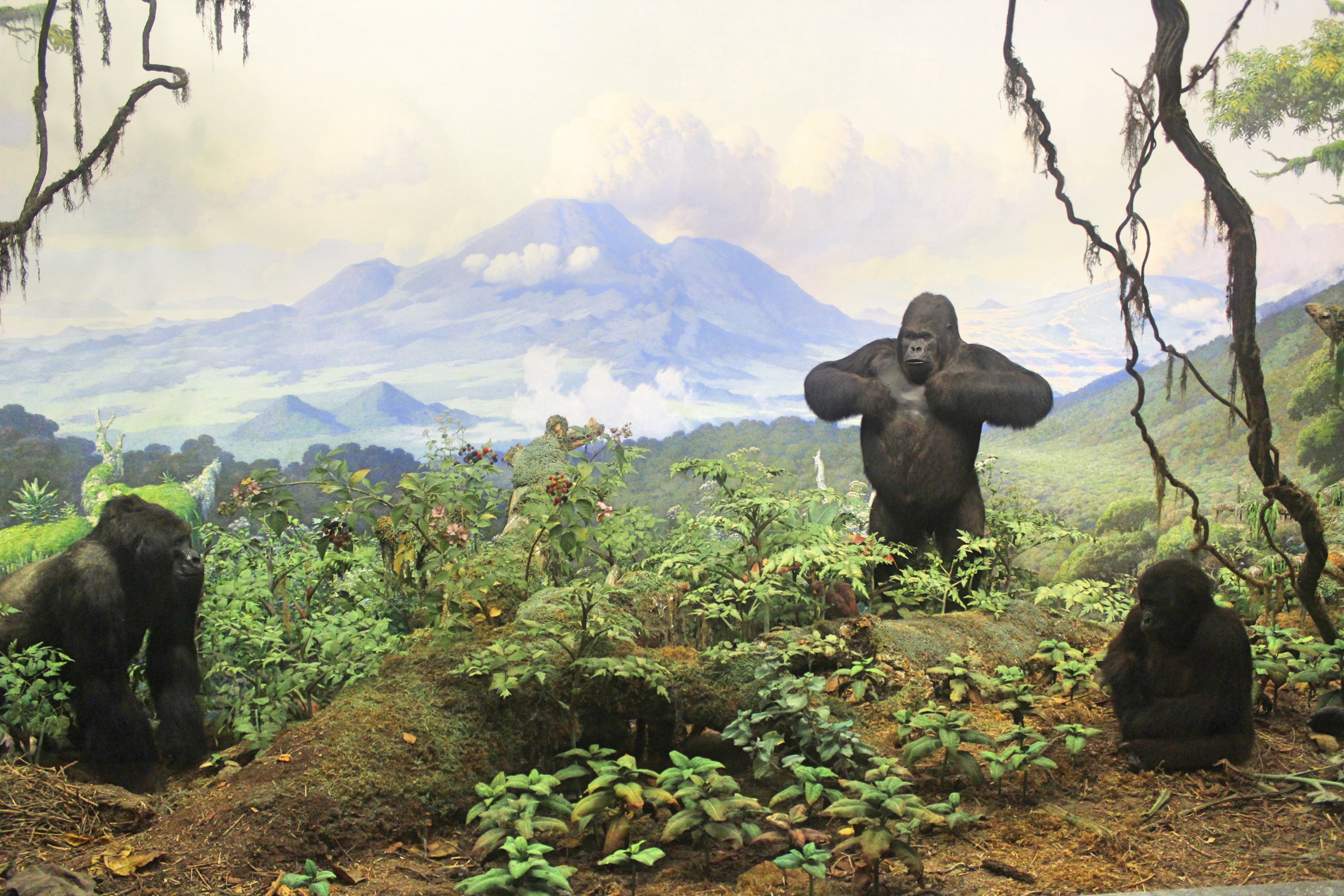
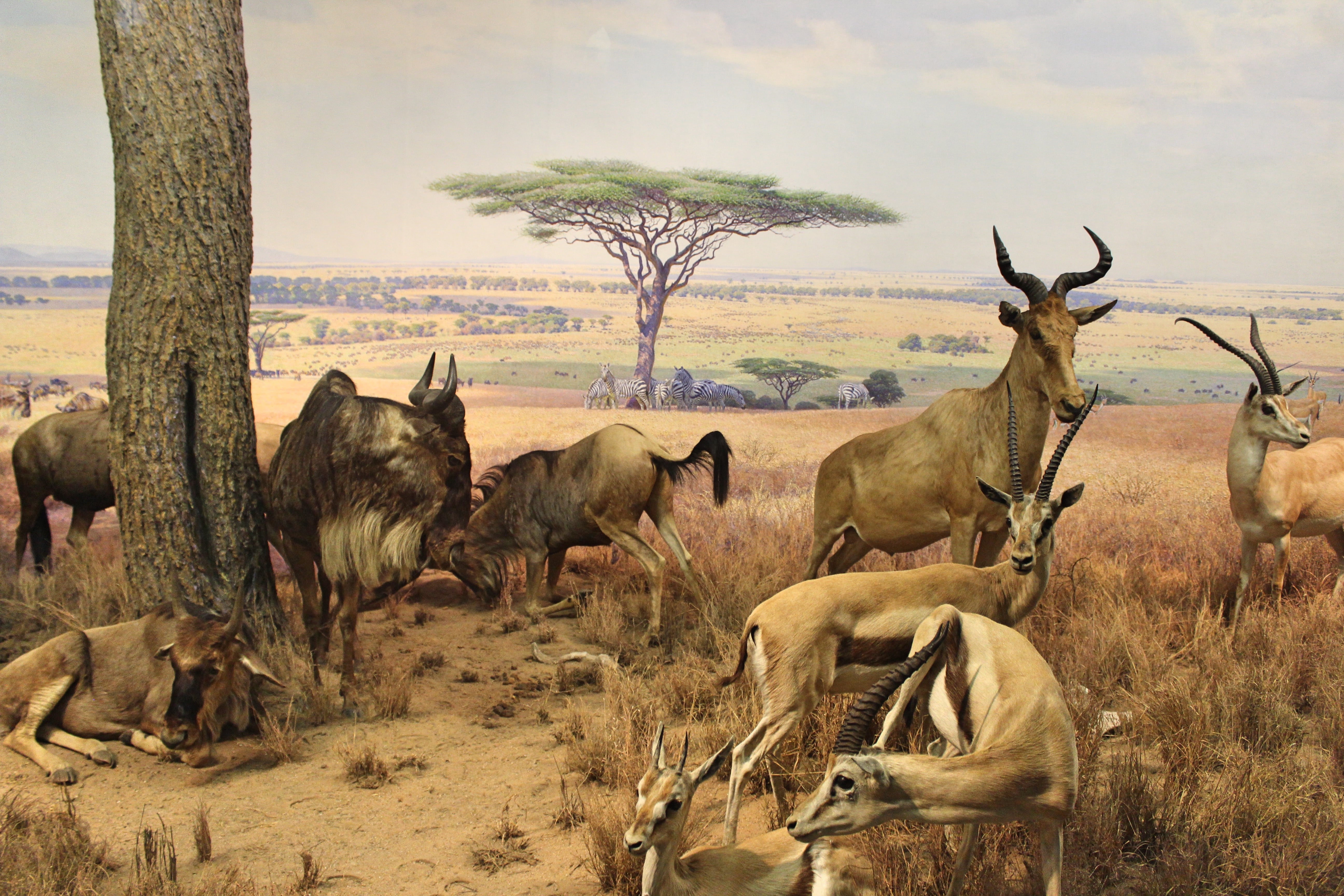
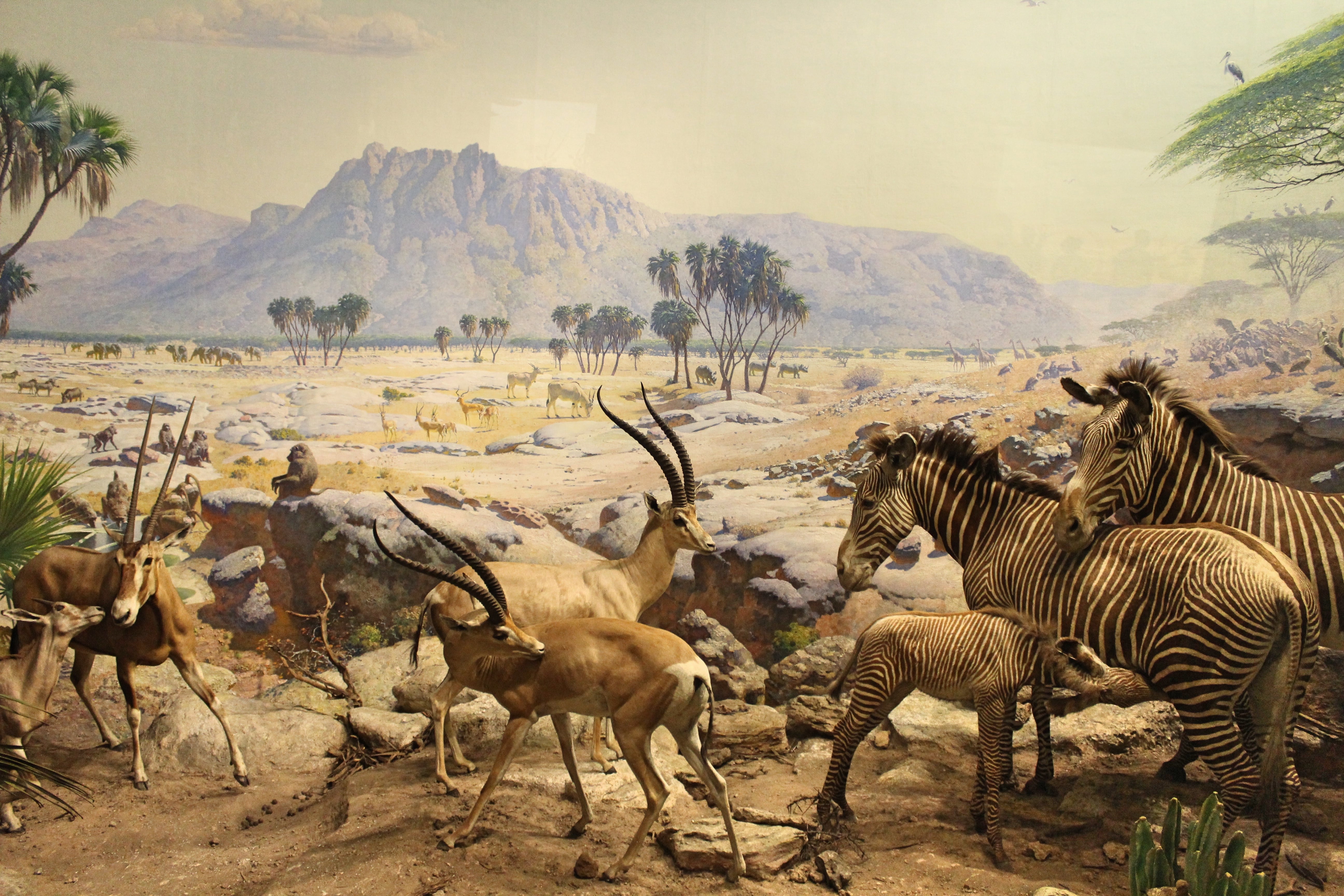


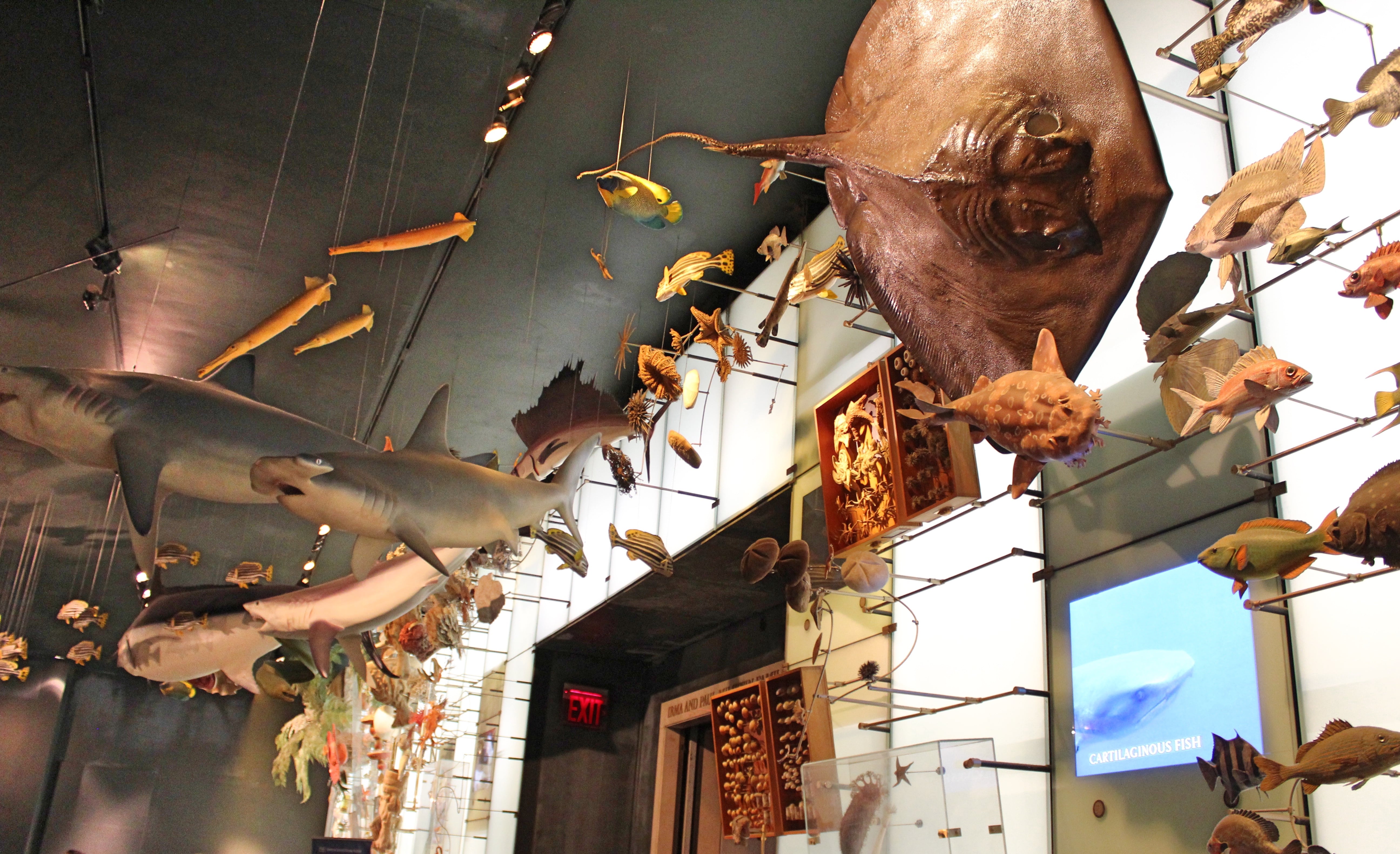


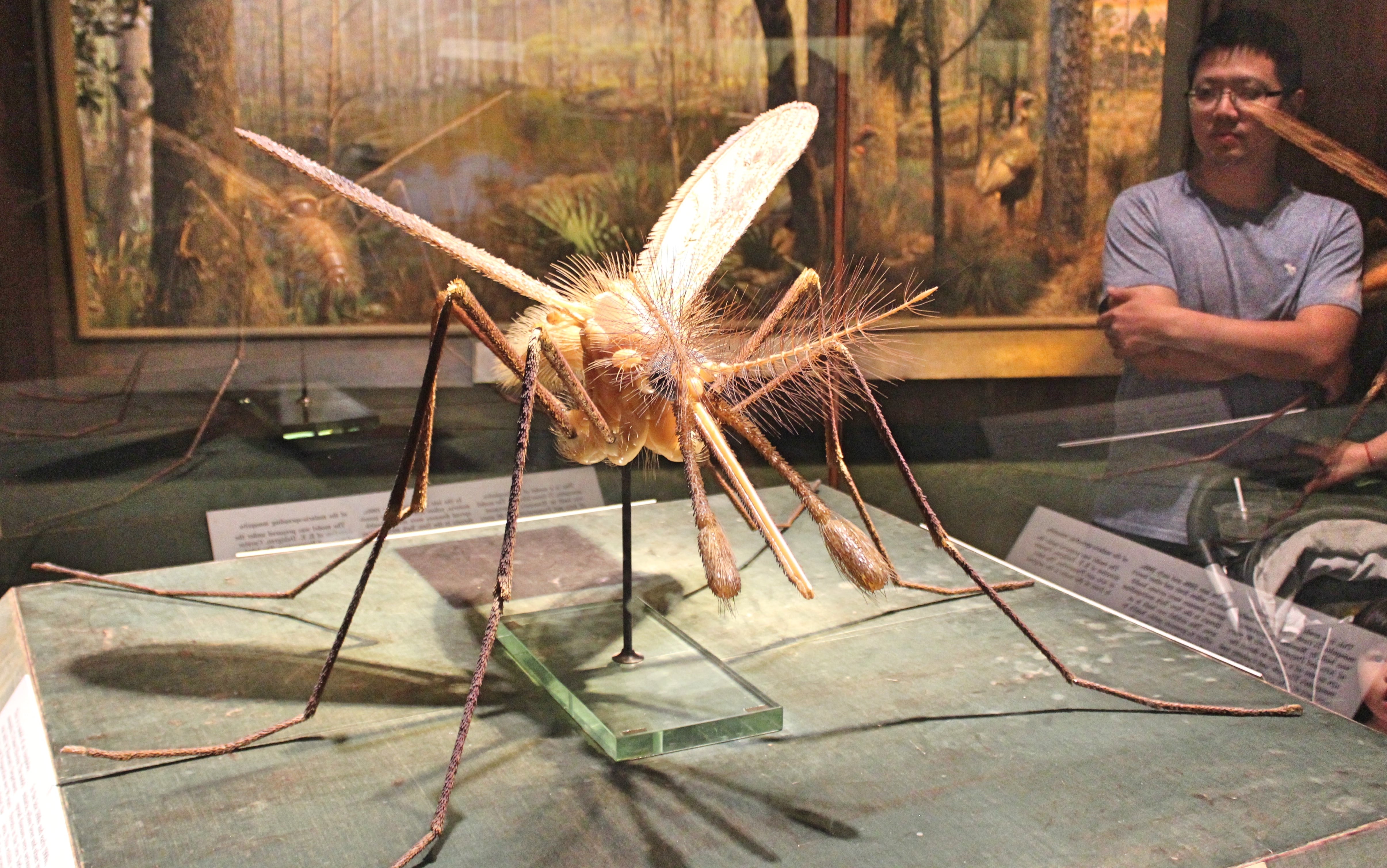

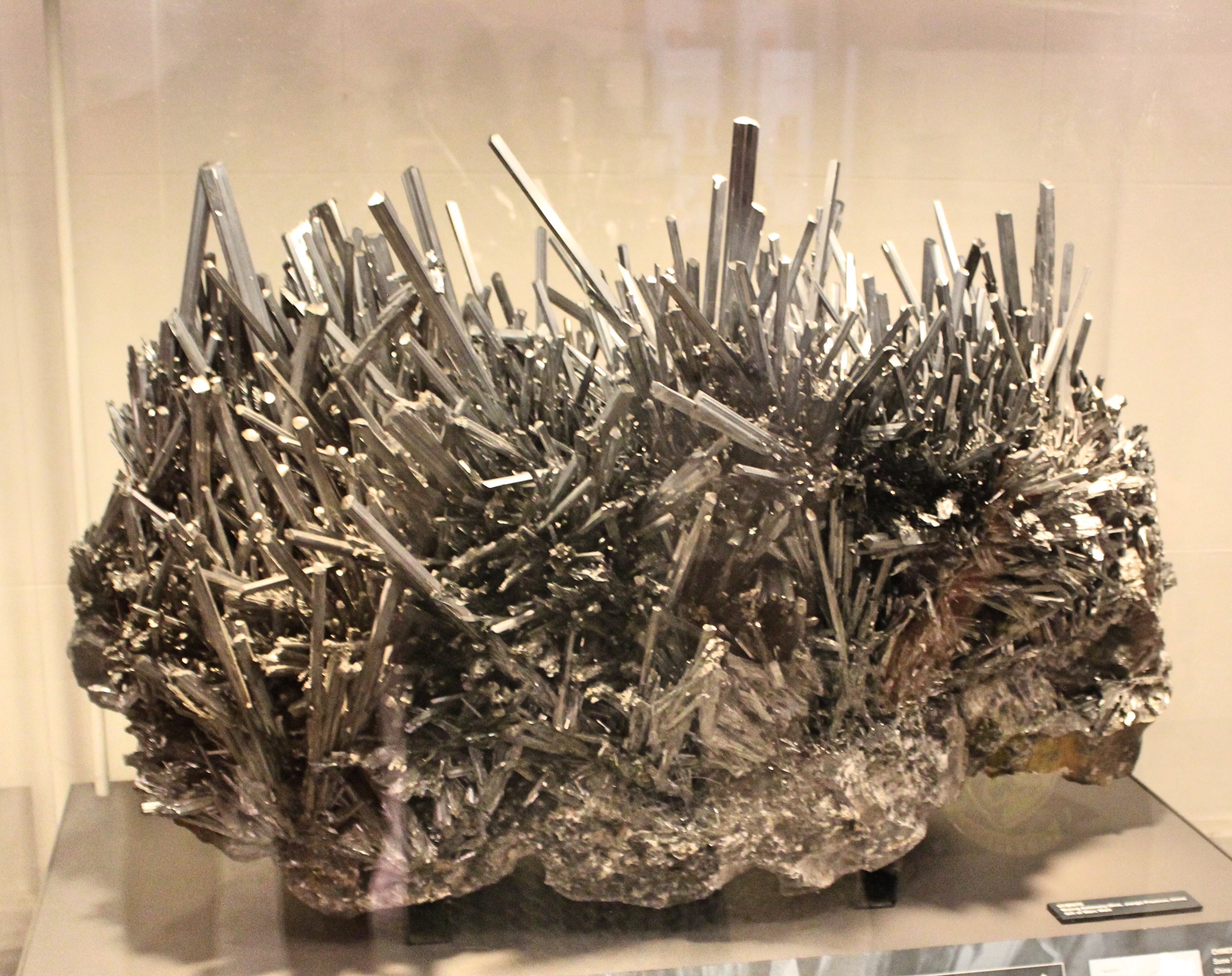
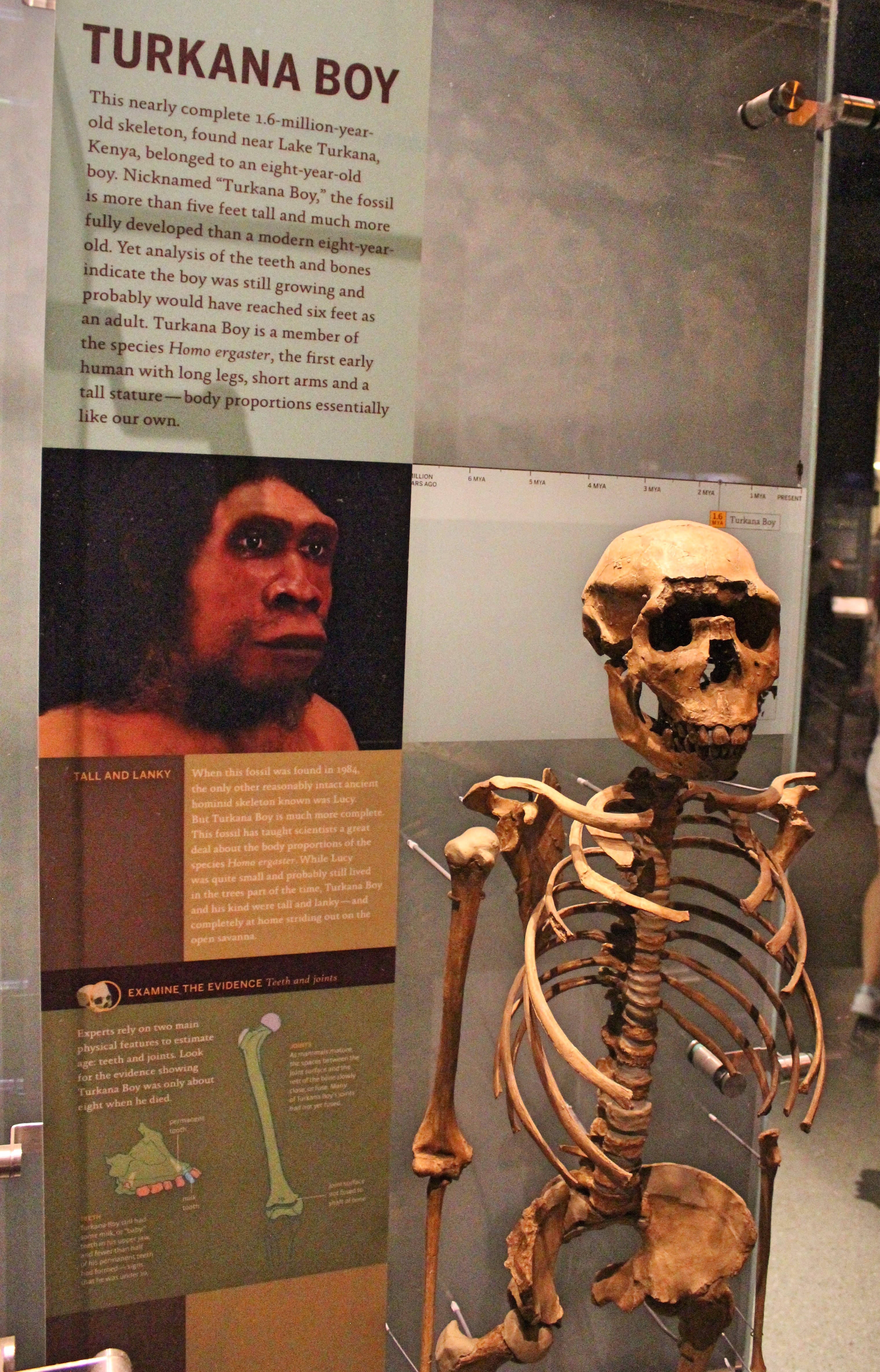
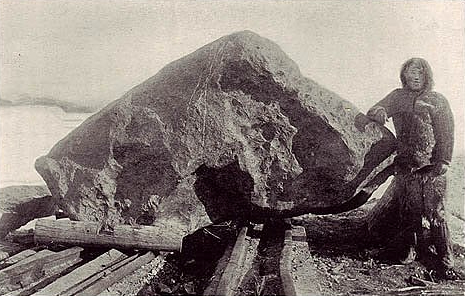

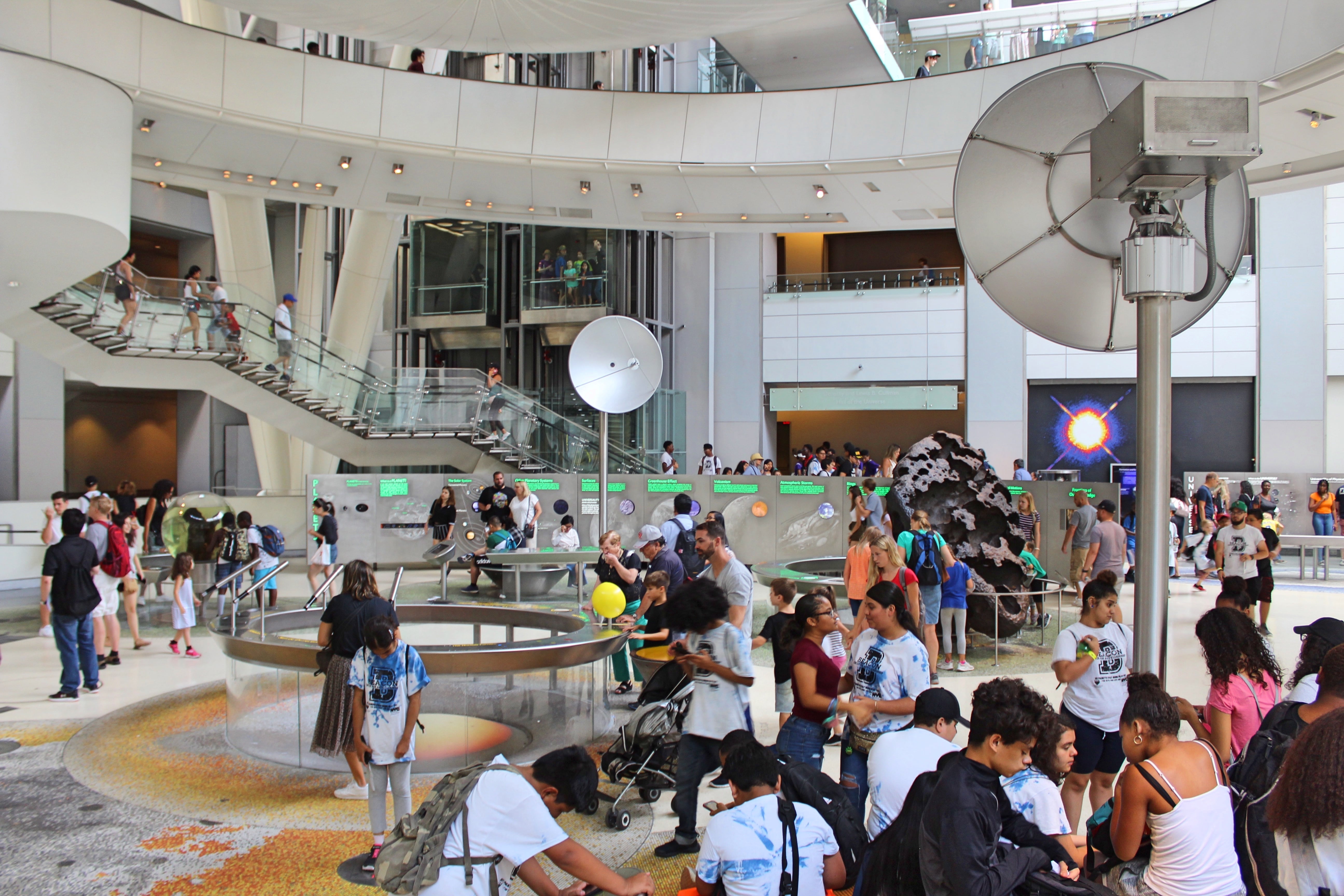
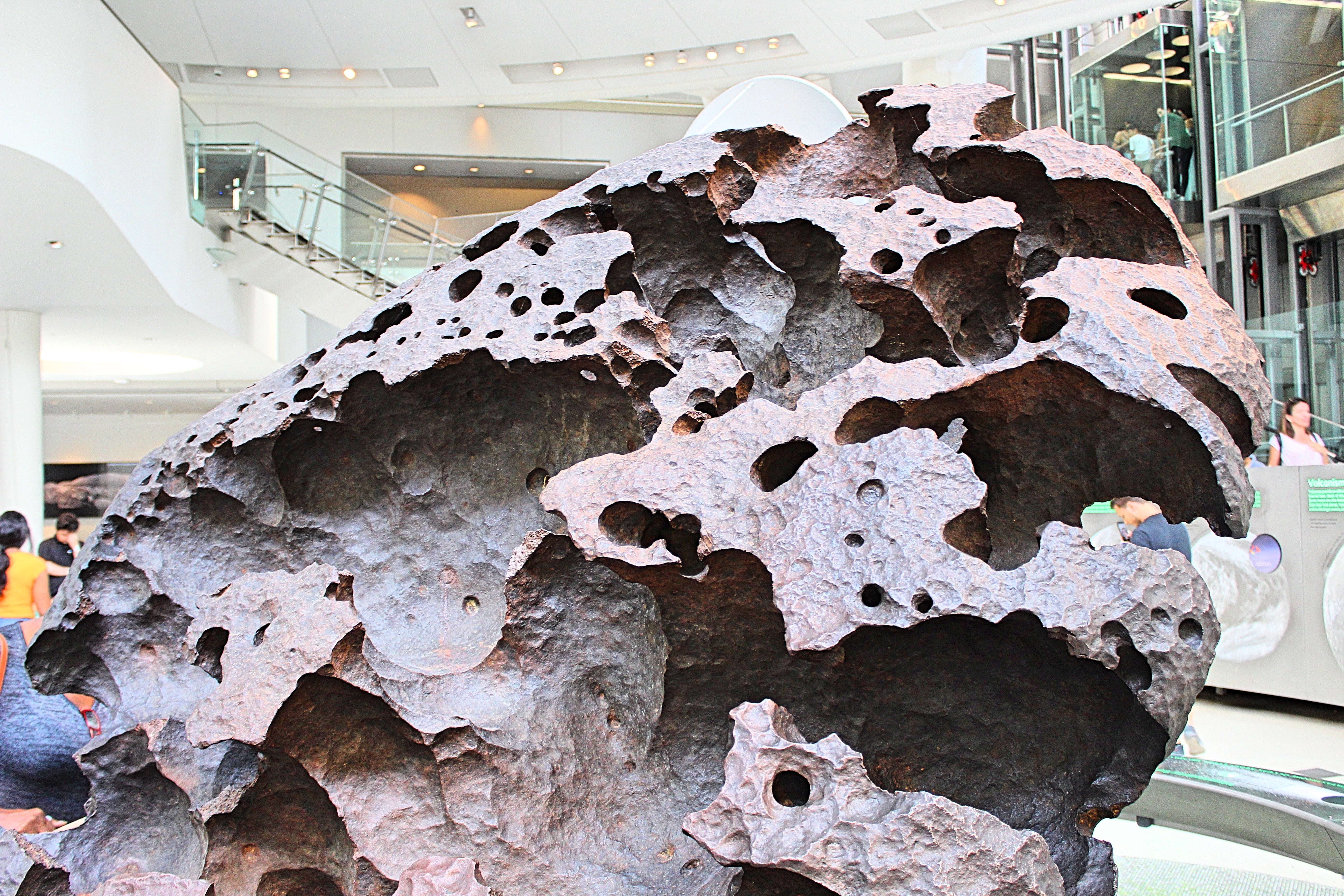
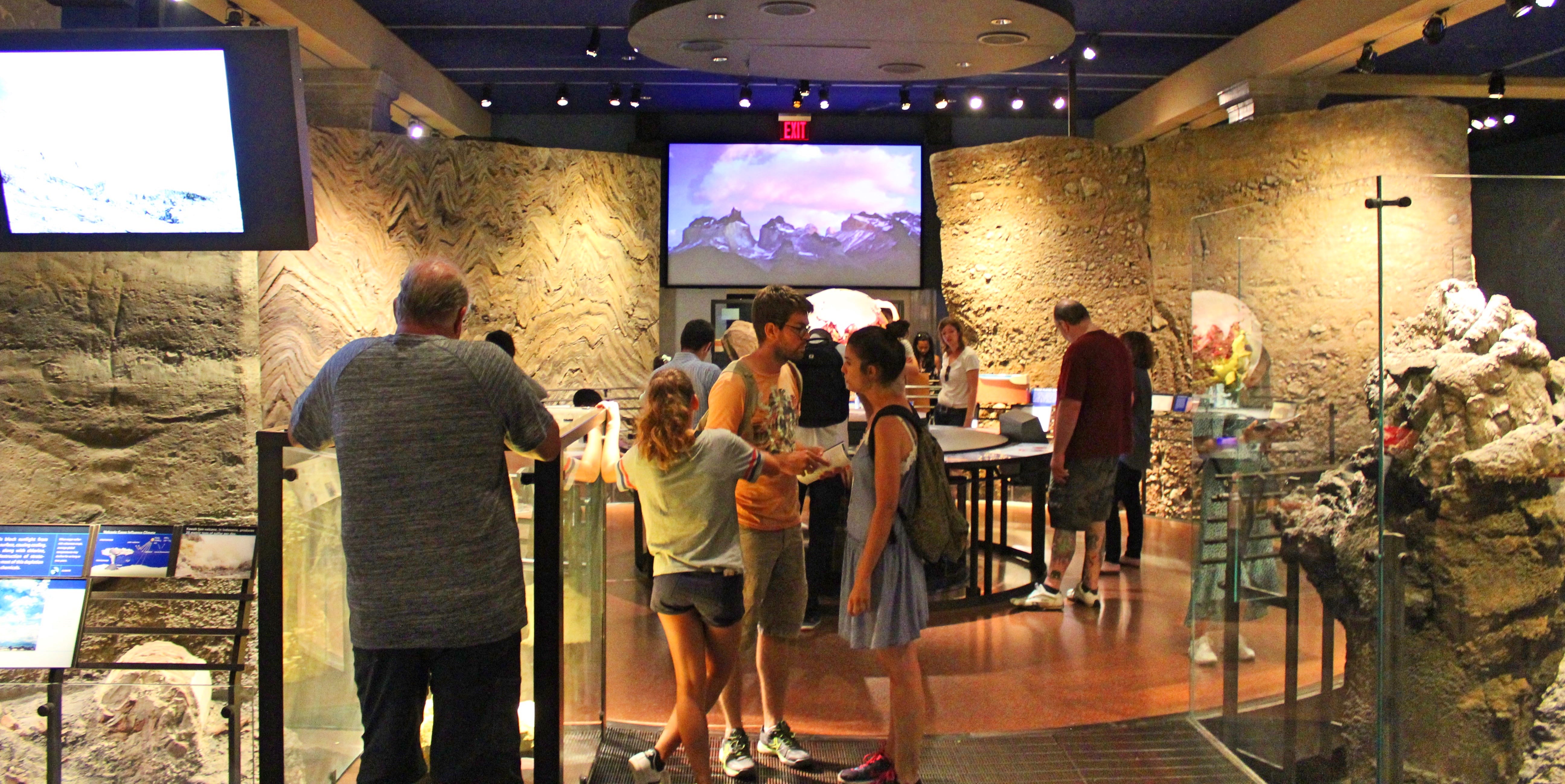
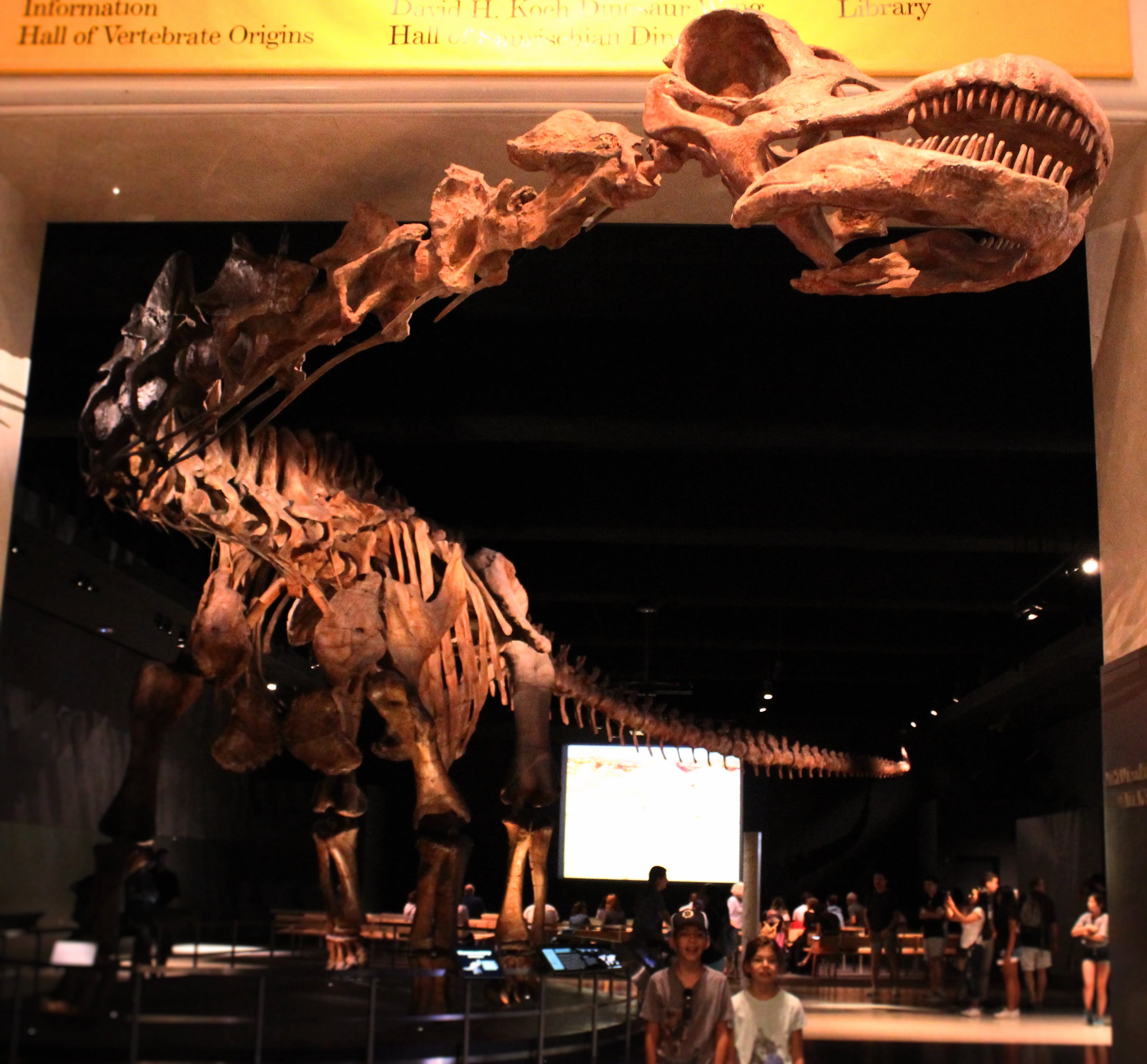
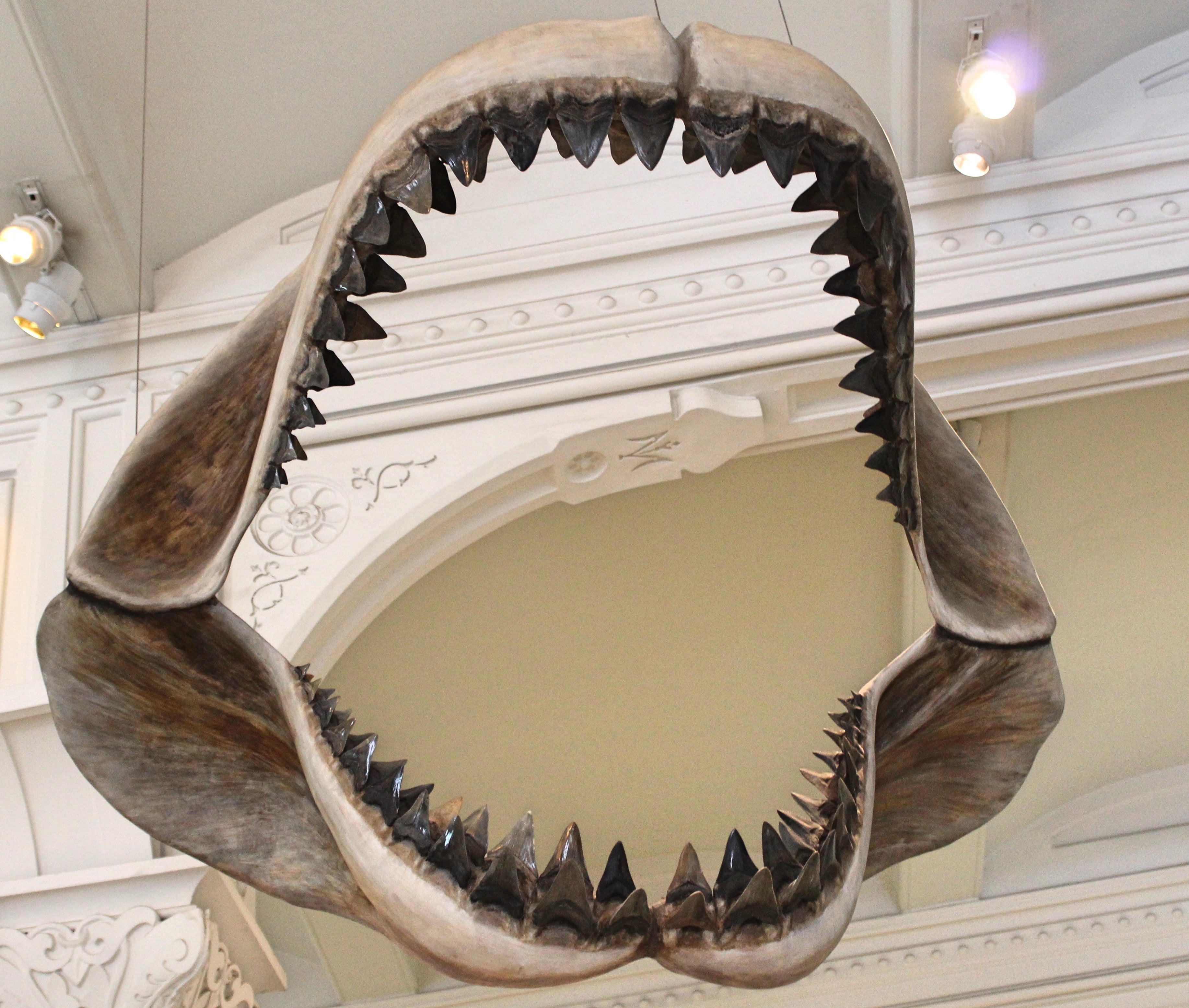
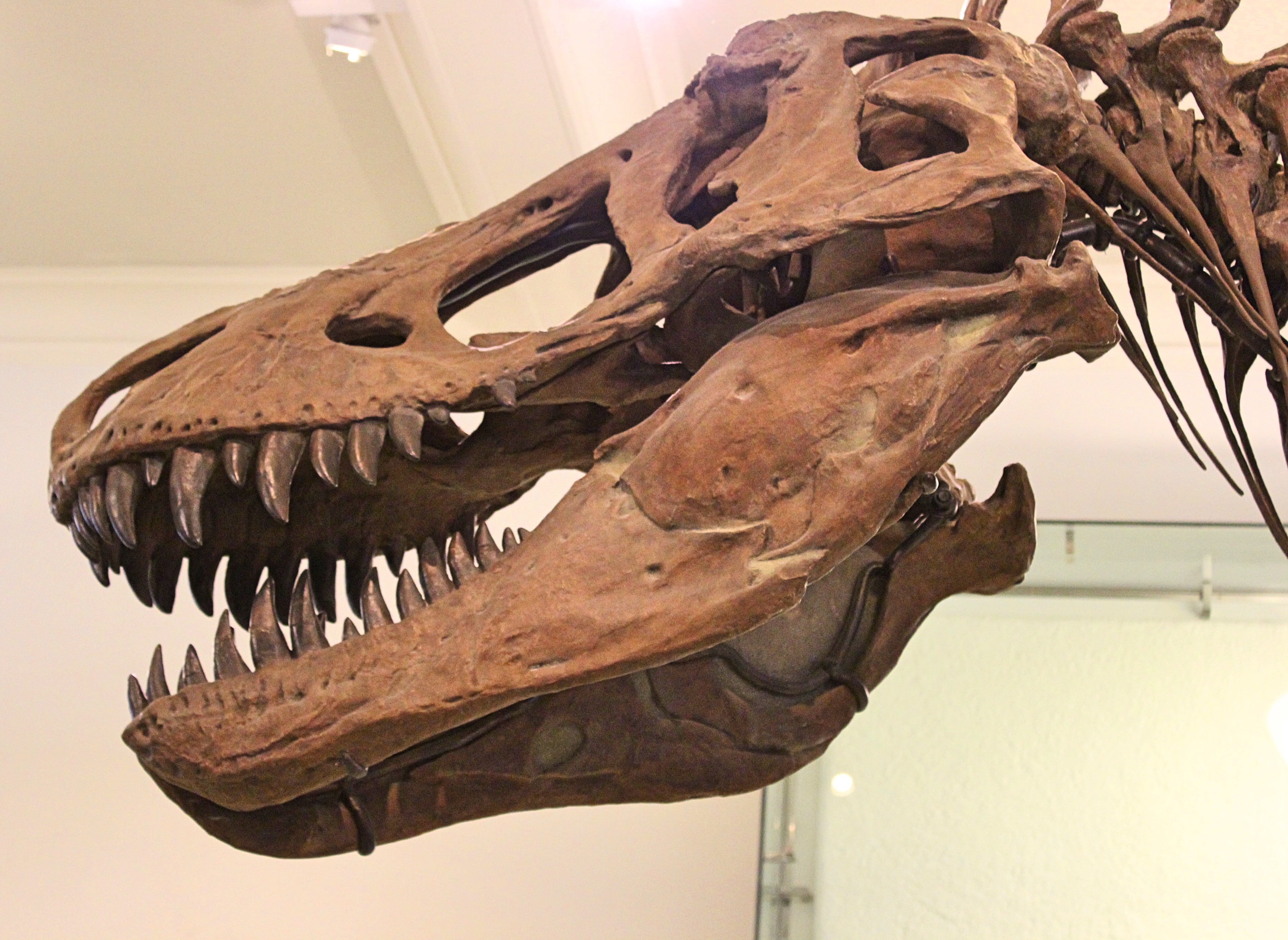
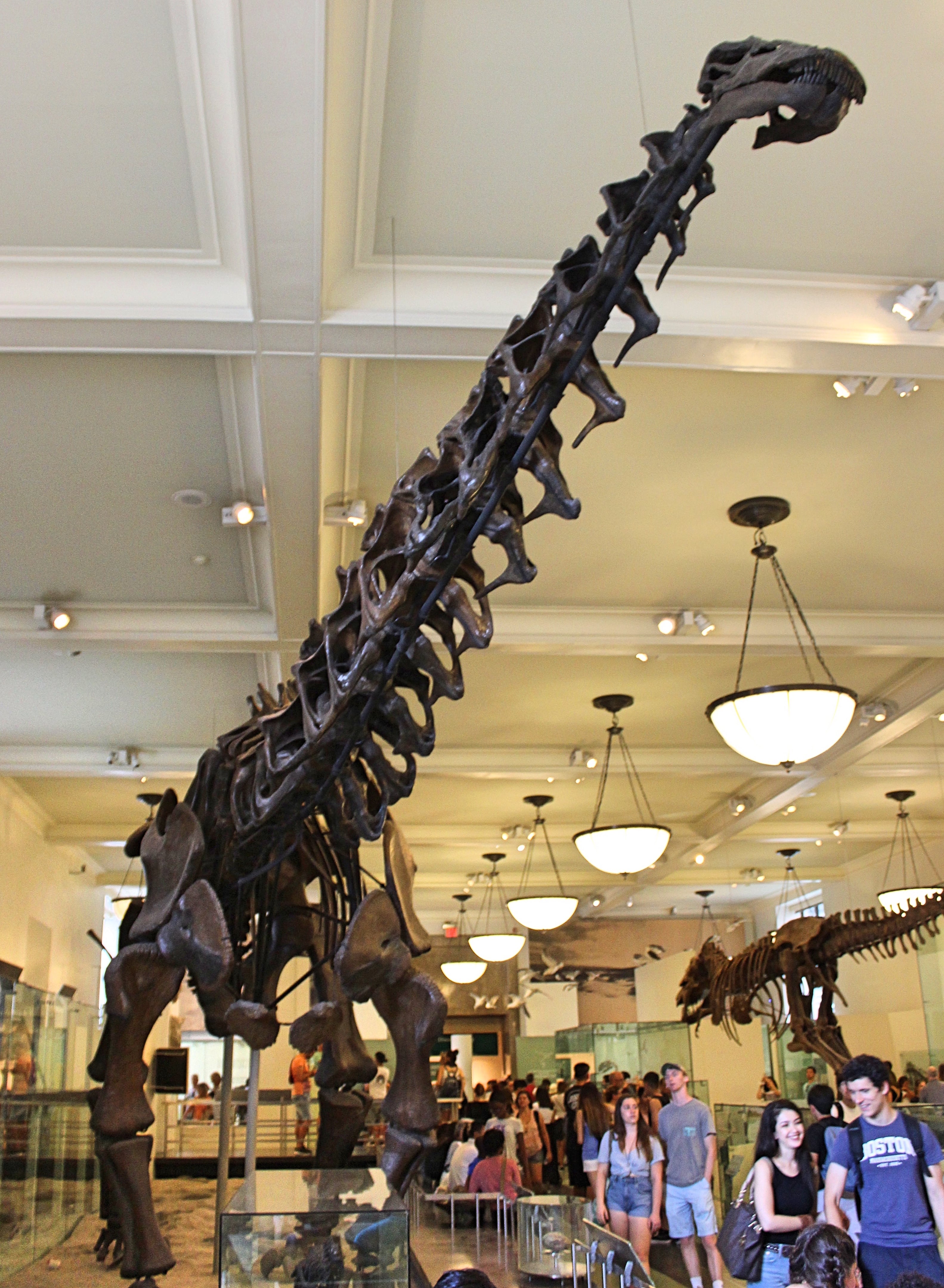

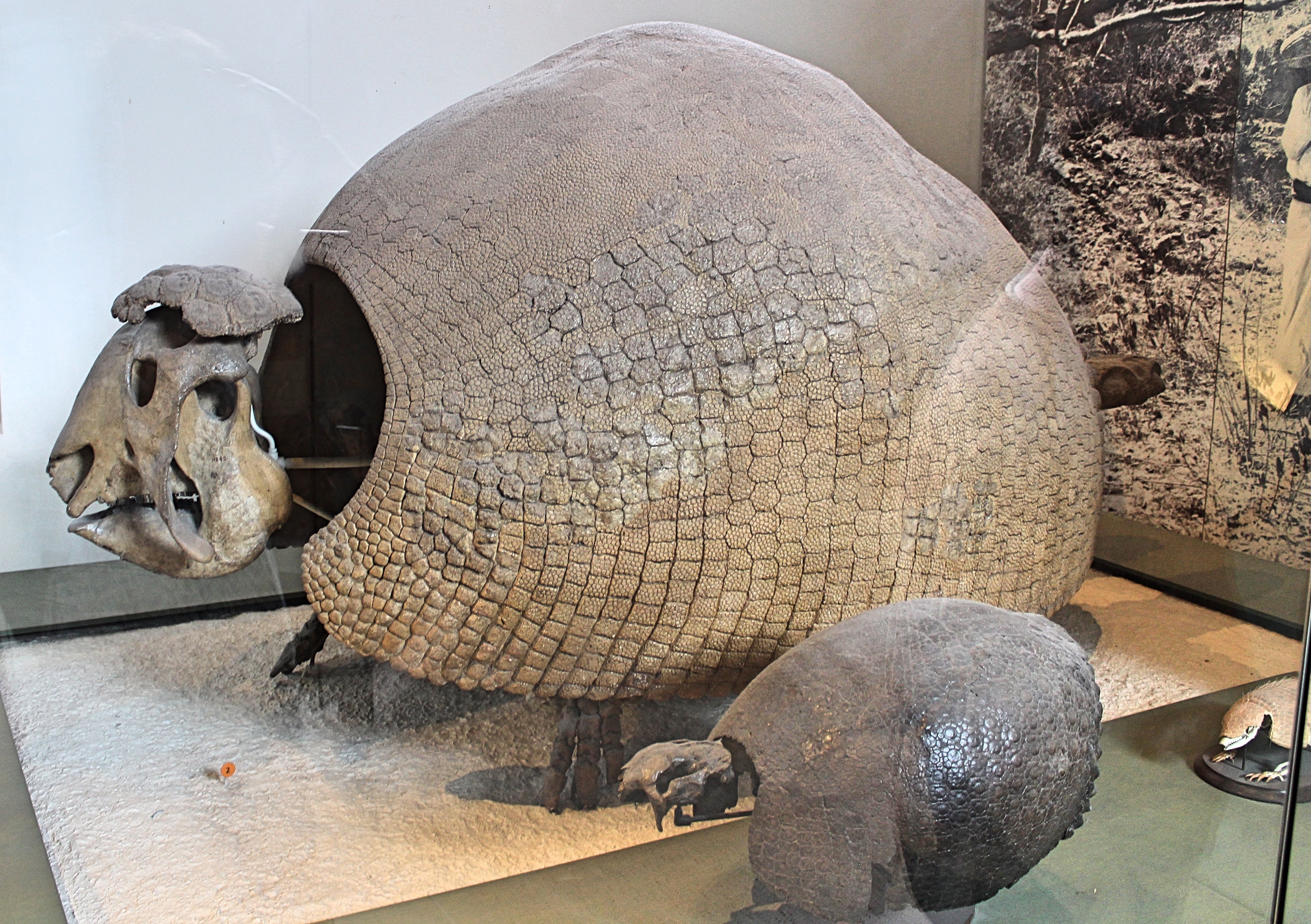
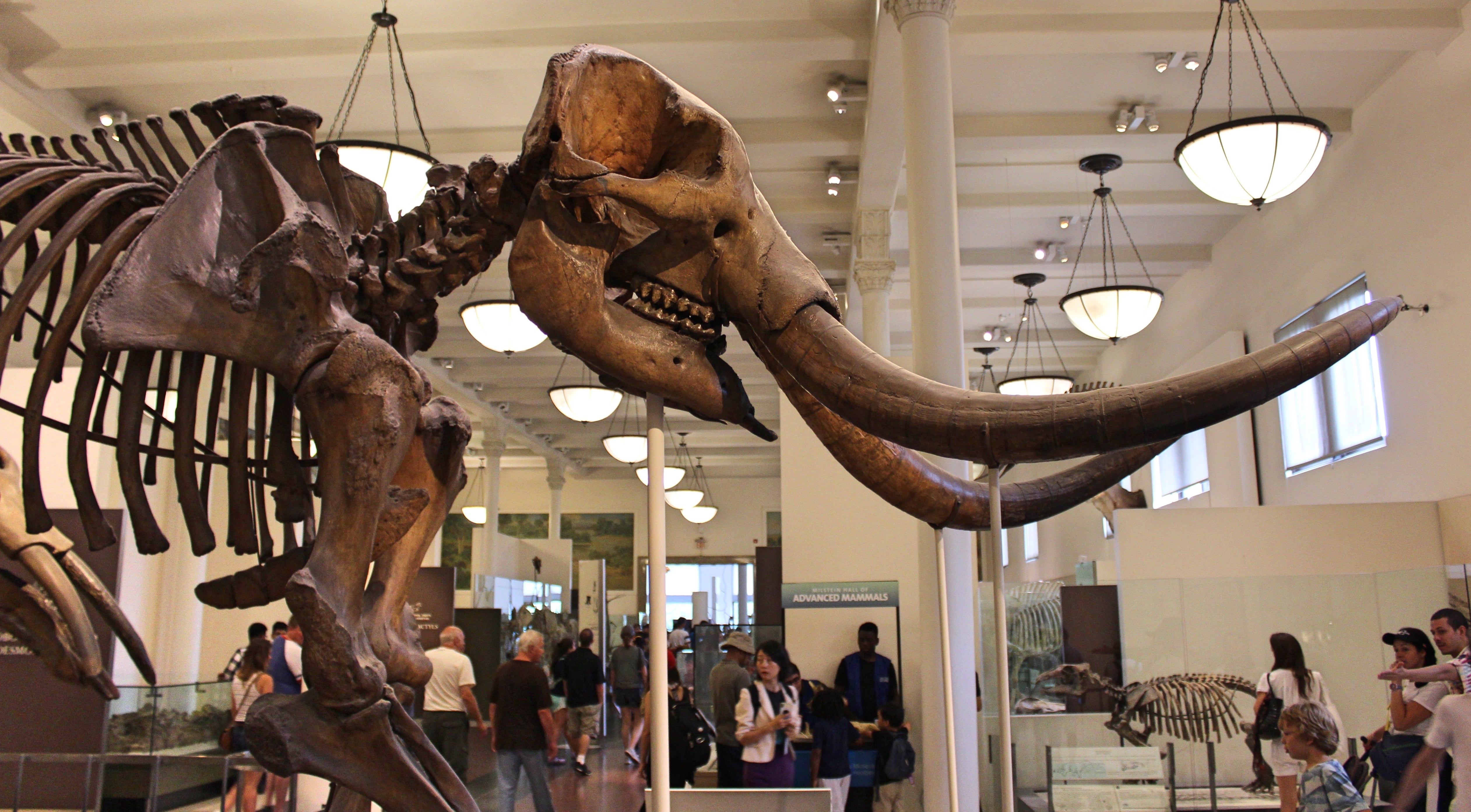

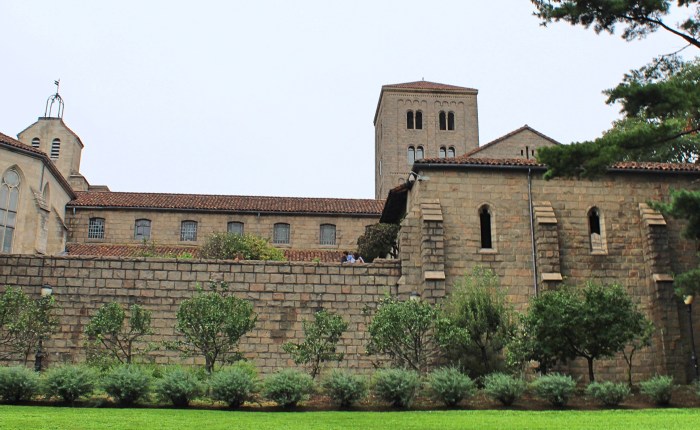
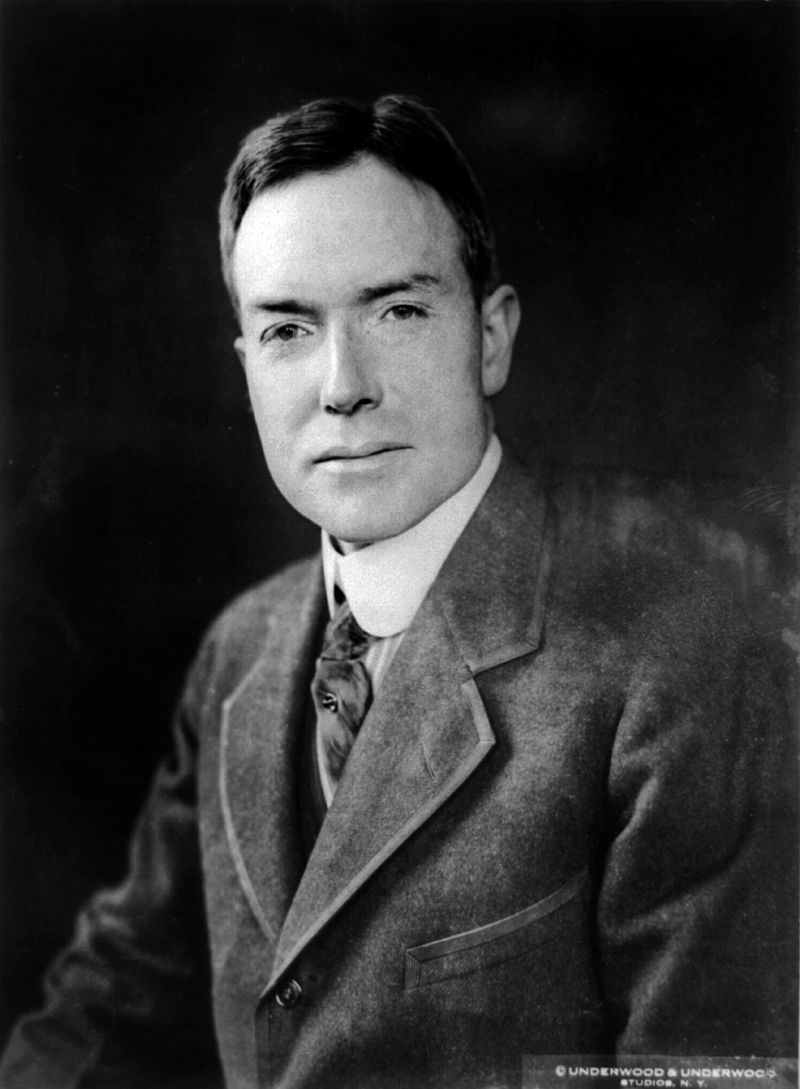






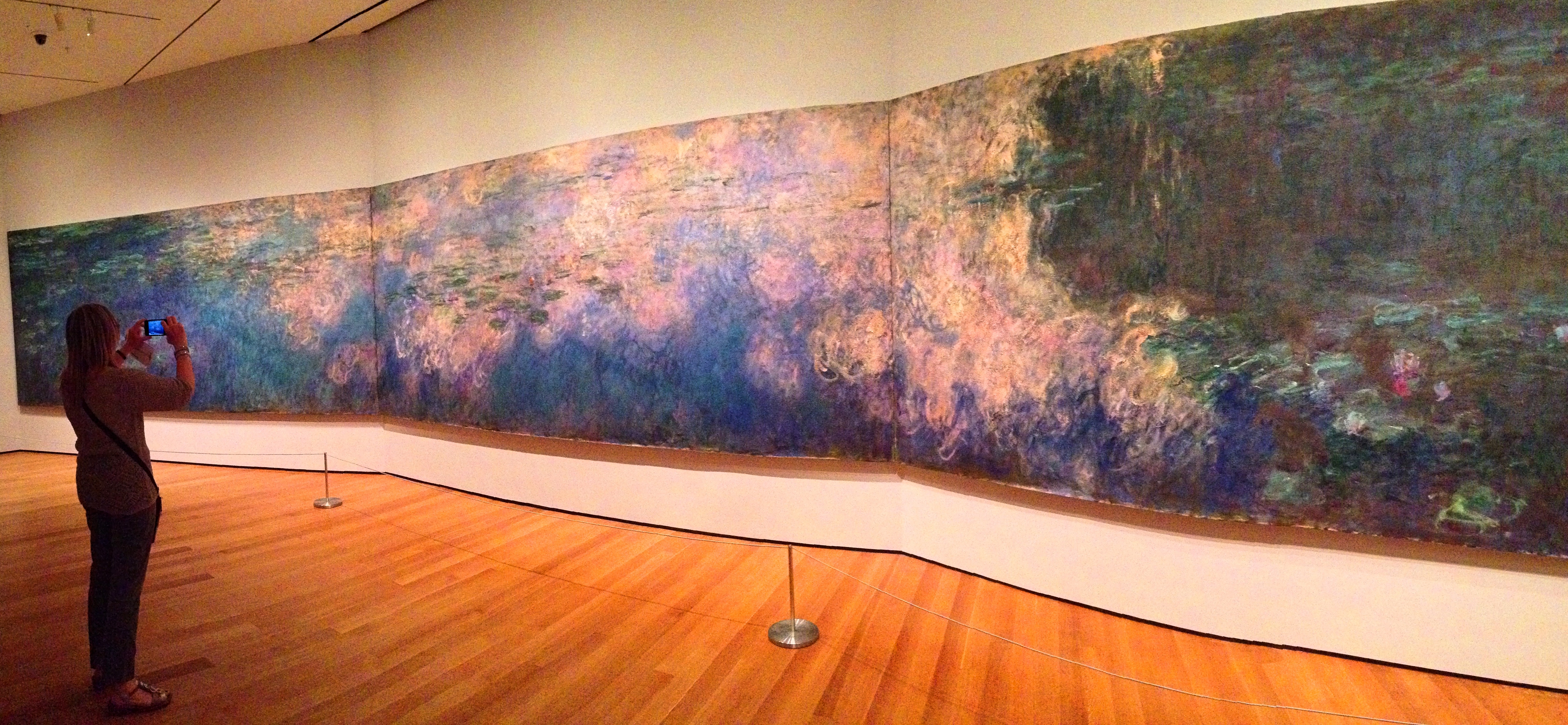
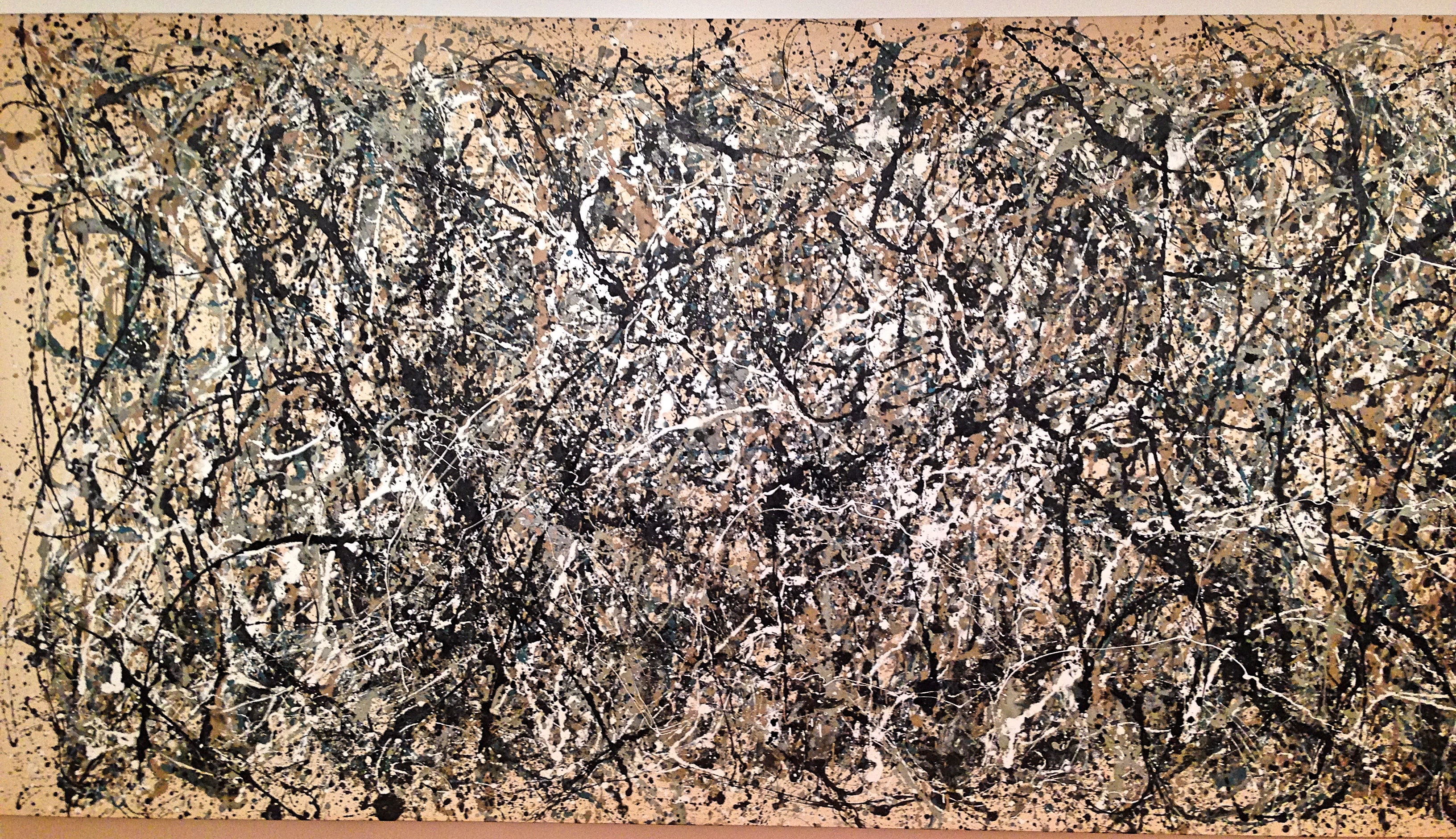


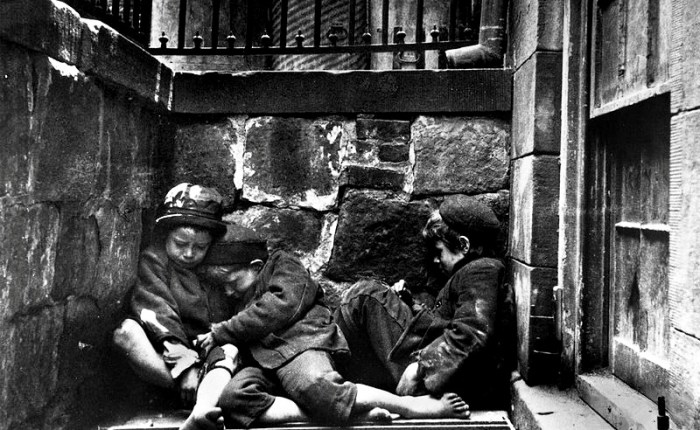

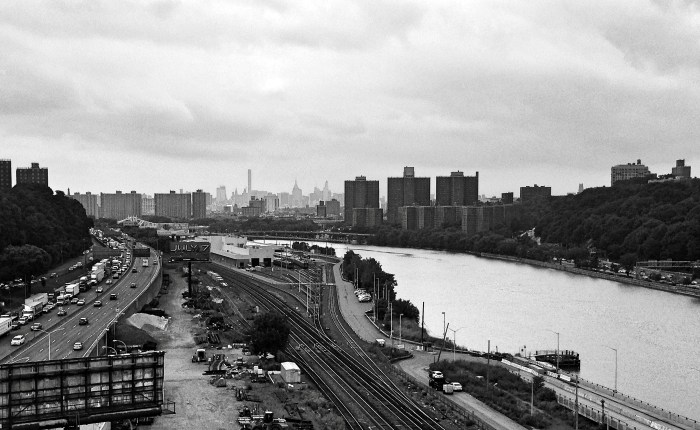

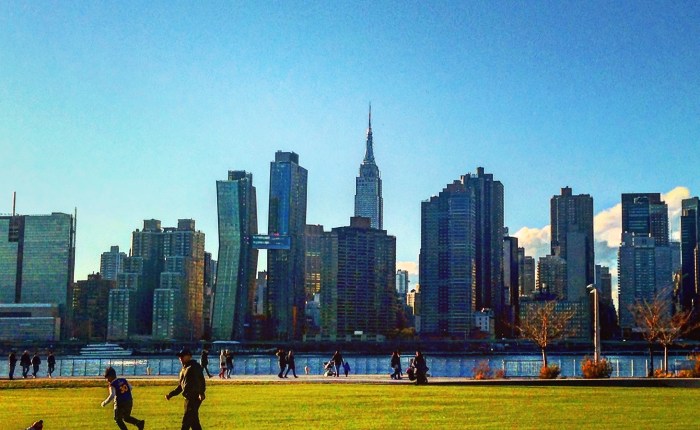

 Lotz in Translation