“Make sure to apply plenty of sun cream,” the radio advised, “and take it easy on the beer. One or two is fine, but any more and you might get dehydrated.”
This was the voice of an expert on public health, speaking on Ireland’s national radio station, RTE. Ireland, you see, was experiencing a heat wave. The skies were clear and sunny, and the temperature was reaching highs of… around 25°C (75°F). In other words, the weather was absolutely perfect. But on this rainy island, such scorching temperatures were worthy of serious news coverage.
Meanwhile, we rode down country roads, windows down, soaking in the effervescent green of the Irish countryside. We were on our way to one of Ireland’s most famous natural wonders: the Cliffs of Moher.
Now, here I want to add a note about RTE. Despite the official name being in the Irish language (Raidió Teilifís Éireann), RTE primarily broadcasts in English. This makes it an absolutely delightful resource for any American travelers to the Emerald Isle. Just by turning on any car radio, you are given an immersive window into the realities of Irish culture. During our trip, we listened every time we were in the car, hearing programs about budget negotiations, interviews with cookbook authors, and discussions of rising energy prices. This may not sound especially engrossing, but it made our visit feel that much more intimate.
The health expert elaborated on the dangers of sunburn and dehydration as our destination came into view: the visitor centre. You know you have arrived when you see the huge parking lot across the road, which on any given day will be full of tour buses and private cars. The cliffs are free, but the parking is not.
The visitor centre is worth stepping into before you see the cliffs. Opened in 2007, it was built into a hillside to better preserve the natural environment. Aside from serving snacks and having public toilets, the centre also has small exhibits on the geology, history, and wildlife to be found on the cliffs. But the detail that most sticks out in my memory are the women working at the gift shop, who were visibly red and covered with sweat due to the heat wave—despite my feeling entirely comfortable. I suppose it matters what you’re used to.
It is a short walk from the visitor centre to the edge of the cliffs. The first view is breathtaking—as is every view after that. Though it is cliche to say it, the photos simply do not do justice to the cliffs. Their scale is unlike anything I have ever seen. Standing at over 100 meters (or around 330 feet) above the sea, and stretching for miles in both directions, the cliffs are an overwhelming spectacle—one of the few tourist attractions that stand up both to the hype and to the inevitable hordes of tourists.
We like to say that Rome was not built in a day, but geological time operates on a scale that dwarfs even our longest empires. These cliffs are a case in point. What we see today is the process of hundreds of thousands of years of water erosion. The process is simple: the waves crashing into the rock eventually cause a notch in the area touching the sea. As this gets deeper, it eventually cannot support the weight of the rock above it, and the whole side of the shore comes crashing down. This is how we get these sheer rock faces.
Due to this erosion, a huge layer of rock is exposed to the eye. This is what geologists dream of. It is the history of the earth, exposed to public view. The rock here is sedimentary, meaning that it was deposited by ancient rivers, and compacted into layers of hard shale and sandstone over time. As you might expect, the oldest rocks are at the bottom; these date back over 300 million years, before the time of the dinosaurs. The fossils preserved in the rock are the traces left by tiny burrowing creatures who lived in the ancient riverbed.
Yet viewing the cliffs does not put most visitors in the mood for scientific inquiry. Instead, they invite a sense of gaping wonder at the scale and majesty of nature, even amid the famously docile landscape of Ireland. My brother and I wandered up and down the path, taking photos of the cliffs from different angles, none of which was wholly satisfactory. Seabirds glided in the strong currents of air that formed from the ocean wind hitting the rock face—and which sent the sharp scent of salt water up to the viewing platforms.
But enjoying a spectacle is hard work; so, feeling hungry, we wandered off to find a vegetarian hamburger truck that we had heard about (it was very good). Our mom, who wasn’t very hungry, stayed behind at the visitor center. By the time we got back, she was enjoying a performance of a marching band that had set up in the large seating area outside. It was an odd contrast—this austere icon of Ireland, and music that would not have been out of place at an American football game. But, strangely, it only added to the pleasant atmosphere of the unseasonably warm day.
The rest of our day was yet unplanned. We figured that we would be able to find something interesting in the vicinity of the Cliffs of Moher, and we were right. With our trusted Rick Steves guidebook in hand, we opened to one of the many maps, and found that we were near an area called “the Burren.” The name alone sounded strangely promising.
As we drove into the area, the landscape began to change. The hills of grass that characterize the country become relatively flat, and covered in rock. Indeed, from a distance you could see how the landscape abruptly changes, the trees and greenery giving way to swirls of gray stone. Getting closer, we could see that the ground was blanketed with a natural pavement—a series of flat stones forming a solid surface, between which grass and flowers grew. It produced an immediate impression—a landscape of stark and ancient beauty.
This impression was magnified at our first stop: the Poulnabrone Dolmen. This is an ancient megalith, well over 5,000 years old. As it stands now, the structure consists of three upright stones supporting a slab roof. But this is only the “skeleton” of the original construction. In its time, it would have been covered in soil and topped with a “cairn,” or a tower of rocks. Even so, it is an impressive sight. The arrangement of stones looks fragile, as if it can topple over at any moment. The visitor cannot help but wonder how it survived for so long. It is also impossible not to wonder how the stones were moved into this arrangement without the help of modern technology. The roof stone is so large that I don’t think even several dozen people could safely lift it.
The short walk from the parking lot to the dolmen was unusually difficult, owing to the curious topography of the Burren. You have to be aware of where you are putting your foot, or you may step from the high platform of rocks into one of the crevices between them—thus risking a twisted ankle. Yet this extra awareness gives the Poulnabrone Dolmen an added spiritual element, as the visitor is forced to focus on their surroundings. This, added to the peculiar beauty of the landscape—quiet, empty of birdsong, isolated and exposed, as if you were on the top of a high mountain—lends this lonely monument a mystical atmosphere, as if it really were the portal to another world.
Our next stop in the Burren was the eponymous visitor centre. Located in the exceedingly small village of Kilfenora, this institution does not look like much from the outside. But it is well worth a visit. A small fee will get you into the museum, which has all the information you could want to learn about the Burren—flora and fauna, geology, history, and even music. I found the information about the flora to be especially interesting. Puzzlingly, this rocky and barren landscape is home to over 70% of the country’s native plant species, many of them wildflowers. Even more puzzlingly, alpine and mediterranean flowers bloom together here. The deep groves in the limestone apparently provide an ideal micro-environment.
Another highlight of the visitor centre is the Kilfenora Cathedral, which today lies mostly in ruins. This attractive church building is now used to exhibit a collection of High Crosses, which are large stone crucifixes. These monuments, dating mostly from the early middle ages, are often decorated with elaborate images—illustrating Biblical stories at a time when most people were illiterate. The finest of these can rival the great gothic tympanums (the area over a doorway).
My mom and brother, admiring the ruined church
Yet during my visit, another parallel came to mind. In Galicia, the northwest of Spain, the landscape is also dotted with tall stone crucifixes, called cruceiros. This parallel struck me as odd, as Galicia is also home to many prehistoric dolmens—some that are remarkably similar to the one I had just seen here. Perhaps this should not be too surprising, however: both Galicia and Ireland were once populated by Celtic peoples. Indeed, there was once a time in human history—over 10,000 years ago, during the last great Ice Age—when it was possible to walk from Spain all the way to Ireland. This may seem like a very long time, but it is just a moment in the history of the earth.
Perhaps I am thinking in these terms because the Cliffs of Moher and the Burren both evoke the deep, geological past of Ireland, and remind us that the land beneath our feet is far more than just a country.
In the introduction to this book, its translator J.M. Cohen makes a point to emphasize how badly it is written. This is hardly normal for a book that is widely considered to be a classic—though perhaps it shouldn’t come as a surprise for a document composed by a poorly-educated soldier of fortune. For this edition, Cohen trimmed much of what he considered to be repetitive, and straightened out some of the knottier prose. Even after this treatment, however, a great deal of this book is a confused and monotonous narration of battles.
And yet, it is an absolutely fascinating document. Díaz wrote his account as an old man, to correct some of the earlier stories about the conquest of “New Spain,” which glorified Cortés at the expense of his followers. This would seem to indicate that Díaz—who was one of these followers—had a proverbial axe to grind. But Díaz’s lack of intellectual subtlety, his clumsiness as a writer, and his obvious frankness combine to make this document strangely absent of perceivable bias. Writing down what he witnessed was such a chore in itself, the reader feels, that Díaz did not have it in him to twist the story to his ends.
The result is an eyewitness account of one of the most monumental events in human history—the collapse of a great empire, and with it the only power in Central America capable of resisting the Spanish colonists. It is a story rich in drama and intrigue, as Cortés navigates the politics of his Spanish backers (who turn on him) as well as the local peoples he encounters, seeming to stay one step ahead of trouble through his cunning and a generous amount of luck.
It is also a gruesome and tragic story. Hardly a page goes by in this book without armed conflict and human butchery. It is impossible to root for the Spaniards as they slash and burn their way through the landscape, provoking unimaginable losses to our cultural heritage in the process. And yet, ironically, Díaz—an agent of this civilization’s destruction—was one of the last people to see it at its full splendor, and is now one of our best sources of information on what he helped to destroy.
The passages about the Aztec cities, and especially meeting Montezuma in Tenochtitlan, are easily my favorite part of the book. Despite their selfish and bloody purpose, Díaz and his fellows were absolutely dazzled at the splendor of the empire. He was amazed at the broad and straight causeway, the network of canals and bridges, the high stone pyramids. The vast markets, teeming with alien plants and animals, he compares favorably to those of Constantinople or Rome; and he goes into raptures at the beauty of their gardens. The sheer number of people is shocking for the modern reader, who may be accustomed to thinking of the New World as only lightly populated at the time of European contact. On the contrary, Tenochtitlan would have dwarfed the London or Seville of the time.
A tone of regret or remorse creeps into the writing at this point, as if he is sorry that such a wonderful place was destroyed. It is an especially striking tonal shift, given that so much of the book is one battle after another, often told quite matter-of-factly. In another passage, Díaz seems to be amazed that all of this really happened, and seems unable to explain how it could occur, deciding that it must have been divine intervention. This is somewhat self-serving, to be sure, but it does give a taste of his complete lack of guile. As an author, he writes what he remembers, and shrugs his shoulders at the explanation.
What continually strikes Díaz—and undoubtedly his readers—is the prevalence of human sacrifice in the Aztec world. He describes finding people in cages being fattened for sacrifice, temples covered in blood, and the horrifying way in which victims would be dragged up the temple steps and have their chests cut open. As far as I know, there is no reason to doubt that this really happened. Yet it also serves rhetorically as a constant justification for the Spaniards’ actions. It is difficult to feel bad for the Aztecs, after all, if they are murdering on such a scale.
But I think it is important for the modern reader to keep in mind that Díaz and his fellows were hardly there on a humanitarian mission. These conquistadors—who would go on to commit violence on a much larger scale—were there for personal enrichment above all else. The lives of the peoples they conquered had little interest or value for them, beyond their possessions or their enslavement. To pick just one example, after expounding on the horrors of human sacrifice, Díaz calmly relates: “we dressed our wounds with the fat from a stout Indian whom we had killed and cut open, for we had no oil.” I do not say this to re-litigate the past, only because I think this book is more profitable and compelling if not read as a story of heroes and villains.
So while I cannot call this document a literary masterpiece, or even well-written, I found it to be a window—and a surprisingly clear window—into one of history’s great moments. And the sad truth is, to learn about this moment, we must turn to books like these, for “today all that I then saw is overthrown and destroyed; nothing is left standing.”
This book begins with a great promise: to correct the distorted view that so many of us have of the Persian Empire. This distortion comes from two quite different directions.
In the West, our view of the Persian Empire has largely been filtered through Greek sources, Herodotus above all. This is nearly unavoidable, as the Greeks wrote long and engaging narrative histories of these times, while the Persians—although literate—did not leave anything remotely comparable. Yet the Greeks were sworn enemies of the Persians, and thus their picture of this empire is hugely distorted. Taking them at their word would be like writing a history of the U.S.S.R. purely from depictions in American news media.
The other source of bias is from within Iran itself. Starting with Ferdowsi, who depicts the Persian kings as a kind of mythological origin of the Persian people, the ruins of this great empire have been used to contrast native Persian culture from the language, religion, and traditions imported by the Muslim conquest. In more recent times, Cyrus the Great has become a symbol of the lost monarchy, a kind of secular saint—a tolerant ruler, who even originated the idea of human rights. This purely fictitious view is, at bottom, a kind of protest against the current oppressive theocracy.
But this book does not live up to its promise. To give the author credit, however, I should note that the middle section of the book—on the culture, bureaucracy, and daily life of the empire—is quite strong. Here, one feels that Llewellyn-Jones is relying on archaeological evidence and is escaping from the old stereotypes. The epilogue is also a worthwhile read, detailing the ways that subsequent generations have used (and abused) the history of this ancient power.
Yet the book falters in the chapters of narrative history. Here, Llewellyn-Jones is forced to rely on the Greek sources, and as a result many sections feel like weak retellings of Herodotus, with a bit of added historical context. Even worse, there are several parts in which I think he is not nearly skeptical enough regarding the stories in these Greek authors. At one point, for example, he retells the story of Xerxes’s passionate love affair with the princess Artaynte—a story taken straight out of Herodotus, and which has all of the hallmarks of a legend. That Llewellyn-Jones decides to treat this story as a fact, and does not even gesture towards its source, is I think an odd display of credulity in a professional historian.
The irony is that the final section of the book—full of scandalous tales taken out of Greek authors, depicting the decadence and depravity of the Persian court—only reinforces the very stereotypes that Llewellyn-Jones sets out to destroy. The really odd thing, in my opinion, is that there are no footnotes or even a section on his sources, so the reader must take him at his word—or not. I suspect this omission is to cover up the embarrassing fact that he relied so heavily on Herodotus.
This is a shame, as the Persian Empire does deserve the kind of reevaluation he proposes. It is fascinating on its own terms, and not just as a foil to the noble Greek freedom-fighters. Still, I think this book is a decent starting point for anyone interested in the subject. One must only read it with a skeptical eye.
Federico García Lorca is the most famous playwright and poet that Spain produced in the previous century. This is largely owing to undeniable brilliance, as any readers of Bodas de Sangre or Yerma can attest to. Yet his fame is also due, in part, to the tragic story of his death—executed by Nationalist forces during the first few months of the Spanish Civil War. Among the hundreds of thousands dead from that conflict, Lorca remains its most famous victim. And in death, he has become a kind of secular saint to artistic freedom.
The precise details of Lorca’s murder were, for a long while, rather obscure; and it is largely thanks to the Irish writer, Ian Gibson, that it was finally uncovered. Prior to our trip to Granada, Rebe had read Gibson’s book, El asesinato de García Lorca, and so we had a full Lorca itinerary planned.
Our first stop was the Huerta de San Vicente. This was the summer house of the García Lorca family for the last ten years of the poet’s life. It is a kind of rustic villa, typical of Andalusia, with large windows and whitewashed walls—ideal for keeping cool. We joined a tour and were shown around the house, which has a piano that Lorca would play on (he was a gifted musician, and friends with Manuel de Falla), as well as a desk at which he wrote.
The hour-long visit gave a satisfying overview of the many facets of his short life. Lorca came across as a man wholly devoted to the arts—to music, to poetry, and above all to theater. One of my favorite items on display was a poster for La Barraca, a popular theater group that he helped to direct. They would travel around the countryside and perform for the benefit of the public, putting on avante-garde shows for the masses. It reminds me somewhat of the Federal Theater Project of the American New Deal, and demonstrates that Lorca, while not overtly political, did not shy away from social causes.
Our next stop was the small town of Fuente Vaqueros, which is a short drive from Granada. There, we visited the house where Lorca was born and spent his earliest years. It is a large house with thick walls, ideal for keeping out the heat. We were given a tour—just the two of us—by a local whose grandfather had gone to the same primary school as Lorca himself! He explained that the Lorca family was quite wealthy, having made their fortune in the tobacco business. Indeed, their house was one of the first to receive electricity in the area.
The upstairs of the house was made into a small exhibition space. Among other things, there is the only extant video clip of the poet, as he emerges from a truck used to haul theater supplies. The video has no sound and it lasts for only a few moments. Yet it is a tantalizing glimpse into the past. Also on display are puppets that Lorca made, in order to put on shows for his baby sister.
A short drive from Fuente Vaqueros is the town of Valderrubio, previously known as “Asquerosa” (“Disgusting”). Apparently, this name is a linguistic coincidence, having come from the Latin Aqua Rosae (“Pink Water”), but it led to the unfortunate toponym “asquerosos” for the denizens of this perfectly inoffensive town. Here is yet another house museum of the playwright, this one larger and grander than the one in Fuente Vaqueros. Unfortunately, however, we arrived too late for the tour of this house, and had to content ourselves with a quick walk-through.
Rebe in the theater attached to the house museum.
But we were on time for the tour of the House of Bernarda Alba. This is an attractive villa next to the Lorca property, where a widow lived with her daughters. Federico used this family as the basis for one of his best plays, La casa de Bernarda Alba, which is about a tyrannical widow who imposes a decade’s long period of mourning on herself and her daughters after the death of her husband. Apparently, the actual family—who I presume weren’t nearly as monstrous as Lorca portrayed them—were understandably quite offended by this, and cut off contact with the Lorcas. And now, to add insult to injury, their home stands as a museum to the poet’s honor!
Our last stop was rather more somber. On the 19th of August, 1936, Lorca was arrested, taken outside the city, and shot. Against the advice of his friends, on the eve of the Civil War he had traveled to his native city. But as war broke out and violence spread, he realized that he was unsafe and so hid himself in the home of family friends, who were members of the right-wing Falangist party. The political connection didn’t help. Along with three other men, he was taken to a spot on the highway between Vïznar and Alfacar and shot.
The place where Lorca was executed is hardly recognizable today. At the time it was a barren hillside, completely devoid of vegetation. Today, however, it is a grove of tall pine trees that cover the ground with shade. We parked the car and walked up a hill, not sure what we were looking for. Then we noticed papers tacked onto trees, like ‘Lost Cat’ posters on telephone polls. They were photos of the people believed to be executed here. There were dozens of these photos, each one with a name, profession, and believed date of death.
Even more unsettling were the white tents, standing empty and silent. They were covering excavation pits, where investigators are finally unearthing the remains of the hundreds of victims executed here, nearly a century after the Civil War. The investigators are also collecting DNA samples from surviving family members, so as to be able to identify any remains they uncover. Lorca’s body is believed to be here somewhere, though it hasn’t been identified yet. (You can learn more about the effort by following the groups’s Instagram.)
To state the obvious, it is chilling to think that such a harmless man—a gift to the world and an ornament to his country—could be deemed so threatening that he had to be executed this way. His last moments must have been terrifying. His work, however, has outlived Franco and his regime, and perhaps it will outlive the current constitution.
Now, for the very serious Lorca fan, there are also some sites to visit in Madrid. There is a lovely statue of the poet in the plaza de Santa Ana, and on Calle de Alcalá 96 there is a plaque which marks the apartment where Lorca lived for the last three years of his life. Another worthwhile visit is the Residencia de Estudiantes, where Lorca lived as a student along with his Dalí. The two were very close as young men, though many have criticized Dalí’s later reconciliation with the Francoist regime as a betrayal to the memory of his friend.
But, of course, the most important thing is not to follow in his footsteps, but to keep reading and performing his works. This way, he will remain forever alive.
I seem to be slowing down in my old age. About a decade ago, I was reading well over 100 books a year. Since then, my total book count has steadily gone downward, a dismal sign of adult responsibilities encroaching on my free time. But I still managed to finish some excellent books.
In election years, I tend to get swept up in the frantic political mood, but this year somehow I managed to maintain calm. My big election read was What It Takes, Richard Ben Cramer’s monumental account of the 1988 election. It was a thorough reminder of how much American politics have decayed during my lifetime. This was complemented by Robert Caro’s Master of the Senate, a monumental exploration of how power operates on a national scale. The attempted Trump assassination also prompted me to read the Warren Commission Report and to finally learn all of the gory and suspicious details of the JFK assassination.
But the major theme of the year was, broadly speaking, the 1920s, 30s, and 40s in America. I’m fascinated by this period because it seems to separate the past from the present—a historical crisis that birthed the modern world. The best general overview of the period I know is David M. Kennedy’s Freedom From Fear, but I supplemented this with Studs Terkel’s books on the Great Depression and World War II, Frederick Lewis Allen’s books on the 1920s and 30s, two volumes of Churchill’s WWII memoirs, and two books on the Dust Bowl. I admit that it was reassuring to be reminded that the United States has already survived crises of extraordinary proportions as we face a second Trump term.
But many other valuable books just came my way. Among these were Mozart’s letters—a thoroughly charming self-portrait—and Bianca Bosker’s wonderful book on the contemporary art scene, which illuminated a world that had previously been a complete conundrum to me. This also included Jon Krakauer’s two most famous books—about Chris McCandless and the 1996 Mount Everest Disaster—which deserve their fame. Sei Shonagan’s classic of Heian Japan, The Pillow Book, made a lasting impression on me; but the most unexpectedly good read was The Ethical Slut, a manual of polyamory which has much to teach prudes such as myself.
Like last year, this one has been rather light on literature. I read some good plays—a couple of Brecht plays, and Tom Stoppard’s postmodern Shakespeare sendup—and two novels by Sinclair Lewis. Yet the most beautiful piece of writing I encountered was James Agee’s sui generis Let Us Now Praise Famous Men, a book worth reading for the quality of the prose alone.
As always, I heartily thank the Goodreads community for allowing me to express my thoughts and to learn from yours. In the new world of AI, this platform seems to be stuck in time, and I’m not complaining.
The Dust Bowl has always been a somewhat vague disaster in my mind. It occurred during the Great Depression, and the images it generated helped to define the misery of the period. But the question has always lingered in my mind: was it simply chance that the two coincided? Or did one cause the other? Like many people, my primary touchstone for the event is The Grapes of Wrath; but that novel is mainly about people escaping the Dust Bowl, not what it was like to be in it. In short, for such an important event, I had only a vague notion of the Dust Bowl.
This book remedied the problem; and for that, Timothy Egan deserves a great deal of credit. The Worst Hard Time traces the disaster from its historical origins to its conclusion, and provides harrowing descriptions of what it was like to live through the dusters—or die trying.
I have never experienced a dust storm. The closest I’ve come was a few years back, when strong winds deposited sand from the Saharan Desert in Madrid, a climatic event called la calima in Spanish. It was unsettling. The air had a rust-colored hue, with visibility at a minimum. Rain drops fell and left dirty stains on your clothes. I was teaching physical education at the time, and we instructed the kids to use the face masks (which they still had, thanks to the pandemic) when we exercised outside. The only other relevant experience I’ve had was a few summers back, when the huge forest fires in Canada sent haze down to my town in New York. I tried to go on a run in the gray air and ended up with a persistent cough.
These experiences are mild to the point of triviality compared with the dusters of the 1930s. Visibility would drop to zero, pitch blackness. Dust would block roads and bury equipment. Any vegetation would be drowned or stripped bare. Anyone exposed to the dust would develop a cough that could become a fatal case of “dust pneumonia.” Most surprising of all, the dusters would generate enormous amounts of static electricity which would discharge painfully if an unwary victim touched anything conductive.
As to the question of why this happened, the answer seems to be quite complicated. Regardless of human activity, the Great Plains undergo long periods of rainfall followed by drought; and it just so happened that they were populated when the climate was more benevolent. But the 1930s were a time of extreme drought on the plains. Yet human activity had prepared the way for crisis. First, the peoples of the plain—the Apache and Comanche—were pushed off their land, and the buffalo, upon which they depended, were hunted to oblivion. The federal government encouraged farmers to take up residence by simply giving away land. The combination of the increased demand of the First World War and the Russian Revolution—which took the biggest grain supplier out of commission—prompted farmers to increase yield, plowing up as much topsoil as they could.
Like the Great Depression, then, the Dust Bowl seems to have not been the cause of one simple error, but a kind of perfect storm created by many contributing factors. And like the Great Depression—which was partly provoked by a massive trade imbalance, caused by WWI—the Dust Bowl as a kind of delayed hangover of the Great War.
Once again, Egan deserves a great deal of credit for writing such an informative book about a topic simultaneously so well-known and so poorly understood. That being said, I don’t have warm feelings about The Worst Hard Time. Though it is not an especially long book, it feels bloated and repetitious; and I think this is due to the prose, which was heavy-handed and inflated with a kind of false melodrama. This was frustrating, since the story of Dust Bowl contains more than enough drama to stand on its own.
The first lines give some idea of the tone:
On those days when the wind stops blowing across the face of the southern planes, the land falls into a silence that scares people in the way that a big house can haunt after the lights go out and no one else is there. It scares them because the land is too much, too empty, claustrophobic in its intensity. It scares them because they feel lost, with nothing to cling to, disoriented. Not a tree, anywhere. Not a slice of shade. Not a river dancing away, life in its blood.
I don’t know about you, but I find this ponderous and dull. And it irritates me especially because I don’t think this is Egan’s true voice. It is like he is putting on a persona (a quality of much irritating prose, I find). Mostly, it is extremely redundant—we get it, it’s scary—which is why the book feels so long.
This is just one of the faults of style I thought the book suffered from. However, I don’t want to harp on stylistic shortcomings too much. After all, I didn’t pick up this book to be blown over by the prose, but to learn about the Dust Bowl; and that, I certainly did. Even if it is irritating to read, then, The Worst Hard Time comes close to being the definitive work on the subject.
I find that I am liking each one of these volumes more than the last. The pleasure of this history is that, through the eyes of Winston Churchill, the war takes the shape of an enormous board game, played over months and years. Far removed from the gore of the front lines, Churchill sees the conflict as symbols on a map, which he needs to arrange in the most advantageous possible way—a game he plays brilliantly. This is not to say that he is frivolous or superficial. But warfare is far more palatable when experienced from the command chair than from the trenches.
Added to purely military decisions is the messier business of courting allies. Indeed, the best parts of this book describe Churchill’s cultivation of his relationships with Roosevelt and Stalin. Dealing with the Americans was relatively easy, as Roosevelt and Churchill seemed to have gotten along very well. Nevertheless, working so closely together required constant coordination of plans, both short-term and long-term; and Churchill sometimes struggled to get the American command to accept his military vision.
With Stalin, relations were far more tense. The Soviet leader is constantly demanding from Churchill fresh supplies and for a second front in France. Churchill, meanwhile, does his best to placate Stalin while firmly refusing to do what he feels is unwise. This culminates in his 1942 visit to Moscow, narrated in the two best chapters of the book. Churchill, sure that he will not be able to invade France in 1942, decides he must deliver this message personally if he is to maintain his working relationship with the Soviets. Stalin, at first, doesn’t take the news well, but by the end they are up all night, drinking vodka. In virtually any other circumstances, the two men would have been sworn enemies, and it is fascinating to see them try to cooperate.
The title of the book is quite apt, as it contains the battles that marked the beginning of the end for both Germany and Japan: Midway, Stalingrad, and Tunisia. These books, it should be remembered, are public memoirs rather than objective history; and so Stalingrad and Midway, being battles Churchill had nothing to do with, get only a cursory treatment. Northern Africa, on the other hand, occupies much of the book, as British and then American forces beat Rommel, invaded the Vichy territories, and finally won a decisive victory in Tunisia.
As a final thought, I am constantly surprised at how much I am learning from these books. Somehow, after a lifetime of World War II media, I knew close to nothing about operation “Torch,” and had no real idea of the significance of the Northern African campaigns. I was also unfamiliar with the Katyn massacres—Russia’s mass executions of Polish prisoners, an issue which Churchill felt he could not raise with the Soviets, for fear of hurting their relationship. Indeed, having been in Dresden just two weeks ago, I’ve had occasion to reflect that it was not only the axis who committed war crimes.
The poor need courage. Why? They’re lost. That they even get up in the morning is something.
It is surprising to read, from such a famously doctrinaire thinker, a work of art that is so rich in moral ambiguity. The titular character is enormously compelling, despite being neither hero nor villain. Mother Courage has moments of courage, of course, but also of capitulation, moments wherein she is admirable and when she is despicable. She is, on the one hand, a war profiteer, a kind of jackal gnawing at the scraps of human carnage. But can a person living on the edge of poverty, with hardly any other viable option to make a living, be condemned?
The world that Brecht presents is as hopeless and absurd as in any work from the previous century. It is a world where both morality and immorality are rewarded with cruelty. Two of Mother Courage’s children are killed as a direct consequence of their attempts to do the right thing, whereas her oldest son is killed for his crimes (the same crimes, ironically, that were praised in wartime). Mother Courage herself, who at least survives, is moral within the bounds of practicality. Even when life and death are on the line, she is always a business woman first and foremost, unwilling to make any sacrifice that will jeopardize her ability to make a living.
Considering Brecth’s Marxism, I am tempted to view Mother Courage as a kind of embodiment of the evils of capitalism—or, at least, as a portrait of how capitalism degrades us. And certainly she is far from ennobled by her ceaseless dealings and negotiations. In perhaps the pivotal scene in the play, she convinces a soldier that protests against the powers that be are useless. Her worldview, in other words, is materialistic and cynical.
And yet it is the war, not the economy, that is the defining element of the setting. And it is a war of religion. Is Brecht showing us, then, how capitalists lack the moral ability to oppose war? Certainly Mother Courage’s attempts to profit from the conflict ultimately destroys her family; but there doesn’t seem to be any other option open to her besides starvation.
Rather than a condemnation of capitalism or even of war, then, my final impression was of a cry of despair for the entire human race, written at one of the darkest moments of the previous century. Not cunning, nor cruelty, nor selfishness, nor martyrdom, nor religion, nor anything else can save the characters of this play from ruin. It is a portrait of an entire world gone mad.
The evidence of your eyes is a very seductive thing. Sooner or later everybody must succumb to it.
This play succeeds as a drama while failing as history, at least as a history of science. Galileo here is presented as a kind of anti-religious working-class hero—who wants to liberate the toiling masses through knowledge. However, the idea that his philosophy of the heaven’s would naturally lead to atheism and, thus, political disquiet—an argument put against him at various points in the play—would have seemed very foreign to the seventeenth century. To my knowledge, those who censured Galileo were far more afraid of the Protestant Reformation than the Proletariat Revolution.
And as Eric Bentley’s astute introduction points out, the terms of the debate are also not fairly portrayed. True, when Galileo was looking through his telescope and merely reporting what he saw, this was a case of raw observation overturning established doctrine. But in the more important case—Galileo’s advocacy of the Copernican system—it is simply not true that the heliocentric astronomy was manifestly superior to the geocentric.
On the contrary, arguments for its adoption were in the realm of abstract mathematics, far removed from the realm of simple observation. Ironically, then, Galileo was indeed not simply asking the doctrinaire philosophers to accept the evidence of their senses. He was, in a real sense, asking them to disregard it—since, as we all know, what we experience every day is the sun rising and setting, not the earth in motion.
Also, the argument that the Copernican astronomy is a blow to human vanity is also rather anachronistic. Readers of Dante’s Divine Comedy will recall that, although Earth is regarded as the center, it is hardly a privileged place in the cosmos. On the contrary, each of the heavenly spheres is the more divine the further it is from earth, with God himself furthest of all. Thus, for Galileo to place earth among the heavenly spheres was rather flattering to humanity’s stature.
Yet this is a play, not history, and must be judged as such. Written at nearly the same moment as Mother Courage and Her Children, this play—though apparently quite different—shares the central feature of a morally ambiguous hero in compromising circumstances. At various points, particularly at the end, Brecht seems to want to condemn the famous scientist, just as Brecht judges Mother Courage rather harshly. And yet, in both plays, the cowardly behavior of the protagonists is their only real option, the alternatives being a pointless martyrdom.
The ambiguous nature of Galileo—hero and coward, genius and bungler (scientifically astute and yet politically inept)—is what gives him his authentic humanity as a character, as somebody we can readily identify with. That is not to deny his greatness. For Brecht here has portrayed a truly great figure, even an authentically tragic figure, whose flaws form an integral part of his virtues. The play succeeds, then, in spite of its historical inaccuracies, through a compelling portrayal—all too rare in drama—of an intellectual struggling against his surroundings.
Churchill’s account of the Second World War continues. I am finding that these volumes have a kind of cumulative power, which far exceeds that of any single volume. As I slowly make my way through the war, month by month, campaign by campaign, theater by theater, the mind-boggling scale of the conflict is beginning to sink in. What would be major operations in other wars are here mere side-shows or diversions. To pick just one example, if the Anglo-Iraq War were to happen today, it would be considered a momentous event that dominated the news. But in the context of World War II, it hardly even registers.
Merely keeping track of all this—the troop strengths, the ships available to the Navy, the number of serviceable aircraft, all distributed literally around the globe—would strain any military organization today. Two silly but revealing examples illustrate just how many different places Churchill had to keep in mind. He insisted that Iceland be written with a (C) after it, so that it could never be confused with Ireland (R). And he also preferred that Iran be called “Persia,” since otherwise somebody might confuse it with Iraq. The very idea that people might mix up what countries to attack or defend I think says more about the scale of the War than any superlative could.
But the military organization is only half of the equation. For Churchill is always acutely aware of the political situation, in ways that strictly military commanders are not.
To pick a simple example, Churchill has occasion to criticize a general for putting a British regiment in a relatively safe zone, while sending colonial forces into battle—for the apparently superficial, but politically real, reason that it reflects poorly on the British government. Indeed, Churchill’s frustrations with General Auchinleck’s hesitations to attack Rommel in North Africa reminded me very much of Lincoln’s own admonishments to George B. McClellan to be more aggressive. In both cases, the political leader realized the value of at least appearing to have the initiative. Appearances are important when you are courting potential allies and public opinion.
Like Manny, I was also impressed by Churchill’s willingness to put politics aside in order to win the war. Few politicians in Britain, I imagine, were less sympathetic to Soviet Communism than Churchill. But as soon as Hitler made his great error and commenced Operation Barbarossa, Churchill did not hesitate to send vital supplies and equipment to his former foe, even though it weakened his own position—correctly predicting that a strong Russian defense would debilitate the German army. The tense and sometimes downright rude correspondence between Stalin and Churchill was especially interesting to read. Even then, at the beginning of their alliance, the Cold War was looming ahead.
Compared to Rome, Florence, Venice, and Milan—all meccas of European travel—Naples is like a disreputable cousin, or worse. Known for being dirty, run-down, and crime-ridden, Naples has none of the chic of Lombardy and none of the rustic charm of Tuscany. But this shady reputation has some advantage; for unlike those more popular destinations, Naples is still very much a city for Neopolitans.
Our plan to visit was multi-pronged. My brother Jay and my friend Greg had Fridays free, while myself and my friend Holden had Monday off. This led us to a strange, staggered schedule, wherein Jay and Greg would arrive Friday and leave Sunday, while Holden and I would arrive Saturday and leave very early Monday morning. But sometimes it is worth a bit of awkwardness and inconvenience to be with friends.
After a plane, a bus, and a metro ride, Holden and I arrived bright and bleary-eyed in the city. Immediately I was struck by the wonderful aesthetic of the city. Much like Marseille, the physical environment of Naples is a mixture of urban grittiness and Mediterranean beauty—the tan, brown, and yellow apartment buildings in various states of disrepair, graffiti sprayed onto every other surface, sun and sea a constant presence. But unlike Marseille, the energy of the city was pure anarchy. Mopeds and motorbikes zoomed by with wild abandon, neither stopping nor even looking, while the streets were filled with yelling, gesticulating citizens. It was, I admit, a little intimidating at first. But I soon decided it beat the more placid north by miles.
The chaos and commotion immediately reminded me of Seville or Granada. But I soon discovered that Naples did have one thing seldom found in Spain: street food. Famished from the journey, Holden and I stopped at a little café that had a take-away window. The display was filled with all sorts of fried delights—rice, vegetables, and meat that had all been rolled into a ball, coated in breadcrumbs, and cooked to a crisp. We ordered some morsels and sat down on a bench. From the first bite, I decided that I liked the place.
Naples is covered with these street shrines, called “edicole votive,” allowing good Catholics a chance to pray wherever they go.
Soon, Greg and Jay appeared down the street in order to let us into the Airbnb. Greg, in fine form, was holding a blood orange (an Italian native), and making quite a mess as he ate it in the street. The Airbnb was in a big old building, slightly rundown but thoroughly charming in its Byzantine layout (we had to take two separate elevators to get to our apartment, since there wasn’t a straight path to the upper floors). In just a few minutes we were reunited and ready to meet this disreputable cousin.
Naples is one of the oldest cities in Europe, with a history stretching back far beyond the Romans. Prehistoric peoples had long been calling this area home when some impertinent Ancient Greeks established a major colony here. The Romans replaced the Greeks, and were in turn replaced by the Ostrogoths. Then the Normans came, and then the Spanish, and finally the French under Napoleon. Only after that, in 1815, did Naples definitively come under Neopolitan rule. A few decades later, while the United States was busy fighting its Civil War, Naples was finally integrated into the Kingdom of Italy. This quintessentially Italian city, then, has only been Italian for a century and a half—a short time for such a hoary place.
Naples is focused around its commodious bay. This has made the city a natural hub of trade and transport for thousands of years. Even today, Naples has one of the most important ports on the Mediterranean. This economic importance has resulted in urban accumulation. Naples is the third-biggest city in Italy, and its most densely populated. The whole place is huddled around the water like a group of children around a schoolyard fight. The streets are narrow and steep, and there are almost no parks within the city center itself to relieve the pressure. But every so often the claustrophobic city opens up into an enormous vista, revealing a giant cacophony of life spread out below the ominous form of Vesuvius. But more on that later.
Our first stop was lunch. And this, of course, had to be pizza, as Naples is the birthplace of that magnificent dish. It is difficult to pinpoint the exact birth of pizza. Bread topped with garlic and cheese is nearly as old as time, or at least agriculture. The missing ingredient was tomato, which had to make its way from the Americas to Italy. Thus, it was not until the early 19th century that pizza really came into its own. It is often told that the most iconic pizza of all, the Margherita pizza, was developed on the occasion of the eponymous queen’s visit to the city, where she sampled a pizza patriotically decorated with red (tomato sauce), green (basic), and white (mozzarella). This story may be partly fantasy; but there is a pizzeria in Naples—Brandi—which claims to be the originator of this now ubiquitous style.
We were famished, and so we headed into the nearest decent restaurant we could find. And as it happened, it was a lovely place. Totò, Eduardo e … Pasta e fagioli is a family style restaurant with a wonderful view of the city. It is not exactly a pizzeria—I assume it specializes in pasta e fagioli, another Italian classic—but, lucky for us, pizza was on the menu. And it was delicious. Neapolitan pizza is quite unlike what we normally eat in the United States. The crust is very thin, and so much tomato sauce is ladled on that it is normally eaten with a knife and fork. In contrast to a NY slice of pizza, then, wherein the lightly scorched crust is such a big component of the flavor, the taste of the Neapolitan version is dominated by the savory tomato and rich mozzarella. For my part, I was astounded at how addictively delicious the tomato sauce on my pizza was. Simple food, made well, can be stunning.
The view from the restaurant, with Mt. Vesuvius in the distance
After the meal, we headed to the city’s major museum: the National Archaeological Museum of Naples. The entrance fee did seem a little steep to us, but I assure you that the collection is worth the price. The visitor is immediately greeted by the enormous head of a horse. This is a work by Donatello in imitation of a Roman original. The Renaissance master outdid both himself and his ancient counterparts, as the horse is a wonder of realism—with each individual tooth, subcutaneous vein, and fold of skin clearly visible. If memory serves, the statue is also significant for being one of the first bronze statues made since antiquity. It is, thus, both a technical and an artistic achievement.
But the bulk of the museum’s collection is devoted to the Romans and not the Renaissance. The first collection the visitor encounters is sculpture; and though many of the statues on display were unearthed in nearby Pompeii and Herculaneum, the most famous works, ironically, come from Rome itself. This is the Farnese Collection. It is situated here because of dynastic maneuvers. Pope Paul III, née Alessandro Farnese, acquired the major pieces of the collection during his papacy. But many years later, when the family lacked a male heir, Elisabetta Farnese became queen of Spain by marrying Philip V, and then passed on the collection to her son Charles, who became the king of Naples and eventually of Spain, too. In short, famous Roman statues acquired by a Renaissance Pope are in Naples because of a Spanish king. Europe can be a confusing place.
In any case, the collection is magnificent. There is Apollo playing the cithara, his robes and body sculpted from costly porphyry, while his head and extremities are white marble (a modern replacement of the original bronze). The statues of Harmodius and Aristogeiton are significant more for their history than their beauty. Roman marble copies of lost Greek bronze originals, the statues depict the two men—lovers, of course—in the act of killing the last tyrant of Athens, thus paving the way for democracy. In the museum of Naples, then, we thus can a little taste of the Athenian Acropolis. Another group of statues commemorates military victories, both real and imagined, as it portrays an Amazon, a Giant, a Persian, and a Gaul—all warriors—all lying dead or dying.
My brother posing with the dying enemies.
But my favorite work of the bunch is the Farnese Hercules. Like so many great “Roman” works, it is actually a copy of a bronze Greek statue that was sadly destroyed when Christian Crusaders sacked the Christian city of Constantinople (they got sidetracked from battling Islam). At least we have this marble version, which is the most wonderful portrayal of that brawny Greek demi-god I know, as it shows both his humanity (he seems a bit tuckered out) as well as his monumental power. A close second is the statue of Atlas, with the world on his shoulders. This work is of some scientific interest, as the globe is supposed to represent the entire cosmos. As if the night sky were a sphere, and we were outside of it, we can see the major Greek constellations sitting atop the bent figure of the Titan.
Holden, Greg, and Jay (left to right)
Yet by far the most dazzling and virtuosic of the collections is the Farnese Bull. Carved from a single, enormous block of marble, weighing 24,000 kg (about 21 tons) it is the biggest statue to survive from antiquity. It also rivals the Laocoön Group in the Vatican for complexity. The statue depicts a now-obscure myth of Dirce, who is being murdered by a pair of twins, sons of Zeus. The two young men are tying the unhappy woman to a bull, who will either impale or trample her in short order, while in the background the twins’ mother watches it unfold. These human figures stand on a beautifully ornate base, and are accompanied by a barking dog and the visibly irate bull. It is a lot for the eyes to take in. Discovered along with the Hercules in the Baths of Carcalla, in Rome, the statue was restored by none other than Michelangelo. As such, it is difficult to say how much the work’s virtuosity owes to the Romans or to the Renaissance. Either way, it is supremely impressive.
Advancing from the sculptures—animals, busts, friezes, sarcophagi, cult statues, and equestrian figures—we come next to the mosaics. These are genuinely local, most having been taken from nearby sites like Pompeii. These are, in my opinion, some of the most charming works of art from antiquity, most of them intended to be interior decoration—images of heroes, deities, birds, and fish. But there is one mosaic in the museum that is far more than decoration: the Alexander Mosaic.
The Farnese Bull
This extraordinary work was excavated from a Pompeiian villa. Though damaged, the essential scene is intact: Alexander the Great facing off against Darius III of Persia at the Battle of Issus. We can see the young and daring Macedonian pressing forward, as the distressed Persian Emperor is ready to turn tail and order a retreat. The mosaic is believed to be a copy of a Classical Greek painting, which would make it a fascinating window into the past, as none of the acclaimed Greek masterpieces have survived. But the Roman contribution cannot be neglected. Putting together a mosaic of this scale and complexity is a major feat by any standard. Over a millenia before the Renaissance we can see a highly sophisticated visual language. A variety of techniques—overlap, scale, foreshortening—are used to convey depth, while the figures show a range of dynamic movement that convincingly brings this battle scene to life.
The entire mosaic.Alexander the Great
Another major section of the museum are the frescos. These, too, are from nearby Pompeii and Herculaneum, and also served as interior decoration—the Roman version of fine wallpaper. Though faded, the color in many of these has held up remarkably well, partially because they are buon fresco, meaning that the paint was applied when the plaster was still wet, thus becoming part of the wall. This also meant that the painters had to work quickly, before the plaster dried. The style of these frescos vary from abstract designs of architectural fantasy and floral patterns, to landscapes or cityscapes, or more intimate scenes of daily life. For my part, the human figures have a kind of generic, cartoonish quality I do not care for. But in the views of cities we can see that the Romans developed a kind of quasi-perspective, using receding lines to give a realistic sense of depth. (In “true” perspectives all the receding lines must converge on the vanishing point, an innovation that the Romans did not develop.) And the abstract designs are quite superb. One can easily see why the re-discovery of Pompeii influenced 18th-century European style.
It doesn’t look they’re having fun
All of this art is lovely, and some of it magnificent. But nothing in the museum is quite as memorable as the Secret Cabinet (Gabinetto Segreto). This is the gallery devoted to erotic and obscene Roman art. Of course, the very notion of obscenity or pornography would likely have been foreign to the Romans, who did not separate sex into a special, taboo category. Pompeii was full of frank depictions of nudity and various sexual acts. But the Romans were especially fond of the phallus. This is usually explained by saying that the Romans thought that knobs brought good luck; but this only leads to the question—why willies? Perhaps they were meant to symbolize the masculinity of Roman culture—the macho ideal. One suspects that, at the very least, the Roman love of the membrum virile goes beyond the low humor of a middle school student doodling Johnsons in his notebook. Some of the art in this museum would have taken an awful lot of time and skill to make.
The fascinus
That is not to say it is not funny. There is, for example, a statue of a Roman wearing a toga, with a very conspicuous bulge in the crotch—the most elaborate dick joke in history, perhaps. Then there is the fascinus, the divine ding-a-ling, portrayed as a kind of strange winged wiener. This was taken very seriously by the Romans. One of the duties of the Vestal Virgins was, ironically to tend to the cult of this godly Roger. They were found all over Pompeii, apparently used as amulets to bring good luck. But, for the life of me, I do not see how anyone could look at a fascinus without a laugh.
The author, with Athena
After our unexpectedly risqué museum visit concluded, the evening was already coming on. So we decided to just enjoy the city. Even a casual stroll turned out to be exciting. Every shop seemed to spill out onto the street, with every sort of merchandise crowded onto racks and displays. Every sidewalk was full of pedestrians; and on every street a buzzing hive of motorcycles went by. The bars, we learned, served drinks to go—an important discovery. Then, we rounded one corner to find, of all things, a clown festival—the stage full of men and women wearing white makeup and red noses. Later, we learned that the city was having a piano festival: As we sat outside for another drink, a man gave a spontaneous performance of a piano sonata from a balcony. It was delightful.
Wandering along this way, we happened upon some of the city’s landmarks. We briefly went inside the Castel dell’Ovo, a castle that sits on a little island off the shore. Though the castle, as it stands today, is mostly medieval, a fortress has been on this island since at least the days of Rome. Not far off is the Galleria Umberto I, which is essentially a beautiful mall. Built in the late 1800s (during the reign of the eponymous monarch), the Galleria is a covered glass arcade, and includes shops, cafés, and private apartments in an attempt to create an integrated civic space. I have no idea if such utopian ideals were realized, but the building itself is a lovely relic from a classier age. The same description applies to the nearby Caffé Gambrinus. This is a coffeehouse from the Belle Epoque, so impeccably decorated that you feel as if you could be in a Wes Anderson film. We ordered some slightly overpriced (but good) coffee and pastries, and tried to imagine ourselves chit chatting with Guy de Maupaussant.
Right next door is the central square of Naples, the Piazza del Plebiscito. This plaza owes its name to the 1860 plebiscite, in which the people of Naples voted to unify with the Kingdom of Italy. It is an expansive space. On one side, the neoclassical church San Francesco di Paola extends colonnades to its left, to the Palazzo della Prefettura, and to its right, to the Palazzo Salerno, forming a kind of embrace. Opposite the church, the erstwhile Royal Palace presides, now bereft of purpose. Adorning this palace are a series of statues that illustrate the tumultuous history of Naples. The first statue is of a Norman conqueror, Roger II, who is followed by a French king, two Holy Roman Emperors, an Aragonese and a Spanish king, one of Napoleon’s generals, and finally an Italian: Victor Emmanuel II, the first king of a united Italy. This quintessentially Italian city has only been Italian for a short while.
For dinner, we decided to try another Neopolitan classic: fried pizza. This is exactly what it sounds like, dough formed into a kind of calzone shape, filled with cheese and tomato sauce, and then deep fried. Apparently the dish originated out of the desolation of the Second World War, when ingredients were scarce. Naturally, a fried pizza uses more flour and fewer toppings; and the dough puffs up during cooking. The four of us stopped at a takeaway place, and were soon gnawing on crunchy pizza dough in the street. I quite liked it. But I admit it could not compare with the genuine pizza we had eaten earlier.
On our way back to the Airbnb, we stumbled upon an enormous group of young people drinking in the street. (Writing this, I feel such nostalgia for the pre-Covid days!) We soon found out why: nearby was a bar selling Aperol spritzes for one euro a pop. The Aperol spritz is a drink that has yet to catch on in the US; but in most of Europe it is a summertime staple. Aperol is an herbaceous liquor, too bitter to be drunk on its own. But combined with a bit of prosecco, seltzer, and some lemon juice, it makes for a delightful refreshment. We idled around, swigging down the cheap plonk, and enjoying the nighttime ambience. But my brother happened to be feeling unwell (this was before cold symptoms sent shivers up our collective spine), so we went back to the Airbnb to drop him off. Greg, Holden, and I then continued our Aperol spritz binge in a nearby bar. And as the warm glow of alcohol fell over me, I listened to the mad rush of scooters zipping down the nearby street, and felt that wonderful, romantic feeling of being in a foreign place.
Pompeii
The next day, Greg and Jay had to catch their flights back to Marseille and Madrid, leaving Holden and I to explore another ancient city: Pompeii.
Getting to Pompeii from Naples is easy. Many people opt to take a tour, of course; but for those plebeians like me, the train is the way to go. There are two train lines that go to Pompeii, the Metropolitano and the aptly-named Circumvesuviana. Either one gets you to the site in around 40 minutes, plus a bit of walking.
After the Colosseum, Pompeii is likely the most famous ancient Roman site. Everyone knows the story; and many of us can remember seeing those frightful plaster casts of the deceased, frozen in their last excruciating moments. Even so, when I walked into this iconic place, I really had little idea what to expect. Indeed, my first reaction was mild disappointment, if only because visiting Pompeii is so unlike visiting other famous monuments. Instead of glorious architecture or priceless artwork, the visitor is confronted with something far more humble: houses, apartments, streets, alleys… The buildings on display were not made to satisfy a king or celebrate god (at least not most of them). They are entirely cotidian. But it is the very ordinariness of Pompeii that makes it special. For it is here, more than almost anywhere else, that we can imagine what life was really like all those years ago.
Let us begin at the end, with the destruction of Pompeii. This was due to a catastrophic eruption of nearby Mt. Vesuvius (still an active volcano), in 79 CE. The traditional date given for this eruption is August 24, as this is the date provided in the letters of Pliny the Younger, the only surviving eyewitness account of the eruption. However, evidence found within the site—coins, clothes, produce—suggest that this day may be too early. Indeed, we know that medieval copyists (who preserved Pliny’s writings) were prone to errors. It now seems more likely, then, that the eruption took place in autumn, in late October or early November.
It also must be remembered that the eruption was a process, not a single moment. Tremors and earthquakes began to rock the city for days beforehand; and the first phase of the event consisted of hail of pumice, lasting many hours, which is normally not life-threatening. The residents of Pompeii thus had ample warning that something was happening, and had plenty of time to escape if they chose to. Most did. For the unlucky few who remained, the situation soon became far more dangerous. Pyroclastic flows—clouds of ash, extremely hot, moving at hundreds of miles per hour—streamed down the sides of the volcano. The physical impact alone was sometimes powerful enough to destroy buildings. But even if the building held firm, anyone sheltering inside was killed instantly by the arrival of the hot gas (after traveling the long distance from Vesuvius, the gas was still as hot as your oven at full whack).
In total, about 1,100 people lost their lives in the event, in a city of probably at least 20,000. What remained of the city was entombed beneath a layer of ash, 6 to 7 meters (19-23 ft) deep.
This eruption is forever connected to two Plinys—the younger, previously mentioned, and the Elder, his uncle. Pliny the Elder was a famous naturalist, remembered for assembling a massive encyclopedia of knowledge of the natural world, called the Naturalis Historiæ. When Vesuvius began to erupt, he was at his villa across the Bay, and set off on his boat on a rescue mission (as well as to collect some observations on volcanoes, one presumes). Unfortunately, the old man died in the attempt, apparently by breathing in toxic fumes from the volcano (though the other members of his party were unharmed). Meanwhile, the younger Pliny—a writer and future statesman—was observing the scene from across the bay. Many years later, this Pliny put down his reminiscence of the catastrophe in a couple letters to the historian Tacitus.
Here is what he said about the eruption:
A cloud, from which mountain was uncertain, at this distance (but it was found afterwards to come from Mount Vesuvius), was ascending, the appearance of which I cannot give you a more exact description than by likening it to that of a pine tree, for it shot up to a great height in the form of a very tall trunk…
And here is the younger Pliny’s moving description of the aftermath:
We had scarcely sat down when night came upon us, not such as we have seen when the sky is cloudy, or when there is no moon, but that of a room when it is shut up, and all the lights put out. You might hear the shrieks of women, the screams of children, and the shouts of men; some calling for their children, others for their parents, others for their husbands, and seeking to recognise each other by the voices that replied; one lamenting his own fate, another that of his family; some wishing to die, from the very fear of dying; some lifting their hands to the gods; but the greater part convinced that there were now no gods at all, and that the final endless night of which we have heard had come upon the world.
It is difficult to imagine something more terrifying—especially when you consider that Pompeians had only feeble oil lamps to use in the ashy darkness as they made their escape. We have unusually detailed knowledge of the victims, as they died almost instantaneously, and were then entombed under the ash. Later excavators would fill in the cavities left by these bodies (now decomposed) to make gruesome plaster casts of victims in their last, painful moments. Some were sheltering in homes or basements, while others were struck down as they fled, carrying some money and a few valuables.
In the weeks and months that followed, the site was visited by survivors and, most likely, looters, who came to retrieve the valuables left behind. There is clear evidence of post-eruption tunneling, and it is even possible that some skeletons in the site are actually would-be robbers, whose tunnels collapsed on them. But after that, the site slowly drifted from memory, laying mostly undisturbed for well over a thousand years. Aside from a few chance encounters, the site was only really re-discovered—and then excavated—in the 18th century, by the Spanish engineer Roque Joaquín de Alcubierre.
Excavation has continued right up to the present day, as significant sections of the city still remain buried in ash. Just three weeks ago, for example, the discovery of a Pompeian pub was announced. Since the city’s discovery, archaeologists and antiquarians have raced against time to preserve the site, as tourism, looting, vandalism, pollution, the Italian sun, the Mediterranean rain, and the slow knife of time do their damage. Pompeii is even battle-scarred: Allied forces dropped bombs on the ruins (presumably they missed their target), reducing many structures to rubble. The city just can’t catch a break.
But now we must go back to the beginning. Though Pompeii is now known as a quintessentially Roman site, one must remember that the Romans were comparative latecomers in antiquity. Before they conquered Italy and spread their Latin language, the peninsula was populated by a patchwork of peoples speaking different Italic languages, such as Etruscan and Umbrian. Here at Pompeii, the people spoke Oscan; and they had been living in Pompeii for centuries before the Romans arrived. Indeed, it was the Greeks who came first, integrating Pompeii into their network of trading ports. (At the time, the city of Pompeii was much closer to the coast; volcanic eruptions have extended the land many hundreds of meters out into the Mediterranean since then.) In an exhibition center, some artifacts from these bygone days—pottery, armor, weapons—were on display.
After centuries of being gradually pulled into the Roman orbit, and serving as a Roman ally, Pompeii officially became a Roman colony in 89 BCE. This meant that its residents were just as much citizens of Rome as the denizens of the capital city itself. By the time of its destruction, Latin was spoken in the streets, Roman gods and emperors were worshipped in the temples, and Roman laws were enforced in the land. But it is worth remembering that many other peoples—Oscans, Greeks, Etruscans, Samnites—contributed to the shape of the city, too.
But enough background. Let us explore the site itself.
Upon entering the front gate, you soon come upon the so-called Antiquario. This is a kind of miniature museum with all sorts of artifacts on display—coins, jewellry, urns, furniture. But the most memorable thing to see are four plaster casts of victims, their bodies curled and twisted in the moment of death. Nearby there is a cabinet displaying a few dozen of the human skulls found at the site (as well as one horse skull). It is a grim introduction to Pompeii. Later on, I peered into another storage area for these petrified corpses. The human tragedy of Pompeii is brought painfully to mind by these remains. But the most touching might be a dog, whose final agonizing moment is captured in vivid detail. It is hard to look at.
Most of the time, however, visiting Pompeii does not feel at all like visiting a macabre museum. Rather, you find yourself walking down cobblestone streets and wandering in and out of buildings. But the streets themselves are interesting enough. There are recognizable sidewalks that run along the street, just like today—though unlike today, in Pompeii the sidewalks are elevated high from the street. In fact, the sidewalks are so high off the ground that I actually ripped the crotch of my bluejeans stepping up onto it (luckily, the rip was invisible while I was standing). The probable explanation for this is that the streets easily flooded during a downpour, as the city lacked sewers. (The streets also probably smelled terrible, for the same reason.) I must also mention one of the niftiest features of the Pompeian streets: the stepping stones that allow the pedestrian to cross the street without descending, while also allowing wheeled vehicles to roll through the gaps in the rocks. That is elegant design.
The buildings of Pompeii range in size, splendor, and state. Some are little more than a few walls and a roof, with weeds sprouting in the middle. But others are quite magnificent. Among the most famous is the so-called House of the Tragic Poet. We have no idea if a tragic poet really lived there; but the house has invited speculation because of the high-quality art packed into a relatively modest dwelling. More amusing to me, however, is the mosaic of a pooch on the floor near the entrance, with the words “Cave Canum” (“Beware of dog,” in Latin) spelled around it. Another notable residence is the House of the Faun—an enormous mansion, which obviously belonged to someone very wealthy, named after a charming little statue in its courtyard. The house was richly decorated. The Alexander Mosaic, for instance, adorned a floor here (imagine walking on such a work of art!). Above the doorway the word “HAVE” is inscribed, Latin for “Greetings”—though it does seem an unintentional pun on the owner’s wealth.
Another common sight in Pompeii are buildings with countertops, filled with large holes. At first, Holden and I speculated that they were communal toilets (which the Romans did use). In reality, however, these were eating establishments. Poorer residents, you see, usually lived in cramped little apartments on upper floors, with no kitchen and hardly any space to store food. Thus, unlike in our own day, it was the poor who ate out. The modern visitor can discover some erstwhile cooking implements, and even some frescos adorning the walls of these eateries—scenes of restaurant life (like two drunkards arguing) or images of what was on the menu: chicken, duck, goat. We know from surviving Roman cookbooks, as well as archaeological remains, that snails were a favorite. They were usually topped with garum, the ubiquitous Roman condiment made from fermented fish. Some garum was produced right in Pompeii, doubtless to the delight of neighbors’ noses.
(Competing with garum production for the stinkiest work in Pompeii was the fullery business, wherein workers—normally slaves—had to stand in a mixture of chemicals and urine, stomping on cloth, in order to soften it for garments.)
If you were a Roman with a little money and some free time, there were plenty of opportunities for entertainment. The biggest structure in the city was the Amphitheater, with seats for almost the entire town (20,000). Here, the bloodthirsty Roman citizen could enjoy a bit of ultra-violence—either in the form of gladiators hacking each other to bits, or humans and animals reducing one another to shreds. In a more pacific vein, Pink Floyd also had a concert here. For more sophisticated amusement, the Roman could head to the Theater Area, which contains two performance spaces, one large and one small, for plays and concerts. But one suspects that many Romans liked the Lupanar best of all—in plain English, the brothel. (“Lupanar” means “wolf-den,” which I suppose says something about the Roman attitude towards prostitution.) It was not especially difficult to identify this building as a brothel. There are erotic frescos adorning the walls, and hundreds of graffiti scratched on as well, mostly vulgar. It is a bit of a sad place, consisting of cramped rooms with concrete beds (one hopes they had mattresses).
The center of city life, as in all Roman settlements, was the forum. Nowadays there is not much to see—a collection of broken columns, supporting nothing, surrounding a big empty space. But one must imagine this place filled with all sorts of people, buying, selling, playing, laughing, and bickering. When I visited there was a statue of a centaur that I took to be original. Actually, it is a sculpture by Igor Mitoraj, a Polish artist, whose work was being exhibited throughout the site. I quite like it. Nearby are the Forum Baths, some of the best preserved Roman baths in existence. Bathing was quite important to the Romans; it was a communal activity, in a space where hierarchy mattered far less. Indeed, bath houses were public goods, owned by the state. Walking through this bath house, you can see the different spaces for hot, lukewarm, and cold baths. Though the image of squeaky clean, democratic Romans is appealing, Mary Beard reminds us that the water was not drained and refreshed. In other words, the Romans were probably bathing in a stew of bacteria and muck—if not worse.
The forum
The Romans were a rowdy and bawdy bunch, but they did have their more spiritual side. The city was littered with images of gods, both large and small; and several temples are to be found in the site. The best preserved of these is the Temple of Isis, captivating both for its well-preserved art and for serving as a window to how foreign gods were incorporated into the Roman pantheon. For Isis was, of course, an Egyptian goddess, and elements of Egyptian design are built into details of the temple. Nevertheless, it is a Roman construction, filled with Roman frescos quite non-Egyptian in style. For my part, I thought the temple was surprisingly small—a covered stone platform, accessed via a small stairwell—and I found the frescos a little silly. But for the women, slaves, and freedman who worshiped here (for Isis was a friend of the downtrodden), it must have been an awesome space.
I can’t say I love the art.
Holden and I visited for about five hours before calling it quits. But we did not see all there was to see. Pompeii just has so much to offer. Indeed, I found it difficult even to wrap my mind around it. While I strolled through the ancient city, my thoughts were mostly blank, my emotions calm, as I wandered this way and that. But for days afterwards, I constantly thought about Pompeii. It is unlike any place I have ever visited, a startling journey to another time. There are plenty of more beautiful and impressive monuments—the Colosseum, the Roman forum, the Pantheon, the aqueduct of Segovia, the theater of Mérida—but no place comes close to the evocative power of Pompeii.
Holden and I in Pompeii
I like to think that a city is a concrete representation of the human mind. You can read our thoughts, values, and emotions in its buildings. In Pompeii you can observe the free and easy attitude towards sex and violence (in the amphitheater and brothel), the inequalities of wealth and status (in the different sized residences), but also the democratic ethos of the Roman people (in the baths). You note the importance of trade and commerce (in the forum), a spirit which even extended to the divine (if I sacrifice a goat to you, you have to reward me). The overwhelming impression is of an extroverted people. Every activity took place in public—eating, bathing, art, business, politics, and even defecation. Sex (or at least images of sex) was always in view. Like the Naples of today, then, Pompeii was a city that lived in its streets.
Epilogue
Holden and I returned to Naples by train. We were tired and footsore, but still eager to see more of the city. So in the remaining hour of daylight, we rushed to see the Castel Sant’Elmo. This is a castle situated atop the Vomero Hill, overlooking Naples. To get there without an exhausting climb, we opted to take the city’s funicular, a kind of subway for the slope. But lacking small change, we ended up climbing in without paying. Holden, to his credit, felt very bad about this. For my part, I was just eager to see the castle. Unfortunately for us, the place had closed right before we arrived, depriving us of the panoramic view of the city. This was the end of our sightseeing.
Now, I need to explain some details of our travel plan before going any further. Our flight back to Madrid left at an ungodly hour in the morning—around 5:30, if memory serves. So to save money, we had decided not to reserve our Airbnb for that night (since we would have had to leave at around 3:00 anyway) and instead sleep in the airport. Thus, now we had to retrieve our things from the Airbnb. After that we elected to have dinner in the same pizza restaurant as before. And it was even better this time. Italian families crowded around us, with children running around and grandparents clinking glasses. I felt fantastic.
After that, we slowly made our way through the center of town, on the way to the airport bus. On the way, we stopped to buy some gelato for dessert. It was some of the best ice cream I believe I have ever tasted; and it was served to me by an incredibly beautiful Neopolitan woman. The point is that I was feeling pretty great—relaxed, satisfied, my stomach full of pizza and ice cream. It was a great shock, therefore, when my jubilation was rudely interrupted at the bus stop.
We had missed the last airport bus, by just a few minutes. For no good reason, I had assumed the buses ran all night; but they stopped at around 22:30.
“I guess we gotta take a taxi,” I said to Holden.
“But wait,” he said. “Is the airport even open?”
“Open? Why not?”
But to double check, I looked it up on my phone.
He was right to ask: As I soon discovered, the Naples Airport closes from 23:30 to 3:30 every night. In short, we had nowhere to sleep and no place to go.
After a bit of despairing head-scratching, we came up with a plan. As it so happened, the Naples International Airport is not very far from the city center, only an hour and a half walk. If we walked slowly, we would arrive at around one or two in the morning, and then only have to wait a couple hours. Granted, we were both quite tired from having spent the day walking around Pompeii, but there did not seem to be much of a choice.
So we set out. The path soon took us out of the busy city center and into the bland and ugly outskirts. We passed twisting highways, empty parking lots, and suburban homes. After about twenty minutes, we happened upon a hostel. The light was on; and the reception room had a big, comfortable couch. I even smelled food. We asked how much it would cost to sleep on a bed for a couple hours, and were told thirty euros a piece. This was too much. Holden asked if we could just stay in the reception room for a while, but was denied. So we had to continue our way, through the suburb and into the industrial park surrounding the airport. Occasionally we passed a group of drunken youngsters; but for the most part the streets were deserted.
Eventually we arrived at a lot used for rental cars. It was fenced in; and next to the parking spots there was a vending machine with a couple benches.
“Let’s stop here for a bit,” Holden said. “I’m going to try to sleep.”
Holden lay down on a bench and, in minutes, was fast asleep. I tried to do the same. But I couldn’t relax. I felt cold and exposed, nervous that I was trespassing. Every time I was on the verge of sleep, a kind of high-pitched chirping would disturb me. Was it rats? I nervously looked around, wondering if the vermin were lurking under the cars. But I didn’t see anything. After a while I figured out that the sound was coming from the bats who were circling overhead, which made me feel at least a little better.
I was again trying to sleep when I heard a car approach. I looked up, and saw—to my horror—a car pulling into the parking lot. It pulled into a space and a man got out. He looked at me, and started walking in my direction. I panicked. Who was he, a police officer? I had no time to think. I got up and walked over to Holden, nudging him awake.
“Holden!”
“Huh? What?”
“Holden, there’s a guy!”
The next moment, he was standing before us. I opened my mouth to sleep. But before I could say anything, he smiled and started speaking in Italian. Judging from his expressions, he was telling us we were free to stay here. Then he gave us the thumb’s up, and left.
Whew.
We stayed there for another half hour or so, before we continued on to the airport. Even so, we arrived an hour before the doors opened. Nearby was a pod hotel, full of little sleeping capsules that can be rented by the hour. It was open; but by this time the price didn’t seem worth it. Besides, I was too nervous to sleep. Holden, for his part, took advantage of a plastic slide in the airport playground to catch a few more minutes of rest.
Finally, at 3:30 the airport doors opened, and we could escape the chilly night air. Soon we were flying back to Madrid, absolutely exhausted. Normally I don’t sleep well on planes; but I was basically comatose on that flight.
My trip to Naples thus ended with a little adventure. But even without this escapade, the trip would have been wonderfully memorable. Indeed, I feel as though every instant of my time there has stuck in my memory, and often catch myself daydreaming about the place. And though my visit could hardly have been more pleasant, I do have many regrets, as there is so much I did not see: Mt. Vesuvius, Herculaneum, or Posillipo in the surrounding area; and in the city itself, the Catacombs of San Gennaro, Underground Naples, or the Capella Sansevero. In short, Naples is an absolute joy, and I hope to return as soon as I can.
Processing…
Success! You're on the list.
Whoops! There was an error and we couldn't process your subscription. Please reload the page and try again.

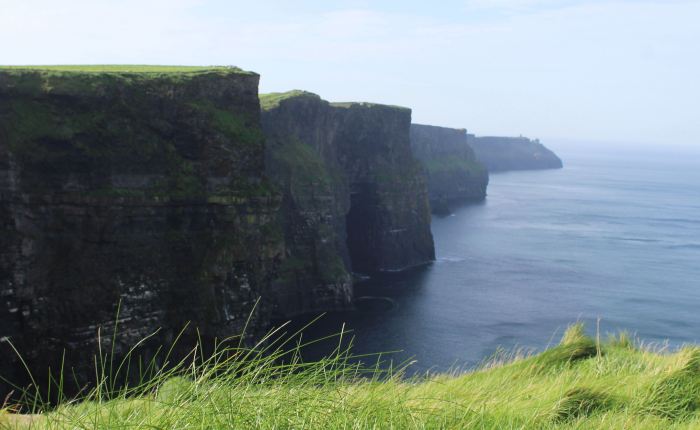
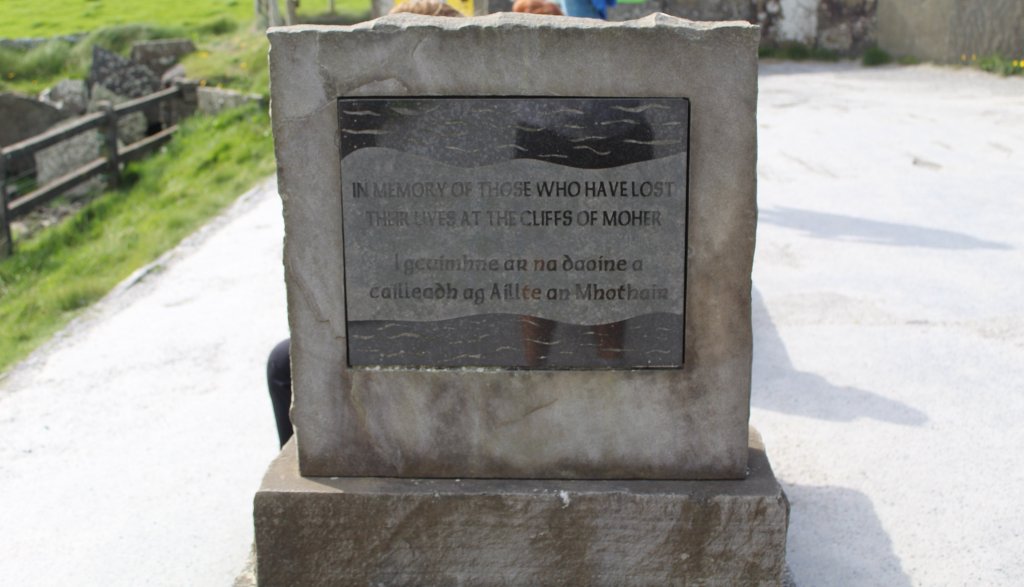
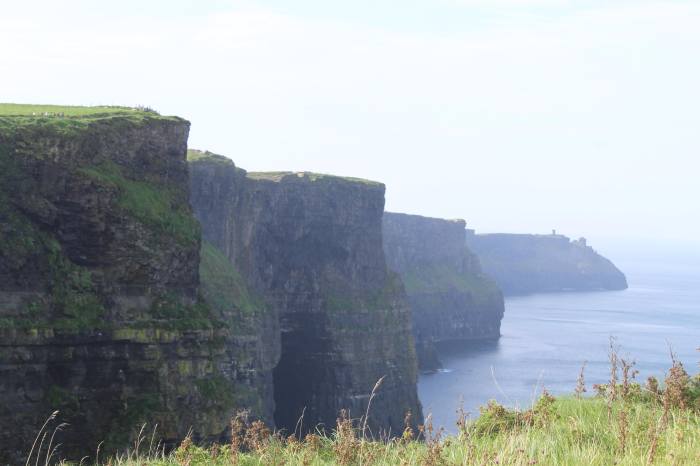
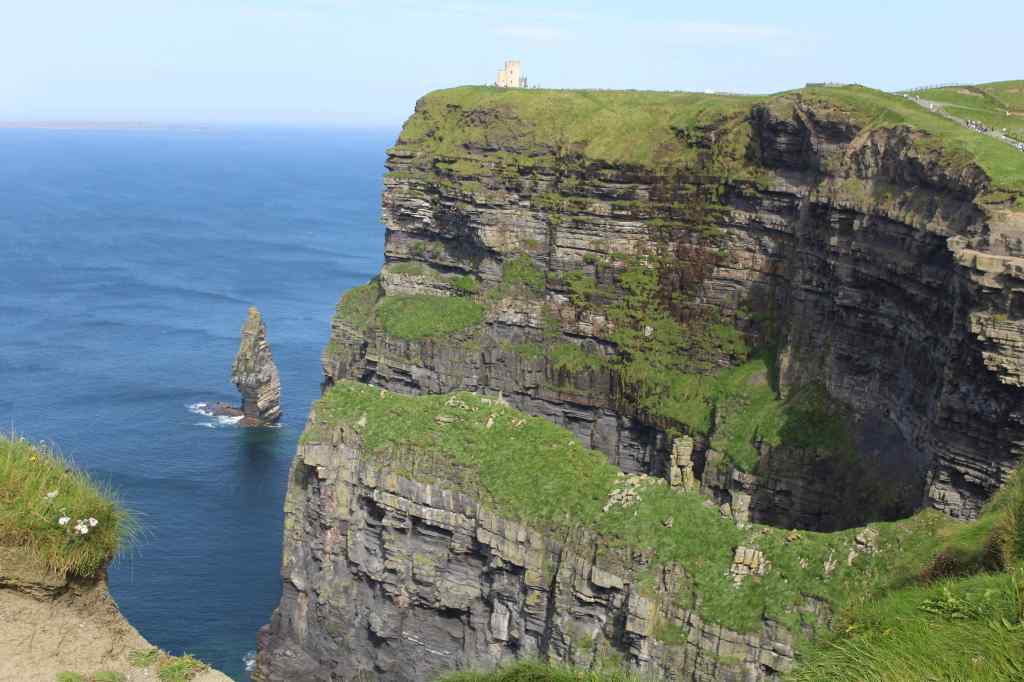
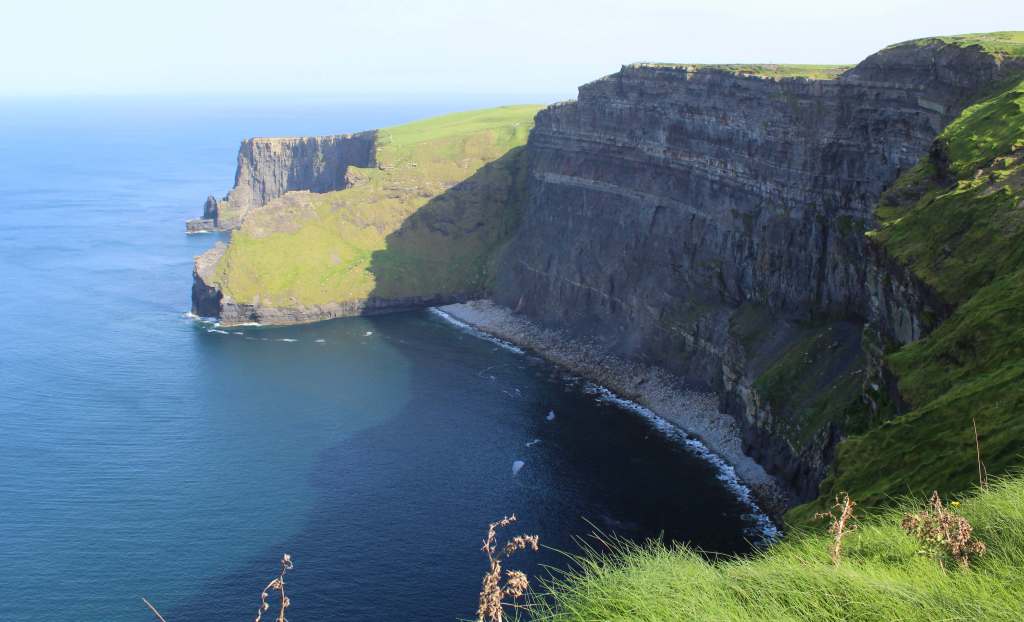
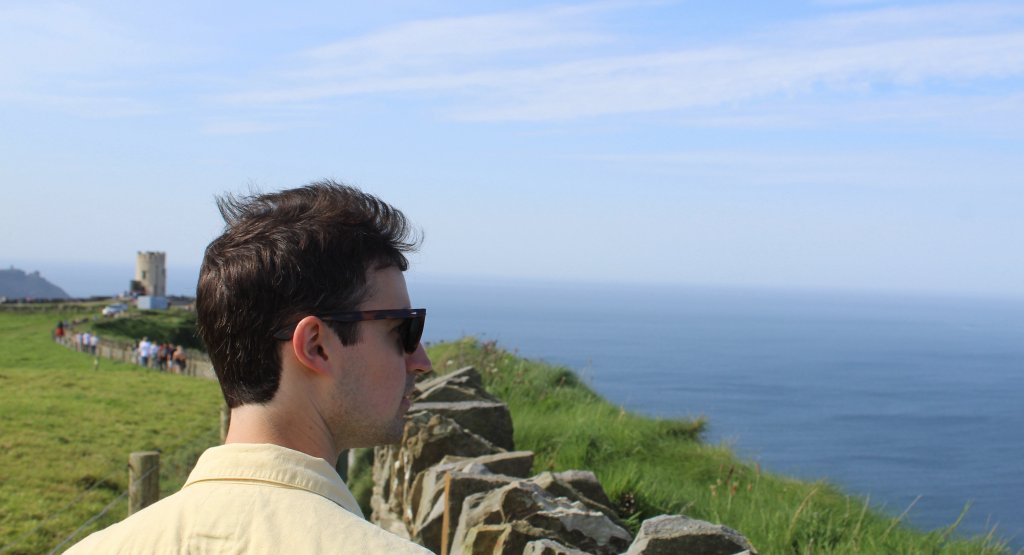
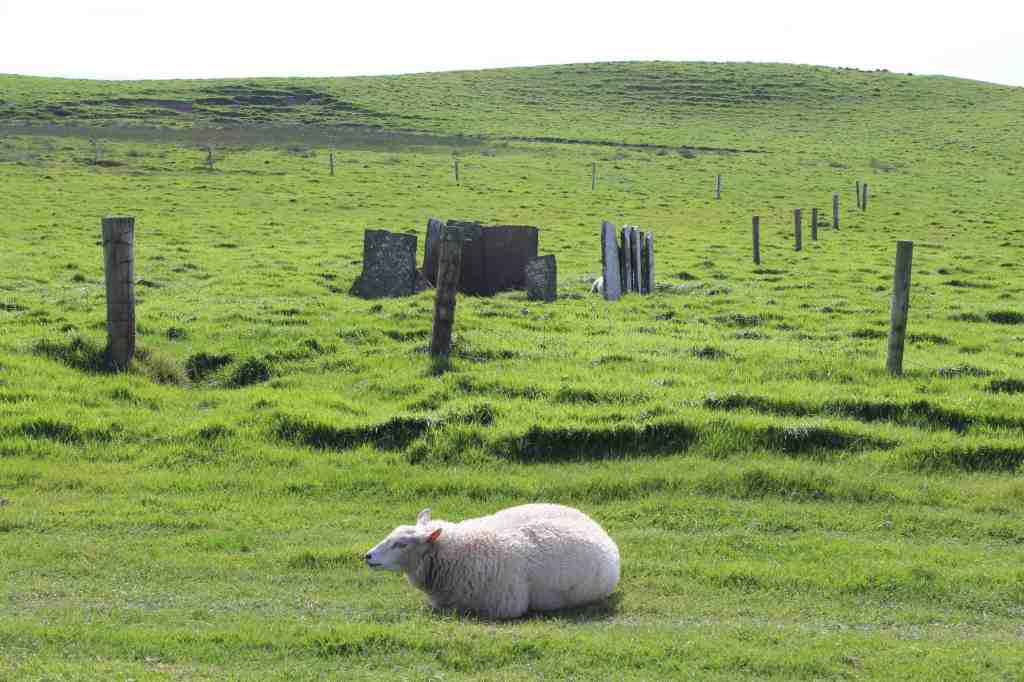
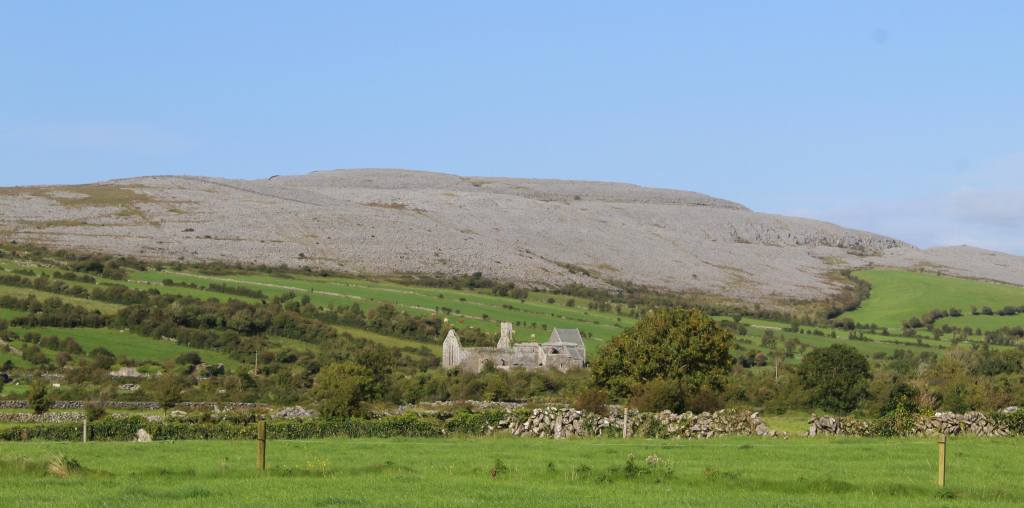
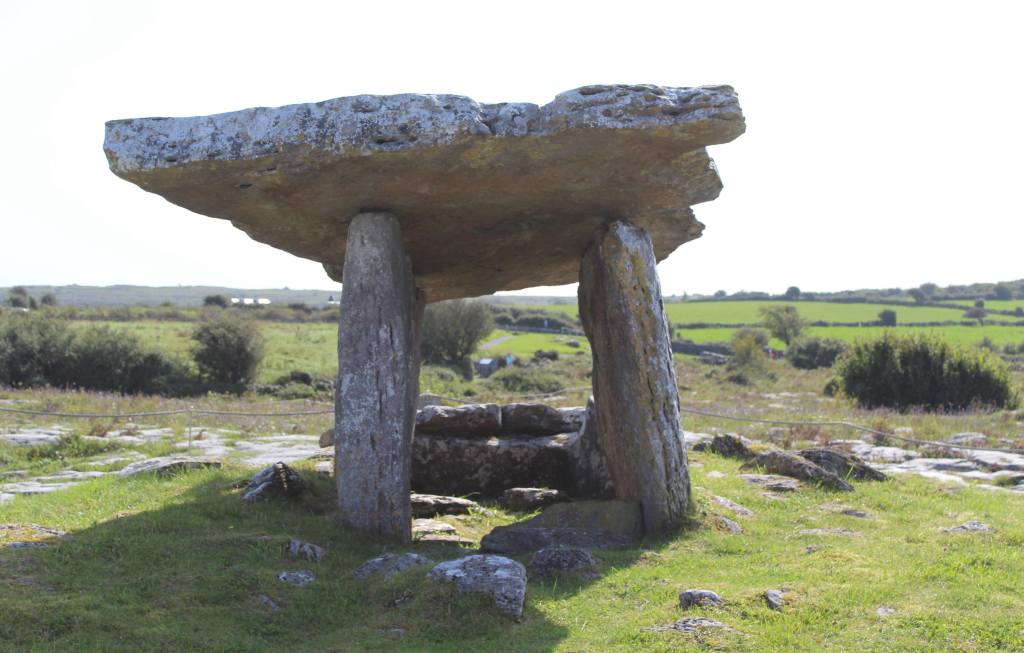
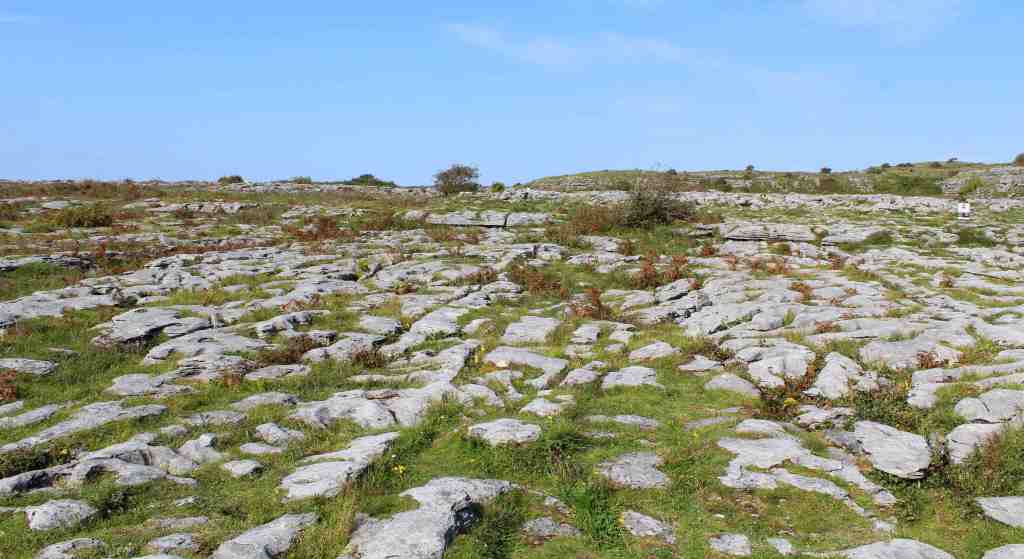
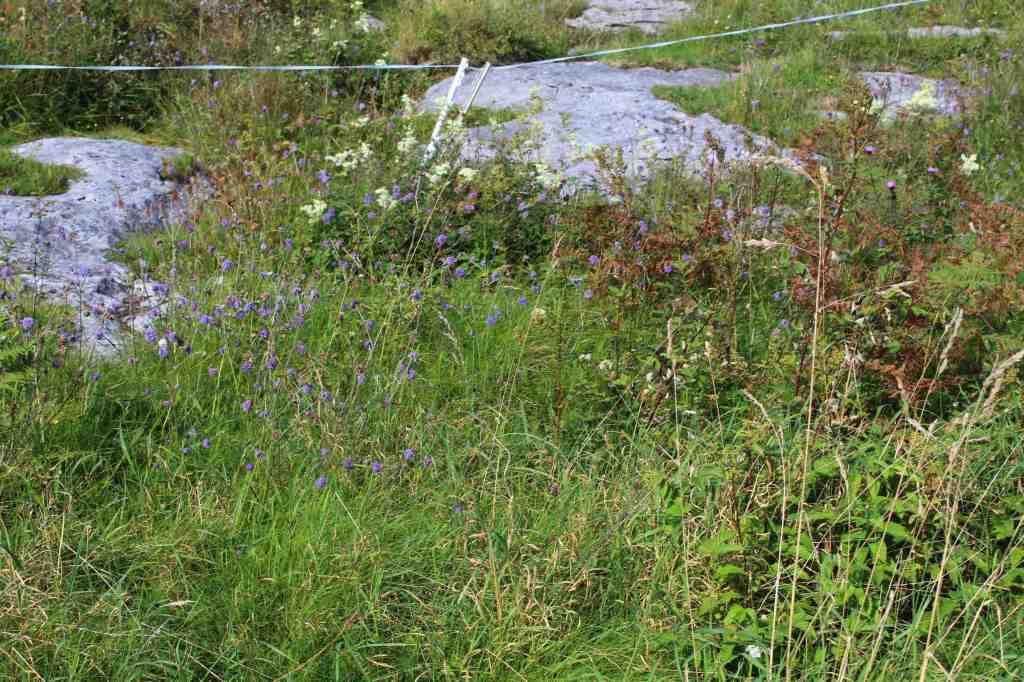
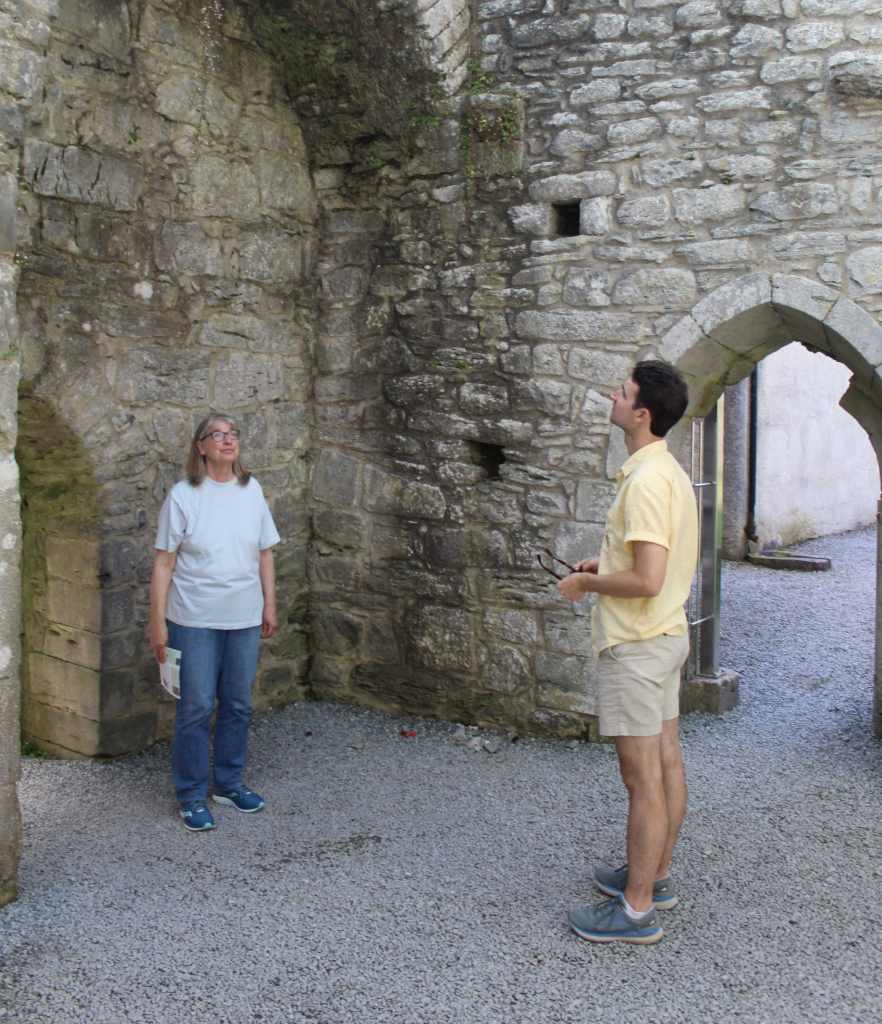
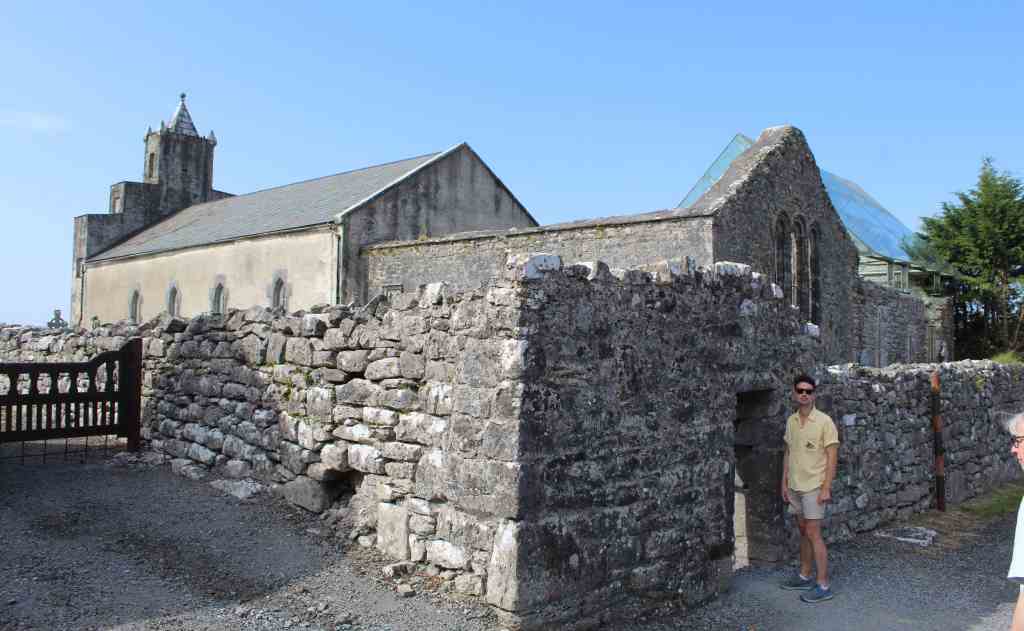
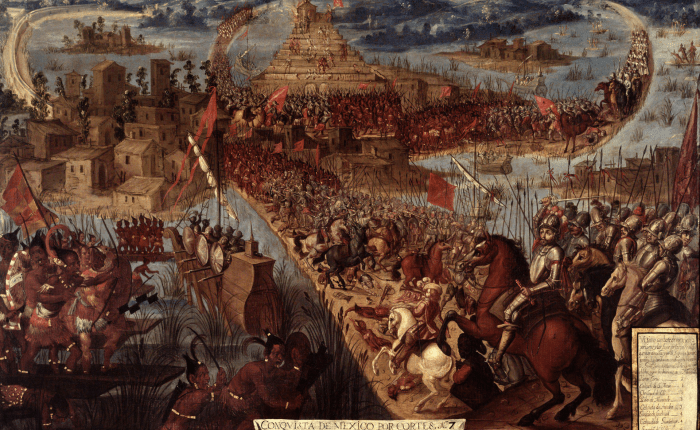
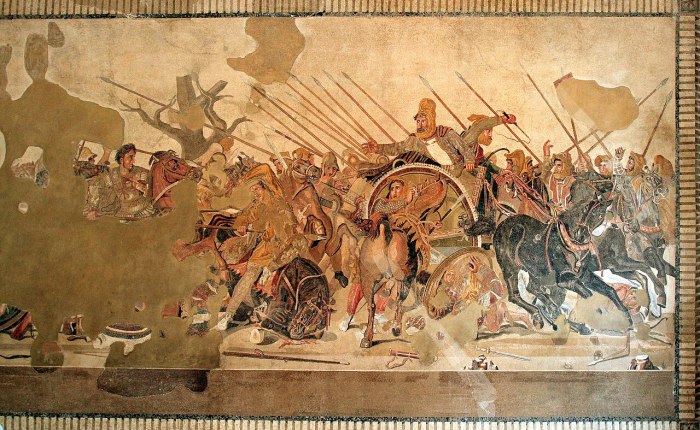
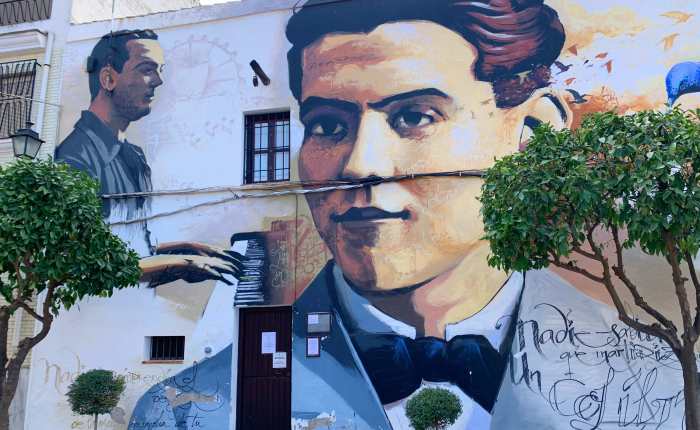
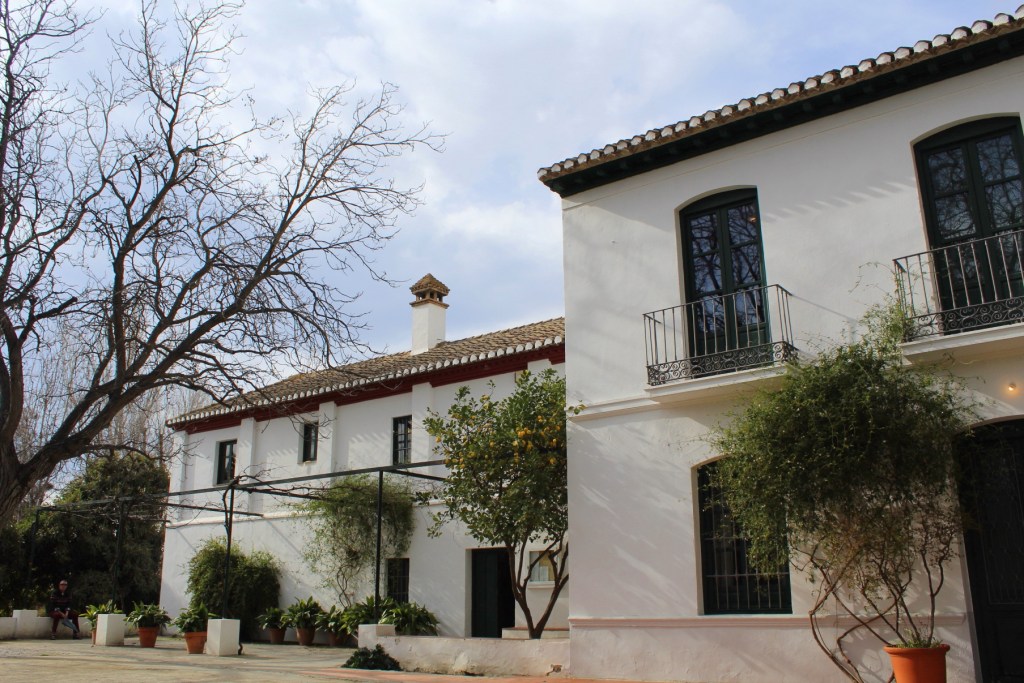
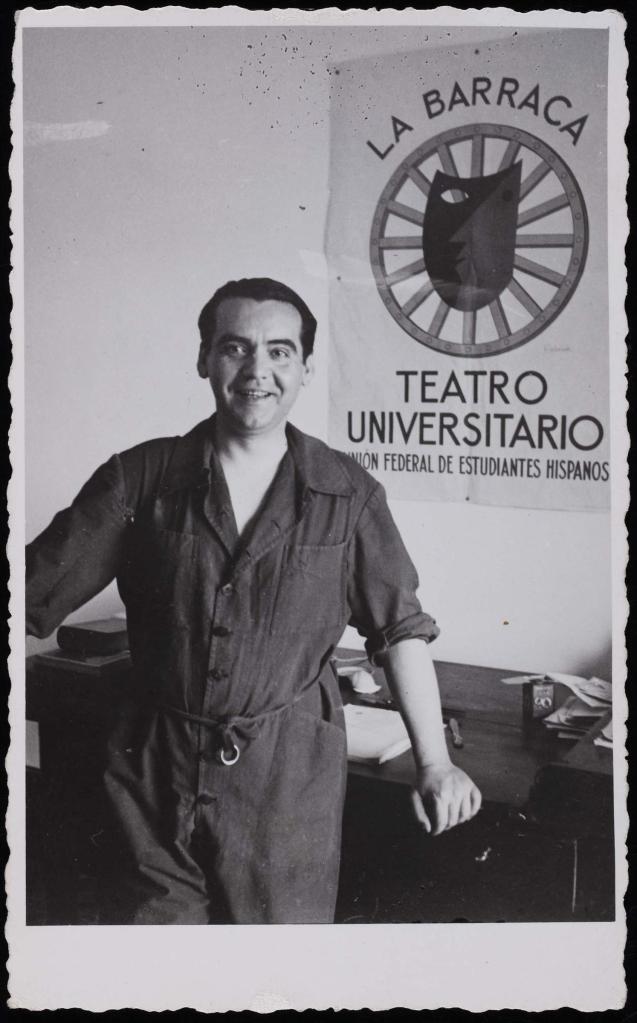
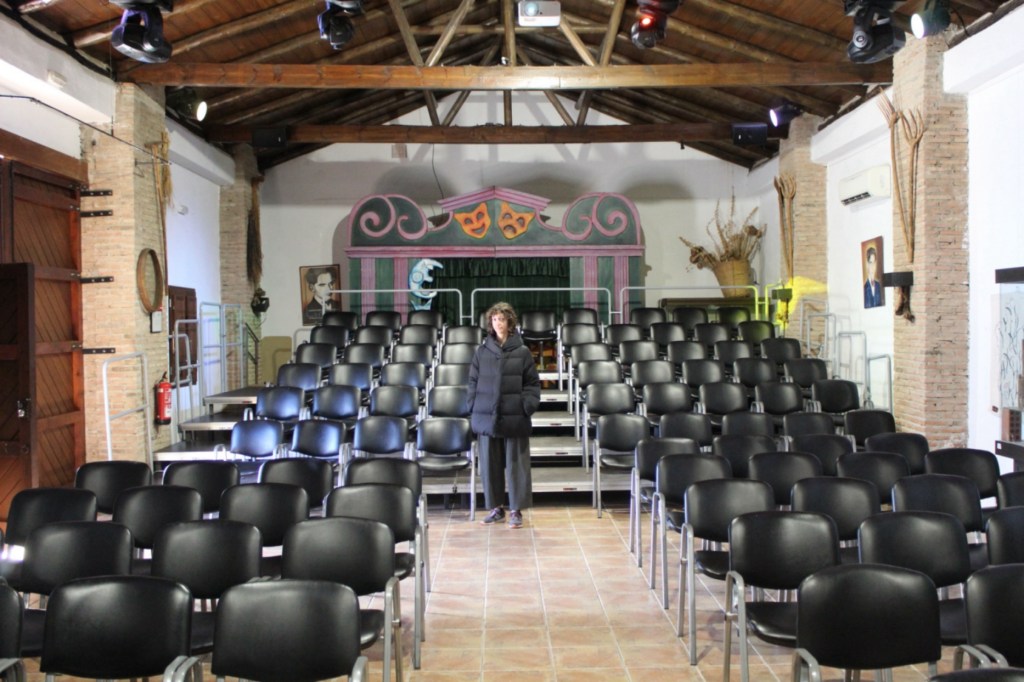
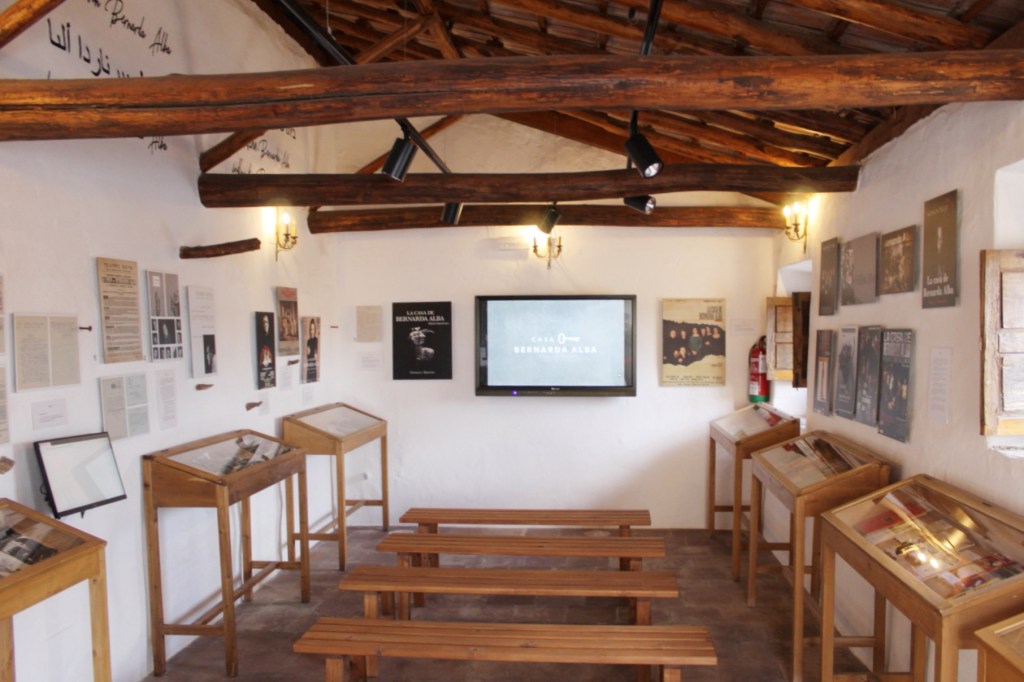
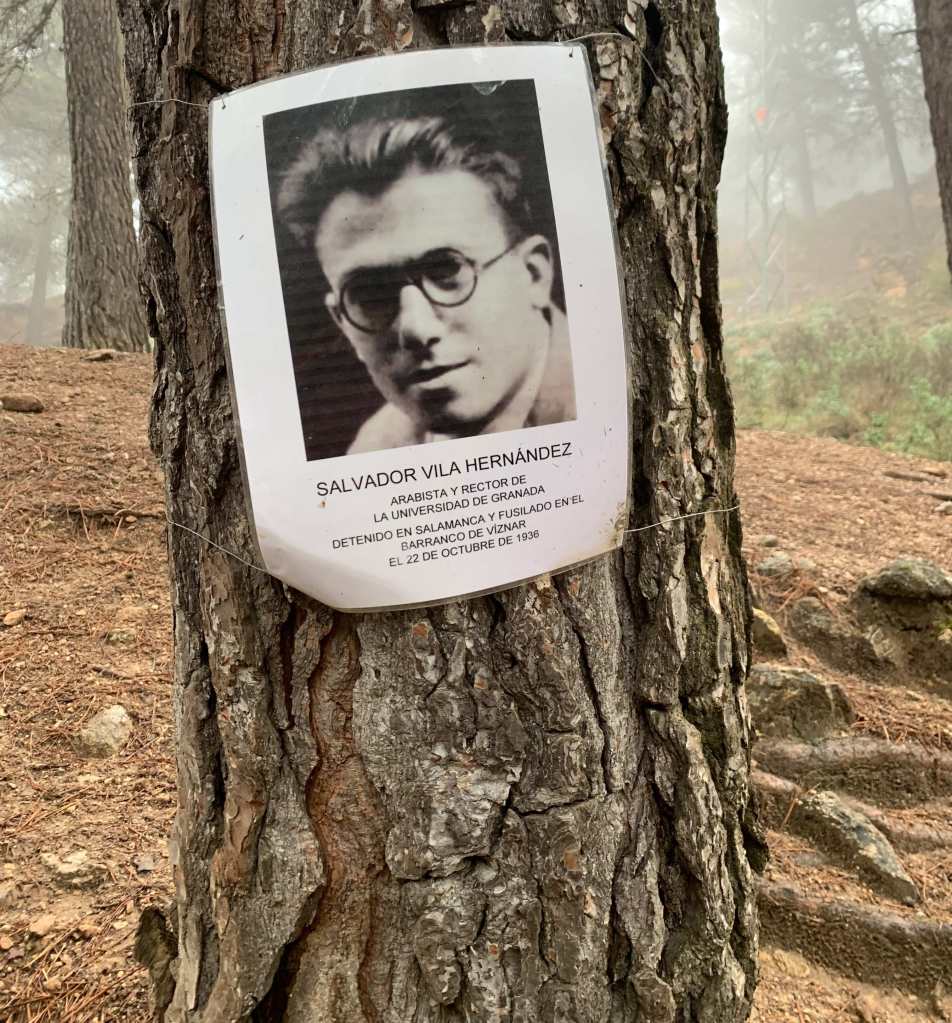
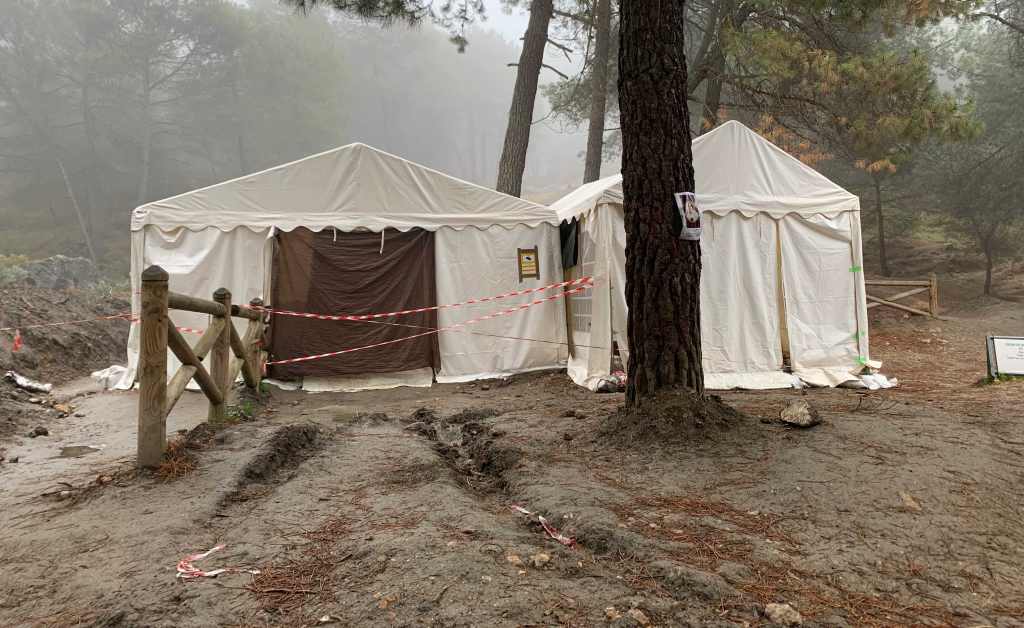
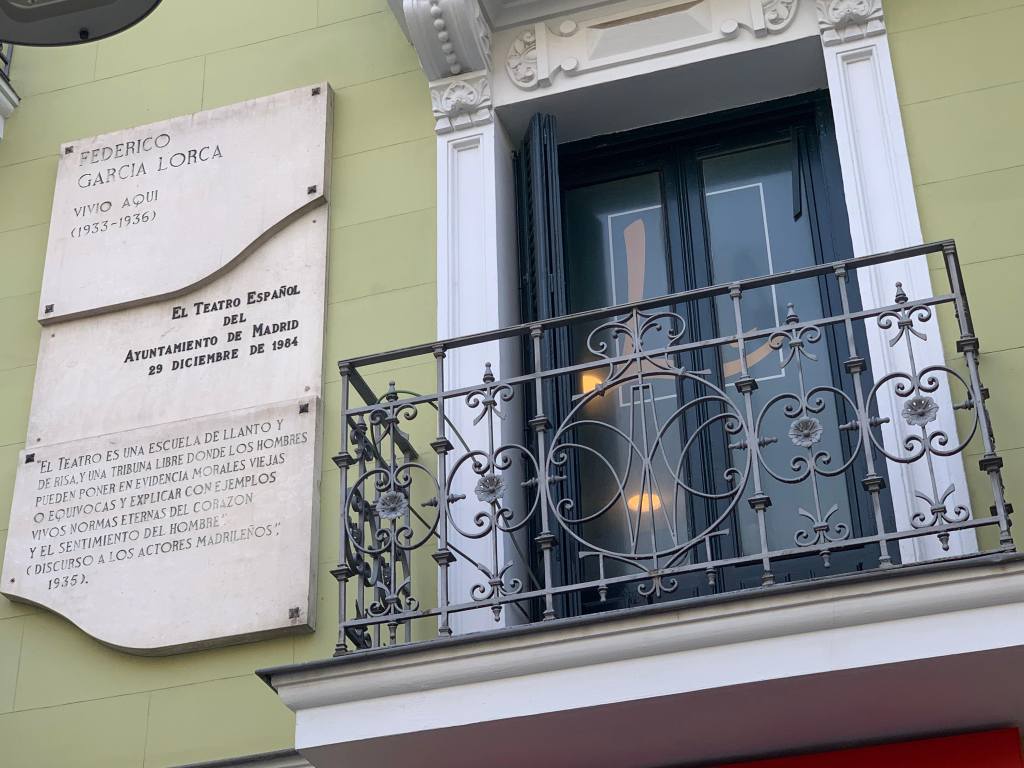
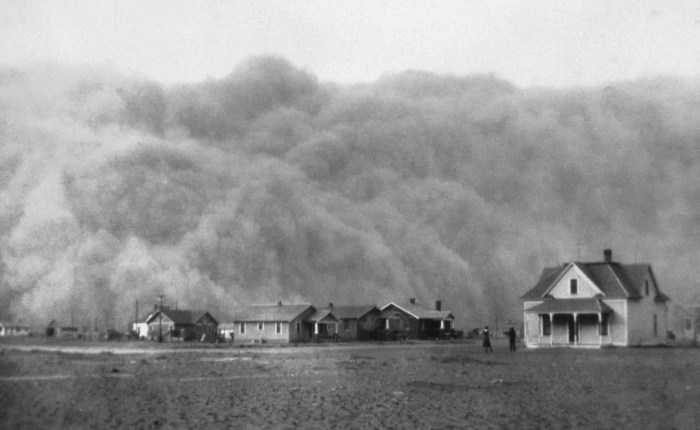
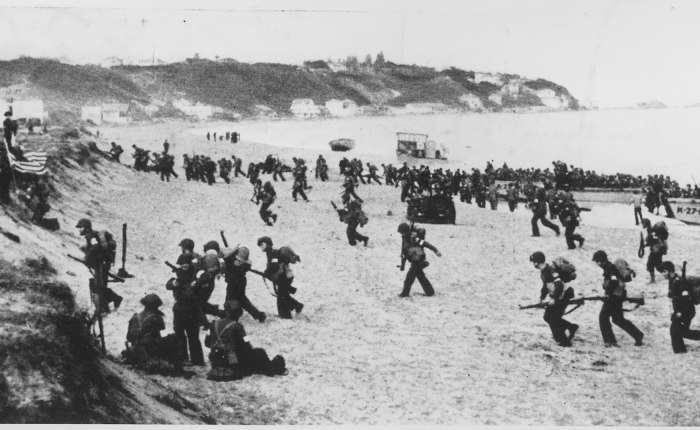


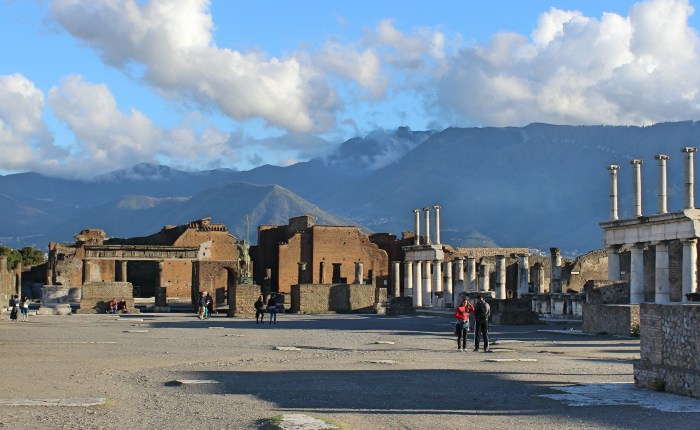

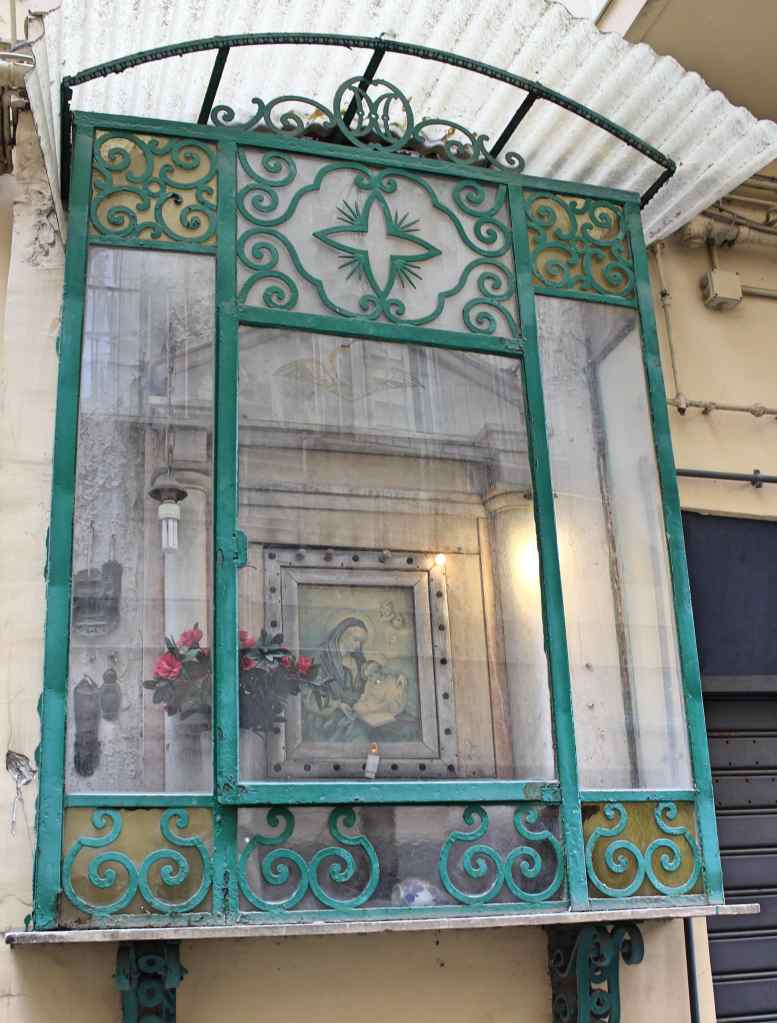
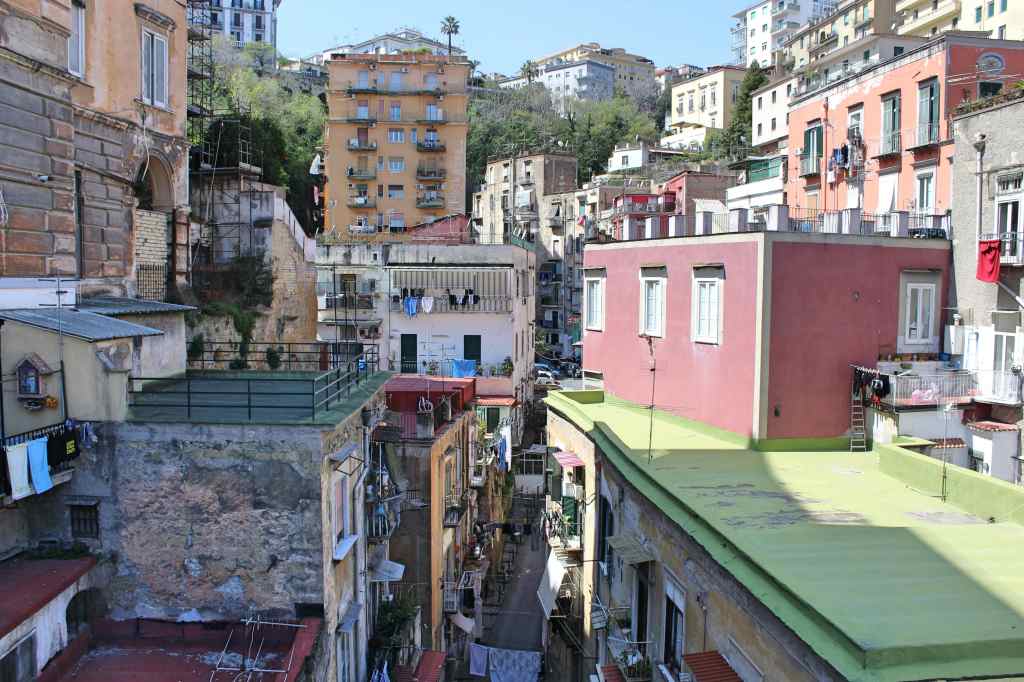

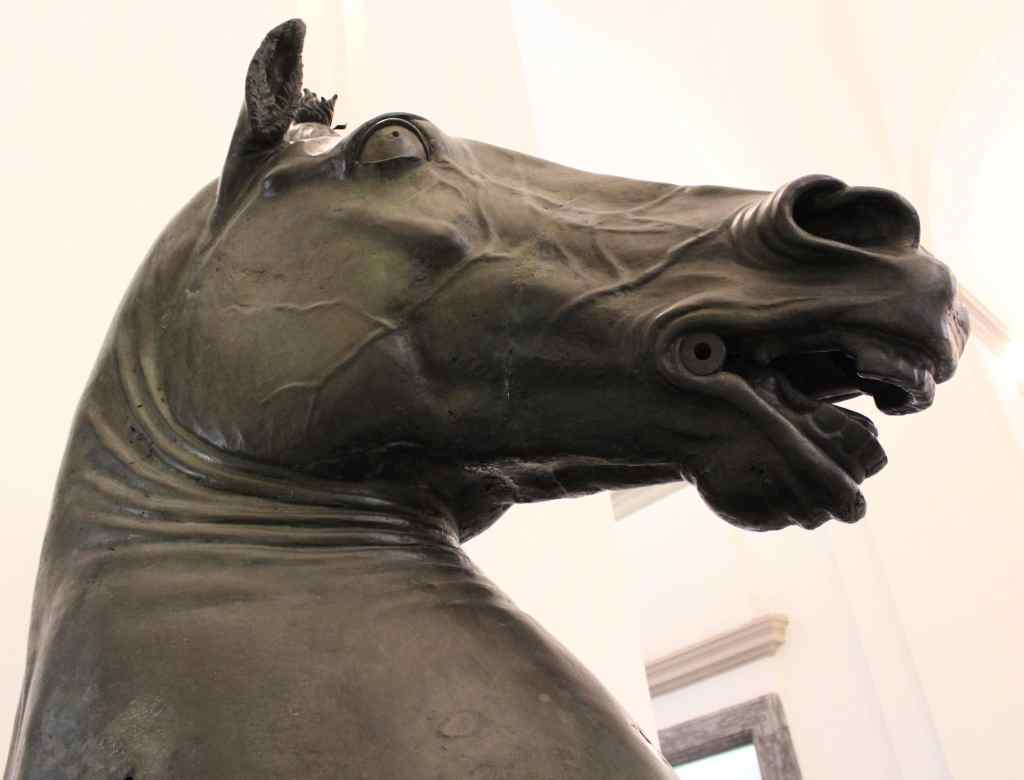
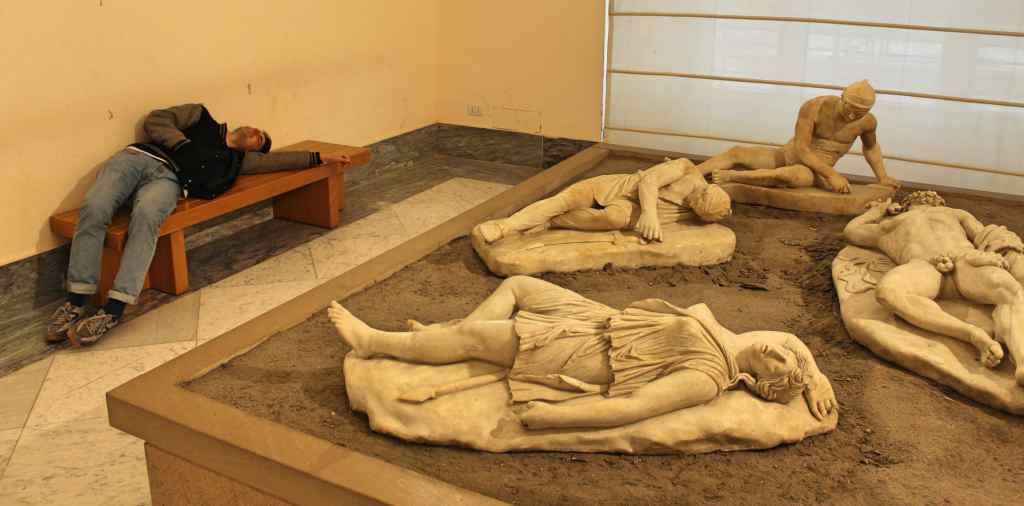

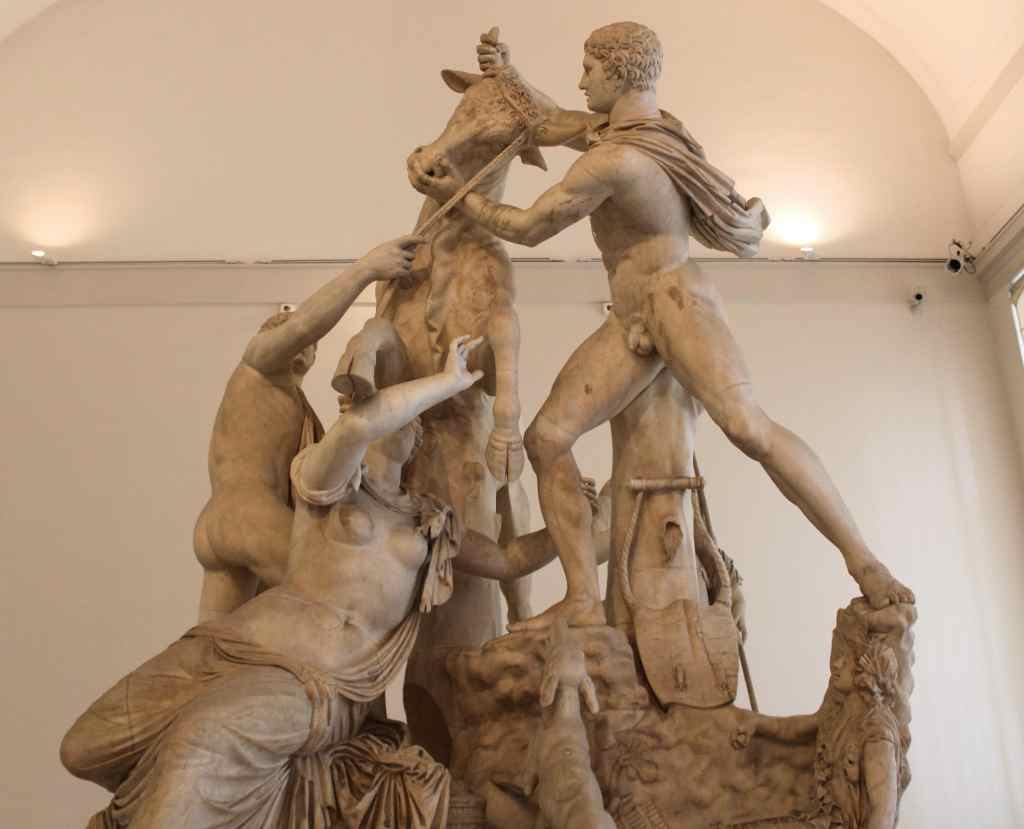
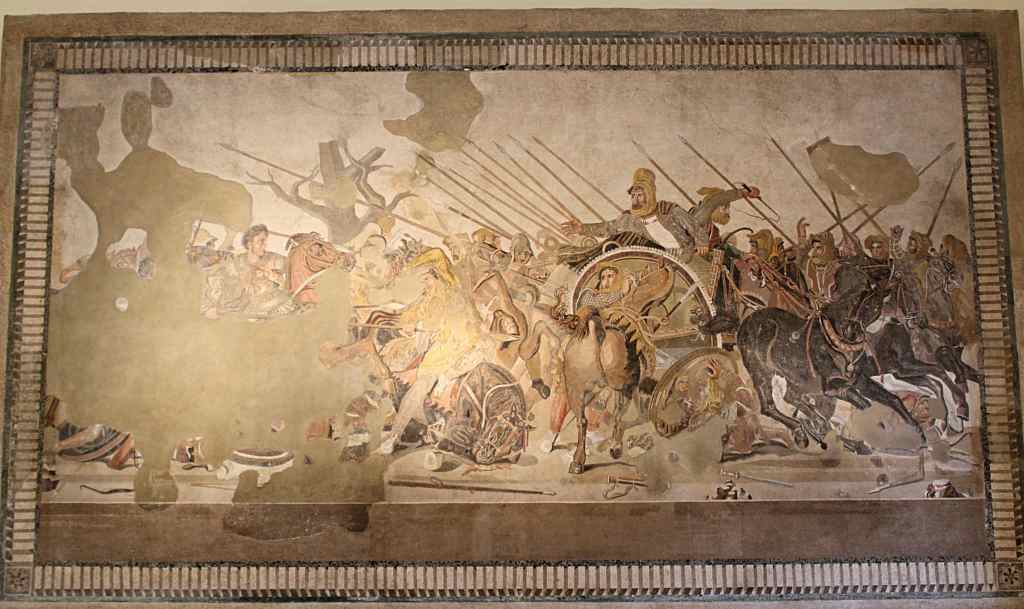

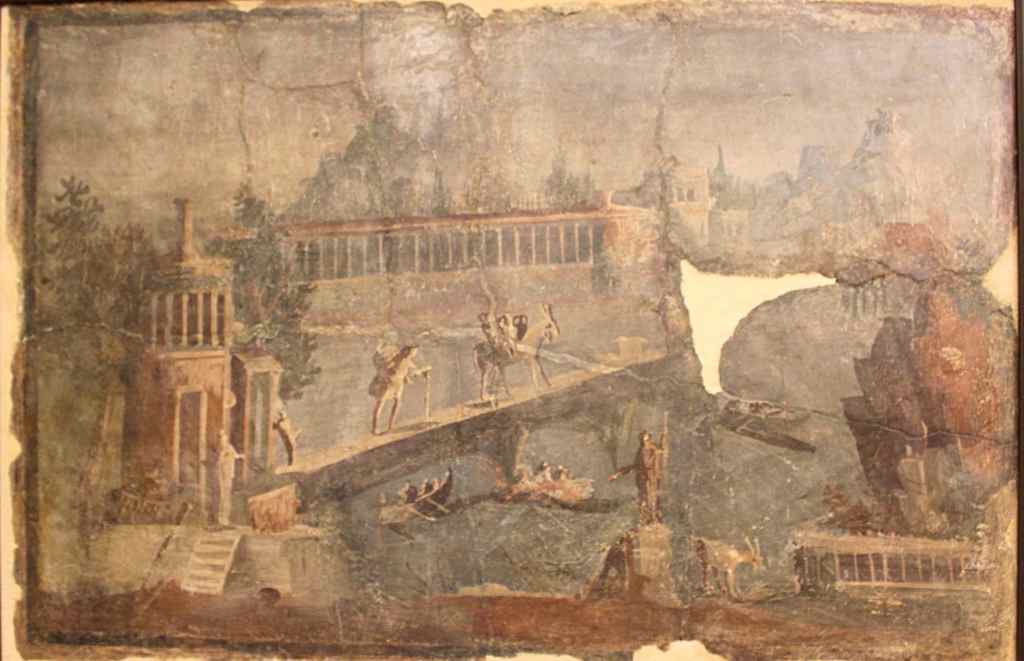
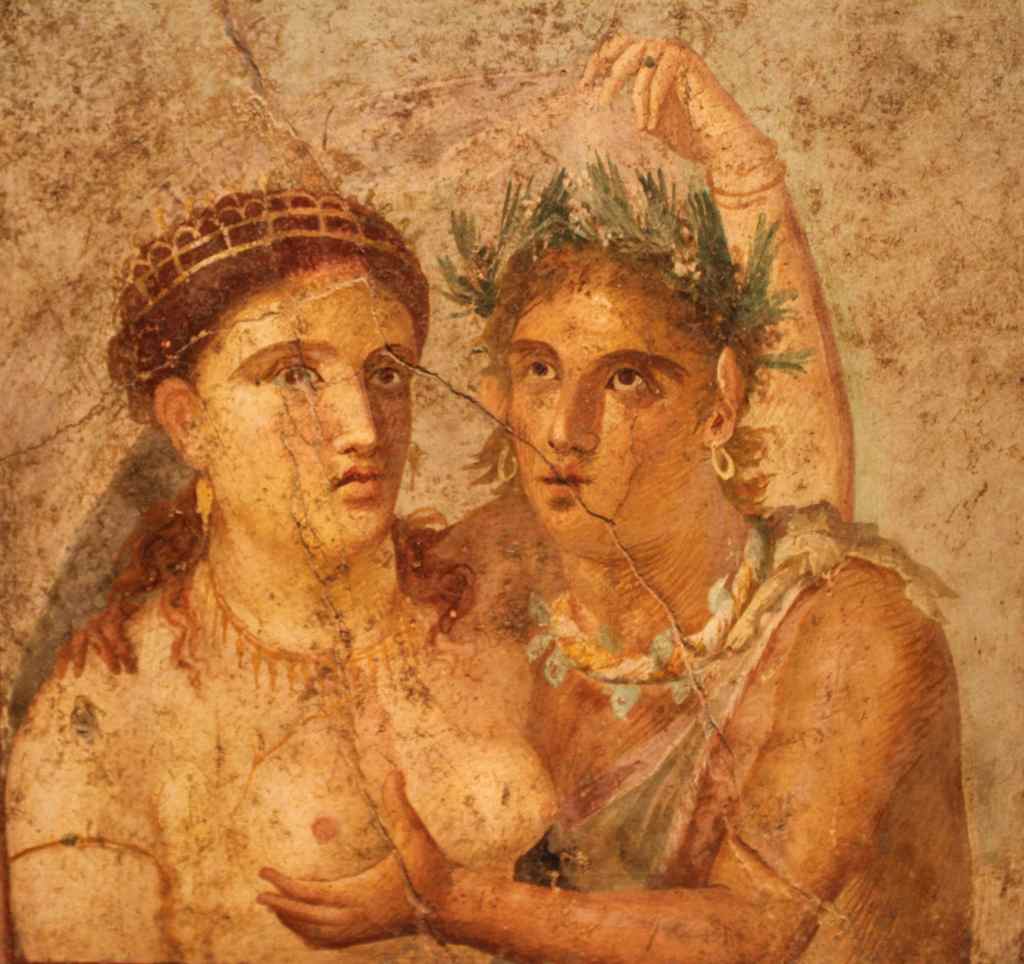

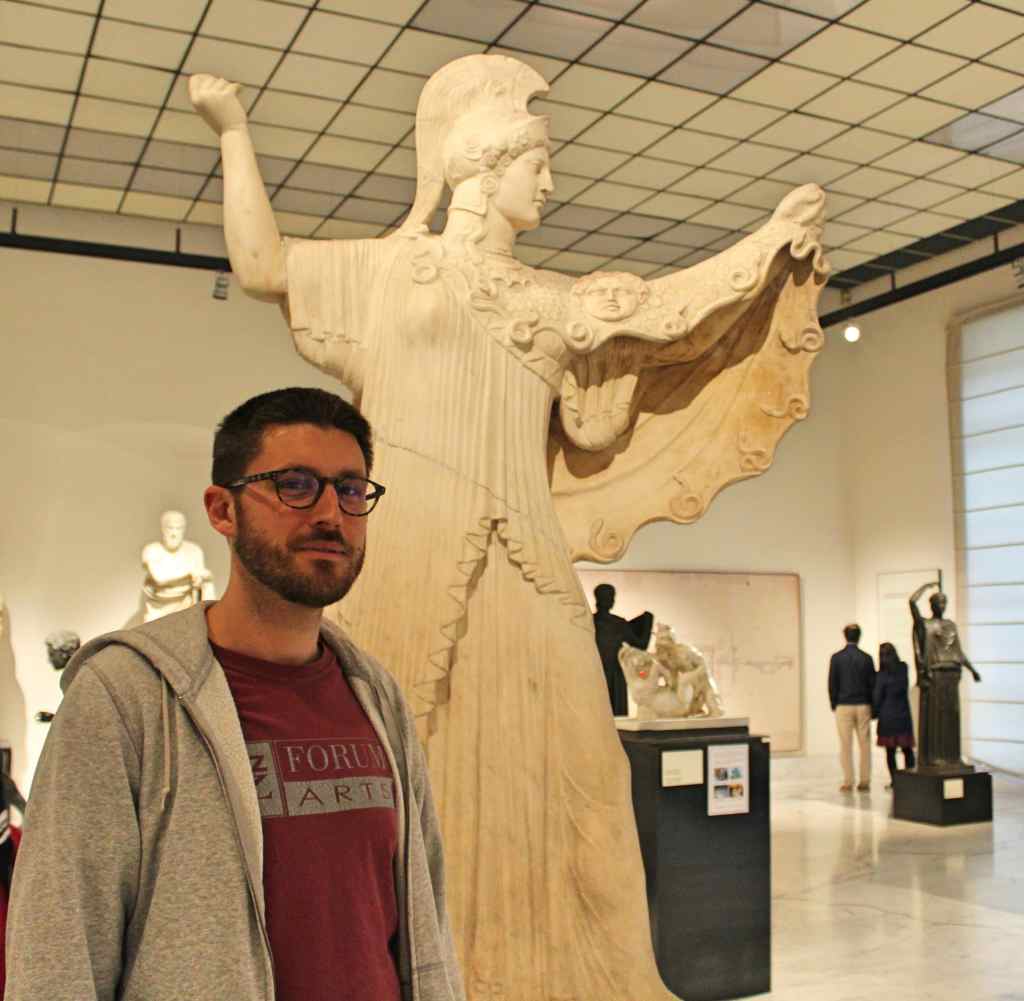

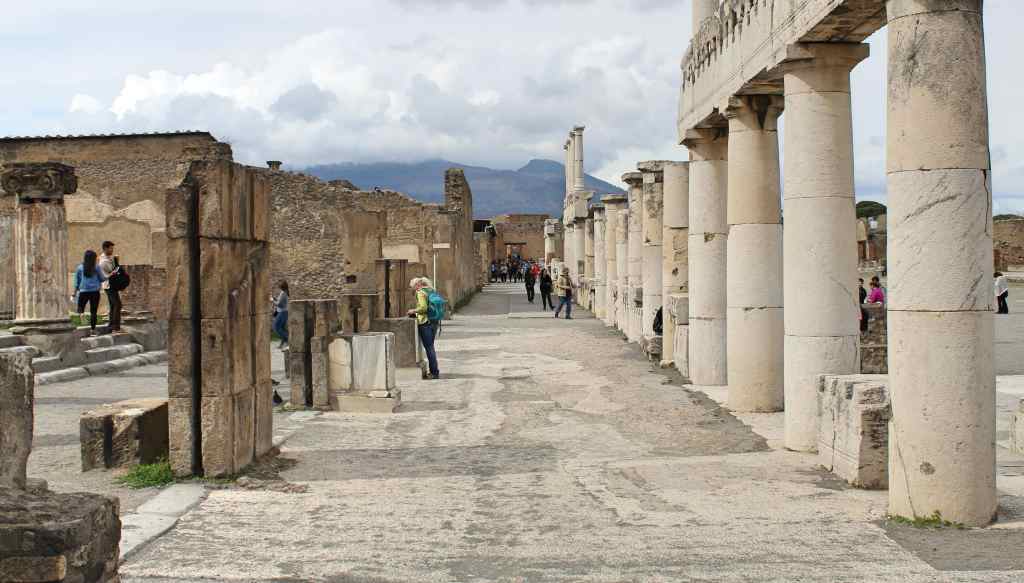
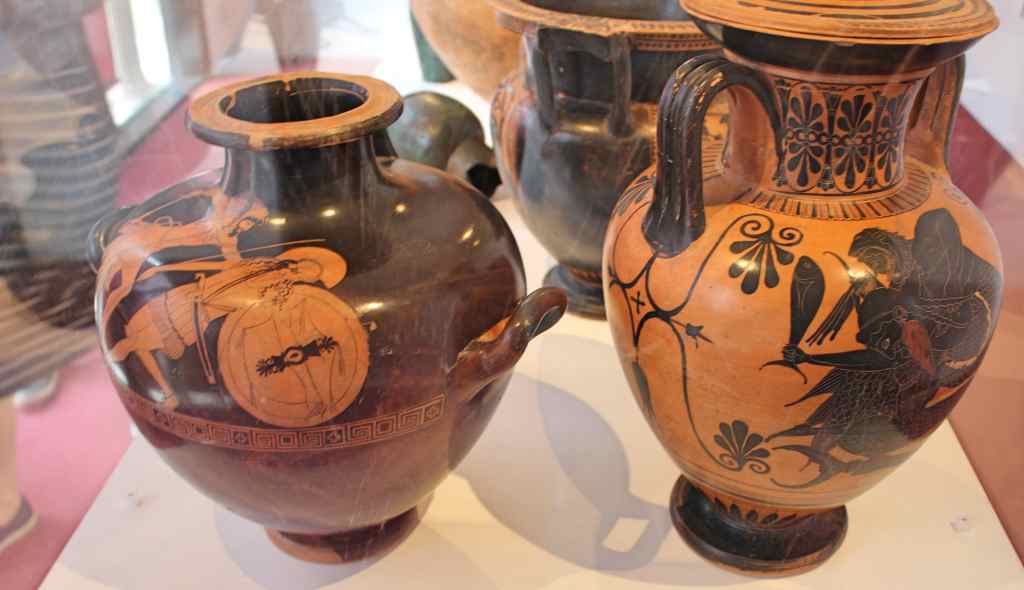

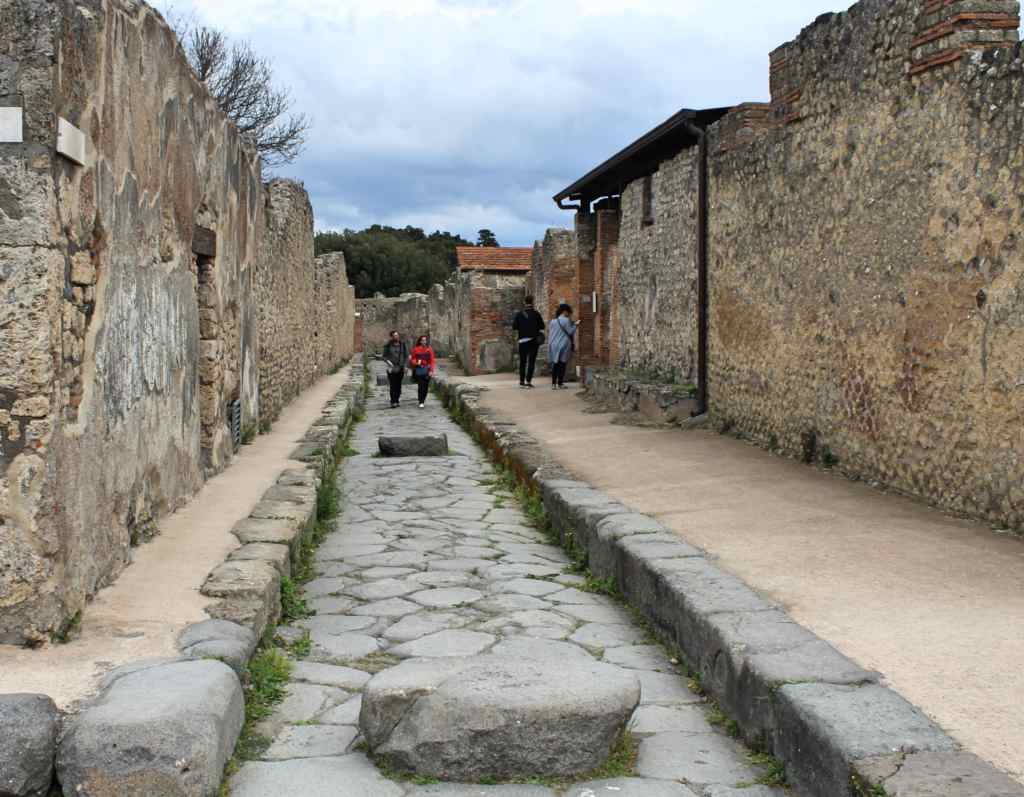
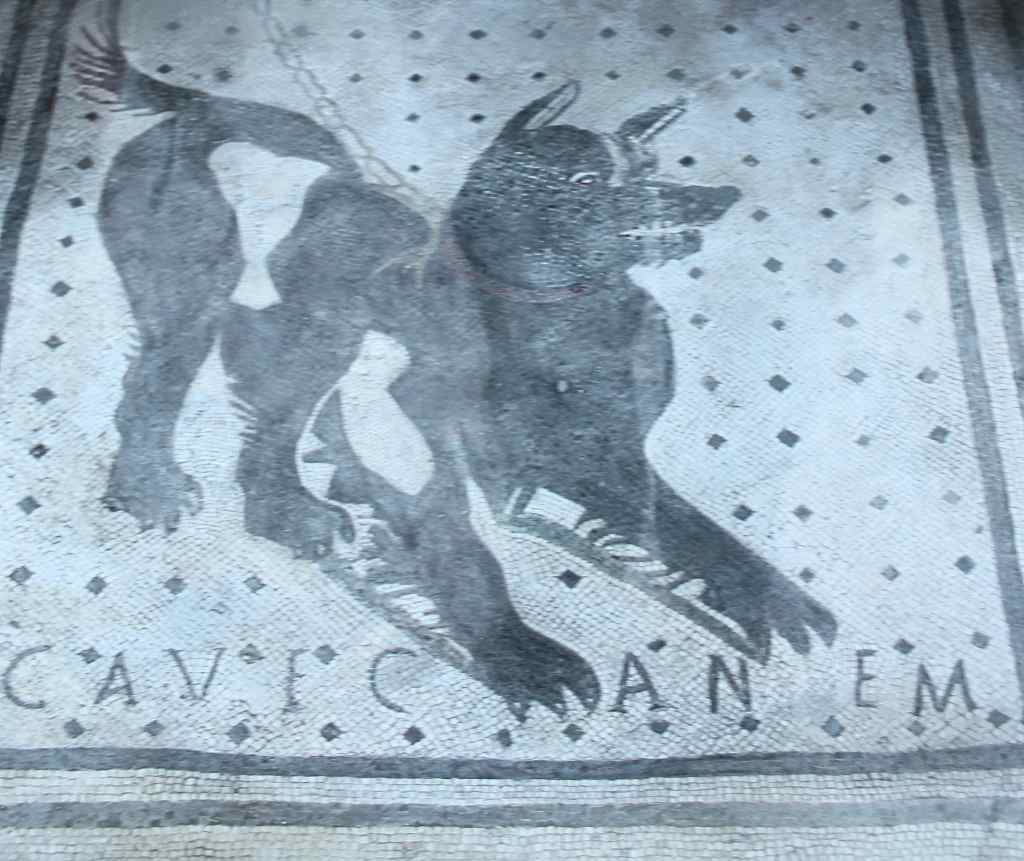

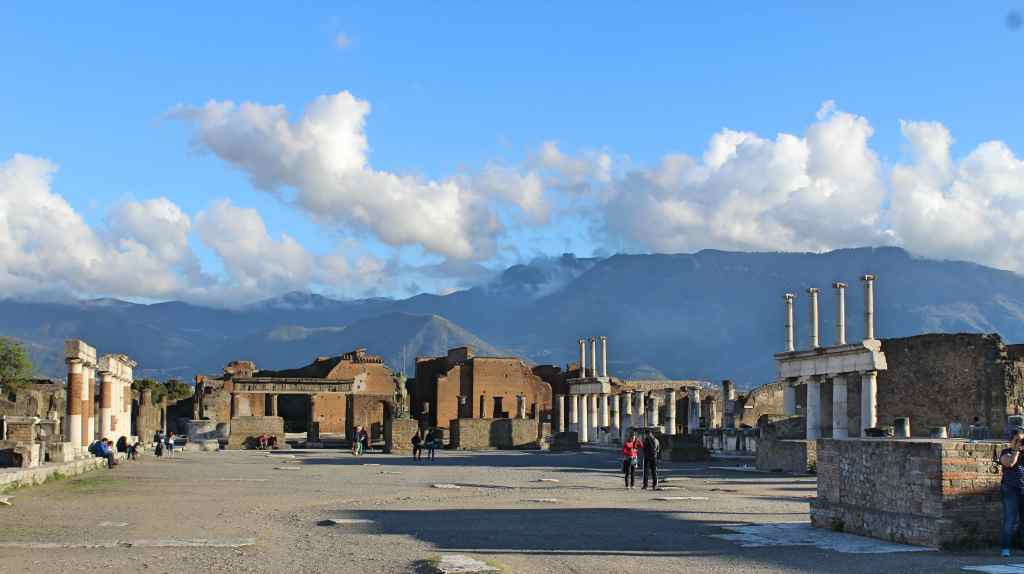


 Lotz in Translation