One thing that an American visitor quickly learns on a trip around Europe is that there are simply some parts of the landscape that cry out to be the site of a castle. At a time when every town was its own kingdom, a time before police forces or standing armies, a time of great scarcity and instability, it was only the presence of a castle that could guarantee the safety of the local ruling family. And the safest place for a castle is usually on the highest available ground—where enemies can be spotted from afar, and where attackers must struggle uphill. The outcropping of limestone that rises dramatically over the fertile, level land known as the “Golden Vale” is just such a place—a natural pedestal. You might even say that it was destined to be the site of a great edifice.
The Rock of Cashel has been important in Irish history for a very long time. Indeed, it is difficult to say precisely how long. There are legends about its formation—about St. Patrick confronting Satan, who then hurled this great rock from a nearby mountain—and there are stories about the early Christian leaders, Patrick and Declán, meeting here all the way back in the 5th century. What we can say with more certainty is that this was the seat of the kings of Munster, who ruled this corner of Ireland from the Iron Age all the way to the Middle Ages. For this rocky outcropping, in other words, geology became history.
By the time we drove up and parked in the shadow of this old pile of rock, it was the middle of a hot, sunny day. We walked up the hill to the entrance and signed up for the next available tour, which luckily was about to start. Our guide was—like so many Irish—eloquent, witty, and engaging, leavening her historic spiel with the right amount of humor. Still, during my visit, I found it difficult to pay attention. The ruins were so vast and so evocative that I felt swallowed up, overwhelmed by their scale and splendor.
But time alone is not solely responsible for the building’s ruined state. Although the Rock of Cashel was a fortified castle for centuries, religion eventually overtook politics as the dominant local force, and a large Catholic cathedral was instead built in its place. Yet such a prominent symbol of Catholic power was an obvious point of resistance during the Irish Rebellion of 1641; and it was an obvious site of English reprisals in the following defeat.
The invading troops massacred the Catholic clergy and looted the church. Among the dead was Theobald Stapleton, one of the fathers of Irish orthography. Henceforth, the cathedral came to be used by the Anglicans. The English clergy were, however, little disposed to invest in the upkeep of the cathedral, which fell into disrepair. Finally, Arthur Price, the local archbishop, overruled plans to repair the roof—considered a jewel of Irish architecture—and had it dismantled, thus leaving the ruin we see today.
But some parts of the original structure remain standing—most notably, Cormac’s Chapel. Completed in 1134, this is a Romanesque chapel, one of the finest in Europe. Unlike the flashy Gothic architecture of the high Middle Ages, this chapel strikes the modern viewer as elegant, meditative, and soulful. Unfortunately, the builders of this chapel used sandstone—which has an attractive hue, but which soaks up water over time. This severely damaged the wonderful ceiling frescoes, as well as weakened the structure. Nowadays, the interior is climate-controlled, and visitors can only enter in small groups, for a limited amount of time.
The other notable structure on the site is the round tower. This is a distinctly Irish design, consisting of a free-standing stone tower with a pointed roof. The one here is nearly 30 meters (100 feet) tall, and was built before the cathedral was even started. The purpose of these towers is somewhat mysterious: they would not make good bell towers (there isn’t room or a sizable window), and they were not used for storing grain. Because they had such a small foundation, it was structurally necessary to put the entry door well over the ground, accessible only by a ladder. Our guide explained that this made the towers ideal places for the monks to hide during attacks, as the ladder could be withdrawn into the tower and the door tightly shut.
Our tour ended on the northern side of the site. In the far distance, the low, lush fields of the Golden Vale spread endlessly outwards. After the cathedral’s destruction, the hill was still used as a cemetery for many years. Many graves thus adorn this side of the hill, giving a somber mood to an already haunting place. As usual in Ireland, many centuries seemed to be compressed beneath our feet.
Learning history is tiring work, so we next headed to a nearby restaurant for some hearty Irish fare. And this gives me an opportunity to talk about Irish cuisine in general. Most people, I would reckon, do not visit Ireland for the food, and it is not especially well-known outside the country. Nevertheless, I found it to be consistently comforting and enjoyable. Both literal and figurative meat and potatoes, it is honest, hardworking food that will keep you fit and fed all day. Yes, it is somewhat bland; and yes, it sits a bit heavy in the stomach. But it does exactly what it promises to do. Besides, if you get tired of it, Ireland is well-supplied with cuisines of other varieties. During our time there, we had good Italian, Indian, and Mexican food.
Our next stop was the nearby town of Kilkenny, just an hour’s drive away. We were behind schedule. It was already afternoon, and we had only allowed for a single day to see the city. After finding a place to park, we rushed to the town’s main attraction, Kilkenny Castle—only to be informed that it would close in an hour. Our visit was thus abbreviated.
If some castles seem to emerge from the landscape, others are imposed on them in order to exert control. This is precisely the origin of this fortification, which was built along the River Nore—a natural choke point for commerce and travel. Kilkenny Castle does not have the same antiquity as the Rock of Cashel. Instead, this building came about during the Norman invasion of the 12th century. The Normans, remember, invaded Britain in 1066, and came bearing a new language (French) and continental ideas of architecture. If the Rock of Cashel is a symbol of Irish identity, then, Kilkenny Castle is a symbol of foreign occupation.
Ironically, however, this castle was also used as a headquarters of the aforementioned Irish Rebellion of 1641. Indeed, it was even used by the provisional Irish parliament. But Oliver Cromwell put an end to that. His troops besieged the town and, in the process, damaged the castle—brutally suppressing the rebellion and instituting laws that would severely reduce the rights of Catholics.
The castle is now a museum, thanks to the 6th Marquess and 24th Earl of Ormonde, who donated it to the Irish government in 1967 for the symbolic sum of 50 pounds—long after his ancient family had run out of the necessary funds for its upkeep. In his words: “We determined that it should not be allowed to fall into ruins. There are already too many ruins in Ireland.” Of course, after decades of neglect, the castle was already quite dilapidated. It took many more years to restore it to its present glory.
What the visitor encounters now is not so much a fortification as an aristocratic home. There is elegant furniture, richly woven tapestries, and lovely floral wallpaper. The showstopper is the picture gallery—an enormous room with wooden vaulted ceilings, every inch elaborately decorated. Even the fireplace is intricately carved. Yet despite the many attractive paintings adorning the walls, I found the ceiling to be the most impressive. Every single board was shaped and painted.
Soon our tour was over, and we were deposited in the sweeping lawn of the castle grounds. It was a delicious evening—warm, cloudless, and still quite bright—and this great lawn, which now serves as a city park, was full of people. We sat on a bench and took it in. A group of high school boys caught my attention. Their backpacks on the ground (it was a school day), they were tossing a ball back and forth with wooden sticks. This is hurling—the quintessential Irish sport, which requires great dexterity to manipulate a small ball with a kind flat wooden club. There, in the shadow of a fortress built by invaders, the Irish culture blithely soldiered on.
It was our misfortune not to have had more time for Kilkenny. One of the most charming and best-preserved cities in Ireland, it is worth a longer visit than we allotted. Still, we enjoyed strolling the streets and walking alongside the placid waters of the River Nore. Indeed, as we searched for a restaurant, we observed a group of school-age girls taking turns jumping into the river. With nobody else around, it felt like a strangely intimate moment in a small town, rather than something I expected to see in a center of medieval Norman power.
As the 6th Marquess and 24th Earl of Ormonde observed, Ireland is indeed quite full of ruins. And yet among them, above them, and between them, it is also a living place.
Today marks the 10-year anniversary of the first ever post on my blog. A lot has changed since then. At the time, I had just moved to Spain for what was supposed to be a single year. I was 24 years old, and immature even for that age. My Spanish was terrible, bordering on non-existent. And Europe was shockingly new.
The idea of starting a blog came from my habit of writing book reviews. That practice began just from a desire to really keep track of what I learned from all of the books I was reading. There is a famous quote, often attributed to St. Augustine: “The world is a book, and those who do not travel read only a page.” Not well-traveled himself, the good saint almost certainly never said this. Still, in that spirit, I decided that I ought to write up my trips, if only to really suck the marrow out of each experience. After all, I was only supposed to be there a year.
My first post was about Toledo. This was appropriate, as Toledo was the first place I visited in Spain that really astounded me. There is simply nothing in the United States that even remotely resembles the city’s perfectly preserved medieval core—its twisting, narrow streets, its stone bridges and walls, and above all its gothic cathedral.
The grand church was a revelation. Inside and out, the building was simply covered in artwork—statues, friezes, frescoes, and paintings—every inch of it made by hand, over centuries. It wasn’t just that the cathedral was beautiful. It gave me a new concept of time. Even the most negligible adornment would have taken hours, days, weeks of painstaking work.
The structure of the building itself, its stone roof seeming to float above me, seemed almost miraculous. That it could be designed without computers and assembled without machines was a testament to human perseverance, if nothing else. It did to me precisely what it was made to do: make me feel like an insignificant, ephemeral nothing in comparison with the world around me.
It was this experience, above all, that prompted me to write up the visit and to begin this blog. Since then, I’ve published over 700 posts here, including another one about Toledo. Over this time, the purpose and nature of the blog has fluctuated. At first it was meant to be a sort of diary, recording my own experience. Later, I tried to make it more like a travel guide, providing useful information and context to would-be travelers.
Yet I must admit that I haven’t had the discipline to stick to any one concept of this blog. So it is very much a mixed bag—of reviews, essays, short stories, travel pieces, and anything else that I deemed worthy of writing. This lack of an overarching concept has irked me, and I have often chastised myself for being such a self-indulgent writer. But at this point, I can at least say that this blog is an accurate reflection of myself—both my strengths and my shortcomings.
Much has changed during this time. I stayed in Spain far longer than I ever dreamed, spending over a decade in that enchanting country. My Spanish improved to the point where I consider myself nearly bilingual. And Europe went from shocking to comforting, as I saw cathedral after cathedral, city after city, and grew accustomed to the sights, languages, customs, and the different pace of life in that continent.
Change in life can happen so gradually that it is difficult to even notice. But I was given a chance to reflect on my new perspective on a recent visit to Toledo, back in October, nearly ten years after my initial trip. The city was still beautiful, the cathedral still magnificent. Yet I was not transported in the same way as I was. Not that I think any less of Toledo, just that it was no longer an alien world to me. It was home.
Rereading my original post about Toledo is another chance to reflect on this change. Now, I normally avoid reading my old writing, as I find it acutely embarrassing. But I actually came away from this reread with some affection for the Roy of that time. True, he had a lot to learn, and a lot of growing up to do. He was pretentious, often condescending, and took himself far too seriously. But he was curious, he was passionate, and he wanted to improve himself intellectually and even spiritually. He was on the search for wisdom.
I don’t know if the Roy of that time would be pleased with the Roy of today. I’m not always pleased with myself. Certainly I didn’t achieve his dream of becoming a famous writer, though I have gotten a couple books published. In any case, I should thank him; I owe my former self a lot. At a crucial moment in his life, he decided to go on a journey rather than embark on a conventional career. I just hope that I can make proper use of the experience he gave me.
My life changed, once again, on the 20th of October, when I moved back to New York. It was a tough, complicated decision, and of course there is much I miss about Spain. So far, however, it seems to have been the right one. In any case, it does put the future of this blog in doubt. Admittedly, I have a backlog of travel pieces that I want to write up in the coming months. And, hopefully, there are new trips to be taken, and much of the world still to see.
Realistically, though, I imagine that I’ll be doing significantly less traveling in the foreseeable future—especially as I get my career on track here. But, knowing myself, I will find something to write about. I always seem to.
I can’t end this post without thanking everyone who has taken even a passing interest in this blog. Hopefully, we’ll see each other here in another ten years. Until then, cheers!
For years I had been beguiled by images of Las Cárcavas—a crazy undulation of land, tucked away in the sierra of Madrid. Photos made the place seem otherworldly; and I was dying to see it for myself. Unfortunately, however, there did not seem to be any good way to get there on public transport. Studying the bus routes and the map, I found that the closest that I could get was a tiny village that I’d visited once before: Patones de Arriba.
So early one Saturday morning, I took the metro to Plaza de Castilla, and caught the 197 bus to a small village called Torrelaguna. From there, I caught the 913 bus—a mini-bus, which followed the winding path up a hill to the old and picturesque village of Patones de Arriba. I was the only passenger on board that day. And by the time I arrived, it was still so early that the streets were virtually empty.
Patones de Arriba (unlike its modern cousin, Patones de Abajo down the hill) is a time capsule of a place. It seems to have survived virtually unchanged since antiquity. Stone huts cover an otherwise barren hillside—the town hidden among the foothills of the sierra, in a place that would be naturally defensible should any dare to attack it.
The architecture is a prime example of what the Spanish call arquitectura negra: all of the buildings made out of the distinctive black slate of the area, which naturally breaks off into thin plates. This gives the town a striking uniformity—both between its buildings, and with the landscape. The tallest building is the old church, though nowadays it is used for the tourism office. Indeed, I am not sure that anyone actually lives in Patones de Arriba these days—it is a kind of living museum attached to the modern settlement below.
The town is full of relics of its agricultural past. There are stone threshing floors (for separating the wheat from the chaff), pig pens, and cattle sheds. We can also see signs of village life, in the form of ovens, wine cellars, and laundry basins, all made from the local slate. But the real pleasure of visiting the village is simply enjoying the ambience of the past—and, perhaps, a good lunch. On my first visit, years prior, we went into one of the restaurants and had a hearty meal of good Spanish mountain fare—bean stews and red meat.
But by the time I arrived, there was nothing open and, apparently, nobody there. So I walked through the town and then out into the surrounding hills, on my way to Las Cárcavas.
The countryside here is, like much of the interior of Spain, windswept and bare. In the best of times, the soil and rain could not support luxuriant vegetation; and, in any case, centuries of human habitation have destroyed a large portion of the old forests. The result is that much of Spain, though dramatic in its vistas—the view extending until the horizon—unwinds itself in a patchy surface of rocky ground covered with low shrubs.
The walk was long, winding, and somewhat monotonous—going up and down hill after hill. The only thing to attract the eye were the many pieces of water infrastructure. Large tubes shot out of the hillside, down into valleys and back up again. Further on, stone aqueducts crossed from elevation to elevation. Finally, the explanation for all this came into view: the Pontón de Oliva.
This mammoth construction was the first dam built under the auspices of the Canal de Isabel II, the organization responsible for Madrid’s water supply. And this brings me to a small detour in our hike. Like New York City, you see, Madrid has long struggled to supply its citizenry with clean, safe drinking water. And this is due to the location of both cities: New York is surrounded by brackish, dirty, ocean water, while Madrid has virtually no natural water sources to speak of.
When Madrid was still a relatively small city, local wells and streams were enough to solve this problem. But by 1850, with the city’s population nearing a quarter of a million, the lack of water was becoming a serious issue. The engineers in both NYC and Madrid hit upon the identical solution: dam the rivers in the mountains to the north, and transport the fresh mountain waters to the thirsty city. The Pontón de Oliva was the first step taken in this effort.
It was constructed during the reign of Isabel II, who became the first (and, so far, the only) ruling queen of modern Spain after a succession dispute, which involved a rebellion by her uncle, don Carlos. These wars, called the “Carlist wars,” ended in her victory. This left the new queen with quite a few prisoners of war, whom she put to use building this dam under extremely gruelling conditions. (I tried to look up the number of prisoners who died during the construction, but I couldn’t find it.) To make matters worse, the engineers who designed the dam had chosen a bad location of the river Lozoya, making it all but useless. Today, it stands as a kind of monument of wasted effort—something for hikers and history buffs to appreciate, but dry as a bone.
Just beyond this dam, I finally arrived at my goal: Las Cárcavas. Now, “cárcava” is just the Spanish word for “gully” (though it certainly sounds more attractive); and this one is just a particularly big example of a common phenomenon—namely, water erosion. Though the details are complex, the principle is quite simple: intermittent water flow down steep terrain causes rivulets to form, creating a distinctive undulating pattern as they wear their way through the landscape.
I stood on the lip of this gully and sat down, absolutely exhausted. I had been walking for several hours by then, up and down hills, with no shade from the punishing June sun. Now it was past noon, and the temperature was climbing. I ate my packed lunch (a tuna empanada and a small bottle of gazpacho) as I observed a column of ants make their way through the dusty earth, and amused myself by tossing them little bits of fish. Then, after getting my fill of this alien world, I drained my water bottle and got wearily to my feet.
Water, I have discovered, is a powerful thing. It can move landscapes and determine the destiny of cities. And I found now that I hadn’t brought enough of it. I had well over an hour before I could make my way to civilization, all of it under the merciless Spanish sun. And I was already thirsty. The only choice was to press on. Attempting to distract myself with an audiobook, I walked down the hill, past the dam, and onto a local road.
At just the point when I was risking heat stroke, I arrived in Patones de Abajo and stumbled into the nearest bar. There, I ordered the biggest “clara” they had (beer mixed with lemon soda), and then ordered another one. Then, after another long bus ride back to Madrid, I enjoyed glass after glass of the city’s fine tap water—water that had itself been on a journey from the sierra—which, I found, tasted especially good that day.
When I first came to Europe I was, like any good American, in search of the very old. We have skyscrapers and Jackson Pollocks in my country, but we don’t have cathedrals, castles, or El Greco. Yet to see Europe as merely a repository of its history is to forget that its residents are just as keen as anyone to advance into the future. And so I recommend any visiting Americans to make time to experience a bit of the more modern side of Spain.
Segovia, for example, is justly famous for its Roman aqueduct and its elegant cathedral. But tucked away in its winding streets is the Museo de Arte Contemporáneo Esteban Vicente. This small museum would be worth your time even if it weren’t free to visit. It is named after an important but lesser-known artist from the 20th century, a member of the famous Generation of 1927 (which also included Lorca and Dalí), who spent time in Paris alongside Picasso, and finally moved to New York City in the wake of the Spanish Civil War. There, he became one of the main representatives of abstract expressionism.
The museum is housed in what used to be a hospital; and the large rooms and austere architecture contrast starkly with the art. Though he began as a figurative painter, Vicente quickly moved into the kind of abstract art that many people turn up their noses at—atmospheric blobs and swirls of color on canvas. I must admit that it isn’t usually my cup of tea, either. Nevertheless, in the context of Segovia, a city of narrow streets, hard angles, and gray stone, his art was wonderfully refreshing—light and playful, almost ethereal in its vagueness.
When I visited, there was a temporary exhibit by the contemporary artist Hugo Fontela—another Spaniard working in the abstract vein, living in New York. He worked in a very restrained color pallet, just green on a white canvas. Yet with the rhythm and intensity of his brush strokes, he managed to evoke clouds, waves, wind, and whole landscapes. It was an impressive performance.
Even deeper into Old Castile is the city of Valladolid. Though often overlooked by tourists, it is a city well worth visiting, especially as it is easily accessible by fast train from Madrid. Among the curiosities of the city is its huge and rather ugly cathedral—a massive pile of stone that looks oddly unfinished. This is because, when it was conceived, Valladolid was serving as the capital of Spain, and so its church was meant to be the biggest in the world. When the capital was moved to Madrid, however, the construction stopped, and now the building trails off into nothingness.
The most famous museum in the city is the Museo Nacional de Escultura, a collection of sculptures from the middle ages onward (mostly religious), housed in an old monastery. However, during my brief time in Valladolid, I found my visit to another museum far more enjoyable: the Museo Patio Herreriano.
The museum is located in the remains of the former monastery of San Benito el Real. Though its name pays homage to the great Spanish architect Juan de Herrera, it was really designed by one of his followers, Juan de Ribero Rada. However, the building was in such disrepair by the time it was decided to create a museum that substantial renovations were necessary. The building now is thus a strange Frankenstein mixture of old and new sections.
The museum’s collection is huge and extensive, containing works by Joan Miró, Salvador Dalí, and even our friend Esteban Vicente, as well as contemporary artists such as Azucena Vieites. I wandered around rather aimlessly, having neglected even to pick up a map, doing my best despite being sleep-deprived and dehydrated to appreciate the art. I would be insincere if I pretended that I liked everything. Indeed, contemporary art often leaves me scratching my head and even vaguely bored.
But any kind of art is largely hit and miss; and contemporary art even more so. Going to a modern art museum, therefore, requires a certain suspension of judgment, a certain amount of patience, until you discover something that pulls you in.
For me, this was an exhibit on Delhy Tejero, a Spanish artist I had never heard of before. What immediately struck me about her work was how varied it was, in both style and content. She could do realistic, figurative drawings or highly abstract paintings; her work can be cartoonish, dreamy, or serious; she can focus on folklore or lose herself in the purity of geometric shapes. Perhaps none of the works on display was a surpassing masterpiece, but taken as a whole her work exemplified such a degree of curiosity, open-mindedness, and fine sensibility that it left me deeply impressed.
These are just two examples of the fine, lesser-known modern art museums to be found all over Spain. And I think that, especially for the weary traveller, traversing the scorched soil of the central Castilian plains, besieged by castles, cathedrals, and ruins of bygone civilizations, a bit of absurdity, playfulness, and abstraction can do much to clear the palette.
Venice certainly does not lack for sights. The entire city is virtually an open-air museum; there are architectural masterpieces on every other corner. And even if you get tired of the historical center of Venice, there are plenty of islands in the Venetian lagoon that are worth visiting. But I think that it is worth going even further afield during your trip. The famous city of Verona is not far off, and the Prosecco wine region is also within reach. But if you are interested in art, then the place to go is Padua.
Trains leave regularly from Venice to Padua. They cost less than 10 euros, and the trip takes substantially less than an hour. In no time I was stepping off the train and walking towards my destination: the Arena Chapel. Also called the Scrovegni chapel, this is the small church where Giotto—known as the father of the Italian Renaissance—did his finest work. Not wishing to leave anything to chance, I booked my ticket online in advance. The chapel is small, and the artwork is delicate; so only 25 people are allowed in during any visit; and a visit lasts about 15 minutes. I certainly did not want to go all the way to Padua to be told that there were no more tours that day.
Indeed, I was so worried about making the tour in time that I arrived substantially early, leaving me an hour to kill. Luckily, the Musei Civici di Padova—the municipal museum—is right next door. This was free to visit and actually quite beautiful. The collection is housed in a former monastery, filling the old cloisters within and without; and this former monastery itself sits in the bucolic monastery gardens (now a public park). The collection was far more impressive than I expected. There are bits of Roman ruins, fine works of ancient pottery, original manuscripts, and prints and drawings.
The old cloisters, which now house the Municipal Museum
But of course, this being Italy, the main attraction were the many sculptures and paintings on display. Both the quality and variety of these works astounded me. In Europe, art is truly endless; every city has its own collection of minor masterpieces. Padua has some fairly major masterpieces in its collection. There were some wonderful examples of religious wood carvings, with faces distorted in grief at the dead Christ. The paintings were quite wonderful as well. There are works by Tiepolo, Bellini, and Tintoretto, and dozens of works by lesser-known masters. By the time that I had to leave for the chapel, I was rather disappointed that I could not spend more time enjoying this charming collection.
Now it was time to visit the chapel. This is a separate building off to the side of the former monastery. We gathered in front of the entrance, just as the previous tour group was exiting through a separate doorway. Soon enough we were being herded inside—all twenty-five of us—to watch a short informative film while the climate adjusted around us. It is a very good system, I think. The film gives us a bit of background, while the air conditioning gradually cools down the temperature and reduces the humidity, so that when we enter we do no harm to the artwork. I must admit, though, that I was a bit cold by the end of the film.
Before we go inside, allow me to give you some background. The chapel was never part of a public church, but was rather built at the behest of a wealthy banker, Enrico Scrovegni (thus the name), who owned a large mansion—now demolished—right next door. The chapel was built over a Roman arena which once occupied the spot (thus the other name), whose ruins can still be seen nearby. Scrovegni must have been quite a wealthy man, since he was able to recruit the great Giotto from Florence, the preeminent painter of his day. Giotto came, and spent about two years on the project. The result was one of the great masterpieces in the history of European art. For his time, Giotto was an extremely innovative figure, pioneering techniques for adding realism, dimension, and form to his paintings. There is a lifelike drama to his work that makes him a forerunner of the entire Italian Renaissance.
Finally it was time to enter. I walked through just one doorway and—I was there. Everyone who entered was reduced to the hushed silence that accompanies any great work of art—the feeling of awe that forces us to speak in reverential whispers. Though composed of dozens of individual works, the Arena chapel is a unified work, with a single aesthetic sensibility and philosophical vision pervading the space. The dominant color is blue—a shade between the bright blue of the sky and the dark violet of the late evening. It helps to give the chapel the lush, cool ambience of a cloudless summer night.
This comparison is quite obvious, when you look up to see the ceiling painted as the night sky. In two panels, Giotto represents Christ and Mary as the center of the universe (earth, in Giotto’s day), with the prophets as planets, against a starry background. Then, in four distinct levels, panels tell the story of Mary and Christ, and then represent the virtues and vices. At the far end is the centerpiece of the program: a magnificent portrayal of the Last Judgment. The entire work has been aptly compared with Dante’s Divine Comedy. Indeed, Giotto, who was a near-contemporary of Dante, may have been directly influenced by that great poem in its images of heaven and hell. In any case, the Scrovegni chapel is a work of comparable ambition and skill: a grand cosmic vision, attempting to encompass the human experience.
The main entrance of the chapel (which is not where the modern visitor enters) is right below the Last Judgment. On the opposite side is a triumphal arch, underneath which the priest would have stood. The grand program of decoration begins right at the top of this triumphal arch and then works its way down tier by tier. The cosmic cycle is set in motion by God the Father, who calls the archangel Gabriel to his side, and instructs the angel to deliver the annunciation to Mary. This is done immediately below, on either sides of the arch—Gabriel on the left and Mary on the right—who form a beautiful pair. Already, we can see some of Giotto’s innovation here. The two figures occupy a convincing architectural space, with balconies that sing to hang into the air. This was something quite new in the history of art. Though still not true perspective (since the lines to not converge on a vanishing point), even this little background is a more convincing three-dimensional representation of space than anything in gothic painting.
The story on the upper tier begins even before the annunciation to Mary, with the story of Mary’s parents, Joachin and St. Anne. Mary herself was the subject of an annunciation, as an angel informed her mother that Mary would be born without original sin (immaculately, in other words). The story of Mary’s birth and marriage takes us back around to the triumphal arch, where Gabriel’s annunciation has its proper chronological setting. This sets in motion the story of Christ, which begins with the birth, the adoration of the Magi, the flight into Egypt, and the rest of the typical scenes of Christ’s childhood. This sequence takes us to the first half of the second tier. Now, Christ’s adulthood begins, with its many scenes: the baptism, the miracles, the betrayal, crucifixion, and resurrection. This takes us all the way to the Last Judgment, the logical end of the series (and, indeed, of the world).
Of course, this is a story often told. You can see it, or part of it, in any church in Europe. Giotto’s excellence is revealed in the execution of this standard program. He was an artist of many talents. One is his sense of dramatic narrative. Rather than a series of disconnected scenes, as is often found in gothic art, the scenes in Giotto’s work all lead very naturally to the next. This is done through simple but effective visual cues, such as having Christ constantly facing in the direction of the next panel, or having the ground seem to continue from one scene to the next. This gives Giotto’s rendition of these classic stories an organic continuity and unity, easy and pleasant to follow.
Giotto was a dramatist in other ways. Whereas emotion is rather abstract or generalized in medieval art, Giotto renders emotion more palpable. This is apparent in many scenes: the tender kiss shared between St. Anne and Joachim at the golden gate of Israel, or the way that the Virgin gently cradles her newborn son, or the passionate grief apparent in those mourning Christ. The emotion in these scenes is shockingly direct; and this is a measure of Giotto’s realism. His figures are not generic or unreal, but solid and substantial. Their emotions are expressed through their very physicality—an embrace, a kiss, a gesture.
Giotto’s realism and his dramatic sensibility are tied together through his gift for composition. Several of the panels are masterpieces of formal study, guiding the viewer’s eye to the central drama, and expressing that drama through shape and line.
The best example of this—and perhaps the best painting in the entire chapel—is the arrest of Christ (or the kiss of Judah). It is a traditional scene, but its execution is far from traditional. Judas is normally shown coming and kissing Christ on the cheek, as Christ looks forward. But in this work, Christ and Judas directly face each other; Judas actually embraces Christ, covering him with the fold of his gown, and appears to kiss him directly on the mouth. The contrast between the stoic, tall Christ and the lowly, cowardly Judas—who looks both timorous and ridiculous, as he puckers—is extreme. And yet the pair, locked together, stand as a kind of anchor for the chaos raging around them. The torches, clubs, and lances of the mob are positioned so that they seem to emerge from the pair, splitting the night sky. On the left St. Peter is cutting off the ear of one of the assailants, while a hooded figure grabs somebody off to the side. On the other side, an official (painted with impressive volume and foreshortening) points menacingly to Jesus, signaling the others to apprehend him.
As impressive as this is, my personal favorite from the chapel is the Last Judgment. Like any typical representation of this awesome event, the scene is divided horizontally and vertically. On the top Christ sits among the saints in heaven, while below him the world is split between the saved and the damned, the former to his right and the latter to his left. Right at the bottom, we can see Scrovegni himself offering his chapel to the angels (presumably to secure his salvation). And we can see that the chapel, as it was when this was painted, is not as it is today. Concretely, the chapel today is smaller and less ornate that this drawing, which has led scholars to conclude that parts of the original chapel were demolished because the local church complained of competition.
Right at the bottom, below Scrovegni, there are a collection of naked, impish figures emerging from coffins. Presumably these are the dead, arising to be judged. Like many great painters, Giotto let his imagination run wild in his depiction of hell. Jets of flame shoot down into the abyss, carrying the damned into the inferno, where Satan and his minions are waiting. Demons pull and push the frightened sinners. Some unfortunates are hanging, while many others are being stuffed into pits at the bottom. In the center, Satan himself chews on a sinner, while others grasped in his hands await the same fate. Serpents emerge from his ears and he sits on a bed of dragons, which also gnaw hungrily on corrupt flesh. If Giotto was not inspired directly by Dante, he was responding to similar cultural currents. Or perhaps both imaginative men just enjoyed picturing the suffering of their enemies.
This more or less brings us to the end of the religious scenes. But I still have not mentioned the exquisite decorative painting that occupies the spaces between these scenes. They are beautiful works of abstract art, with geometrical and floral patterns perfectly imitating the appearance of marble inlays. Individual portraits of Old Testament figures occupy the spaces between the New Testament panels; and the knowledgeable viewer will notice that these, too, are carefully selected, in order to draw connections between the stories of the prophets and the story of Christ. For example, the story of Jonah and the Whale is placed before the resurrection, since Jesus’s death and rebirth were mirrored in Jonah’s being swallowed and then spit out again. (Many theologians spilled a lot of ink trying to prove that the New Testament was prefigured by the Old.)
We come finally to the representations of virtues and vices in the bottom tier. Though not explicitly religious, these only reinforce the message of the chapel: for the virtues lead directly to salvation and the vices to damnation. They are, thus, the abstract lessons to be learned from this great cosmic story, or if you prefer a moral philosophy expressed through personification. The execution of these vices and virtues in monochrome (thus imitating sculpture), only heightens their abstractness.
There are seven virtues, all mirrored by their corresponding vice on the opposite wall: hope with desperation, prudence with folly, justice with injustice, and so on. They are all wonderful, my personal favorite being the portrayal of Envy: standing in flames, clutching a bag of money, with a serpent emerging his mouth and turning around to bite him in the face. There can be no more graphic illustration of the torture and self-destruction inherent in envy. The representation of hope is also justly famous, as winged woman reaching up towards a crown; while her counterpart, desperation, has hung herself.
After fifteen wonderful minutes, we were led out of the chapel. I was exhausted. I had spent the morning rushing to the train, rushing to the museum, and then absorbed in artwork. It was time for lunch. For this, I headed to one of Padua’s better-known cheap eats, Dalla Zita, a small sandwich shop in the center. Dozens of color-coded sticky notes cover one of the walls, informing the visitor of the many sandwich options available, each one with a cute name. Somehow, the staff of the shop have memorized all of these sandwich names, and so you need only say “Steve” or “Babu” to get the sandwich you want. I do not remember what I ordered, but I am sure it involved roast beef and was delicious.
While I sat on the corner, stuffing the assemblage of bread, meat, and sauce into my mouth, I had quite a charming interaction. A woman, who had accidentally cut me in line in the sandwich shop, saw me, realized her mistake, and came over and actually apologized to me. That had never happened to me before. This was only the second act of small kindness that day. When I was in the monastery gardens trying to find the chapel a young man came over and pointed me in the right direction. He did not even want a reward! These things rarely happen in New York.
Now I had a few hours before my return train to Venice. I decided to spend some of it simply walking around the city of Padua. Though not as shockingly beautiful as Venice (no city is), Padua is charming, with an attractive historic center. Its most characteristic feature are the shaded arcades lining the wide, cobblestone streets. The walk along the river Bacchiglione—which runs through the center of the city—is also quite lovely. But the most picturesque spot in the city is, undoubtedly, the massive central square: the Prato della Valle (literally, “meadow of the valley”). At 90,000 square meters, this is the biggest plaza in Italy and among the largest in Europe. But it is not only special for its size. A moat encircles around a grassy central island, with no fewer than 78 neoclassical statues on either side of the canal.
Two of Padua’s most splendid church buildings stand nearby. Within sight of the Prato della Valle is the Abbey of Santa Giustina, a massive brick church building topped with domes. Like so many Italian churches, this church is richly and beautifully decorated. But it is perhaps most notable for holding the remains of St. Luke the Evangelist. Well, at least most of the remains: the evangelist’s body is entombed here, but his head is in Prague, and one of his ribs is in Thebes. In any case, I unfortunately did not have the chance to visit this church, since I was more interested in visiting another one nearby: the Basilica of Saint Anthony of Padua.
This basilica is the largest and, undoubtedly, the most glorious church building in Padua, though it is not the city’s cathedral. (This distinction is held by a far more modest structure, which has a famous fresco cycle by Guisto de’ Menabuoi.) Its profile is difficult to miss. Though the building has few external sculptures or friezes—being mainly composed of red brick—the roof is forest of domes and spires, which gives the building a vaguely Russian appearance.
Before going inside, it is worth pausing to examine an equestrian statue located right next to the building. This is the statue of Gattamelata, by none other than Donatello. Gattamelata is the nickname of Erasmo da Narni—it means “honeyed cat”—a famous condottiero (basically a general for hire). Though this statue lacks the ferocious strength of Andrea del Verrochio’s statue of Bartolomeo Colleoni in Venice, it is perhaps more historically significant in the history of art, if only because it was made earlier. The statue has many of the hallmarks of the early Renaissance: humanism, realism, secularism, classicism. After all, the subject of the sculpture is neither a saint nor a king, but a person famous for his own exploits—an individual. And Donatello obviously paid close attention to the anatomy of horses, as we can see from the careful modeling of the muscles and even the veins in the horse’s head.
The statue’s classicism is not only apparent in its realistic style, but also in the technique used: a bronze sculpture made using the lost-wax technique. Such a large-scale equestrian statue had been beyond the technical abilities of Europeans since the fall of Rome. It was the rediscovery of the statue of Marcus Aurelius (misidentified as Constantine) which showed Renaissance artists the possibilities of bronze sculpture. Donatello was both a pioneer and a master of this technique. It is also worth comparing this statue to one of the masterpieces of medieval sculpture, the Bamberg Horseman. The two works—both beautiful and realistic—reveal a difference in worldview. The Bamberg Horseman is graceful, handsome, and above all royal: a man of elevated status. Gattamelata is a much more imposing presence: self-contained, intelligent, determined, he seems to be a heroic man riding out of history.
Now, let us enter the basilica itself (where Gattamelata is buried, incidentally). Like so many Italian churches, the Basilica of Saint Anthony is lushly decorated. When not covered with fresco, every surface shimmers with gold, silver, or marble, in sharp contrast with the fairly plain walls outside the building. Because one cannot take pictures, my ability to talk about any aspect of the church in detail is limited. What most sticks out in my memory is the palatial shrine of St. Anthony of Padua. When I visited, pilgrims were lined up to receive a blessing and to kneel by the saint’s relics. Indeed, this basilica is an important site of pilgrimage, and is one of the eight international shrines designated by the Catholic Church (two of the three are in Italy, and three are in Poland).
With my visit concluded, I retreated outside to take a final look at the basilica. I had spent far less than a day in Padua, and almost every minute of it was enjoyable. Indeed, I found the city so charming that I wished I could spend far more time there. At the very least, the streets of Padua are more lively than those of Venice. But I had scheduled my train back and I could not stay any longer. One major site I missed was the Palazzo della Ragione, an enormous medieval town hall, decorated with dozens of paintings. I also wish I had visited the University of Padua, one of the oldest universities in Europe, where Galileo himself once taught. I suppose that the next time I return to Venice, I will have to return to Padua as well.
Processing…
Success! You're on the list.
Whoops! There was an error and we couldn't process your subscription. Please reload the page and try again.
It seems that I suddenly have an awful lot of time to work with. Because of the surge of coronavirus cases in Madrid, all schools have been closed, and I’ve been sent home for at least two weeks. On Friday they ordered all the shops and restaurants to be closed. And today was the first day of a nation-wide lockdown. Nobody is allowed on the streets, except to go to work, buy medicine or groceries. I think the Spanish people are mostly taking this well. True, there’s no toilet paper left in any of the shops. But people are keeping their spirits up during this difficult time. Every day, at eight o’clock, people have been gathering on their balconies to cheer the hardworking medical personnel.
It’s a pretty surreal feeling. A few weeks ago, coronavirus was just a thing happening in China. Two weeks ago, it was an Italian problem. Now it’s totally global.
Anyways, so far I am safe and sound. Meanwhile, the city of Madrid looks very, very different. It’s a complete ghost-town now. The precautions necessary to slow the spread of coronavirus go totally against the grain of Spanish culture. As I’ve talked about before, Spanish people love to be outside, to be in public, and to congregate. They greet each other with kisses and have no issues with physical contact. These qualities are—under normal circumstances—what make Spanish cities so great. In fact, I’d say that this is one of the most charming things about visiting Spain: that the city centers are always bustling with life.
A big part of this, I think, has to do with the layout of the cities itself. Every major Spanish city predates the invention of the car by centuries, and so the historical parts of these cities are always easily walkable. Really, the invention of the car was bad for city life. You can see the evidence of this almost anywhere in America, as well as in the parts of cities in Europe that have been built to accommodate car travel. On the outskirts of Madrid you enter into a kind of industrial park, where all the buildings are low-lying and spread out. When you don’t have any motivation to put things closeby, you also don’t have motivation to build up in any one place. The result is very ugly—endless asphalt, shabby buildings, and nobody on the street.
I think you can clearly see the bad effect that the car has had on city planning if you examine a place where I worked for a long time: Rivas-Vaciamadrid. Now, I don’t want to insult Rivas, because the people who live there are really quite lovely. But I think the town itself embodies everything that I dislike about modern cities. The major problem is the zoning. All the parts of Rivas are split up into discrete zones, which contain only one type of building. There are zones for single-residency houses, zones for apartment buildings, and zones for restaurants. Most of the shopping is concentrated in one giant mall. The result is deadening. There is hardly any variation to relieve your eye, since all the houses and buildings look exactly the same.
Even worse, compared to other Spanish cities, there is very little life on the street. I often had to walk from private class to private class, and I wouldn’t see more than three people during the whole time. It’s a place built for cars. There aren’t any good places to gather. True, Rivas has some big parks, but in my experience these were often empty, too. Personally I found it a bit depressing. (Again, this isn’t a reflection on the people of Rivas, who are very nice!) Going from the endlessly similar neighborhoods of the new part of Rivas to the tiny older center was always a relief. There, at least, there are some bars and cafes, and a central square with some benches.
The problem was diagnosed by Jane Jacobs. Cities are vibrant when they are mixed-use. That is, when there are lots of different sorts of things in the same neighborhood, there are that many more reasons for people to be walking on the street. And when people are on the street, the streets become that much more interesting and safe to be in. It naturally reduces the crime rate (at least for violent crime, maybe not pickpocketing), since there are always bystanders, and in general it is one of the chief delights of city life. After all, one of the constant fascinations of living in the city is seeing the human zoo on display.
A high population density can also support a wider variety of businesses, which is another of the great pleasures of city life. First and foremost, there are the cafes, restaurants, and bars. Nowadays they are much emptier than usual, but most of the time they are packed, especially on sunny days like today. I honestly wonder what is the furthest you could go in Spain from an eating establishment. You could be lost in the southern deserts and still be able to order a beer nearby. The omnipresence of restaurants is one of the great joys of Spanish life. If you want a coffee, a glass of wine, or a bite to eat, you can choose from any of the three to six establishments in eyesight. You may think I’m joking, but Spain is the country with the highest density of bars in the world. To give an example, the southern province of the country, Andalucia, has more bars than Norway, Finland, Denmark, and Ireland combined. (And by the way, Andalucia has less than half as many people as these four places.)
Another thing that’s not in short supply in Spain are the supermarkets. My neighborhood is a pretty good example of this. Within a ten minute walk from my front door there are 14 supermarkets. Fourteen! And many of them are quite big. These fourteen supermarkets represent 7 different brands, some of them Spanish, one French (Carrefour), and one German (Lidl). And this is not to mention the many butchers, vegetable shops, and bakery shops nearby. Just the other day I wandered across a very modern-looking butcher shop, which had every kind of meat you could wish for. There, I finally found a type of Spanish sausage I particularly like, called “crioll chorizo” (though the name doesn’t really make sense). My point is that you’re pretty spoiled when it comes to food selection, even if some things that are common in the US are much less common in Spain (like broccoli rabe, which I’ve never seen!).
There are two types of shops common in Spain that are often run by immigrants. One is the humble kebab shop, the most popular fast food option in Europe. I actually live on top of a kebab shop, and the smell of the spiced meats wafts up all day, giving me strange cravings. The other one is called an alimentación, which is sort of a corner shop where you buy snacks, basic amenities, and alcohol. (In Spain you don’t need a liquor license, so everywhere has booze.) Because these sorts of shops are often owned by Chinese people, they are usually called chinos by Spaniards—and I’m kind of unclear whether this is considered, or should be considered, offensive. Chino, by the way, is the standard way to refer to a Chinese person or a Chinese restaurant, of which there are a fair number in Spain.
Speaking of my own neighborhood, what else should I mention? I think by any standard there is an impressive range of businesses. There are several sports stores, for example, and they are not chains. There is a nice little one up the street that has good deals on sweatpants and sweatshirts, and a big one around the corner that has everything from fishing rods to weight lifting machines. Speaking of lifting weights, there’s also a gym—again, not a chain—a few blocks away, where my brother likes to go. And Retiro park is just five minutes up the street, where I like to go running.
Really, the longer I’ve lived in this neighborhood—which is called Pacifico—the more I have come to appreciate it. Though it isn’t a big place to go out at night, it’s a historical neighborhood that is right next to the central train station, Atocha. And I think it embodies a lot of what is good in Spanish cities. The streets are not too big and not too long, which allows for a high density of shops within easy walking distance. As a result, while usually not crowded, there’s hardly a moment when the streets are empty. A few years ago Pacifico was a sleepy part of the city, with lots of older folks. Nowadays the neighborhood seems to be gentrifying (and, no doubt, I am myself contributing to this process). There is an axe-throwing business, where you can take turns hurling a hatchet at a wooden target; there is a fancy dried-goods store, with all these different types of pastas, flours, and exotic spices; and there are lots of bio shops with organic produce and different medicinal herbs. There’s even a big technology store, and a cool book store that also serves coffee, carrot cake, and craft beer. (A specialized craft beer store just moved out of the neighborhood.)
Well, anyway, I think you get my point. There’s a lot of stuff in my neighborhood, and I think this is typical of many neighborhoods in Spain: they are mixed-use, walkable, and well connected with public transportation. In a way they are the antithesis of places that are built around cars. And I think that the result speaks for itself: it is more attractive, more interesting, and all around more livable. There’s another added bonus to living in a Spanish city: the history. Even in my quiet neighborhood, there are some important historical buildings to visit. Quite closeby is the Engine Hall, which is a kind of power station with three massive diesel generators, built for the first generation of the Madrid metro. Nowadays it is a free museum.
Not very far is the Royal Tapestry Factory. This is just one of many royal factories, which were established in the 1700s by the Bourbon monarchs in an effort to emulate the French mercantile model. These are basically state-run organizations that made luxury goods for the royal family. The glass factory, for example, is in the town of La Granja, near one of Spain’s great palaces. The tapestry factory is a brick building with a big smokestack, where some of the finest neoclassical tapestries were made for the Spanish court. No less an artist than Goya made designs for these tapestries, and his original paintings are hanging on the top floor of the Prado. Nowadays, the factory is run by a non-profit, I believe.
Quite close are two more historical landmarks: the Royal Basilica of Our Lady of Atocha, and the Pantheon of Illustrious Men. The first is an important church that is home to one of the many venerated images of the Virgin. The basilica has long been a center of religious and royal life in the city. Bartolomé de las Casas is even buried here—the monk who was one of the first Spaniards to raise awareness about the cruelty of colonization in the Americas. Nextdoor is the Pantheon, which used to be a convent. In the 1800s it was seized from the church and turned into a kind of celebration of civic Spaniards, with elaborate funerary monuments distributed around the old cloister. It’s actually quite a beautiful place, even though I’ve never heard of any of the people buried there.
Hmmm, it seems that I started a podcast about Spanish city planning, and ended up just talking about how much I like my neighborhood. But I do think that my neighborhood illustrates the ways that a city can be a joyous place. And personally I think that it is a much healthier and saner way to live than having everything spread out, like they’re on little islands, making a car necessary. Cars are convenient things, but you can’t have a car community. I think modern city planners should take a look at these historical neighborhoods and do their best to recreate them. Otherwise, we’ll be condemned to a life of seclusion and isolation, cooped up in our homes, driving from place to place—like we all have coronavirus all the time! It’s not a good way to live.
Unfortunately, even the good neighborhoods that exist are in constant risk of being rendered unlivable by rising rents. And this is a consequence of real estate investing and gentrification. Perhaps it is significant that Vienna, which is often considered the most livable city in the world, has extensive public housing projects—for almost half of its population. At the moment, Madrid’s own housing market is pretty unregulated, and I think this can easily lead to a situation of average, everyday people being pushed out of the center into the outskirts. This is a hollowing out that has already affected places like London and New York, since it basically kills the liveliness that makes these places so attractive to begin with—making them neighborhoods of empty homes owned by wealthy people, or else Airbnbs, with small businesses being bought out by big chains. Whatever the government can do to prevent this kind of situation, I’d welcome it.
My new podcast is out, this one on European Travel. (Yes, a little silly during the coronavirus crisis, but I didn’t plan it this way.) For the apple podcast, click here:
Well, my podcast this week has been delayed because of a trip. It was my first international trip of the school year, and it was great. My brother and I went to Kraków, Poland—a lovely city, with a well-preserved historical center. Relatively nearby are two major tourist attractions: Auschwitz (very depressing) and the Wieliczka salt mines (very impressive). But maybe the best part of the trip was the food. Every dish was heavy, plentiful, and delicious. Even the coffee and the beer was good. And I was reminded how generally pleasant European travel can be. Arguably, it’s the best part of living here.
Admittedly, it seems like an awkward time to be writing a podcast about traveling, because of the coronavirus outbreak. Just last week, I had a brief layover in Milan, and now Milan is under quarantine, with the rest of Northern Italy. And I just received notice that Madrid will be shutting down schools for the next two weeks. Two weeks! What will I do with myself? Next thing I know, we’ll be under quarantine, too. So I guess it’s not the best time to talk about European travel, now that everyone is cancelling their vacations. However, this crisis will pass, and Europe will once again open its doors to travelers. So here I go!
The major difference between traveling in Europe and in the United States is that Europe is packed with variety. Traveling to another country is like traveling to another state—cheap, easy, and quick. You can get on a plane and, in an hour or two, get out in a place where the people speak an entirely different language, eat different food, where the architecture, music, art, and even the landscape itself is totally different. The whole continent of Europe isn’t bigger than the US. And when you consider that most people travel to Western Europe, you’re talking about an area of land about the size of one American coast.
The main reason why so much cultural variety is packed into such a comparatively small space is, simply, the amount of history that has gone by. America is one big country, and a young country, too; so a lot of the country can seem extremely homogeneous, since it is the result of rapid expansion. And a lot of this expansion happens when means of transport and communication were relatively rapid. Meanwhile, Europe grew out of ancient populations, and virtually every little town and city was relatively isolated for long periods of time. Cultural differences grow and accumulate during all this time; and this is why, in Europe, every region has its own traditional dishes, traditional dances, traditional music, and so on. This is true both within countries and between countries: there is an awful lot of regional variation packed into a relatively small space.
This naturally makes traveling in Europe quite endlessly fascinating. Poland, for example, is not too far away from Spain, but it is absolutely unmistakably distinct. And this goes far deeper than surface features like food and architecture. The two countries have been shaped by quite different historical forces, and so even their cultures have notable contrasts, such as their concepts of personal space and their senses of humor. But I don’t want to overstate my case and argue that they have nothing in common, either. Both Poland and Spain have been heavily influenced by capitalism, for example, and they have both gone through periods of totalitarian rule and repression in the twentieth century.
So the really fascinating thing, then, is seeing Europe as a kind of variation on a theme. Every country has churches, basilicas, and cathedrals, but they all build them somewhat differently. Every country has art museums and monuments to historical events, and these are all intimately interconnected. To give just one example, the beautiful gothic altar in Krakow’s St. Mary’s Basilica was sculpted by a German from Nuremberg, another city that was previously a part of the Habsburg Empire. (The Habsburgs controlled Spain for a while, too, to give you another example of their historical parallels.)
So national borders are real markers of difference, but they’re also fluid. Perhaps the most famous Pole in history, Nicholas Copernicus, studied for a time in Italy, and published his book with the help of German Protestants. Frederic Chopin, born in Poland, spent most of his professional life in French, as did the Spaniard Picasso and the Dutchman Van Gogh. The more you travel around Europe, then, the more you see a rich, interconnected story unfolding across this varied landscape. In short, it’s very cool.
Anyways, even if you don’t care much about history or art, there’s another factor that makes European travel so appealing: it’s cheap. Part of the reason for this cheapness are the low-cost flights. Sometimes you can find good deals are more traditional airlines, like Iberia; and that may be the best option. But often travelers looking to save money fly with EasyJet or Ryanair. I have a lot of experience with Ryanair. I used them for my outbound and inbound flights to Poland. They are far from being my favorite airline, but their prices are pretty irresistible. My flight to Poland, for example, cost me less than 20 euros. And that’s for a three-and-a-half hour flight!
Of course, you get what you pay for. There are no amenities on Ryanair. The seats are uncomfortable, there are no screens to watch movies, no plug to charge your phone, and of course food is not included. Besides this, you need to pay extra if you want to choose your seat or even if you want to take a bag for the overhead compartment. Since I bought the cheapest ticket, I had to fit all of my stuff under the seat in front of me. Worst of all may be the advertising. On every Ryanair flight the airstewarts give long, uninspired, rambling advertisements of various products—food, perfume, lottery tickets, and even model planes —over the plane’s crackling PA system. And they do this in two or three languages, so it takes a long time. I’ve never seen anyone buy any of this junk, so in a way it feels like punishment for paying cheap prices.
As much as I like to rag on Ryanair, the truth is that I wouldn’t have been able to travel so much if it weren’t for this infamous company. There are a couple other companies and services that also help in my eternal quest to save money. A basic one is Skyscanner, a website that reliably tells you the cheapest flights. I also have used Blablacar a lot, which is a ride sharing service. Basically, let’s say I’m planning on driving from Seville to Madrid. I can put up an announcement on Blablacar and charge riders to accompany on this trip. The driver can charge whatever they want, but typically the prices are quite a bit lower than, say, paying for a high-speed train. Of course, I felt a little hesitant at first about the prospect of getting into a car with a stranger. But the website is quite well regulated and I haven’t had any truly bad experiences. It’s also a good way to find people to chat with, if you’re trying to improve your language skills.
There is one more service I use that, I admit, makes me feel a bit guilty: Airbnb. The reason that I have some scruples about Airbnb is that it can have a potentially bad effect on the housing market of wherever you’re visiting. It’s often more profitable for landlords to rent their flats short-term to visitors than long-term to locals, and this limits the supply of available residences and drives prices up. In areas with heavy tourism, this can make it almost unliveably expensive. So there is that downside. On the other hand, hotels and even youth hostels can be much, much more expensive than Airbnbs—prohibitively so, for me. In any case, I hope I am reducing the corrosive effect of Airbnbs by normally renting individual rooms (which couldn’t be rented to locals anyway) rather than whole apartments. In Prague, for example, I stayed in a little room in the apartment of a family, far outside the center. This is not only better for the city, but also in my experience more fun, since the idea is to be with locals anyways.
Well, those are my tips. If you do some searching, you can find ways to travel around Europe on an incredibly short budget. And you get a lot for money, since there are so many things to see and do, all over the place. If you’re young—younger than 26, in most cases—then you can get added discounts on museums and monuments. Added to all this, there is also the convenience of the European Union. Now that I’m being paid in Euros, I don’t have to worry about conversion rates if I go to Italy, Germany, or Ireland. There is also something that’s called the Schengen Zone: a zone of countries where no visa or even passport is needed at the border. Flying from Spain to Italy, then, is legally the same as taking a domestic flight. You just walk right into the country.
Europe’s open borders are something that they should be very proud of, I think. It is a level of international trust and cooperation that is unique in history, I believe. And as a result of this, it is quite common for Europeans to have international experience. Though there is at least one case in which all this may backfire: during an pandemic. Now the virus is in every major European country, with over a thousand cases in Spain. And I’ve just heard that all of Italy is on lock-down. I really hope they don’t lock down Spain…
Anyways, I’m getting a bit off topic. My major point is that Europe is great for travel. There is a lot to see and do, it’s easy and cheap to get around, and borders are almost non-existent. And Europeans themselves take advantage of this. Blessed with lots of vacation time (unlike the United States, where vacation is entirely unregulated), Europeans in general take lots of trips: both within their countries and to neighboring lands. Indeed, one of the big reasons that so many people want to learn English is because of the travel industry. In a continent of so many different nations and languages, English is the only Lengua Franca available.
Now, does all this traveling help to make Europeans wiser, more tolerant, more cosmopolitan? The answer is not immediately clear to me. It’s certainly possible to travel and not learn anything. Go to any touristy area, and you’ll see what I mean. All the food is junk food (a lot of it from America), and everything for sale is junk, too. Many people travel, take a selfie with a famous landmark, stay in a hotel, and then go home. There’s nothing wrong with that, necessarily. It’s fun. But does it lead to anything more? I think it does, or at least I hope it does. Otherwise, what on earth am I doing? Just having fun?
He had spoken in the tone of talk for talks sake, and yet with an obscure truth lurking in the loose folds…
One would think that, of all the people living on this good green earth, I would be especially prone to loving this particular work of literature. After all, it is about a young American who moved to Europe, fell in love, and then resisted his family’s entreaties to come back and make more money. If you know anything about me, you will know that this has a special resonance. I am also, as it happens, a lover of fancy prose and classic novels. Clearly, in my case, the book’s prospects were extremely favorable.
It is with mild surprise, then, that I report that my feelings are mixed. This is not a novel that one can easily love. It is, rather, a product of James’s infamous late style, which divided critics at the time and has continued to do so ever since. There are many ways to characterize this style—dense, laborious, obscure—but I think that the keynote here is vague. Both in his descriptive passages and his dialogue, James maintains a kind of studious vagueness that can be either delightful or infuriating, depending on your mood and taste. In everything from his sentence structure, to his dialogue, to his descriptions, to his plotting—vagueness reigns.
To indulge in highfalutin terminology, I would say that this is an aesthetic triumph at the expense of humanistic value.
First, the triumph. James, at his best, achieves something like that achieved by the impressionist painters. The strokes of his pen are suggestive rather than illustrative. He asks much of the reader; and this means that the reader becomes an active part of the story. Virtually nothing—not the book’s resolution, nor the personality of the major characters, nor even the meaning of some knotty sentences—is unambiguous, which means that each reader can make the book her own. In other words, James’s late style is quite like the Ostomachion of Archimedes: a set of puzzle pieces that can be assembled in a myriad of ways.
I say that this is an aesthetic triumph because James achieves an effect that is unique, distinctive, novel, and demanding. He creates, in other words, his own aesthetic realm. The cageyness, the uncertainty, the self-referential quirks of this book—we can clearly see, in retrospect, that James was paving the way for literary modernism. And like much of modernism, I think that this aesthetic triumph comes at a great cost to humanistic value.
To simplify matter somewhat, you can describe this loss at the emphasis of form over content. The novels of Dickens, Dostoyevsky, Elliot, Tolstoy—say what you will about them, but they have an awful lot of content. Putting aside whatever explicit messages these novels may carry, they introduce us to concrete places, to remarkable individuals, to unforgettable stories. They capture, in other words, a human reality; and in so doing they help us to come to grips with life itself. Now, do not get me wrong: all of these authors also have aesthetic merits. If they did not, they would not be artists at all—merely columnists. My point is that their artistic style was entirely compatible with a definite view of the world, a view that is communicated in their works. This I call their humanistic value.
My main criticism of this book, then, is that James’s remarkable aesthetic sense overpowered whatever message he wished to transmit. Based on a straightforward reading, the intended message is this: American culture is narrow and materialistic, and it leads people to give up enjoyment for superficial, conventional reasons. We are, thus, presented with a cast of characters who embody this difference. Strether and Chad are exquisitely sensitive to the charms of Europe, and improve under its influence; while other Americans, such as Waymarsh, insistently stay within their narrow horizons.
The problem is, again, the vagueness. James is insistently vague on every detail. How exactly is life in Europe more liberating than life in America? And how exactly have Strether or Chad improved? These may seem like superficial questions, but the entire weight of the plot hinges on them. We cannot come to any moral conclusion without knowing the details. Indeed, James is so impressionistic in his portrayal of the main characters that we can hardly come to any conclusions at all. Do we even like these people? Even the ending is veiled in vagueness. Will Chad return to America? And why does Strether decide to return? And is his return a failure, or a success, or what? It is simply impossible to answer these questions.
Perhaps I would have been able to stomach all of these irresolutions if I had absolutely adored James’s style. But I do not. Indeed, I confess to finding James’s prose quite ugly—laborious, convoluted, and dry. There is hardly a passage in this book that one can read aloud without sounding like an alien. The following is entirely typical:
Nothing could have been odder than Strether’s sense of himself as at that moment launched in something of which the sense would be quite disconnected from the sense of his past and which was literally beginning there and then. It has begun in fact already upstairs and before the dressing-glass that struck him as blocking further, so strangely, the dimness of the window of his dull bedroom; begun with a sharper survey of the elements of Appearance than he had for a long time been moved to make.
A few sentences of this may be fine; but pages of it are painful. Granted, James is capable of quite lovely writing. I was enchanted, for example, by his description near the end, of Strether’s venture into the French countryside. Yet, all too often, the book is like this passage: opaque. His dialogue is only slightly better—readable, and yet still plagued by the strained and unnatural cadences of James’s prose. Besides this, James’s characters have the same tendency to vagueness as James himself, and never spell out what they mean.
Obviously this will come down to taste. I like things to be clear and unambiguous. That is my taste. James clearly did not agree. That I liked this book in spite of this divergence is a testament to James’s aesthetic power. He was an artist in the highest sense of the word.
I’ve come back to work from a rather pleasant weekend. To celebrate our anniversary, Rebeca and I took a little trip to the Madrid mountains. It’s a beautiful place. The geography is dominated by grey granite formations (a material that also forms many of the local buildings) and the landscape is covered in pine trees. There are endless trails for hiking and lots of cute little villages to visit. The pueblo we happened to be in was populated by a bunch of hippies, eating vegetarian meals and drinking craft beer. It was a nice escape from the city center.
Well, anyways, in this podcast I don’t want to talk about Spain’s many vacation possibilities. Instead, I want to talk about something that is a source of envy for many Americans: public education. Specifically, public higher education. As with the cost of medicine, the cost of university in Europe is strikingly lower than it is in America. To give you an extreme example, going to New York University for one year costs (according to the internet) over $70,000. Now, admittedly NYU is one of the most expensive universities in the world. But even if you want to go to a much more modest college in America, like I did, you can still pay quite a lot. In my case, I went to a public university, Stony Brook, and had to pay well over $20,000 a year.
Meanwhile, my girlfriend went to the Universidad Autónoma de Madrid—one of the best universities in Spain—and paid around 3,000 euros per year. And a chunk of that was covered by a scholarship. Needless to say, she didn’t need to go into debt to get an education. Meanwhile, I graduated with well over $20,000 of debt and I’m still paying it off. So what is the deal with this huge price difference? It’s worth remembering that this wasn’t always the case. Every millenial has heard stories of Baby Boomers working their way through college. Just the other day I heard an economics professor say he paid for college by lifting boxes during the summers. Clearly, that’s impossible nowadays in America, so it’s worth asking what the deal is.
Obviously a big difference is how much the state subsidizes higher education. In Spain, as in many European countries, the government foots the bill. You could make the argument, therefore, that in Europe college isn’t really free after all, since the people pay for it in higher taxes. That’s one side to the story—and, of course, it’s a big one. But I think there is another, less-mentioned aspect to the college cost debate, and that is the culture of college.
In America, going to university is a rite of passage. It has been turned into a basic phase of young adulthood. You live away from your parents for the first time, and you live in a dorm with a bunch of other young people. Suddenly you find yourself in a world of young people with very few responsibilities. It’s a crazy time. People go to parties, fall in love, form close friendships, and very occasionally study. And campuses can be very comfortable places. My campus, for example, had free gyms all over the place, and even a pool to use. I joined an a capella club and volunteered in a local rock venue. The point I’m making is that college consisted of a lot more than just going to classes.
In Spain, college is not nearly such a huge personal step. It’s not mythologized like it is in America. I’ve never met a Spanish person who has a lot of pride for where they went to school, or strong nostalgia for their college days, or who has even really talked about their college experience at all. Meanwhile, I know Americans who dreamed of going to specific schools and whose whole friend group is from their college days. Really, university in Spain—and in much of Europe, I think—is a continuation of high school. It’s going to school. Most students don’t even move out of their parents’ house to get their undergraduate degrees. And if they do, it’s quite rare to move onto a dormitory on a college campus.
So one significant reason that college in America is so expensive, I think, is that it has become so much more than just going to school. Think about college sports. Each university in America has its own mascot, its own spirit band, its own star athletes. This doesn’t exist at all in Europe. My girlfriend doesn’t know her school’s animal. (My school’s animal is entirely fictional: it’s the Seawolf. And we had our own cheer: “What’s a Seawolf? I’m a Seawolf.”) In America, we expect a high profile guest to give a speech at our college graduation, where they praise us for being the best and the brightest the world has ever seen. Leaving college is a major ritual, too, after all. Again, nothing of the sort happens in Spain. There are no viral Spanish graduation speeches.
Since moving to Spain, I’ve come to see the American rituals of college as a bit ridiculous. A lot of it is fueled, I think, by our culture of competition. In the United States there are a handful of extremely prestigious schools with a limited number of spots, and where you go to school is a big determiner of your career. It thus becomes a part of your personal journey (and Americans love talking about their careers as personal journeys) and even your identity. This is partly why we demand so much from our college experiences. We don’t just go for the knowledge, but to take our rightful place in the hierarchy of society. We are supposed to emerge transformed, imbued with the prestige of our institution. If you don’t believe me, just talk to anyone who has gone to an Ivy League school. Either they reject it or it’s a part of who they are.
When universities are responsible for providing such an all-inclusive package—dormitories, food, social life, entertainment, psychological and physical health, and a life-defining education—it is no wonder that they cost a lot. What you are paying for is basically the brand itself. Even public universities in the United States pay huge amounts of money in marketing, in order to bolster the university’s brand. The better the brand, the higher the ranking, the more prestigious the university, and the more money it can charge to bestow its prestige on its clients—I mean students.
I’m getting a bit carried away here, but I hope you see my point. In Spain, you are paying for your classes and little else. You emerge from university with a degree—more knowledgeable, hopefully, but not transformed into a vessel of prestige. To me, I think it’s a healthier system, not least because people don’t drive themselves crazy competing to get into the best university possible. Where you go to school does not determine your social status.
I have a limited experience going to a Spanish university. Last year, I completed a masters at the Universidad de Alcalá de Henares, in the Instituto Franklin (which specializes in American studies and courses for Americans abroad). The masters took one year to complete and cost me about $4,000. That’s not a bad deal. As an aside, Alcalá de Henares is worth visiting just to see the historic university buildings, which are quite beautiful. The oldest continuously operating university in the country is in Salamanca, which was founded in the 12th century. If you are in Salamanca—a beautiful city—this is also worth a visit.
Anyways, I didn’t want to talk about higher education the whole time. I also want to mention about the Escuela Oficial de Idiomas (the official school of languages). This is an initiative of the Spanish government to subsidize low-cost language classes outside of the university, mainly for adults. This year I began taking classes at one of the official schools in order to revive my atrophying German skills. And it’s been a great experience. I paid a little more than 200 euros for a whole academic year of classes. That works out to—what… about two euros per hour of class? It’s a very, very good deal. And the classes are quality, with properly qualified teachers and a well-established curriculum. I’m learning a lot this year.
There are dozens of official schools in Madrid alone and about half a million students enrolled in Spain. My particular school has a very wide range of languages on offer. Besides German, there are other major European languages like French, Italian, and English. There is Spanish for foreigners—quite useful for immigrants—and there are also the other three official languages of Spain: Basque, Catalan, and Galician. Aside from this, the school offers Dutch, Danish, Arabic, Greek, Gaelic, and Chinese (to give you the short list). If you want to become a polyglot, this is a place to be. And the school’s resources extend beyond the classroom. There are language exchanges, where you can find someone and “trade” languages, and also lots of cultural talks and events. There’s even a choir!
Of course, being run by the government, there are a few things to be desired. The school is in an ugly old building. One of the two elevator’s has been broken for two months, so I have to walk up the five floors to my class. And enrolling is a pain. But for what you pay, it’s really a great deal. In fact, I think that having a public school for language training is a wonderful idea, and one that we should embrace in the States. At the very least, it would be a great resource for immigrants. And it might help us with our famous monolingualism. I’d go even further, and suggest that the model of the Official School should be extended for other sorts of things. Computer coding, for example, or even photography—any kind of skill that adults might need to learn. Even on purely economic terms, investing in education usually pays off. After all, a multilingual workforce can outcompete a monolingual one.
In general, my experiences in Spain have made me a strong believer in public education, as uninspiring and inefficient as it can admittedly be sometimes. I think we lose a lot more than we gain by conceiving of college as a giant competition for limited amounts of prestige and status. Education should be about equalizing opportunities and not exacerbating differences, which it so often does in America.
And needless to say, graduating with tens of thousands of dollars in debt isn’t ideal. Let me give you a concrete example of the difference that debt makes. A few weeks ago I met a man from Scotland living in Germany. He had begun to study German language and literature, but a few years into his undergraduate he decided he didn’t like it—since he didn’t want to work as a translator or a teacher—and he stopped. Now, in America he would have been deeply in debt and without a college degree to help him get a job to pay for it. He would have to start working like mad to try to pay his loans off, and he’d have a difficult time for sure. (Even the loans we get from the federal government in America can have a high interest rate.) But this guy didn’t have to do that. He didn’t sink under the weight of debt since he didn’t have any. A few years later, he re-enrolled as an undergraduate to study music. And now he’s working his way through college—just like we used to do in America—paying for his living expenses with a part-time job as an audio engineer.
To many millenials in America, stories like that seem too good to be true. But are we willing to give up our mythologized college culture and settle into treating university as just additional schooling?—schooling that isn’t necessarily transformative and which isn’t necessarily the right step for every person? That’s hard to tell.
At long last, here is my first podcast of the new year. Some of my older podcasts are unavailable on iTunes now, but they are all on YouTube, including this one!
Happy New Years to all five of my listeners! It feels good to be back.
For this letter, I want to finally talk about something that has been on my mind a long time, and that is the contrast between the American and the European ways of life. I think this is especially relevant now, during our endlessly long election season back in America, because this contrast between America and Europe has actually exerted a strong influence over progressive American politics. You could arguably boil down the progressive platform—championed by Bernie Sanders and Elizabeth Warren—to the following statement: that America should be more like Europe. So what’s Europe like?
One of the most obvious contrasts is healthcare. Spain, like Germany, France, or Denmark, has a nationalized healthcare system. That means that every citizen is automatically covered at all times, free of charge or nearly so (although some people do supplement their public healthcare with private insurance). This is radically different from the United States, where most people have private healthcare, usually tied to one’s job. The difference is profound. In America, people really worry about the cost of healthcare. Even relatively well-off people.
The cost of an ambulance is one example. If you pass out in the street and somebody calls the ambulance for you, you can wake up in debt. There’s a famous story of a woman who fell between the subway car and the platform, who begged people not to call an ambulance because she couldn’t afford it. People go bankrupt in America because of illnesses and injuries—something almost unheard of in Europe. It’s not uncommon in America to see GoFundMe campaigns for people struggling with medical costs. But this isn’t just a question of insurance. It’s also because anything related to healthcare is absurdly expensive in the United States. A hip replacement, for example, is six times more expensive in the US than in Spain. That means you could take a nice long vacation in Spain, and then get your hip replacement, and it would still cost less money. And medication prices are wild in America. Insulin is so expensive that some people try to ration it, and a few have died in the process.
There are lots of reasons for the high cost of healthcare in the USA. One is the bureaucratic complexity needed to deal with all the different private insurers. Some hospitals need just as many administrators as hospital beds to process all the intricacies of insurance claims. Another reason is that, in most countries, medicine is bought in bulk by the government from the drug companies, while in the United States each person buys directly from the drug companies—and there’s no bargaining power in that situation.
Anyways, I don’t want to set myself up as some expert on healthcare, which I’m clearly not. What I can say is that I’ve never heard a Spanish person worry about whether they’ll be able to afford going to a doctor, while in America the financial costs of getting sick are at times even scarier than the actual sickness. On the other hand, I have had a bad experience with a Spanish dentist here. They often try to rip you off. (Though admittedly most dentists are private in Spain.)
Speaking of health, another big difference between America and Europe is our eating habits. We eat a lot in America—a lot of food, and a lot of junk food—and as a consequence obesity rates in America are over twice as high as they are in Europe. This tends to make us sick, which only exacerbates our healthcare problem. One thing that we Americans do have over Spain, at least, is that fewer people smoke in the United States (15%) than in Spain (about 22%). But America definitely loses when it comes to physical activity. Since so much of our country is designed for driving, the average American walks less than 5,000 steps a day, as compared to more than 9,000 for Spain. This, combined with other factors like Spain’s diet, led Bloomberg to proclaim Spain the healthiest country in the world. (The United States ranked 35. In fact, the average life expectancy in America has been falling for the last three years.)
So much for health. But there are still more striking contrast between Spain and the United States. One big one is maternity leave. Every European Union country guarantees at least 14 weeks of maternity leave, and several also give paternity leave. This means that a new mother can take over three months with her new baby, while receiving full pay, and guaranteeing a job when she returns to work. I have no idea why this isn’t a more outrageous issue in the United States, where the government guarantees no days of paid maternity leave—everybody likes mothers, after all. By the way, America is also unique for offering no minimum paid vacation days, and no guaranteed paid holidays. Spain, by contrast, offers a minimum of 22 working days off, plus a mandated 12 paid holidays, and an optional 2 more holidays that local governments can choose.
The last major contrast I’ll mention is university. The cost of going to college in America is incomparably higher than it is in Europe. Even a public university can cost tens of thousands of dollars per year. Student debt has become a way of life in the US, and virtually everyone graduates with at least a few thousand dollars of loans they need to pay off. This has a huge effect, not only on our economy, but in our educational decisions and philosophy. It influences everything from what we study, to grade inflation, to job choices after college. Meanwhile, in Europe, getting a degree is cheap and in some places even free. With a stipend, you may even be paid to attend a university. As you can imagine, this makes a big difference.
There are many other differences, too—the strength of workers’ unions in Europe is a big one—which combine to make Europe substantially more egalitarian than the United States. Here are some figures. From 1970 to the present, the share of total income going to the top 1% in America rose from 8% to 20%. In Europe, it also rose, but from 7.5% to 10%. That is, in America it increased by 150%, while in Europe by about 33%. That’s a big difference. In this same time period, the share of income going to the bottom 50% of the population fell by 7% in America (to 13%), and by only 2% in Europe (to 18%). To sum up, in America the gap between the rich and the poor has grown far wider than in Europe.
And this brings me to a central contrast. In America we talk about the American “dream.” That is, our model is based on the idea of people “making it”—pulling themselves up by their bootstraps into another economic echelon. And of course there are success stories. But this narrative hides the fact that, if you don’t “make it,” then life in America can be rather harsh. Even more importantly, getting to the top is extremely rare. Besides the fact that having a highly unequal society means that there is less room at the top and more room at the bottom, America does not score particularly well on social mobility. According to the World Economic Forum, the United States ranked 27th globally. The top 13 countries, by the way, were all European. And the top five are the Nordic countries, famed for their socialist policies: Denmark, Norway, Finland, Sweden, and Iceland (in that order).
Admittedly, Spain ranked just below America, at the 28th spot. But the important thing to note is that, in Spain, social mobility is not vitally important to well-being, since a robust social security program guarantees a high minimum standard of life. This is why I refer to the “European Way of Life” rather than the “European Dream.” Because the idea in Europe is that the good life should not be a longshot, rags-to-riches, one-in-a-million dream, but something taken for granted.
My point has not been to convince you with statistics. These issues are extremely complicated, and of course Europe has its own problems. My point is this. When Americans, especially younger Americans, look across the Atlantic and see all of these differences—healthcare, education, maternity leave, vacation—many of them naturally wonder why we cannot do the same thing in our wealthy country. Why is America so exceptional in these rather unfortunate ways? I can’t say I know the answer to this question. But I know that awareness of this discrepancy is growing, and has already had a major effect on our own politics as more and more voters react with outrage. Americans put up with many things that, in Europe, would cause mass protests. But will Americans continue to do so?

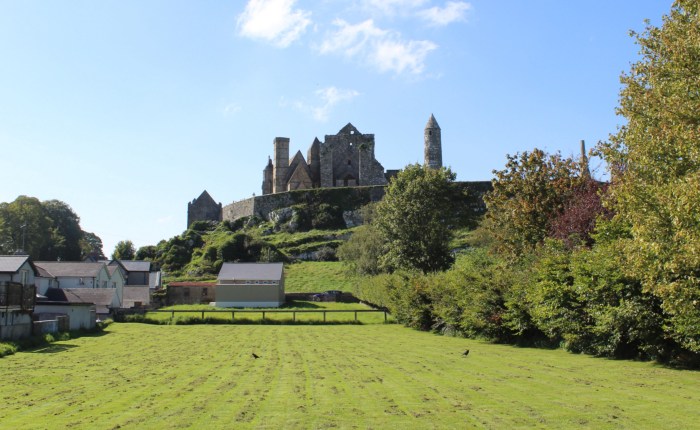
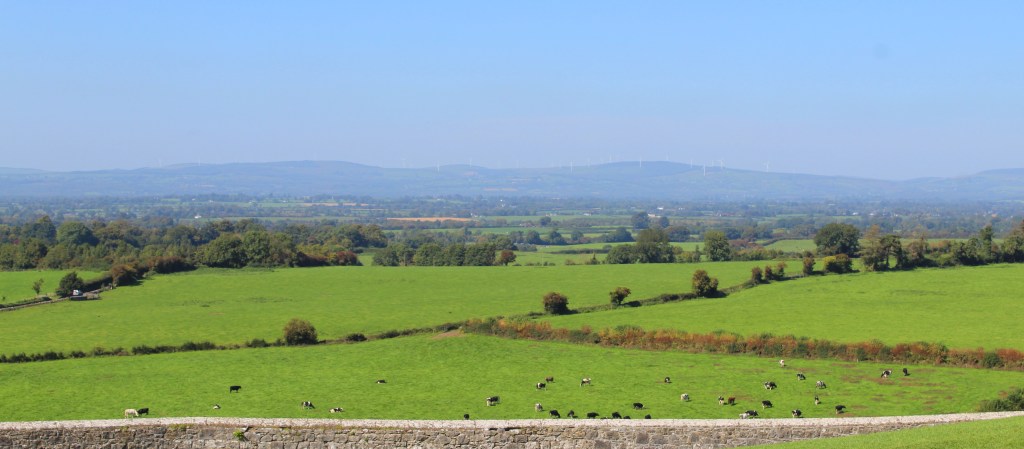
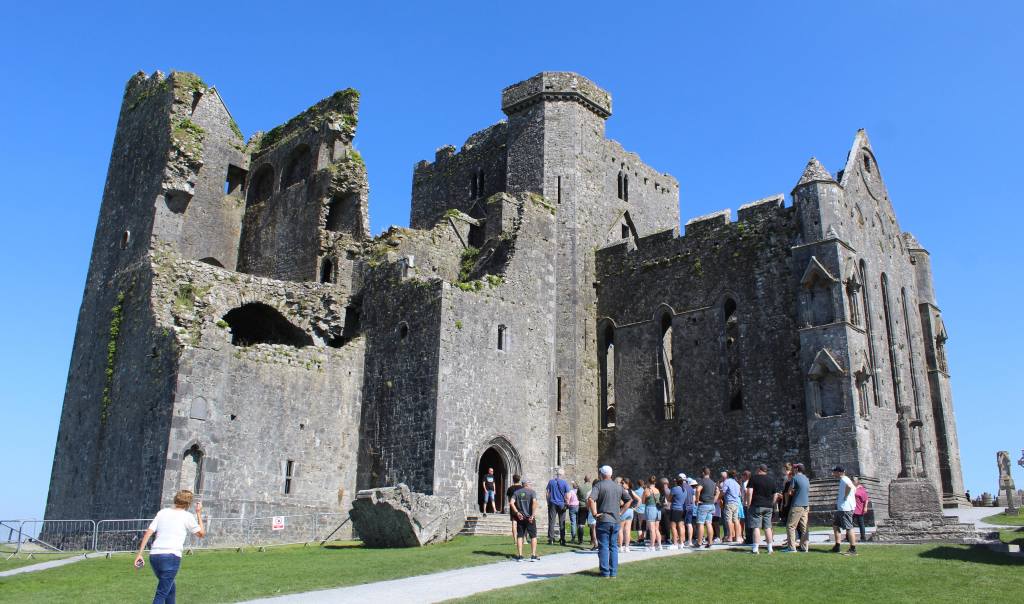
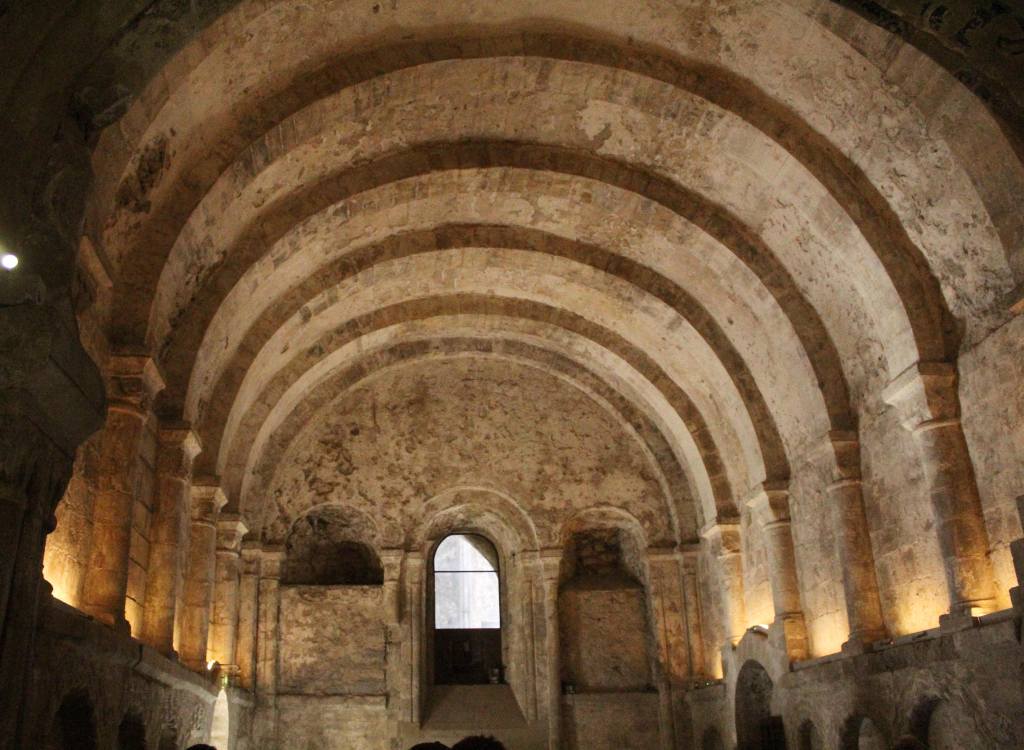
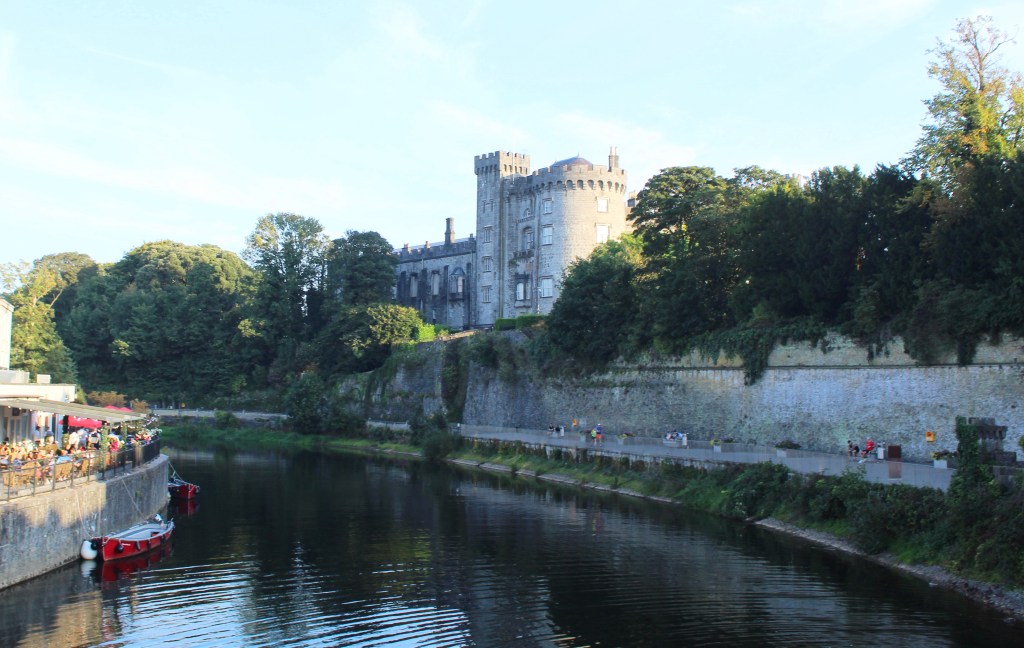
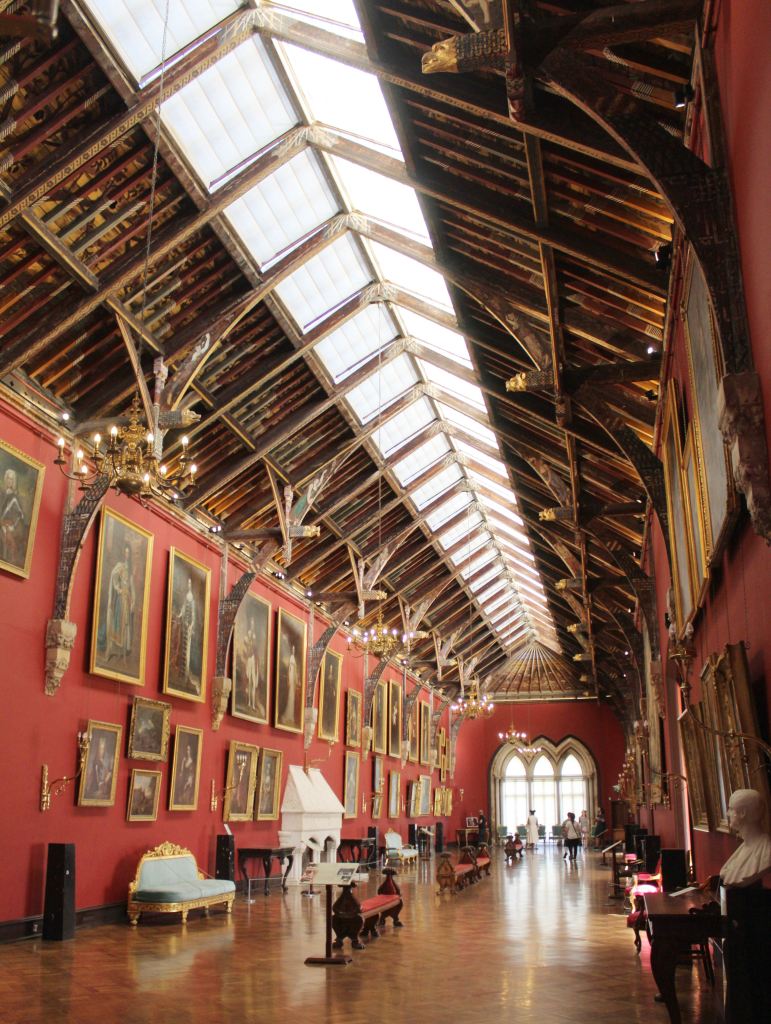
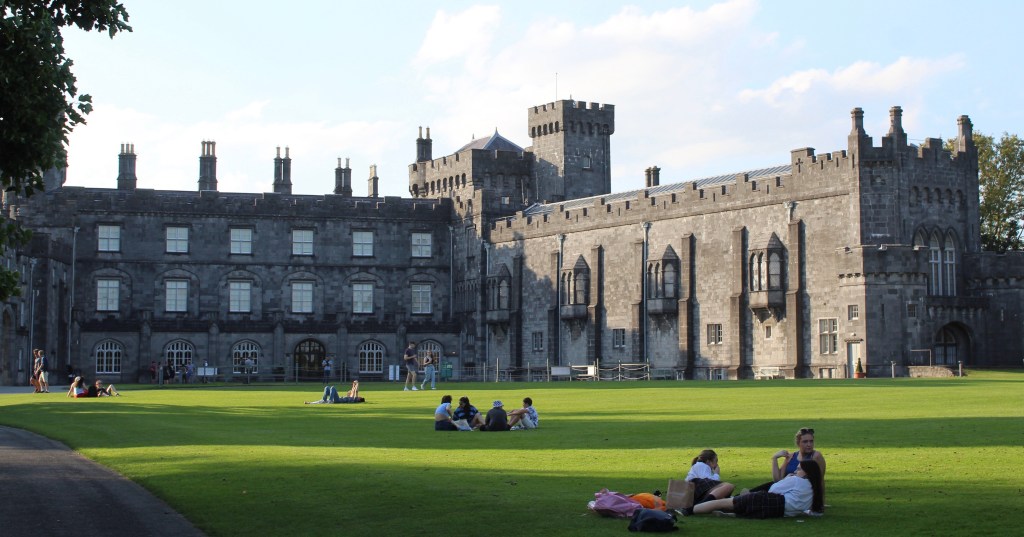
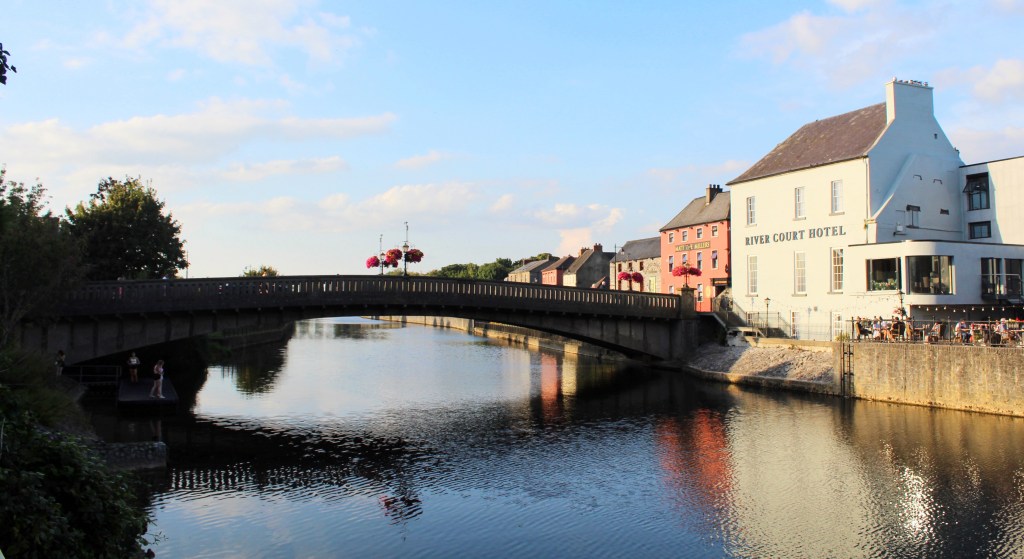
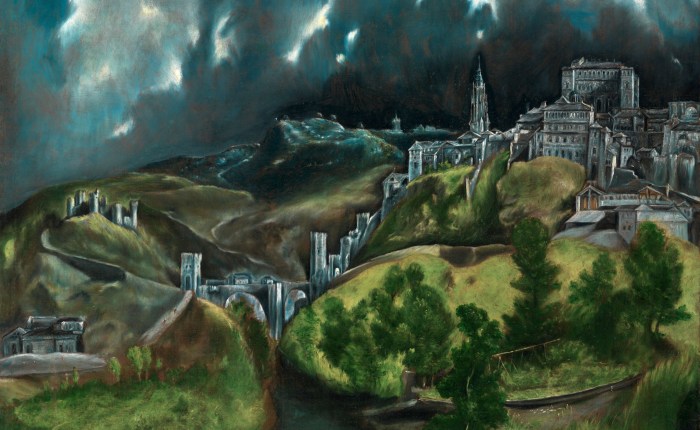
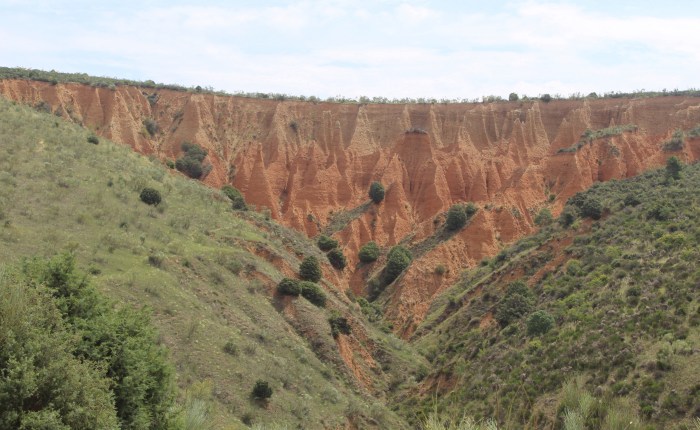
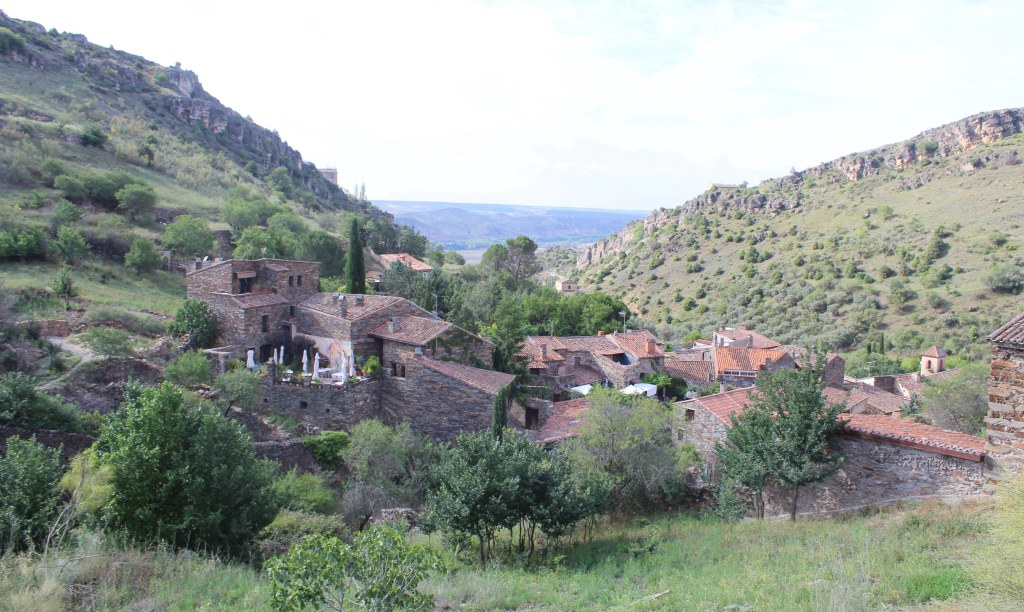
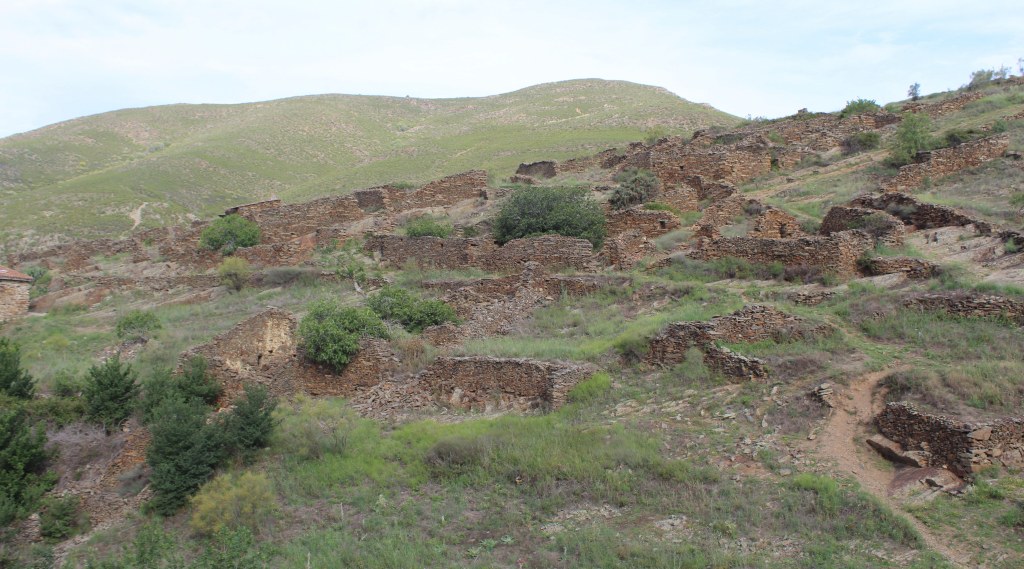
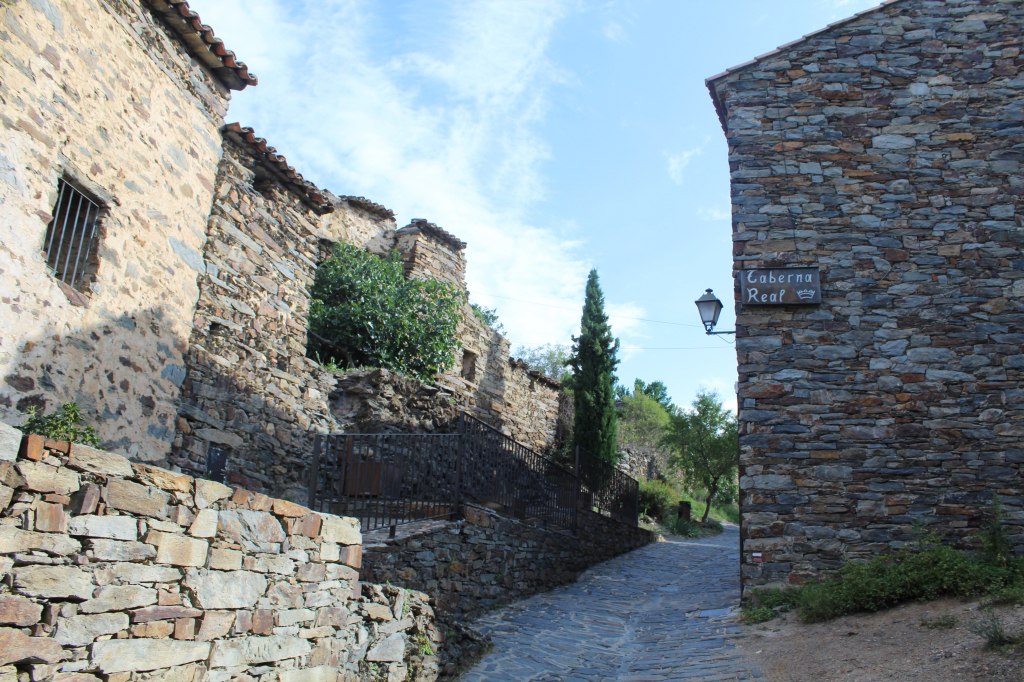
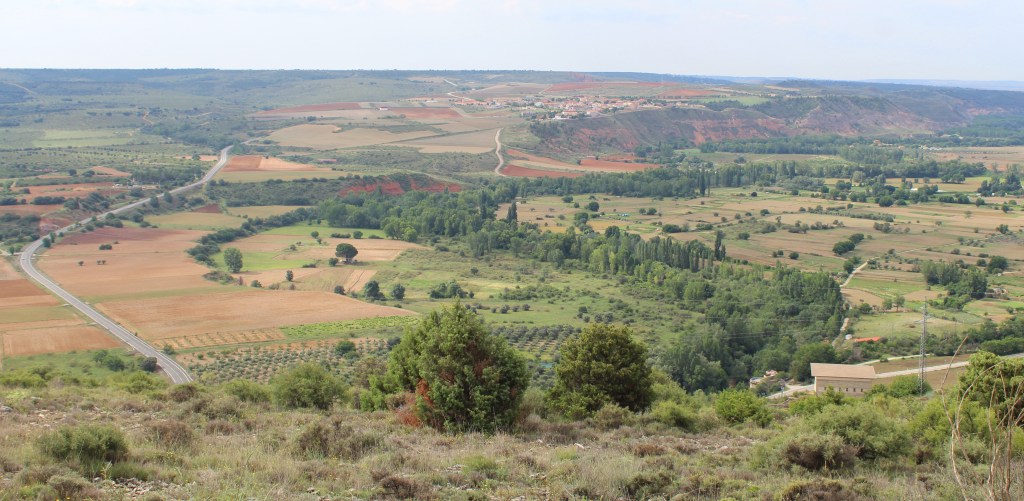
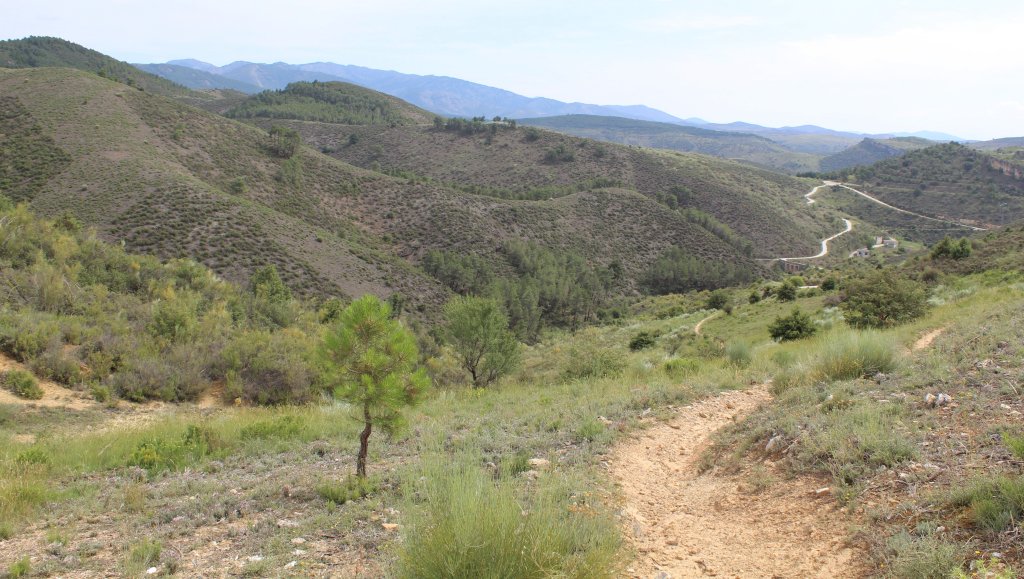
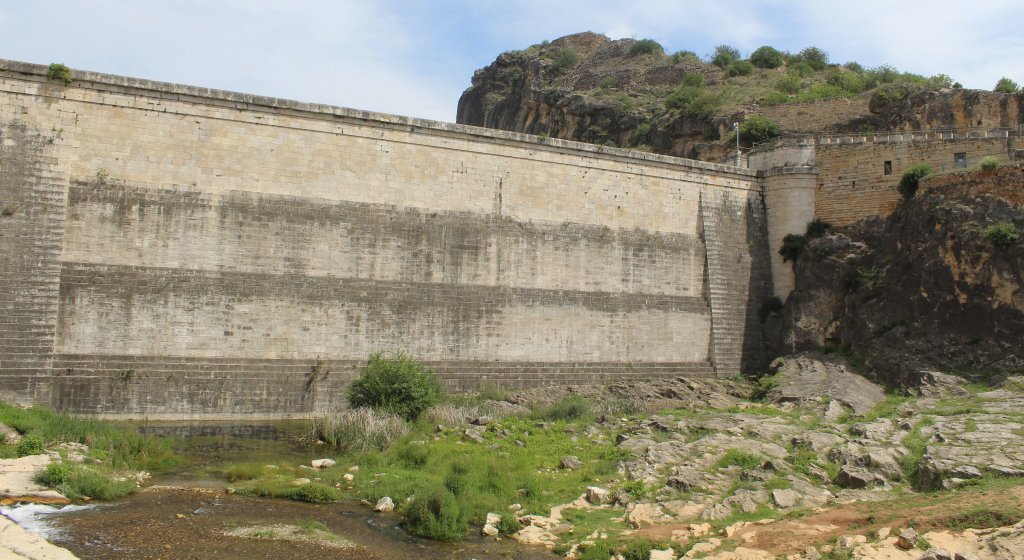
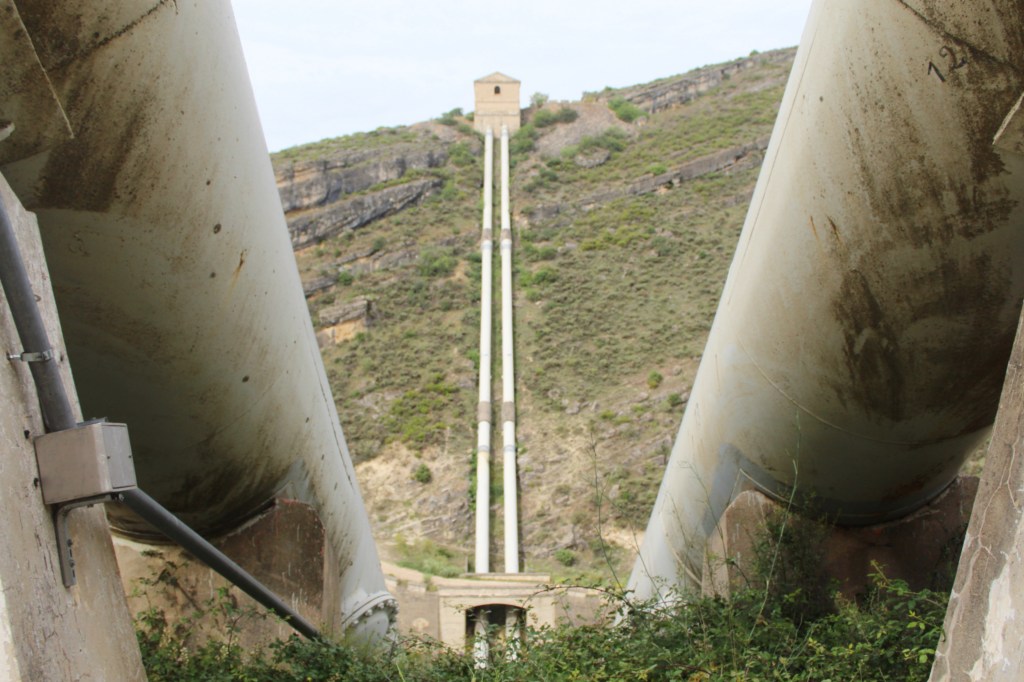
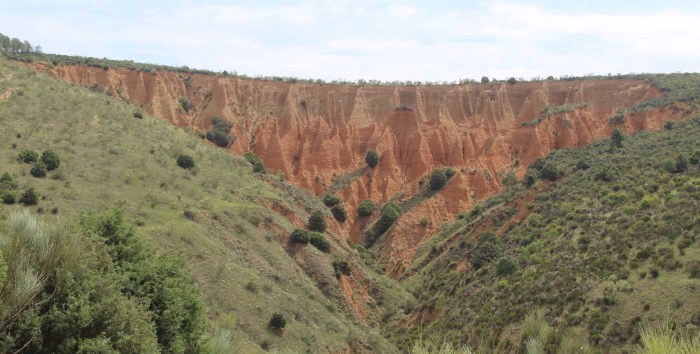
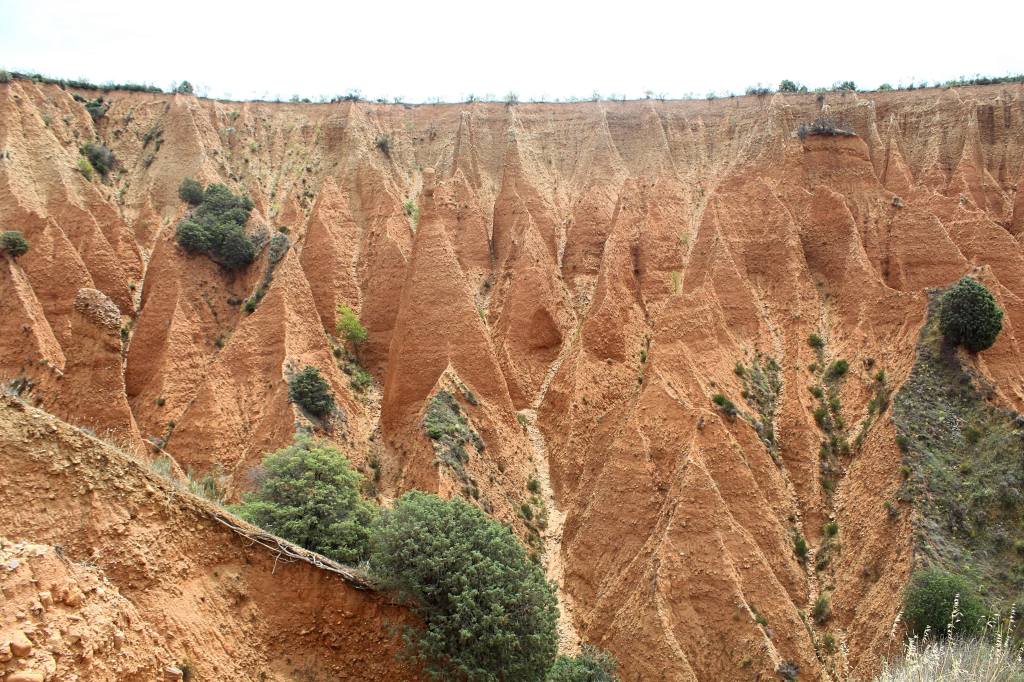
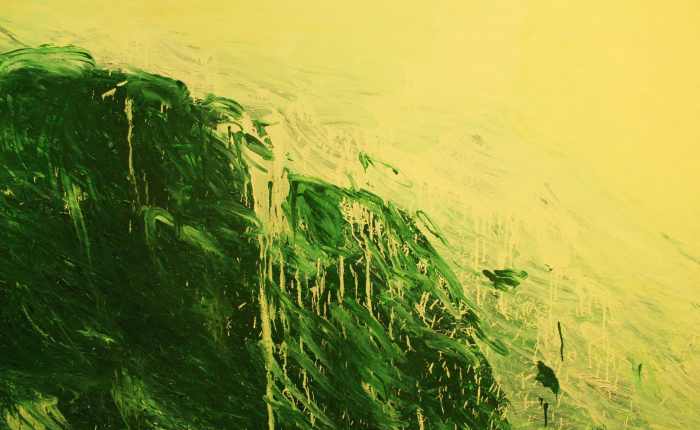
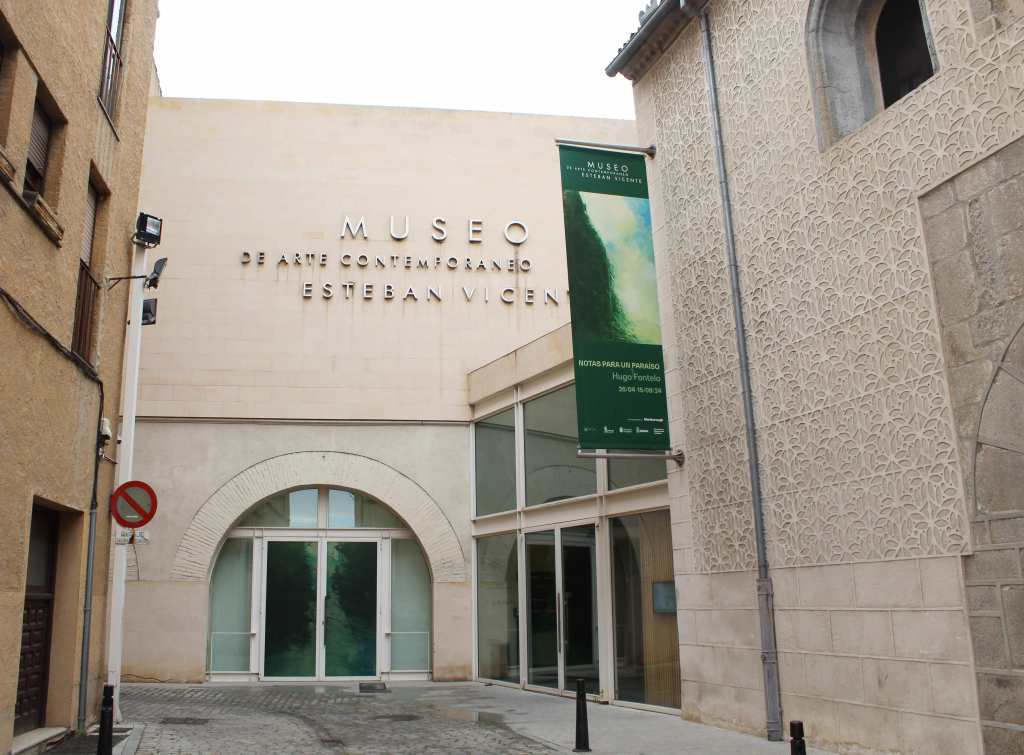
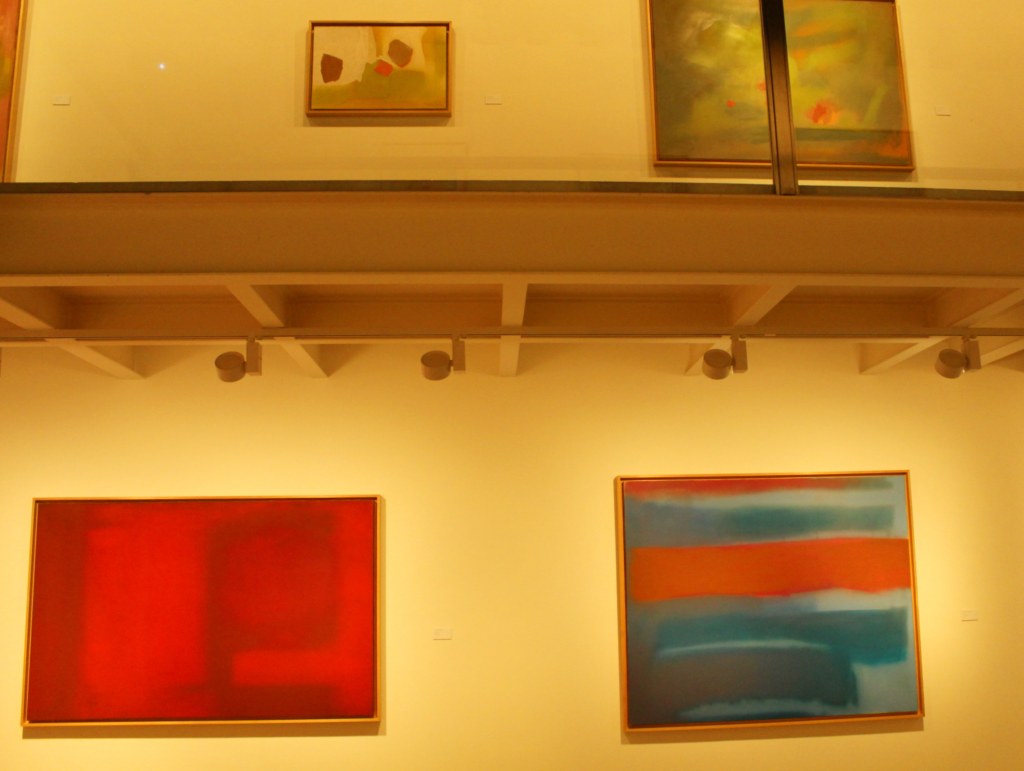
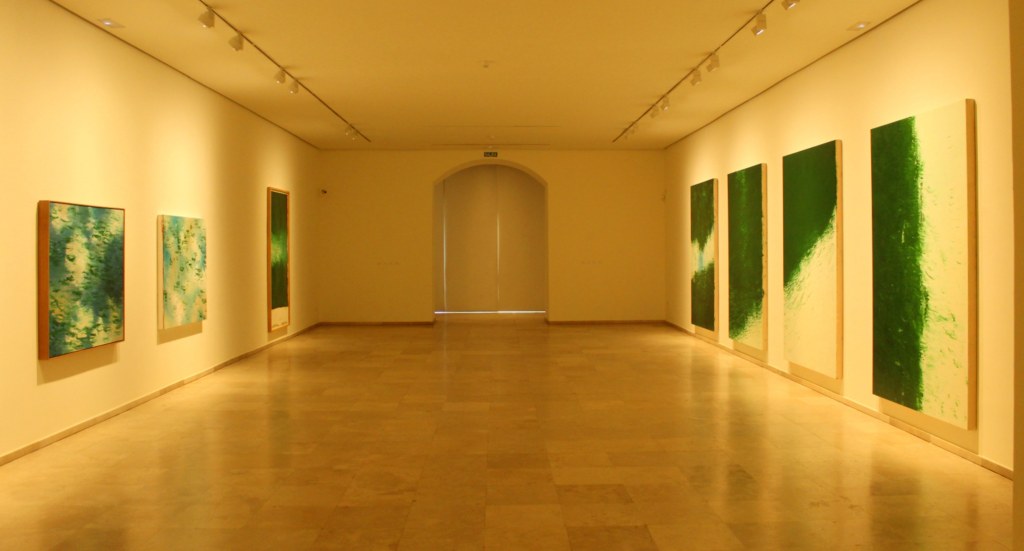
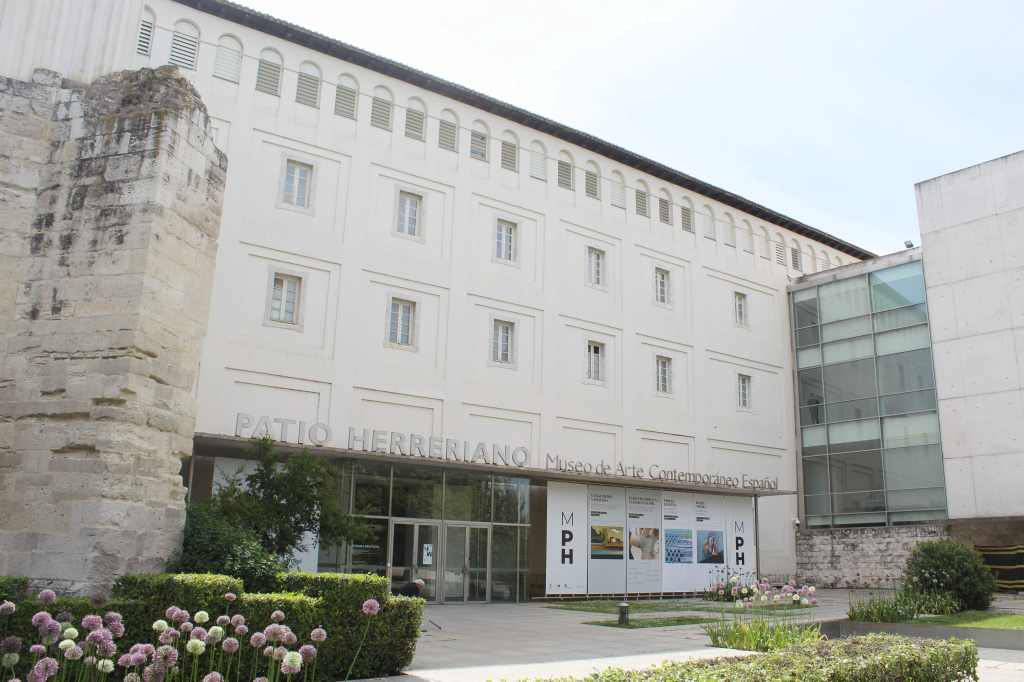
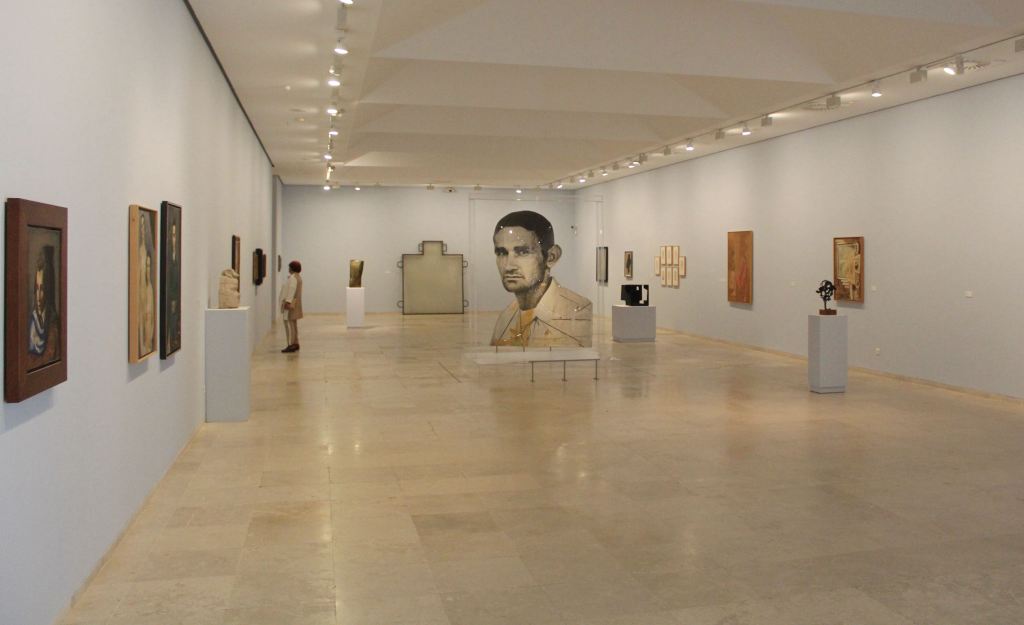
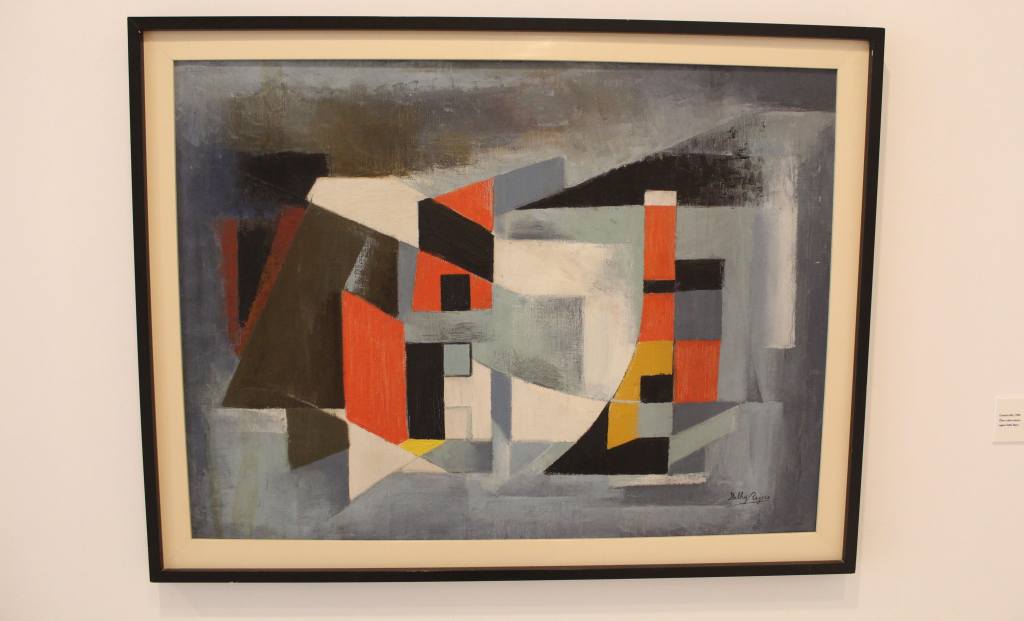
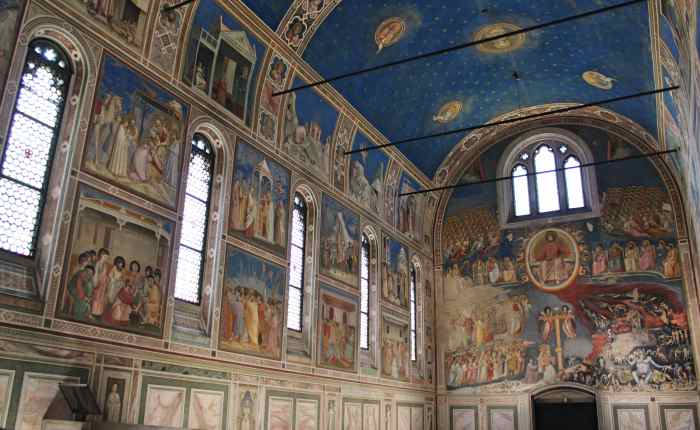


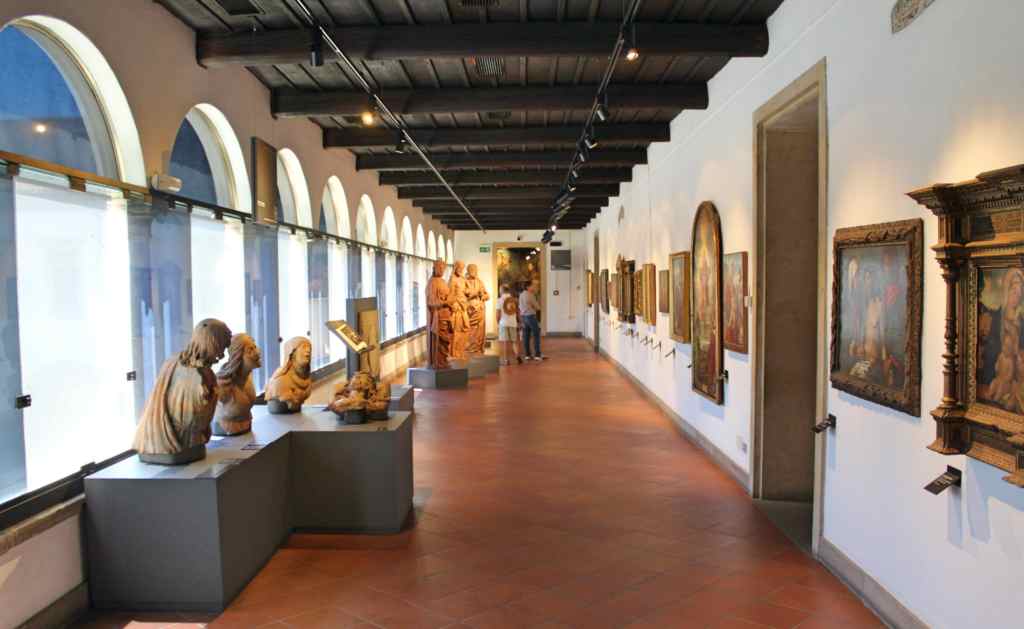


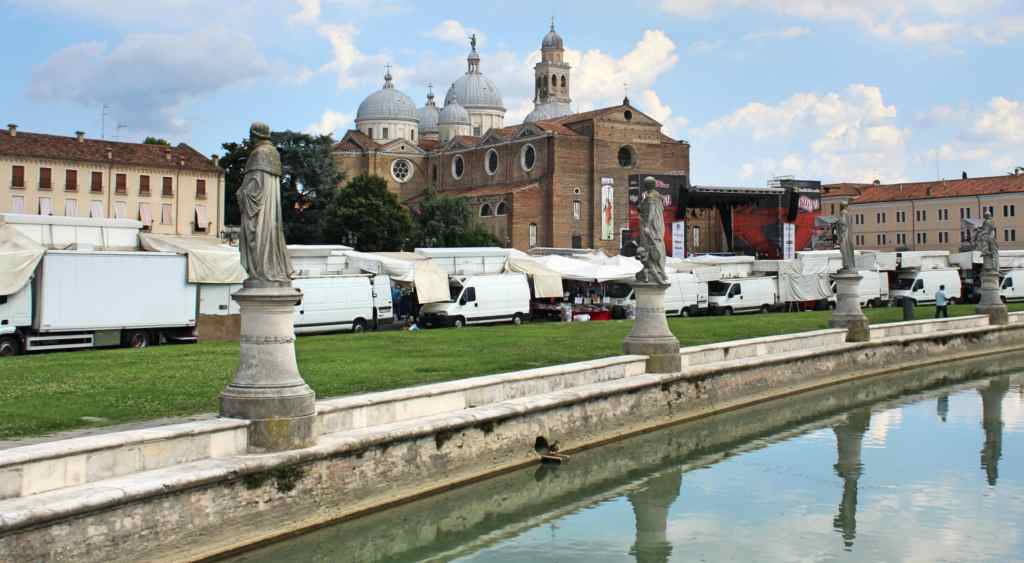


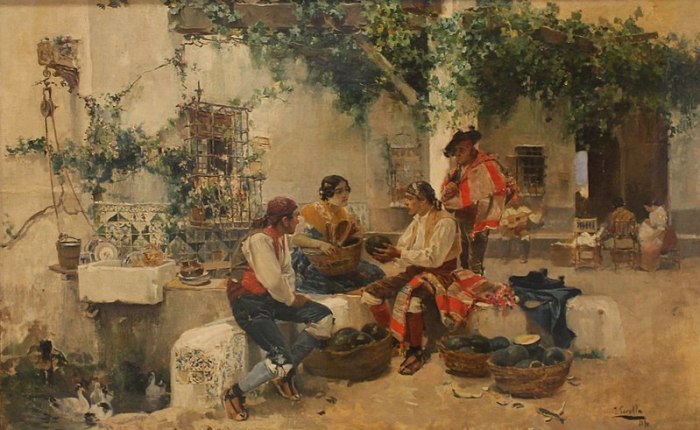
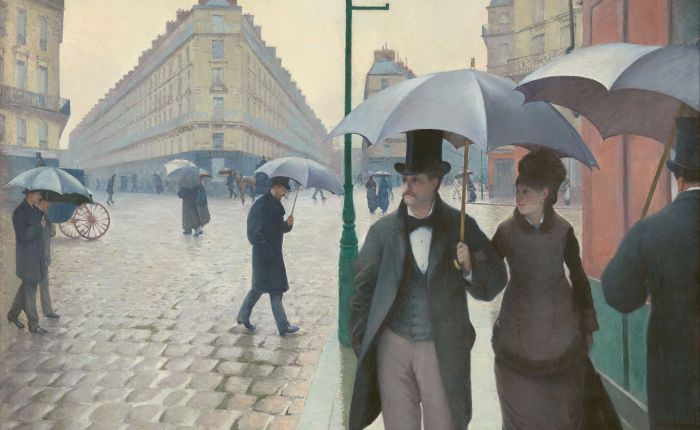
 Lotz in Translation