When I first came to Europe I was, like any good American, in search of the very old. We have skyscrapers and Jackson Pollocks in my country, but we don’t have cathedrals, castles, or El Greco. Yet to see Europe as merely a repository of its history is to forget that its residents are just as keen as anyone to advance into the future. And so I recommend any visiting Americans to make time to experience a bit of the more modern side of Spain.
Segovia, for example, is justly famous for its Roman aqueduct and its elegant cathedral. But tucked away in its winding streets is the Museo de Arte Contemporáneo Esteban Vicente. This small museum would be worth your time even if it weren’t free to visit. It is named after an important but lesser-known artist from the 20th century, a member of the famous Generation of 1927 (which also included Lorca and Dalí), who spent time in Paris alongside Picasso, and finally moved to New York City in the wake of the Spanish Civil War. There, he became one of the main representatives of abstract expressionism.
The museum is housed in what used to be a hospital; and the large rooms and austere architecture contrast starkly with the art. Though he began as a figurative painter, Vicente quickly moved into the kind of abstract art that many people turn up their noses at—atmospheric blobs and swirls of color on canvas. I must admit that it isn’t usually my cup of tea, either. Nevertheless, in the context of Segovia, a city of narrow streets, hard angles, and gray stone, his art was wonderfully refreshing—light and playful, almost ethereal in its vagueness.
When I visited, there was a temporary exhibit by the contemporary artist Hugo Fontela—another Spaniard working in the abstract vein, living in New York. He worked in a very restrained color pallet, just green on a white canvas. Yet with the rhythm and intensity of his brush strokes, he managed to evoke clouds, waves, wind, and whole landscapes. It was an impressive performance.
Even deeper into Old Castile is the city of Valladolid. Though often overlooked by tourists, it is a city well worth visiting, especially as it is easily accessible by fast train from Madrid. Among the curiosities of the city is its huge and rather ugly cathedral—a massive pile of stone that looks oddly unfinished. This is because, when it was conceived, Valladolid was serving as the capital of Spain, and so its church was meant to be the biggest in the world. When the capital was moved to Madrid, however, the construction stopped, and now the building trails off into nothingness.
The most famous museum in the city is the Museo Nacional de Escultura, a collection of sculptures from the middle ages onward (mostly religious), housed in an old monastery. However, during my brief time in Valladolid, I found my visit to another museum far more enjoyable: the Museo Patio Herreriano.
The museum is located in the remains of the former monastery of San Benito el Real. Though its name pays homage to the great Spanish architect Juan de Herrera, it was really designed by one of his followers, Juan de Ribero Rada. However, the building was in such disrepair by the time it was decided to create a museum that substantial renovations were necessary. The building now is thus a strange Frankenstein mixture of old and new sections.
The museum’s collection is huge and extensive, containing works by Joan Miró, Salvador Dalí, and even our friend Esteban Vicente, as well as contemporary artists such as Azucena Vieites. I wandered around rather aimlessly, having neglected even to pick up a map, doing my best despite being sleep-deprived and dehydrated to appreciate the art. I would be insincere if I pretended that I liked everything. Indeed, contemporary art often leaves me scratching my head and even vaguely bored.
But any kind of art is largely hit and miss; and contemporary art even more so. Going to a modern art museum, therefore, requires a certain suspension of judgment, a certain amount of patience, until you discover something that pulls you in.
For me, this was an exhibit on Delhy Tejero, a Spanish artist I had never heard of before. What immediately struck me about her work was how varied it was, in both style and content. She could do realistic, figurative drawings or highly abstract paintings; her work can be cartoonish, dreamy, or serious; she can focus on folklore or lose herself in the purity of geometric shapes. Perhaps none of the works on display was a surpassing masterpiece, but taken as a whole her work exemplified such a degree of curiosity, open-mindedness, and fine sensibility that it left me deeply impressed.
These are just two examples of the fine, lesser-known modern art museums to be found all over Spain. And I think that, especially for the weary traveller, traversing the scorched soil of the central Castilian plains, besieged by castles, cathedrals, and ruins of bygone civilizations, a bit of absurdity, playfulness, and abstraction can do much to clear the palette.
The name of Claude Monet stands over the artworld like a colossus—the man who defined one of the most iconic movements in art: impressionism. For a great many, I suspect, these blurs of color and light are what immediately spring to mind when they imagine the French countryside. The image of the paint-stained artist, brush in hand, standing in a field of grass, flouting both artistic conventions and social norms, is virtually a cliché now. But all of this we owe to Claude Monet.
Stereotype or no, I admit that this vision of the artist has a certain romantic appeal to me. And so I decided, on my last trip to Paris, to pay a visit to the home of this artist to partake of this dreamy, wistful aesthetic.
Normally, getting there from Paris is no challenge. A high-speed train bridges the distance in less than an hour—departing from Gare Saint-Lazare, a station Monet depicted in a series of paintings, and then arriving in the town of Vernon. This town lies just across the river Seine from Giverny. A taxi, a bus, or even a sprightly walk will get you to Monet’s house in no time.
Gare Saint-Lazare
But I was unlucky. During my trip, in May of 2024, there was maintenance scheduled on this particular train line, so this option was out. So I opted for something I habitually avoid: a guided bus tour.
The bus was set to depart early in the morning, from the Avenue de la Bourdonnais, in the shadow of the Eiffel Tower. However, there was a hitch. As the group of tourists—speaking a babble of tongues—gathered on the pavement to board the bus, a police officer approached the tour guides and explained something with authoritative insistence. Apparently, the bus could not park in its usual spot, because of the new rules put in place in preparation of the summer olympics.
The preparation was already apparent. The Champs de Mars was buried in a mass of scaffolds, and a large stage was nearly finished in the Trocadero on the other side of the river. What this meant for us, however, was that we had to walk to a street a few blocks away. As we walked, a young Italian woman, who spoke astoundingly good English, chit chatted with an elderly American couple; but I was too focused on Monet for smalltalk.
The bus swept us out of the city and into rolling fields of green. We were headed north, towards Normandy. On the bright May morning, it was easy to imagine why this gentle, domesticated landscape inspired artists to capture its delicacy.
We arrived in no time, and I followed the crowd into the property. This was a moment I had imagined to myself many times. Monet’s gardens are a kind of mythical place in the world of art, a place I had seen through Monet’s eyes innumerable times, imbued by his vision with mystery and translucent beauty. It was almost a surreal moment, then, when I realized that I was standing in the gardens, and that they were real, physical, concrete.
The gardens are divided into two sections. Directly in front of the simple house, with its pink plaster walls and vine-covered trellises, there are rows of flowers in square plots. They are arranged like globs of paint, splashes of color that look organized from afar but haphazard from up close. It is impressionism made manifest.
The more famous section of the garden is on the other side of the highway that runs through town. Monet purchased this property later, which is why it is not contiguous with the original gardens. Visitors nowadays can pass from one to the other through a small underpass under the road, but Monet himself would have had to cross it.
If the first section embodies the lightness and prettiness that is often associated with impressionism, this one is its highest embodiment. Here, Monet expressed his love for Japan, with the thicket of bamboo, the famous pond of water lilies, and the green wooden bridge. The pond is shallow and murky, and ringed all sorts of trees, bushes, and flowers. As a result, the surface texture is a mixture of reflections—of the blue sky, grey clouds, and the surrounding gardens—and the waterlilies lurking below. Though I was there briefly, it took little imagination to picture how the surface could change with the time of day, the weather, and the seasons. It is a kind of laboratory to study color and light.
I would have loved to have basked in the garden for hours, but my time was limited by the tour bus schedule. So I pulled myself away to queue up for the house. It is much as one might expect of Monet—open, light, airy, and unpretentious. Unfortunately, however, it is difficult to put oneself in the artist’s shoes and imagine oneself at home, if only for the constant crowds pushing the visitor from room to room. But I still had a few moments to appreciate Monet’s fine collection of Japanese prints.
The visit ends, as so many do, in the gift shop. Yet unlike so many gift shops, this one is actually one of the main attractions. Though it looks like a large green-house, this was actually Monet’s studio—and it is easy to see why, as the large windows in the ceiling flood the space with light. Perhaps it is sacrilegious to fill such a space with knick-knacks for tourists; yet, as far as knick-knacks go, the items on display are surprisingly enticing, if only because they are adorned with the master’s paintings.
If I had more time in Giverny, I would have walked the short distance to the Église Sainte-Radegonde, where Monet is buried in a family plot. I would also have liked to visit the small Museum of Impressionism, which has a collection of paintings by Monet and others. But, alas, my tour bus was departing for Paris, and I didn’t have any more time to spend in Giverny.
When I got back into the city, I decided to round out my Monet experience by visiting the Musée Marmottan. This is located near the Bois de Boulogne, a huge park to the west of the city. The museum has one of the finest Monet collections in the world, mostly thanks to a huge donation by Michel Monet, the artist’s only heir. It is housed in what used to be a Duke’s old hunting lodge; and like the Frick Collection in New York, it preserves some of the ambience of obscene wealth.
The museum has a series of rotating special exhibits (when I visited, it was about art and sport) and a collection of impressionists that goes far beyond Monet. But his work is the main attraction. The paintings are held in an underground space, modeled after another museum in Paris, the Musée de l’Orangerie—with large, open, well-lit rooms which situate the viewer in a kind of simulated garden.
And, indeed, standing there after paying a visit to the real garden gives you a wonderful insight into the way an artist’s eye can both capture and transform its subject. Monet’s paintings are both highly “unrealistic”—impossible to mistake for a photograph, say—and yet startlingly accurate. They convey subtleties of light and color that a more “correct” technique would overlook. Or rather, they convey a kind of flavor—a subjective sensation, overlaid with aesthetic appreciation.
The only disappointment of my visit was that the museum’s most famous work, Impression, Sunrise, was away on loan. This work, which Monet completed in 1872, was monumentally influential; it would eventually give the entire artistic movement its name. The painting was both daringly original and a continuation of trends that came before. Its originality is apparent when compared to the oil paintings of the established French artists of Monet’s day, with their impeccable technique and focus on mythological or allegorical subjects. Monet’s work is nothing like that. But a side-by-side comparison with, say, a Victor Turner painting shows how Monet took pre-existing techniques for portraying light and atmosphere, and then expanded on them.
Impression, Sunrise
The last museum I want to discuss is one I visited many years before this trip, before even the 2020 pandemic: the Musée de l’Orangerie. This museum is in what used to be an “orangery,” a building to protect orange trees from the harsh Paris winter. In the past, you see, oranges were something of a royal prerogative—so delicate that only the huge resources of the monarchy could keep them alive in European climes. This particular orangery is located in the Tuileries Garden, and is the home of Monet’s most impressive works.
The visitor enters and almost immediately finds herself in an oval room, flooded with white light. Running along either wall are huge canvases, the Water Lilies—so big that you can easily imagine that you are visiting Monet’s home in Giverny. They are mesmerizing: exuding an almost mystical intensity. In their own way, these paintings are as ambitious and monumental in scope as any in art history; and yet, they are concerned with something completely ordinary. What makes them so powerful is the intensity of vision that Monet brings to the scene, as if he is somehow penetrating the surface layer of reality and looking at its essence.
I remember sitting on the central benches a long time, and willing myself to extract as much from the paintings as I could. I tried to imagine what it would be like for me to have such a vision, to see light and color as pure attributes of nature, rather than mere signs of material things. What I’m trying to say is that these paintings struck me as being wonderfully profound, in a way that very few paintings do. But then again, perhaps I just like pretty pictures.
Well, that rounds out my Parisian Monet experience. While I’m sure his work is not to everybody’s taste—with its focus on pure aesthetic qualities instead of content—I think that Monet has earned his place in the pantheon of artistic greatness. His career was intensely innovative, and he nurtured his creativity into his old age. Unlike so many artists, it is Monet’s final works which have arguably become his most celebrated. Further, I think his art is especially relevant now, as the contemporary art world—with its emphasis on message over form—has moved so radically away from the principles he embodied. This is not to say that either camp is correct, only that Monet’s vision of art is one that is worth getting to know.
Before the advent of “modern art” in the 20th century, the United States was considered something of a backwater as far as painting was concerned. Any American painter with an ounce of ambition had to travel to Paris and spend time copying masterpieces in the Louvre in order to become respectable.
This is precisely what Samuel Morse did. For two years he worked on what was supposed to be his masterpiece, The Gallery of the Louvre, in which he painstakingly reproduced several European masterworks in miniature. This technical tour de force, proof of his hard-earned artistic prowess, earned him—well, very little, which is why he quit painting thereafter and went into the telegraph business. Thus the eponymous code.
Of the American artists who did achieve success during this time, such as Mary Cassat, John Singer Sargent, and James McNeil Whistler, they all spent formative years in Paris and worked in thoroughly European modes.
But one school of genuinely American painting emerged in the 19th century which owed relatively little to the Old World. This was the Hudson River School. This consisted of grand, sweeping landscapes, capturing the relatively (to Europe) wild and untouched countryside. And though artists in this school would eventually paint all over the United States—and beyond—it is named for the place it began: the Hudson Valley.
It took a foreigner to see the beauty in the American landscape, and the potential to turn it into a new sort of painting. Having grown up in grimy, gritty England—in the throes of the industrial revolution—and moved to the United States as a young man, Thomas Cole (1801 – 1848) was deeply impressed by the endless green hills of the Hudson Valley.
Cole arrived in Catskill, New York, in his early 30s, and rented a room in Cedar Grove, the home of the Thomsons, a prosperous local family. A few years later he married Maria Bartow, a niece of the paterfamilias, and made the house his permanent home. What is now the Thomas Cole National Historic Site is, therefore, the ancestral Thomson residence.
The main house is a beautiful building in the Federal-style, constructed in the early days of the nation, with a lovely porch that wraps around the front. The view from the porch is, indeed, worthy of a picture, with the green-blue profile of the Catskills rolling in the distance. It is not difficult to see why the painter chose to live here. While the Catskills lack the dramatic rocky ridges of the great European mountain chains, the soft, undulating green carpet seems to embody the gentleness of nature.
Due to a navigation error, my mother and I arrived late for the “Deep Dive” tour of the house. Still, we got plenty of information. The house is well-conserved and presented. There are reproductions of many of Cole’s letters and journal entries scattered about, as well as several original paintings. The majority of Cole’s paintings portray rugged landscapes where small figures are dwarfed by nature, though at times he included wild architectural fancies, such as a blue pyramid in The Architect’s Dream.
Upstairs, the museum has the last painting that Cole ever worked on, still unfinished. A cloudy blue sky hovers over a featureless brown landscape, revealing the painter’s process—painting from top to bottom. The only clue as to what he intended to paint below are two figures holding a cross, scratched roughly into the paint. Yet still more eye-catching is his Diagram of Contrasts, a color wheel painted over a black background, which looks startling like a work of contemporary abstract art. Indeed, Cole’s description of the work in his diary is reminiscent of Kandinsky:
It is what may be called the music of colours. I believe that colours are capable of affecting the mind, by combination, degree, and arrangement, like sound.
My favorite part of the visit was a video in Thomas Cole’s original studio (a room which he hated, since its only light source was a window facing north). Using his diaries, the museum recreated a hike that he took in the Catskills, juxtaposing his sketches and paintings with photos of the scene now. Cole’s final product may not compare favorably with, say, The Last Supper; but it would never have occurred to that Italian genius—or, indeed, to any major European painter up to this time—to use hiking as a basis of artistic inspiration. It was a major innovation.
The Thomas Cole National Historic Site includes not only the main house, but several other buildings on the property. There is the visitor center, of course, and also two buildings that Cole designed himself: the Old and the New Studios. The Old Studio—which Cole used for the most productive years of his life—is little more than an adjunct to an old barn, with extra windows for good lighting. The New Studio was wholly designed by Cole, but was demolished in the 70s. It has since been reconstructed according to his design and now serves as an art gallery.
Thomas Cole died young, at the age of 47. But the movement he founded culminated in the work of his star pupil, Frederic Edwin Church (1826 – 1900). As a young artist, Church was a frequent visitor to Cole’s home; and it is easy to picture the young artist admiring the green hillside on the other side of the Hudson. After achieving both fame and wealth far beyond anything Cole could have dreamed of, Church bought himself a huge estate, and erected one of the most startling buildings in the Hudson Valley: Olana.
This property can be spotted from Cedar Grove, as a red dot among the green hills. Indeed, as of 2018, visitors can even walk from Cedar Grove to Olana, thanks to a pedestrian walkway that was affixed to the Rip Van Winkle Bridge. I walked part of the way and recommend the experience, if only for the wonderful views of the river and the Catskills beyond.
Olana amid the hills, seen from across the river, with the Rip Van Winkle Bridge to the left.
Here is the reverse view, from the porch of Olana.
(Curious motorists may notice that the road from the bridge curves somewhat awkwardly on the western side. This was precisely to avoid disturbing Thomas Cole’s historic residence.)
Olana presents a startling vision to the new visitor. You see, Church was a remarkably well-traveled man, especially considering that he lived before the age of air-travel. He designed Olana—in collaboration with famed architect, Calvert Vaux—after returning from the Middle East, basing both the design and the name on Persian models. (In this, he resembles an earlier Hudson Valley resident, Washington Irving, who built his Sunnyside after returning from Spain.)
Historically, painting has been a poorly remunerated profession. Van Gogh famously died penniless, but even the great Rembrandt was considered as little more than skilled craftsman. Of course, most aspiring painters still carry the cross of poverty; but in the 20th century it became at least possible for the most successful artists to become independently wealthy.
So how was Church able to afford such an ostentatious house on one of the most attractive bluffs overlooking the Hudson Valley? This was partly the result of an innovative business practice. In addition to having wealthy patrons who supported him and bought his work—the life-blood of artists for centuries—Church hit upon the idea of touring with his paintings. That is, he sold admission to his works, which would be exhibited in well-lit rooms complete with benches, from which the eager audience could view the painting with opera glasses. At the time, it must have been like a trip to the movies.
This idea worked because of how and what Church painted. Like his mentor, Cole, Church was primarily a landscape painter; but he worked on a grander scale—painting enormous canvasses that could occupy the entire wall—and traveled to far more “exotic” landscapes.
His most famous painting, In the Heart of the Andes, is an excellent example. Inspired by the naturalist Alexander von Humboldt, Church traveled to a land where few Westerners had dared to go, and took painstaking care to accurately capture it all on his canvass—from plant species to climate zones. At a time before color photography, when long-distance travel was inaccessible to the vast majority, the painting must have been a startling window into a distant, alien world. It was a David Attenborough documentary for the 19th century. (You can see this enormous canvass in the Met, where it still may steal your breath.)
The house at Olana unites Church’s dominant interests: landscape, art, and travel. The many arched windows open out onto views of the Hudson Valley and the Catskills that are, indeed, worthy of a painting. And in addition to the house’s odd profile—a kind of Victorian imitation of Persian design, altered to suit a cold climate—it is further distinguished by the many stenciled designs that run along the walls, inside and out. Church designed these stencils himself; and along with striped awnings and colorful roof tiles, they serve to give the house a visual flair quite foreign to most American mansions.
The furnishing of the house reflects Church’s wide travels, as various knicknacks from Mexico and the Middle East are scattered among the elegant furniture. But the main thing the visitor sees are paintings. There are dozens of them—not only by Church, but also Cole and other artist acquaintances. The vast majority of these are landscapes, which again demonstrate both his immaculate technique and his wide travels. Compared to Cole’s more staid style, Church is a cinematic painter, whose landscapes transport you into another world. I would certainly have paid admission to see one.
In addition to Church’s home, the visitor can enjoy his estate, which must be one of the most attractive pieces of property in the entire Hudson Valley. But as it happened, we had to go west on the day we visited; so instead of strolling on the carriage roads, we got in the car and headed to a site on the Hudson River Art Trail: Kaaterskill Falls.
The name of this waterfall—like the name of the Catskills themselves—comes from “cat” (as in bobcat, which presumably were more common in earlier times) and “kill,” an old Dutch term for a stream. Indeed, throughout New York, the curious visitor will find many streams bearing ominous names, like the Sing Sing Kill or Beaverkill.
The falls are magnificent. A stream of water plunges down over 200 feet from a sheer cliff, making them taller than Niagara Falls, if orders of magnitude less powerful. It was largely thanks to Thomas Cole that the falls became a popular tourist attraction in the early United States, who was the first of many to popularize the cascade in paintings. On the day we visited, there were people swimming in the murky pool below, while dozens looked on, awestruck. It is easy to see how Cole was inspired to start a new artistic movement by this landscape.
Madrid has some of the finest museum-going in Europe, holding its own against Vienna, London, and even Paris. And this would be true if the city only had its big three: the Prado, the Thyssen, and the Reina Sofia. In addition to these heavyweight picture galleries, however, the city is also home to a great many excellent small museums. The best of these is, without a doubt, the one dedicated to Joaquín Sorolla.
It is somewhat ironic that Sorolla’s museum should be located in Madrid, as he was a valenciano by birth and disposition. His most famous and distinctive paintings are those featuring beach scenes, bathed in a kind of brilliant lucidity, every surface shimmering under the Mediterranean sun. But he was far more than a provincial painter. During his life, he became the most celebrated artist in the country—and, indeed, one of the most famous in the world. This is why he was able to afford such a fine house in the center of the nation’s capital.
The first thing the visitor will notice upon entering the museum is its lovely garden. This was designed after the Andalusian fashion, featuring colorful tiles, little aqueducts, and gurgling fountains. It is such an attractive space that some locals come here just to hang out, as it is free to enter. Sorolla designed the garden himself, and it is easy to picture him sitting here after a long day in his studio, resting his eyes.
The entrance to the ticket office is distinct from that of the museum itself. As it is a state museum, they charge the standard fee of 3€. It is free on Saturdays, but perhaps it is worth it to go on a different day, as the museum is most pleasant with fewer people. While purchasing your ticket, I recommend pausing to admire the Andalusian patio, as well as the painter’s impressive collection of Spanish ceramics. He seems to have had a keen appreciation for the rural, rustic handcrafts of his countrymen.
The first room of the museum is the picture gallery, featuring several excellent, large-scale paintings of the Spanish master. Here the visitor gets a good impression of his style. In his portraits—such as those of his wife or children—Sorolla’s work resembles other painters of his era, such as John Singer Sargent (whom Sorolla met and admired). He was more than capable of painting in a traditional manner.
His brush comes alive, however, whenever he depicts bright, shining light. No other painter has captured the sensation of Spanish sun so successfully. His human figures seem to dissolve into gleam and reflection. In his beach scenes, you can smell the saltwater and hear the waves. If you have ever stayed on a Mediterranean beach long enough to go blind from the reflections and dizzy from dehydration, you can see that, in his paintings, Sorolla captured an experiential truth.
And though Sorolla was the epitome of a bourgeois artist during his lifetime, he was capable of great artistic daring. On my last visit, I was impressed by his work Madre, which depicts a mother in bed with her baby. Their tan faces are the only points of contrast with the white pillows, sheets, and walls, making it seem as if they were floating in a sea of light. There is nothing conventional about it.
The next room features some of Sorolla’s more familial works. Among the portraits we can find Joaquín Sorolla García, his son, who was the museum’s first director. It is largely thanks to him that we have such a fine museum, as he preserved it after his father’s death and left it to a foundation in his will. Unlike so many other house museums, then, nobody else ever lived here before it was turned into a museum. Another notable offspring we may find is Elena Sorolla. She became a talented painter and sculptor in her own right, though she later abandoned art in favor of her family.
The next room, Sala III, is the showstopper of the museum. It is Sorolla’s former studio. The space is ideal for painting, with large windows, a high ceiling, and skylights. Old, dirty paint brushes stand on a table, and a painting sits on the easel, half-finished, as if Sorolla just stepped out for a cigarette. The walls are covered in his paintings—so many and so high up that it is hard to even appreciate them. In the center of the room hangs a large copy of the Portrait of Pope Innocent X, by Velázquez (one of Sorolla’s heroes). Nearby is an ornate bed in one corner, which looks barely big enough for one person, much less Sorolla and his wife. Was it just for siestas?
The visitor next climbs the stairs into the temporary exhibition space. I have been to the museum many times by now, and have consistently been impressed with the quality of these exhibits. The museum has far more paintings in its collection than it can display at any one time (Sorolla was prolific), as well as objects and artwork from Sorolla’s own substantial collections. So there is a lot to choose from.
The last time I visited, they had an exhibit commemorating the 100-year anniversary of his death: “Sorolla en 100 objetos.” This is an attempt to tell the story of his life using Sorolla’s possessions. One gets the impression of a man whose career could hardly have gone any better—of an artist who achieved success early, and was highly respected until the end of his life. He is, in other words, at the other end of the scale from Van Gogh: not the lone, eccentric genius but a pillar of his community. And yet, judging from his massive output, one cannot rate his commitment to painting as any less than the Dutchman’s.
The rest of the museum consists of rooms furnished as they were during his time, whose richness only serves to exemplify the degree of success Sorolla enjoyed. The visitor is then, once again, deposited in the lovely gardens—to either bask in aesthetic pleasure or to be consumed by envy at such a fortunate life.
At the end of your visit, you will have a good idea of both the artist and his work. And yet, to see Sorolla’s most ambitious and monumental paintings, you will have to visit another museum—one on the other side of the ocean.
The Hispanic Society of America is perhaps one of the strangest and least-known museums in New York City. The name itself is misleading in two ways: first, because it isn’t and never was a learned society; and second, because—despite being located in Washington Heights, a “Hispanic” (meaning Latino) part of the city—it is really dedicated to Spanish culture.
In many ways, the museum is a relic from another time. It is the brainchild of Archer Milton Huntington, an eccentric millionaire who had a keen interest in all things Spain. Using his money (inherited) and his many intellectual connections (he was an amateur scholar), he assembled a collection of museums around Audubon Terrace—a monumental complex of ornate Beaux-Arts buildings—and had his wife, Anna Hyatt Huntington, add the sculptures and friezes.
(It is worth noting that Mrs. Huntington was a remarkable artist, who achieved widespread success at a time when it was very rare indeed for women to be sculptors, and who left many attractive monuments all over the Americas and Spain.)
Yet I am afraid that the decoration adorning the outside of the museum will likely rub some people the wrong way nowadays. Above Anna Hyatt Huntington’s wonderful statue of El Cid Campeador—the legendary hero of the Spanish Middle Ages—there are names inscribed on the outside of the building, as if to commemorate heroes. Yet the names include Pizarro, De Soto, Ponce de León, and Cortés—conquistadores, who are now more often reviled as destroyers than celebrated as civilizers.
The museum has a collection of art and rare books from Spain that is unrivaled outside the country. There are paintings by the big three—Velázquez, El Greco, and Goya—and even a first-edition copy of Don Quixote. For many years, however, this collection hasn’t been available to the public, as the museum had to undergo extensive repairs and renovations. I was fortunate enough to see some of this during my first year in Spain, when the Prado had a temporary exhibition showcasing some of the treasures of the Hispanic Society’s collection. But during my one and only visit to the actual museum, last summer, most of its collection was still unavailable.
But I was able to see Sorolla’s magnum opus: Visions of Spain. This is a truly massive series of oil paintings, all about 4 meters in height (12ish feet) and wrapping 70 meters (over 200 feet) around the room. Amazingly, despite this huge scale, Sorolla completed nearly all of these paintings outside, working en plein air at various locations around Spain. He must have needed a stepladder and a team of helpers.
The murals depict the many regions of Spain, focusing on their most distinctive qualities. We can see a Semana Santa procession in Seville, as well as some joyful flamenco dancing; in Aragon they dance the jota and in Galicia they listen to a bagpipe; in the Basque Country they play their distinctive ball game, while in Valencia and Catalonia they prepare the day’s catch of fish. By far the biggest painting depicts a bread festival in Old Castile, with both the famous cities of Ávila and Toledo visible in the background (impossibly, since the two cities are quite distant).
Now, judged purely as paintings, the murals in this series are perhaps not as pleasing as Sorolla’s finest individual works, such as El baño del caballo. They are too busy with detail to make for clean compositions, and do not always showcase Sorolla’s exceptional gift for portraying light. Judged by their scale and ambition, however, the paintings are absolutely remarkable. For such a large work, Sorolla paid exceptional attention to details of costume and custom, attempting to make his paintings as anthropologically informative as possible. And the execution is immaculate. It is no wonder that, after completing this series, the painter felt exhausted. He would die just four years later.
If a visit to the Museo Sorolla in Madrid proves that he was a wonderful painter, then a visit to the Hispanic Society in New York proves that he was something else: a patriot. Admittedly, this is not always an admirable quality in an artist (think of Wagner); but in Sorolla it drove him, not to bigotry, but to celebration of the scintillating beauty of his homeland—and not just its famous landscapes and monuments, but its people. For any who love both fine painting and that sunbaked land, his paintings provide a peculiar delight.
Drawing was one of my first obsessions. Not that I was ever any good at it. I had very little interest or ability in the visual arts; rather, I used drawing as a way to channel my other young obsessions. These ranged from whales, to dinosaurs, to guns, to cars, to phantasy battles—all of which I drew in a kind of careful, painstaking schematic style, wholly two-dimensional, like a crude blue-print. Eventually, my interest shifted to music and reading, and drawing was left behind.
My interest in this childhood preoccupation was reignited by reading Leonardo da Vinci and Santiago Ramón y Cajal. Both of these men used the pencil as a way of examining the world, of almost literally pulling it apart (both of them performed dissections, too), and of thinking about structure and form in ways no one had before. In short, for both the Renaissance painter and the Spanish neuroscientist, drawing was a philosophy and a science in addition to being an art, and this piqued my curiosity. Besides, I had always wondered if I could finally learn to draw in three-dimensions.
This set of lectures by David Brody was an excellent resource in this goal. Brody covers all of the basic techniques of drawing—line, composition, value, color, perspective, and the human form—including exercises, analysis, and history along with his demonstrations. To really work through all of these lectures would take a great deal of time. I spent over a year, on and off (mostly off), with these lectures, and even so I think far more time would be required to achieve results comparable to his (intimidatingly amazing) students.
On the whole, I would rate these lectures very highly. Brody takes an academic approach, trying to get his students to think analytically and to apply general-purpose techniques to a wide range of problems. That is, rather than focusing on specific tricks—such as how to draw convincing eyes or a tree—Brody tries to boil down drawing into fundamental techniques and approaches. Granted, I do think Brody took this approach too far, as a few lectures consist almost entirely of abstract discussions of visual space, hierarchy, color, and so forth. I think the series would have been improved with more draw-along types of activities.
Brody himself comes across as intelligent and surprisingly erudite. He uses many historical examples in his lectures—including many from Asia, which was a nice touch. (Brody is also, as it happens, a talented musician who published a popular fake book for the fiddle.) But he is, unfortunately, a rather dry and uncharismatic lecturer, which is one reason why it took me so long to get through this series.
Yet I cannot really complain, since Brody finally helped me to understand perspective, and to finally draw images in three dimensions. (I still need to work on bodies and faces.) And though I entertain few illusions about my own talent as an artist, I do think I developed a better artistic eye. And this is a reward in itself.
Below I have added some photos of the exercises, not because I am proud of them, but because it gives some idea of what one does in this course:
California and New York have a relationship like many siblings. The two have much in common: they are wealthy, cosmopolitan, populous, and mostly liberal. And yet they drive each other crazy with their differences. Whereas New Yorkers are traditionally rude, uptight, stressed, and workaholic, the archetypical Californian is relaxed, gentle, happy, and obsessed with organic food and fair-trade coffee. Who is to say which is better?
I found myself reflecting on these differences as I walked off the plane that had taken me from JFK to the San Francisco airport, in the summer of 2018. The contrast was immediate. Any time you walk into JFK, you soon have someone yelling at you. But the airport here was calm and quiet. All the staff spoke to us in cheerful, polite tones. Of course, I was suspicious.
We were here to celebrate my cousin’s wedding, and to do some sightseeing in our free time. As it happens, all of my mother’s four siblings moved to California when they left home (whether from a hatred of NY or a love of Cali, it is unclear), which means that all of my cousins on my mother’s side were born and raised here in the sunny side of the country. It was inevitable that one of them would get married here.
My aunt picked us up from the airport. We were jet-lagged, tired, and quite hungry, and so we immediately headed to a restaurant. This meant a little bit of driving. Driving is fundamental to the Californian lifestyle; and since so many people live here, that means traffic is as well. But at least there are some nice places to drive. As a case in point, we were soon crossing the Golden Gate Bridge, probably the most famous bridge in our country (the only competition being the Brooklyn Bridge).
Photo taken by my brother, on a less foggy day.
Now, when we were crossing this bridge, I am afraid that I mostly did not get a good look at it, since the bridge and its surroundings were shrouded in a thick fog. As I quickly came to appreciate, this is not unusual in San Francisco during the summer. The reasons for such abundant mist are rather elusive to me. Essentially, the fog forms because the air over land is heated more quickly than the air over the oceans. The hot air, then, rises, which means cold air is sucked in to replace it. And this cold air happens to be foggy, since it comes from the ocean. And as this process works best when the sun is hottest, San Francisco summers are foggy.
(The reason I say that this reasoning is elusive to me is that the same logic would seem to apply to any coastal city; but New York, Valencia, and Hong Kong are not foggy to such a degree.)
The climatic consequences of this are interesting. You can have hot sunny days a few miles inland, but in San Francisco itself it will be cool and misty—even a bit chilly. Indeed, Mark Twain famously wrote: “The coldest winter I ever spent was a summer in San Francisco.” That adage has a few problems, however, the first being that Mark Twain never actually wrote it. Another problem is that it is not true to begin with. Winters in New York are a lot colder, as Twain well knew.
Well, if I could see the bridge on that foggy afternoon, I would have seen one of the great engineering marvels of the world. At the time it was built (in the 1930s), the Golden Gate Bridge was the longest and tallest bridge on earth. The bridge connects the city of San Francisco with Marin County (where we were going to eat), spanning the entrance to the ample San Francisco Bay. It owes its fame, not only to its dimensions, but to its elegant design and bold orange color (the paint is called “international orange”), not to mention its dramatic location at the crossroads of land and sea.
Soon enough, we parked the car in the small town of Sausalito. Like the city of San Francisco, this town’s name preserves its Spanish origins (sauce means “willow tree”; sauzal means “a willow grove”; and sauzalito means “a little willow grove”). In the past, the town was a center of ship construction; but nowadays it is a touristy little town full of nice restaurants and cute shops, with a great view of the bay. We ate in an Italian restaurant and I felt greatly relieved. But our chit chat was interrupted when somebody said: “Is that Santana?” Everyone’s eyes turned to look at someone behind me.
“There’s no way that Santana is in this Italian restaurant,” I thought, and mentally justified not turning around. Then I saw somebody walk out of the restaurant: It was, indeed, the legendary guitarist Santana. This was my welcome to California.
San Francisco is located at the tip of a peninsula enclosing the eponymous bay. In many ways the city’s geography was its destiny. A center of commerce with limited land, the city had little choice but to expand upwards. These same factors determined the history of Manhattan; and, as a result, the two are among the most visually striking cities in the United States—a collection of spires rising out of the blue.
If you have gone to Catholic school, you may have guessed that San Francisco was named after St. Francis of Assisi. To this day, the oldest structure in the city is a small white building topped with a crucifix, a part of the Misión San Francisco de Asís, a holdover of the original Spanish mission to the peninsula. One must realize, then, that a city known for being a center of liberal politics, of the Summer of Love, of the gay rights movement, of the ultra-wealthy Silican Valley technicians, was named after a Catholic monk who took a vow of poverty. History is full of these delightful ironies.
We awoke early the next day (though still groggy from the jetlag) to begin our first day of exploring San Francisco. This time, we entered the city through the Bay Bridge, directly across the bay. This of course meant traffic and a toll. But it did provide a rather dramatic entrance to the city. At four and a half miles long (over 7km), the Bay Bridge is one of the longest bridges in the United States. It is not one continuous span, however, but two separate bridges linked to the Yerba Buena island in the middle of the bay. (“Yerba Buena” is a corruption of hierbabuena, which literally means ‘good herb,’ and is commonly used to refer to spearmint.)
The Bay Bridge, with Yerba Buena island in the distance.
This bridge has been reconstructed fairly recently. The original construction consisted of a suspension bridge on the west, and a cantilever bridge on the east. But an earthquake in 1989 damaged the eastern section, which eventually led to its being rebuilt with another, more stylish, suspension bridge, opened in 2013. Photos of the construction look very much like the construction of the new Tappan Zee bridge in Westchester, quite near my home, where another old cantilever bridge was replaced by a sleek and stylish suspension bridge. And, indeed, the same barge crate was used in both constructions: the Left Coast Lifter, an enormous contraption painted patriotic red, white, and blue, used to heave big pieces of bridge into place.
On a clear day, the Bay Bridge would afford you a magnificent view of the city. On this particular day, however, it gave us a rather less magnificent view of gray fog. But this did lend the city an intriguing air of mystery.
Our first stop was Coit Tower. This tower is not exactly conspicuous amid the skyscrapers now crowding the city; but when it was built, in the 1930s, this was the finest view in town. The tower is of fairly modest dimensions, about 200 feet tall. But it stands on Telegraph Hill, one of the hilly city’s tallest and most ideally situated hills. This makes the tower a wonderful place to enjoy the view—when it is not foggy, that is. In any case, the tower is interesting in itself. Made of unadorned concrete, it has a vaguely industrial shape, perhaps like a sprinkler. Considering that the tower is dedicated to fallen firefighters, many have surmised that it was to look like a fire hydrant. The resemblance is apparently coincidental, however.
Coit Tower owes its name to Lillie Hitchcock Coit, a wealthy dowager who patronized the volunteer fire department, and who left money in her will for the beautification of the city. I would say that the money was well spent, considering the tourists crowded into every inch of the building. We entered, paid the fee, and went up to the top. The building is narrow and there is only one small elevator providing service up and down. In any case, as soon as I reached the roof, I wanted to turn back. It was rainy, the wind was howling, and the fog put a damper on the view.
But Coit Tower has much to offer besides its view. On the bottom floor, there is a continuous mural running across the outer and inner walls of the hallway. It is detailed and impressive work, done during the height of the Great Depression, under the auspices of the Public Works of Art Project. Indeed, Coit Tower was the pilot project of this organization, an experiment in using public funds to employ artists to beautify public buildings. The results are still heartening. The murals are done in a Social Realist style, showing stylized scenes of America.
What makes the art “social realist” is not so much that the paintings are particularly realistic, but that they attempt to encapsulate the everyday American experience. Thus, we see street life, factories, and farms, rather than saints, heroes, or Greek gods. Personally I found the murals both aesthetically pleasing and even vaguely inspiring—showing pride and faith in our sprawling country. Certainly, such a thing seems very distant nowadays. Perhaps we ought to bring back the Public Works of Art Project. I am sure there are still lots of needy artists willing to paint inspirational scenes in public spaces.
After this we headed to the Financial District. Anywhere money is centered, big grey buildings are likely to follow; and so this is where the city’s skyscrapers are found. When you factor in the regular grid pattern of the streets, the final result looks remarkably similar to midtown Manhattan (though not as dirty). The Financial District even has its own Wall Street, in the form of Montgomery Street, one of the country’s great concentrations of capitalist activity.
For over forty years—from 1971 to 2017—the skyline of San Francisco was dominated by the Transamerica Pyramid, a daring modernist triangle of glass and steel. Even now, the building seems futuristic in its design. The same cannot quite be said for its younger brother, the Salesforce Tower, which surpassed the pyramid upon its completion in 2017. It is difficult to find anything positive to say about this building’s design. Its shape calls to mind objects not normally mentioned in polite conversation, and its bloated form does not harmoniously blend in with the San Francisco skyline, but dominates and disrupts the picture. I must admit, however, that the building is an impressive technical achievement, since erecting safe skyscrapers in the seismically-active city is no easy feat.
The Transamerica Pyramid
For lunch, we headed to Yank Sing, a dim sum restaurant in the famous Rincon Center. The building itself has an elegant art-deco design. But it is most notable for the murals inside, which also date from the Federal Arts Project. The best murals are to be found in the old post office, and were painted by the Russian immigrant Anton Refregier. They are also part of the social realist tradition, and treat of the history of San Francisco—covering major events, like the 1848 gold rush, the 1860 completion of the trans-continental railroad, and the horrible 1906 earthquake. Refregier’s sense of injustice and oppression caused some controversy, as it led him to portray some of the less attractive scenes of American history—a choice that got him into trouble as a communist sympathizer during the Red Scare. Thankfully, the murals have escaped destruction by bigots.
After we finished eating and enjoying the art, we got back in the car to head to the most iconic stretch of asphalt in the entire city: Lombard Street. This is a twisting street, consisting of eight hair-pin turns, that leads down one of San Francisco’s many hills. I have never seen anything else like it. The last time I had visited San Francisco was over ten years earlier, when I was quite young, and I still had a vivid memory of this road—so crazily misshaped. On this particular summer day, as the fog began to clear, the street was quite beautiful. Flowers bloomed in the little gardens beside the pavement, and plants even colonized one colorful house nearby.
This seems like an appropriate time to discuss San Francisco’s topography. Like Rome itself, San Francisco claims to have been built on “seven hills,” though there are an awful lot more than seven hills in the city. Indeed, there are six times more: 42 hills, ranging in height from 200 to over 900 feet tall. I can only imagine that the city’s marathon is punishing on one’s knees, and that owning a car means frequent brake repair. It is probably due to this inclination that San Francisco developed its famous cable car system—one of the city’s most identifiable symbols. In its hilliness and its in street cars, this Californian city has an intriguing resemblance to Lisbon, a city with its own big orange bridge.
The city’s famous cable cars.Lombard Street from the bottom.
Now we decided to visit the city’s most famous book store: City Lights. I must confess that I had never heard of it, and I walked out thinking that it was just a particularly nice shop. But my dear mother soon informed me that it was this humble store which published Allan Ginsberg’s iconic collection, Howl and Other Poems, in 1956—a pivotal moment in the Beats movement, as the resulting obscenity trial changed censorship practices and catapulted Ginsberg to national fame. When I found this out, I went right back inside and bought myself a copy of this poem. (Fortunately, after the store’s continued existence was threatened by the coronavirus lockdowns, an online fundraiser helped to save the business.)
After this adventure in literature, we retreated to the nearby Caffe Trieste for some caffeine. This is an elegant little establishment which holds the distinction of being the first Italian-style café on the West coast. As you might expect, having a quality coffee house near a center of the Beats movement meant that this spot also became a meeting-point for literati, like Alan Watts, Jack Keruac, and Alan Ginsberg himself. But I was mostly struck by the prices. Coffee in San Francisco is not cheap! Indeed, ever since we landed, everything I saw seemed absurdly expensive to me; and this is no coincidence.
Though San Francisco was the center of the Beats movement, the setting of the 1967 Summer of Love, and in the 1980s the epicenter of gay liberations, nowadays the city has gone the way of so many major cities—it is simply too expensive for anyone but high-earners to live there. A big part of this is due to the proximity of Silicon Valley, just a few miles south. The influx of big business has made the cost of living shoot up: the typical rent is higher than $4,500, and the typical house costs well over one million. According to this article, homelessness has increased by 17% in the last two years alone (and who knows how the coronavirus depression will affect that!). In short, it is not a great city to visit if you wish to travel on a budget.
Hippiedom and corporations aside, there are some traces of religion left in the coastal city. I have already mentioned the old San Francisco mission. There are some impressive church buildings as well, such as Grace Cathedral. This is the city’s Episcopal cathedral. The structure was completed in a resplendent neo-gothic style, doing a convincing imitation of Paris’s Notre-Dame. Yet the church doors are not gothic, but Renaissance in style; indeed, they are full-scale replicas of the Gates of Paradise. These are a set of bronze doors by Lorenzo Ghiberti, made for the baptistry of Florence, now considered to be great masterpieces of the early Renaissance. The replicas in San Francisco are wonderfully done, and were just as enjoyable to examine. The interior of the cathedral is quite as majestically gothic as the outside, with gilded paintings and stained glass illuminating the stone space. It even has a replica of Chartres’s labyrinth.
Not far off is the city’s catholic cathedral, Saint Mary’s. Completed in 1971, the building is so oddly shaped that you could be forgiven for not thinking it was a place of worship. To me, it resembles an enormous washing machine agitator, ready to rinse off the sky. While I am not an enemy of modern architecture, I do think that churches ought to be a bit more solemn and less, well, ridiculous in appearance. This church was built to replace the original cathedral, which had been standing since 1854. Reduced to the status of a humble church, this building still stands, now called Old St. Mary’s. While no architectural marvel, the simple brick building does have the conspicuous advantage of looking like a church.
The new Saint Mary’sThe old Saint Mary’s
Perhaps the most beautiful catholic church in the city is Saint Peter’s and Saint Paul’s. It is a pale white building with two long, narrow spires. The interior is quite lovely, with a coffered ceiling leading to a semi-dome above the main altar. The church even has a full-scale replica of Michelangelo’s Pietá—and it is extremely well-done. A center of the Italian-American community, the church holds services in Italian as well as in English. Somewhat more surprisingly, the church also holds services in Cantonese!
After some milling about in town, we got back in the car for the day’s final destination: Lands End. As you might have guessed, this is one of the many spots in San Francisco where earth meets water. More specifically, this is a park near the mouth of the bay. It is quite a romantic spot, with shrubby trees clinging to rocky soil, with the wind and the waves crashing in. The visitor’s center sits above a kind of rocky crater, beside which stand some ruins of old structures. This is all that remains of the famed Sutro Baths, an enormous complex of swimming pools that used to attract thousands of visitors.
I took some time to walk along the shoreline. The landscape is beautiful and dramatic, with whitecaps washing over sunbleached rocks, and the rolling hills crawling out from under the screen of fog. As I walked on, the Golden Gate Bridge came into view—still partially shrouded by the mist, but magnificent nonetheless.
I also noticed something strange in the water, a sort of concrete stump in the middle of the bay. I learned from a nearby sign that this is the Miles Rock Lighthouse. It was built after the SS City of Rio de Janeiro ran into a submerged reef and sank in 1901, killing 135 of the 220 on board. Originally, this lighthouse—which is built on a lonely rock—had the recognizable form of a tower, but in the 1960s the top floor was demolished in order to make room for a helicopter landing pad. Nowadays, the lights are automated, so nobody has to sit there, alone, in the middle of the foggy bay.
So ended my first day in San Francisco. We got back into the car and drove by the famous Cliff House restaurant, which overlooks the Seal Rocks (both of these very accurately named). Then, after a pizza dinner, we were on our way back to the suburbs. But I would return.
San Francisco is blessed to have the rail system with the dorkiest name in the country: BART, which stands for Bay Area Rapid Transit. For my next day in the city, I hopped on the BART by my aunt’s house in the suburbs, and disembarked at the Embarcadero. This is the city’s waterfront to the east, facing the bay; and its name is yet another mark of the city’s Spanish heritage (embarcadero is a place where you board a vehicle). With the weather quite clear and sunny, I could see the full span of the Bay Bridge. Infrastructure is inspiring.
I walked along the water, enjoying the gentle breeze and the bright sun, pausing occasionally to examine anything that caught my eye. This certainly included the giant sculpture, Cupid’s Span, which consists of a huge bow and arrow that have been stuck into the ground. Designed by the artist team Claes Oldenburg and Coosje van Bruggen (who are married), the sculpture is meant to pay homage to San Francisco’s history as a city of love. (But to me it looks as though cupid had carelessly lost his weapon, which is not good news for would-be lovers.)
Next I passed the Ferry Building, which looks vaguely like a medieval city hall—with a large clocktower shooting up from a lower structure. This beaux-arts style building actually took its inspiration from the Giralda, the half-Moorish, half-Renaissance bell tower of Seville’s cathedral. As you may imagine, before the construction of the major bridges, ferries were quite important to the life of the city. But as time went on, the building came to be seen more and more as a historical monument, and parts were even rented out for use as office space. Nowadays, however, the building has regained some of its former luster, and is a tourist attraction in its own right—with a food court and a market in the “Grand Nave.” It is still the main ferry hub for the city.
While I walked along, I noticed an interesting presence on the streets: big, hulking streetcars. This is the city’s historic streetcar service. Much like the city’s cable cars, these streetcars now mainly serve a nostalgic purpose, ferrying tourists in creaky wooden and metallic boxes across the city. But they really are quite charming to see, as they scuttle past like big colorful beetles. Incidentally, I also passed by the Fog City Diner, a landmark restaurant with a classic, retro appeal. I later ate here with my family, and the food was fantastic.
One of the city’s historic streetcars, with Coit Tower in the background.
My next stop was Pier 39. This pier is one of the city’s major tourist centers, which means it is crowded and filled with all sorts of touristy junk. But the pier is still worth visiting, if only for the view. From the end of the dock, you can see both the Golden Gate and the Bay Bridge; and behind you there is Coit Tower and the Transamerica Pyramid. What most attracts attention, however, are the Sea Lions. A few decades ago, these animals preferred to lounge on the rocks near Cliff House, but for some reason they moved inside the bay and set up camp here. The sea lions took over these docks and have not budged since. The number of animals present on any given day fluctuated. When I visited, there were probably around 50; but there can be many times that number.
Coit Tower on the left, the Salesforce Tower in the middle, and the Transamerica Building on the right
There are still more things to see from the pier. The SS Jeremiah O’Brien was docked not far off in the bay, a so-called Liberty ship. These were medium-sized cargo ships mass-produced during the Second World War, to ferry goods and men across the Atlantic. This particular ship has quite an impressive record, having been part of the D-Day Armada and seeing use in the Pacific Theater. The ship normally sits in the dock, available for tours; but occasionally it takes tourists on short rides.
Yet by far the most famous thing in the bay is not a ship, but an island: Alcatraz. You may be surprised to learn that this name also dates back to the Spanish occupation. Nowadays, the word alcatraz is used to refer to garrets; but at the time the word was used for pelicans (both are white, coastal birds). Thus, Alcatraz is the island of the pelicans—as it remains, incidentally.
(It is also curious to note that this word—like virtually all the Spanish words that begin with “al-”—is a loan word from Arabic, dating all the way back to Moorish Spain. It most likely comes from al-ḡaṭṭās (in Arabic: الْغَطَّاس), which means “the diver.” So the name of one of the world’s most famous prisons comes from a Spaniard misidentifying a bird, using a word that was misheard from Arabic several centuries earlier. History is a funny thing.)
The last time I had been in San Francisco, I visited this island with my family. Nowadays, unfortunately, you need to have booked tickets in advance in order to visit, so we missed our shot. But I do have a strangely vivid memory of my time on this island. It is an arresting mixture of the wretched and the beautiful—with dark, concrete cells surrounded by ocean and sky. Because of the frigid waters and strong tides of the bay, the prison was considered escape-proof, though three prisoners tested this notion in 1962 (as dramatized in the classic film). The iconic gangster Al Capone was imprisoned here, as well as the famous “Bird Man” of Alcatraz, Robert Franklin Stroud, who did important work on bird diseases during his many years of imprisonment. (Alcatraz, however, did not let him have either birds or equipment.)
By now, I had had enough of the overpriced and gaudy seaside, so I headed to one of San Francisco’s great neighborhoods: Chinatown. San Francisco has a claim to being the most important city in Chinese-American history, as the city’s Chinatown—established in 1848—is the country’s oldest. Though New York City has a higher Chinese population in total, people of Chinese descent make up a greater portion (about a quarter) of San Francisco than NYC or anywhere else in America. As it happens, most of the residents in the Bay Area hail from southern China, where Cantonese rather than Mandarin is spoken (which explains why some services at St. Peter’s and St. Paul’s are offered in that language).
The most recognizable landmark in the neighborhood is the Dragon Gate—a stylized arch (called a pailou), with two fearsome guardian lions on either side. This was actually a gift from Taiwan, and was erected as a kind of PR stunt during the Korean War for the Chinese-American community (since the People’s Republic of China was fighting on North Korea’s side).
Two other notable landmarks are the Sing Fat and Sing Chong buildings, both on Grant Street. These feature an arresting combination of typical Western and Chinese building styles—looking like ordinary buildings that have grown ornamental frills, towers, and swoops. But elaborate architecture is not needed to know that you are in Chinatown. Every surface is covered with Chinese characters, and red lamps hang over the streets.
I had quite a bit of fun simply walking around. I love walking into Chinese grocery stores and food shops, as they are always full of unfamiliar products and brands, all of them wrapped in sparkling colors. As I walked by an alley, I spotted a couple men practicing a dragon dance. And I even paid a short visit to the Golden Gate Fortune Cookie Company, which is exactly what it sounds like: a small factory for fortune cookies. But the best part of visiting Chinatown was the food. I waited online at a dumpling shop and walked out with enough food for three people, all for less than $10. In San Francisco, where a ham sandwich can cost more than that, this is beyond a bargain. And it was delicious.
Next, I wanted to visit a museum. San Francisco has plenty to offer in that regard. There is the San Francisco Museum of Modern Art (SFMOMA), which has a vast collection of 20th century art, all housed in an appropriately daring building. There is the Legion of Honor, an imposing neoclassical building with a wide-ranging collection of (mostly European) art; and the de Young Museum, which mainly focuses on art from the United States. If you are looking for something a little more interactive, the Exploratorium—located on the Embarcadero—is full of participatory exhibits. (The museum was the brainchild of Frank Oppenheimer—a far more beneficent gift to humankind than Frank’s older brother’s gift of the atomic bomb.)
But I only had time for one museum, and the one which interested me the most was the Asian Art Museum. This museum is located right across from San Francisco’s city hall—a lovely Palladian structure with a gilded dome—as well as from the main branch of the San Francisco public library. The museum is an enormous institution in its own right, with one of the country’s great collections of Asian art. As I walked through the galleries—going from India, to China, to Japan—I found myself more and more deeply amazed, both at the quality of the collection and of the art itself, and once again filled with a burning desire to learn more about these cultures. But as I am, alas, still quite deplorably ignorant, I will let my photos do the talking:
This concluded my last full day in San Francisco. It was late and I needed to get back to my Aunt’s house for dinner. So I made my way to the nearest BART station and was whisked back across the bay. But I still had time for a last glimpse of the city.
On one beautifully unfoggy day, I took BART into the city center. I was going to go on a bike ride with my cousins. And to get to our rendezvous-point, I had to walk through one of the most famous neighborhoods in San Francisco: Haight-Ashbury.
Of all the famous cultural moments in the history of San Francisco, the 1967 Summer of Love may be the most iconic. That summer, tens of thousands of hippies—dressed in tie-dye and bell-bottom jeans, taking every type of substance you can imagine—converged on the city in order to protest war, reject capitalism, and in general to imagine a different kind of world. It was one of the high points of the sixties counter-cultural movement, an event that helped to identify an entire generation. The moment was so notable as to even merit its own hit song: “San Francisco,” by Scott McKenzie. It summed up the moment thusly:
All across the nation
Such a strange vibration
People in motion
There’s a whole generation
With a new explanation
And indeed there was.
All hippiedom aside, the neighborhood is quite beautiful in itself, for its array of classic Victorian-style houses. These constitute perhaps the most distinctive buildings in the city—stately, elegant structures of wood and many windows, all scrunched up against one another in the city’s rolling hills. Residents have taken to painting them mellow, contrasting colors, leading to the popular nickname “Painted Ladies.” Personally, I found the neighborhoods quite charming. And I was also taken with the detectable aftershocks of the summer of love in the neighborhood, such as an “anarcho-syndicalist” bookstore (presumably one doesn’t have to pay?), and the coffee shop where I waited, which served a very nice brew in a space dominated by used books.
Finally it was time to assemble with my cousins. Within mere minutes, we had rented bikes and were pedalling our way through Golden Gate Park. If San Francisco’s Painted Ladies are the city’s equivalent to New York City’s brownstones, then the Golden Gate Park is the city’s Central Park. In fact, it is quite a bit larger than Manhattan’s greenspace, which is impressive in a city that is a fraction of NYC’s size. However, the two famous parks could never be confused by a visitor. Whereas Central Park is full of maples and oaks over a gently rolling field of grass, the Golden Gate Park has palm trees, eucalyptus, and cypress, which to me seemed quite beautiful and exotic.
Even more exotic were the bison, which were lounging casually in a field. This was almost certainly the first time I had ever laid eyes on a live bison. (There are stuffed ones in the American Museum of Natural History.) And, of all places, I did not expect it to happen in San Francisco. The park had purchased a herd back in 1899, when the country’s bison population was threatened; and it seems the habit of keeping bison is hard to kick.
We made our way through the patchwork of roads, paths, and bridges, until we came to a large open garden. This is where the de Young Museum (mentioned above) is located, as well as the California Academy of Sciences. But I was more interested in a lovely sculpture of two of my heroes, Don Quixote and Sancho Panza, praying to their creator Cervantes—yet another echo of Spain in this Californian city. We dismounted and walked for a bit, enjoying the sun and the bird calls (most of which were entirely unfamiliar to me), until we came to the park’s end.
Suddenly, the sky opened up and the land expanded into a sandy beach: the very literally-named Ocean Beach. There were a few scattered surfers in the distance (which caused my cousin’s boyfriend, an Australian, keen envy). Behind me, I observed a beautiful Dutch-style windmill, which had been constructed in 1903 as a tasteful way of pumping water into the park.
Three creative names: Ocean Beach, with Cliff House and Seal Rocks in the distance.
My time in the city was quickly coming to an end. We pedalled back to the other side of the parks, returned the bikes, and then had dinner in a bar. Soon, I was on the BART, heading back to the suburbs.
Inevitably, I missed a great deal during my trip. I would have liked to have visited more museums and to have seen Alcatraz once again. I also regret not paying a visit to the Castro District, one of the country’s most important gay neighborhoods. It was here that Harvey Milk became the nation’s first openly gay elected official, before his gruesome assassination. It was also here that the nation first came to grips with the horrible AIDS epidemic of the 1980s.
San Francisco is, without a doubt, one of the great American cities. Its history is fascinating, and its personality is unmistakable. Yet the city I had seen was very different from the city of Allen Ginsberg, Scott McKenzie, and Harvey Milk. Nowadays, San Francisco is the city of Mark Zuckerberg, Steve Jobs, and Elon Musk. Whether or not this is an improvement, I will let its residents decide.
Soon enough I was walking through the airport gate, back into JFK. And it was not long before someone was yelling rudely. It felt good to be home.
Processing…
Success! You're on the list.
Whoops! There was an error and we couldn't process your subscription. Please reload the page and try again.
Venice certainly does not lack for sights. The entire city is virtually an open-air museum; there are architectural masterpieces on every other corner. And even if you get tired of the historical center of Venice, there are plenty of islands in the Venetian lagoon that are worth visiting. But I think that it is worth going even further afield during your trip. The famous city of Verona is not far off, and the Prosecco wine region is also within reach. But if you are interested in art, then the place to go is Padua.
Trains leave regularly from Venice to Padua. They cost less than 10 euros, and the trip takes substantially less than an hour. In no time I was stepping off the train and walking towards my destination: the Arena Chapel. Also called the Scrovegni chapel, this is the small church where Giotto—known as the father of the Italian Renaissance—did his finest work. Not wishing to leave anything to chance, I booked my ticket online in advance. The chapel is small, and the artwork is delicate; so only 25 people are allowed in during any visit; and a visit lasts about 15 minutes. I certainly did not want to go all the way to Padua to be told that there were no more tours that day.
Indeed, I was so worried about making the tour in time that I arrived substantially early, leaving me an hour to kill. Luckily, the Musei Civici di Padova—the municipal museum—is right next door. This was free to visit and actually quite beautiful. The collection is housed in a former monastery, filling the old cloisters within and without; and this former monastery itself sits in the bucolic monastery gardens (now a public park). The collection was far more impressive than I expected. There are bits of Roman ruins, fine works of ancient pottery, original manuscripts, and prints and drawings.
The old cloisters, which now house the Municipal Museum
But of course, this being Italy, the main attraction were the many sculptures and paintings on display. Both the quality and variety of these works astounded me. In Europe, art is truly endless; every city has its own collection of minor masterpieces. Padua has some fairly major masterpieces in its collection. There were some wonderful examples of religious wood carvings, with faces distorted in grief at the dead Christ. The paintings were quite wonderful as well. There are works by Tiepolo, Bellini, and Tintoretto, and dozens of works by lesser-known masters. By the time that I had to leave for the chapel, I was rather disappointed that I could not spend more time enjoying this charming collection.
Now it was time to visit the chapel. This is a separate building off to the side of the former monastery. We gathered in front of the entrance, just as the previous tour group was exiting through a separate doorway. Soon enough we were being herded inside—all twenty-five of us—to watch a short informative film while the climate adjusted around us. It is a very good system, I think. The film gives us a bit of background, while the air conditioning gradually cools down the temperature and reduces the humidity, so that when we enter we do no harm to the artwork. I must admit, though, that I was a bit cold by the end of the film.
Before we go inside, allow me to give you some background. The chapel was never part of a public church, but was rather built at the behest of a wealthy banker, Enrico Scrovegni (thus the name), who owned a large mansion—now demolished—right next door. The chapel was built over a Roman arena which once occupied the spot (thus the other name), whose ruins can still be seen nearby. Scrovegni must have been quite a wealthy man, since he was able to recruit the great Giotto from Florence, the preeminent painter of his day. Giotto came, and spent about two years on the project. The result was one of the great masterpieces in the history of European art. For his time, Giotto was an extremely innovative figure, pioneering techniques for adding realism, dimension, and form to his paintings. There is a lifelike drama to his work that makes him a forerunner of the entire Italian Renaissance.
Finally it was time to enter. I walked through just one doorway and—I was there. Everyone who entered was reduced to the hushed silence that accompanies any great work of art—the feeling of awe that forces us to speak in reverential whispers. Though composed of dozens of individual works, the Arena chapel is a unified work, with a single aesthetic sensibility and philosophical vision pervading the space. The dominant color is blue—a shade between the bright blue of the sky and the dark violet of the late evening. It helps to give the chapel the lush, cool ambience of a cloudless summer night.
This comparison is quite obvious, when you look up to see the ceiling painted as the night sky. In two panels, Giotto represents Christ and Mary as the center of the universe (earth, in Giotto’s day), with the prophets as planets, against a starry background. Then, in four distinct levels, panels tell the story of Mary and Christ, and then represent the virtues and vices. At the far end is the centerpiece of the program: a magnificent portrayal of the Last Judgment. The entire work has been aptly compared with Dante’s Divine Comedy. Indeed, Giotto, who was a near-contemporary of Dante, may have been directly influenced by that great poem in its images of heaven and hell. In any case, the Scrovegni chapel is a work of comparable ambition and skill: a grand cosmic vision, attempting to encompass the human experience.
The main entrance of the chapel (which is not where the modern visitor enters) is right below the Last Judgment. On the opposite side is a triumphal arch, underneath which the priest would have stood. The grand program of decoration begins right at the top of this triumphal arch and then works its way down tier by tier. The cosmic cycle is set in motion by God the Father, who calls the archangel Gabriel to his side, and instructs the angel to deliver the annunciation to Mary. This is done immediately below, on either sides of the arch—Gabriel on the left and Mary on the right—who form a beautiful pair. Already, we can see some of Giotto’s innovation here. The two figures occupy a convincing architectural space, with balconies that sing to hang into the air. This was something quite new in the history of art. Though still not true perspective (since the lines to not converge on a vanishing point), even this little background is a more convincing three-dimensional representation of space than anything in gothic painting.
The story on the upper tier begins even before the annunciation to Mary, with the story of Mary’s parents, Joachin and St. Anne. Mary herself was the subject of an annunciation, as an angel informed her mother that Mary would be born without original sin (immaculately, in other words). The story of Mary’s birth and marriage takes us back around to the triumphal arch, where Gabriel’s annunciation has its proper chronological setting. This sets in motion the story of Christ, which begins with the birth, the adoration of the Magi, the flight into Egypt, and the rest of the typical scenes of Christ’s childhood. This sequence takes us to the first half of the second tier. Now, Christ’s adulthood begins, with its many scenes: the baptism, the miracles, the betrayal, crucifixion, and resurrection. This takes us all the way to the Last Judgment, the logical end of the series (and, indeed, of the world).
Of course, this is a story often told. You can see it, or part of it, in any church in Europe. Giotto’s excellence is revealed in the execution of this standard program. He was an artist of many talents. One is his sense of dramatic narrative. Rather than a series of disconnected scenes, as is often found in gothic art, the scenes in Giotto’s work all lead very naturally to the next. This is done through simple but effective visual cues, such as having Christ constantly facing in the direction of the next panel, or having the ground seem to continue from one scene to the next. This gives Giotto’s rendition of these classic stories an organic continuity and unity, easy and pleasant to follow.
Giotto was a dramatist in other ways. Whereas emotion is rather abstract or generalized in medieval art, Giotto renders emotion more palpable. This is apparent in many scenes: the tender kiss shared between St. Anne and Joachim at the golden gate of Israel, or the way that the Virgin gently cradles her newborn son, or the passionate grief apparent in those mourning Christ. The emotion in these scenes is shockingly direct; and this is a measure of Giotto’s realism. His figures are not generic or unreal, but solid and substantial. Their emotions are expressed through their very physicality—an embrace, a kiss, a gesture.
Giotto’s realism and his dramatic sensibility are tied together through his gift for composition. Several of the panels are masterpieces of formal study, guiding the viewer’s eye to the central drama, and expressing that drama through shape and line.
The best example of this—and perhaps the best painting in the entire chapel—is the arrest of Christ (or the kiss of Judah). It is a traditional scene, but its execution is far from traditional. Judas is normally shown coming and kissing Christ on the cheek, as Christ looks forward. But in this work, Christ and Judas directly face each other; Judas actually embraces Christ, covering him with the fold of his gown, and appears to kiss him directly on the mouth. The contrast between the stoic, tall Christ and the lowly, cowardly Judas—who looks both timorous and ridiculous, as he puckers—is extreme. And yet the pair, locked together, stand as a kind of anchor for the chaos raging around them. The torches, clubs, and lances of the mob are positioned so that they seem to emerge from the pair, splitting the night sky. On the left St. Peter is cutting off the ear of one of the assailants, while a hooded figure grabs somebody off to the side. On the other side, an official (painted with impressive volume and foreshortening) points menacingly to Jesus, signaling the others to apprehend him.
As impressive as this is, my personal favorite from the chapel is the Last Judgment. Like any typical representation of this awesome event, the scene is divided horizontally and vertically. On the top Christ sits among the saints in heaven, while below him the world is split between the saved and the damned, the former to his right and the latter to his left. Right at the bottom, we can see Scrovegni himself offering his chapel to the angels (presumably to secure his salvation). And we can see that the chapel, as it was when this was painted, is not as it is today. Concretely, the chapel today is smaller and less ornate that this drawing, which has led scholars to conclude that parts of the original chapel were demolished because the local church complained of competition.
Right at the bottom, below Scrovegni, there are a collection of naked, impish figures emerging from coffins. Presumably these are the dead, arising to be judged. Like many great painters, Giotto let his imagination run wild in his depiction of hell. Jets of flame shoot down into the abyss, carrying the damned into the inferno, where Satan and his minions are waiting. Demons pull and push the frightened sinners. Some unfortunates are hanging, while many others are being stuffed into pits at the bottom. In the center, Satan himself chews on a sinner, while others grasped in his hands await the same fate. Serpents emerge from his ears and he sits on a bed of dragons, which also gnaw hungrily on corrupt flesh. If Giotto was not inspired directly by Dante, he was responding to similar cultural currents. Or perhaps both imaginative men just enjoyed picturing the suffering of their enemies.
This more or less brings us to the end of the religious scenes. But I still have not mentioned the exquisite decorative painting that occupies the spaces between these scenes. They are beautiful works of abstract art, with geometrical and floral patterns perfectly imitating the appearance of marble inlays. Individual portraits of Old Testament figures occupy the spaces between the New Testament panels; and the knowledgeable viewer will notice that these, too, are carefully selected, in order to draw connections between the stories of the prophets and the story of Christ. For example, the story of Jonah and the Whale is placed before the resurrection, since Jesus’s death and rebirth were mirrored in Jonah’s being swallowed and then spit out again. (Many theologians spilled a lot of ink trying to prove that the New Testament was prefigured by the Old.)
We come finally to the representations of virtues and vices in the bottom tier. Though not explicitly religious, these only reinforce the message of the chapel: for the virtues lead directly to salvation and the vices to damnation. They are, thus, the abstract lessons to be learned from this great cosmic story, or if you prefer a moral philosophy expressed through personification. The execution of these vices and virtues in monochrome (thus imitating sculpture), only heightens their abstractness.
There are seven virtues, all mirrored by their corresponding vice on the opposite wall: hope with desperation, prudence with folly, justice with injustice, and so on. They are all wonderful, my personal favorite being the portrayal of Envy: standing in flames, clutching a bag of money, with a serpent emerging his mouth and turning around to bite him in the face. There can be no more graphic illustration of the torture and self-destruction inherent in envy. The representation of hope is also justly famous, as winged woman reaching up towards a crown; while her counterpart, desperation, has hung herself.
After fifteen wonderful minutes, we were led out of the chapel. I was exhausted. I had spent the morning rushing to the train, rushing to the museum, and then absorbed in artwork. It was time for lunch. For this, I headed to one of Padua’s better-known cheap eats, Dalla Zita, a small sandwich shop in the center. Dozens of color-coded sticky notes cover one of the walls, informing the visitor of the many sandwich options available, each one with a cute name. Somehow, the staff of the shop have memorized all of these sandwich names, and so you need only say “Steve” or “Babu” to get the sandwich you want. I do not remember what I ordered, but I am sure it involved roast beef and was delicious.
While I sat on the corner, stuffing the assemblage of bread, meat, and sauce into my mouth, I had quite a charming interaction. A woman, who had accidentally cut me in line in the sandwich shop, saw me, realized her mistake, and came over and actually apologized to me. That had never happened to me before. This was only the second act of small kindness that day. When I was in the monastery gardens trying to find the chapel a young man came over and pointed me in the right direction. He did not even want a reward! These things rarely happen in New York.
Now I had a few hours before my return train to Venice. I decided to spend some of it simply walking around the city of Padua. Though not as shockingly beautiful as Venice (no city is), Padua is charming, with an attractive historic center. Its most characteristic feature are the shaded arcades lining the wide, cobblestone streets. The walk along the river Bacchiglione—which runs through the center of the city—is also quite lovely. But the most picturesque spot in the city is, undoubtedly, the massive central square: the Prato della Valle (literally, “meadow of the valley”). At 90,000 square meters, this is the biggest plaza in Italy and among the largest in Europe. But it is not only special for its size. A moat encircles around a grassy central island, with no fewer than 78 neoclassical statues on either side of the canal.
Two of Padua’s most splendid church buildings stand nearby. Within sight of the Prato della Valle is the Abbey of Santa Giustina, a massive brick church building topped with domes. Like so many Italian churches, this church is richly and beautifully decorated. But it is perhaps most notable for holding the remains of St. Luke the Evangelist. Well, at least most of the remains: the evangelist’s body is entombed here, but his head is in Prague, and one of his ribs is in Thebes. In any case, I unfortunately did not have the chance to visit this church, since I was more interested in visiting another one nearby: the Basilica of Saint Anthony of Padua.
This basilica is the largest and, undoubtedly, the most glorious church building in Padua, though it is not the city’s cathedral. (This distinction is held by a far more modest structure, which has a famous fresco cycle by Guisto de’ Menabuoi.) Its profile is difficult to miss. Though the building has few external sculptures or friezes—being mainly composed of red brick—the roof is forest of domes and spires, which gives the building a vaguely Russian appearance.
Before going inside, it is worth pausing to examine an equestrian statue located right next to the building. This is the statue of Gattamelata, by none other than Donatello. Gattamelata is the nickname of Erasmo da Narni—it means “honeyed cat”—a famous condottiero (basically a general for hire). Though this statue lacks the ferocious strength of Andrea del Verrochio’s statue of Bartolomeo Colleoni in Venice, it is perhaps more historically significant in the history of art, if only because it was made earlier. The statue has many of the hallmarks of the early Renaissance: humanism, realism, secularism, classicism. After all, the subject of the sculpture is neither a saint nor a king, but a person famous for his own exploits—an individual. And Donatello obviously paid close attention to the anatomy of horses, as we can see from the careful modeling of the muscles and even the veins in the horse’s head.
The statue’s classicism is not only apparent in its realistic style, but also in the technique used: a bronze sculpture made using the lost-wax technique. Such a large-scale equestrian statue had been beyond the technical abilities of Europeans since the fall of Rome. It was the rediscovery of the statue of Marcus Aurelius (misidentified as Constantine) which showed Renaissance artists the possibilities of bronze sculpture. Donatello was both a pioneer and a master of this technique. It is also worth comparing this statue to one of the masterpieces of medieval sculpture, the Bamberg Horseman. The two works—both beautiful and realistic—reveal a difference in worldview. The Bamberg Horseman is graceful, handsome, and above all royal: a man of elevated status. Gattamelata is a much more imposing presence: self-contained, intelligent, determined, he seems to be a heroic man riding out of history.
Now, let us enter the basilica itself (where Gattamelata is buried, incidentally). Like so many Italian churches, the Basilica of Saint Anthony is lushly decorated. When not covered with fresco, every surface shimmers with gold, silver, or marble, in sharp contrast with the fairly plain walls outside the building. Because one cannot take pictures, my ability to talk about any aspect of the church in detail is limited. What most sticks out in my memory is the palatial shrine of St. Anthony of Padua. When I visited, pilgrims were lined up to receive a blessing and to kneel by the saint’s relics. Indeed, this basilica is an important site of pilgrimage, and is one of the eight international shrines designated by the Catholic Church (two of the three are in Italy, and three are in Poland).
With my visit concluded, I retreated outside to take a final look at the basilica. I had spent far less than a day in Padua, and almost every minute of it was enjoyable. Indeed, I found the city so charming that I wished I could spend far more time there. At the very least, the streets of Padua are more lively than those of Venice. But I had scheduled my train back and I could not stay any longer. One major site I missed was the Palazzo della Ragione, an enormous medieval town hall, decorated with dozens of paintings. I also wish I had visited the University of Padua, one of the oldest universities in Europe, where Galileo himself once taught. I suppose that the next time I return to Venice, I will have to return to Padua as well.
Processing…
Success! You're on the list.
Whoops! There was an error and we couldn't process your subscription. Please reload the page and try again.
My first footsteps in Europe were in the airport in Venice. It was in 2007, when I was a sophomore in high school, some time before my sixteenth birthday. Typical of that age, I was awkward, hormonal, pubescent, immature. During this trip, I was exposed to the most beautiful things that I had ever seen, and was largely unimpressed. Teenagers are too wrapped up in themselves to care much for the outside world. I had a digital camera that my mom had lent me; but over half of the photos I brought back from the trip are of my friends, or cats, or other nonsense. The only thing that roused me to enthusiasm was the food, which was quite excellent.
Eleven years later, I finally returned to the city, to see what I had missed. It was quite a lot.
Me in 2007Me in 2018
As usual, I was travelling on a budget. This pretty much ruled out the possibility of staying on the island of Venice itself. Small, antique, and exclusively devoted to tourism, accommodations are not cheap. Thankfully, there is the Mestre—the mainland of Venice (not the old city), which is generally quite a bit more reasonably priced. I stayed at an Airbnb in a quiet neighborhood and very much enjoyed the experience.
Frankly, I think staying in Mestre was better than staying in Venice itself, partly because I could get away from the crowds at night. And unlike the island of Venice, this quiet neighborhood had a real community of locals, which certainly improved the atmosphere. I had some beautiful mornings sipping coffee at a corner café, while I watched senior citizens come in for their morning glass of wine. And being close to affordable restaurants and supermarkets was also quite nice.
My memories of my first day in Venice, in 2007, are all a blur. We arrived early in the morning, all of us disoriented and jetlagged. Our hotel was right in the city center. Since virtually all of the buildings on the island are old, the rooms were tiny and the elevator only fit for one or two people. Most amusingly, our bathroom fan made a screeching, wailing noise that I will never forget. All of us badly wanted to take a nap, but our Irish tour guide insisted that we stay awake all day in order to adjust to the jet lag. By the time we had dinner, kids were falling asleep at the table. I nearly did the same.
Coming from Spain, at least I did not have to deal with jet lag this time.
The Mestre is very well connected to the city center with public transportation. In my case, all I needed was about a twenty-minute bus ride. Soon I arrived at the train station, stepped off, and confronted the new but strangely familiar profile of Venice.
Now, I have called the center of Venice “an island,” but that is not accurate. Rather, it is a collection of small islands—over 100—which are connected with bridges. The city occupies a lagoon between two rivers. This oddity of location is what gives the city its charm. Though Amsterdam and even New York may have more individual bridges, no city I know of is more dominated by the presence of water. But of course, having a city built on a lagoon entails unique challenges. The foundation of the city has been sinking, partly as a result of settling, and partly as a result of pumping groundwater (causing buildings to sink further into the ground). This, combined with climate change-induced rises in sea-levels, have worsened the periodic floods suffered by the city. Already, many ground floors are uninhabitable.
(In 2003, a massive engineering project was initiated, called MOSE, but it stalled because so much money had been siphoned off due to corruption. Work seems underway again, as global warming exacerbates the flooding problem. The flooding in 2019 was the worst in fifty years, causing widespread damage to the city’s cultural heritage.)
Building a city on a lagoon also entails unique transportation challenges. The lagoon is far too unstable for a subway, and the city is too cramped for either trains or buses; so the only option within the old center is by boat. The Venetian equivalent to a bus is the vaporetto, or water taxi, fair sized ferries that patrol the city in 19 lines. Line 1 is popular with tourists, since it goes down the Grand Canal. The other famous option for water transport is the gondola—operated by a single gondolier, pushing the elegant boat through the water with an oar. Nowadays the gondola exists exclusively for tourists, and the price reflects that: 80 euros for about half an hour, and more at night.
As I walked through the city, I have to admit that my first impressions were rather mixed. Venice is obviously and undeniably beautiful; indeed, judged purely in terms of its buildings, I believe it has a claim to being the most beautiful city in Europe. But the atmosphere of Venice is odd and empty. Keep in mind that I was visiting during the high tourist season, in July, when many locals go on holiday (about 55,000 live in the old center). This meant that whatever local life that Venice may have was largely dead. Instead, the streets were dominated by people carrying cameras, and others dragging suitcases. It felt like being in the world’s most beautiful airport. Or perhaps Venice is better compared to an enormous, open-air museum. This meant that one of the chief charms of travel—taking part in local life—was off the table.
Venice is probably at its most lively in the weeks leading up to carnival. During this time, people dress up in beautiful masks and elaborate costumes, now famous throughout the world. You may be surprised to learn that this is a modern tradition, though it has historical roots. Masks were banned in Venice for about two hundred years, from the 18th to the 20th century. It was only in the 1970s that the tradition was revived. When I visited in 2007 it was mid February, and the streets were full of these disguised Venetians. For the most part these seemed to be street performers, however, who only dressed up so that tourists would pay to take photos with them.
If you look at the old center from the air, you will see an S-shaped gash running through the city. This is the Grand Canal, the largest canal in the city. For many years it was the main artery of Venice, since there was only one bridge which crossed it (the Rialto). As a result, it became something like Fifth Avenue in New York City: a place for the wealthy of the city to flaunt their success. As the canal was the central thoroughfare, the magnificent façades of private palaces face the water, displaying a variety of different architectural styles from the city’s history. The Ponte de Rialto is the oldest of the four bridges that cross the Grand Canal. It provides a lovely view as well as being quite attractive in itself. However, like the Ponte Vecchio in Florence, it is covered in shops, which makes it rather cramped. (For centuries the bridge in this spot was a wooden construction; but multiple collapses convinced the authorities to rebuild it in stone.)
After crossing the bridge, and taking the obligatory photo, I continued making my way to the central square: the Piazza San Marco. This is easily the most famous area of the city. For the most part the plaza is dominated by long buildings composed of many levels of arcades. At the far end is St. Mark’s Cathedral (which I will describe later) and its marvelous campanile, or bell tower. At nearly 100 meters, this tower is the tallest structure in the old city, and quite attractive in spite of its simple form.
Not far off is the clocktower (Torre dell’Orogio), another of the city’s landmarks. Two bronze shepherds with hammers ring the bell on the top, while a winged lion (the symbol of St. Mark) holds an open book below them. (A statue of the Doge once accompanied these lions, but Napoleon had him removed.) Below the lion sits the Virgin and child; and twice a year (on Epiphany and Ascension) mechanical figures of the three wise men emerge from the adjacent door and make their bows as they pass. For the time it was created—during the Renaissance—this was an impressive engineering feat.
The face of the clock itself is also a marvel. The sun travels along the twenty-four hours of the day, against the background of the zodiac. In accordance with Ptolemaic astronomy, the earth sits right at the center of the clock, while the sun, moon, and stars rotate around it. Bad science aside, the clock’s combination of blue and gold is quite pleasing on the eyes.
If you are standing at the end of the square, with the clock tower to your left and the basilica directly ahead, you will see the space open up to your right. This is called the Piazzetta, and it leads directly to the sea. The view is framed by two columns topped with statues—one of St. Theodore (who was one of Venice’s patron saints) and the lion of St. Mark.
Proceeding forward, you arrive at yet another iconic area of the city, the Riva degli Schiavoni, a waterfront promenade. At almost any time of year (except during a pandemic) this place is extremely crowded. Gondolas bounce up and down in the waves, while people sell all sorts of knick knacks from stalls. The waters around this area are typically quite busy, with ferries going back and forth, as this is near one of the mouths of the Grand Canal. The view is characterized by the distant form of San Giorgio Maggiore, an enormous basilica that sits on an eponymous island across the waters. Its campanile looks quite like the San Marco’s, creating a pleasing symmetry.
Now the first major stop on our tour has arrived: the Doge’s Palace. If you are looking out at the water, this palace will be right behind you, though you may not have paid it much attention. In the context of Venice, the building’s exterior is not immediately eye-catching (though I will return to it later). But within is a palace of quite astonishing dimensions. I recommend going early, as there can be long lines to enter. I arrived at around ten in the morning and was basically able to walk right inside. The visit began with a small exhibition space, where I was delighted to find some drawings by John Ruskin. The famous art critic was also a talented draughtsman, and he made dozens of meticulous sketches of the city in preparation for his monumental book, The Stones of Venice. As I happened to be reading the book at the time, this seemed to bode well for my visit.
On display were also the forty-two original capitals of the stone pillars on the palace’s exterior. (Those there now are replacements.) Ruskin considered these capitals—which most of us overlook—to be the most significant artistic statement of the palace, and devoted much attention to their analysis. I will leave my own commentary for the end, and will instead embark now on the palace interior.
But before moving on, it is worth asking: What is a “doge”? This title, sometimes translated as “duke,” is unique to Venice. It is a cross between a king and a president: a ruler given royal prerogatives who was elected for life. The political organization of Venice was somewhat complicated, but suffice to say that it was an aristocracy with a touch of republicanism. The ruling class was basically hereditary; but they were divided into governing bodies—councils, parliaments, senates—and held elections (within their own ranks); and there were some checks on arbitrary power.
If the cases of Athens, Amsterdam, and England can be trusted, there seems to be some connection between a maritime, mercantile orientation and democratic forms of government. This is the case of the Republic of Venice as well, which rose to wealth and power through sea trade rather than conquest (though it was not averse to war). This, perhaps, is one reason why the city’s government—with its separation of powers and its checks on authority—developed the way it did. This also explains the moderate degree of intellectual freedom allowed in Venice, where the censors of the Catholic world could not reach. Venice also had a degree of religious autonomy, as its highest religious figure was the Patriarch of Venice, who himself was elected by the senate (from among its own ranks, of course).
From Venice’s beginnings in the 8th century, as a satellite of the Byzantine Empire, the city-state gradually rose in power and influence. It was a major staging ground during the crusades and profited enormously from trade with Asia along the Silk Road. By the Renaissance, the Republic had the wealth and the means to compete with the Ottomon Empire for control of the Mediterranean. But the “discovery” of America by Europe spelled the end of Venice’s high-point, as trade gradually shifted away from the Mediterranean to the Atlantic. Thus began a long, gradual period of decline which ended in 1797, when Napoleon conquered the city and formally ended the rule of the Doge. All told, the Republic of Venice survived some thousand years.
With this brief history lesson out of the way, let us see how this humble Doge lived. After passing the courtyard (enclosed on the far side by St. Mark’s Basilica), and ascending a flight of stairs, the visitor enters into a succession of brilliantly decorated rooms. The rooms are so ornate, in fact, that it even impressed my fifteen-year-old self. The second time around, I was stunned. Every ceiling is covered with carved engravings and panelling, and every wall is adorned with enormous paintings. Though the palace was built in the 14th century, and thus owes its form to the Venetian gothic, several fires required the interior rooms to be redecorated. Luckily, the great painter Tintoretto was on hand to provide much of the new decoration. The painters Veronese and Tiepolo, and the architect Andrea Palladio, also contributed; so there was no shortage of talent.
A courtyard in the palace
The palace contains some rooms that you would expect to find in any palace: luxuriant apartments for the ruler and antechambers where ambassadors could cool their heels. (Unfortunately, the Doge’s apartments were closed for renovation when I visited.) But there are also many sorts of rooms that you will not find in any other European palace. There is a Council Chamber, a Senate Chamber, a chamber for the Council of Ten, and rooms for the administration of justice. Judging from the size of the room’s alone, they were not built for a single ruler, but for hundreds. This did not stop them from decorating like kings.
There are simply too many rooms and too much decoration to enter into too much detail. I will let the photos do the talking:
One chamber does, however, stand out for special comment. This is the Grand Council Chamber, which is not only the biggest room in the palace, but one of the biggest rooms in all of Europe. It is simply massive: 1325 square meters (over 14,200 square feet!). The room had to be big because the Grand Council included all of the patrician males over age 25 into its ranks, which amounted to well over one thousand men. This may not sound inclusive to us, but for its day this was radical. One of this council’s tasks was the election of the Doge, who sat on the podium at the far end of the room. Behind this podium is one of the largest oil paintings in the world: El Paraiso, by Tintoretto (though largely executed by his son). The painting stretches over 25 meters and includes many dozens of figures. Ruskin thought that it was an artistic masterpiece, though I found its sheer size more impressive than its artistic quality.
The other noteworthy aspect of the room are the portraits of the first 76 Doges running around the top of the room. These, too, were commissioned to Tintoretto, but were mostly done by his son (the painter was quite old at the time). Each of the Doges is present along with a scroll, on which are written their most important achievements. The one exception to this is Marino Faliero, a Doge who attempted a coup d’etat and was beheaded. In place of a portrait, there is a black cloth for this tratorious duke. History is not kind to the subverters of democracy. (Well, perhaps Julius Caesar is a partial exception to this. Napoleon as well, I suppose.)
Note the black shroud
After the grand tour of the regal rooms used by the Venetian government, I entered the prison. This dreary space has been known as the Pozzi (the wells) and the Piombi (lead), and it deserves both names, as it is a damp space with a leaden atmosphere. (You can tell that the Venetians were concerned with laws and their efficacy, since they built the major prison next to the center of government.) The “old” prison is connected to the “new” prison (built several hundred years apart) via the “Bridge of Sighs,” which was so known because it was the last place a prisoner could see a bit of sunlight and utter a weary sight before his long confinement. In 1756, the infamous Giacomo Casanova effected a daring escape from these prisons by climbing onto the roof.
Thus ended my tour. But before moving on, I ought finally to address the columns on the outside of the building. John Ruskin was extremely fond of the sculptures carved into the capitals of these columns, and devoted ample space to them in his book on Venice. Indeed, by common consent they are masterpieces of gothic sculpture. Inspired by Ruskin, I spent a good thirty minutes examining these columns in detail, and I was glad I did (even though, as mentioned before, the columns currently outside the palace are copies of the originals inside). They generally consist of figures interspersed within vegetable patterns, usually demonstrating some allegorical significance. Rather than launching on a giant Ruskinian rant myself, I will be content with a few photos:
Thus ended my tour of the Doge’s Palace. But I did not have time for a break. After all, St. Mark’s Basilica is right next door.
No monument in Venice better illustrates the city’s role as a conduit between the Catholic and Byzantine worlds. St. Mark’s embodies both influences. Neither wholly gothic nor wholly byzantine, the church is an alluring hybrid structure, unlike anything else in the world. At a first glance, the basilica (it is also a cathedral, though more commonly called a basilica) presented a chaotic forest of towers, domes, and semi-domes. It bears very little resemblance to the towering gothic spires that are so common elsewhere in Europe. Rather than awe the viewer with harmony or height, the basilica is profuse in details of decoration. Mosaic scenes from the life of Jesus—quite lovely in its bright colors and gold backgrounds—adorn the surface, while statues of saints stand guard above.
The most famous figures on the cathedral are the four bronze horses that adorn the roof, right above the entrance. They are Roman copies of Greek originals, supposedly designed by the famed Greek sculptor Lysippos (more probably they adorned a Roman triumphal arch). Certainly they are wonderful works of art. The reason they are here is because the Fourth Crusade went sour, and culminated in the sacking of Constantinople (a Christian city) by the Catholic forces. Napoleon had the horses taken to Paris in 1797, but they were eventually returned after his defeat, in 1815.
The other famous decorations are the tetrarchs. This is a rather odd and unsettling sculpture, made in the fourth century and, like the horses, taken from Constantiple during the Fourth Crusade. By the time this work was made, the Roman Empire was in disarray, and the Emperor Diocletian decided that he needed to divide power between three additional co-rulers in order to maintain order. This sculpture represents the co-dependence of these four rulers. But the four men do not seem like confident allies; rather, they seem scared out of their wits. Certainly it is not a work that inspires confidence—they clutch each other in fearful desperation. The sculpture is also remarkable for the degree of abstraction. The great Roman tradition of realistic sculpture (as epitomized by the horses) had already been lost by this time.
Saint Mark’s owes its name to a Venetian trick. According to the story, two wily Venetian merchants smuggled the saint’s body from Alexandria to Venice in the 9th century. (Supposedly, they covered the body with pork to prevent Muslims from investigating.) The story is extremely difficult to believe, if only because the body would have already been nine centuries old and unrecognizably decayed. However, standards of evidence were not very high in the Middle Ages; and in any case the city had much to gain by being the home of the evangelist’s relics. The story seemed doubly dubious when one considers that, according to legend, the saint’s relics could not be found when construction began on the basilica; Mark himself had to appear to direct the Venetians to his mortal remains.
Well, eternal resting place of St. Mark or not, the basilica is an immortal work of art. Entrance to St. Mark’s is free. All one has to do is stand in a long line and wait. Once inside, you will find yourself in a space quite unlike any other European cathedral. The floorplan is a Grecian rather than a Latin cross, meaning that the building is as wide as it is long. But St. Mark’s is not like a gothic cathedral, which impresses with its architectural majesty. Rather, basilica’s outstanding feature is its decoration. The overwhelming impression is of light, gold, and color. Every inch of the interior is covered in mosaics with gilded backgrounds. Unfortunately, many of these have been retouched or restored, most often with a definite loss in quality. Even so, the whole has a power greater than the sum of its parts—hypnotic in its use of color.
My next stop was the Scuola Grande di San Rocco. Even though this building is called a “school,” it is really the historical seat of a powerful religious confraternity. (A confraternity is essentially a private club that promotes a religious cause. San Rocco—”Saint Roch”—was a saint commonly invoked against the plague.) Though magnificent enough, the façade of this building does not attract attention in the context of Venice. But the inside is special indeed. As in the Doge’s Palace, there are several enormous rooms, all of them richly decorated. Unlike the Doge’s Palace, however, much of the decoration in the Scuola Grande was provided by one man: Tintoretto.
After Titian, Tintoretto is probably the most highly-regarded painter of the Venetian school. Nicknamed “il furioso” for the energy of his brushwork, he was known for working fast and rough. He was no perfectionist. By general consent, the quality of his work is highly uneven. But his style was very well-suited to the semi-darkness of these enormous rooms, where his figures could dazzle with their suggestiveness rather than their perfection of form. His paintings are notable for the drama and movement of their subject, rather than the typical Renaissance solidity and harmony. I would be lying if I ranked Tintoretto among my own personal favorites, though Ruskin was quite wildly fond of him. For me, the wooden carvings in the seats along the walls were, if anything, more charming than Tintoretto’s great pictorial spread. But I do admire his productivity.
After this I made my way to one of Venice’s many museums: the Gallerie dell’Accademia. This museum is the Venetian equivalent of the Uffizi in Florence: housing a massive collection of Italian art, from the medieval period to the 19th century. It is housed in another former confraternity building, this one the Scuola della Caritá. When I visited, parts of the museum were undergoing restorations, and so were unavailable. Even so, the museum has an impressive collection.
As usual, I was most captivated by the works of Hieronymous Bosch. There are three major works by this Dutch painter to be seen. One is the triptych The Hermit Saints, which shows three saints resisting temptation in the wilderness. In keeping with his typical, bizarre style, Bosch represents these temptations in a series of absurd little figures—monsters, skeletons, nun’s heads—that surround these simple, pious men. Another triptych is The Crucifixion of St. Julia, which shows us a bearded woman nailed to the cross. Christians explained the beard with a story about a woman who prayed to God to make her repulsive (and thus protect her virginity); but probably the historical reason involves images of Christ from Eastern Europe, in which Christ’s dress was misinterpreted by Westerners as being that of a woman.
My favorite work, however, is a series of four paintings called Visions of the Hereafter. Here, as usual, Bosch sets his vivid imagination to work picturing the world beyond our own. The most captivating of these images is the Ascent of the Blessed, which shows us the infinite white light that leads to paradise. To our modern eyes, the image cannot but remind us of some space exploration movie. We have used the same sort of image to represent portals to other dimensions or accelerations to speeds beyond light. Bosch proves himself, once again, to be one of the modern age’s visual godfathers.
The museum has works by Titian and Tintoretto, of course. But a more elusive Venetian painter is also on display: Giorgione. A few years older than Titian, Giorgione is normally regarded as one of the great innovators of Venetian painting. The trouble is that it has historically been difficult to definitively attribute works to him. Indeed, an air of mystery seems to surround Giorgione, which is apparent in his painting The Tempest. It shows a young woman suckling a baby, while a traveller looks on with a curious expression. In the background we can see an Italian village, while a storm rages overhead (thus the title).
The execution is quite beautiful indeed. Its meaning, however, is difficult to decipher. To my eye it looks like a depiction of the “rest on the flight from Egypt,” when the Virgin Mary escaped Egypt with the infant Jesus, and stopped to suckle him on the road. But the woman—almost completely naked, and staring rather boldly at the viewer—is unlike any other depicting of the Virgin. Contemporaries referred to her as a “gypsy” and the man as a “shepherd,” but art historians, straining for cohesion, have proposed obscure stories from classical mythology and fanciful allegorical meanings. Yet none of these interpretations sheds light on the particular power of this painting, in which the heavy and humid atmosphere of a storm, the grey, shadowy light through the clouds, is so palpable. I can see why it was Lord Byron’s favorite.
I cannot leave the museum without mentioning, if not the greatest, than the painter who did the most to show Venice to the world: Canaletto. This was not his real name, of course; he was called “little canal” because his paintings were so often focused on Venice’s many waterways. His paintings are consistently impressive, capturing the city with photographic accuracy. Personally I cannot fathom how much time it would take in order to create such a scrupulously detailed image. But in a world before photography, this was the only way that wealthy nobles could catch a glimpse of the city from afar. Canaletto was more than a mere technician of monumental patience, however. His paintings have a very charming, wistful emotion running through them, a kind of atmospheric joy. They are absorbing and refreshing works.
My next stop was another church: Santa Maria Gloriosa dei Frari (normally just called the “Frari”). After St. Mark’s itself, this is perhaps the most important church building in Venice. If you only saw the exterior, however, you would be excused for not thinking so. The basilica’s brick façade and relatively plain decoration do not make it stand out in the context of Venice. Nevertheless, it is certainly worth a visit. From the inside, the basilica looks like unlike any church building I have seen. It is an incongruous mixture of dark materials and open windows, of plain surfaces and rich decorations. The entire building does not come together as an organic whole; rather it seems like a warehouse for art and monuments. But it is a beautiful warehouse.
Among the artwork, the best may be the large-scale paintings by Titian. I found the Pesero Madonna especially beautiful for the shimmering effect of the brightly-colored robes. Titian is also responsible for the painting in the main altarpiece, a wonderful depiction of the Assumption of the Virgin. But what really caught my attention were the funerary monuments. The Frari is the resting place of many Doges, as well as some of the city’s most gifted artists. Titian himself is buried here, commemorated by an enormous marble sculpture by Antonio Canova—erected centuries after the artist’s death. Canova himself (arguably the greatest neoclassical sculptor) is buried here, in a stunning pyramidal cenotaph—my favorite work in the whole basilica. I also found myself captivated by the monument to the Doge Giovanni Pesaro (not the same Pesaro as in Titian’s painting). This gruesome monument features black skeletons emerging between African servants, who support the monument’s upper half. It is disturbing for many reasons.
It is worth mentioning another of Venice’s many basilicas, Santi Giovanni e Paolo. In appearance it is quite similar to the Frari, and it likewise is the final resting place of many Doges. However, I think the most impressive thing to see is not inside, but next to this old structure: the equestrian statue of Bartolomeo Colleoni. This was done by Andrea del Verrochio, most famous for being Leonardo da Vinci’s mentor. But he was a great artist in his own right, as this sculpture proves. It is really a marvelous work: the horse is rippling with muscle, and confidently striding forward. The condottiero is both heroic and ruthless: his face is ugly and yet compelling, and his pose one of unquestionable command. It is one of the finest depictions of a military leader.
After all of this glorious art and all of these magnificent monuments, my last stop is rather depressing: the Venetian Ghetto. This is the neighborhood where Jews were forced to live for hundreds of years. In fact, the word “ghetto” itself comes from this area of Venice. The derivation of the word remains rather difficult to pin down. It may come from a German word for street (many of the Venetian Jews spoke a German dialect), or a diminutive form of an Italian word (“borghetto,” or little town), or perhaps from a Hebrew word. We visited the Venetian Ghetto on my school trip, back in 2007; and I still remember our guide explaining that the buildings were taller in this area because the Jews did not have room to build anywhere else.
The Venetian Ghetto is split into two sections, the Ghetto Nuovo and the Ghetto Vecchio (the “new” and “old” ghettos), though this classification refers to when the area was used as foundries, not as a place of Jewish residence. (Indeed, one hypothesis for the word “ghetto” is that it comes from the Italian “getto,” which means to pour molten metal into a mold. Many foundries existed in this area.) Two bridges connect this part of Venice to the surrounding area; and Jews had to be sure to return to the ghetto before the nightly curfew, or face a stiff fine.
One of the two bridges leading into the Venetian Ghetto
Even in my brief time walking through the ghetto, I noticed that there was still a significant Jewish presence here. There are several synagogues, cultural centers, and even a kosher restaurant. There is also several monument to the victims of the holocaust. Fortunately, the Jewish community largely escaped Nazi percesution in Venice, and this was thanks to the heroism of Giuseppe Jona. Jona was a Jewish physician who, like many Jews, was deprived of his profession during the Nazi occupation. He took it upon himself to stay in Venice and to help organize the Venetian Jewish community. In 1943 the Nazis ordered him to help them locate the Jews in the city. Instead of cooperating, Jona burned every document in his possession that could be used, and took his own life. He is memorialized in the Venetian Ghetto, and certainly deserves it.
As I walked through this distinct corner of the city—so strangely marked by tragedy and hope—I reflected on the long history of anti-Semitism in Europe. The Nazis were merely the last and worst in a long line of Jew-haters. Even great works of art are marred by this sentiment. The most obvious example of this is, perhaps, Shakespeare’sThe Merchant of Venice, which reflects many of the worst stereotypes of Jews. (Because Shylock is so compelling a character, some have argued that the play is not actually anti-semitic; however, I think the work is incoherent if you consider Shylock the real hero rather than, as I believe Shakespeare intended, the villain.) It is depressing to think that even a man with as free a mind as Shakespeare’s could not entirely escape prejudice. But prejudice runs very deep. The ramshackle buildings of the Venetian Ghetto are a testimony to this lasting hatred and also to the community’s lasting resilience.
This does it for my return to Venice. But listing the monuments does not do justice to the real experience of visiting the city. Venice is one gigantic work of art. Virtually every angle of the old city is picturesque—from the impressive works of architecture to the forgotten corners of run-down buildings. Venice is palpably an abandoned city, a floating relic, which gives it a kind of romantic charm. But the city is also refreshing—for the ocean breeze that blows through it, for the ever-present sight of water. Admittedly, for all of its beauty, Venice does lack the most charming part of any city: street-life. I cannot say it is my favorite European destination. Even so, the memories Venice evokes—of awkward pubescence, of my first window into a wider world—will always make the city special for me.
Before my flight home, I found a café and sat outside sipping grappa, the strong Italian brandy. I have to admit that I actually had no idea what grappa was. I thought it was some sort of wine, and I winced when I took my first taste (I normally do not drink liquor). Even so, sitting outside in the sunshine, sipping on this flaming beverage, I could not help but feel rather satisfied with the way that my life had turned out. When I visited Venice in 2007, I could never have guessed that I would be living in Europe ten years later.
If you know anything about Venice, you will know that this post has left out virtually everything beyond the city center itself. There are many smaller islands that are also worth visiting. But that will have to wait for another post.
Processing…
Success! You're on the list.
Whoops! There was an error and we couldn't process your subscription. Please reload the page and try again.
In a city full of famous art museums, the Metropolitan is undoubtedly the queen. The institution is a behemoth. With a collection containing millions of objects—objects which come from every corner of the world, from ancient times to the present day—the museum has nary a rival in the world for range. And the objects comprising this encyclopedic collection are, inevitably, of the finest quality that money can buy. By now I have seen enough of the great European museums to say confidently that the Met can compete with any of them.
The museum was conceived as a kind of sister institution to the American Museum of Natural History. It was an age when the rich and educated sought to “civilize” the less privileged. Both museums are located near Central Park, a place which itself was designed as a civilizing project—a kind of pastoral refuge from the ills of city life, where the people could learn to appreciate more refined recreational activities: Sunday strolls, picnics, birdwatching, and so on. The Museum of Natural History would bring the light of knowledge to the uneducated, while the Met would show the unsophisticated the value of high art.
The museum’s founders were embarking on a pathbreaking project. There were already plenty of examples of great European museums to learn from. But what would an American art museum be like? When the museum opened in 1872, its collection was modest. Indeed, many of the works it displayed were either prints or reproductions of famous European works. Yet this quickly changed. New York was emerging as the financial capital of the world. Andrew Carnegie, John D. Rockefeller, and J.P. Morgan were among the city’s residents. Since Europe was still considered the cultural epicenter of the West, these newly-minted super-rich naturally spent their piles of gold in buying up as much European artwork as they could.
The Metropolitan benefited immensely from this confluence of money and ostentatious display. Not only did the museum itself have the budget to purchase high-quality works, but it also increased its collection from gifts and bequests. After all, donating beautiful art to a public museum is a good way to demonstrate wealth and civic-mindedness at once. We ought not to criticize, however. There are times when the vanities of the world manage to produce genuine treasures. And the Met is certainly such a treasure.
At present, the museum’s holdings are so vast and varied that no single person, however knowledgeable, could hope to do justice to it all. It would take a team of professional art historians working for years on end to complete even a basic catalogue of the museum’s works, much less an appreciation along aesthetic grounds. And I am no art historian. So in this post I hope only to give you a superficial tour through this enormous institution. (Much of the information and many of the images come from the Met’s website, which is quite well-made. The people at the museum have done the world a service by publishing high-quality public domain images of their collection.)
We begin at the entrance on Fifth Avenue. The museum is difficult to miss. The building stretches out along several city blocks. Fountains shoot and sprinkle outside, and the sidewalk is always thick with crowds. The building is neoclassical in form, its façade a kind of pale white decorated in a pseudo-Roman style. The steps leading up to the main entrance, lined with imposing double columns, are one of the most iconic spots in New York. There are always food stands parked right below these steps, and usually a street performer—a dancing saxophonist, perhaps—plays for the amusement of those sitting on the steps.
We enter the building, and are faced with a choice: right or left. There are ticket stands on either side. To the left there is a graceful Greek statue of woman, and to the right a stiff Egyptian man seated on a throne. These statues are informative, since the respective galleries for these cultures are located in these directions. For the purpose of getting a ticket, the choice is immaterial: the lines on either side are normally about the same, and usually move pretty quickly.
Now, there was recently a significant change in the museum’s admissions policy. For the past few decades, visitors could pay any amount they liked. Just last year, however, the museum changed its recommended prices to mandatory payments—for everyone except residents of New York State, that is. (Lucky for me, I am still a resident.) Another change, by the way, was the switch from using metal clips to using stickers to identify visitors. I am sure that the Metropolitan has increased its budget by making these changes. But I admit I miss the old, pay-as-you-wish, metal clip Metropolitan. A man from China could pay a dollar, and leave with a nice little keepsake from his visit. I still have some of the old clips in my room.
Anyways, let us now enter the museum proper. I like to begin with the Egyptian section, not just because it is near the entrance, but also because it represents the chronological beginning of the museum’s collection. Here we can ground ourselves in one of the world’s oldest civilizations before we examine anything else.
The Egyptian section is massive and labyrinthine. Unlike the other departments of the museum, the Egyptian department displays everything in its collection—almost 30,000 objects. To make room for all of this, the halls double around one another, making it sometimes confusing to navigate the collection. But it is a worthwhile use of one’s time to get lost in the art. If you proceed carefully through the department, you can take a very satisfying chronological journey: beginning near the entrance, in prehistoric Egypt, and ending up in the same spot, having gone through the Old, Middle, and New Kingdoms, and finishing in the Roman era.
Now, I love this department, because it has everything. Walking through it, the visitor gets a very complete picture of life in this ancient civilization. Of course there are sarcophagi and mummies, along with amulets, jewelry, and ceramics. Among the most famous of the smaller pieces in the museum is William the Hippopotamus, a beautiful figurine made of faience, which is a ceramic type specific to Egypt. It has a radiant blue color that is delightful to look at.
The museum also has a wealth of larger statues, ranging from the size of a child to the size of a giant. For me, the most beautiful of these is a statue of the pharaoh Hatshepsut. As you may know, Hatshepsut was the only woman to officially become the pharaoh. This presented a challenge for Egyptian artists. The art of Ancient Egypt is distinguished for its astonishing conservatism, preserving the same stylistic features through centuries. A single glance is all we need to know that something is Egyptian. But portraying a woman required innovation, and the artists rose to the challenge. Rather than making her appear masculine, as they did in other works, in this seated statue Hatshepsut appears both feminine and even feline. There is a smooth grace and delicacy to the sculpture which is rare in the usually rigid forms of Egyptian art, and I find it enchanting.
Though not, perhaps, especially beautiful, some of the most illuminating artifacts on displays are sets of models. Made around 1900 BCE, the models were found in the 1930s in a tomb in the Memphite region of Egypt. They show us rare scenes of daily life in Egypt. We can see several boats travelling along the Nile, one of them transporting a mummy, another for hunting. There are also models of more cotidian scenes: a granary, a garden, a house. These models are wonderful little things, since it is as if they were made by the Egyptians for a museum exhibit about Egypt. It is difficult to identify with the people who sculpted enormous statues of god kings, but very easy to see oneself gardening.
The centerpiece of the collection is the Temple of Dendur. The Met actually has large sections of several temples in its collection, from different periods of Egypt’s history, but this is the only complete, free-standing temple in the museum. It is in the center of a large room, surrounded by a little water moat where visitors like to throw coins. Statues of crocodiles and lion-headed gods surround the space. The temple itself is of a fairly modest size, and is from the end of Egyptian civilization. It was built after the conquest of Egypt by the Romans, and commissioned by Augustus himself. While the temple is a lovely work of architecture, what most stuck in my memory were the many graffiti carved into the walls.
When you complete your circuit through the Egyptian section, you will be where you began, right by the entrance. From there, I like to go across the hall and then into the section on Ancient Greece. This part of the museum looks very different. Whereas the Egyptian section is twisting and jam-packed, the Greek section is open and clear. The visitor enters a large hall with a vaulted roof. Free-standing statues are scattered through the space, while friezes line the walls. For any lovers of classical art—with its flowing robes, idealized forms, and restrained emotion—there are dozens of works to admire. While I greatly enjoy the statues, I find myself even more interested in the friezes. Some of these come from Athenian tombs, such as a touching portrayal of a little girl cradling a dove.
The collection contains many excellent examples of art from Classical Athens—art that we readily identify as quintessentially Greek. Besides the statues and freizes, there are many examples of Greek vase art. But the collection also contains works that do not fit this description. Among these are the many sculptures from pre-Classical Greece, which to our eyes can seem more Egyptian than anything. The museum has an excellent example of one of these kouroi: A young man, standing with one foot extended forward. I like the work, since it is an interesting example of a midpoint between Egyptian stylization and Greek realism. The young man is manifestly unreal, and yet the musculature in his limbs and torso is well done. An even older work—from around 750 BCE—is a terracotta vase. Its decoration is very much unlike the red, white, and black images of gods and heroes we normally associate with Greece. Rather, it is covered in a thick pattern of geometrical shapes and tiny like stick-like figures. I quite like it.
The collection of Roman art is perhaps even better than that devoted to Greece. There are several excellent busts of Roman Emperors. I have a long, personal attachment to a bust of Marcus Aurelius in the collection, which to me is the perfect image of a philosopher—calm, wise, detached. I use it as my own symbol now. A much more amusing work is a statue of Trebonianus Gallus. It is a rare example in the Met of art gone wrong. Clearly, whoever made it was not a master. The whole figure is awkward, with a bulging stomach and a head that is manifestly too small. Maybe Rome was not doing so well in the year 250 CE, when it was made.
Statues, being made of metal or rock, naturally preserve very well. But painting is another story. Even though the Greeks had a developed tradition of painting, nothing has survived the ravages of time. That is not the case for Rome, from which we have many well-preserved wall paintings. The Met has an entire room, the bedroom of P. Fannius Synistor, which was buried in the eruption of Vesuvius in 79 CE. The art on the walls is really wonderful, showing several architectural and natural scenes. It shows us how the Romans gave a realistic impression of space without using the technique of perspective. Having seen my fair share of Roman wall frescoes and mosaic floors, I must say that they had wonderful taste in interior decoration.
As you can see from this example and the Egyptian temple, the Met is big on re-creating interiors. This is a theme throughout the whole institution, and one of the Met’s most distinguishing features: The visitor is allowed to walk into history.
Before moving on to the next department, I want to mention the wonderful collection of Etruscan art (from Italy before the Roman period) on the balcony above the Roman section. One of the most outstanding pieces in this section is a bronze chariot from around 550 BCE. Having a preserved chariot is quite rare, so it is a treat to be able to see one so exquisitely decorated.
The Greek and Roman section leads direction to the collection of art from Africa, Oceania, and the Americas. Of course, one can tell at a glance that this grouping is a kind of mishmash of art from non-Western cultures, which in previous days was called “primitive.” In reality the arts of these three continents have nothing to do with each other; and, of course, the amount of geographical space supposedly represented in these galleries is incomparably more vast than that of Greco-Roman or Egyptian art. That being said, at least the Metropolitan has a fine collection of art from these parts of the world, which are too often ignored.
For my part, it is a great refreshment to go from the world of Greece and Rome to this gallery. Our culture has so internalized those classical forms that they charm us more for their “perfections” than for any surprises they contain. Thus it is a pleasure to sample some of the other great visual cultures from around the world, which really do contain surprises for Western eyes.
The grand hall of the collection (gallery 354) is one of the most spectacular in the museum. From the ceiling hangs an enormous collection of shields from Oceania, arranged into a kind of meta-shield formation. I am always reminded, incongruously, of a spaceship. Large sculptures fill the space below the shields. There are some slit gongs from the island of Vanuatu, which double as huge musical instruments and works of visual art. There are funerary sculptures from Papua New Guinea; called malaga carvings, they are beautiful and highly intricate wooden carvings meant to be used only temporarily to celebrate the dead, and then disposed of. (This certainly goes against the grain of Western thinking, wherein we want our art to be eternal.) The bis poles of the Asmata people, another culture in New Guinea, are used for a similar purpose, and are also beautifully carved and then disposed of.
The adjacent section on African art is equally captivating. During my last visit I was particularly attracted to a small wooden carving of a man, called a Power Figure, made by the Kongo peoples. Bent forward slightly, standing with arms akimbo, the statue has a real intensity when seen in person—the exaggerated form only magnified by the many steel nails emanating from the man’s body. More famous is the Benin ivory mask, a real masterpiece, made by the Edo people of Nigeria—one of the great pre-colonial states in sub-saharan Africa. The mask, which represents a powerful queen mother, is clearly the work of experts working within a vibrant tradition. The mask has an elegance and a graceful polish that make it very satisfying on the eye: each detail is finely crafted, and yet they all work together to make a perfect form.
During my last visit, I was especially interested in the section on pre-colonial American art, since I had just finished listening to an audio course on the peoples of North America. I was delighted to find beautiful examples of geometric pottery from the Ancestral Pueblo culture (fascinating to compare to the geometrical designs from pre-Classical Greece). Among the many sculptures on display, one of the most iconic is a ceramic baby from the Olmec culture, made around 1,000 BCE. It is a wonderful piece, surprisingly lifelike despite its stylized face. The folds of fat and the hand placed idly in the mouth serve to make this sculpture a far more realistic depiction of babyhood than the many portraits of the infant Jesus made over 2,000 years later in medieval Europe.
Moving on in our rapid tour, we come next to the museum’s Department of Modern and Contemporary art. The very fact that the Met has this department is a testament to its uniqueness. I can think of no other museum in the world that has significant holdings of ancient and non-Western art as well as “modern” art. But the Met is devoted to a vision of total universality—the art world’s equivalent of the Museum of Natural History—and so has it all.
The collection as the Met is almost as impressive as that in the MoMA—and that is saying a lot. Though there are so many great works on display, I will restrict myself to mentioning my favorite painting, which is also perhaps the most famous painting in the whole collection: Pablo Picasso’s portrait of Gertrude Stein.
It is an extraordinary portrait, arguably the greatest of the previous century. The painting is revolutionary. Gertrude Stein sits in a kind of abstract, unfinished space. She is not surrounded by her papers and books, but instead sits alone. While previous portraits in European art showed us the heroic and cultured male, handsome and lithe, Stein is hunched-over, short, and tick. Yet her body—mostly concealed under her heavy clothes—has a kind of elemental power on the canvass, even a monumental grandeur. But her face is what attracts the most attention. Rather than faithfully reproducing Stein, Picasso turns her face into a kind of mask. Thus her eyes and nose do not obey the normal rules of perspective and anatomy. Ironically, though this technique necessarily makes Stein’s face blank and inexpressive, the result is a convincing representation of the writer’s presence, of her indomitable energy. There is a charming story that, when told that Stein did not look anything like this portrait, Picasso responded “She will.” He was right: this portrait has helped to define Stein’s image far more than photographs of her.
I will also mention the largest work on display in this Department: America Today, a mural by Thomas Hart Benton. It consists of ten canvasses, and shows in visual form the America of the 1930s. The work was commissioned by the New School of Social Research—a kind of progressive think tank. I quite like the mural, as I do much of the public art created during the Great Depression and the New Deal. Looking at this work, one feels that we modern Americans were successfully creating our own visual language with which to decorate our public monuments—much like the Egyptians and the Greeks. The inclusion of this large mural is also keeping with the Met’s proclivity for immersive artistic experiences.
Next we come to the massive Department of European Sculpture and Decorative Arts. Once again, the Met excels when it comes to the re-creation of historical spaces. One of the most beautiful rooms in the Met is an entire patio taken from a Renaissance Spanish villa—the Castle of Veléz Blanco. Not only are the carvings on the arches and columns beautiful, but the space is filled with quite lovely statues of mythical, historical, and religious figures. Just as astounding is a study from the Ducal Palace of Gubbio. Every surface is covered in images made using the technique of wood inlay (intarsia, or marquestry), which consists of piecing together little bits of colored wood in order to make a complex image. The amount of time it must have taken to assemble a whole room this way is frankly stupefying. The result is an extraordinary work of immersive art, whose walls symbolize different areas of human activity. I am sure the room itself is a greater accomplishment than whatever happened inside it.
These two rooms only scratch the surface of the department’s holdings of decorative arts. There is everything one would expect to find in the homes of aristocrats and royalty, from elaborate coffee pots to ornate globes. I admit that, however fine these products are, they are generally less interesting to me than the sculptures.
Some of the museum’s best sculptures can be found in gallery 548, which takes the form of a large atrium. On one side of the space, you can even see the brick façade of the museum’s original building (which is mostly buried in the later constructions). There are two outstanding statues in this space. The first is Perseus with the Head of Medusa, by Antonio Canova. It is an extremely fine work of Neoclassicism, achieving the idealized grace of the Greeks and Romans. Simply as a composition, the statue works marvelously, with the gruesome head balanced by the peculiarly barbed sword, making a strong diagonal. The other great statue (in my opinion) is Ugolino and his Sons, by Jean-Baptise Carpeux. This depicts a story taken out of Dante of an Italian count who—along with his sons and grandsons—was imprisoned and starved to death. We see the count, driven almost to insanity through starvation and despair, surrounded by the tortured forms of his progeny.
Continuing on through the museum, the visitor will next reach the museum’s section of Medieval Art. Now, I feel justified in mostly passing over this department, since the bulk of the museum’s medieval art resides in the Cloisters Museum, uptown (an enchanting branch of the Met). Even so, it must be said that the central room of the Medieval Department is a beautiful space, with a high ceiling and high windows, like a cathedral. An ornate grill (from the Valladolid Cathedral, in Spain) stretches most of the way to the ceiling, and charming examples of sculptures, tapestries, and stained glass give the space a properly church-like atmosphere. This last time around I was particularly impressed with the museum’s small collection of Byzantine art.
From here it is appropriate to go straight to the Department of Arms and Armor. As you can imagine, this was my favorite section to visit when I was a young kid, and did much to fuel my youthful obsession with swords and guns. Even now, I admit I find this section extremely impressive, and I have never seen any collection of historical weapons even half as good. The presentation is excellent. The visitor enters a large hall, where medieval flags are hanging from the ceiling. A group of mounted knights ride through the center, while other armored knights stand guard all around the periphery. One feels that one has entered a jousting tournament.
The suits of armor are fascinating and, often, strangely beautiful. They are like abstract sculptures of human forms, or a kind of proto-machine with moving parts. Though you naturally would think that a metal suit would be extremely cumbersome, you can see innumerable little joints made into the armor, giving the wearers a surprising range of movement. The most beautiful of these many suits on display is that made for Emperor Ferdinand I (brother of Charles V). Every piece of metal is covered in ornate designs. Just as wonderful are the Japanese suits of armor on display. Rather than turning their wearers into metallic turtles, this armor is clearly designed for a different sort of fighting—one requiring more lightness and flexibility. The monstrous grimaces on the helmets would be genuinely terrifying if someone was coming at you wearing this.
Right next to this department is the American Wing. This is one of the areas where the Met is really untouchable. Other museums may have finer paintings or sculptures or what have you, but I do not think any museum has such a complete and rich collection of American art. Indeed, the American Wing could be cut off and moved to a different spot, and it would still be one of the finest museums in the country. Its collection is vast, and it is so wonderfully presented. The visitor enters an enormous courtyard full of benches and statues. The glass wall and roof flood the space with light, making the department a welcome relief from the dark medieval section. Bright, colorful stained glass, and an equally colorful fountain, line the walls; and a beautiful bronze statue of Diana, lightly resting on one foot, occupies the center.
The visitor enters the main collection through a kind of pseudo-façade, as if this is an entirely different building. And, indeed, the visitor suddenly finds herself thrown into a richly-furnished home. In keeping with the museum’s penchant for interior spaces, there are a great many recreations of American interiors from different points in the country’s history. Surely, we have not invented anything as close to time travel as this. Proceeding onward, the visitor next finds a strange sort of room. It is in the shape of a large oval, and on the walls there is an enormous painting of the palace and the gardens of Versaille. When standing in the center of the room, the curving panoramic does create a satisfying illusion of actually standing in France. Just as the study in the Ducal Palace of Gubbio, this painting (by John Vanderlyn) must have taken a nauseating amount of time.
I walked up the stairs, and then found myself in what is called “open storage.” These are the chairs, tables, paintings, lamps, and everything else that the museum has but did not have the space to use. So they hang here, in transparent cases. I recommend a visit to this, if only because it gives you an idea of the enormous amount of material any major museum must be holding in storage.
Proceeding onward, we come to the painting gallery. There are far too many excellent works to name. I was particularly happy to see a portrait of Alexander Hamilton and George Washington—both of which used to hang in Hamilton’s home, up in Harlem. More conspicuously, there is the iconic painting of Washington Crossing the Delaware—almost ludicrously heroic. I was also happy to find Frederic Edwin Church’s painting, In the Heart of the Andes. Church was inspired by the naturalist, Alexander von Humboldt, and included as much scientific detail as he could in this painting. Just as famous is John Singer Sargeant’s painting, Madame X, an intentionally risque (at the time) portrait of a society beauty (her real name was Madame Pierre Gautreau).
I was most delighted to learn that the museum has an entire room designed by Frank Lloyd Wright. I am no expert in the design of houses or in interior decoration, but I must say that it is both a welcoming and an animating space. It is easy to imagine myself reading a good novel within, while watching the snow fall out the windows.
This completes our long circuit around the museum’s massive ground floor. If we continue on, we reach the Egyptian section again. So now let us return once again to the Great Hall, and then ascend the grand staircase to the museum’s first floor (or second floor, in America).
Finally we come to the museum’s collection of European Paintings. Now, I must be careful here to avoid getting pulled into an endless catalogue of the museum’s excellent works. Like the American Wing, the Met’s Department of European Paintings could be a self-standing museum, and still be one of the best in the nation. Whether you like Dutch, Italian, French, or Spanish art, you will not leave the gallery disappointed (though German painting is fairly absent).
As you might expect, I am most interested in the Spanish paintings on display. The Met has excellent examples of the three great Spanish masters: Velázquez, El Greco, and Goya. The outstanding work of Velázquez is a portrait of Juan de Pareja, an enslaved man of African descent, which the artist executed in Italy. You will be pleased to hear that the great painter freed Juan de Pareja, who went on to become a skilled painter himself (there is a work of his hanging in the Prado). In any case, when you look at this painting, you do not see a man in bondage. To the contrary, Juan de Pareja appears almost regal with dignity. The painting is beautiful and startlingly realistic. To depict a man of African descent in such a way was a radical gesture on Velazquez’s part.
Goya’s contribution is a portrait of Manuel Osorio Manrique de Zuñiga, a very young aristocrat. As usual with Goya, the figure has an odd stiffness, and the face is inexpressive. The viewer’s eye is naturally drawn to the scene at the boy’s feet, where two cats hungrily eye a magpie on a leash. This is a strangely morbid scene for a portrait of a youth, and it becomes all the more eerie when one considers that the boy died only a few years later, at the age of eight. El Greco’s outstanding work is his View of Toledo, the best of the artist’s few landscape paintings. As always, the artist’s signature style is immediately apparent: deep, rich colors combined with a dramatic verticality. This style is perfect for the city of Toledo—which is built on a hill overlooking a river, and filled with sharp towers. El Greco manages to imbue this wholly secular and inanimate scene with a burning spiritual intensity.
The number of excellent French painters in attendance dwarfs the representatives of any other nation. My personal favorite is Jacques Louis David. There is a charming portrait of the French chemist Antoine Lavoisier, who was executed during the French Revolution under false accusations. This is quite a historic loss, considering that Lavoisier is normally considered to be the father of modern chemistry. David’s more famous painting is his The Death of Socrates, a historical scene showing the great philosopher’s final moments. Socrates, who was very ugly and was quite old at the time, is shown as a partially nude Greek hero—with a muscular torso to boot. While I am not sure the painting captures the spirit of Plato’s dialogues, it is a brilliantly theatrical image.
On the subject of French painters, I must also mention The Love Letter, by Jean Honoré Fregonard, a delightfully coquettish image of a young woman receiving a note from her secret admirer. (I use this image in my blog’s newsletter.) I would love to keep going—since paintings speak to use in a modern language, easy for us to appreciate—but I will content myself with a short list of the artists in attendance: Rembrandt, Van Gogh, Vermeer, Ingres, Canaletto, Tiepollo, Turner, Klimt, Monet, Manet, Guaguin, Cézanne, Dürer, Memling, Rubens… Really even the list gets too long. The museum’s holdings of 19th century European paintings is so big, in fact, that the collection is held in a different section of the building.
To get there, you must pass a little hallway devoted to drawings, prints, and photographs. Now, you may be surprised to learn that, counted by individual works, this department is by far the biggest in the museum. But only a fraction of the drawings and prints in the museum’s holdings are on display at any given time. Sometimes they are taken out for special exhibitions, such as one on Michelangelo a few years ago. There, I got to see some of Michelangelo’s schematic drawings for fortresses, when he was briefly hired as a military engineer. Besides being innovative designs, the drawings themselves are beautiful works of abstract art.
Continuing on through the paintings of 19th and early 20th century Europe—where you can admire the great impressionists and post-impressionists—you get to the Department of Islamic Art. During my time in Spain I have come to admire Islamic art for its intricate designs, its geometrical sophistication, and its sense of divine calm. Wonderfully creative patterns decorate everything from tiles, to carpets, to pages of the Qur’an. As an example of the last, there is a stunning illuminated Qur’an from Turkey, whose decoration is just as intricate as the Book of Kells in Dublin.
Representational art is relatively uncommon in the Islamic world, as it is explicitly forbidden by the religion, but there are still some examples in the gallery. A particularly beautiful one is a tile panel from Iran, executed in a style that looks to my ignorant eye as if it could be Indian. A seductively posed woman is being courted by a man wearing a European hat. I wonder who made object, for whom, and where it would be placed, since it seems to so flagrantly flout the strictures of Islamic religion.
In keeping with the museum’s love of historical spaces, this section has the Damascus Room. This is a winter reception room from a palace in Damascus, Syria, made around the year 1700. It is a beautiful space. Shelves display ornate ceramics and the gilded covers of Qur’ans. Panels of lovely calligraphy (bearing messages from the Qur’an) and floral designs decorate the walls, and the floor is covered with geometrical tiles. The ceiling is perhaps the most stunning of all, composed of elaborate woodwork. It is such a sophisticated, elegant space; it must certainly have set the tone for any conversations which took place within.
Next we come to the museum’s relatively small section on the Ancient Near East (Mesopotamia). For the most part these halls are filled with wonderful little objects from long ago, like cylinder seals, jewelry, incense burners, and small-scale statues. Among this last category is a small statue of Gudea, made around 2,000 BCE. It is a work of skilled craftsmanship, showing us a Sumerian king in a rather humble pose. His robe bears an inscription in cuneiform about his accomplishments (typical propaganda). What is striking is the thoughtfulness and even the humility of the king’s gaze and pose. He strikes us as more of a monk than a fearsome ruler. Another outstanding work is the bronze head of an unknown ruler, made between 2300 and 2000 BCE. Though not exactly realistic, I think this work is remarkable for the degree of individualization in the ruler’s features. We are not looking at a generic, stylized male head, but a particular man from 3,000 years ago.
But the real stars of this department are the lamassu: colossal sculptures of human-headed winged lions that flank the hallways. These were made in Assyria, around 850 BCE. Walking through this hallway, flanked by these mythical figures, feels like walking into the past. One detail I particularly like is that the creatures have five legs, as a result of a bit of illusionism. The front two legs are parallel, as if the creature is standing still; yet from the side, an extra leg is added (invisible from the front) to make it look as though the creature is mid-stride when seen from the side. The walls surrounding these stone guardians are covered with friezes in low relief, depicting other mythological scenes. For me, this Assyrian art is as lovely anything in the Egyptian section.
You emerge from ancient times onto the balcony overlooking the Great Hall. Here you can walk across and enter into the Department of Asian Art. This is one of my favorite areas of the museum, partly because of the art itself, and partly for the way that this department is laid out. Clever planning makes the department seem much bigger than it actually is, and walking through it the first time feels like exploring an old palace or temple.
The viewer enters the department by walking into a grand gallery, filled with enormous works of Chinese Buddhist art. There are large stele, bearing inscriptions and carvings, and a huge sculpture of a Bodhisattva. This may, in fact, be the biggest statue in the museum. It is 13’9’’ tall (over 4 m) and must weigh thousands of pounds. It is also quite beautiful, with richly decorated robes. On the wall is an even bigger paintings of the Buddha of Medicine, seated among a large retinue. It is a magnificent way to enter Asia.
From this large hall, one can either further explore Chinese art, on the left, or enter the arts of India, on the right. For the sake of consistency, we can begin with China. The Met’s collection of Chinese Buddhist sculpture is the largest outside of Asia, and more examples can be seen in Gallery 208. There are so many lovely sculptures. One I particularly like is a ceramic sculpture of an Arhat (or a Luohan, as they are known in China), which is a person who has achieved an advanced state of enlightenment. The sculpture is lifesize; and the man’s tired and worn expression is extremely compelling. His robes are still brightly colored, even though this was made over 1,000 years ago.
The Met also has a wonderful collection of Chinese drawings, calligraphy, pottery, and much else. But the most stunning room is the so-called Astor Court: a recreation of a Ming Dynasty-era courtyard. This is just another example of the stunning interiors from around the world collected at the Met. Finished in 1981, this installation was built by hand, using traditional methods; and besides being a beautiful work of art, it represented a landmark in cultural exchange between communist China and the United States. You enter through a round doorway guarded by two stone beasts (one is reminded of the lamassu in the Ancient Near East). Immediately you find yourself in a different world. A sheltered walkway surrounds a garden filled with oddly shaped rocks. These are called Taihu stones; they are formed via water erosion at the foot of a particular mountain in China (Dongting), and they are abstract sculptures in their own right.
At the end of the garden is a large room, designed to be used as a study, I believe. Unlike the great European interiors of the Met, this room does not appear at all ostentatious. Rather it is spare, restrained, and tasteful. As in the Damascus Room, it is impossible not to be awed by the high degree of sophistication and elegance of the room and the adjoining garden. I cannot but help imagining myself as a Ming Dynasty scholar, sitting in the garden and contemplating some intellectual puzzle. The space seems to invite contemplation.
Next we shall enter India and Southeast Asia. But before that, I ought to mention the Met’s small but delightful collection of Korean art. It is all in one room, Gallery 233, and I quite like the space. All of the objects are diminutive, and many have a kind of geometrical simplicity and elegance which gives the space its own distinct aesthetic. But we have no time to stop and savor. We walk from China, through Korea, and into India.
For me, the standout objects in these galleries are the many small figurines of gods. Indian sculpture enchants me for the kind of whimsical energy it often possesses. Though magnificent, the many gods do not seem remote or beyond reach, but rather quite approachable and inviting. These galleries are arranged chronologically, so we begin at around 2,000 BCE—about as old as anything in the Egyptian or the Ancient Near East sections—and move towards the present. To pick just a few of my favorite examples, there is an Avalokiteshvara Padmapani from the 7th century, a Bodhisattva who seems to be coyly beckoning. Or there is a statue of Shiva as the Lord of Dance, wherein the god is shown mid-stride, dancing within a fiery circle.
Another favorite is Yashoda with the Infant Krisha, who is suckling the young diety at her breast. This sculpture is especially resonant for Westerners, since we also have a tradition of representing the sacred mother suckling the divine child. But the style is here so very different. Whereas Mary is de-sexualized as much as possible, Yashoda is nearly naked and her breasts are almost comically large (of course, I am looking at this sculpture as a Westerner). Indian art is, after all, famous for its erotic content. An excellent example of this is a sculpture of a loving couple in a passionate embrace, made in the 13th century. You may be surprised to learn that this was part of the decoration of a temple. Certainly you would never see anything similar on a gothic cathedral!
The last work I will mention is a statue of Ganesha from the 12th century. This elephant-headed god is the bestower of good fortune, and it is customary to make an offering before doing anything important. When I visited a few years ago, I was delighted to find that this practice extended into the museum: there were coins left at the base of the statue.
We still have Japan to cover, but first we must take a little detour. Standing near the end of the section on India and Southern Asia is a beautiful wooden ceiling. This comes from a Jain temple built in the late 16th century. The staircase underneath this roof leads up to a small gallery on the floor above, this one devoted to the arts of Tibet and Nepal. For my part, this is some of the coolest art that I have ever seen. Though thematically related to art in both the Chinese and the Indian sections, the art here has a peculiar intensity not found anywhere else. An example of this is the painting of Walse Ngampa, a wrathful deity of Tibetan Buddhism. The figure has an electrifying intensity, with two arms wrapped around a terrified victim about to be devoured, while its many other arms are outstretched, holding symbolic objects.
When we descend, we can finally make our way to the section of Japanese art. Here, too, we can find some excellent statues. I particularly like the wooden guardian figures, which flank a statue of the Dainichi Nyorai, or the Cosmic Buddha. These guardian figures are formidable. I am always drawn to their fearsome grimaces. Even more wonderful is Ogata Korin’s ink drawing of waves on a folding panel. Here we can see a non-Western tradition of drawing that is intensely sophisticated. The waves do not occupy any kind of realistic space, but instead seem to emerge from nowhere and engulf everything. The lines of the waves are nothing like the blurry colors of Turner’s seascapes, which gives these waves a disturbing sense of solidity; the leading edge of the water appears sharp and even claw-like. It is a wonderful image.
We have already spent hours and hours in this museum, and yet there is still more to see. From the Japanese Department we can move on to the Department of Musical Instruments. This is housed in two galleries overlooking the section of Arms and Armor. I have never seen a collection of musical instrument that even comes close to the Met’s collection. There are superb examples of instruments from around the world: Italian harpsichords, Chinese pipas (similar to a lute), Native American rattles, Congolese horns, and Japanese drums. Seeing them in this context reminds us that instruments can be very beautiful simply as objects. To pick just one extravagant example, there is an Indian taus (a bowed lute) in the form of a peacock. And, of course, we must not neglect to mention the Stradivarius violins.
This gallery also has paintings with musical subjects hanging on the walls. My favorite is Dancing in Columbia, by Fernando Botero, if only because a copy of it has been hanging in my mother’s living room as far back as I can remember. Two balconies connect the two halves of the instrument department. On one of these is a charming old organ, and on the other is a fantastic assortment of wind instruments, arranged as if they are exploding from a central point. It is an evocative representation of a fanfare.
By now we have made our way through most of the major sections of the museum. There is only one place left on our tour: the Robert Lehman Collection.
Robert Lehman was a banker who owned one of the biggest and best private art collections in history. Active for a long time on the Metropolitan Board of Directors, he bequeathed his extraordinary collection to the Met, but on the condition that it not be mixed in with the other departments. Thus, the Met built a special space, attached at the back of the building, almost like a spaceship taking off from the main building. The rooms of the department are furnished to vaguely evoke a private home. Personally, I do not like having this department separate, since I do not see any good reason to do so other than vanity. If Lehman wanted his collection separate, he could have done what Frick or Morgan did, and established his own museum. But, in any case, there are some extraordinary works of art to be found, so it cannot be missed.
Robert Lehman seems to have been most interested in European paintings, and that is what we find in abundance. One of my favorites is The Creation of the World and the Expulsion from Paradise, by Giovanni di Paolo. I love the color palette of the paintings, filled with rich dark hues. But I am most drawn to the representation of the creation of the world: with God holding a series of concentric circles surrounding an image of Eden. Most famous, perhaps, is a portrait by Ingres of the Princesse de Broglie. Ingres’s technique is masterful, brilliantly capturing the rich fabric of her dress and furniture. It is also psychologically subtle, as it shows us a woman poised between shy reserve and self-assuredness.
There are dozens of other great paintings in this collection, and thousands upon thousands of great works in the museum, but this is where our tour must end. I have already written far too much. But the Met is endless—or, at least, it might as well be.
Confronted with such an enormous mass of culture and beauty from all around the world, it is difficult to know how to react. Part of me wonders whether all of these objects really should be here. With the financial resources that the Met possesses, the museum has been able to get nearly anything. But should they? And were all of the objects collected in ways that we would now approve of? Admittedly, the museum is trying to address this last question with their Provenance Project, paying particular attention to works that may have been looted by the Nazis and not restituted to their rightful owners. Personally I wonder about many of the objects in the Department of Oceanic, African, and American arts.
On the other hand, I think it is important that we do have spaces where we can see the human experience as one enormous tapestry. Traveling from Egypt, to China, to Turkey, to Senegal—in short, to nearly every inhabited corner of the world—and seeing these different traditions unfold through centuries of time: one would hope that this might lead to some insight into our human condition. There are some very obvious lessons, the most obvious one being that humans really like to make art. Other common themes are the relationships between art and power, or art and religion. It is all too much to really digest everything. But I hope every visit provides just a little bit more to chew on.
To conclude rather lamely, the Met is a uniquely excellent museum. Not only does it have vast and high-quality collections, but the museum is unique in many respects. As often mentioned, there is the museum’s emphasis on interior decoration and the arts of daily life. More important is the museum’s attempt to be all-inclusive: incorporating art from all over the world, and from every historical period. The Met’s view of art is expansive, incorporating not only paintings and sculptures, but swords, helmets, harpsichords, photographs, and dresses (the Costume Institute is downstairs). It is a kind of universal storehouse of human activity. I will surely keep going as long as my legs will take me.
The plane landed late; and by the time the metro took us to the city, it was midnight. Though the Airbnb was not far from the metro stop, we were so tired that we elected to take a taxi. The driver grimaced when he saw the address.
“How much you pay to stay there?” he asked.
“Not much,” I said truthfully.
“You should pay nothing!”
He dropped us off in front of a long, dark alley.
“Stay on that side,” he told us, before driving off.
“I guess this is it,” I said, and we hesitatingly began to walk into the darkness.
Just as we approached the door, a noise startled us. Two homeless people were crouched right beside the door, talking. In truth I had no reason to think that they posed any kind of threat. But the taxi driver’s words had put me on edge. I fumbled with the lockbox on the door, reading the relevant digits from my phone and tugging. The thing popped open and revealed our keys.
We took the elevator to the top floor. There, I read in the instructions that I was to use the blue key for this one. My friend Becca tried to open it, but to no avail.
“Are you sure it’s this one?” she said.
“Yes, it says the blue key for the blue door.”
She tried again.
“It’s not working,” she said. “Want to try?”
I pocketed my phone and grabbed the key. But as soon as I turned it I felt a snap—the key had broken off in the lock. I was horrified. It was one o’clock in the morning and I had just jammed the lock of our apartment. There was nothing to do but to call the host, who I hoped lived close by. Luckily he picked up quickly.
“You what?” he said.
“The key broke off in the lock.”
He grumbled.
“How hard is it to open a door?” he said.
“I’m sorry…”
“You know ten people are staying there?”
“Yes, I know it’s…”
“Just wait there.”
I assumed that he would have to call the locksmith, which on a Friday night at one in the morning could easily take hours and cost hundreds of euros. But, to my immense relief, within five minutes he appeared carrying a box of tools. The key shard was extracted and, with some more scolding, we were ushered inside. He then opened a lockbox inside the apartment and gave us a replacement key. The charge was five euros.
“Thank you!” I said, marvelling at the efficiency of the process. Guests must break keys in the door all the time, if he had it down to such a science.
Anyways, the ordeal was over: we had arrived in Athens. From the balcony of our Airbnb we could see it: the Parthenon, high up on its hill, gleamingly lit with floodlights. I looked at the ancient temple, relaxed, and felt that strange wondrous feeling of finally seeing something with your eyes which you have seen a thousand times in photographs.
I was finally here, in Athens, the honorary birthplace of Western culture. I was in the city of Socrates, Plato, and Aristotle; of Aeschylus, Sophocles, and Euripides; of Thucydides and Pericles and Solon. For worshippers of history, no ground is more sacred. And yet my first experience in this city of philosophy and art was being frightened by a taxi driver and then criticized by a disgruntled landlord.
Our first stop was the National Archaeology Museum. As one might expect from an archaeology museum in one of the greatest of ancient cities, this is one of the city’s cultural jewels. It is located right in the heart of Athens, in an impressive neoclassical building that evokes the grandiose history it hopes to document. When we went, the line was short and the price was entirely reasonable.
The collection begins with a set of artifacts which cannot be properly called ‘Greek.’ Some of these are Cycladic art, from the Cyclades, a collection of small, rocky islands off the Greek coast. The art is remarkable, both for its high quality and for its extreme contrast to what we normally think of as ‘Greek’ art. There is no hint of realism in these works. To the contrary, the sculptures of faces and bodies are heavily stylized, leaving a characteristically angular and abstract form which would fit in well in any modern art gallery. One of my favorite works from this section is the representation of a harp player, whose instrument seems to emanate from his leg.
Another civilization which flourished before the ancient Greeks were the Mycenaeans, whose culture covered much of modern-day Greek, the Peloponesus, and the islands. The archaic culture takes its name from the greatest city of its era, Mycenae. One of the artistic masterpieces from this period is the so-called Mask of Agamemnon. This is a funerary mask made of pounded gold around 1500 BCE. The mask owes its name to its discoverer, Heinrich Schilemann, who believed it to belong to the legendary king of the Trojan War. Nowadays this link seems extremely unlikely, if not fanciful. The mask is beautiful, nonetheless. Its highly stylized features evoke an individual—noble, powerful, and tranquil in the repose of death.
What I stumbled upon next astonished me: the Antikythera mechanism. This is one of the most remarkable artefacts in history, one which I had heard about several times from documentaries and television. But I had no idea it was here. The Antikythera mechanism is a highly sophisticated device used to compute the positions of celestial objects and to calculate eclipses. In essence it is an ancient computer. It was discovered in a shipwreck off the coast of Antikythera, in 1901, and was made some time around 100 BCE. Badly corroded by its centuries under the sea, and broken into several fragments, the pale green chunks of metal hardly do justice to the triumph that such an object represents.
In technical sophistication it would be over a thousand years until Europeans created anything comparable. The mechanism contained over 30 gears whose turnings could model the irregular movements of the sun, moon, and planets. It would be wound with a little crank, and it was originally covered with inscriptions of the months and days (Egyptian names written in Greek script) and the intercalandary days used to correct the Egyptian 360-day year. The level of knowledge needed to create such a device is extraordinary. Merely developing the mathematics needed to accurately calculate the moon’s orbit, for example, took generations of work. And to be able to build such a delicate device that embodies these mathematical relationships in a usable form—that is true sophistication.
Near the fragments of the original device are several modern reconstructions of what it may have looked like. All of these agree that it was a medium-sized box with a metallic face that displayed several rotating rings. The device is not exactly beautiful to look at; but in what it means for our species—the ability to chart and predict the movement of celestial bodies with mathematical precision—it is an artifact more moving than even the finest sculpture.
The museum’s sculpture collection allows the visitor to see the evolution of Greek technique. The archaic period was characterized by a notable influence of Egyptian art upon the Greeks. One can see this clearly in the Knoisos Kouros, a large statue of a young man made around 500 BCE to mark a grave. The figure is stiff, with his arms straight at his sides; his hair is braided behind him; and his mouth wears that characteristic ‘archaic smile,’ a sort of otherworldly grin typical of this period. Nearby is a statue of a sphinx—with a smiling human head, an eagle’s wings, and a lion’s body. Clearly these early Greeks were admirers of their ancient counterparts in the Nile Valley.
Compare this statue with one made about 100 years later: the Poseidon of Cape Artemision. This is a bronze statue depicting a bearded god, his arm raised in a gesture of smiting, found in a shipwreck. (It is unclear whether it is Poseidon or Zeus, since the object in the god’s arm—a trident or a thunderbolt—has been lost.) Here the body is far from stiff, but poised to strike, its right foot lifting up in preparation. The face, too, is far more expressive. Gone is the archaic smile. The bearded god is magnificent, foreboding, and regal.
Found in that same shipwreck is the Jockey of Artemision, a bronze statue that was made even later, at around 150 BCE. Here realism has advanced considerably. We see a young boy riding a horse. The horse is frozen mid-stride, while the impossibly small boy is seated bareback. To my eyes the work has a decidedly morbid air: the horse looks sickly while the boy looks frightened. But it is a masterful work of art, with every muscle of the horse’s body modeled beautifully, and its face wonderfully lifelike. Again, we must marvel at the technical sophistication needed to create such a well-balanced, realistic sculpture out of bronze.
The Golden Age of Greek art is, however, normally considered to lie between the stiffness of the archaic period and the realism of the Hellenistic period. During this properly classical age, idealized form met technical sophistication, creating those wonderful heroic figures who are both believable and yet beyond human. Among these we might class the Aphrodite of Knidos or the Capitoline Venus, iconic statues of the idealized female body, both of which can be found at the museum—or, at least, Roman-era copies.
One of the museum’s great male nudes is the Antikythera Ephebe, a bronze statue found in the same shipwreck that yielded up the above-mentioned mechanism. As with the case of the Poseidon statue mentioned above, the identity of the young man is unclear, since we do not know what he held in his hand. Nevertheless it is an extraordinary representation of the perfect human form—very far-removed in conception and execution from the Egyptian-influenced statues created just two centuries before.
The museum has many masterpieces; but one cannot do justice to its collection by focusing on these pieces alone. There are superb examples of ancient coins and pottery, and sculptures ranging from 1,000 BCE to the Roman era. The Greek vase-painting alone deserves and rewards close study. But, for me, the most moving galleries were those which contained ancient funerary markers. These are like tombstones, most often decorated with statues in high relief, that show us intimate and often touching representations of the departed. In one we see a father holding a baby, whose little hand is outstretched towards his deceased mother. It is wonderful art; but, more importantly, it is so wonderfully human.
This was our first morning. As visiting museums is tough work, we emerged tired and hungry. But the weather was lovely beyond belief. It was mid-March, and Madrid was still feeling the winter chill. Athens, meanwhile, was sunny and perfectly warm, and the sky had nary a cloud. We were also fortunate when it came to food. Greek food is justly famous; and Athens, of course, has no shortage of it. We ate lunch in a place called O Kostas, ordering two lamb gyros and fries with feta cheese. It was delicious. For dessert, we headed to a spot called Lukumades, which serves a type of pastry called, appropriately, Loukoumades. These are essentially like doughnut holes—fried balls of dough—but they are especially sumptuous, soft on the inside and slightly tough on the outside. Traditionally they are served with honey, which is what I ordered. It was a voluptuary experience.
After we ate, we headed to a tour that Becca had booked before we arrived. We wanted to see at least some of the country outside of Athens. A trip to Delphi or, better still, one of the Greek islands would have been ideal; but since we had limited time, we settled on a short trip to the Temple of Poseidon. The tour met at a hotel, where we boarded a large tour bus. I was rather impressed at the driver’s ability to maneuver the blimp-like vehicle through the narrow Athenian streets. Our guide gave us a running narration of the sites we were passing, through the bus’s PA system, as well as giving us some background as to the history and the mythology associated with the temple.
Apart from its major monuments, the city of Athens is itself not especially attractive—a clutter of unremarkably buildings—but the landscape surrounding the city partakes in all that fabled beauty of the Greek countryside. The bright blue Mediterranean, the gentle hills and small islands sparsely covered with green, and the little towns nestled among these elevations—the whole scene brought my thoughts back to the country’s ancient past.
Many times I have heard it said that the particular geography of Greece was the key to its cultural development: that the hills and mountains made overland travel difficult, while the many islands and harbors made sea travel, and thus international trade, far more profitable. Thus, the Greeks became excellent sailors and developed independent city-states, whose merchants sailed far and wide, coming into contact with other cultures and bringing back ideas, arts, and technologies from afar. I have even heard it said that the particular clarity of the Meditteranean sun in Greece shaped their logical philosophy and their classical art. Theories such as these should always be handled with caution. Still, as I looked at this dramatic and yet harmonious landscape, I could not help but feel inspired myself.
Finally we reached the temple. It stands on a bluff overlooking the sea, a commanding position for the house of a god. The guide led us from the parking lot to the site, gave us a little speech, and then let us roam free. Built during the Golden Age of Athens, under Pericles (c. 440 BCE), the temple itself is now in a ruined state, with less than half of the original columns standing and nothing of the roof or internal structures to speak of. Even so, the temple has been a tourist destination for many years, as attested by the many graffiti carved into the rock, including the name of Lord Byron. The ruined temple is perhaps all the more charming to modern visitors because of its ruin. As it stands now, the columns open up towards the viewer, and the temple itself becomes a kind of lens or frame for the landscape around it.
Martin Heidegger, the philosopher who idolized the Greeks, was horrified by most of what he actually saw on his trip to Greece. This temple was one of the few sites that inspired him, which he recorded in his influential essays on aesthetics:
Standing there, the building rests on the rocky ground. This resting of the work draws up out of the rock the obscurity of that rock’s bulky yet spontaneous support. Standing there, the building holds its ground against the storm raging above it and so first makes the storm itself manifest in its violence. The luster and gleam of the stone, though itself apparently glowing only by the grace of the sun, first brings to radiance the light of the day, the breadth of the sky, the darkness of the night.
My response to the structure was, however, muted compared with my response to the landscape surrounding the temple. Nevertheless, it was special to see my first true Ancient Greek temple, in situ. It is a work of art that perfectly complements nature.
We arrived back around dinnertime, ate, and then went to bed. Tomorrow was going to be a big day.
We awoke in our pitch-dark room early. It was time to visit the Acropolis. Breakfast was easy. The streets were full of vendors selling sesame bread rings—which taste like thin, crunchy bagels.
The walk to the base of the hill was short, and it was not long before we began to encounter ruins. First was Hadrian’s Library, built during the reign of that Roman Emperor to house some of the cultural treasures of Athens. (Educated Romans were acutely aware of the cultural debt they owed to Greece.) Little of this structure remains, just a few walls and free-standing columns in a grassy field. Nearby is the Roman agora (an agora is an open space used for assemblies). Athens’ original agora was apparently swallowed up by surrounding buildings, making a new one necessary during the Roman era. The most famous structure in this area is the Tower of the Winds, possibly the first weather station in history, equipped with a wind vane, multiple sundials, and a water clock.
Our path then took us past the iconic Theater of Dionysus. Built into the side of the hill, the theater will be familiar to anyone who has seen later Roman theaters, partially because the Romans refurbished it, and partially because this is the prototype of all theaters that came later—possibly history’s first theater. Semicircular rows of seats descend to the stage, which is framed by a grandiose stone backdrop. It was amazing to see the venue where, in all probability, the works of Aeschylus, Sophocles, Euripides, and Aristophanes were performed. It may be difficult for us to appreciate this nowadays, when theater and all its offspring (television, movies) so dominate our entertainment and art. But at one point theater was an entirely new, cutting-edge artistic medium. The Greeks not only gave birth to this artform, but quickly produced masterpieces, still powerful after more than 2,000 years.
The theater of Dionysus
The path took us on a gradual ascent up the hill of the Acropolis. Soon we came to the entrance to the site. Though there were lots of tourists mulling about, I was surprised that we did not have to wait on a long line to get inside. It was not at all like visiting the Colosseum in Rome: we paid and walked right inside. A little more walking, and we were standing before the ancient entrance to the Acropolis, the Propylaea. This consists of a marble colonnade, with wings on either side, which sits grandly atop the stairs leading up to the Acropolis. At the time this was a sacred space, and so the Propylaea served as a gate, and was used to control access to the city’s temples, barring the way of any undesirables.
The Propylaea
We climbed the stairs, passed under the Propylaea—and there it was, the Parthenon.
Seeing any iconic site evokes a peculiar feeling: a quick succession of awe, disappointment, boredom, excitement, curiosity, wonder, and awe again. First you think, “That’s it!” Then you think, “Well, I guess that’s it.” And then you start to really look at it, in a way you never could in photos or in videos. Now you can sense the building’s proportions, and see it in the proper situation—the strong Mediteranean sun bearing down, the bear rock of the hill underfoot, and the expansive view on every side.
The Parthenon was built at the height of Athenian power, at around 450 BCE. Athens had just emerged victorious from a war with Persia, the very war recorded by Herodotus in his Histories. During that conflict, the Persians had ransacked the city of Athens and had burned several sacred sites, including an older temple. Nevertheless, Athens emerged from the war stronger than ever before, the de facto leader of the Delian League—a loose federation of Greek city-states. Indeed, the league dues paid to Athens by the other members helped to fund the new temple, something that the other cities did not appreciate. The high-handed leadership of Athens eventually resulted in the Peloponnesian War, recorded by Thucydides, which ended with the defeat of Athens by Sparta and its allies, and the end of the Athenian Golden Age.
The author in front of the Parthenon. Photo by Becca Kantor.
The construction of the Parthenon, then, coincides exactly with Athens’ most glorious moment. On the surface the building is simplicity itself: rows of columns (69 in all, originally) holding up a roof. But the beauties are in the subtleties. First, the columns themselves swell slightly in the middle, in order to counteract the optical illusion that perfectly straight columns are narrower in the middle. The whole foundation itself is slightly bowed, or bent, which helped rain flow off the roof as well as made the building stronger—not to mention lessening the stiffness of the building’s profile.
Then there is the artwork. Very little of the original sculptures remain, much of it having been carted off to England by Thomas Bruce, the Earl of Elgin (more on that later). As extraordinary as much of this artwork is, it was not meant to be the main focus on the structure. In fact, it was placed so high above that it is unclear how it could have been properly seen. The Ancient Greek traveller, Pausanias, does not even mention the friezes that are now considered touchstones in the history of art. Instead, the main focus of the building was an enormous statue of Athena, holding the winged form of Nike (or vistory), now lost to time.
We do have a good idea of what this statue would have looked like, though, from several reproductions and representations, as well as from written descriptions. Ironically, as the classicist Mary Beard points out, we in the present would likely not have found this statue particularly beautiful. Certainly the full-scale reproduction in Nashville is not inspiring. The gargantuan figure was not meant to be a work of art, after all, but a cult image—indeed, the goddess herself made incarnate. And the temple was not a place of services or worship, such as a church or a mosque, but a place to house the offerings to this physical goddess.
Nowadays, we are not apt to see the ruined temple as the house of a goddess, or even as primarily a religious structure. Rather, we cannot help seeing the Parthenon as a kind of visual representation of the culture that gave us philosophy, art, and democracy. We see the ancient structure, and we think of Pericles, the great leader of Athens, and his iconic funeral oration:
If we look to the laws, they afford equal justice to all in their private differences…if a man is able to serve the state, he is not hindered by the obscurity of his condition. The freedom we enjoy in our government extends also to our ordinary life. There, far from exercising a jealous surveillance over each other, we do not feel called upon to be angry with our neighbour for doing what he likes…
But the Parthenon has been affected by far more history than merely Classical Athens. The building served as a church for much longer than it ever was the home of Athena. The pagan temple was first consecrated under the Byzantines as a Greek Orthodox church; and then, during the crusades, the Parthenon fell under the control of several different Western European states, becoming a Roman Catholic church controlled by the French, the Italians, and the Catalans in turn. Finally the Ottoman Turks seized control, and the Parthenon became a mosque. In 1687, during a war with Venice, the Ottomans unwisely decided to use the Parthenon as a refuge for civilians, as well as a storage depot for gunpowder. A stray Venetian shell ignited the powder, killing dozens and seriously damaging the building’s structure.
Thus, what we see now is merely a shadow of what the building would have originally looked like. In fact, the Parthenon has already been partially reconstructed; at the beginning of the previous century, not even the building’s outline remained standing. Even so, what would have been the dark internal chamber is now nothing but empty space (where a large crane was parked when I visited). What stands, in other words, is only the outer rim of the building—as if a house had been gutted, leaving only its external walls. What is more, almost all of the sculpture has been destroyed or removed; and, importantly, the bright paint that would have originally decorated the Parthenon has long ago been washed away.
The building we celebrate, then, is very different from what the Athenians actually built. And as in the case of the Temple of Poseidon, I suspect that we cherish the Parthenon because the passing years have turned it into a noble ruin. Rather than a colorful exterior containing a dark internal chamber, we now find a skeleton made of pure white marble, filled with nothing but sunlight and air. What we see, in other words, is only the mathematically clean and elegant outline of the original structure—giving us a rather false idea of what life in Ancient Greek was actually like.
Still, it is beguiling to behold. The temple has a mesmerizing power, its irregularities so subtle as to be unnoticeable and yet intriguing. What could have been a stiff and rather lifeless building instead appears supple, graceful, and dynamic.
It is worth momentarily pulling your gaze from the Parthenon to examine some of the other temples on the Acropolis. The most notable of these is the Erechtheion, a somewhat smaller temple dedicated to both Poseidon and Athena. According to the founding myth of the city, those two gods had a contest in order to which one of them would become the city’s patron deity. Poseidon struck the ground with his trident, and caused a well to gush forth. Unfortunately, however, it the water was salty. Athena responded by causing an olive tree to grow. As olives are fundamental to the Mediterranean diet, the Greeks wisely chose Athena. This temple marks the spot where the contest supposedly took place, and was built around the two miraculous gifts—the marks of Poseidon’s trident and the sacred olive tree.
The Porch of the Maidens, in the Erechtheion
The profile of the Erechtheion is somewhat odd, since it was perforce built over uneven ground, to which the architects had to adapt. Its most famous feature is the Porch of the Maidens, a porch held up by the statues of six young women, called Caryatids. Now the statues in the porch are all replicas. One of them was carted off by the infamous Lord Elgin, and now stands in the British Museum. The other five have been moved to the Parthenon Museum (more later).
The Temple of Athena Nike
The last temple on the hill is the Temple of Athena Nike. It is a small temple situated near the entrance, which was decorated with friezes of the highest quality, some of which are now in the British Museum, and others which have remained in Athens. Besides these other structures, it is worth mentioning the view from the hill of the Acropolis. Athens spreads out in all directions, an endless sea of mostly white buildings hemmed in by distant green mountains. From here I could see the Temple of Hephaestus, a remarkably well-preserved temple that does not receive a fraction of the attention from tourists as do the ruined temples in the city—which supports my earlier point, that we are attracted to these buildings precisely because they are ruins. Near the temple is the Church of the Holy Apostles, a 10th century Orthodox Church.
Athens, with Mount Lycabettus in the distance
I could also see the famous Areopagus, a rocky outcropping said to be where the gods held Ares on trial (thus the name), and, according to Aeschylus, where the gods held Orestes on trial for the murder of his mother. The ancient Athenians used this hill for their own trials, and St. Paul was said to have made a speech to the Athenians in this spot. John Milton referenced this classical past in the title of his iconic defense of a free press, the Areopagitica. Looking in another direction I saw the ruins of the Temple of Olympian Zeus, at one time the largest temple in Greece, but now only a collection of free-standing columns in a grassy field. Most striking of all was Mount Lycabettus, a hill whose rocky peak is taller even than the Acropolis.
I descended from the Acropolis feeling a mixture of triumph and deflation. The big moment was over: I had seen the Parthenon. Was I any the better for it? But we still had a great deal more to see, much of it found in the Acropolis Museum, located right down the hill from the Acropolis itself.
The Acropolis Museum is the second great museum in the city of Athens. Compared with the Archaeology Museum, this one is a much younger institution, having been opened in 2009 after many false starts. The museum, thus, projects a sleek, modern aspect to the visitor. Even the building itself is interesting and innovative. Designed by the Swiss, Parisian, New Yorker Bernard Tschumi, the entire structure is lifted above an ancient archaeological site, leaving the ruins below both visible to visitors and accessible to researchers.
Unfortunately, photos were not allowed in most of the museum, so I must rely on my hazy memory. The first exhibit was housed in a large hall. Shards of broken pottery and other small archaeological remains were housed in glass cases along the walls, while free-standing statues and structures were scattered throughout the space. This is the gallery containing artifacts from the slopes of the Acropolis—consisting of a mishmash of domestic items and the remains of various small sanctuaries. The floor has several glass panels, allowing the visitor to look down at the ancient site below (called the “Makrygianni plot”). As the museum’s website explains, the upwards slope of this hall intentionally recalls the slope of the Acropolis hill itself: quite a nice touch.
After climbing some stairs, the visitor then finds herself in a sort of enormous warehouse, with concrete grey pillars holding up the high ceiling, and large windows letting in the bright Greek sun. The space is full of statues and fragments of buildings, many of them visibly archaic. These are the remains of the pre-Golden Age Acropolis, the temple complex which was largely destroyed by the invading Persians. Only broken fragments of the decorations remain, but they are beautifully suggestive. Particularly noteworthy are the pediments from the Hekatompedon, the so-called Ur-Parthenon that stood on the site of the current temple. We see a lion killing a calf, the curling body of a snake, and a man with three bodies (each of them wearing the above-mentioned archaic smile). For me, the statues of the animals are especially lovely. The Golden-Age Greeks seldom depicted animals in their visual art, preferring to focus instead on ideal human form.
Moving on through this floor, the visitor then comes to a special balcony, where she will find five familiar friends: the Caryatids who hold up the Porch of the Maidens in the Erechtheion. They are exhibited, appropriately, on a balcony within the museum. These are the originals—at least, those that have remained in Athens. Besides taking one back to England, Lord Elgin badly damaged another of the Caryatids in his attempt to remove the sculpture. The authories in the museum have done their best to piece her back together again, but the difference is stark. The mythological significance of these Caryatids is, as it happens, uncertain. According to the museum’s website, the most plausible theory is that they represent choephoroi (mourners, or “libation bearers”) of Cecrops I, the king of Athens who was supposedly buried there.
Photo by Marysas; licensed under CC BY-SA 2.5; taken from Wikimedia commons
Nearby are the friezes taken from the Temple of Athena Nike. Among these is a justly famous sculpture of a goddess adjusting her sandal. For me, it is a wonderful piece. The way that the thin cloak drapes over the goddess’s body is masterful, both revealing the countours of her body and creating a fascinating geometrical pattern. Indeed, the lightness and daintiness of this image reminds me of nothing else so much as Degas’ many paintings of ballerinas.
So far, we have already had much to see: but the museum’s main raison d’être is still unmentioned. On the top floor is a space especially constructed to house the friezes and sculptures from the Parthenon. It is an enormous space, flooded with light, made to be the exact same dimensions of the original building, and even oriented the same way. In the original building, the friezes would have been far above the visitor, with most of their beautiful details impossible to see. Here, the friezes are dispalyed above the viewer, but close enough for pleasurable viewing. At either end are the remains of the pediments—fragmentary sculptures of gods and heroes.
In my opinion, it is a brilliant design, doing justice to the original setting of the works while allowing for added visibility. The Greek authorities had good reason for investing in such a cutting-edge design, you see. Remember that the vast majority of the original friezes are not in Greece at all, but in Athens, thanks to the aforementioned Lord Elgin. The Louvre has some other pieces, and a few other fragments are scattered here and there. As one might expect, Greece has been trying to get back these originals for decades, arguing that they were taken under improper settings. One of the main arguments against returning the works was that they are impossible to see in the original setting. But the construction of this gallery had made that argument a moot point. Now, Athens has arguably a better space for displaying the artwork than London or Paris.
The British Museum and its counterparts have, unsurprisingly, been less than forthcoming in these demands to return the originals. For one, losing the Parthenon freize would mean losing one of the British Museum’s prized posessions. What is more, giving back the artwork would set a precedent that could potentially unravel the British Museum completely, considering how many of the British Museum’s prized works have been taken from other parts of the world, often under less than scrictly legal circumstances. Greece is just one of many countries demanding repatriation.
For my part, I would be deeply sad to see the British Museum come apart. But after seeing the frankly amazing gallery in Athens, I cannot help but think that this is where the Parthenon freize belongs—lit up by the Mediterranean sun, with the Parthenon itself visible through the wide windows. Seen here, amid so much other classical art, the work is just more meaningful than in foggy London.
So what is in the gallery, if the originals are in London and Paris? Well, mostly plaster casts. Certainly they lack the quality and luster of the original marble, but it is better than the proverbial nothing.
The sculptures and friezes of the Parthenon are virtually the definition of classical perfection for us moderns. In the pediments (under the slanted roof) we see the birth of Athena from the head of Zeus on one end, and the competition between Athena and Poseidon for the loyalty of the citizens on the other—though these are so badly damaged that only fragments of heads and bodies remain. Somewhat better preserved are the metopes. These are panels of friezes in high relief that went around the outside of the building. There were, originally, 92 of these; but time, deliberate destruction (by Christians who thought them graven images), and accidental tragedies (such as the powder explosion) have destroyed most of them beyond recognition. The best ones are mostly in the British Museum, while some of the most ruined panels are still in place on the building, all by invisible to the visitor.
The metopes were divided into four themes, one per side: the gigantomachy (the fight between the gods and the giants); the Amazonomachy (the fight between Greeks and Amazon warriors); the fall of Troy; and the fight between the Lapiths and the centaurs. The theme is clear: war. Each of the panels depicts two figures, embroiled in conflict. These four mythical wars encapsulate the worldview of Periclean Athens quite well: the supriority of the divine over earthly force, the superiority of men over women (and the Athenians were patriarchal even by ancient standards), the superiority of Greeks over non-Greeks (xenophobia is nothing new), and the superiority of humans over the beasts. It is easy to see these articles of faith as a response to the Persian invasion—an assertion of the superiority of Greece over everyone else.
As works of art, the panels of the fight between the Lapiths (legendary Greeks) and the centaurs are perhaps the finest from the Parthenon. Some of them must certainly be ranked among the finest sculptures in Western history. However, as Mary Beard points out in her guide, several of these panels are manifestly inferior—stiff, awkward, misproportioned. It seems that the Greeks hired mediocre workmen in order to get the building finished. After all, the entire building was finished in less than ten years. Compare that to the decades, and even centuries, it took to build the great cathedrals!
The metopes
The last major sculptural work is the frieze, which went around the naos in a continuous panel. Like most Greek temples, the Parthenon consisted of two major parts: the peristyle, which are the columns that wrap around the perimeter, and the naos, or inner chamber. The Parthenon as we know it today consists exclusively of the peristyle, which contained the pediments and the metopes. As a result, imagining how the frieze would have originally looked is somewhat more difficult for us.
The frieze, sculpted in rather low relief, depicts an enormous procession, with men, women, and children, animals of various sorts, and people on horseback, bearing all sorts of goods and objects. It is an amazing work of art, containing immense variety within a coherent narrative structure, in a style that has come to be synonymous with Classical Athens. Ironically, however, scholars are still unsure what this iconic work of art is supposed to represent. The work is virtually unique for being a representation of daily life—something otherwise absent in Greek artwork. Most would accept that it is some sort of religious procession, but which one is yet to be determined. The museum’s website asserts that it is the Panathenaia—the most important ritual in honor of Athena—but, according to Mary Beard, this is far from clear. So, as it happens, we do not know what one of the most influential works of Western art is about.
The frieze
After our busy morning on the Acropolis and several hours in the museum, we had ingested all of the art and architecture we would digest for one day. Our next stop was quite a bit different. Becca wanted to visit a famous sandal shop, which used to be owned and run by Stavros Melissinos, known as the poet sandalmaker. The shop is well-known; and it counts many celebrities as past customers, including John Lennon (after whom there is now a sandal named). Now, I must admit that I am not an expert sandal connoisseure. I have been wearing Birkenstocks for most of my life, and they suit me just fine. But other people seem pretty pleased with the shop’s products.
We spent the rest of our time just wandering and eating. Virtually everything we tasted was excellent. Before long, it was time to brave the dark alley once more, and go to sleep in our little bunk-beds. The next morning we walked over to Syntagma square—the central plaza of Athens—and then took the metro back to the airport. It had been quite a journey. Surely, we had missed a great deal of what Athens has to offer. But what we had seen was enough to make Athens one of my favorite trips in Europe. I will return one day.
Processing…
Success! You're on the list.
Whoops! There was an error and we couldn't process your subscription. Please reload the page and try again.

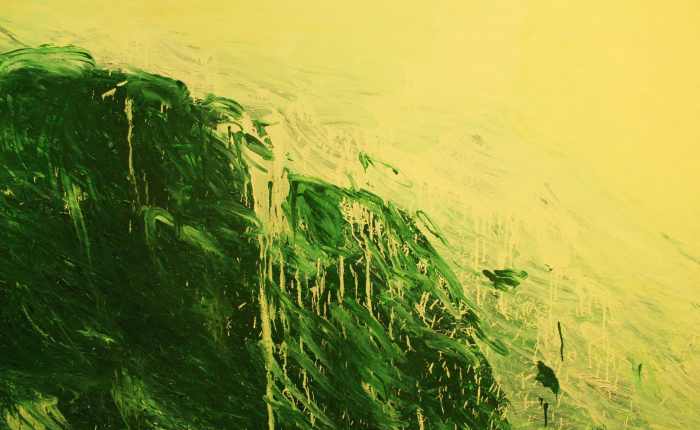
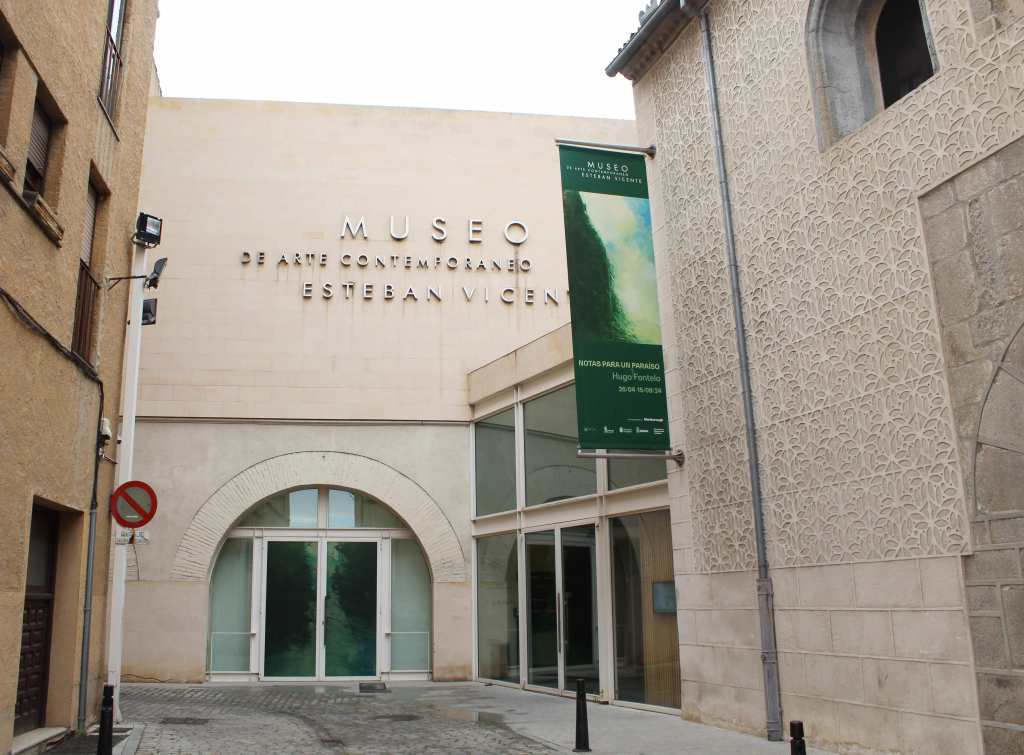
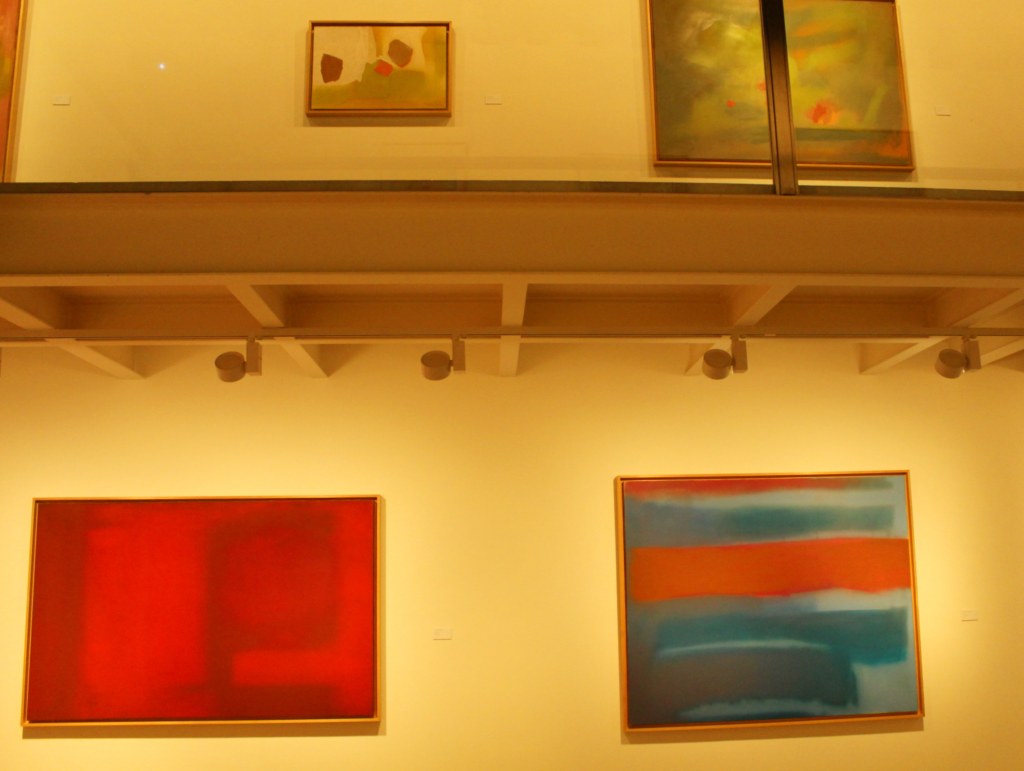
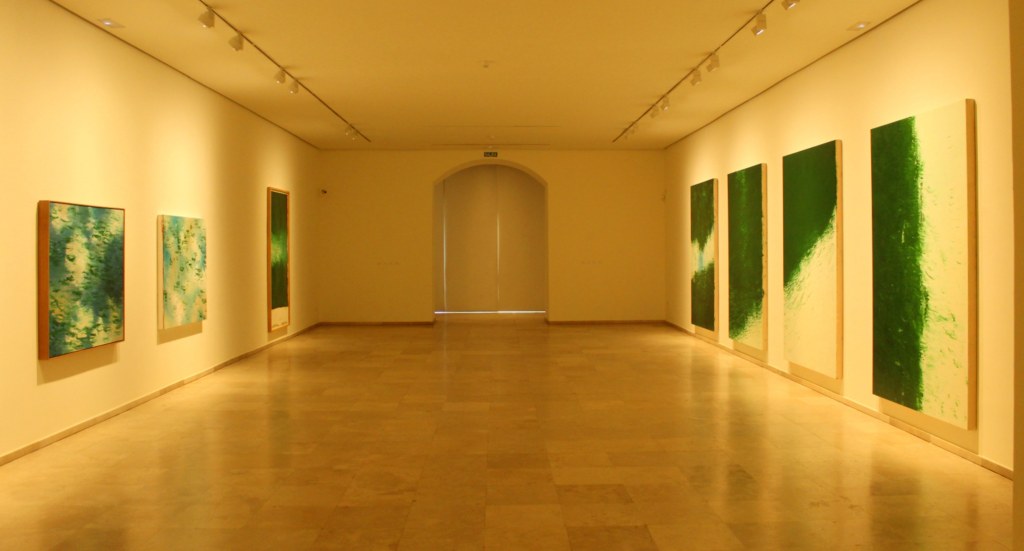
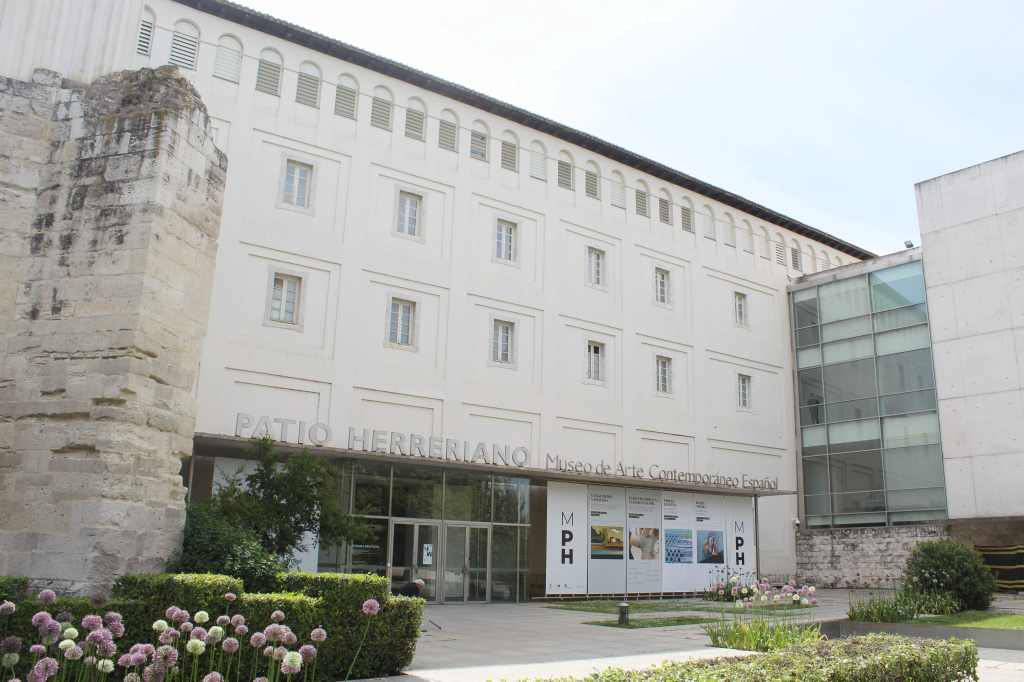
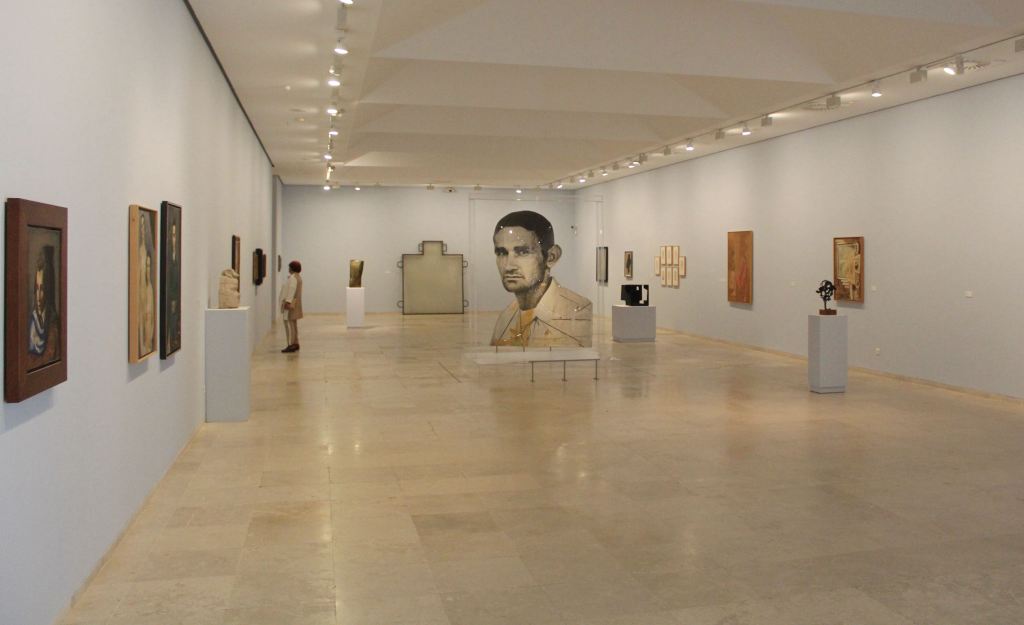
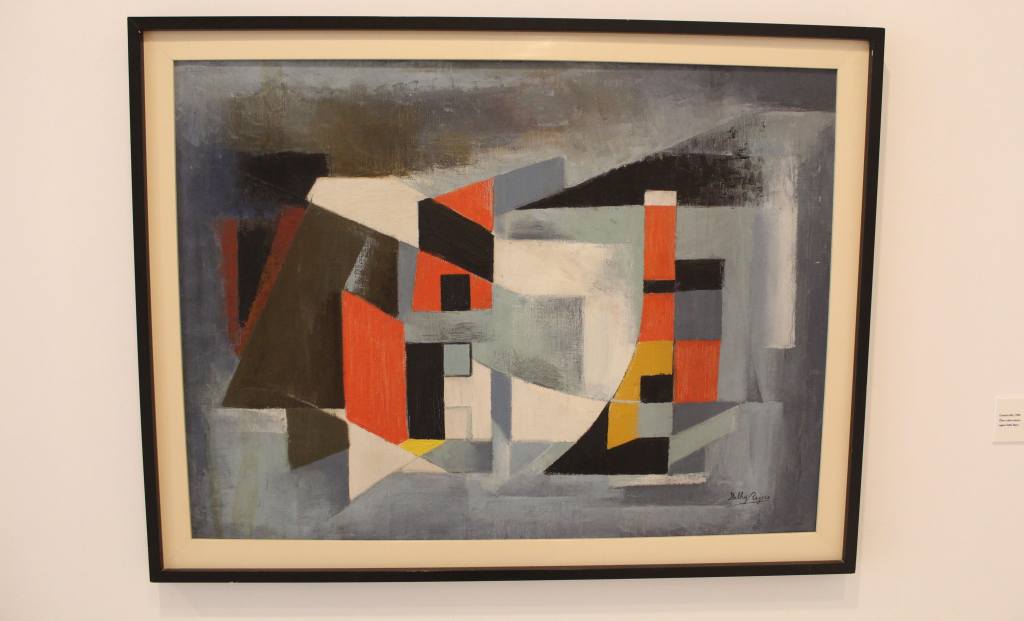

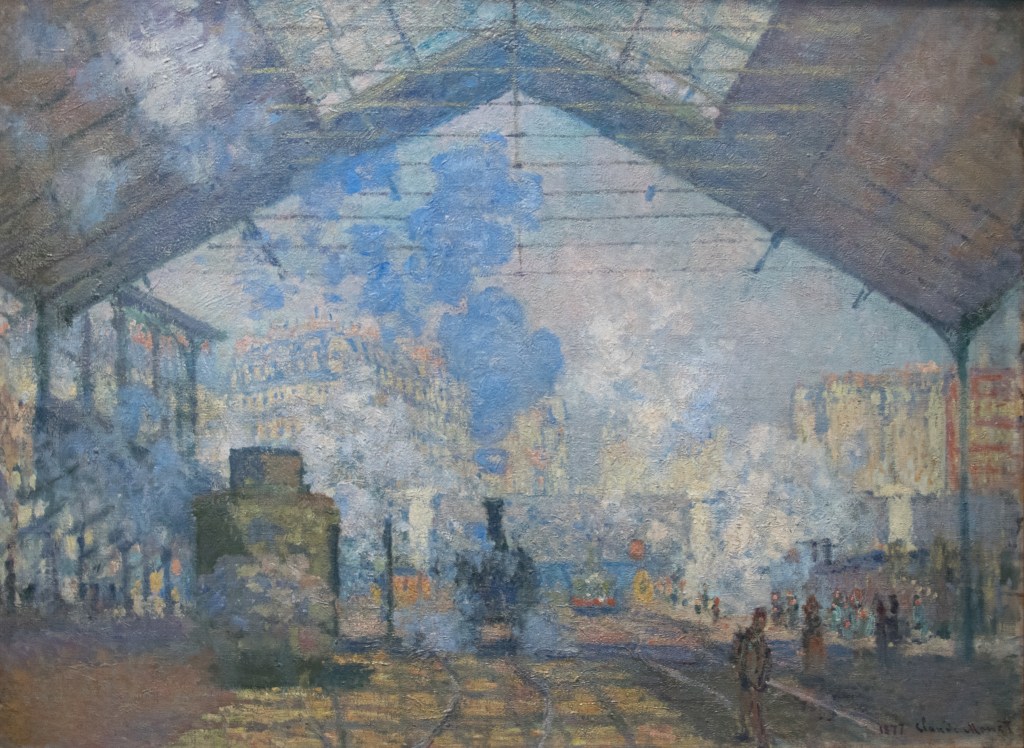
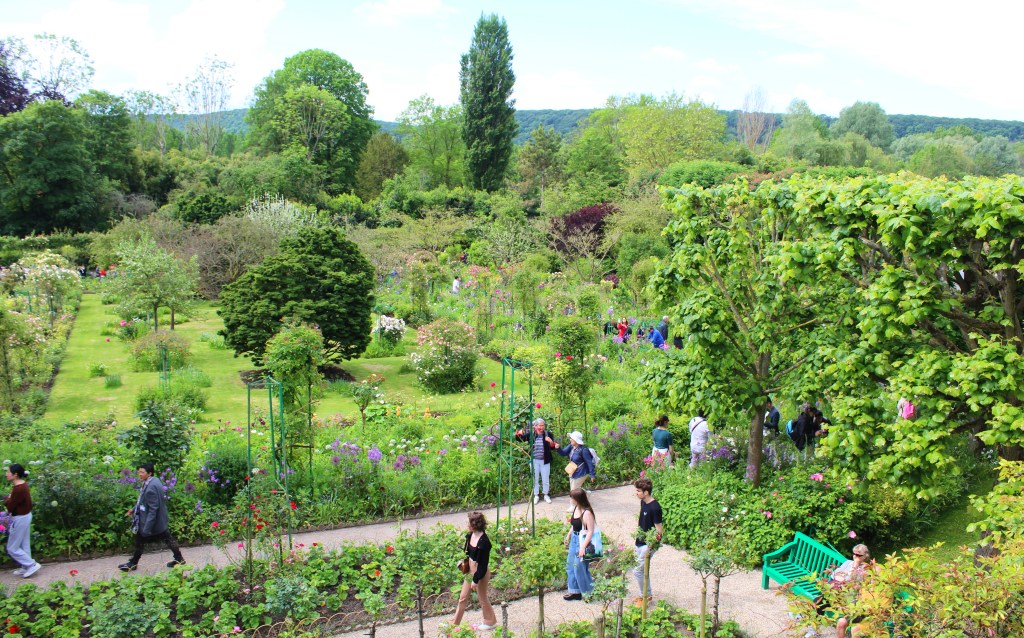
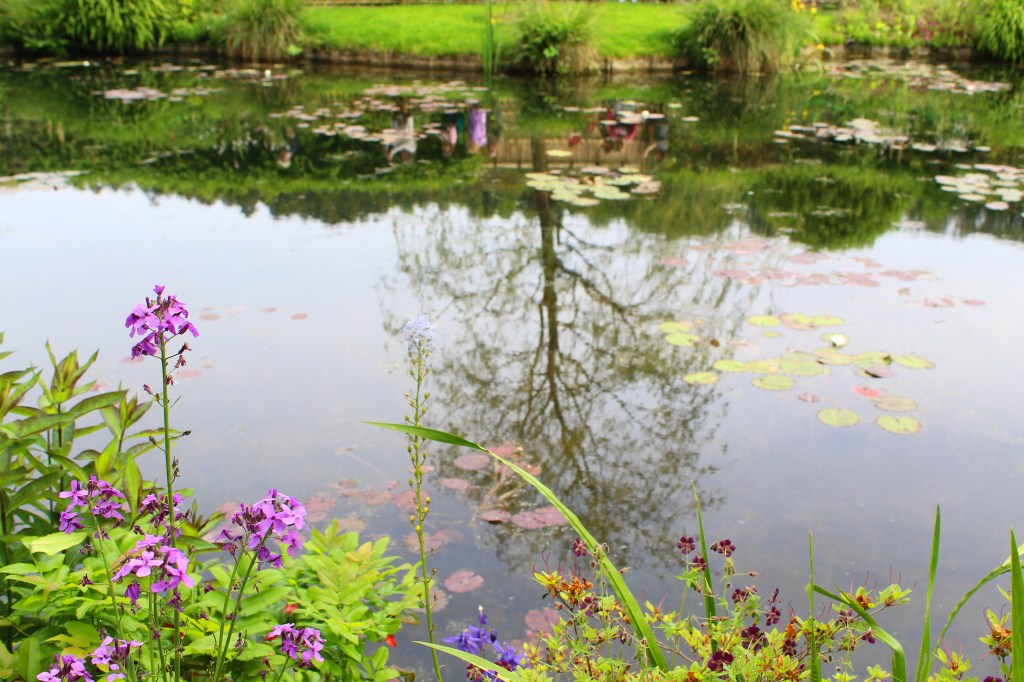
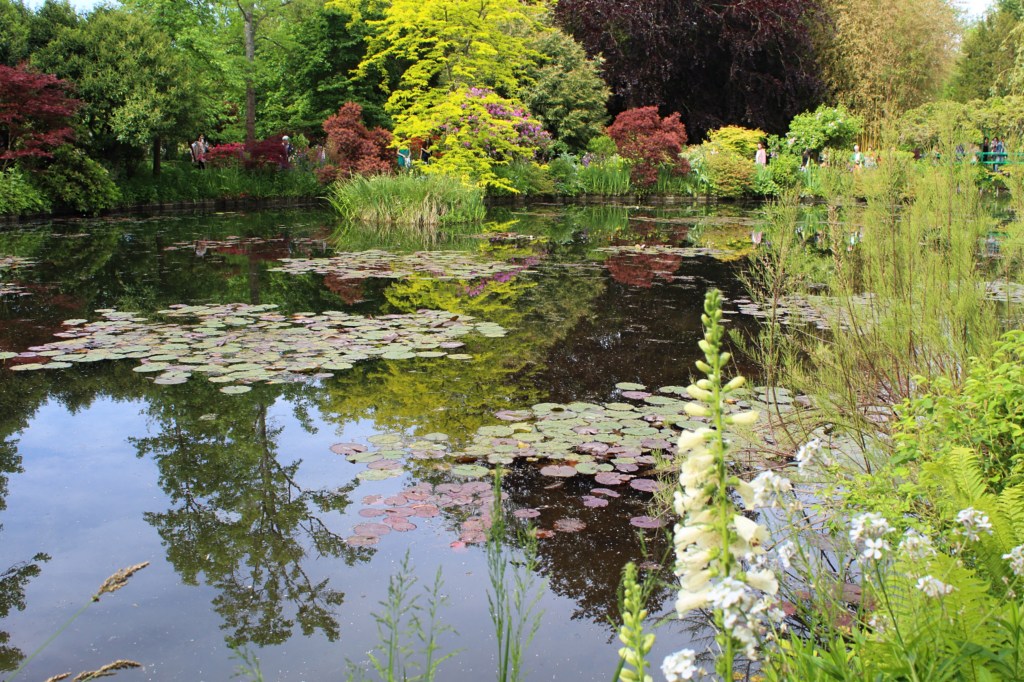
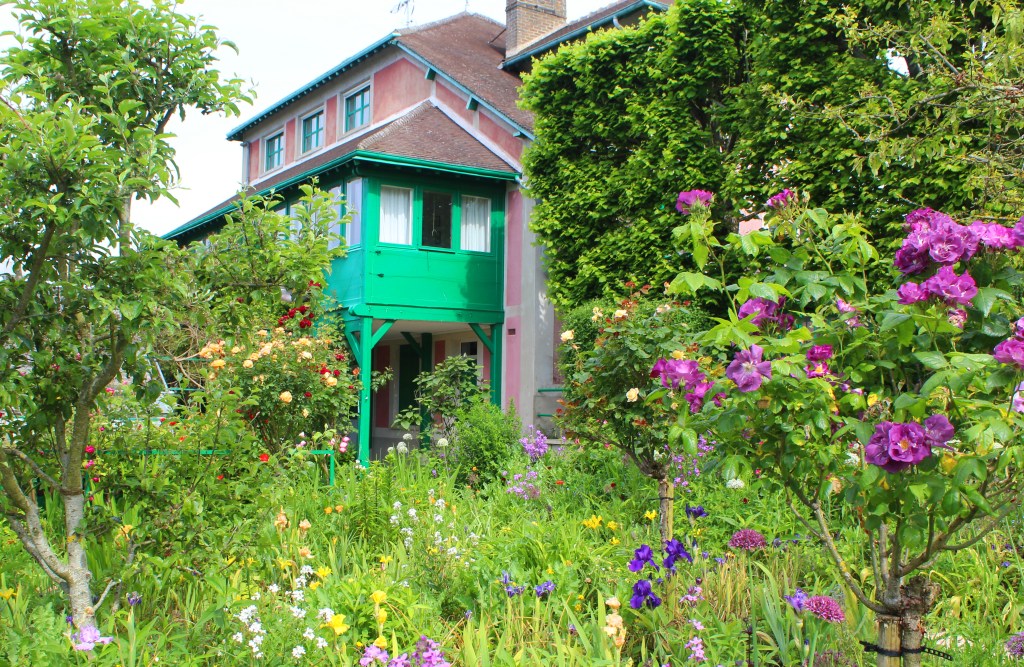
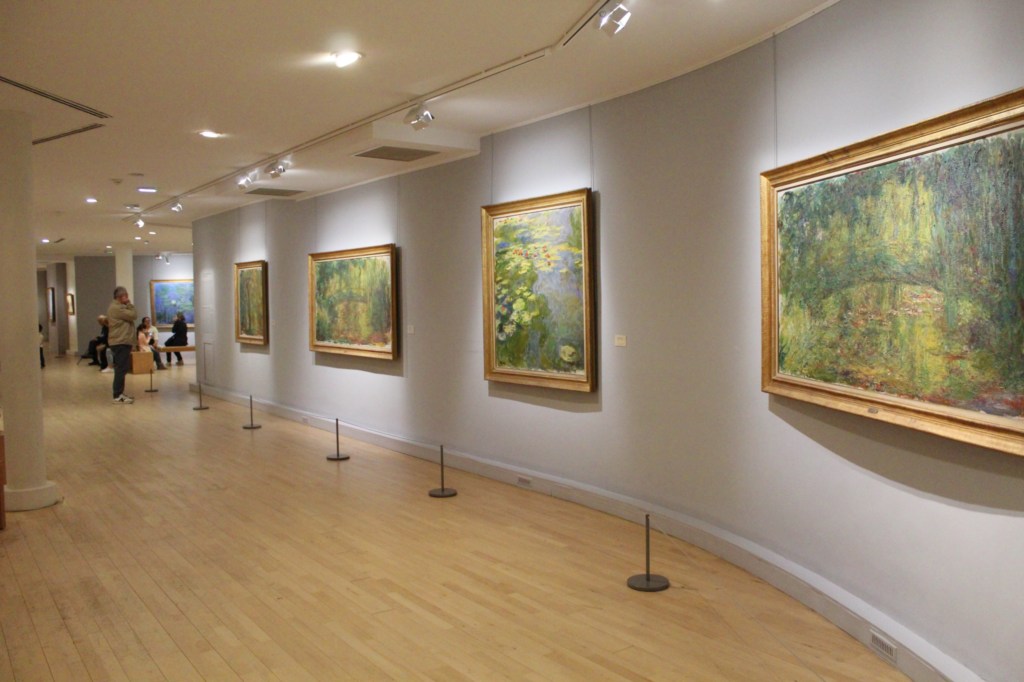
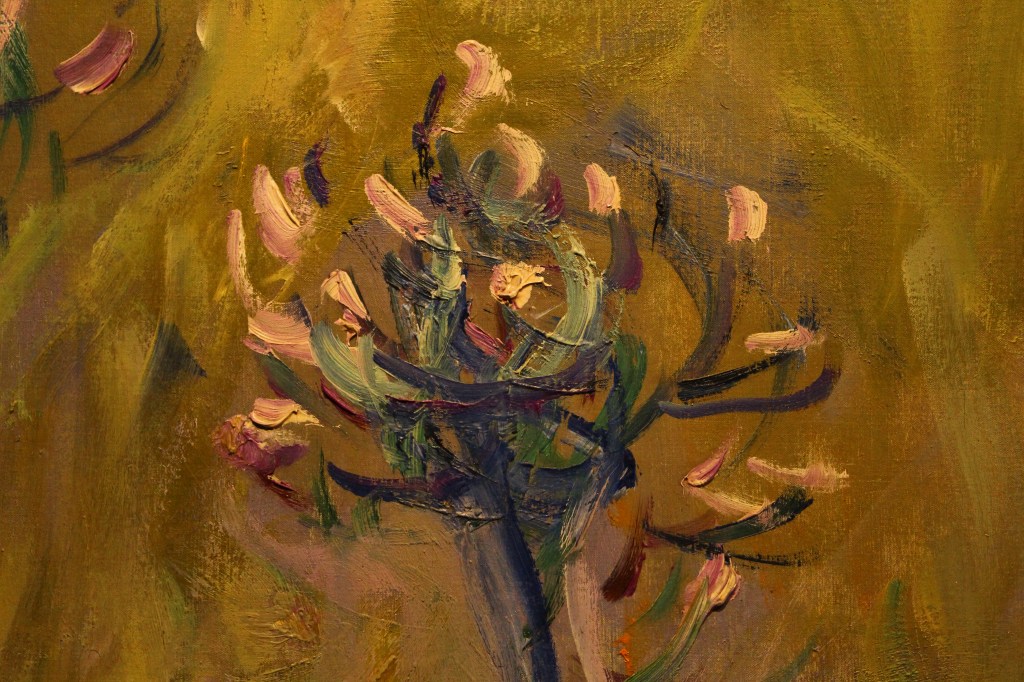
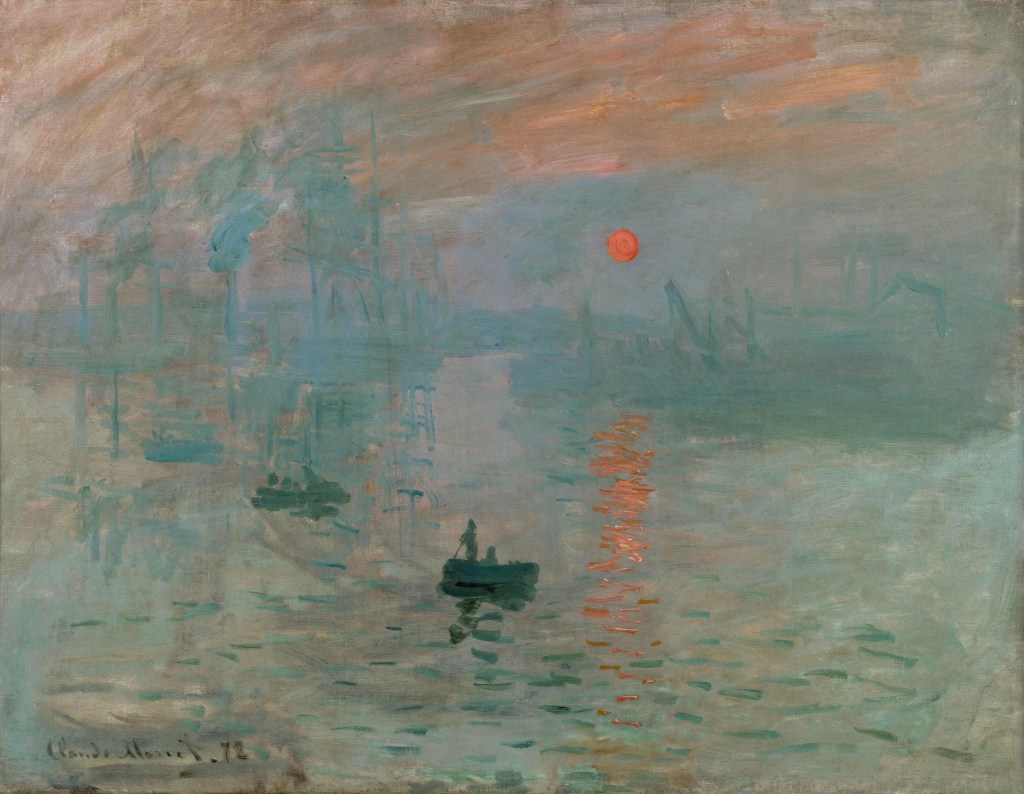
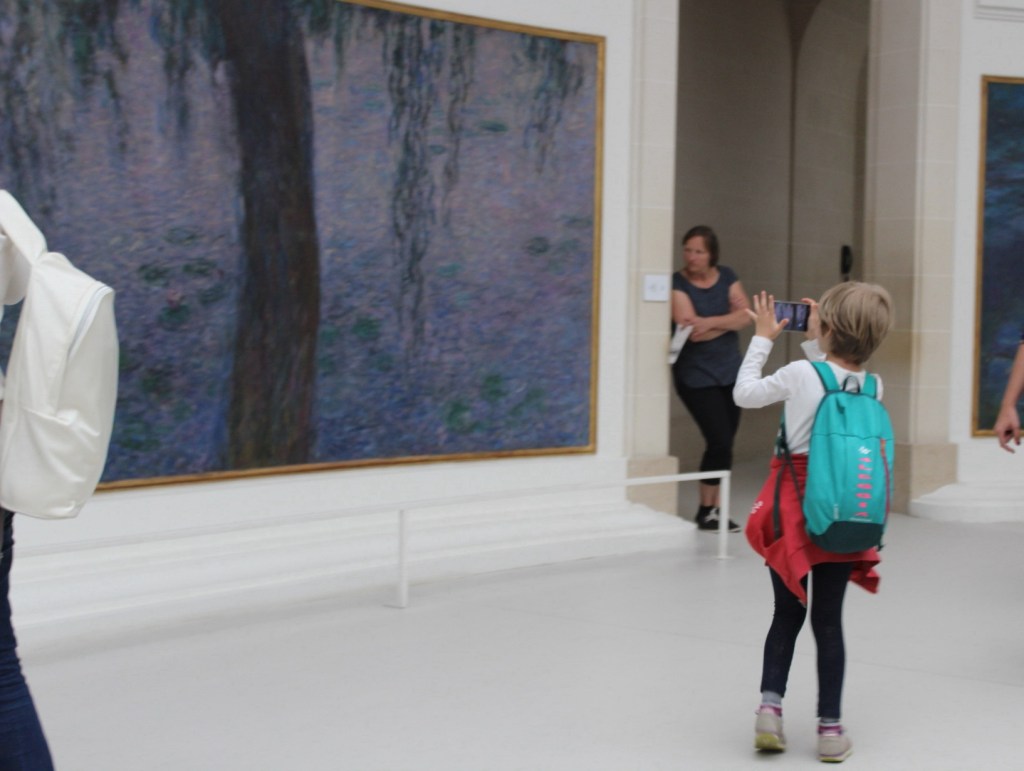
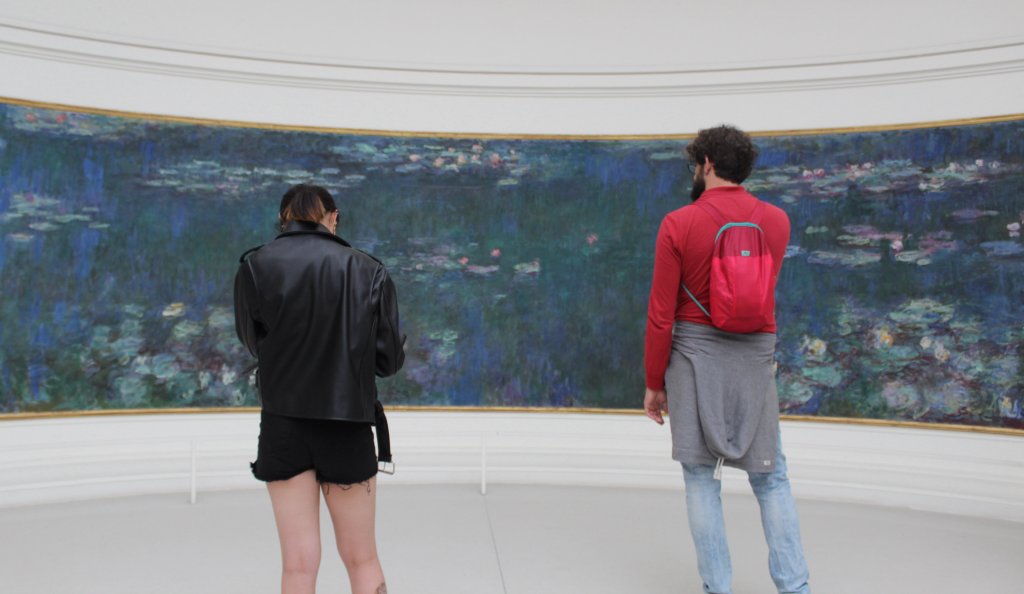
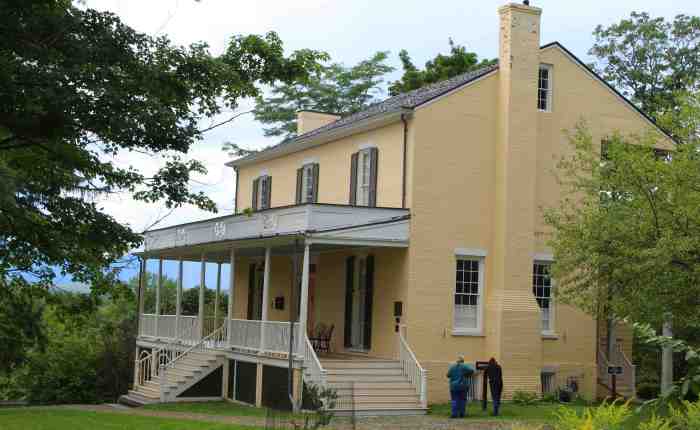
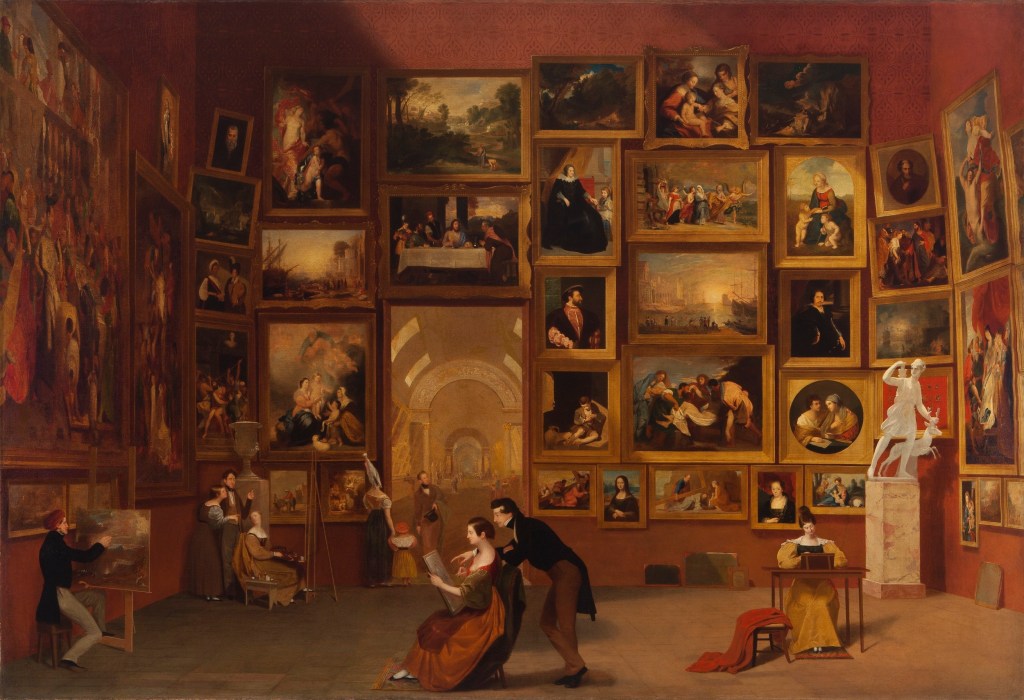
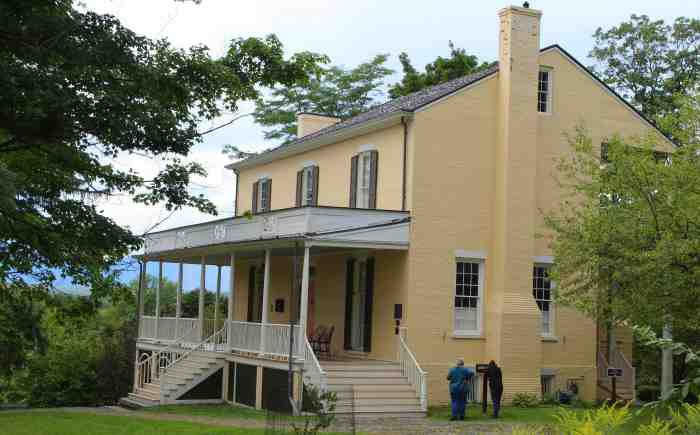


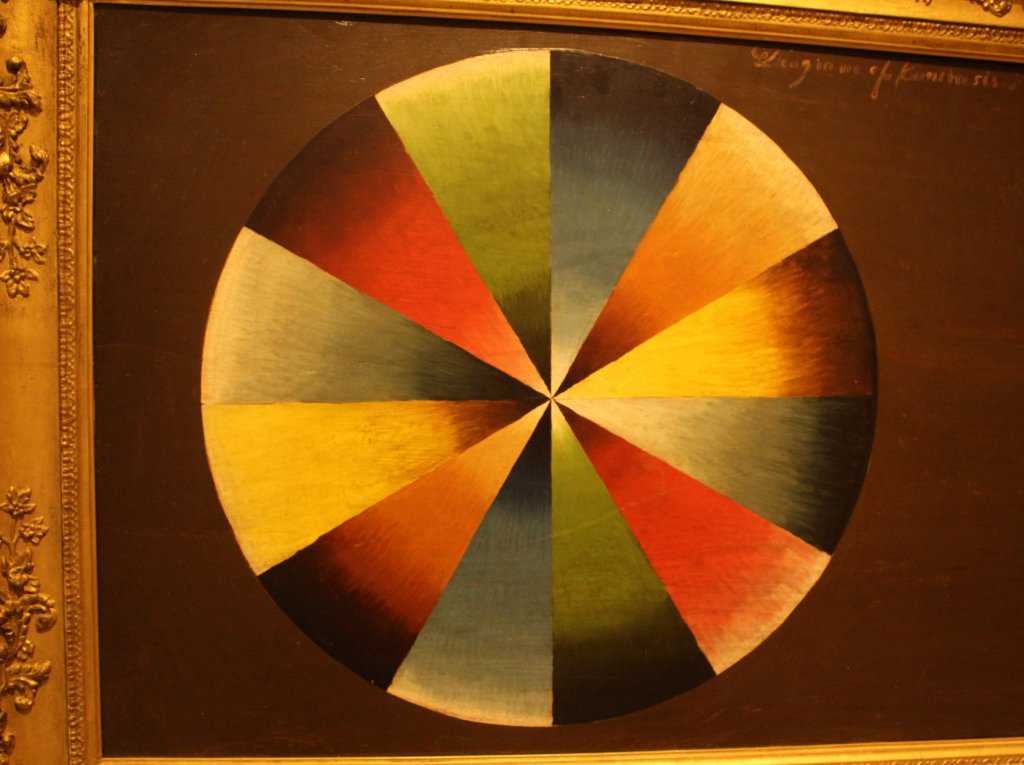
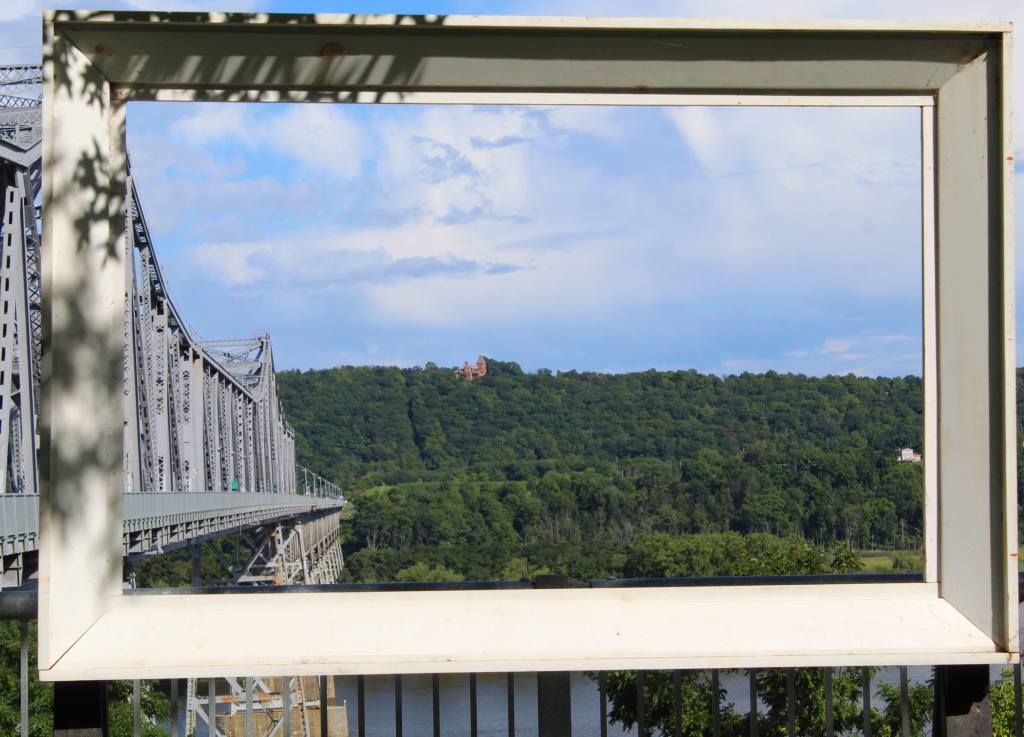
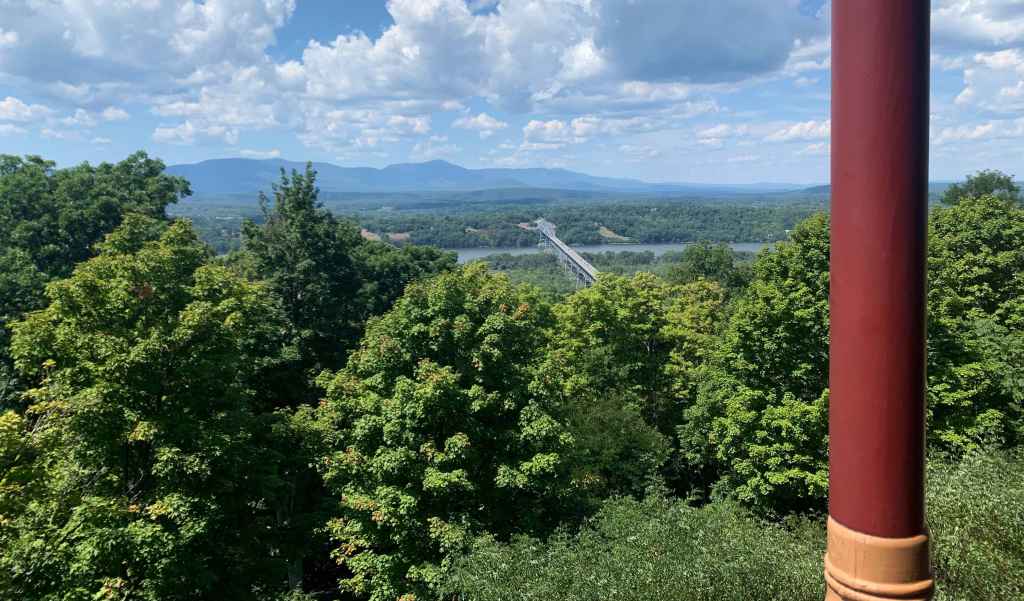
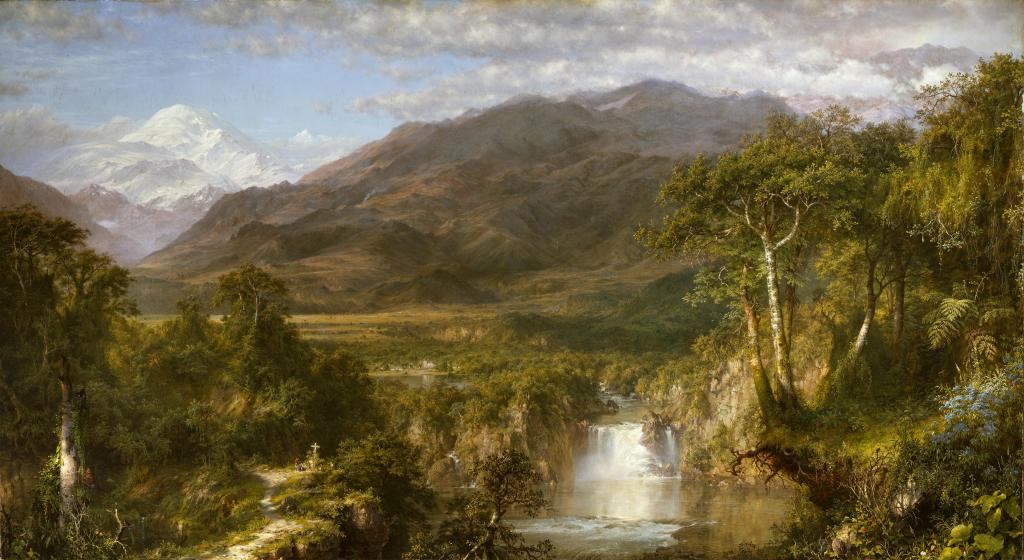
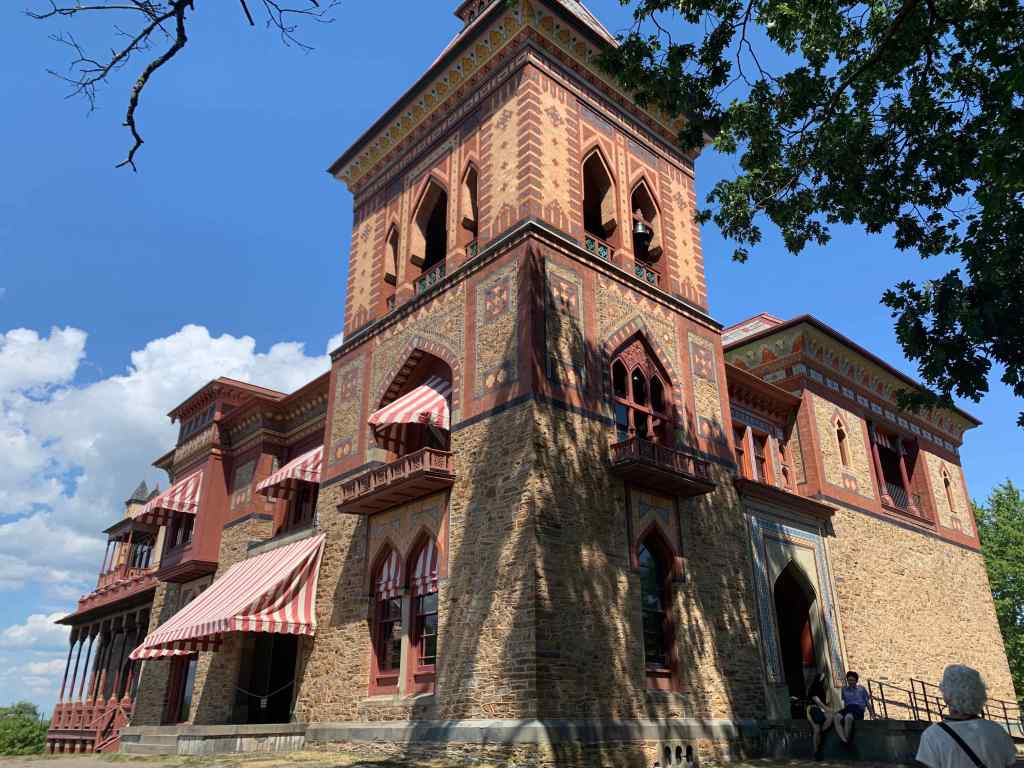
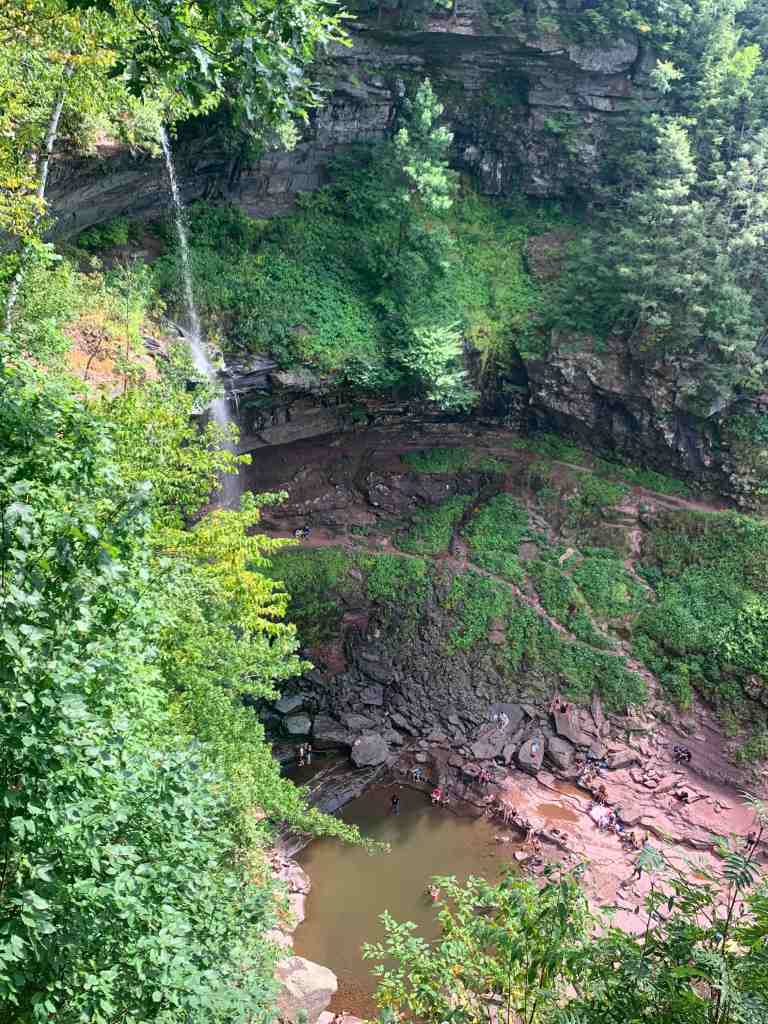
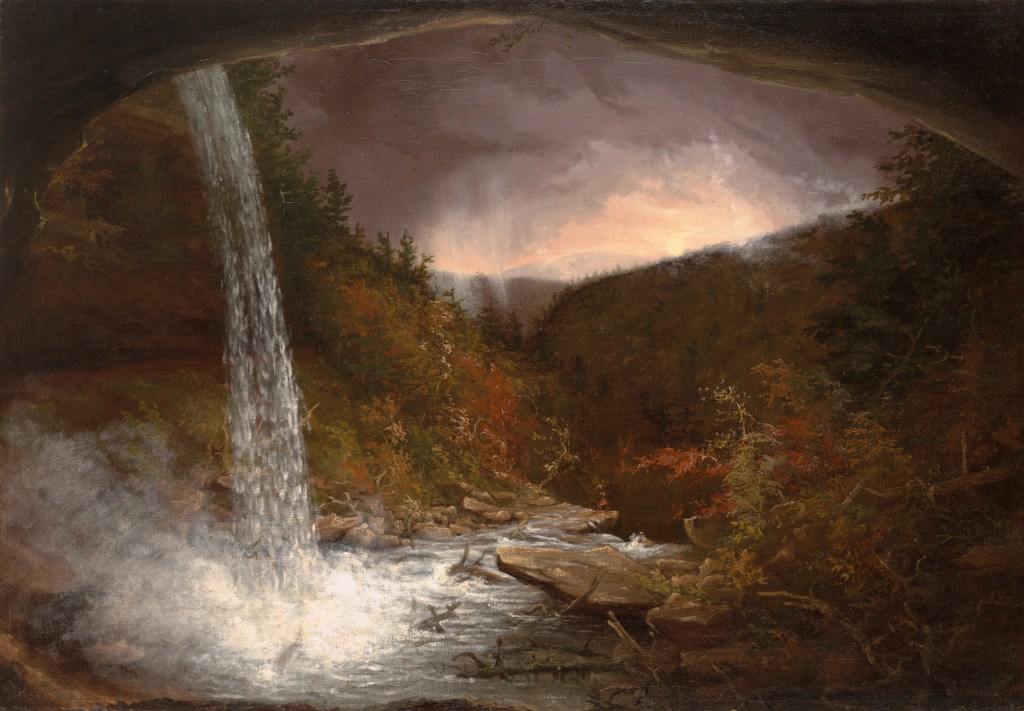
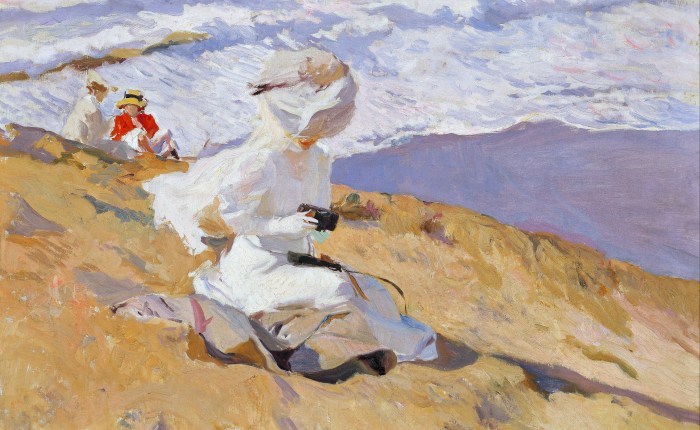
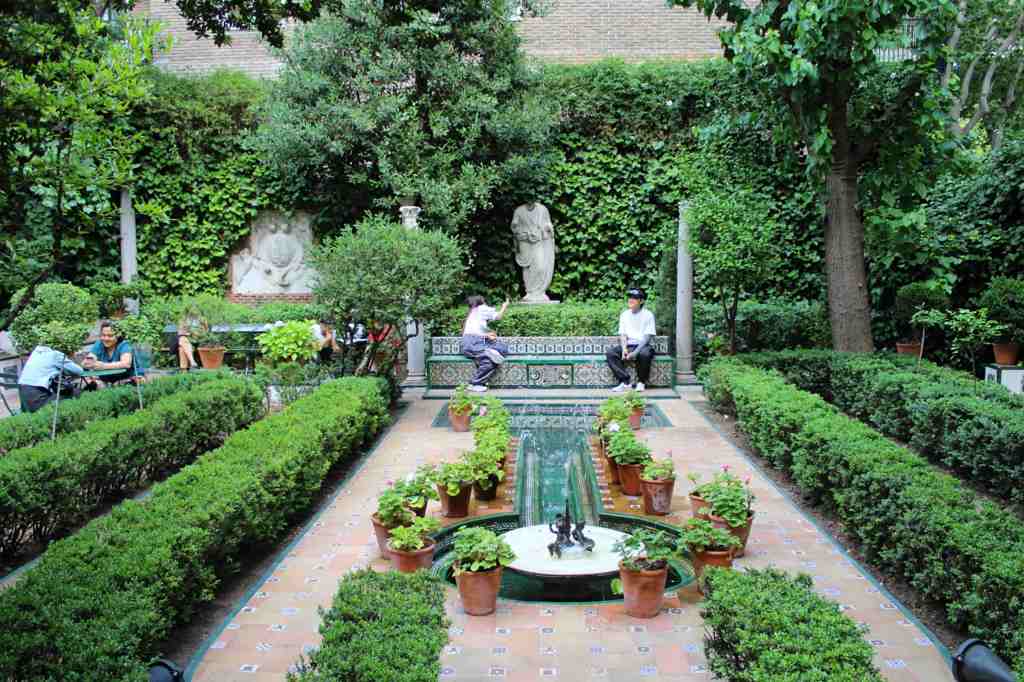
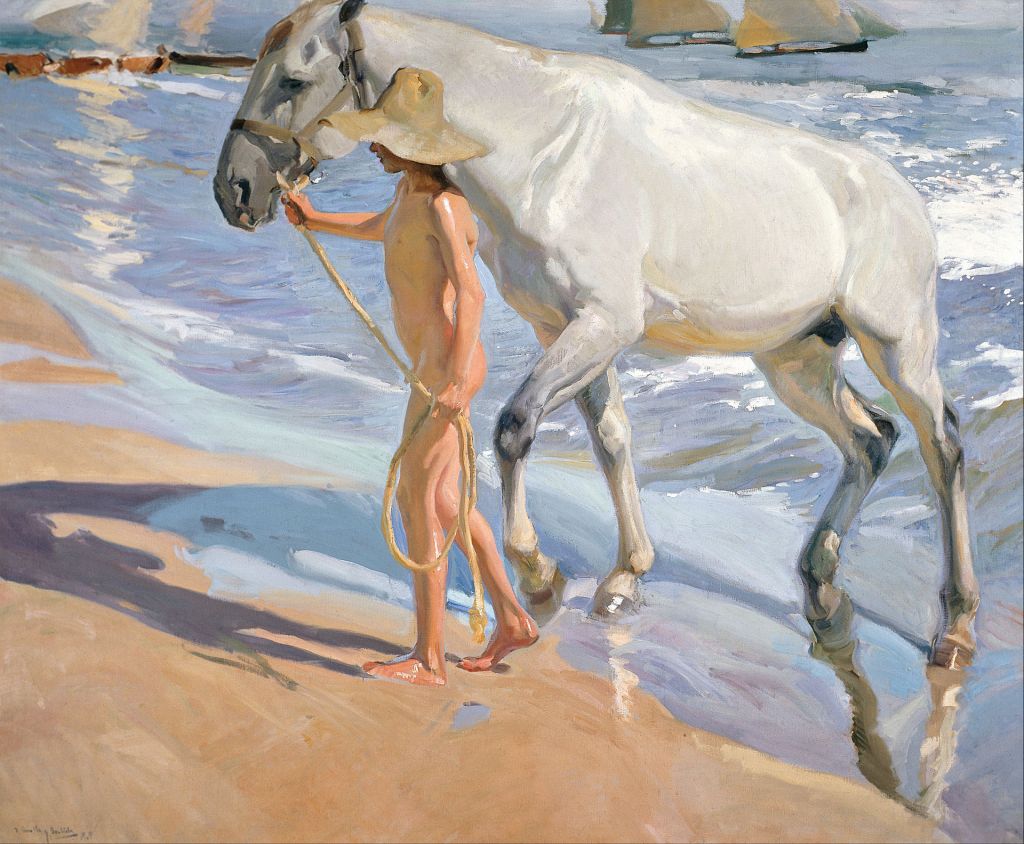
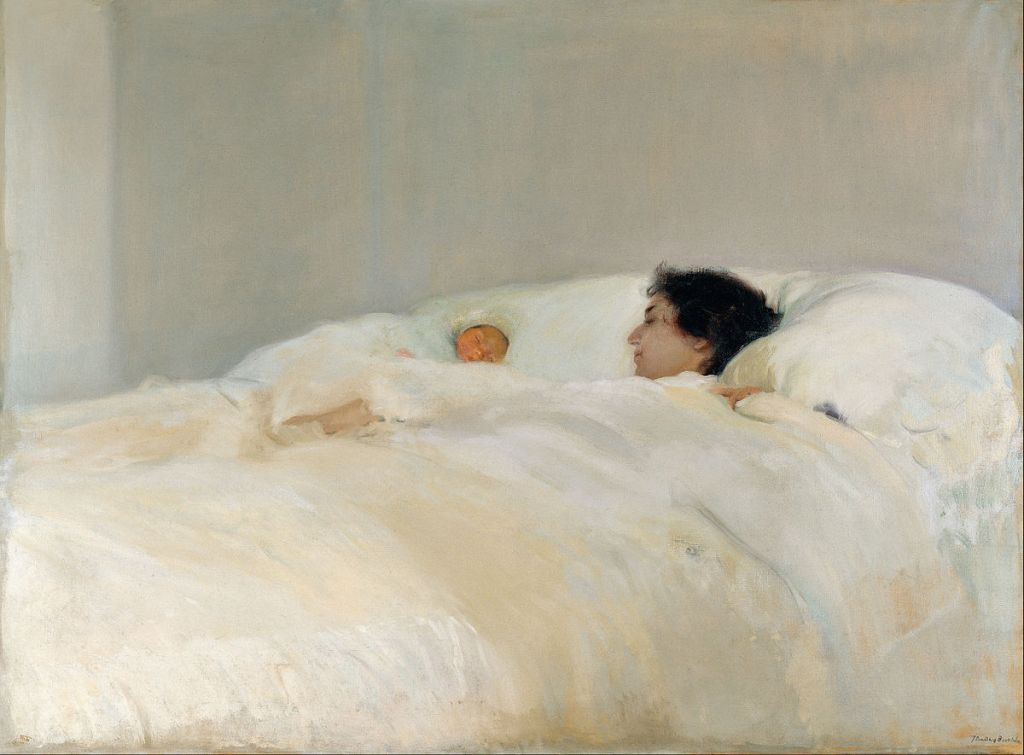
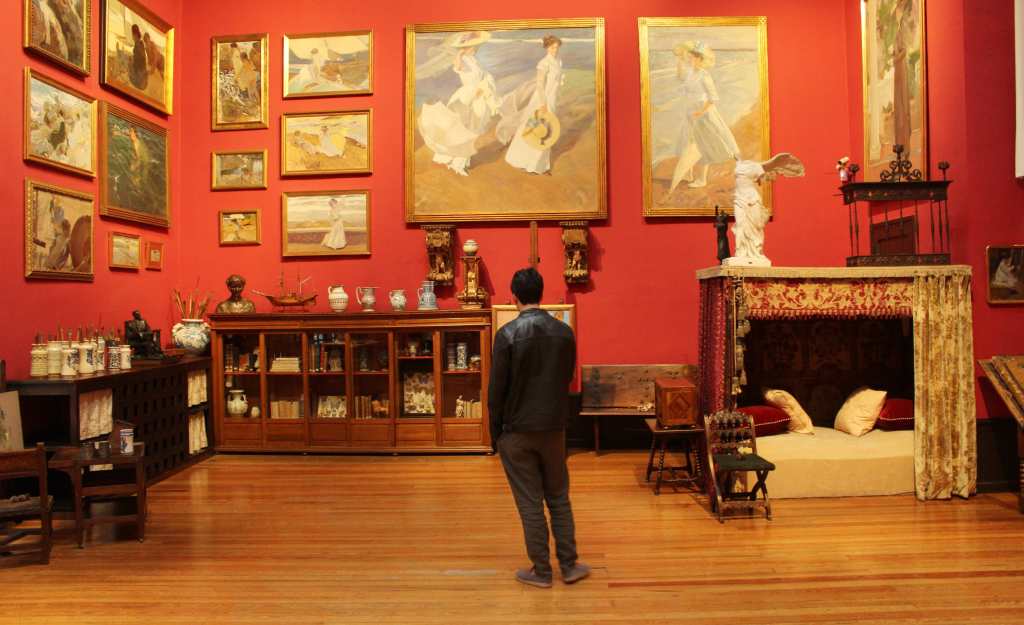
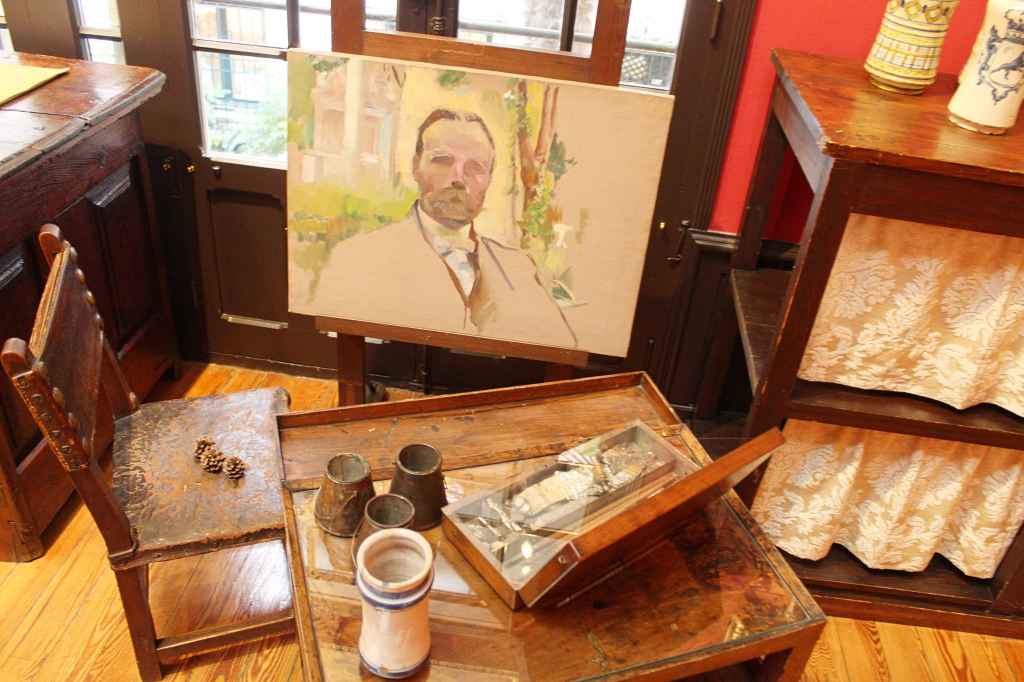
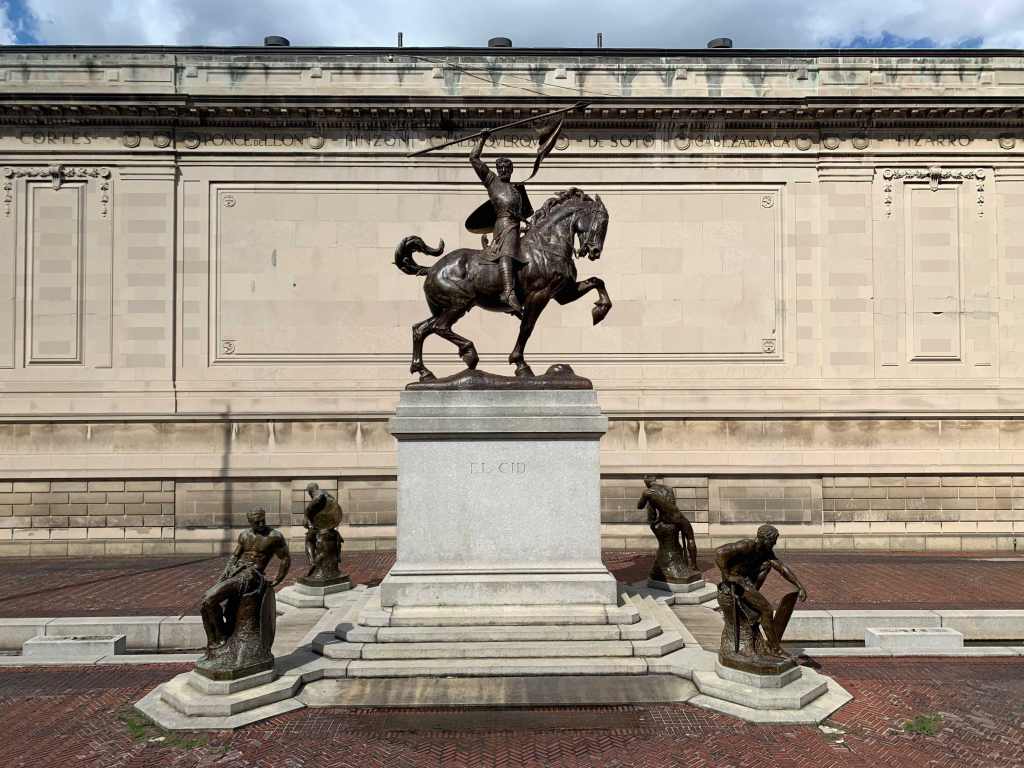
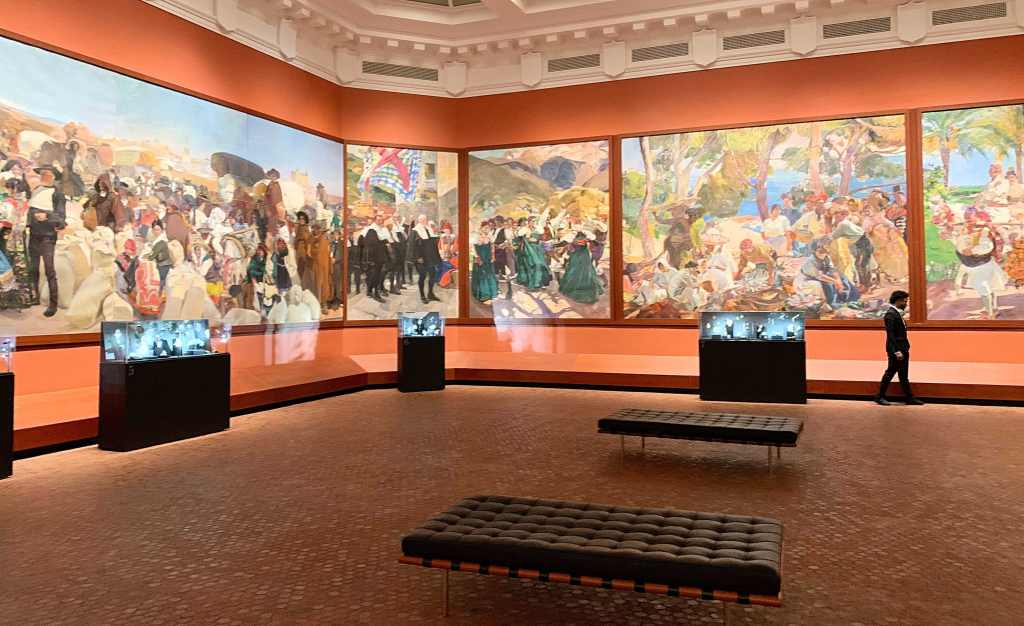
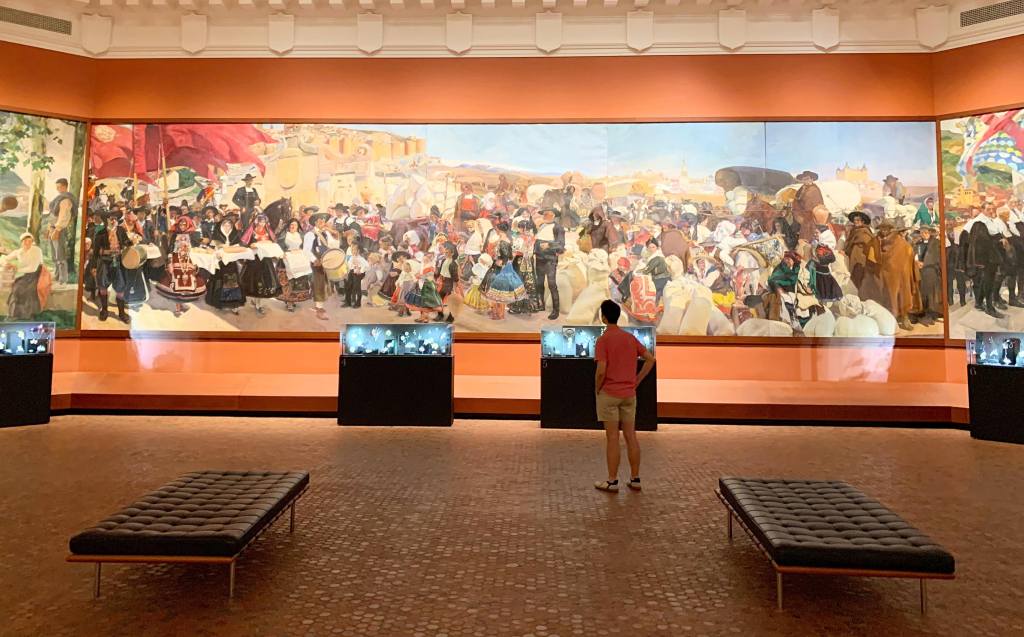
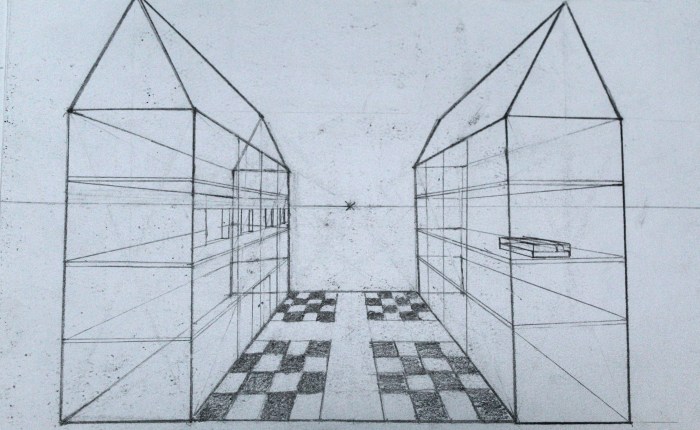
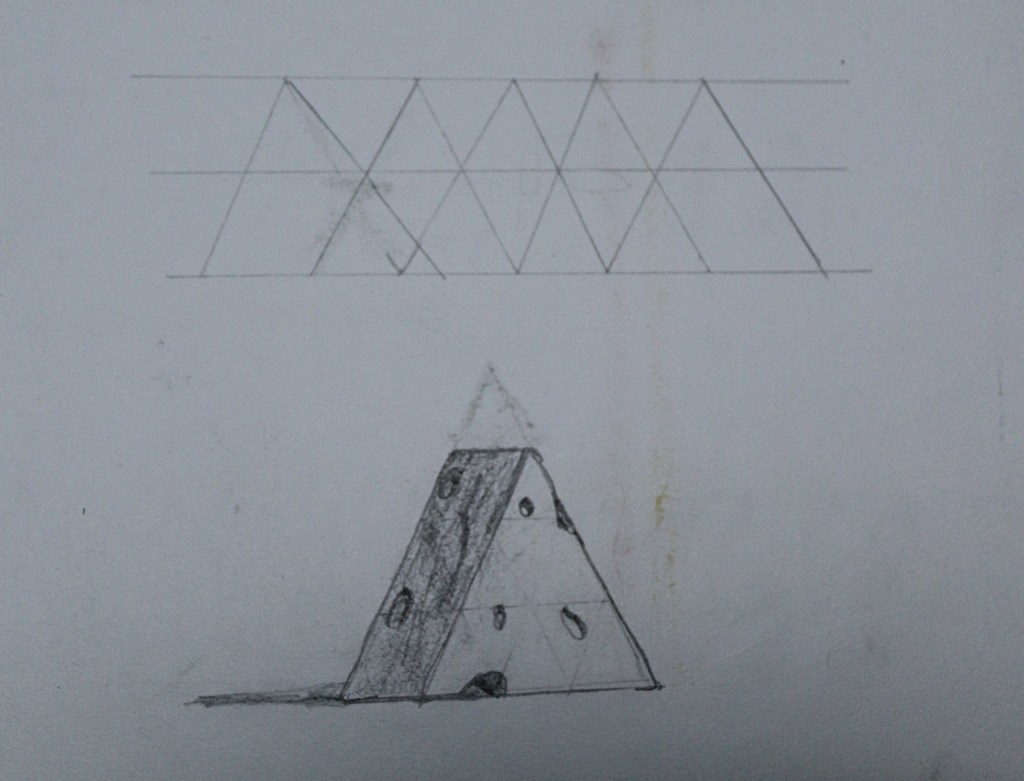
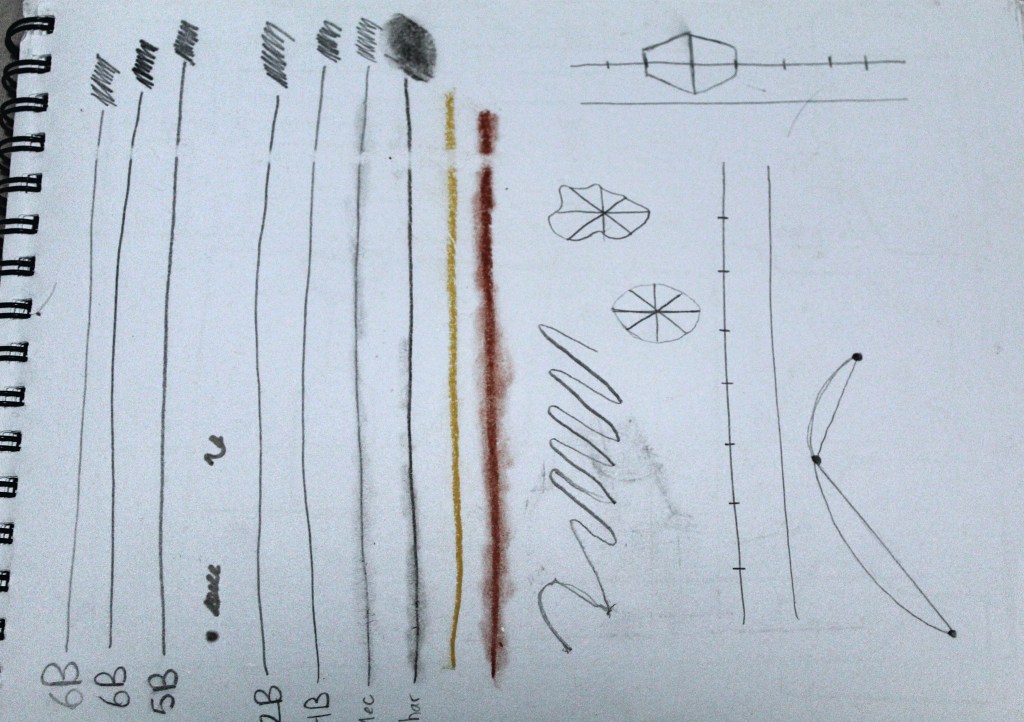
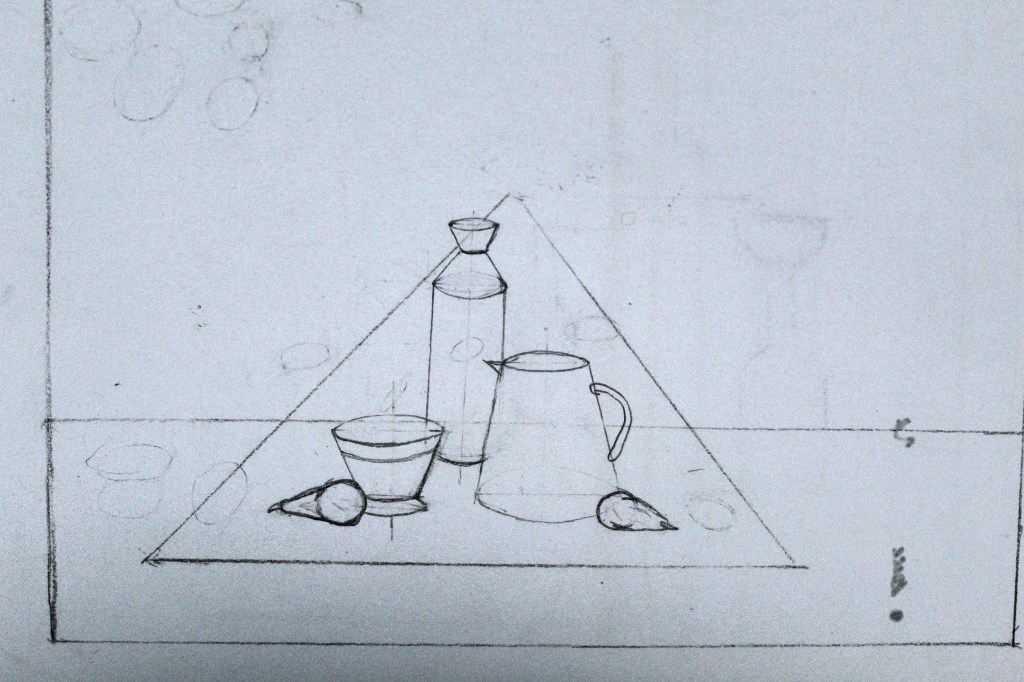
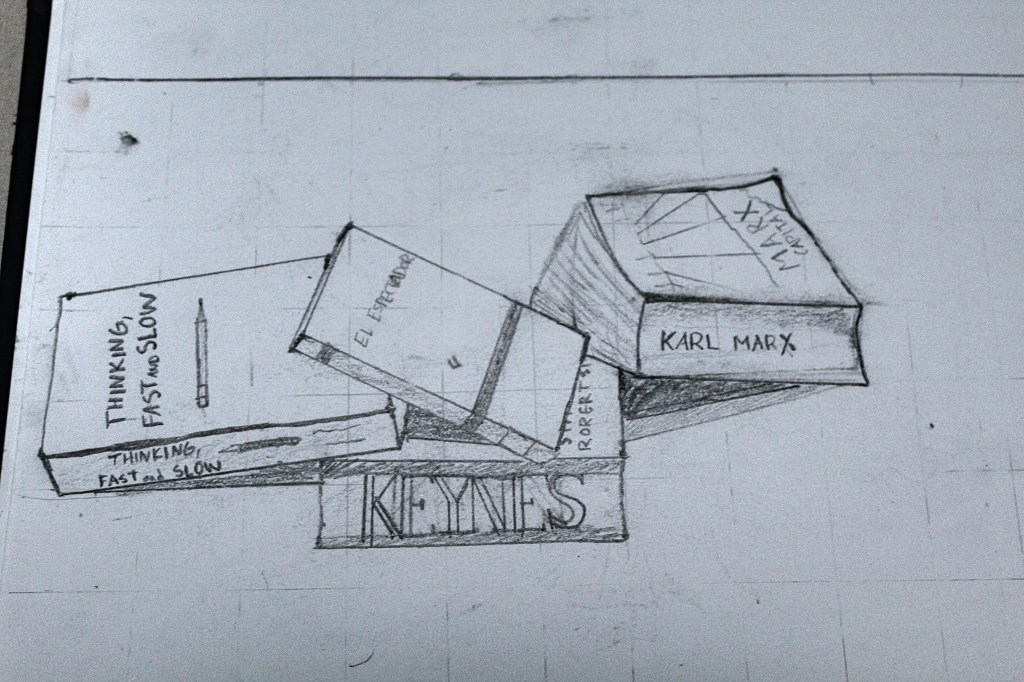

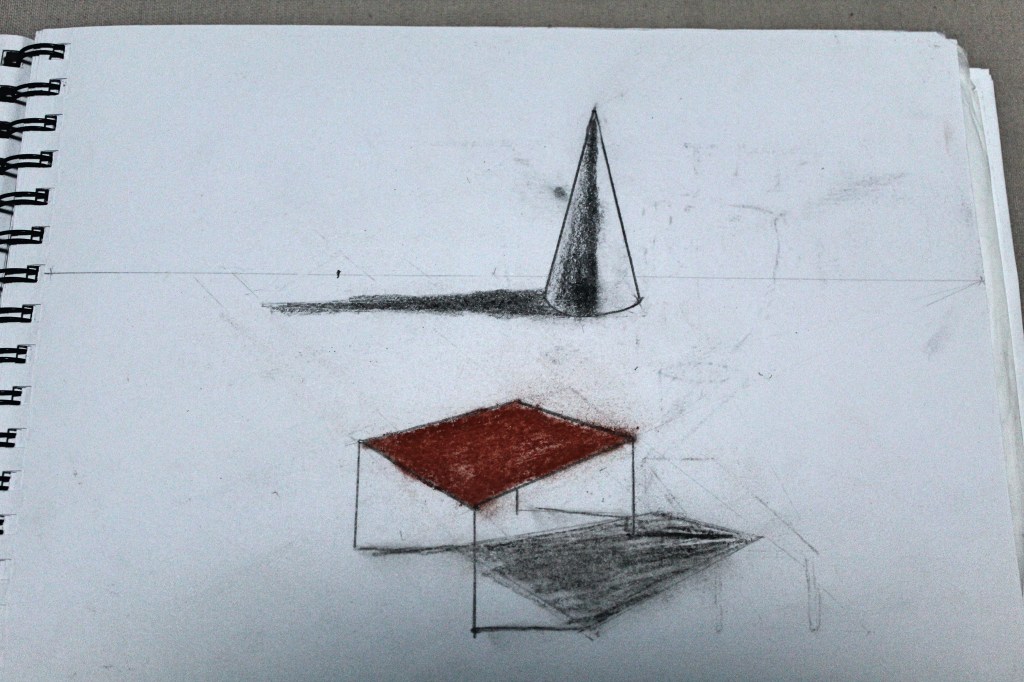

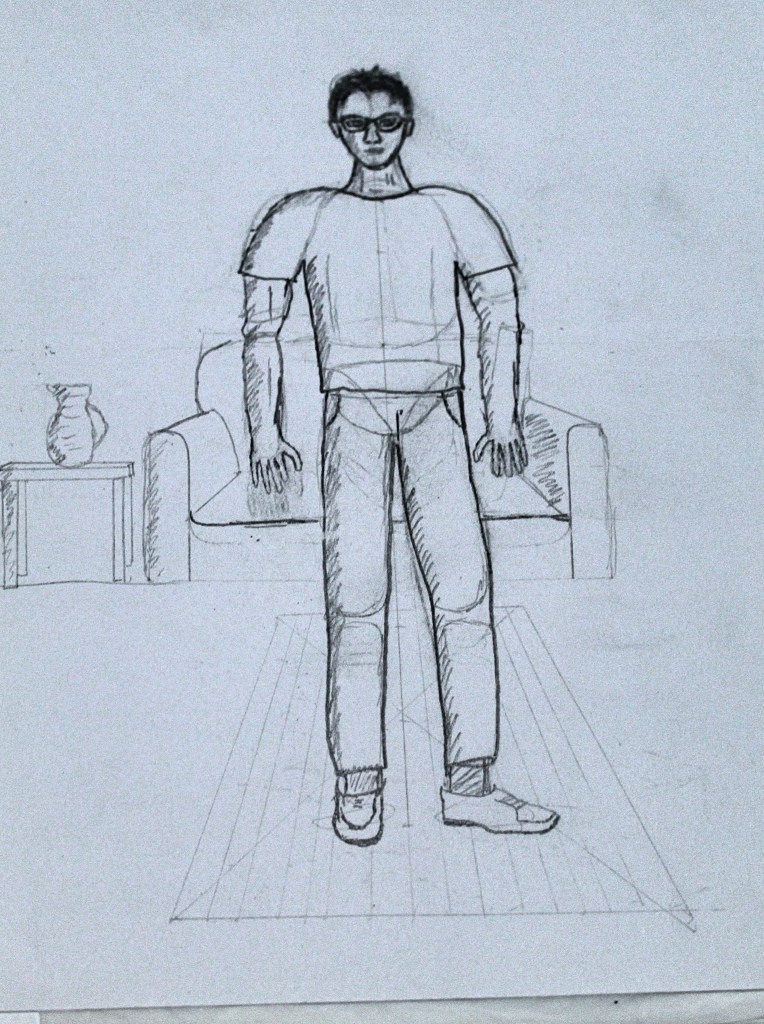


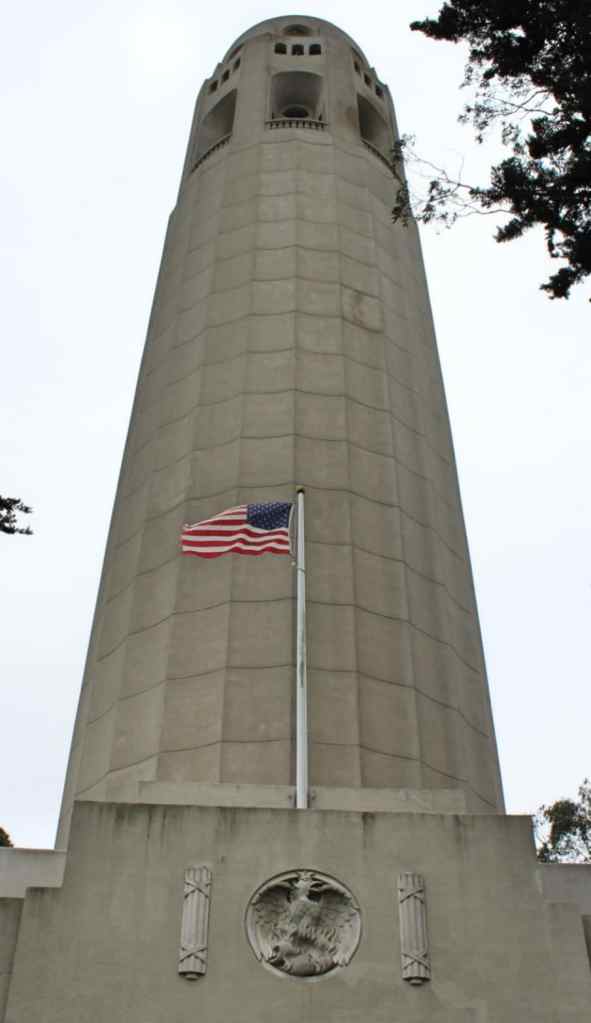
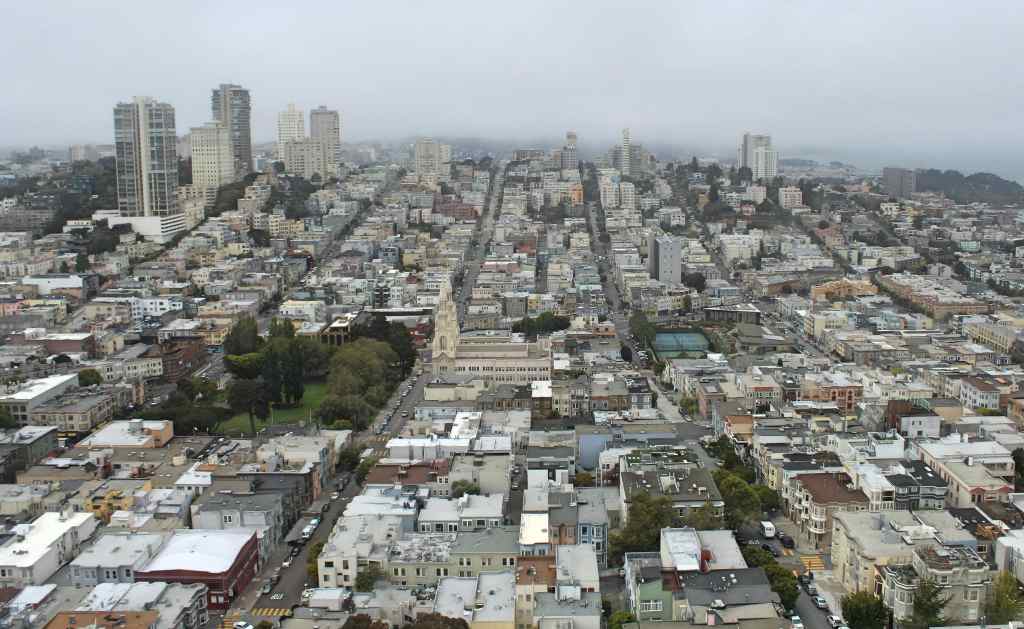
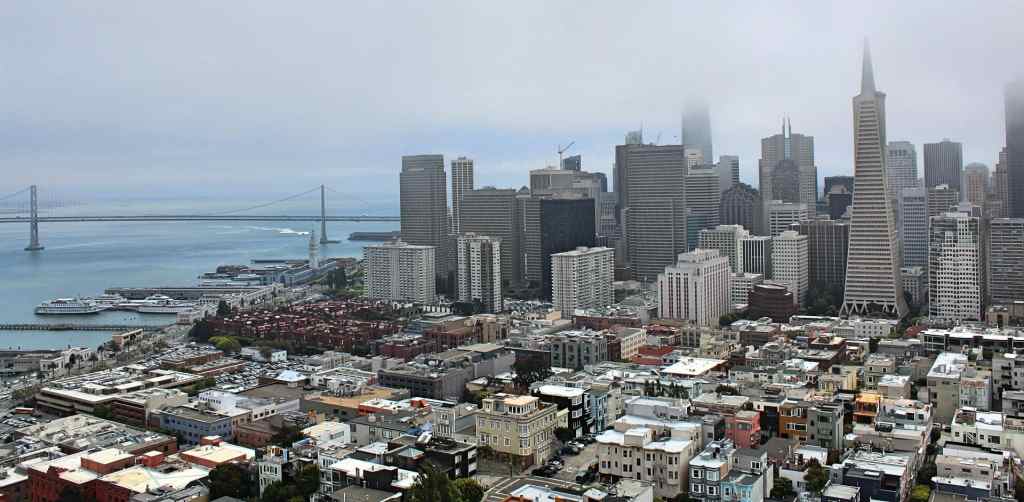


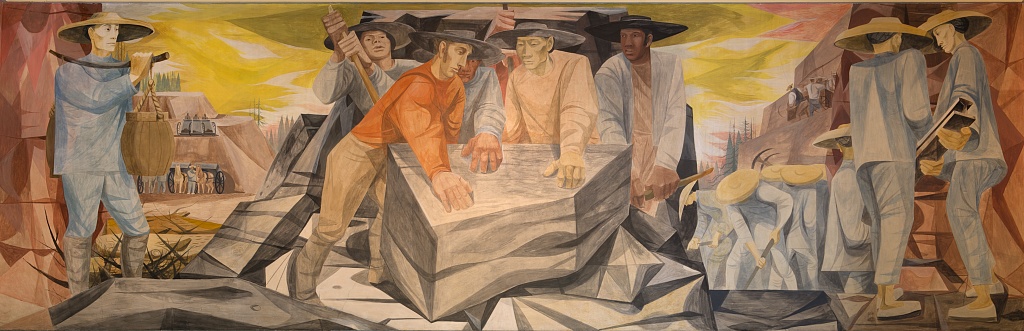
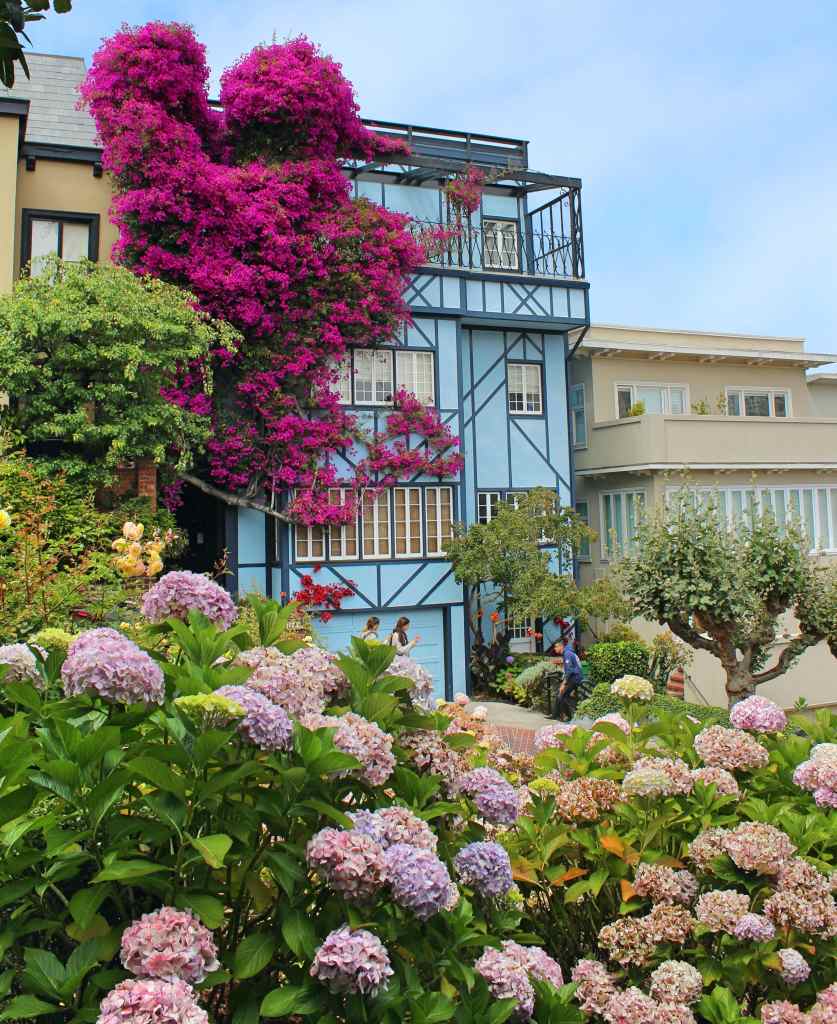


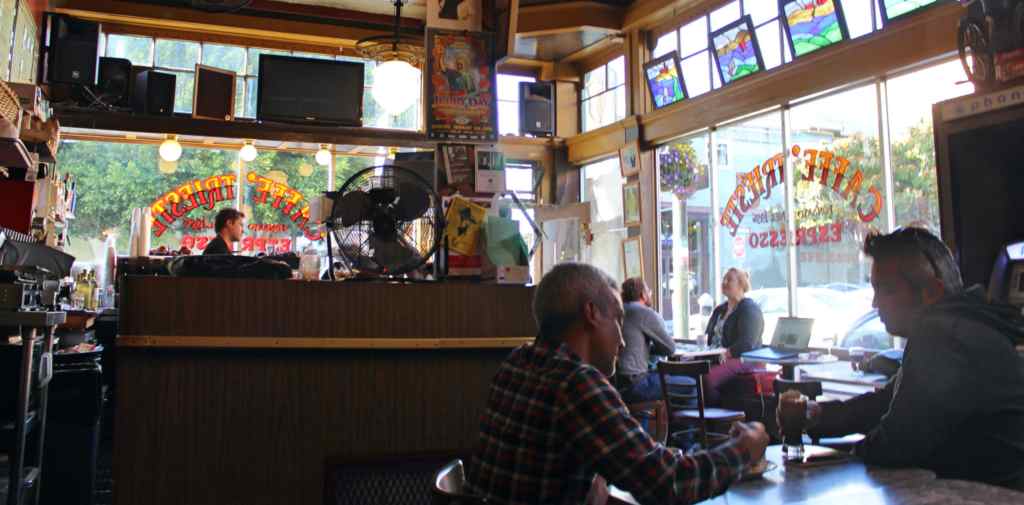


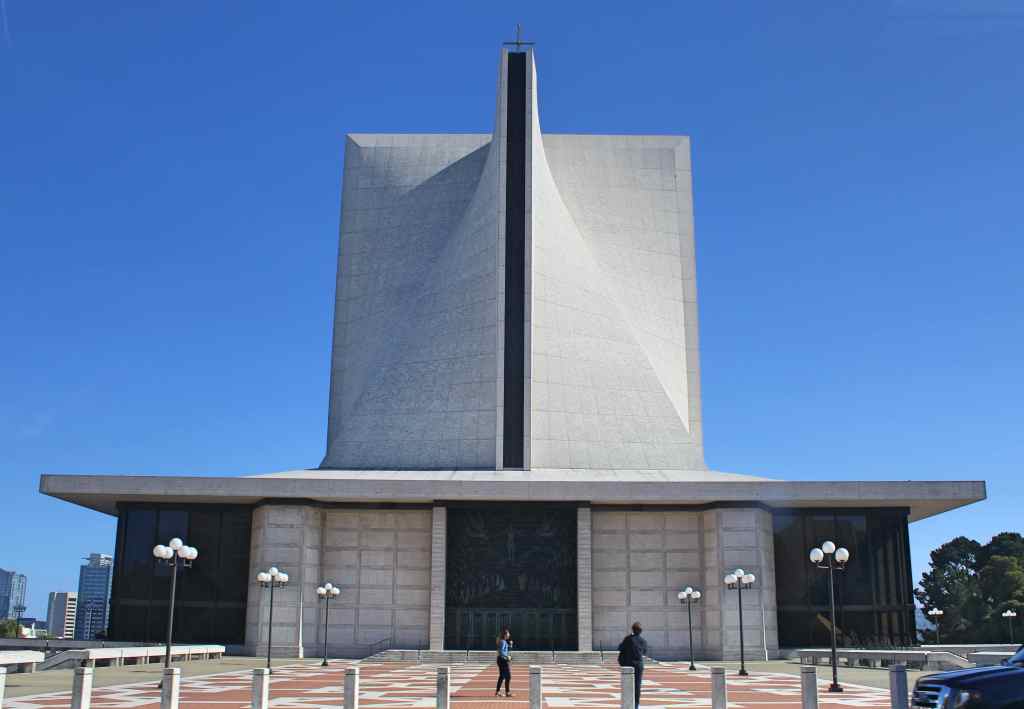
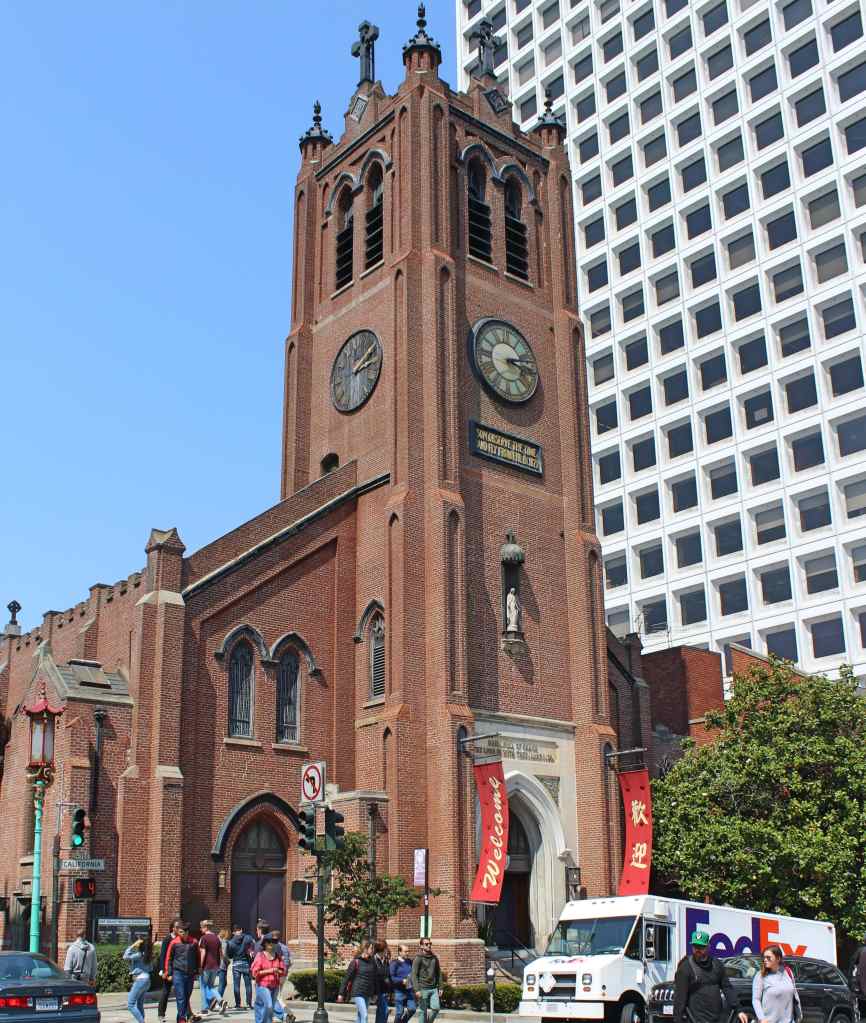


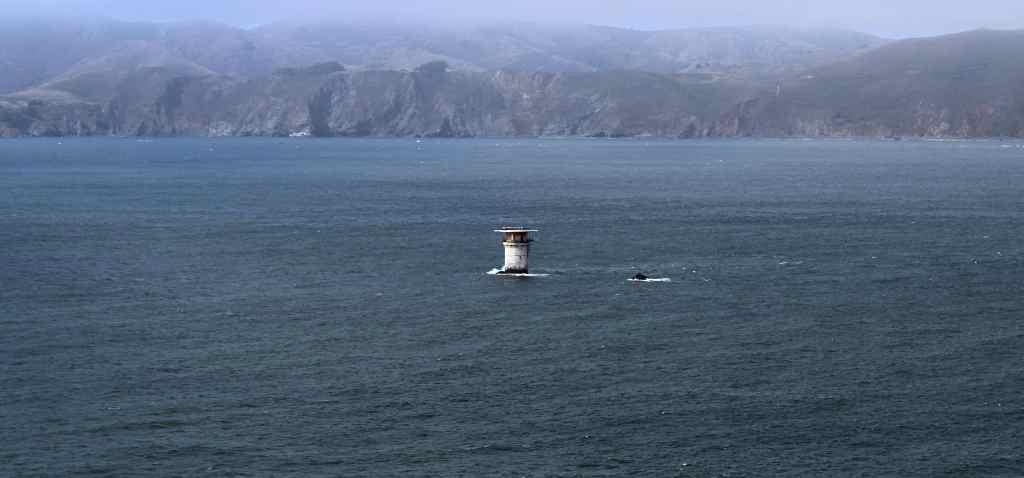
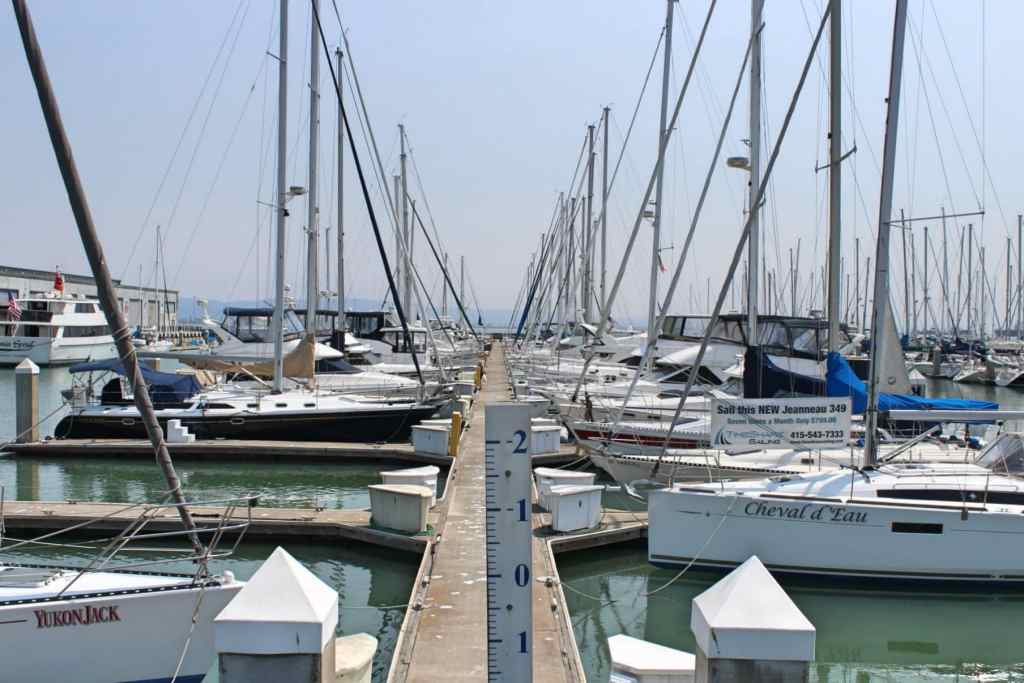

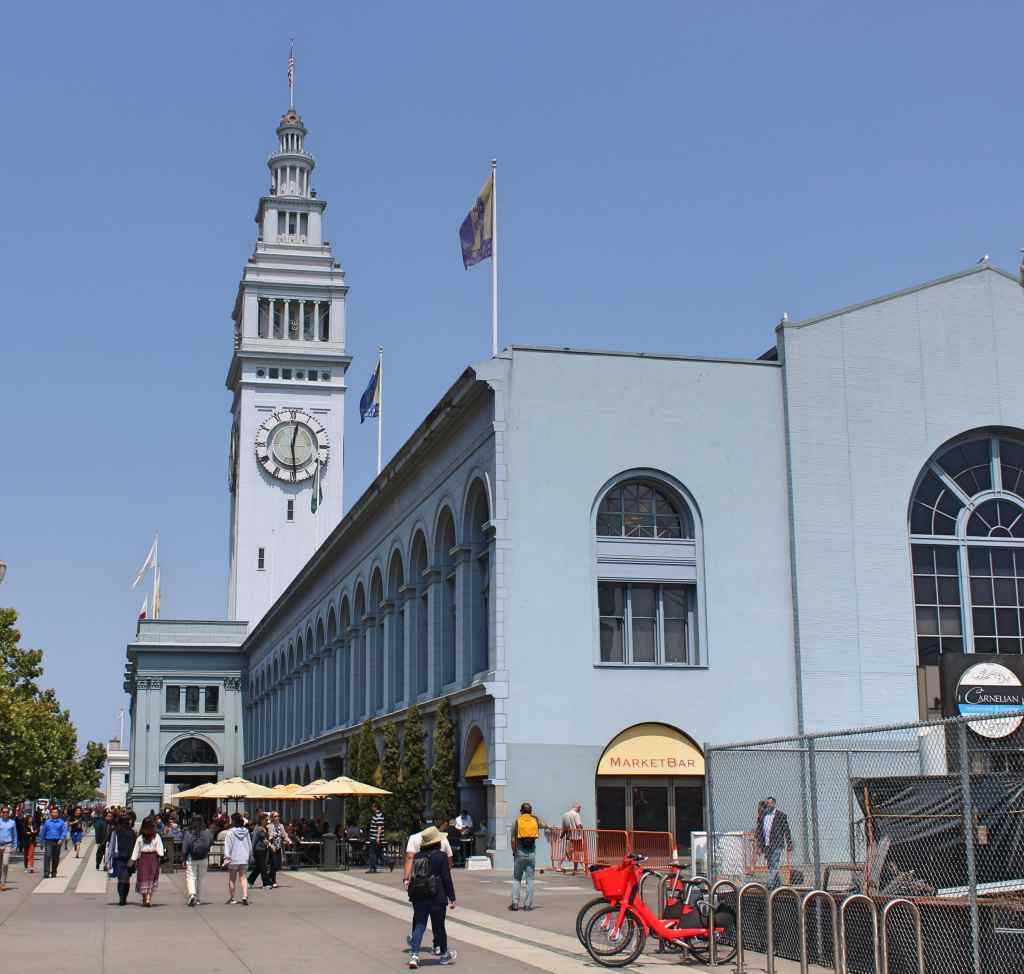
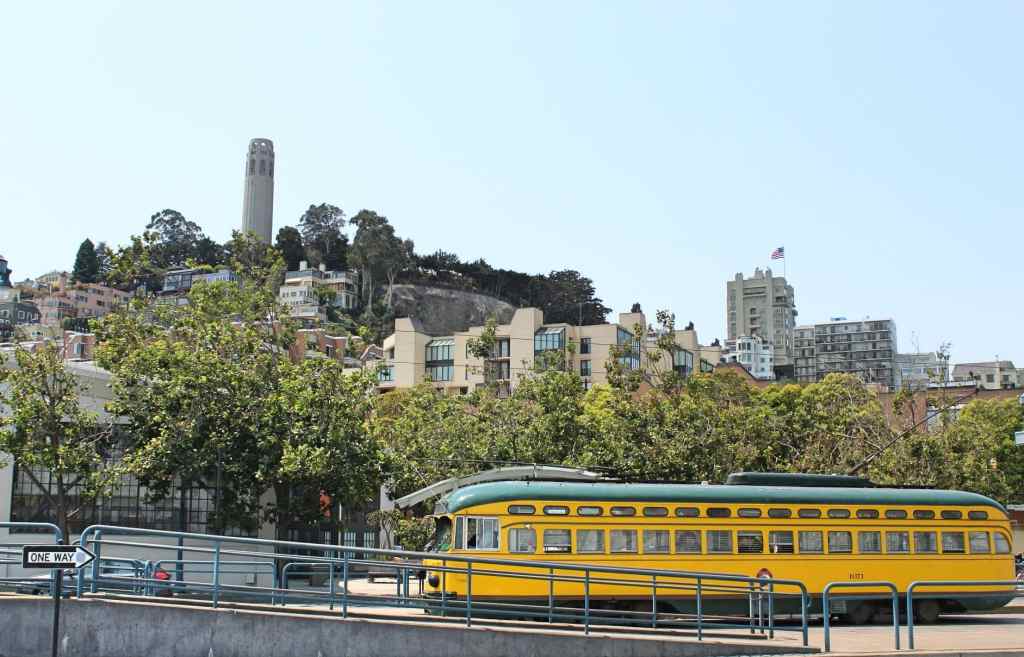
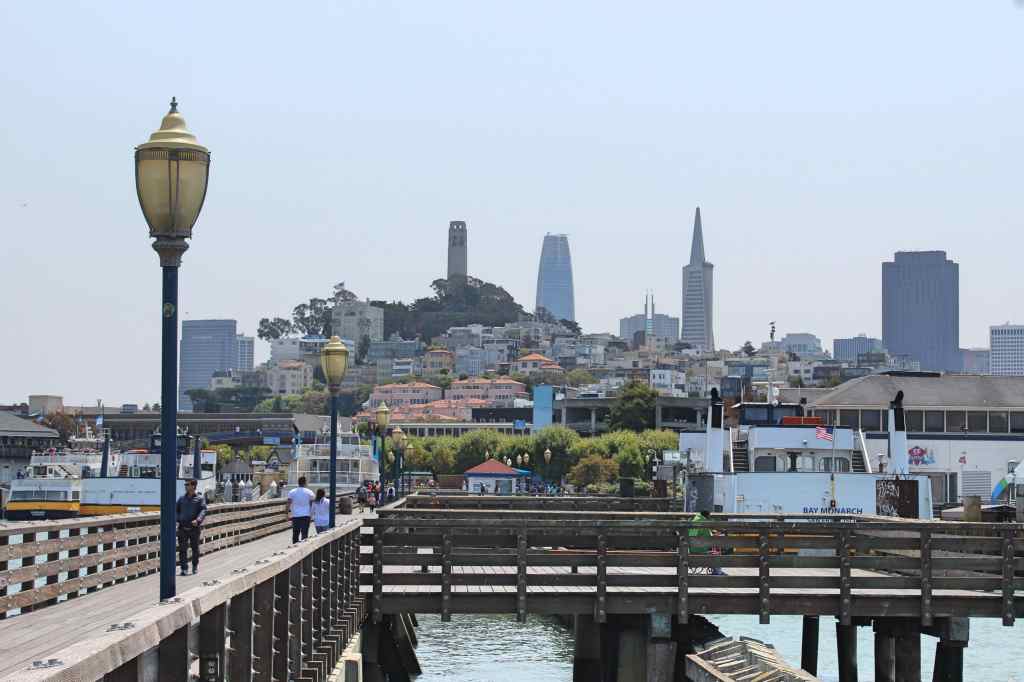
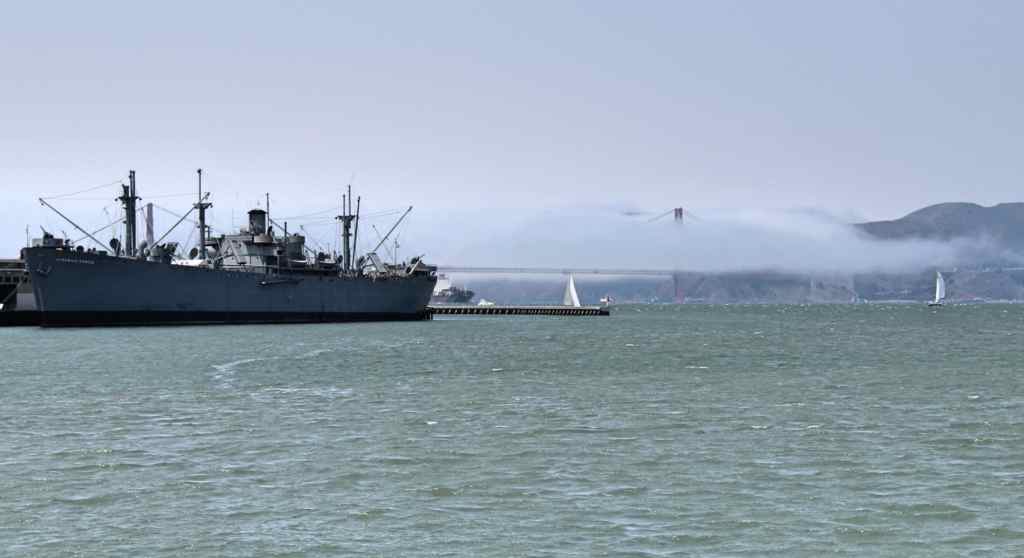
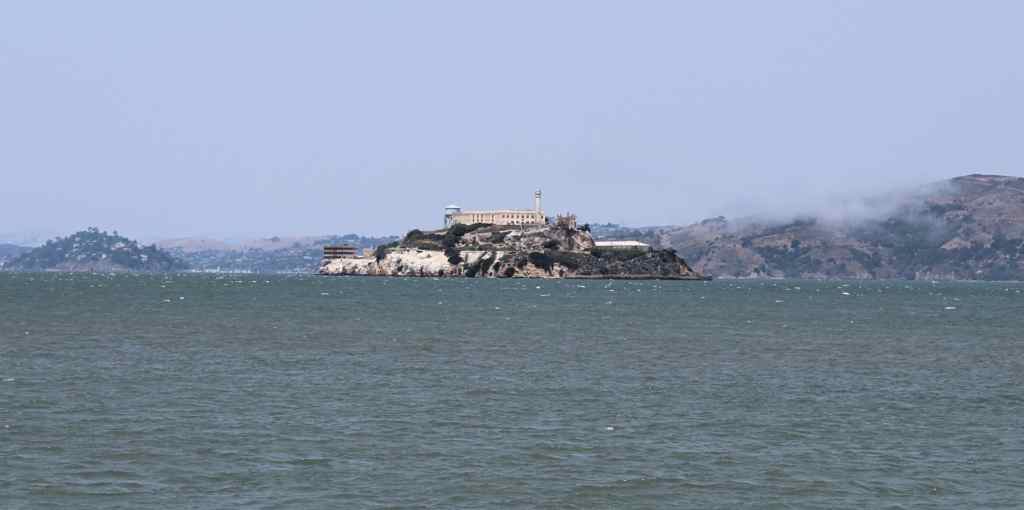

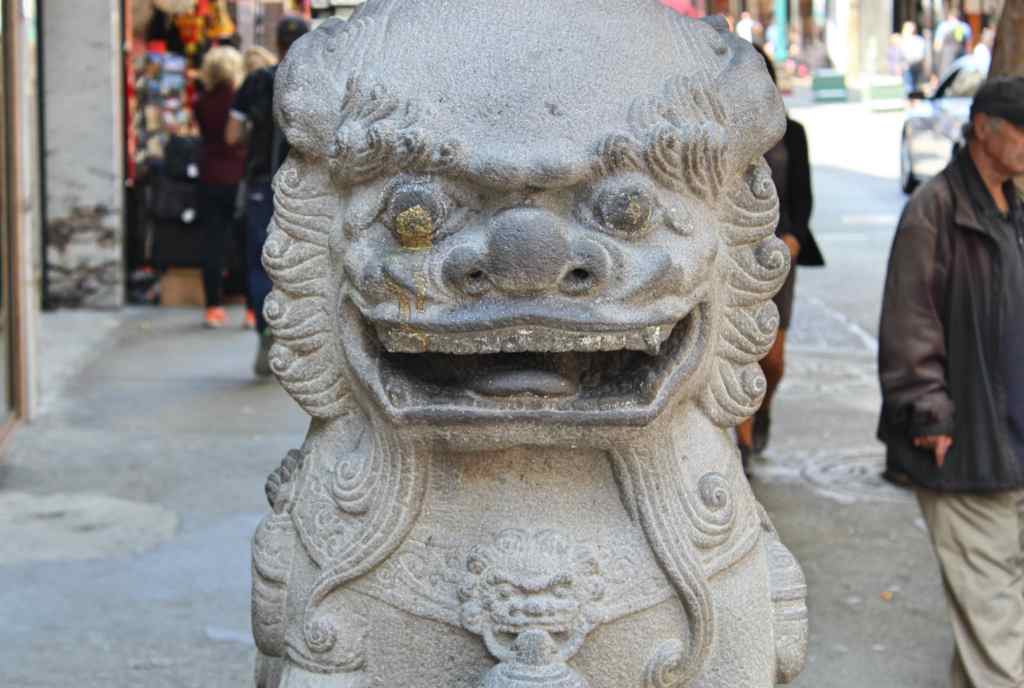
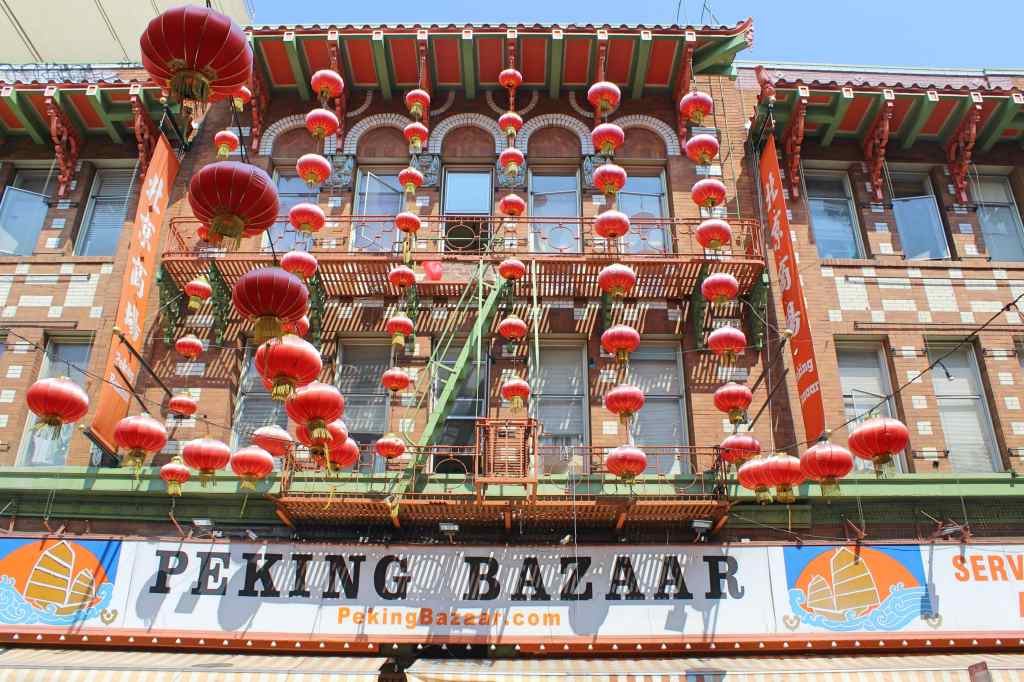
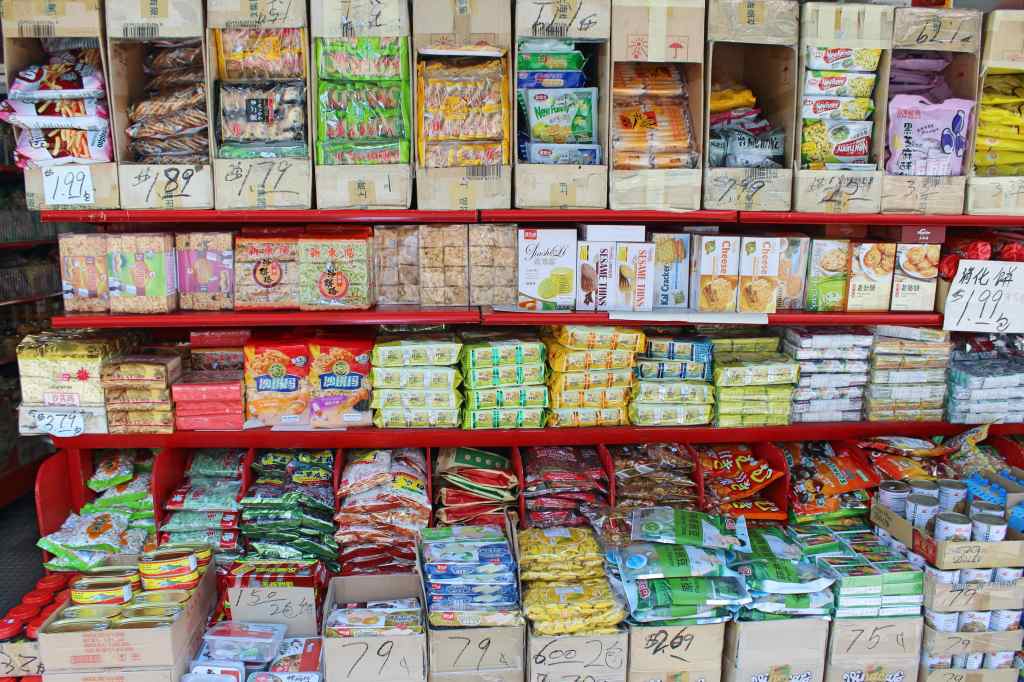
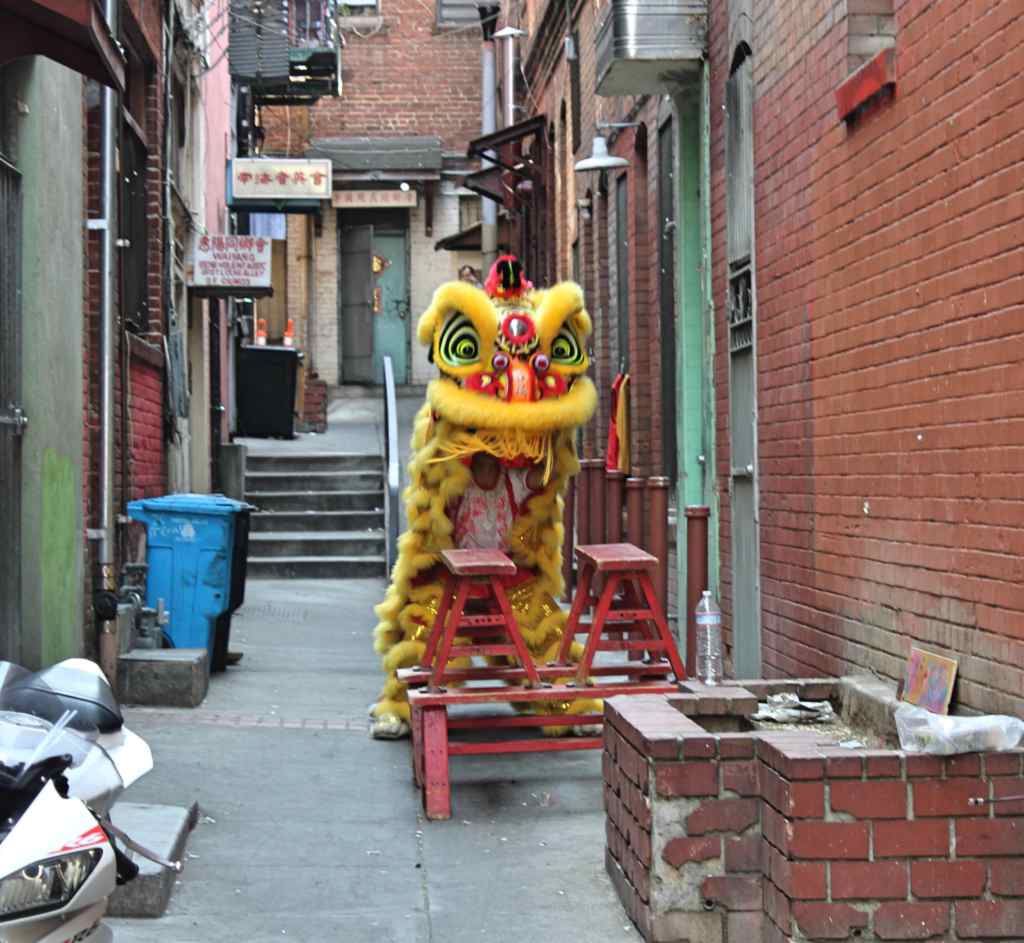
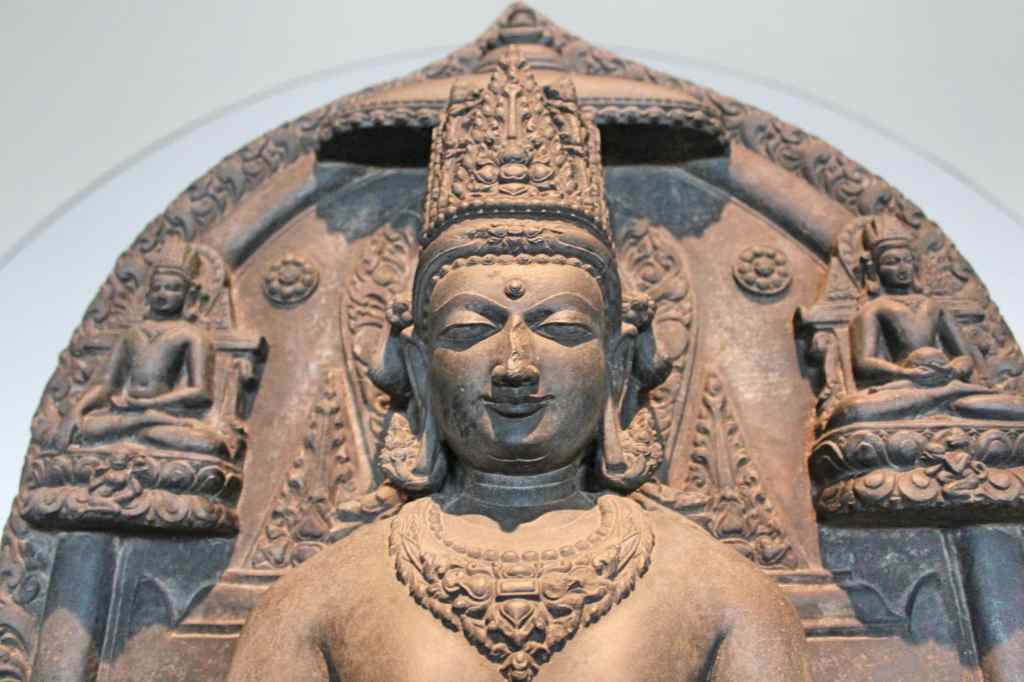
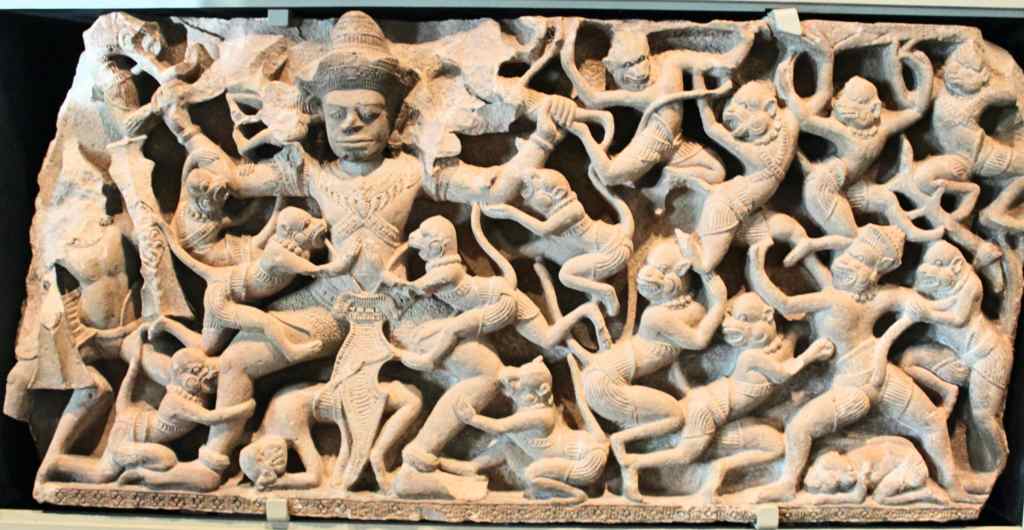
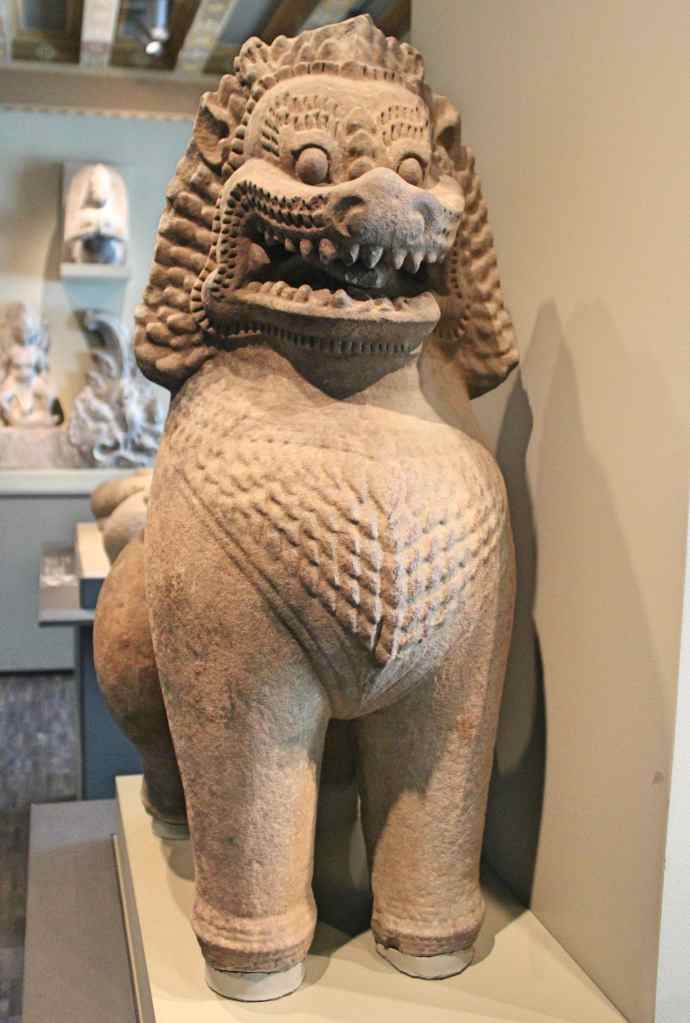

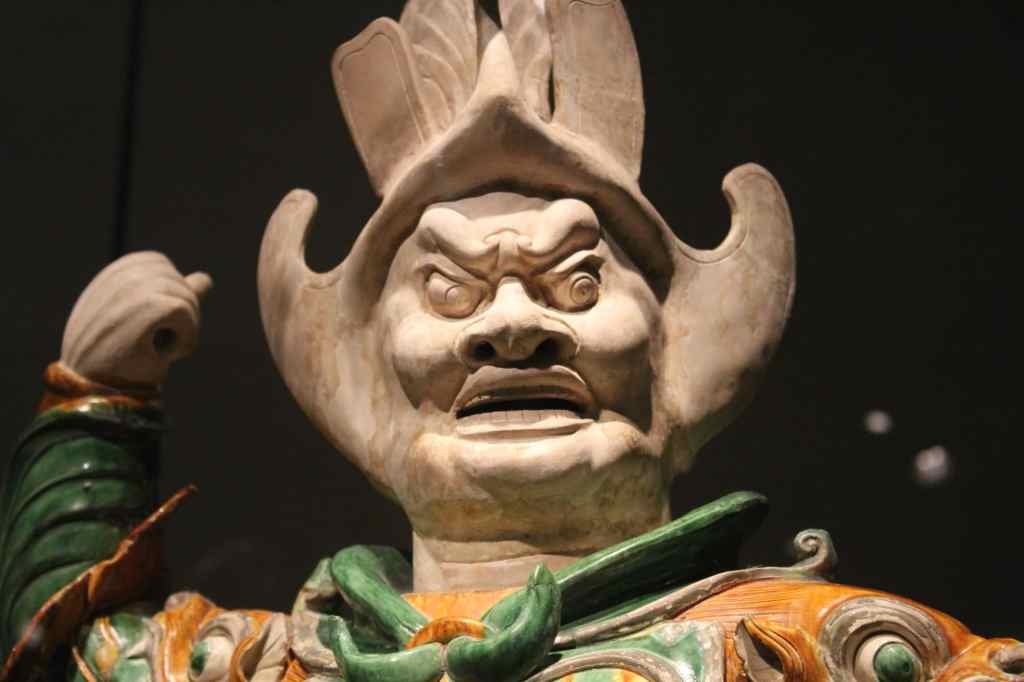
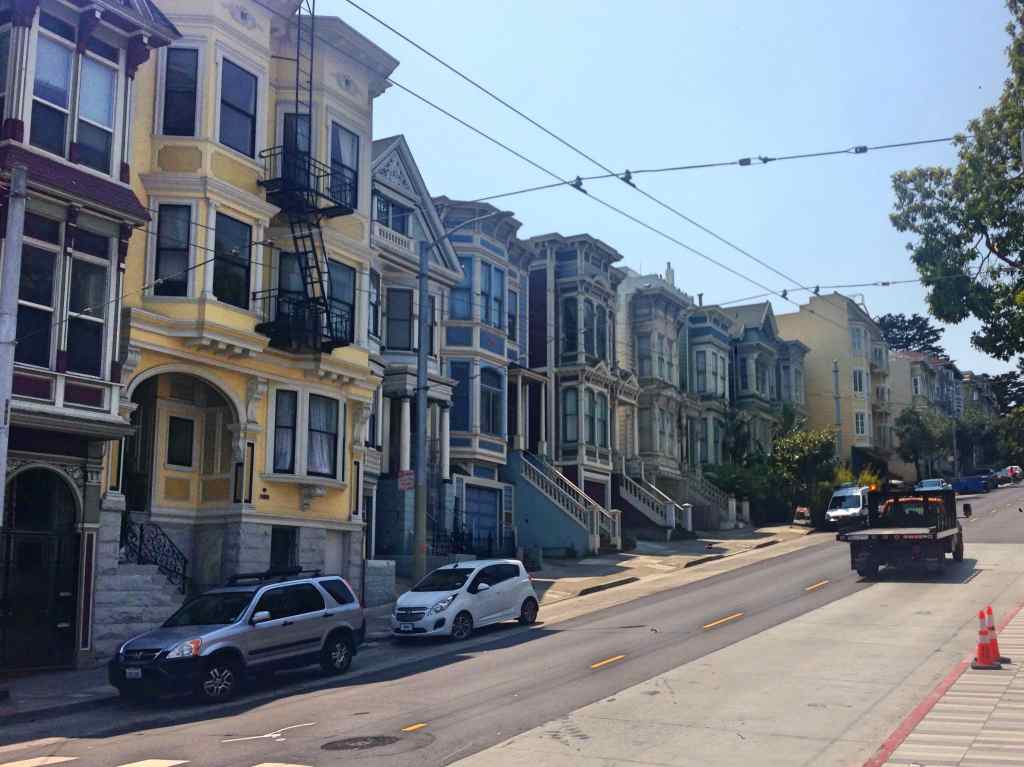

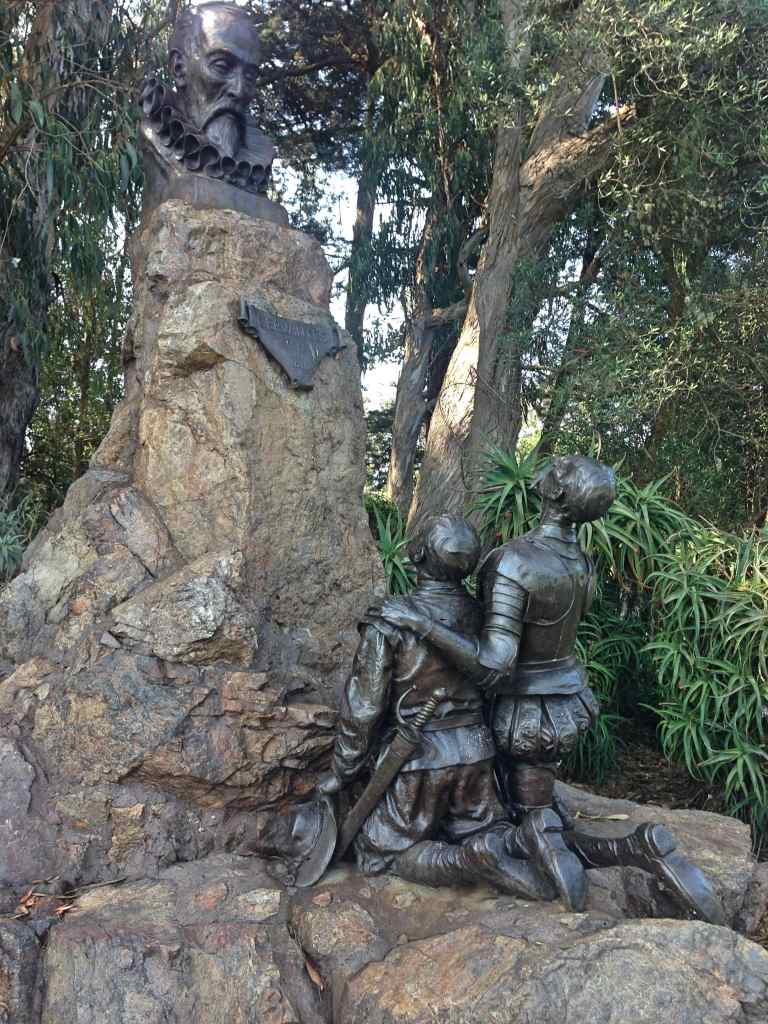
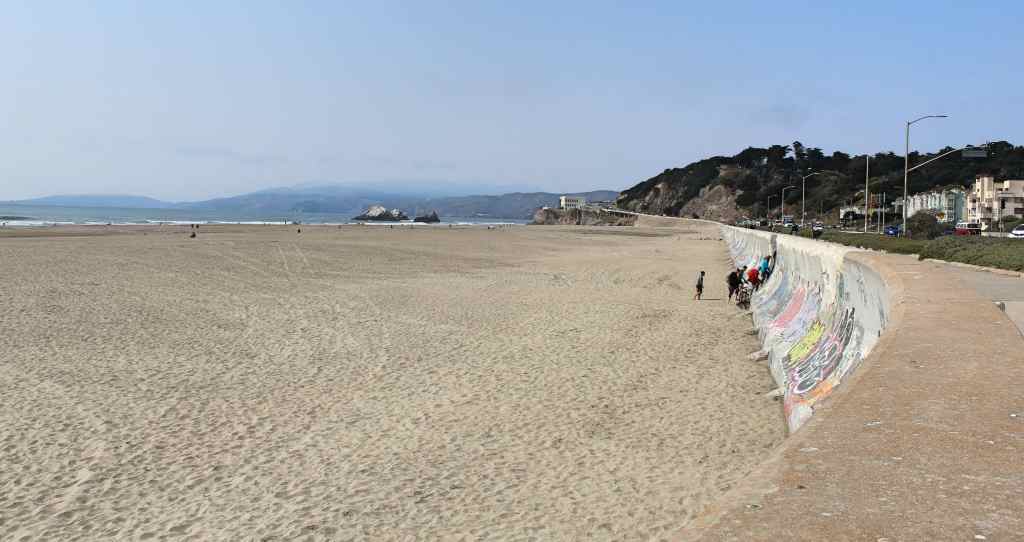
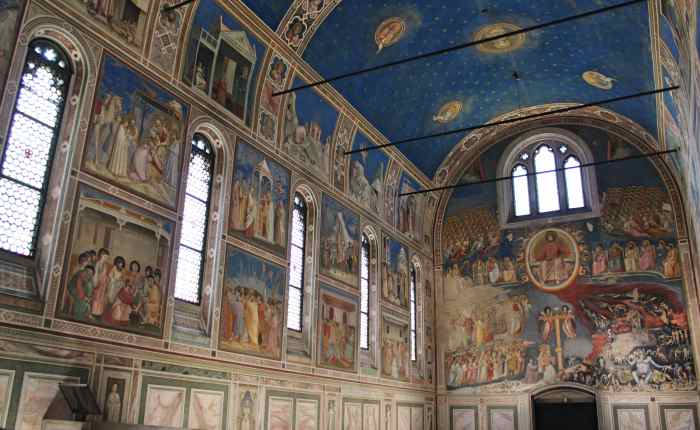


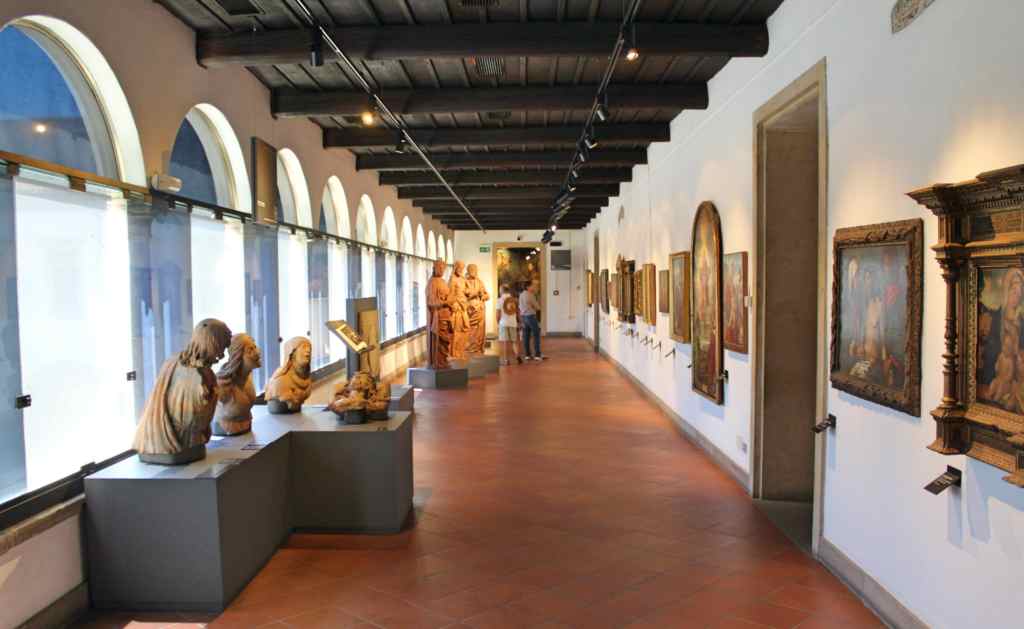


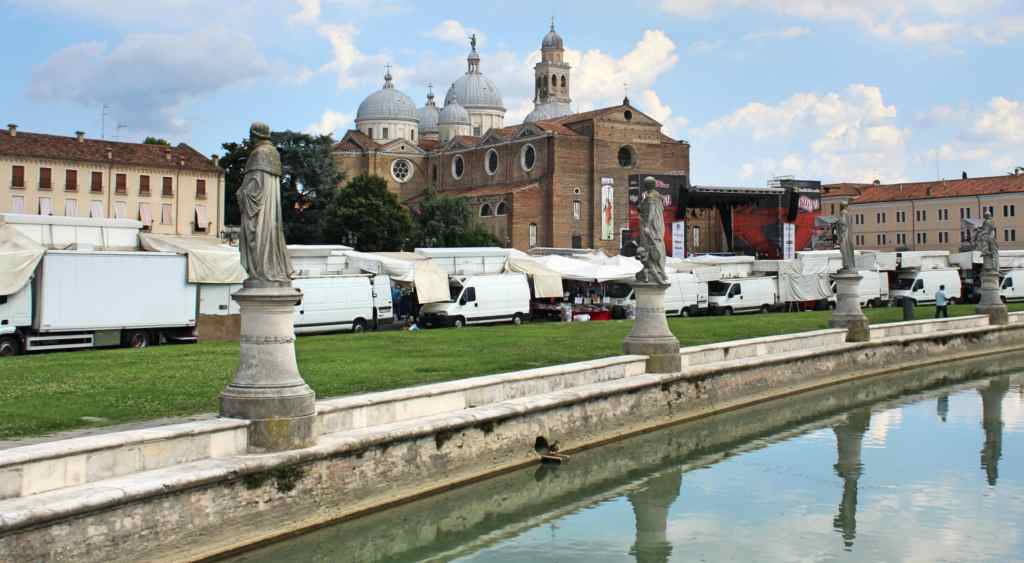


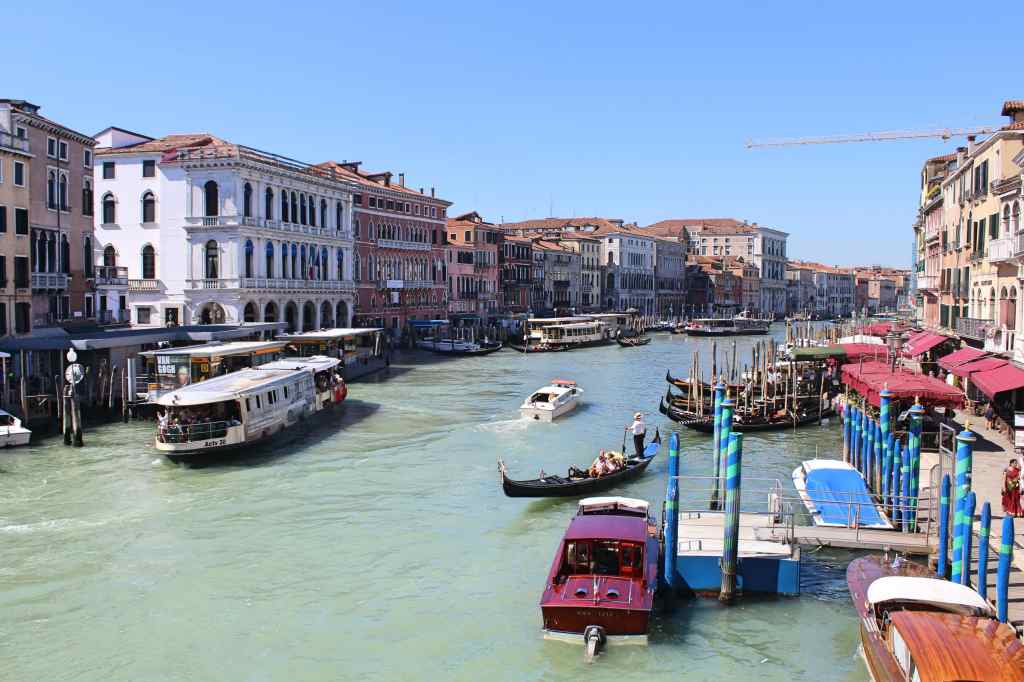


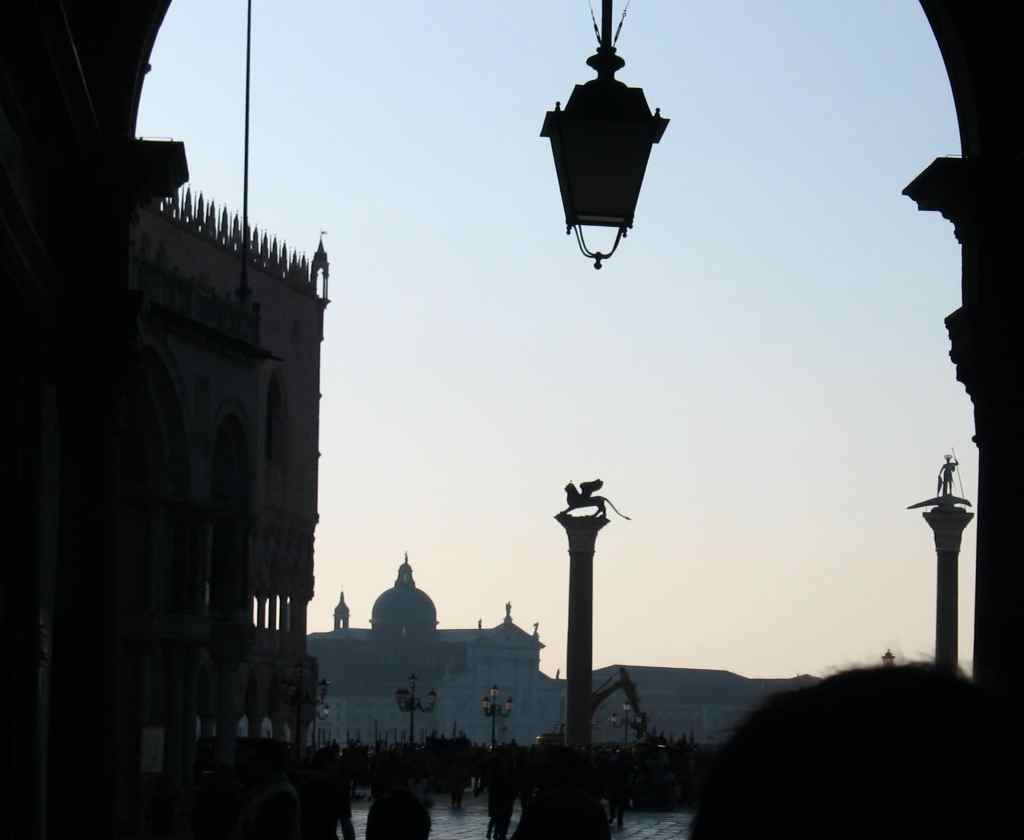


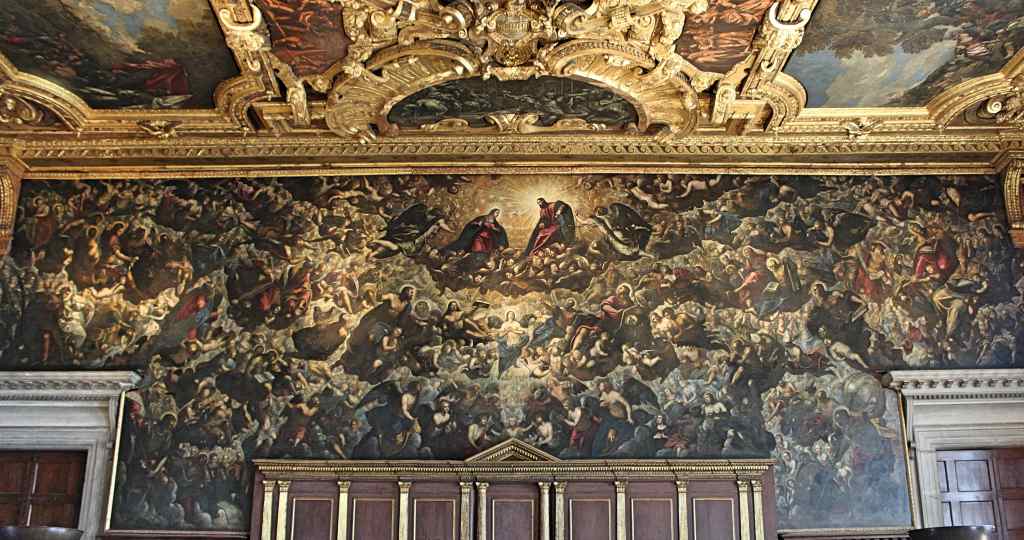


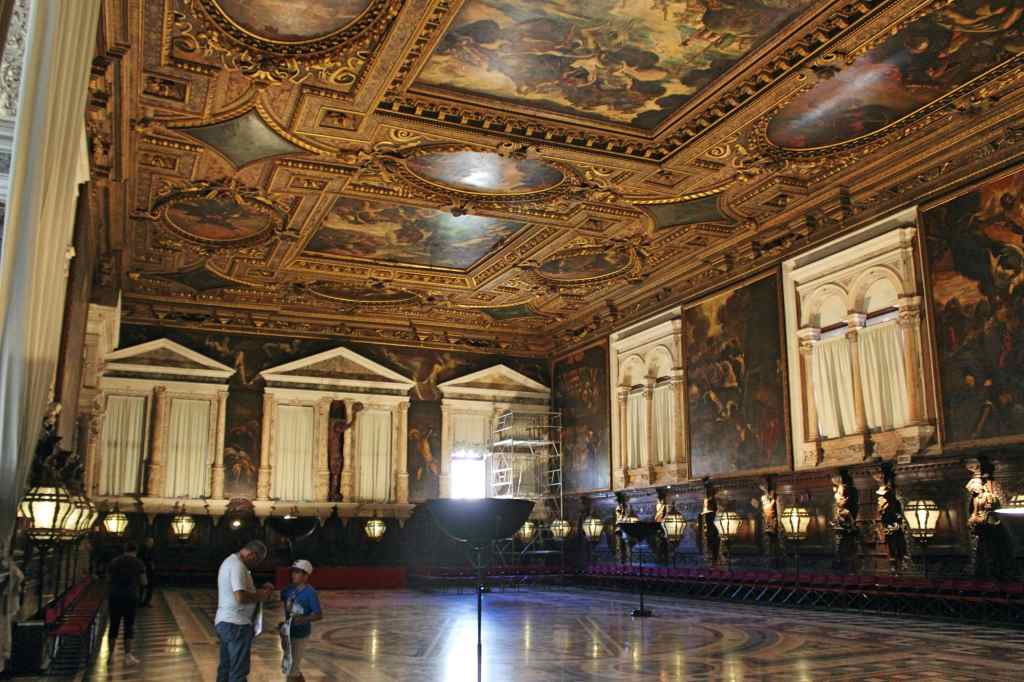


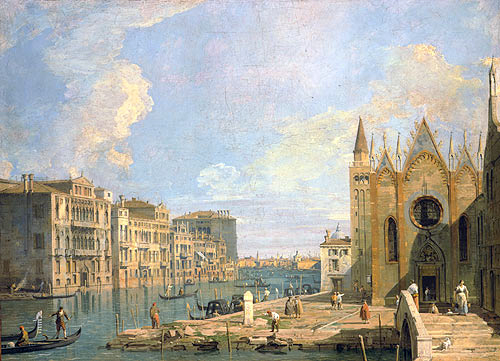
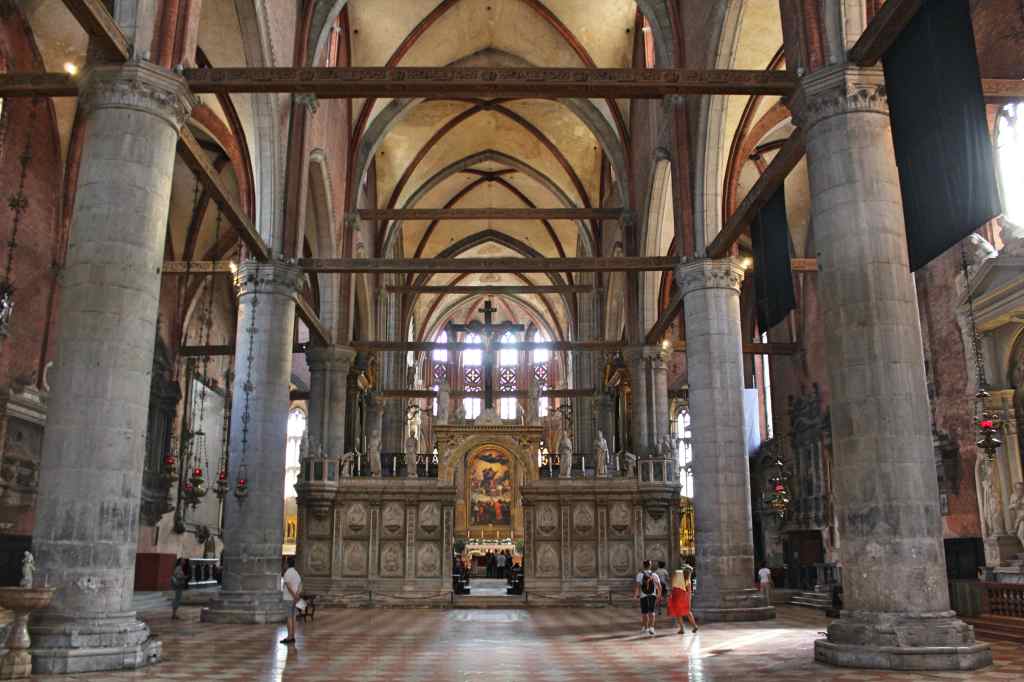


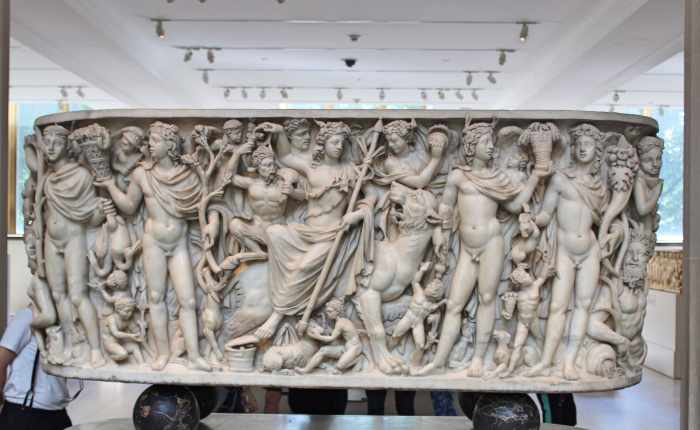
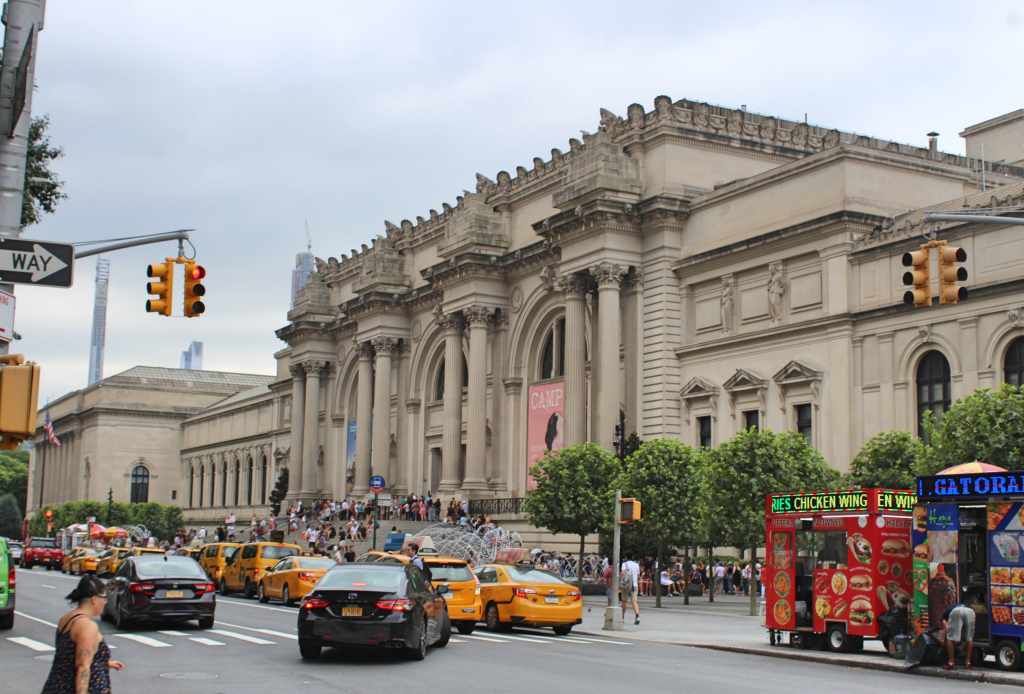
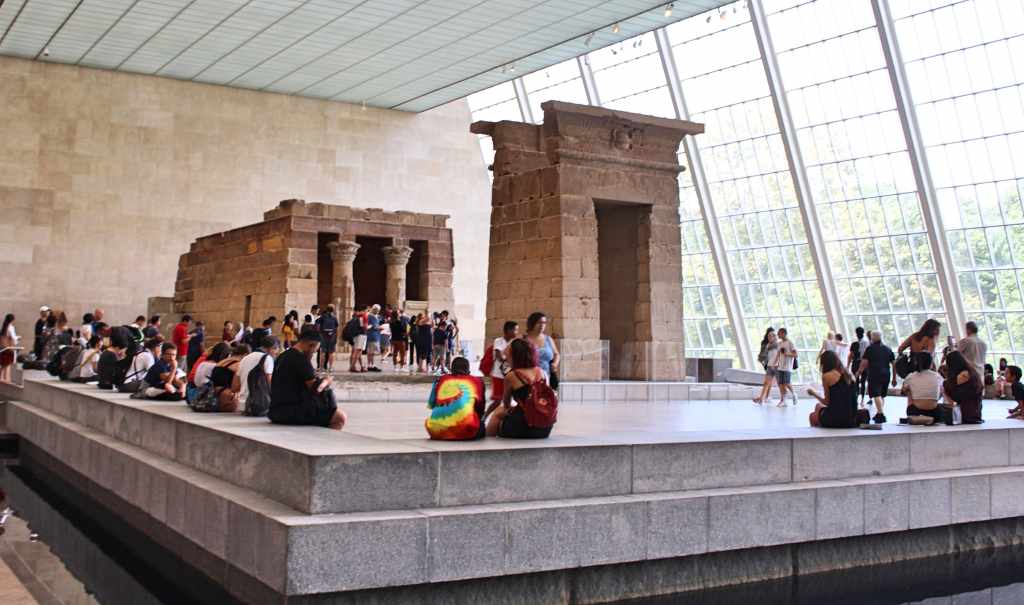
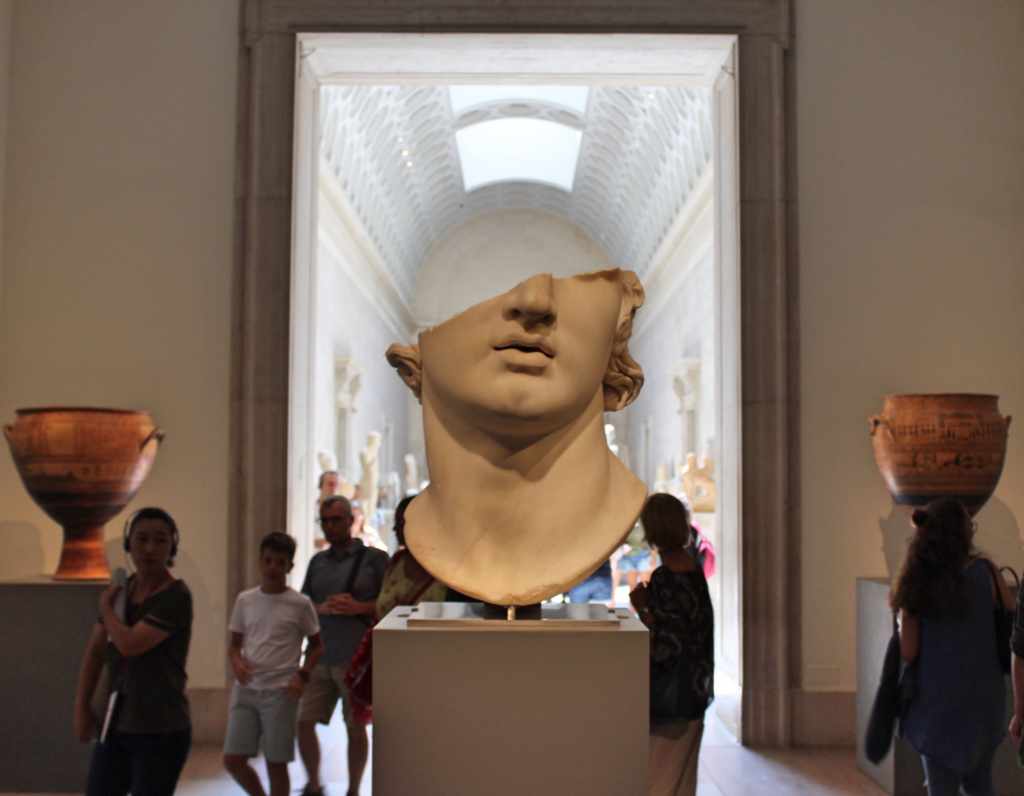
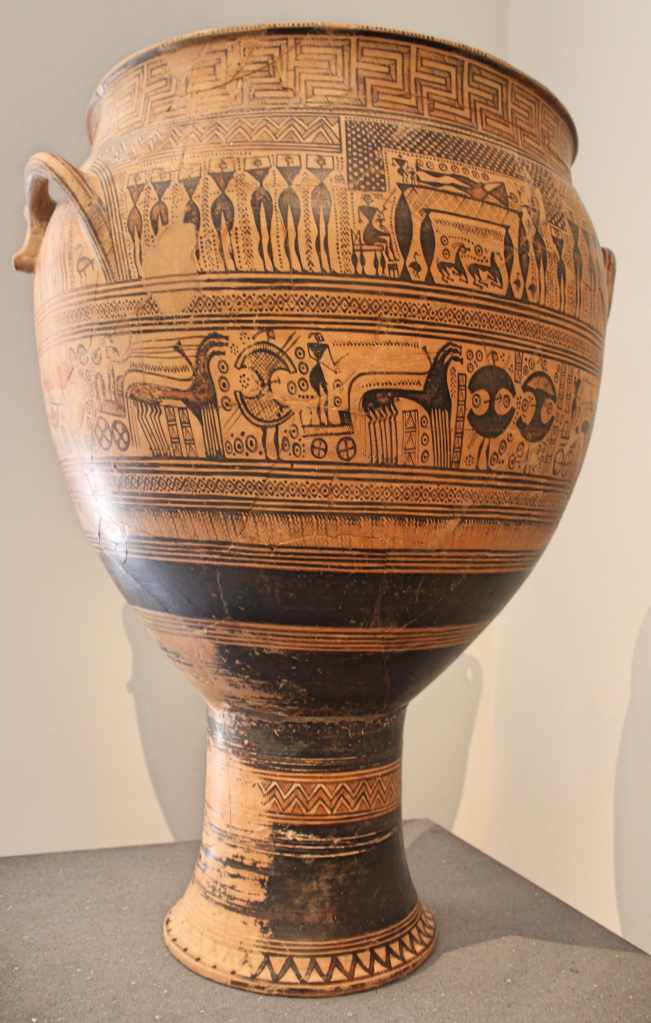


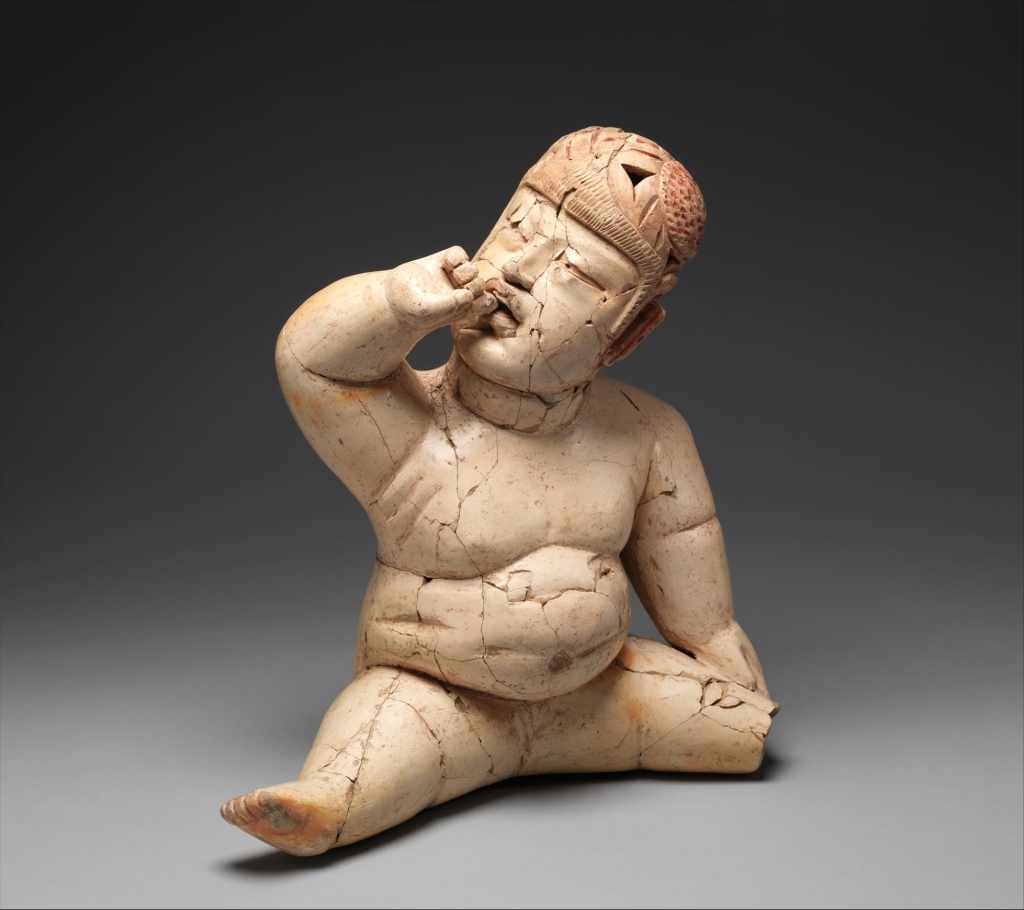
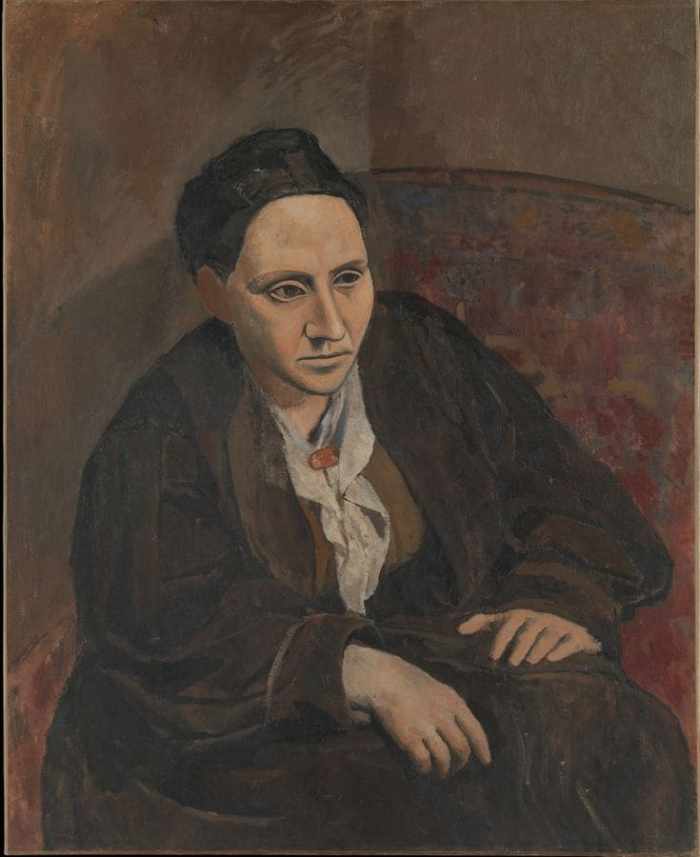

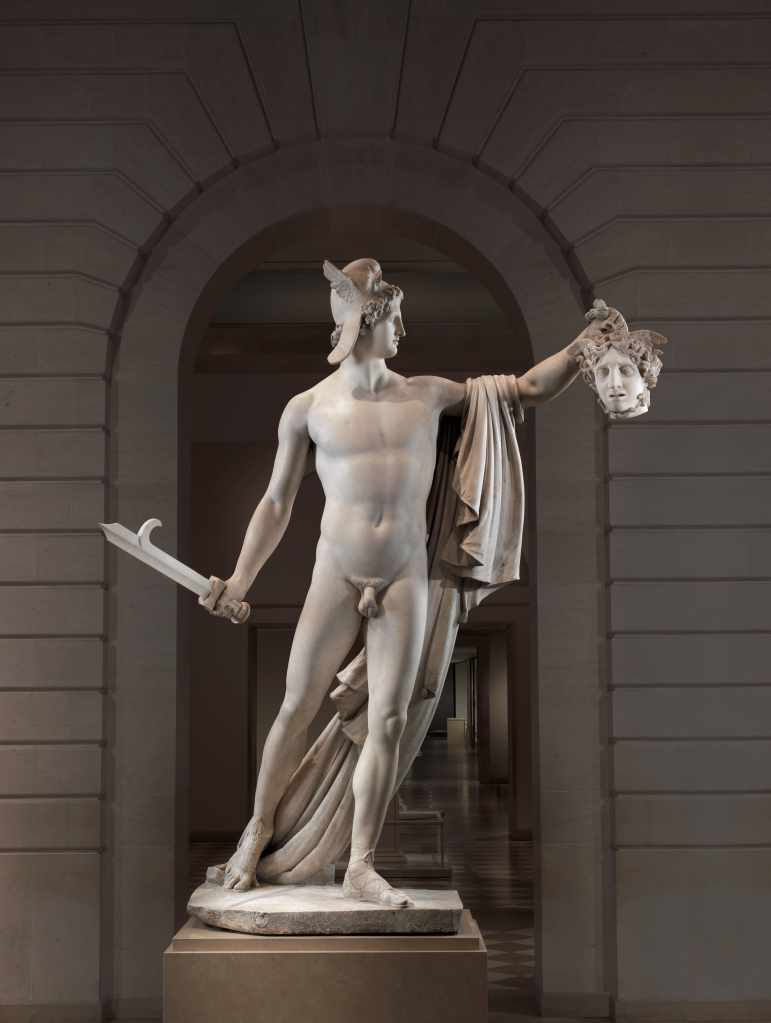
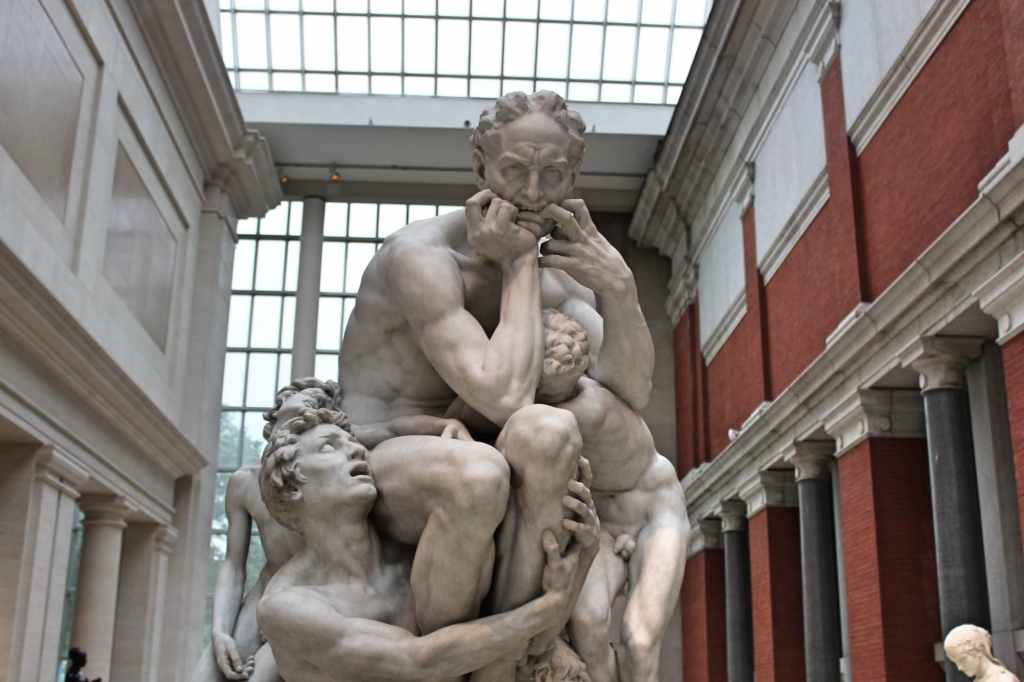
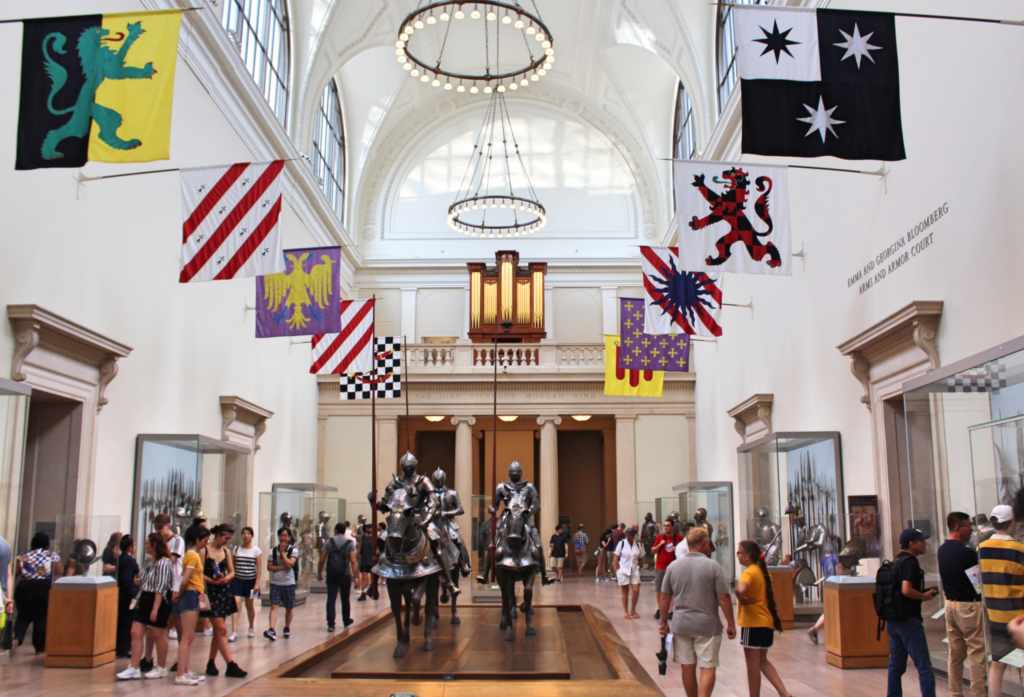
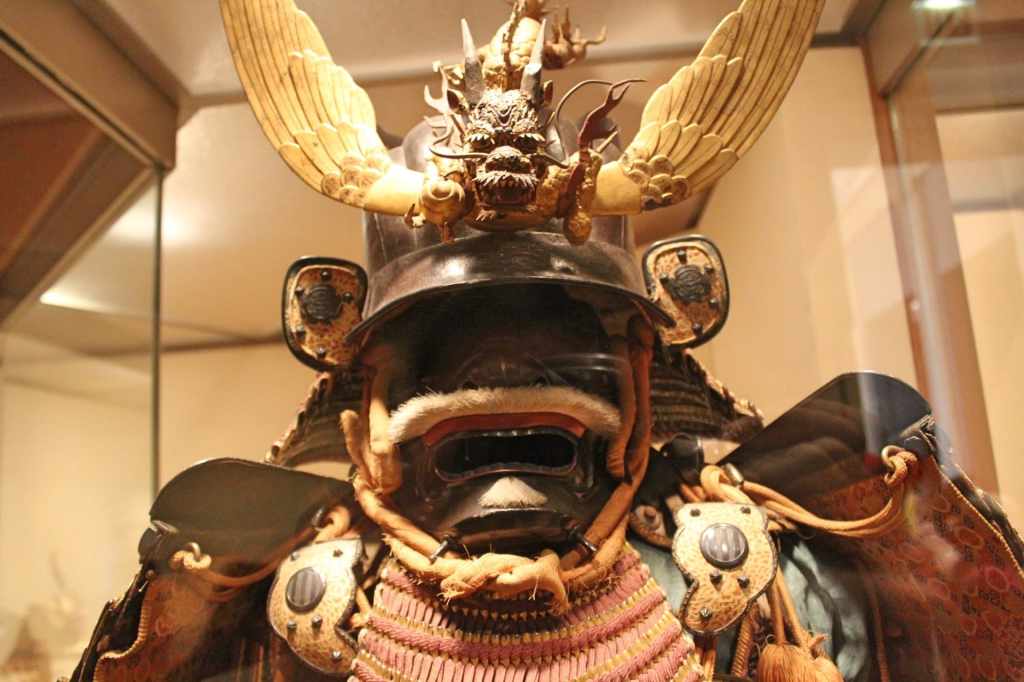


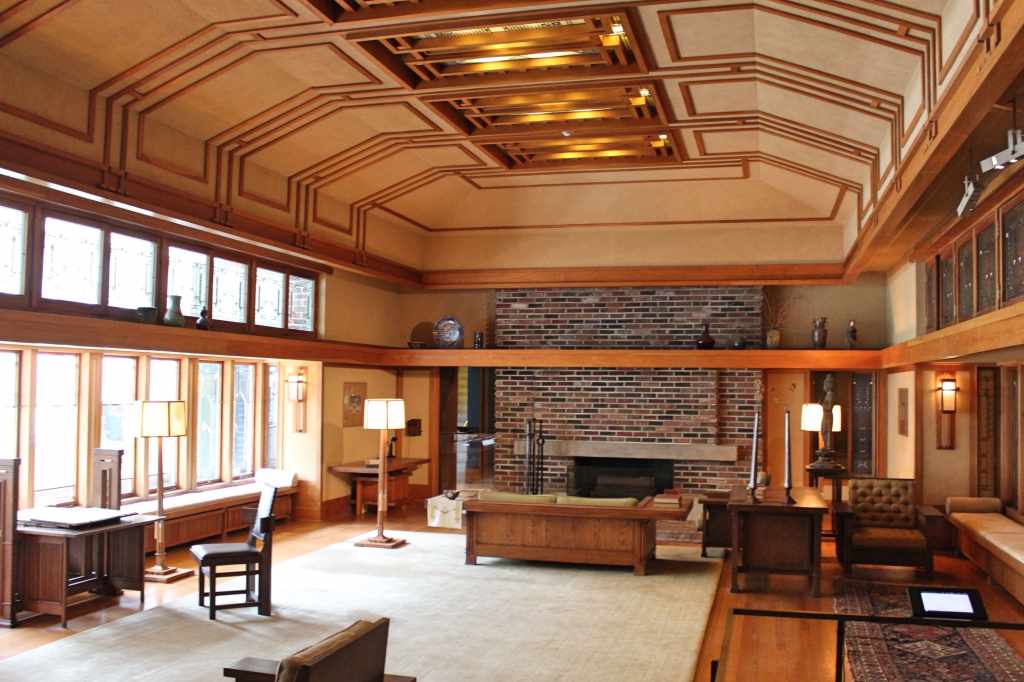
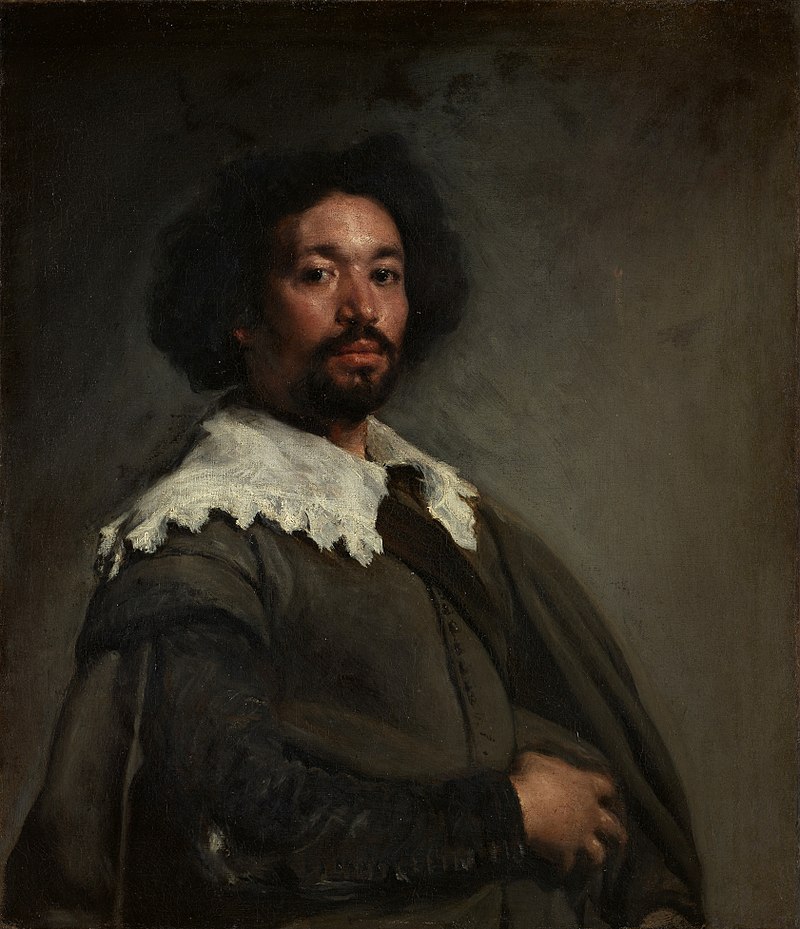
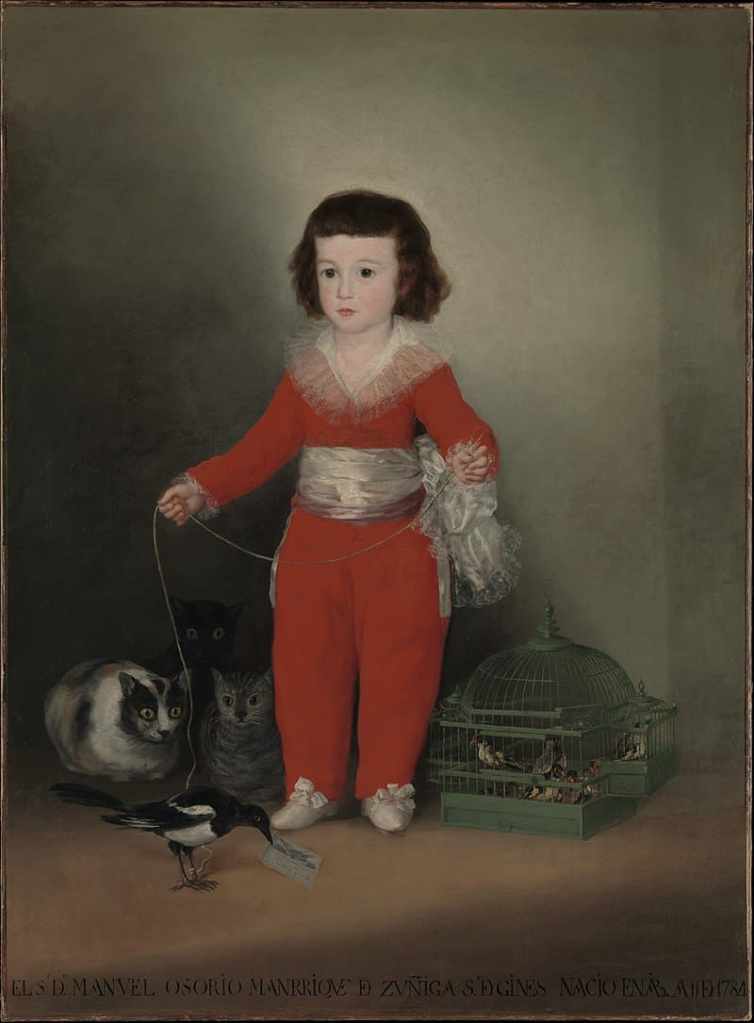
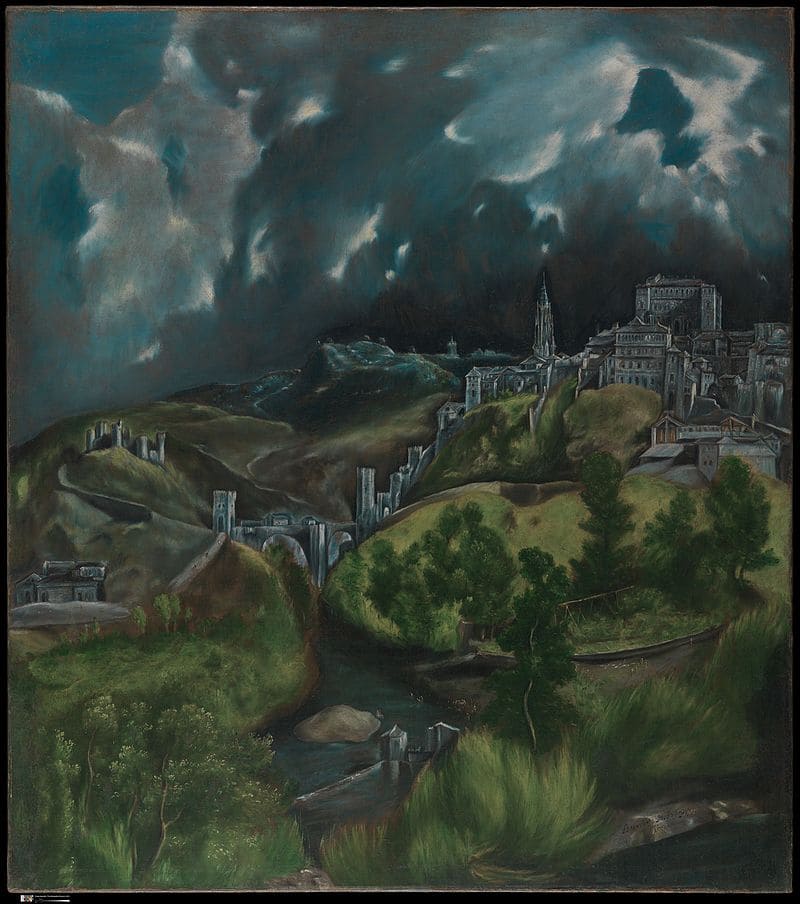



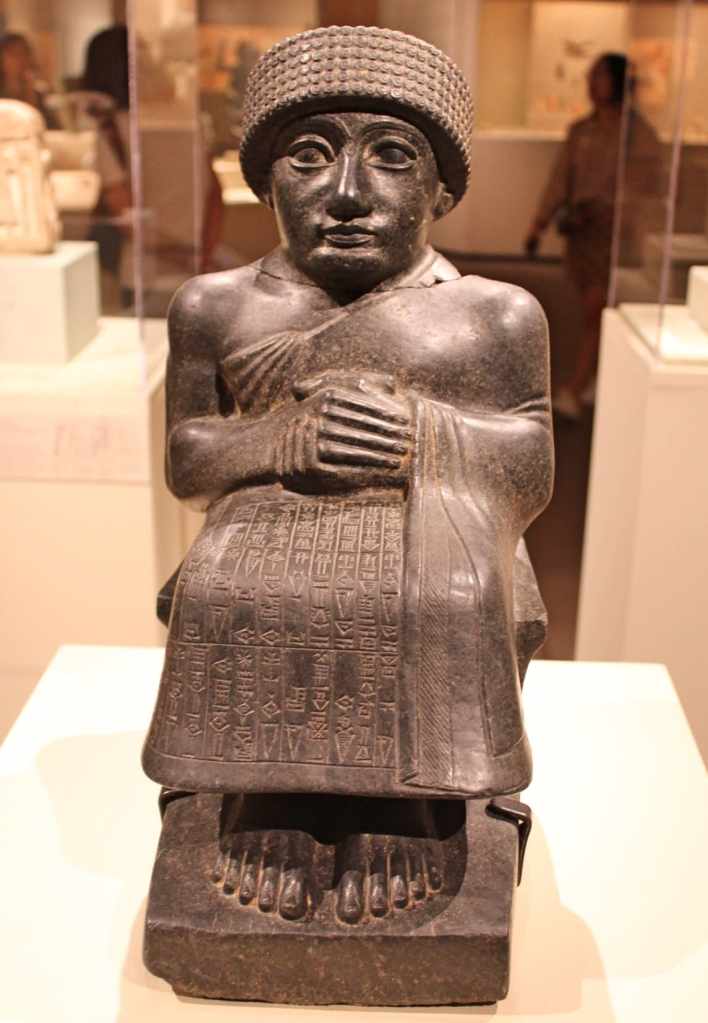
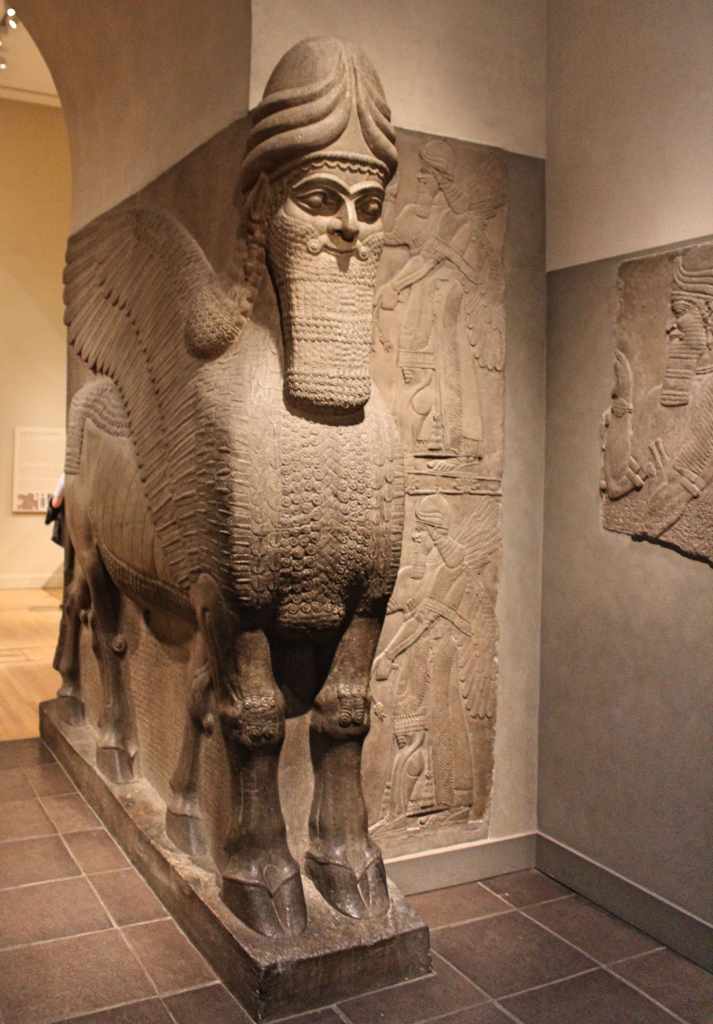
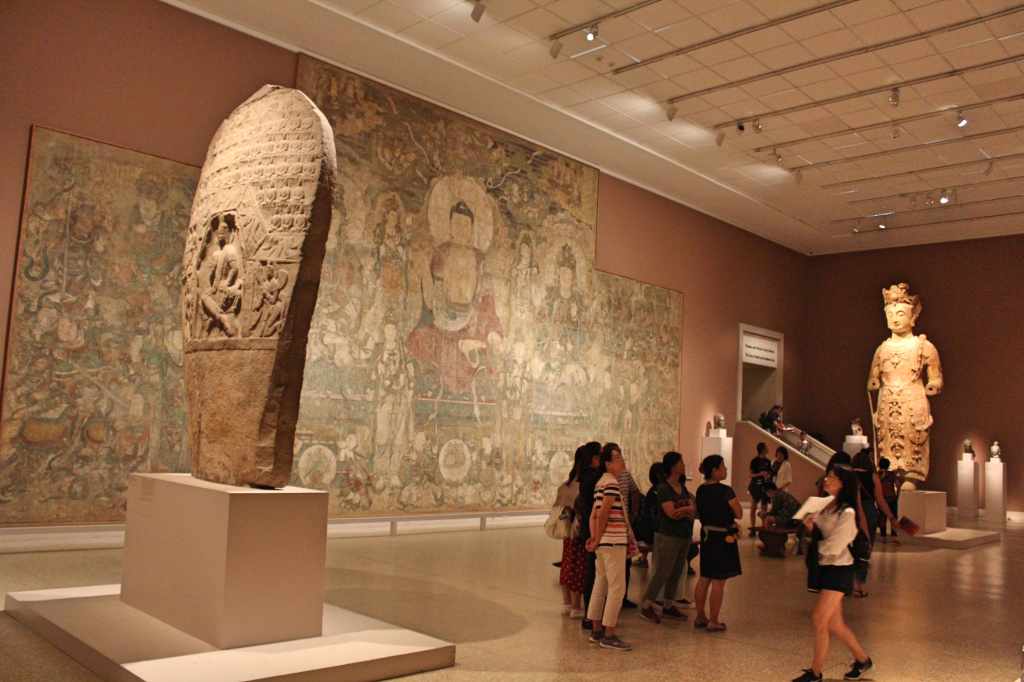
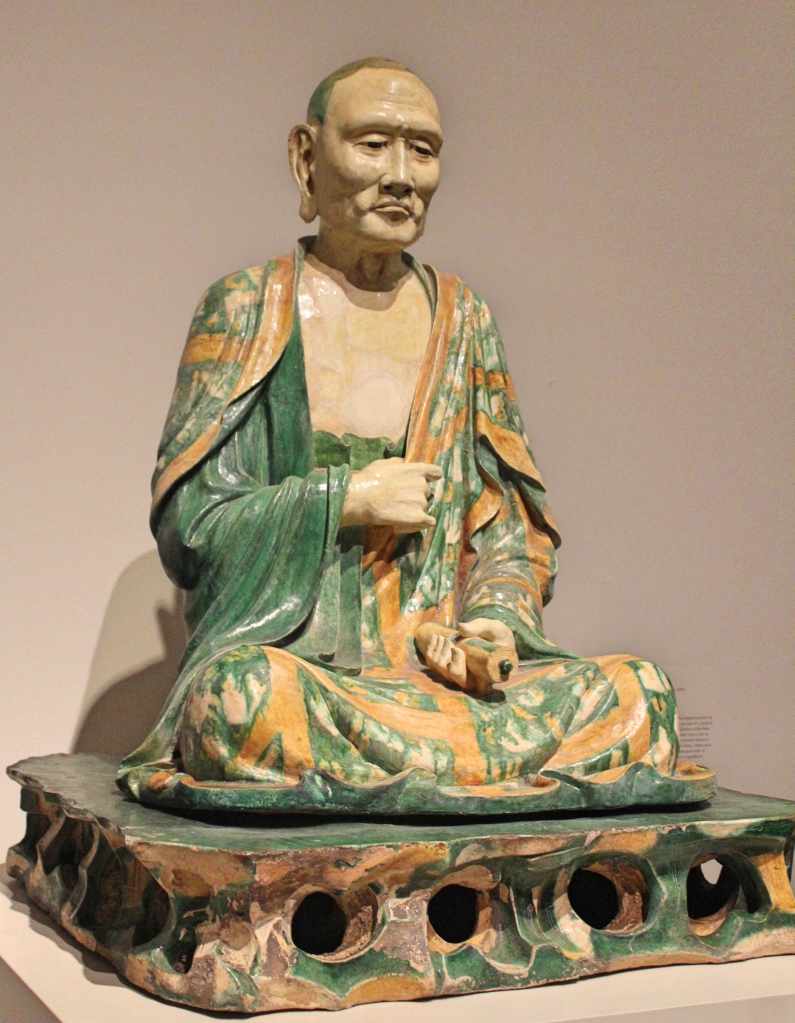




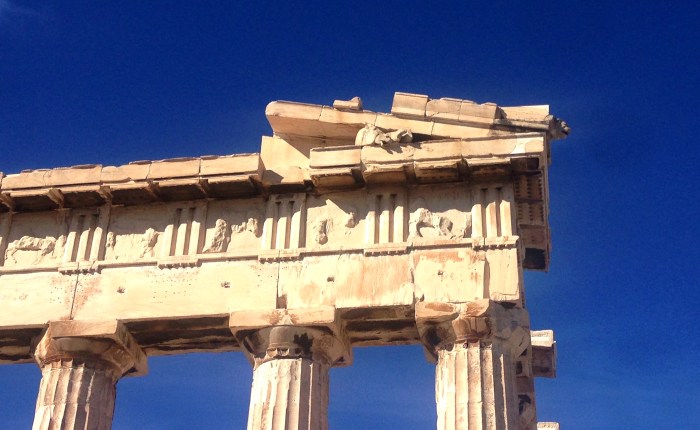

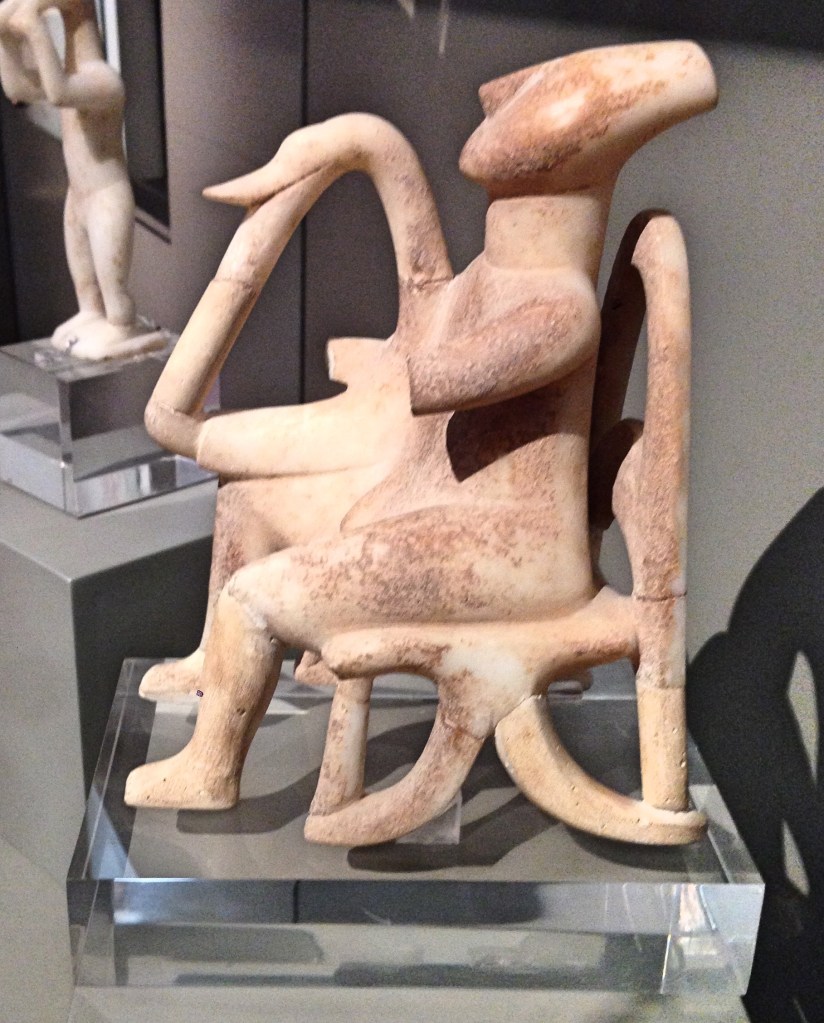
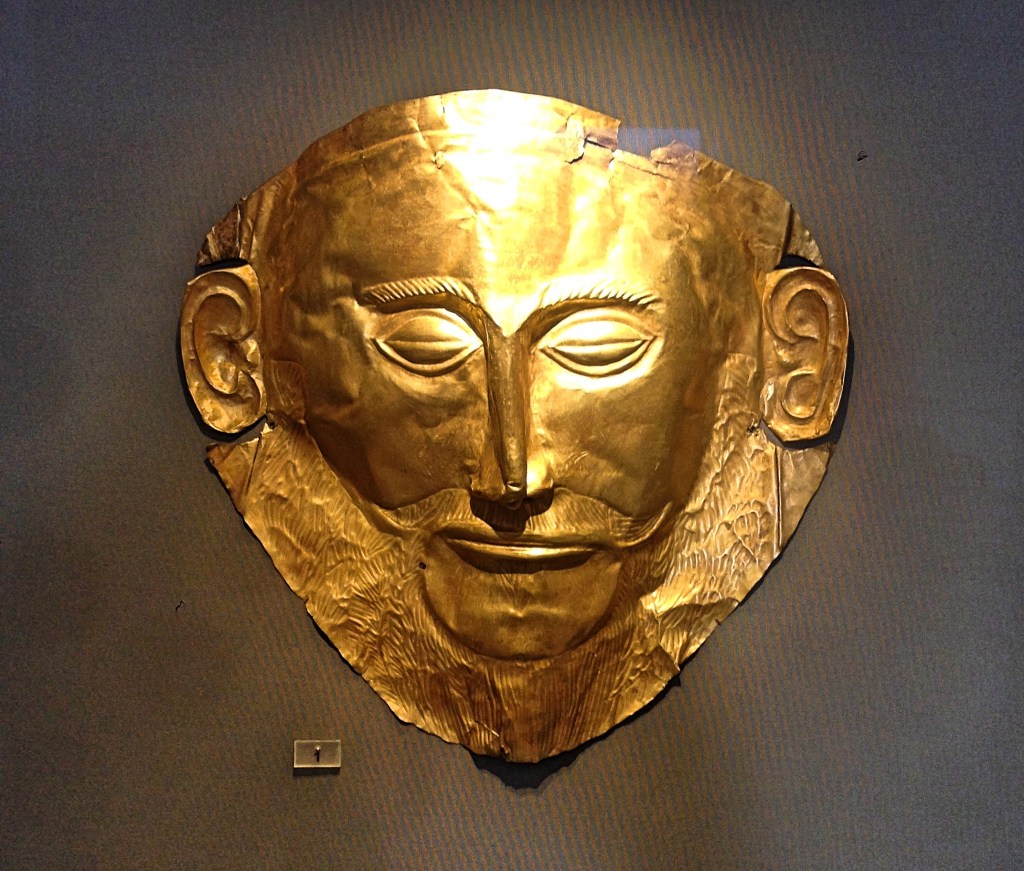

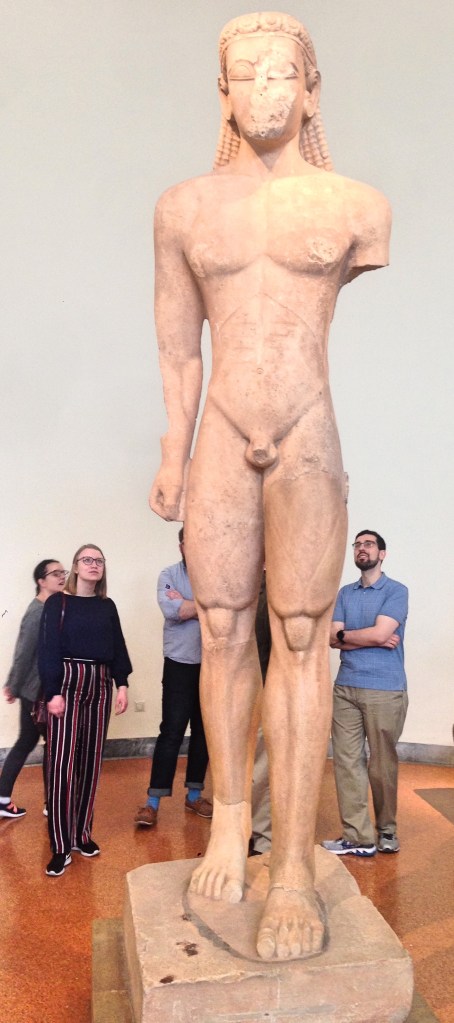

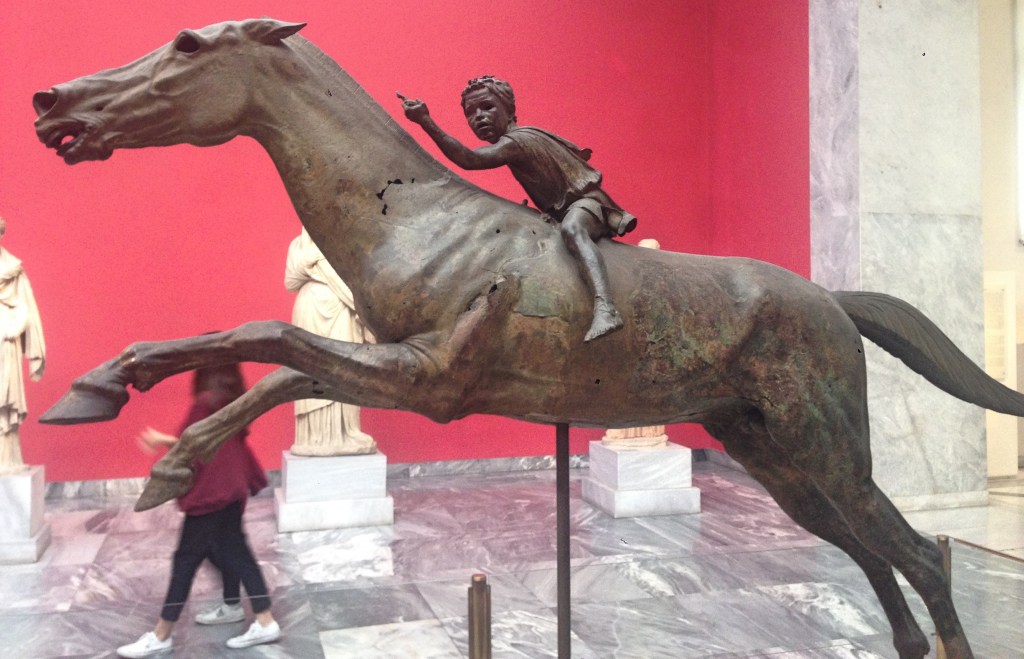
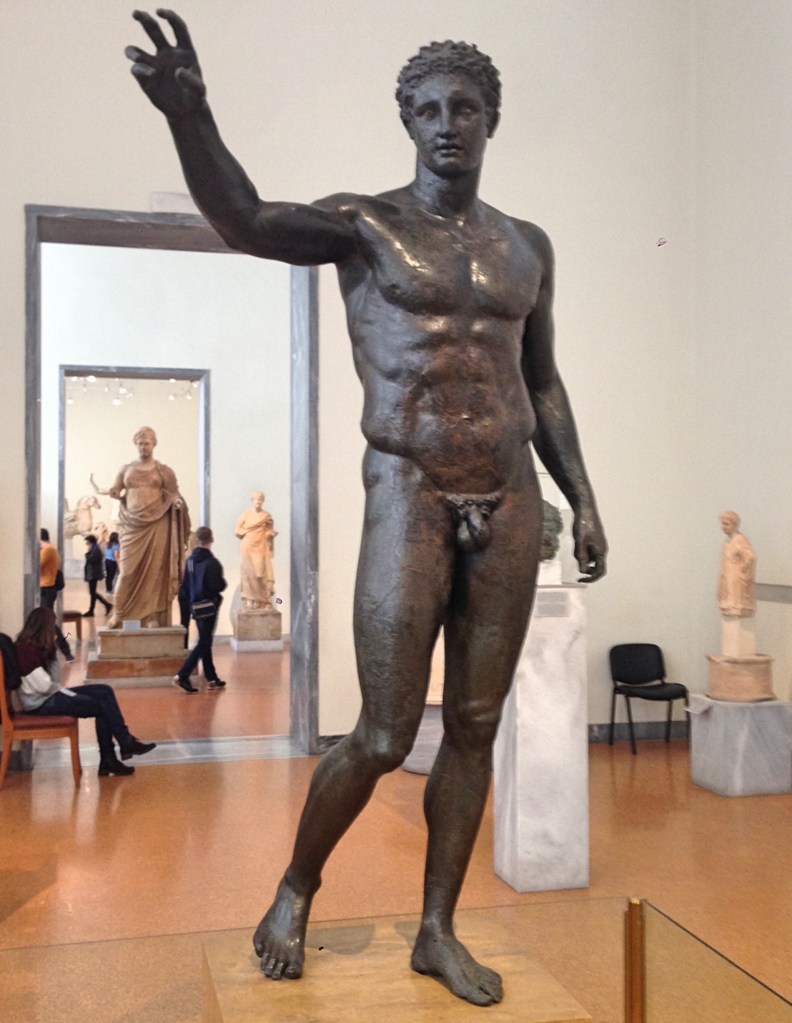


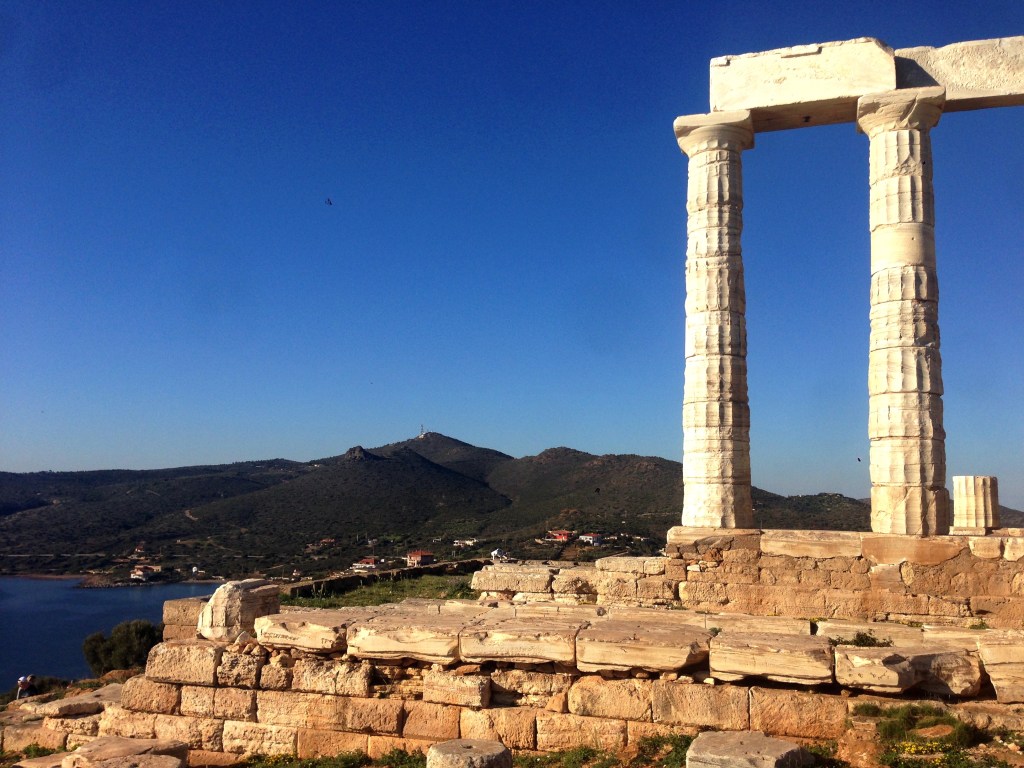
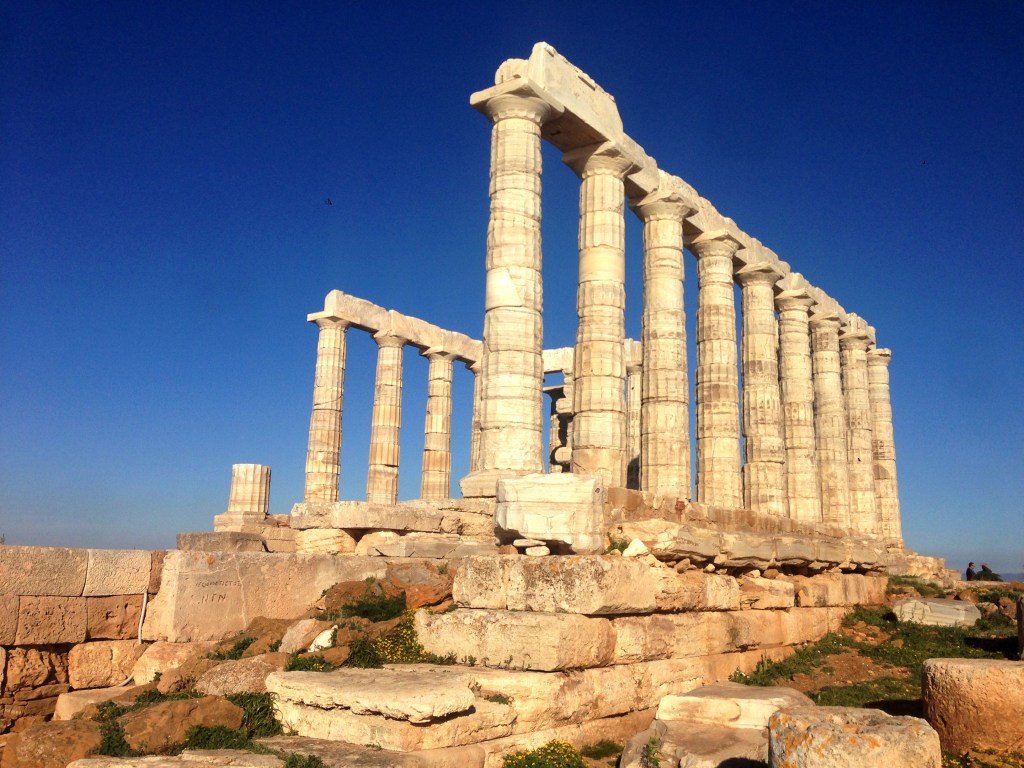

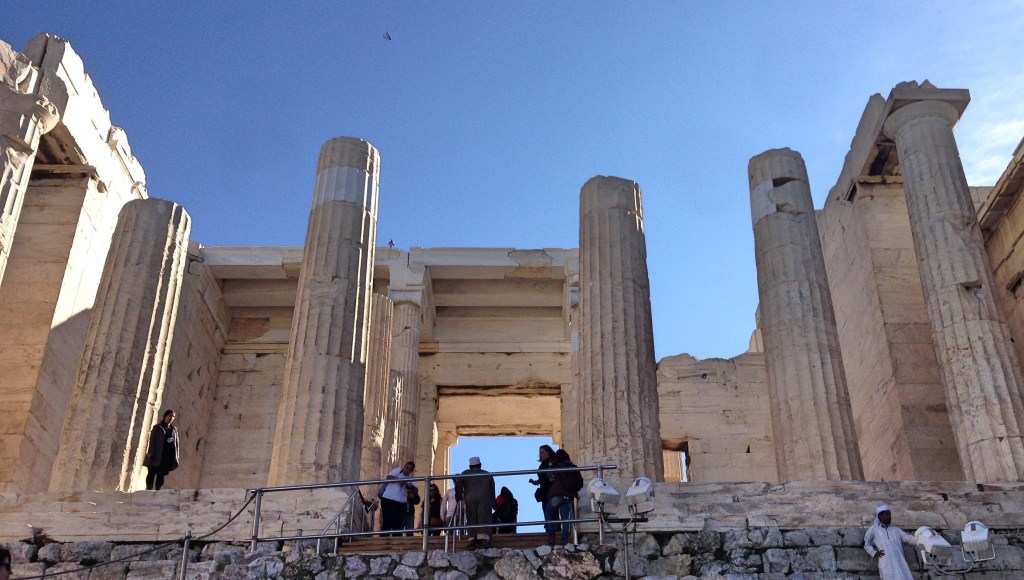


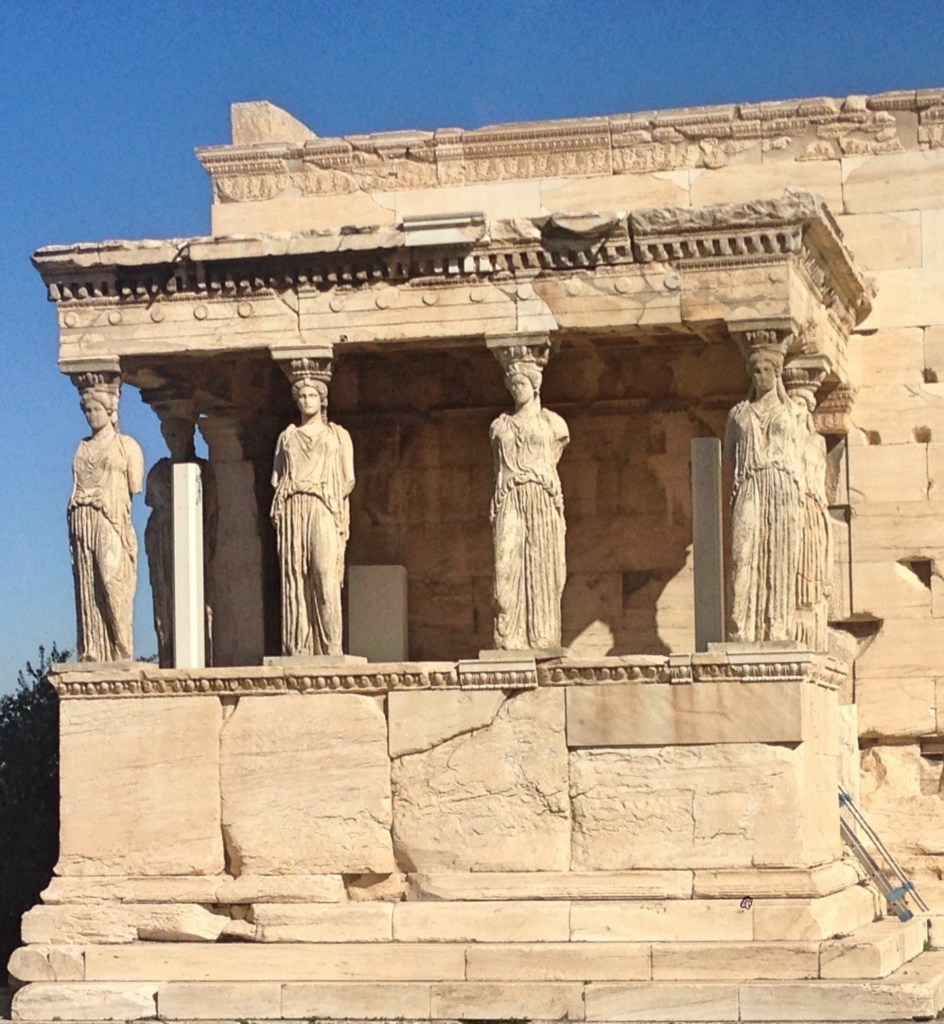
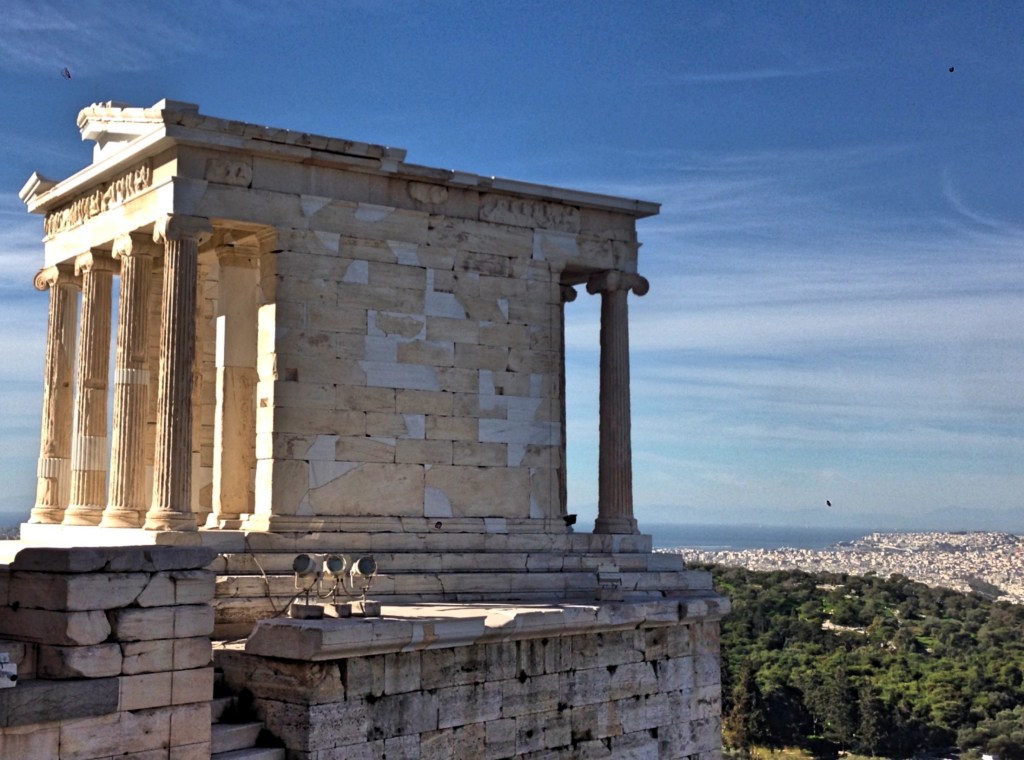
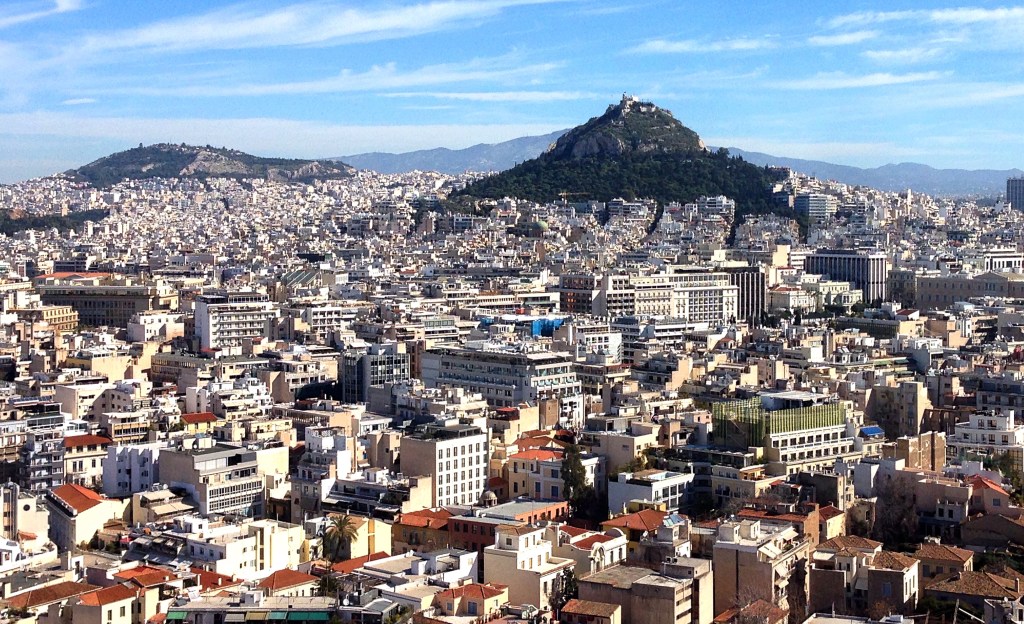
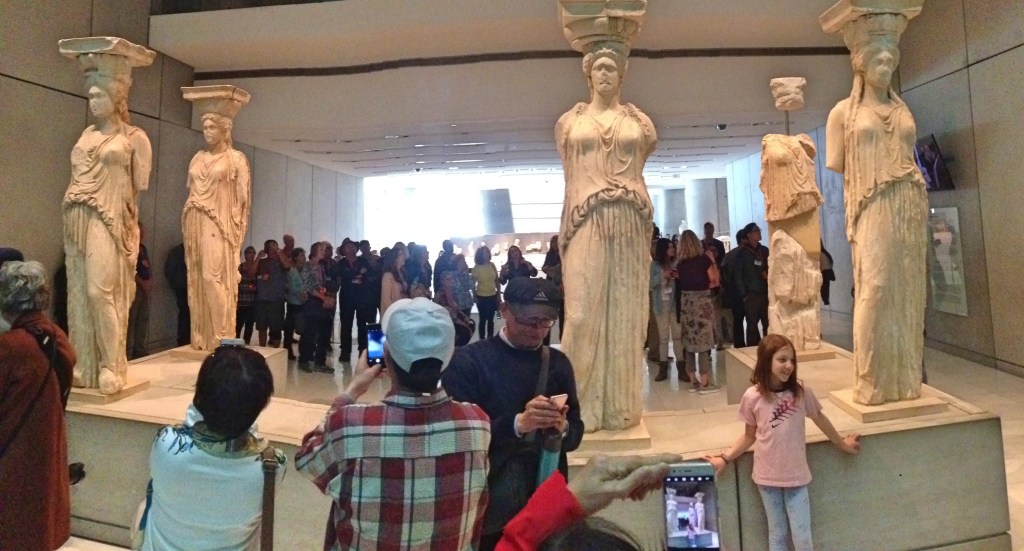
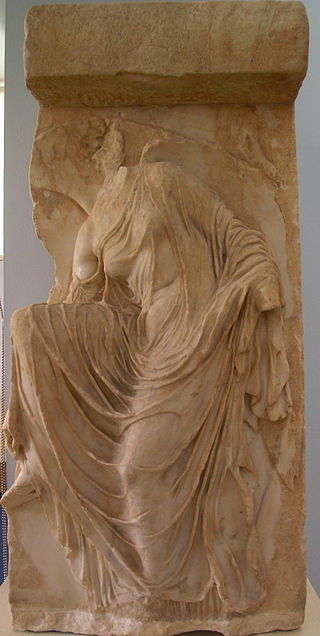
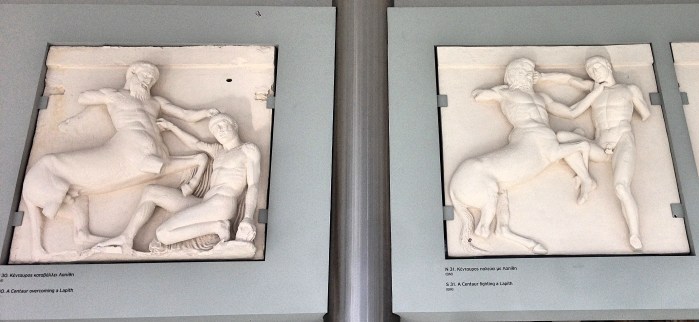
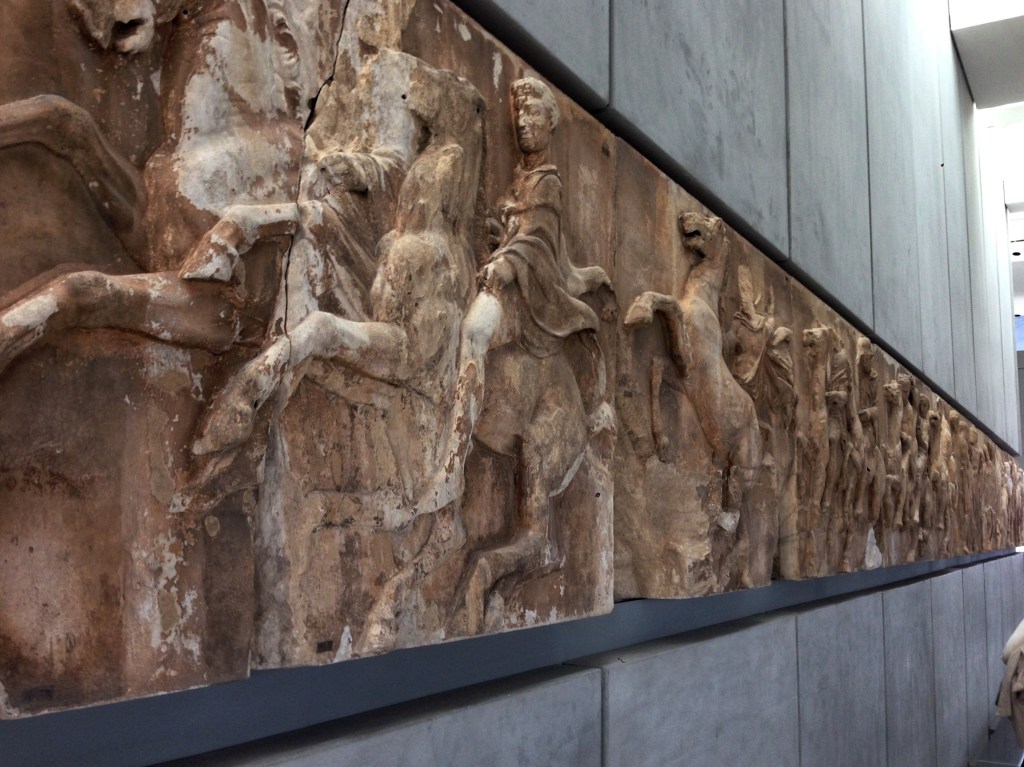
 Lotz in Translation