Federico García Lorca is the most famous playwright and poet that Spain produced in the previous century. This is largely owing to undeniable brilliance, as any readers of Bodas de Sangre or Yerma can attest to. Yet his fame is also due, in part, to the tragic story of his death—executed by Nationalist forces during the first few months of the Spanish Civil War. Among the hundreds of thousands dead from that conflict, Lorca remains its most famous victim. And in death, he has become a kind of secular saint to artistic freedom.
The precise details of Lorca’s murder were, for a long while, rather obscure; and it is largely thanks to the Irish writer, Ian Gibson, that it was finally uncovered. Prior to our trip to Granada, Rebe had read Gibson’s book, El asesinato de García Lorca, and so we had a full Lorca itinerary planned.
Our first stop was the Huerta de San Vicente. This was the summer house of the García Lorca family for the last ten years of the poet’s life. It is a kind of rustic villa, typical of Andalusia, with large windows and whitewashed walls—ideal for keeping cool. We joined a tour and were shown around the house, which has a piano that Lorca would play on (he was a gifted musician, and friends with Manuel de Falla), as well as a desk at which he wrote.
The hour-long visit gave a satisfying overview of the many facets of his short life. Lorca came across as a man wholly devoted to the arts—to music, to poetry, and above all to theater. One of my favorite items on display was a poster for La Barraca, a popular theater group that he helped to direct. They would travel around the countryside and perform for the benefit of the public, putting on avante-garde shows for the masses. It reminds me somewhat of the Federal Theater Project of the American New Deal, and demonstrates that Lorca, while not overtly political, did not shy away from social causes.
Our next stop was the small town of Fuente Vaqueros, which is a short drive from Granada. There, we visited the house where Lorca was born and spent his earliest years. It is a large house with thick walls, ideal for keeping out the heat. We were given a tour—just the two of us—by a local whose grandfather had gone to the same primary school as Lorca himself! He explained that the Lorca family was quite wealthy, having made their fortune in the tobacco business. Indeed, their house was one of the first to receive electricity in the area.
The upstairs of the house was made into a small exhibition space. Among other things, there is the only extant video clip of the poet, as he emerges from a truck used to haul theater supplies. The video has no sound and it lasts for only a few moments. Yet it is a tantalizing glimpse into the past. Also on display are puppets that Lorca made, in order to put on shows for his baby sister.
A short drive from Fuente Vaqueros is the town of Valderrubio, previously known as “Asquerosa” (“Disgusting”). Apparently, this name is a linguistic coincidence, having come from the Latin Aqua Rosae (“Pink Water”), but it led to the unfortunate toponym “asquerosos” for the denizens of this perfectly inoffensive town. Here is yet another house museum of the playwright, this one larger and grander than the one in Fuente Vaqueros. Unfortunately, however, we arrived too late for the tour of this house, and had to content ourselves with a quick walk-through.
Rebe in the theater attached to the house museum.
But we were on time for the tour of the House of Bernarda Alba. This is an attractive villa next to the Lorca property, where a widow lived with her daughters. Federico used this family as the basis for one of his best plays, La casa de Bernarda Alba, which is about a tyrannical widow who imposes a decade’s long period of mourning on herself and her daughters after the death of her husband. Apparently, the actual family—who I presume weren’t nearly as monstrous as Lorca portrayed them—were understandably quite offended by this, and cut off contact with the Lorcas. And now, to add insult to injury, their home stands as a museum to the poet’s honor!
Our last stop was rather more somber. On the 19th of August, 1936, Lorca was arrested, taken outside the city, and shot. Against the advice of his friends, on the eve of the Civil War he had traveled to his native city. But as war broke out and violence spread, he realized that he was unsafe and so hid himself in the home of family friends, who were members of the right-wing Falangist party. The political connection didn’t help. Along with three other men, he was taken to a spot on the highway between Vïznar and Alfacar and shot.
The place where Lorca was executed is hardly recognizable today. At the time it was a barren hillside, completely devoid of vegetation. Today, however, it is a grove of tall pine trees that cover the ground with shade. We parked the car and walked up a hill, not sure what we were looking for. Then we noticed papers tacked onto trees, like ‘Lost Cat’ posters on telephone polls. They were photos of the people believed to be executed here. There were dozens of these photos, each one with a name, profession, and believed date of death.
Even more unsettling were the white tents, standing empty and silent. They were covering excavation pits, where investigators are finally unearthing the remains of the hundreds of victims executed here, nearly a century after the Civil War. The investigators are also collecting DNA samples from surviving family members, so as to be able to identify any remains they uncover. Lorca’s body is believed to be here somewhere, though it hasn’t been identified yet. (You can learn more about the effort by following the groups’s Instagram.)
To state the obvious, it is chilling to think that such a harmless man—a gift to the world and an ornament to his country—could be deemed so threatening that he had to be executed this way. His last moments must have been terrifying. His work, however, has outlived Franco and his regime, and perhaps it will outlive the current constitution.
Now, for the very serious Lorca fan, there are also some sites to visit in Madrid. There is a lovely statue of the poet in the plaza de Santa Ana, and on Calle de Alcalá 96 there is a plaque which marks the apartment where Lorca lived for the last three years of his life. Another worthwhile visit is the Residencia de Estudiantes, where Lorca lived as a student along with his Dalí. The two were very close as young men, though many have criticized Dalí’s later reconciliation with the Francoist regime as a betrayal to the memory of his friend.
But, of course, the most important thing is not to follow in his footsteps, but to keep reading and performing his works. This way, he will remain forever alive.
The name of Claude Monet stands over the artworld like a colossus—the man who defined one of the most iconic movements in art: impressionism. For a great many, I suspect, these blurs of color and light are what immediately spring to mind when they imagine the French countryside. The image of the paint-stained artist, brush in hand, standing in a field of grass, flouting both artistic conventions and social norms, is virtually a cliché now. But all of this we owe to Claude Monet.
Stereotype or no, I admit that this vision of the artist has a certain romantic appeal to me. And so I decided, on my last trip to Paris, to pay a visit to the home of this artist to partake of this dreamy, wistful aesthetic.
Normally, getting there from Paris is no challenge. A high-speed train bridges the distance in less than an hour—departing from Gare Saint-Lazare, a station Monet depicted in a series of paintings, and then arriving in the town of Vernon. This town lies just across the river Seine from Giverny. A taxi, a bus, or even a sprightly walk will get you to Monet’s house in no time.
Gare Saint-Lazare
But I was unlucky. During my trip, in May of 2024, there was maintenance scheduled on this particular train line, so this option was out. So I opted for something I habitually avoid: a guided bus tour.
The bus was set to depart early in the morning, from the Avenue de la Bourdonnais, in the shadow of the Eiffel Tower. However, there was a hitch. As the group of tourists—speaking a babble of tongues—gathered on the pavement to board the bus, a police officer approached the tour guides and explained something with authoritative insistence. Apparently, the bus could not park in its usual spot, because of the new rules put in place in preparation of the summer olympics.
The preparation was already apparent. The Champs de Mars was buried in a mass of scaffolds, and a large stage was nearly finished in the Trocadero on the other side of the river. What this meant for us, however, was that we had to walk to a street a few blocks away. As we walked, a young Italian woman, who spoke astoundingly good English, chit chatted with an elderly American couple; but I was too focused on Monet for smalltalk.
The bus swept us out of the city and into rolling fields of green. We were headed north, towards Normandy. On the bright May morning, it was easy to imagine why this gentle, domesticated landscape inspired artists to capture its delicacy.
We arrived in no time, and I followed the crowd into the property. This was a moment I had imagined to myself many times. Monet’s gardens are a kind of mythical place in the world of art, a place I had seen through Monet’s eyes innumerable times, imbued by his vision with mystery and translucent beauty. It was almost a surreal moment, then, when I realized that I was standing in the gardens, and that they were real, physical, concrete.
The gardens are divided into two sections. Directly in front of the simple house, with its pink plaster walls and vine-covered trellises, there are rows of flowers in square plots. They are arranged like globs of paint, splashes of color that look organized from afar but haphazard from up close. It is impressionism made manifest.
The more famous section of the garden is on the other side of the highway that runs through town. Monet purchased this property later, which is why it is not contiguous with the original gardens. Visitors nowadays can pass from one to the other through a small underpass under the road, but Monet himself would have had to cross it.
If the first section embodies the lightness and prettiness that is often associated with impressionism, this one is its highest embodiment. Here, Monet expressed his love for Japan, with the thicket of bamboo, the famous pond of water lilies, and the green wooden bridge. The pond is shallow and murky, and ringed all sorts of trees, bushes, and flowers. As a result, the surface texture is a mixture of reflections—of the blue sky, grey clouds, and the surrounding gardens—and the waterlilies lurking below. Though I was there briefly, it took little imagination to picture how the surface could change with the time of day, the weather, and the seasons. It is a kind of laboratory to study color and light.
I would have loved to have basked in the garden for hours, but my time was limited by the tour bus schedule. So I pulled myself away to queue up for the house. It is much as one might expect of Monet—open, light, airy, and unpretentious. Unfortunately, however, it is difficult to put oneself in the artist’s shoes and imagine oneself at home, if only for the constant crowds pushing the visitor from room to room. But I still had a few moments to appreciate Monet’s fine collection of Japanese prints.
The visit ends, as so many do, in the gift shop. Yet unlike so many gift shops, this one is actually one of the main attractions. Though it looks like a large green-house, this was actually Monet’s studio—and it is easy to see why, as the large windows in the ceiling flood the space with light. Perhaps it is sacrilegious to fill such a space with knick-knacks for tourists; yet, as far as knick-knacks go, the items on display are surprisingly enticing, if only because they are adorned with the master’s paintings.
If I had more time in Giverny, I would have walked the short distance to the Église Sainte-Radegonde, where Monet is buried in a family plot. I would also have liked to visit the small Museum of Impressionism, which has a collection of paintings by Monet and others. But, alas, my tour bus was departing for Paris, and I didn’t have any more time to spend in Giverny.
When I got back into the city, I decided to round out my Monet experience by visiting the Musée Marmottan. This is located near the Bois de Boulogne, a huge park to the west of the city. The museum has one of the finest Monet collections in the world, mostly thanks to a huge donation by Michel Monet, the artist’s only heir. It is housed in what used to be a Duke’s old hunting lodge; and like the Frick Collection in New York, it preserves some of the ambience of obscene wealth.
The museum has a series of rotating special exhibits (when I visited, it was about art and sport) and a collection of impressionists that goes far beyond Monet. But his work is the main attraction. The paintings are held in an underground space, modeled after another museum in Paris, the Musée de l’Orangerie—with large, open, well-lit rooms which situate the viewer in a kind of simulated garden.
And, indeed, standing there after paying a visit to the real garden gives you a wonderful insight into the way an artist’s eye can both capture and transform its subject. Monet’s paintings are both highly “unrealistic”—impossible to mistake for a photograph, say—and yet startlingly accurate. They convey subtleties of light and color that a more “correct” technique would overlook. Or rather, they convey a kind of flavor—a subjective sensation, overlaid with aesthetic appreciation.
The only disappointment of my visit was that the museum’s most famous work, Impression, Sunrise, was away on loan. This work, which Monet completed in 1872, was monumentally influential; it would eventually give the entire artistic movement its name. The painting was both daringly original and a continuation of trends that came before. Its originality is apparent when compared to the oil paintings of the established French artists of Monet’s day, with their impeccable technique and focus on mythological or allegorical subjects. Monet’s work is nothing like that. But a side-by-side comparison with, say, a Victor Turner painting shows how Monet took pre-existing techniques for portraying light and atmosphere, and then expanded on them.
Impression, Sunrise
The last museum I want to discuss is one I visited many years before this trip, before even the 2020 pandemic: the Musée de l’Orangerie. This museum is in what used to be an “orangery,” a building to protect orange trees from the harsh Paris winter. In the past, you see, oranges were something of a royal prerogative—so delicate that only the huge resources of the monarchy could keep them alive in European climes. This particular orangery is located in the Tuileries Garden, and is the home of Monet’s most impressive works.
The visitor enters and almost immediately finds herself in an oval room, flooded with white light. Running along either wall are huge canvases, the Water Lilies—so big that you can easily imagine that you are visiting Monet’s home in Giverny. They are mesmerizing: exuding an almost mystical intensity. In their own way, these paintings are as ambitious and monumental in scope as any in art history; and yet, they are concerned with something completely ordinary. What makes them so powerful is the intensity of vision that Monet brings to the scene, as if he is somehow penetrating the surface layer of reality and looking at its essence.
I remember sitting on the central benches a long time, and willing myself to extract as much from the paintings as I could. I tried to imagine what it would be like for me to have such a vision, to see light and color as pure attributes of nature, rather than mere signs of material things. What I’m trying to say is that these paintings struck me as being wonderfully profound, in a way that very few paintings do. But then again, perhaps I just like pretty pictures.
Well, that rounds out my Parisian Monet experience. While I’m sure his work is not to everybody’s taste—with its focus on pure aesthetic qualities instead of content—I think that Monet has earned his place in the pantheon of artistic greatness. His career was intensely innovative, and he nurtured his creativity into his old age. Unlike so many artists, it is Monet’s final works which have arguably become his most celebrated. Further, I think his art is especially relevant now, as the contemporary art world—with its emphasis on message over form—has moved so radically away from the principles he embodied. This is not to say that either camp is correct, only that Monet’s vision of art is one that is worth getting to know.
In 1492, Christopher Columbus set out from Spain to find a shorter route to Asia. Europeans knew very little about the Far East at that time; but they did know, albeit vaguely, that Asia was where spices grew. Though it is difficult to imagine nowadays, cinnamon, nutmeg, and cloves were more valuable than gold. Anyone who could find a way to get them directly from the source, avoiding all the intermediary merchants, would stand to make a fortune. This is what motivated Columbus’s journey.
Of course, he did not arrive in Asia and did not find cinnamon, nutmeg, or cloves. The only spice his party did stumble upon was allspice, in Jamaica, which tasted vaguely like a blend of all three (thus the name). But the Spaniards who arrived in the so-called New World were introduced to a product that, in the present day, seems infinitely more important: hot chili peppers.
So the rest of the world was introduced to real, proper spice. To a remarkable extent, however, Spanish cuisine remains free of the influence of its former colonies. Hundreds of years of conquest, colonization, and commerce were not enough to convince the Spanish to find a use for chilis, and their food remains almost entirely picante-free.
Judging from my own experience, there is still a deep-rooted hostility to spice in Spain. I have been solemnly assured by many Spaniards that my hot sauce habit will inevitably result in stomach ulcers, if not full-blown cancer. They look on in alarm as I douse the food at the school cafeteria in my personal bottle of Tabasco, day after day. “On everything?” they ask me, dismayed. “Every day?”
Considering this, it appears to be a minor miracle that Adam Mayo has a stand in the Mercado de San Fernando dedicated to nothing but artisanal hot sauces—and properly spicy ones, too.
The Mercado de San Fernando, in the busy barrio of Lavapiés, is an excellent example of a municipal market. In its cavernous interior, green grocers, fishmongers, and butchers sell fresh foodstuffs, and an array of bars and restaurants cater to the greedy public. Like so many Spanish markets, it is a hub of the neighborhood. Regulars play dominoes and chat with bartenders, while children play tag in the labyrinthine space. On my last visit, a group of amateur musicians had set up and were playing through their set list—not for the public, but just for fun.
One of my favorite spots in this market is Mi Casita. This is a food stand run by Julián, who makes food from his native Colombia. The bulk of his business is selling empanadas—Colombian style, with beef and potato on the inside of a soft corn masa. They are cheap, filling, and delicious. Julian has been living in Spain for 24 years. Originally from Bogotá, he studied business administration, specializing in hospitality and tourism; but like many immigrants, he ended up overqualified for the job he ended up doing in his new home.
While I was chatting with Julián, a security guard, Fernanda, said hello as she made her rounds. Also a fan of Julián’s empanadas, Fernanda hails from Ecuador, and has worked in the market for the past nine years. When I asked her about the relationships between the different workers, she replied that “it’s like a community of neighbors.”
For his part, Adam, the chili sauce vendor, was drafted to dress up as Santa for the market’s holiday celebrations. “It wasn’t very good for business,” he said, “but it was fun.”
The path from a London boyhood to hot sauce vendor in the Spanish capital wasn’t exactly straightforward. Adam’s interest in chili was actually sparked on a holiday in Belize, where he tried the legendary sauce made by Marie Sharp’s. All these years later, the astoundingly smoky sauce made by this women-owned Belizean company is still Adam’s best-selling product.
Adam showing off a spicy beer he made in colaboration with a Spanish craft beer company, La Bailandera. It was properly hot.
Yet much of Adam’s personal and professional life has been focused, not in Latin America or Spain, but further east: in China. He has several degrees in Chinese history and spent many years studying the language at the Escuela Oficial de Idiomas (Spain’s public language academy). Even more impressive, he traveled extensively in the country—not only to its most famous attractions, but all over, visiting rural regions seldom seen by outsiders. All of this is documented in his wonderful blog, holachina.com, which is worth perusing for the photos alone.
One would think that a man who, unlike Columbus, actually reached the far east would be possessed of a singular determination. But Adam is the picture of calm and he sits on a stool beside his table of red bottles, seemingly unconcerned whether anyone buys his wares or not. He is a master of the soft sell, letting the sauces speak for themselves. “The most important part of selling hot sauce is letting customers taste it,” he says. “And of course you’ve got to start mild and then get hotter.”
Now, to the uninitiated, the idea of artisanal hot sauces might seem absurd. Aren’t they all the same? A few minutes at Adam’s Chilli Academy dispels one of that notion. Just as beers are measured with IBU (international bitterness units), hot sauces are measured in Scovilles, which indicates the level of capsaicin in the product. And capsaicin is what makes spicy food spicy. While a jalapeño might get to a few thousand on the Scoville scale, superhot varieties like Ghost peppers, Naga Vipers, or Carolina Reapers can top one million. It is the difference between a tickle on your tongue and a trip to the emergency room.
During the pandemic, Adam started growing his own chilis on his balcony.
Yet heat is just one aspect of a good sauce. Some sauces are fermented, and have that characteristic pickled flavor. Vinegar is commonly added, such as in Tabasco, giving the sauces an additional pungency. But anything can be put into a sauce: from common additions like carrots and onions, to more exotic ingredients like mangos and bananas, to offbeat flavors like maple syrup or horseradish. The varieties are really endless, which is why people can become obsessed with it. Adam has clearly fallen down this rabbit hole, as he rummages through his collection of bottles like an alchemist, displaying his encyclopedic knowledge.
It is one thing to have a store, however, and another thing to make a sale. Are people actually buying? “Oh yes,” he says. “Business is swift.” And according to Adam, 80% of his clients are Spaniards. This would seem to indicate a change in attitude. “A lot of young people are interested in hot sauce,” he explains. “They see it on Hot Ones.” If you don’t know, this is a YouTube talk show, wherein celebrities answer questions while trying increasingly spicy hot wings. The show has proven to be such a hit that there are various spinoffs, such as the Spanish version A las Bravas, which uses potatoes rather than chicken wings.
Adam isn’t the only one who believes in the future of hot sauce in Spain. This article was kicked off by a message I received on this blog from a man named Mark, another Londoner in the chili business. He invited me to come see him in the Mercado de Motores, and I agreed.
In addition to the municipal markets which dot Spanish neighborhoods, there are many temporary markets that are set up on weekends all around the city. The Mercado de Motores is one of the biggest and the best. It takes place every other weekend in the Museo Ferrocarril, or Railway Museum—a collection of antique trains in the old Delicias station that is worth visiting in any case. During the market, vendors selling everything from scarves to earrings to handmade jewelry set up inside the old station, while food trucks dish out burgers and tacos outside.
On my way to see Mark, I was stopped in my tracks by a familiar face. The previous spring, I had gone on a trip to Galicia with my mom; and in a little town overlooking the Cañon de Sil we stumbled across a stand where a man was selling artisanal honey. This was the man I encountered now, several hundred kilometers to the south, with the same spread of honeys before him. His name is Óscar, and he is one of the owners of Sovoral. I stopped to have a chat.
Óscar informed me that he got into the honey business through his wife, who comes from a family of beekeepers. Before that, he was a truck driver. Óscar does much of the beekeeping himself now, despite having an allergy to bee stings. “Doesn’t it scare you?” I asked. “No,” he said, shrugging stoically. “Like anything, you get used to it.” Though I love honey, I was more interested in another of his products, a hot sauce made from pimientos de padrón (a Galician variety of pepper), sherry vinegar, and (of course) honey. It is sold in a beautiful, long-necked bottle and has a surprising flavor. It is not just foreigners, then, who are in the hot sauce business.
Notice the tabasco on the bottom left.
Mark’s stand was just further down. Though I arrived at a less-busy time of day, between the midday and afternoon rushes, Mark was still mobbed with customers. Like Adam, he realizes the importance of letting customers try his products. On the left were crackers with cream cheese, ready to be anointed with one of his four styles of chutney. On the right, corn chips were similarly prepared, ready to be covered in one of his four hot sauces.
Mark’s life before becoming the Sauce Man (his brand name) was just as meandering as Adam’s. He worked in a PR company, and as a DJ, and for a long time in the British consulate, helping befuddled countrymen sort out legal problems.
Mark is energetic. Whether in Spanish or English, his speech is rapid fire. As he works, he is in constant motion. If Adam prefers to let the sauces do the talking, Mark fills up the air around him, seeming to grab every passerby and pull them in. And his approach was working, as I could hardly get a word in amid the constant flow of customers.
Catering to the Spanish market, Mark decided not to go in for intense heat. Many of his chutneys are not spicy at all (though they’re quite good), and even his hottest sauce won’t burn your tongue off. Even so, he is quite convinced that hot sauces have a bright future in Spain. “You and me, we have an advantage,” he explained. “Where do food trends come from? Your country. Then they get to the UK, and finally filter into Europe. It’s like craft beer.”
Judging from his success, he seems to be right. Somehow, while three hundred years of colonizing Mexico were not enough to develop a taste for chili peppers in Spain, just a few decades of exposure to American culture have done the trick. When I ran into Mark the following weekend, at the Mercado Planetario near my apartment, he was similarly deluged with customers—and all of them locals.
Mark very kindly invited me to his kitchen in Vallecas, where he personally makes all of his sauces by hand, with only occasional help. I arrived one afternoon, while Mark was putting the finishing touches on one of his chutneys. “When I’m in production, I work 12-hour days,” he said, pouring sugar into the boiling pot. “Don’t you get tired?” I asked. “Not really. When you’re your own boss, it doesn’t really feel like work.”
But it did look like work, as he peeled and diced onions, blitzed garlic and ginger into a paste, and chopped up pineapples. The striking thing about his process was how uncomplicated it seemed. And I suppose a hot sauce is a simple foodstuff, at least in concept: get some chilis together with a few other ingredients, and blend it all up. The key is finding the right balance of flavor and, crucially, the right consistency—neither gloopy nor runny. How does Mark do it? “I don’t use xanthan gum,” he said, “which is what’s normally used to give it viscosity. I have my own way, but it’s a secret.”
Both Mark and Adam would qualify as small-business owners. Thanks to Adam, however, I got a chance to talk to somebody who produces hot sauce on an industrial scale.
Carlos Carvajal is Spanish-American—with a Granadina mother and an American father. Born in Spain, he grew up in California. There, as a young man, he met a Jamaican man named Joel, who introduced him to the magic of jerk sauce. Carlos himself learned the recipe and, in 1994, opened a hot sauced company with another friend called Slow Jerk. The company was relatively small and they eventually sold it, but it was a beginning.
Now, he is the founder and part-owner of Salsas y Especias Sierra Nevada, which sells hot sauces under the brand Doctor Salsa. In just over a decade, his company has grown into a veritable empire of picante, selling chutneys, seasoning mixes, spicy chips and peanuts, and even spicy honey, in addition to his hot sauces. Most dangerously, you can order pure capsaicin extract from the website—aptly called “tears of the devil.” Based in the town of Ogíjares, near Granada, Carlos’s company now sells sauces throughout the country and beyond, exporting them around Europe.
During our phone conversation, I asked Carlos something that I had also asked Adam and Mark: “Is hot sauce a way of life?” A silly question, sure; but there does seem to be something that unites chiliheads together. In Carlos’s case, he is a blackbelt in several martial arts, and in his free time likes to drive high-powered cars. Adam, as we saw, is a world traveler, while Mark spends his scant free time, not relaxing, but playing golf and tennis. If anything unites lovers of spice, I would posit that it is a certain restlessness: a dissatisfaction with the ordinary, a need to take things to the next level. Why else would they need to make their food painful?
And this brings me back to an earlier question. Is hot sauce unhealthy? The answer seems to be a qualified no. Rather than causing stomach ulcers, hot sauce may actually help prevent them—though it can aggravate any ulcers already formed. Chilis are extremely high in Vitamin C, but only a few drops of hot sauce won’t contribute much to your diet. It’s possible that capsaicin has some health benefits, though the evidence is unclear. According to this article, however, if you ingested too much capsaicin it could actually be fatal; but you’d have to eat 2% of your weight in superhot peppers—an unlikely scenario. For most people, then, the quantity of sauce they consume probably proves to be nutritionally insignificant.
This may sound like a letdown, but I find it liberating. As Carlos pointed out to me, just a few drops of a sauce can change the flavor of an entire dish—adding a new element to it—without altering its nutrition. A simple dish of, say, rice and beans can be turned into a memorable meal with the shake of a bottle. So I think I will continue my Tabasco habit at the school cafeteria.
I turned twenty-one—the legal drinking age in my benighted country—in 2012, in the midst of a Renaissance in craft beer. I had spent most of college pounding cans of Coors Light, whose urinous flavor was offset by being affordable to college kids, with the added benefit that you could feasibly down ten or even twenty in a single night—a feat which naturally came with boasting rights. (I still have vivid memories of emptying dozens of cans from the huge recycling container in my dorm, and then vainly trying to get out the smell of stale beer by blasting it with hot water in the shower.)
It was something of a pleasant surprise, then, when I started drinking craft brews, and discovered that beer could actually be enjoyable in itself. Soon I grew fascinated by the variety and quality of the beers on offer. Breweries started popping up in every town. Even my local gas station began stocking dozens of different craft brews. Rather than simply tasting like watery piss, this beer could be bitter, chocolatey, aromatic, crisp, sweet, fruity, tart, and much else. For the first time in my life, I developed a palette for something, and began to keenly appreciate what had previously just been party fuel.
Thus it came as something of a shock when I moved to Madrid in 2015, and was once again thrown into the world of mass-produced beer. Whereas every self-respecting bar in the US will have at least five or six beers on tap, in Spain, even now, there is often only one. (You might think this is because Spaniards are mostly wine-drinkers. On the contrary, Spanish people drink beer in quantities surpassed by few countries.) I found it almost appalling that you could simply order “a beer” without specifying the type, only the size. Thus, I half-heartedly resigned myself to drinking lagers again, with the consolation that at least Mahou is better than Coors Light.
But all this soon began to change. Craft beer culture started catching on in a big way, and in just a couple of years Madrid was awash in local breweries. As it happens, one of my former coworkers at a school in Aranjuez, Luis, works nights at a brew-pub after he is done teaching. So one day I asked if he could teach me something about the art and science of craft beer.
Luis, enjoying a beer break outside the bar.
Tenta Brewing is located on a shady lane in the small city of Aranjuez. The day I chose to visit was, fortuitously, the first day they were reopening after summer remodeling. I arrived early to help with the final clean-up before the doors opened, and in the process got a miniscule taste of the daily labor involved in owning a brew-pub. As I incompetently cleaned the floor, attempted to tidy the kitchen, and moved tables and chairs to places they weren’t supposed to go, Miguel—the founder, owner, and brewer of Tenta—lost himself in a tangle of tubes in order to connect the casks to the taps. At one point, I was tasked with sticking labels on some cans of beer. “Is there a machine for this?” I asked. “Yes there is,” Luis responded. “You!”
In any case, the restaurant work—setting up, closing up, cooking, cleaning—is only a fraction of the work involved in owning a brew-pub. The major task is actually brewing the beer. And in Tenta, this falls to Miguel. Considering that brewing beer is not something you normally study at university, the world of craft beer is populated by people of many diverse backgrounds. In Miguel’s case, he was a graphic designer for years before he even thought about hops, yeast, or malt. For Miguel, as for so many, the gateway drug was home-brewing. He started as a hobbyist and soon he was hooked. In 2022, the small beer factory finally opened its doors.
Miguel, taking a break from brewing.
As it happens, I have also participated in the homebrewing experiment, though this merely consisted of following the directions on a beer-making kit. Still, it was instructive. Though the process was relatively simple, I was impressed by the scope for error. Every piece of equipment had to be carefully sanitized beforehand. Any deviation in timing or temperature could have fatally ruined the batch. What impressed me most was watching the beer ferment. For all the human labor that goes into beer-making, it is ultimately the yeast that do the heavy lifting—turning sugar into alcohol, and making carbonation in the process. Brewing beer, in other words, does not have the elegant precision of a chemical reaction. It is organic, and potentially messy.
Miguel spent the first two years of his brewing career as a “nomad.” This is a term for brewers who do not have their own factory, but instead make deals with other breweries to produce their beers for a slice of the profits. This is quite a common arrangement in the Spanish beer scene.
By chance, I stumbled upon a beer nomad at a neighborhood fair while writing this piece. In a tent sparsely furnished with a gas grill and half a dozen taps, Antonio (“Tojo” to his friends) was serving Dichosa beer. At the moment, he is brewing his beer in the factory run by Valle del Kahs (of whom, much more later), but he has worked with breweries all over the place.
When asked why he chose to brew his beer as a nomad rather than set up his own factory, he told me that there were several advantages. First, and most obviously, this allows you to avoid the fixed costs of equipment and upkeep. It also is a low-commitment strategy, which lets him move around to search for better arrangements. But the most curious advantage is that he can experiment with the water quality, which can vary quite a bit from place to place. (The water from Madrid is supposed to be exceptionally good, though.)
Tojo, who brews, pours, and even grills.
Even so, it seems curious that one beer maker would allow a rival to use their equipment. That would be like Chrysler manufacturing cars for Ford, right? Yet if you spend any time talking to beer-makers, you quickly get the impression that they do not consider themselves rivals of one another. Rather, there is a heartening spirit of camaraderie among brewers. Each one seems to know everyone else by name, and collaborations are frequent. The last time I visited Tenta, for example, they had a delicious watermelon ale on sale, made in collaboration with Pits, a brewery all the way up in Vigo.
Another reason for collaborating is simply business. Making beer is one thing, but selling it is quite another. Unlike the big-time brewing companies, which sell their beers in bars, restaurants, and supermarkets all over Spain, craft brewers have to work to find their audience. Though many brewers have their own pubs, at the rate that beer is sold in a brew-pub, the factory would remain under-capacity. This is why factory-owners gladly allow other brewers to use their equipment, in order to pick up the slack.
And this is also the reason why so many beer-makers put in long hours manning stands at local fairs and festivals (such as where I saw Tojo). Aside from these, there are dedicated craft beer events organized throughout the country by the Ruta del Lúpulo (the Hop Route). In these, a dozen or so craft breweries gather together, while the quickly inebriated visitor fills his glass from tent to tent. Even bigger is Beermad, a huge gathering of brewers in the so-called “crystal pavilion” in the Casa de Campo park. Local bands and food trucks are often recruited to round out the events.
Now, for my money, a well-made beer can be just as elegant, complex, and delicious as a fine wine. However, the culture of craft beer has little resemblance to the world of wine. For one, there are the aesthetics. While wineries present themselves as an extension of European elegance, the craft brew movement—at least as it exists in Spain—mostly takes its cues from my own country. English-language rock music blares from speakers, while men sporting beards and wearing band T-shirts and black jeans slide you a beer across the table.
Another, more important difference is that wineries are tied to the land in the way a beer-maker is not, or at least not necessarily. This is simply because wine is made from fresh grapes, which do not keep for long, while beer is made from malt (usually malted wheat, but other grains can be used), which keeps very well indeed. A beer maker could thus open a factory in Spain with malts from England and hops from the USA. Nevertheless, many beer makers try to give their product a local touch. Miguel, for example, acquires the fruits he uses to make his watermelon and strawberry beers from a neighboring village. Even the beef for the burgers is from local cattle.
One major challenge for Spanish craft brewers is that, unlike England, Belgium, or Germany, Spain has no autochthonous tradition of craft beer. Spanish drinkers—used to light, commercial lagers—are often unaccustomed to both the flavors and the price of the finer stuff. Still, the world of craft beer is cracking through the ancient drinking culture of Iberia; and nowhere is this more clear than in the Valle del Kahs brewery.
As its name would suggest, this brewery is located in the Puente de Vallecas neighborhood of Madrid. Traditionally a working-class, left-wing area, Vallecas has a strong sense of identity, and this is on full display at the Valle del Kahs pub. Tucked away into the narrow, maze-like streets of the barrio, the place looks nothing like a bar from the outside. And that’s because it wasn’t. The building was inherited by Dani, who owns the brewery along with his wife, Silvia. Before it was a bar, it was a bleach factory, operated for over 100 years by his mother’s family; and it still preserves much of its industrial atmosphere.
Dani, posing beside the heavy metal doors, preserved from the bar’s days as a bleach factory.
Dani’s family was thus one of the pillars of the neighborhood. As a case in point, his grandfather was one of the founding patrons of the Rayo Vallecano football team (soccer, for Americans), who play in the nearby Vallecas Stadium. Dani and Silvia have continued the tradition by sponsoring the Vallecas Rugby team. Trophies and jerseys adorn a corner of the bar, and portraits of the players—sporting jerseys with the Valle del Kahs logo—hang all over the bar. This logo, a growling black wolf, has a curious history. When Vallecas was far more rural, Dani’s father actually came across an abandoned wolf pup, adopted it, and called it Sultan. Dani barely remembers the wolf (he was too young), but the noble creature lives on as the company’s mascot.
Curro, a bartender at Valle del Kahs, hard at work.
As with Miguel of Tenta, Dani got into the beer business via homebrewing. Beforehand, he was in marketing, but was dissatisfied with the high-pressure corporate environment. For her part, Silvia was a watercolorist before she began selling pints. But she continues making art, as evidenced by the diagrammatic drawings that adorn the walls of the bar, such as a periodic table of beer. Their son, Arturo, is now also a part of the business. He was a successful chef before the pandemic, but during the shutdown decided that he would devote his time to liquid rather than solid delights.
I met Arturo on a quiet Wednesday evening, deep in the Vallecas neighborhood. While the family originally made beer in the old bleach factory, last year they decided to rent out a bigger space for brewing in an industrial warehouse. There, Arturo was working alone, solely responsible for the enormous vats of boiling and fermenting malt. His rapid explanation of the beer-making process was punctuated by hisses from a huge compressor in the back, which was gathering and concentrating nitrogen gas to be used for extra carbonation.
Seeing him there, dwarfed and surrounded by shining metal devices, I was impressed by the scientific rigor required to make something so apparently simple. But there is nothing really logical about being a craft brewer. It means long hours of brewing followed by long hours of manning a bar. It means giving up a secure livelihood for one with an uncertain future. It means a constant, uphill battle. But when you see any of these brewers in their element, you know that they are motivated by something beyond good sense. For them, brewing beer is a labor of love.
Madrid has some of the finest museum-going in Europe, holding its own against Vienna, London, and even Paris. And this would be true if the city only had its big three: the Prado, the Thyssen, and the Reina Sofia. In addition to these heavyweight picture galleries, however, the city is also home to a great many excellent small museums. The best of these is, without a doubt, the one dedicated to Joaquín Sorolla.
It is somewhat ironic that Sorolla’s museum should be located in Madrid, as he was a valenciano by birth and disposition. His most famous and distinctive paintings are those featuring beach scenes, bathed in a kind of brilliant lucidity, every surface shimmering under the Mediterranean sun. But he was far more than a provincial painter. During his life, he became the most celebrated artist in the country—and, indeed, one of the most famous in the world. This is why he was able to afford such a fine house in the center of the nation’s capital.
The first thing the visitor will notice upon entering the museum is its lovely garden. This was designed after the Andalusian fashion, featuring colorful tiles, little aqueducts, and gurgling fountains. It is such an attractive space that some locals come here just to hang out, as it is free to enter. Sorolla designed the garden himself, and it is easy to picture him sitting here after a long day in his studio, resting his eyes.
The entrance to the ticket office is distinct from that of the museum itself. As it is a state museum, they charge the standard fee of 3€. It is free on Saturdays, but perhaps it is worth it to go on a different day, as the museum is most pleasant with fewer people. While purchasing your ticket, I recommend pausing to admire the Andalusian patio, as well as the painter’s impressive collection of Spanish ceramics. He seems to have had a keen appreciation for the rural, rustic handcrafts of his countrymen.
The first room of the museum is the picture gallery, featuring several excellent, large-scale paintings of the Spanish master. Here the visitor gets a good impression of his style. In his portraits—such as those of his wife or children—Sorolla’s work resembles other painters of his era, such as John Singer Sargent (whom Sorolla met and admired). He was more than capable of painting in a traditional manner.
His brush comes alive, however, whenever he depicts bright, shining light. No other painter has captured the sensation of Spanish sun so successfully. His human figures seem to dissolve into gleam and reflection. In his beach scenes, you can smell the saltwater and hear the waves. If you have ever stayed on a Mediterranean beach long enough to go blind from the reflections and dizzy from dehydration, you can see that, in his paintings, Sorolla captured an experiential truth.
And though Sorolla was the epitome of a bourgeois artist during his lifetime, he was capable of great artistic daring. On my last visit, I was impressed by his work Madre, which depicts a mother in bed with her baby. Their tan faces are the only points of contrast with the white pillows, sheets, and walls, making it seem as if they were floating in a sea of light. There is nothing conventional about it.
The next room features some of Sorolla’s more familial works. Among the portraits we can find Joaquín Sorolla García, his son, who was the museum’s first director. It is largely thanks to him that we have such a fine museum, as he preserved it after his father’s death and left it to a foundation in his will. Unlike so many other house museums, then, nobody else ever lived here before it was turned into a museum. Another notable offspring we may find is Elena Sorolla. She became a talented painter and sculptor in her own right, though she later abandoned art in favor of her family.
The next room, Sala III, is the showstopper of the museum. It is Sorolla’s former studio. The space is ideal for painting, with large windows, a high ceiling, and skylights. Old, dirty paint brushes stand on a table, and a painting sits on the easel, half-finished, as if Sorolla just stepped out for a cigarette. The walls are covered in his paintings—so many and so high up that it is hard to even appreciate them. In the center of the room hangs a large copy of the Portrait of Pope Innocent X, by Velázquez (one of Sorolla’s heroes). Nearby is an ornate bed in one corner, which looks barely big enough for one person, much less Sorolla and his wife. Was it just for siestas?
The visitor next climbs the stairs into the temporary exhibition space. I have been to the museum many times by now, and have consistently been impressed with the quality of these exhibits. The museum has far more paintings in its collection than it can display at any one time (Sorolla was prolific), as well as objects and artwork from Sorolla’s own substantial collections. So there is a lot to choose from.
The last time I visited, they had an exhibit commemorating the 100-year anniversary of his death: “Sorolla en 100 objetos.” This is an attempt to tell the story of his life using Sorolla’s possessions. One gets the impression of a man whose career could hardly have gone any better—of an artist who achieved success early, and was highly respected until the end of his life. He is, in other words, at the other end of the scale from Van Gogh: not the lone, eccentric genius but a pillar of his community. And yet, judging from his massive output, one cannot rate his commitment to painting as any less than the Dutchman’s.
The rest of the museum consists of rooms furnished as they were during his time, whose richness only serves to exemplify the degree of success Sorolla enjoyed. The visitor is then, once again, deposited in the lovely gardens—to either bask in aesthetic pleasure or to be consumed by envy at such a fortunate life.
At the end of your visit, you will have a good idea of both the artist and his work. And yet, to see Sorolla’s most ambitious and monumental paintings, you will have to visit another museum—one on the other side of the ocean.
The Hispanic Society of America is perhaps one of the strangest and least-known museums in New York City. The name itself is misleading in two ways: first, because it isn’t and never was a learned society; and second, because—despite being located in Washington Heights, a “Hispanic” (meaning Latino) part of the city—it is really dedicated to Spanish culture.
In many ways, the museum is a relic from another time. It is the brainchild of Archer Milton Huntington, an eccentric millionaire who had a keen interest in all things Spain. Using his money (inherited) and his many intellectual connections (he was an amateur scholar), he assembled a collection of museums around Audubon Terrace—a monumental complex of ornate Beaux-Arts buildings—and had his wife, Anna Hyatt Huntington, add the sculptures and friezes.
(It is worth noting that Mrs. Huntington was a remarkable artist, who achieved widespread success at a time when it was very rare indeed for women to be sculptors, and who left many attractive monuments all over the Americas and Spain.)
Yet I am afraid that the decoration adorning the outside of the museum will likely rub some people the wrong way nowadays. Above Anna Hyatt Huntington’s wonderful statue of El Cid Campeador—the legendary hero of the Spanish Middle Ages—there are names inscribed on the outside of the building, as if to commemorate heroes. Yet the names include Pizarro, De Soto, Ponce de León, and Cortés—conquistadores, who are now more often reviled as destroyers than celebrated as civilizers.
The museum has a collection of art and rare books from Spain that is unrivaled outside the country. There are paintings by the big three—Velázquez, El Greco, and Goya—and even a first-edition copy of Don Quixote. For many years, however, this collection hasn’t been available to the public, as the museum had to undergo extensive repairs and renovations. I was fortunate enough to see some of this during my first year in Spain, when the Prado had a temporary exhibition showcasing some of the treasures of the Hispanic Society’s collection. But during my one and only visit to the actual museum, last summer, most of its collection was still unavailable.
But I was able to see Sorolla’s magnum opus: Visions of Spain. This is a truly massive series of oil paintings, all about 4 meters in height (12ish feet) and wrapping 70 meters (over 200 feet) around the room. Amazingly, despite this huge scale, Sorolla completed nearly all of these paintings outside, working en plein air at various locations around Spain. He must have needed a stepladder and a team of helpers.
The murals depict the many regions of Spain, focusing on their most distinctive qualities. We can see a Semana Santa procession in Seville, as well as some joyful flamenco dancing; in Aragon they dance the jota and in Galicia they listen to a bagpipe; in the Basque Country they play their distinctive ball game, while in Valencia and Catalonia they prepare the day’s catch of fish. By far the biggest painting depicts a bread festival in Old Castile, with both the famous cities of Ávila and Toledo visible in the background (impossibly, since the two cities are quite distant).
Now, judged purely as paintings, the murals in this series are perhaps not as pleasing as Sorolla’s finest individual works, such as El baño del caballo. They are too busy with detail to make for clean compositions, and do not always showcase Sorolla’s exceptional gift for portraying light. Judged by their scale and ambition, however, the paintings are absolutely remarkable. For such a large work, Sorolla paid exceptional attention to details of costume and custom, attempting to make his paintings as anthropologically informative as possible. And the execution is immaculate. It is no wonder that, after completing this series, the painter felt exhausted. He would die just four years later.
If a visit to the Museo Sorolla in Madrid proves that he was a wonderful painter, then a visit to the Hispanic Society in New York proves that he was something else: a patriot. Admittedly, this is not always an admirable quality in an artist (think of Wagner); but in Sorolla it drove him, not to bigotry, but to celebration of the scintillating beauty of his homeland—and not just its famous landscapes and monuments, but its people. For any who love both fine painting and that sunbaked land, his paintings provide a peculiar delight.
The city of Madrid is divided into 21 “districts,” which are further divided into 131 neighborhoods. Pacífico belongs to the Retiro district, so named for the iconic park which it encompasses. This neighborhood—along with its sister barrio, Adelfas—composes the southernmost part of this district, where some 50,000 reside. And for the last seven years, I have been one of them.
Pacífico is central without being in the center. Extremely well-connected by public transport—the Méndez Álvaro bus station is to the south, Atocha station to the west, the bus hub of Conde de Casal to the north, and two of the most important metro lines running through it—Pacífico is nevertheless quiet and residential, with no tourism to speak of.
I have had occasion to write about my neighborhood before. The beautiful (but obscure) Pantheon of Illustrious Men is located here, along with the Basílica of Atocha, where traditionally the royal family are baptized. Nearby is the Real Fabrica de Tápices, another fascinating place that most visitors overlook. This was built as a “royal factory” in the 18th century to make luxurious tapestries and carpets for the palaces; and it maintains this function to this day, though it is now privately owned. If you reserve in advance, you can visit the factory and see the workers painstakingly assembling enormous and intricate tapestries by hand, thread by thread.
As it is close to Atocha, the neighborhood is also rich in transport history. At the extreme western edge of Pacífico is the Museo La Neomudéjar, a modern art museum with rotating exhibits in a former train workshop. It is still full of decaying industrial ambience and abandoned equipment. Closer to where I live, you can visit the Nave de Motores, where the massive original power generators of the Madrid Metro are stored.
The administrative heart of the neighborhood, where the government offices are located, has a curious history. The building complex was first constructed as warehouses to store goods imported from abroad, for which it was known as “Los Docks” (yes, in English). This business soon failed, and it was turned into a military barracks, a function it maintained until 1981. After its acquisition by the municipal government, however, several historical buildings were demolished to make room for modern offices—a move widely criticized. The surviving original buildings have since been turned into a huge public sports center, with a gym, football and basketball courts, and a gigantic pool.
This sounds quite sunny and uplifting. Yet this sports center—named Daoíz y Velarde, after the Spaniards who instigated the uprising against Napoleon’s invading troops—has been touched by tragedy. For it was very near here, in 2004, where one of the bombs went off in the infamous March 11th terrorist attack (the train tracks run right by the buildings), and the sports center had to be used as a field hospital for the victims. 250 victims were treated there, of whom 10 lost their lives. A commemorative plaque marks the event.
More recently, the Daoíz y Velarde Center has acquired an important music venue: the Real Teatro de Retiro. This is an offshoot of Spain’s royal opera house, where shows are tailored for a younger audience, with the aim of involving a new generation in classical music.
As interesting as all this history may be, it is not the reason I like to live here. Apart from being (for the moment) reasonably affordable and quite well connected by public transport, Pacífico is attractive for the wide variety of small businesses. Indeed, as an American, I am constantly surprised at the number of small, family-owned shops in Madrid. If you want to buy groceries, shoes, sports equipment, or whatever else in the United States, chances are you will find yourself at a strip mall, shopping at one of a small number of chains. Not so here.
Some locals, dressed as chulapos, celebrating San Isidro
My impression over all these years—though, I admit, it is little more than a vague one—is that the business landscape in Spanish cities resembles how American cities were ten or twenty years ago, before gentrification and consolidation took a toll on small business. However, I certainly do not know enough about the economy to argue the point.
Regardless, I think that these sorts of small, family-run neighborhood shops are a precious resource in any city, something worth preserving in the face of economic pressure. Thus, I set out to learn more about some of my favorite local businesses.
My first stop was my local ferretería (a hardware store and not, what some English speakers might think, a store specializing in ferrets). The Ferretería Pacífico has been around since 1995, and—judging by the constant flow of customers that made it difficult to ask questions—it is still going strong. I am a frequent customer myself, as the store sells everything from frying pans to drying racks to power tools. But my favorite service they offer is to sharpen knives.
The staff at the store are knowledgeable and friendly. And when I asked their secret to staying in business, they offered me an explanation that, though cliché, seems quite true: they offer customers personal attention. I have experience of this. When I was ineptly trying to install a curtain in my apartment, they talked me through the process and sold me everything I needed. When I asked what struggles they have remaining afloat as a business, I was given just one word in reply: “taxes.”
Somewhat further up the hill that leads to Retiro Park is my barber, Almudena. She works in the Pelúqueria Félix, a tiny barber shop on a quiet street. The shop is named after her father, who opened the business in 1966. Almudena learned her craft from him. She gives excellent haircuts, mostly eschewing the buzzer and working with a comb and scissors. When I asked about challenges, she also complained about taxes. The IVA (value-added tax) is 21%, meaning that a fifth of what is paid to her is for the government.
In addition, as somebody who is self-employed, Almudena must pay the “autónomo” tariff. This is a flat-rate fee that people who own their own businesses must pay in order to be legitimate. Strangely, this fee is relatively standard, varying only slightly depending on your income. Certainly I am in no position to judge the Spanish tax code, but as a general rule flat taxes are usually harder on the less fortunate.
The heart of the neighborhood, as far as shopping is concerned, is the traditional market—the Mercado de Pacífico. There are mercados del barrio all over the city, and they all have the same basic design: small stands selling high-quality products, often on a subterranean level. (I believe the reason that markets are often relegated to basements is to minimize the smell; fishmongers and pickled products are often present.)
There, while doing some shopping, I spoke with Francisco. He runs a fruit stand in the market, and has been at it for a long time. That’s an understatement: he is 70 now and started working in the market at the age of 13. I was delighted to notice that his scale was not in euros (adopted in 1999), but pesetas! When I offered to email Francisco this article, he showed me his old flip phone and told me that he didn’t use the internet. What a blissful existence!
Down the street is the oldest shop I was able to find, Zapatos San Román. It was opened in 1959 (as a certificate hung on the wall proudly states) by the father of the current owner, José. He has been working in the shop for 40 years, and still mans the cash register. The store is characterized by its giant “escaparate,” or old-fashioned display window. This is not limited, as in most stores, to a small cabinet out front; rather, the escaparate occupies fully half the store, wrapping around the visitor, creating a miniature landscape of shoes.
Down the street is another store devoted to footwear: Reparación de Calzado Alfaro. To be honest, I didn’t know that there were still professional cobblers in the world. The word itself, in English, calls to mind Victorian novels. But Rafael has been there for his whole professional life, following in his father’s footsteps, who opened the store in 1985. And he is doing very good business. When I visited him, so many customers came in that I had to retreat and return at a less busy time. But he does not only serve the locals, and not only the city of Madrid. Indeed, his business is not even limited to Spain. While there, he showed me an order that he had gotten from Belgium!
When I asked why he was doing so well, he said that his was a disappearing profession; and so anyone who needs a shoe fixed must search far and wide for a good cobbler. That search will, apparently, only get harder. Though Rafael inherited his business from his father, who himself learned from his own father, there will be no fourth generation of his shoe repair business. “It ends with me.” In response to my (perhaps silly) question of why people bother to get their shoes repaired, he told me a Spanish saying:“Te quiero más que a mis zapatos viejos.” That is, I love you more than my old shoes. And a pair of well-worn shoes are, indeed, something to cherish.
A bit up the block from my former apartment, on Calle de Cavanilles, there is a shop that holds a special place in my heart. It is Deportes Periso, a small sporting goods store. And it is special to me because, shortly before the Coronavirus Lockdown, I bought a pair of gray sweatpants there that got me through the isolation. Considering its size, the store has a lot of merchandise on offer—tennis rackets, sports jerseys, and lots of running shoes.
It was opened in 1978 by the current owner, Ana, and her father. As it happened, while I was there interviewing for this article, her father walked in. He’s in his 90s now and very personable. He told me about how the neighborhood had changed. Physically, he said, it has remained quite the same as it was decades ago.* But the demographics have changed. Since the 1980s, the neighborhood has gone from being mostly young to predominantly old. And of course there are more immigrants.
(*This isn’t exactly true. The big and unsightly Pedro Bosch bridge, which connects Pacífico with Méndez Álvaro, over the train tracks, was recently shortened and pedestrianized. And in general the neighborhood has become more bike friendly, with special bike lanes installed on Calle Doctor Esquerdo. However, there is still much progress to be made in that department, as evidenced by the death, just last month, of a bike delivery rider around the corner from my apartment. He was hit by a taxi in the early morning.)
But there are signs of encroaching gentrification. Across the street from Deportes Periso, for example, is an artisanal olive oil store; and considering how much the price of even store-brand olive oil has risen in the past year (well over 100%), one can imagine that people must have expendable income if they’re buying the fancy stuff.
Perhaps the most interesting small business I came across was that of Javier Pascual. He owns a merry-go-round that is parked in a small lot on the Avenida del Mediterráneo. He has been at it a long time, having established himself in the neighborhood in 1981. He comes from a family of carnival ride owners. Indeed, in the past, he owned more rides, but now operates just his “tiovivo” (as the Spanish call it, for some reason).
I have to admit that I was surprised that he could stay in business with a single carousel. Certainly it is hard for me to imagine anyone in my country making a living out of a merry-go-round. But again my expectations were disproven, as so many children came during my visit that I had to call off the interview and return later. (I didn’t have a ride myself, but it looked fun.) Javier works very hard. He’s open seven days a week, even Sundays. In the slow season, when Madrid empties out during the unbearable summer months, he packs up and goes to the fair in Cuenca. Then, he has his contraption repaired in August, ready to get back to work in September.
To round out this piece, I thought it right that I interview some of the more recent arrivals to my neighborhood. So I went to Union Frutas, a fruit stand near my house owned by a Chinese immigrant couple. I am a frequent customer, as the shop has very long hours (especially on Sunday, when so many stores close) and has extremely affordable prices. It has been open for 12 years. The husband, Diego (he goes by a Spanish name), moved to Spain in 2003 as a young man, following in the footsteps of his father, who lived in the Canary Islands. His wife, Li Fang, followed a few years later. When I asked Diego about the differences between work in Spain and his homeland, he replied that he had never had a job in China, so he couldn’t compare the experiences.
All of these stores have survived so long, in the face of competition from chains, by forging connections with the locals—something I witnessed in every shop I visited. It is small shops like these that give a neighborhood its flavor and personality, and which make Pacífico a wonderful place to live. And this is not even to mention the bars!
Death is unsanitary. Yet it was not until the nineteenth century that urban planners in Europe and the United States connected overstuffed cemeteries with public health. For centuries, the same small church burying grounds of the inner cities had been used for the local dead. Bodies were buried upon bodies, until the ground was piled high above street level, and a good rainstorm would leave rotting limbs exposed. One can only imagine the stench.
It was clear that something had to be done. Carlos III of Spain, for example—a relatively “enlightened” monarch—wanted the cemeteries transferred to the outskirts of Madrid. Yet this policy conflicted with the practice of the Catholic church, in which parishioners were tended to by their local priests and buried in the corresponding consecrated ground. It took the violent arrival of José Bonaparte to the throne of Spain to overcome the resistance of the clergy and establish the first cemeteries on the outskirts of the city, just as Napoleon himself was responsible for the construction of Père Lachaise in the outskirts of Paris.
The most beautiful of these far-flung cemeteries is, undoubtedly, that of San Isidro. Well, I ought to give its full, official title: El Cementerio de la Pontificia y Real Archicofradía Sacramental de San Pedro, San Andrés, San Isidro y la Purísima Concepción.
This snappily named cemetery is located on the far side of the Manzanares River, between the Toledo and the Segovia Bridges, in what used to be a remote area. Indeed, there is a famous cartoon (a design for a tapestry) by Goya, La pradera de San Isidro, which shows almost the exact same area where the cemetery stands now. It was painted in 1788, just 23 years before the cemetery was opened, and the area was visibly absent of any human construction. Of course, the ever-growing city of Madrid has since swallowed up the cemetery in its greedy embrace. Even so, the place is not exactly easy to get to, at least on public transportation. It does not help that it is only open until 2 pm.
The cemetery takes its name from the patron saint of Madrid, San Isidro Labrador. (“Labrar” means to till the soil, as he was a poor farmer in life.) Isidro lived in Madrid almost 1,000 years ago, when it was a small town of little importance. Last year, 2022, marked the centenary of this saint’s canonization, and thus it was deemed a year of special celebration. But regardless of the year, every May 15th the adjacent San Isidro park fills up with revelers as a celebration of the saint’s day.
As with many catholic saints, a variety of miracle stories are told about San Isidro, one of which is that of a fountain he created by striking his staff on the ground, in order to slake his master’s thirst. This miraculous spring quickly became known for its curative properties, and it still occupies a place of honor in the cemetery.
Times have changed somewhat. To accommodate the pandemic, a motion-sensor has been added to make the fountain more sanitary. Thus, one can partake of the miraculous healing water without touching any germs. The fountain itself, though not large, is interesting for the long inscription that covers the wall. This text boasts, among much else, of having cured various types of fevers, urinary and kidney problems, erysipelas (a bacterial infection), vomiting, sores, leprosy, wounds, and even of restoring a blind person to sight. An impressive record, indeed—though I think I will stick with my current physician. Yet the fountain’s longevity is palpable, considering that it also bears an inscription of a short poem by Lope de Vega (1562 – 1635) praising the water’s power.
This fountain is right next to the Chapel of San Isidro. This is no coincidence, as the chapel was built on this spot in the 16th century on the orders of the Empress Isabel of Portugal, who believed that the blessed waters had cured her son, the future Felipe II. (This did not prevent poor Felipe from developing severe gout later in life.) Though a chapel has been here on this spot a long while, its current form is from the 18th century, when it was rebuilt. Thus, when Goya painted the chapel in 1788 (in another sketch for a tapestry, on display at the Prado), it looked very much as it does today. Even so, this is something of an illusion, as the chapel was—like much else in Madrid—totally destroyed during the Civil War, and only reconstructed to appear as it did in Goya’s day.
The Hermitage in Goya’s Day
The Hermitage Today
This quiet, peaceful cemetery was in the news last year as the site of a fascist demonstration. About two hundred Falangists (the Spanish fascist party) gathered to protest, hold up signs, and wave the Nazi salute. This was occasioned by the re-interment of the remains of one José Antonio Primo de Rivera (1903 – 1936), the founder of the Falangist party.
Ironically, Primo de Rivera became more important in death than he had ever been during his short political career. The Falangists were never a major electoral force during the Second Republic, and José Antonio did not help plan or execute the military coup which eventually resulted in Franco’s dictatorship. Rather, he became something of a martyr when he was imprisoned and then executed by the Republicans during the first year of the Civil War. After Franco emerged victorious, he found it convenient to treat Primo de Rivera as a kind of John the Baptist to his Messiah, and had Primo de Rivera’s body transported from Alicante to Madrid in a massive funeral parade.
After this, Primo de Rivera was temporarily laid to rest under the altar in El Escorial. But when Franco’s enormous symbol of fascist power—The Valley of the Fallen—was completed in 1959, Franco had the body moved once again, to serve as the symbolic centerpiece to his monument to the Civil War dead. For decades, Primo de Rivera slumbered underneath the mosaic dome of the underground basilica, directly opposite Francisco Franco’s own body.
Yet having such ghastly figures entombed in such a place of honor naturally bothered a lot of people, for the same reason that having statues of Confederate generals disturbs many Americans. The Valley of the Fallen was argued over for years until, in 2019, Franco’s body was dug up and moved to a cemetery in El Pardo. In 2023, the job was finished when Primo de Rivera’s body was also removed (the third time this embattled body has been re-buried, if you’re counting). Indeed, the official name of the site is no longer the Valley of the Fallen, but the Valley of Cuelgamuros.
Such is the hold of fascist propaganda on people’s minds that, decades after the fall of Franco’s dictatorship, and nearly a century after Primo de Rivera’s death, people still showed up to protest for the sake of these old bones.
Enough politics! It is finally time to enter the cemetery itself. As the map by the entrance informs us, the cemetery is divided into several “patios.” The first three are located on a level with the chapel and are rather like church cloisters, without much decoration. The most interesting part of the cemetery is, without doubt, the large, semi-circular fourth patio.
A walkway, lined with cypress trees—the traditional tree of mourning—leads up a hill to the upper level. It is obvious at a glance that this used to be a very fashionable place to decompose. The place is covered in elaborate tombs, mausoleums, and monuments—clearly not a burying ground for the penny-pinched. Look behind you, and you can see part of the reason for its popularity: The views of the city are quite wonderful from here (presumably why it was popular for picnics back in Goya’s day).
There are many eye-catching sculptures on display. But the first I want to discuss is a rather puzzling monument.
In a previous post, I explored the often-overlooked Pantheon of Illustrious Men, located near Atocha. The Cemetery of San Isidro has what can only be described as an aborted first attempt at that same monument. Also called the Pantheon of Illustrious Men, it consists of a tall stone pillar, upon which an angel stands with his trumpet. At the bottom of this column there is an ornate base with carved reliefs of the extremely distinguished bodies which rest beneath it. Three of these four are people the reader is unlikely to have heard of (illustriousness notwithstanding), but the fourth is none other than Francisco Goya, a person who is famous indeed.
The painter’s posthumous presence here is puzzling for two reasons. For one, this monument was not completed until 1886, while Goya died almost sixty years before that, in 1828. Second, I happen to know that Goya is certainly buried in a different chapel, not far off, called San Antonio de la Florida.
This mystery has a clear—if not exactly a logical—explanation. Goya was first buried in Bordeaux, France, where he died in exile. His body rested there, unharassed, for several decades until it was chanced upon by the Spanish diplomat to France, whose wife was coincidentally buried in the same cemetery. Obviously, the glorious Aragonese painter could not be left to decay on foreign soil, so he was relocated to his native land, and taken to this cemetery. However, because of all the bureaucratic hassle of transporting a body, Goya’s bones did not arrive until 1899, by which time the original idea of the Pantheon had lost its luster. Thus, he was instead buried in the aforementioned chapel of San Antonio de la Florida, which he had decorated with his own hand.
(To make the matter even more confusing, this chapel was eventually deconsecrated and turned into a museum, while an identical chapel was built just across the street—to the delight of many potential visitors, I am sure. And, to top it all off, Goya’s skull was lost at some point during this process, never to be found again. To add to the mystery, there is a painting in the Museum of Zaragoza of what is supposed to be Goya’s skull, made in the year 1849, before any of this tomb switching went on. It is possible it was stolen by curious admirers.)
The supposed skull of Goya
We have spent a lot of time on this odd cenotaph, but there is a great deal more to see in the cemetery. Indeed, I have seen enough cemeteries so that I can confidently proclaim that the Cementerio de San Isidro is among the most beautiful in Spain—perhaps in all of Europe. The finest artists and sculptors of the time were hired to turn a place of mourning into a wonderful open-air gallery. Of course, this was not an act of public service. This was done to preserve and glorify the names of the rich and famous—who wanted their final resting places to reflect the splendor of their lives.
It would be impossible to review every notable tomb and name in the cemetery. The following is only a brief sampling of what you may find there.
By the standards of the cemetery, a relatively modest grave belongs to Cristobal Oudrid, an important composer of zarzuelas (the distinctively Spanish version of light opera). His mustachioed face, carved into the stone, keeps watch over his earthly remains. Not far off is the resting place of Consuelo Vello Cano, better known by her stage name Fornarina. She performed a genre of song called cuplé, considered somewhat risquée, which was normally sung by women (or men in drag) for an all-male audience. Her grave is presided over by the torso and wings of an angel. An extremely modest grave belongs to Ventura de la Vega, an Argentinian playwright who lived and worked in 19th century Spain. He is buried in a niche in the encircling walls of the patio.
But what naturally attracts the casual visitor are the big tombs. Perhaps the most eye-catching is the Panteón Guirao, a massive sculptural tour de force by Augustín Querol. Querol is also responsible for a monumental tomb in the Panteón de Hombres Ilustres in Atocha, and this work displays his ability to create dramatic, fluid, and even ghostly textures out of hard stone. This tomb—which occupies the center of the patio—was made at the behest of Luis Federico Guirao Girada, who was a lawyer and a politician during his life, but who is now principally remembered for his photography.
An extraordinary tomb is that which belongs to the Marquis of Amboage, an aristocratic family. This is an enormous neo-gothic chapel, bristling with prongs and complete with a metal spire, much like that of Notre-Dame de Paris. It could be a church if it did not have permanent tenants. But my favorite tomb is that of Francisco Godia Petriz. Petriz had a successful import-export business but was also an avid art collector. His mausoleum is unlike any I have ever seen. A stone sarcophagus hangs suspended by heavy chains from a large rectangular frame. The frames are held by miniature angels, who are ready to literally and figuratively carry the dead businessman up to heaven. Even if it is a bit tacky, I think the design is so original that I am surprised its architect, José Manuel Marañon Richi, is not better known.
Some of the jewels of the cemetery are only available for those taking the official guided tour. These are offered only every so often and are all in Spanish. If you do manage to get one, however (they are reserved by emailing the cemetery), then you may be taken inside some of these impressive tombs. In the tomb of the Dukes of Denia, for example, there are two statues by the Spanish sculptor Mariano Benlliure, who vividly depicts the Duke and Duchess lying in deathly repose. Even more stunning is what awaits the visitor of the tomb of the Marquis of la Gándara. Inside, sitting atop a sarcophagus, is an angel wistfully looking into the beyond. This is a work of the Italian sculptor Giulio Monteverde, and it is quite wonderful. Standing in front of this heavenly being, it is easy to forget that she is made of inanimate rock, so subtly lifelike is the work in every detail.
If I am dwelling on this cemetery for so long, it is because it was a revelation to me that such a beautiful place was to be found in the city, virtually overlooked as a tourist destination. If Pére Lachaise Cemetery deserves to be on every Parisian tourist’s itinerary, then the Cementerio de San Isidro merits the same—both as an important link to Madrid’s history, and a place beautiful in itself.
The Canary Islands are one of the treasures of Spain. Culturally Spanish, they are geographically and climatically quite unlike Europe or even the relatively closer African coast. They are, rather, a world unto themselves, each one quite distinct from the other—products of wind, waves, and volcanism.
Gran Canaria, despite its name, is neither physically the largest island (that is Tenerife) nor the most populated (Tenerife again), but it is home to the largest city in the archipelago: Las Palmas. (Confusingly, there is another island named La Palma; and the capital city of yet another Spanish island, Mallorca, is named Palma.) Home to nearly 400,000 people, it is a proper metropolis, with its suburbs stretching for miles all around.
As our Airbnb was in the outskirts of this mighty municipality, we decided that we ought to make Las Palmas our first stop of the trip. We headed first to the city’s cathedral. It fronts an attractive plaza lined with (what else?) palm trees and buildings sporting the colorful façades typical of the city. The cathedral looms overhead without being particularly grand or beautiful from the outside. It is more charming in the nave, where the stone columns imitate palm trees in their leafy spread. But I had to say I did not enjoy the view from the towers, which was of rather ugly urban sprawl.
That being said, although I am sure many parts of the city are, like any city, rather bland and devoid of character, the historic center of La Palma is indeed quite lovely. We strolled around, peaking into a few shops, taking note of restaurants, until we arrived at our next destination: the Pérez Galdós House Museum.
Though comparatively obscure outside of Spain, Benito Pérez Galdós is one of the most iconic writers within the country. For reference, if Cervantes is the Spanish Shakespeare, then Galdós is the Spanish Dickens. He was, in other words, an extraordinarily prolific novelist who stood at the height of the Spanish literary world during his lifetime—both praised by critics and adored by the public. And although many of his most notable stories are set in Madrid—a Madrid as carefully delineated as Dickens’s London—it was from this tropical island that the great writer hailed.
Much of the furniture was handmade by Galdós. He was also an able piano player.
Despite his fame and the strong sale of his books, Galdós never owned a house in the capital city. Instead, he stayed with his nephew as a kind of long-term guest. A lifelong bachelor (though with many lovers), this arrangement seemed to suit his habits just fine. In his later years, Galdós did eventually buy a house, but in Santander (on the northern coast) rather than in Madrid. (Like many madrileños, Galdós escaped the suffocating heat of summer by fleeing north.) And yet it is not that house, but his childhood home in Gran Canaria, which eventually became his museum.
You can only visit the house via a guided tour, but our tour was excellent. The house is of fairly modest dimensions—two floors, with a sizable patio in the middle. No attempt has been made to furnish it as it might have been while Galdós was a boy. Instead, his furniture and decorations were brought here from his home in Santander. This may sound like an odd decision, as it achieves neither an authentic reconstruction of his childhood or adulthood. But it was done so intelligently and tastefully that, somehow, I felt I was getting to know Galdós on an intimate level.
He was a man of many surprising talents. Aside from his obvious literary ability, Galdós was, for example, a skilled pianist. Indeed, he was quite the music enthusiast, and even devoted much of his time to writing criticism of performances. Galdós was also a decent draftsman. In the exhibition room near the entrance to the museum, you can see many examples of his sketches, some of which are of the characters from his books. Most surprising to me, however, was his ability as a woodworker. Much of the furniture in the museum was made with his own hands, and it is very fine work indeed. Surrounded by all of this, you get the impression of a man bursting at the seams with brilliance.
The tour ends with the rough version of the official Galdós monument—the real version of which stands in Retiro Park, in Madrid. (Next to it, there’s a little public library shelf where I donate my books.) I emerged from the museum feeling quite inspired. While he may not be my favorite author, Galdós lived his life fully devoted to art in a way few of us mere mortals can imitate. He is a true literary hero.
After this, we ate a delicious lunch at the Moroccan restaurant across the street to recover our strength. Then, we headed to another excellent museum: El Museo Canario.
Though you may think from its name that this museum would be devoted to all things Canary, its collection is exclusively devoted to exploring the islands’ original inhabitants: the Guanches. (Properly speaking, the “Guanches” was but one group of the islands’ inhabitants, but the name is commonly used to refer to all of the indigenous people collectively.)
The Canary Islands have been inhabited for thousands of years, starting perhaps as far back as the sixth millennium BCE. There is evidence of trade between the islands and several ancient civilizations, including the Phoenicians and the Romans. However, at some point contact with the mainland was lost. What resulted—as seems to be the general rule in isolated peoples—was a kind of technological reversion. By the time the Spanish made contact with the Guanches, they had lost the ability to navigate the open ocean. Indeed, they were literally a stone-age people, making tools out of wood, bone, and rock, and painting caves.
Contact with the Spanish proved disastrous. Much of the original population was wiped out. Not that they didn’t fight back. At the First Battle of Acentejo, for example, the Guanches killed nine out of every ten Spaniards. Yet, in the long run, they had neither the numbers nor the technology to resist European colonization. Those who escaped slaughter gradually integrated into Spanish society, losing their culture. And because none of the colonizers saw fit to write down more than a few sentences in the native language, it has mostly been lost, too. What remains of their language and their bones reveals, as expected, a link with North Africa. But it is tragic to consider how we must now make guesses about a culture which existed until the 1500s, as if they were an ancient people.
The Museo Canario began in the late 1800s as a kind of private project among a group of intellectuals, under the mistaken belief that the archaeological remains were related with the European paleolithic. Indeed, the museum’s collection is housed in the former home of the leader of this group, Gregorio Chil y Naranjo (who must have been quite a wealthy man). By any standard, the museum’s collection is excellent—with stone tools, ceramics, and even a reproduction of the cave paintings in Galdar (though I wish we had gone to see the originals). Best of all—and strangest—is the so-called “Idol of Tara,” which is a ceramic cult statue depicting a seated woman. Her proportions are, however, rather strange—with enormous thighs and shoulders, but an exceedingly tiny head. Rebe thought it was very funny.
The Idol of Tara
Yet the most memorable part of the visit were the bones. In one room, assembled like a cabinet of curiosities, are the bones of dozens of Guanches on display in glass cupboards. There are even a few mummified bodies. It is quite an impressive sight, I admit, though it did give me some misgivings. I doubt, for example, that we would condone digging up and displaying bones from the European Middle Ages in the same way. Indeed, as it was the Spanish who were responsible for the extinction of their culture, it does strike me as adding insult to injury to treat these erstwhile human beings as decoration. But perhaps I am being overly scrupulous.
This did it for our sightseeing in the capital. After this, we made a quick stop in the nearby town of Arucas. On the way, we got a taste of capricious Canary weather. In mere minutes, it went from sunny to pouring rain, and the car briefly hydroplaned a couple times as I drove through flooded roads. By the time we arrived, however, the skies had largely cleared, and we were able to walk around without umbrellas. Arucas is famous for two landmarks. First there is the massive neogothic church of San Juan Bautista, which seems out of all proportion to the modest town surrounding it. The other is the famous Arehucas rum plant. Unluckily, it had closed just before we arrived, so we couldn’t take a tour. But I must admit that, when I bought a little bottle to try for myself, I wasn’t especially fond of the liquor. I prefer brandy or whisky.
Next we stopped in the nearby town of Firgas. This attractive village is primarily famous for the Paseo de Canarias, which is a long fountain running alongside a walkway. The fountain is decorated with three-dimensional maps of the Canary Islands, along with their flags and coats of arms. Aside from this touristy eye-candy, however, Firgas is just a nice place to stop and have a coffee or a bite to eat.
This model gives you a good idea of how mountainous the island is.
On our next day in Gran Canaria, we headed south. Our first stop was the Maspalomas. We parked the car in a kind of suburban beach community, near an oddly gaudy building that I took for a kind of amusement park (but was actually a shopping center), and started walking towards the ocean. We were there to see the dunes. When they came into view, I was stunned. It is the sort of thing that you expect only to exist in film studios—mountains of sand, rolling into the distance, surrounded by the crystalline blue sea. Apparently, during the last age, when the ocean was considerably lower, sand from the erstwhile ocean floor was washed up. This result of this long geographical process is perfect for Instagram.
We left the wooden walkway to stumble around the dunes. Though it was December, the sun was blindingly intense on the sand. Just moving around on the dunes was strangely exhilarating—either waddling up the steep hills and causing a miniature rockslide in the process, or nearly falling as the sand gave way beneath you on your trip back down. But after about half an hour of that, I’d had my fill of sand and yearned for solid ground.
After this, we suffered a bit of confusion. Rebe had read that Mogán was one of the most beautiful beach towns on the island, and so we set our GPS to that location. But when we turned away from the ocean and into the rugged, dry interior, I began to feel that something was off. The drive was interesting—winding through a valley, passing town after town, many of them charming—but the beach did not seem to be forthcoming. Finally, we arrived at Mogán, and parked near a basketball court. The town had a kind of shabby, neglected appearance (no offense) that did not seem to mark it out as a tourist hotspot.
Soon, our error was revealed: the famous town was Puerto de Mogán, not Mogán itself. In fact, we had basically driven right past it before we turned inland. Thus, we got into the car and headed back toward the coast.
Puerto de Mogán is, indeed, a beautiful beach town in a lovely natural setting. The low, white buildings cluster around the bay, while volcanic hills jut up to the left and right. It is also, however, a good example of how tourism can ruin a place. The seaside was full of oversized, overpriced, and badly-reviewed restaurants, while the streets had little more to offer than tourist knicknacks. There was not even an inviting place to have a coffee. Still, the place itself is undeniably attractive, as we found while observing the bright orange grabs darting among the jagged rocks, swept about by the waves.
But we were hungry, and—as mentioned—the town was bereft of decent restaurants. Rebe got on her phone and discovered that there was a promising restaurant in, of all places, Mogán—the town we had just visited. So we got in the car and drove back up the valley to the town, parking in the same parking space, in order to eat in the Restaurante Canario de Oro. There, the owner recommended several local dishes to us which we duly ordered and shared. It was quality local food.
This did it for our time on the south coast. To return to the north, we decided to drive through the center of the island. The road took us high up into the mountains in the interior, until we approached the highest peak, the Pico de las Nieves. Unfortunately for us, during the drive the weather turned from pristine blue skies to downcast to downpour. By the time we got to the mountaintop, ice-cold rain was lashing down, and we decided not to get out of the car. There wouldn’t have been much of a view, anyway.
On the way down the other side of the mountain, we stopped in a village called Tejeda. Under normal circumstances, I am sure it is a beautiful little town. But with the wind and biting rain, we could only think of getting inside somewhere. We ended up in a bakery, where we had a few of the local pastries to recover our strength. But I’m afraid I saw very little of Tejeda.
By the time we reached our next stop, Teror, the weather was clearing up a little. Its name notwithstanding—which goes back to the Guanches—there is nothing terrible about Teror (except for finding a parking spot, perhaps, as that was a little stressful). The town center is well-preserved and extremely charming, indeed probably the loveliest we saw during the trip. True, there isn’t very much to do, but just strolling through and peaking into buildings here and there was quite enough. Though I would hesitate to put the difference into words, Canarian towns in general have a distinct style of architecture and layout that makes them unlike their counterparts on the Spanish mainland. And Teror is an excellent example of this.
By the time we finished our stroll and found the car, the sun was setting. We still had one more full day in Gran Canaria to go.
Our first stop the next day was Los Tilos de Moya, one of the great natural parks on the island. Despite its being relatively well-known, I was surprised not to find any kind of official parking lot—or, indeed, any other visitors at all. We left our rental car next to an out-of-business restaurant and embarked on the 2km circular hike, with no other humans in sight.
“Tilo” translates as laurel to English, and this reserve is regarded as a representative of the large laurel forests that once covered the island. The hike was very pleasant—easy and short, while giving us a taste of the lush greenery of the tropical island. But I must admit that I apparently have no idea what a laurel tree looks like, as I could not identify a single tree as belonging to that species. As I discover from a google search, the sort of laurel that grows in the Canaries is not the same species as the one we use to season our food. In any case, it sure does make an attractive forest.
After our little hike, we drove to the northwestern coast, to the town of Agaete. This town was previously famous for being the best place to catch a glimpse of El Dedo de Dios, a precarious rock formation that looked like God’s finger pointing upwards. Unfortunately, however, a storm broke off the index finger in 2005, and God has been making a fist ever since. Nevertheless, Agaete is well worth visiting for the attractive maritime promenade and the natural pools that have formed in the volcanic rock next to the ocean.
Here you can see the damaged Dedo de dios.
Though it was December, there were quite a few people in the water. Rebe and I were not quite so brave. Instead, we walked along the shore taking photos. On the way into town, we passed the Monument to the Poets—a statue commemorating three modernist Canarian poets of the early 20th century. Once we got to the bay, we caught a glimpse of the departing Fred Olsen, a ferry that runs between Gran Canaria and Tenerife—a trip of about an hour and a half. This part of town was full of restaurants, some of which seemed like tourist traps, but several of which looked actually quite nice. We chose one with a view of the beach and had an absolutely terrific lunch. It was Spanish food at its best: cheap, healthy, and dripping with olive oil and garlic.
After this, we headed back into the interior of the island, to Artenara. This town is located far up in the mountains, 1200 meters (or 4000 feet) above sea level. Getting there took some time, as I kept distrusting my GPS. Several times, I was instructed to turn onto something that did not appear to be a real road, and so I disobeyed. Then I was rerouted to yet another unpromising little path. Finally, I decided I had to accept my fate, and I turned into a narrow dirt road.
No sooner had I done so but another car came the other way. The path was too narrow for two cars and had no shoulder, so I was forced to awkwardly back out back onto the road to let the other driver pass. For the rest of my time driving on the road, I was in a panic lest anyone else come the other way, as there was absolutely no space I could squeeze into to let anyone pass. One side of the road was a rock wall, and the other side a steep dropoff. Thankfully, nobody did come, and we made our way to Artenara.
The view alone would have been worth the stress. But Artnenara is also home to a unique museum. After the destruction of the native Guanche population, the incoming Spanish sometimes took over the vacated cave dwellings and turned them into their own habitations. This museum is a kind of recreation of what one of these cave houses might have been like. It was rather bizarre—European sensibilities squeezed into a subterranean context—but oddly fascinating.
This did it for our trip. After Artenara, we went back to the Airbnb, and flew back to Madrid early the next day. Once again, the Canary Islands had surprised us with their richness, variability, and beauty.
Rebe having a chat with the famous Basque philosopher, Miguel de Unamuno, who visited this town.
The Middle Rhine is majestic and impressive, but it is not exactly tranquil. There are barges and ferries full of tourists constantly running up and down the river. There are small villages, yes, but they are often crowded with visitors. During my visit, an American fighter jet even flew over the river valley. The Middle Rhine, in other words, for all of its beauty, is not a trip to the countryside for a bit of scenery and fresh air.
But its little brother, the Moselle, is wonderfully sleepy by comparison. Joining the Rhine at Koblenz (of which, more later), the Moselle seems to flow lazily along when compared to the mighty current of the Rhine. Rather than being surrounded by steep cliffs and towering hills, the land gently rises into green knolls, all of them covered in vineyards.
I observed this gentler valley as my train traveled from Koblenz, and was immediately charmed. My destination was the little town of Moselkern. I had arrived early, and the town was so quiet that it almost seemed abandoned. Nothing was open, and nobody was on the street. But I did notice some silly pieces of doggerel printed on the sides of buildings. In front of the Hotel Kebstock, for example, I read this:
Mein lieber Gast,
laß dich
Nieder mache Rast
Bei Bier und Wein,
bring Glück herein.
An der Mosel
und am Rhein,
trinkt man
den guten Wein.
In essence: “Come on in, drink some wine, and have a rest.” It certainly sounded appealing.
But I couldn’t stay for long, for I was not visiting Moselkern to see the town. Rather, as I had been doing so often on this trip, I was there to see a castle: Burg Eltz.
As you may know, most castles everywhere are situated in or near a town, normally on a piece of high ground. This particular castle, however, is not in any town, but right in the middle of a forest. To get there, in other words, I had to take a hike.
I marched out of Moselkern headed northwest, following the Elzbach, a little stream that empties into the Moselle. Very soon I found myself completely surrounded by woods. It was marvelous. As I have had occasion to say many times on this blog, one thing I miss about New York is the lush greenery of its forests. For all of its beauty, most of Spain is relatively dry and arid, the landscape yellowish and bare. Thus, I intensely savored the sensation of being, once again, in a dense, green wilderness, surrounded by birdsong and close to the sound of running water. Indeed, I found this hike so intoxicatingly enjoyable that I almost forgot about the famous castle. Later on, I found that this forest is actually an official nature reserve.
Now, it is possible to reach the castle by shuttle bus. But for anyone contemplating visiting the Eltz Burg, I highly recommend doing so this way. Stepping from under the canopy and into the clearing, and seeing the enormous castle above you, is a tremendous experience—the closest that you can probably get to time travel.
(Another tip for travelers is to bring cash, since the castle does not take credit cards and there are no ATMs in sight. Thankfully, I came prepared. You should also be aware that the castle is only available for visits from April to October.)
At first glance, the castle is both imposing and perplexing. It is difficult to imagine what such a magnificent keep is doing seemingly in the middle of nowhere. This mystery is resolved when we learn that this used to be an important trade route between farmers to the north and the Moselle to the south, where their crops could be shipped downstream. This is such a key point to control that there has been a fortress of some kind here for over a millennium. And for most of that time, the castle was controlled by one family: the Eltz.
This is precisely what makes Burg Eltz so special. It has been in the possession of a single family since the Middle Ages, and it still is today. This has made for truly exceptional preservation. Most of the Rhine castles, for example, were damaged or destroyed in various wars; and what stands today are usually later reconstructions, often with whimsical Romantic fancies added on. Even the best-preserved castle on the Rhine, the Marksburg, does not have its original furnishings. But the Eltz is a kind of enormous time-capsule, an unbroken link to the medieval past.
Burg Eltz has only ever been seriously attacked once. The evidence of this is to be found on a hill overlooking the castle, where the ruins of a small fortress can be seen. This is the Burg Trutzeltz, which was constructed to bombard Burg Eltz with catapults and primitive canons. This was part of a local power struggle of the 14th century, known as the Eltz Feud, in which the knights of Eltz Castle struggled to maintain their independence from the Bishop of Trier. Eventually they capitulated and the family became once again vassals. As it stands now, the castle is remarkable more for its beauty than for its value as a fortification. Indeed, the tall, flat walls of the castle would make it an easy target for canonfire. I would wager that a single piece of artillery could wreck the place.
I climbed up the stairs to the main rampart—quite sweaty by now—and bought a ticket for the next guided tour. It would start in about 45 minutes, which gave me some time to visit the castle’s treasury. This is a kind of miniature museum in what appears to be the castle’s dungeon, exhibiting the family’s most valuable possessions. Some of the objects on display are quite fine, exhibiting the prosperity of this aristocratic family. There are, for example, ceremonial crossbows and ornate hunting rifles. And of course, courtly life requires plenty of fine dining. There are ivory drinking vessels, silverware with mother-of-pearl handles, and even a weird mechanical drinking game, a device which participants would wind up and release on the table, dooming one unlucky (or lucky) couple to draining its contents.
I have to admit that, most of the time, the accoutrements of the upper crust leave me feeling a little cold. As impressive as is the workmanship and artistry required to make such items, to my eyes their aesthetic value is drowned by their proclamation of wealth. This collection, however, was more charming to me for being the accumulated possessions of one single family, displayed in what is still—to an extent, at least—their family home. There certainly is an anthropological value, at least, to seeing authentic examples of luxury in their original context.
Now it was time for the tour. (There are no photos allowed on the tour, but the website has photos of all of the major rooms.)
Once again, I normally find tours of aristocratic or royal dwellings to be kind of depressing. But the interior of Burg Eltz was unlike any other building I have seen. Even though it was obviously the home of a wealthy family, the furnishings of the room often struck me as being charmingly rustic. The roof timbers were visible and the supporting columns were irregularly carved. The Eltz were a family of knights, and their arms and armor form an important part of the decoration.
But by far my favorite aspect of the castle were the wall decorations. These include vegetable motifs vaguely reminiscent of Muslim decorative styles (possibly brought back from the Crusades). Yet compared to, say, the Alhambra’s elegant designs, those in Burg Eltz are sort of clumsy and clodish. I do not mean this as an insult, however, as I found the taste displayed in these decorations to be beguilingly foreign—that is, genuinely medieval, and alien to modern sensibilities of line and color. To repeat myself, a visit to this castle is the closest one can come to a trip back in time, so wonderfully does it preserve the flavor of the Middle Ages.
After an hour, I was back outside. I was both satisfied and exhausted. The only place to eat nearby is in the castle’s café, where I had—what else?—a plate of currywurst and pommes, along with a beer. Fortified, I decided that I ought to explore the lovely forest some more before venturing onward. Thus, I walked on a circular path that goes around the valley below the castle. The best part was the view of the castle from across this valley, its grey spires contrasting against the sea of green around it. By the time I circled back to the castle, I was convinced that this is one of the great destinations of Europe. The castle itself is first-rate. Its dramatic location in the middle of the woods pushes it into another realm entirely.
After another hike, I was back in Moselkern. (In retrospect, I think I could have taken the path instead to the neighboring town of Müden, just for the sake of variety.) Here, I caught a train to the biggest town nearby: Cochem. “Big” is, of course, a relative term here, as Cochem has just about 5,000 residents, making it about half the size of my own little hometown, Sleepy Hollow. Nevertheless, it is a very attractive place, with the local castle—the Reichsburg Cochem—sitting on a hillock overlooking the quiet houses below. This attractive castle, as it happens, is yet another example of Romantic reconstruction, as the original was burned down by French troops in 17th century.
(Cochem has a long history, but perhaps the most interesting thing about the town is that, during the Cold War, it was in this sleepy place that West Germany kept its emergency supply of currency. In a bunker located beneath some nondescript houses, 15 billion German marks were stored away, to be used in case East Germany started counterfeiting their money.)
The cellar of the wine bar.
There is, I am sure, a great deal of sightseeing to be done here. But I was quite saturated by this point in the day, and was far more interested in sampling the local wine. The seemingly endless vineyards surrounding the valley in every direction seemed to confirm this desire. Thus, I found my way to a wine bar on the side opposite the town center, sat down on a wooden chair outside, and had a drink. In fact, I have to admit that I had a few. It was just too pleasant to give it up. The weather was perfect, the wine refreshing, and I had nothing else to do. Also, the knowledgeable bartender was quite willing to explain German wines to a clueless foreigner. I listened intently and retained exactly nothing of what he said.
After I decided that I couldn’t have another glass without jeopardizing my return journey, I reluctantly made my way back to the train to return to Koblenz. I had one night left in Germany.
Koblenz is a proper city, with a population of well over 100,000. Like many places in Germany, Koblenz was bombed nearly out of existence during the Second World War, and had to be rebuilt. As a result, it is not exactly the stereotype of a charming European urban center. Nevertheless, I found it to be quite a pleasant place to relax after my journeys on the Rhine and the Mosel. It was quiet, convenient, and not entirely bereft of charm.
There is only one major tourist attraction in Koblenz, and that is the Deutsches Eck (literally the “German Corner”). This is the point where the mighty Rhine meets the charming Moselle, thus creating a cultural and a literal confluence. It was here that Wilhelm II—last king of Germany—decided to construct one of the many monuments to his grandfather, Wilhelm I. It seems to have been the younger Wilhelm’s object to elevate his grandfather to the status of national hero. He even demanded that Wilhelm I be referred to as “der Große” (“the great”). All over Germany, massive statues of the Kaiser were erected.
To be sure, the first Wilhelm was an important figure in German history, as it was during his reign that, with the help of Bismark, he achieved unification of the separate German states. Much like Italy, you see, for much of European history Germany was split into several dozen states, each with its own laws, currency, and ruler. During the 19th century, both Germany and Italy were unified in a wave of patriotic nationalism, thus allowing them to compete on an equal footing with France and England for domination of Europe. The symbolism of the confluence of these two rivers was surely not lost on those who built this monument.
Where the rivers meet.
The enormous equestrian statue that now rides atop the stone pedestal is, however, a reconstruction. The first statue survived the WWII bombing of Koblenz, but was hit by American artillery fire during the invasion of Germany (sorry about that). The pedestal was bare for several decades until the statue was finally replaced after the fall of the Berlin Wall and the reunification of Germany. Hoisting up the statue of a dead Kaiser may be an odd gesture to celebrate the end of communist rule, but it did help bring tourists to the city.
When I visited, the place was full of locals and tourists alike. The huge pedestal is a pleasant place to sit and enjoy the river, or for kids to climb and play on. Nearby, one can see the Koblenz cable car, which takes riders over the Rhine (sadly, I didn’t make time to go). The journey ends on the other bank of the Rhine, on the hill upon which sits Ehrenbreitstein Fortress. A real modern fortification rather than a romantic faux-medieval castle, this fortress is not exactly beautiful, but it is perhaps worth visiting for the view alone.
On my first night in Koblenz, I was so tired that I just peeked into a Lidl for a premade sandwich and some chips and ate this paltry dinner in my Airbnb. On my second night, after a day of exploring the Rhine, I made the mistake of choosing a fast food place in the old city center (overpriced and unsatisfying). Finally, on my last night in Koblenz and in Germany, I had the good sense to find a biergarten. There is an excellent one—enormous, with hundreds of outdoor seats—right beside the Deutsches Eck.
Here, I ordered some sausages and potatoes and a large mug of German beer and sat down on one of the wooden chairs under the shady plain trees. Now, there is something that foreigners ought to know when drinking at a biergarten. The lovely glass mugs (or “steins,” as they are called in English, but not in German!) have proven to be so tempting that many people simply walk off with them as souvenirs. To combat this, one must often pay a deposit, called the “Pfand,” which is normally a euro or so. This amount is then returned to you when you bring the mug back to a special window.
I am clearly not a food photographer
Well, there I was, enjoying the fading light of my last evening on the Rhine, sipping an excellent beer and savoring the full feeling in my stomach, when I heard people talking right behind me. It was a couple, and they were wondering how they could use the bathroom. The door, you see, had a lock on it, and you had to put in a euro to open it. However, I had just found out that, if you asked one of the cashiers, they could give you a key to open it without paying. I turned around and conveyed this information in my best German, for which I was heartily thanked.
The interaction then took a strange turn. The female half of the couple spoke quite decent English and started asking me polite questions about myself. I did the same, and found out that they were young newlywed Germans on a little vacation. She then left (to go to the bathroom, naturally) and I was stuck chatting with the male partner. He was quite drunk and for some reason was convinced that he was able to speak English. What came out of his mouth, however, was a totally incoherent series of sounds with the occasional English word thrown in. I tried telling him that I could understand German, but it was of no avail, and I was subjected to a stream of literal nonsense until his partner returned. Hastily, I made my exit, and walked back to the monument.
I sat on the steps and looked out. The Rhine and the Moselle were beautiful in the sunset, and I felt very sad that I had to go. It had been an absolutely wonderful vacation. One day, I am sure, I will come back.
There is probably no landscape so evocative of Germany as the Middle Rhine. It is as if everything from the water to the trees were composed by Richard Wagner. With its rolling green hills, the river bustling with barge traffic, the quaint villages and innumerable castles, the whole place is like the fever dream of some 19th century romantic poet. This is what I was here to explore.
I had traveled from Düsseldorf that morning (nearly a two-hour trip) and arrived in Koblenz—the largest city in this section of the Rhine—by noon. There, I dropped my big backpack in a storage locker and then immediately hopped on another train.
In just another 15 minutes, I was in Braubach, a sleepy little town on the eastern bank of the river. But I was not here for the village. Instead, I walked straight to the top of the hill that overlooks the town, rushing so as to catch the first possible tour. I was going to visit the Marksburg. (Some people say “Marksburg Castle,” but “burg” already means “castle.”)
Now, the Rhineland has been an important territory since Roman times. Simultaneously a geographic division (near the border with France), as well as a major artery of trade, the river is a key to political and economic dominance. As a result, it is densely packed with castles and fortifications, from those hoping to defend from invasion or extract tolls. Most of these castles have been destroyed in one war or another. The castles standing today are, most of them, reconstructions dating from the 19th century, when the Rhine became an epicenter of the Romantic movement.
But the Marksburg is one of only two castles which was never burned down or blown up (though it was severely damaged by the Americans in 1945—sorry). For that reason, it is one of the jewels of the river.
You can only visit the Marksburg on a tour, and most of these are in German. Yet anglophones need not fear: non-German speakers are given a little information card to read along as the tour guide explains what’s what. I optimistically thought that my German might be good enough to catch at least some of my guide’s explanation (which sounded very engaging), though I quickly had to admit that I was in over my head. Still, it was a fascinating visit.
We began by entering the main gate. Immediately I was given a sense of how difficult it would have been to actually conquer this castle, for we found ourselves in a kind of narrow stone passageway with a wooden platform above us. For any archers—or even for a boy with a heavy rock to throw—we would have been sitting ducks. On the wall were the coats of arms of all of the noble families who once controlled this castle. At the top there was a battery of cannons pointed out towards the Rhine. Looking out, I could see that any ships on the river below would be in much the same position as a soldier storming through the gate—proverbial fish in barrels.
Now, because the castle fell into neglect before its acquisition by the German Castles Association, none of its original furnishings remain. Thus, the interior of the castle is more of a museum than a time-capsule. There is, for example, a room dedicated to the different types of arms and armor used by soldiers throughout history (a bit corny, to be honest), and a garden full of plants important to the medieval herbarium. I particularly liked the kitchen full of period utensils; it put me in the mood for a kingly feast (though I had to settle for currywurst in the castle’s café). But the most beautiful thing to see were the romanesque frescoes on the wall of the chapel.
The medieval kitchen
The chapel with Romanesque frescoes
My next stop was a town bearing the attractive name of Sankt Goarshausen. This town is yet another fairly nondescript village on the Rhine. Its main claim to fame is being next to the Lorelei—a huge rocky cliff at a pronounced bend in the river. For centuries, this was a perilous point of navigation for water traffic on the Rhine, and so various legends have grown up to explain the numerous shipwrecks. The most famous of these involves a kind of blond siren who distracts sailors with her beauty. This legend was put into verse by the famed poet Heinrich Heine, whose poem has been set to music by several composers. Here are a few lines:
Die Luft ist kühl, und es dunkelt
Und ruhig fliesst der Rhein
Der Gipfel des Berges funkelt
Im Abendsonnenschein
Die schönste Jungfrau sitzet
Dort oben wunderbar
Ihr Goldenes Geschmied blitzet
Sie kämmt ihr goldenes Haar
In English this goes something like this:
The air is cool, and darkness comes
And quietly flows the Rhine
The mountain peaks are glistening
In the rays of the evening sun
There sits the beautiful maiden
Up there, wondrous
Her golden jewels are shining
She combs her golden hair
You get the idea. Well, beautiful maidens notwithstanding, the Lorelei is indeed a navigational hazard. As recently as 2011, a barge met its demise at this place. And as with seemingly all capsized boats, this one was carrying an environmental hazard—in this case, several thousand tons of sulphuric acid. Sorry, fish.
I was here because I wanted to climb up to the top. The path was short but steep, consisting of one staircase after another. On the way, I passed a sign that told me not to “desecrate this holy place,” as it was meant to “honor German heathens.” Duly warned, I arrived panting and sweaty at the top, where there was a small park with an excellent view of the river. When I caught my breath and got my fill of the scenery, I decided that it was time to return to Sankt Goarshausen. Instead of going straight back down the way I came up, I followed another path on my map that seemed less steep. Soon I found myself in the middle of a field of wheat. I kept going, and soon the Burg Katz (“Cat Castle”) came into view. This is more of a mansion attached to a derelict turret than a proper castle, and in any case is now privately owned and not open to visitors. But it does make for a good photo.
(A bit upriver is the humorously named Burg Maus, or “Mouse Castle,” which was built by the rivals of the Counts of Katzenellenbogen.)
At Sankt Goarshausen I had a beer to cool off and then caught the train back to Koblenz. That was it for my first day on the Rhine. I had been moving nonstop since the early morning, and I needed dinner and a shower. But I still had the next full day to explore.
Early the next morning, the train left me in Sankt Goar. This town is directly opposite where I was the day before, visiting the Lorelei. Indeed, Sankt Goar is the sibling town of Sankt Goarshausen, the two being named after Goar of Aquitaine, who served as bishop in Trier, over 100 km to the west. For many years now, a bridge has been proposed to connect these two estranged sisters (which would be the first bridge to cross the middle Rhine), but it has yet to be built. Instead, a ferry runs back and forth a few times a day.
I was here to see yet another castle, one of the biggest on the Rhine: the Rheinfels. In its prime, the fortress must have been enormous and formidable. Much of the structure was built under the auspices of the awesome Count of Katzenelbogen (“Cat’s Elbows”), of Katz Castle, who wanted to use the two castles to extract tolls from river traffic.
Burg Rheinfels before it was destroyed.
Unfortunately for us, during one of the many wars between the Germans and the French (this one during the French Revolution), invading troops decided to make an example of the iconic castle and ruined it (in technical terms, “slighting”). This was something of a scandal. Although the castle had, in previous conflicts, proven its ability to withstand attacks and sieges by far superior forces, the aging commander Philip Valentin von Resius, upon hearing that a huge French army was approaching, abandoned the castle in great haste. The keep was thus taken without a fight, even though it may very well have withstood the attack. As a result, the French walked right into the abandoned castle, and decided to demonstrate French might. Now only a fraction of the original building remains.
In my enthusiasm to take full advantage of my day on the Rhine, I arrived at the castle gates right as it was opening. I was the first and, for most of my visit, the only visitor in the enormous compound. If memory serves, I was given a little information card that had information about what each section of the castle used to be. But to be honest, I am not particularly interested in castle architecture nor in medieval warfare, and this was of scant interest to me. Instead, I savored the atmosphere of quiet ruin that hung about the place. I walked into one of the intact chambers, in the basement, and whistled—the echo ricocheting like a pinball off the walls. Then, after strolling through the ruins, I sat on a bench overlooking a valley behind the castle. It was a perfect summer day, and I felt that surreal sensation of being absolutely relaxed in a place which you have only ever seen in pictures.
My reverie was broken by a sound. The scream of an airplane engine caught my ear. And although I assumed it would naturally die down, the sound instead quickly increased into an overwhelming roar. For a moment, I panicked. Was a plane about to crash into the castle and incinerate me?
Then the sound suddenly died away. Curious, I ran towards where it had come from, the river, but there was nothing to see. So I asked the man at the ticket booth, who told me that it was an American fighter jet, from a nearby military base. Sometimes they fly low over the valley in training flights. War is still close at hand in the Rhine Valley. (The town was occupied by the French again in World War I, and then taken by American troops in World War II.)
My castle quota reached for the day, I decided to have a little snack. My original idea was to walk into town and have a quick sandwich. Aside from the Rheinfels, there is very little to do or see in Sankt Goar. But its central street is attractive and charming. Though normally I don’t have a sweet tooth, a display of cakes and pastries caught my eye, and I decided to change my plans. Instead of a sandwich, I had a slice of Black Forest Cake (Schwarzwald Küchen). Very satisfying.
My stomach pleased, I walked over to the riverside, where I bought a ticket for the only operating ferry on this part of the Rhine: Köln-Düsseldorfer. I acquired my ticket and noted down the departure times. It was going to leave in just over an hour. This left me with enough time to visit the wine bar across the river from the Lorelei. It was a long walk and I had to rush; but as I knew from my trip to Vienna that Germanic white wine is delicious, I decided that it was worth it. I arrived sweaty and parched, which made the wine especially good but difficult to savor. I wished I had more time, but the ferry was approaching and I couldn’t risk missing my boat.
The ferry pulled into the harbor and I climbed up to the top floor, where a bunch of other sunburnt tourists were baking under the sun. The ride was slow and scenic, reminding me of the ferry I had taken the previous month in Lago di Como. Every little town seemed to have its own castle, and much of the remaining land was given over to vineyards. The most impressive sight was the ship-shaped Pfalzgrafenstein Castle, which has been built in the middle of the river. It used to work with the nearby Gutenfels castle to extract tolls from passing ships. Unlike so many other fortifications on this martial river, the Pfalzgrafenstein has never been seriously damaged. However, as it was only a military bastion and never the home of a nobleman, its interior is quite spartan. (You can take a tour from nearby Kaub, but I read that it wasn’t worth it.)
Pfalzgraben and Gutenfels
The boat deposited me in Bacharach, one of the most famous villages on the river. The town is full of delightful half-timbered houses—one of them goes all the way back to the 1300s century—giving it a kind of stereotypical German quaintness. Yet as soon as I got off the boat, I decided to walk up into the vineyards on the hill surrounding the river, in order to get a better vantage point. There, I climbed up one of the old watch-towers of the medieval town, the Postenturm, to get a wonderful view of the Rhine valley beyond. After getting my fill of the scenery, I walked up the main road to the Steeger Tor, a gate from the old medieval walls.
Bacharach from the water. On the left, on the hill, is the Stahleck. On the right is the Postenturm.
The town of Bacharach is crowned with yet another impressive castle, the Stahleck. I decided not to make the trek up to visit, however, as it is now used as a youth hostel. (In any case, like many of the castles on the Rhine, this one is a reconstruction of a previous castle destroyed in war.) But I did walk up to appreciate the Wernerkapelle. This is a beautiful gothic ruin on a hilltop—a perfect romantic combination of medieval mystery and desolation. Unfortunately, the story of this chapel is not so pleasant. It is named after a young boy who was murdered in the 13th century. The townspeople blamed the local Jewish population (with no evidence, of course), which led to a massacre of 40 people. The past can be very inconveniently ugly.
After getting my fill of the sights and views, I decided to kill the time remaining for my return ferry journey by sampling more of the local wine. The typical wines of the region are all white wines, crisp and fresh. Very refreshing. I lapsed into a kind of half-drunk, half-dehydrated reverie.
Finally it was time to return to Koblenz. Luckily for me, the return journey happened to be on the most famous boat on the Rhine, the RMS Goethe. The largest side-paddle steamer in the world, this boat began sailing back in 1913. After being hit by a bomb in the Second World War, it sat for some time on the bottom of the Rhine, until it was finally restored in the 1990s. Nowadays, it is floating nostalgia. I nabbed a seat on one of the side decks and enjoyed a final beer as we crawled up to Sankt Goar. It was the golden hour and the river was especially beautiful. I could see why so many countries and leaders have spent so many centuries fighting over it.
I had loved my time on the Rhine. In many ways, it reminded me of my home in the Hudson Valley—small towns nestled along a picturesque river. Even the verdant landscape was reminiscent of upstate New York. But of course, there are no castles where I’m from (or, at least, no real ones), and our wine is not nearly as good. At least we have better pizza.

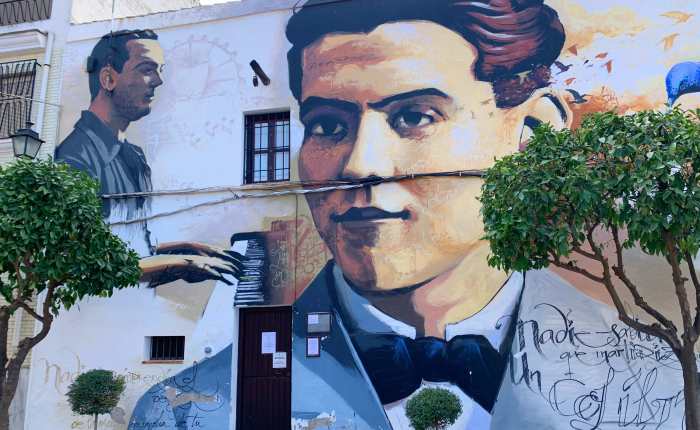
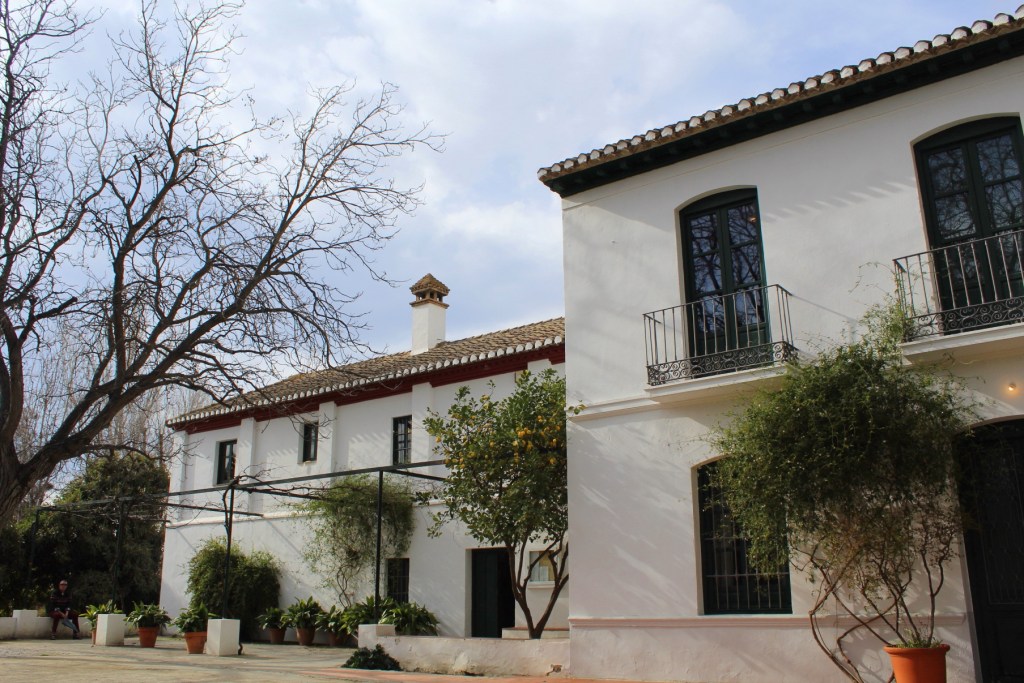
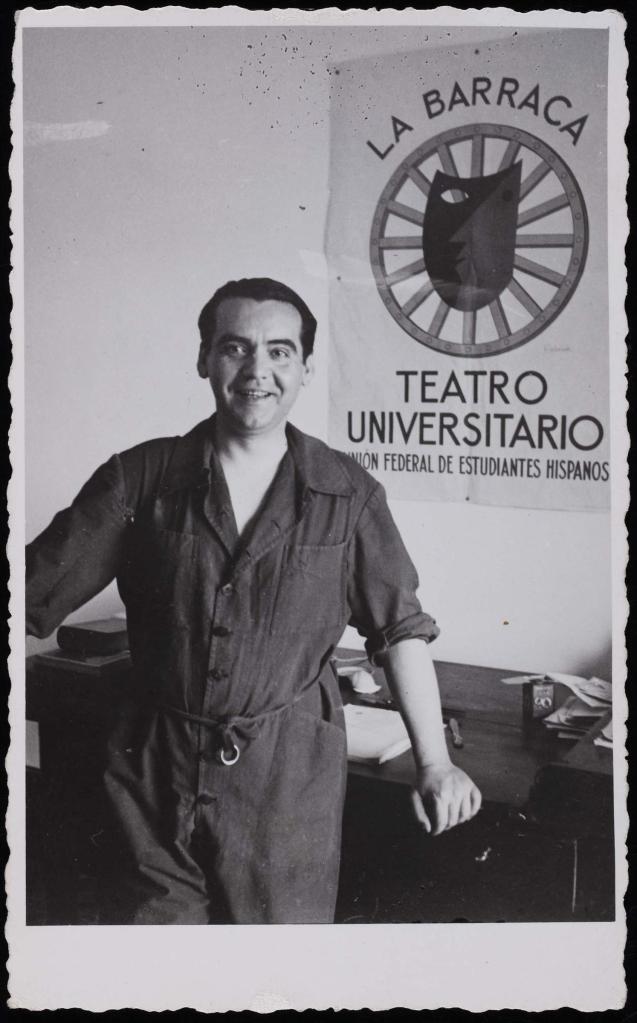
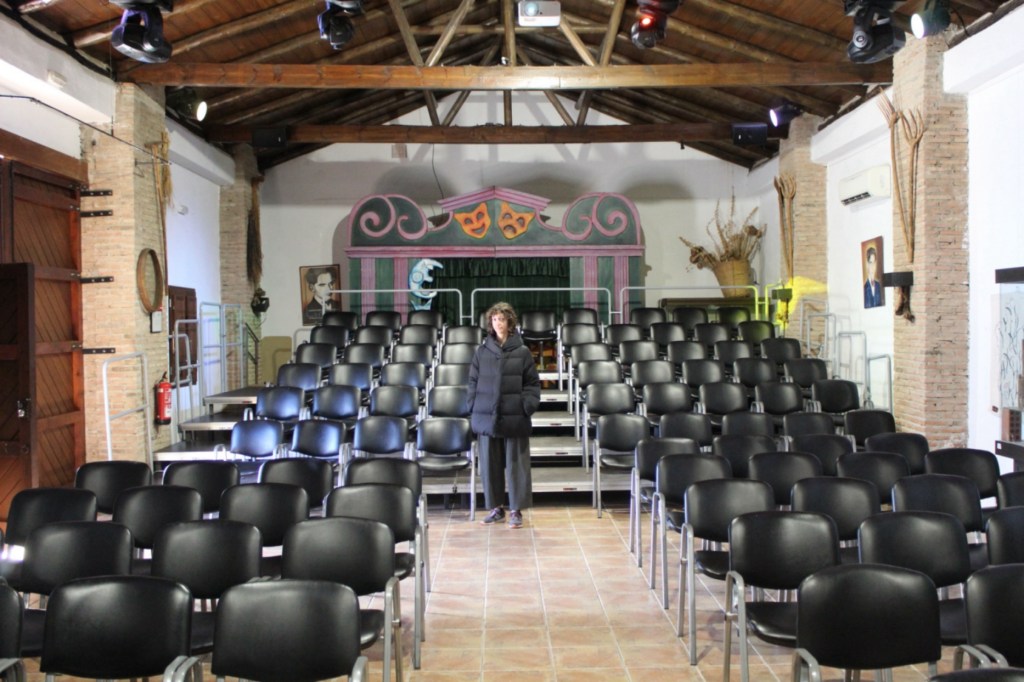
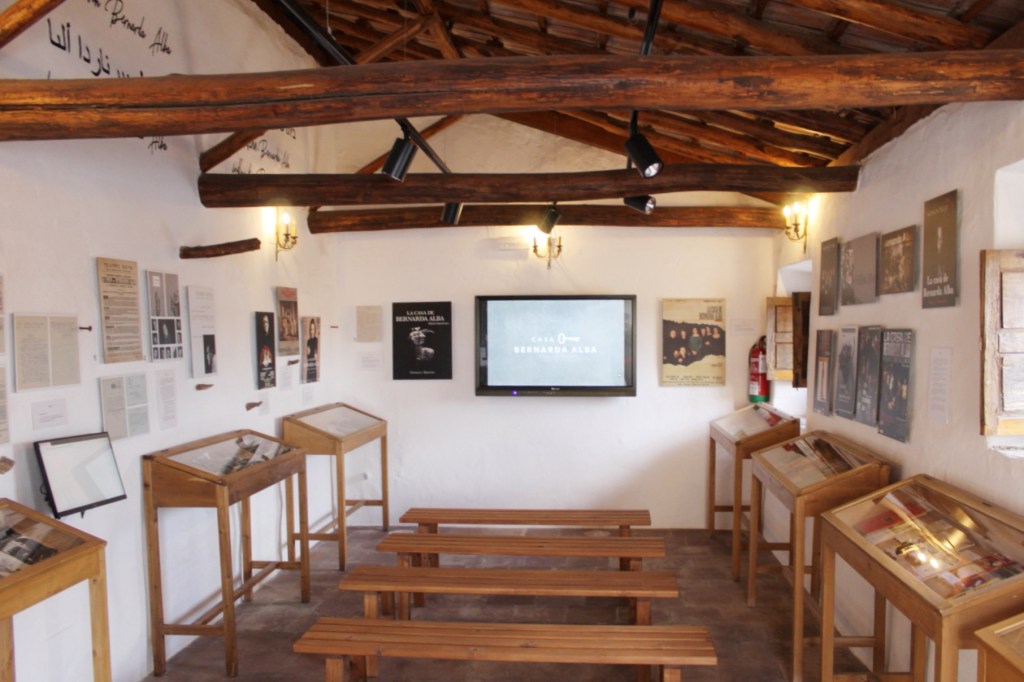
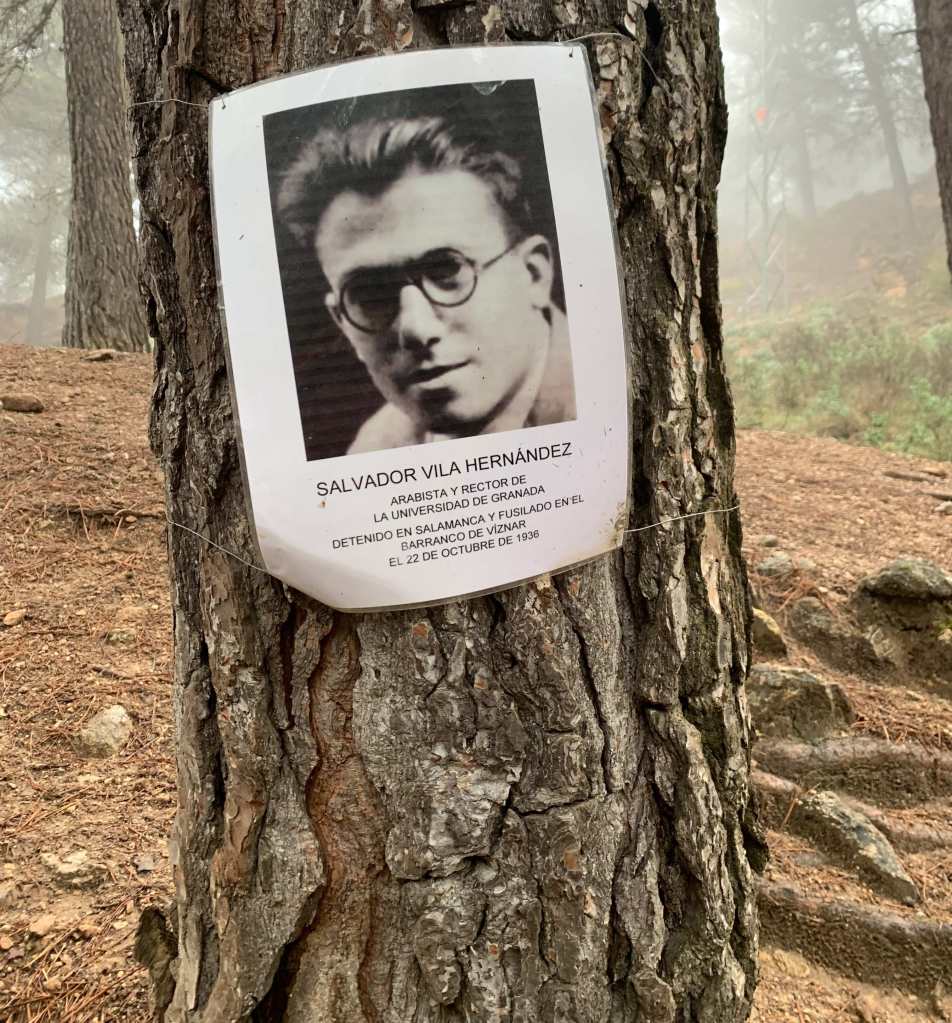
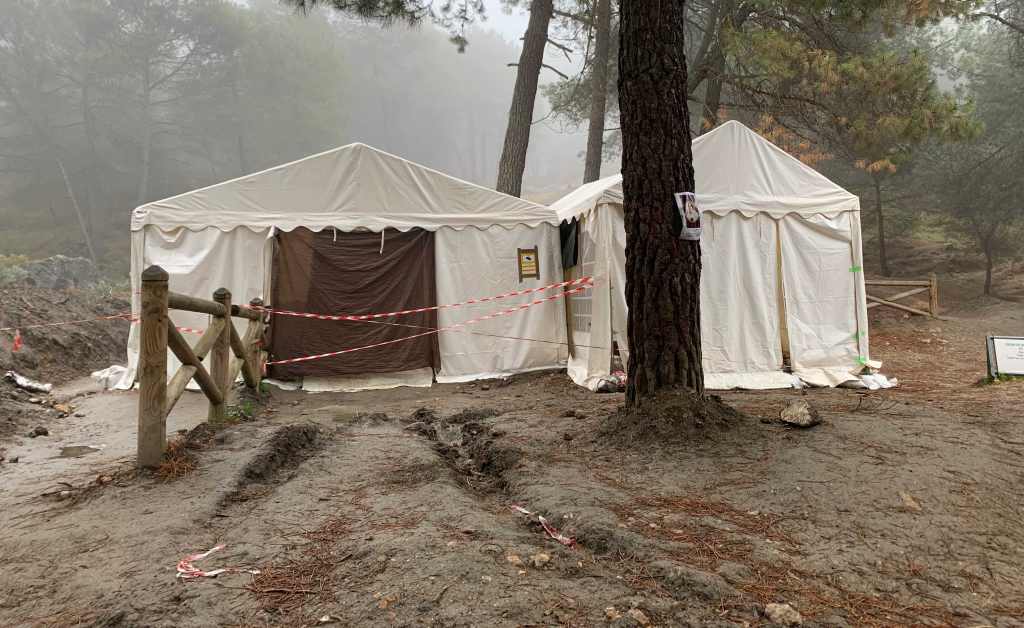
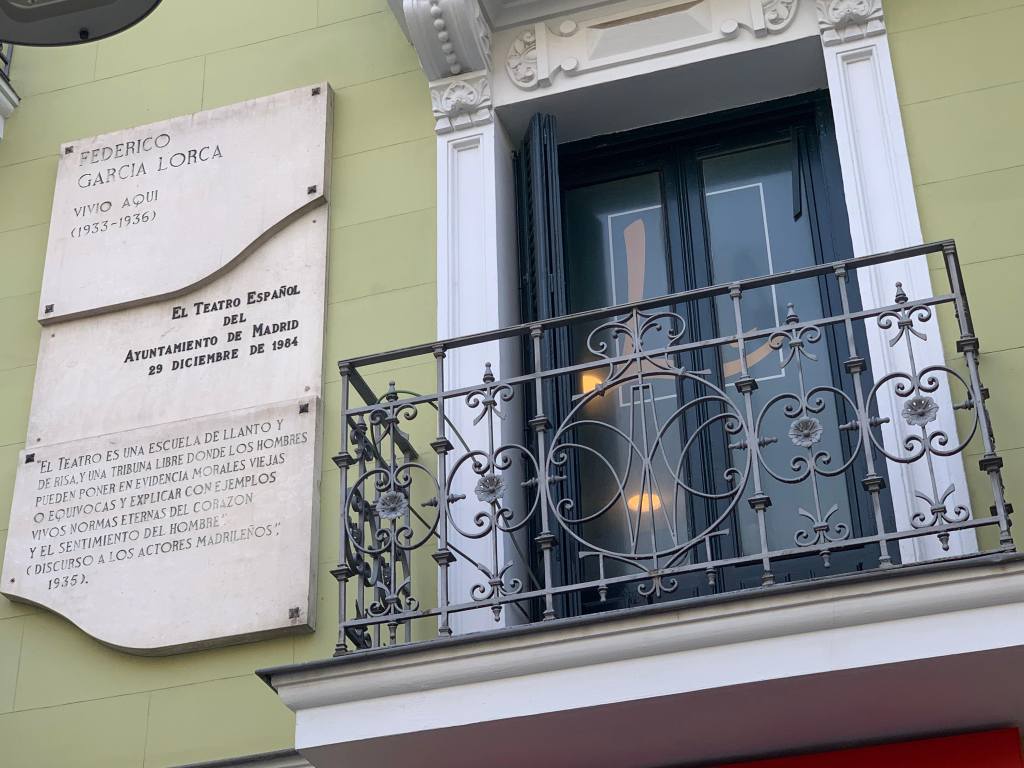

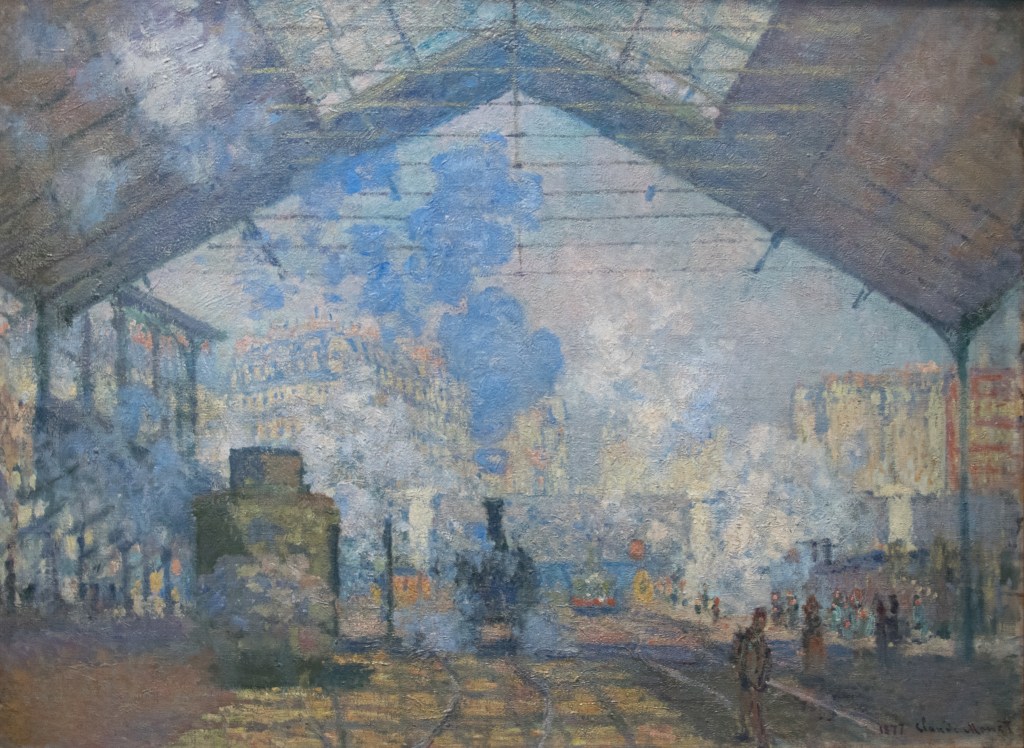
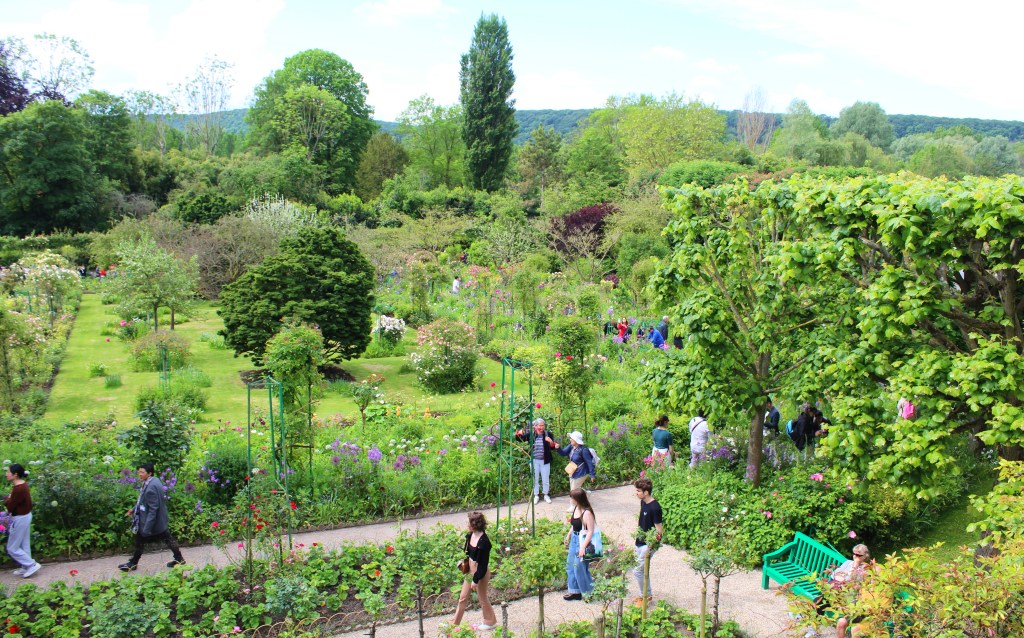
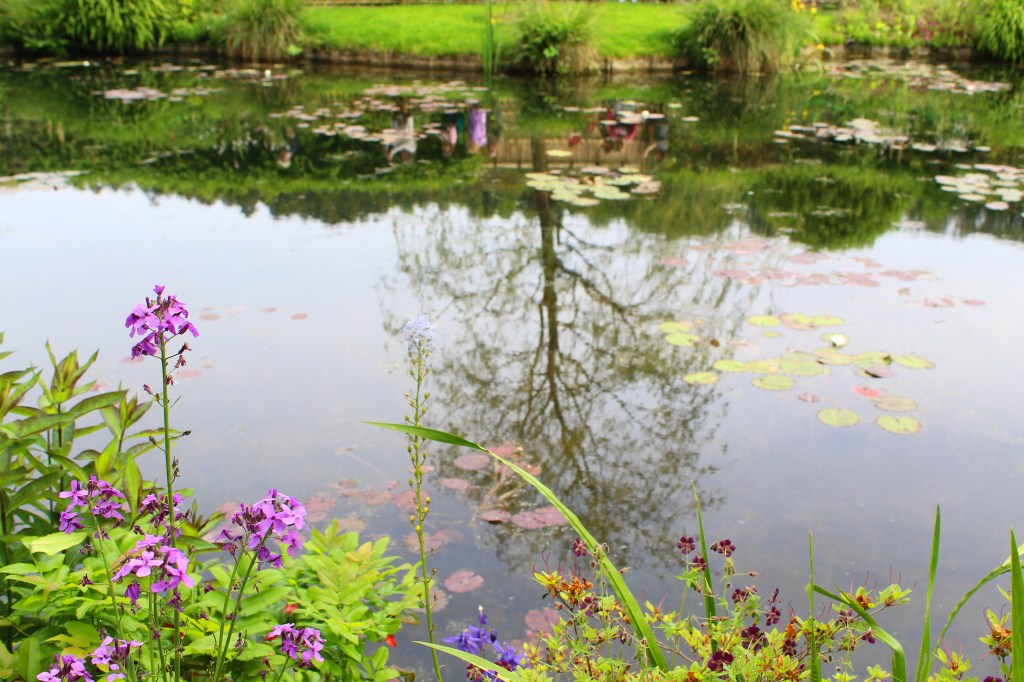
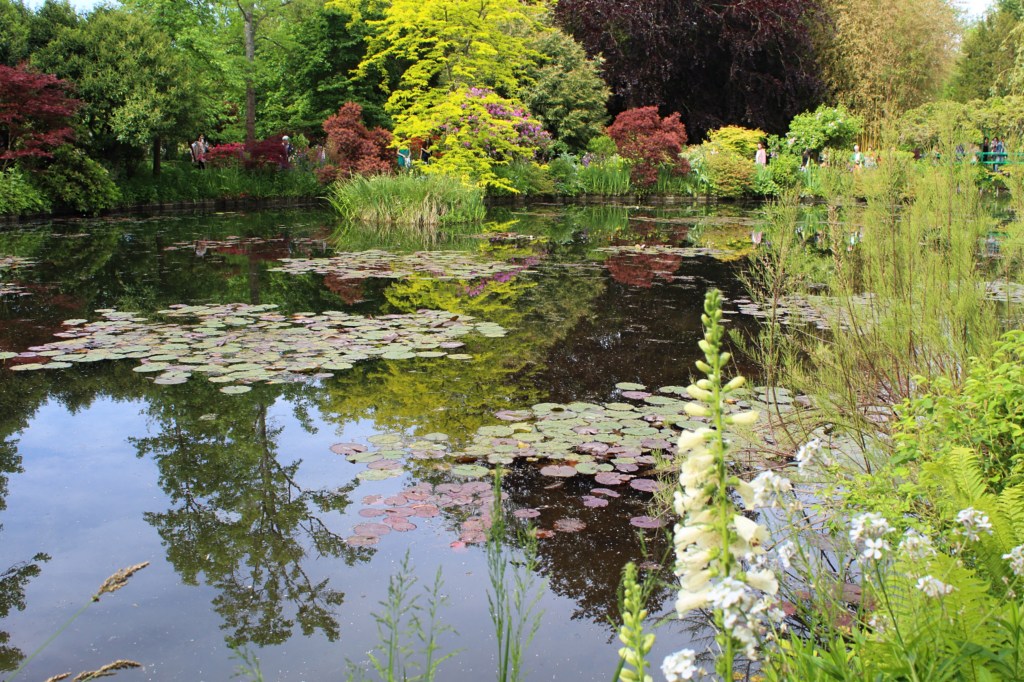
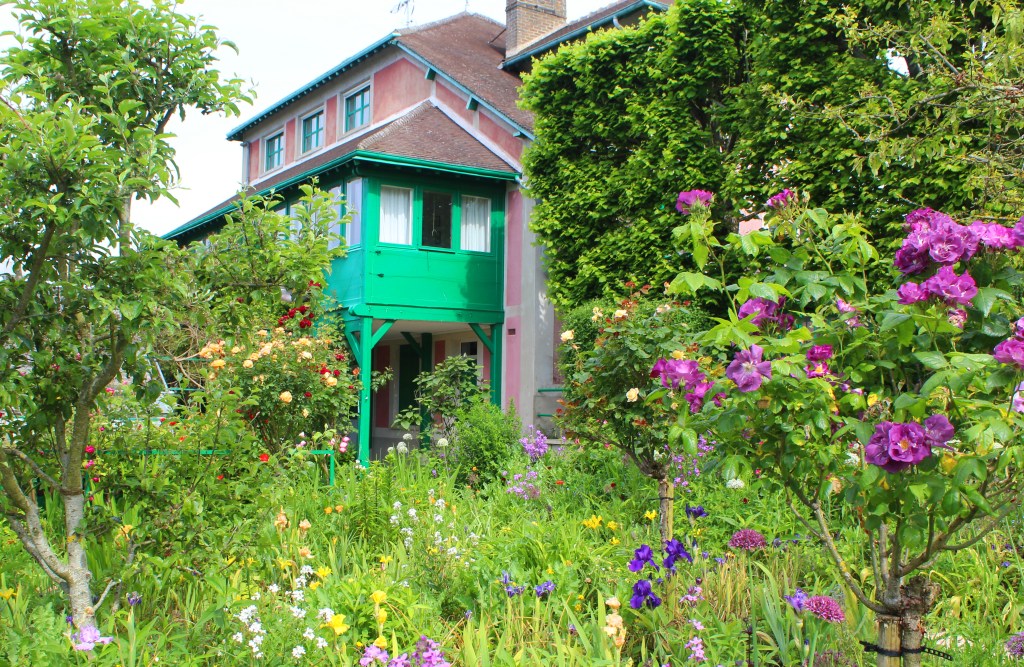
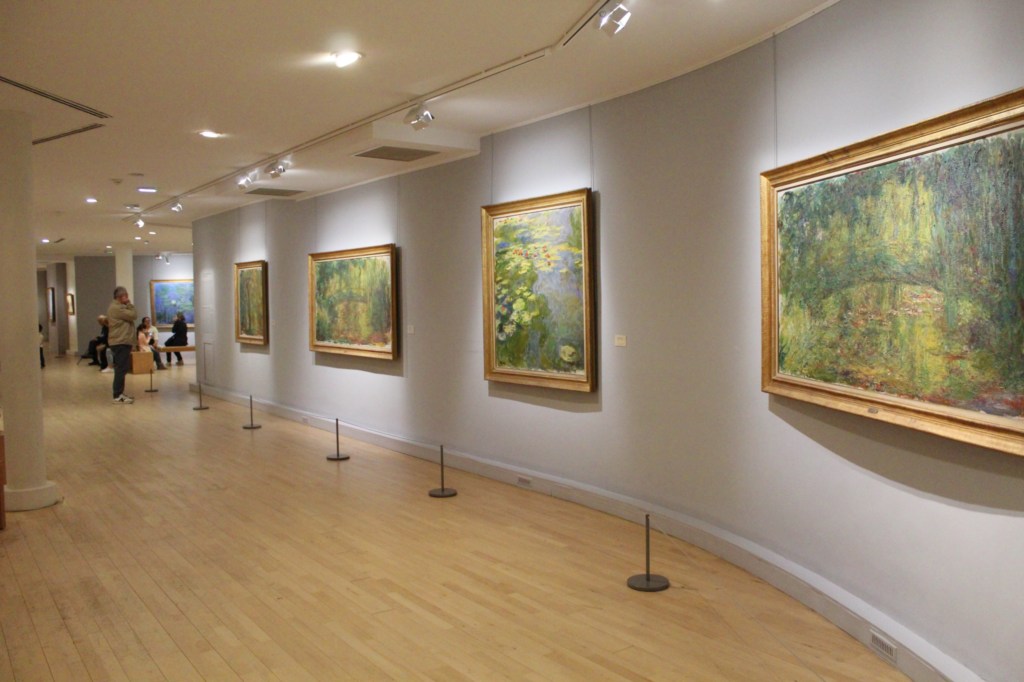
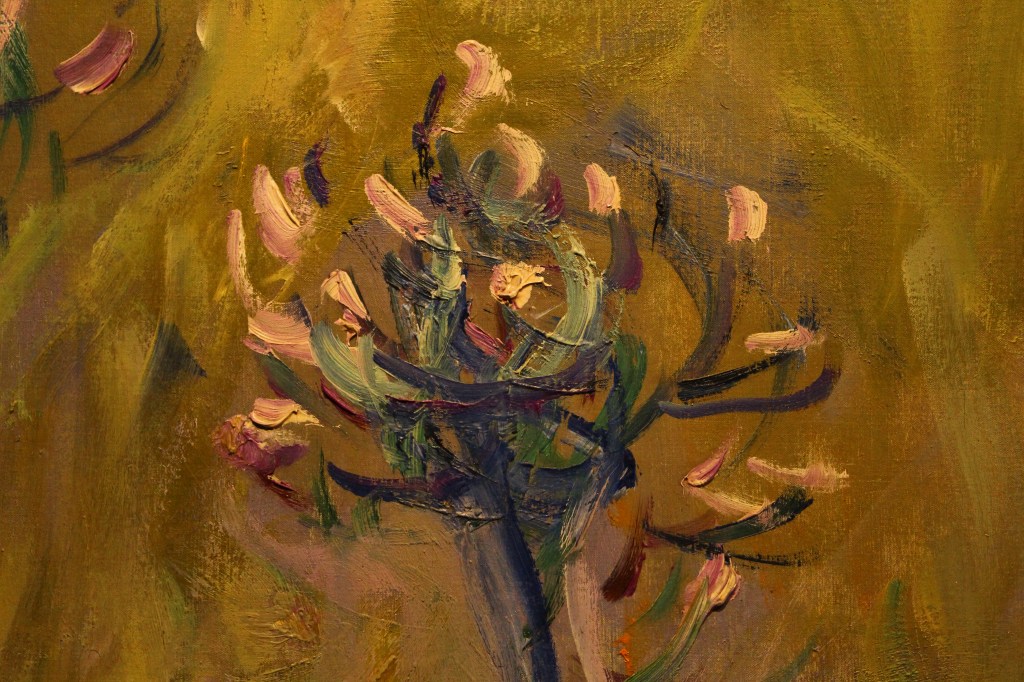
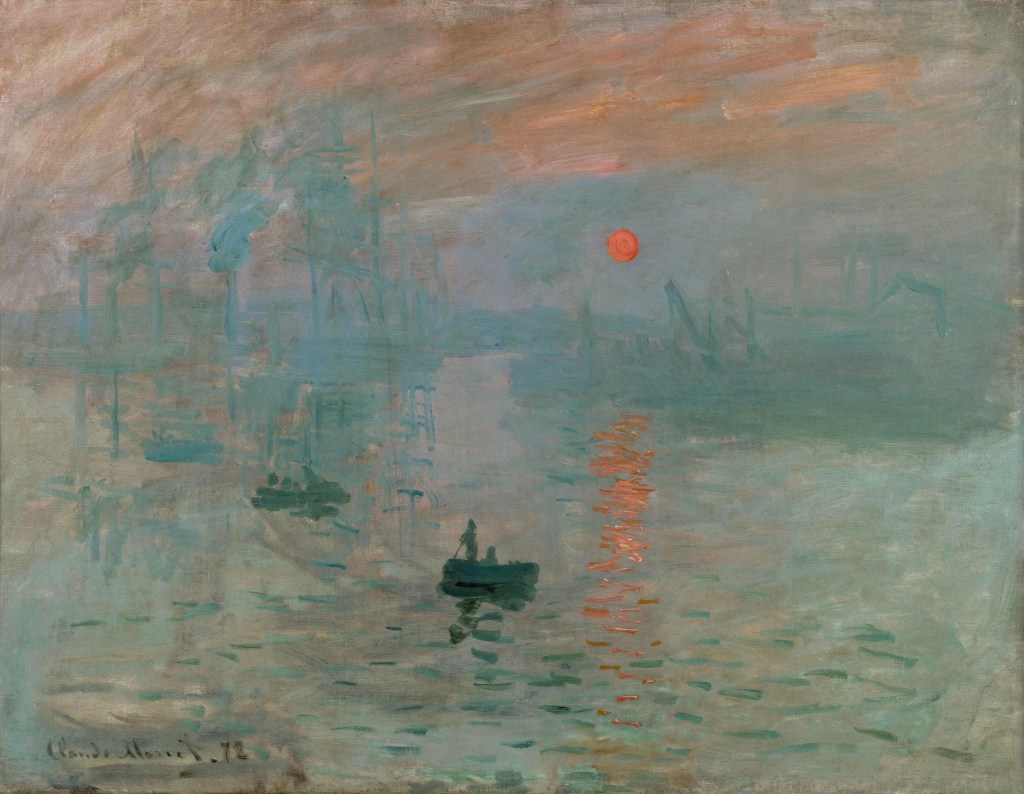
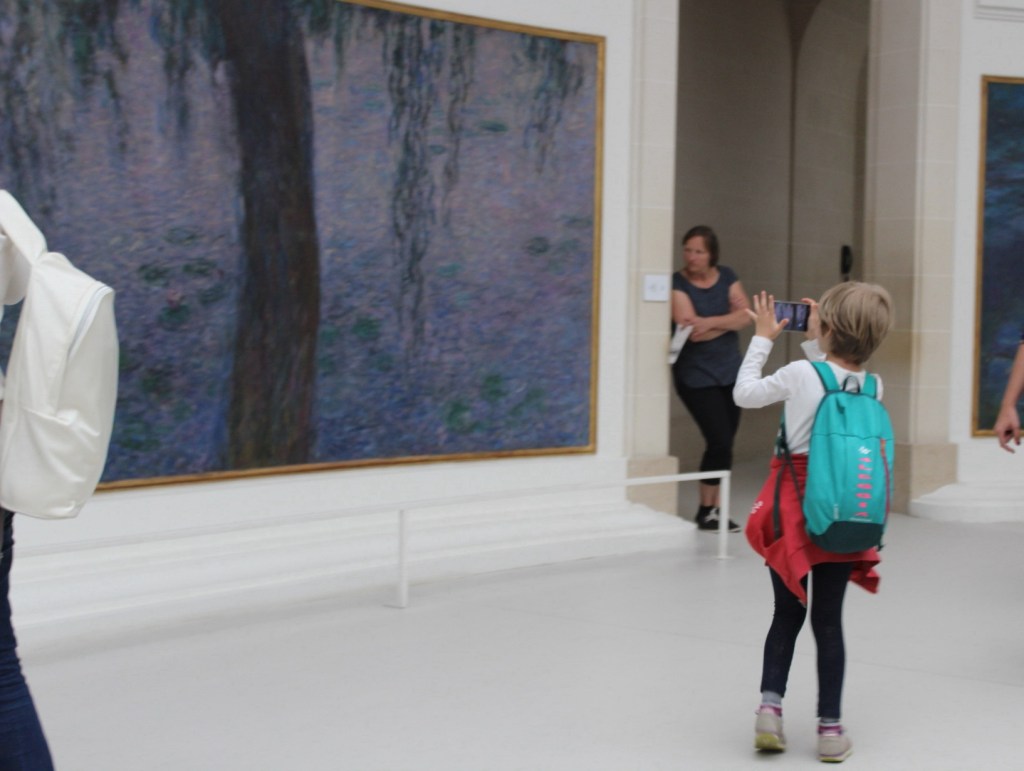
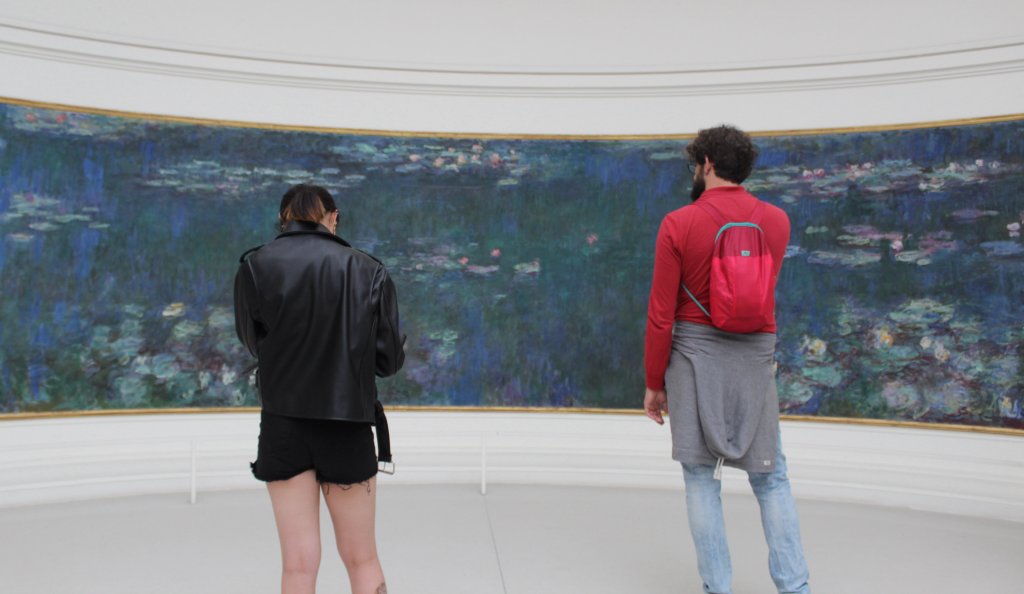
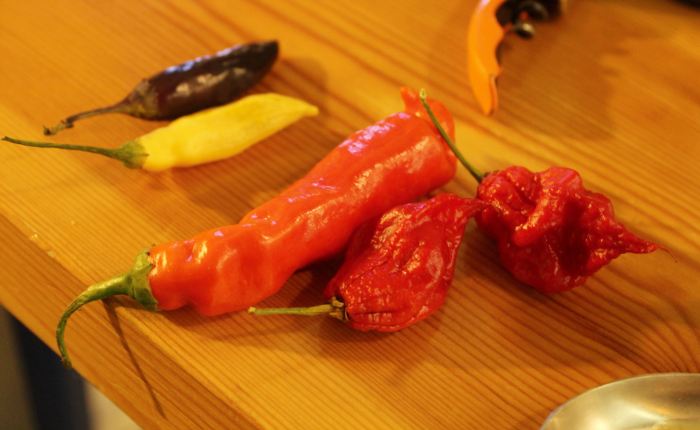
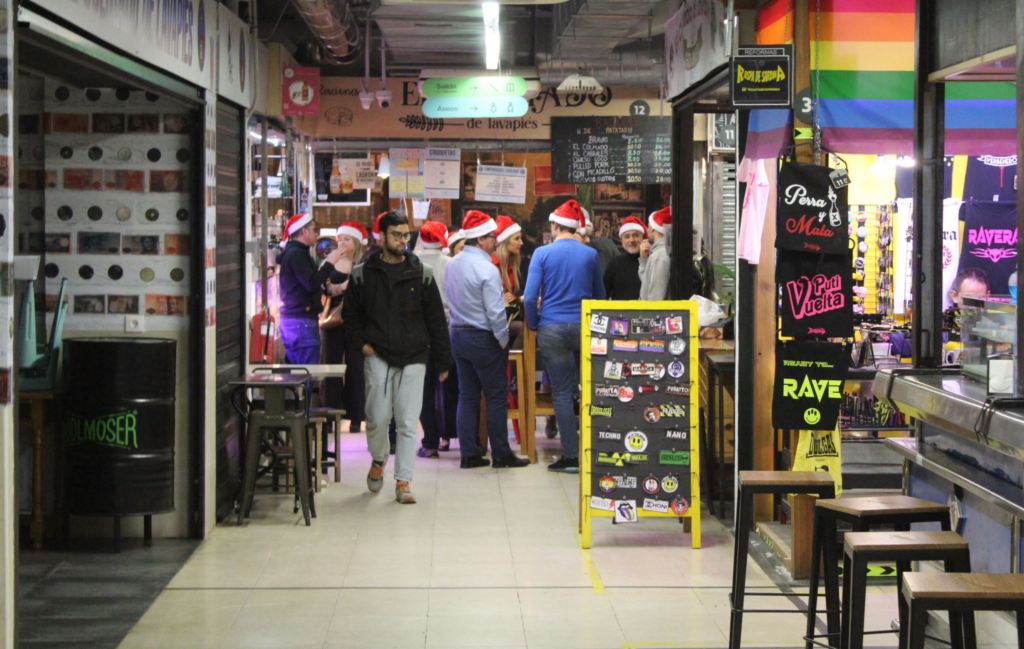
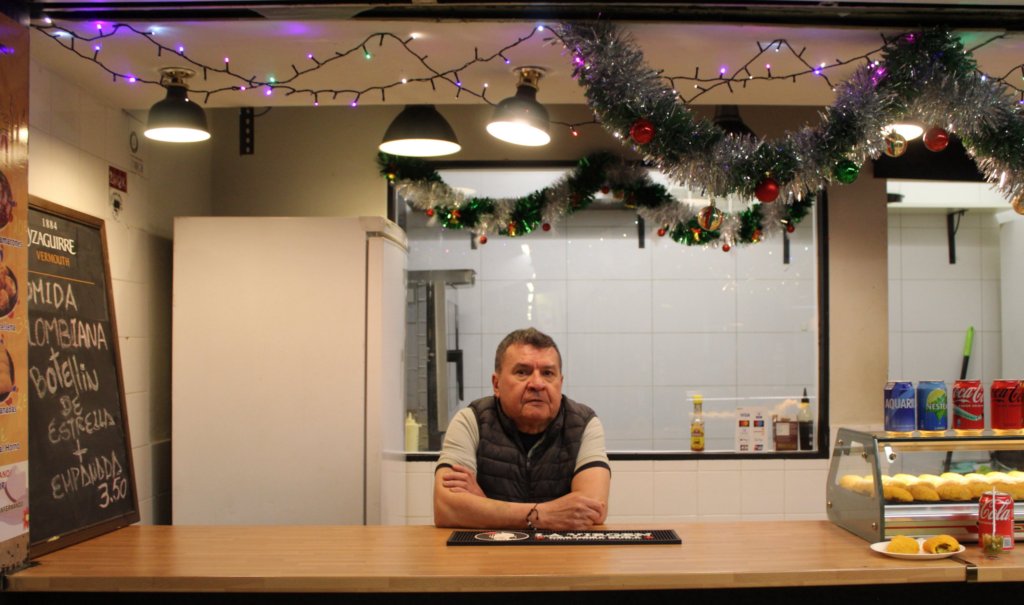
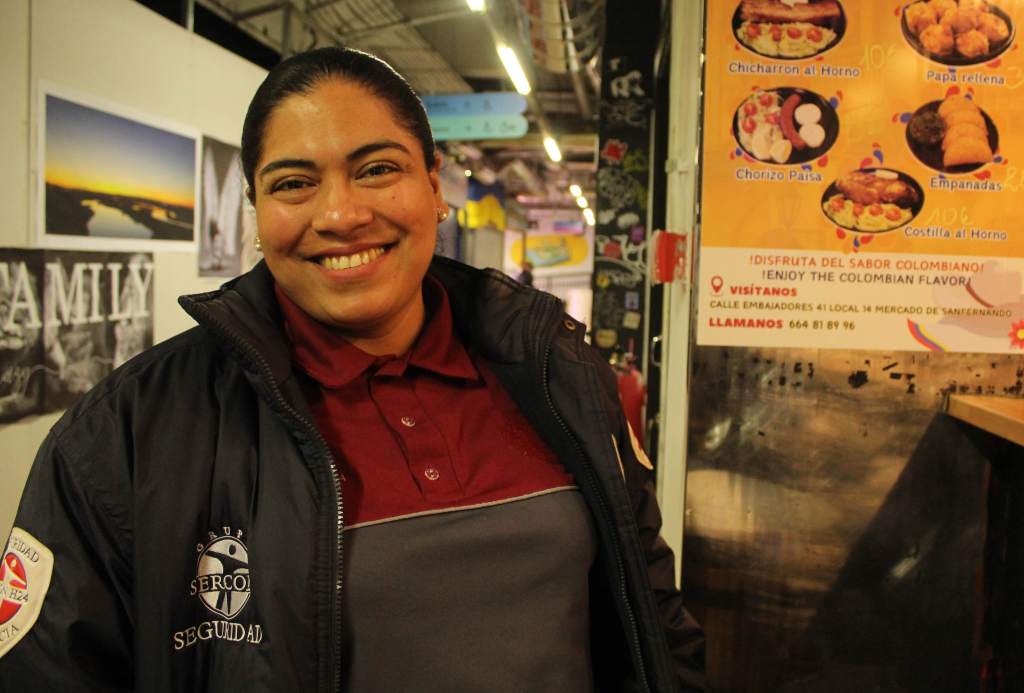
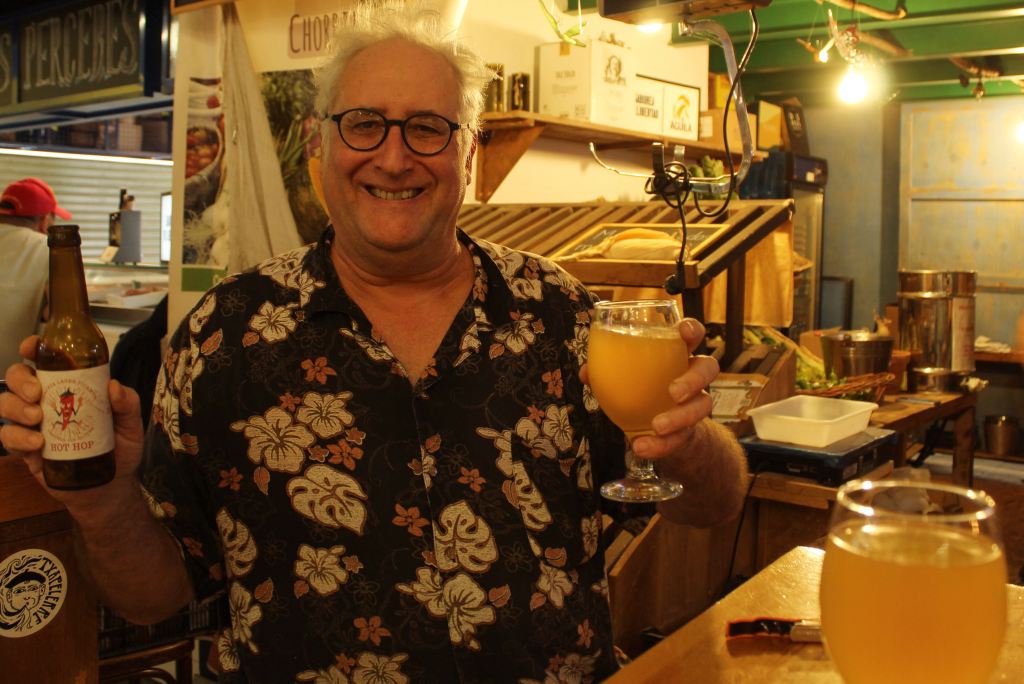
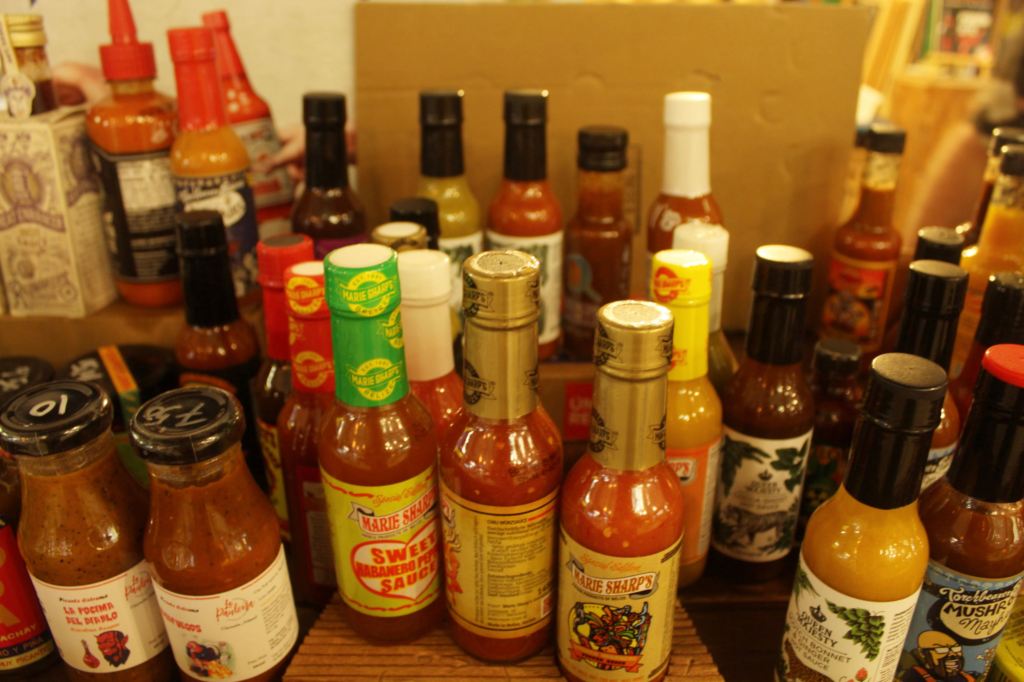
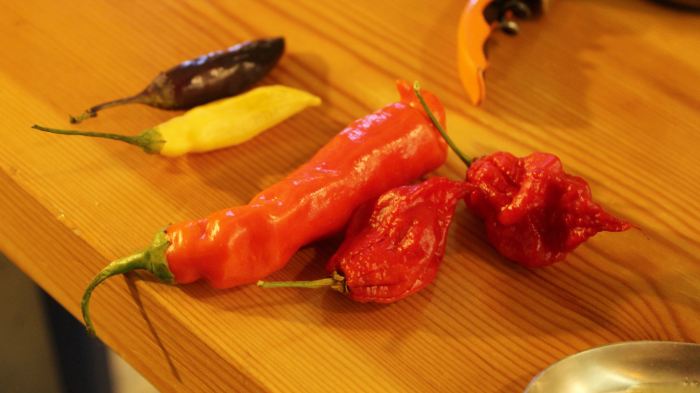
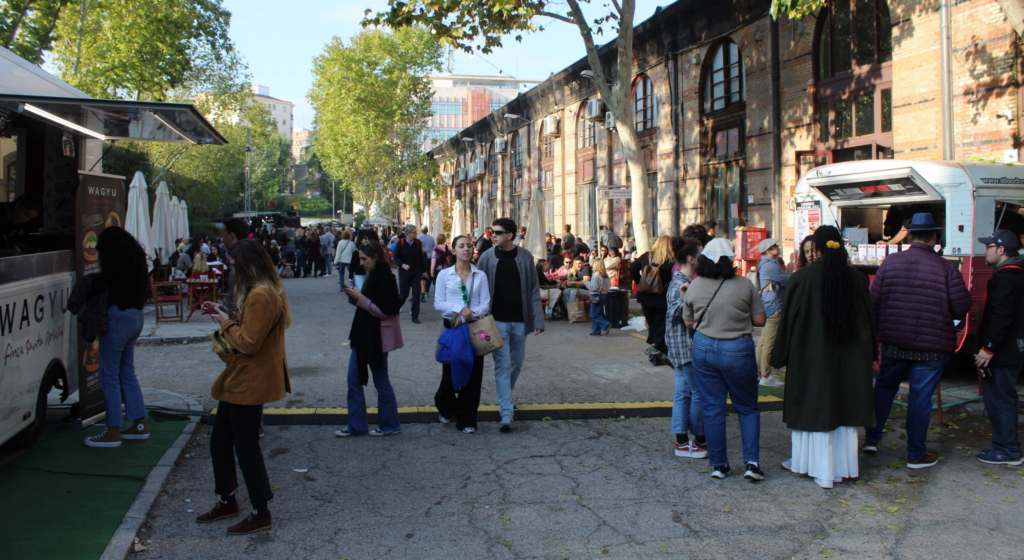
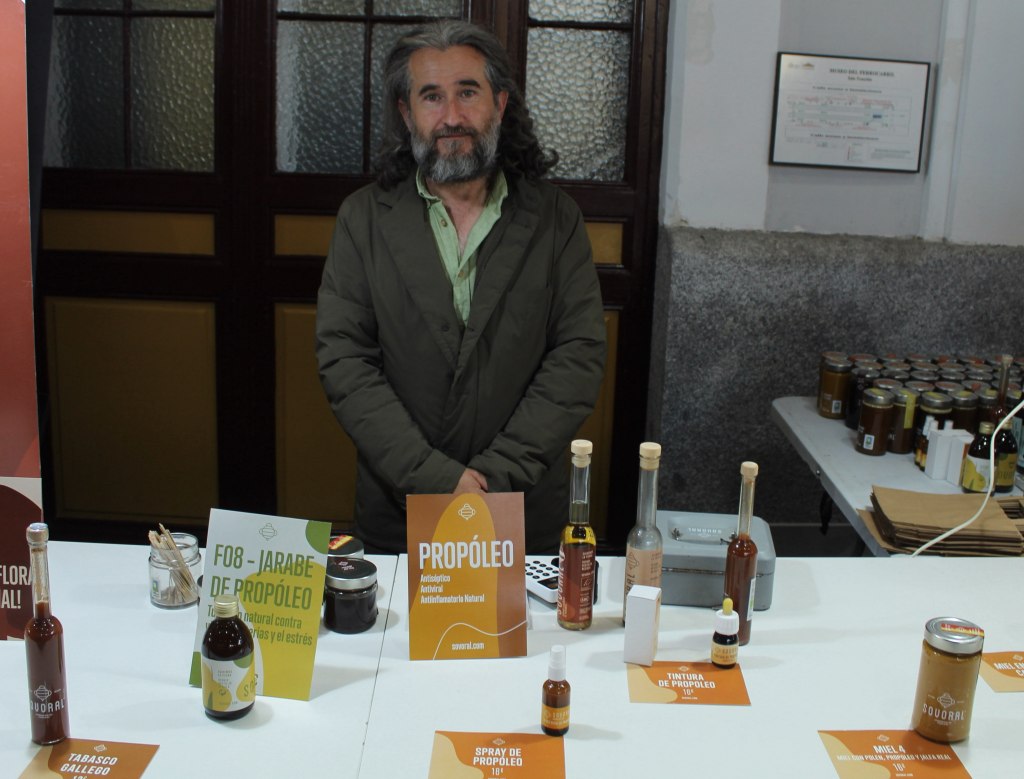
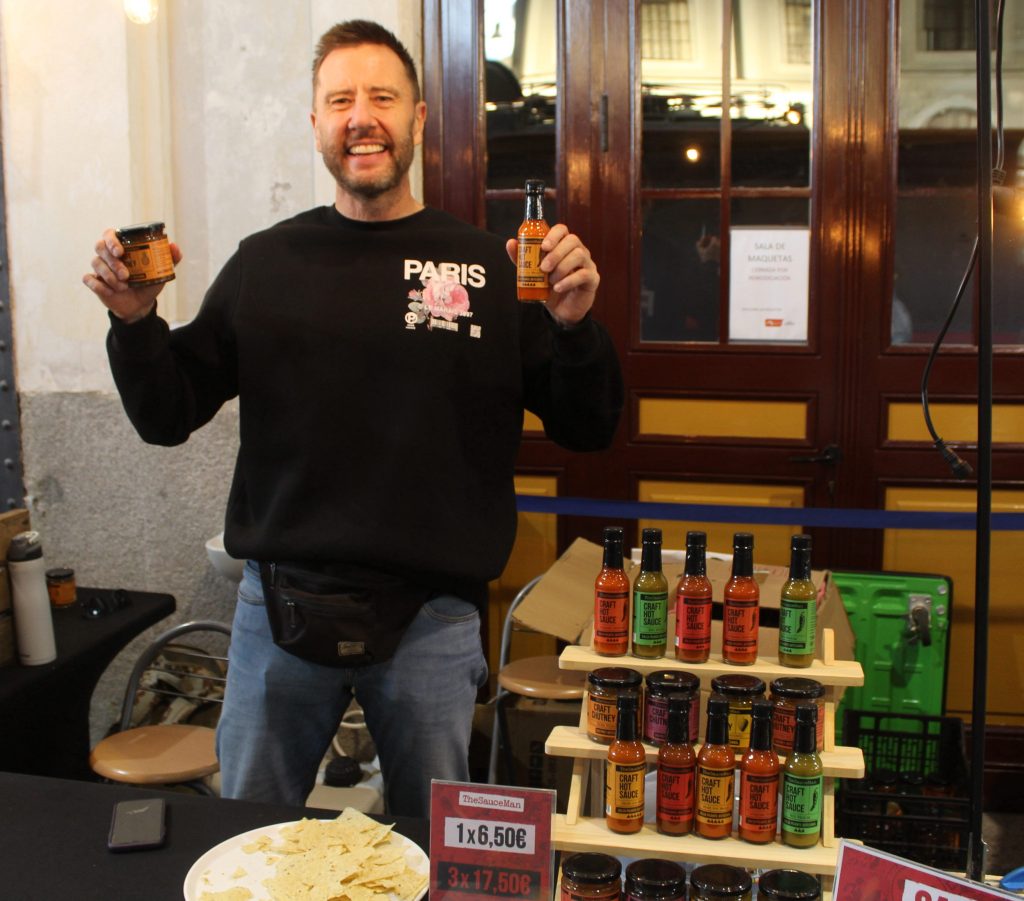
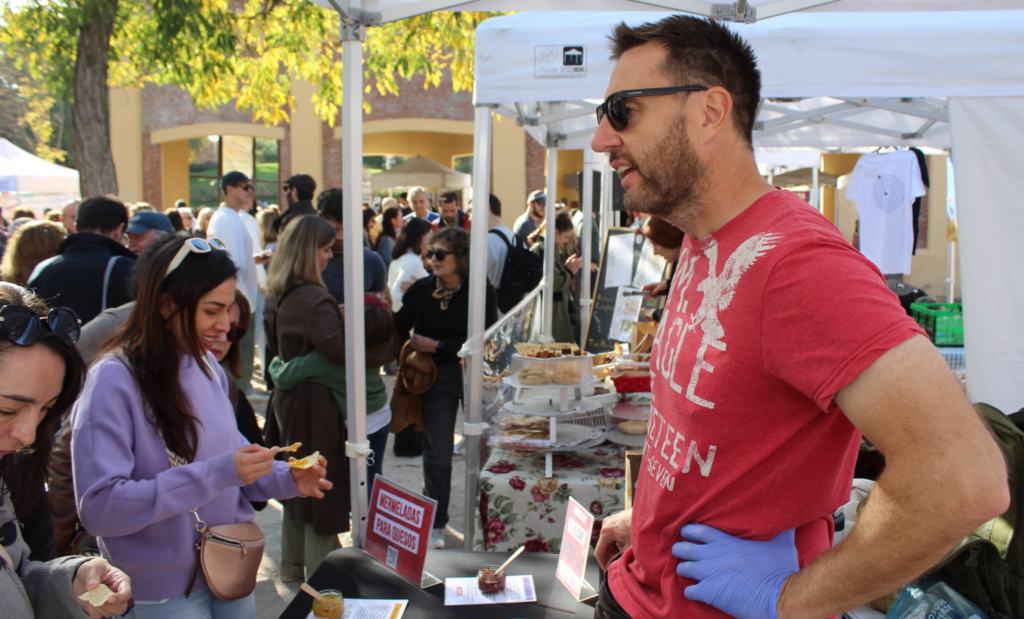
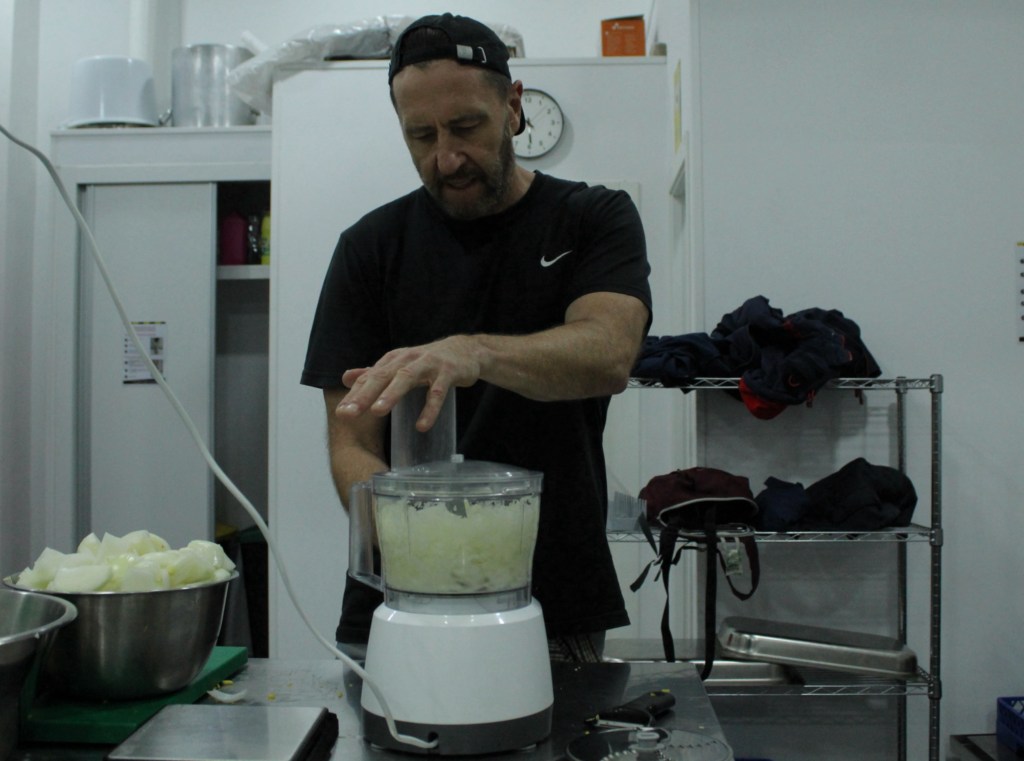
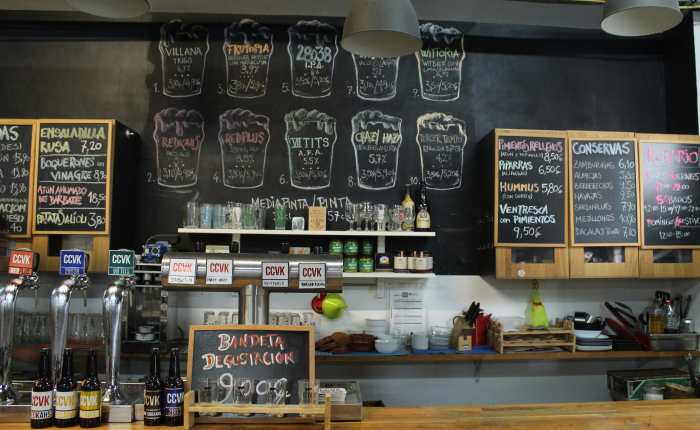
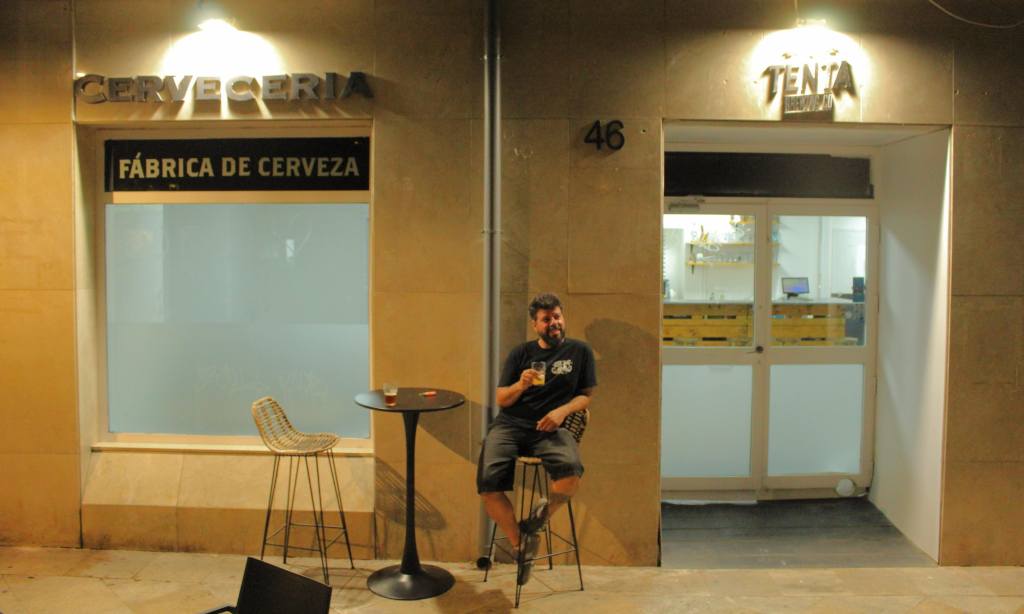
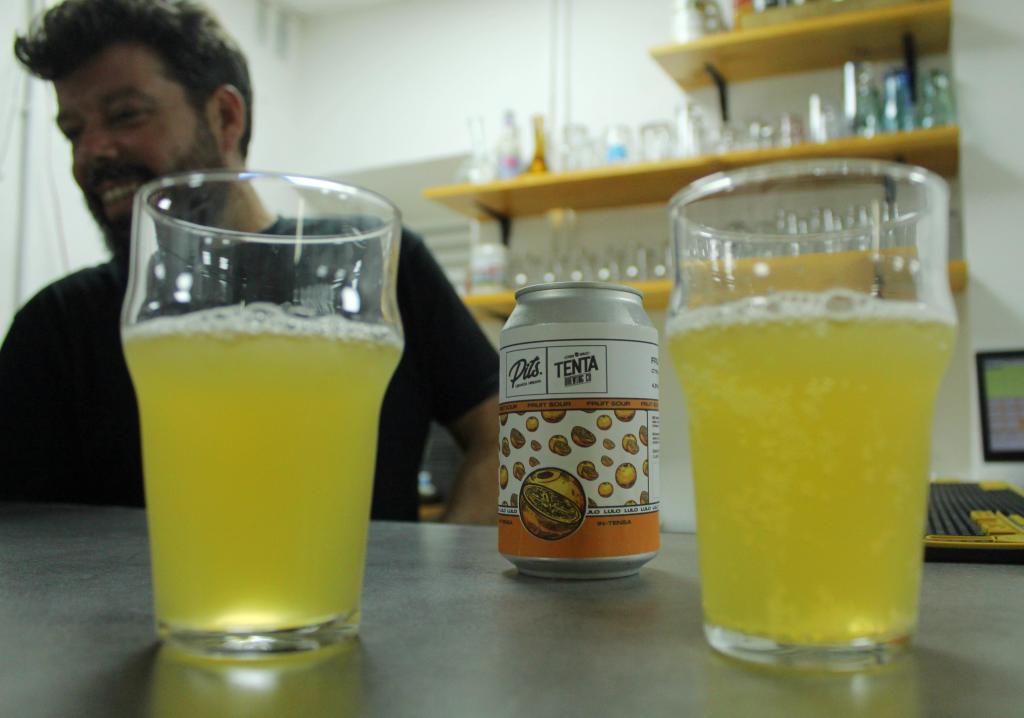
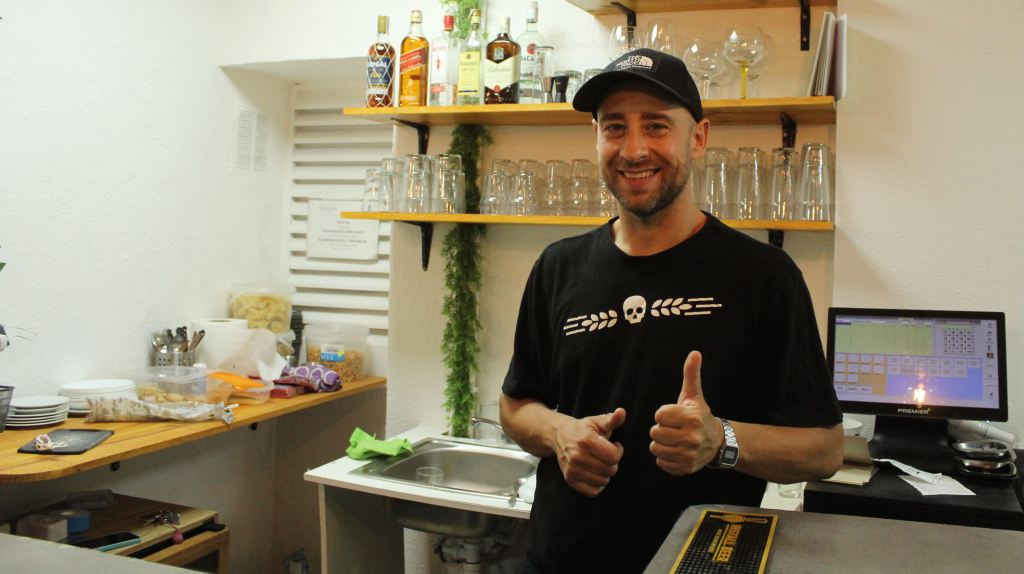
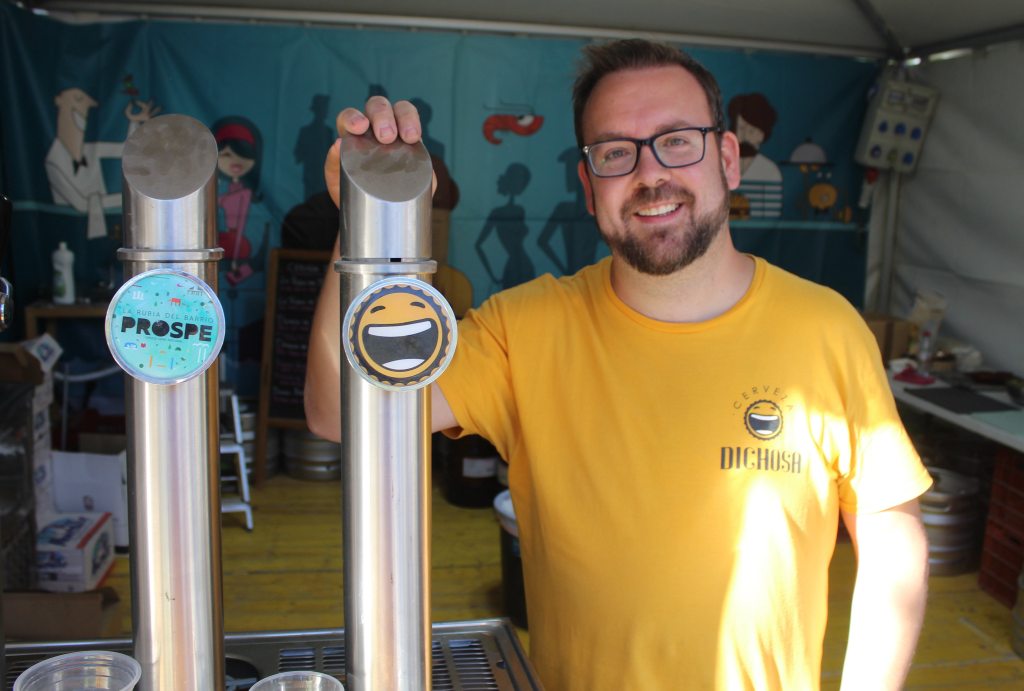
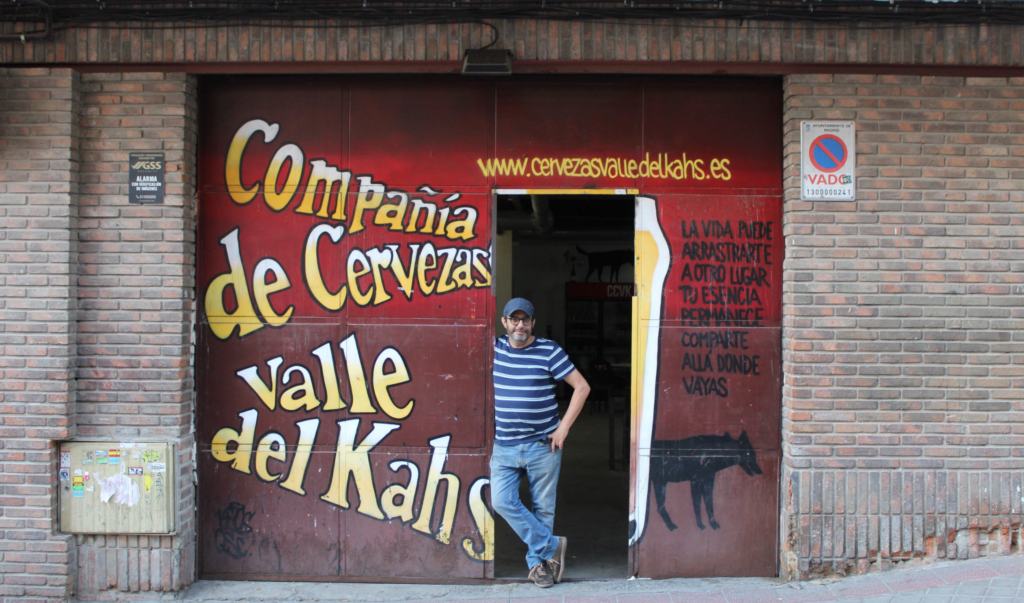
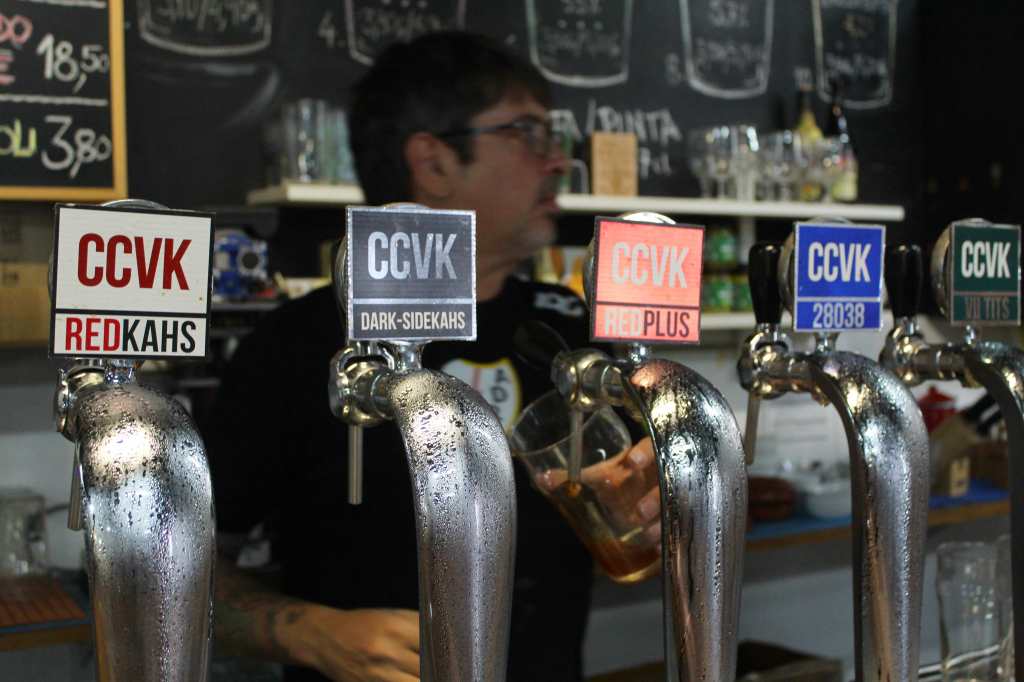
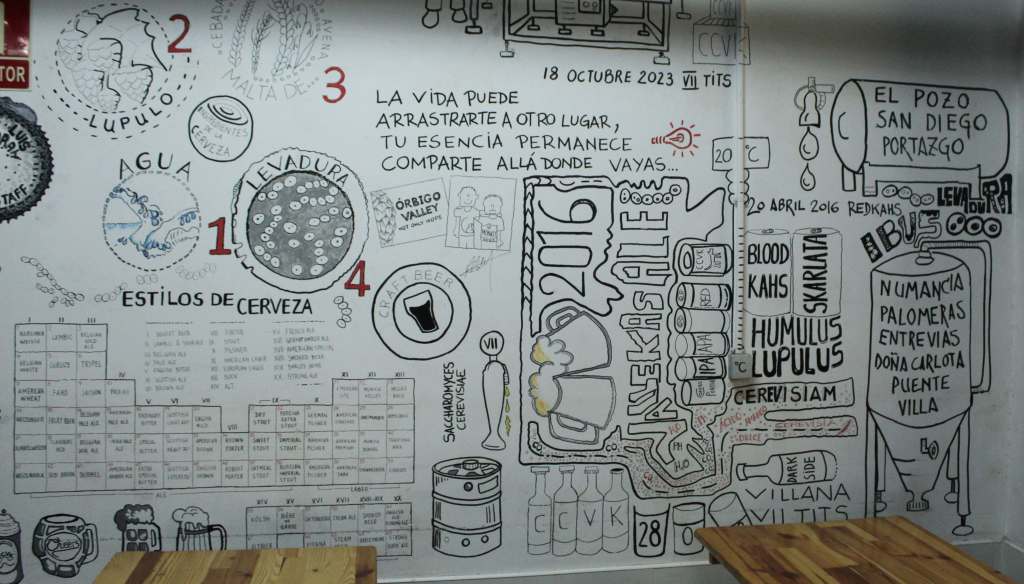
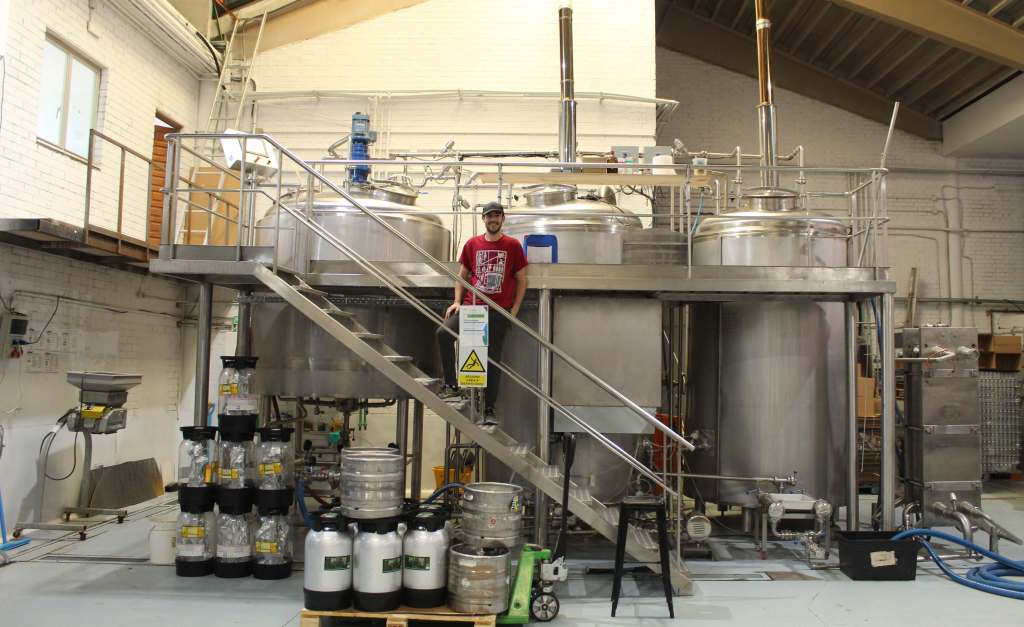
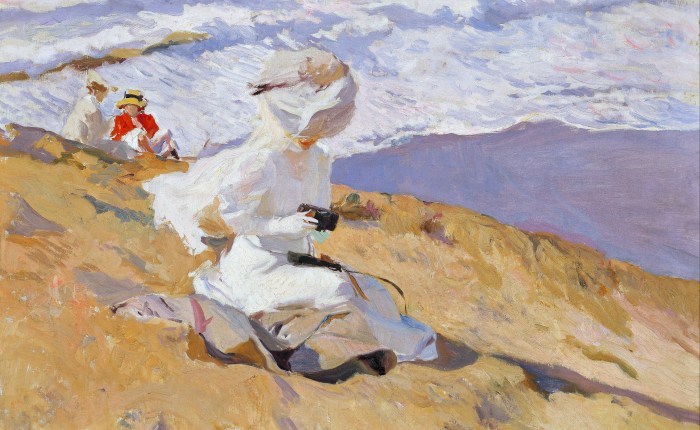
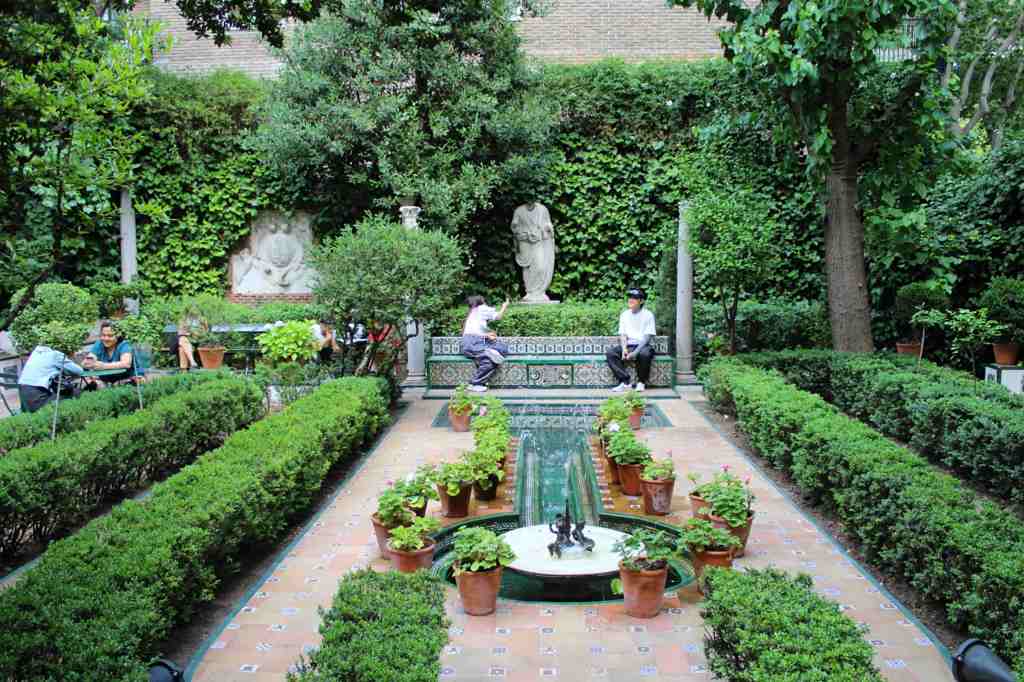
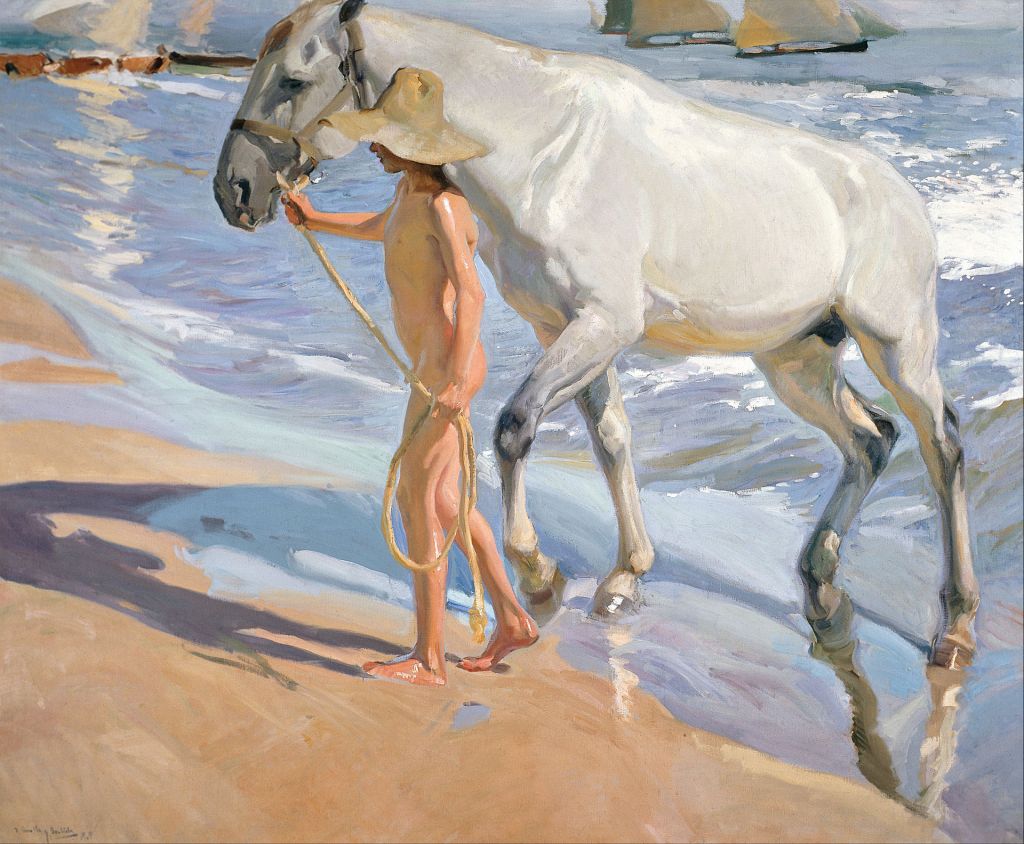
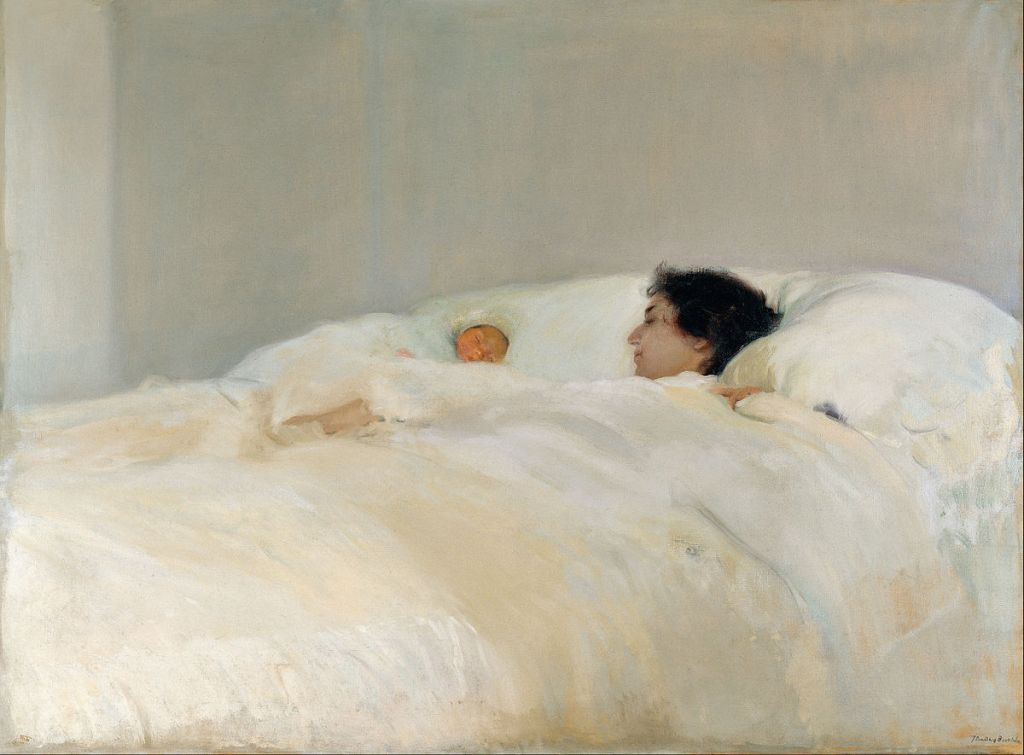
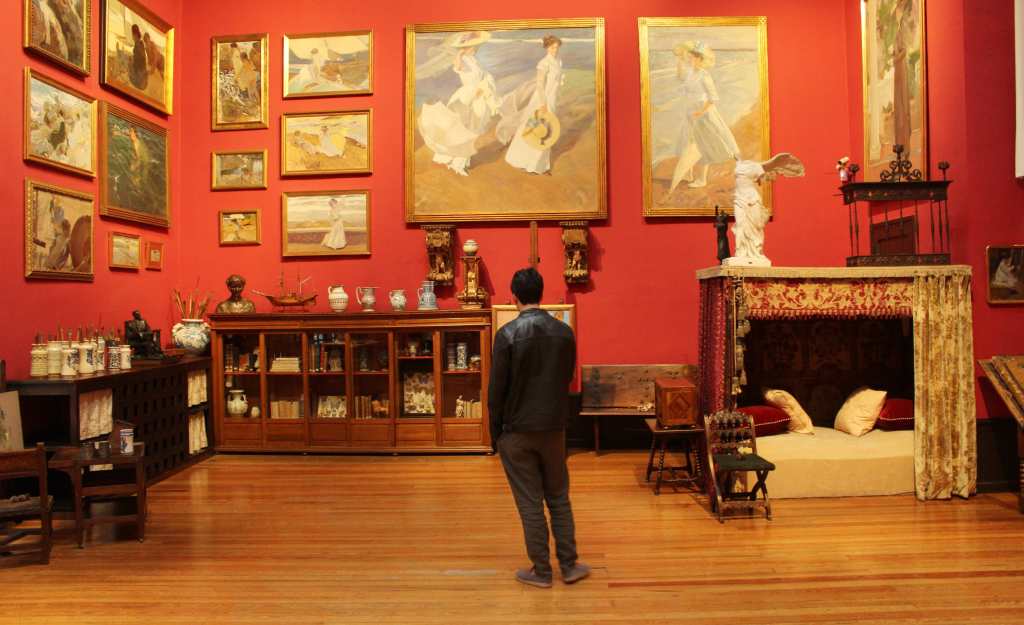
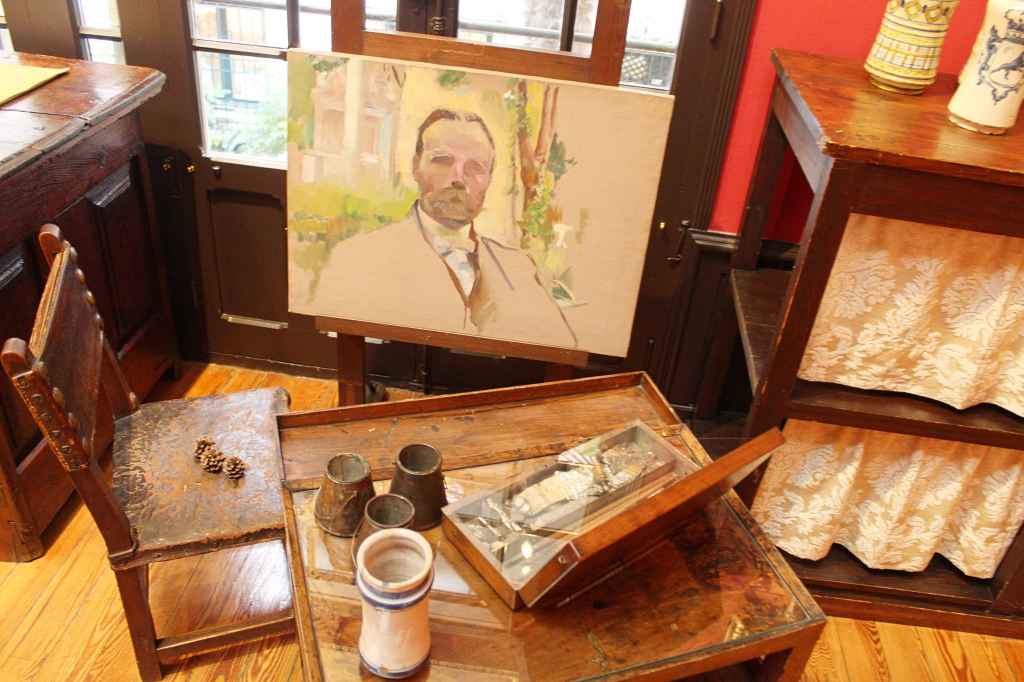
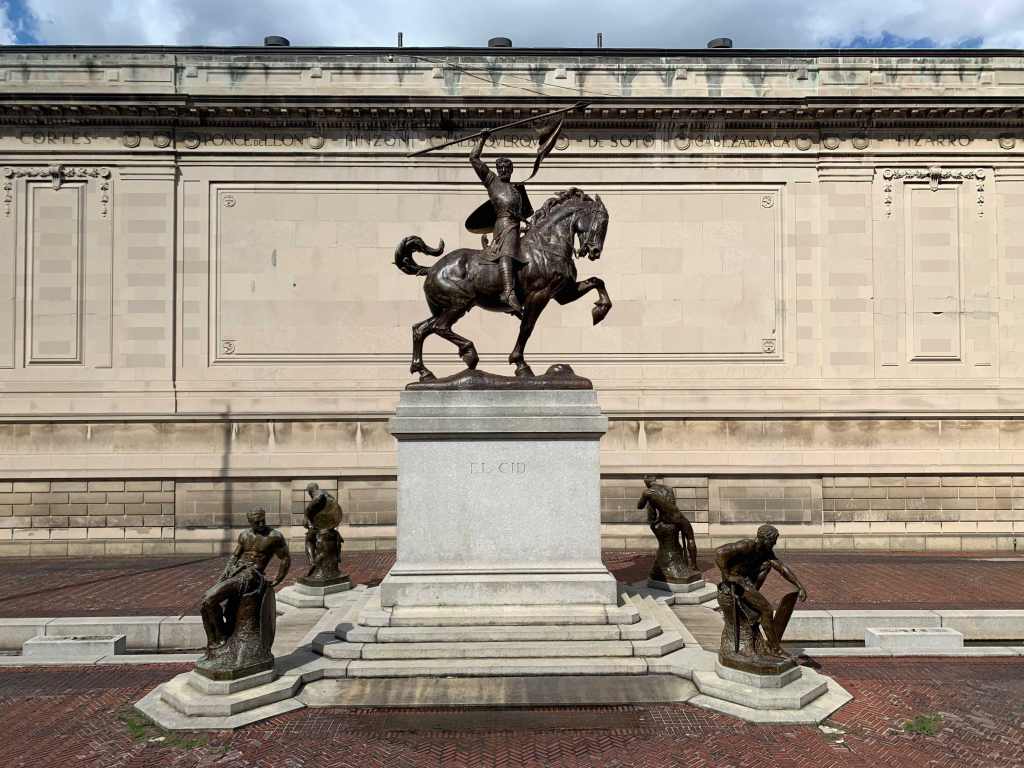
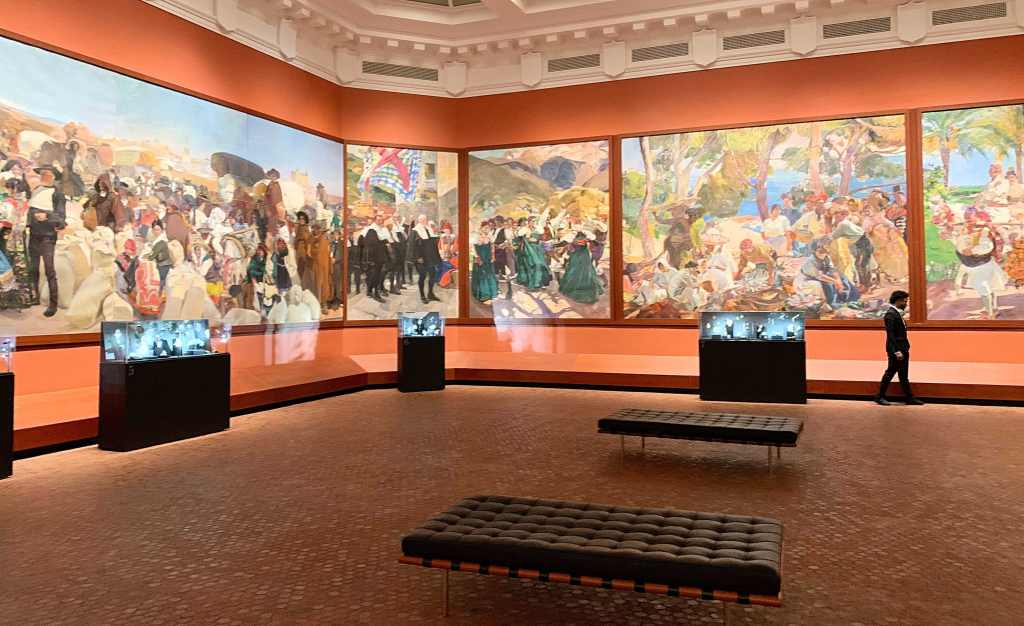
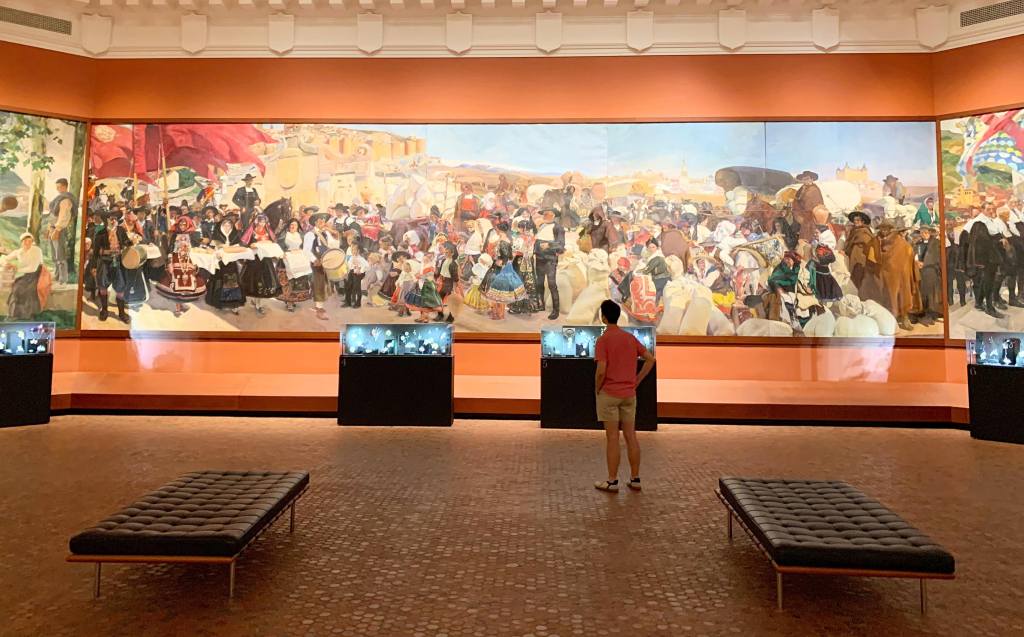

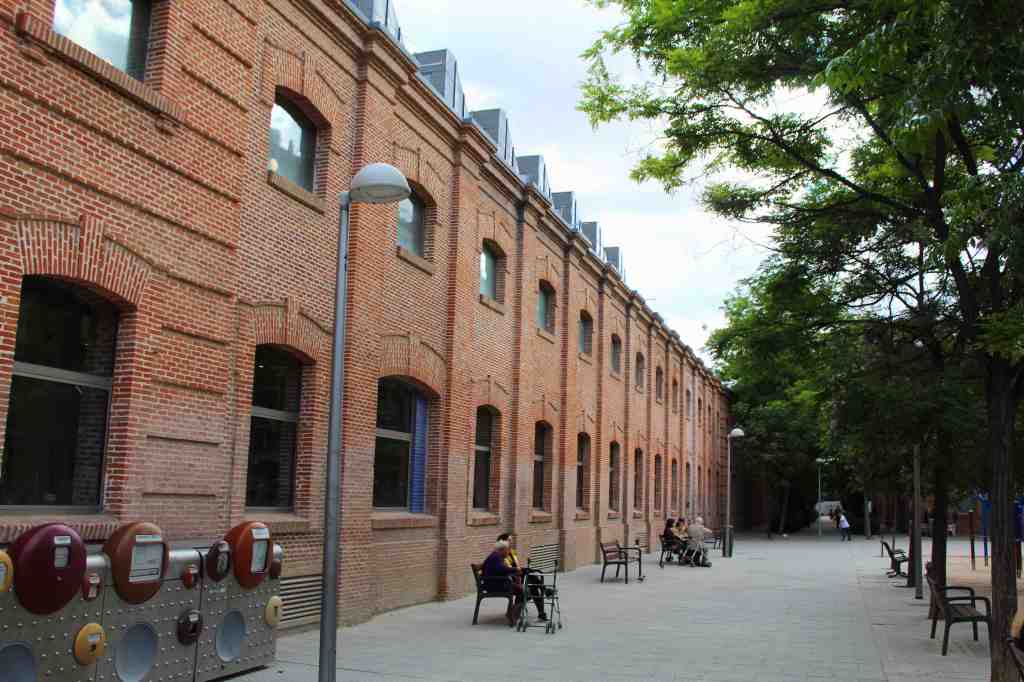
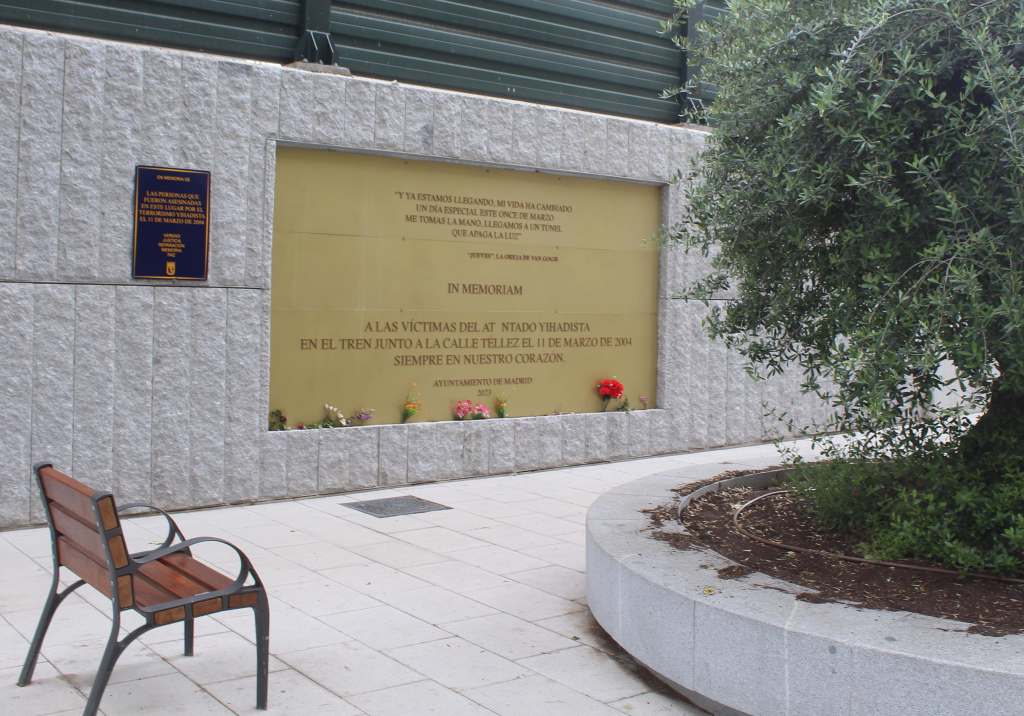

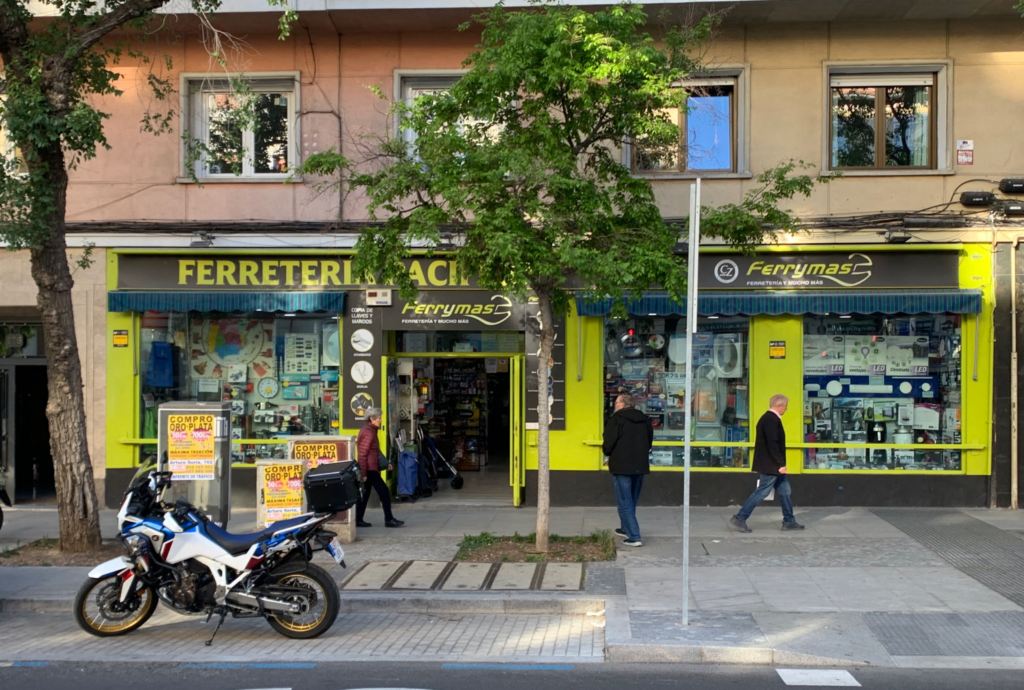
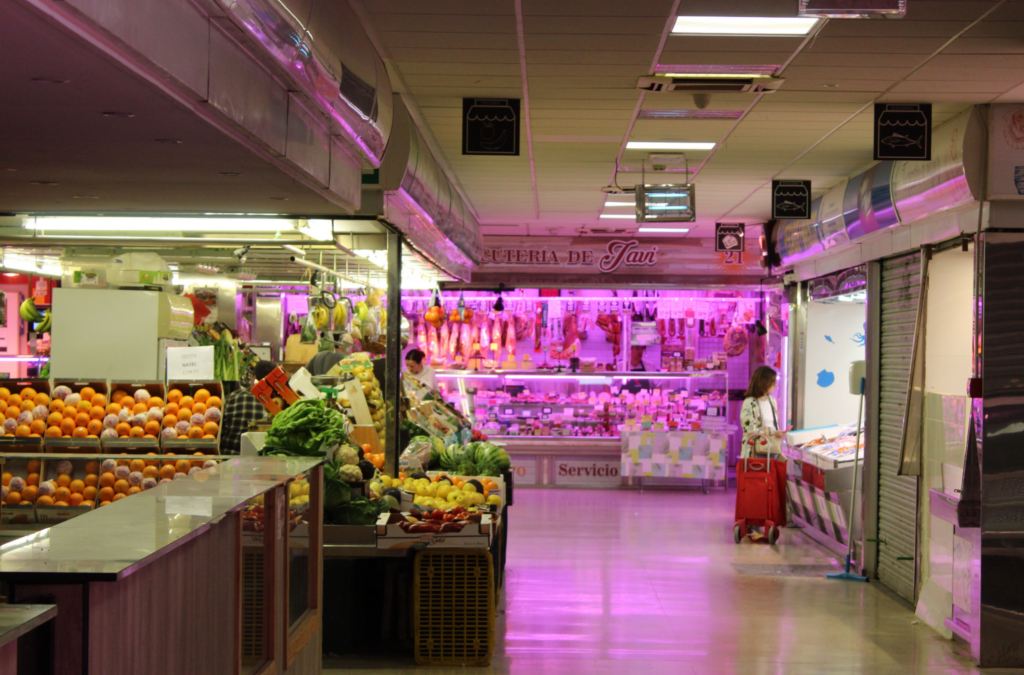
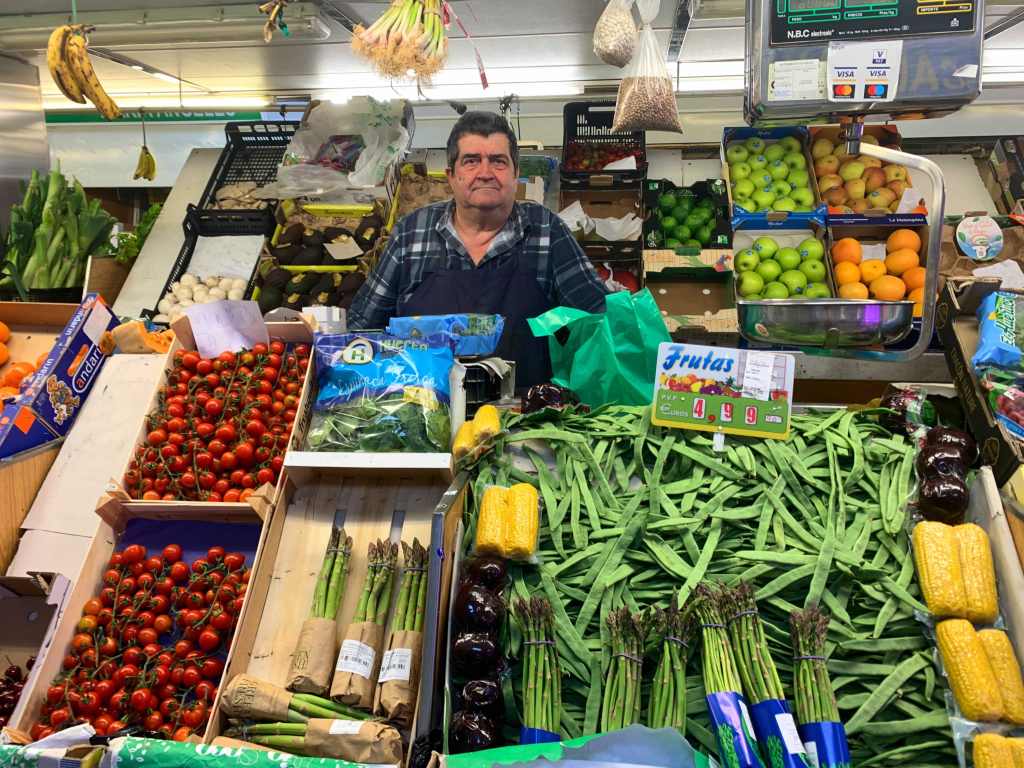






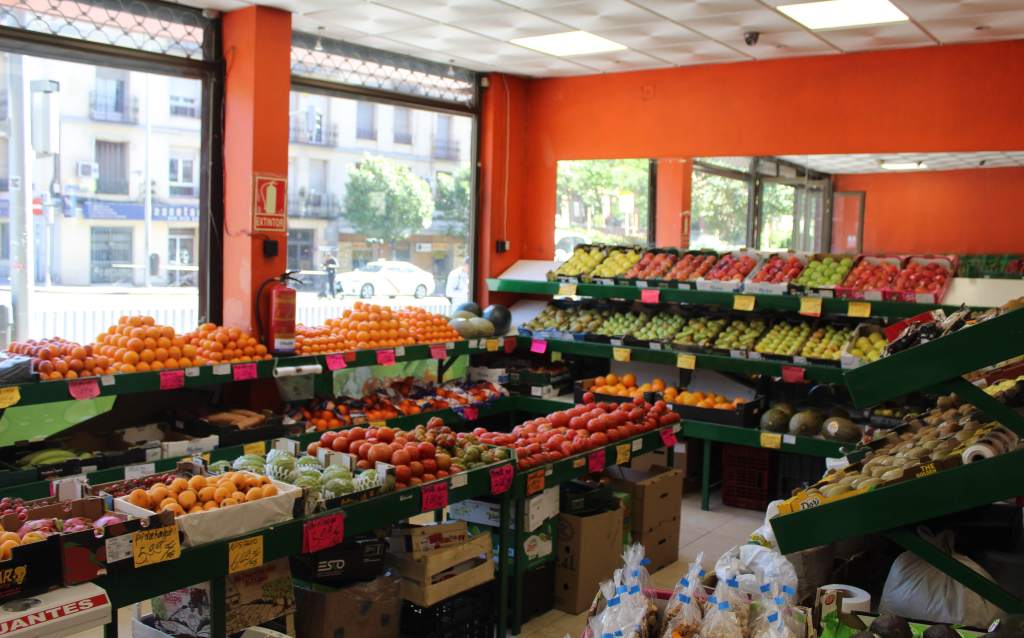
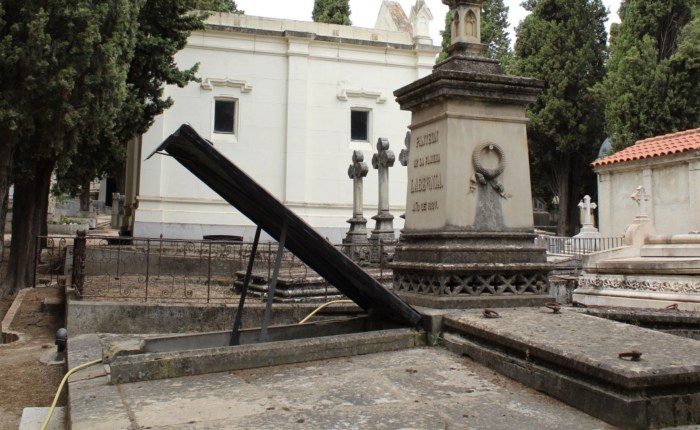
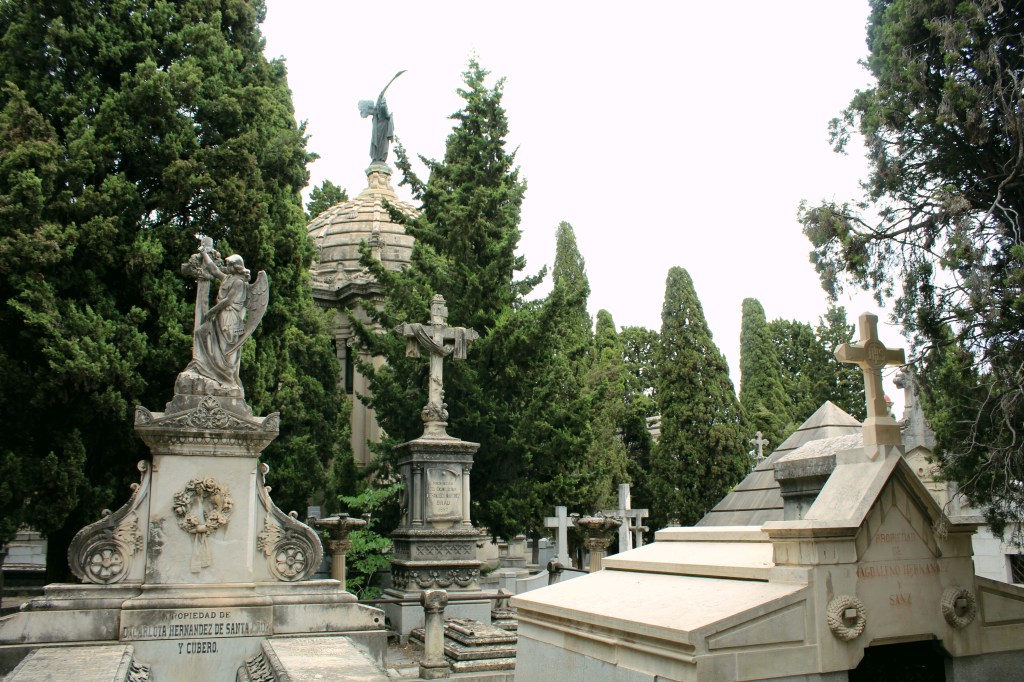
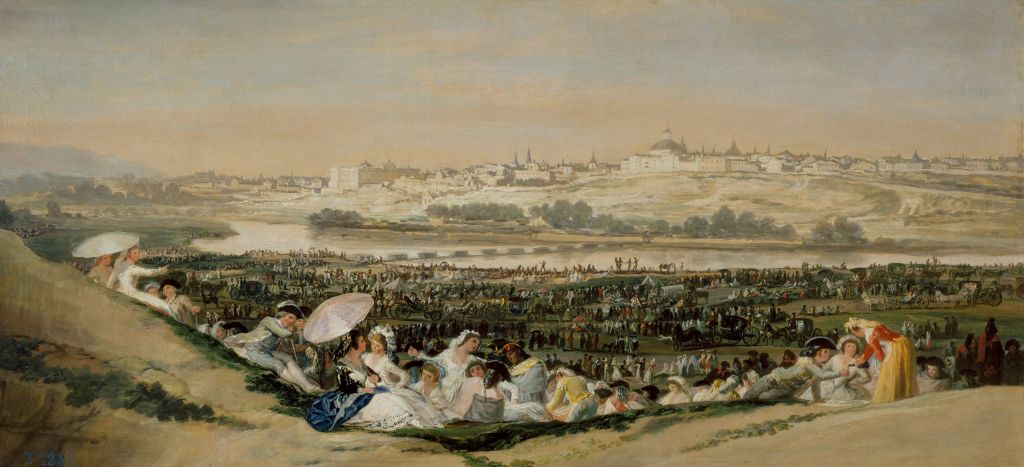
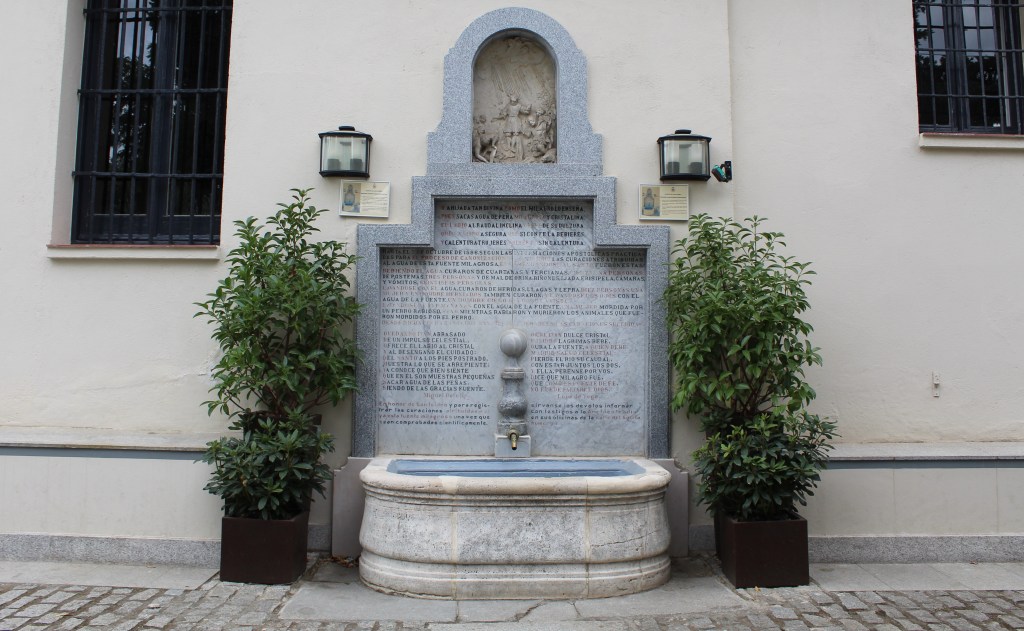

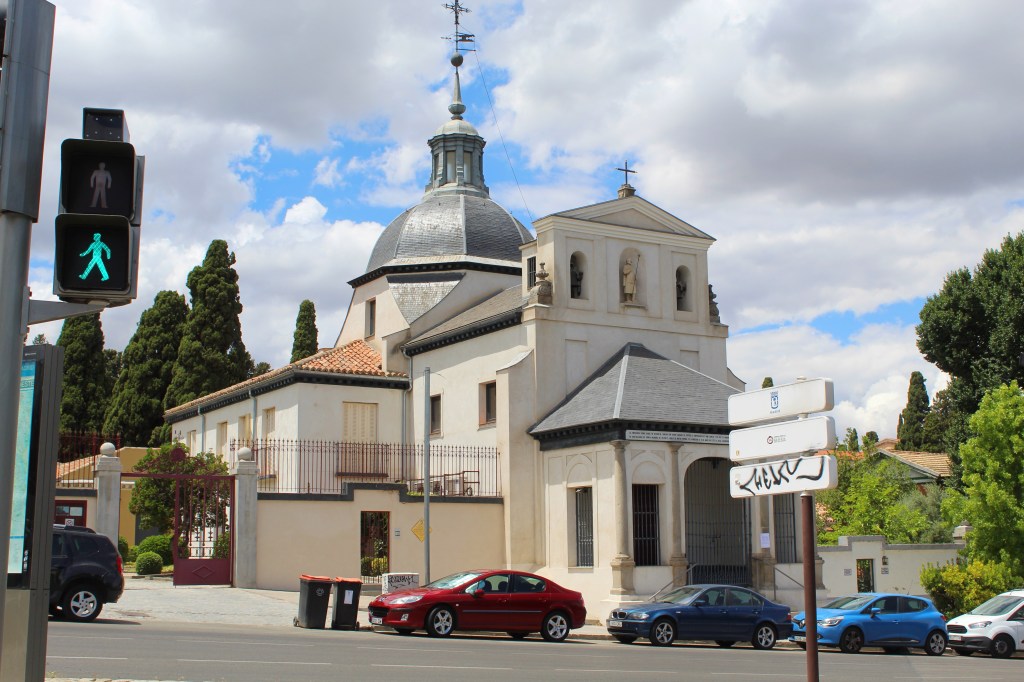
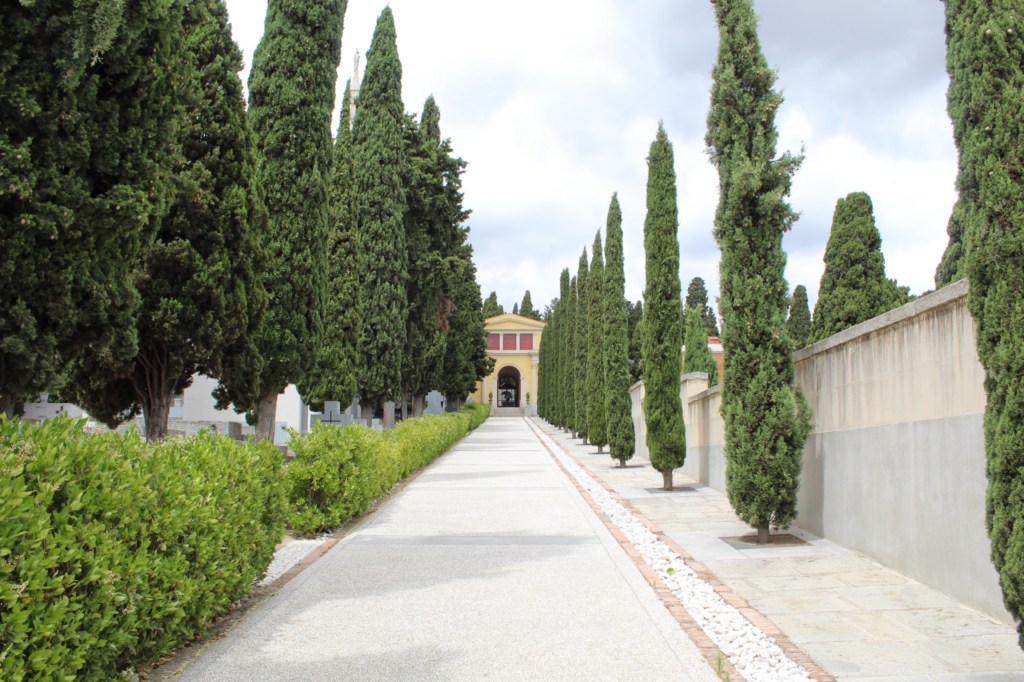
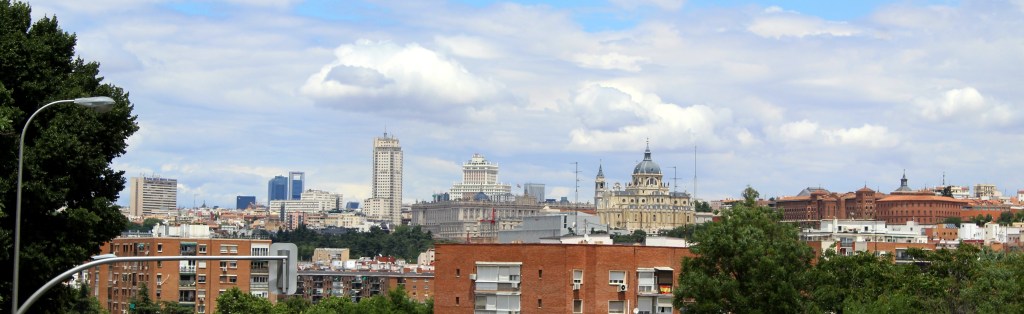
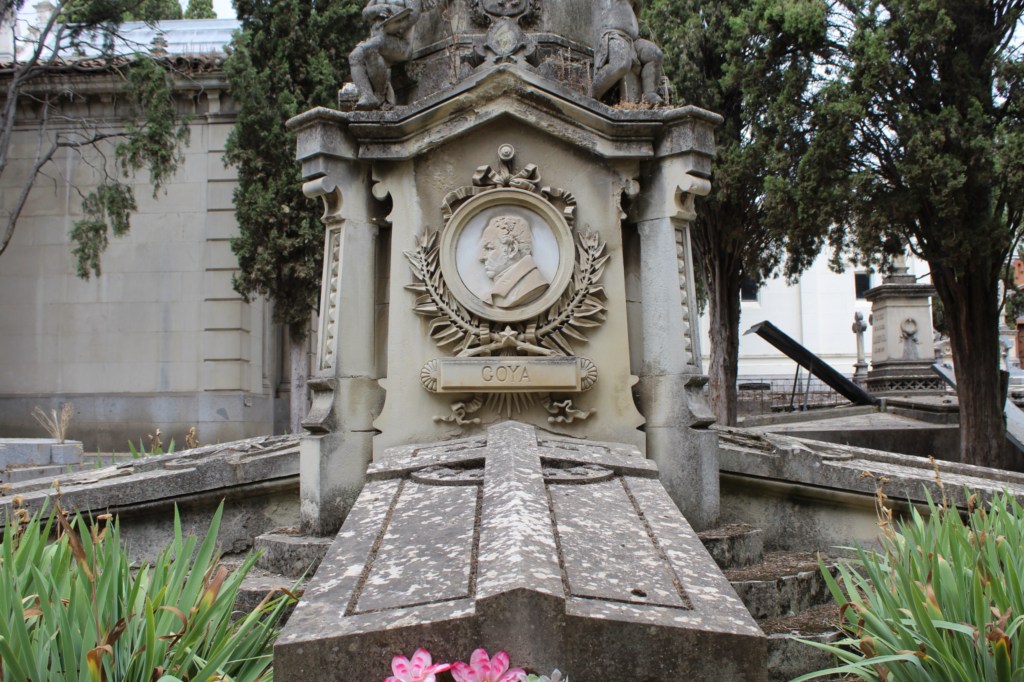
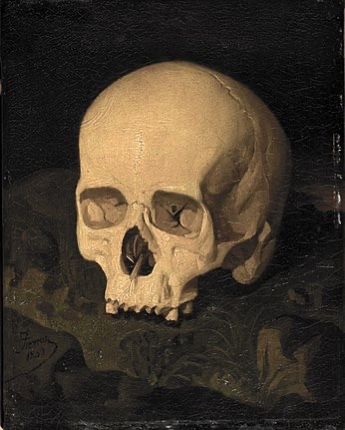

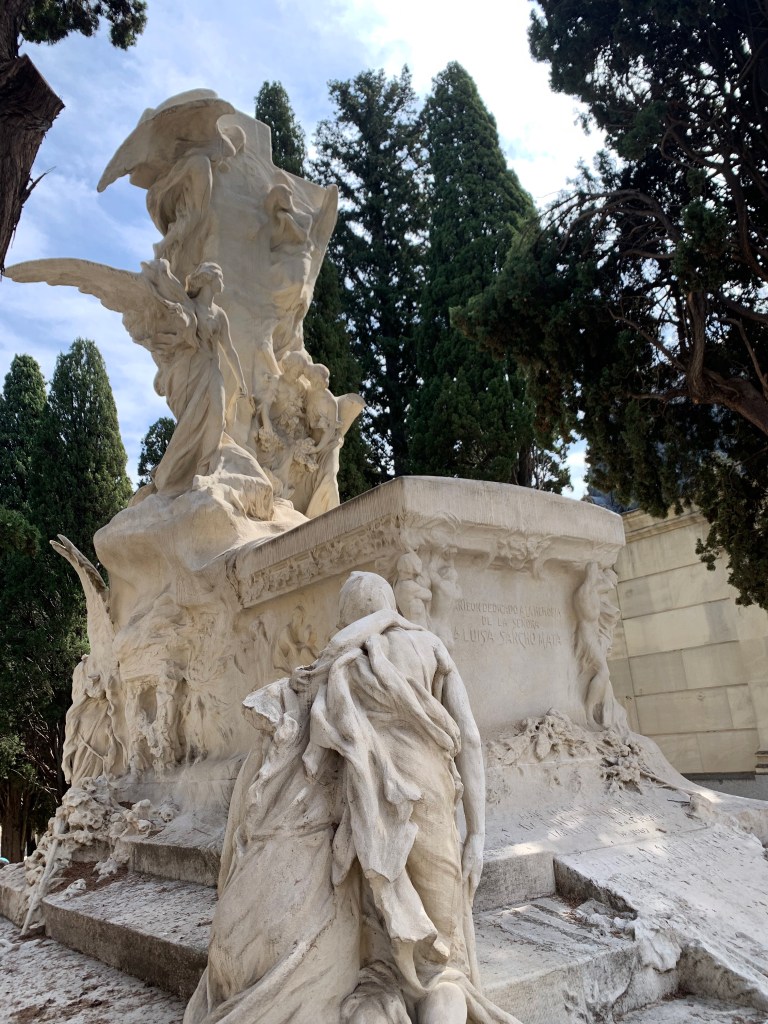

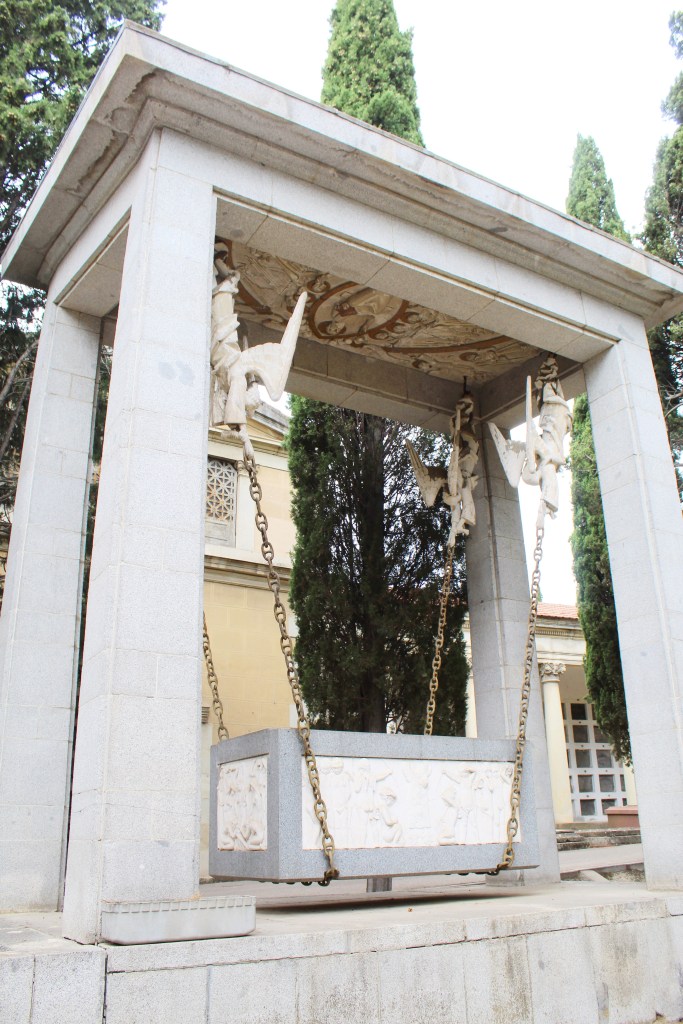
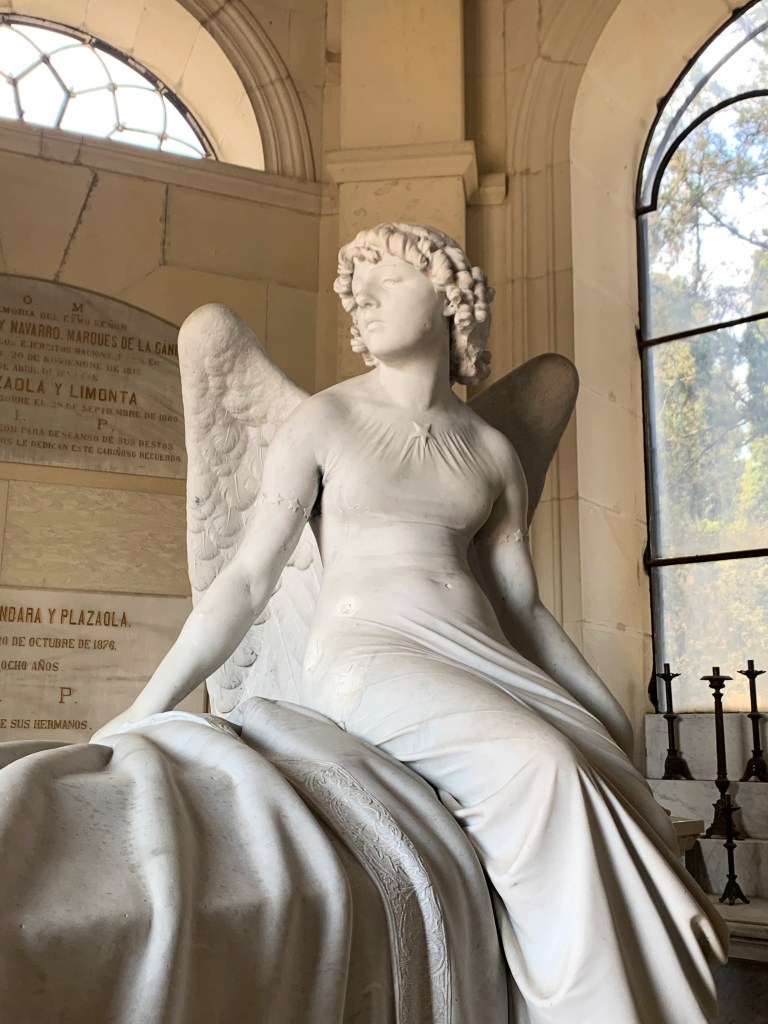
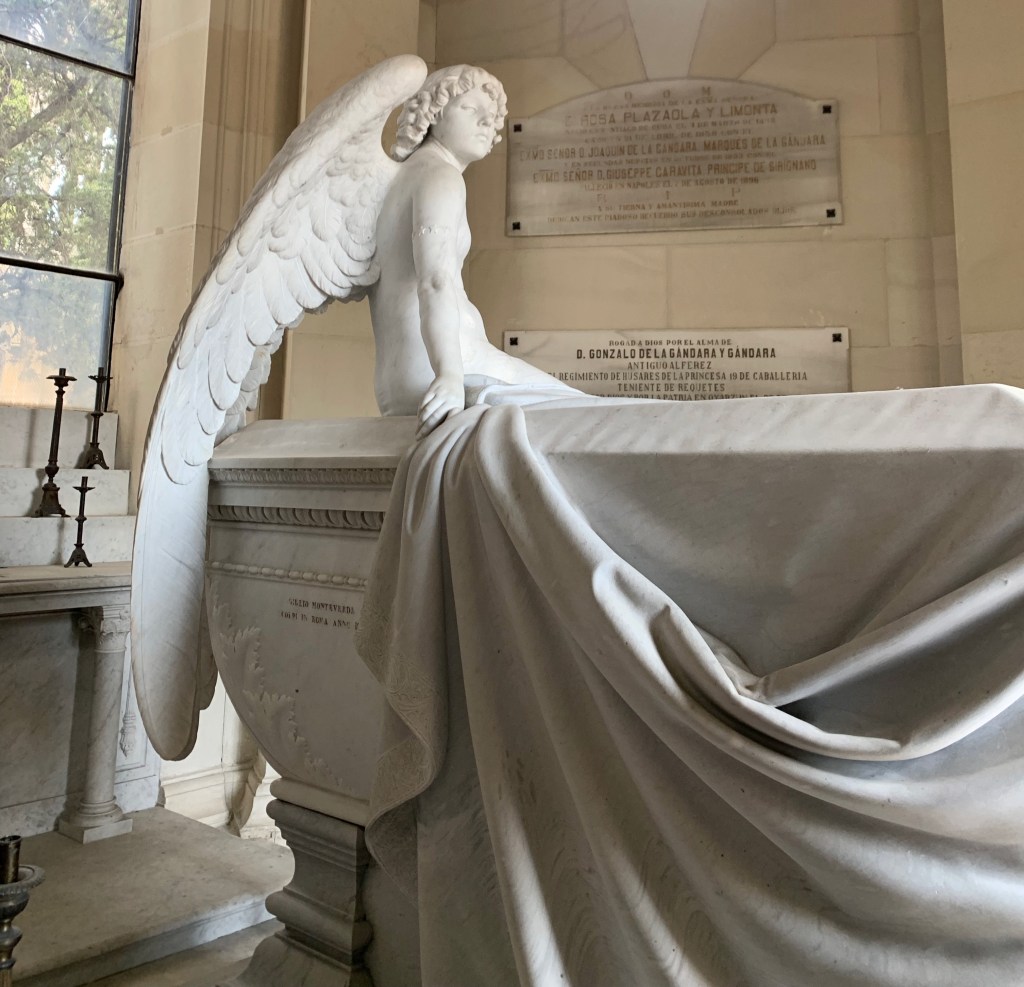
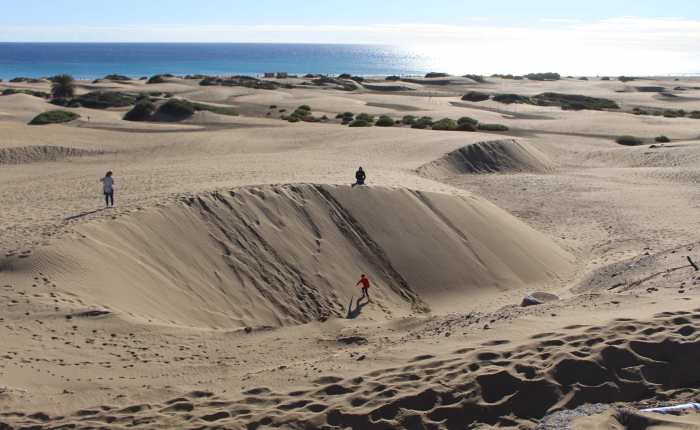
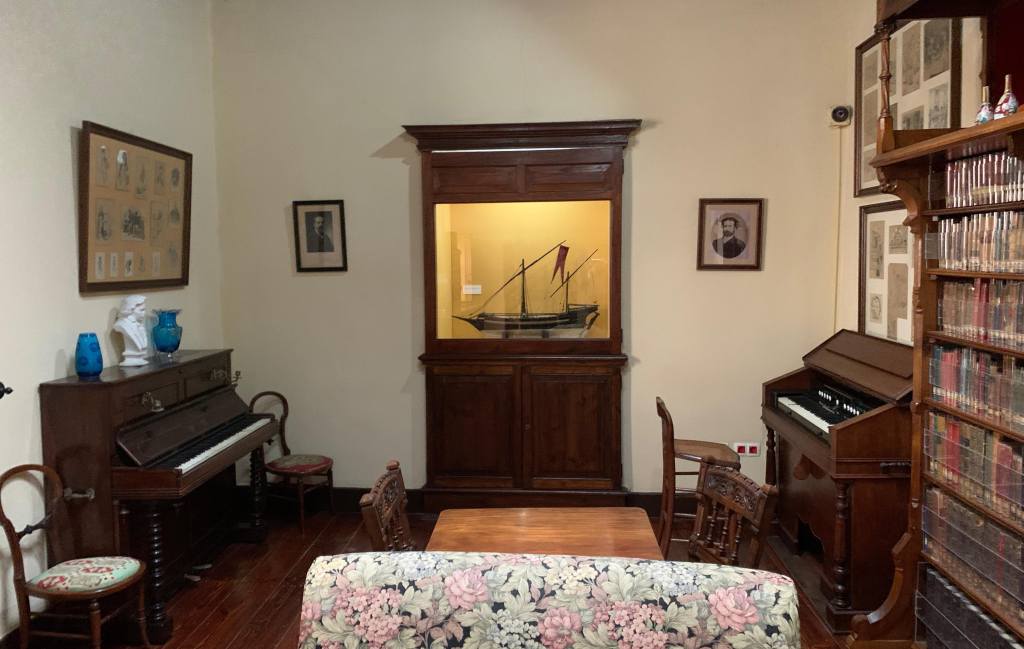
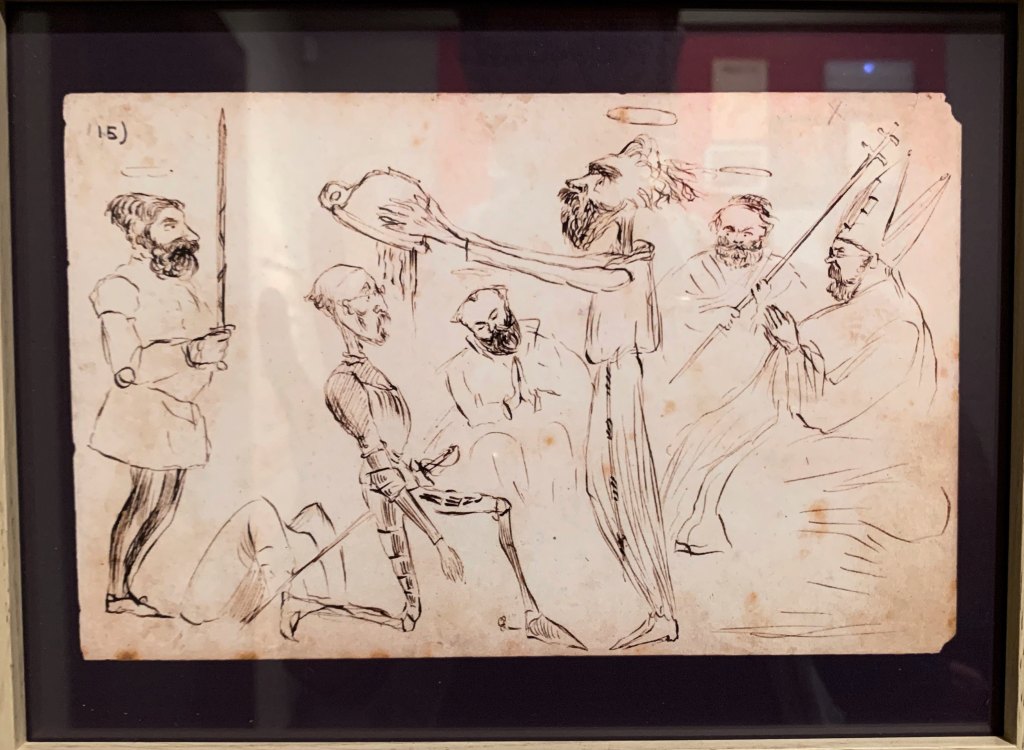
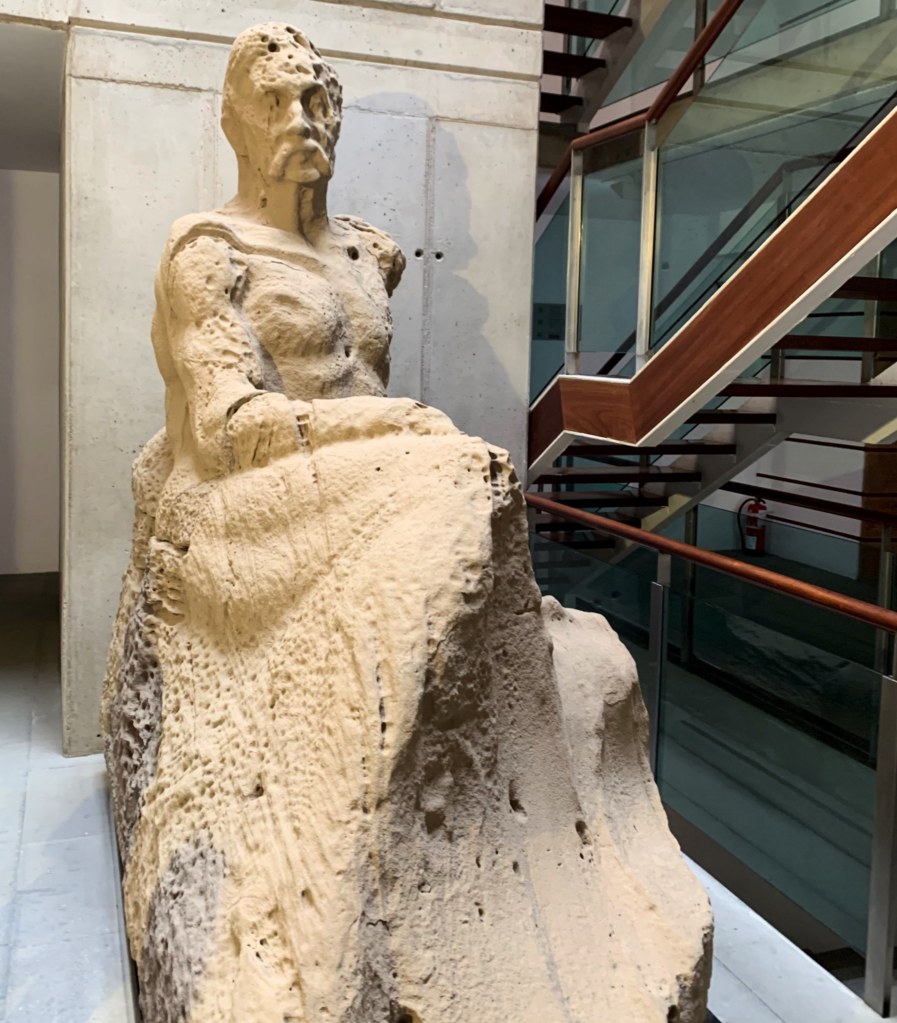
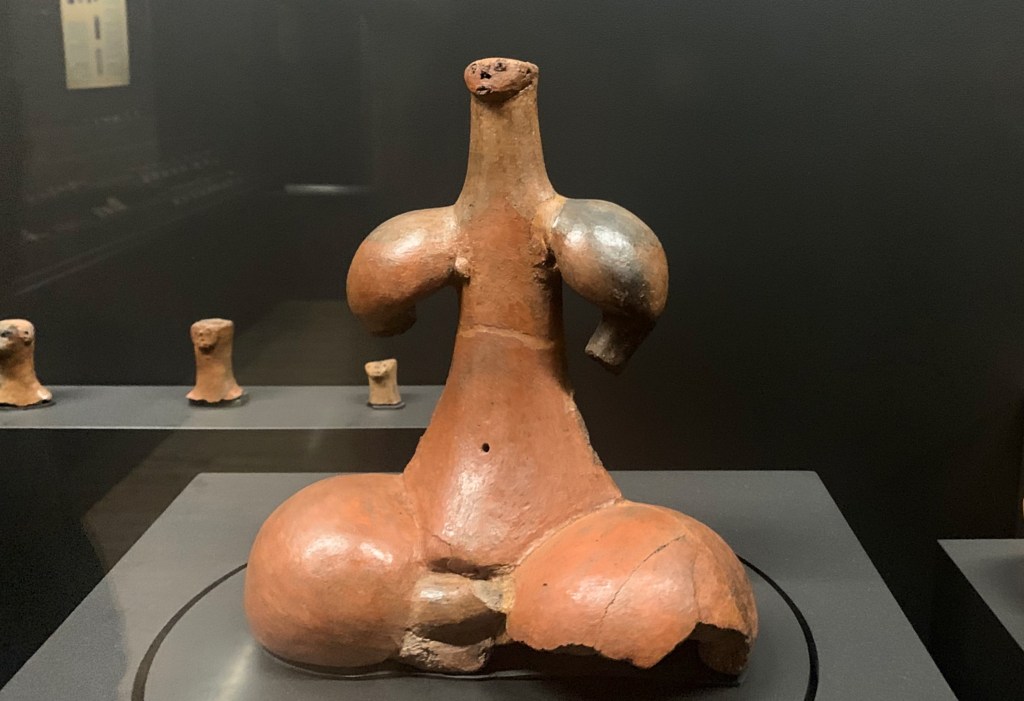
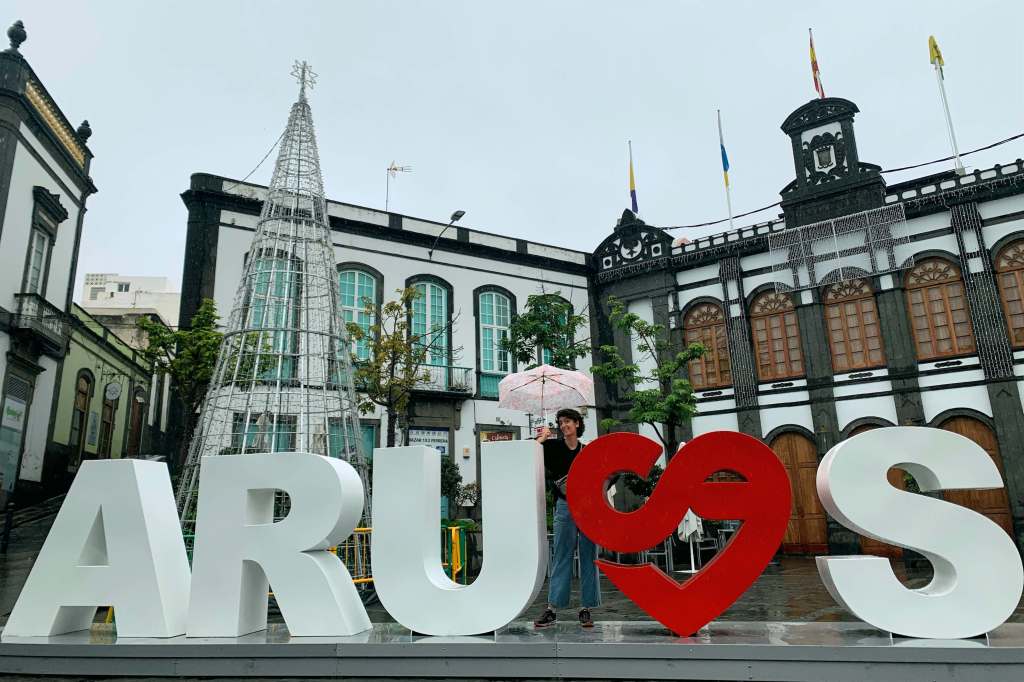
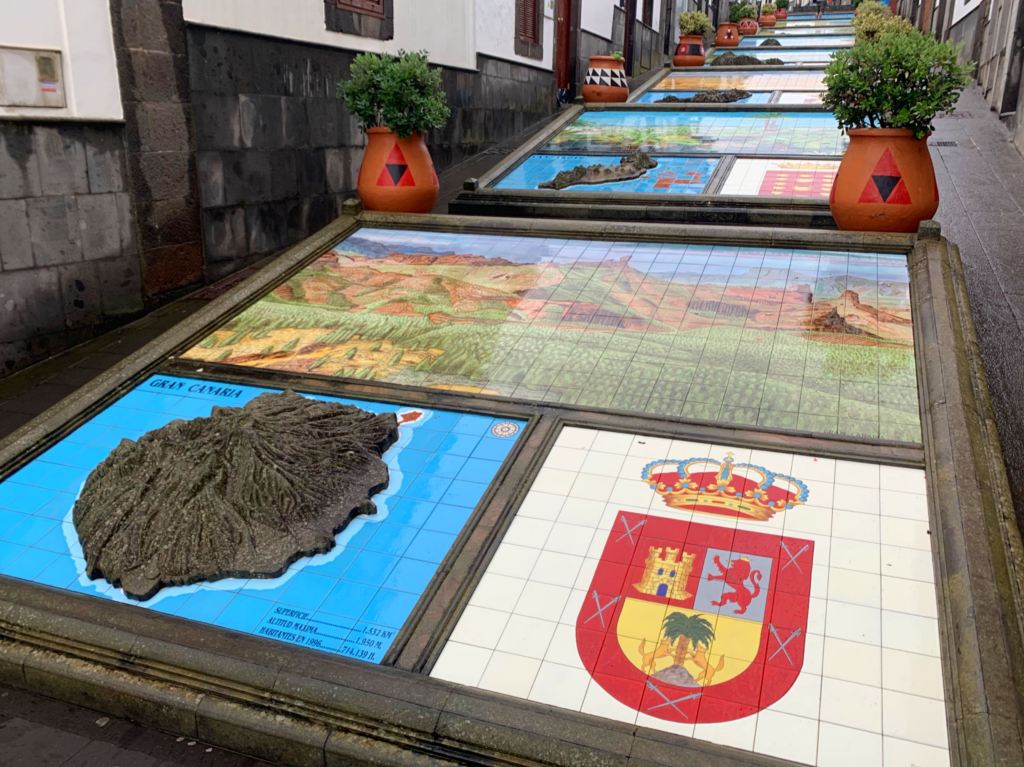

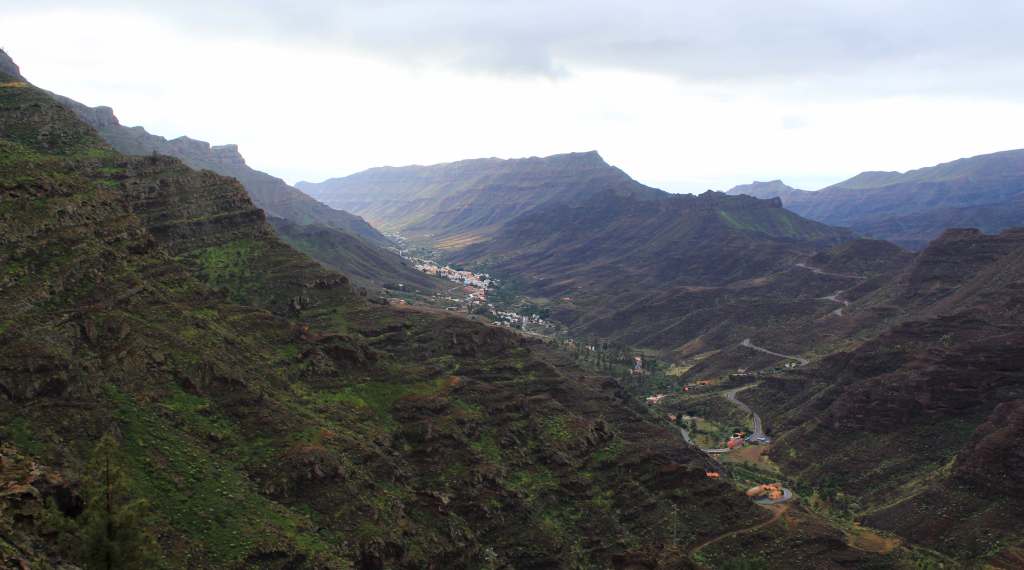

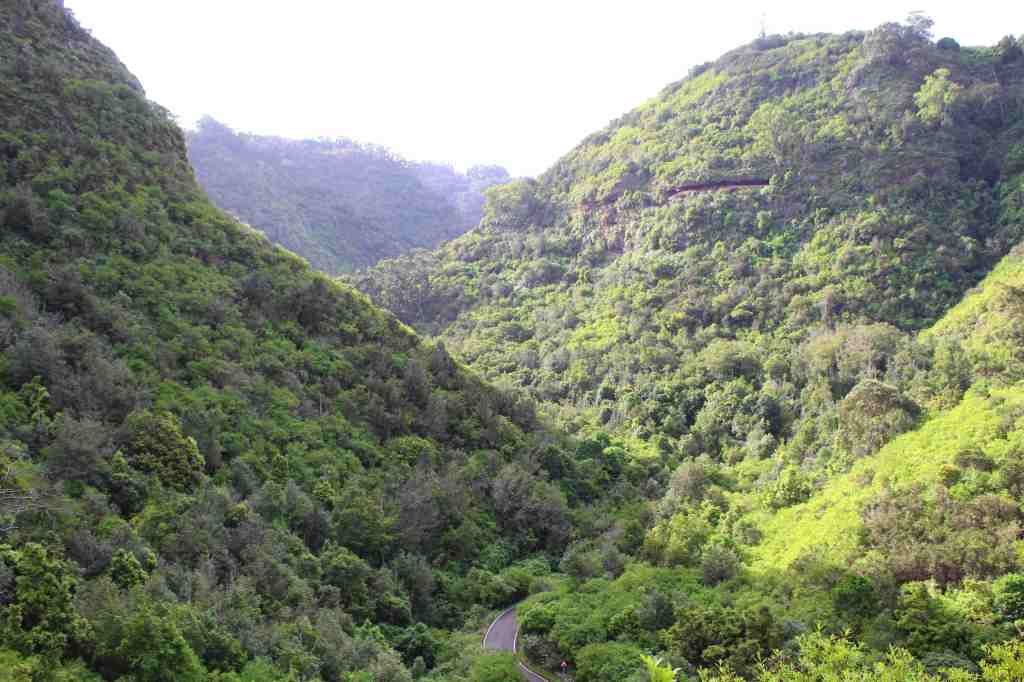


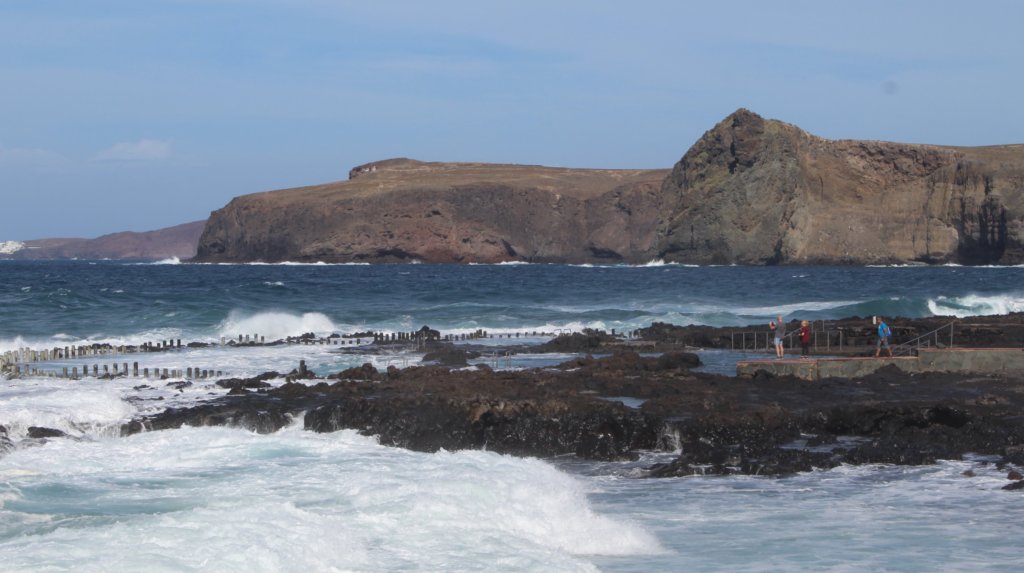


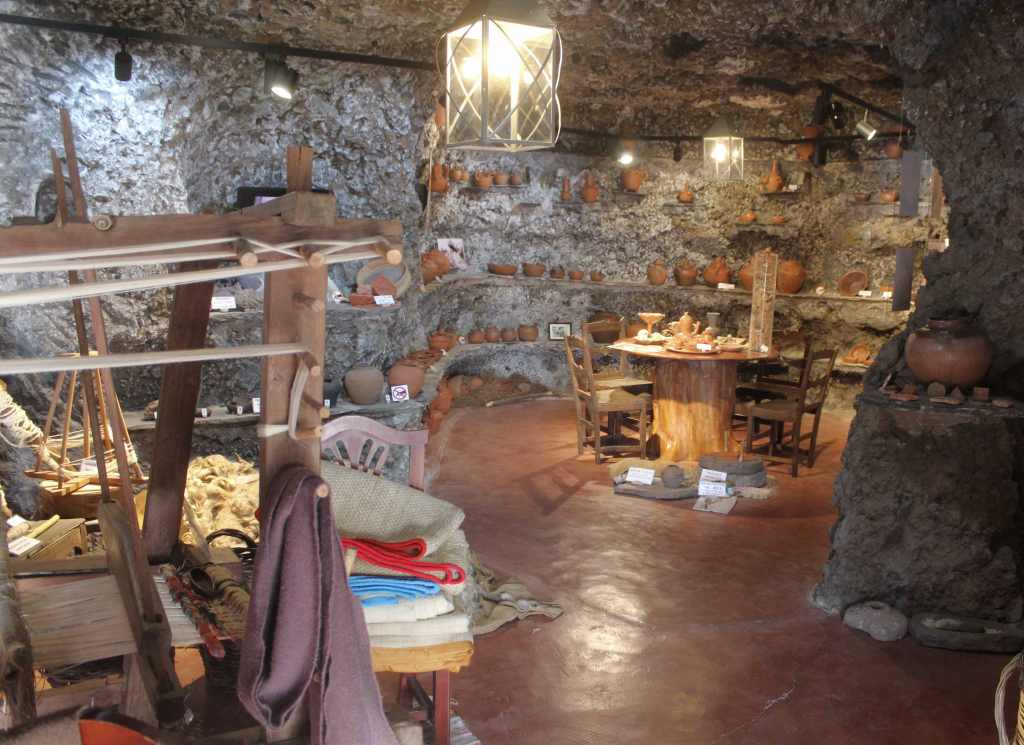
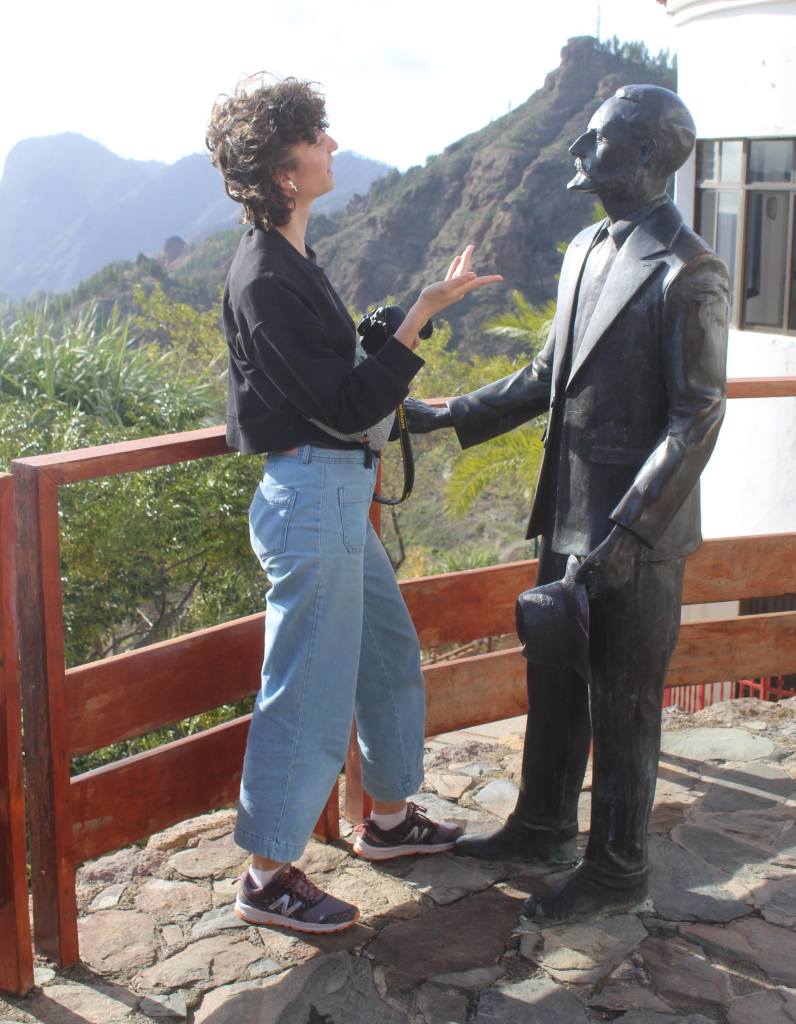


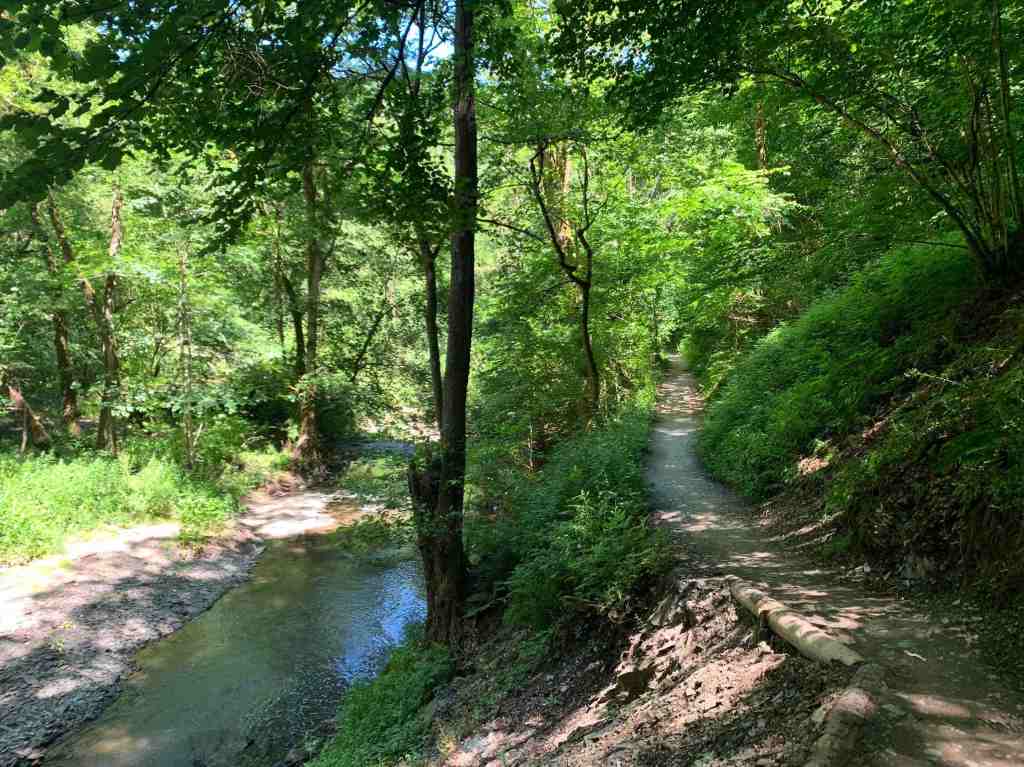

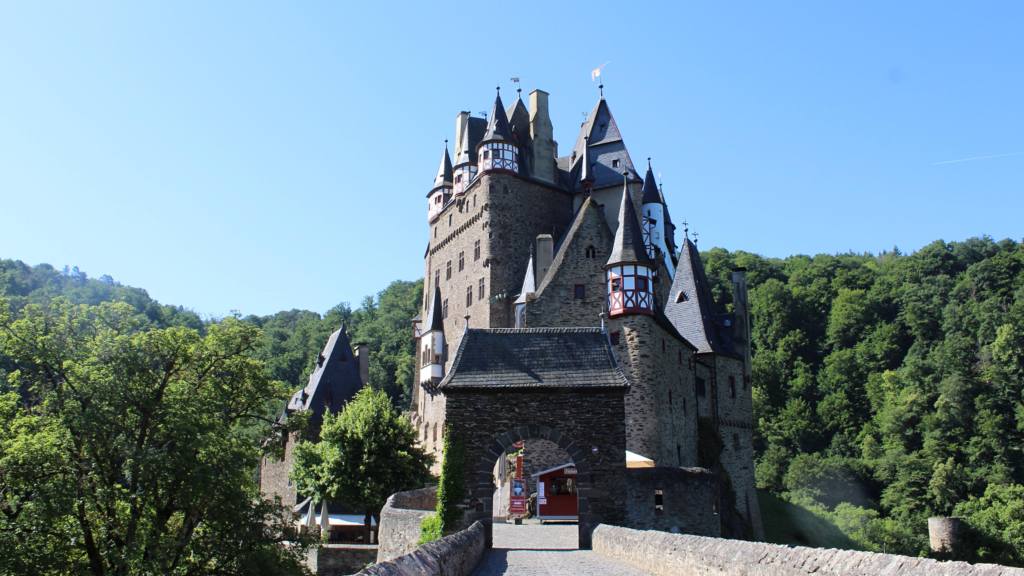

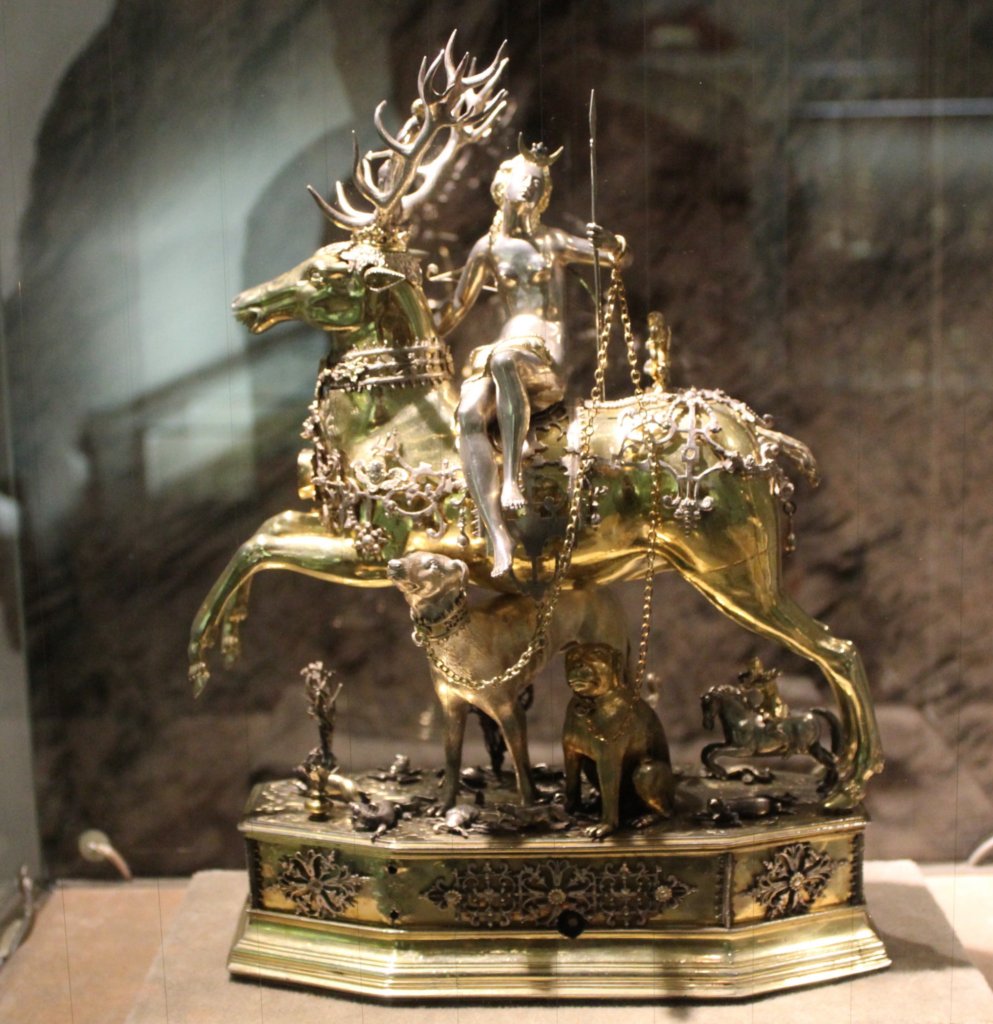






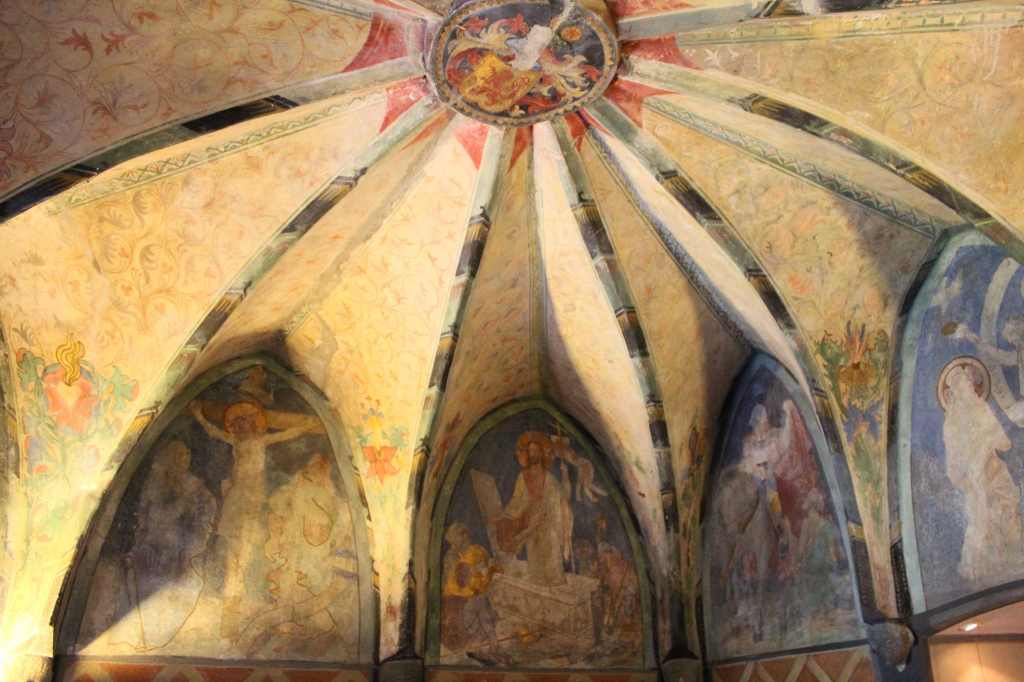


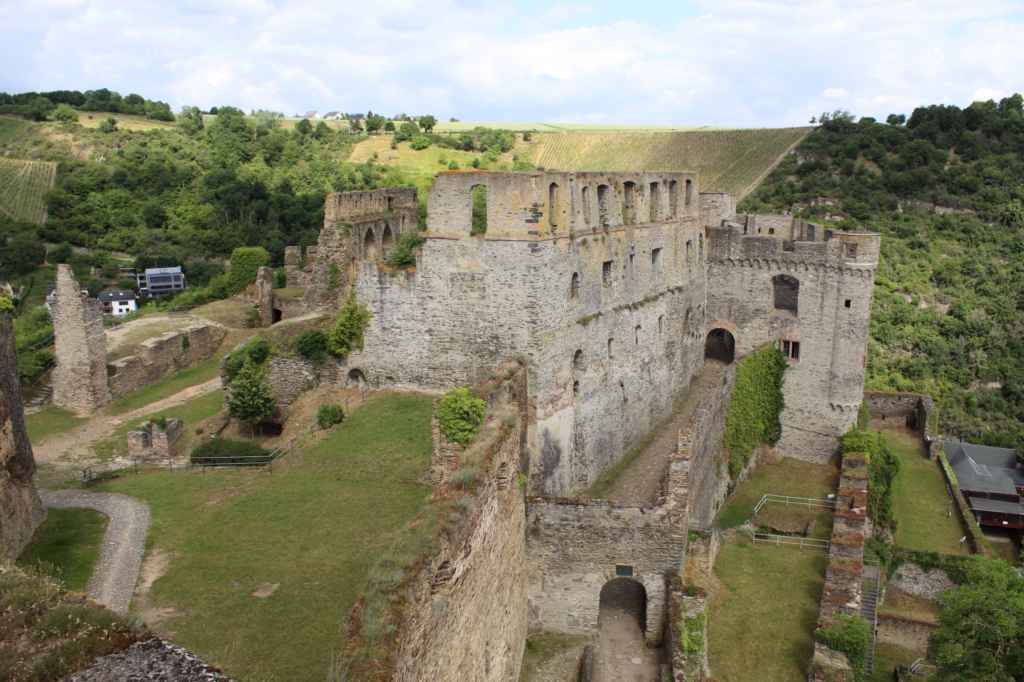
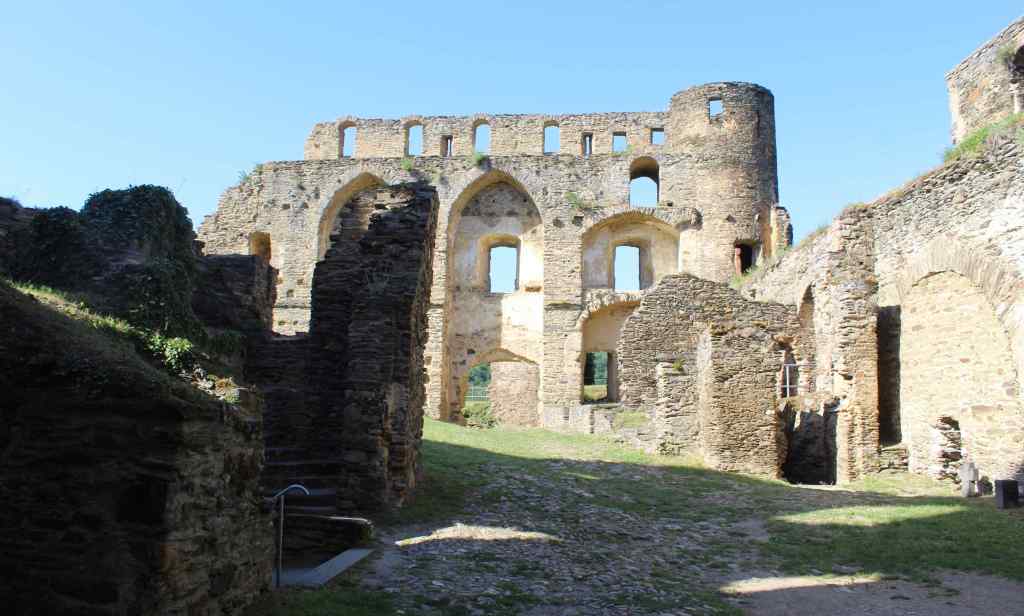


 Lotz in Translation