The tallest mountain I have ever climbed is Peñalara, the highest peak of the Guadarrama range. Standing at 2,428 meters above sea level, it is not even a third as high as Everest. With a train station that transports visitors most of the way up, and no steep cliffs or otherwise difficult terrain, for most of the year it requires no special skill or equipment to climb to the top.
And yet even this seemingly harmless mountain can be dangerous under the right conditions. I discovered this when I decided to visit one day in March, some years ago, during a cold snap that covered the mountain with snow—probably for the last time of the season. Wearing two pairs of pants, two undershirts, a hoodie, and my winter jacket, I ascended up the main route from the Puerto de Cotos.
The going was relatively easy until I got above the tree line. There, wind blew blasts of snow into my face, making it difficult to see. The air was so cold that I put on the feeble mask I had in my pocket from COVID times, just to protect my nose. The ground was covered in a layer of ice, requiring me sometimes to stomp through it, as I was just wearing hiking boots and had no crampons.
Even so, I made it to the top without too much trouble, and quickly turned to descend. Yet when I got halfway down, I decided that it was still relatively early; I wanted to do a little more exploring. I knew that there was a little lake somewhere on the mountain and I decided that I’d pay it a visit on my way to the train. A fork in the path took me to the Refugio Zabala, an emergency shelter built in 1927. There, I saw a path leading through the icy snow, down into a valley below. For some reason, I figured that this led to the lake.
But the path quickly grew too steep to walk down on the icy ground. Rather than turn back, however, I made the stupidest decision of the day, and slid down the icy surface on my butt all the way to the bottom, digging into the surface with my bare hands to slow myself down. When I skidded to a stop, I figured the path would continue. I was flummoxed, then, when it diverged into several directions. The air was foggy and a light wisp of snow was falling, making it impossible to see where the different paths led. To make matters worse, my phone didn’t have any data, and I had no offline maps.
Choosing what struck me as the most likely direction, I started walking, and soon found myself stumbling over icy rocks on the side of a steep hill. One mistep and I could easily have gone tumbling. After about ten minutes of slipping and sliding, the path petered out, leaving me at the base of a large icy slope. I sat down on the ice and contemplated trying to claw my way to the top of the hill, but I decided it was too risky. Besides, I had no idea if I was even going the right direction.
So I retraced my steps, tripping over the rocky path until I reached the bottom of the hill that I had so unwisely slid down. It was manifestly impossible to go back up the slope, as the ground was frozen solid. To make matters worse, a storm seemed to be blowing in, reducing visibility to a minimum. Lost in a sea of white fog, I began to panic. The temperature was well below zero and would likely get much colder. What would happen if I twisted my ankle or fell and hit my head? Could I survive a night exposed to the elements?
Just then, I heard a dog barking, and then voices in the distance. Without hesitating, I headed straight for the noise, even though the route took me off the paths and sent me scurrying over piles of slick boulders. I emerged onto a wooden path, where a group of hikers were chatting. They were well-prepared for the weather, each one sporting an impermeable jacket, crampons, and walking sticks.
Suddenly embarrassed, I asked them, as nonchalantly as I could, if this was the path to the train station. “Yes,” they assured me. “Are you lost? Want to come with us?” “Oh no, I’m fine,” I said, and walked as fast as I could down the walkway. Sure enough, in about an hour I was back in civilization, cradling a cup of hot chocolate from the station café.
It is obvious from this story that I had to make a lot of stupid decisions in a row to put myself in such a precarious situation. Even so, this modest experience also shows how unforgiving a mountain can be. After all, this was a peak I had climbed many times before—a national park frequented by tens of thousands of visitors. The idea that I could be in any danger struck me as silly. But all it took was a bit of fog and ice for me to get completely lost. A single slip could have been fatal.
I’ve elected to tell this anecdote because I have very little else to say about this book. It is absolutely gripping and made me think about cold, altitude, oxygen, and the strange impulse to defy death and challenge nature. I will only add that, if Krakauer hoped to combat the commercialization of Everest by telling this story, he did not succeed. Everest is now growing dangerously crowded. You can look up recent videos of dozens of climbers waiting in queues to stand on the summit. I can’t say I get the appeal.
There is a peculiar pleasure in reading books about writing. It is the only craft in which the manual to do it is an example of the craft itself. And since writers tend to be on the eloquent side, they are very good at making their particular pursuit sound interesting and admirable and arduous. Have you heard musicians talk about music? Poor fellows. Either they use the jargon of theory, or are reduced to the blandest platitudes.
Nevertheless, while writers may be in an excellent position to beautify and dramatize their profession, they are in a poor position to teach it. Writing simply cannot be broken down in the way that music can, into notes, scales, chords, etc. You cannot sit down and practice writing by typing the alphabet. Indeed, anyone who tries to teach writing in any capacity will quickly find that it involves so many subtle skills—from basic grammar, to the conventions of spelling and punctuation, to literary sensibility and aesthetic taste—that it resists being broken down into a set of teachable skills. Either it’s all working together, or it’s not.
Lamott begins on solid ground, by reiterating the advice given to all aspiring writers. Start small, write what you know, chuck perfectionism, give yourself permission to write bad first drafts. Nobody pretends that this advice is original, but it bears repeating, and often, since writers for some reason seem particularly prone to crippling self-doubt. I suppose it’s because writing, unlike playing guitar or painting a watercolor, is not particularly fun in itself. There is no sensory or physical feeling to enjoy. And writing being such a solitary pursuit, there is not even a social element. It is just you and the content of your words, and it can be a lot to bear.
Yet Lamott adds quite a bit to this basic, timeworn advice; and unfortunately for me, much of it rubbed me the wrong way. The rest of this review will thus seem unduly negative. So before I move on, I should say that any book that encourages people to read or to write is, for me, a good book. And this one has done a lot of encouraging.
The quickest way I can summarize what I felt was lacking in Lamott’s book is this: she does not pay enough attention to aesthetics. Put another way, I think her approach to writing is overly confessional. Lamott is concerned, above all, with expressing truth—not scientific truth, but personal, emotional, or even spiritual truth. There are times when this approach can be powerful. There are others when it can be horrifically boring.
Here is what I mean. She advises writers to carry around index cards and write down passing thoughts or overheard remarks. She encourages her students to write about their childhoods and to use their traumas. She gives careful advice about how to avoid libel by changing key details about the people in your life you intend to write about. Every story she tells about writing one of her books starts with an experience in her life that she wants to turn into fiction. And this book is peppered—“littered” is perhaps a better word—with anecdotes from her own life.
This is a recipe for thinly veiled autobiographical fiction (which seems to be the exact kind of fiction she herself writes). And the risk of writing such fiction is that it can easily become self-indulgent. It does not take an extraordinary narcissist to overestimate how interesting her life is to others. Most of us already torture our friends with long, boring stories about our days. Let’s not torture our readers the same way.
Of course, our experiences must inform our writing; and of course, most writers do want to express the truth as they see it. But what makes writing pleasurable and memorable, for me, is not that it tells the unvarnished truth about our various traumas, but that it transforms our experience into, well, literature. And this requires just the skills that Lamott neglects in this book.
For example, her chapter on plot counsels the writer to base the story on what her characters would plausibly do next. This strikes me as highly incomplete advice. Though some aspects of a story do grow organically from a character’s personality, most of the famous plots I know have a larger structural integrity. From the white whale to the ghost of Hamlet’s father, stories often contain elements that propel their characters into new situations, rather than vice versa. In the best stories, I think, a perfect balance is achieved between external events and internal turmoil. Thus the Greek tragedies.
This is a quibble, I suppose. More glaring is a complete absence of even a mention of different genres. One would never suspect, from reading this, that there are writers who wish to set their stories in the future or the past, in outer space or a fantastical dimension. One would also not suspect that many writers, rather than taking their inspiration directly from lived experience, are responding mainly to other books. Borges comes to mind as an obvious example, but I think most successful writers do their work in conversation with other authors, living or dead.
A good novel, after all, is not good because it captures something the author felt or thought or lived through. One can read all of Henry James’s books and learn very little about the man. The same can be said for authors as diverse as Shakespeare and Agatha Christie. A novel, once born, should stand on its own, and not serve as a window into the life of its author. This is what separates literature from confession.
Perhaps the most telling thing I can say about this book is that it reads more like a spiritual self-help book than a writing guide. And considering that Lamott seems to have achieved far more success with her series of spiritual self-help guides (she’s a proud Christian) than her fiction, this should perhaps come as no surprise. Indeed, I found this book most moving and powerful when she discussed how writing has helped her get through hard times. It may not be great advice for a novel, but it is not bad advice as far as life is concerned.
America I’ve given you all and now I’m nothing… America when will you be angelic? … America why are your libraries full of tears?
Allen Ginsberg
It appears that I am once again writing this column in the wake of a Trump victory. Eight years ago, I chose the Joyce quote about history being a nightmare, as the only words adequate to explain my immense disappointment at the American people. I ended that post on a rather hysterical note, promising to embrace Stoicism to get through the coming trauma.
This time around, sadly, I am not so surprised. The feeling is more of emptiness than despair. I may not have given America all, but I feel a numbing emptiness.
In my last post, I tried to briefly explain why I thought Trump ought not to be president. In this one, I am tempted to explain—or try to—why he won anyway. I probably shouldn’t. After every unsuccessful campaign there is a post-mortem, and the conclusions reached are usually rendered irrelevant by the next election. It’s clear that Biden and Harris made some significant mistakes, but, anyway, I’m hardly a democratic strategist.
Yet it does strike me that Trump’s victory signals that, as Kamala Harris said, we’re not going back. That is, we can never return to the status quo ante in the US, where the media was basically trusted, institutions were cherished, expertise respected, and political speech and ideology existed between narrow bounds of acceptability. Trump was not, as was ardently hoped, merely an aberration. Voters experienced a full Trump term and, somehow, returned him to power. They want what he’s selling.
There are a million things to say about the rise of the populist right, the alienation among young men, the changing media ecosystem, the lingering effects of the pandemic, etc., etc. For my part, I think inflation was the decisive factor. Even though the inflation suffered in the US was, by historical standards, rather moderate, it revealed the financial precarity of a huge swath of the public. Most people simply have no margin in their budgets, so even a modest rise in prices can be acutely stressful (I am speaking from experience here).
By my lights, Biden deserves only a very limited amount of the blame for inflation, since it was a worldwide phenomenon, not especially severe in the USA. Yet that so many people live on so little, and were only to have a decent standard of life due to cheap goods—many of them manufactured abroad—is a situation long condoned by the elites of both parties, including Biden. And in this election, Trump represented a rejection of these elites, while Harris (whose administration often downplayed the financial hardships) was their spokesperson.
I hesitate to predict whether Trump will, as many fear, permanently destroy American democracy. He will certainly damage it—he already has—but it may survive. I feel confident that he will continue to flout norms and will leave the country worse off than before. I fully expect the media circus of his previous administration to return, at least in part. Maybe the Democrats, as the opposition, will get their act together and find a message that resonates better. Or maybe Trump is such a poisonous presence that even the opposition will be debased in the new political culture.
What is clear, though, is that we’re not going back to the pre-Trump times. I would blame the electorate for being easily duped or irredeemably misogynistic. But, in Ginsberg’s words, “It occurs to me that I am America. I am talking to myself again.”
Cast your whole vote, not just a strip of paper, but your whole influence.
—Henry David Thoreau
I began this section on my blog in the lead up to the 2016 election, the first time that Trump was on the ballot. Like many Americans, I was depressed about the possibility of a Trump presidency, even though I doubted that it would really come to pass. I went to bed on election night (Spain is six hours ahead, so the result was not announced yet) comfortably sure of Clinton’s victory. When I opened my phone, the following morning, the news was so shocking that I could hardly even understand it.
I walked to the bus stop on my way to work, where I normally would run into my other American coworkers. They were there, red-eyed, fighting tears, and the reality then began to sink in that the next four years would be dominated by a man I found, and continue to find, repulsive.
Admittedly, the first three years of the Trump administration were more annoying than anything else. The tone of the news coverage was frantic, bordering on hysterical. These were the years of midnight tweets, of tell-all memoirs, of constant White House staff churn, and of so many scandals, big and small, that it is impossible now even to call them to mind.
But it must be admitted that, for these first three years, the country was basically okay. The economy chugged along, there were no new foreign wars, and it looked as though America could survive with a peevish child as the commander-in-chief.
Yet this veneer of adequacy was stripped away when the COVID pandemic hit. When decisive leadership was needed—somebody the country could look to for clarity, strength, and calm—Trump gave us what he always gave us: bluster, boasting, and bullshit. The spectacle of him suggesting on national television to use light or bleach to combat the virus seemed to be enough, however temporarily, to wake the country up to the fact that the presidency is a serious job.
When Biden won, it was an amazing sense of relief. Trump’s ban from twitter, however brief, did more to reestablish sane public discourse than all of the sober talks from talking heads. In the words of Gerald Ford, I thought that our long national nightmare was over. It wasn’t.
I spent the holidays back home, in New York, savoring the newfound ability to travel to the US after the pandemic travel restrictions were lifted. On January 6, I was puttering around my mom’s house, trying to tune out Trump’s election denialism, and the fake controversies he was drumming up. My mom, true to form, had the news on, though the proceedings in the Senate seemed too boring to pay much attention to.
This changed, of course. A mob, whipped up by Trump’s lies, stormed the Capitol in an attempt to reverse the outcome of the election. I watched, stunned. And as the attack dragged on, the absence of any words from Trump—of any solidarity with his fellow politicians, or concern for their safety, or disapproval of lawless violence—became deafeningly loud. A message eventually came from the White House, far too late to make a difference, in which he called the rioters “beautiful people.”
Trump has been wrongly counted out many times, and I admit that after January 6 I thought his career was over. By the time his plane carried him away from Washington D.C. (refusing to wait for Biden at the White House, as per tradition), I felt a wonderful lightness, as I witnessed a moment I had dreamed of for four long years. Goodbye, and good riddance, I thought.
Here we are, four years later, and Trump is once again on the ballot. And by the looks of things, he has a decent chance of winning. Biden has proven to be an unpopular president. And because of Biden’s stubbornness, Kamala Harris had to step up at almost the last moment to replace him, depriving voters of a chance to pick their candidate. And she has not been able to distance herself enough from the policies that have made her boss so disliked.
Even so, I would urge any of the few Americans still wavering to choose Harris. While I am not certain Harris will be a wonderful president, we already know what Trump is like. He is simply not fit to lead the country. Trying to overturn an election is disqualifying. He still insists he didn’t lose; he is unrepentant, and is gearing up to try to overturn this one if it doesn’t go his way. A second Trump presidency might not end American democracy as we know it, but it will damage it, more than he already has.
During the 2016 election season, I found myself incredibly disheartened that the country could fall so low. Nowadays, I’m not so judgmental. The political establishment has let the people down for so long, in so many ways. It is genuinely disheartening to have to continue to vote to preserve it. And yet, Trump is not the kind of man to solve long-standing problems. He is an impulsive narcissist, a compulsive liar, and manifestly unfit for a job requiring measured words, self-control, and logical decision making. For the third election in a row, I will cast my whole influence against Donald Trump.
The Dust Bowl has always been a somewhat vague disaster in my mind. It occurred during the Great Depression, and the images it generated helped to define the misery of the period. But the question has always lingered in my mind: was it simply chance that the two coincided? Or did one cause the other? Like many people, my primary touchstone for the event is The Grapes of Wrath; but that novel is mainly about people escaping the Dust Bowl, not what it was like to be in it. In short, for such an important event, I had only a vague notion of the Dust Bowl.
This book remedied the problem; and for that, Timothy Egan deserves a great deal of credit. The Worst Hard Time traces the disaster from its historical origins to its conclusion, and provides harrowing descriptions of what it was like to live through the dusters—or die trying.
I have never experienced a dust storm. The closest I’ve come was a few years back, when strong winds deposited sand from the Saharan Desert in Madrid, a climatic event called la calima in Spanish. It was unsettling. The air had a rust-colored hue, with visibility at a minimum. Rain drops fell and left dirty stains on your clothes. I was teaching physical education at the time, and we instructed the kids to use the face masks (which they still had, thanks to the pandemic) when we exercised outside. The only other relevant experience I’ve had was a few summers back, when the huge forest fires in Canada sent haze down to my town in New York. I tried to go on a run in the gray air and ended up with a persistent cough.
These experiences are mild to the point of triviality compared with the dusters of the 1930s. Visibility would drop to zero, pitch blackness. Dust would block roads and bury equipment. Any vegetation would be drowned or stripped bare. Anyone exposed to the dust would develop a cough that could become a fatal case of “dust pneumonia.” Most surprising of all, the dusters would generate enormous amounts of static electricity which would discharge painfully if an unwary victim touched anything conductive.
As to the question of why this happened, the answer seems to be quite complicated. Regardless of human activity, the Great Plains undergo long periods of rainfall followed by drought; and it just so happened that they were populated when the climate was more benevolent. But the 1930s were a time of extreme drought on the plains. Yet human activity had prepared the way for crisis. First, the peoples of the plain—the Apache and Comanche—were pushed off their land, and the buffalo, upon which they depended, were hunted to oblivion. The federal government encouraged farmers to take up residence by simply giving away land. The combination of the increased demand of the First World War and the Russian Revolution—which took the biggest grain supplier out of commission—prompted farmers to increase yield, plowing up as much topsoil as they could.
Like the Great Depression, then, the Dust Bowl seems to have not been the cause of one simple error, but a kind of perfect storm created by many contributing factors. And like the Great Depression—which was partly provoked by a massive trade imbalance, caused by WWI—the Dust Bowl as a kind of delayed hangover of the Great War.
Once again, Egan deserves a great deal of credit for writing such an informative book about a topic simultaneously so well-known and so poorly understood. That being said, I don’t have warm feelings about The Worst Hard Time. Though it is not an especially long book, it feels bloated and repetitious; and I think this is due to the prose, which was heavy-handed and inflated with a kind of false melodrama. This was frustrating, since the story of Dust Bowl contains more than enough drama to stand on its own.
The first lines give some idea of the tone:
On those days when the wind stops blowing across the face of the southern planes, the land falls into a silence that scares people in the way that a big house can haunt after the lights go out and no one else is there. It scares them because the land is too much, too empty, claustrophobic in its intensity. It scares them because they feel lost, with nothing to cling to, disoriented. Not a tree, anywhere. Not a slice of shade. Not a river dancing away, life in its blood.
I don’t know about you, but I find this ponderous and dull. And it irritates me especially because I don’t think this is Egan’s true voice. It is like he is putting on a persona (a quality of much irritating prose, I find). Mostly, it is extremely redundant—we get it, it’s scary—which is why the book feels so long.
This is just one of the faults of style I thought the book suffered from. However, I don’t want to harp on stylistic shortcomings too much. After all, I didn’t pick up this book to be blown over by the prose, but to learn about the Dust Bowl; and that, I certainly did. Even if it is irritating to read, then, The Worst Hard Time comes close to being the definitive work on the subject.
I turned twenty-one—the legal drinking age in my benighted country—in 2012, in the midst of a Renaissance in craft beer. I had spent most of college pounding cans of Coors Light, whose urinous flavor was offset by being affordable to college kids, with the added benefit that you could feasibly down ten or even twenty in a single night—a feat which naturally came with boasting rights. (I still have vivid memories of emptying dozens of cans from the huge recycling container in my dorm, and then vainly trying to get out the smell of stale beer by blasting it with hot water in the shower.)
It was something of a pleasant surprise, then, when I started drinking craft brews, and discovered that beer could actually be enjoyable in itself. Soon I grew fascinated by the variety and quality of the beers on offer. Breweries started popping up in every town. Even my local gas station began stocking dozens of different craft brews. Rather than simply tasting like watery piss, this beer could be bitter, chocolatey, aromatic, crisp, sweet, fruity, tart, and much else. For the first time in my life, I developed a palette for something, and began to keenly appreciate what had previously just been party fuel.
Thus it came as something of a shock when I moved to Madrid in 2015, and was once again thrown into the world of mass-produced beer. Whereas every self-respecting bar in the US will have at least five or six beers on tap, in Spain, even now, there is often only one. (You might think this is because Spaniards are mostly wine-drinkers. On the contrary, Spanish people drink beer in quantities surpassed by few countries.) I found it almost appalling that you could simply order “a beer” without specifying the type, only the size. Thus, I half-heartedly resigned myself to drinking lagers again, with the consolation that at least Mahou is better than Coors Light.
But all this soon began to change. Craft beer culture started catching on in a big way, and in just a couple of years Madrid was awash in local breweries. As it happens, one of my former coworkers at a school in Aranjuez, Luis, works nights at a brew-pub after he is done teaching. So one day I asked if he could teach me something about the art and science of craft beer.
Luis, enjoying a beer break outside the bar.
Tenta Brewing is located on a shady lane in the small city of Aranjuez. The day I chose to visit was, fortuitously, the first day they were reopening after summer remodeling. I arrived early to help with the final clean-up before the doors opened, and in the process got a miniscule taste of the daily labor involved in owning a brew-pub. As I incompetently cleaned the floor, attempted to tidy the kitchen, and moved tables and chairs to places they weren’t supposed to go, Miguel—the founder, owner, and brewer of Tenta—lost himself in a tangle of tubes in order to connect the casks to the taps. At one point, I was tasked with sticking labels on some cans of beer. “Is there a machine for this?” I asked. “Yes there is,” Luis responded. “You!”
In any case, the restaurant work—setting up, closing up, cooking, cleaning—is only a fraction of the work involved in owning a brew-pub. The major task is actually brewing the beer. And in Tenta, this falls to Miguel. Considering that brewing beer is not something you normally study at university, the world of craft beer is populated by people of many diverse backgrounds. In Miguel’s case, he was a graphic designer for years before he even thought about hops, yeast, or malt. For Miguel, as for so many, the gateway drug was home-brewing. He started as a hobbyist and soon he was hooked. In 2022, the small beer factory finally opened its doors.
Miguel, taking a break from brewing.
As it happens, I have also participated in the homebrewing experiment, though this merely consisted of following the directions on a beer-making kit. Still, it was instructive. Though the process was relatively simple, I was impressed by the scope for error. Every piece of equipment had to be carefully sanitized beforehand. Any deviation in timing or temperature could have fatally ruined the batch. What impressed me most was watching the beer ferment. For all the human labor that goes into beer-making, it is ultimately the yeast that do the heavy lifting—turning sugar into alcohol, and making carbonation in the process. Brewing beer, in other words, does not have the elegant precision of a chemical reaction. It is organic, and potentially messy.
Miguel spent the first two years of his brewing career as a “nomad.” This is a term for brewers who do not have their own factory, but instead make deals with other breweries to produce their beers for a slice of the profits. This is quite a common arrangement in the Spanish beer scene.
By chance, I stumbled upon a beer nomad at a neighborhood fair while writing this piece. In a tent sparsely furnished with a gas grill and half a dozen taps, Antonio (“Tojo” to his friends) was serving Dichosa beer. At the moment, he is brewing his beer in the factory run by Valle del Kahs (of whom, much more later), but he has worked with breweries all over the place.
When asked why he chose to brew his beer as a nomad rather than set up his own factory, he told me that there were several advantages. First, and most obviously, this allows you to avoid the fixed costs of equipment and upkeep. It also is a low-commitment strategy, which lets him move around to search for better arrangements. But the most curious advantage is that he can experiment with the water quality, which can vary quite a bit from place to place. (The water from Madrid is supposed to be exceptionally good, though.)
Tojo, who brews, pours, and even grills.
Even so, it seems curious that one beer maker would allow a rival to use their equipment. That would be like Chrysler manufacturing cars for Ford, right? Yet if you spend any time talking to beer-makers, you quickly get the impression that they do not consider themselves rivals of one another. Rather, there is a heartening spirit of camaraderie among brewers. Each one seems to know everyone else by name, and collaborations are frequent. The last time I visited Tenta, for example, they had a delicious watermelon ale on sale, made in collaboration with Pits, a brewery all the way up in Vigo.
Another reason for collaborating is simply business. Making beer is one thing, but selling it is quite another. Unlike the big-time brewing companies, which sell their beers in bars, restaurants, and supermarkets all over Spain, craft brewers have to work to find their audience. Though many brewers have their own pubs, at the rate that beer is sold in a brew-pub, the factory would remain under-capacity. This is why factory-owners gladly allow other brewers to use their equipment, in order to pick up the slack.
And this is also the reason why so many beer-makers put in long hours manning stands at local fairs and festivals (such as where I saw Tojo). Aside from these, there are dedicated craft beer events organized throughout the country by the Ruta del Lúpulo (the Hop Route). In these, a dozen or so craft breweries gather together, while the quickly inebriated visitor fills his glass from tent to tent. Even bigger is Beermad, a huge gathering of brewers in the so-called “crystal pavilion” in the Casa de Campo park. Local bands and food trucks are often recruited to round out the events.
Now, for my money, a well-made beer can be just as elegant, complex, and delicious as a fine wine. However, the culture of craft beer has little resemblance to the world of wine. For one, there are the aesthetics. While wineries present themselves as an extension of European elegance, the craft brew movement—at least as it exists in Spain—mostly takes its cues from my own country. English-language rock music blares from speakers, while men sporting beards and wearing band T-shirts and black jeans slide you a beer across the table.
Another, more important difference is that wineries are tied to the land in the way a beer-maker is not, or at least not necessarily. This is simply because wine is made from fresh grapes, which do not keep for long, while beer is made from malt (usually malted wheat, but other grains can be used), which keeps very well indeed. A beer maker could thus open a factory in Spain with malts from England and hops from the USA. Nevertheless, many beer makers try to give their product a local touch. Miguel, for example, acquires the fruits he uses to make his watermelon and strawberry beers from a neighboring village. Even the beef for the burgers is from local cattle.
One major challenge for Spanish craft brewers is that, unlike England, Belgium, or Germany, Spain has no autochthonous tradition of craft beer. Spanish drinkers—used to light, commercial lagers—are often unaccustomed to both the flavors and the price of the finer stuff. Still, the world of craft beer is cracking through the ancient drinking culture of Iberia; and nowhere is this more clear than in the Valle del Kahs brewery.
As its name would suggest, this brewery is located in the Puente de Vallecas neighborhood of Madrid. Traditionally a working-class, left-wing area, Vallecas has a strong sense of identity, and this is on full display at the Valle del Kahs pub. Tucked away into the narrow, maze-like streets of the barrio, the place looks nothing like a bar from the outside. And that’s because it wasn’t. The building was inherited by Dani, who owns the brewery along with his wife, Silvia. Before it was a bar, it was a bleach factory, operated for over 100 years by his mother’s family; and it still preserves much of its industrial atmosphere.
Dani, posing beside the heavy metal doors, preserved from the bar’s days as a bleach factory.
Dani’s family was thus one of the pillars of the neighborhood. As a case in point, his grandfather was one of the founding patrons of the Rayo Vallecano football team (soccer, for Americans), who play in the nearby Vallecas Stadium. Dani and Silvia have continued the tradition by sponsoring the Vallecas Rugby team. Trophies and jerseys adorn a corner of the bar, and portraits of the players—sporting jerseys with the Valle del Kahs logo—hang all over the bar. This logo, a growling black wolf, has a curious history. When Vallecas was far more rural, Dani’s father actually came across an abandoned wolf pup, adopted it, and called it Sultan. Dani barely remembers the wolf (he was too young), but the noble creature lives on as the company’s mascot.
Curro, a bartender at Valle del Kahs, hard at work.
As with Miguel of Tenta, Dani got into the beer business via homebrewing. Beforehand, he was in marketing, but was dissatisfied with the high-pressure corporate environment. For her part, Silvia was a watercolorist before she began selling pints. But she continues making art, as evidenced by the diagrammatic drawings that adorn the walls of the bar, such as a periodic table of beer. Their son, Arturo, is now also a part of the business. He was a successful chef before the pandemic, but during the shutdown decided that he would devote his time to liquid rather than solid delights.
I met Arturo on a quiet Wednesday evening, deep in the Vallecas neighborhood. While the family originally made beer in the old bleach factory, last year they decided to rent out a bigger space for brewing in an industrial warehouse. There, Arturo was working alone, solely responsible for the enormous vats of boiling and fermenting malt. His rapid explanation of the beer-making process was punctuated by hisses from a huge compressor in the back, which was gathering and concentrating nitrogen gas to be used for extra carbonation.
Seeing him there, dwarfed and surrounded by shining metal devices, I was impressed by the scientific rigor required to make something so apparently simple. But there is nothing really logical about being a craft brewer. It means long hours of brewing followed by long hours of manning a bar. It means giving up a secure livelihood for one with an uncertain future. It means a constant, uphill battle. But when you see any of these brewers in their element, you know that they are motivated by something beyond good sense. For them, brewing beer is a labor of love.
The first time that I went to Coney Island, I was in college, fully in the grip of a newfound commitment to intellectualism. I was certain that I was going to be a professor, that I was going to be a prolific and influential author, and that most of the world was consequently not up to my exacting standards of culture, taste, and intelligence.
At that moment in my life, Coney Island struck me as the epitome of everything I hoped to reject. Tacky, cheap, loud, dedicated to the pleasures of the flesh, it was horrifying to me. I did not like the beach, or roller coasters, or even funnel cake. It was too hot, too full of naked skin, too shamelessly mindless. I know that I sound as if I were some sort of dreamy Hamlet, condemned to a layer of Dantean hell, but that is what it felt like. Though it pains me to think of it, I was once invited to a birthday party in Coney Island; and rather than play catch on the beach, I spent the time under the boardwalk, reading James Joyce’s Ulysses (which, to be sure, I completely failed to understand).
And yet, Coney Island is so pure in its embodiment of wanton fun that I was also, against my will, fascinated by it. While I felt superior, the place also made me feel as if I was missing something fundamental about life. It became, for me, a symbol of what I lacked, and that is basically how I described Coney Island in my novel Their Solitary Way.
With age comes wisdom, or at least acceptance. It took me time, a long time, to learn to relax and have fun. Now, a decade and a half after my first visit, I think Coney Island is one of the treasures of New York, something I look forward to every summer.
For about a century now, Coney Island has not been an island. Formerly, the Coney Island Creek separated the island from the landmass of Long Island; but a part of this creek was filled in in the 1920s. However, as “Coney Peninsula” doesn’t have quite the same ring, the original name was retained. Aside from Rockaway, Coney Island is the only beach accessible on the subway (and the ride is significantly shorter), and it is also the only amusement park.
Coney Island has been the playground of New York since the 19th century. This is evidenced by the grandiose Coney Island – Stillwell Avenue station, which is the terminus of lines D, F, N, and Q. With its eight individual tracks, it is more reminiscent of a train station than a lowly subway stop, and is obviously built for high volume.
As you walk around the “island” today, buzzing with beach-goers, dancers, tourists, baseball fans, and teenagers on line for various rides, you might be forgiven for thinking that Coney Island is now in its golden age. But the peak of Coney Island occurred from the 1880s to the Second World War. During that time, with three amusement parks operating—Luna Park, Dreamland, and Steeplechase—it was the largest amusement area in the United States.
An early symbol of Coney Island’s greatness was the Elephantine Colossus, a 122-foot tall wooden building in the shape of (you guessed it) an elephant. It was so big that it could be used as a concert hall, a palace of petty amusements, and even a brothel. Indeed, it was significantly bigger than the earlier Elephant of the Bastille, a plaster model of a planned—but never executed—statue, which became an attraction unto itself. (It is now famous principally for Victor Hugo’s description of it in Les Miserables.) Unfortunately, the wooden structure burned down in 1896; but there is another huge wooden elephant in nearby New Jersey, by the same designer: Lucy the Elephant, in Margate City.
(There is a far darker elephant story connected with Coney Island, that of Topsy the elephant. Topsy was a circus elephant who had a reputation for misbehavior. In 1902 it was decided that the elephant would be executed as a publicity stunt. With the blessing of the American Society for the Prevention of Cruelty to Animals, Topsy was poisoned, strangled, and electrocuted. Her electrocution was actually caught on film. This film survives, and it is gruesome to watch. Be it noted that Thomas Edison had nothing to do with this particular animal execution, though it was filmed on an Edison camera.)
But the powers that be were not always kind to the island. One way to demonstrate this is the history of the New York Aquarium. This institution was originally housed in Battery Park, in the historic Castle Clinton, and was free to the public. It was a beloved place, visited by millions per year. Yet it attracted the ire of the infamous park commissioner, Robert Moses—who disliked both the aquarium and Coney Island for being too plebeian—who forcibly transferred the aquarium from Castle Clinton to Coney Island.
This had several unfortunate results. For one, the new aquarium was forced to charge admission. (Currently the price is $30, which is so steep that I have never visited.) The aquarium was also unable to safely transfer their animals, leaving them with no choice but to release their collection into the ocean and begin from scratch. And last, the aquarium was deliberately put in real estate previously occupied by the amusement park, Dreamland, in order to reduce the tawdry attractions.
But an even bigger nemesis to the island was Fred Trump—Donald’s father. A real estate developer, Fred eyed the valuable property occupied by the former Steeplechase Park, and eventually acquired it with the aim of putting up high-rise apartments. He made sure to demolish it quickly, and publicly, before it could be given landmark status; but he was ultimately unsuccessful in his building project. Trump eventually sold the property back to the city, and it was duly turned back into an amusement park.
Nowadays, the only remnant of the old Steeplechase Park is the iconic Parachute Jump. This was a ride that consisted of strapping people into a seat, pulling them up to the top of a 250-foot tall tower, and then letting them fall to earth with a parachute. It sounds extremely dangerous, but the ride apparently had a perfect safety record. The now-defunct ride is strangely beautiful—a kind of blooming steel flower.
This information, I should note, was partly gleaned from the Coney Island History Project. As its name implies, this is a non-profit organization, dedicated to exploring, recording, and divulging the history of Coney Island. In the summer months, they run a small stand near the Wonder Wheel, where the visitor can see remnants of old rides (such as the steeplechase), as well as dozens of excellent old photographs.
The center portrays Coney Island as a haven of cheap fun, which had to survive decades of private greed and public neglect in order to serve its vital function to the city of New York. We have already heard about Robert Moses and Fred Trump; but before them, John McKane, a Tammany Hall politician, tried to sell off much of the publicly owned land for profit. (Unlike the corrupt politicians of later eras, McKane ended up in Sing Sing.)
Fred Trump’s demolition of Steeplechase Park, in the 1960s, inaugurated what was perhaps the darkest period in the island’s history. As its popularity among New Yorkers declined—a result of many factors, such as the rise of the automobile, and the new availability of other recreational sites—much of Coney Island was rezoned and redeveloped for urban housing, with large buildings constructed for lower-income residents. This was followed, predictably, by an increase in crime and a consequent decrease in legitimate business.
It was only in the late 80s that a movement got underway to protect and revitalize the area. The Coney Island Cyclone, the Parachute Drop, and the Wonder Wheel were declared landmarks, and plans were made to construct a minor league baseball stadium on the former site of Steeplechase Park. Of this stadium, more later. First, I want to pay my respects to the classic rides of Coney Island.
The oldest continually operating attraction on the island is the Wonder Wheel. Built in 1920, it has operated every year except 2020, during the pandemic (unfortunately, its centennial). Its design is unlike a standard Ferris wheel, in that some of the compartments can slide around between the rim and the hub. Despite being next to the larger Luna Park—which operates all of the major roller coasters—the Wonder Wheel belongs to its own separate amusement park, Deno’s. Named for Deno Vourderis, who acquired the wheel in 1983, this is a family-run amusement park, still operated by his two sons.
Only slightly younger than the Wonder Wheel is the Coney Island Cyclone. Built in 1927, it was actually the third of the great wooden roller coasters, after the Thunderbolt (1925) and Tornado (1926). The former stopped operating in 1982, but was not demolished until 2001; the latter was destroyed by arson in the 70s. The Cyclone narrowly escaped destruction, too, after it was acquired by the city in order to provide land for an expansion of the Aquarium. The Coney Island Chamber of Commerce fought the aquarium to a standstill, and the plan was eventually scrapped.
The original Thunderbolt rollercoaster, awaiting destruction.
The Cyclone is now the star attraction of Luna Park. Despite its age (or, rather, because of it), the ride holds up. Reaching a maximum speed of 60 miles per hour, it manages to be quite terrifying, as the loud clackety-clack of the car, careening over the spiderweb of ancient wood, gives the sensation of imminent collapse. The sense of riding a rickety antique provides a thrill no modern technology could duplicate.
The current Luna Park is a reincarnation. The original was opened in 1903; and judging from the photos and illustrations, it was a sensational place. With over a million lights—changing color every second—it had every sort of entertainment conceivable. Its name comes from its first and most iconic ride, “A Trip to the Moon.” In this, visitors would travel on a strange spacecraft, as scenes of earth and space were projected on the walls. Then, they would “land” on a papier-mâché moon, where the Man in the Moon would dance for them. It sounds pretty awesome.
A colorized photo of Luna Park in its heyday.
(This brings us back to the unfortunate life of Topsy the elephant. This elephant was acquired by the owners of Luna Park in 1902, and used to advertize the construction of the new park. This included hauling the “spaceship” used in A Trip to the Moon. However, the drunken handler started stabbing Topsy with a pitchfork during the move. The police intervened, and the handler responded by turning the elephant loose, causing predictable havoc. Two months later, this dangerous man rode Topsy directly into the police station—again, causing predictable havoc. Topsy’s execution was thus framed as “penance,” though it was timed as a morbid publicity stunt for the park’s opening. The past wasn’t always such a charming place.)
The Luna Park that exists today only shares its name with that original park, which closed in 1944. The current rendition opened quite recently, in 2010. It has dozens of rides, from spinning teacups to terrifying slingshots (which I would never try). Among these is the new Thunderbolt. Opened in 2014, this is a modern-style rollercoaster, with a completely vertical lift hill (possibly the scariest part of the ride), and four sections when you are momentarily upside-down. Surprisingly, its top speed is a hair under the Cyclone’s; and the comforting impression of modern engineering makes it ever-so-slightly less terrifying.
The new and improved (?) Thunderbolt.
But an amusement park isn’t just rides and roller coasters. An essential element are the carnival games. Coney Island is teeming with such amusements, from Whac-A-Mole, to the ring toss, to miniature basketball free-throws. When I was younger, I steered clear of these games, put off by their vaguely unscrupulous aura. Yet now I think a couple dollars is a fair price for the pleasure of spasmodically attempting to bludgeon some plastic vermin. And I was pleasantly surprised when I actually won a game of water racer (in which you have to fill a container using a water pistol), and was awarded an enormous pillow featuring the likeness of Lebron James. The world may not always be fair, but sometimes you get lucky.
Yet there are pleasures even more acute than these. On a whim, after a long day on the island, we decided to dip into the Eldorado Bumper Cars, on Surf Avenue. It was like walking into a nightclub. Dancehall music blared deafeningly from the speakers as we blinked in the neon darkness. Deliriously, I handed over my ticket, and was directed to one of the waiting cars. The power was switched on and I lurched into motion, careening endlessly around a track, while a teenage boy clipped me from behind with an inscrutable smirk on his face. It was a blast.
As it happens, this bumper car establishment is next to a Coney Island institution: Nathan’s Famous. This is the original location of what is now a hot dog empire. It was founded in 1916 by Nathan Handwerker, though the hot dog recipe was created by his wife, Ida—who, in turn, got the spice blend from her grandmother. Nathan was a Jewish immigrant from Poland, who used his entire life savings—a grand total of $300—to open a hot dog stand with his wife. The hot dogs were all beef, though they were technically not kosher (the animal has to be slaughtered and prepared a specific way) leading Handwerker to dub them “kosher-style.”
Over a century later, Handwerker’s small stand has expanded into a city block, and in the summer months it is consistently packed. Yet with cashiers and counters on three sides of the building, service is surprisingly fast. Now, I am not normally a huge fan of hot dogs—in flavor, color, and texture, they are so processed as to be food-adjacent—but Coney Island, the mecca of mindless fun, is the perfect setting to stop worrying and love the glizzies (as they kids call them nowadays). And insofar as such things can be judged, I actually do think the Nathan’s frank, with mustard and sauerkraut, is a cut above the average wiener.
Nathan’s is also famous for being the site of one of America’s most barbarous rituals: its July 4th Hot Dog Eating Contest. The contest has a mythical origin story, in which four immigrants decided to test their patriotism with an impromptu contest, all the way back in 1916. But the contest really dates from 1972, when it was dreamed up as a promotional event. Though it began rather informally, the contest is now the World Series of the professional eating world. Indeed, for something as silly as an eating contest, there is a surprising amount of drama in the “sport.”
For years, the contest was dominated by Takeru Kobayashi, a Japanese legend who broke record after record, winning from 2001 to 2006. But the food tsunami hasn’t participated since 2009, since he refuses to sign an exclusive contract with Major League Eating. Indeed, the depraved tidal wave was arrested in 2010 when he jumped onto the stage after the contest. Meanwhile, Kobayashi’s arch-rival, Joey Chestnut was barred from the contest in 2024 after he signed an advertising contract with Impossible Foods, which sells plant-based hot dogs. Chestnut still holds the world record for downing a stomach-exploding 76 hot dogs in 10 minutes; but in his absence, Patrick “Deep Dish” Bertoletti took home the 2024 Mustard Belt with a very respectable 58 franks.
Now, I have described the subway stop, the carnival games, the rides, the history, the hot dogs (and the animal cruelty); but Coney Island is, above all, a beach. The experience of visiting Coney Island, for me, inevitably involves walking up and down the boardwalk, taking in the ambience. Indeed, the almost complete lack of shade on the boardwalk never fails to put me in a semi-sunstroked state, giving the scene a kind of mirage-like sheen.
It seems only right and natural that there should be a boardwalk and a beach at Coney Island. Yet like all good things in this world, it had to be fought for.
At the beginning of the 20th century, most of the beachfront property was in private hands, and so access to the ocean was severely restricted. Many poor New Yorkers could only look longingly at the waves through the links in a fence. It was not until 1921 that the city forcibly acquired the land facing the sea, and work began on the boardwalk the following year. It was named in honor of Edward J. Riegelmann, the Brooklyn borough president, who was in charge of the project. He himself opposed the name, preferring the simple “Coney Island Boardwalk,” but his contemporaries were so grateful to him that he was overruled.
Like everything else at Coney Island, the beach is wholly artificial. The beautiful white sand that covers the shore is all imported from beaches in Rockaway or New Jersey. Because the island is shielded from the waves by Breezy Point, in Queens, sand (a product of water erosion) does not naturally form here in large quantities. As recently as the 90s, the US Army Corps of Engineers was called in to add more sand to the beach—in part, to fill in the area underneath the boardwalk, which had become an impromptu shelter for the homeless, as well as a site of frequent crime.
When I was younger, a stroll along the boardwalk was akin to Dante’s voyage through hell. It was a series of activities that actively repelled me. Nowadays, I find a strange comfort in the fact that, on any given summer day, Coney Island will have the same eternal elements.
There are, of course, the thousands sunning themselves on the beach—bronzed and glistening skin, of every imaginable shade, contrasting with the gaudy colors of their swimsuits. At various points along the boardwalk, aspiring DJs have set up speakers, and are pumping out loud dance music for the passersby. Usually there are only a few actual dancers, though they flail with enough enthusiasm to make up for the lack of participants. Further down, there is the snake crew, who carry their limbless, listless reptiles on their shoulders. Presumably they make money by allowing others to pose with the snakes, though I’ve never seen any cash change hands. I have no idea how to care for a serpent; but I can’t help suspecting that so much handling isn’t good for them.
Drinking in public is illegal in the United States. Yet in the bacchanal that is Coney Island, the rules appear to be suspended. Vendors freely sell beer to pedestrians, who drink it without even the formality of a paper bag. On my last visit, a man in an electric wheelchair zoomed around yelling “Corona! Modelo!” to all and sundry. If someone took him up on the offer, he led them to a Latino man with a cooler, who presumably gives his energetic advertizer a cut of the profits.
But to be truly adventurous, one must try a nutcracker. This is a mixed drink with no set recipe, but which usually consists of vodka or tequila mixed with something sweet and fruity, like Kool-Aid. They are sold in plastic bags and drunk through a straw. There is manifestly a lot of leeway for bad actors. Some vendors may save money by watering down their drinks, and a crazy person could easily mix in poison. In my experience, however, the drinks are sugary and strong.
Strolling along the boardwalk, the visitor passes by something all too infrequent in New York City: public bathrooms. The beach is amply provided with “comfort stations,” as they are politely called, some of them quite new and futuristic. Keep going, and you pass by The First Symphony of the Sea, a wall relief by Toshio Sasaki, created to adorn the wall outside the Aquarium. Further down, you leave Coney Island behind completely. The crowds thin out, and there is hardly anyone on the sand. This is Brighton Beach, the tranquil neighbor of Coney Island. It is notable for being the city’s Russian neighborhood. There are several boardwalk restaurants where you can order borscht or pickled herring, and the shop signs are in Cyrillic script.
Turn around now and head back towards Coney Island. The tangled metal profiles of rides loom up in the distance, and the garrulous facades of amusement park eateries—selling fried chicken, hot dogs, oysters, and the like—adorn the boardwalk. Overhead, planes drag huge ads through the sky (even beaches have commercials in America), and the crowds become thick and noisy. Finally, the towering Parachute Jump appears, and next to it the great pier jutting out into the water. Nearby is a large stadium. You have finally arrived at Maimonides Park.
Opened in 2001, this is the most recent addition to the variety of entertainment options available at Coney Island. And it is perfect. Now, the visitor can spend the day sunbathing, eat a hot dog and chase it with a beach beer, ride a roller coaster and win a stuffed animal at the Whac-A-Mole, and then complete the evening with a baseball game. It is America at its finest.
(The historically astute reader may find it curious that a baseball stadium in Brooklyn is named after a medieval Jewish philosopher who lived on the Iberian Peninsula. This is simply due to its being sponsored by the Maimonides Medical Center, a non-sectarian hospital with Jewish roots.)
Maimonides Park is the home of the Brooklyn Cyclones, a minor-league team. You see, each team in Major League Baseball has what are called “farm teams,” where young talent is trained and cultivated. The Cyclones is the farm team of the New York Mets—one of several, actually—whose players earn a small fraction of the money of their major league colleagues, living in the hopes of advancement. As a result, tickets to see the Cyclones are also a small fraction of the price of major league tickets. The last time I went, I paid a bit more than twenty dollars.
The biggest night in Maimonides Park is, by all accounts, Seinfeld Night. It has become an informal holiday. This is the only day of the season when all 7,000 seats of the stadium sell out, as fans line up for a chance to get a Seinfeld bobblehead (usually of George Costanza). The Cyclones go up against their arch-rival, the Hudson Valley Renegades (a farm team for the yankees), and even become, temporarily, another team entirely: the Bubble Boys. Obscure Seinfeld references abound, as show-themes contests are held between innings, and even a few minor actors from the show make guest appearances.
When I last went, the Cyclones—sorry, the Bubbles Boys—lost 0-3 in a rather disappointing game. But the real event began after the game ended: the Dance Like Elaine Contest. For those who haven’t seen the show (and I should shamefacedly admit that this includes me), this is a dance modeled on Elaine’s spasmodic dance moves, famously described by George as “A full-body dry-heave set to music.” Dozens of people dress up in Elaine’s boxy eighties outfits and dance with arhythmic vehemence, as the crowd votes through their cheers. This year, a young woman from Brooklyn, Shannon, took home the gold with a convincingly convulsive performance.
After the contest ended, and we poured out onto the street, I couldn’t help but feel a bit wistful. Coney Island has become an integral part of my summers, something that marks a time of total freedom. More than that, Coney Island is a living embodiment of the carnival spirit, a place where traditional values are suspended or inverted, where any notion of refinement, decorum, or even of a healthy diet do not apply. Indeed, this is partly why Coney Island has had so many enemies throughout the years, from Robert Moses, to Fred Trump, and even to an immature Roy Lotz. It has been attacked as crass, neglected as unimportant, and continually assayed by businessmen trying to privatize sun, sand, and waves.
But one way to judge a thing is by its enemies. By that standard, Coney Island is one of the treasures of New York City—a monument to the prospect that everyone should be able to have a little fun.
It should perhaps come as no surprise that the Hudson Valley is full of the former (and current) homes of the exceptionally wealthy. It is ideally situated to serve as a kind of country retreat for the rich—within a stone’s throw of New York City, but surprisingly green and bucolic.
In the stretch of Route 9 between Irvington and Tarrytown there is a conspicuous concentration of opulent residences. The most famous is arguably Sunnyside, the house of Washington Irving, which now seems like a cottage compared to its neighbors. Nearby is the Belvedere Estate, which once belonged to Samuel Bronfman, owner of Seagram Company, of Canadian whisky fame—though it now serves as the headquarters for the Unificationists, a Korean-Christian version of scientology. And there is also Shadowbrook, a Gilded Age mansion owned by famed jazz saxophonist Stan Getz.
More historical is Villa Lewaro, an Italianate mansion owned by Madam C. J. Walker, the first female self-made millionaire in America—a feat even more impressive considering that she was an African American, living at the turn of the century. She made her wealth by selling beauty products marketed for black women, and then became a noted philanthropist. During her life, Villa Lewaro became an important meeting place for black intellectuals of the Harlem Renaissance.
But the grandest of all of these mansions is Lyndhurst. Rising like a misplaced cathedral over the Hudson, Lyndhurst is a spectacular example of neo-gothic architecture. It was first built for William Paulding, mayor of New York City, and a relative of both John Paulding (the Revolutionary War hero who caught the treasonous Major John André) and, through his sister’s marriage, of Washington Irving. Its extravagant style led locals to deem it “Paulding’s Folly,” though the subsequent owner, George Merrit, expanded the house and made it even more fanciful. Both the original house and the expansion were designed by Alexander Jackson Davis, one of the most sought after architects of his day.
Yet the name most associated with Lyndhurst is that of Jay Gould. It is a name that was widely columniated during his life, and his reputation has hardly improved since his death in 1892. Gould was one of the most famous and despised robber barons, who manipulated markets, bribed politicians, and bent and broke the law in order to maintain his dominance. Unlike Cornelius Vanderbilt, say, Gould’s opulence was not due to his founding a useful business. He was more like Warren Buffet than Bill Gates—an investor, not an entrepreneur. Still, in his defense it must be admitted that, like Vanderbilt or Rockefeller or Carnegie, Gould was a self-made man, born into poverty. (Unlike Rockefeller or Carnegie, however, Gould never became a prominent philanthropist.)
Lyndhurst, as it stands today, is much as Gould left it. The visit begins in the old Carriage House, where there is a gift shop, an informational film, and where you sign up for the tour. (The house can only be visited with a guide.) The interior continues the gothic theme of the facade. The ceilings are vaulted, and the narrow windows curve into a pointed arch (making some rooms of the house rather dark). Imitations of gothic tracery even adorn some of the walls. The furniture, too, is in keeping with the severity of the aesthetic, but several lovely examples of Tiffany stained glass do help to alleviate the stuffy atmosphere.
A curious detail, pointed out by the guide, is the use of paint to imitate other materials. While many surfaces appear at first glance to be marble, they are, in reality, painted wood. Meanwhile, the gothic ceilings, window panes, and tracery are made of wood and plaster rather than real stone. This would seem rather counterintuitive, since Gould certainly could afford any medium he wished. But at the time it was considered both fashionable and luxurious to use faux materials. (There is a fine line, apparently, between extreme luxury and garbage.)
The second floor of the house is dominated by a central gallery, which is brightened by the large windows. This is filled with oil paintings—by lesser-known European masters—most of which can loosely be described as 18th century Romantic realism. Among the collection, however, is a rendering of the Jay Gould Memorial Chapel, a beautiful stone church he helped to reconstruct, as well as a study for the Tiffany stained glass windows to be installed in the chapel. There is also a portrait of Gould himself, who always comes across to me as a misplaced barfly, with his unkempt beard and surly expression.
The two opulent master bedrooms open out into this sun-filled art gallery, making a sharp contrast with the dark, almost church-like ground floor. I would feel rather depressed eating in the pseudo-cathedral of a dining room, but quite happy waking up to such a beautiful, open space.
With its strange mixture of neo-gothic, faux-materials, and ersatz religion, Lyndhurst is one of the most memorable of the great Hudson Valley mansions—surpassed in extravagance, perhaps, only by Frederic Church’s Olana. However, as with so many of these great houses, the gardens are ultimately the pleasanter place.
On its great lawn, jazz concerts are held in the summer, organized by Jazz Forum Arts, which hosts performances all along the Hudson Valley. It is crossed by two prominent trails, the Old Croton Aqueduct and the newer Westchester RiverWalk. There, the walker can enjoy the rose garden, which is reliably swarming with bees and other pollinators, and take in the ruins of the old Greenhouse, which once contained over 40,000 plants, but is now just an empty frame.
If you continue walking south along the Old Croton Aqueduct for about two hours—or, alternately, if you drive twenty minutes down Route 9—you will reach yet another grand Hudson estate. This one, however, is conspicuously lacking the mansion. Much like William Rockefeller’s Rockwood, the resplendent Greystone has long since been demolished (leaving only its name in the nearby Metro-North station). But what survived is arguably better than even the finest old residence. It is perhaps the loveliest garden in the Hudson Valley.
The bygone Greystone mansion
I am referring, of course, to the Untermyer Park and Gardens. Samuel Untermyer was another colorful figure from a bygone age. A lawyer by profession, he somehow made his fortune by fighting against corporate interests. He was an enemy of trusts and monopolies, an advocate of stock market regulation, and instrumental in the establishment of the Federal Reserve. He was also, as it happens, an avid botanist, who wanted to create gardens that would outshine even the landscape at John D. Rockefeller’s Kykuit. Thus, he hired the French-trained architect and designer William W. Bosworth—indeed, the same one the Rockefeller’s hired—to make him the finest gardens that money could buy.
The result is something unlike any other garden I have visited. It is surrounded by high walls, apparently in imitation of old Persian models. After passing under two shady weeping beeches, the central waterway leads the visitor’s eye down the highly symmetrical space. In its focus on flowing water, the garden is indeed reminiscent of its Moorish counterparts in the Alhambra, though the wet climate of the Hudson Valley allows for a proliferation of plant life—rhododendrons, lilies, hollies, hydrangea, amid much else—that is wholly unlike its Islamic models. This central space terminates in a large reflecting pool, over which two sphinxes preside.
After exploring this space (the pseudo-Greek Temple of the Sky was closed when I visited), you can walk down the long, cedar-lined stairway to the Overlook. This may be the best spot on the Hudson to enjoy the palisades, as the view somehow presents the illusion of a wholly undeveloped river, with no human habitation in sight. From there, a path leads to another pseudo-Greek edifice, the Temple of Love—sitting on top of an artificial rocky outcropping, from which a stream trickles down. It would, indeed, be a good place to take someone on a date—scenic, romantic, and free of charge.
It is heartening to see the gardens in such fine shape, as they suffered long periods of neglect after Untermyer’s passing in 1940. He wished to will both the mansion and the gardens to the public, but the cost of upkeep proved so daunting that the property was refused by New York State and Westchester County. The city of Yonkers eventually agreed to accept a small parcel of the original estate, though it quickly fell into disrepair and suffered vandalism. In the 1990s, community leaders began advocating for the purchase of more land, and in 2011 the Untermyer Gardens Conservancy started restoring the park to its former glory.
Even now, however, the beautiful gardens are only a shadow of what they once were. During Untermyer’s life, they had sixty greenhouses, tended by sixty gardeners, and was considered one of the centers of botany in the country. Yet what is left is remarkable enough—and all the more remarkable that it is free and open to the public.
Before the advent of “modern art” in the 20th century, the United States was considered something of a backwater as far as painting was concerned. Any American painter with an ounce of ambition had to travel to Paris and spend time copying masterpieces in the Louvre in order to become respectable.
This is precisely what Samuel Morse did. For two years he worked on what was supposed to be his masterpiece, The Gallery of the Louvre, in which he painstakingly reproduced several European masterworks in miniature. This technical tour de force, proof of his hard-earned artistic prowess, earned him—well, very little, which is why he quit painting thereafter and went into the telegraph business. Thus the eponymous code.
Of the American artists who did achieve success during this time, such as Mary Cassat, John Singer Sargent, and James McNeil Whistler, they all spent formative years in Paris and worked in thoroughly European modes.
But one school of genuinely American painting emerged in the 19th century which owed relatively little to the Old World. This was the Hudson River School. This consisted of grand, sweeping landscapes, capturing the relatively (to Europe) wild and untouched countryside. And though artists in this school would eventually paint all over the United States—and beyond—it is named for the place it began: the Hudson Valley.
It took a foreigner to see the beauty in the American landscape, and the potential to turn it into a new sort of painting. Having grown up in grimy, gritty England—in the throes of the industrial revolution—and moved to the United States as a young man, Thomas Cole (1801 – 1848) was deeply impressed by the endless green hills of the Hudson Valley.
Cole arrived in Catskill, New York, in his early 30s, and rented a room in Cedar Grove, the home of the Thomsons, a prosperous local family. A few years later he married Maria Bartow, a niece of the paterfamilias, and made the house his permanent home. What is now the Thomas Cole National Historic Site is, therefore, the ancestral Thomson residence.
The main house is a beautiful building in the Federal-style, constructed in the early days of the nation, with a lovely porch that wraps around the front. The view from the porch is, indeed, worthy of a picture, with the green-blue profile of the Catskills rolling in the distance. It is not difficult to see why the painter chose to live here. While the Catskills lack the dramatic rocky ridges of the great European mountain chains, the soft, undulating green carpet seems to embody the gentleness of nature.
Due to a navigation error, my mother and I arrived late for the “Deep Dive” tour of the house. Still, we got plenty of information. The house is well-conserved and presented. There are reproductions of many of Cole’s letters and journal entries scattered about, as well as several original paintings. The majority of Cole’s paintings portray rugged landscapes where small figures are dwarfed by nature, though at times he included wild architectural fancies, such as a blue pyramid in The Architect’s Dream.
Upstairs, the museum has the last painting that Cole ever worked on, still unfinished. A cloudy blue sky hovers over a featureless brown landscape, revealing the painter’s process—painting from top to bottom. The only clue as to what he intended to paint below are two figures holding a cross, scratched roughly into the paint. Yet still more eye-catching is his Diagram of Contrasts, a color wheel painted over a black background, which looks startling like a work of contemporary abstract art. Indeed, Cole’s description of the work in his diary is reminiscent of Kandinsky:
It is what may be called the music of colours. I believe that colours are capable of affecting the mind, by combination, degree, and arrangement, like sound.
My favorite part of the visit was a video in Thomas Cole’s original studio (a room which he hated, since its only light source was a window facing north). Using his diaries, the museum recreated a hike that he took in the Catskills, juxtaposing his sketches and paintings with photos of the scene now. Cole’s final product may not compare favorably with, say, The Last Supper; but it would never have occurred to that Italian genius—or, indeed, to any major European painter up to this time—to use hiking as a basis of artistic inspiration. It was a major innovation.
The Thomas Cole National Historic Site includes not only the main house, but several other buildings on the property. There is the visitor center, of course, and also two buildings that Cole designed himself: the Old and the New Studios. The Old Studio—which Cole used for the most productive years of his life—is little more than an adjunct to an old barn, with extra windows for good lighting. The New Studio was wholly designed by Cole, but was demolished in the 70s. It has since been reconstructed according to his design and now serves as an art gallery.
Thomas Cole died young, at the age of 47. But the movement he founded culminated in the work of his star pupil, Frederic Edwin Church (1826 – 1900). As a young artist, Church was a frequent visitor to Cole’s home; and it is easy to picture the young artist admiring the green hillside on the other side of the Hudson. After achieving both fame and wealth far beyond anything Cole could have dreamed of, Church bought himself a huge estate, and erected one of the most startling buildings in the Hudson Valley: Olana.
This property can be spotted from Cedar Grove, as a red dot among the green hills. Indeed, as of 2018, visitors can even walk from Cedar Grove to Olana, thanks to a pedestrian walkway that was affixed to the Rip Van Winkle Bridge. I walked part of the way and recommend the experience, if only for the wonderful views of the river and the Catskills beyond.
Olana amid the hills, seen from across the river, with the Rip Van Winkle Bridge to the left.
Here is the reverse view, from the porch of Olana.
(Curious motorists may notice that the road from the bridge curves somewhat awkwardly on the western side. This was precisely to avoid disturbing Thomas Cole’s historic residence.)
Olana presents a startling vision to the new visitor. You see, Church was a remarkably well-traveled man, especially considering that he lived before the age of air-travel. He designed Olana—in collaboration with famed architect, Calvert Vaux—after returning from the Middle East, basing both the design and the name on Persian models. (In this, he resembles an earlier Hudson Valley resident, Washington Irving, who built his Sunnyside after returning from Spain.)
Historically, painting has been a poorly remunerated profession. Van Gogh famously died penniless, but even the great Rembrandt was considered as little more than skilled craftsman. Of course, most aspiring painters still carry the cross of poverty; but in the 20th century it became at least possible for the most successful artists to become independently wealthy.
So how was Church able to afford such an ostentatious house on one of the most attractive bluffs overlooking the Hudson Valley? This was partly the result of an innovative business practice. In addition to having wealthy patrons who supported him and bought his work—the life-blood of artists for centuries—Church hit upon the idea of touring with his paintings. That is, he sold admission to his works, which would be exhibited in well-lit rooms complete with benches, from which the eager audience could view the painting with opera glasses. At the time, it must have been like a trip to the movies.
This idea worked because of how and what Church painted. Like his mentor, Cole, Church was primarily a landscape painter; but he worked on a grander scale—painting enormous canvasses that could occupy the entire wall—and traveled to far more “exotic” landscapes.
His most famous painting, In the Heart of the Andes, is an excellent example. Inspired by the naturalist Alexander von Humboldt, Church traveled to a land where few Westerners had dared to go, and took painstaking care to accurately capture it all on his canvass—from plant species to climate zones. At a time before color photography, when long-distance travel was inaccessible to the vast majority, the painting must have been a startling window into a distant, alien world. It was a David Attenborough documentary for the 19th century. (You can see this enormous canvass in the Met, where it still may steal your breath.)
The house at Olana unites Church’s dominant interests: landscape, art, and travel. The many arched windows open out onto views of the Hudson Valley and the Catskills that are, indeed, worthy of a painting. And in addition to the house’s odd profile—a kind of Victorian imitation of Persian design, altered to suit a cold climate—it is further distinguished by the many stenciled designs that run along the walls, inside and out. Church designed these stencils himself; and along with striped awnings and colorful roof tiles, they serve to give the house a visual flair quite foreign to most American mansions.
The furnishing of the house reflects Church’s wide travels, as various knicknacks from Mexico and the Middle East are scattered among the elegant furniture. But the main thing the visitor sees are paintings. There are dozens of them—not only by Church, but also Cole and other artist acquaintances. The vast majority of these are landscapes, which again demonstrate both his immaculate technique and his wide travels. Compared to Cole’s more staid style, Church is a cinematic painter, whose landscapes transport you into another world. I would certainly have paid admission to see one.
In addition to Church’s home, the visitor can enjoy his estate, which must be one of the most attractive pieces of property in the entire Hudson Valley. But as it happened, we had to go west on the day we visited; so instead of strolling on the carriage roads, we got in the car and headed to a site on the Hudson River Art Trail: Kaaterskill Falls.
The name of this waterfall—like the name of the Catskills themselves—comes from “cat” (as in bobcat, which presumably were more common in earlier times) and “kill,” an old Dutch term for a stream. Indeed, throughout New York, the curious visitor will find many streams bearing ominous names, like the Sing Sing Kill or Beaverkill.
The falls are magnificent. A stream of water plunges down over 200 feet from a sheer cliff, making them taller than Niagara Falls, if orders of magnitude less powerful. It was largely thanks to Thomas Cole that the falls became a popular tourist attraction in the early United States, who was the first of many to popularize the cascade in paintings. On the day we visited, there were people swimming in the murky pool below, while dozens looked on, awestruck. It is easy to see how Cole was inspired to start a new artistic movement by this landscape.
“Well you’re a writer,” Allan said, “you know how it is. When you want to say something, you don’t make up a new word. You put old words together in a new way. That’s essentially what we’re doing when we take a solo.”
We were sitting around my dad’s dining room table, having a conversation over the battered remains of three large pizza pies. We were there to talk about jazz.
By virtue of my father, Norman, jazz has been an unavoidable part of my life since as far back as I can remember. And though I have never been a jazz fanatic, I have consistently been astounded at the musicianship displayed by so many jazz players. Name virtually any instrument, and inevitably a jazz musician will be among the best who ever touched it.
Yet after years of training and trying, I have never been able to play a lick of it. So I had the bright idea to interview the members of the East-West Rivertowns Sextet, which meets biweekly* in my dad’s living room to play, to see what they have that I so conspicuously lack.
Here I should pause to introduce the players. I’ll do so in the order they usually play.
Typically, the melody is played by the horn players—in this case, trombone and saxophone. Meanwhile, the rhythm section—drums, bass, piano, and guitar—provides the harmonic cushion and percussive drive.
The rhythm section
Then, the solos.
The first to bat is Allan Namery, who plays both alto and tenor sax (not an easy transition, since they’re keyed differently). As a student, Allan started on clarinet; but he early made the switch to sax. From there, jazz was almost inevitable, as all the best saxophonists are jazz players. Allan worked as a music teacher and band director in a public high school in Jersey City, and spent seemingly the rest of his time studying and playing as much jazz as humanly possible. He knows everyone, and he’s played it all.
Next it’s Alan Goidel’s turn, the trombonist. When asked why he settled on that instrument, he indicated his prodigious height. “Long arms.” Curiously, he was playing a trombone made of carbon fiber rather than brass, because it’s much lighter and easier to manage. Also a public school teacher, Alan has been playing trombone—classical, big band, latin, you name it—in New York and beyond for his whole working life.
Alan, Allan & Ollie the dog (for moral support)
Now it’s time for Ray Machiarolla to take a guitar solo. Unusually, Ray plays with his thumb rather than a pick. When I asked him why, he said that’s just how he learned: he is mostly self-taught, modeling his style on players like Wes Montgomery, Jim Hall, and Kenny Burrell. Supplementing his income, as many musicians do, with another line of work—in his case, IT—he nevertheless has managed to play seemingly with everyone, all over the place.
Ray may be playing jazz, but he’s rocking out.
Hiroshi Yamazaki on the piano picks up where Ray left off. Hiroshi has been a musician his whole professional life, having graduated with a degree in music from Osaka College. His early musical experience was devoted to classical music. Indeed, he didn’t even hear jazz until the age of 19. But he quickly became hooked, listening to Art Blakey cassettes so often that he wore them out. He moved to the United States at the age of 30, to the East Village, in order to further his jazz career. Nowadays, when he isn’t playing, he’s teaching at the Conservatory of Westchester.
Hiroshi, deep in musical thought.
After the piano comes the bass, played by my father. As is typical in jazz, he plays an upright rather than an electric bass—a considerably larger instrument, though next to my tall dad it looks proportionate. Norm got involved in the music scene as early as he could (playing in a rock band that made the cover of Seventeen Magazine), and later on he studied both classical and jazz. But like so many musicians, my dad got himself a stable job, and has only been able to fully devote himself to music since his retirement. When asked why it’s so hard for musicians to make a living through their playing, he reminded me of the pertinent Hunter S. Thompson quote:
The music business is a cruel and shallow money trench, a long plastic hallway where thieves and pimps run free, and good men die like dogs. There’s also a negative side.
My dad, Norm, taking an art-powered solo.
Finally we get to the drums, played by Seiji Ochiai. Another Japanese expat—hailing from the Shizuoka prefecture—Seiji began playing at the age of 16, at first in a rock band. Like me, he studied anthropology in college (and, like me, he soon discovered it wasn’t very profitable). But he commuted to Tokyo for drum lessons during his studies, and his teacher introduced him to jazz. At the age of 27, he sold nearly everything he had and came to the United States with a single suitcase. For money, he works in a studio assembling picture frames. But he plays jazz whenever he can—indeed, he makes a trip out to Taiwan every year to do some gigs there.
Seiji was too energetic to photograph!
After Seiji is finished trading eights with the other players, the horns play the melody one more time, and the tune is over.
The defining feature of jazz is improvisation. Rock or blues music may have a guitar solo, but that’s about it. In jazz, by contrast, the melody (or “head”) can be a minor feature of the song—merely a structure to organize and bookend long, elaborate solos. You can’t play jazz if you can’t improvise.
At first glance, putting together a solo may not seem too daunting. Just fiddle around on the relevant musical scales, and voilà—there’s your solo. In practice, it’s very difficult to play something that doesn’t make your ears bleed. A good solo has a sense of humor, timing, form, progression, dynamics—in short, musicality. Compare a five-minute sketch of an expert draftsman with the doodle of a preschooler, and you will get an idea of the difference between a competent and incompetent solo.
But how can any mortal musician be expected to put together a compelling melody off the top of their head? The short answer is: they don’t. As Allan suggests in the opening quote, jazz is a musical language, and good soloists take the building blocks of that language—licks, runs, quotes of other tunes, or simply their basic instincts of harmony and melody, shaped from a lifetime of playing—and use them to construct something new, yet familiar enough to be called a jazz solo.
This is perhaps not as mysterious as it sounds. This sort of structured improvisation is arguably akin to what chess masters do—memorizing thousands of situations and patterns—or how freestyle rappers train themselves to spit fire on any subject, by having a stock of rhythmic, rhyming phrases. Indeed, many scholars believe the Homeric poems emerged out of a tradition of “improvised” recitation. You may go as far as to say that this is the basic state of affairs for any artform that doesn’t rely strictly on a written medium.
Yet this is where Allan’s comparison with writing breaks down. As I pointed out, when you’re writing, you can go over and revise a sentence innumerable times, until you’re finally satisfied. The same can be said of a classical composer, or an oil painter (unless you’re Jackson Pollock), or even a pop musician doing multiple takes in the studio. Some artforms, you might say, are based on the product, while others—like jazz—are based on the process.
This was exemplified when Ray expressed his boredom with big band playing. (Big band jazz is perhaps the closest jazz comes to classical music, as much of the music is through-composed.)
“It’s just a lot of reading,” Ray said. “I get tired of reading. Can’t we just play?” Alan, the trombonist, had a revealing comment when he added: “The thing I don’t like about big band playing is that they expect you to start hot. I can’t play like that. I have to warm up into a solo.”
Another clue came when Ray said: “It’s a conversation.” By this he meant that jazz is intrinsically a group activity, and one’s playing should respond to the other members of the group.
Here I am reminded of the Enlightenment-era Parisian salons or the Bloomsbury Group (of which Virginia Woolf and John Maynard Keynes were members), in which witty, learned conversations are prized as an end in themselves. You might fancifully say that jazz musicians are doing the same, making reference to Wes Montgomery or Red Garland rather than Plato or Voltaire: a clever exchange of musical repartee.
This all adds up to a very confusing picture. On the one hand, the players downplayed the level of spontaneity required for a solo; but on the other, it was clearly important to them to be improvising their own way, and not just reading someone else’s musical ideas.
Perhaps the best way to escape this apparent dilemma was provided by the great Chick Corea. His article “The Myth of Improvisation” (which Alan recommended to me) acknowledges that, even if jazz musicians are expected to discover their solo along the way, most have a strong idea of what they are going to play beforehand. Indeed, a truly spontaneous solo would sound, according to Corea, “very erratic,” while it takes “once or twice or a hundred times before what you’re doing comes out as a flow.” What makes a solo good, then, is not its unpredictability; rather, it is the musician’s ownership and mastery of the musical ideas. In Corea’s zenful words:
There’s a myth that spontaneity has something to do with the musical phrase being different from anything that has come before. But newness is just viewing something from now, from the present moment. It doesn’t matter if the tree you’re looking at now is the same tree you looked at yesterday. If you’re looking at the tree now, it’s a new experience. That’s what life is about.
I accidentally overexposed this photo, but in the spirit of jazz I’ll include it.
Now it was time to play.
To give an adequate taste of a session, I will contrast it with how my band used to practice. Typically, we had a list of songs we would play at the next gig, and we would rehearse them again and again until they sounded halfway decent. Sometimes we played the same song a dozen times in a row. And if we jammed—as in, attempted improvisation—it was a loud, chaotic mess of feedback and dissonance.
When the Rivertown Sextet plays, it is quite different. They have no set list whatsoever. Somebody calls a tune—any one of the hundreds of jazz standards—and they simply start playing, after perhaps only a few quick words on the key or the tempo. Admittedly, some of the musicians have tablets with digital lead sheets (showing the melody and chords) that can be quickly called up. But often they play from memory. According to my dad, it is common for jazz players to have hundreds—even thousands—of songs memorized, to be called up at a moment’s notice.
Hearing them, the amateur musician is amazed that there are scarcely any false starts, flubbed notes, or other breakdowns that cause them to have to stop or repeat a song. It is just tune after tune, each one played expertly, as if they had rehearsed it a thousand times.
As a case in point, three of the musicians brought in original compositions on the day I observed. Hiroshi brought in “Blues on the Street,” Alan Goidel “Steppin’ Down” (which he said he had written at 9 o’clock the night before), and Allan Namery the ballad “Urban Renewal.” In other words, there was simply no way the other musicians could have practiced the tunes beforehand. Still, it all went off without a hitch.
To further illustrate the point, after playing several songs in common time, Ray requested they do something “in 3” (as in, waltz time) to break up the monotony. Somebody suggested that they just do the song they were about to play, “This I Dig of You,” in the new time signature—a transition many musicians would find awkward—and, once again, the song was played impeccably.
It is as if these musicians had transcended the need to practice and rehearse, so fluent had they become in the idiom of jazz. They could just play. And I ask again: what do they have that I lack?
I suppose the simple, unsexy answer is that these musicians have all spent thousands of hours listening, jamming, shedding, critiquing and getting critiqued, taking classes and giving classes, bombing and smoking and burning, in order to get where they are now.
Arthur C. Clark famously said: “Any sufficiently advanced technology is indistinguishable from magic.” But it turns out that mastery can be indistinguishable from magic, too.
The East-West Rivertown Sextet
*It is among the unfortunate details of the English language that “biweekly” can mean either twice a week or every two weeks. In this case, I mean the latter.

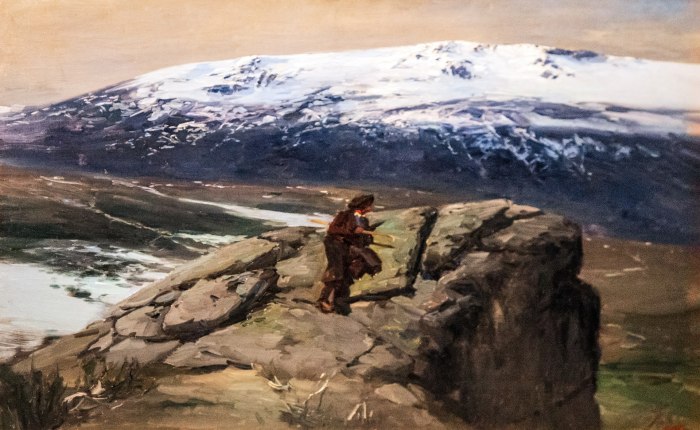
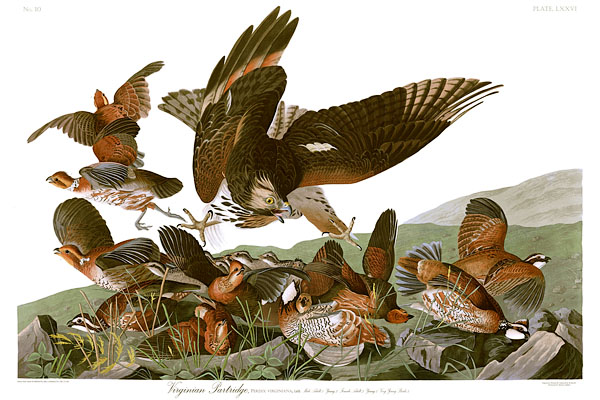

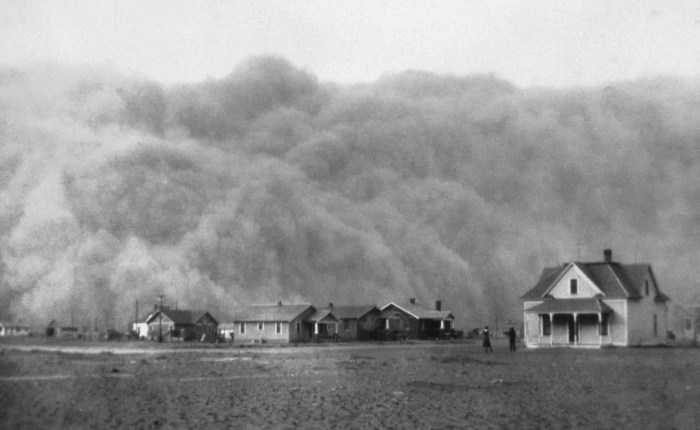
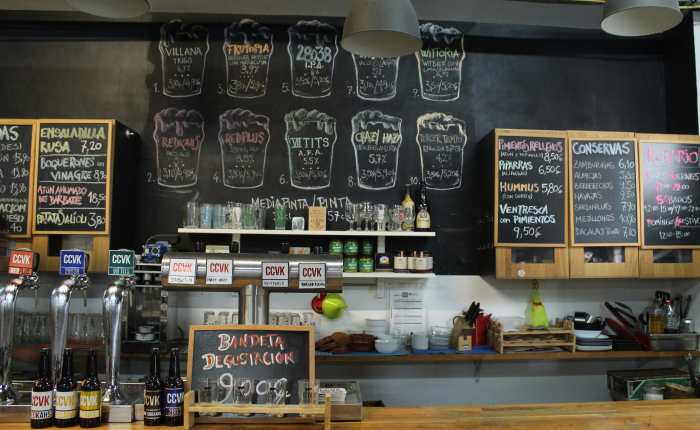
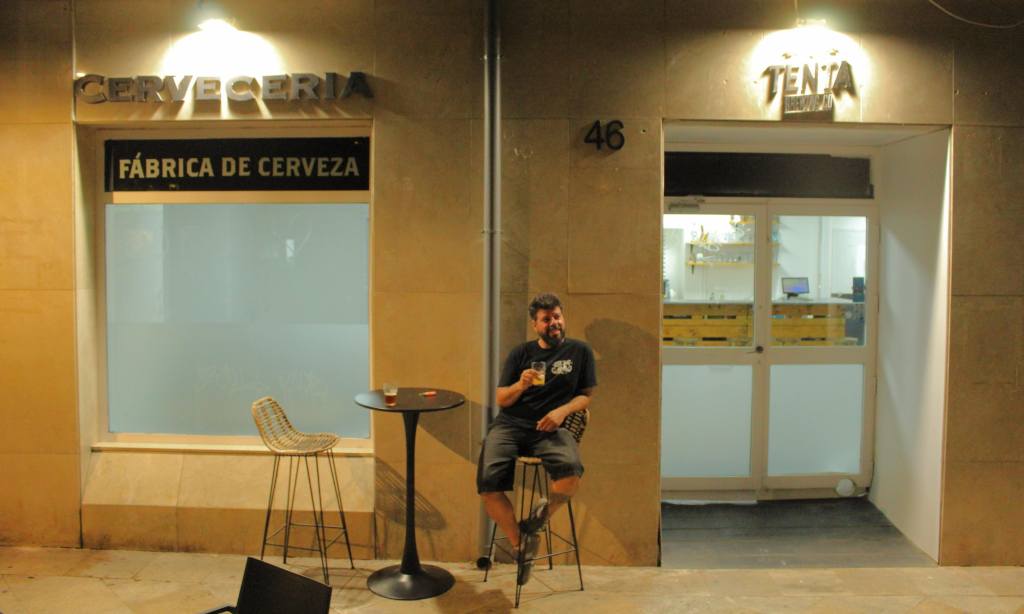

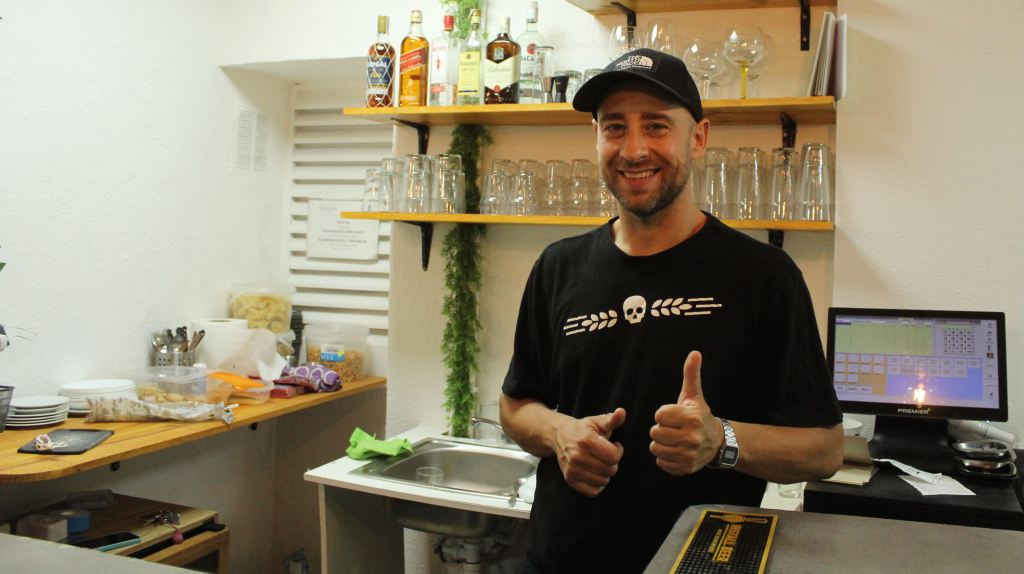
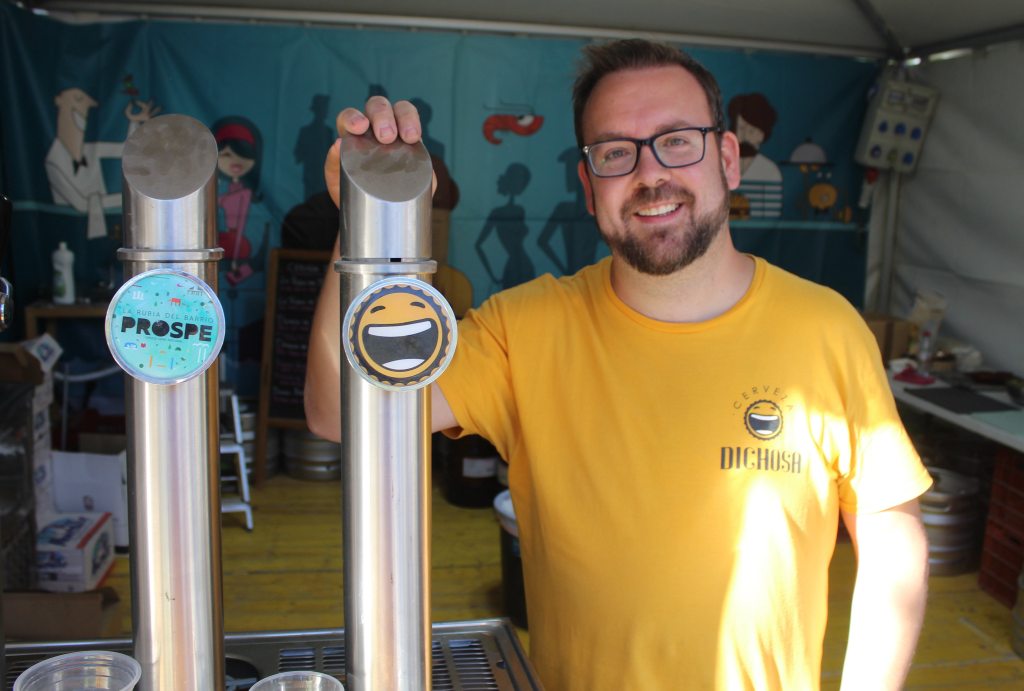
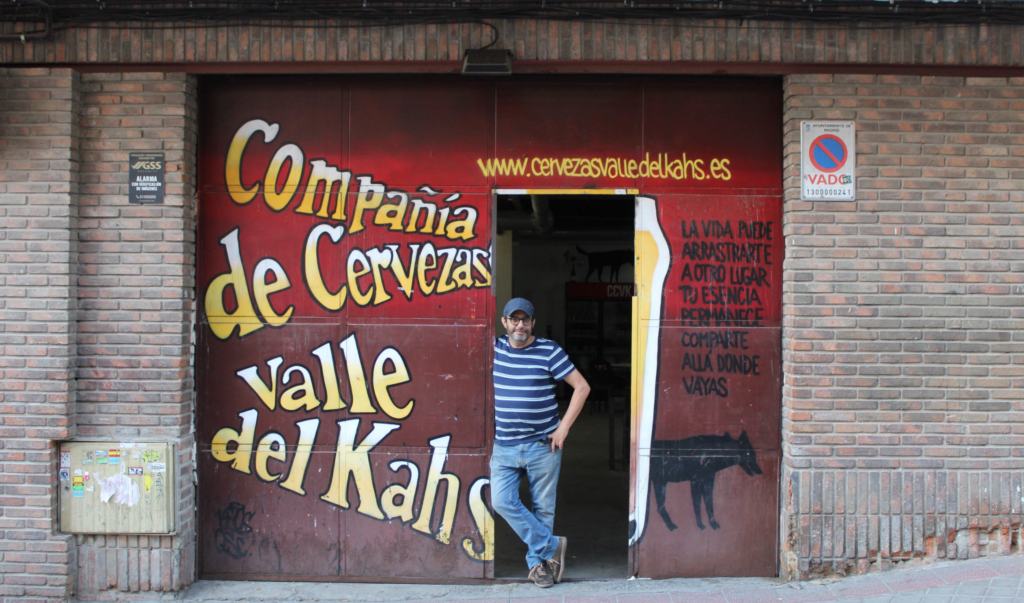
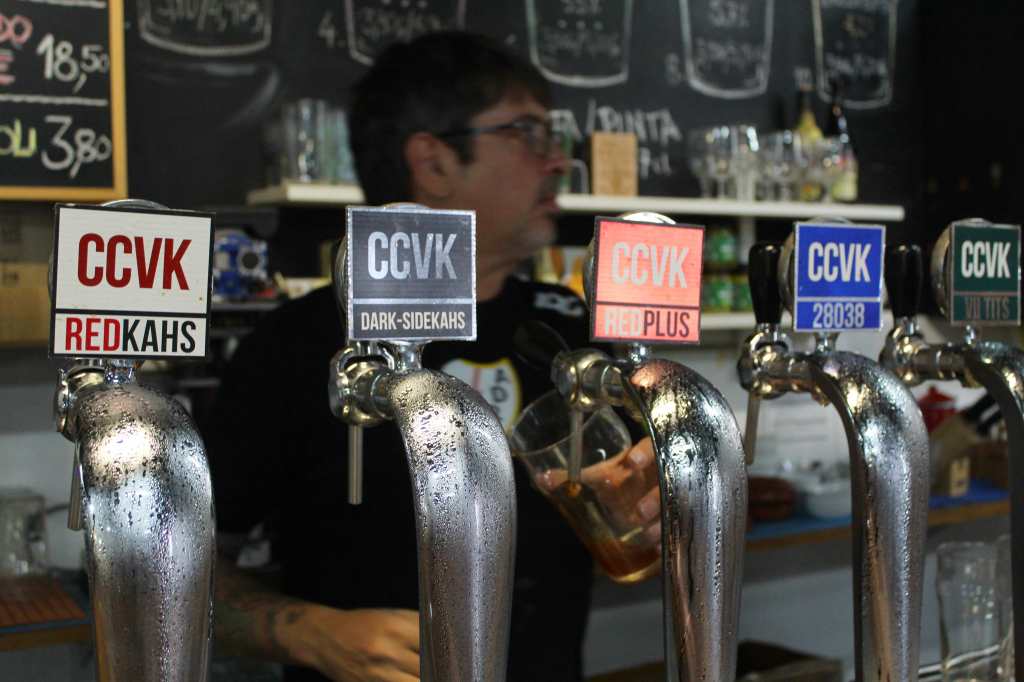
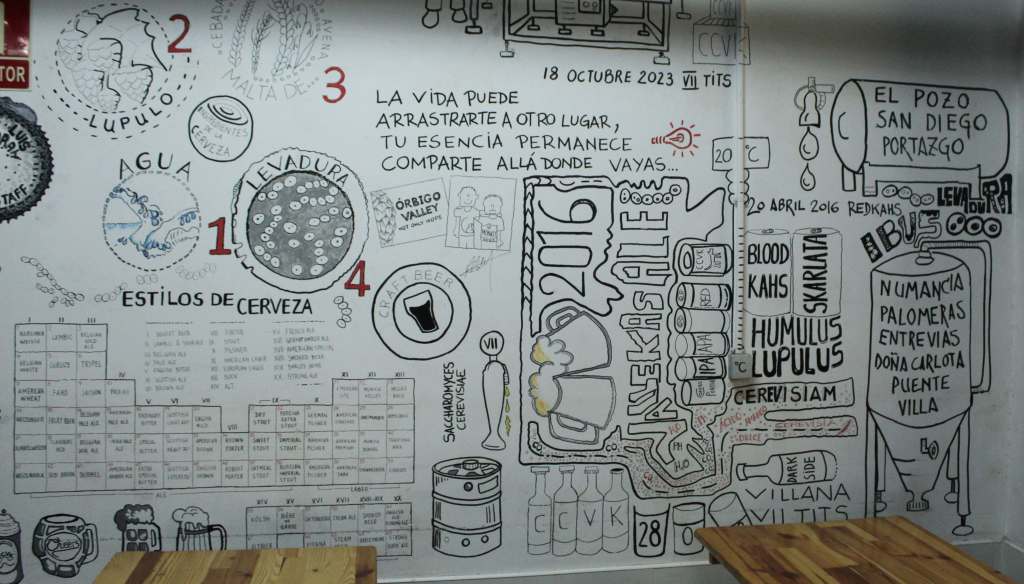

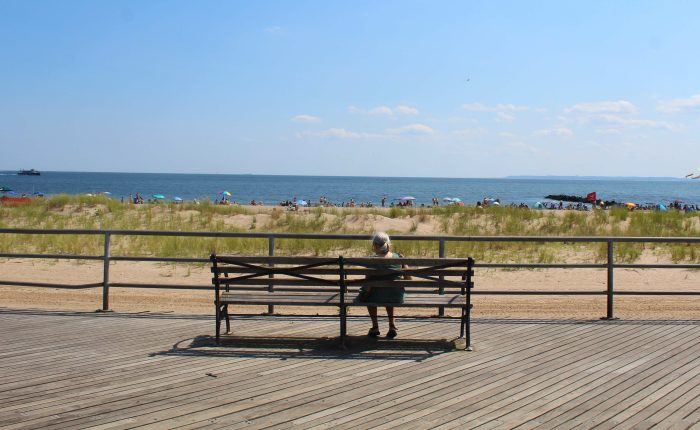
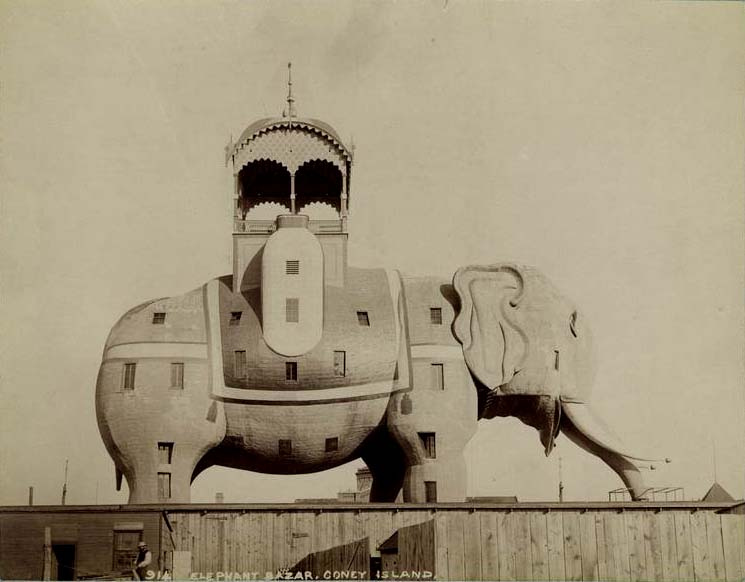
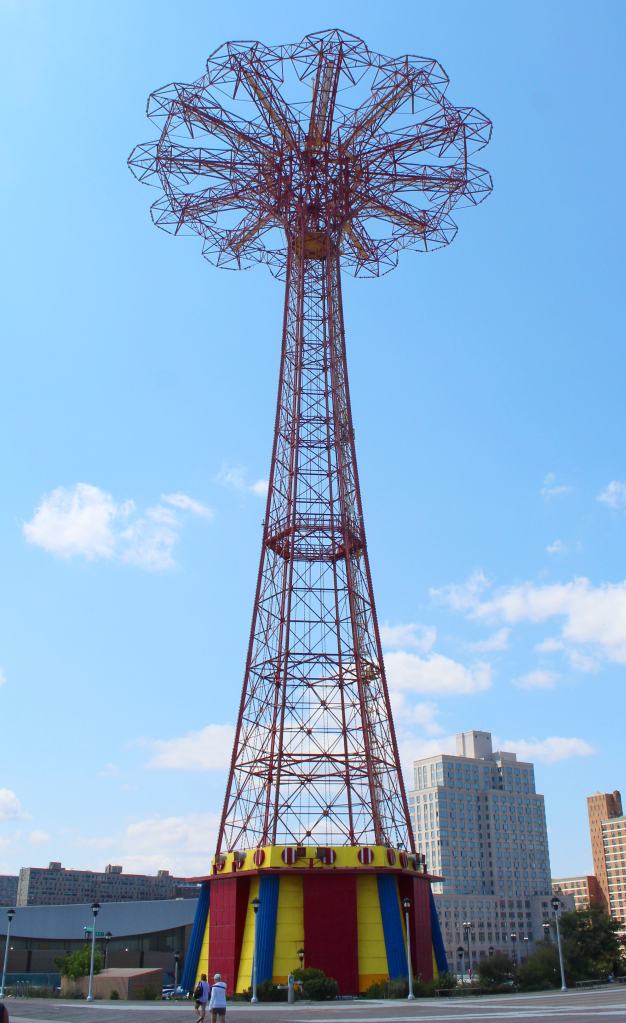
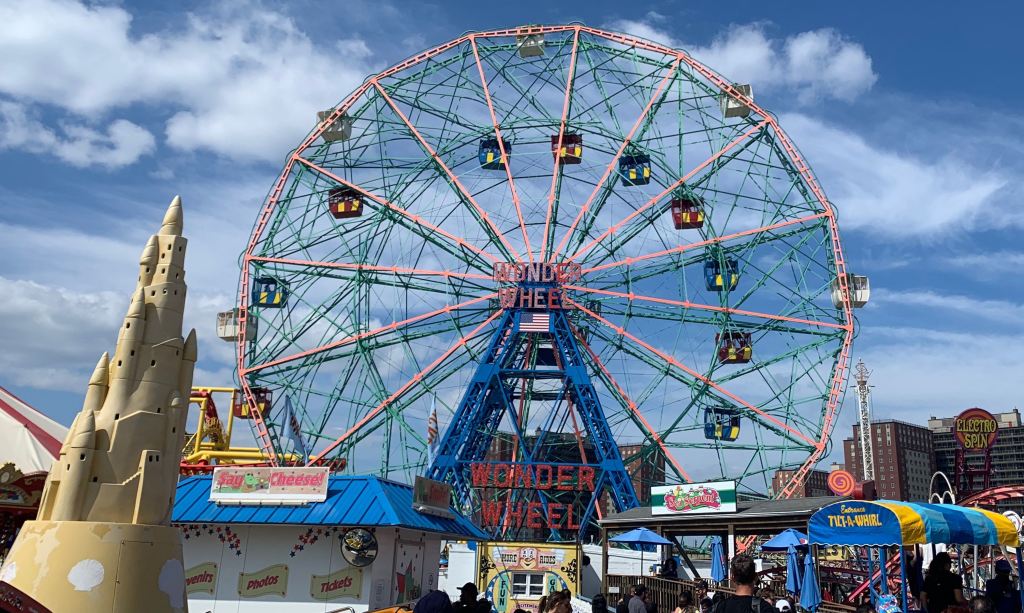
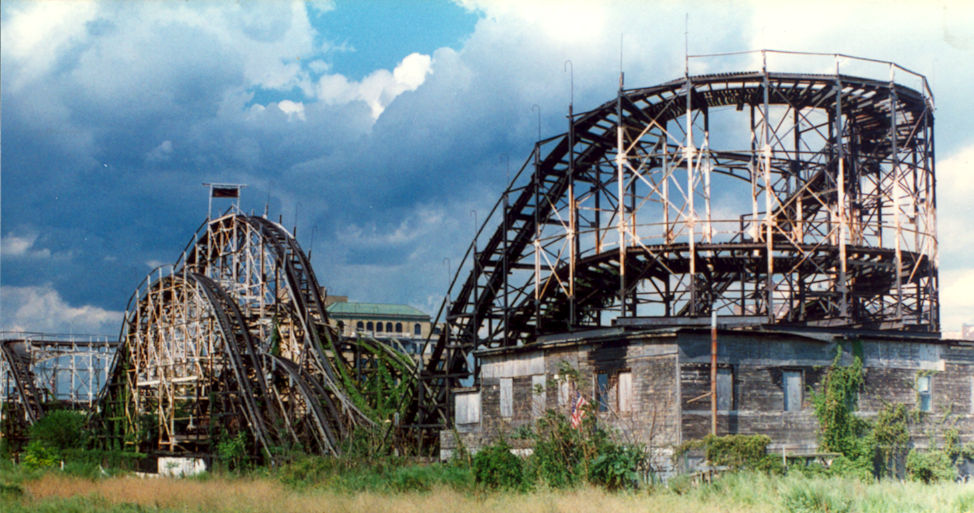
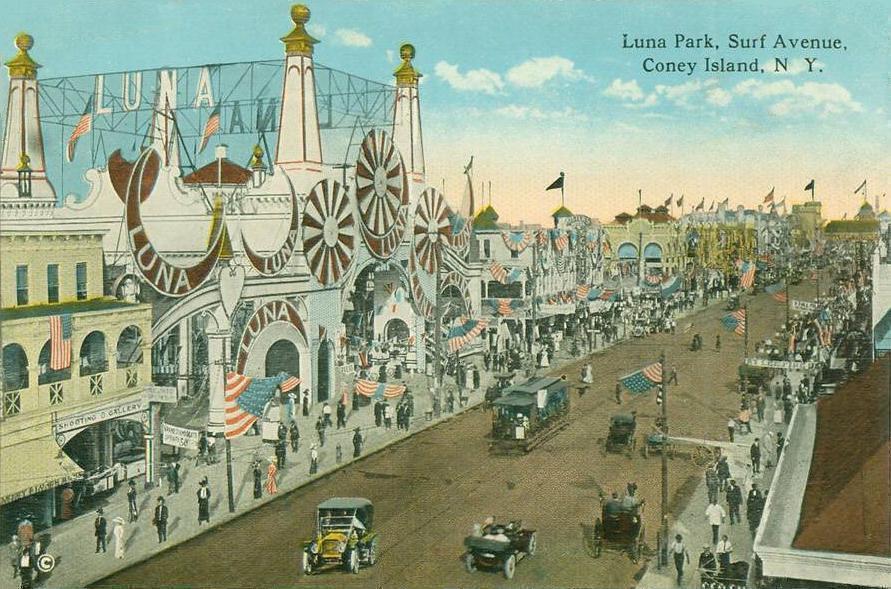

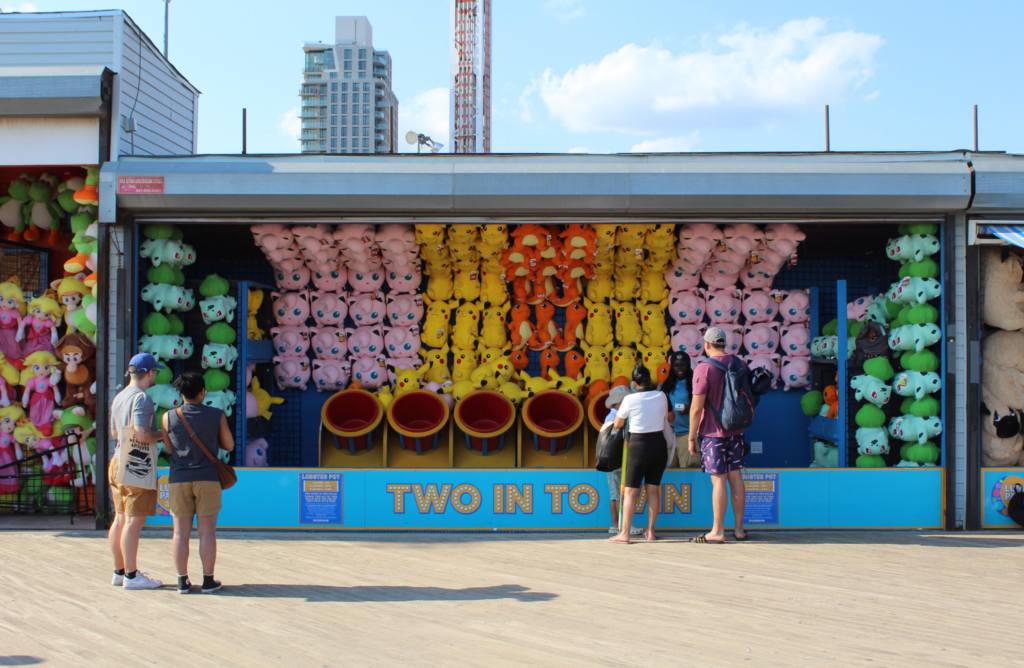
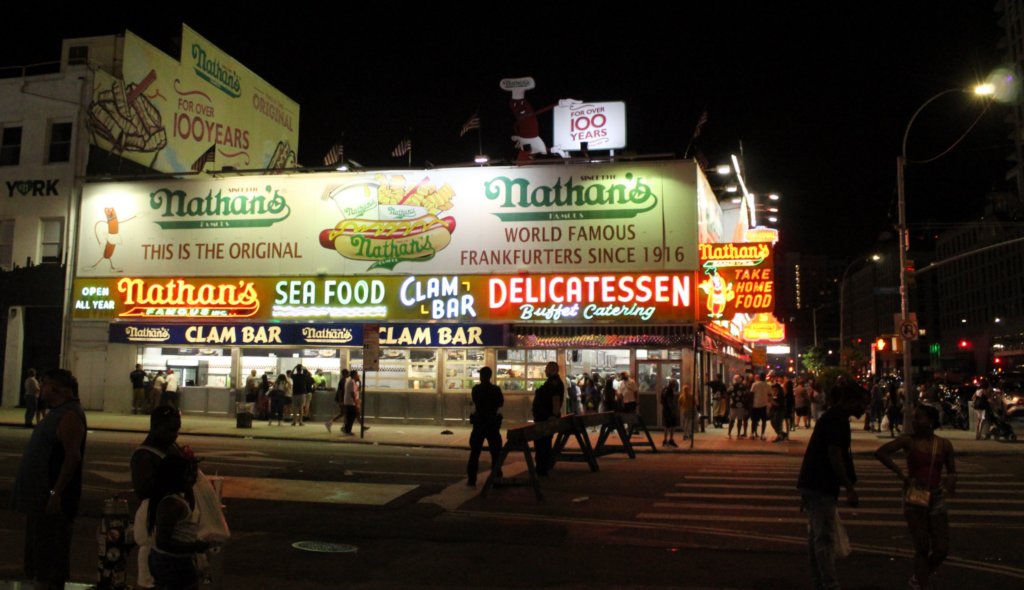
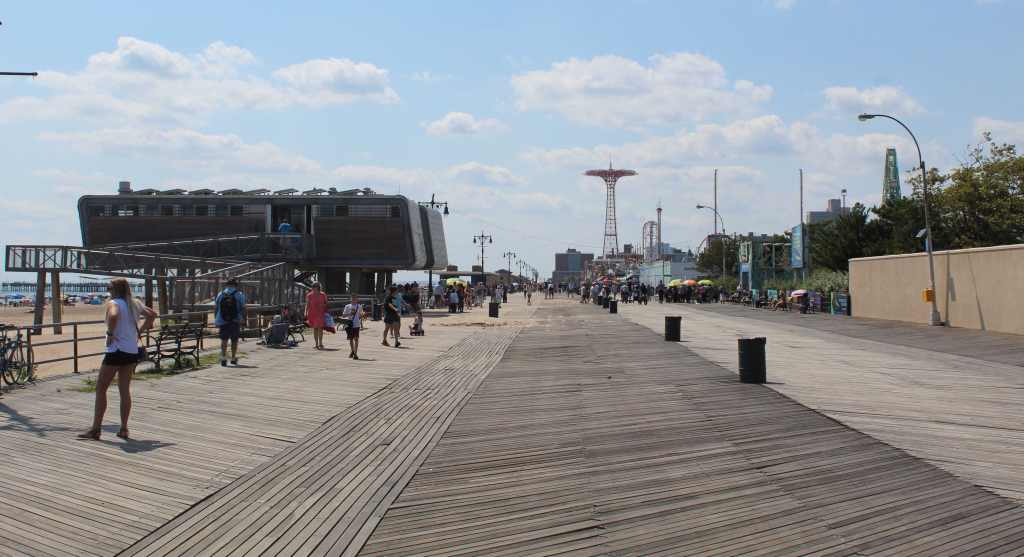
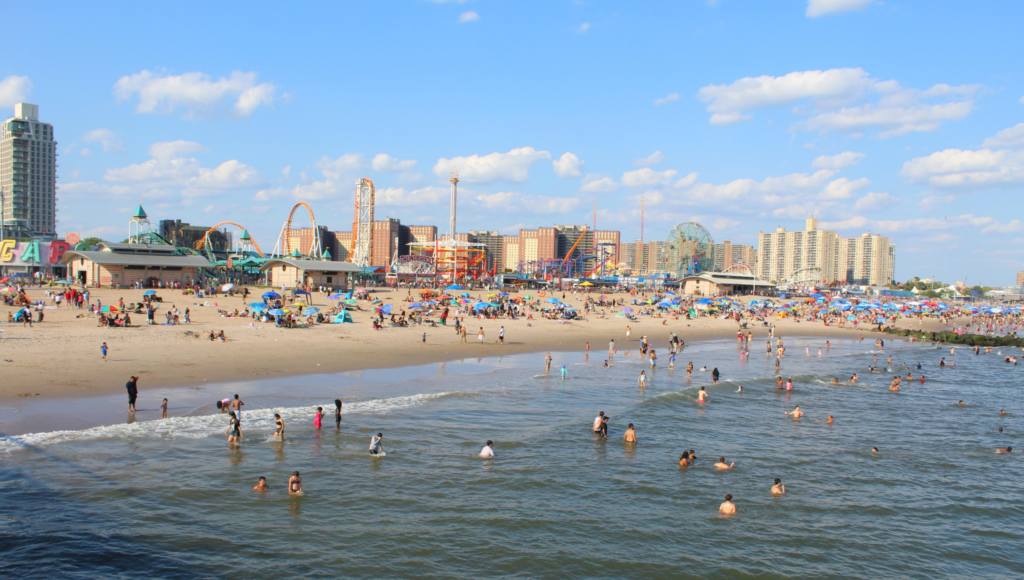
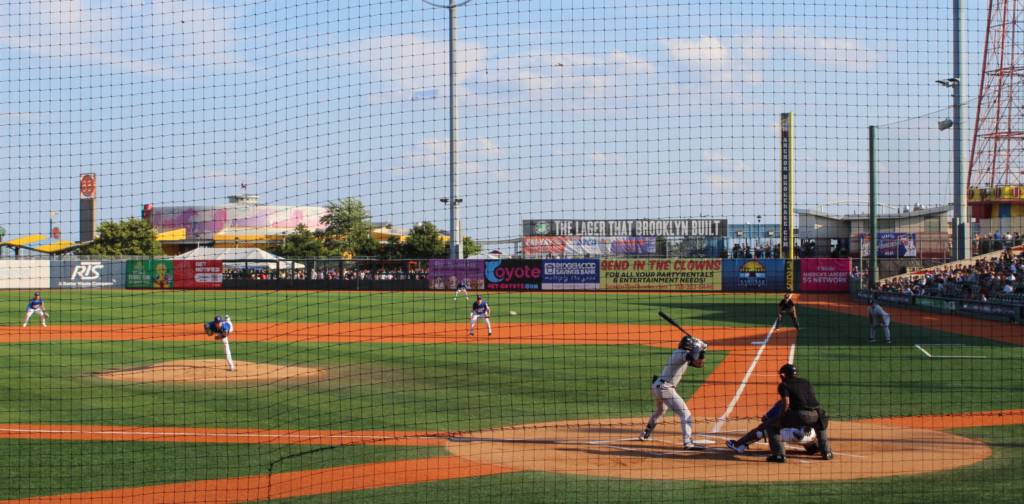
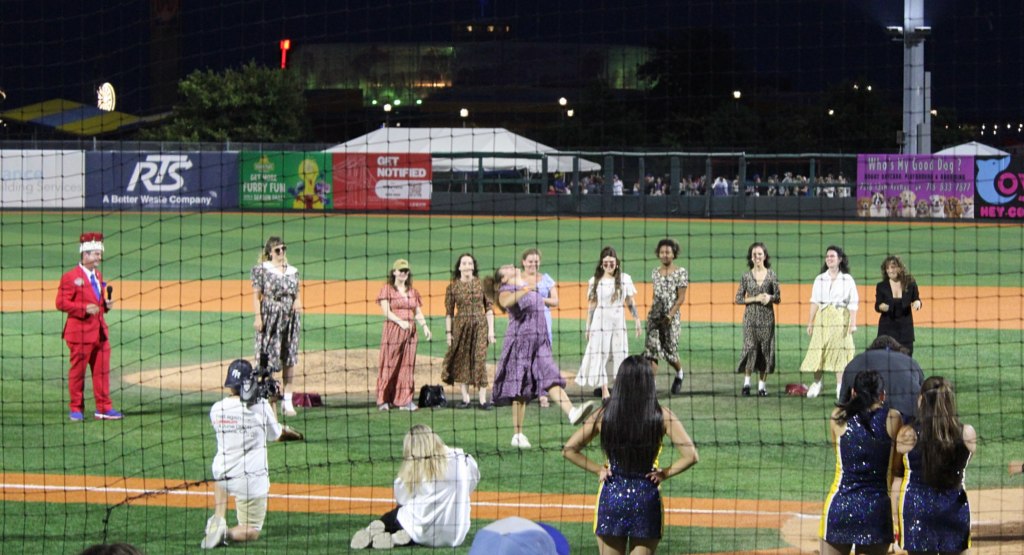
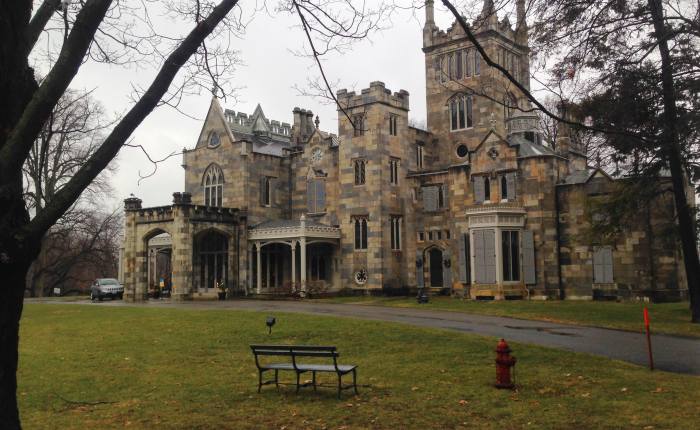
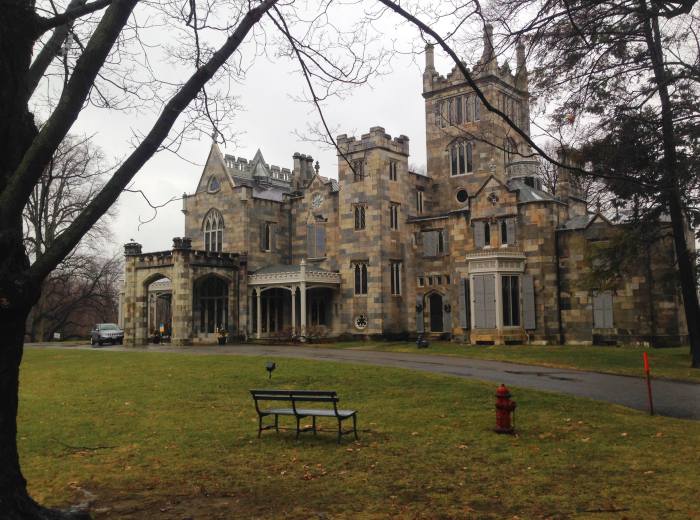
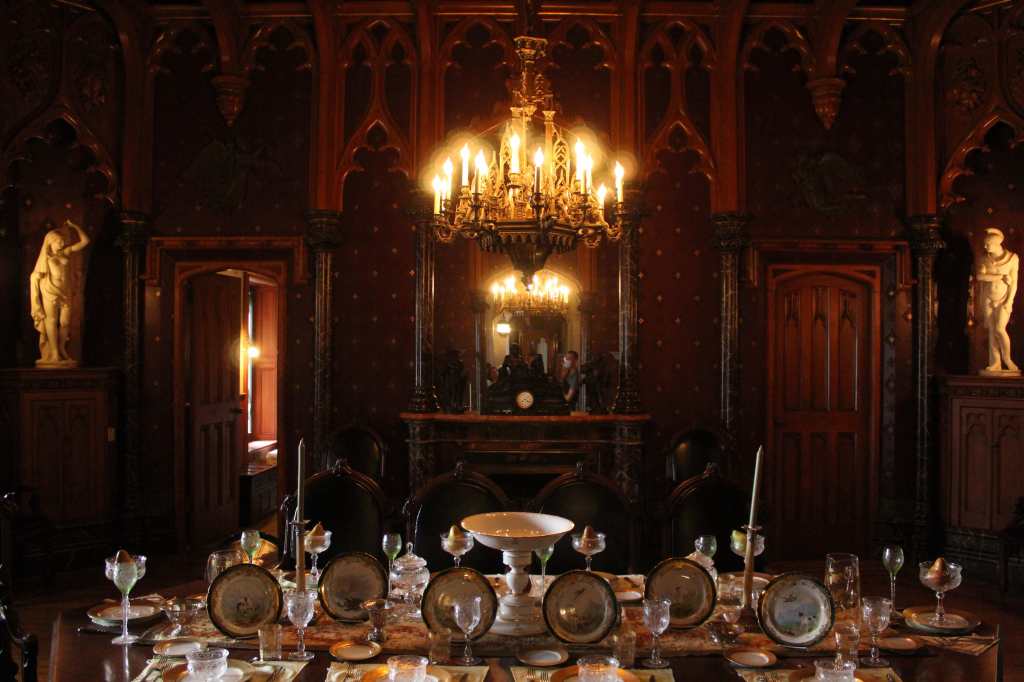
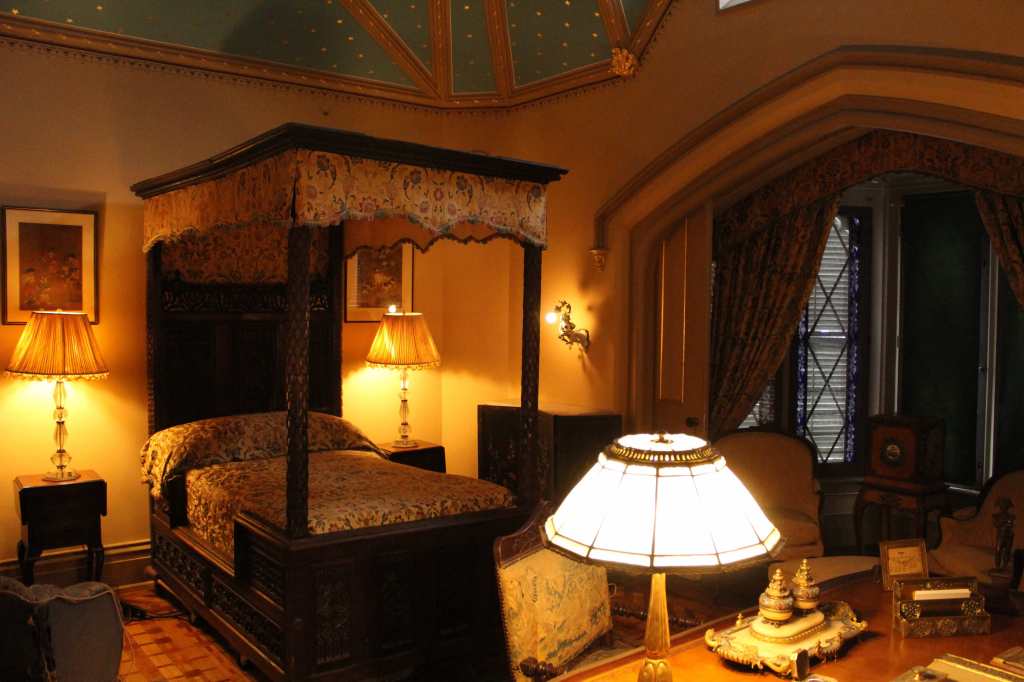
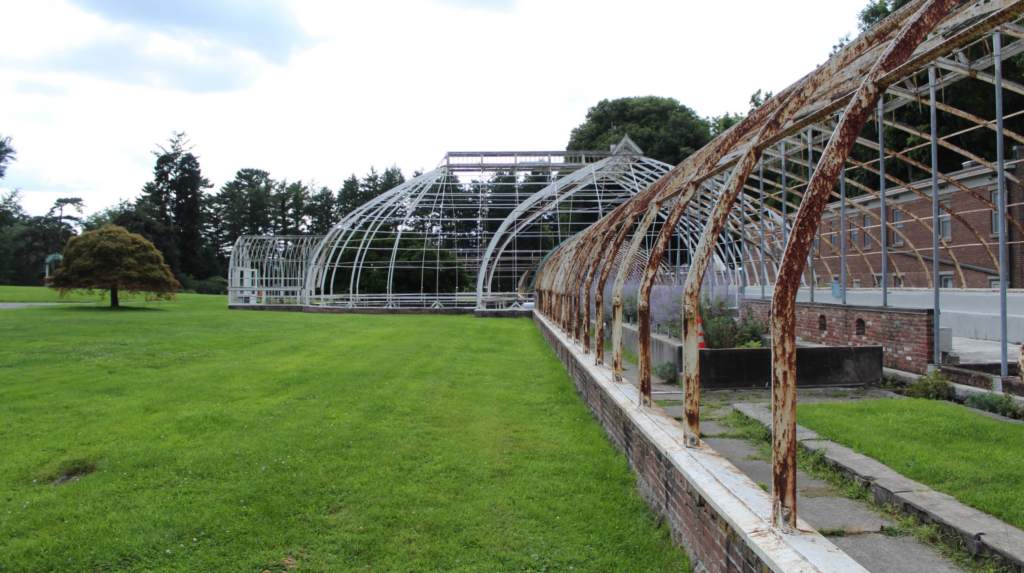

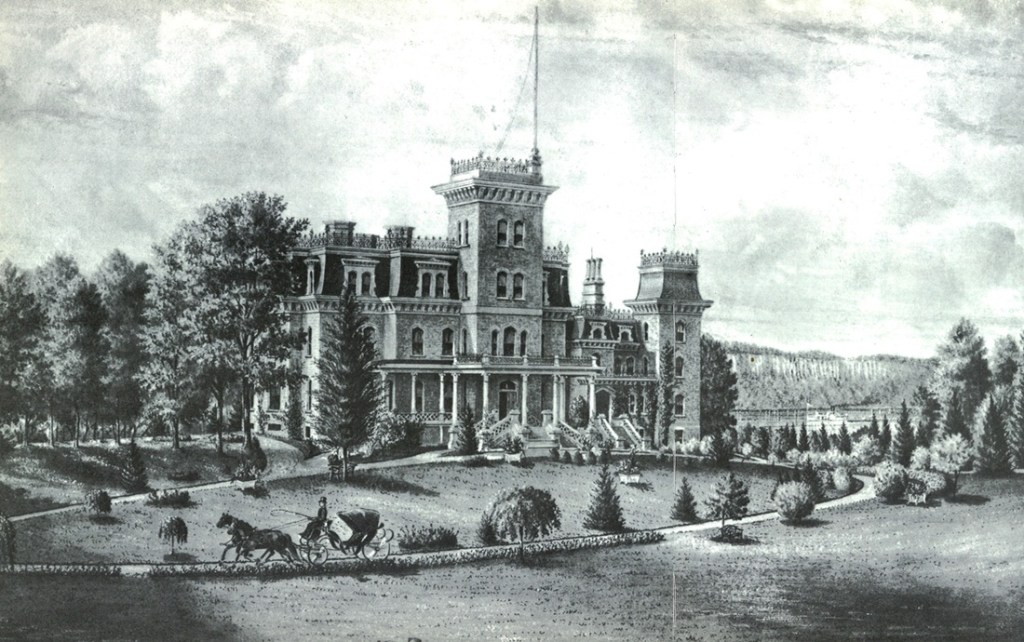
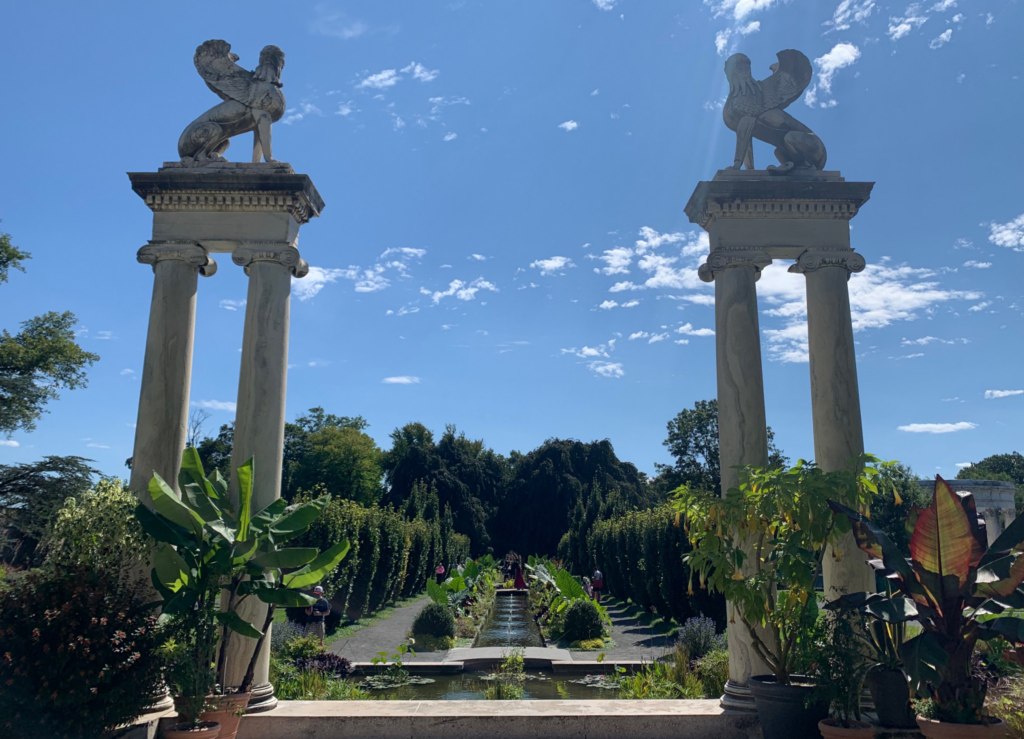
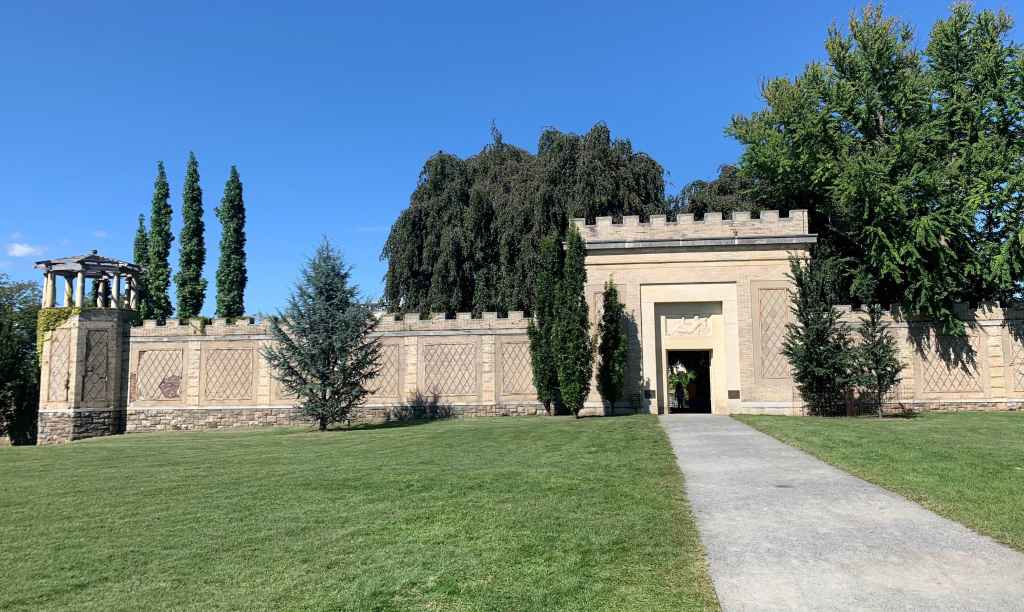
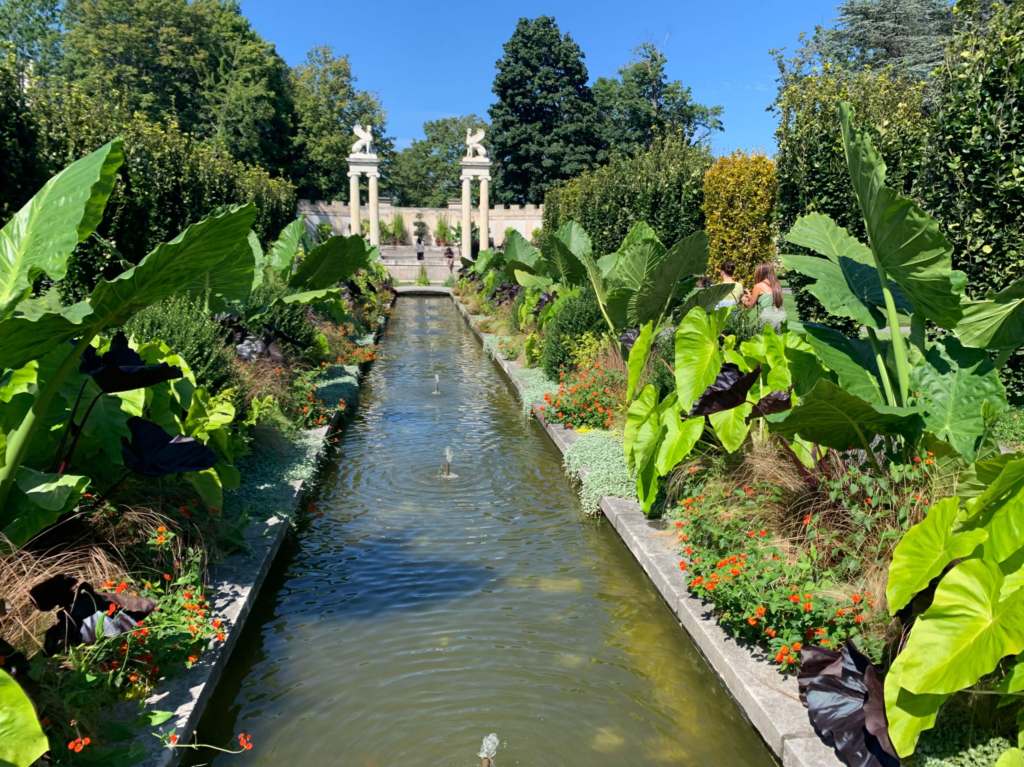
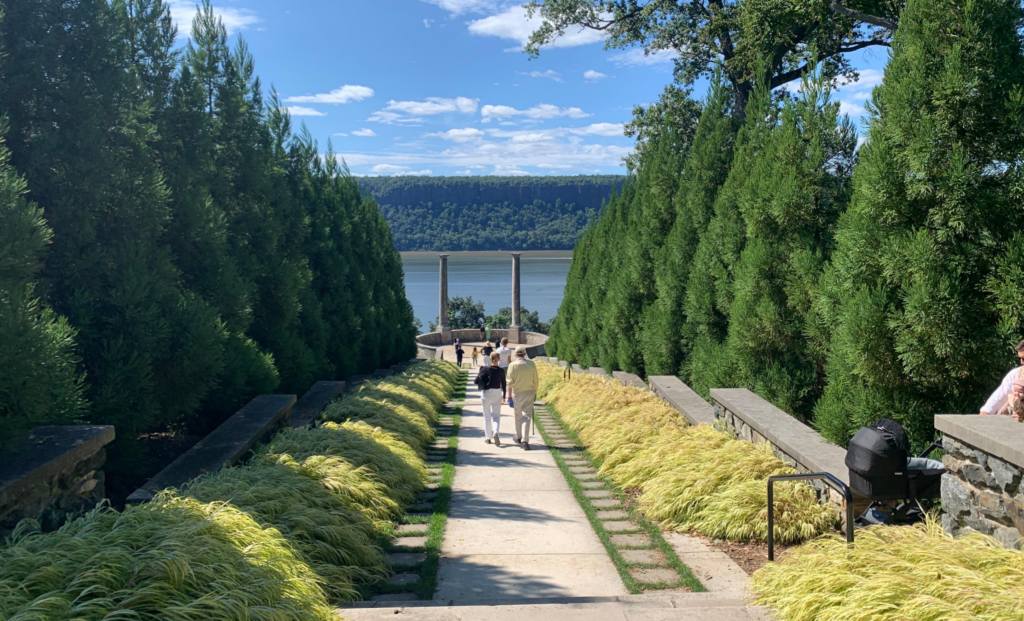
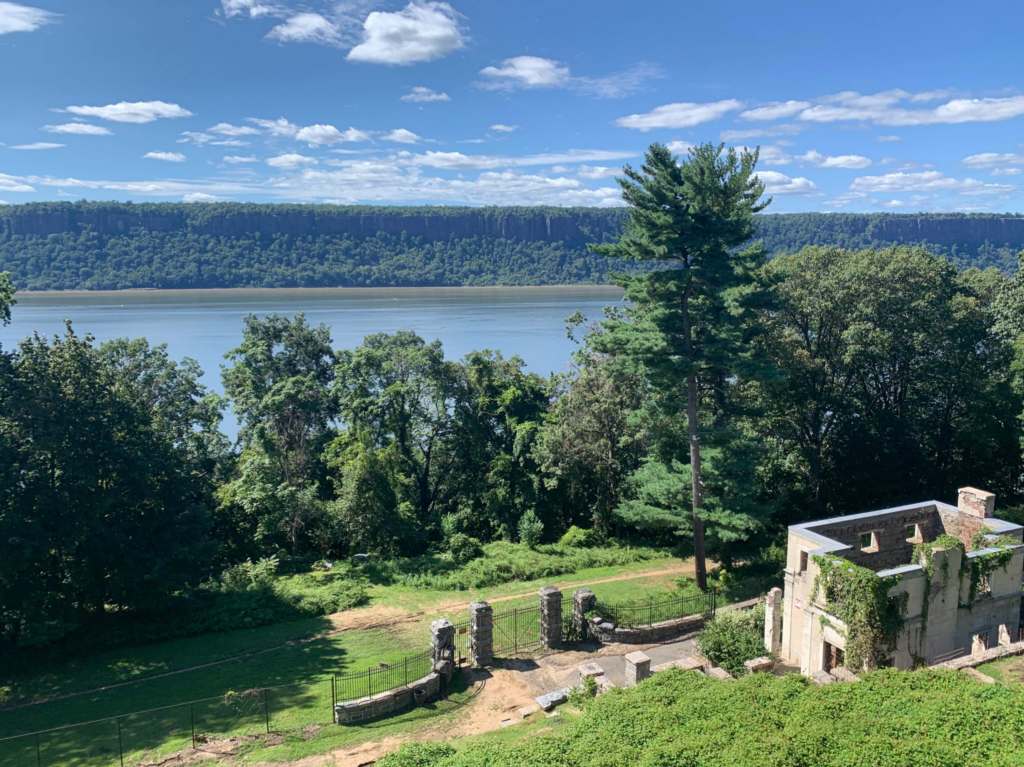
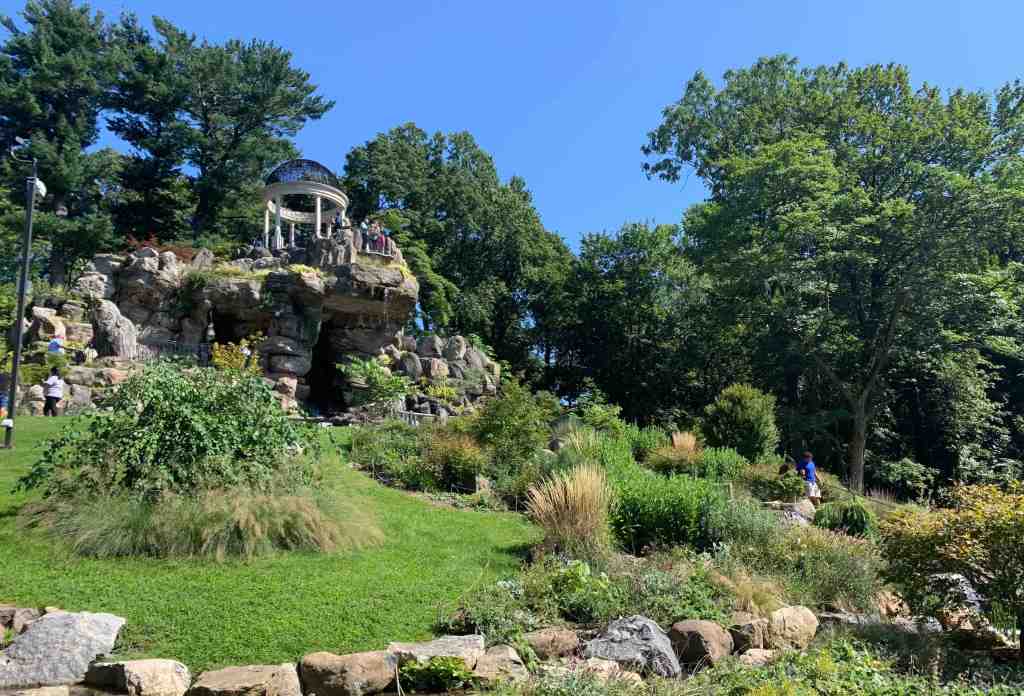
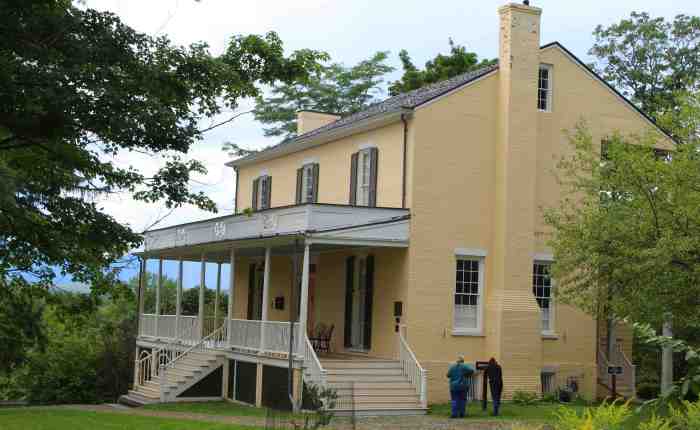
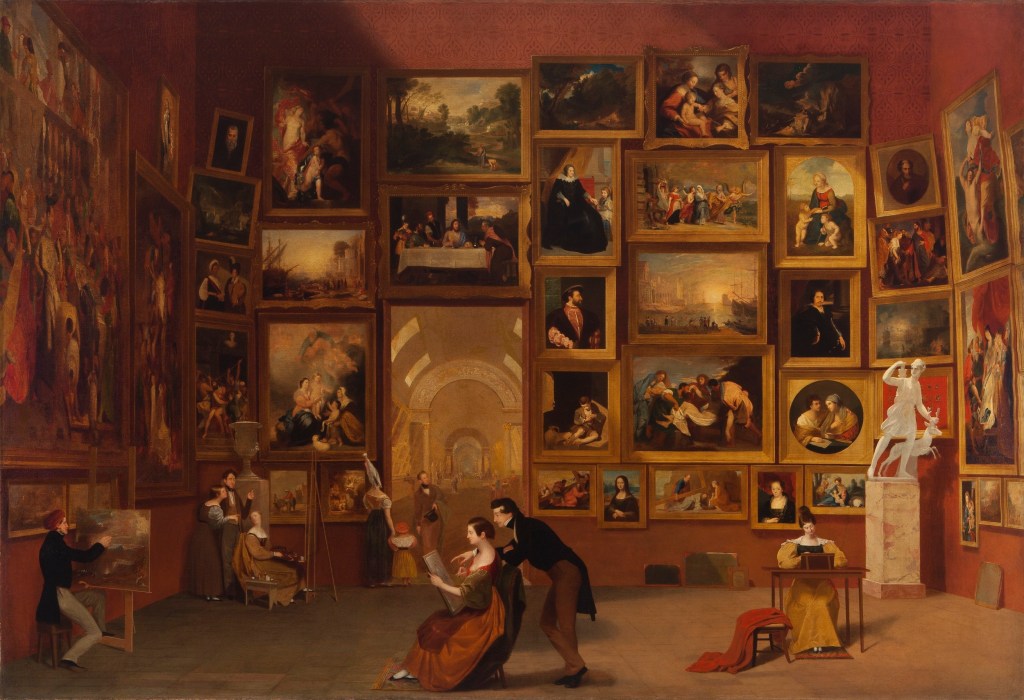
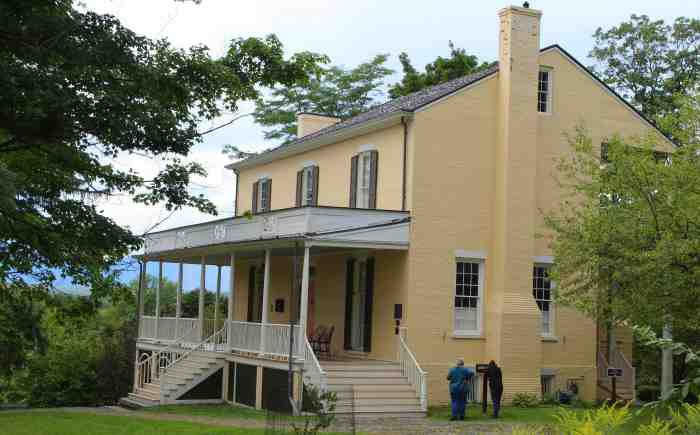


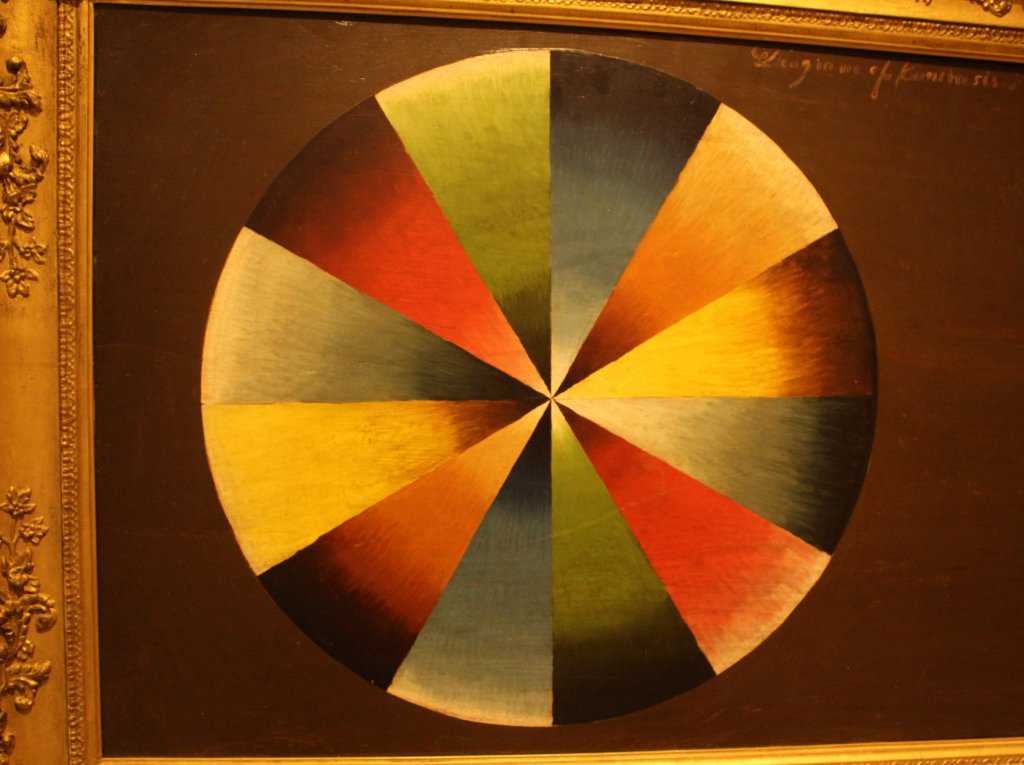
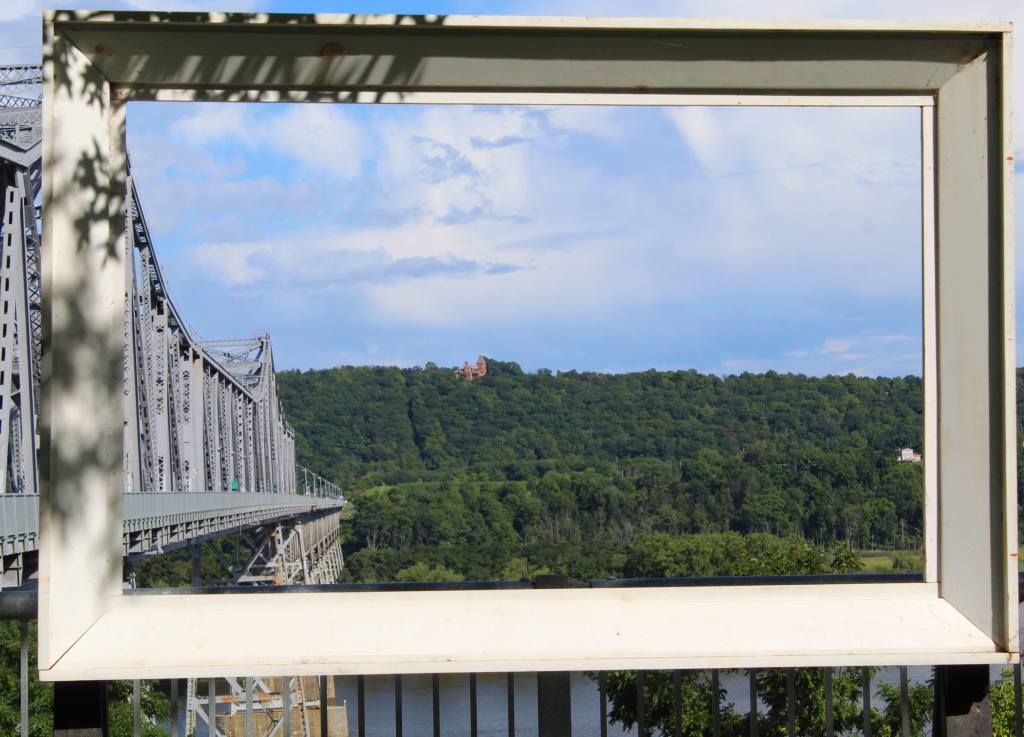
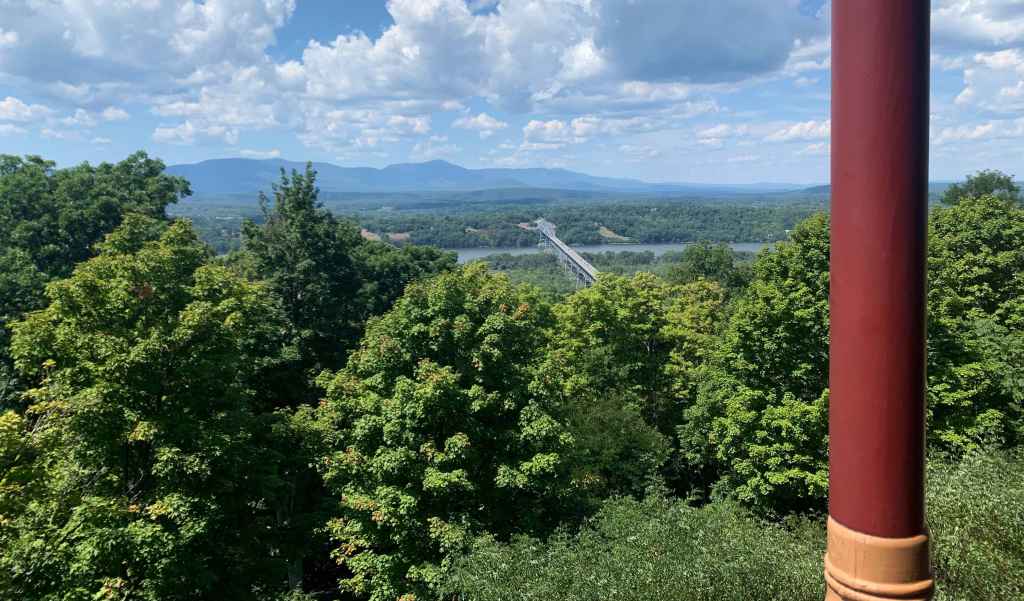
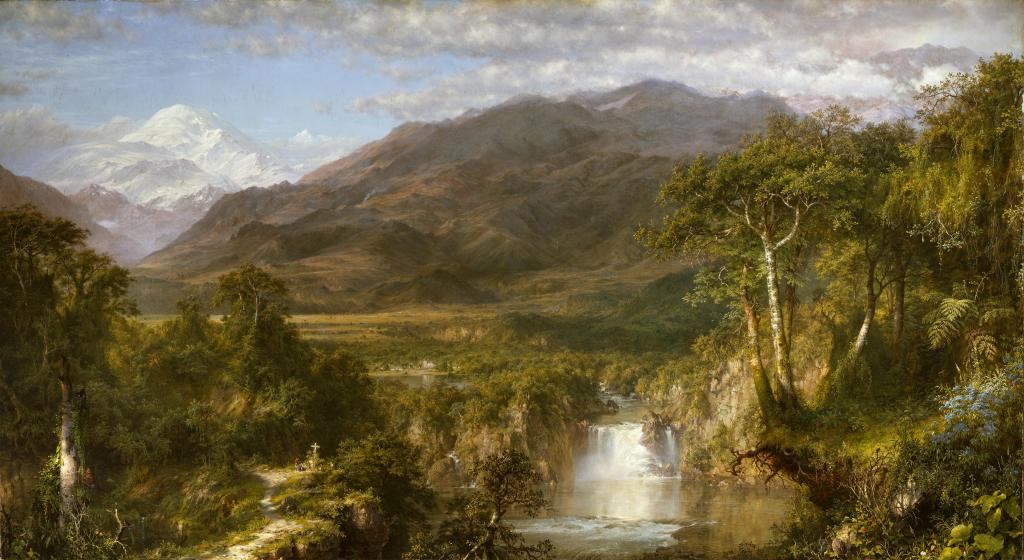
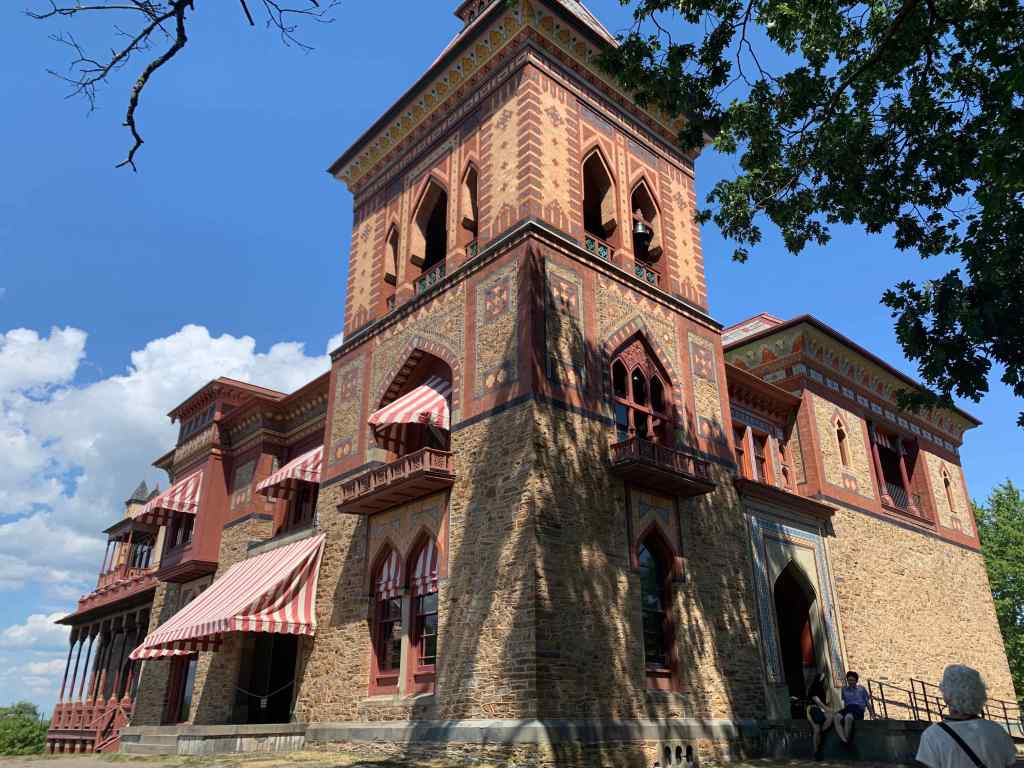
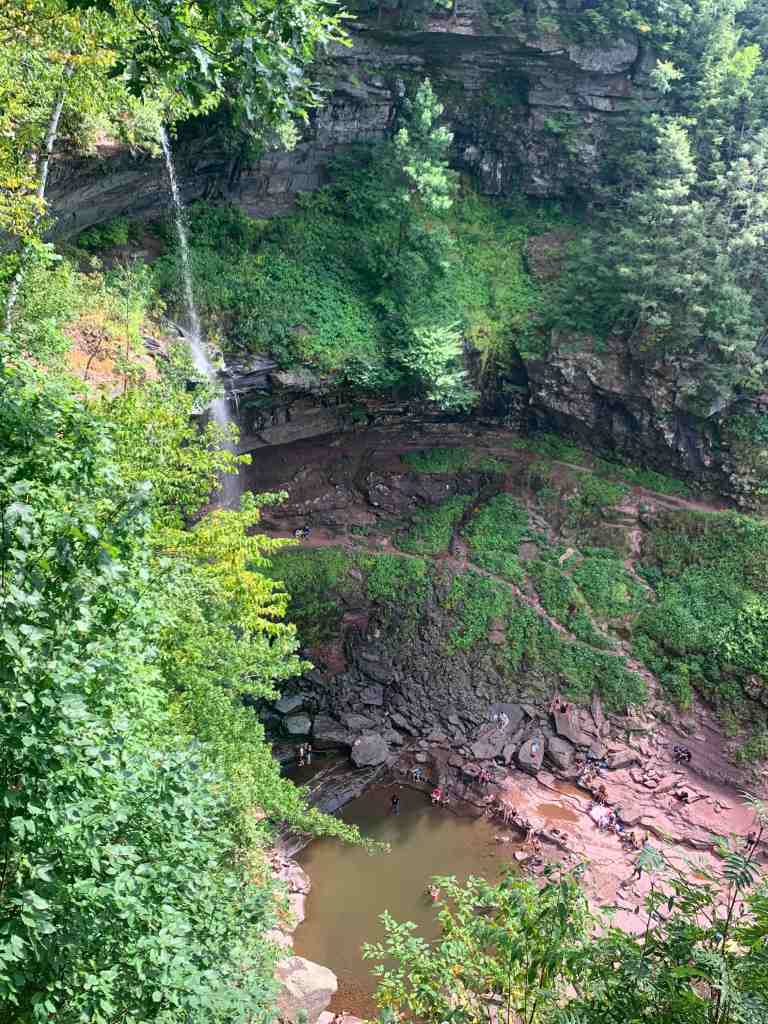
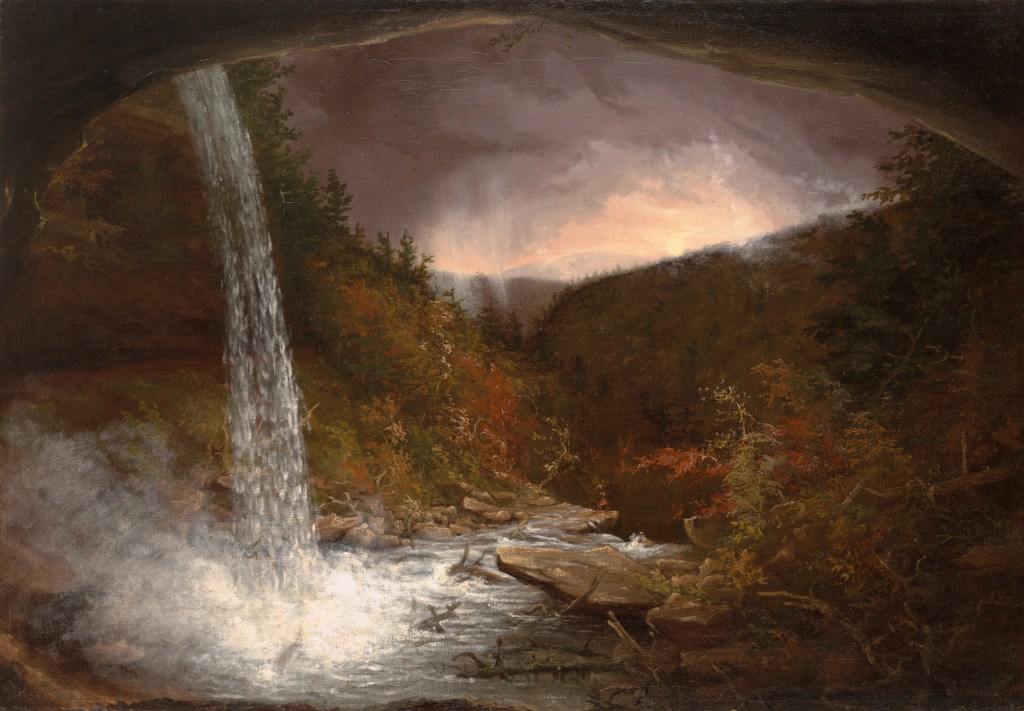
 Lotz in Translation